


 Скачать презентацию Qualitative Quantitative Research Methods Seminar tutor Tatiana
Q&Q1_2017.pptx
- Количество слайдов: 9
 Qualitative & Quantitative Research Methods Seminar tutor: Tatiana Ryabichenko – tanarimail@gmail. com
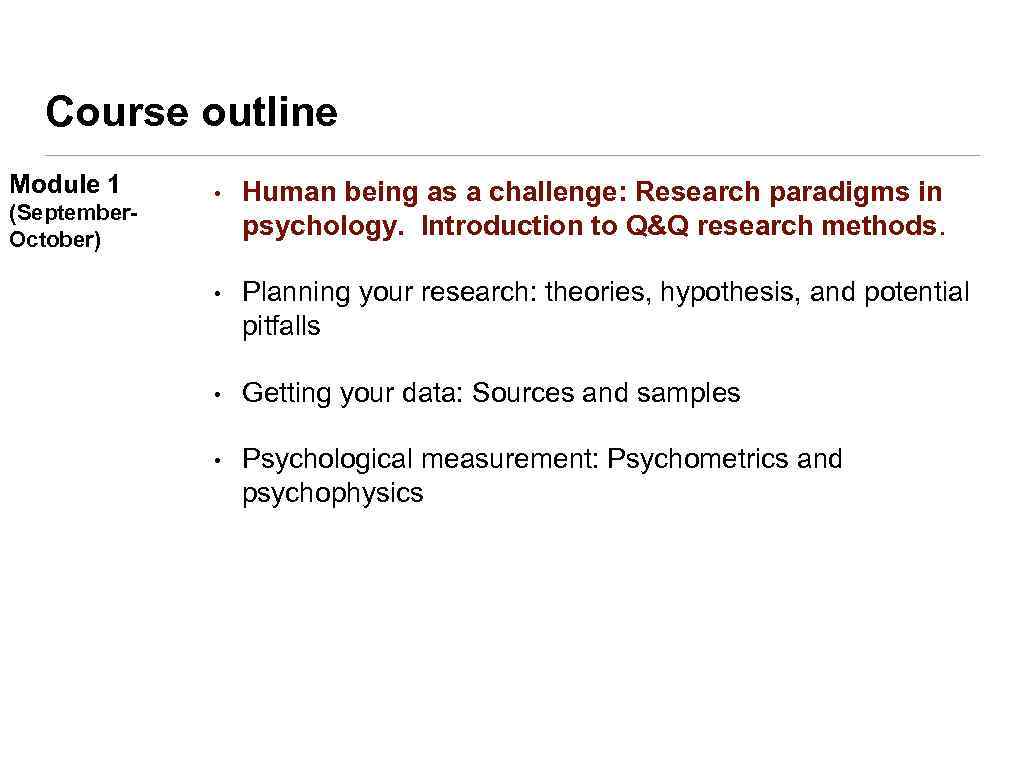 Course outline Module 1 (September. October) • Human being as a challenge: Research paradigms in psychology. Introduction to Q&Q research methods. • Planning your research: theories, hypothesis, and potential pitfalls • Getting your data: Sources and samples • Psychological measurement: Psychometrics and psychophysics
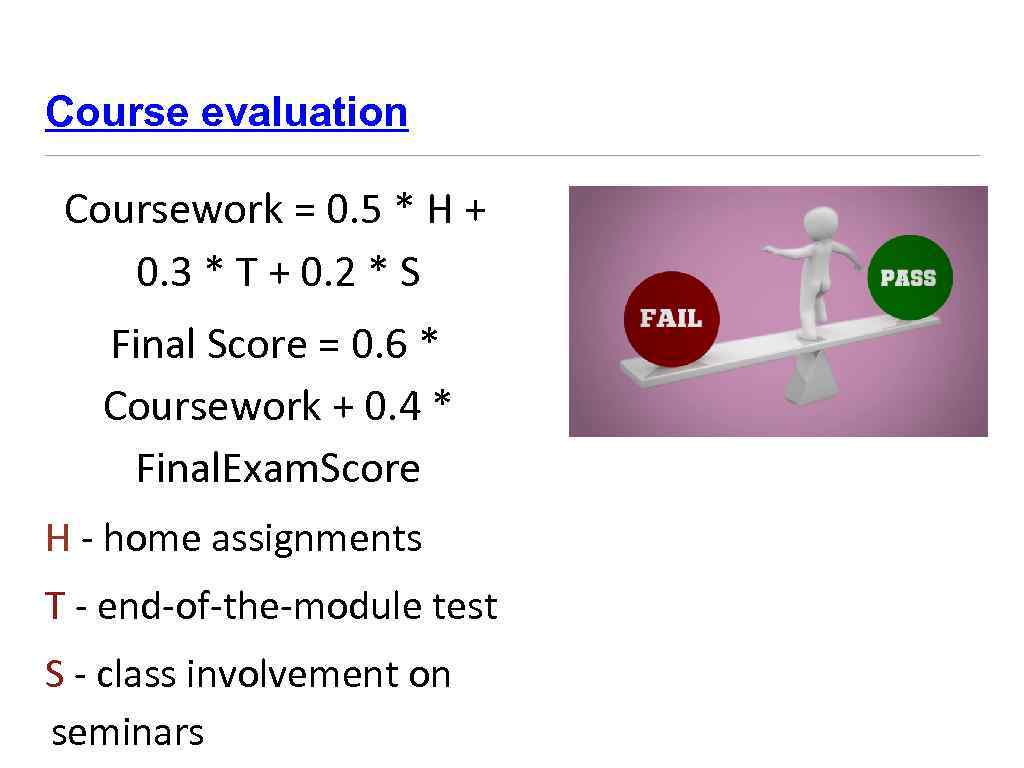 Course evaluation Coursework = 0. 5 * H + 0. 3 * T + 0. 2 * S Final Score = 0. 6 * Coursework + 0. 4 * Final. Exam. Score H - home assignments T - end-of-the-module test S - class involvement on seminars
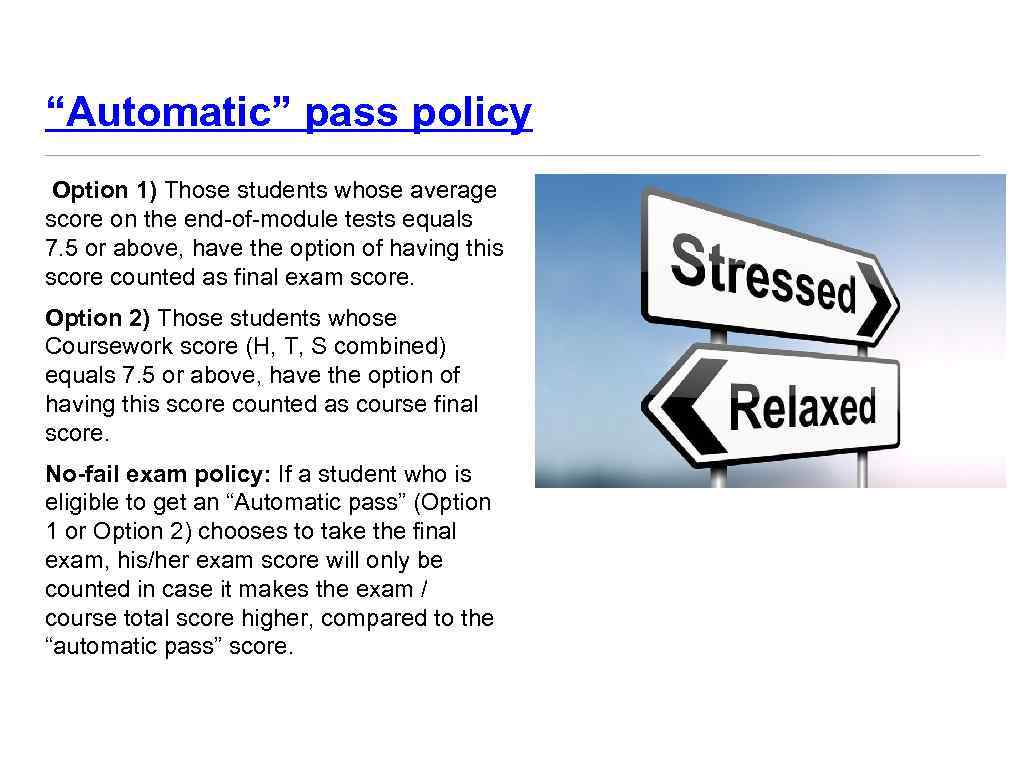 “Automatic” pass policy Option 1) Those students whose average score on the end-of-module tests equals 7. 5 or above, have the option of having this score counted as final exam score. Option 2) Those students whose Coursework score (H, T, S combined) equals 7. 5 or above, have the option of having this score counted as course final score. No-fail exam policy: If a student who is eligible to get an “Automatic pass” (Option 1 or Option 2) chooses to take the final exam, his/her exam score will only be counted in case it makes the exam / course total score higher, compared to the “automatic pass” score.
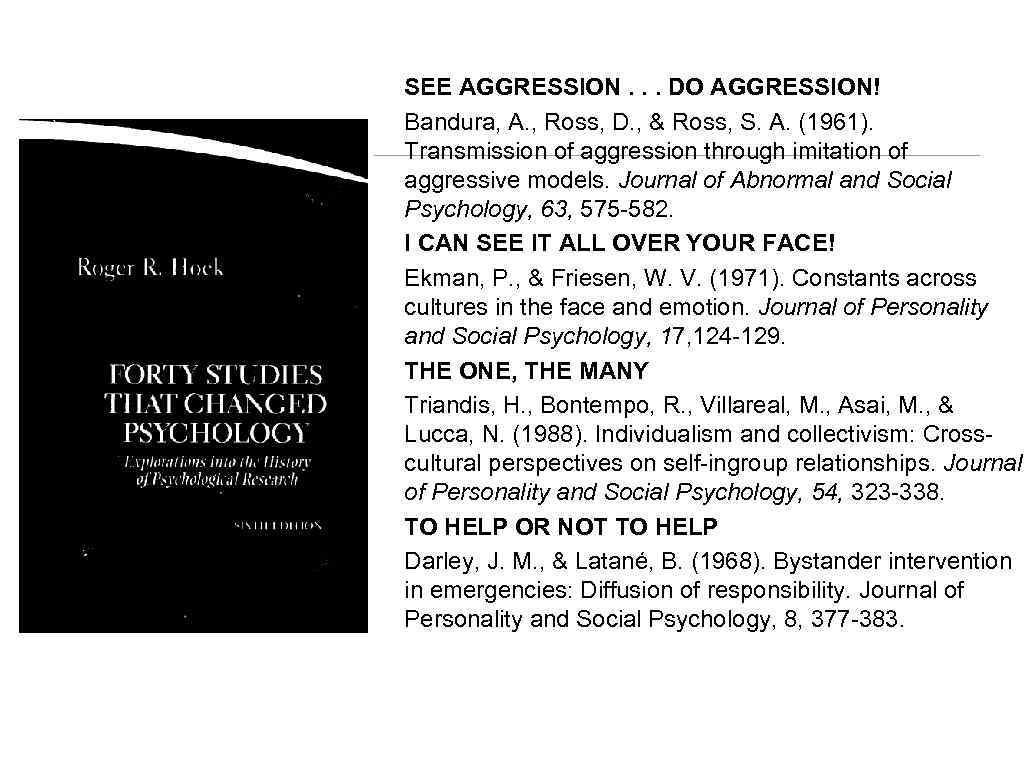 SEE AGGRESSION. . . DO AGGRESSION! Bandura, A. , Ross, D. , & Ross, S. A. (1961). Transmission of aggression through imitation of aggressive models. Journal of Abnormal and Social Psychology, 63, 575 -582. I CAN SEE IT ALL OVER YOUR FACE! Ekman, P. , & Friesen, W. V. (1971). Constants across cultures in the face and emotion. Journal of Personality and Social Psychology, 17, 124 -129. THE ONE, THE MANY Triandis, H. , Bontempo, R. , Villareal, M. , Asai, M. , & Lucca, N. (1988). Individualism and collectivism: Crosscultural perspectives on self-ingroup relationships. Journal of Personality and Social Psychology, 54, 323 -338. TO HELP OR NOT TO HELP Darley, J. M. , & Latané, B. (1968). Bystander intervention in emergencies: Diffusion of responsibility. Journal of Personality and Social Psychology, 8, 377 -383.
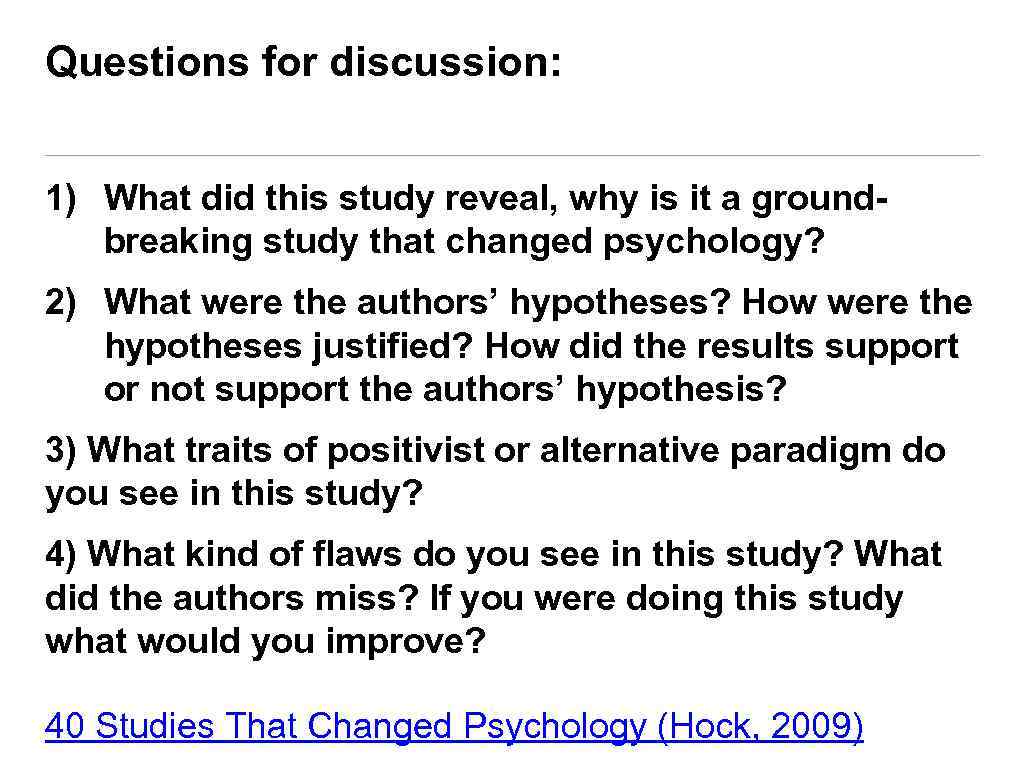 Questions for discussion: 1) What did this study reveal, why is it a groundbreaking study that changed psychology? 2) What were the authors’ hypotheses? How were the hypotheses justified? How did the results support or not support the authors’ hypothesis? 3) What traits of positivist or alternative paradigm do you see in this study? 4) What kind of flaws do you see in this study? What did the authors miss? If you were doing this study what would you improve? 40 Studies That Changed Psychology (Hock, 2009)
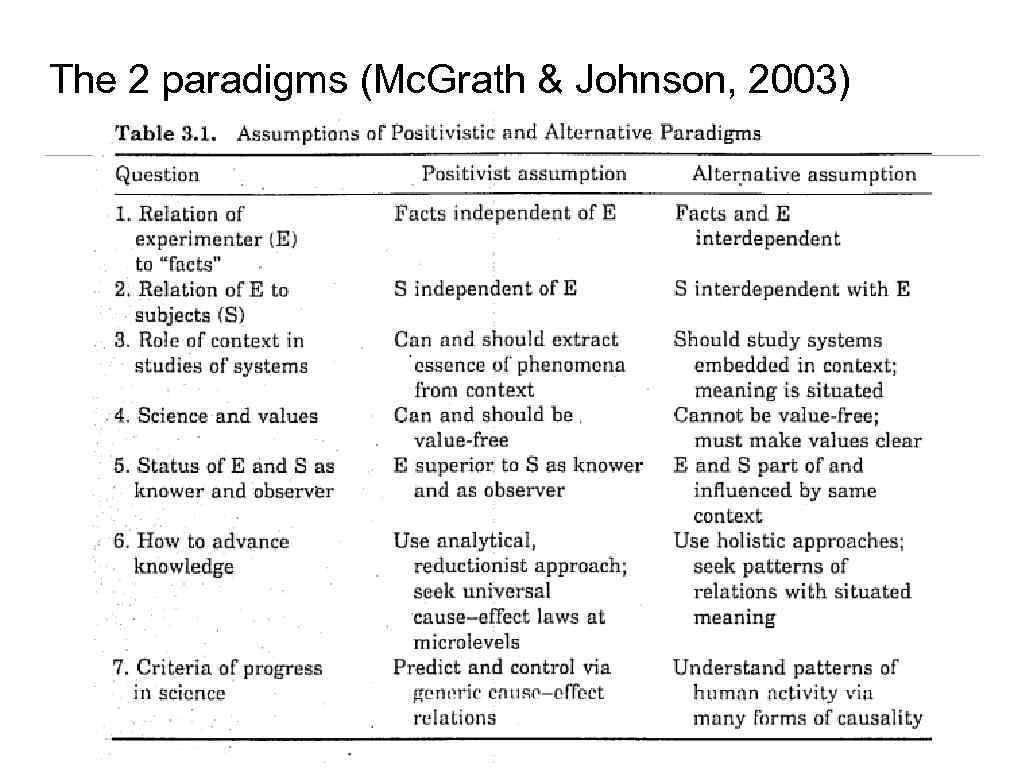 The 2 paradigms (Mc. Grath & Johnson, 2003)
 Seminar references • About Stapel: http: //www. nytimes. com/2013/04/28/magazine/diederik-stapelsaudacious-academic-fraud. html? pagewanted=all&_r=1
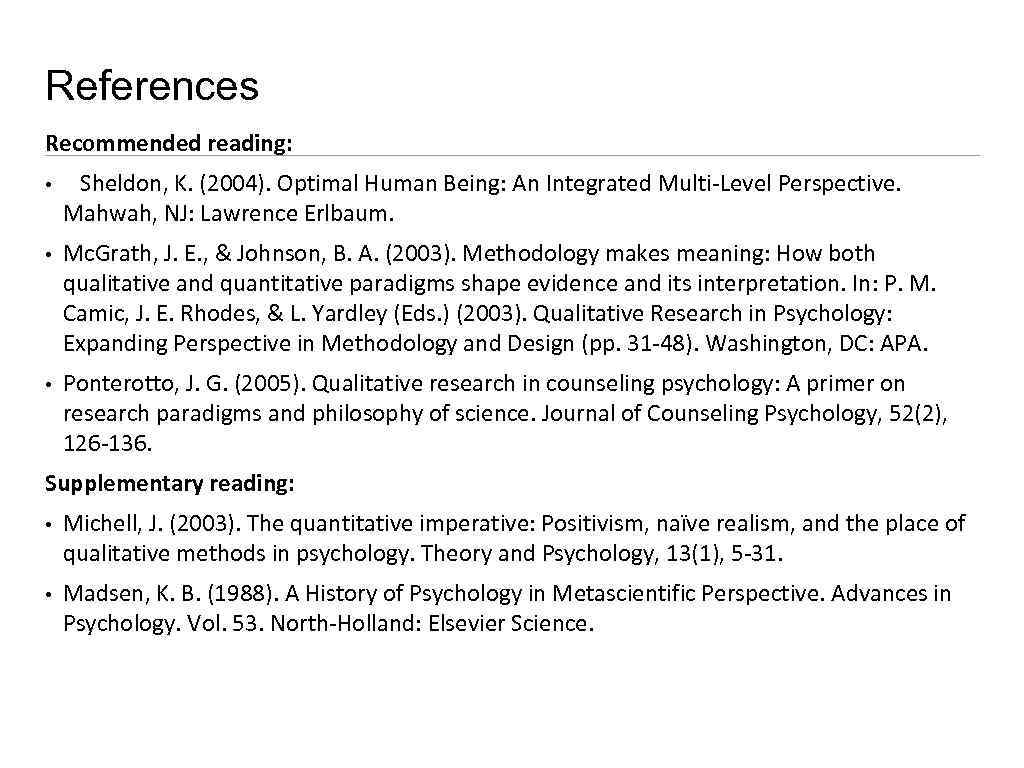 References Recommended reading: • Sheldon, K. (2004). Optimal Human Being: An Integrated Multi-Level Perspective. Mahwah, NJ: Lawrence Erlbaum. • Mc. Grath, J. E. , & Johnson, B. A. (2003). Methodology makes meaning: How both qualitative and quantitative paradigms shape evidence and its interpretation. In: P. M. Camic, J. E. Rhodes, & L. Yardley (Eds. ) (2003). Qualitative Research in Psychology: Expanding Perspective in Methodology and Design (pp. 31 -48). Washington, DC: APA. • Ponterotto, J. G. (2005). Qualitative research in counseling psychology: A primer on research paradigms and philosophy of science. Journal of Counseling Psychology, 52(2), 126 -136. Supplementary reading: • Michell, J. (2003). The quantitative imperative: Positivism, naïve realism, and the place of qualitative methods in psychology. Theory and Psychology, 13(1), 5 -31. • Madsen, K. B. (1988). A History of Psychology in Metascientific Perspective. Advances in Psychology. Vol. 53. North-Holland: Elsevier Science.