


 Скачать презентацию Putinism n I want a guy like
344cd26faab67992aae15ba4c9971f4f.ppt
- Количество слайдов: 75
 Putinism
 n “I want a guy like Putin” – a Russian pop song, 2004: http: //www. youtube. com/watch? v=Z 9 gq. Q n. Av. Yn 4&feature=related
 n n In 1989 -91, Russia experienced a democratic revolution – and democracy began to suffer soon afterwards The leaders of the new Russian state, which emerged from the ruins of the USSR, u n n n wanted capitalism more than democracy They were deeply unsure of their ability to keep power while they plundered the public assets of the Soviet state Democracy worked for them to the extent that it enabled them to dismantle the Soviet system But it became a threat to their interests once they began to rule Since 1993, they steadily moved to limit and undermine Russian democracy – all the while declaring their commitment to it By the 2000 s, the idea of democracy was discredited
 1999 n The end of Russia’s Liberal Decade n Results u u A highly inefficient model of capitalism A badly damaged, fragmented society A disorganized state privatized by the bureaucrats Extreme insecurity: « Of the state « Of the elites « Of society
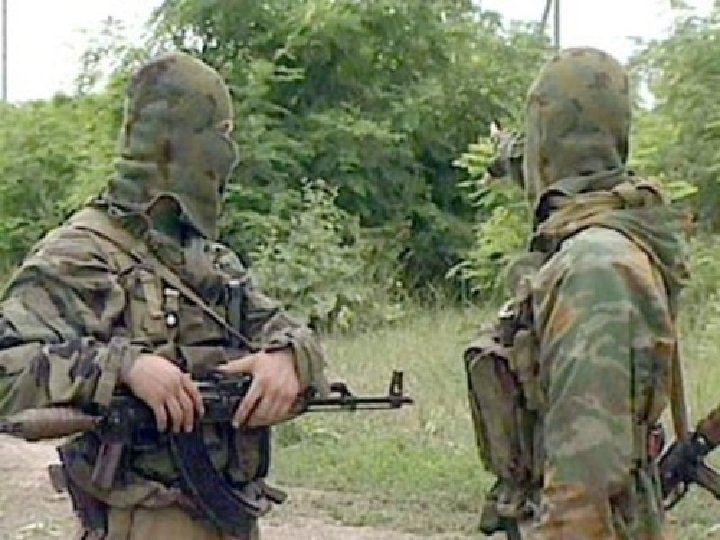
 n n n n Real possibility of a regime collapse And of a state collapse Political opposition to the Yeltsin regime was gaining momentum, real chance to take power through 1999 -2000 elections The Second Chechen War becomes the turning point Spread of insurgency beyond Chechnya – to Dagestan Putin is appointed Prime Minister Offers wartime leadership Appeals to the Russian battle order
 The political turnaround n Consolidation of elites behind Putin: u the Kremlin (the Family) u key groups of the business elite, u bureaucracy, u the army u the security services n give him support as the figure seemingly capable of “saving Russia” from a catastrophe n Parliamentary election of 1999 – the new “party of power” representing this coalition wins a plurality of seats in the parliament n December 31, 1999 – Yeltsin resigns, appoints Putin Acting President n Presidential election of 2000 – Putin is elected President
 Putin’s gains from Global War on Terror n Put Chechnya in a global context favorable to Moscow n US and Russia fighting the same enemy n America got bogged down in Iraq, which reduced its capacity to advance on Russia’s interests n Russia’s opposition to the Iraq war improved Russia’s standing in the Muslim world n Oil prices surged, driving Russian economic recovery
 Rebuilding “the vertical of power” n Reduce the influence of the oligarchs on media and politics n Reduce the power of regional leaders (governors, presidents of Russia’s republics) n Increase the power and role of siloviki (the Enforcers) in the Russian state n “KGB Inc. ”, “Neo-nobility”
 n Putin’s “Neo-Nobles”: KGB, Inc.
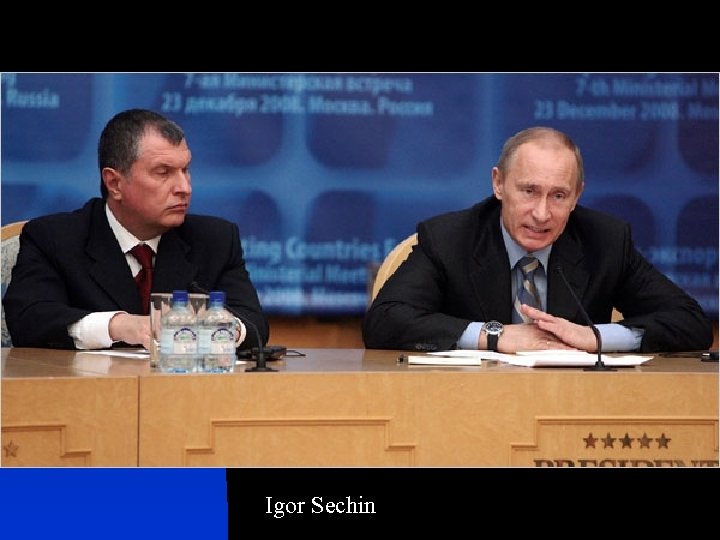 Igor Sechin
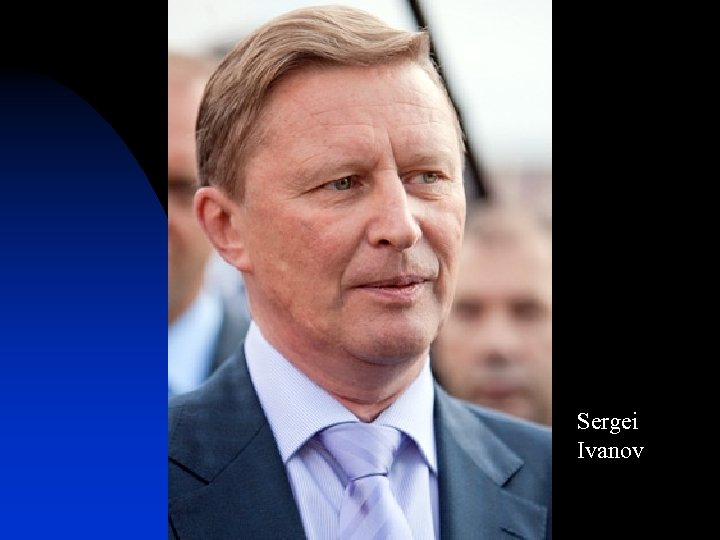 Sergei Ivanov
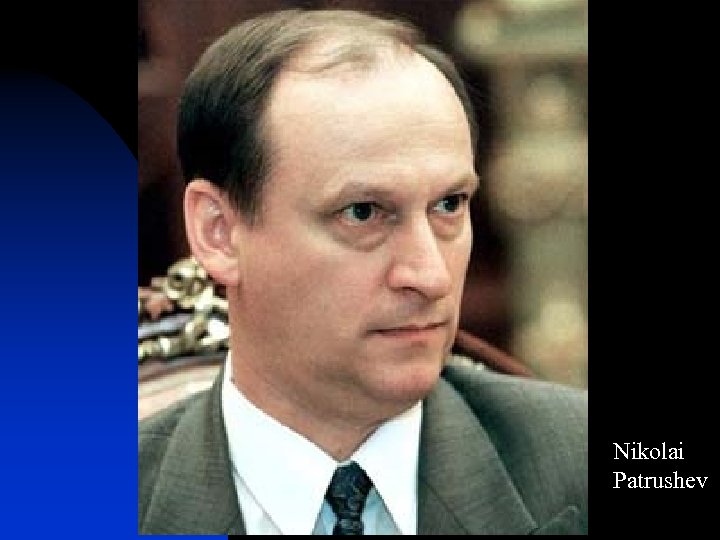 Nikolai Patrushev
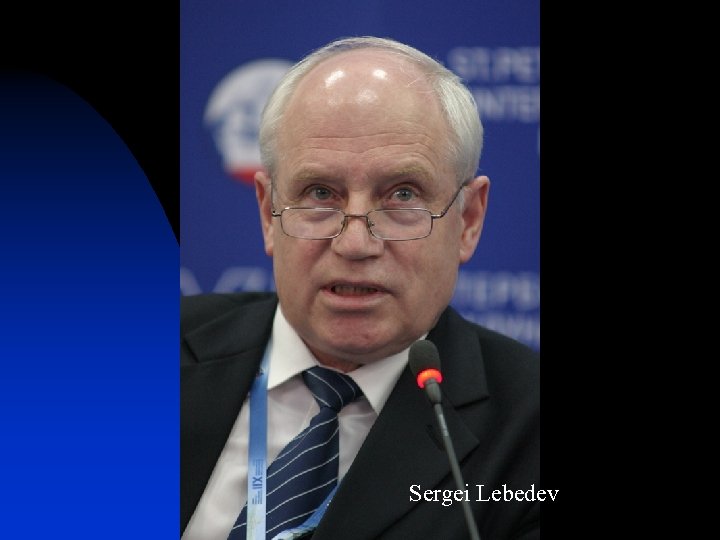 Sergei Lebedev
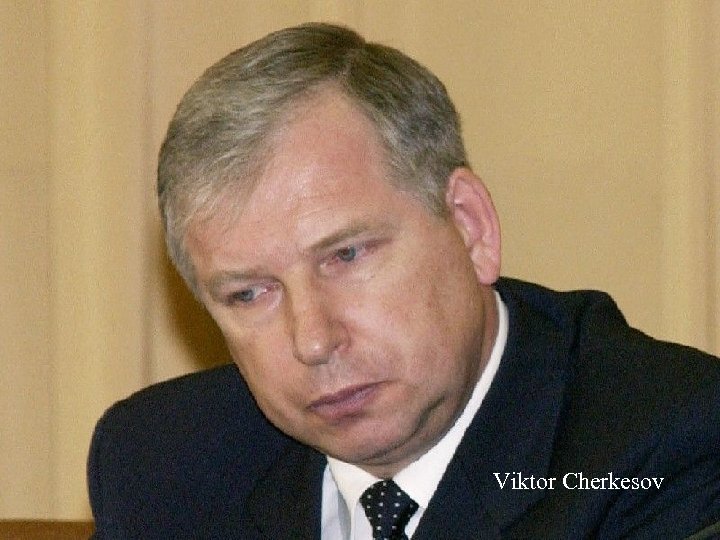 Viktor Cherkesov
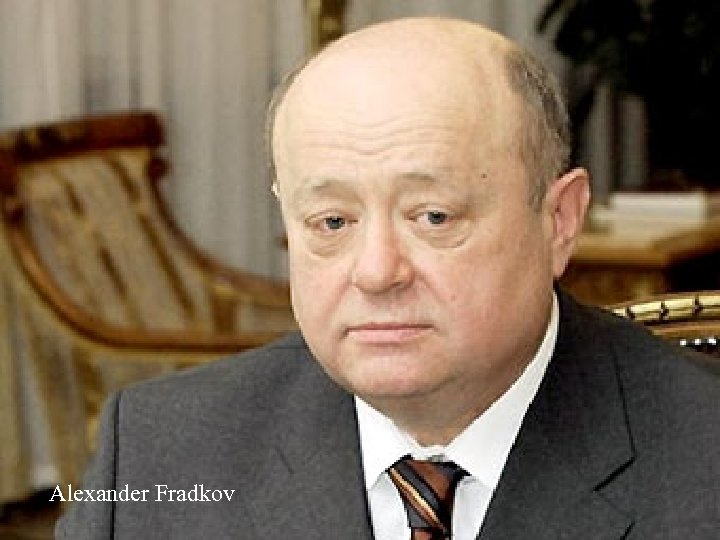 Alexander Fradkov
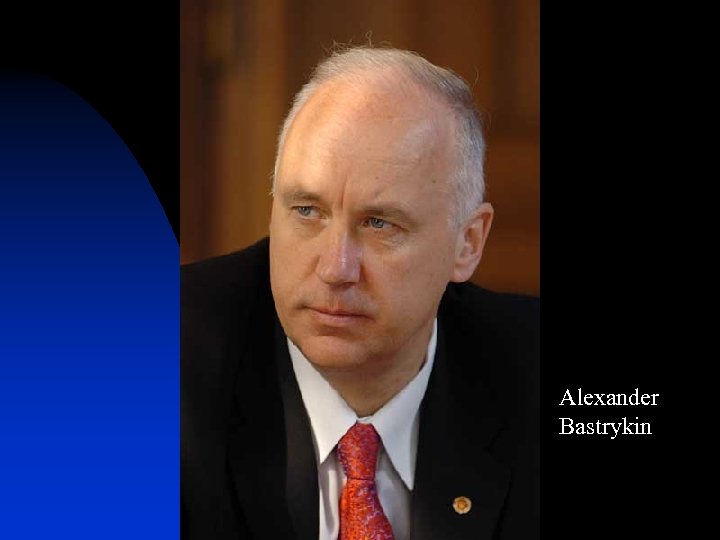 Alexander Bastrykin
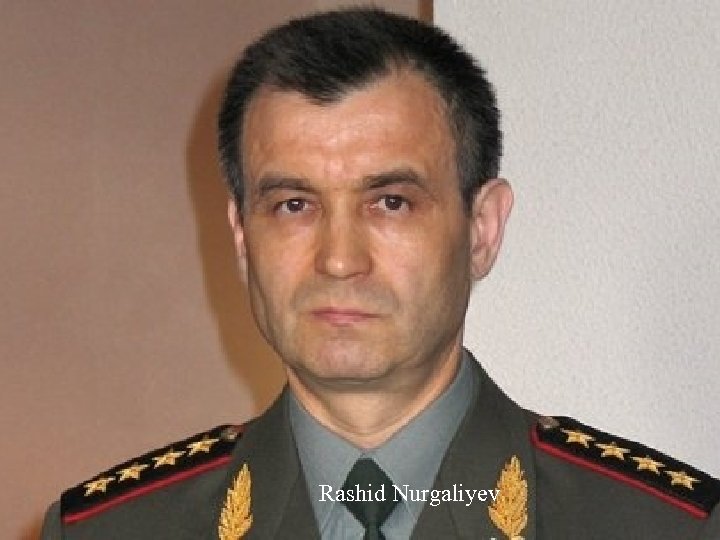 Rashid Nurgaliyev
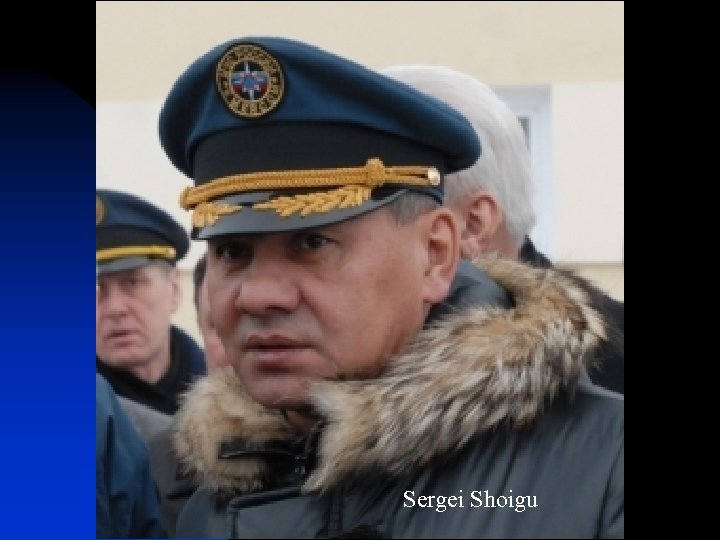 Sergei Shoigu
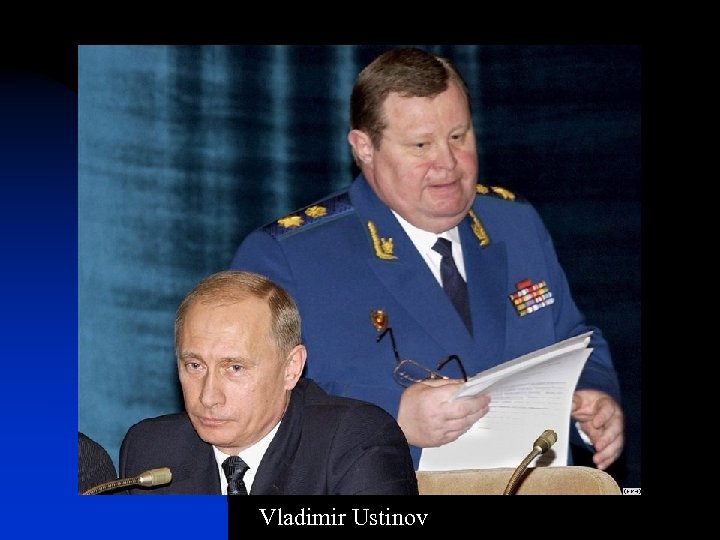 Vladimir Ustinov
 n Putin’s Neoliberals
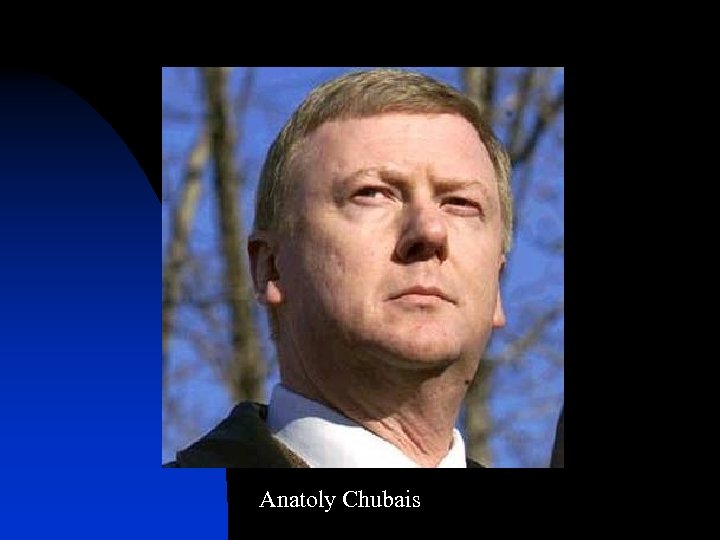 Anatoly Chubais
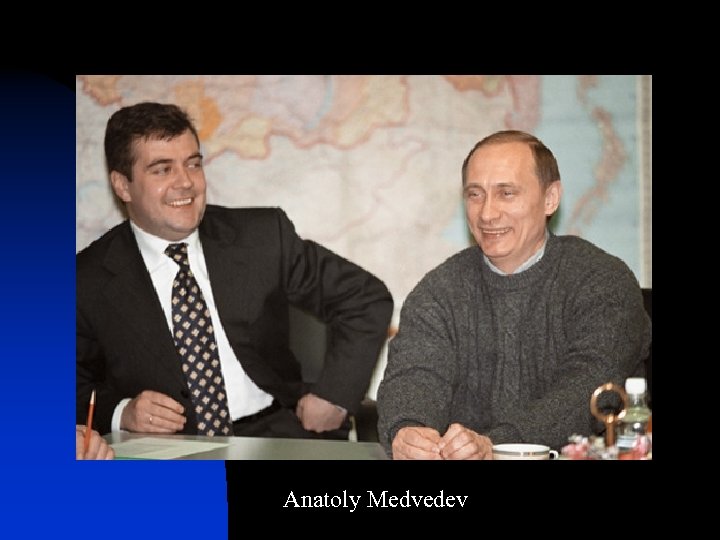 Anatoly Medvedev
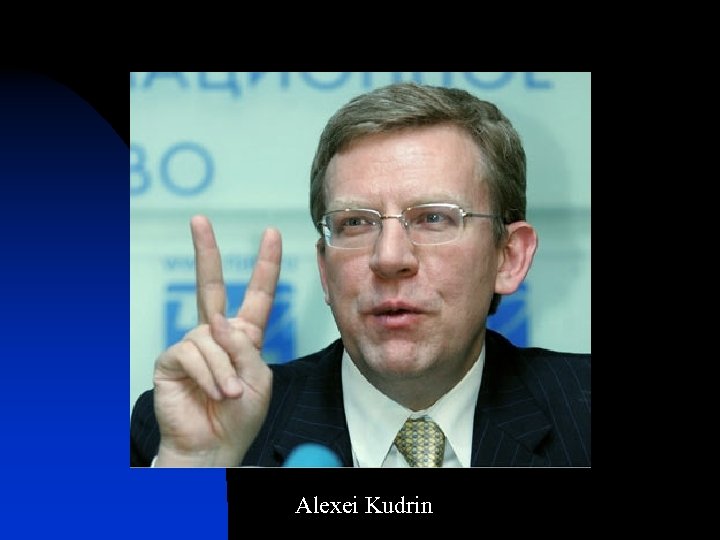 Alexei Kudrin
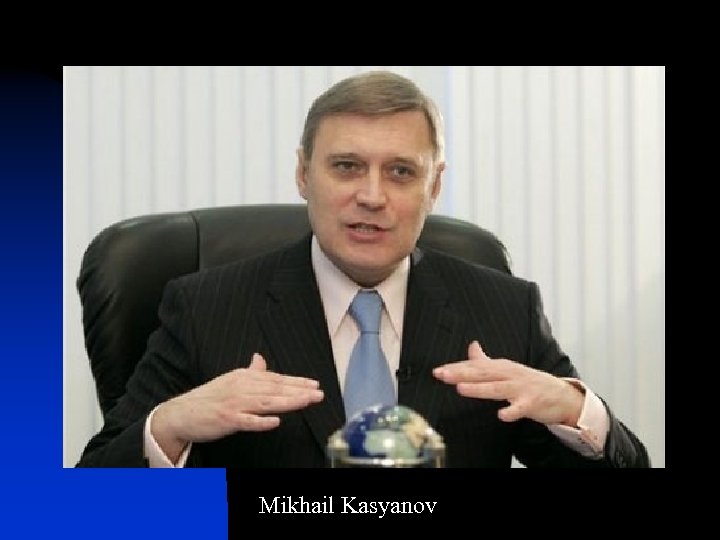 Mikhail Kasyanov
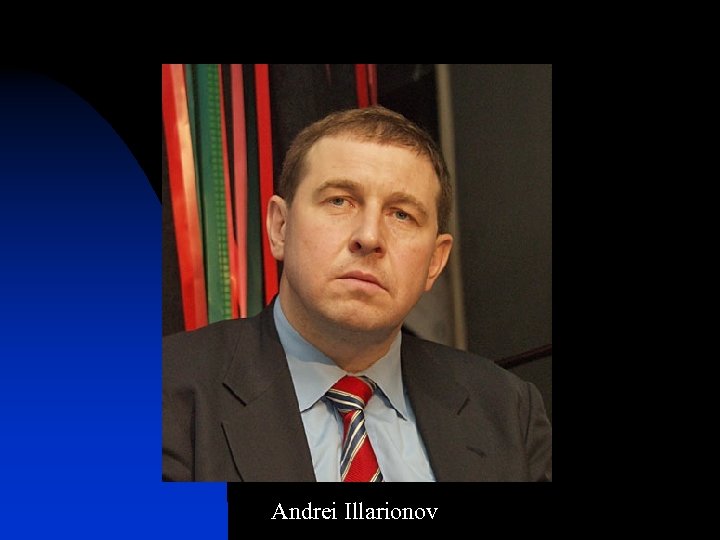 Andrei Illarionov
 The Kremlin vs. the oligarchs n No populist drive to sack the oligarchs – and they have continued to prosper n But their influence on the state has been significantly reduced u Stick and carrot n The Kremlin now controls “commanding heights”: big business is allowed to function at the discretion of the top political authority – no challenges to the Kremlin are allowed n Redistribution of property
 n Putin’s Oligarchs
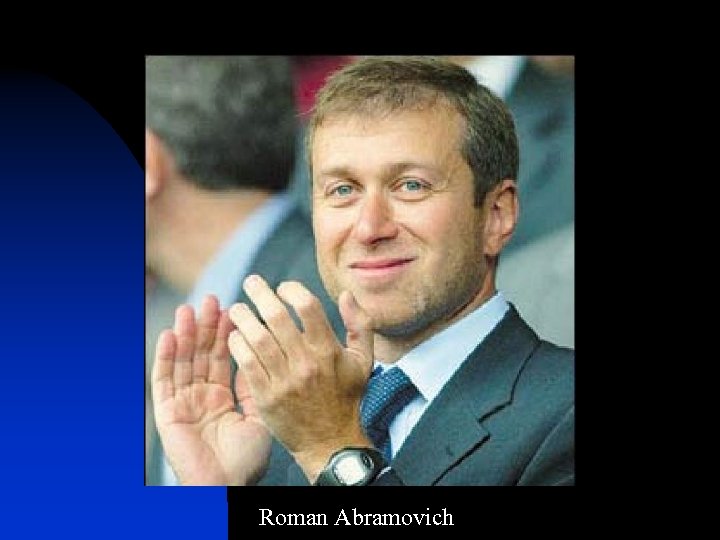 Roman Abramovich
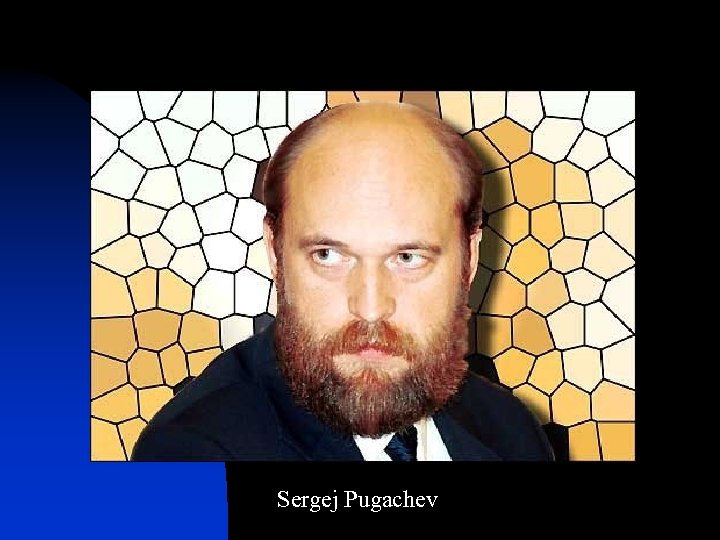 Sergej Pugachev
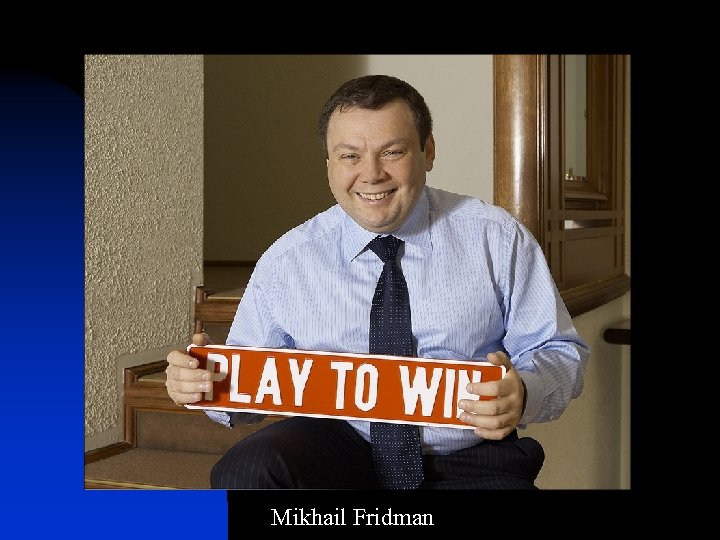 Mikhail Fridman
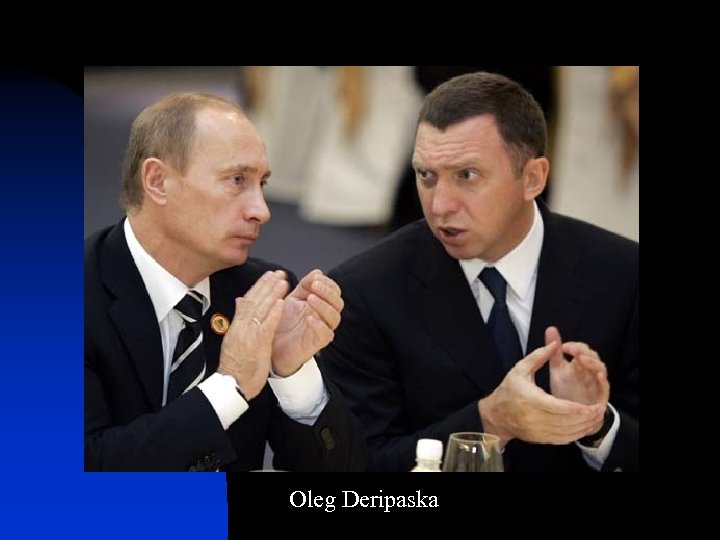 Oleg Deripaska
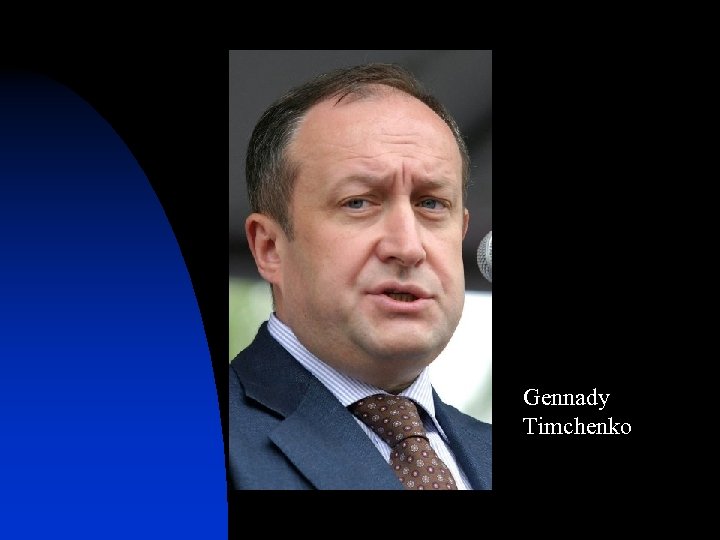 Gennady Timchenko
 Market authoritarianism n Economic policy: continued neoliberal reforms, with some modifications n Politics: restoration of state capacity through centralization of political authority and increase of state control over society n Under Putin, the Kremlin regained part of the power it had lost since Gorbachev’s reforms
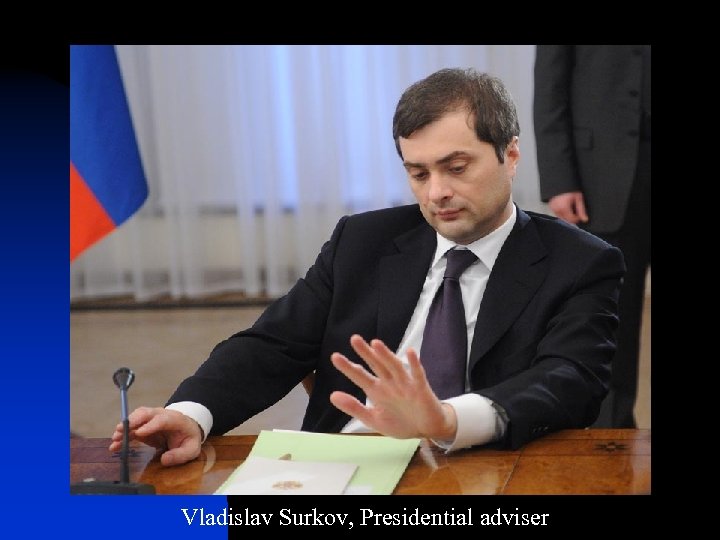 Vladislav Surkov, Presidential adviser
 The President vs. regional governments n In 2000 - creation of 7 presidential districts to incorporate the 89 regions of Russia n Since 2004 – top regional executives (governors, republic presidents, etc. ) are no longer elected by voters. They are appointed by the President and confirmed by regional legislatures
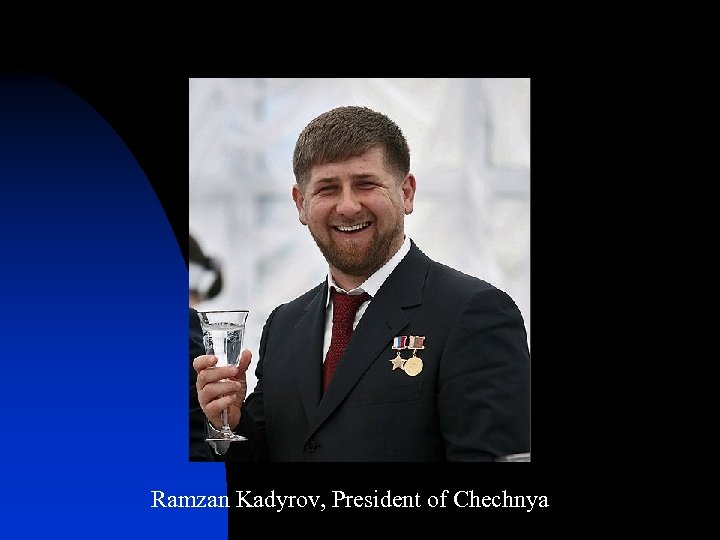 Ramzan Kadyrov, President of Chechnya
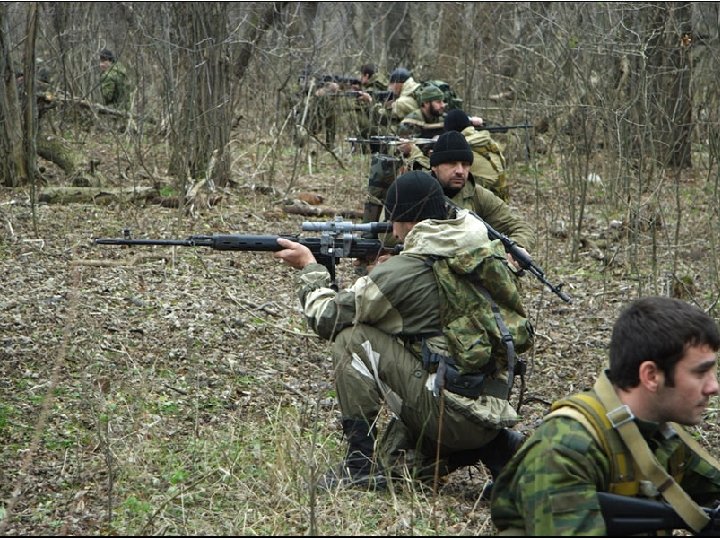
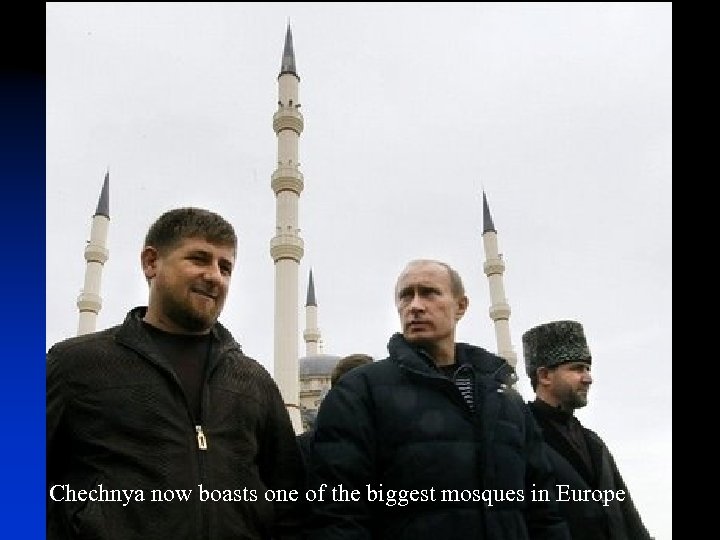 Chechnya now boasts one of the biggest mosques in Europe
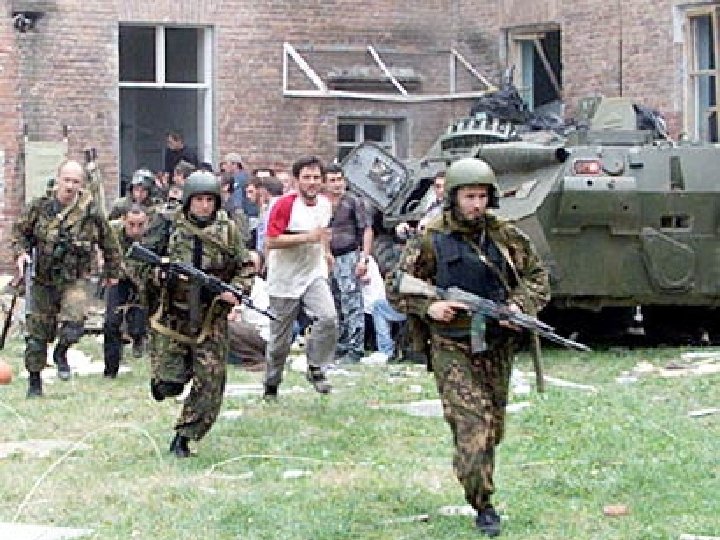
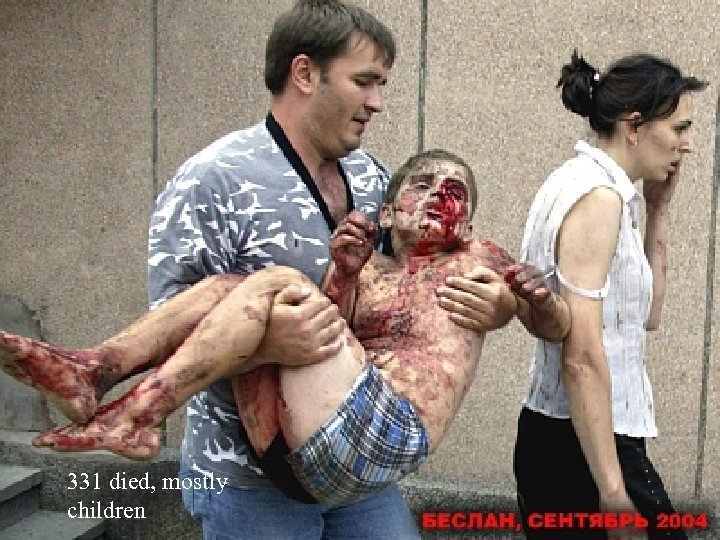 331 died, mostly children
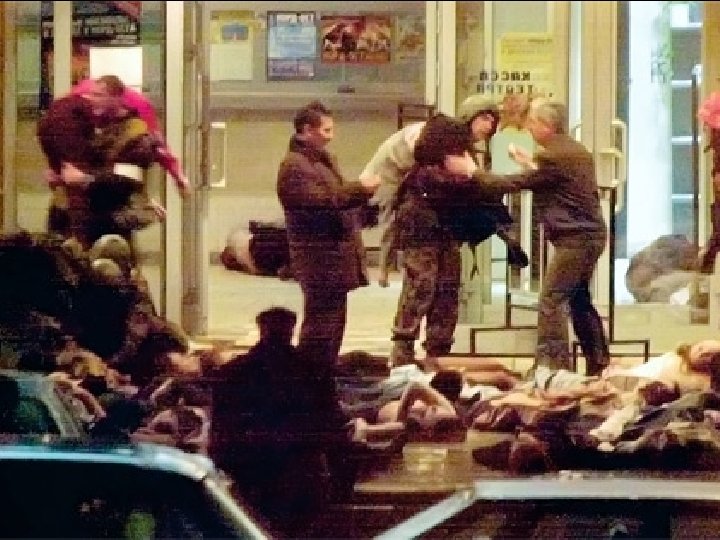
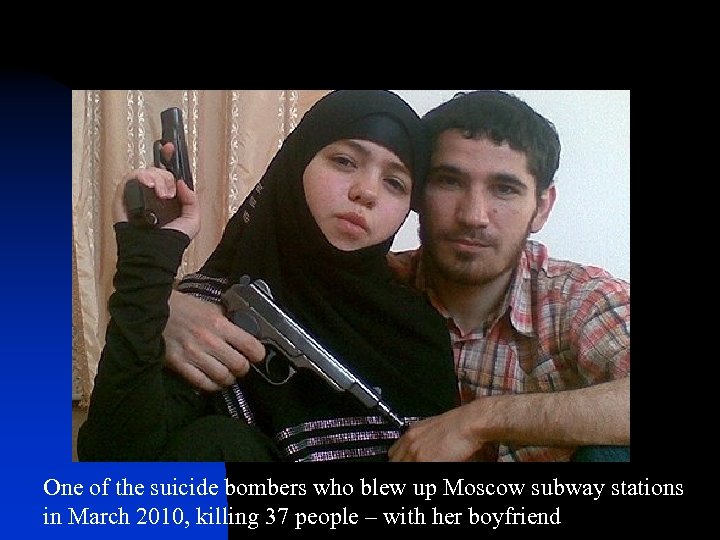 One of the suicide bombers who blew up Moscow subway stations in March 2010, killing 37 people – with her boyfriend
 The President vs. the parliament n Legacy of Yeltsin: an overwhelming Presidency n Under Putin, the growth of the “party of power” (United Russia) put the parliament under firm control of the Kremlin n The upper chamber (Federation Council) is no longer composed of elected representatives
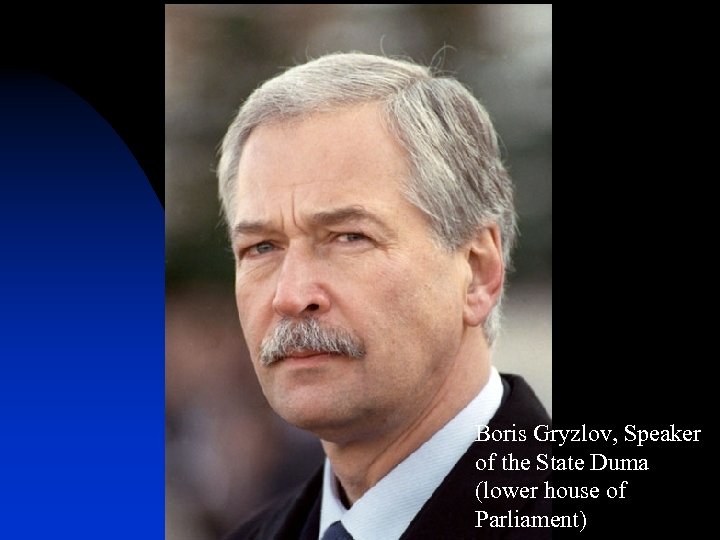 Boris Gryzlov, Speaker of the State Duma (lower house of Parliament)
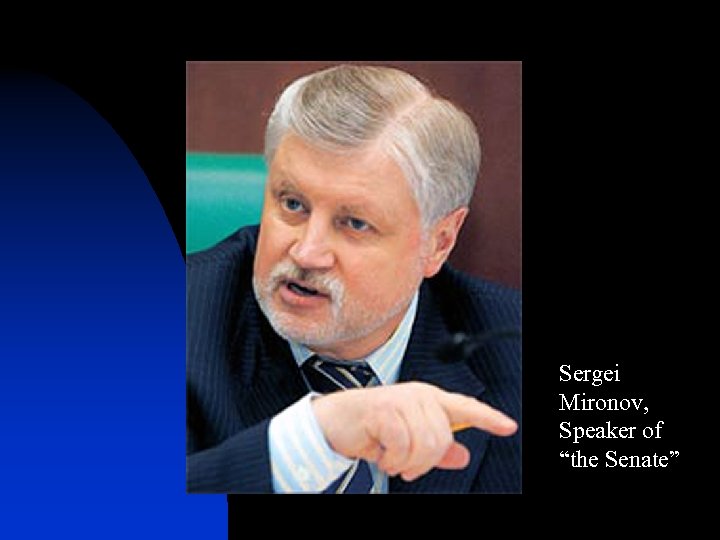 Sergei Mironov, Speaker of “the Senate”
 Elections n Eliminating the mixed proportional-majoritarian system in favour of proportional representation only n Raising the threshold of party representation (6% of the total) n Use of “the administrative resources” n Control of the media
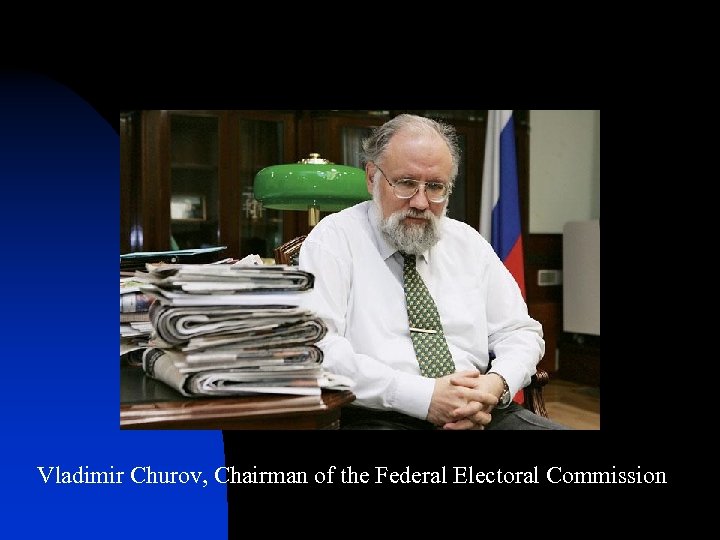 Vladimir Churov, Chairman of the Federal Electoral Commission
 Control of the media n Under Yeltsin, the media was largely independent of the government (while falling under oligarch control) n Putin moved to re-establish varying degrees of government control over key media organizations – both public and private (mostly through Kremlin-friendly corporations) n Not a return to Soviet-era censorship, but a significant setback for the cause of democracy
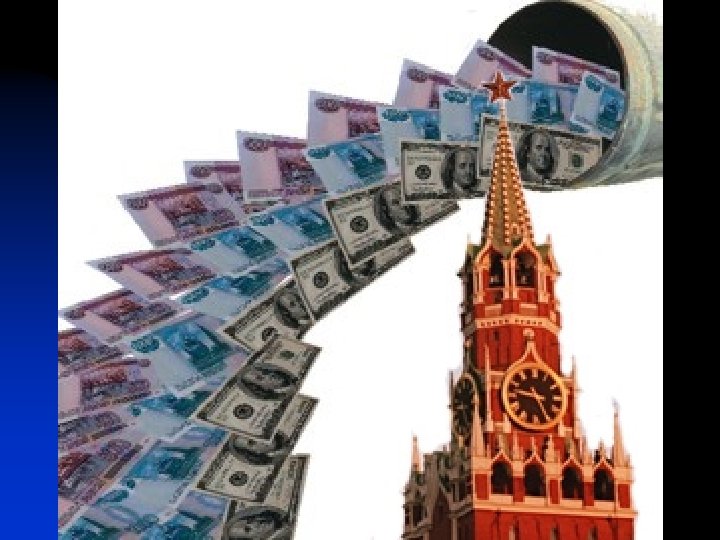
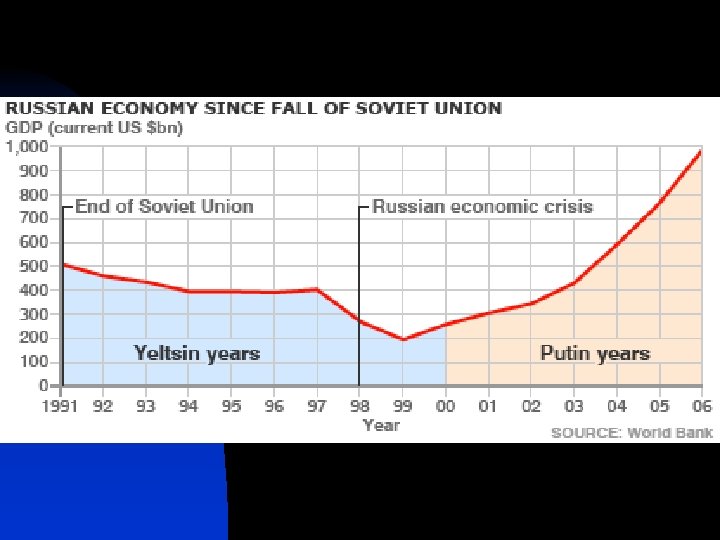
 The economic recovery Robust economic growth since 2000 Achieved through: Liberal incentives to the private sector Political stabilization High oil and gas prices Steady improvement of the public finance Rise of wages, pensions, incomes
 n n n 1998: US National Intelligence Council forecast for the year 2010: “During the Cold War Russia’s capabilities were measured in terms of military power. Looking out to 2010, these capabilities will be measured more in terms of economic resources. We believe Russia will remain economically weak through 2010 and beyond. ” http: //www. dni. gov/nic/special_globaltrends 2010. html#russia
 n n National Intelligence Council forecast for the year 2025, unveiled in October 2008, describes Russia in very different terms — as one of four rising centers of international power: “In terms of size, speed, and directional flow, the transfer of global wealth and economic power now under way — roughly from West to East — is without precedent in modern history. . No other countries are projected to rise to the level of China, India, or Russia, and none is likely to match their individual global clout. . Growth projections for Brazil, Russia, India, and China (the BRICs) indicate they will collectively match the original G-7’s share of global GDP by 2040 -2050. ” “Global Trends 2025: A Transformed World”. Washington: National Intelligence Council, November 2008 - http: //www. dni. gov/nic/NIC_2025_project. html , pp. vi, vii
 n http: //www. youtube. com/watch? v=f QGa 6 YAXVSU
 The boom fuelled the politics of conservatism “Stability” as the key value Financial resources available to the Kremlin Putin’s elite Bureaucracy The people Distrust the govt, trust Putin Yearn for improvement of material conditions Resent the injustice The growing middle class
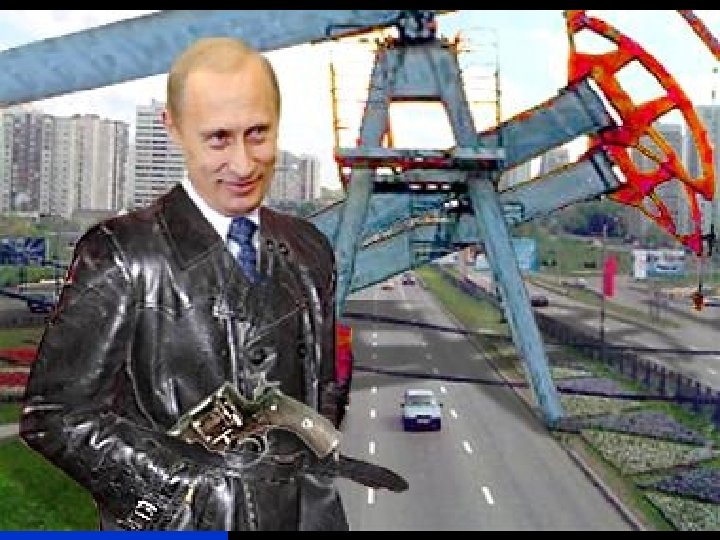
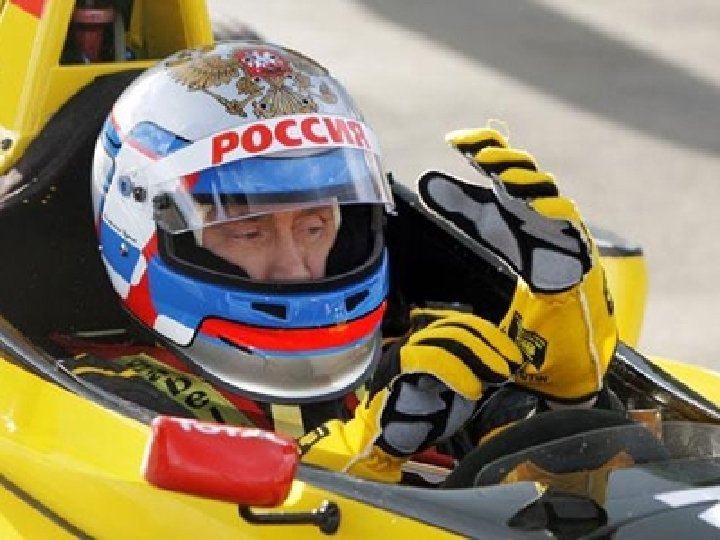
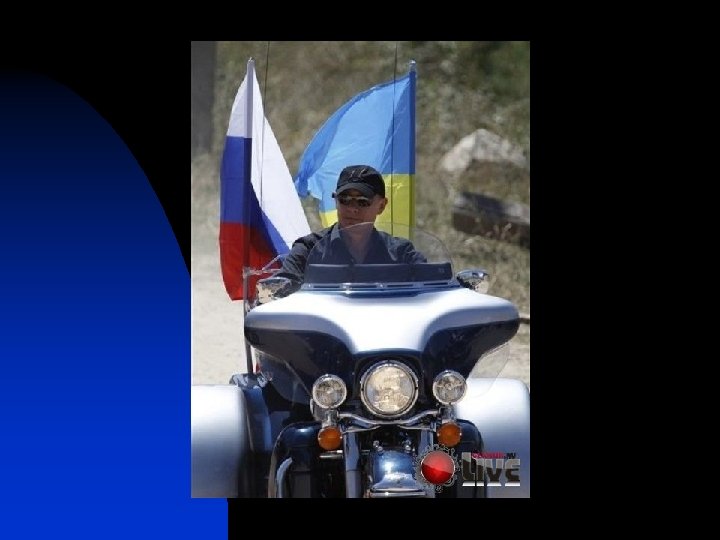
 The Putin Cult
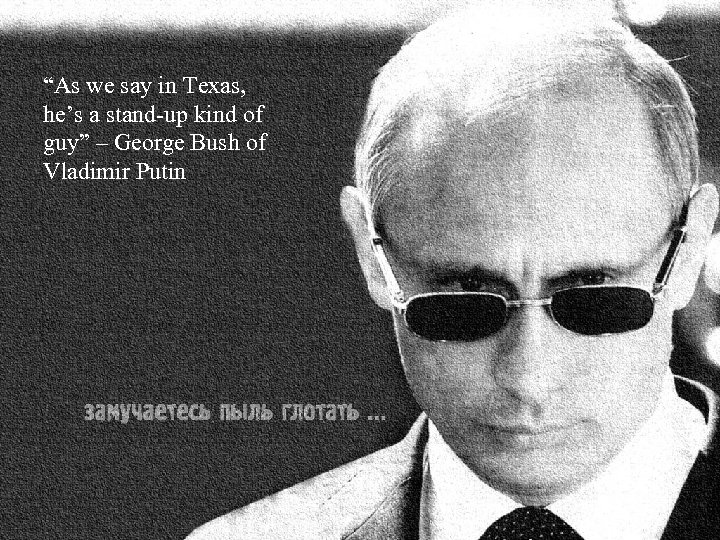 “As we say in Texas, he’s a stand-up kind of guy” – George Bush of Vladimir Putin
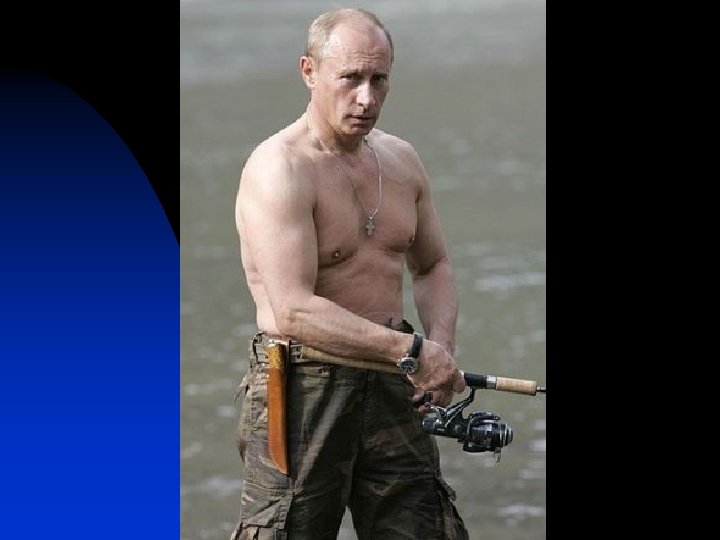
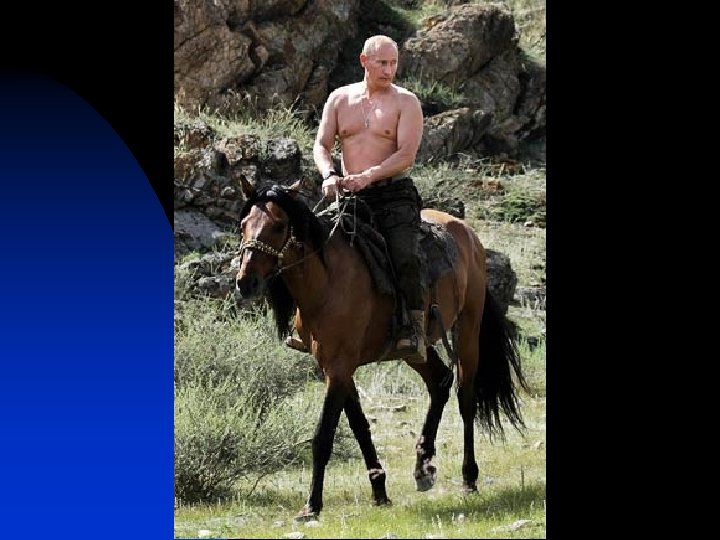
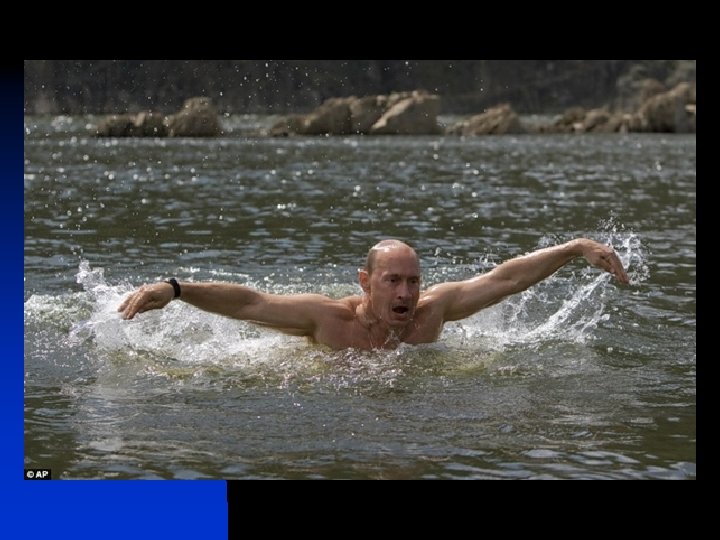
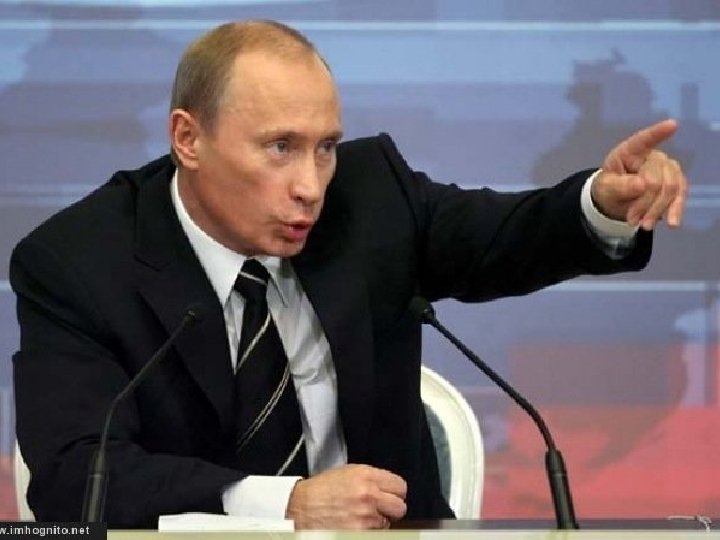
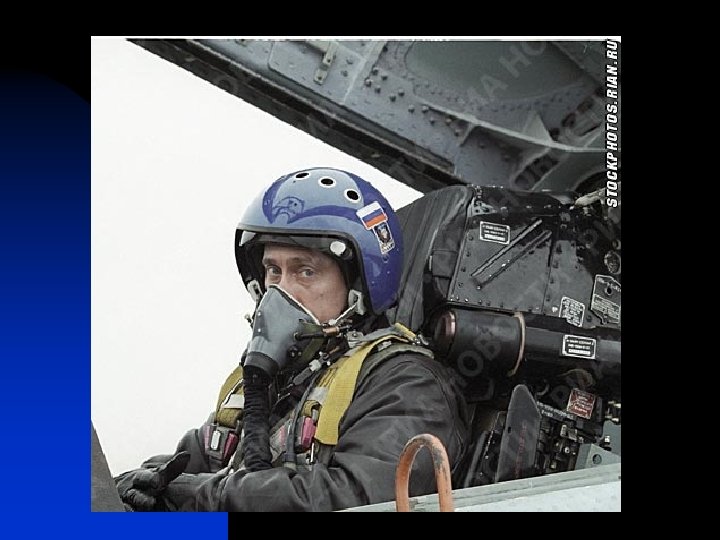
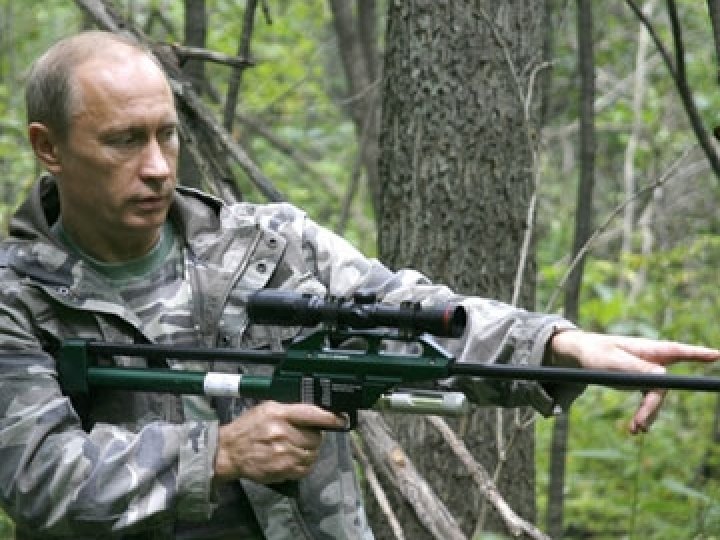
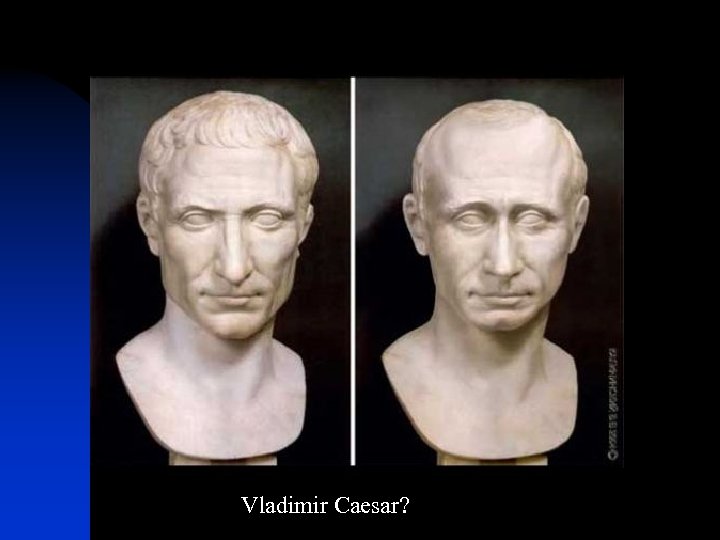 Vladimir Caesar?
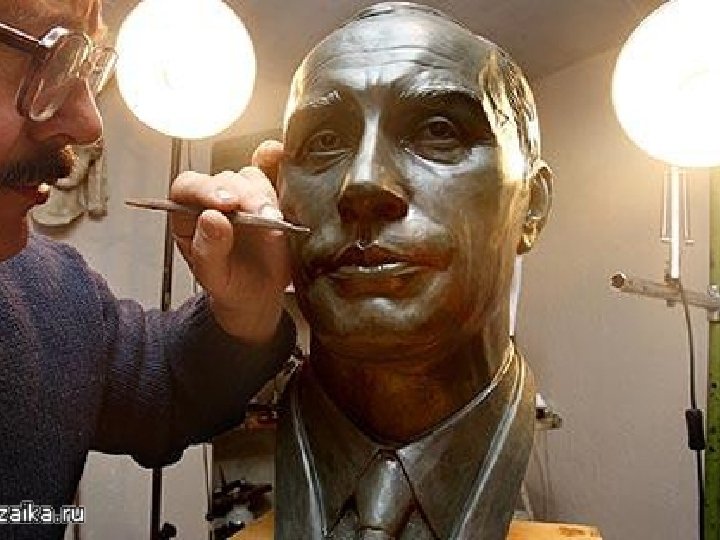
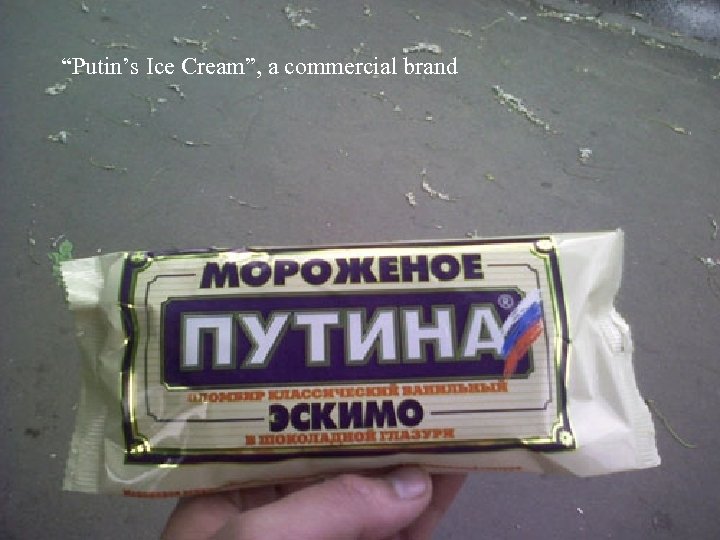 “Putin’s Ice Cream”, a commercial brand
 n http: //www. youtube. com/watch? v=s -b. W 80 i 0 e 1 w
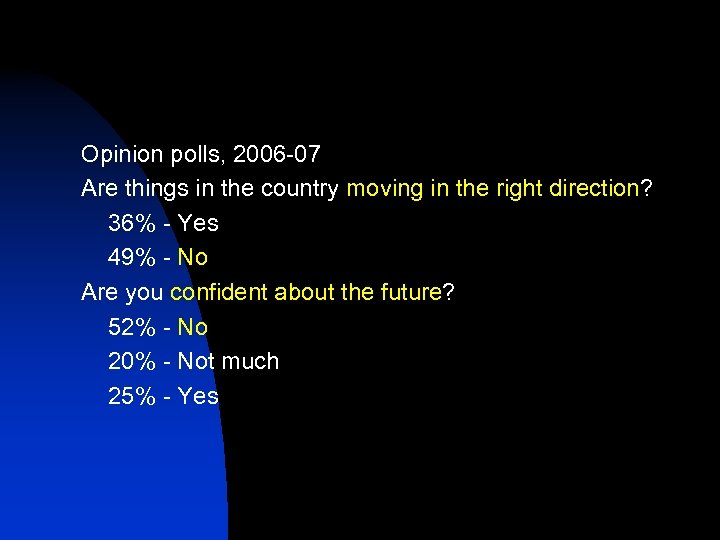 Opinion polls, 2006 -07 Are things in the country moving in the right direction? 36% - Yes 49% - No Are you confident about the future? 52% - No 20% - Not much 25% - Yes
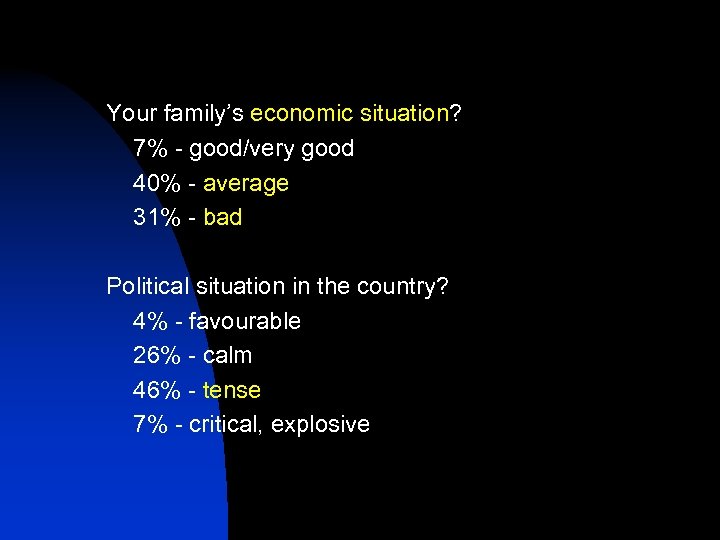 Your family’s economic situation? 7% - good/very good 40% - average 31% - bad Political situation in the country? 4% - favourable 26% - calm 46% - tense 7% - critical, explosive
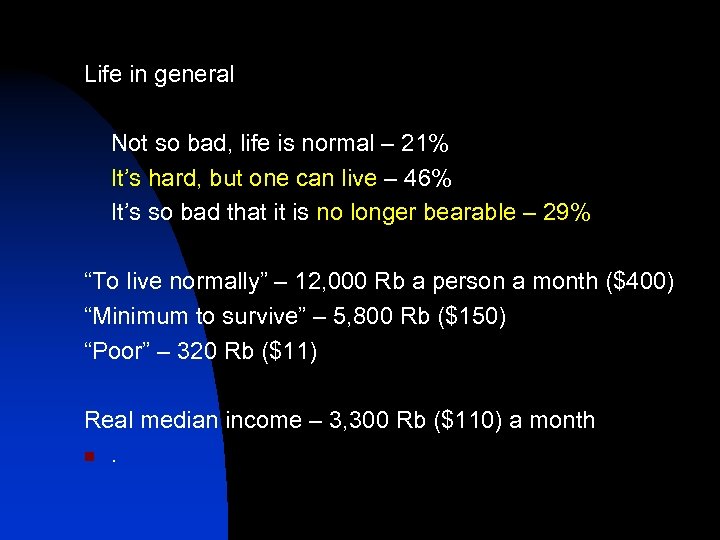 Life in general Not so bad, life is normal – 21% It’s hard, but one can live – 46% It’s so bad that it is no longer bearable – 29% “To live normally” – 12, 000 Rb a person a month ($400) “Minimum to survive” – 5, 800 Rb ($150) “Poor” – 320 Rb ($11) Real median income – 3, 300 Rb ($110) a month n.
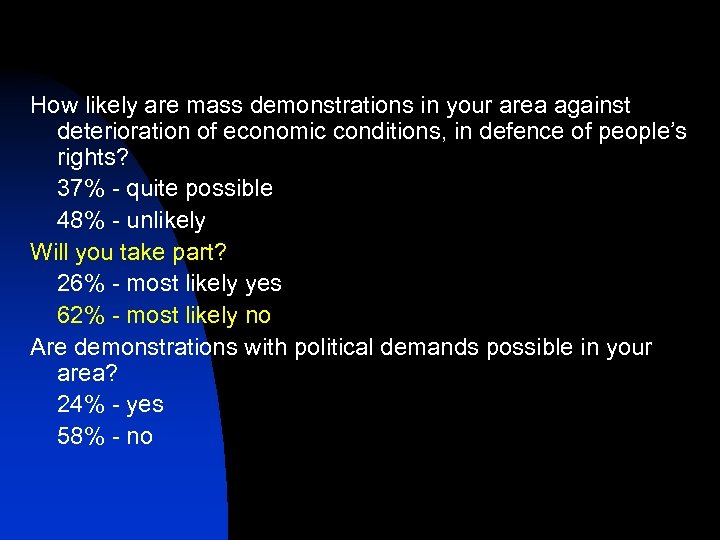 How likely are mass demonstrations in your area against deterioration of economic conditions, in defence of people’s rights? 37% - quite possible 48% - unlikely Will you take part? 26% - most likely yes 62% - most likely no Are demonstrations with political demands possible in your area? 24% - yes 58% - no