 Скачать презентацию Public power and vocational ethics Social theories and
Public power and vocational ethics.pptx
- Количество слайдов: 21



Public power and vocational ethics Social theories and social change in the modern world Lecture 3
Plan 1. Power, leadership, and rule. 2. Religious traditions and values. 3. State before, during, and after modernity. 4. Value-oriented social acting and vocation. 5. Vocational ethics as antidote to anomy.
Sources 1) Brenkert G. , Beauchamp T. The Oxford Handbook of Business Ethics. Oxford Handbooks Online, 2010 2) Culture, Power And History: Studies in Critical Sociology. / Eds: Pfohl S. , Van Wagenen A. , Arend P. , Brooks A. , Leckenby D. Brill, 2006. 3) Fuller A. Psychology and Religion: Classical Theorists and Contemporary Developments. Rowman & Littlefield, 2008. 4) Hackman M. , Johnson C. Leadership: A Communication Perspective. Waveland Press, 2013. 5) Mac. Gregor Burns J. Leadership. Open Road Media, 2012. 6) Nozick R. Anarchy, State, and Utopia. Basis Books, 2013.
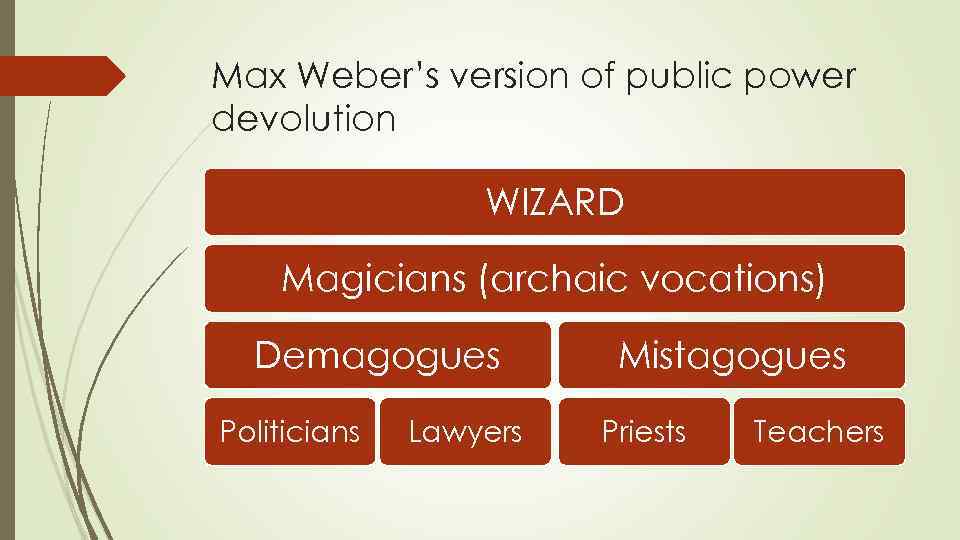
Max Weber’s version of public power devolution WIZARD Magicians (archaic vocations) Demagogues Politicians Lawyers Mistagogues Priests Teachers
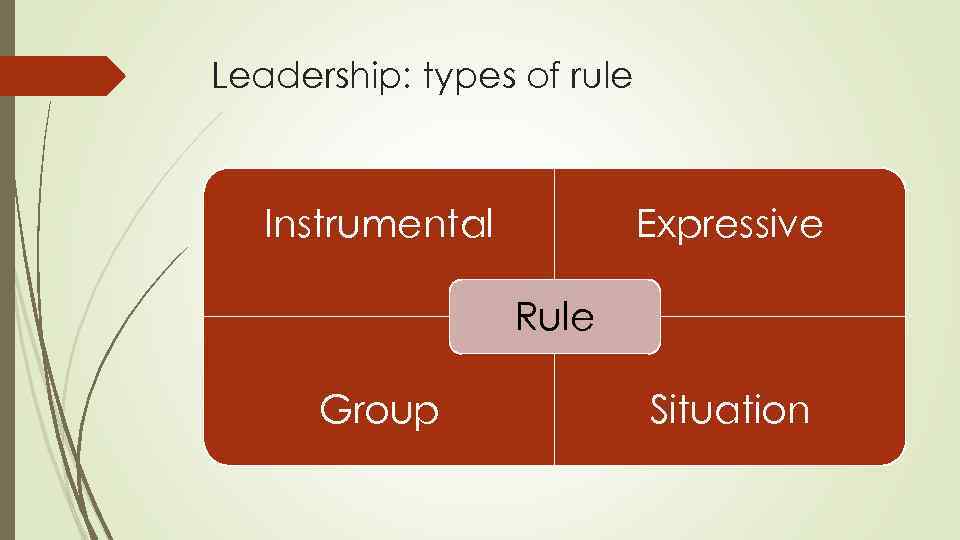
Leadership: types of rule Instrumental Expressive Rule Group Situation
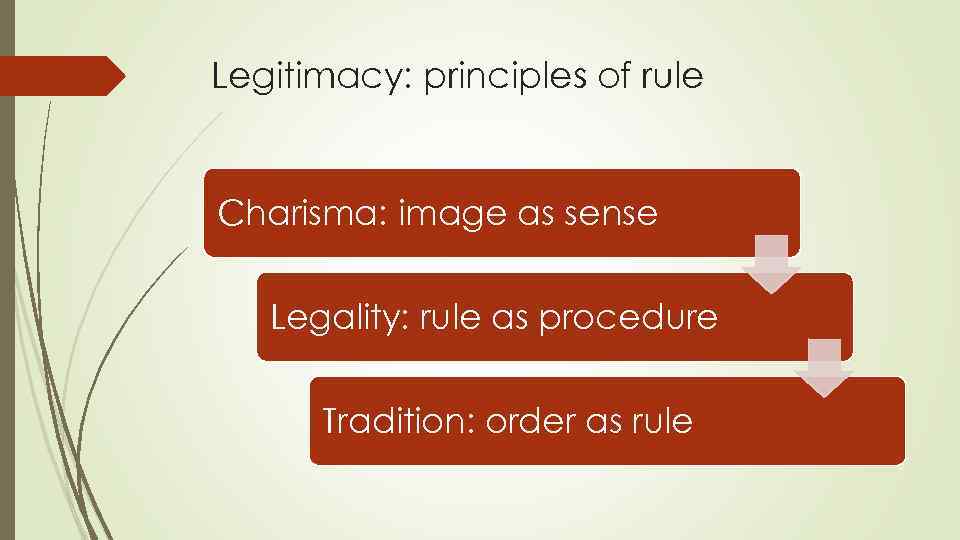
Legitimacy: principles of rule Charisma: image as sense Legality: rule as procedure Tradition: order as rule
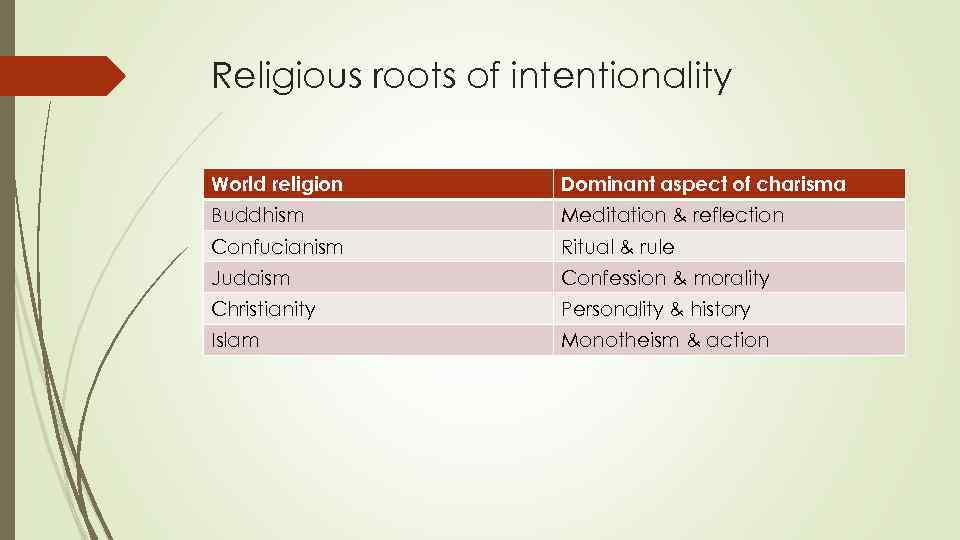
Religious roots of intentionality World religion Dominant aspect of charisma Buddhism Meditation & reflection Confucianism Ritual & rule Judaism Confession & morality Christianity Personality & history Islam Monotheism & action
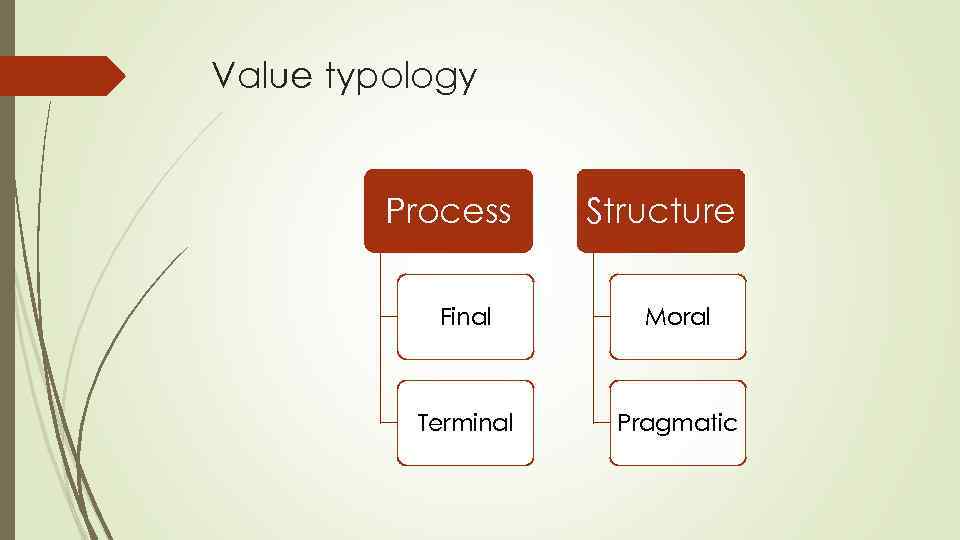
Value typology Process Structure Final Moral Terminal Pragmatic
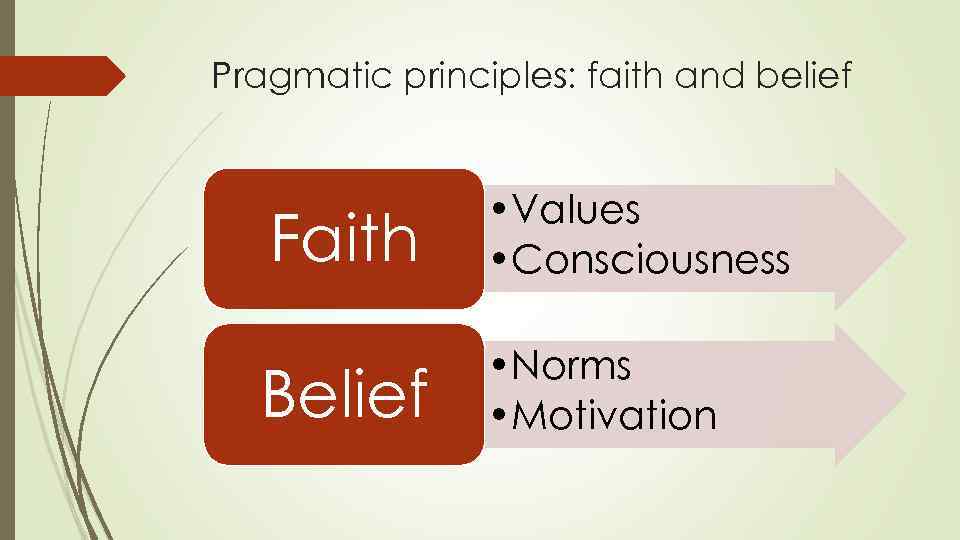
Pragmatic principles: faith and belief Faith • Values • Consciousness Belief • Norms • Motivation
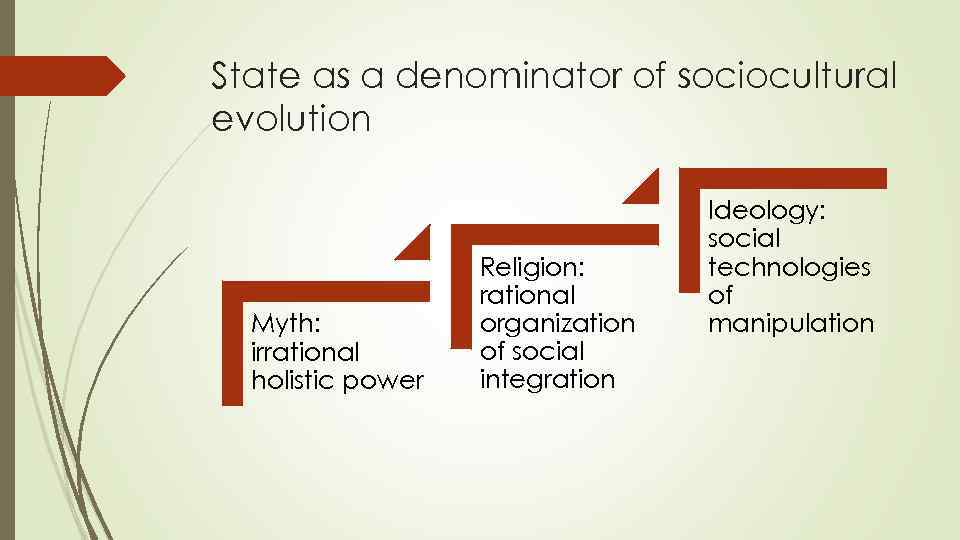
State as a denominator of sociocultural evolution Myth: irrational holistic power Religion: rational organization of social integration Ideology: social technologies of manipulation
Ritualistic power Symbolic protection from the outer world as potentially infinite. Condensation of meaning in symbolic acts. Harmony of wills without rational explanation of symbols.
Symbolic rule Personification of societal power as unobservable from a common-sense point of view/ Generating and expressing of collective desires (also liberating from collective perceptions). War of symbols in global mass-media.
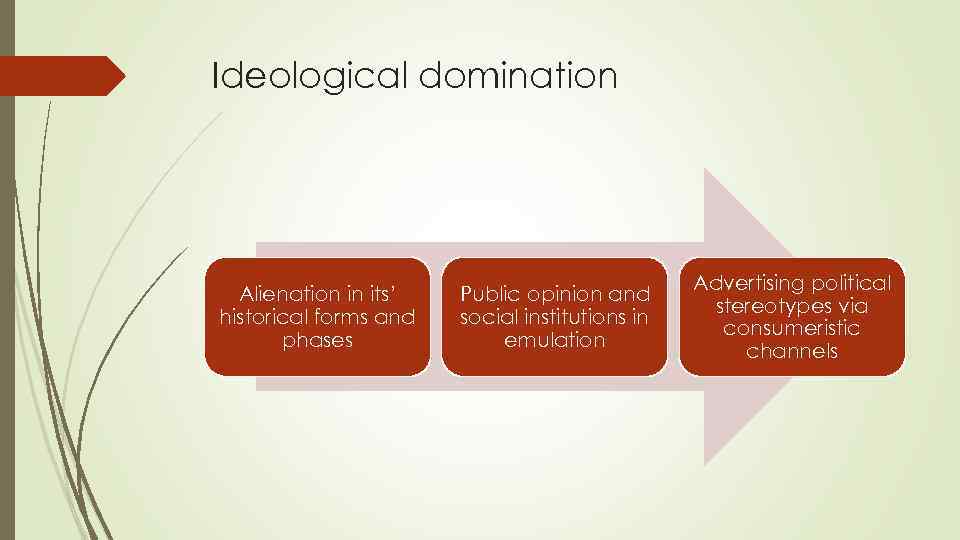
Ideological domination Alienation in its’ historical forms and phases Public opinion and social institutions in emulation Advertising political stereotypes via consumeristic channels
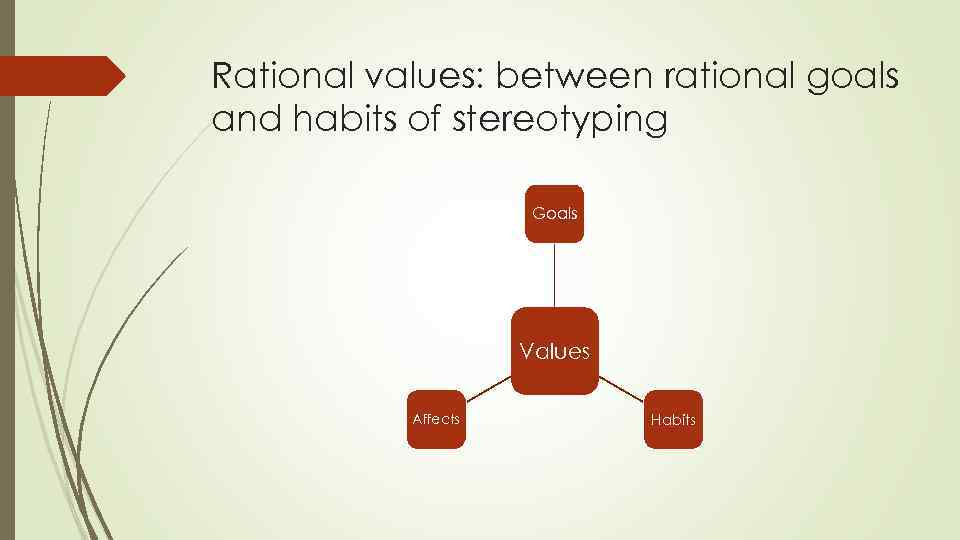
Rational values: between rational goals and habits of stereotyping Goals Values Affects Habits
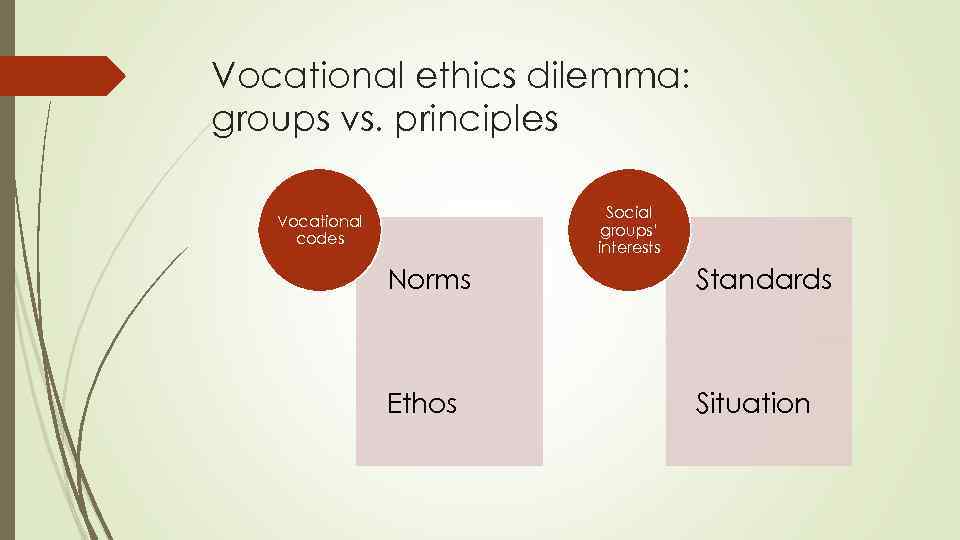
Vocational ethics dilemma: groups vs. principles Social groups’ interests Vocational codes Norms Standards Ethos Situation
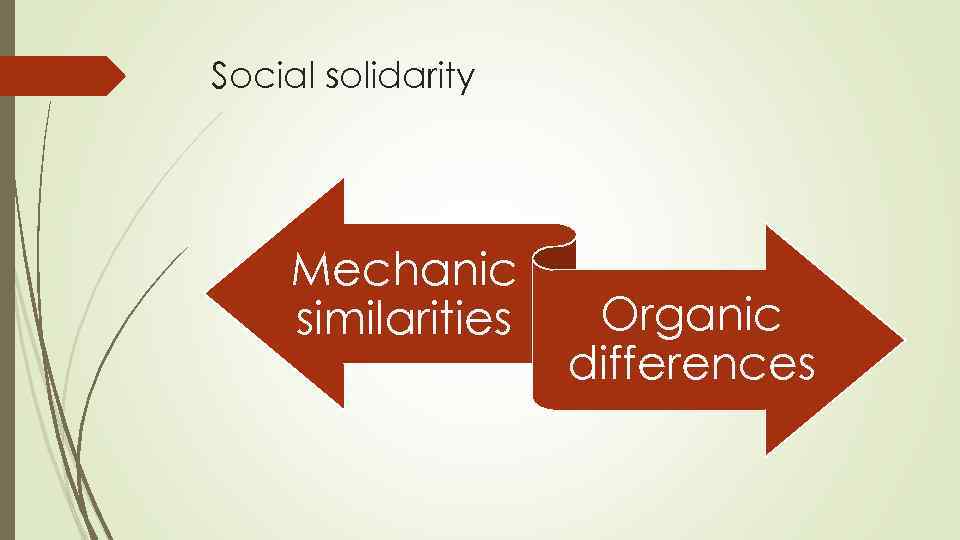
Social solidarity Mechanic similarities Organic differences
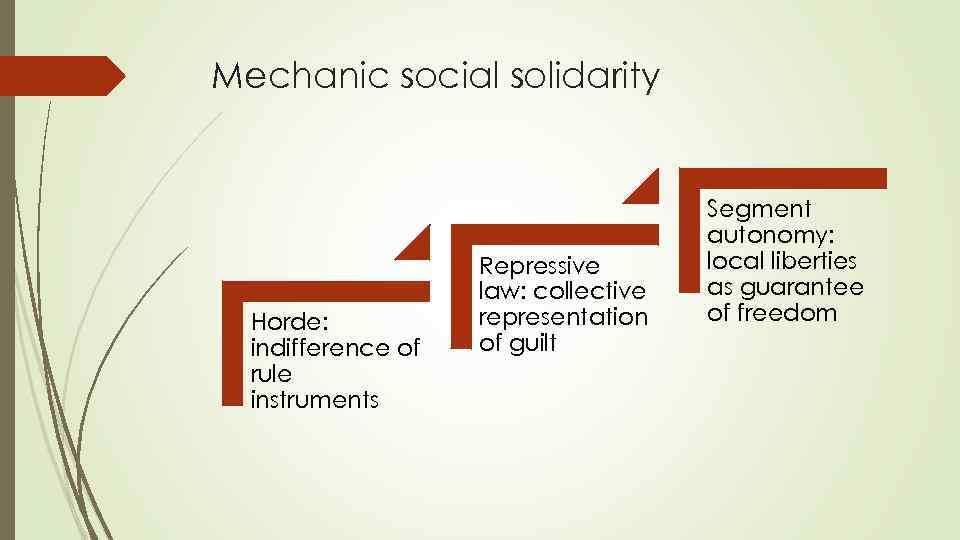
Mechanic social solidarity Horde: indifference of rule instruments Repressive law: collective representation of guilt Segment autonomy: local liberties as guarantee of freedom
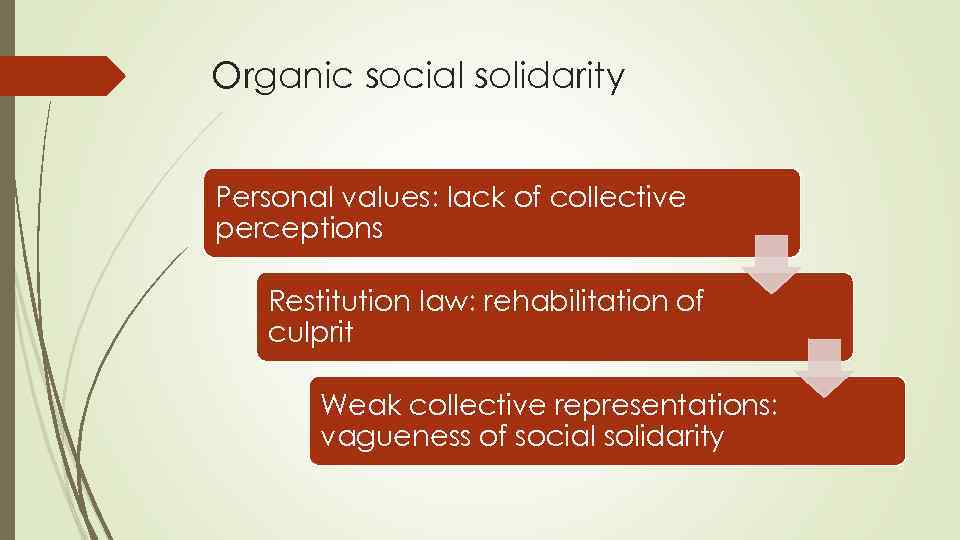
Organic social solidarity Personal values: lack of collective perceptions Restitution law: rehabilitation of culprit Weak collective representations: vagueness of social solidarity
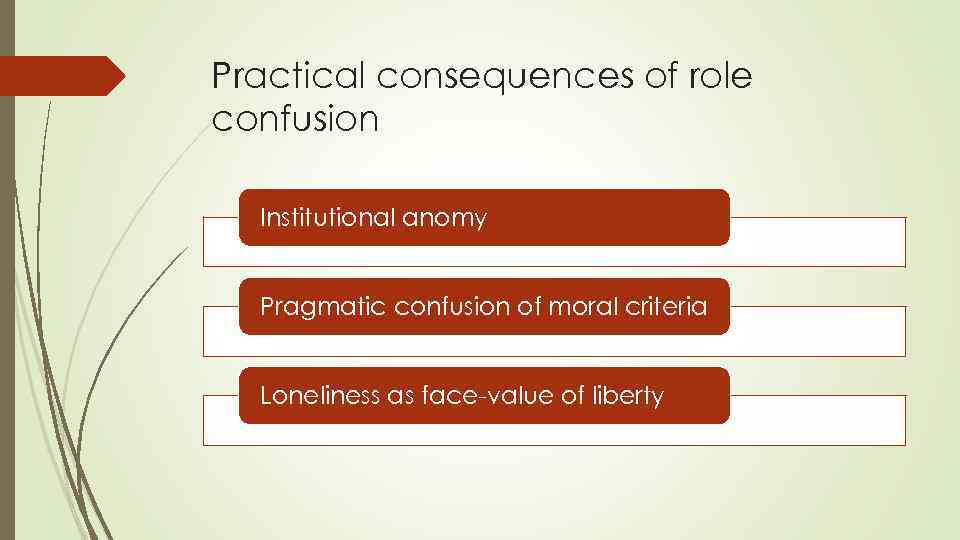
Practical consequences of role confusion Institutional anomy Pragmatic confusion of moral criteria Loneliness as face-value of liberty
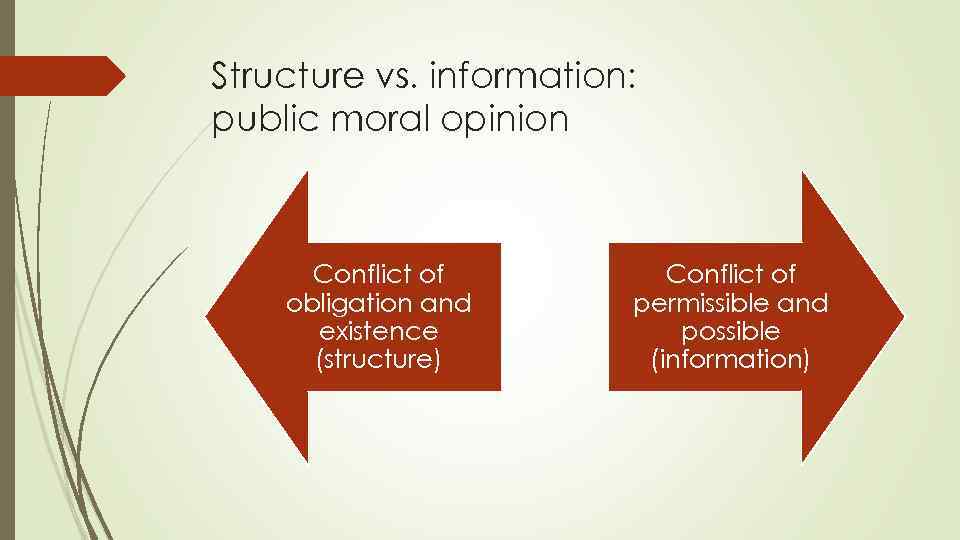
Structure vs. information: public moral opinion Conflict of obligation and existence (structure) Conflict of permissible and possible (information)
Summary Power is invariant denominator of legitimacy limits. Actual legality is selfcontradictory. Tradition is recursive foundation for moral intentionality in sacred symbols. All sociocultural traditions are religion-like. State is the most problematic social institution from consciousness point of view. State-like publicity is core psychological instrument of manipulating. Social act in its typical variations constitutes frame for interactive behavioral sanctions. Symbolic interaction promotes autonomous forms of social change. Anomy is no more mirror opposition of morality. Actual anomy intertwines pragmatic senses of day-to-day consumers’ dispositions.
Скачать презентацию Public power and vocational ethics Social theories and
Public power and vocational ethics.pptx