 Скачать презентацию Public Policy Research Forum Informing Policy Realizing the
853f13084963f49fe681a7115cee9e61.ppt
- Количество слайдов: 20



Public Policy Research Forum Informing Policy: Realizing the Potential and Benefits of Public Policy Research in Hong Kong (B) Equality and Opportunity Roads to Success in Hong Kong among New Arrivals from the Chinese Mainland K. K. Leung Department of Applied Social Studies
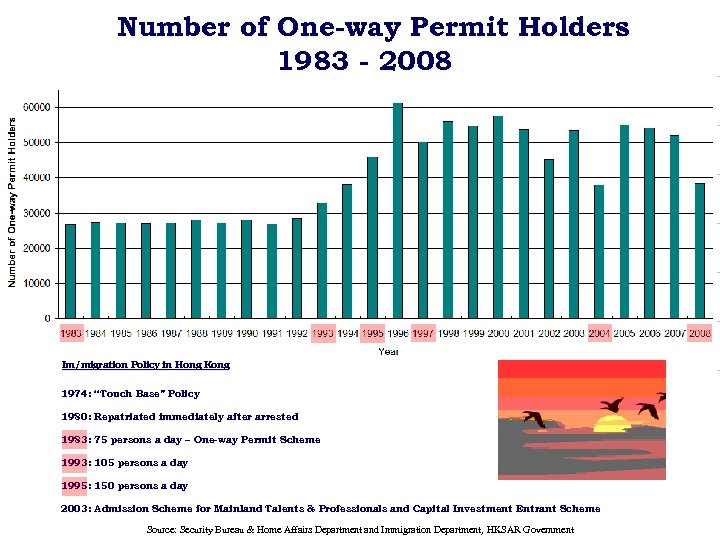
Number of One-way Permit Holders 1983 - 2008 Im/migration Policy in Hong Kong 1974: “Touch Base” Policy 1980: Repatriated immediately after arrested 1983: 75 persons a day – One-way Permit Scheme 1993: 105 persons a day 1995: 150 persons a day 2003: Admission Scheme for Mainland Talents & Professionals and Capital Investment Entrant Scheme Source: Security Bureau & Home Affairs Department and Immigration Department, HKSAR Government
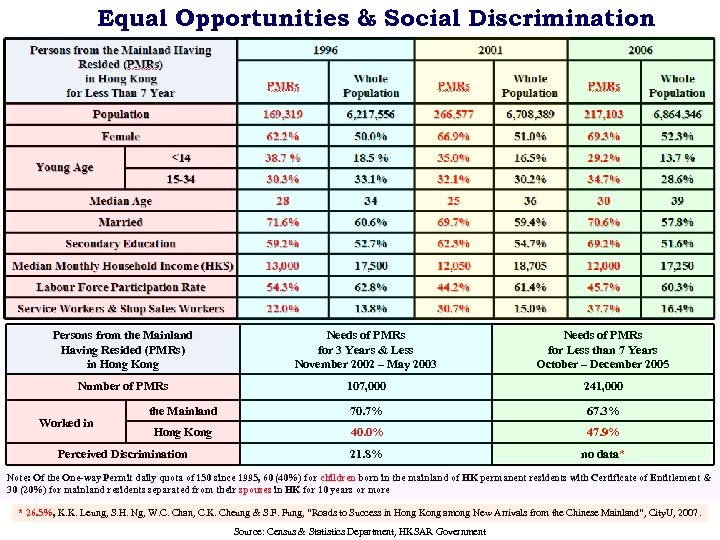
Equal Opportunities & Social Discrimination Persons from the Mainland Having Resided (PMRs) in Hong Kong Needs of PMRs for 3 Years & Less November 2002 – May 2003 Needs of PMRs for Less than 7 Years October – December 2005 Number of PMRs 107, 000 241, 000 the Mainland 70. 7% 67. 3% Hong Kong 40. 0% 47. 9% 21. 8% no data* Worked in Perceived Discrimination Note: Of the One-way Permit daily quota of 150 since 1995, 60 (40%) for children born in the mainland of HK permanent residents with Certificate of Entitlement & 30 (20%) for mainland residents separated from their spouses in HK for 10 years or more * 26. 5%, K. K. Leung, S. H. Ng, W. C. Chan, C. K. Cheung & S. F. Fung, ”Roads to Success in Hong Kong among New Arrivals from the Chinese Mainland”, City. U, 2007. 26. 5%, Source: Census & Statistics Department, HKSAR Government
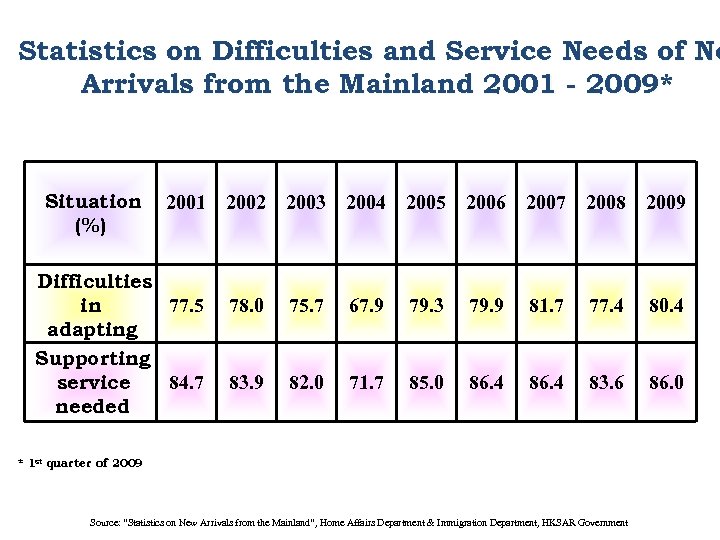
Statistics on Difficulties and Service Needs of Ne Arrivals from the Mainland 2001 - 2009* Situation (%) 2001 2002 2003 2004 2005 2006 2007 2008 2009 Difficulties in 77. 5 adapting Supporting service 84. 7 needed 78. 0 75. 7 67. 9 79. 3 79. 9 81. 7 77. 4 80. 4 83. 9 82. 0 71. 7 85. 0 86. 4 83. 6 86. 0 * 1 st quarter of 2009 Source: “Statistics on New Arrivals from the Mainland”, Home Affairs Department & Immigration Department, HKSAR Government
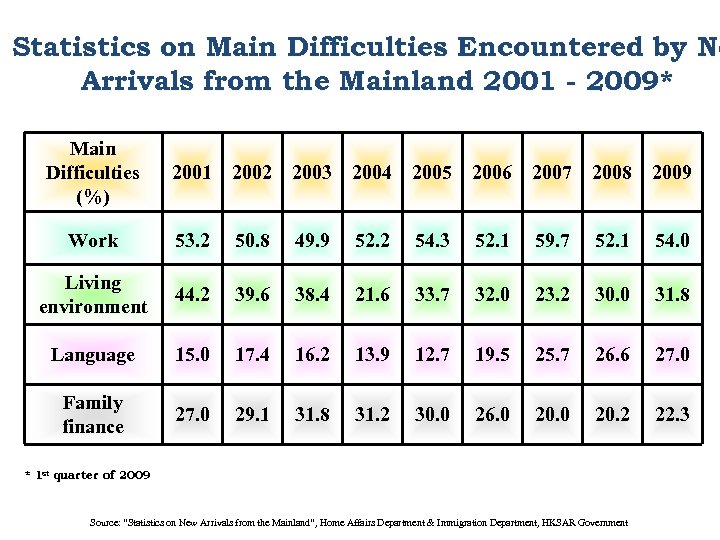
Statistics on Main Difficulties Encountered by Ne Arrivals from the Mainland 2001 - 2009* Main Difficulties (%) 2001 2002 2003 2004 2005 2006 2007 2008 2009 Work 53. 2 50. 8 49. 9 52. 2 54. 3 52. 1 59. 7 52. 1 54. 0 Living environment 44. 2 39. 6 38. 4 21. 6 33. 7 32. 0 23. 2 30. 0 31. 8 Language 15. 0 17. 4 16. 2 13. 9 12. 7 19. 5 25. 7 26. 6 27. 0 Family finance 27. 0 29. 1 31. 8 31. 2 30. 0 26. 0 20. 2 22. 3 * 1 st quarter of 2009 Source: “Statistics on New Arrivals from the Mainland”, Home Affairs Department & Immigration Department, HKSAR Government
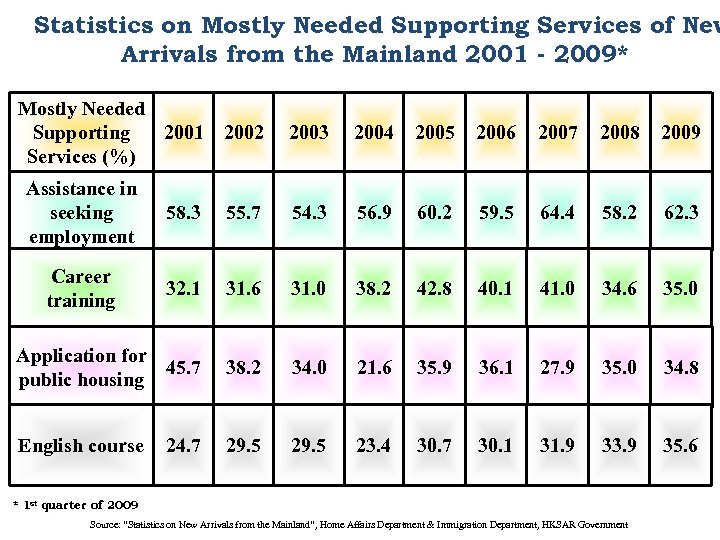
Statistics on Mostly Needed Supporting Services of New Arrivals from the Mainland 2001 - 2009* Mostly Needed 2001 2002 Supporting Services (%) 2003 2004 2005 2006 2007 2008 2009 Assistance in seeking employment 58. 3 55. 7 54. 3 56. 9 60. 2 59. 5 64. 4 58. 2 62. 3 Career training 32. 1 31. 6 31. 0 38. 2 42. 8 40. 1 41. 0 34. 6 35. 0 Application for 45. 7 public housing 38. 2 34. 0 21. 6 35. 9 36. 1 27. 9 35. 0 34. 8 English course 29. 5 23. 4 30. 7 30. 1 31. 9 33. 9 35. 6 24. 7 * 1 st quarter of 2009 Source: “Statistics on New Arrivals from the Mainland”, Home Affairs Department & Immigration Department, HKSAR Government
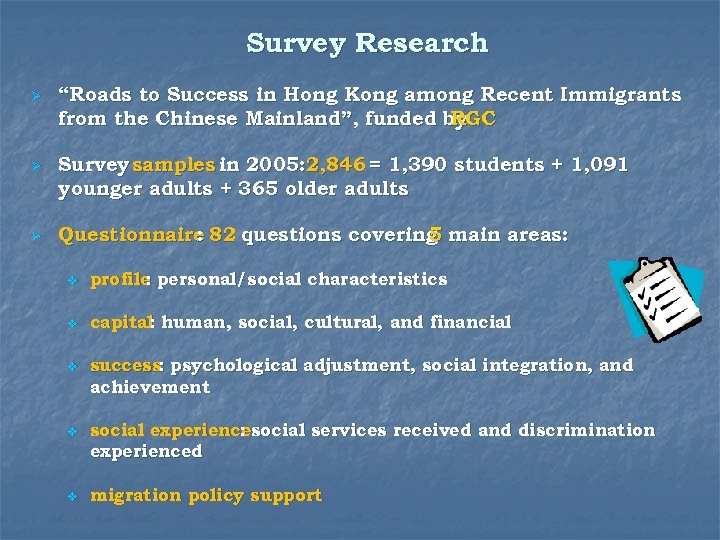
Survey Research Ø “Roads to Success in Hong Kong among Recent Immigrants from the Chinese Mainland”, funded by RGC Ø Survey samples in 2005: 2, 846 = 1, 390 students + 1, 091 younger adults + 365 older adults Ø Questionnaire 82 questions covering main areas: : 5 v profile personal/social characteristics : v capital human, social, cultural, and financial : v success: psychological adjustment, social integration, and achievement v social experiencesocial services received and discrimination : experienced v migration policy support
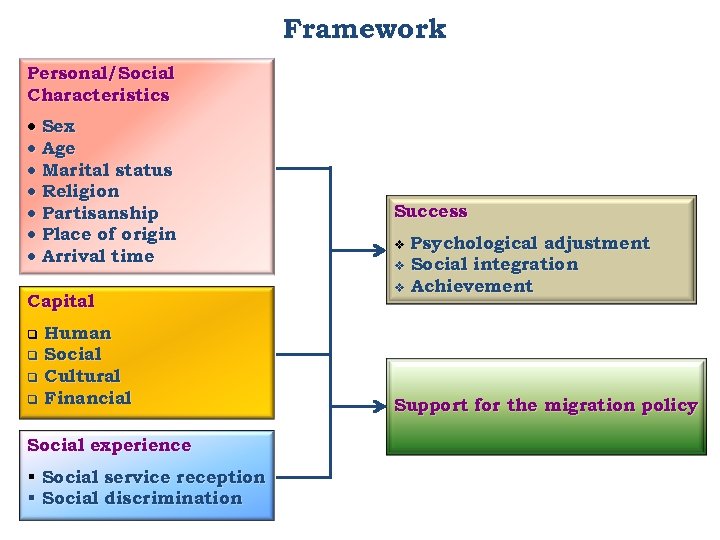
Framework Personal/Social Characteristics · Sex · Age · Marital status · Religion · Partisanship · Place of origin · Arrival time Capital Human q Social q Cultural q Financial Success Psychological adjustment v Social integration v Achievement v q Social experience § Social service reception § Social discrimination Support for the migration policy
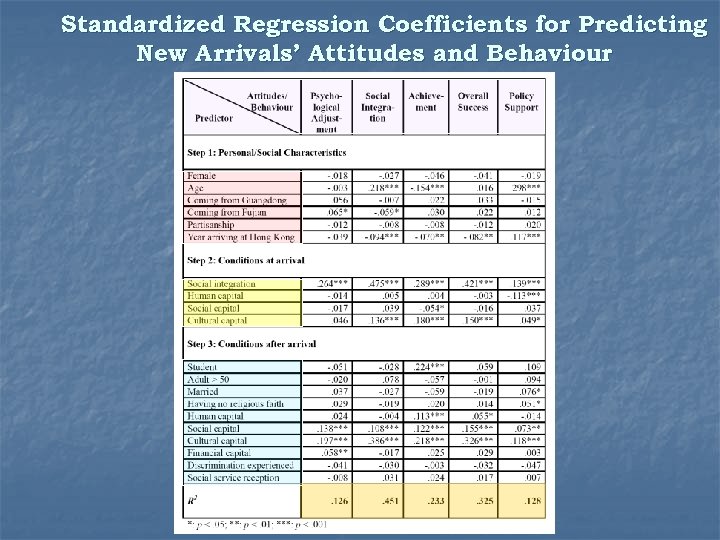
Standardized Regression Coefficients for Predicting New Arrivals’ Attitudes and Behaviour
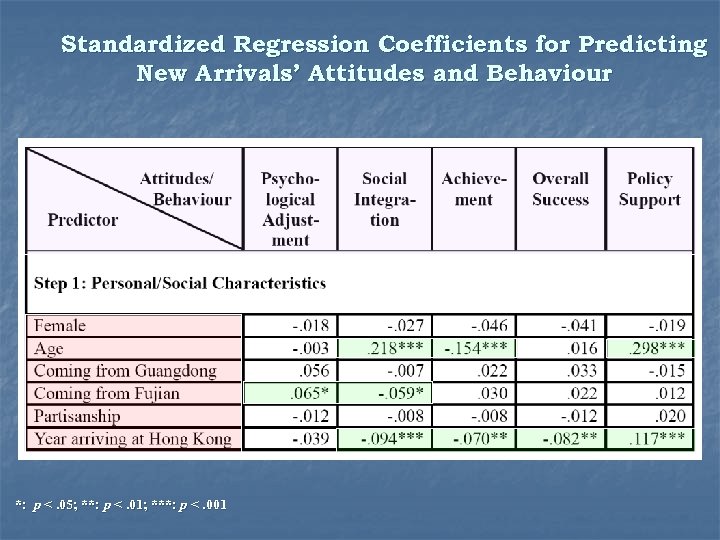
Standardized Regression Coefficients for Predicting New Arrivals’ Attitudes and Behaviour *: p <. 05; **: p <. 01; ***: p <. 001
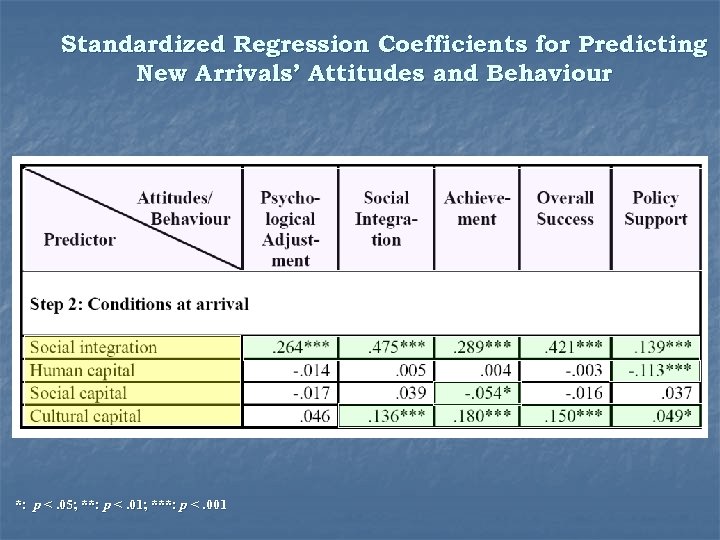
Standardized Regression Coefficients for Predicting New Arrivals’ Attitudes and Behaviour *: p <. 05; **: p <. 01; ***: p <. 001
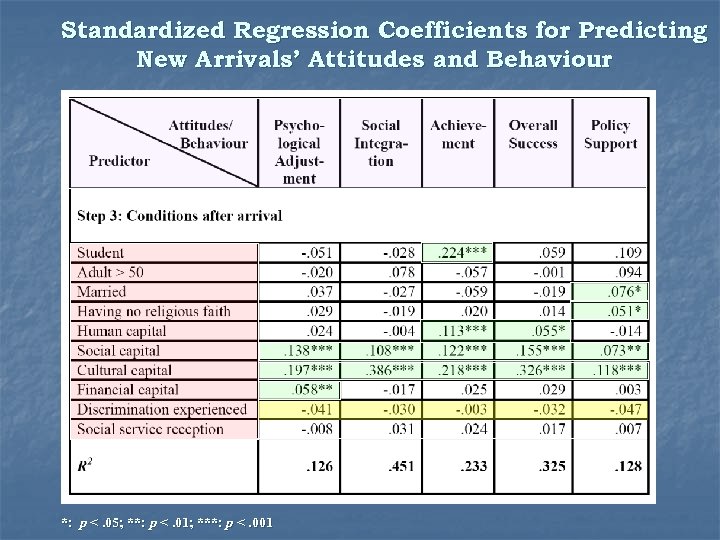
Standardized Regression Coefficients for Predicting New Arrivals’ Attitudes and Behaviour *: p <. 05; **: p <. 01; ***: p <. 001
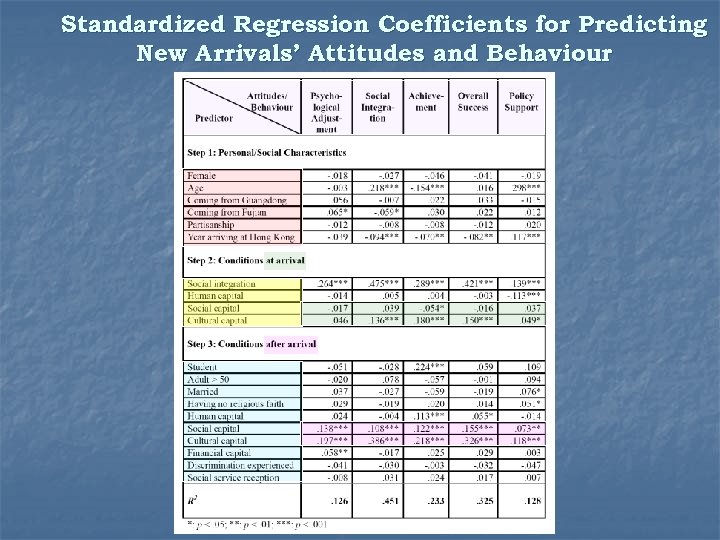
Standardized Regression Coefficients for Predicting New Arrivals’ Attitudes and Behaviour
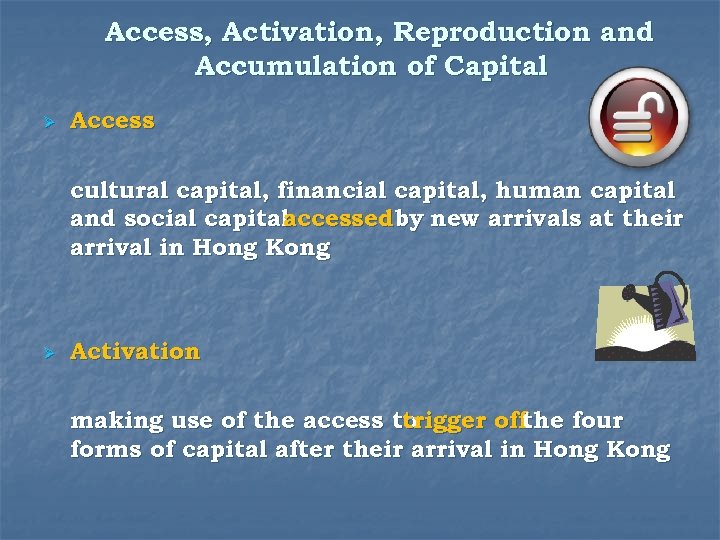
Access, Activation, Reproduction and Accumulation of Capital Ø Access cultural capital, financial capital, human capital and social capital accessed by new arrivals at their arrival in Hong Kong Ø Activation making use of the access to trigger offthe four forms of capital after their arrival in Hong Kong
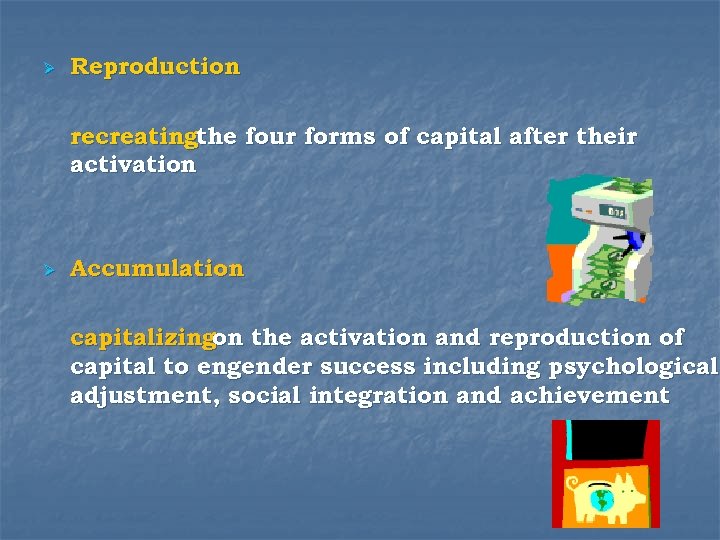
Ø Reproduction recreatingthe four forms of capital after their activation Ø Accumulation capitalizingon the activation and reproduction of capital to engender success including psychological adjustment, social integration and achievement
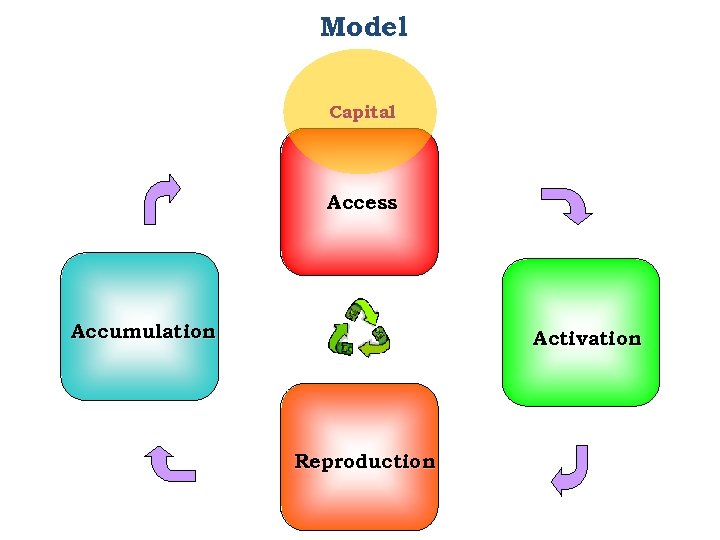
Model Capital Access Accumulation Activation Reproduction
Informing Policy Ø For facilitating new arrivals’ success in Hong Kong, policycan ensure the following: 1. integratingnew arrivals as earlier as possible once they arrive in Hong Kong; 2. promotingsocial capital andcultural capital of new arrivals in general; specifically:
Informing Policy 2. 1 helping new arrivals with less social capital and cultural capital the time at of arrivalin Hong Kong; 2. 2 enhancing new arrivals’ social capital and cultural capital after their arrival;
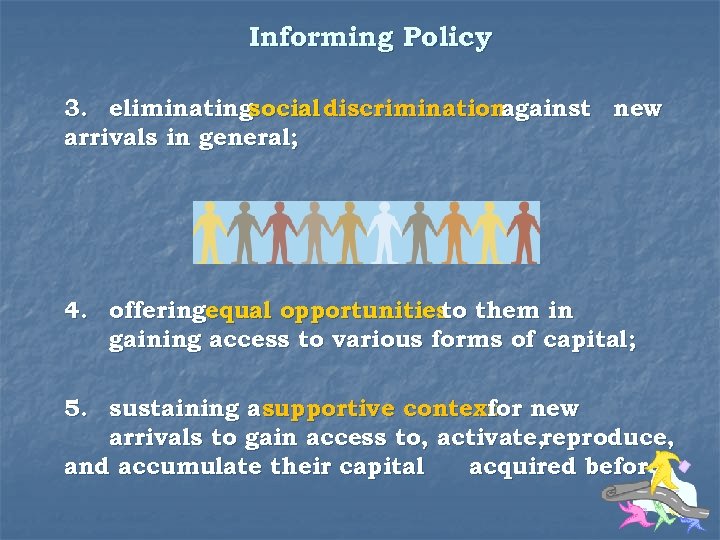
Informing Policy 3. eliminatingsocial discrimination against new arrivals in general; 4. offeringequal opportunities them in to gaining access to various forms of capital; 5. sustaining a supportive context new for arrivals to gain access to, activate, reproduce, and accumulate their capital acquired before.
Thank You
Скачать презентацию Public Policy Research Forum Informing Policy Realizing the
853f13084963f49fe681a7115cee9e61.ppt