


 Скачать презентацию PSY 321 Conformity and Compliance Dr Sanchez 1
4a4403ccad3024d9844944d250b8606e.ppt
- Количество слайдов: 51
 PSY 321 Conformity and Compliance Dr. Sanchez 1
 Today’s Outline • Compliance – Techniques and Experiments • Conformity – Techniques and Experiments • Majority vs. Minority Influence 2
 Compliance • Changes in behavior that are elicited by direct requests. 3
 The Language of Requests • Talking fast and catching people off guard can improve compliance rates. • People can be disarmed by the simple phrasing of the request. 4
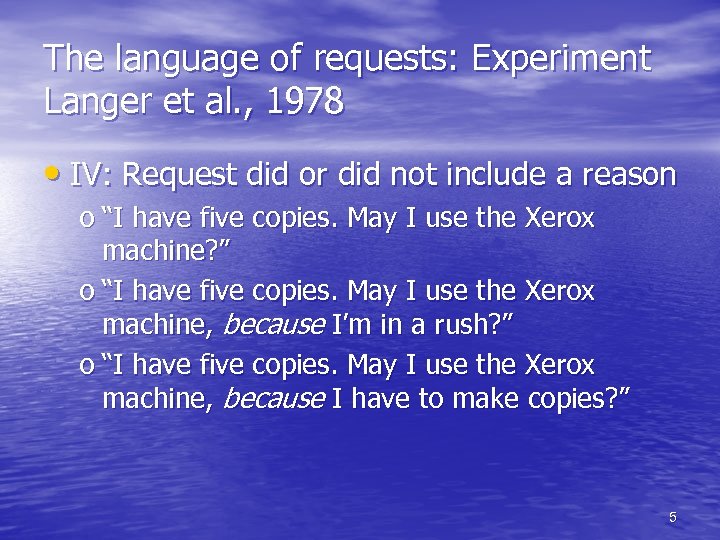 The language of requests: Experiment Langer et al. , 1978 • IV: Request did or did not include a reason o “I have five copies. May I use the Xerox machine? ” o “I have five copies. May I use the Xerox machine, because I’m in a rush? ” o “I have five copies. May I use the Xerox machine, because I have to make copies? ” 5
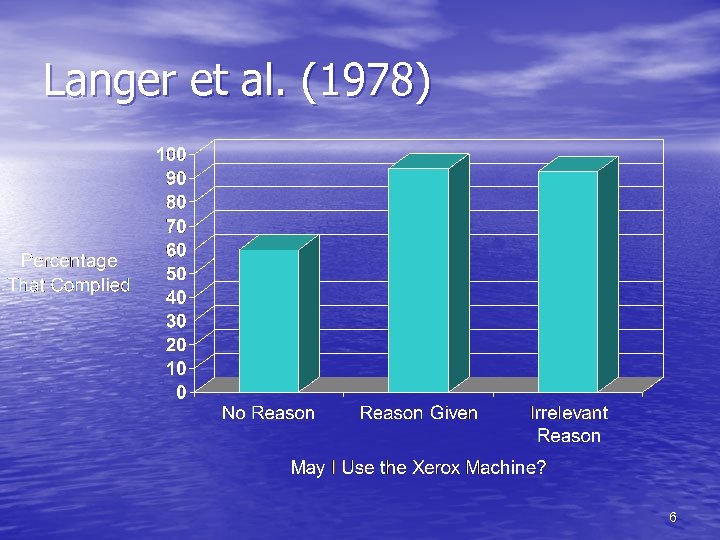 Langer et al. (1978) 6
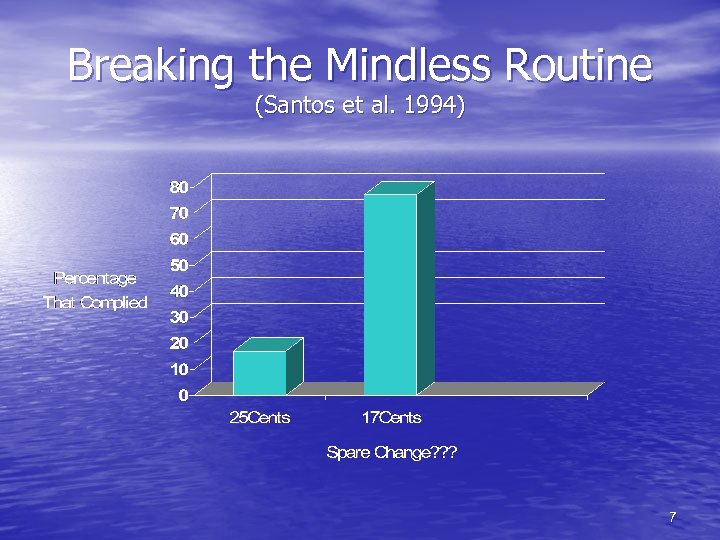 Breaking the Mindless Routine (Santos et al. 1994) 7
 Norm of Reciprocity • The powerful norm of reciprocity dictates that we treat others as they have treated us. § Example: writing “thank you” on back of check increases tip § Coca-Cola study • Norm of reciprocity is relatively short-lived. 8
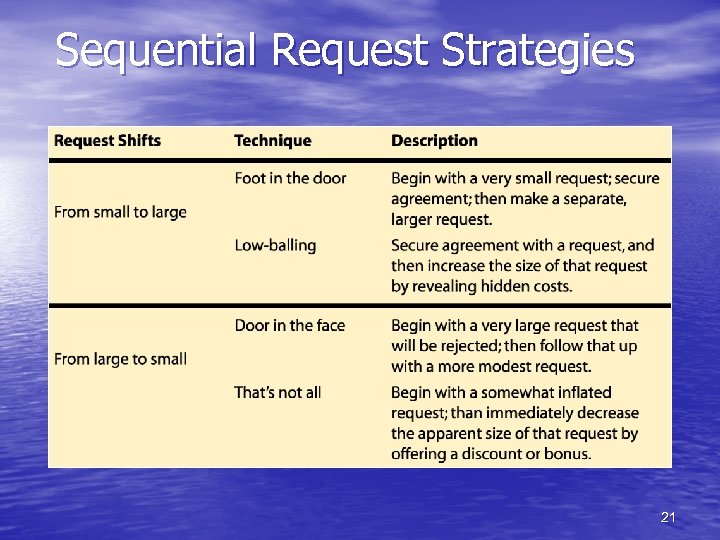
 Sequential Request Strategies: Foot-in-the-Door Technique • Person begins with a very small request; secures agreement; then makes a separate larger request. • Why is it effective? 9
 Foot-in-the-Door: Experiment Freedman & Fraser, 1966 • IV: Small request first, or not • Initial request (small): – By phone, asked women to complete short survey on household products • Intrusive request (big): – 3 days later, asked women to allow a few men into the house for 2 hours to rummage through drawers 10
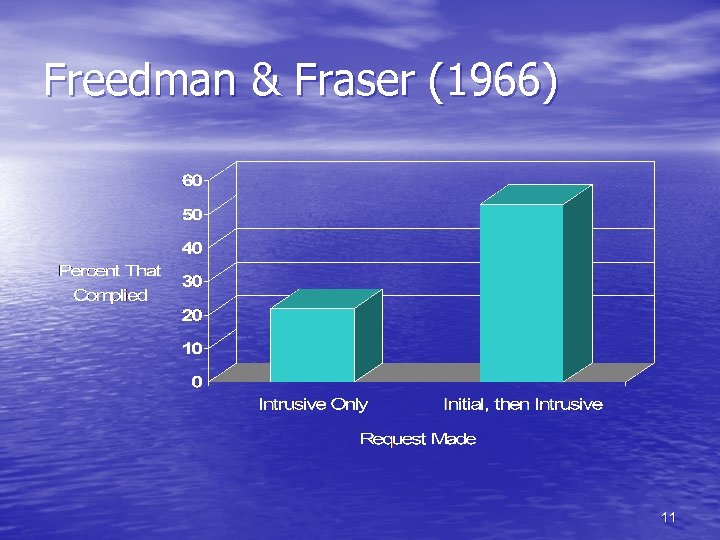 Freedman & Fraser (1966) 11
 Sequential Request Strategies: Low-Balling • Person secures agreement with a request and then increases the size of that request by revealing hidden costs. • Why is it effective? 12
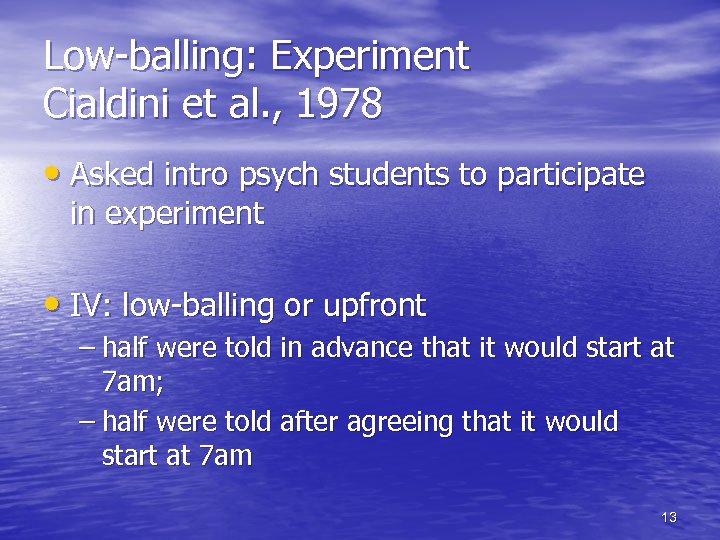 Low-balling: Experiment Cialdini et al. , 1978 • Asked intro psych students to participate in experiment • IV: low-balling or upfront – half were told in advance that it would start at 7 am; – half were told after agreeing that it would start at 7 am 13
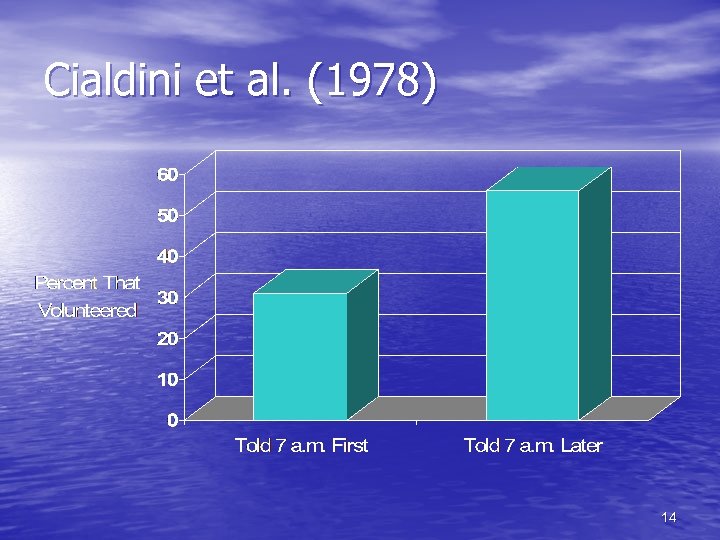 Cialdini et al. (1978) 14
 Sequential Request Strategies: Door-in-the-Face Technique • Person begins with a very large request that will be rejected; then follows that up with a more moderate request. • Why is it effective? 15
 Door-in-the-Face Technique: Experiment Cialdini et al. , 1975 • IV: Large request first? • Asked students to volunteer for 2 hrs/week for 2 yrs to work with juvenile delinquents • Or no large request first • Followed by smaller request: Will you escort juvenile delinquents to zoo? 16
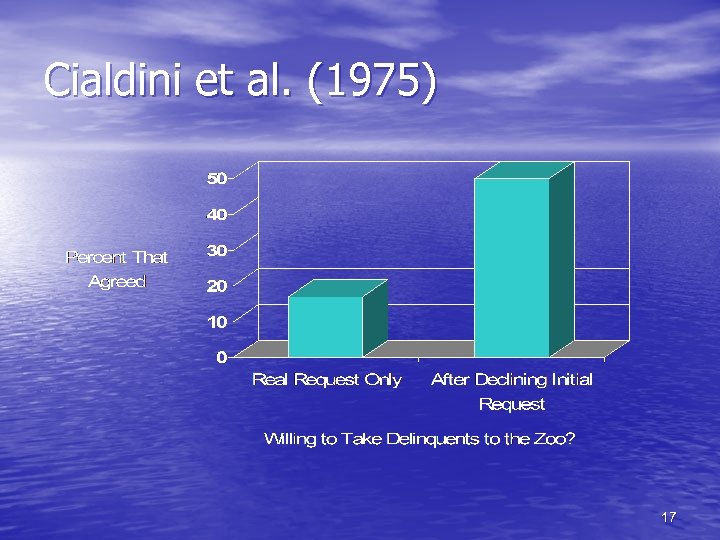 Cialdini et al. (1975) 17
 Sequential Request Strategies: That’s Not All, Folks! • Person begins with a somewhat inflated request; then immediately decreases the apparent size of the request by offering a discount or bonus. • Why? 18
 That’s-Not-All Technique: Experiment Burger, 1986 • IV: Did the deal get “sweeter”? – ½ of Ps told cupcakes cost 75 cents – ½ of Ps first told cupcakes cost $1, then told the price would be reduced to 75 cents 19
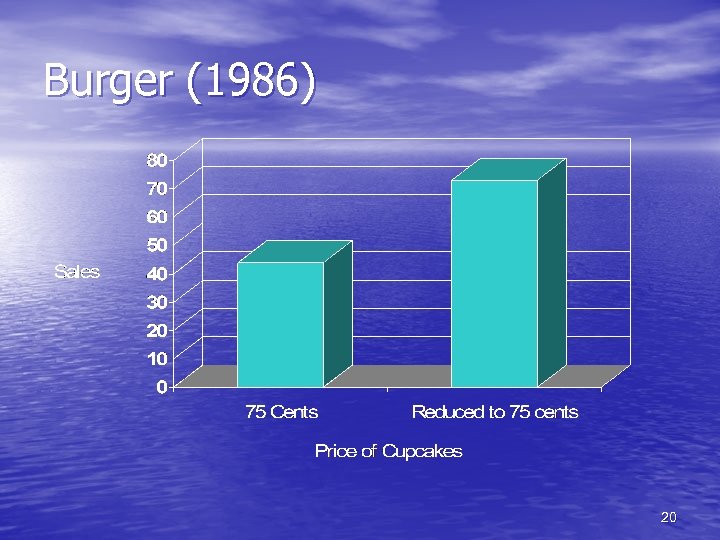 Burger (1986) 20
 Sequential Request Strategies 21
 Assertiveness: When People Say No • To be able to resist the trap of compliance techniques…. . 22
 Conformity • Tendency to change perceptions, opinions, or behavior in ways that are consistent with group norms. 23
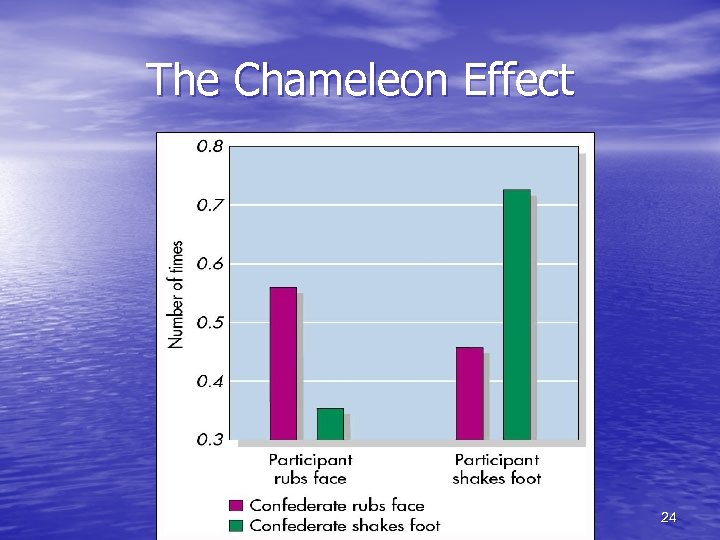 The Chameleon Effect 24
 Conformity: Autokinetic Phenomenon • Sherif (1935, 1937) • Study of “norm formation” • Dark room, pinpoint of light appears 15 feet in front of you • Asked, “How far did light move? ” • First time, you’re alone • Subsequent times, you’re with others (this is the IV) 25
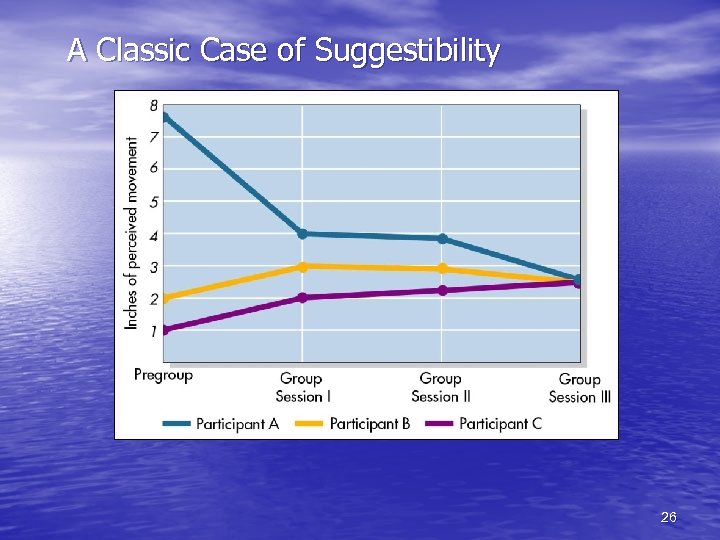 A Classic Case of Suggestibility 26
 Conformity: Asch Line-Matching • P surrounded by 6 confederates • Asked to judge length of a line • IV: Confederates give correct or incorrect answer 27
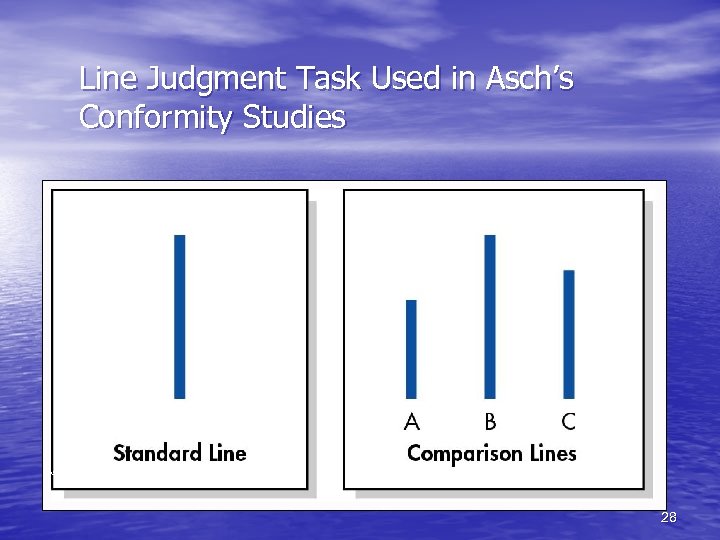 Line Judgment Task Used in Asch’s Conformity Studies Asch, 1955. 28
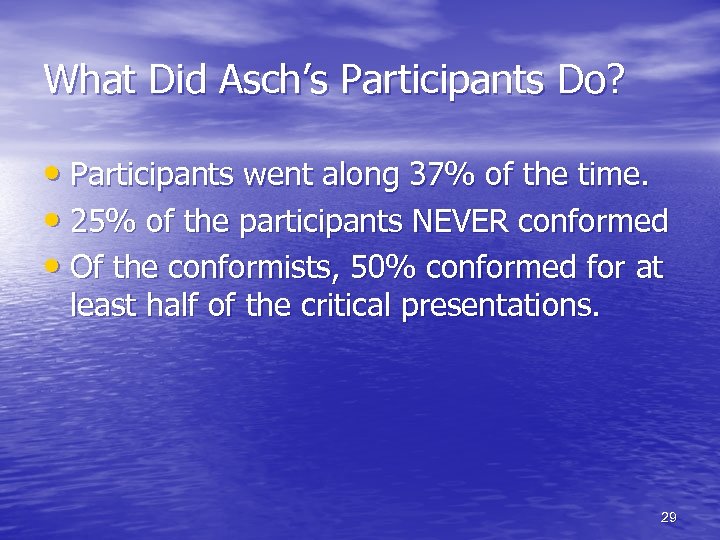 What Did Asch’s Participants Do? • Participants went along 37% of the time. • 25% of the participants NEVER conformed • Of the conformists, 50% conformed for at least half of the critical presentations. 29
 Sherif’s vs. Asch’s Studies • Sherif: Because of ambiguity, participants turned to each other for guidance. • Asch: Found self in awkward position. 30
 Why Do People Conform? • Informational Influence: People conform because they believe others are correct in their judgments – Sherif autokinetic effect – 2 heads better than one? – Implications for eyewitness testimonies 31
 Why Do People Conform? • Normative Influence: People conform because they fear the consequences of appearing deviant. – Asch line-matching – Effects of Ostracism • Cyberball • “Minority Slowness Effect” 32
 Types of Conformity • Private Conformity: Changes in both overt behavior and beliefs. – Sherif autokinetic effect – Enduring conformity • Public Conformity: Superficial change in overt behavior only. – Asch line-matching – If wrote answers privately, effect went away 33
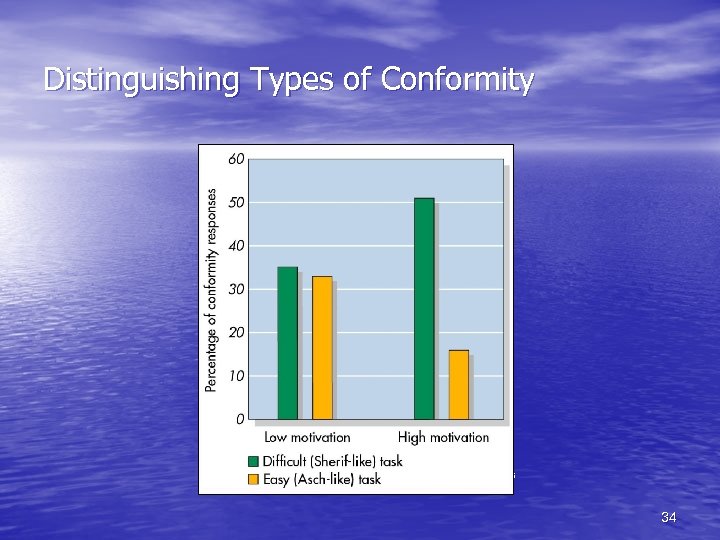 Distinguishing Types of Conformity From Robert Baron et al. , (1996) Journal of Personality and Social Psychology, 71, 915 -927. Copyright (c) 1996 by the American Psychological Association. Adapted with permission. 34
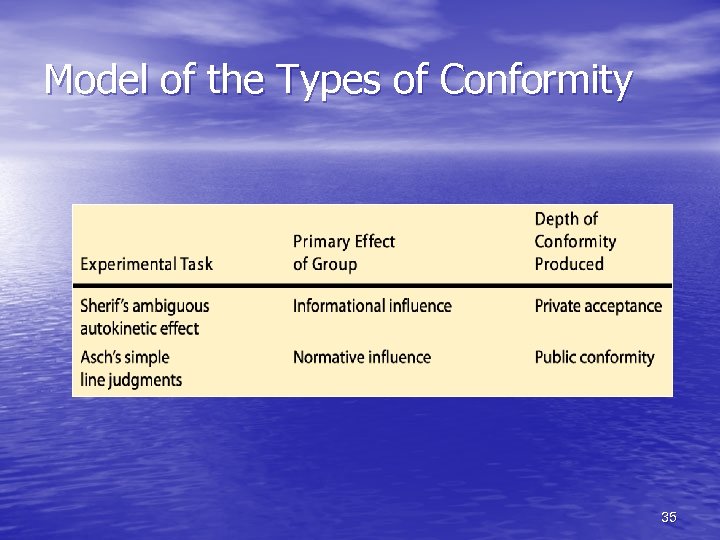 Model of the Types of Conformity 35
 Majority Influence: Group Size • Conformity increases with group size -- but only up to a point. • Why? – Law of “diminishing returns”? – Perception that others are either in “collusion” or “spineless sheep”? 36
 Majority Influence: Having an Ally in Dissent • When there was an ally in Asch’s study, conformity dropped by almost 80%. • Why does having an ally reduce majority influence on our behavior? 37
 Majority Influence and Gender Differences • IV: Masculine, Feminine, or Stereotype Neutral Q’s • DV: Percent agreeing w/majority response • Results? – Men conformed more to feminine qs – Women conformed more to masculine qs – No difference on neutral items 38
 Majority Influence and Gender Differences • Conceptual IV: Social Pressure • IV: Public v. Private • DV: Percent agreeing w/majority response • Results? – Men conformed less – Women conformed more • Why? 39
 Majority Influence and Gender Differences • Sex differences appear to depend on: – How comfortable people are with the experimental task. – Type of social pressure people face. 40
 Majority Influence and Culture • Cultures differ in the extent to which people adhere to social norms. • What determines whether a culture becomes individualistic or collectivistic? 41
 Individualistic / Collectivistic • US • Australia • Great Britain • Canada • Netherlands • Asia • Africa • South America 42
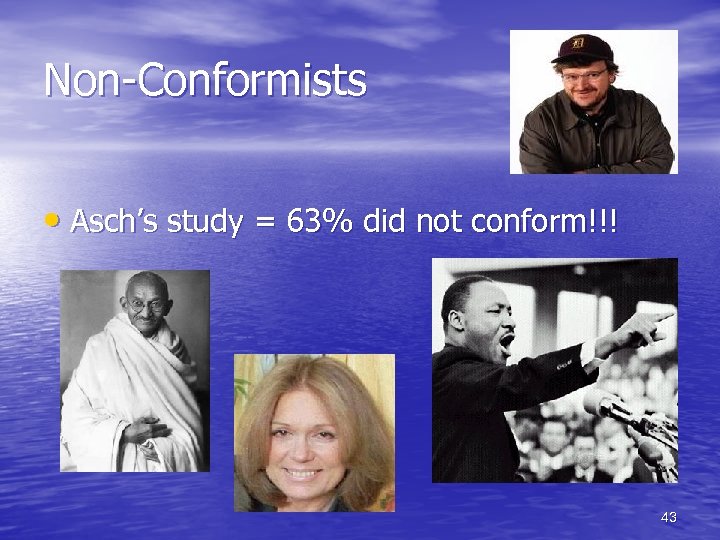 Non-Conformists • Asch’s study = 63% did not conform!!! 43
 Minority Influence • Def. Process by which dissenters produce change • Moscovici: Nonconformists derive power from the style of their behavior. – “Consistent dissent” approach – “The color study” • Why? 44
 Minority Influence • Hollander: Minorities influence by first accumulating idiosyncrasy credits. – “First conform, then dissent” strategy. • Why? 45
 Obedience • Behavior change produced by the commands of authority • Remember: – Compliance is a behavior change elicited by a direct request – Conformity is a change of perceptions, opinions, or behaviors in ways that are consistent with group norms 46
 Milgram’s Research: Forces of Destructive Obedience • Conducted his experiments during the time that Adolph Eichmann was being tried for Nazi war crimes. • Symbols of authority • His unorthodox methods have been the subject of much ethical debate. 47
 The Prods Used in Milgram’s Experiment • “Please continue (or please go on). ” • “The experiment requires that you continue. ” • “It is absolutely essential that you continue. ” • “You have no other choice; you must go on. ” 48
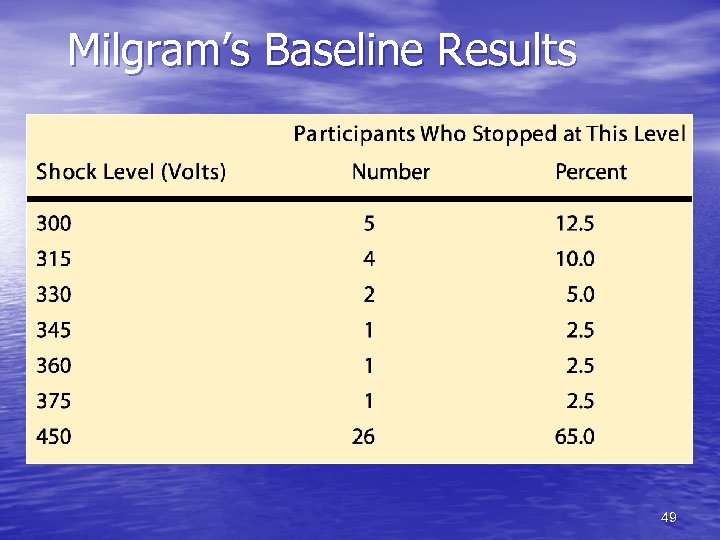 Milgram’s Baseline Results 49
 The Obedient Participant • No gender differences observed in level of obedience. • Milgram’s basic findings have been replicated in several different countries and among different age groups. • Milgram’s participants were tormented by experience. 50
 Are We All Nazis? • No, an individual’s character can make a difference. • Authoritarian Personality: Submissive toward figures of authority but aggressive toward subordinates. 51