


 Скачать презентацию Prospects for extending healthy life — a lot
dfbd014d0f313d488ddade919bb4b061.ppt
- Количество слайдов: 58
 Prospects for extending healthy life - a lot Aubrey D. N. J. de Grey, Ph. D. Chairman and CSO, Methuselah Foundation Lorton, VA, USA and Cambridge, UK Email: aubrey@sens. org MF site: http: //www. methuselahfoundation. org/ Science site: http: //www. sens. org/ Prize site: http: //www. mprize. org/
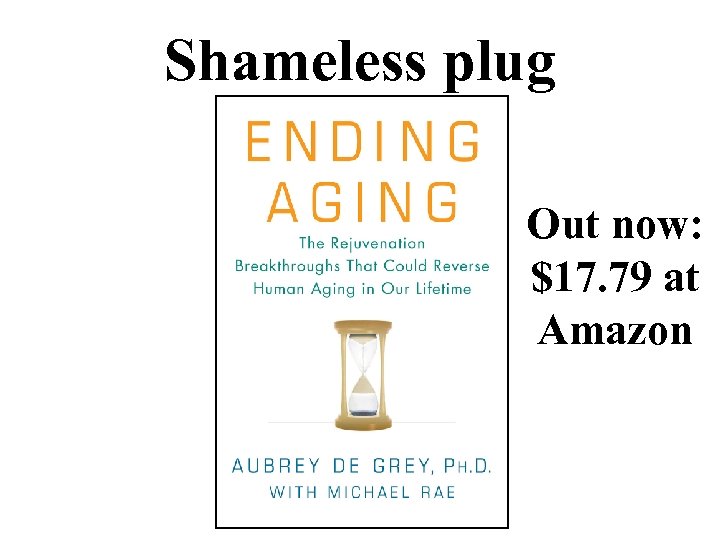 Shameless plug Out now: $17. 79 at Amazon
 Why I am doing this
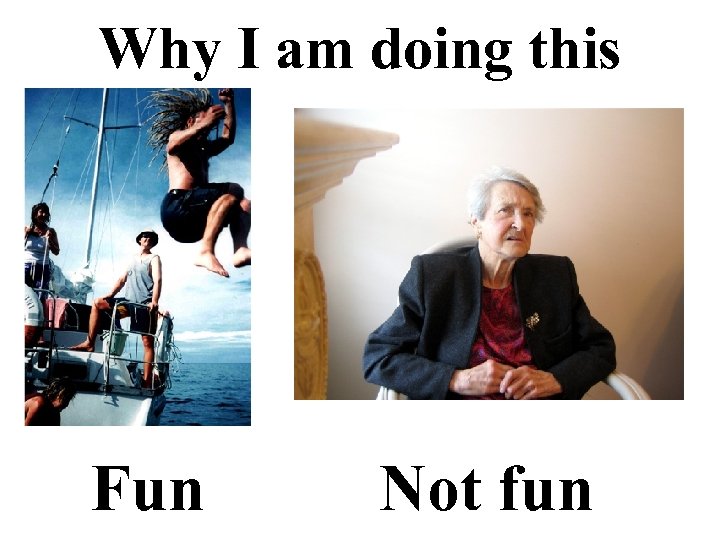 Why I am doing this Fun Not fun
 Structure of this talk - Repair versus retardation - Longevity escape velocity: concept - Some evidence that LEV is realistic - Specifics: the seven types of damage - Intracellular junk/medical bioremediation - The Methuselah Foundation
 Structure of this talk - Repair versus retardation - Longevity escape velocity: concept - Some evidence that LEV is realistic - Specifics: the seven types of damage - Intracellular junk/medical bioremediation - The Methuselah Foundation
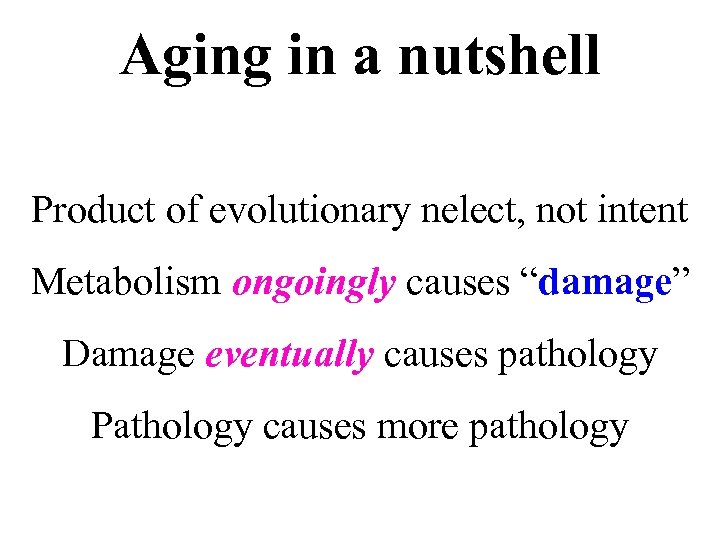 Aging in a nutshell Product of evolutionary nelect, not intent Metabolism ongoingly causes “damage” Damage eventually causes pathology Pathology causes more pathology
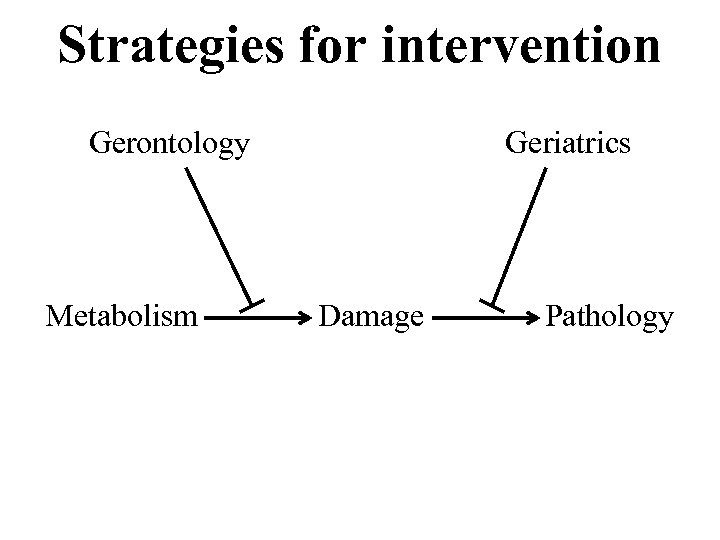 Strategies for intervention Gerontology Metabolism Geriatrics Damage Pathology
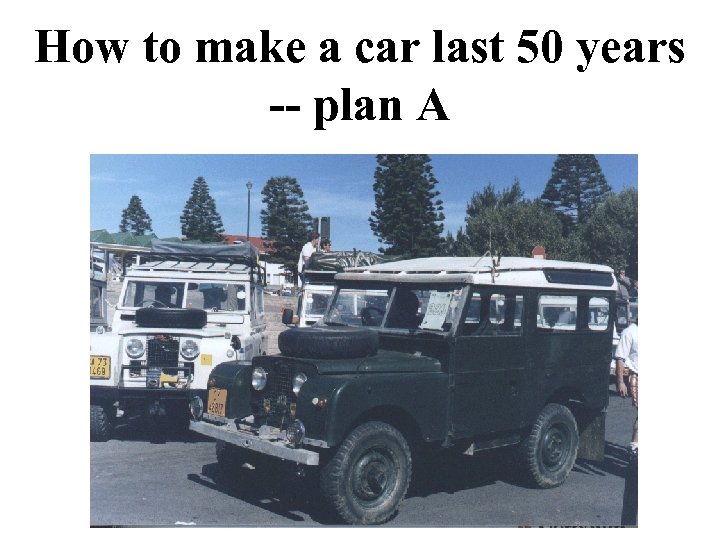 How to make a car last 50 years -- plan A
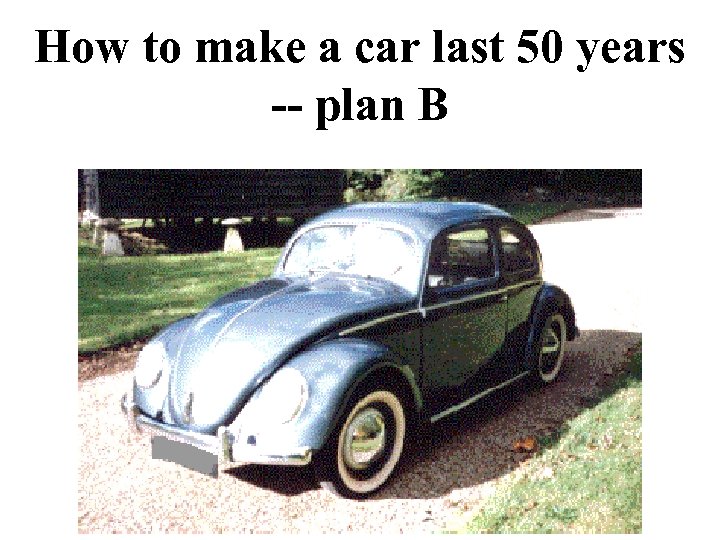 How to make a car last 50 years -- plan B
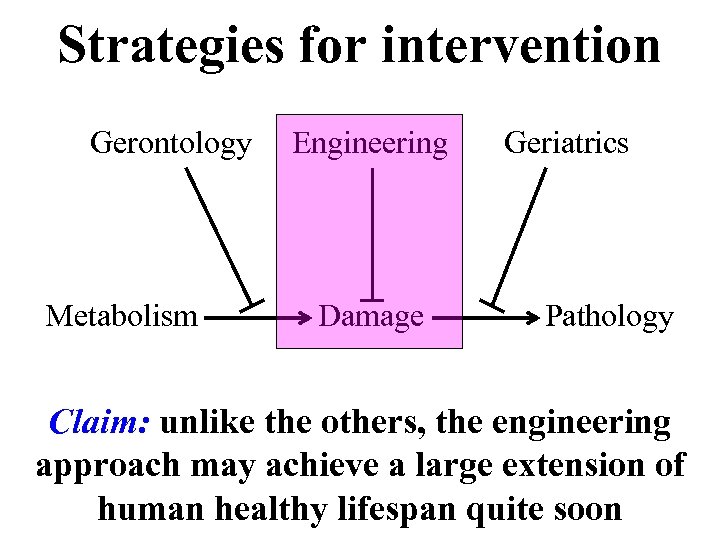 Strategies for intervention Gerontology Metabolism Engineering Damage Geriatrics Pathology Claim: unlike the others, the engineering approach may achieve a large extension of human healthy lifespan quite soon
 Structure of this talk - Repair versus retardation - Longevity escape velocity: concept - Some evidence that LEV is realistic - Specifics: the seven types of damage - Intracellular junk/medical bioremediation - The Methuselah Foundation
 Reasons for the engineering approach - it targets initially inert intermediates (“damage”)
 Reasons for the engineering approach - it targets initially inert intermediates (“damage”) - repairing damage buys time
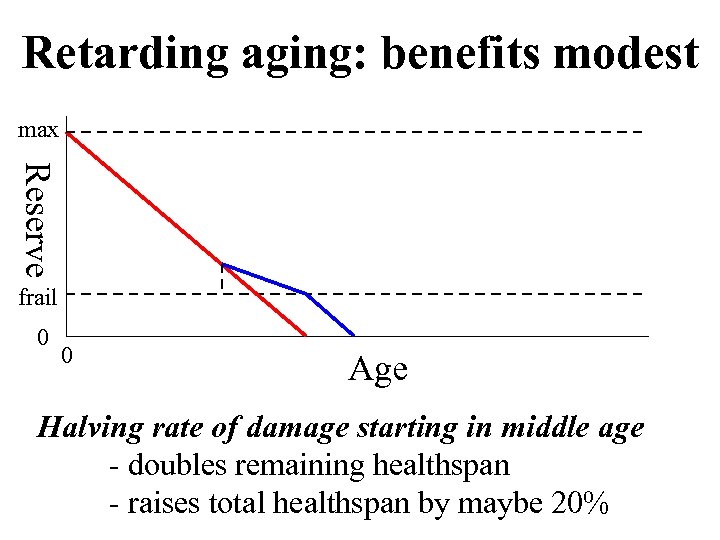 Retarding aging: benefits modest max Reserve frail 0 0 Age Halving rate of damage starting in middle age - doubles remaining healthspan - raises total healthspan by maybe 20%
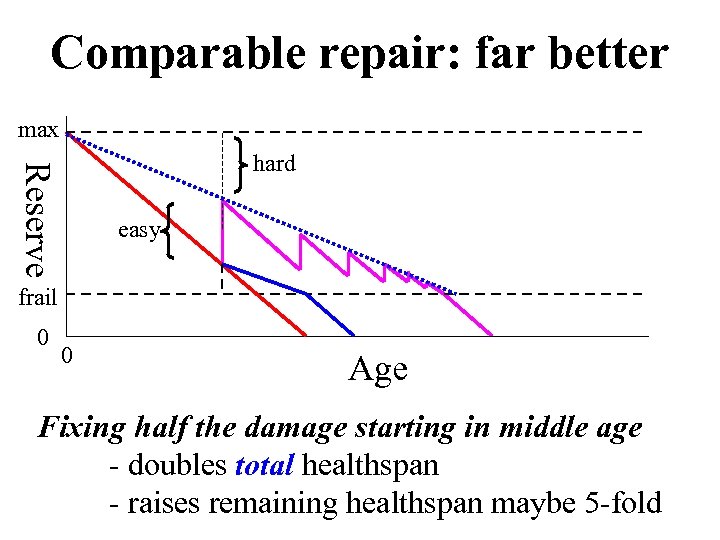 Comparable repair: far better max Reserve hard easy frail 0 0 Age Fixing half the damage starting in middle age - doubles total healthspan - raises remaining healthspan maybe 5 -fold
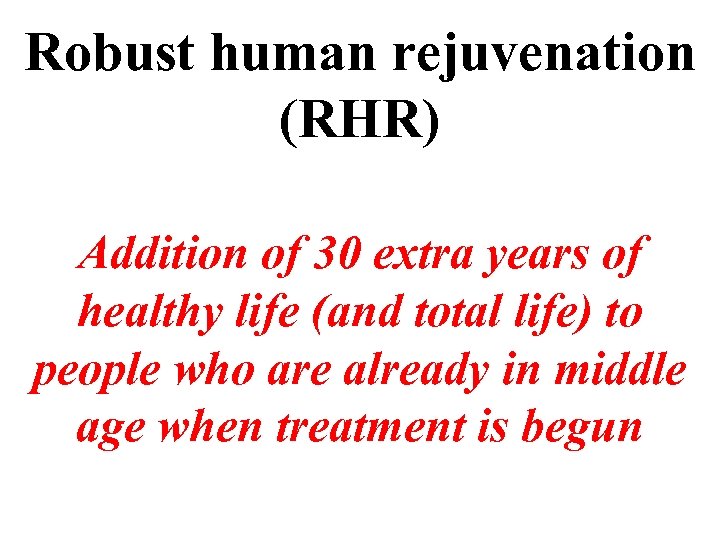 Robust human rejuvenation (RHR) Addition of 30 extra years of healthy life (and total life) to people who are already in middle age when treatment is begun
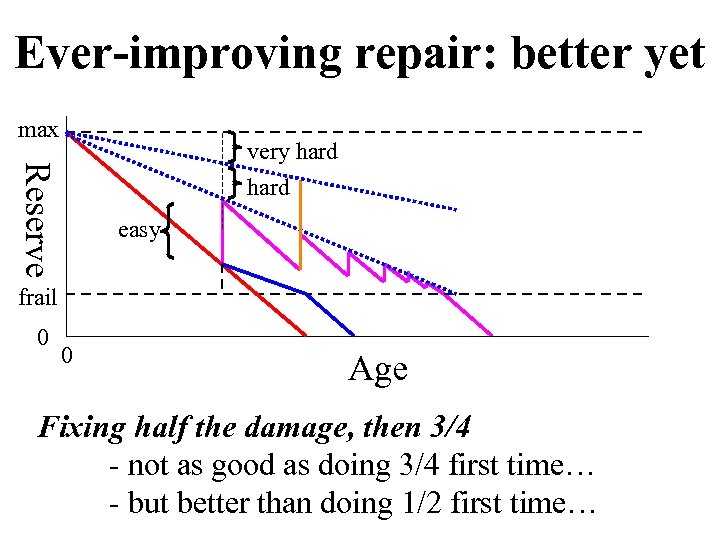 Ever-improving repair: better yet max Reserve very hard easy frail 0 0 Age Fixing half the damage, then 3/4 - not as good as doing 3/4 first time… - but better than doing 1/2 first time…
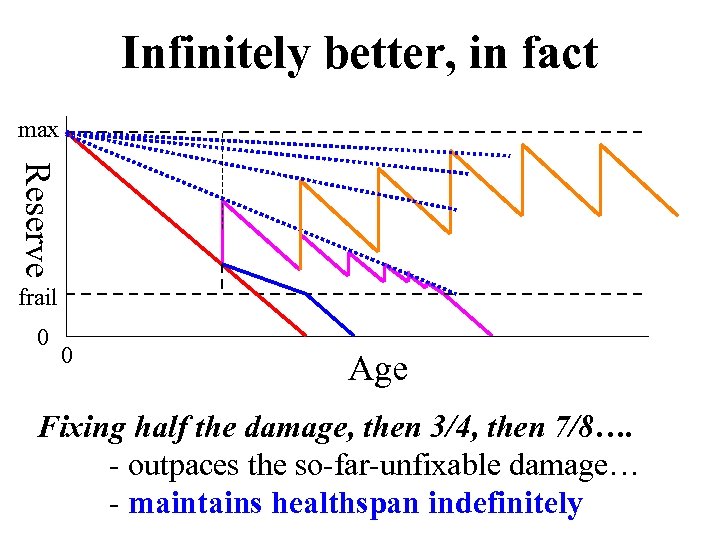 Infinitely better, in fact max Reserve frail 0 0 Age Fixing half the damage, then 3/4, then 7/8…. - outpaces the so-far-unfixable damage… - maintains healthspan indefinitely
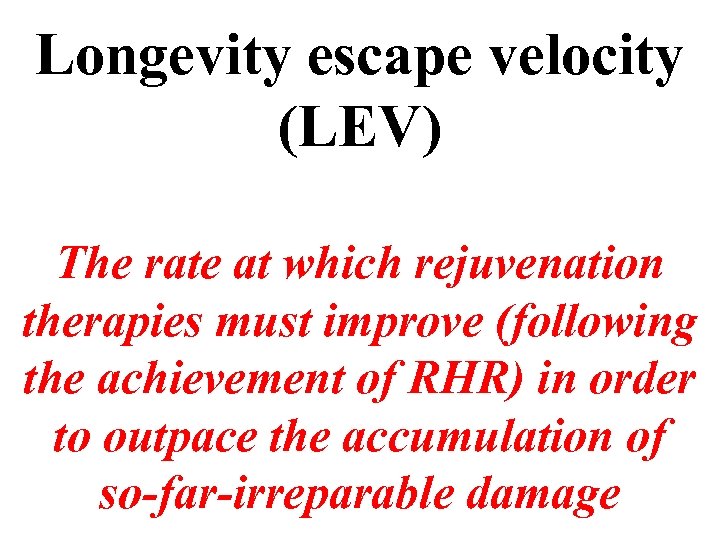 Longevity escape velocity (LEV) The rate at which rejuvenation therapies must improve (following the achievement of RHR) in order to outpace the accumulation of so-far-irreparable damage
 Structure of this talk - Repair versus retardation - Longevity escape velocity: concept - Some evidence that LEV is realistic - Specifics: the seven types of damage - Intracellular junk/medical bioremediation - The Methuselah Foundation
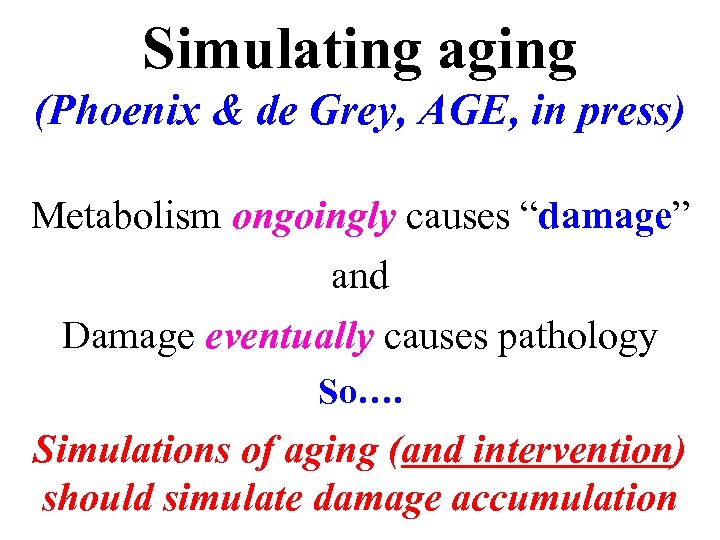 Simulating aging (Phoenix & de Grey, AGE, in press) Metabolism ongoingly causes “damage” and Damage eventually causes pathology So…. Simulations of aging (and intervention) should simulate damage accumulation
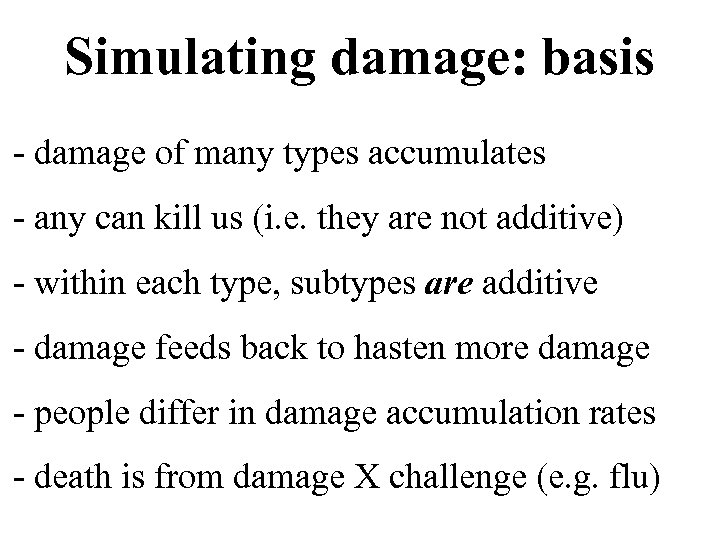 Simulating damage: basis - damage of many types accumulates - any can kill us (i. e. they are not additive) - within each type, subtypes are additive - damage feeds back to hasten more damage - people differ in damage accumulation rates - death is from damage X challenge (e. g. flu)
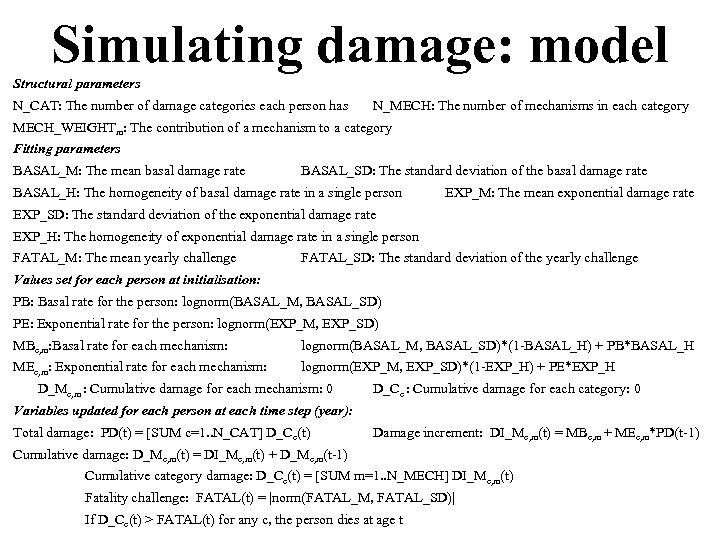 Simulating damage: model Structural parameters N_CAT: The number of damage categories each person has N_MECH: The number of mechanisms in each category MECH_WEIGHTm: The contribution of a mechanism to a category Fitting parameters BASAL_M: The mean basal damage rate BASAL_SD: The standard deviation of the basal damage rate BASAL_H: The homogeneity of basal damage rate in a single person EXP_M: The mean exponential damage rate EXP_SD: The standard deviation of the exponential damage rate EXP_H: The homogeneity of exponential damage rate in a single person FATAL_M: The mean yearly challenge FATAL_SD: The standard deviation of the yearly challenge Values set for each person at initialisation: PB: Basal rate for the person: lognorm(BASAL_M, BASAL_SD) PE: Exponential rate for the person: lognorm(EXP_M, EXP_SD) MBc, m: Basal rate for each mechanism: lognorm(BASAL_M, BASAL_SD)*(1 -BASAL_H) + PB*BASAL_H MEc, m: Exponential rate for each mechanism: lognorm(EXP_M, EXP_SD)*(1 -EXP_H) + PE*EXP_H D_Mc, m : Cumulative damage for each mechanism: 0 D_Cc : Cumulative damage for each category: 0 Variables updated for each person at each time step (year): Total damage: PD(t) = [SUM c=1. . N_CAT] D_Cc(t) Damage increment: DI_Mc, m(t) = MBc, m + MEc, m*PD(t-1) Cumulative damage: D_Mc, m(t) = DI_Mc, m(t) + D_Mc, m(t-1) Cumulative category damage: D_Cc(t) = [SUM m=1. . N_MECH] DI_Mc, m(t) Fatality challenge: FATAL(t) = |norm(FATAL_M, FATAL_SD)| If D_Cc(t) > FATAL(t) for any c, the person dies at age t
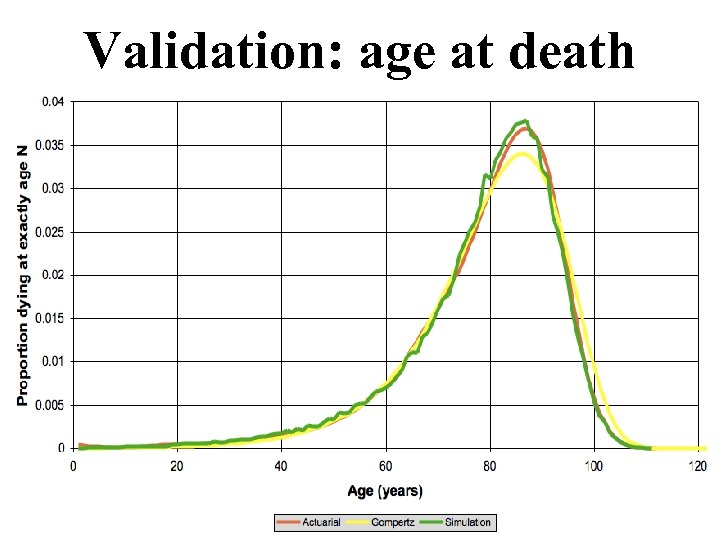 Validation: age at death
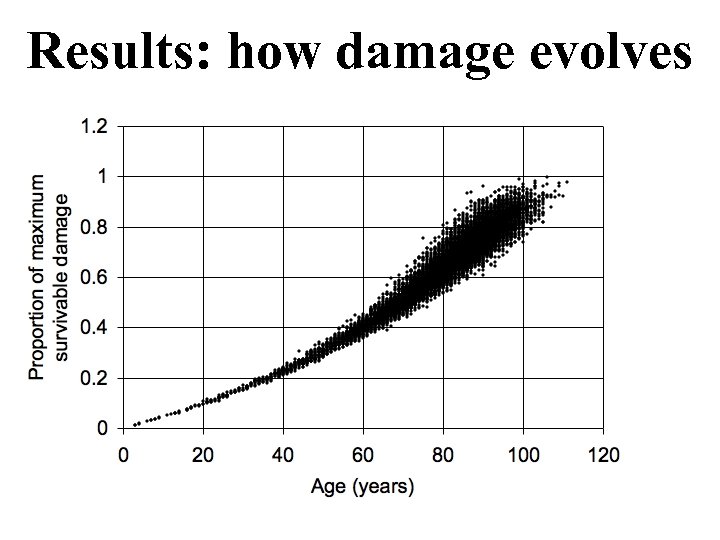 Results: how damage evolves
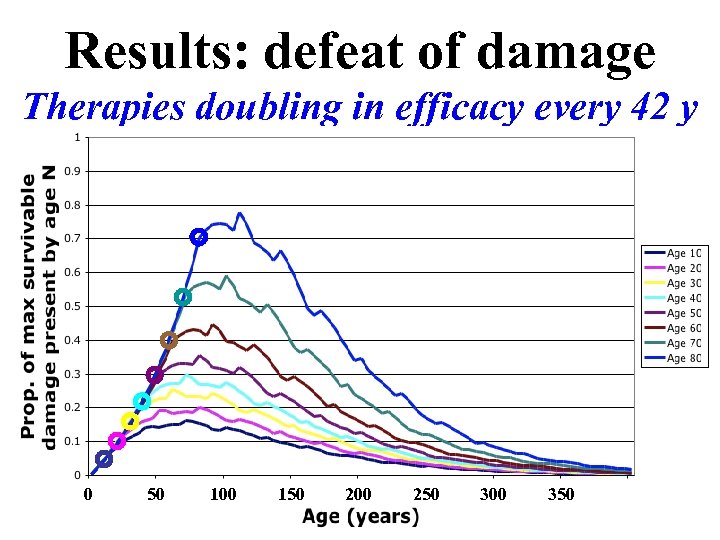 Results: defeat of damage Therapies doubling in efficacy every 42 y 0 50 100 150 200 250 300 350
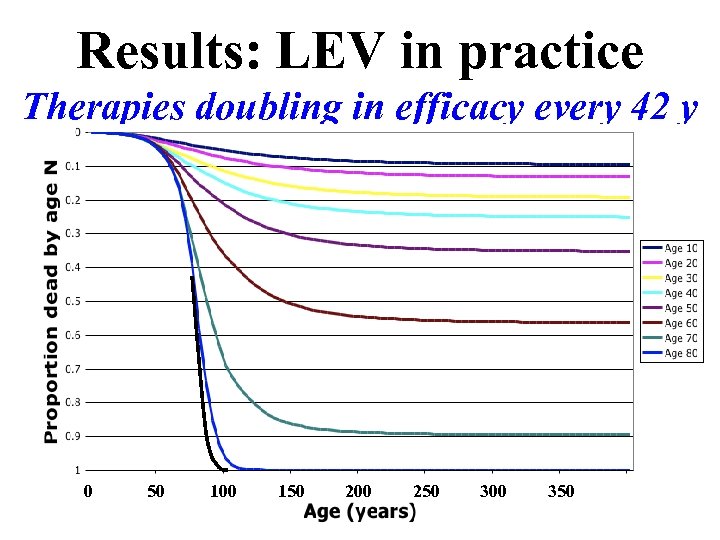 Results: LEV in practice Therapies doubling in efficacy every 42 y 0 50 100 150 200 250 300 350
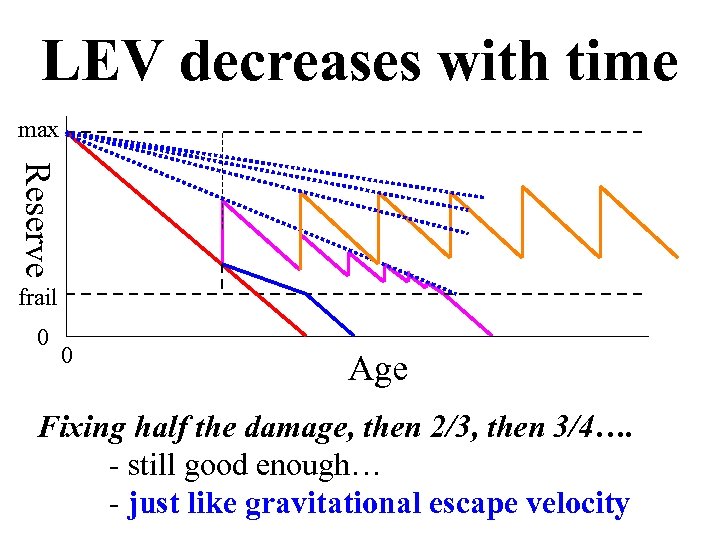 LEV decreases with time max Reserve frail 0 0 Age Fixing half the damage, then 2/3, then 3/4…. - still good enough… - just like gravitational escape velocity
 Data
Data
 Structure of this talk - Repair versus retardation - Longevity escape velocity: concept - Some evidence that LEV is realistic - Specifics: the seven types of damage - Intracellular junk/medical bioremediation - The Methuselah Foundation
 Reasons for the engineering approach - it targets initially inert intermediates (“damage”) - repairing damage buys time - damage is simpler than metabolism or pathology
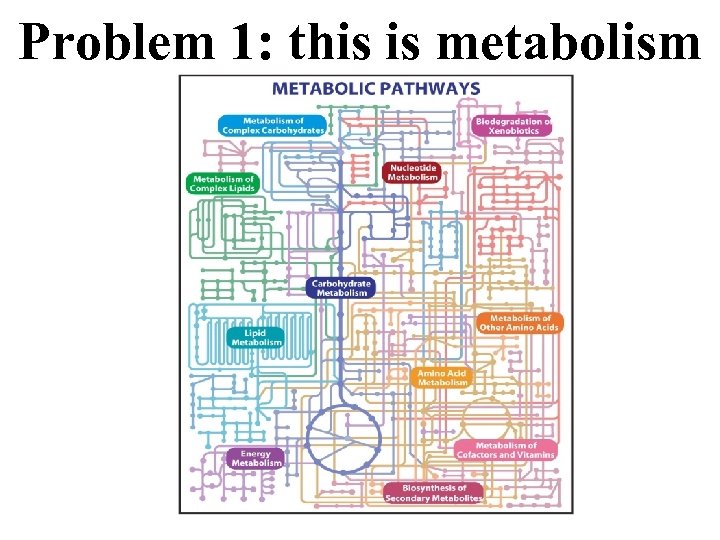 Problem 1: this is metabolism
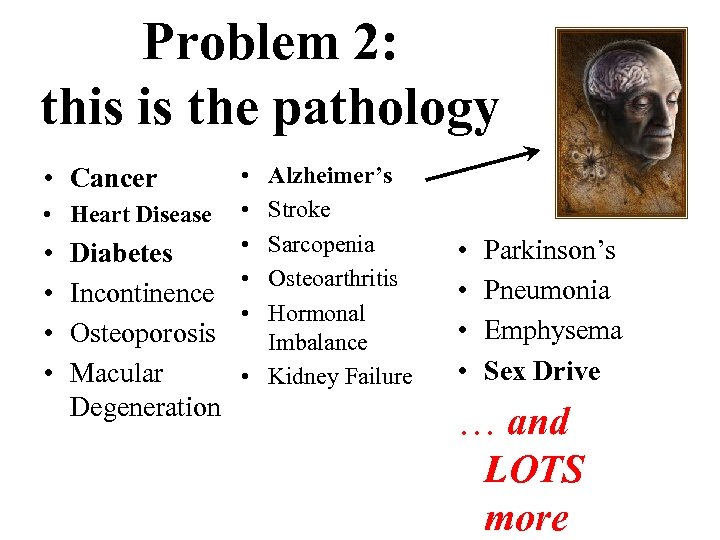 Problem 2: this is the pathology • Cancer • Heart Disease • • Diabetes Incontinence Osteoporosis Macular Degeneration • • • Alzheimer’s Stroke Sarcopenia Osteoarthritis Hormonal Imbalance • Kidney Failure • • Parkinson’s Pneumonia Emphysema Sex Drive … and LOTS more
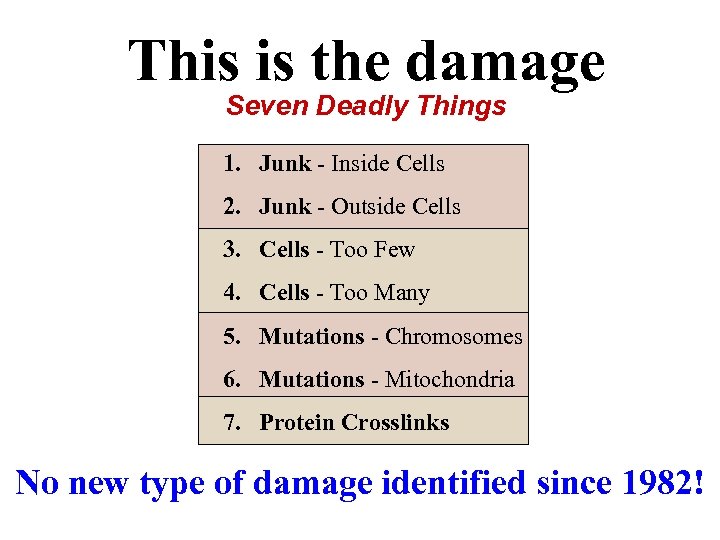 This is the damage Seven Deadly Things 1. Junk - Inside Cells 2. Junk - Outside Cells 3. Cells - Too Few 4. Cells - Too Many 5. Mutations - Chromosomes 6. Mutations - Mitochondria 7. Protein Crosslinks No new type of damage identified since 1982!
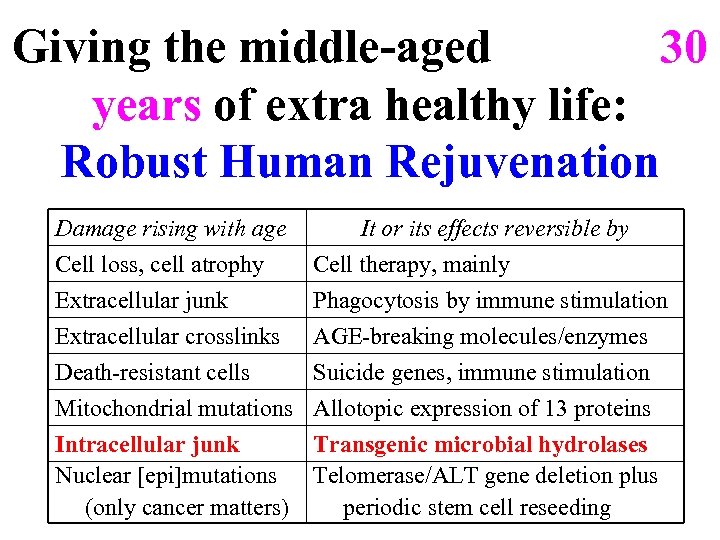
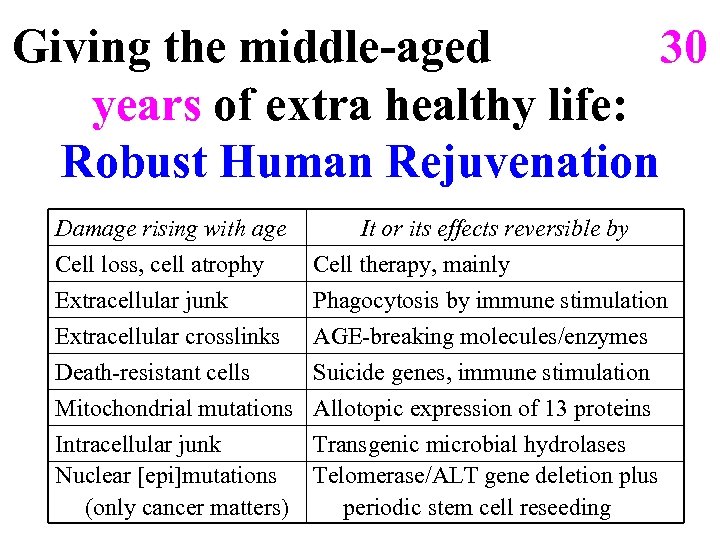 Giving the middle-aged 30 years of extra healthy life: Robust Human Rejuvenation Damage rising with age Cell loss, cell atrophy Extracellular junk Extracellular crosslinks Death-resistant cells Mitochondrial mutations Intracellular junk Nuclear [epi]mutations (only cancer matters) It or its effects reversible by Cell therapy, mainly Phagocytosis by immune stimulation AGE-breaking molecules/enzymes Suicide genes, immune stimulation Allotopic expression of 13 proteins Transgenic microbial hydrolases Telomerase/ALT gene deletion plus periodic stem cell reseeding
 Structure of this talk - Repair versus retardation - Longevity escape velocity: concept - Some evidence that LEV is realistic - Specifics: the seven types of damage - Intracellular junk/medical bioremediation - The Methuselah Foundation
 Giving the middle-aged 30 years of extra healthy life: Robust Human Rejuvenation Damage rising with age Cell loss, cell atrophy Extracellular junk Extracellular crosslinks Death-resistant cells Mitochondrial mutations Intracellular junk Nuclear [epi]mutations (only cancer matters) It or its effects reversible by Cell therapy, mainly Phagocytosis by immune stimulation AGE-breaking molecules/enzymes Suicide genes, immune stimulation Allotopic expression of 13 proteins Transgenic microbial hydrolases Telomerase/ALT gene deletion plus periodic stem cell reseeding
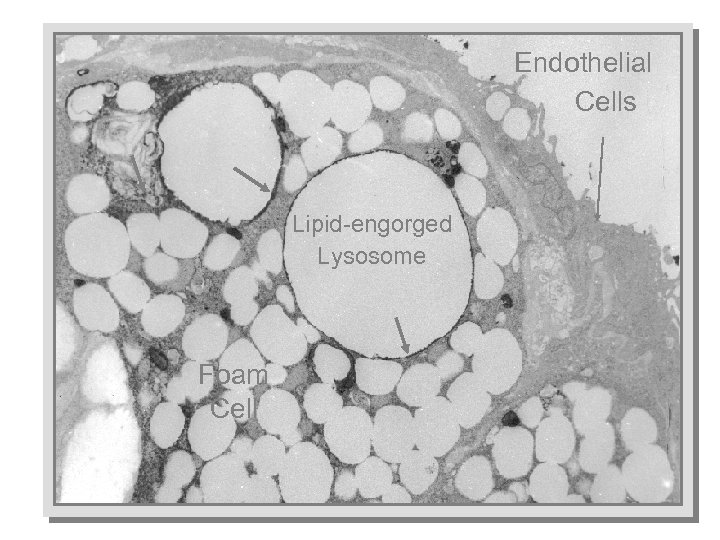
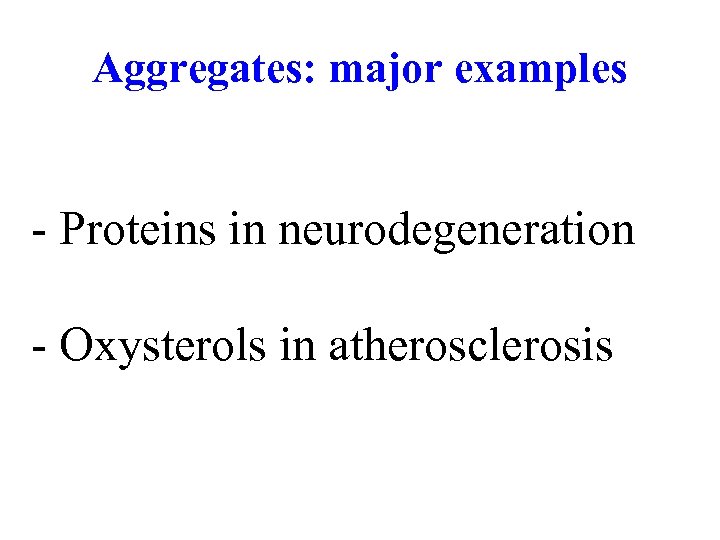 Aggregates: major examples - Proteins in neurodegeneration - Oxysterols in atherosclerosis
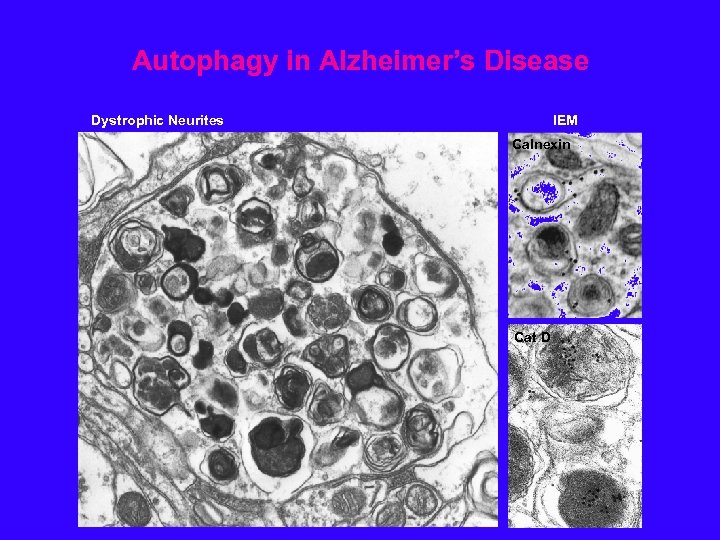 Autophagy in Alzheimer’s Disease Dystrophic Neurites IEM Calnexin Cat D
 Endothelial Cells Lipid-engorged Lysosome Foam Cell
 Bioremediation: the concept - Microbes, like all life, need an ecological niche - Some get it by brawn (growing very fast) - Some by brain (living off material than others can't) - Any abundant, energy-rich organic material that is hard to degrade thus provides selective pressure to evolve the machinery to degrade it - That selective pressure works. Even TNT, PCBs…
 R 1 da y 20 R 5 da y 20 R 1 da y 36 R 2 da y 36 R 3 da y 36 R 4 da y 36 R 5 da y 36 R 1 da y 71 R 2 da y 71 R 3 da y 71 R 4 da y 71 R 5 da y 71 1 2 5 7 9 11 12 15 Example: DGGE Results from Perchlorate-Reducing, Membrane Biofilm Reactors
 Xenocatabolism: the concept Graveyards: - are abundant in human remains… - accumulate bones (which are not energy-rich)… - do not accumulate oxysterols, tau etc. . . - so, should harbour microbes that degrade them - whose catabolic enzymes could be therapeutic
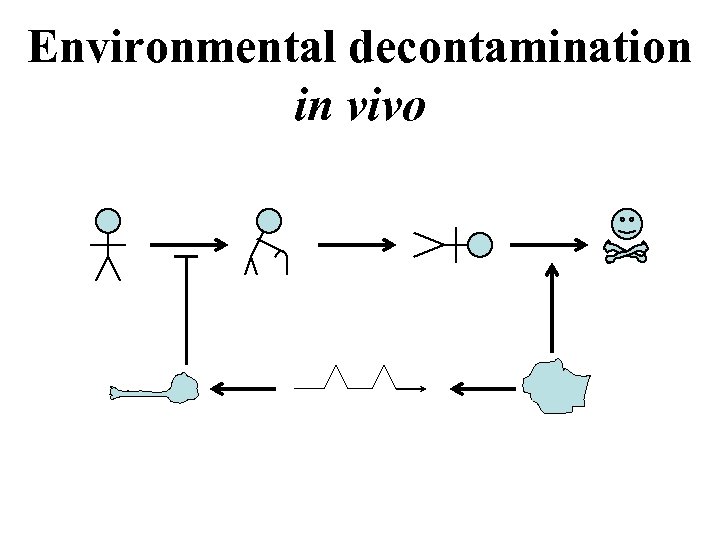 Environmental decontamination in vivo
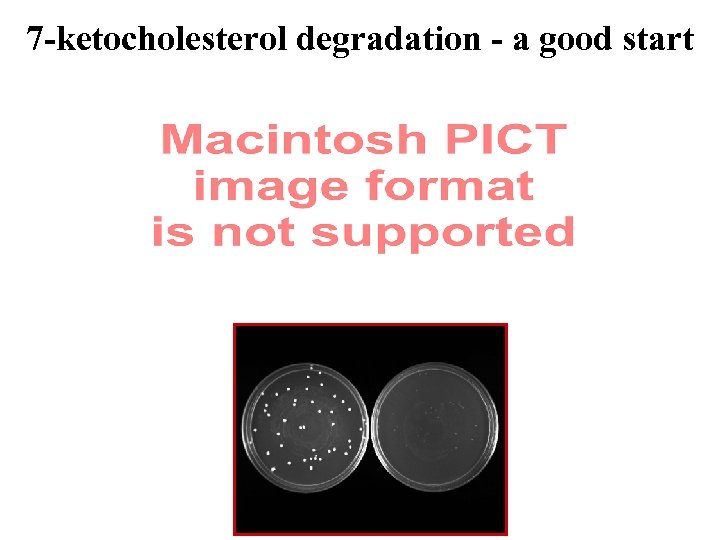 7 -ketocholesterol degradation - a good start
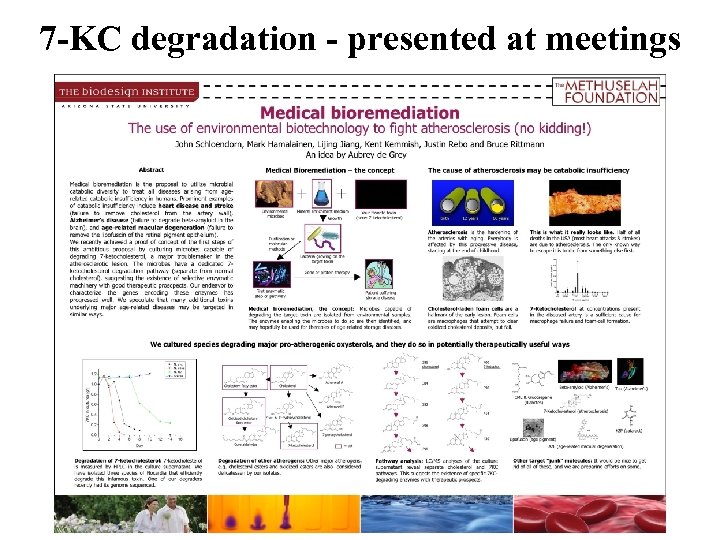 7 -KC degradation - presented at meetings
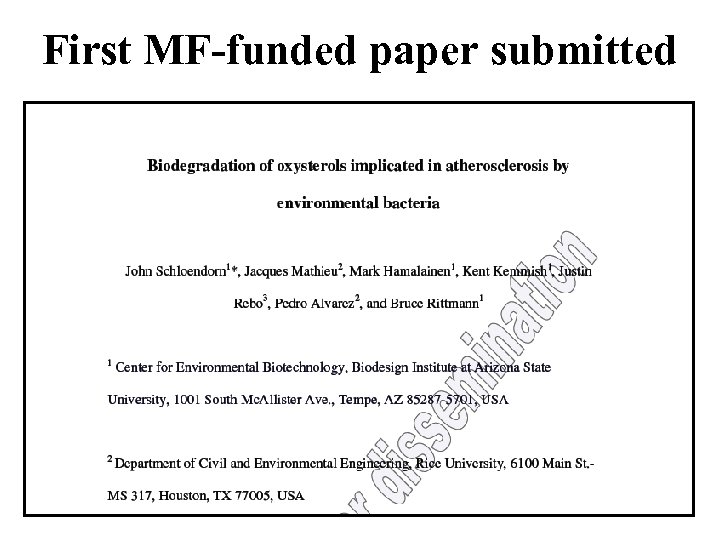 First MF-funded paper submitted
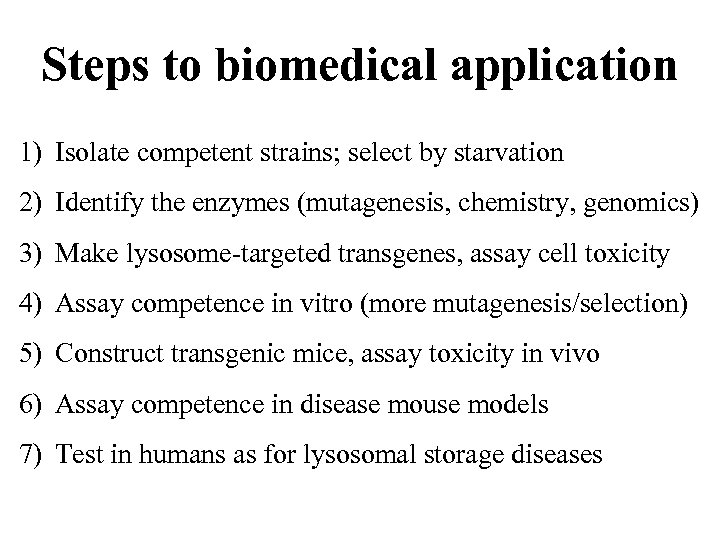 Steps to biomedical application 1) Isolate competent strains; select by starvation 2) Identify the enzymes (mutagenesis, chemistry, genomics) 3) Make lysosome-targeted transgenes, assay cell toxicity 4) Assay competence in vitro (more mutagenesis/selection) 5) Construct transgenic mice, assay toxicity in vivo 6) Assay competence in disease mouse models 7) Test in humans as for lysosomal storage diseases
 Structure of this talk - Repair versus retardation - Longevity escape velocity: concept - Some evidence that LEV is realistic - Specifics: the seven types of damage - Intracellular junk/medical bioremediation - The Methuselah Foundation
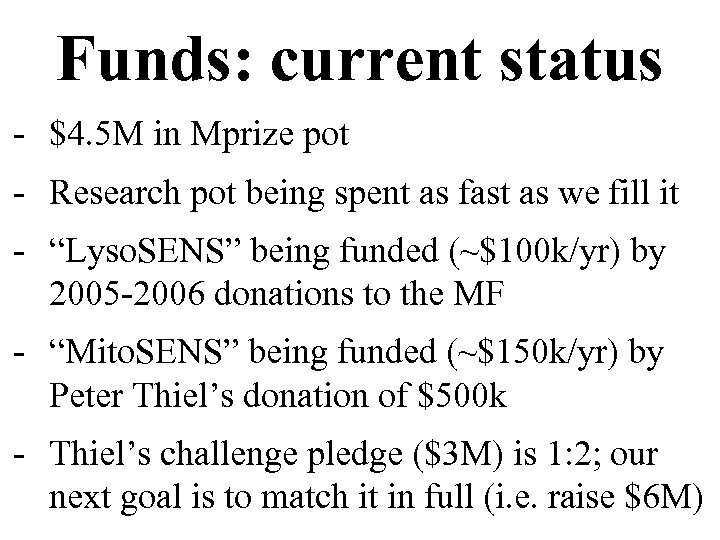 Funds: current status - $4. 5 M in Mprize pot - Research pot being spent as fast as we fill it - “Lyso. SENS” being funded (~$100 k/yr) by 2005 -2006 donations to the MF - “Mito. SENS” being funded (~$150 k/yr) by Peter Thiel’s donation of $500 k - Thiel’s challenge pledge ($3 M) is 1: 2; our next goal is to match it in full (i. e. raise $6 M)
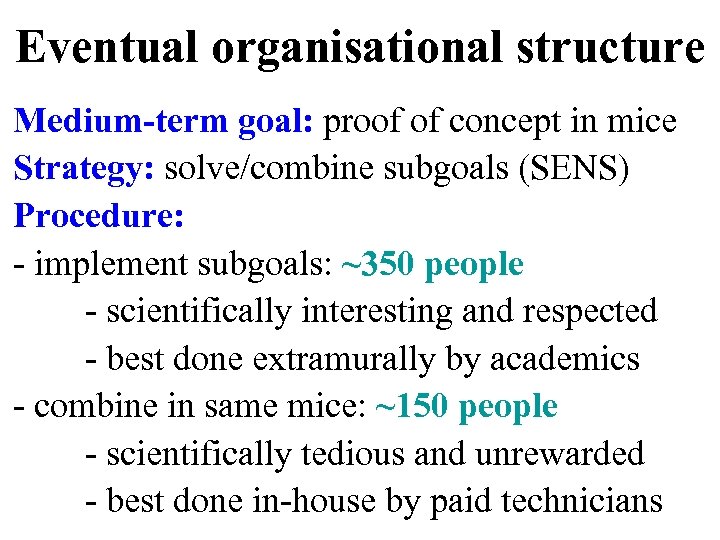 Eventual organisational structure Medium-term goal: proof of concept in mice Strategy: solve/combine subgoals (SENS) Procedure: - implement subgoals: ~350 people - scientifically interesting and respected - best done extramurally by academics - combine in same mice: ~150 people - scientifically tedious and unrewarded - best done in-house by paid technicians
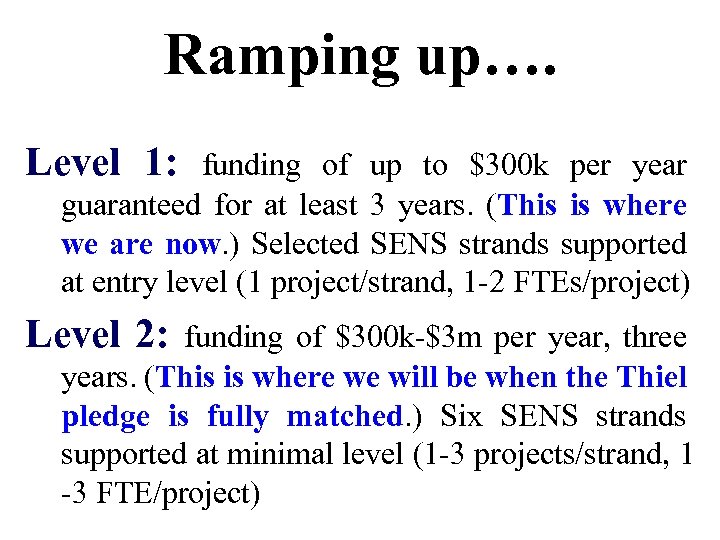 Ramping up…. Level 1: funding of up to $300 k per year guaranteed for at least 3 years. (This is where we are now. ) Selected SENS strands supported at entry level (1 project/strand, 1 -2 FTEs/project) Level 2: funding of $300 k-$3 m per year, three years. (This is where we will be when the Thiel pledge is fully matched. ) Six SENS strands supported at minimal level (1 -3 projects/strand, 1 -3 FTE/project)
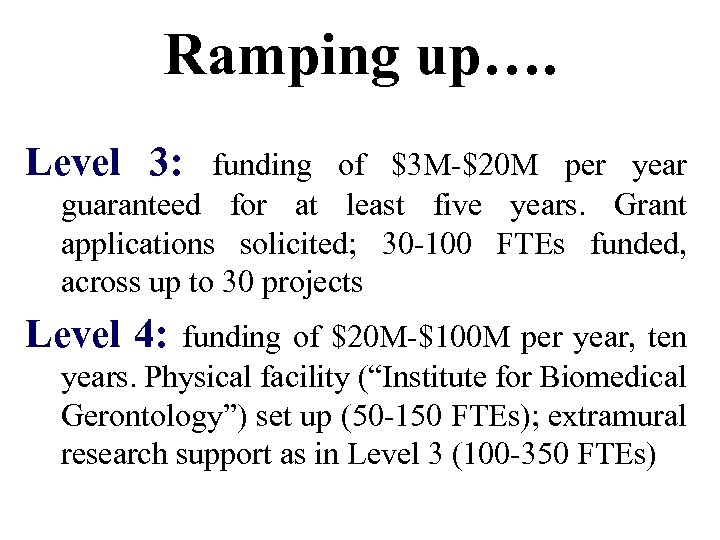 Ramping up…. Level 3: funding of $3 M-$20 M per year guaranteed for at least five years. Grant applications solicited; 30 -100 FTEs funded, across up to 30 projects Level 4: funding of $20 M-$100 M per year, ten years. Physical facility (“Institute for Biomedical Gerontology”) set up (50 -150 FTEs); extramural research support as in Level 3 (100 -350 FTEs)
 Why I am doing this
 Why I am doing this
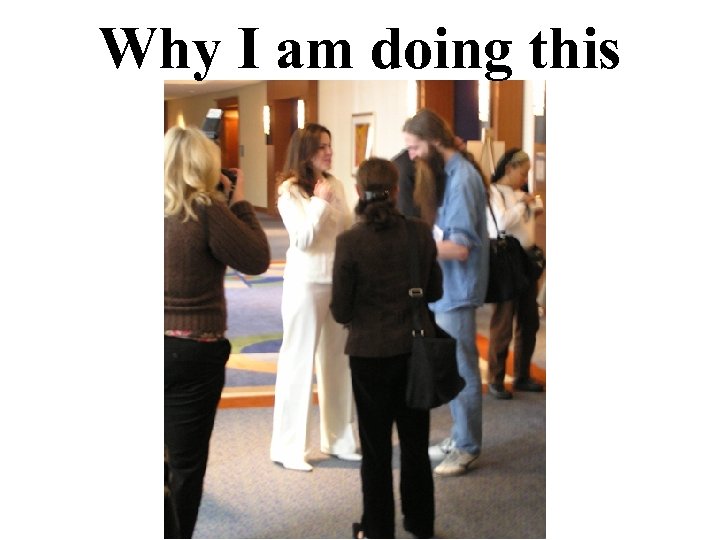
 Why I am doing this I offer no apology for using media interest in life extension to make the biology of ageing an exception to Planck’s observation that science advances funeral by funeral: lives, lots of them, are at stake. de Grey 2005, EMBO Reports 6(11): 1000
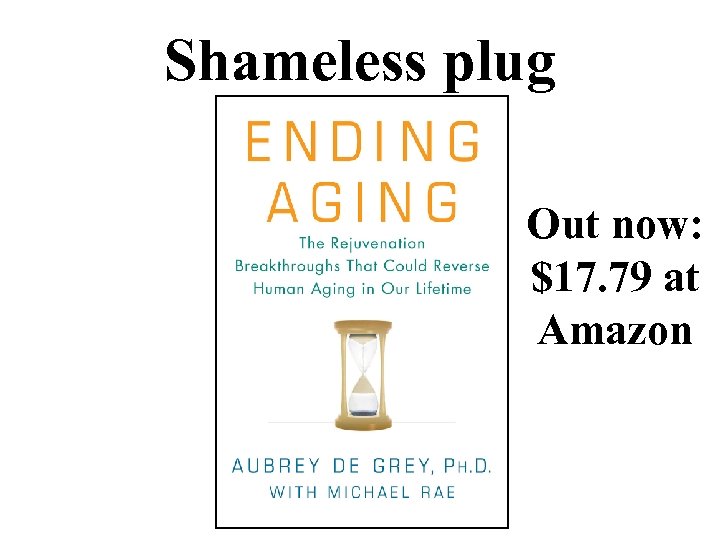 Shameless plug Out now: $17. 79 at Amazon