 Скачать презентацию Propagation in the art of bonsai By Dr
5c0e5a5b613a7ac731de0a1c73700a0f.ppt
- Количество слайдов: 62




Propagation in the art of bonsai By Dr. Alfred Grech M. D.
Methods of Propagation Ø 1. From Nursery Stock Ø 2. From Seeds Ø 3. From Cuttings Ø 4. From Air-Layering Ø 5. Yamadori

BUYING MATERIAL
Ø Often a group of plants will at first appear to be all the same; of a uniform size and shape. Ø Look carefully to spot one or more which are somehow different: smaller leaves, shorter internodes, more compact, or greener color. Ø Take time to look closely at any tree you are considering buying.

Selecting Material
Ø It is most important to select healthy material and a species which is appropriate for bonsai. Ø Look for a plant with a well shaped trunk, tapering from a broad base to a slimmer apex. Ø Carry a small root hook or root rake with you to help dig into the soil to find the surface roots and to locate what will be the base of the tree.
Ø There should be strong and healthy lower branches which are attached no farther than one third the way up the trunk of the bonsai once styled. Ø There should also be plenty of branches higher up on the tree.
Ø Consider the size of the leaves and needles. Ø They need to be in proportion to the expected size of the bonsai. Ø Buy material which will thrive in Malta
![Myrtus communis (Ri]ana)](https://present5.com/presentation/5c0e5a5b613a7ac731de0a1c73700a0f/image-9.jpg "Myrtus communis (Ri]ana)")
Myrtus communis (Ri]ana)
Raising bonsai from seed
Ø There are seeds from plant material which are suitable for bonsai. Ø However, there is no such seed as a “bonsai seed” which, after germination, will guarantee a bonsai.
Ø Developing bonsai from seedlings has several advantages: a. Root spread can be controlled. b. Early root ramification is possible. c. By removal of buds along the trunk, branch placement can be regulated. d. Trunk shape can be determined more readily.
Ø The disadvantages of developing bonsai from seedlings include: a. It takes more time than most other propagation methods. b. The genetic characteristics of the seed do not necessarily match the parent.

Ø Seeds should be fresh because to a large extent a seed’s vitality is determined by its freshness.
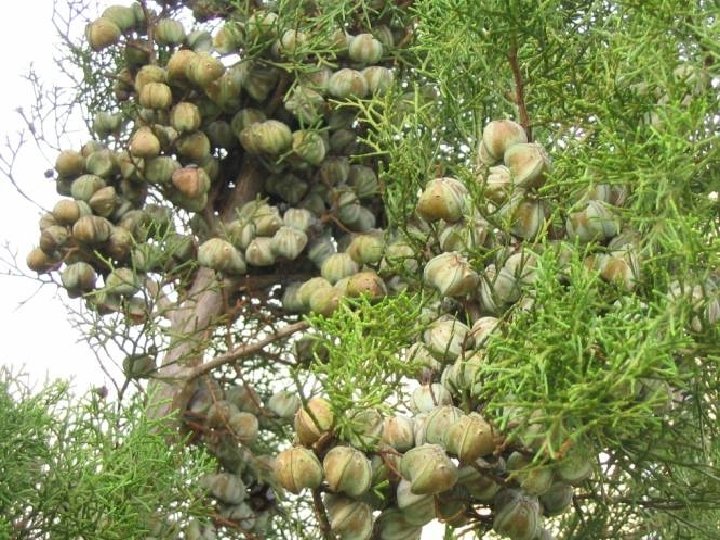
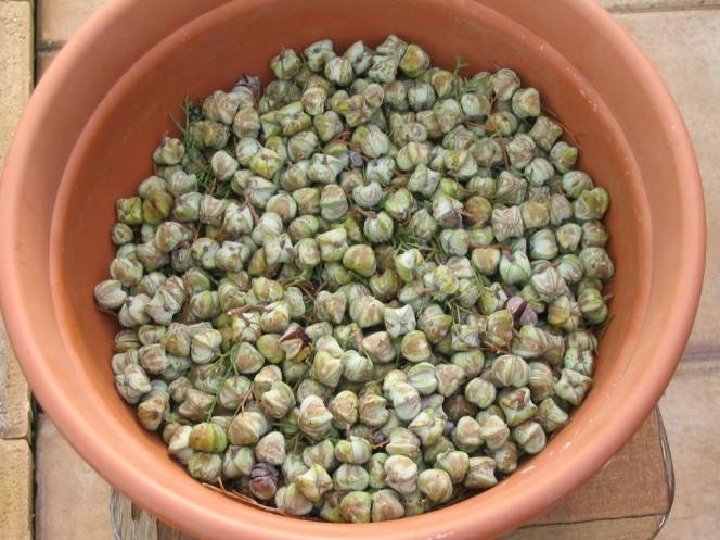
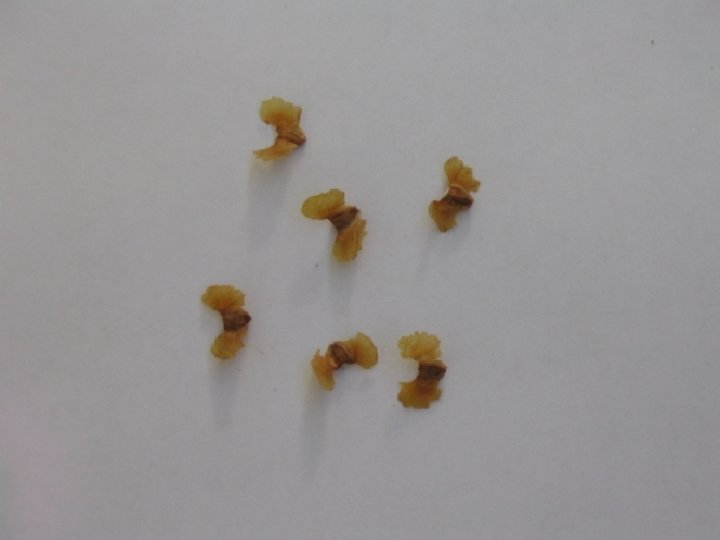
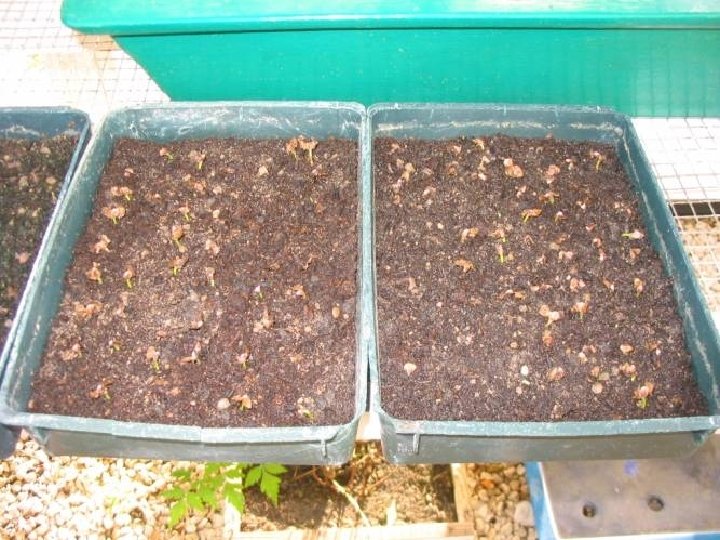
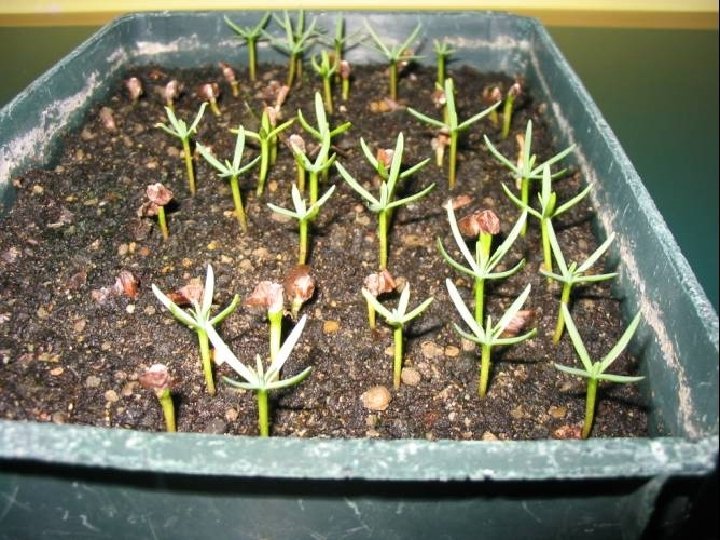
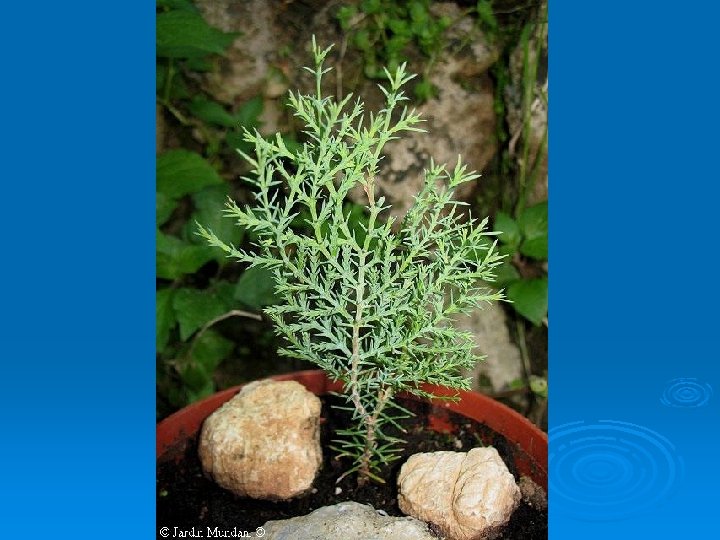
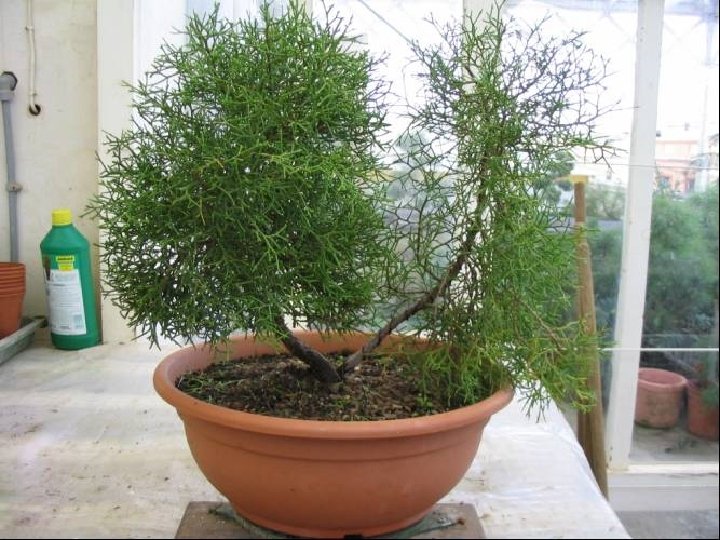
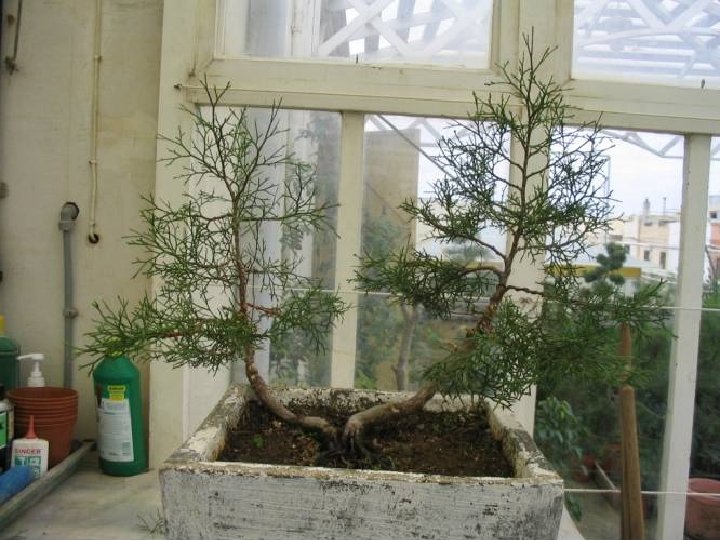
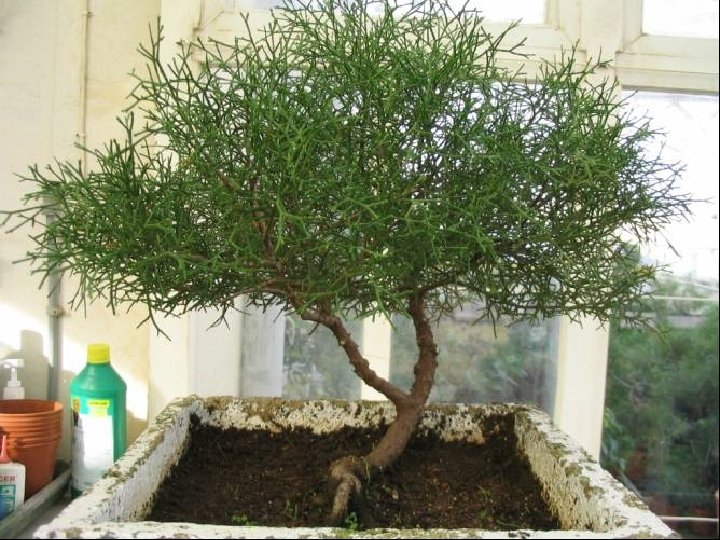
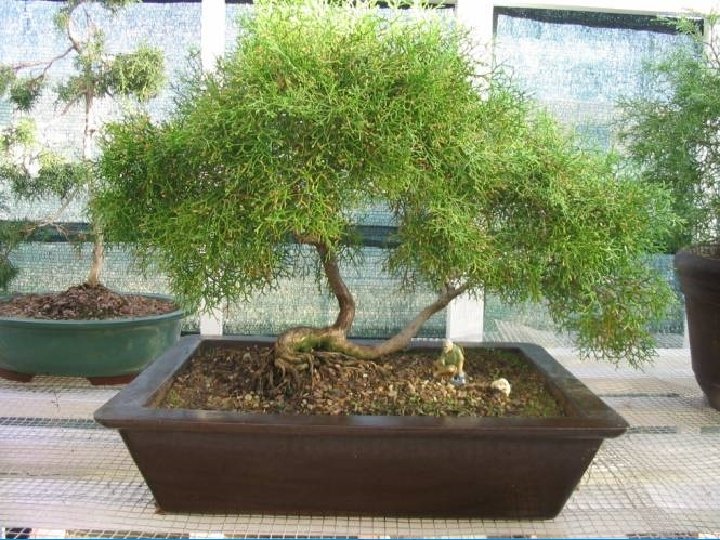
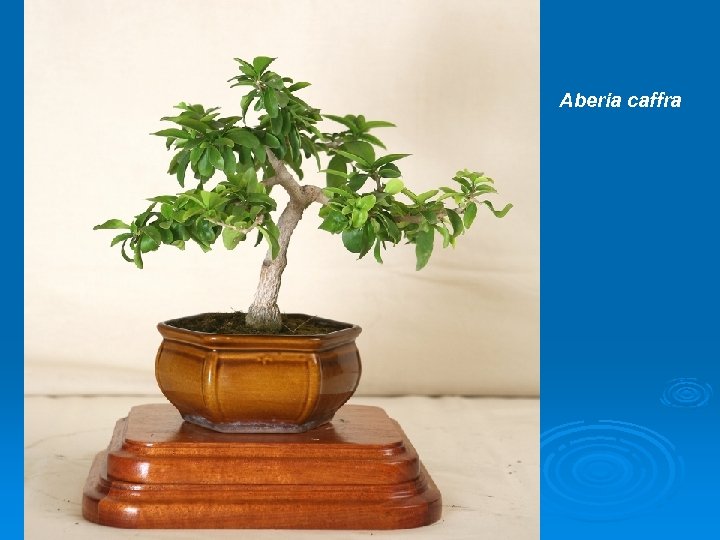
Aberia caffra
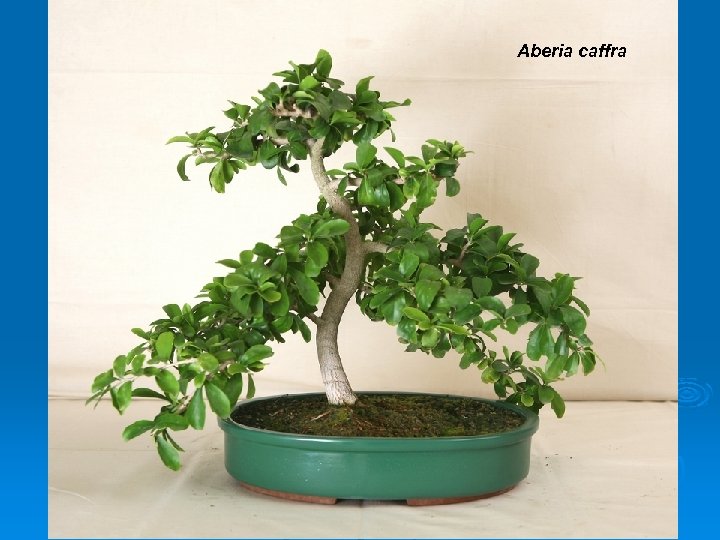
Aberia caffra
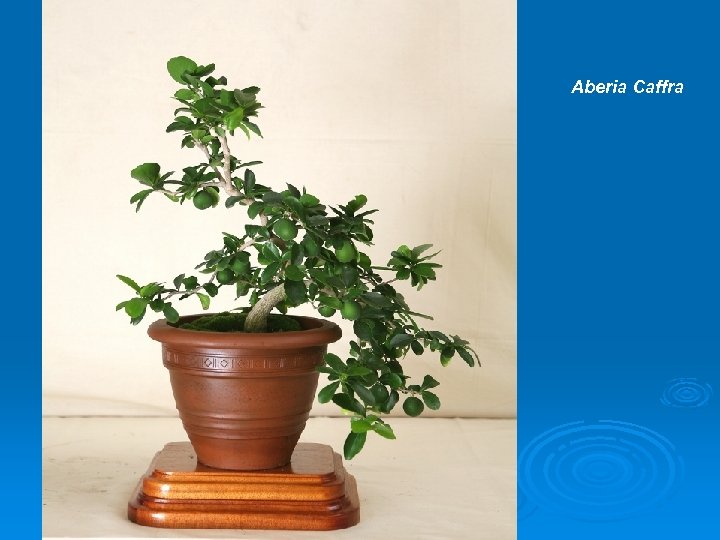
Aberia Caffra
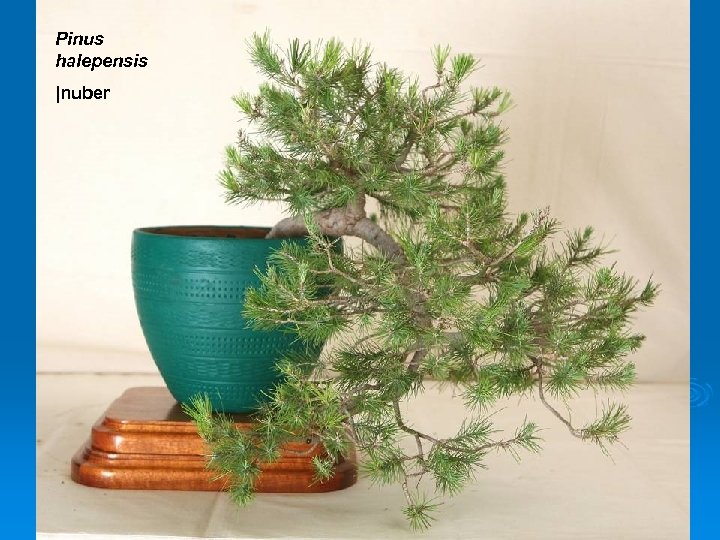
Pinus halepensis |nuber
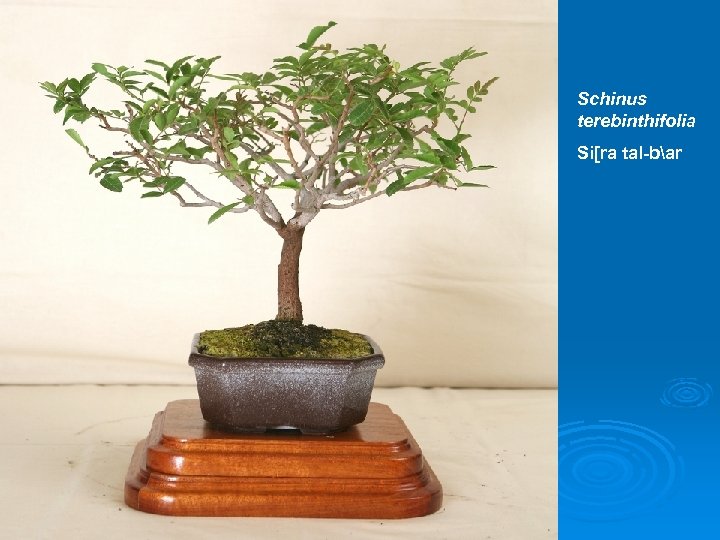
Schinus terebinthifolia Si[ra tal-bar

PROPAGATING BONSAI MATERIAL FROM CUTTINGS
Ø Propagating bonsai material from cuttings has several advantages: 1. It is a much faster method than by propagating from seeds. 2. The cutting has the adult characteristics of its parent; it is already mature and will flower and fruit the same as when it was part of the parent.
Ø There are three types of cuttings. Ø Hardwood cuttings should be taken when the plant is dormant and should be selected from matured wood, usually of the previous season. 2. Semi-hardwood cuttings are taken from firm current season wood minus the soft tip. 3. Soft tip cuttings are taken from the growing tips of branches.
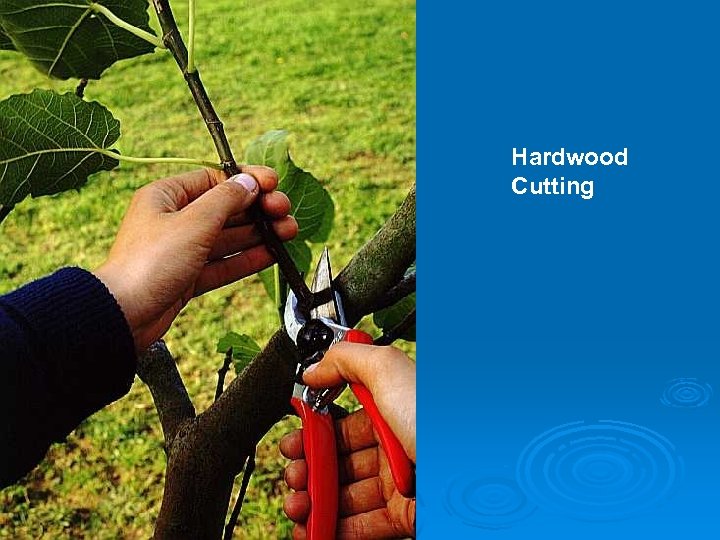
Hardwood Cutting
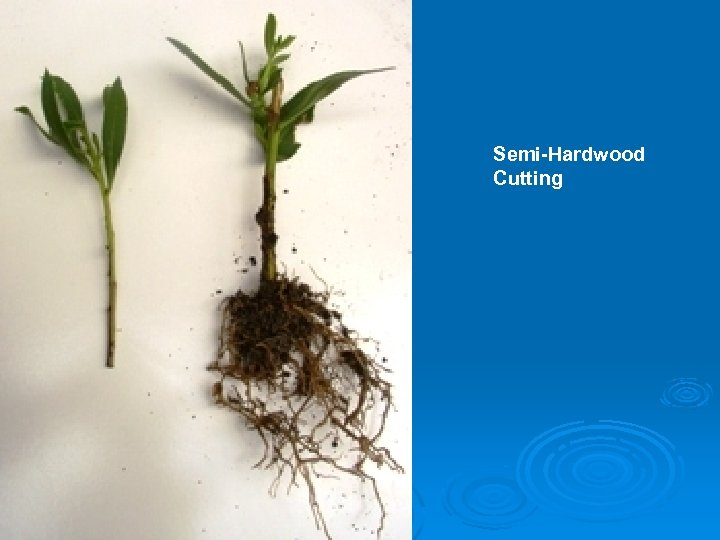
Semi-Hardwood Cutting
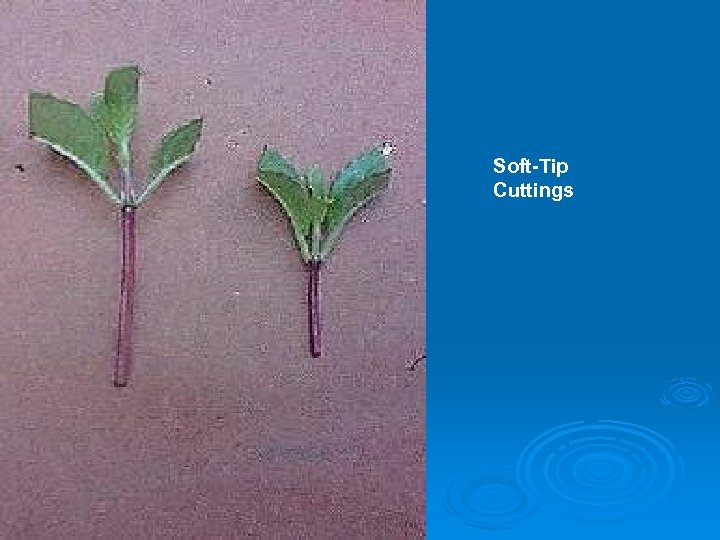
Soft-Tip Cuttings
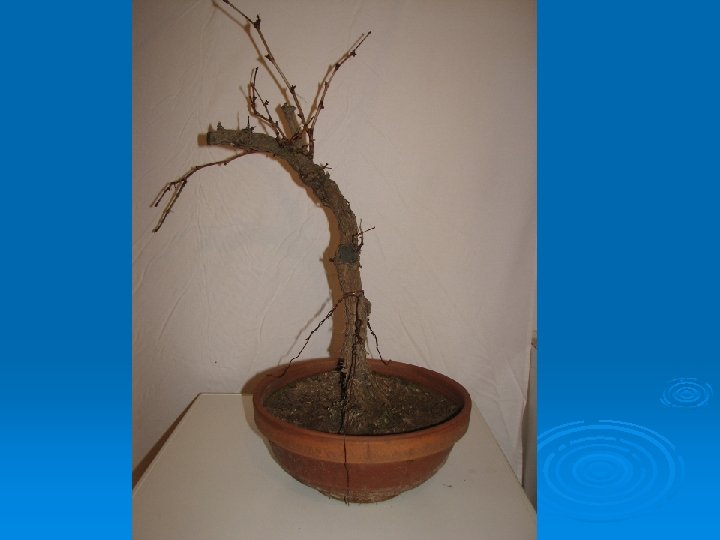
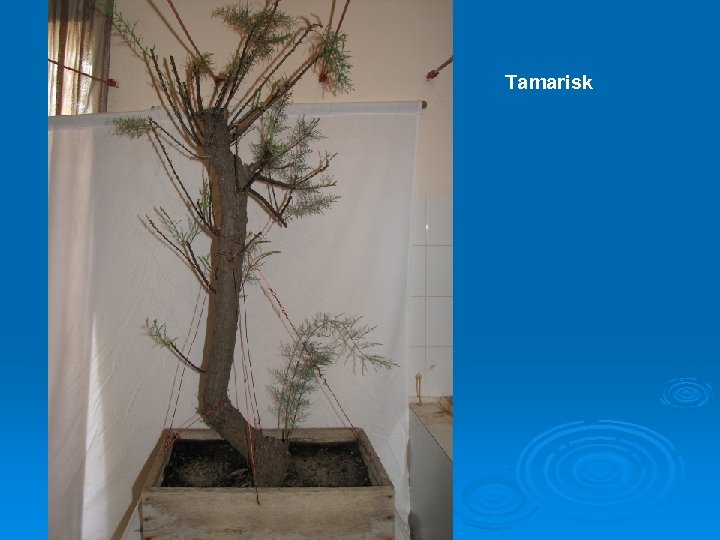
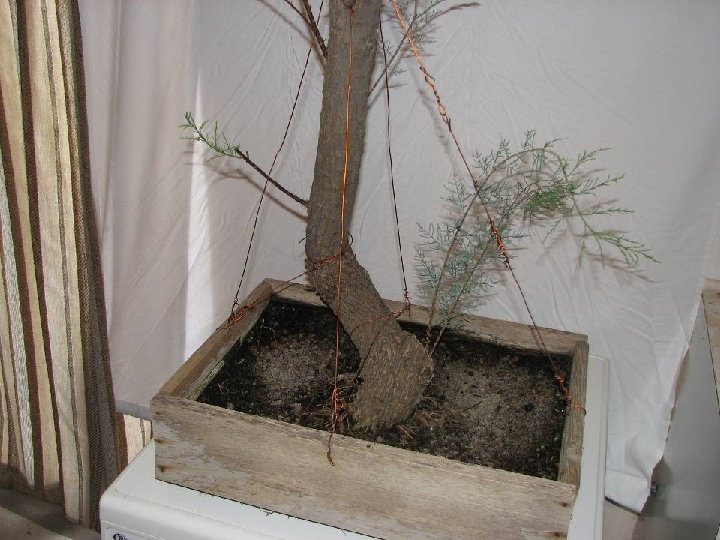
Tamarisk
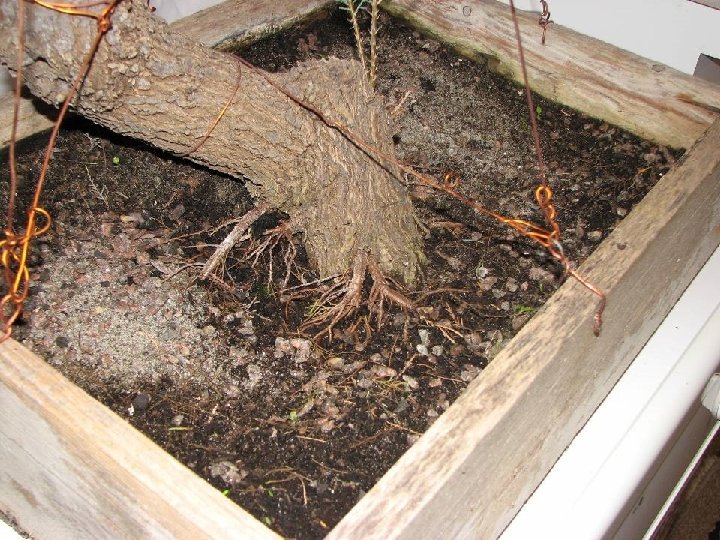
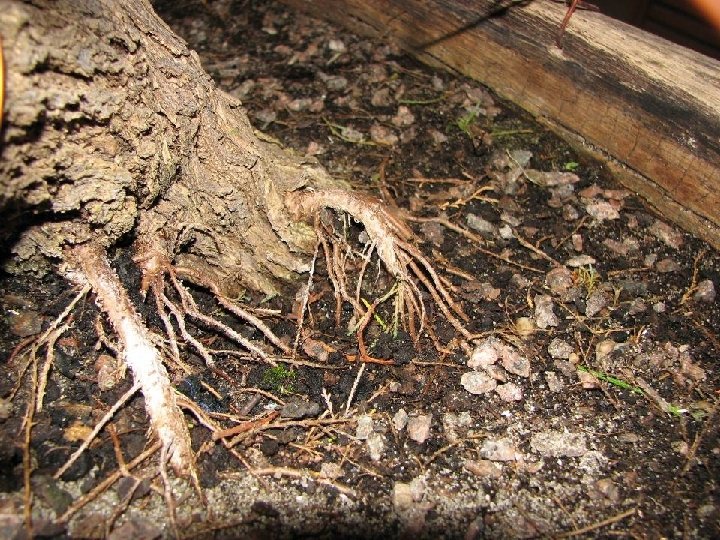

PROPAGATING BONSAI MATERIAL BY LAYERING
Ø Layering is best done in early spring. Ø There are several methods of layering: 1. Air layering 2. Tourniquet layering 3. Ground layering
Air layering Ø Propagation by air layering is done when a branch or the top of a trunk is to be made into a new and separate tree. Ø The air layer creates a new root system for the new tree. Ø A tree in the wild, one in the yard or one in a nursery container may have an air layer applied.
Ø There are several air layering techniques, but one of the easiest is the ring-bark method.
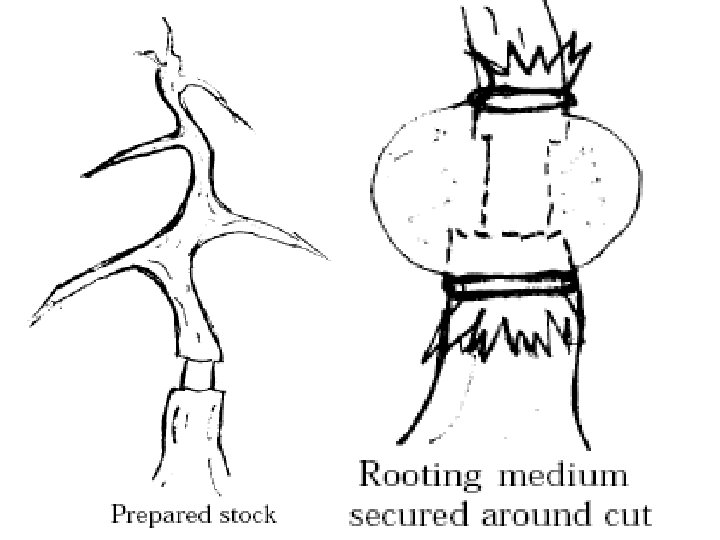
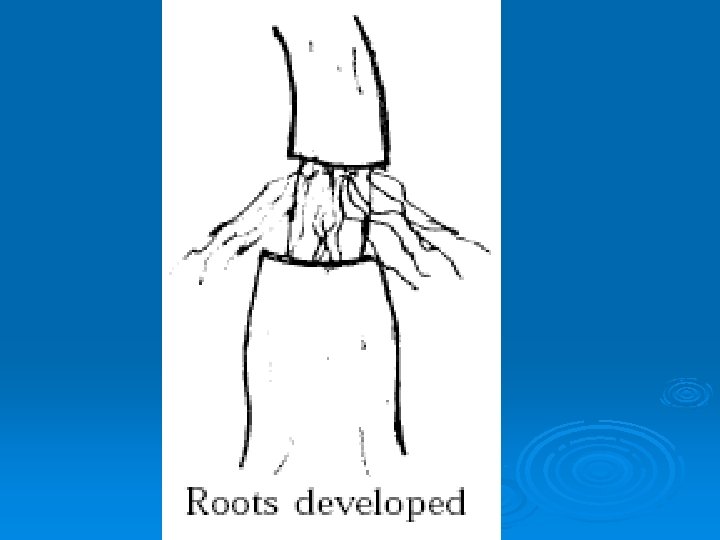
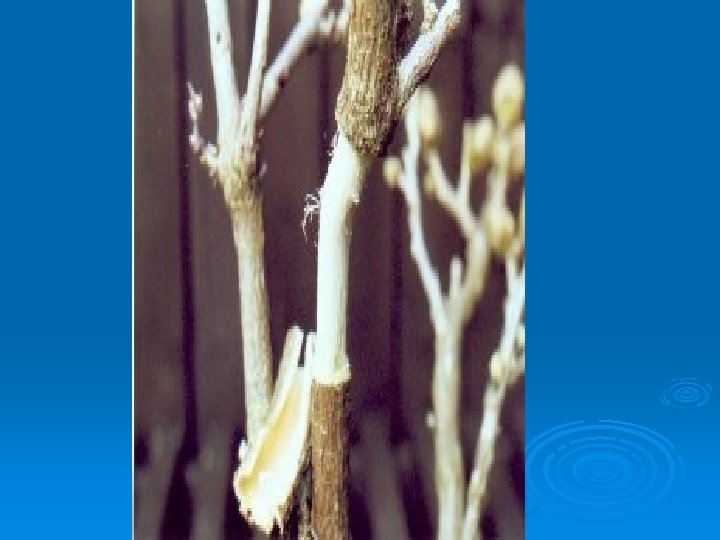
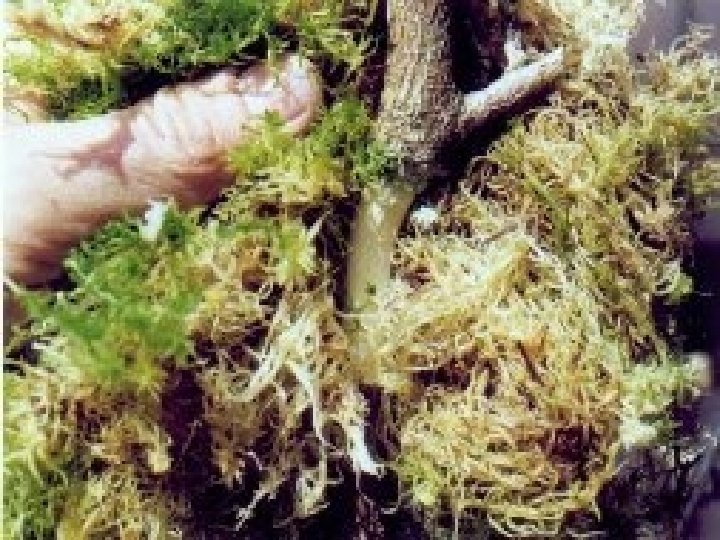
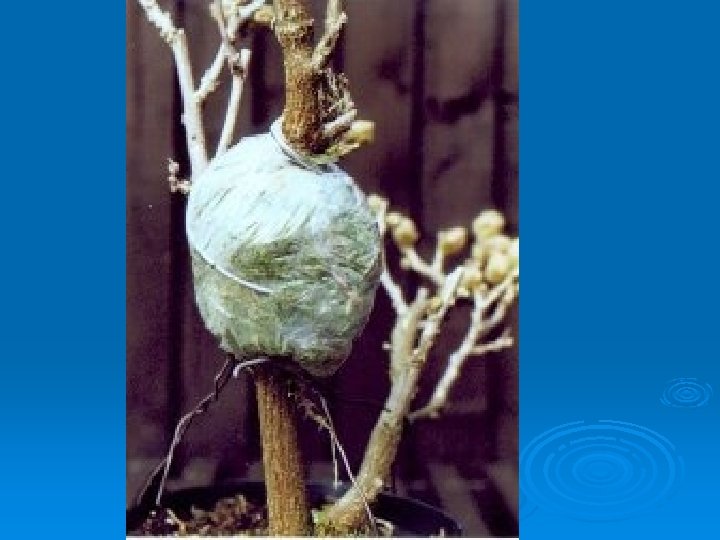
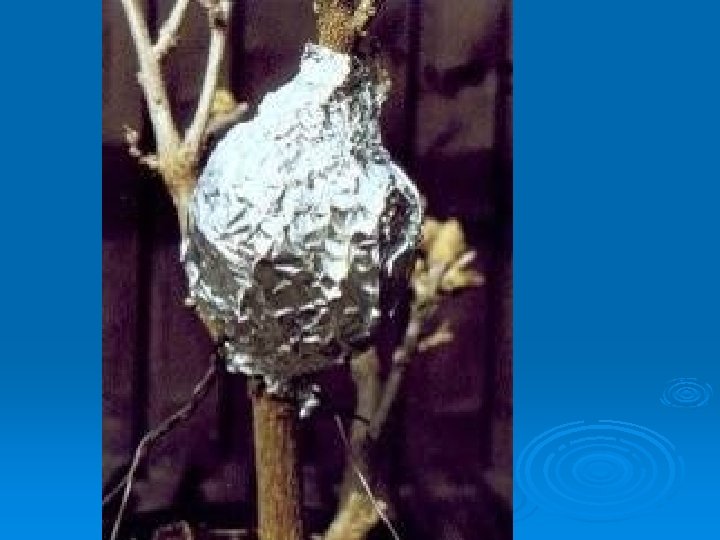
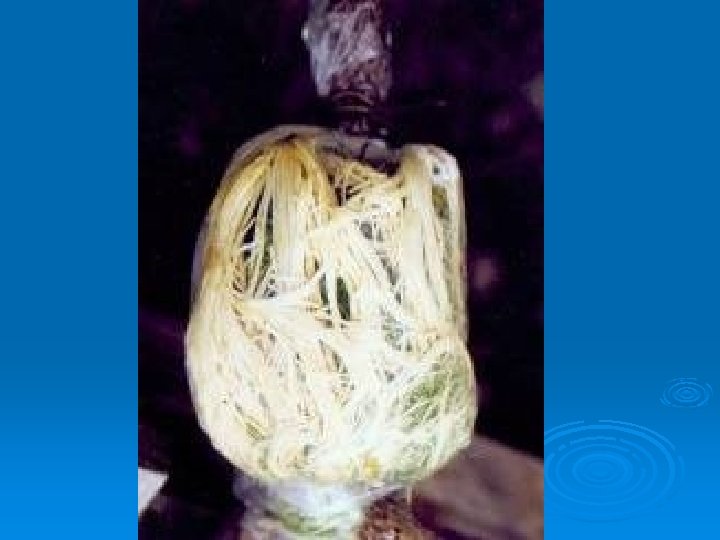
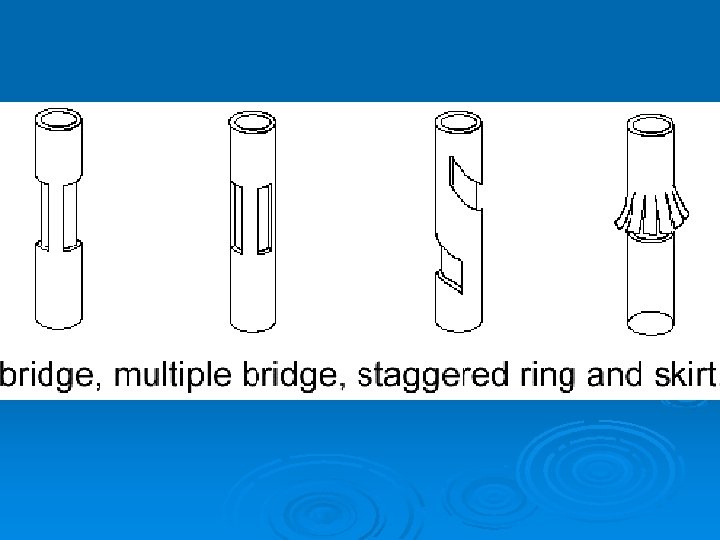
Bridge Air Layering Ø This method involves leaving small bridges of bark across the area ring barked. Ø These allow a decreased flow of sap to maintain the portion of growth above, until roots are developed. Ø Several variations of this method have been developed.
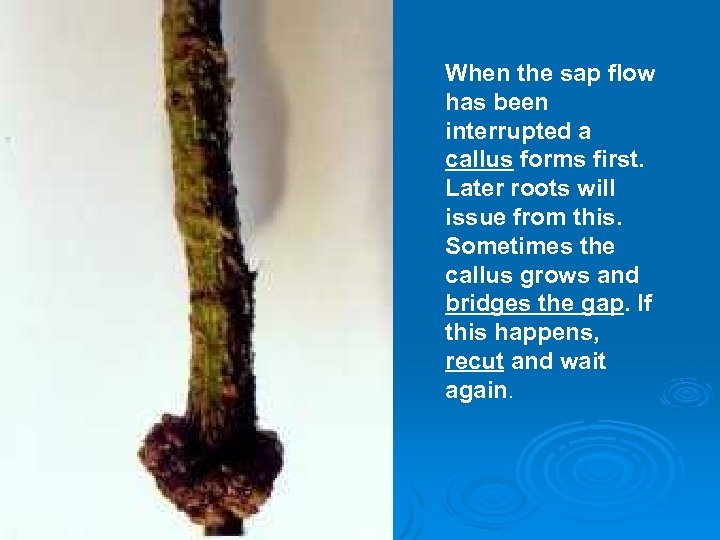
When the sap flow has been interrupted a callus forms first. Later roots will issue from this. Sometimes the callus grows and bridges the gap. If this happens, recut and wait again.
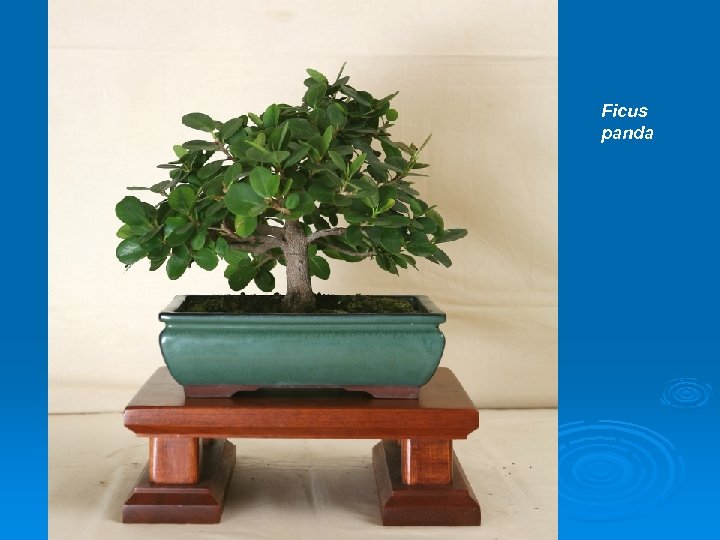
Ficus panda
Tourniquet layering A tourniquet of copper wire is put around the trunk or branch about an inch below the place where the new roots are desired. This will keep the sap above the tourniquet.
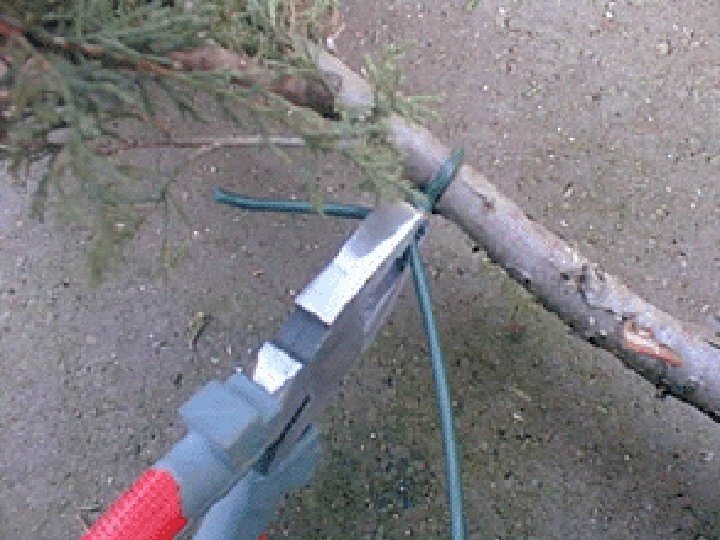

Ø Wrap the area immediately above the tourniquet with moist sphagnum moss and cover with plastic and aluminum foil as described earlier for air layering. Ø Monitor and remove the layer as described earlier for air layering.
Ground layering Ø In ground layering a branch is bent to reach the ground or a pot of soil. The area where roots are desired is scarred, dusted with rooting hormone, buried in the soil and weighted, tied or pegged down securely. Ø An alternative to scarring is to split the branch and inserting a stone to spread the cut, dusting with rooting hormone and burying.
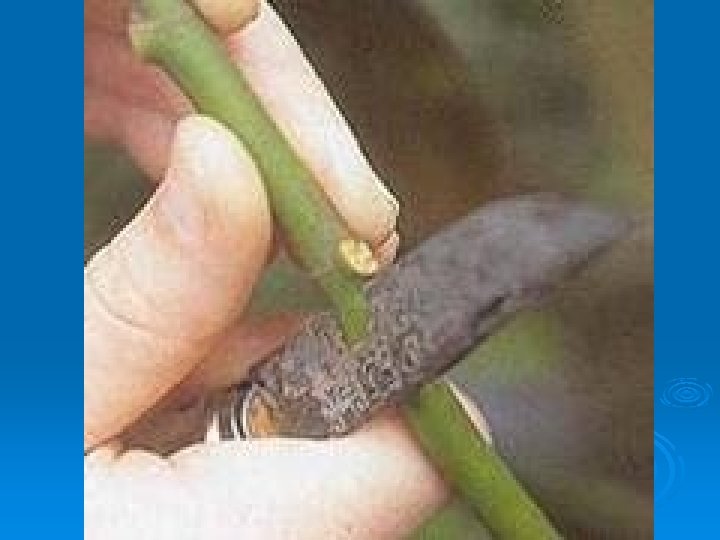
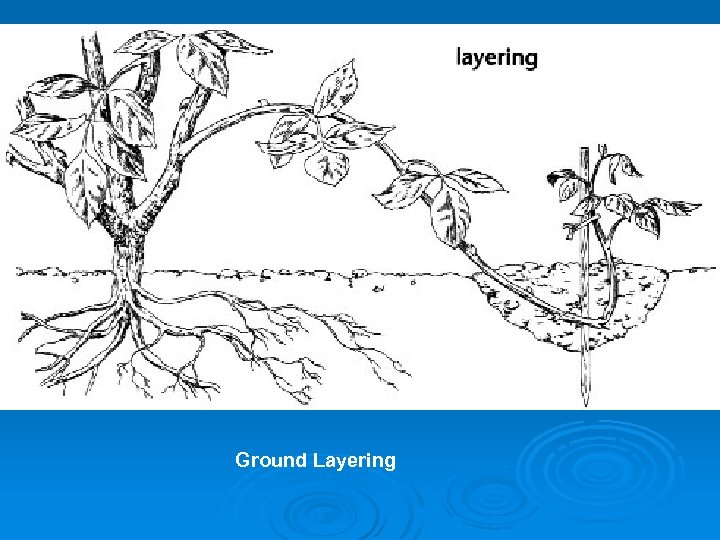
Ground Layering

The End
Скачать презентацию Propagation in the art of bonsai By Dr
5c0e5a5b613a7ac731de0a1c73700a0f.ppt