 Скачать презентацию Project Ghana Emergency Medicine Collaborative Document Title Central
6124387f14e65a6a8284e7d87d248172.ppt
- Количество слайдов: 57



Project: Ghana Emergency Medicine Collaborative Document Title: Central Nervous System Infections Author(s): Geetika Gupta (St. Joseph Hospital), MD 2011 License: Unless otherwise noted, this material is made available under the terms of the Creative Commons Attribution Share Alike-3. 0 License: http: //creativecommons. org/licenses/by-sa/3. 0/ We have reviewed this material in accordance with U. S. Copyright Law and have tried to maximize your ability to use, share, and adapt it. These lectures have been modified in the process of making a publicly shareable version. The citation key on the following slide provides information about how you may share and adapt this material. Copyright holders of content included in this material should contact open. michigan@umich. edu with any questions, corrections, or clarification regarding the use of content. For more information about how to cite these materials visit http: //open. umich. edu/privacy-and-terms-use. Any medical information in this material is intended to inform and educate and is not a tool for self-diagnosis or a replacement for medical evaluation, advice, diagnosis or treatment by a healthcare professional. Please speak to your physician if you have questions about your medical condition. Viewer discretion is advised: Some medical content is graphic and may not be suitable for all viewers. 1
Attribution Key for more information see: http: //open. umich. edu/wiki/Attribution. Policy Use + Share + Adapt { Content the copyright holder, author, or law permits you to use, share and adapt. } Public Domain – Government: Works that are produced by the U. S. Government. (17 USC § 105) Public Domain – Expired: Works that are no longer protected due to an expired copyright term. Public Domain – Self Dedicated: Works that a copyright holder has dedicated to the public domain. Creative Commons – Zero Waiver Creative Commons – Attribution License Creative Commons – Attribution Share Alike License Creative Commons – Attribution Noncommercial Share Alike License GNU – Free Documentation License Make Your Own Assessment { Content Open. Michigan believes can be used, shared, and adapted because it is ineligible for copyright. } Public Domain – Ineligible: Works that are ineligible for copyright protection in the U. S. (17 USC § 102(b)) *laws in your jurisdiction may differ { Content Open. Michigan has used under a Fair Use determination. } Fair Use: Use of works that is determined to be Fair consistent with the U. S. Copyright Act. (17 USC § 107) *laws in your jurisdiction may differ Our determination DOES NOT mean that all uses of this 3 rd-party content are Fair Uses and we DO NOT guarantee that your use of the content is Fair. 2 To use this content you should do your own independent analysis to determine whether or not your use will be Fair.
Central Nervous System INFECTIONS (NOT MENINGITIS) Cerebrospinal Fluid DISORDERS Geetika Gupta, MD May 18, 2011 3
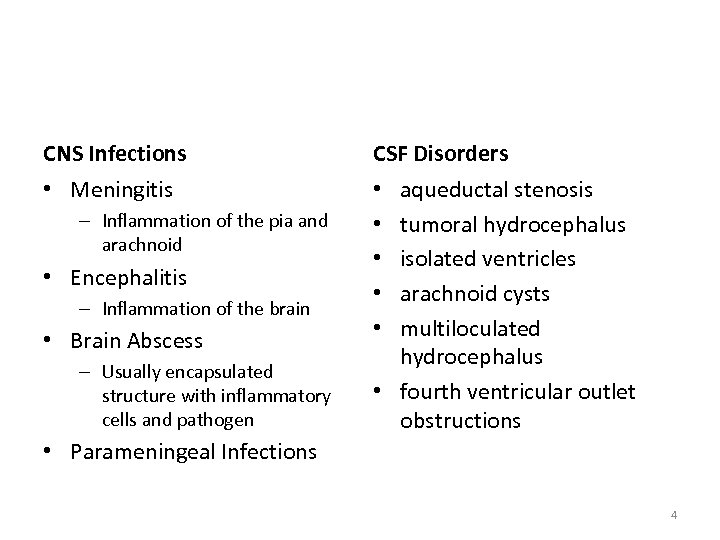
CNS Infections CSF Disorders • Meningitis • • • – Inflammation of the pia and arachnoid • Encephalitis – Inflammation of the brain • Brain Abscess – Usually encapsulated structure with inflammatory cells and pathogen aqueductal stenosis tumoral hydrocephalus isolated ventricles arachnoid cysts multiloculated hydrocephalus • fourth ventricular outlet obstructions • Parameningeal Infections 4
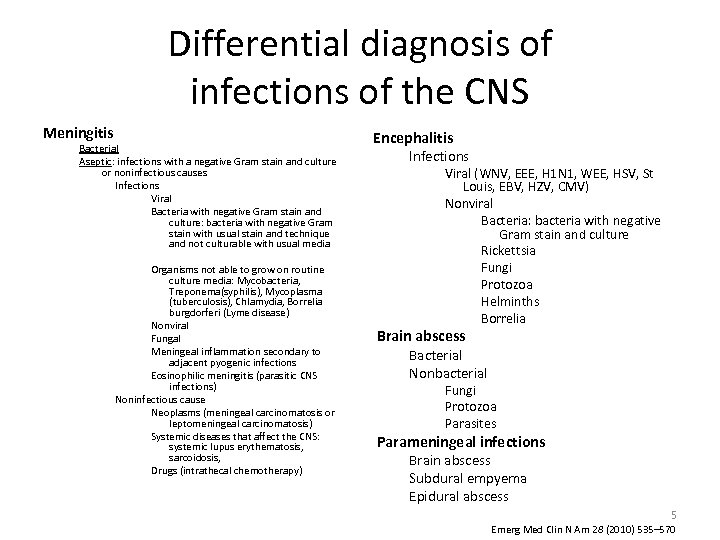
Differential diagnosis of infections of the CNS Meningitis Bacterial Aseptic: infections with a negative Gram stain and culture or noninfectious causes Infections Viral Bacteria with negative Gram stain and culture: bacteria with negative Gram stain with usual stain and technique and not culturable with usual media Organisms not able to grow on routine culture media: Mycobacteria, Treponema(syphilis), Mycoplasma (tuberculosis), Chlamydia, Borrelia burgdorferi (Lyme disease) Nonviral Fungal Meningeal inflammation secondary to adjacent pyogenic infections Eosinophilic meningitis (parasitic CNS infections) Noninfectious cause Neoplasms (meningeal carcinomatosis or leptomeningeal carcinomatosis) Systemic diseases that affect the CNS: systemic lupus erythematosis, sarcoidosis, Drugs (intrathecal chemotherapy) Encephalitis Infections Viral (WNV, EEE, H 1 N 1, WEE, HSV, St Louis, EBV, HZV, CMV) Nonviral Bacteria: bacteria with negative Gram stain and culture Rickettsia Fungi Protozoa Helminths Borrelia Brain abscess Bacterial Nonbacterial Fungi Protozoa Parasites Parameningeal infections Brain abscess Subdural empyema Epidural abscess 5 Emerg Med Clin N Am 28 (2010) 535– 570
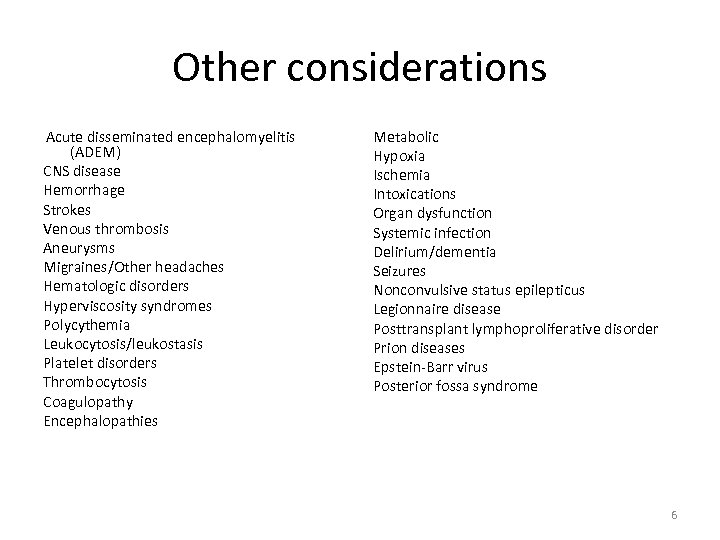
Other considerations Acute disseminated encephalomyelitis (ADEM) CNS disease Hemorrhage Strokes Venous thrombosis Aneurysms Migraines/Other headaches Hematologic disorders Hyperviscosity syndromes Polycythemia Leukocytosis/leukostasis Platelet disorders Thrombocytosis Coagulopathy Encephalopathies Metabolic Hypoxia Ischemia Intoxications Organ dysfunction Systemic infection Delirium/dementia Seizures Nonconvulsive status epilepticus Legionnaire disease Posttransplant lymphoproliferative disorder Prion diseases Epstein-Barr virus Posterior fossa syndrome 6
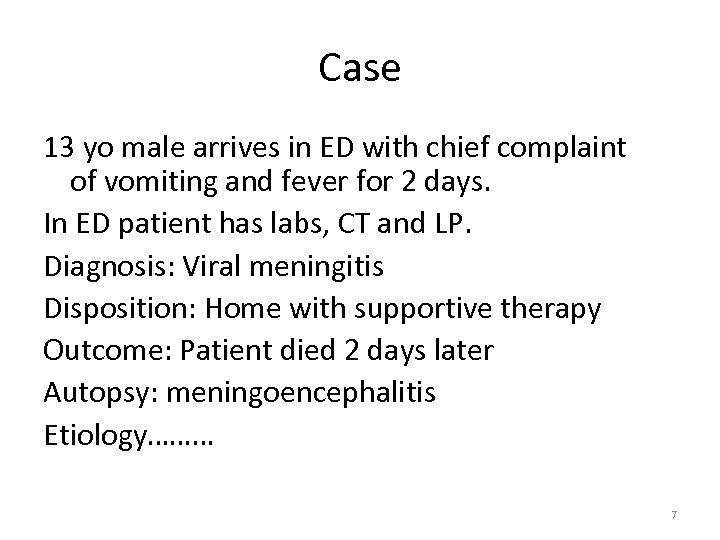
Case 13 yo male arrives in ED with chief complaint of vomiting and fever for 2 days. In ED patient has labs, CT and LP. Diagnosis: Viral meningitis Disposition: Home with supportive therapy Outcome: Patient died 2 days later Autopsy: meningoencephalitis Etiology……… 7
Arboviral Encephalitis Geetika Gupta, MD University of Michigan Health System St Joseph Mercy Health System 8
Objective • Understand arborviral encephalitis as it pertains to EM • Questions 1. Are there specific clinical features to be considered for arboviral encephalitis 2. Are there any laboratory/ radiology studies from the ED that are crucial 3. Does specific management change outcome 4. Upcoming considerations 9
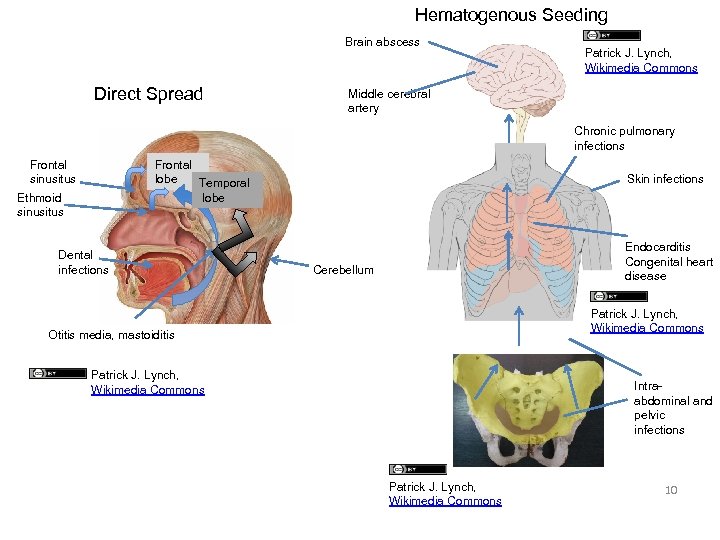
Hematogenous Seeding Brain abscess Direct Spread Patrick J. Lynch, Wikimedia Commons Middle cerebral artery Chronic pulmonary infections Frontal sinusitus Frontal lobe Temporal lobe Ethmoid sinusitus Dental infections Skin infections Endocarditis Congenital heart disease Cerebellum Patrick J. Lynch, Wikimedia Commons Otitis media, mastoiditis Patrick J. Lynch, Wikimedia Commons Intraabdominal and pelvic infections Patrick J. Lynch, Wikimedia Commons 10
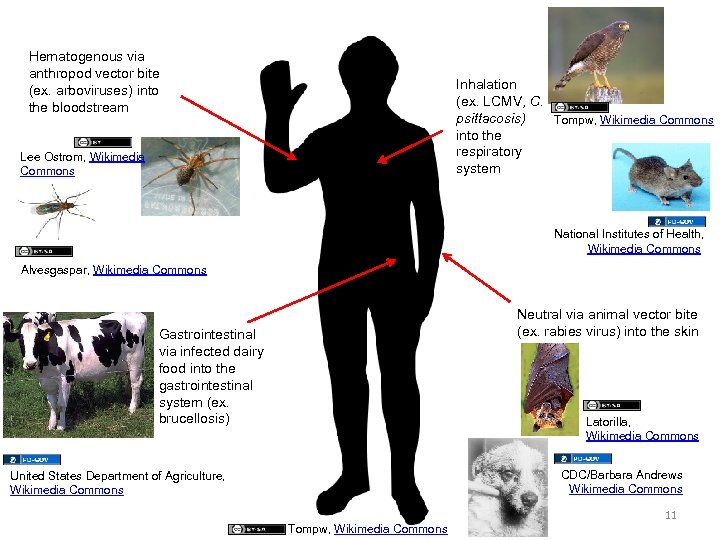
Hematogenous via anthropod vector bite (ex. arboviruses) into the bloodstream Inhalation (ex. LCMV, C. psittacosis) Tompw, Wikimedia Commons into the respiratory system Lee Ostrom, Wikimedia Commons National Institutes of Health, Wikimedia Commons Alvesgaspar, Wikimedia Commons Neutral via animal vector bite (ex. rabies virus) into the skin Gastrointestinal via infected dairy food into the gastrointestinal system (ex. brucellosis) Latorilla, Wikimedia Commons CDC/Barbara Andrews Wikimedia Commons United States Department of Agriculture, Wikimedia Commons 11 Tompw, Wikimedia Commons
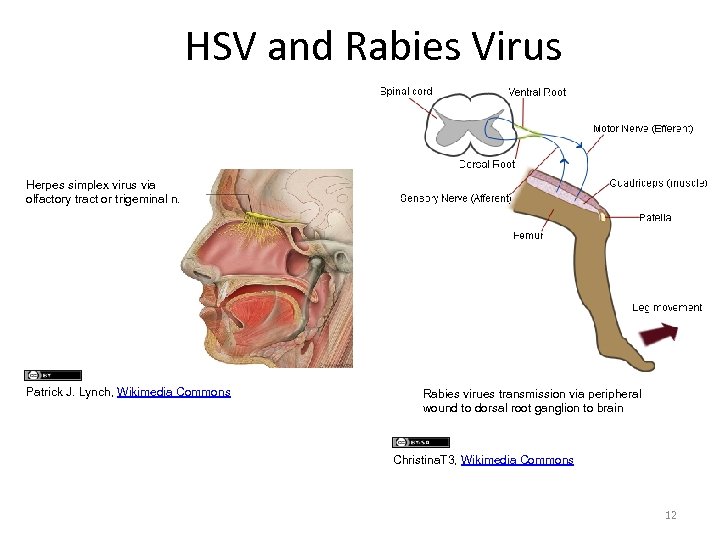
HSV and Rabies Virus Herpes simplex virus via olfactory tract or trigeminal n. Patrick J. Lynch, Wikimedia Commons Rabies virues transmission via peripheral wound to dorsal root ganglion to brain Christina. T 3, Wikimedia Commons 12
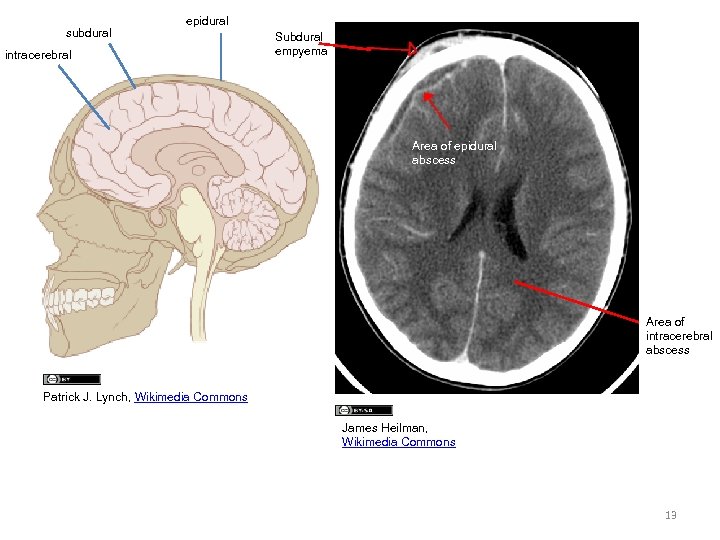
subdural epidural intracerebral Subdural empyema Area of epidural abscess Area of intracerebral abscess Patrick J. Lynch, Wikimedia Commons James Heilman, Wikimedia Commons 13
Pathophysiology • Cross the blood brain barrier – Hematogenous, direct, neuronal • transport across the cell by endocytosis (transcellular passage) (eg, meningococci or Streptococcus pneumococci) • transport between the cells (paracellular passage) can occur after endothelial injury or following disruption of the intracellular endothelial connections • within WBCs during diapedesis. – During certain disease states, the endothelial cells become damaged and the bloodbrain barrier becomes porous, allowing pathogens to transverse the blood-CSF barrier • Replicate • Activate inflammatory cascade via brain cells – – Release of cytokines breaks down the blood brain barrier Activation of inflammatory mediators (eg, nitric oxide [NO], reactive oxygen species [ROS], matrix metalloproteinases [MMPs]) Chemokines Recruitment of white blood cells (WBCs) to the site of infection Cytotoxic events 14
• • • Damage to CNS – By direct invasion – By inflammatory cascade Inflammatory mediators: – Direct neurotoxicity – Increase vascular permeability – Increase cerebral blood flow Physiologic events – Cerebral edema • Vasogenic edema: loss of blood-brain barrier • Cytotoxic edema: from cellular swelling and destruction • Obstruction to CSF outflow at arachnoid villi – Cerebral hypoperfusion from local vascular inflammation and/or thrombosis – Loss of autoregulation • ENCEPHALITIS – Involvement of the tissue itself – Ischemic lesions associated with vasculitides 15
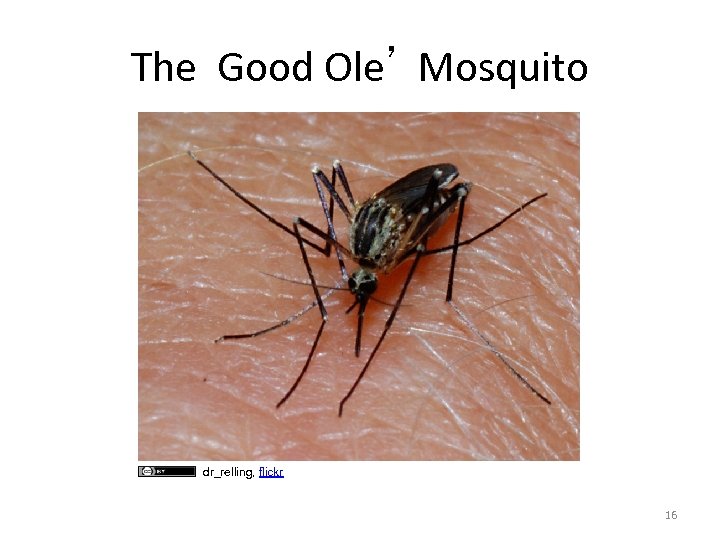
The Good Ole’ Mosquito dr_relling, flickr 16
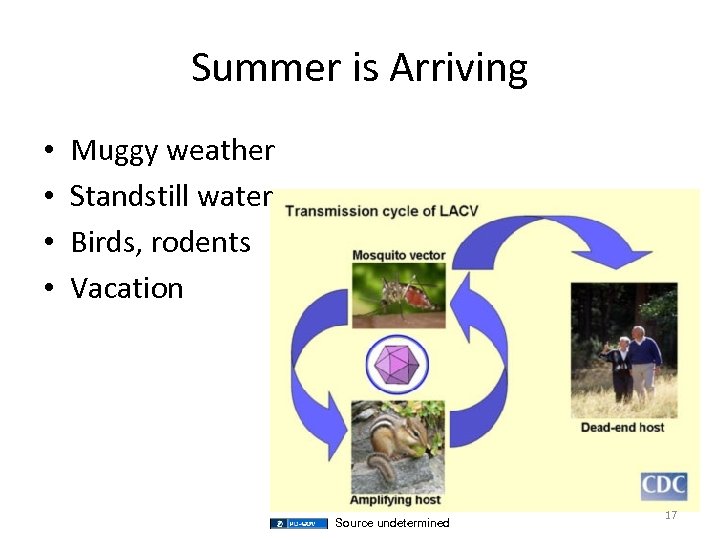
Summer is Arriving • • Muggy weather Standstill water Birds, rodents Vacation Source undetermined 17
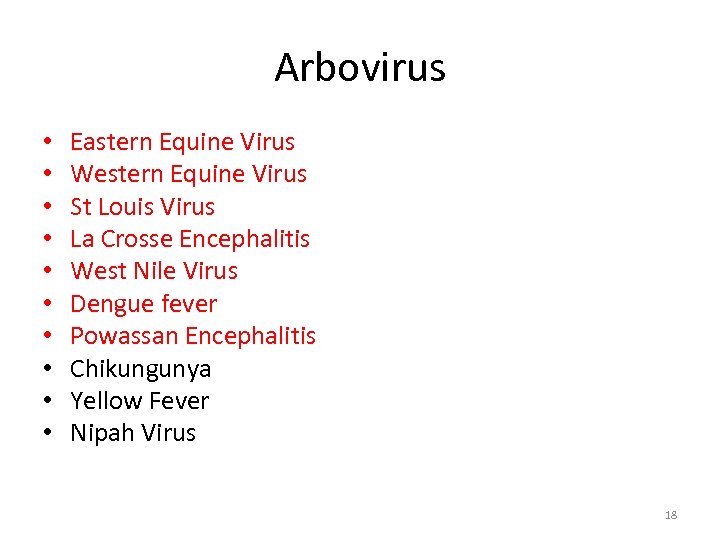
Arbovirus • • • Eastern Equine Virus Western Equine Virus St Louis Virus La Crosse Encephalitis West Nile Virus Dengue fever Powassan Encephalitis Chikungunya Yellow Fever Nipah Virus 18
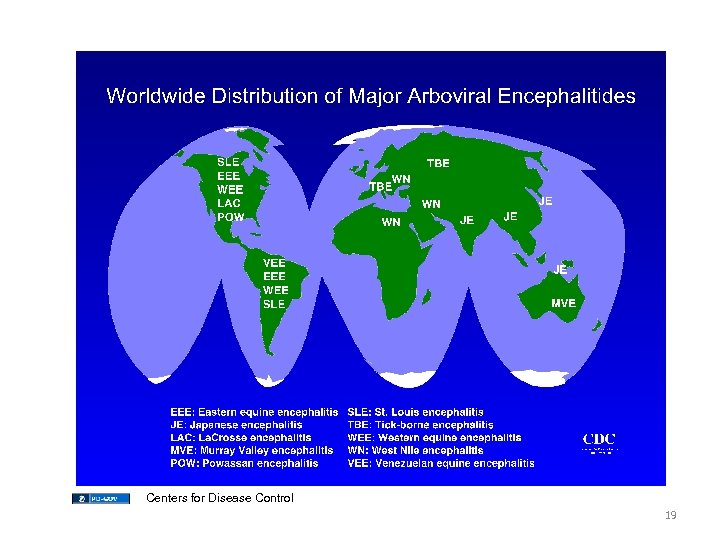
Centers for Disease Control 19
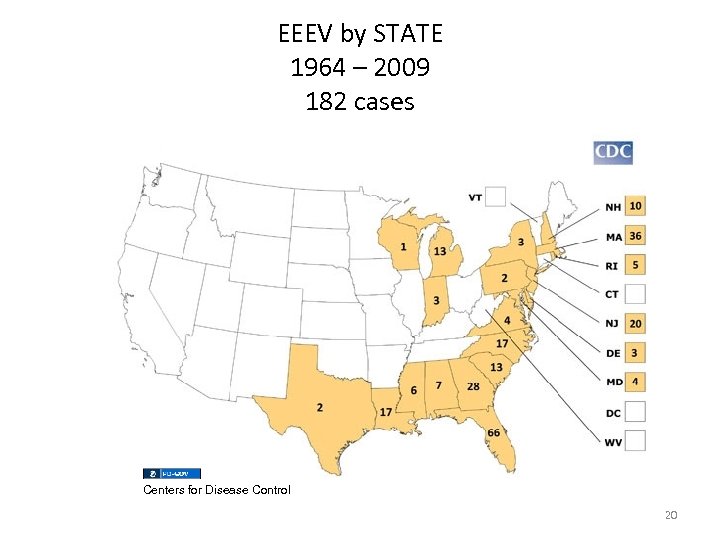
EEEV by STATE 1964 – 2009 182 cases Centers for Disease Control 20
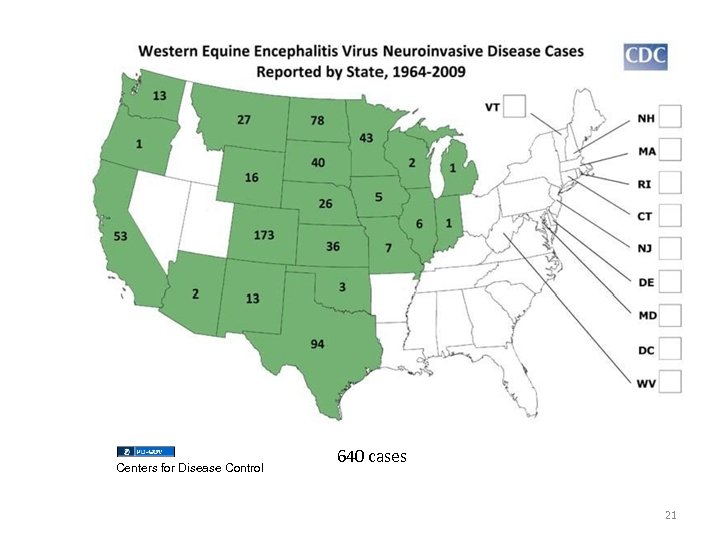
Centers for Disease Control 640 cases 21
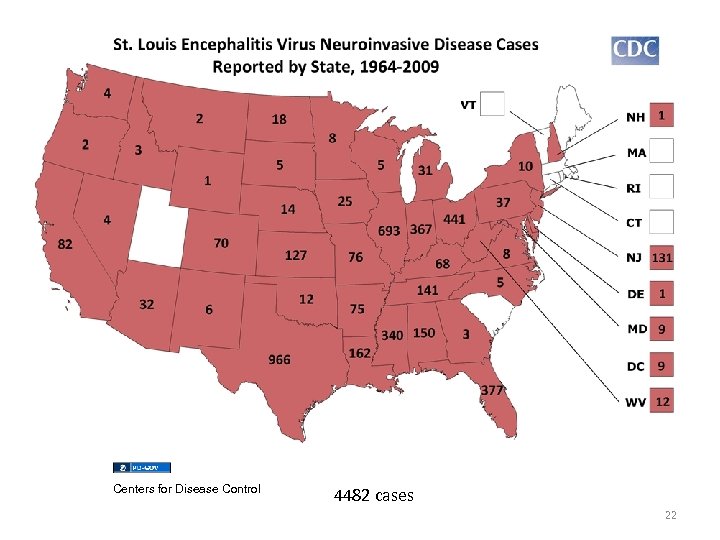
Centers for Disease Control 4482 cases 22
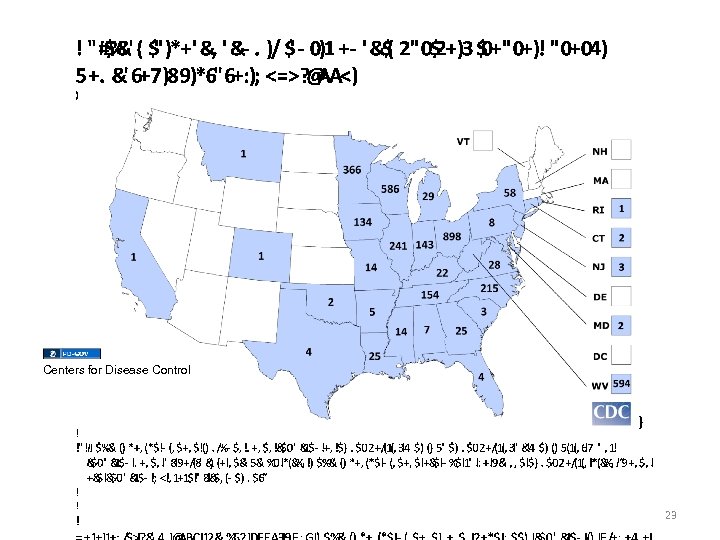
Centers for Disease Control 23
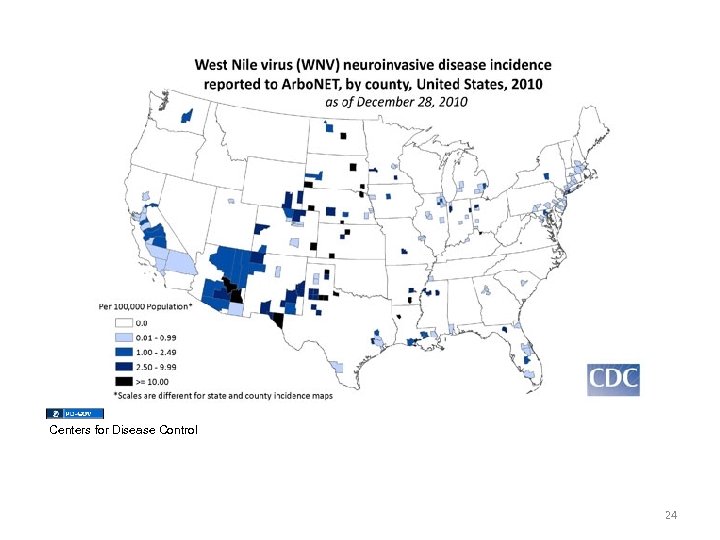
Centers for Disease Control 24
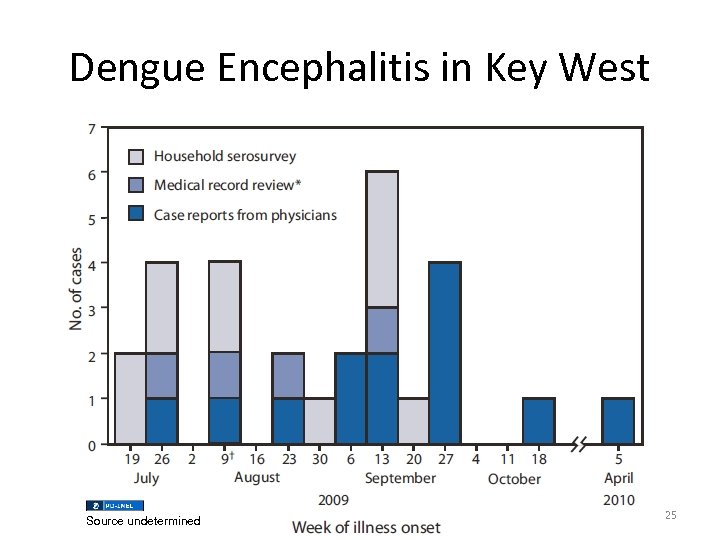
Dengue Encephalitis in Key West Source undetermined 25
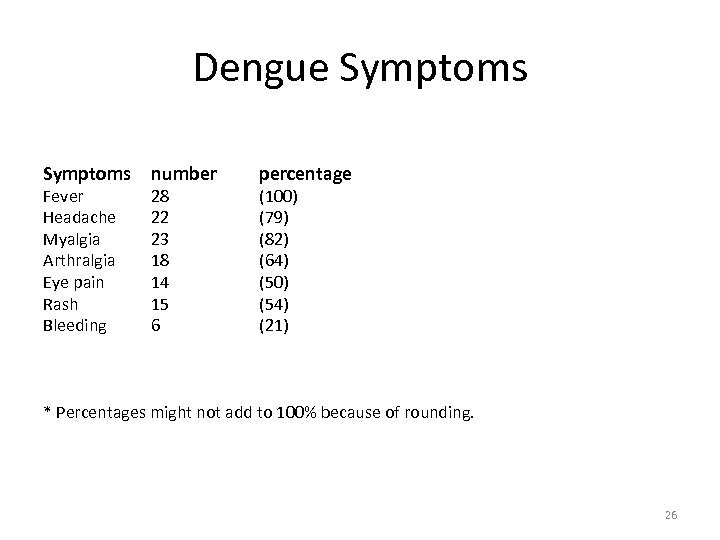
Dengue Symptoms Fever Headache Myalgia Arthralgia Eye pain Rash Bleeding number 28 22 23 18 14 15 6 percentage (100) (79) (82) (64) (50) (54) (21) * Percentages might not add to 100% because of rounding. 26
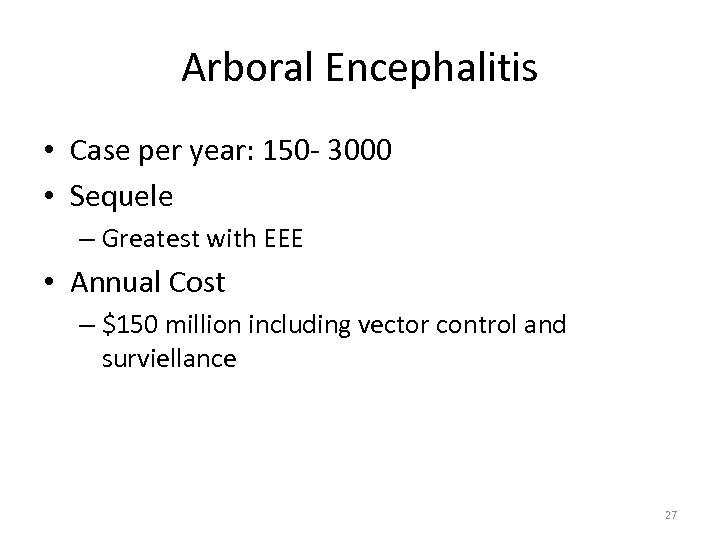
Arboral Encephalitis • Case per year: 150 - 3000 • Sequele – Greatest with EEE • Annual Cost – $150 million including vector control and surviellance 27
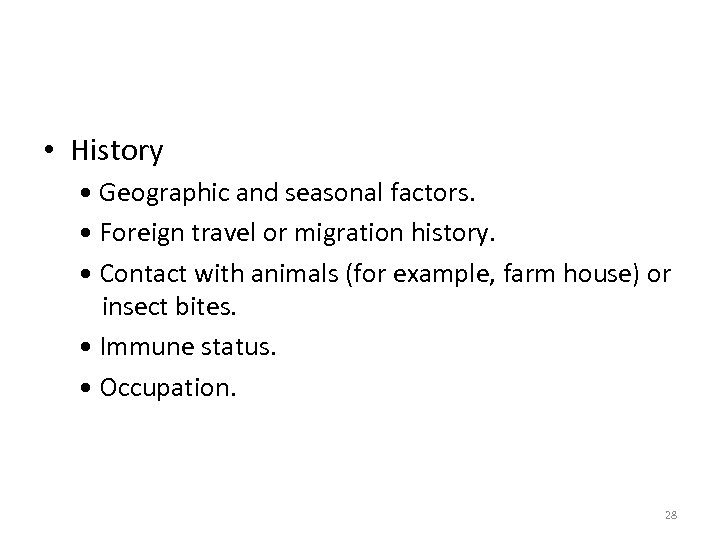
• History • Geographic and seasonal factors. • Foreign travel or migration history. • Contact with animals (for example, farm house) or insect bites. • Immune status. • Occupation. 28
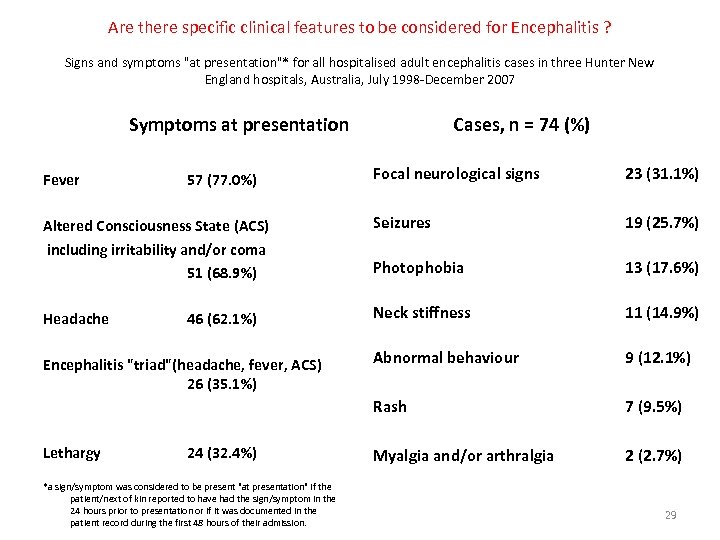
Are there specific clinical features to be considered for Encephalitis ? Signs and symptoms "at presentation"* for all hospitalised adult encephalitis cases in three Hunter New England hospitals, Australia, July 1998 -December 2007 Symptoms at presentation Cases, n = 74 (%) Focal neurological signs 23 (31. 1%) Altered Consciousness State (ACS) including irritability and/or coma 51 (68. 9%) Seizures 19 (25. 7%) Photophobia 13 (17. 6%) Headache Neck stiffness 11 (14. 9%) Abnormal behaviour 9 (12. 1%) Rash 7 (9. 5%) Myalgia and/or arthralgia 2 (2. 7%) Fever 57 (77. 0%) 46 (62. 1%) Encephalitis "triad"(headache, fever, ACS) 26 (35. 1%) Lethargy 24 (32. 4%) *a sign/symptom was considered to be present "at presentation" if the patient/next of kin reported to have had the sign/symptom in the 24 hours prior to presentation or if it was documented in the patient record during the first 48 hours of their admission. 29
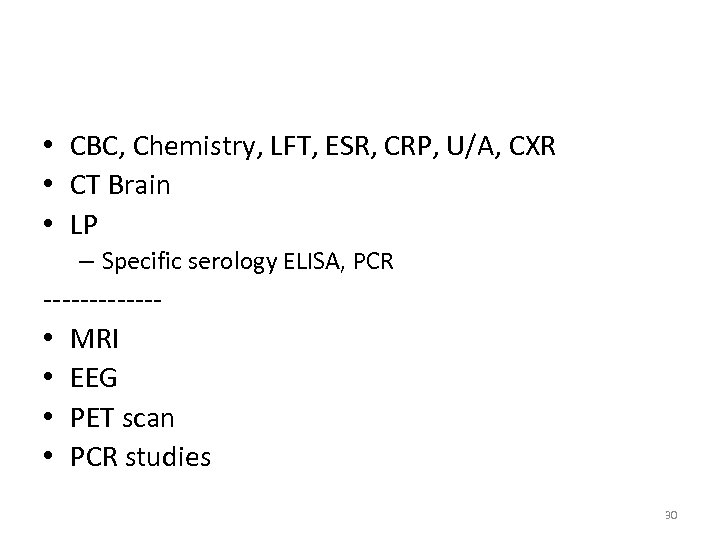
• CBC, Chemistry, LFT, ESR, CRP, U/A, CXR • CT Brain • LP – Specific serology ELISA, PCR ------ • MRI • EEG • PET scan • PCR studies 30
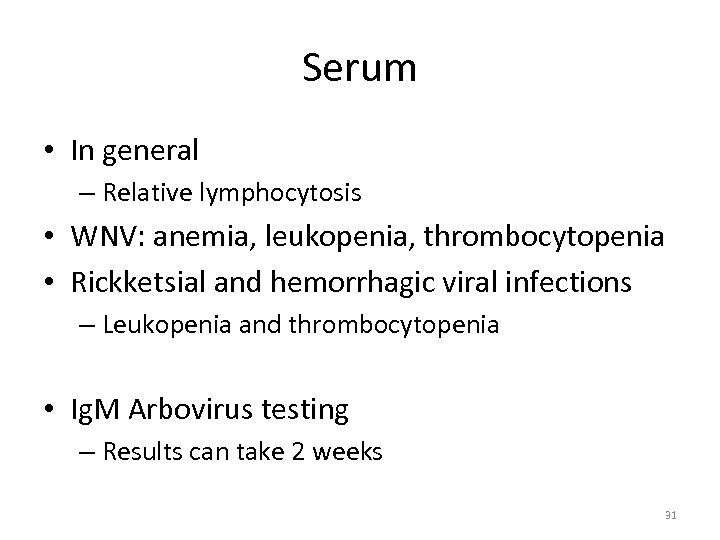
Serum • In general – Relative lymphocytosis • WNV: anemia, leukopenia, thrombocytopenia • Rickketsial and hemorrhagic viral infections – Leukopenia and thrombocytopenia • Ig. M Arbovirus testing – Results can take 2 weeks 31
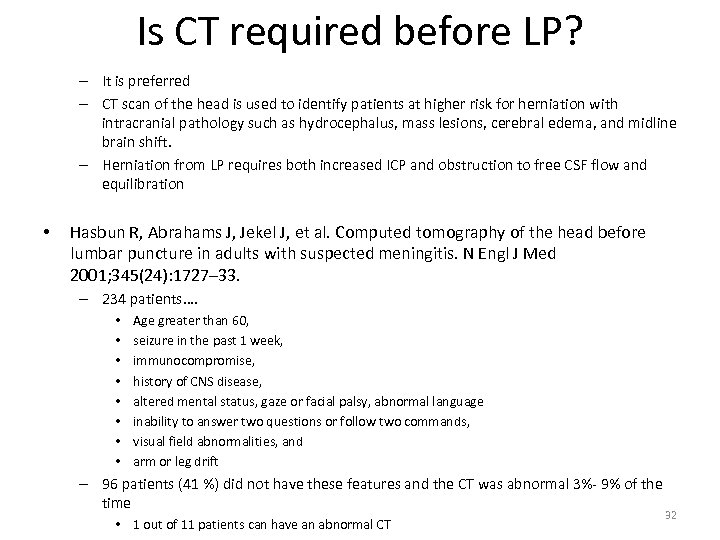
Is CT required before LP? – It is preferred – CT scan of the head is used to identify patients at higher risk for herniation with intracranial pathology such as hydrocephalus, mass lesions, cerebral edema, and midline brain shift. – Herniation from LP requires both increased ICP and obstruction to free CSF flow and equilibration • Hasbun R, Abrahams J, Jekel J, et al. Computed tomography of the head before lumbar puncture in adults with suspected meningitis. N Engl J Med 2001; 345(24): 1727– 33. – 234 patients…. • • Age greater than 60, seizure in the past 1 week, immunocompromise, history of CNS disease, altered mental status, gaze or facial palsy, abnormal language inability to answer two questions or follow two commands, visual field abnormalities, and arm or leg drift – 96 patients (41 %) did not have these features and the CT was abnormal 3%- 9% of the time • 1 out of 11 patients can have an abnormal CT 32
LP and the needle • Atraumatic needles significantly reduced the incidence of moderate to severe headache and the need for medical interventions after diagnostic lumbar punctures, but they were associated with a higher failure rate than standard needles – Randomised controlled trial of atraumatic versus standard needles for diagnostic lumbar puncture. Thomas SR - BMJ - 21 -OCT-2000; 321(7267): 986 -90 • A noncutting needle should be used for patients at high risk for PDPH, and the smallest gauge needle available should be used for all patients. – Postdural puncture headache and spinal needle design. Metaanalyses. Halpern S Anesthesiology - 01 -DEC-1994; 81(6): 1376 -83 33
CSF results • Bacterial vs Viral – – – > 1000 WBC Low glucose High protein EEEV pleocytosis with predominant neutrophils HSV has high RBC • Nigrovic LE, Kuppermann N, Macias CG, et al. Clinical prediction rule for identifying children with cerebrospinal fluid pleocytosis at very low risk of bacterial meningitis. JAMA 2007; 297(1): 52– 60. – 2093 children (serum WBC, CSF protein, seizure, gram stain) – 4% of patients with bacterial meningitis had non of these criteria 34
EEG/MRI/ EMG • MRI – WNV: anterior horn cells – HSV, La. Crosse virus: temporal horns • EEG – HSV and La. Crosse similar 35
Questions from patients • • I found a dead bird what should I do? My friend has a mosquito virus? Can I nurse with my infection? Am I contagious? Should I buy the fancy mosquito catcher? What should I do when I go outside? What are my chances of getting encephalitis? I have flu like symptoms with fever and headache… 36
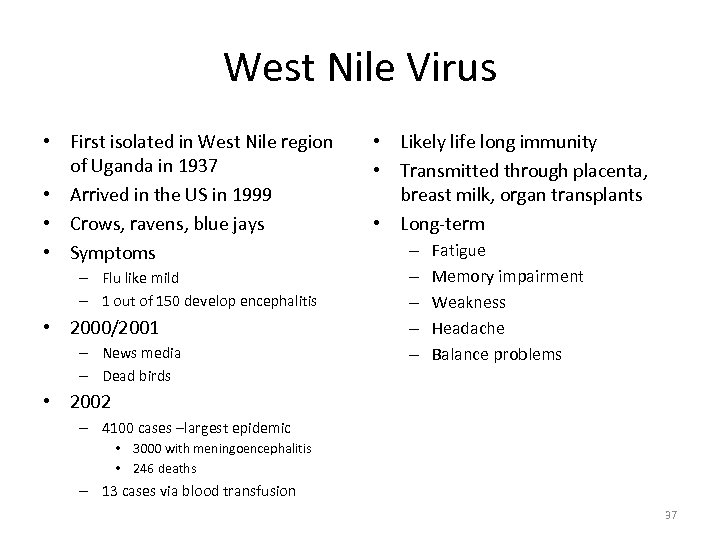
West Nile Virus • First isolated in West Nile region of Uganda in 1937 • Arrived in the US in 1999 • Crows, ravens, blue jays • Symptoms – Flu like mild – 1 out of 150 develop encephalitis • 2000/2001 – News media – Dead birds • Likely life long immunity • Transmitted through placenta, breast milk, organ transplants • Long-term – – – Fatigue Memory impairment Weakness Headache Balance problems • 2002 – 4100 cases –largest epidemic • 3000 with meningoencephalitis • 246 deaths – 13 cases via blood transfusion 37
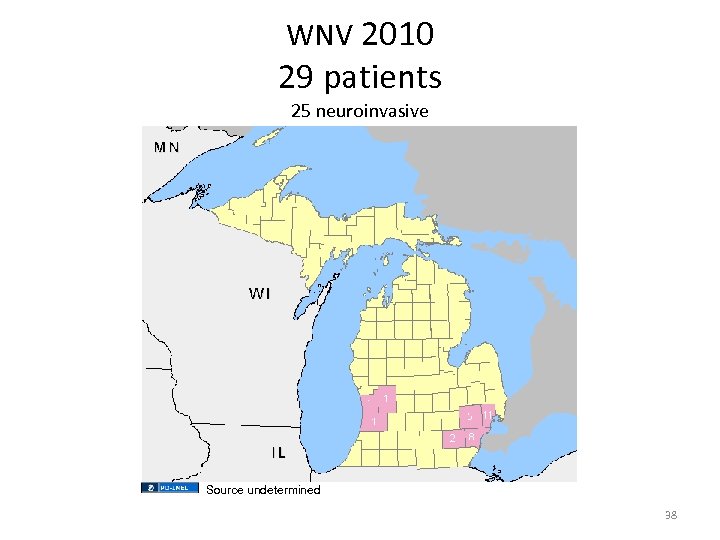
WNV 2010 29 patients 25 neuroinvasive Source undetermined 38
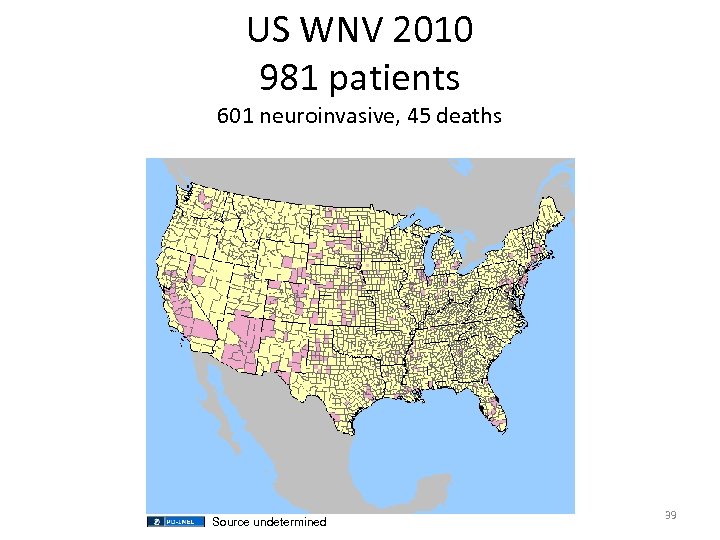
US WNV 2010 981 patients 601 neuroinvasive, 45 deaths Source undetermined 39
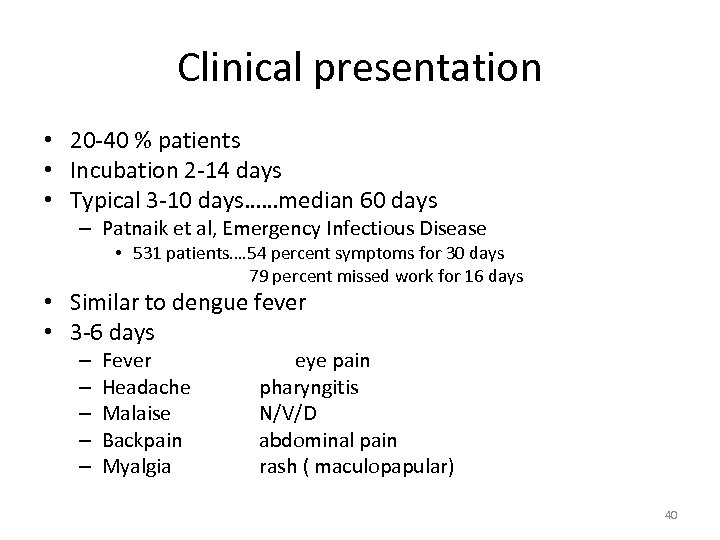
Clinical presentation • 20 -40 % patients • Incubation 2 -14 days • Typical 3 -10 days……median 60 days – Patnaik et al, Emergency Infectious Disease • 531 patients…. 54 percent symptoms for 30 days 79 percent missed work for 16 days • Similar to dengue fever • 3 -6 days – – – Fever Headache Malaise Backpain Myalgia eye pain pharyngitis N/V/D abdominal pain rash ( maculopapular) 40
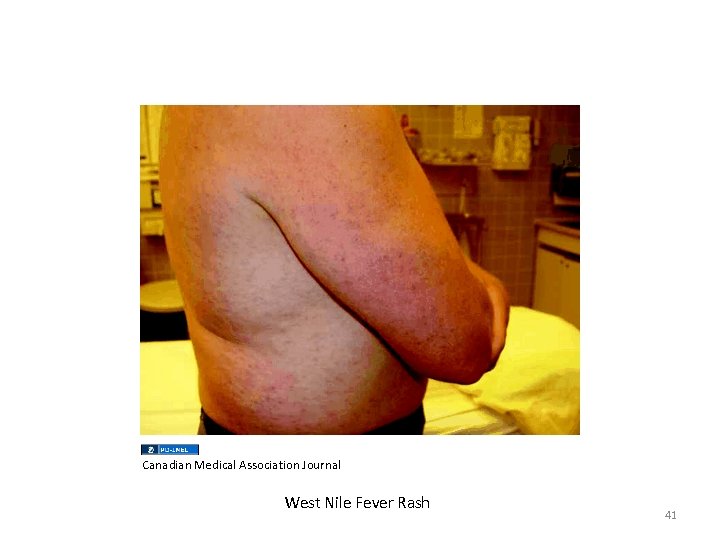
Canadian Medical Association Journal West Nile Fever Rash 41
Neuroinvasive WNV • Meningitis, Encephalitis, Flaccid Paralysis • Most Susceptible – Elderly, alcoholics, diabetics • Bode, WNV disease, a descriptive study of 221 patients hospitalized in 4 county region in Colorado, Clinics of infectious Disease 2003, 2006 • Presentation – EPS, tremor, myoclonus, instability, bradykinesia, seizure, encephalopathy, confusion, coma, death – Flaccid paralysis (Guillian – Barre) • Need to confirm neuropathy before initiating symptoms 42
Diagnosis/Treatment • Serologic testing with EIA for Ig. M Ab – Within first 8 days of symptoms • LP if neuro or mental status changes – EIA of Ig. M Ab • Nucleic Acid testing in immunocompromised • Supportive 43
La. Crosse Virus/ California serovirus • • • Simialar to WNV…no flaccid paralysis 80 -100 encephalitis cases Incubation 5 -15 days Fever for 2 -3 days Neuroinvasive cases usually under 16 yo Usually full recovery – Rare: seizure, hemiparesis, behavior or cognitive d/o – Mortality <1% • CSF best way to dx with Ig. M Ab 44
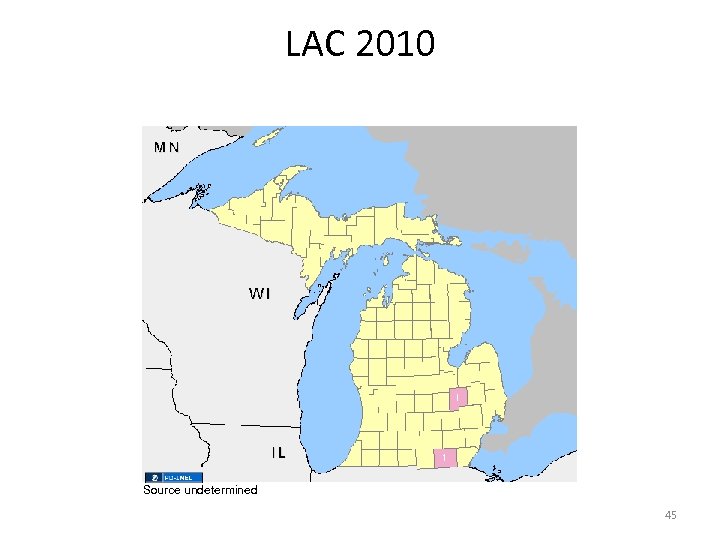
LAC 2010 Source undetermined 45
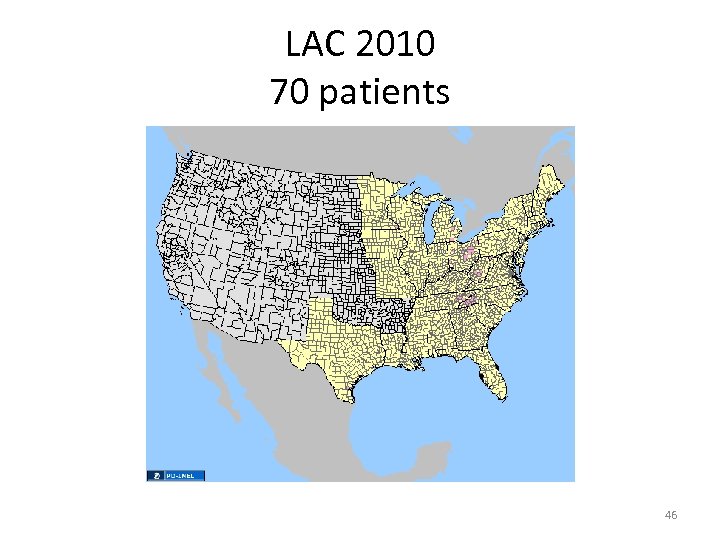
LAC 2010 70 patients 46
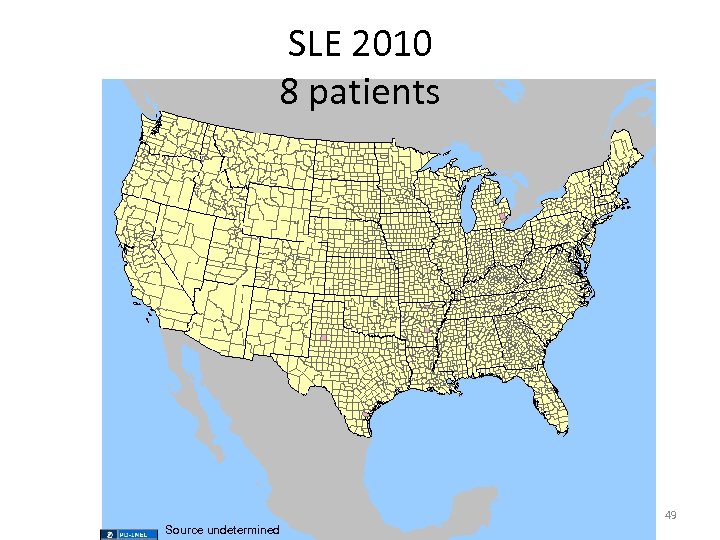
St. Louis virus encephalitis • Symptoms similar to all arboviral infections – <1% patients have symptoms • 40% have HA and fever • 90% elderly develop encephalitis • Incubation 5 -15 days • Fatality 5 -10% • 1975 – 2000 cases in Ohio-Mississippi River Basin 47
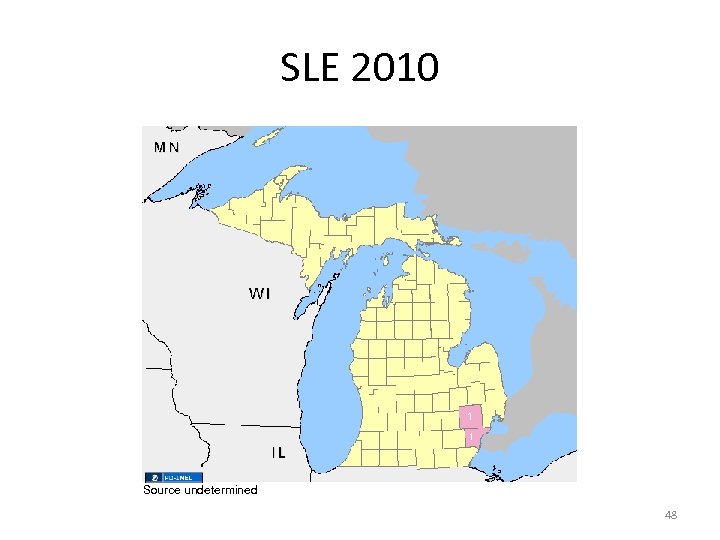
SLE 2010 Source undetermined 48
SLE 2010 8 patients 49 Source undetermined
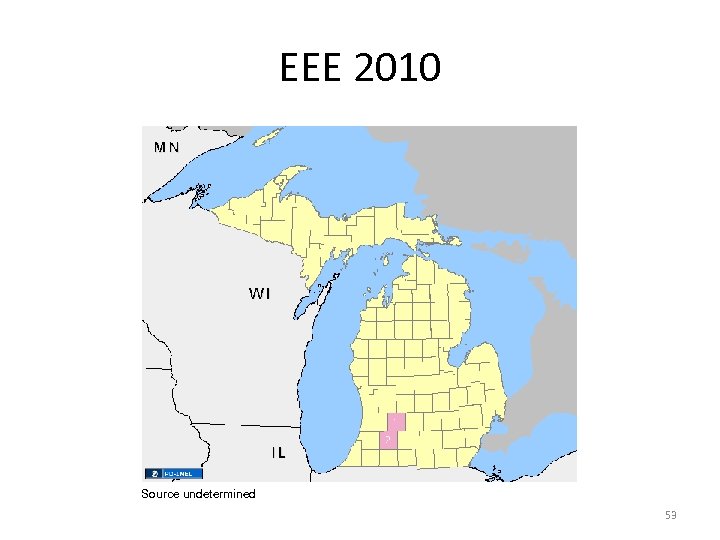
Eastern Equine Encephalitis • • Rarely symptomatic Incubation 4 -10 days Systemic infection last 1 -2 weeks In neuroinvasive forms (4 -5% of infections) – 35% mortality, death at day 2 -10 of symptoms – Sudden high fever, HA, seizure, disorientation, vomiting, restless, drowsy, anorexia – Survivors with SIGNIFICANT brain damage • Intelligence • Personality disorder seizure paralysis CNS dysfunction 50 death
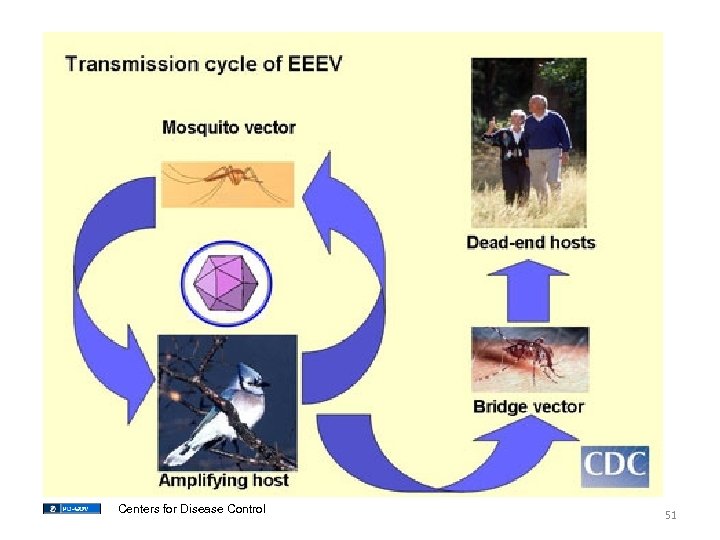
Centers for Disease Control 51
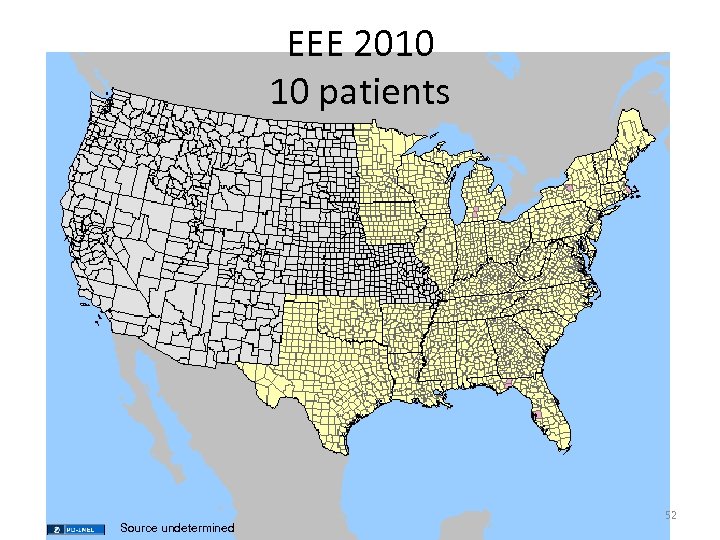
EEE 2010 10 patients Source undetermined 52
EEE 2010 Source undetermined 53
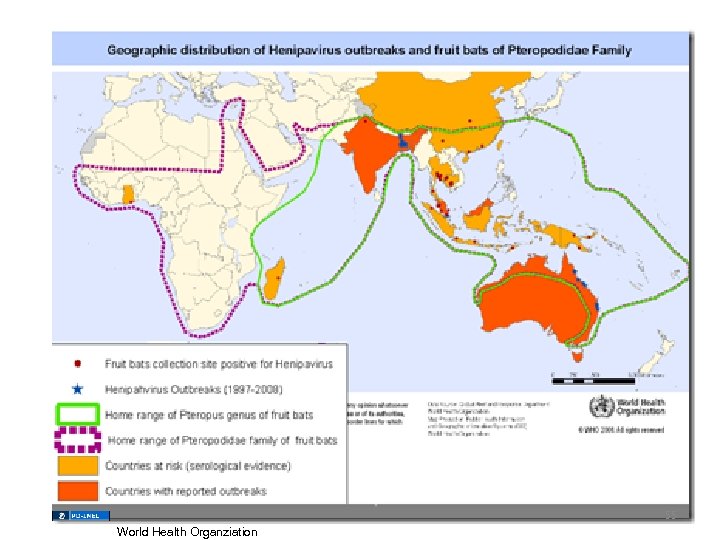
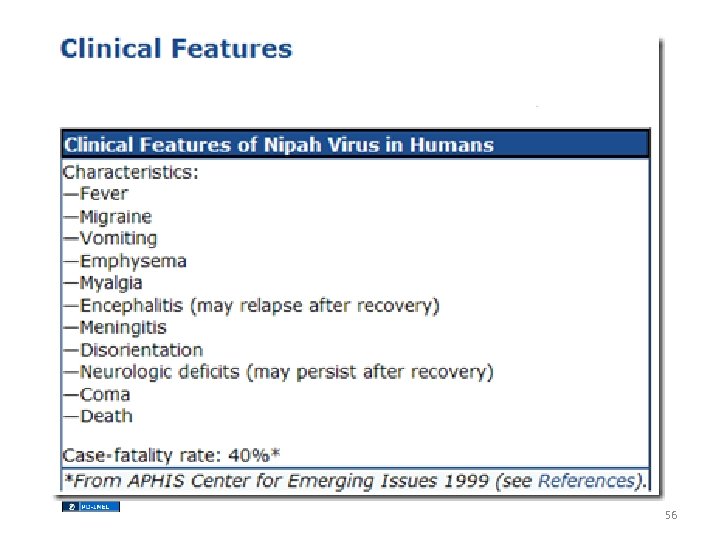
Henipah(Nipah) Virus Encephalitis • • 1998 - 1999 Malaysian pig farmers and health care workers 200 cases Transmission – Secretions from pigs, fruit bats – Human to human? – CDC • Bangladesh Bans Sale of Palm Sap After an Unusually Lethal Outbreak – New York Times DONALD G. Mc. NEIL Jr. Published: March 21, 2011 54
55 World Health Organziation
56
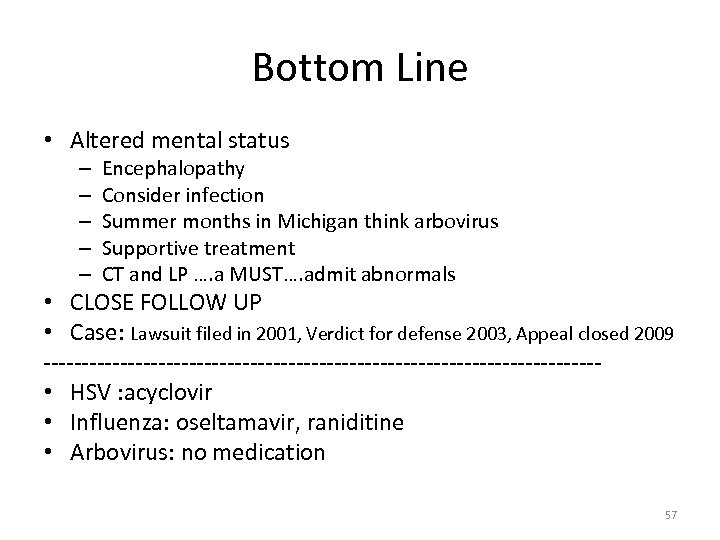
Bottom Line • Altered mental status – – – Encephalopathy Consider infection Summer months in Michigan think arbovirus Supportive treatment CT and LP …. a MUST…. admit abnormals • CLOSE FOLLOW UP • Case: Lawsuit filed in 2001, Verdict for defense 2003, Appeal closed 2009 ------------------------------------ • HSV : acyclovir • Influenza: oseltamavir, raniditine • Arbovirus: no medication 57
Скачать презентацию Project Ghana Emergency Medicine Collaborative Document Title Central
6124387f14e65a6a8284e7d87d248172.ppt