 Скачать презентацию Prohibition The Law of Unintended Consequences Carrie
01c5deeb6186d4acf5dbeeea4a0b7af0.ppt
- Количество слайдов: 17



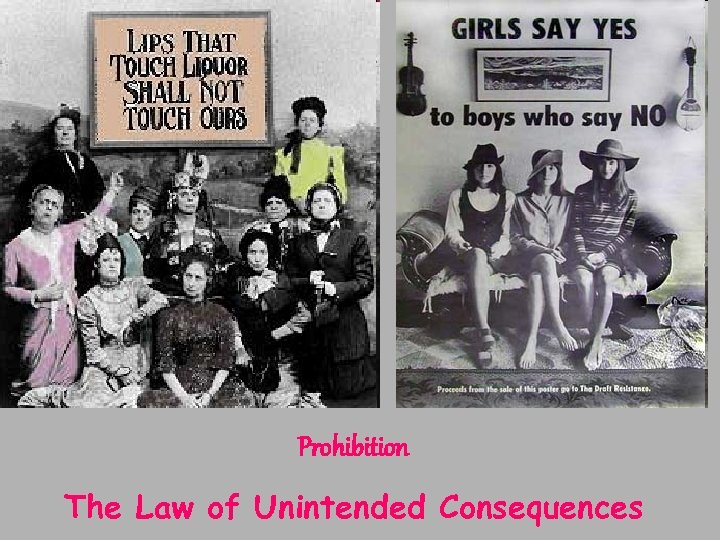
Prohibition The Law of Unintended Consequences
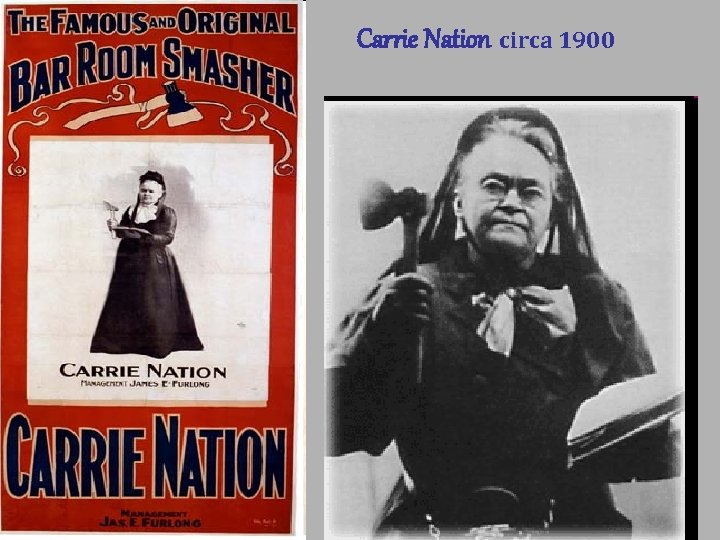
Carrie Nation circa 1900
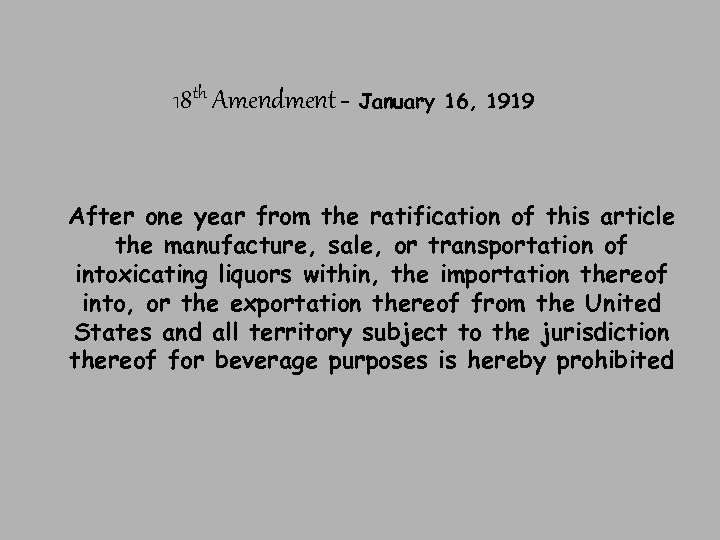
18 th Amendment – January 16, 1919 After one year from the ratification of this article the manufacture, sale, or transportation of intoxicating liquors within, the importation thereof into, or the exportation thereof from the United States and all territory subject to the jurisdiction thereof for beverage purposes is hereby prohibited
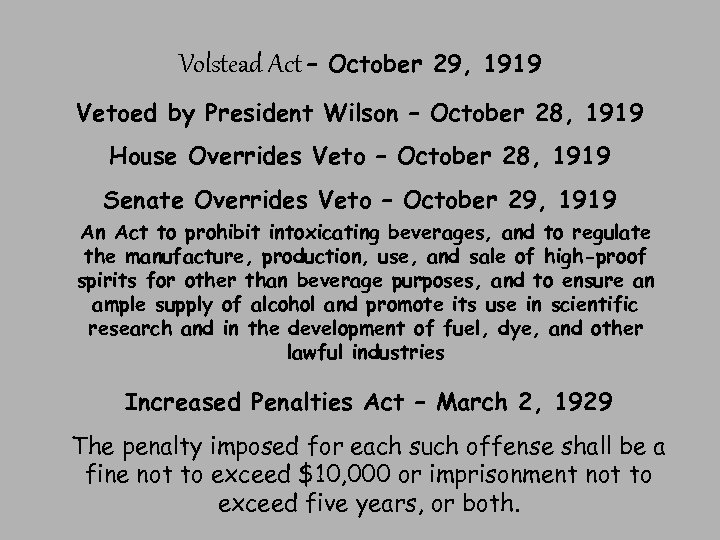
Volstead Act – October 29, 1919 Vetoed by President Wilson – October 28, 1919 House Overrides Veto – October 28, 1919 Senate Overrides Veto – October 29, 1919 An Act to prohibit intoxicating beverages, and to regulate the manufacture, production, use, and sale of high-proof spirits for other than beverage purposes, and to ensure an ample supply of alcohol and promote its use in scientific research and in the development of fuel, dye, and other lawful industries Increased Penalties Act – March 2, 1929 The penalty imposed for each such offense shall be a fine not to exceed $10, 000 or imprisonment not to exceed five years, or both.
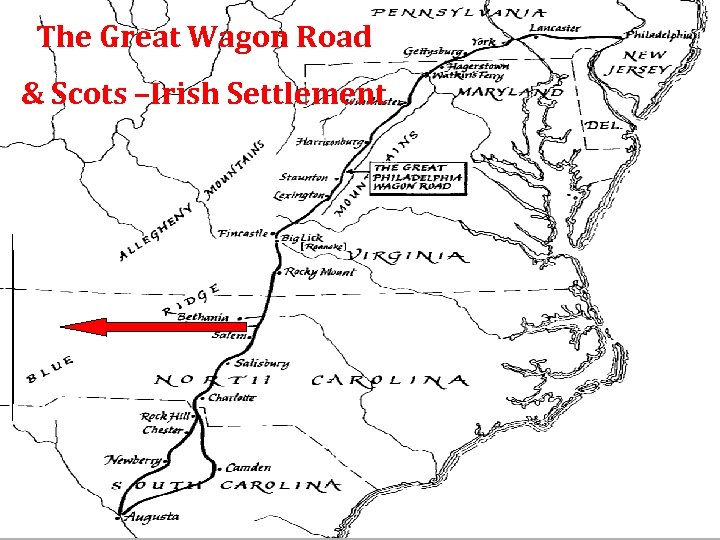
The Great Wagon Road & Scots –Irish Settlement
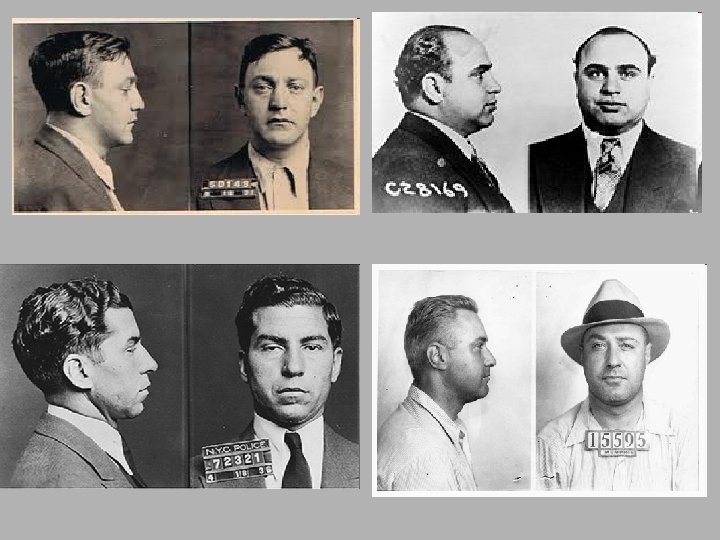
Unintended Consequences Loss of Tax Revenue - $400 M Loss of Jobs – 2. 5 M Huge Increase in Smuggling & Illegal Saloons (Blind Pigs) Unregulated Home Brew Industry Jamaica Ginger Disease – “Jake-Leg” Huge Increase in Moonshining Foundations of Organized Crime Relaxation of Morals Nation of Scofflaws
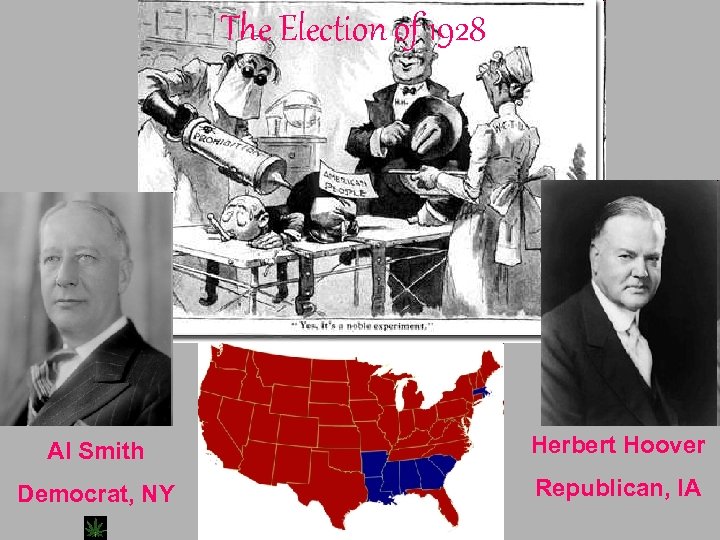
The Election of 1928 Al Smith Herbert Hoover Democrat, NY Republican, IA
Historical Causality • • How change occurs in society. How human nature matters. How ends are influenced by the means. NOTHING’S more dangerous than a simple, MONOCAUSAL explanation of the past or present.
Going Beyond the Surface • Students must use analytic skills to compare ideas, beliefs, or opinions given: - a particular time, place and situation.
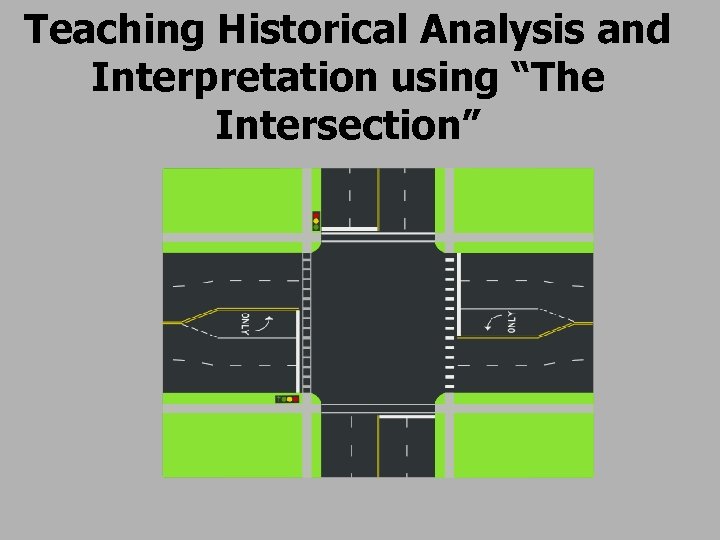
Teaching Historical Analysis and Interpretation using “The Intersection”
Using “The Intersection” as Historical Accident Reconstruction • Demonstrates that people make choices and that their actions have consequences. • Shows the consequences of the action or inaction relative to all players. • Presents historical events as a problem to analyze the various sides and understand their relative positions.
Setting Up the Intersection • Using an historical event, each “side” is at the intersection with non-working lights, and they have decisions to make. • Consider the full range of decisions for each side. • Analyze what happens in the “collision”.
Setting Up the Intersection – Green: the side that wants things to change. (go) – Red: the side that wants things to remain the same. (stop) – Yellow: those trapped at the light on caution. • “History is about intersections, intersections are about choices, and choices influence struggle. ” Y. Williams
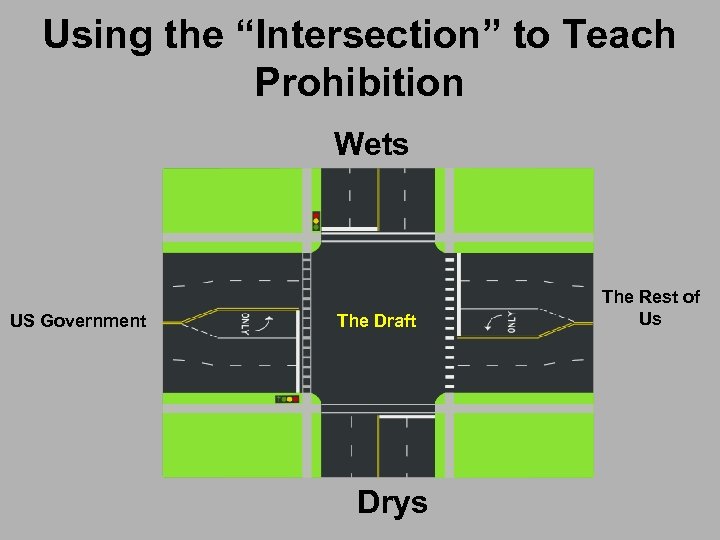
Using the “Intersection” to Teach Prohibition Wets US Government The Draft Drys The Rest of Us
Questions to Answer • Characteristics of your group • Attitudes of your group. • Choices of your group.
 Скачать презентацию Prohibition The Law of Unintended Consequences Carrie
01c5deeb6186d4acf5dbeeea4a0b7af0.ppt