 Скачать презентацию Production Income and Employment Slides by John
e20e09ca722fca52739cdee7b88ec3b7.ppt
- Количество слайдов: 45




Production, Income, and Employment Slides by: John & Pamela Hall ECONOMICS: Principles and Applications 3 e HALL & LIEBERMAN © 2005 Thomson Business and Professional Publishing
Production and Gross Domestic Product, GDP: A Definition • U. S. government has been measuring nation’s total production since 1930 s • Many conceptual traps and pitfalls – This is why economists have come up with a very precise definition of GDP – The nation’s gross domestic product (GDP) • Total value of all final goods and services produced for the marketplace during a given period within the nation’s borders 2
Production and Gross Domestic Product, GDP: A Definition • The total value – Approach of GDP is to add up dollar value of every good or service —the number of dollars each product is sold for • However, using the dollar prices at which goods and services actually sell also creates a problem – If prices rise, then GDP will rise, even if we are not actually producing more – GDP must be adjusted to take away the effects of inflation • …of all final… – When measuring production, we do not count every good or service produced in the economy • Only those that are sold to their final users • Avoids over-counting intermediate products when measuring GDP – Value of all intermediate products is automatically included in value of final products they are used to create 3
Production and Gross Domestic Product, GDP: A Definition • …goods and services… – We all know a good when we see one – Final services count in GDP in the same way as final goods • …produced… – In order to contribute to GDP, something must be produced • During the period being considered 4
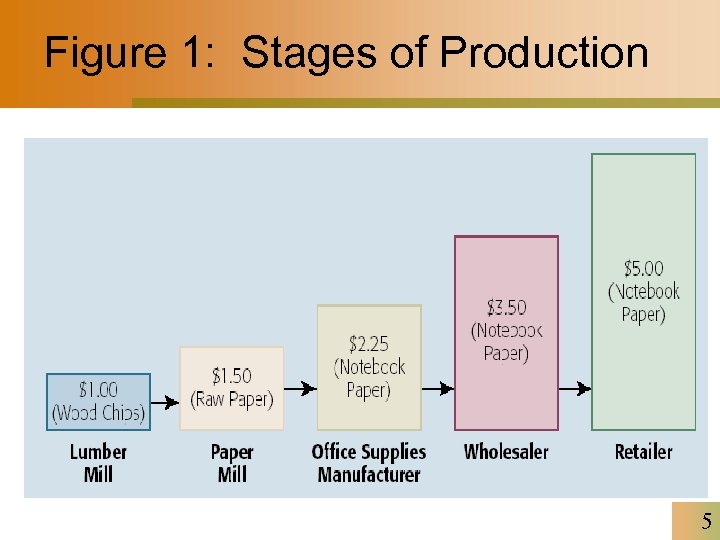
Figure 1: Stages of Production 5
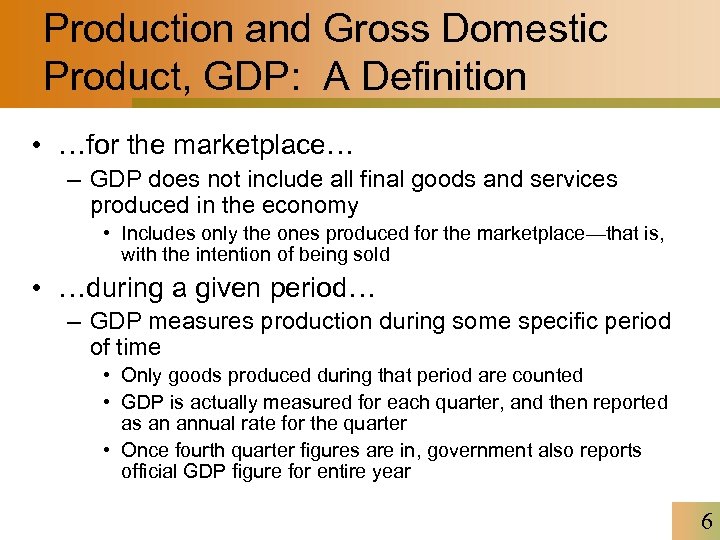
Production and Gross Domestic Product, GDP: A Definition • …for the marketplace… – GDP does not include all final goods and services produced in the economy • Includes only the ones produced for the marketplace—that is, with the intention of being sold • …during a given period… – GDP measures production during some specific period of time • Only goods produced during that period are counted • GDP is actually measured for each quarter, and then reported as an annual rate for the quarter • Once fourth quarter figures are in, government also reports official GDP figure for entire year 6
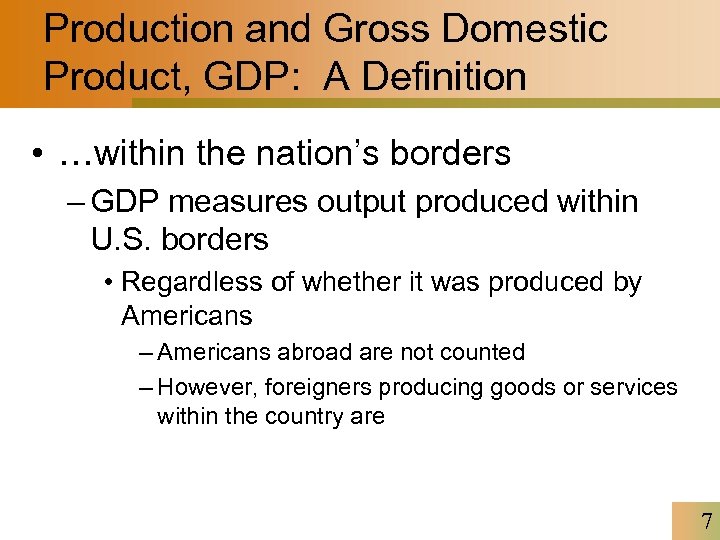
Production and Gross Domestic Product, GDP: A Definition • …within the nation’s borders – GDP measures output produced within U. S. borders • Regardless of whether it was produced by Americans – Americans abroad are not counted – However, foreigners producing goods or services within the country are 7
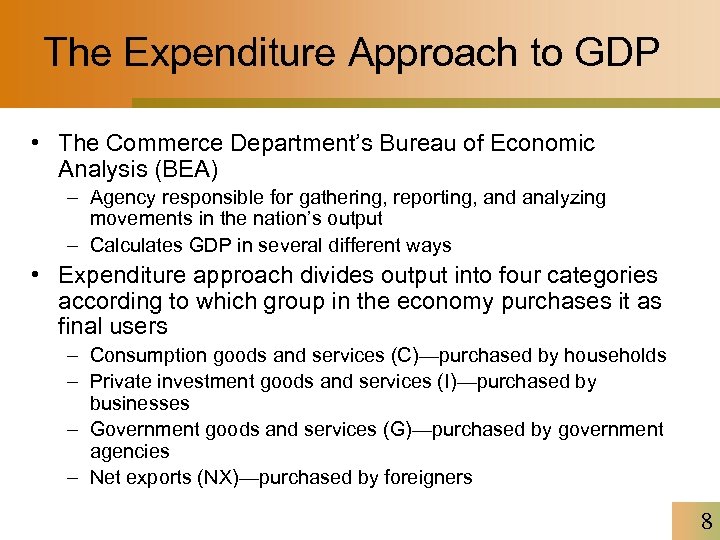
The Expenditure Approach to GDP • The Commerce Department’s Bureau of Economic Analysis (BEA) – Agency responsible for gathering, reporting, and analyzing movements in the nation’s output – Calculates GDP in several different ways • Expenditure approach divides output into four categories according to which group in the economy purchases it as final users – Consumption goods and services (C)—purchased by households – Private investment goods and services (I)—purchased by businesses – Government goods and services (G)—purchased by government agencies – Net exports (NX)—purchased by foreigners 8
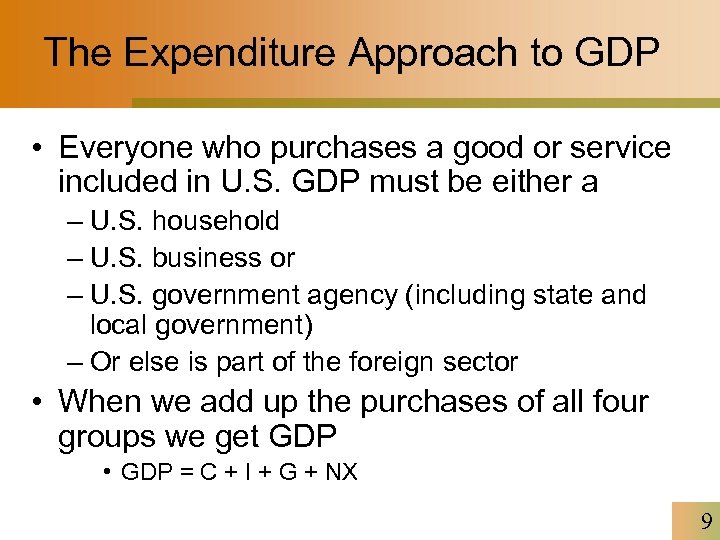
The Expenditure Approach to GDP • Everyone who purchases a good or service included in U. S. GDP must be either a – U. S. household – U. S. business or – U. S. government agency (including state and local government) – Or else is part of the foreign sector • When we add up the purchases of all four groups we get GDP • GDP = C + I + G + NX 9
Consumption Spending • Consumption is the part of GDP purchased by households as final users – Almost everything households buy during the year is included as part of consumption spending when we calculate GDP – One exception is construction of new homes • Counted as private investment – Some quirky exceptions to the definition of consumption • Total value of all food products that farm families produce and consume themselves • Total value of the housing services provided by owner-occupied homes 10
Private Investment • Private investment has three components – Business Purchases of Plant, Equipment, and Software • A firm’s plant, equipment, and software intended to last for many years— only a small part of them is used up to make the current year’s output • Are regarded and software as final goods, and firms that buy them as final users of those goods – New Home Construction • Residential housing is an important part of nation’s capital stock • House will continue to provide services into the future – Changes in Inventories • We count the charge in firms’ inventories as part of investment in measuring GDP • Why? – When goods are produced but not sold during the year, they end up in some firm’s inventory stocks – Part of the nation’s capital stock – Will provide services in the future, when they are finally sold and used 11
Private Investment and the Capital Stock: Some Provisos • Changes in the nation’s capital stock are somewhat more complicated than we are able to capture with private investment alone • Specifically, private investment does not include – Government Investment • An important part of the nation’s capital stock is owned and operated not by business, but by government—federal, state, and local – Consumer durables • Goods such as furniture, automobiles, washing machines, and personal computers for home use can be considered capital goods – Will continue to provide services for many years – Human capital • To measure the increase in capital stock most broadly we include the additional skills and training acquired by workforce during the year • In addition to excluding some types of capital formation, private investment also errs in the other direction – Ignores depreciation—the capital that is used up during the year 12
Government Purchases • Purchases by state, local governments and federal government are included • Government purchases include – Goods • Fighter jets, police cars, school buildings, spy satellites, etc. – Services • Such as those performed by police, legislators, and military personnel • Government is considered to be a purchaser even if it actually produces the goods or services itself 13
Government Purchases • Important to distinguish between – Government purchases • Which are counted in GDP – Government outlays • As measured by local, state, and federal budgets and reported in the media • Transfer payments represent money redistributed from one group of citizens (taxpayers) to another (poor, unemployed, elderly) – While transfers are included in government budgets as outlays they are not purchases of currently produced goods and services • Not included in government purchases or in GDP 14
Net Exports • Once we recognize dealings with the rest of the world, we must correct an inaccuracy in our measure of GDP – Deduct all U. S. imports during the year, leaving us with just output produced in United States • To properly account for output sold to, and bought from, foreigners – Must include net exports—difference between exports and imports—as part of expenditure in GDP 15
Other Approaches to GDP: The Value-Added Approach • Value added – Firm’s contribution to a product or – Revenue it receives for its output • Minus cost of all the intermediate goods that it buys • GDP is sum of values added by all firms in economy 16
Other Approaches to GDP: The Factor Payments Approach • In any year, value added by a firm is equal to total factor payments made by that firm • GDP equals sum of all firms’ value added – Each firm’s value added is equal to its factor payments • Thus, GDP must equal total factor payments made by all firms in the economy • All of these factor payments are received by households in the form of wages and salaries, rent, interest or profit – GDP is measured by adding up all of the income—wages and salaries, rent, interest, and profit—earned by all households in the economy • Gives us an important insight into the macroeconomy – Total output of economy (GDP) is equal to total income earned in the economy 17
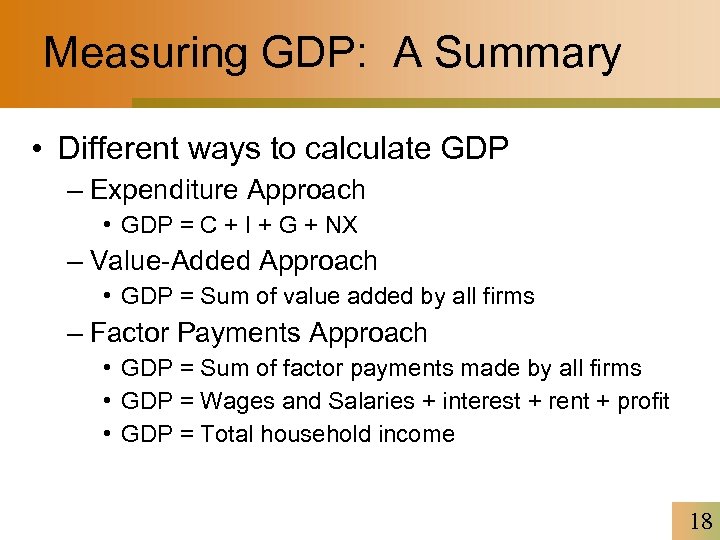
Measuring GDP: A Summary • Different ways to calculate GDP – Expenditure Approach • GDP = C + I + G + NX – Value-Added Approach • GDP = Sum of value added by all firms – Factor Payments Approach • GDP = Sum of factor payments made by all firms • GDP = Wages and Salaries + interest + rent + profit • GDP = Total household income 18
Real Versus Nominal GDP • Since GDP is measured in dollars, a serious problem exists when tracking change in output over time – Value of the dollar—its purchasing power—is changing • Usually need to adjust our measurements to reflect changes in the value of the dollar – Nominal—when a variable is measured over time with no adjustment for the dollar’s changing value – Real—when a variable is adjusted for the dollar’s changing value • Most government statistics are reported in both nominal and real terms – Economists focus almost exclusively on real variables 19
Real Versus Nominal GDP • The distinction between nominal and real values is crucial in macroeconomics • The public, the media, and sometimes even government officials have been confused by a failure to make this distinction – Since our economic well-being depends, in part, on the goods and services we can buy • It is important to translate nominal values—which are measured in current dollars—to real values—which are measured in purchasing power 20
How GDP Is Used • Government’s reports on GDP are used to steer the economy over both short-run and long-run – In short-run, to alert us to recessions and give us a chance to stabilize the economy – In long-run, to tell us whether our economy is growing fast enough to raise output per capita and our standard of living, and fast enough to generate sufficient jobs for a growing population • Many (but not all) economists believe that, if alerted in time – Government can design policies to help keep the economy on a more balanced course 21
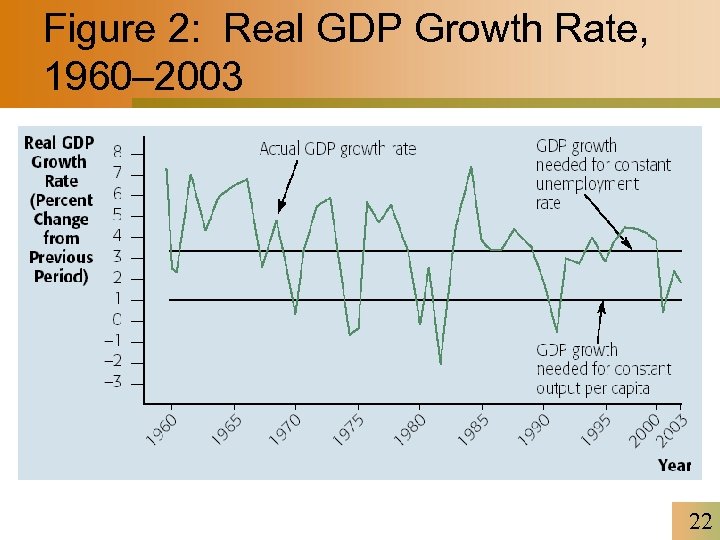
Figure 2: Real GDP Growth Rate, 1960– 2003 22
Problems With GDP • Quality changes – While BEA includes impact of quality changes for many goods and services (such as automobiles and computers) • Does not have the resources to estimate quality changes for millions of different goods and services • By ignoring these quality improvements, GDP probably understates true growth from year to year 23
The Underground Economy • Some production is hidden from government authorities – Either because it is illegal or • Drugs, prostitution, most gambling – Because those engaged in it are avoiding taxes • Production in these hidden markets cannot be measured accurately – BEA must estimate it » Many economists believe that BEA’s estimates are too low » As a result, GDP may understate total output 24
Non-Market Production • GDP does not include non-market production – Goods and services that are produced, but not sold in the marketplace • Whenever a non-market transaction becomes a market transaction GDP will rise – Even though total production has remained the same • Can exaggerate the growth in GDP over long periods of time • What do these problems tell us about value of GDP? – For certain purposes—especially interpreting long-run changes in GDP—we must exercise caution • GDP works much better as a guide to short-run performance of economy – Short-term changes in real GDP are fairly accurate reflections of the state of the economy – A significant quarter-to-quarter change in real GDP virtually always indicates a change in actual production; rather than a measurement problem • This is why policy makers, business people, and the media pay such close attention to GDP as a guide to the economy from quarter to quarter 25
Types of Unemployment • In United States, people are considered unemployed if they are not working and actively seeking a job – Unemployment can arise for a variety of reasons, each with its own policy implications – This is why economists have found it useful to classify unemployment into four different categories – – Frictional unemployment Seasonal unemployment Structural unemployment Cyclical unemployment » Each arises from a different cause and has different consequences 26
Frictional Unemployment • Short-term joblessness experienced by people who are between jobs or who are entering the labor market for first time or after an absence • Because frictional unemployment is, by definition, short-term, it causes little hardship to those affected by it • By spending time searching rather than jumping at the first opening that comes their way – People find jobs for which they are better suited and in which they will ultimately be more productive 27
Seasonal Unemployment • Joblessness related to changes in weather, tourist patterns, or other seasonal factors • Is rather benign – Short-term – Workers are often compensated in advance for unemployment they experience in off-season • To prevent any misunderstandings, government usually reports the seasonally-adjusted rate of unemployment – Rate that reflects only those changes beyond normal for the month 28
Structural Unemployment • Joblessness arising from mismatches between workers’ skills and employers’ requirements – Or between workers’ locations and employers’ locations • Generally a stubborn, long-term problem – Often lasting several years or more 29
Cyclical Unemployment • When the economy goes into a recession and total output falls, the unemployment rate rises • Since it arises from conditions in the overall economy, cyclical unemployment is a problem for macroeconomic policy • Macroeconomists say we have reached full employment when cyclical unemployment is reduced to zero – But the overall unemployment rate at full employment is greater than zero • Because there are still positive levels of frictional, seasonal, and structural unemployment • How do we tell how much of our unemployment is cyclical? – Many economists believe that today, normal amounts of frictional, seasonal, and structural unemployment account for an unemployment rate of between 4 and 4. 5% in United States 30
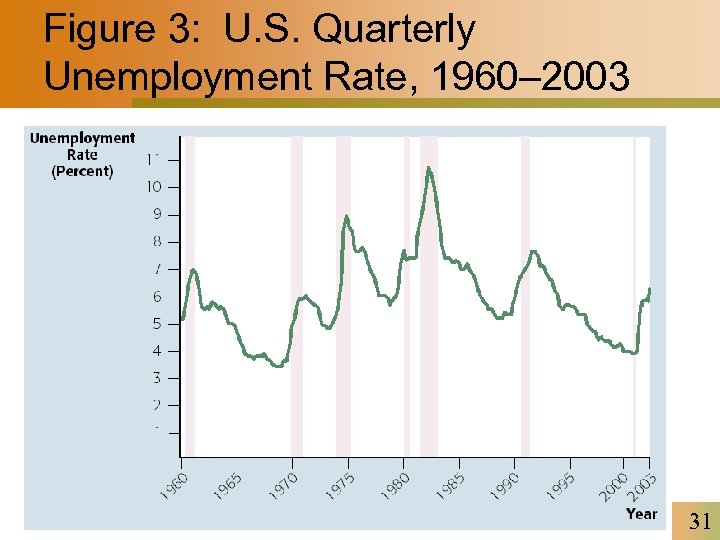
Figure 3: U. S. Quarterly Unemployment Rate, 1960– 2003 31
The Costs of Unemployment: Economic Costs • Chief economic cost of unemployment is the opportunity cost of lost output – Goods and services the jobless would produce if they were working – But do not produce because they cannot find work • The unemployed are often given government assistance – Costs are spread among citizens in general – However, when there is cyclical unemployment, nation produces less output • Some groups within society must consume less output • Potential output – Level of output economy could produce if operating at full employment 32
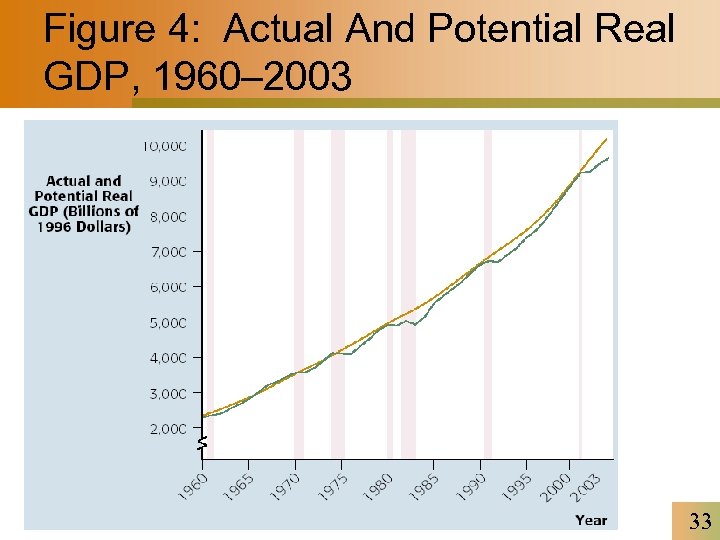
Figure 4: Actual And Potential Real GDP, 1960– 2003 33
Broader Costs • Unemployment—especially when it lasts for many months or years – Can have serious psychological and physical effects – Also causes setbacks in achieving important social goals • Burden of unemployment is not shared equally among different groups in the population – Tends to fall most heavily on minorities, especially minority youth 34
How Unemployment is Measured • The unemployed are those willing and able to work, but who do not have jobs • Others were able to work, but preferred not to – Including millions of college students, homemakers, and retired people – Still others were in the military and are counted in the population • But not counted when calculating civilian employment statistics • To be counted as unemployed, you must have recently searched for work – But how can we tell who has, and who has not, recently searched for work? 35
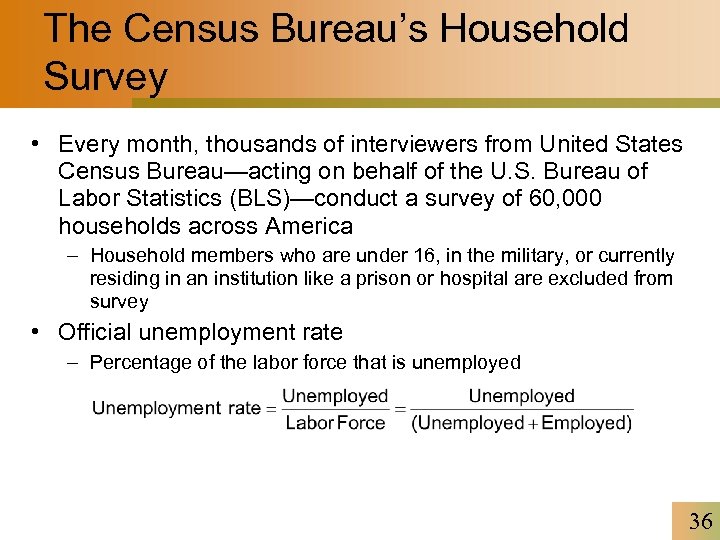
The Census Bureau’s Household Survey • Every month, thousands of interviewers from United States Census Bureau—acting on behalf of the U. S. Bureau of Labor Statistics (BLS)—conduct a survey of 60, 000 households across America – Household members who are under 16, in the military, or currently residing in an institution like a prison or hospital are excluded from survey • Official unemployment rate – Percentage of the labor force that is unemployed 36
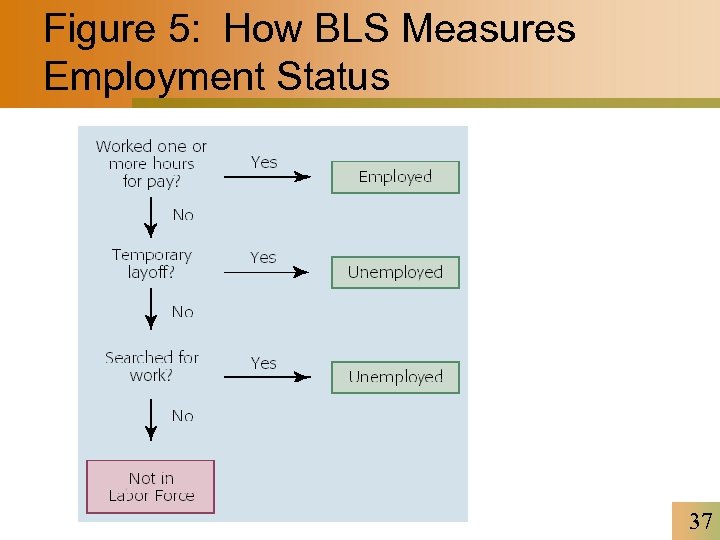
Figure 5: How BLS Measures Employment Status 37
Problems In Measuring Unemployment • Many economists believe that our official measure seriously underestimates extent of unemployment in our society due to – Treatment of involuntary part-time workers • Some economists have suggested that involuntary part-time workers should be regarded as partially employed and partially unemployed – Treatment of discouraged workers • Individuals who would like to work but, because they feel little hope of finding a job, have given up searching – How many discouraged workers are there? » No one knows for sure • Still, the unemployment rate—as currently measured—tells us something important – Number of people who are searching for jobs, but have not yet found them 38
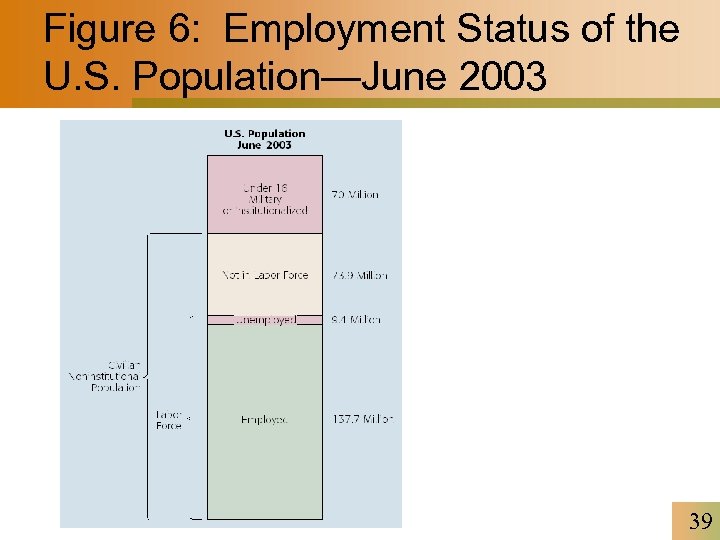
Figure 6: Employment Status of the U. S. Population—June 2003 39
GDP After September 11 • On September 11, 2001, United States suffered an unprecedented terrorist attack • What would happen after September 11? – Would the recession deepen? • How badly? – Could the economy actually tilt into a depression? – What was the appropriate economic policy, and how should it be orchestrated? • Helpful to distinguish between – Direct impact of GDP • Direct result of destruction itself – Indirect impact • Resulting from choices of economic-decision makers in the weeks, months, and even years following the attack 40
The Direct Impact On GDP • At first, it seems that the direct impact of the attacks on GDP should be huge • GDP is not designed to measure the resources at our disposal, but rather the production we get from those resource – The destruction caused by the terrorist attacks of September 11 had almost no direct impact on the U. S. economy or U. S. GDP 41
Indirect Impacts on GDP: The Short Run • Indirect losses to GDP were significant • Useful to distinguish between – Short-run impact • Weeks and months following the attacks – long-run impact • We’ll be experiencing for several years • Did not take long for aftermath of attacks to affect economic decision making – Federal government immediately shut down airports nationwide for more than 48 hours • With fewer people flying, hotel occupancy rates also decreased —by about 20% • Problem spread to manufacturing and raw materials sectors of the economy 42
Indirect Impacts on GDP: The Short Run • Consumers made other decisions that affected production – Instances of increased production – But these increases in production were swamped by production cuts already rippling through the economy • GDP did a good job of capturing all of these changes in spending and production – Bureau of Economic Analysis reported that production turned southward in the third quarter of 2001 • With much of the decline occurring during the three weeks of the quarter that remained after September 11 43
The Long-Run • In the weeks following the attack, it became clear that U. S. was about to start on a course it would follow for many years – Huge reallocation of national resources toward fighting terrorism abroad and achieving greater security at home • Some of these resources are being purchased by the government • Over the next two years, U. S. spent billions of additional dollars pursuing a more aggressive foreign policy including – Invasion to overthrow regime of Saddam Hussein in Iraq – Increased aid to allies—and potential allies—in war against terrorism 44
The Long-Run • But private businesses have been spending more for security each year than they did before • All these security expenses are slowing growth of our potential output – Therefore slowing growth of real GDP over long-run – In long-run, as the nation shifts production away from other goods and services and toward security in the wake of September 11, impact on real GDP will be negative – Potential output—and over the long-run, actual output— will grow more slowly than it otherwise would have 45
Скачать презентацию Production Income and Employment Slides by John
e20e09ca722fca52739cdee7b88ec3b7.ppt