 Скачать презентацию Probiotics Terms Probiotic Probiotics are live
206b36a309f75f57dbd7a082b0f6338b.ppt
- Количество слайдов: 49



Probiotics Terms: • Probiotic – Probiotics are live microorganisms (bacteria or yeasts) which, when administered in adequate amounts, confer a health benefit on the host • Prebiotic - nutritional supplement taken to increase the amounts of beneficial bacterial in the gut or vagina. Example “FOS” (fructose oligosaccharides) • Biotherapeutic agent - microorganism used for specific therapeutic activity in humans • Nutriceutical - food products with beneficial effects in preventing or treating diseases
Probiotics- basic definition • Joint Food and Agriculture Organization/World Health Organization Working Group's definition of probiotics: “Live microorganisms which, when administered in adequate amounts, confer a health benefit on the host”
Historical Prospective- then to now • Yogurts and other fermented dairy products • General probiotics- Lactobacillus caseii, L. acidophilus, etc • Specific probiotics selected • Probiotic yogurts- Activia, Colon health, etc • Opimization of probiotic therapy
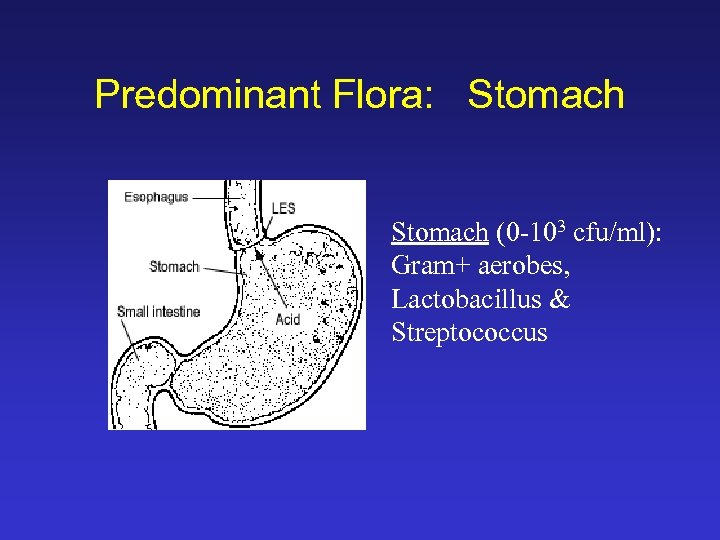
Predominant Flora: Stomach (0 -103 cfu/ml): Gram+ aerobes, Lactobacillus & Streptococcus
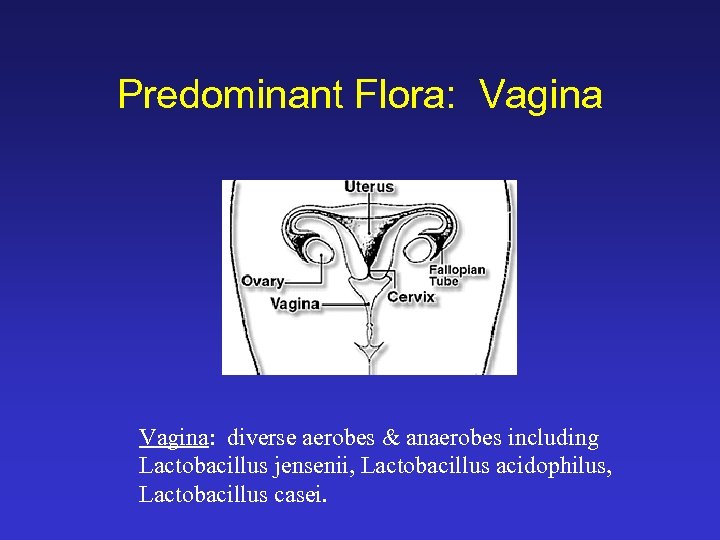
Predominant Flora: Vagina: diverse aerobes & anaerobes including Lactobacillus jensenii, Lactobacillus acidophilus, Lactobacillus casei.
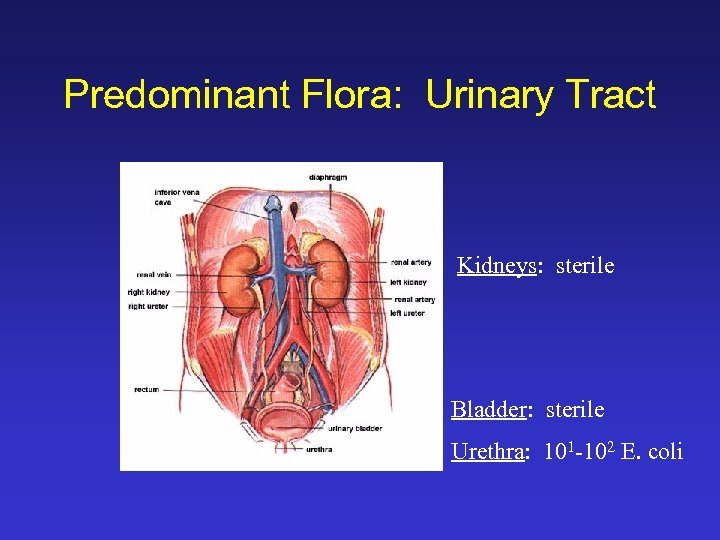
Predominant Flora: Urinary Tract Kidneys: sterile Bladder: sterile Urethra: 101 -102 E. coli
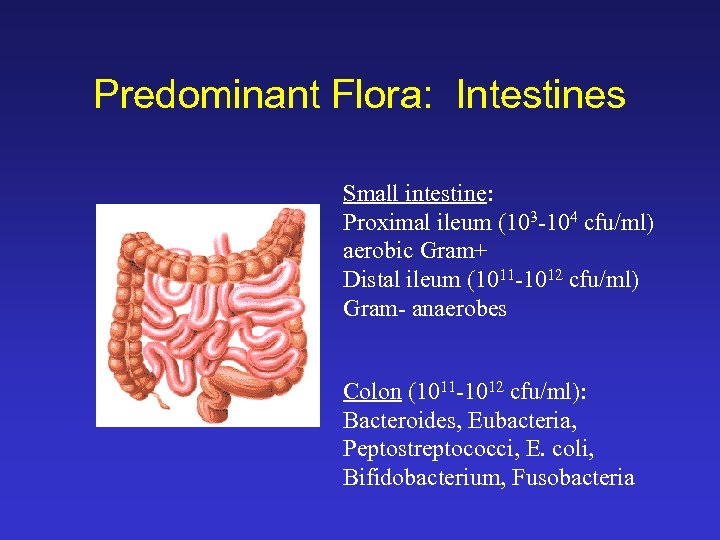
Predominant Flora: Intestines Small intestine: Proximal ileum (103 -104 cfu/ml) aerobic Gram+ Distal ileum (1011 -1012 cfu/ml) Gram- anaerobes Colon (1011 -1012 cfu/ml): Bacteroides, Eubacteria, Peptostreptococci, E. coli, Bifidobacterium, Fusobacteria
Functions of Normal Flora • • Digestion Production of vitamins Mucosal maturation Stimulate Immune System Attachment Intestinal transit Colonization resistance
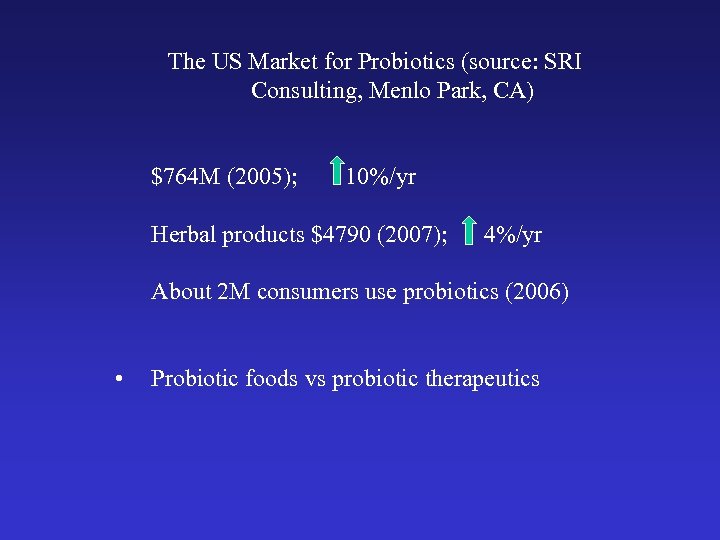
The US Market for Probiotics (source: SRI Consulting, Menlo Park, CA) $764 M (2005); 10%/yr Herbal products $4790 (2007); 4%/yr About 2 M consumers use probiotics (2006) • Probiotic foods vs probiotic therapeutics
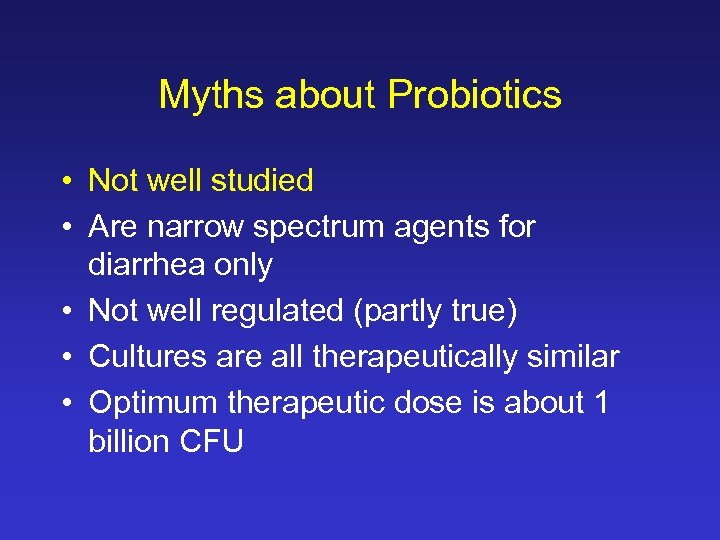
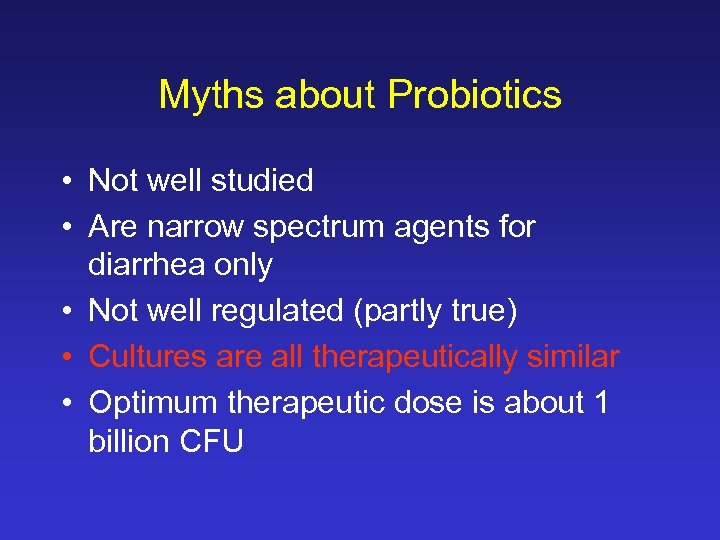
Myths about Probiotics • Not well studied • Are narrow spectrum agents for diarrhea only • Not well regulated (partly true) • Cultures are all therapeutically similar • Optimum therapeutic dose is about 1 billion CFU
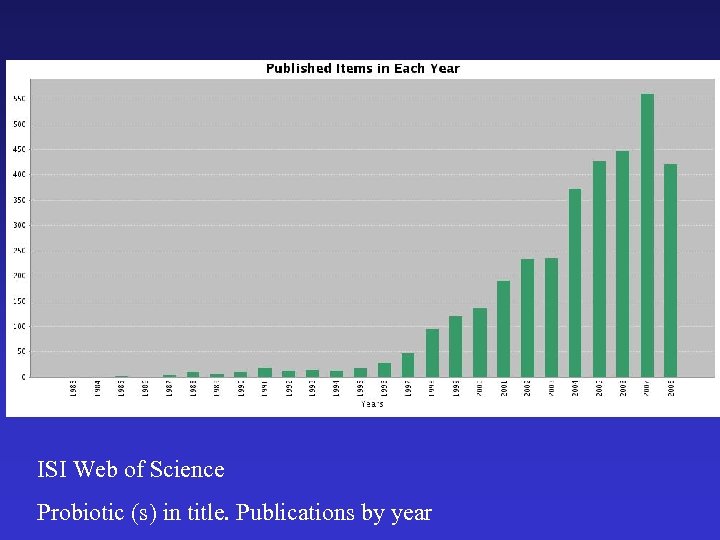
ISI Web of Science Probiotic (s) in title. Publications by year
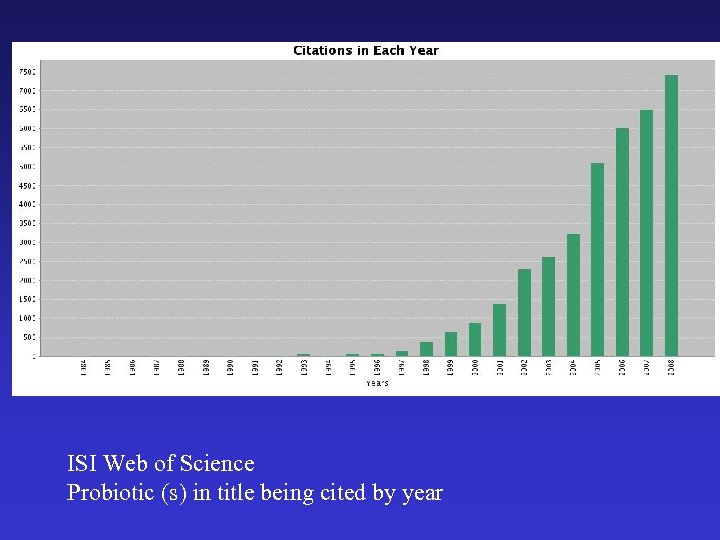
ISI Web of Science Probiotic (s) in title being cited by year


Myths about Probiotics • Not well studied • Are narrow spectrum agents for diarrhea only • Not well regulated (partly true) • Cultures are all therapeutically similar • Optimum therapeutic dose is about 1 billion CFU


Meta-Analyses of Probiotic Treatments (2005 to present) Disease year n result ref 1. Vaginal infections decreased, however (GWE) 2. Results promising for E. coli Nissle and Saccharomyces boulardii, however (GWE)
References for previous slide showing Meta-Analyses of Probiotic Treatments (2005 to present)
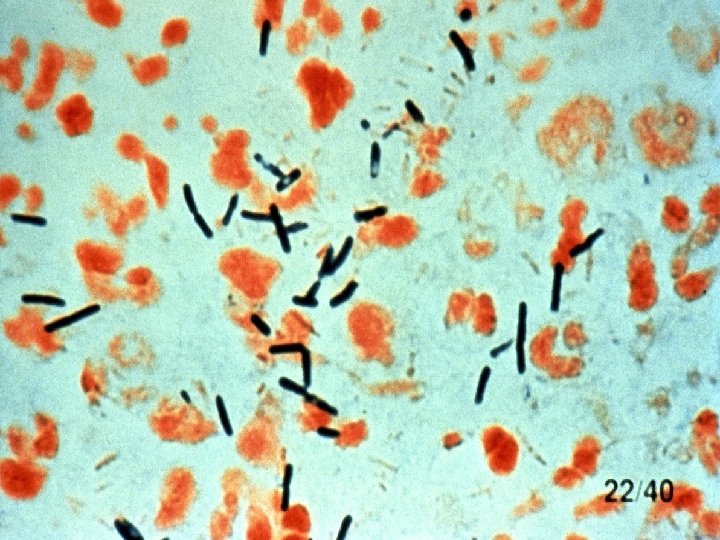
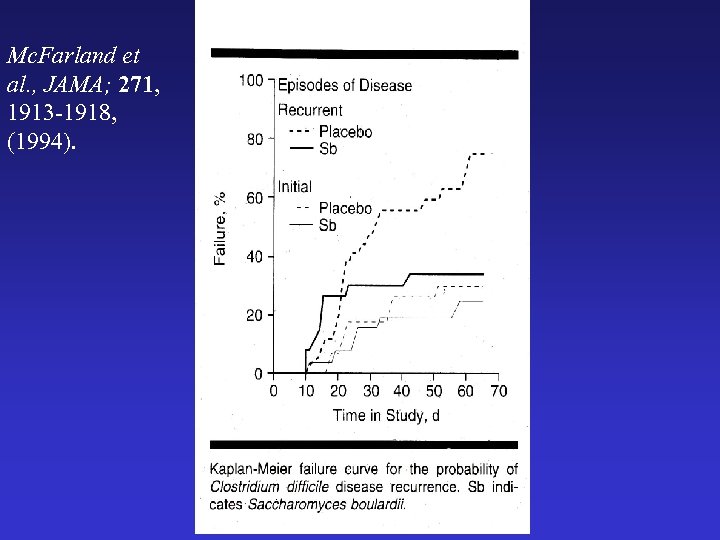
Mc. Farland et al. , JAMA; 271, 1913 -1918, (1994).
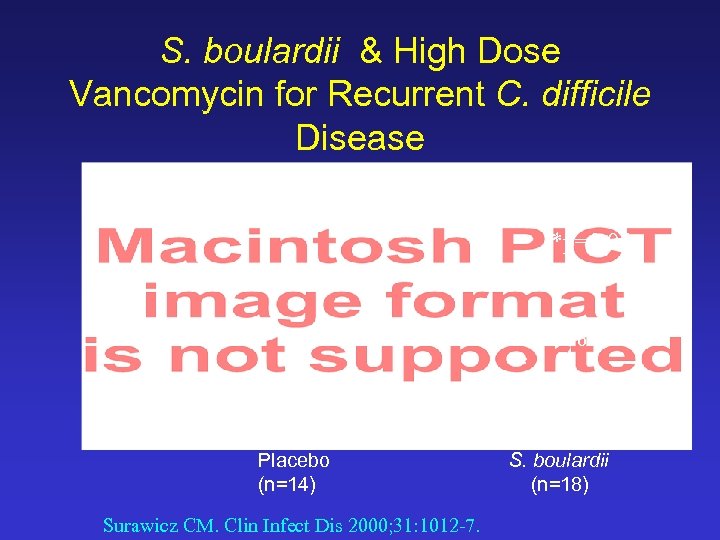
S. boulardii & High Dose Vancomycin for Recurrent C. difficile Disease 50% *p=0. 05 16. 7% * Placebo (n=14) Surawicz CM. Clin Infect Dis 2000; 31: 1012 -7. S. boulardii (n=18)
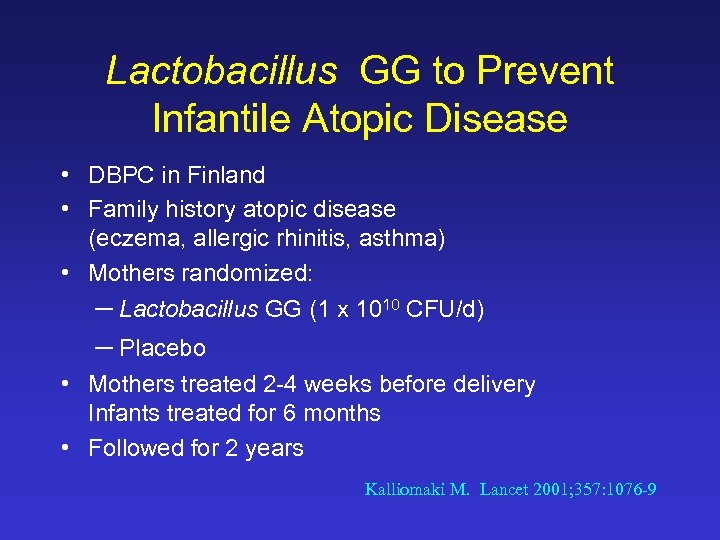
Lactobacillus GG to Prevent Infantile Atopic Disease • DBPC in Finland • Family history atopic disease (eczema, allergic rhinitis, asthma) • Mothers randomized: – Lactobacillus GG (1 x 10¹⁰ CFU/d) – Placebo • Mothers treated 2 -4 weeks before delivery Infants treated for 6 months • Followed for 2 years Kalliomaki M. Lancet 2001; 357: 1076 -9
![Lactobacillus GG and Infantile Atopic Disease [Results] *p=0. 008 46% 23%* L. GG (n=64)](https://present5.com/presentation/206b36a309f75f57dbd7a082b0f6338b/image-26.jpg "Lactobacillus GG and Infantile Atopic Disease [Results] *p=0. 008 46% 23%* L. GG (n=64)")
Lactobacillus GG and Infantile Atopic Disease [Results] *p=0. 008 46% 23%* L. GG (n=64) Kalliomaki M. Lancet 2001; 357: 1076 -9 Placebo (n=68)
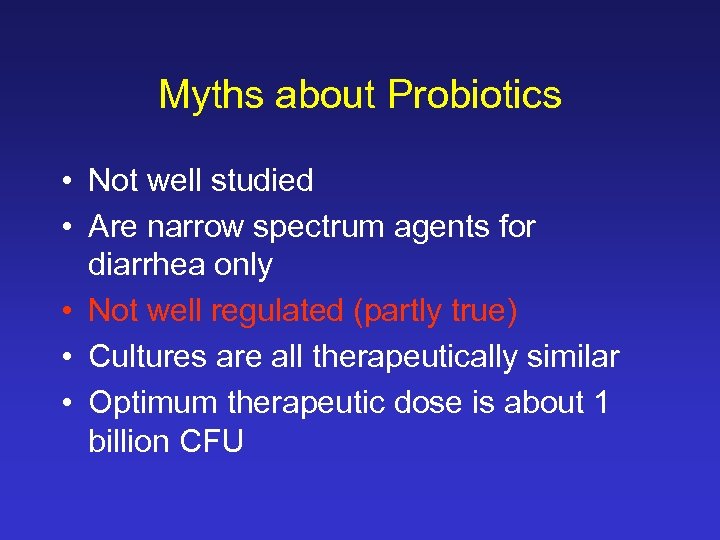
Myths about Probiotics • Not well studied • Are narrow spectrum agents for diarrhea only • Not well regulated (partly true) • Cultures are all therapeutically similar • Optimum therapeutic dose is about 1 billion CFU
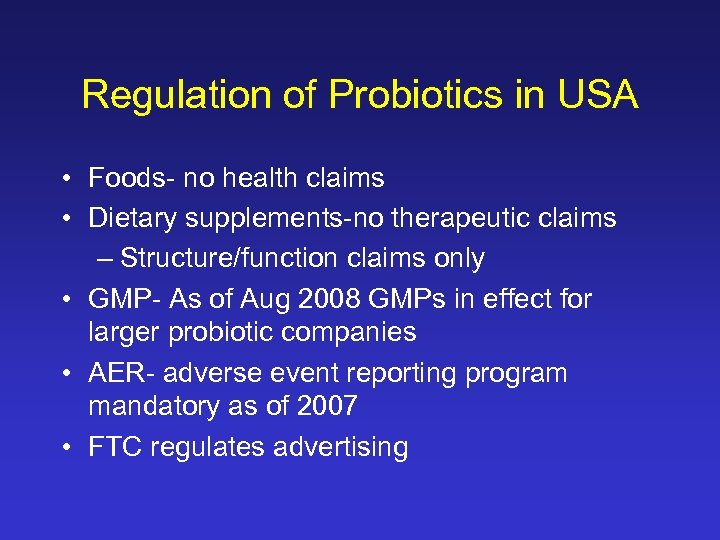
Regulation of Probiotics in USA • Foods- no health claims • Dietary supplements-no therapeutic claims – Structure/function claims only • GMP- As of Aug 2008 GMPs in effect for larger probiotic companies • AER- adverse event reporting program mandatory as of 2007 • FTC regulates advertising
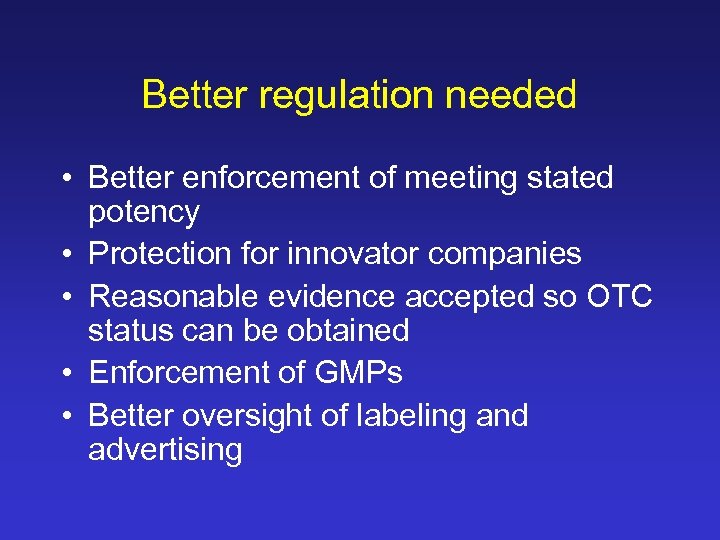
Better regulation needed • Better enforcement of meeting stated potency • Protection for innovator companies • Reasonable evidence accepted so OTC status can be obtained • Enforcement of GMPs • Better oversight of labeling and advertising
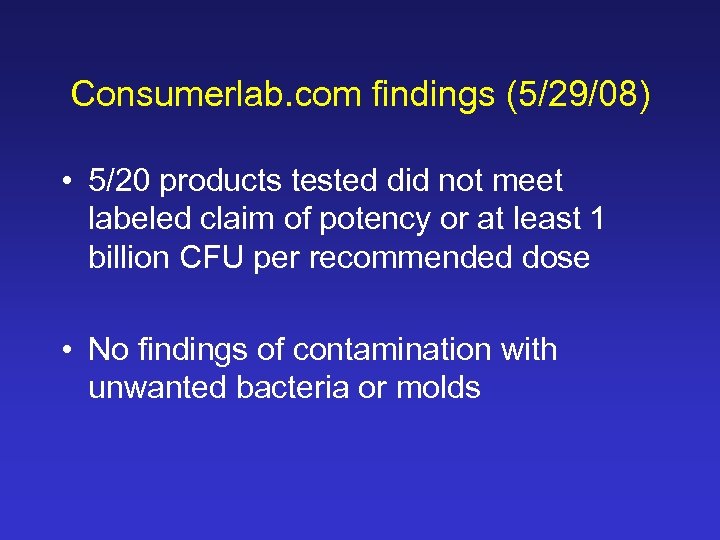
Consumerlab. com findings (5/29/08) • 5/20 products tested did not meet labeled claim of potency or at least 1 billion CFU per recommended dose • No findings of contamination with unwanted bacteria or molds
Myths about Probiotics • Not well studied • Are narrow spectrum agents for diarrhea only • Not well regulated (partly true) • Cultures are all therapeutically similar • Optimum therapeutic dose is about 1 billion CFU
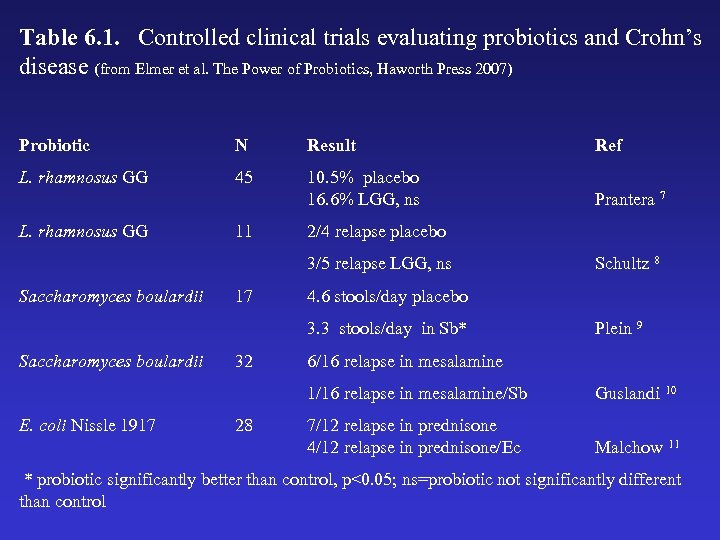
Table 6. 1. Controlled clinical trials evaluating probiotics and Crohn’s disease (from Elmer et al. The Power of Probiotics, Haworth Press 2007) Probiotic N Result Ref L. rhamnosus GG 45 10. 5% placebo 16. 6% LGG, ns Prantera 7 L. rhamnosus GG 11 2/4 relapse placebo 3/5 relapse LGG, ns Saccharomyces boulardii 17 4. 6 stools/day placebo 3. 3 stools/day in Sb* Saccharomyces boulardii 32 Schultz 8 Plein 9 6/16 relapse in mesalamine 1/16 relapse in mesalamine/Sb E. coli Nissle 1917 28 Guslandi 10 7/12 relapse in prednisone 4/12 relapse in prednisone/Ec Malchow 11 * probiotic significantly better than control, p<0. 05; ns=probiotic not significantly different than control
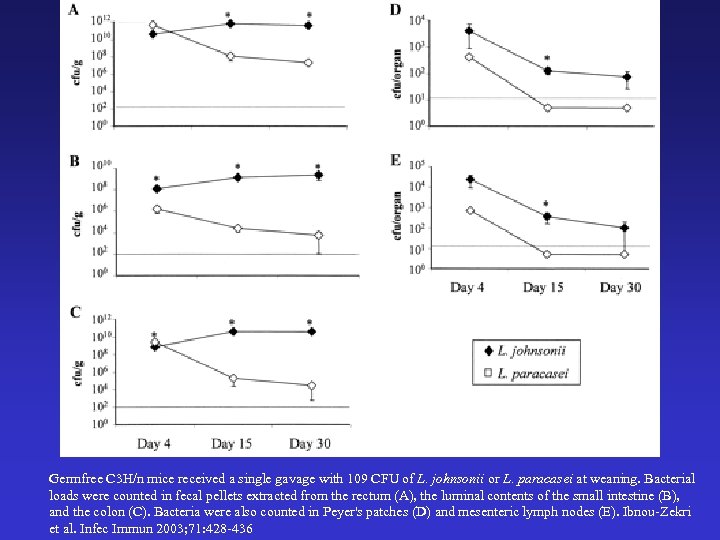
Germfree C 3 H/n mice received a single gavage with 109 CFU of L. johnsonii or L. paracasei at weaning. Bacterial loads were counted in fecal pellets extracted from the rectum (A), the luminal contents of the small intestine (B), and the colon (C). Bacteria were also counted in Peyer's patches (D) and mesenteric lymph nodes (E). Ibnou-Zekri et al. Infec Immun 2003; 71: 428 -436
Myths about Probiotics • Not well studied • Are narrow spectrum agents for diarrhea only • Not well regulated (partly true) • Cultures are all therapeutically similar • Optimum therapeutic dose is about 1 billion CFU
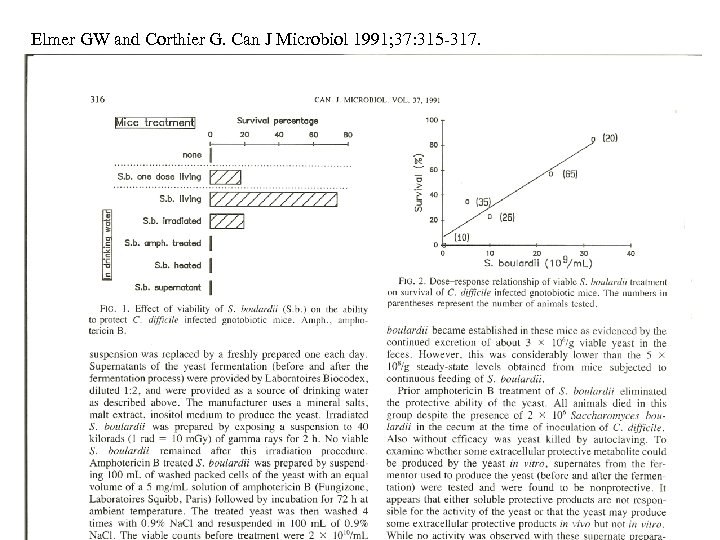
Elmer GW and Corthier G. Can J Microbiol 1991; 37: 315 -317.
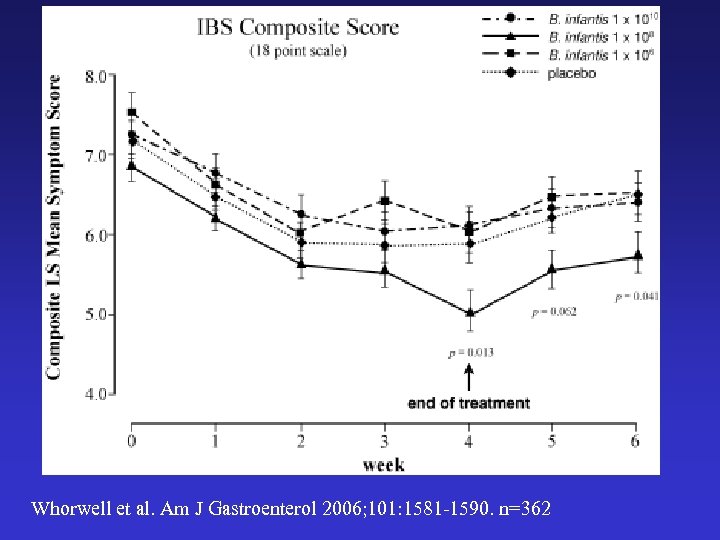
Whorwell et al. Am J Gastroenterol 2006; 101: 1581 -1590. n=362
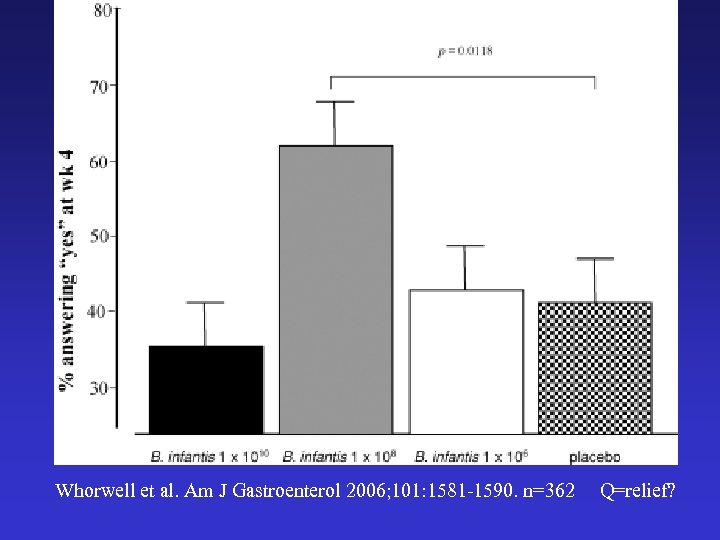
Whorwell et al. Am J Gastroenterol 2006; 101: 1581 -1590. n=362 Q=relief?
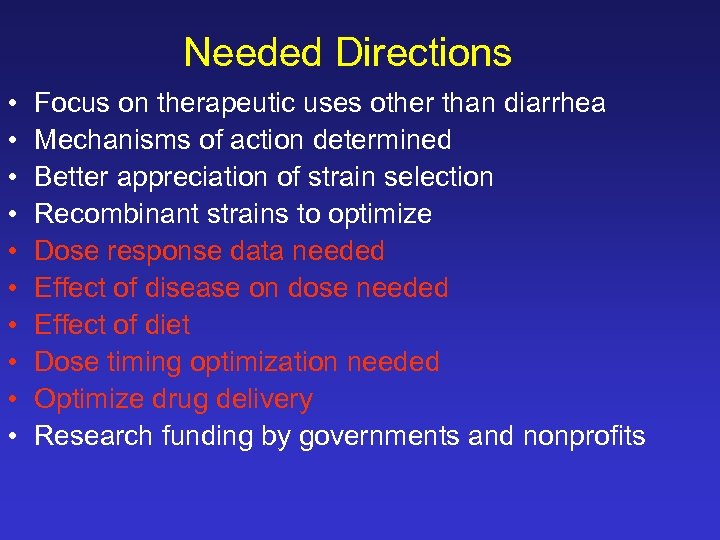
Needed Directions • • • Focus on therapeutic uses other than diarrhea Mechanisms of action determined Better appreciation of strain selection Recombinant strains to optimize Dose response data needed Effect of disease on dose needed Effect of diet Dose timing optimization needed Optimize drug delivery Research funding by governments and nonprofits
Recovery of probiotics in healthy humans Probiotic dose % recovery reference
Saccharomyces boulardii recoveries 1 g dose =~1010 CFU Adapted from Elmer et al. Aliment Pharmacol Ther 1999; 13: 1663 -1668
The effect of ampicillin on the mean CFU/106 of S. boulardii at steady state in healthy volunteers recovery 0. 20± 0. 08 0. 43± 0. 16 P<0. 05 Klein et al. Pharmaceutical Res 1993; 10: 1615 -1619
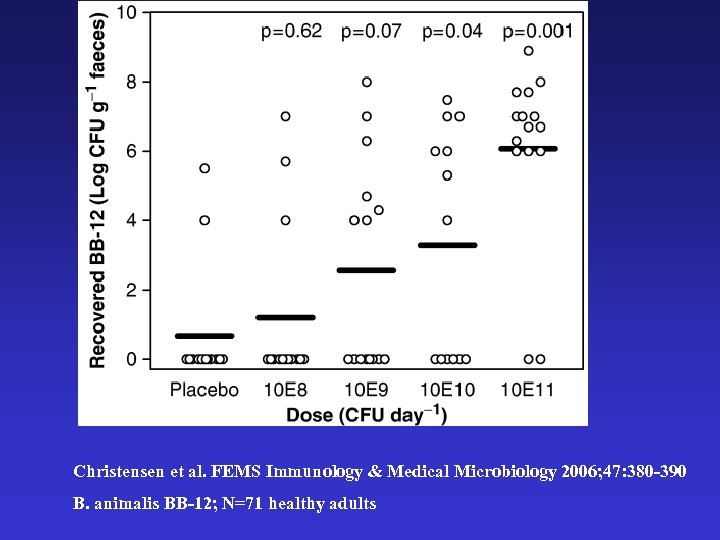
Christensen et al. FEMS Immunology & Medical Microbiology 2006; 47: 380 -390 B. animalis BB-12; N=71 healthy adults
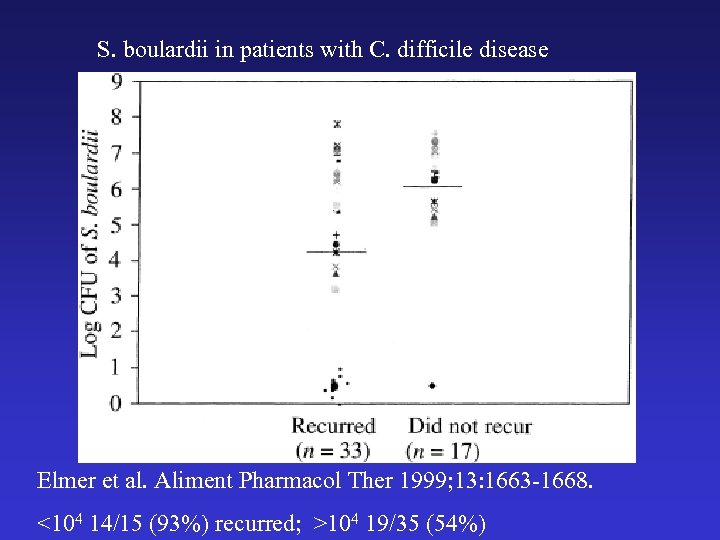
S. boulardii in patients with C. difficile disease Elmer et al. Aliment Pharmacol Ther 1999; 13: 1663 -1668. <104 14/15 (93%) recurred; >104 19/35 (54%)
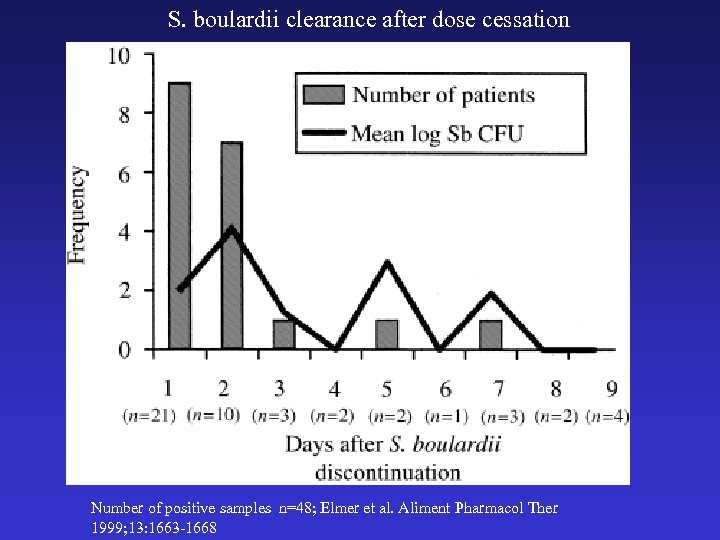
S. boulardii clearance after dose cessation Number of positive samples n=48; Elmer et al. Aliment Pharmacol Ther 1999; 13: 1663 -1668
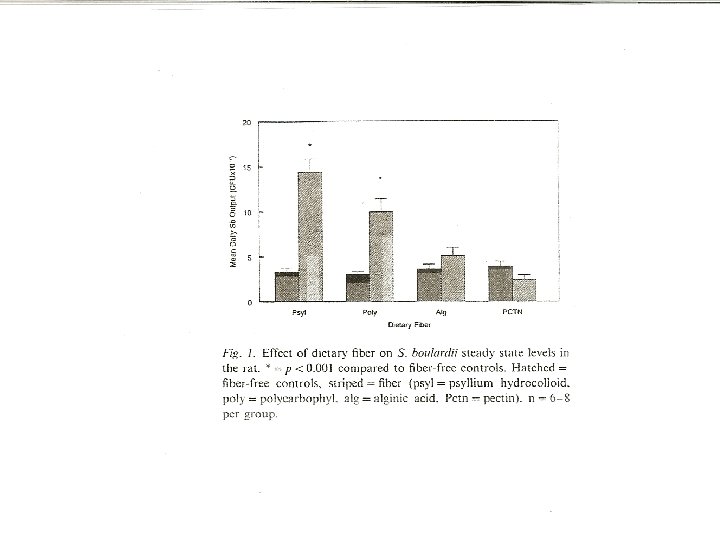
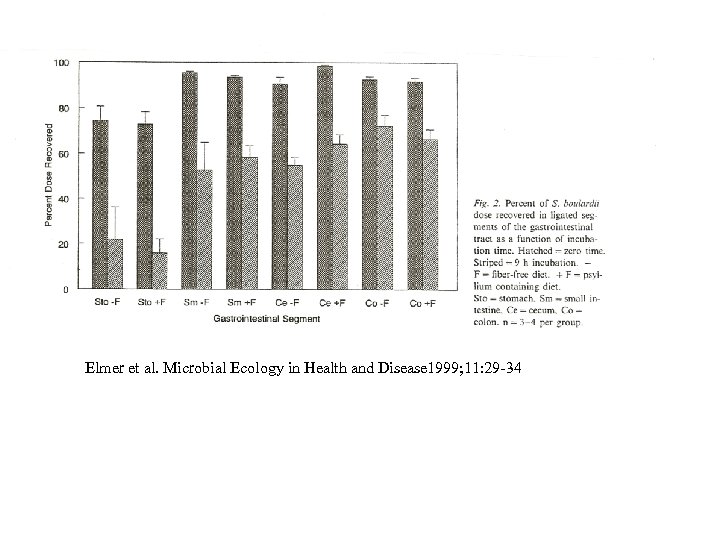
Elmer et al. Microbial Ecology in Health and Disease 1999; 11: 29 -34
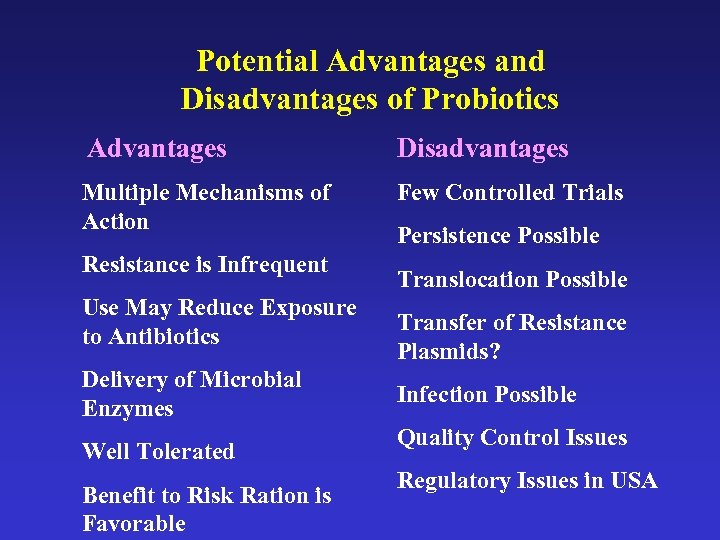
Potential Advantages and Disadvantages of Probiotics Advantages Disadvantages Multiple Mechanisms of Action Few Controlled Trials Resistance is Infrequent Use May Reduce Exposure to Antibiotics Delivery of Microbial Enzymes Well Tolerated Benefit to Risk Ration is Favorable Persistence Possible Translocation Possible Transfer of Resistance Plasmids? Infection Possible Quality Control Issues Regulatory Issues in USA
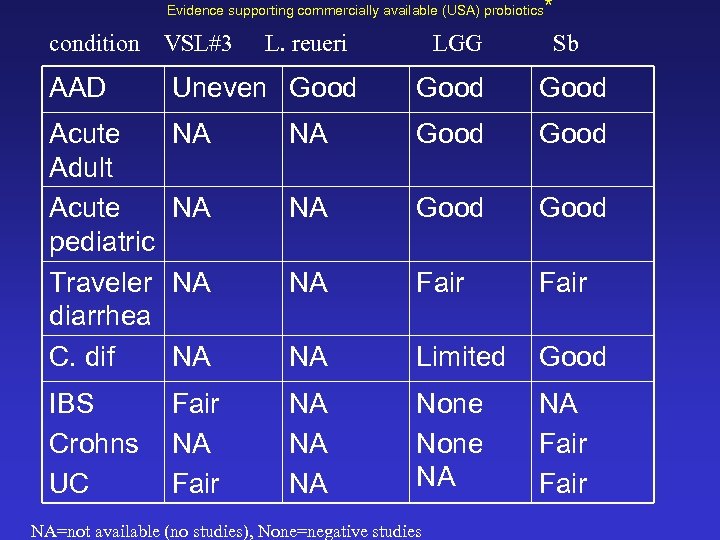
Evidence supporting commercially available (USA) probiotics condition VSL#3 L. reueri LGG * Sb AAD Uneven Good Acute Adult Acute pediatric Traveler diarrhea C. dif NA NA Good NA NA Fair NA NA Limited Good IBS Crohns UC Fair NA NA NA None NA NA Fair NA=not available (no studies), None=negative studies
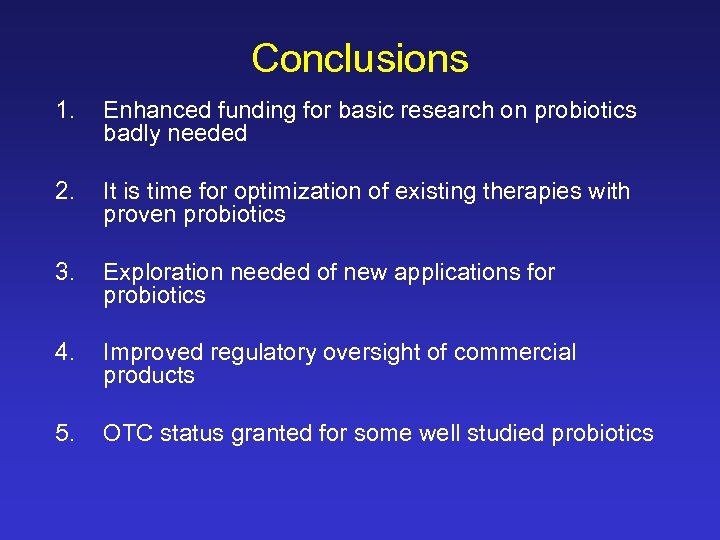
Conclusions 1. Enhanced funding for basic research on probiotics badly needed 2. It is time for optimization of existing therapies with proven probiotics 3. Exploration needed of new applications for probiotics 4. Improved regulatory oversight of commercial products 5. OTC status granted for some well studied probiotics
Скачать презентацию Probiotics Terms Probiotic Probiotics are live
206b36a309f75f57dbd7a082b0f6338b.ppt