


 Скачать презентацию Private Equity Ian Armitage Chief Executive Mercury Private
e6bcc65f529f412a3b44b809cf2875b9.ppt
- Количество слайдов: 31
 Private Equity Ian Armitage Chief Executive Mercury Private Equity
 Dissecting Private Equity v What is Private Equity? v Why Should Your Clients Do It? v Why Should Your Clients Not Do It? v Investment Routes v Have new investors missed the boat?
 What is Private Equity? v Venture Capital v Leveraged Buy-out (LBO) Business
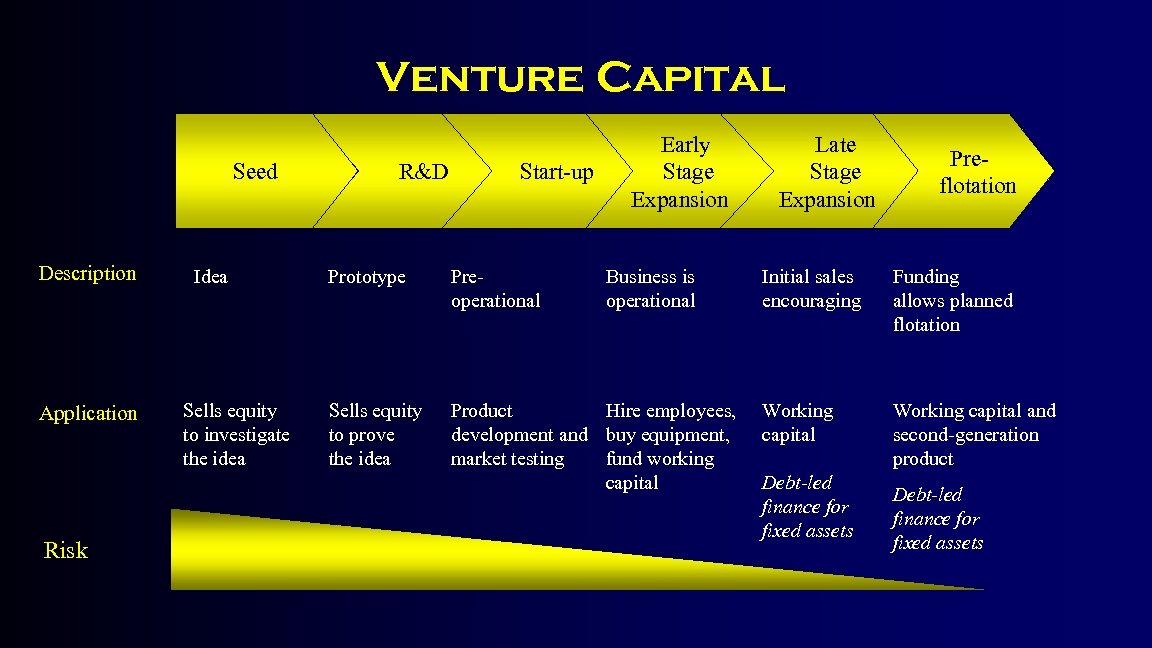 Venture Capital Seed Description Application Risk Idea Sells equity to investigate the idea R&D Start-up Early Stage Expansion Prototype Preoperational Business is operational Sells equity to prove the idea Product Hire employees, development and buy equipment, market testing fund working capital Late Stage Expansion Preflotation Initial sales encouraging Funding allows planned flotation Working capital and second-generation product Debt-led finance for fixed assets
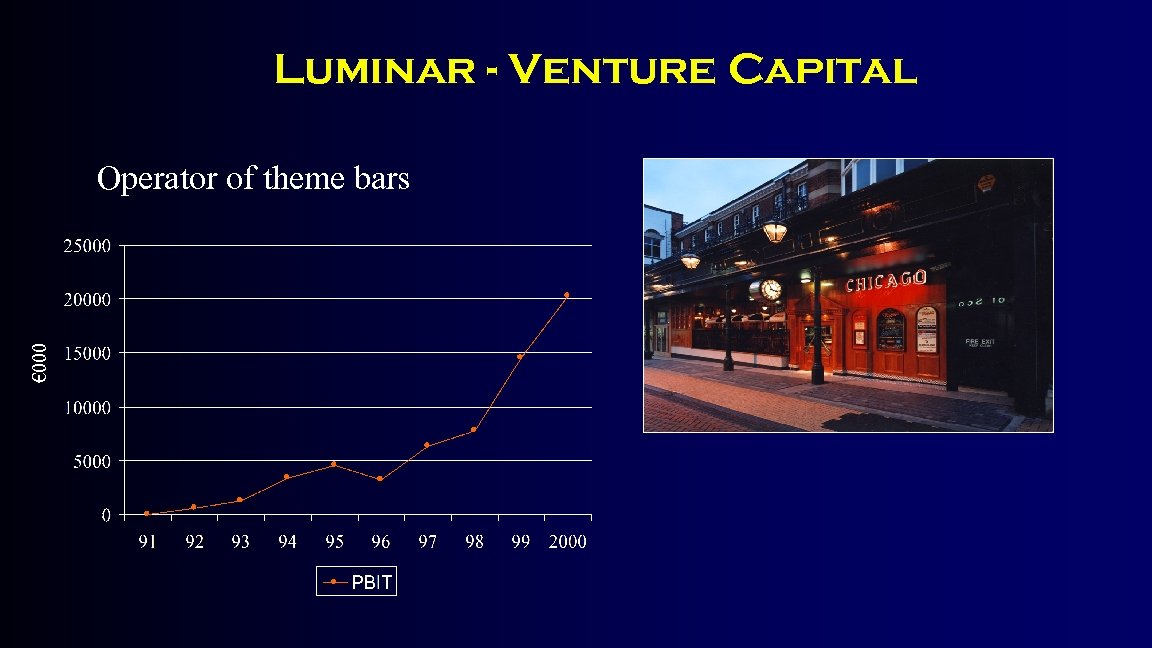 Luminar - Venture Capital € 000 Operator of theme bars
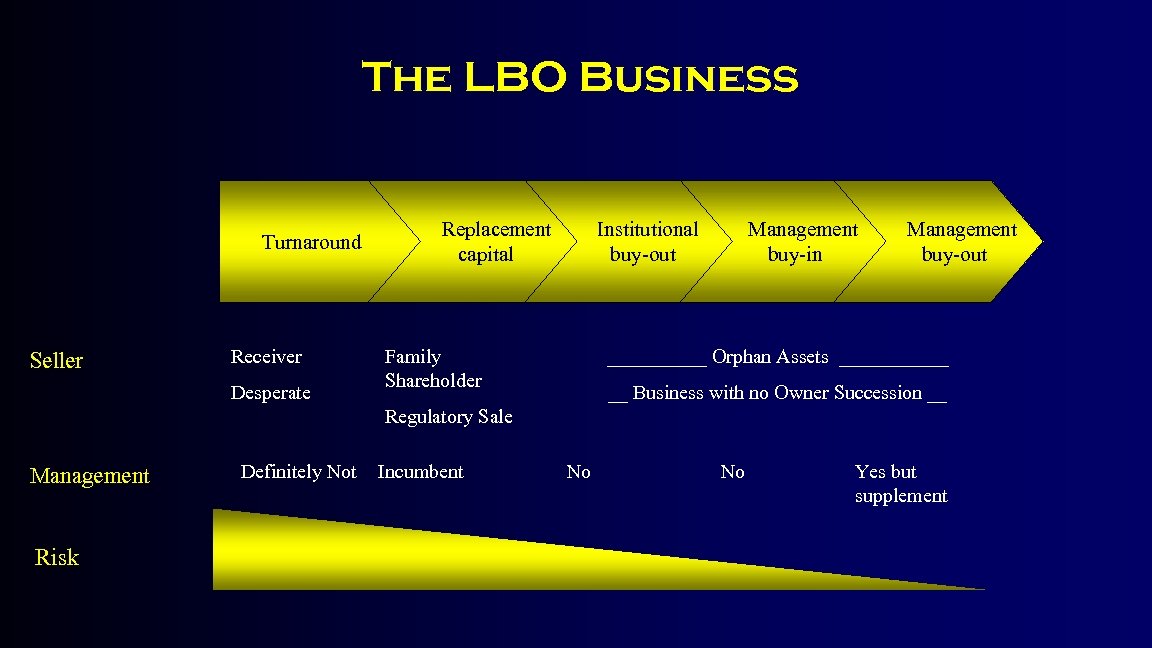 The LBO Business Turnaround Seller Receiver Desperate Replacement capital Institutional buy-out Family Shareholder Management buy-in Management buy-out _____ Orphan Assets ______ __ Business with no Owner Succession __ Regulatory Sale Management Risk Definitely Not Incumbent No No Yes but supplement
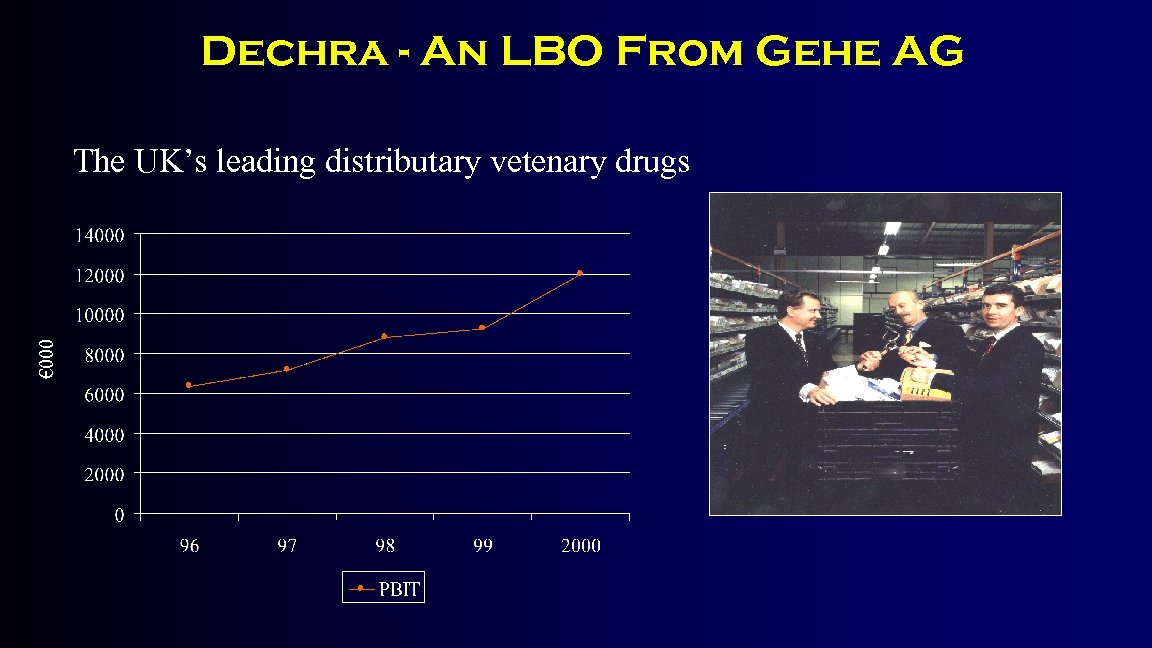 Dechra - An LBO From Gehe AG € 000 The UK’s leading distributary vetenary drugs
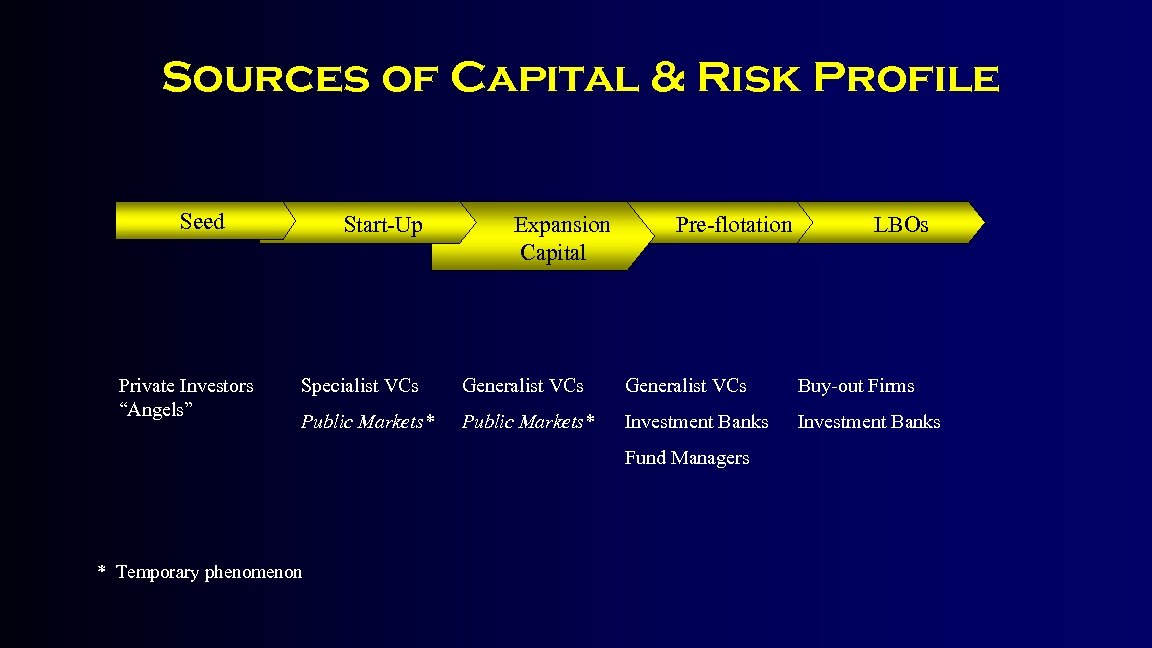 Sources of Capital & Risk Profile Seed Private Investors “Angels” Start-Up Expansion Capital Pre-flotation LBOs Specialist VCs Generalist VCs Buy-out Firms Public Markets* Investment Banks Fund Managers * Temporary phenomenon
 The Case For Private Equity v Private equity out performs over the long term Source: WM Company/BVCA Performance Measurement Survey v It is a loosely-correlated asset May be able to increase performance without materially increasing risk
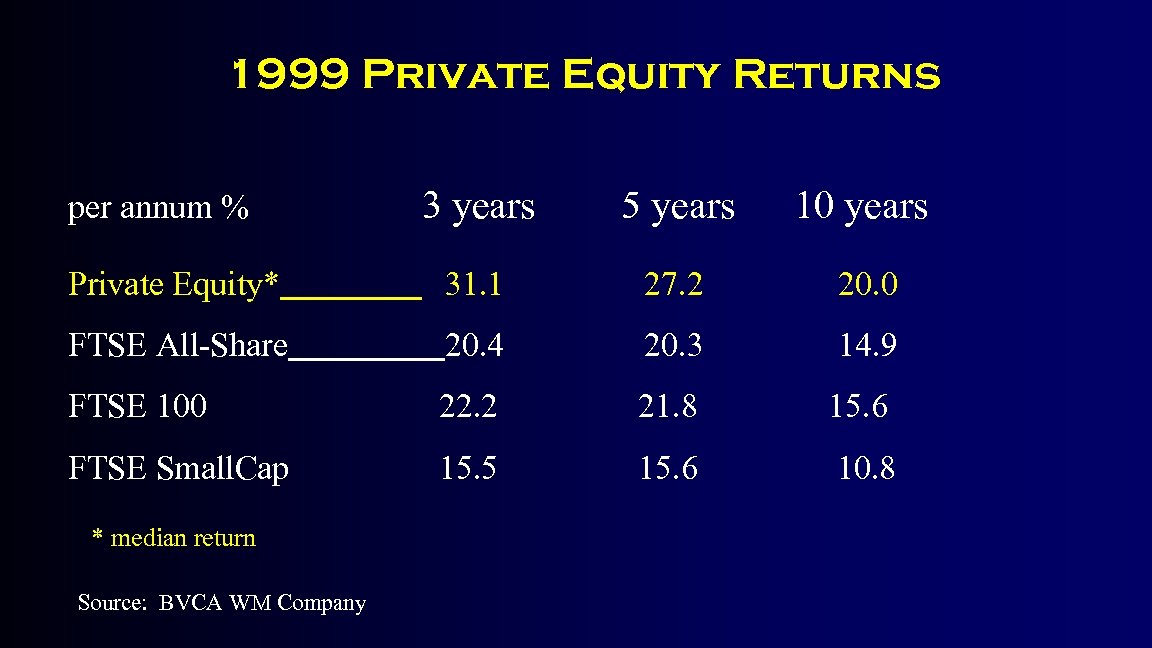 1999 Private Equity Returns 3 years 5 years 10 years Private Equity* 31. 1 27. 2 20. 0 FTSE All-Share 20. 4 20. 3 14. 9 FTSE 100 22. 2 21. 8 15. 6 FTSE Small. Cap 15. 5 15. 6 10. 8 per annum % * median return Source: BVCA WM Company
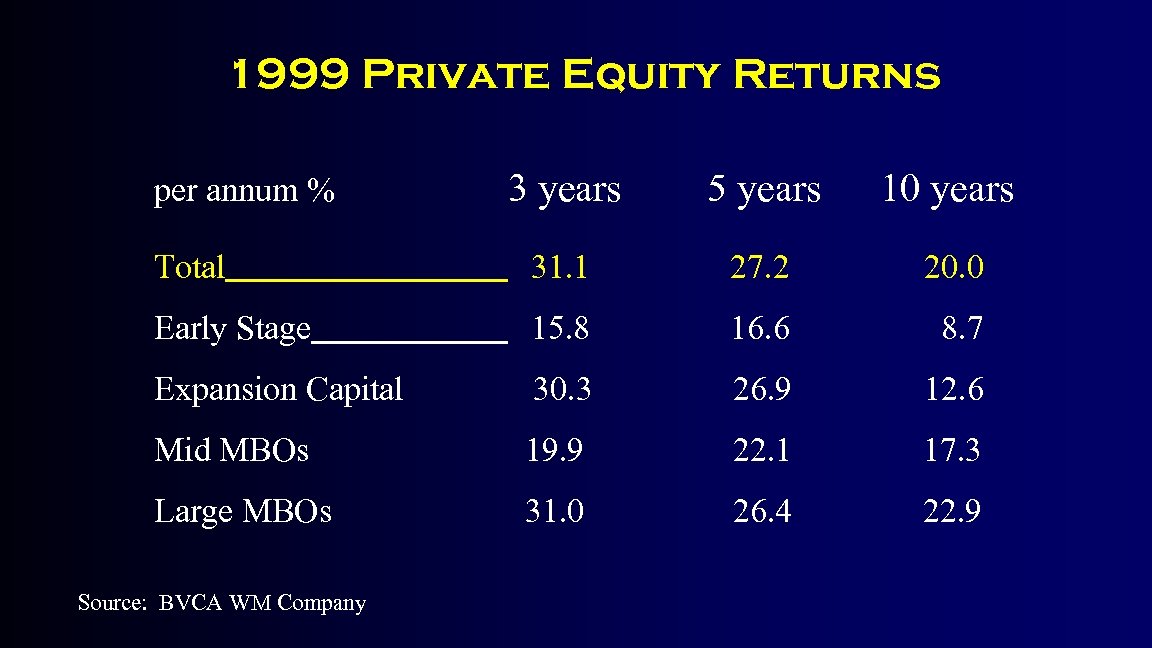 1999 Private Equity Returns 3 years 5 years 10 years Total 31. 1 27. 2 20. 0 Early Stage 15. 8 16. 6 8. 7 Expansion Capital 30. 3 26. 9 12. 6 Mid MBOs 19. 9 22. 1 17. 3 Large MBOs 31. 0 26. 4 22. 9 per annum % Source: BVCA WM Company
 The Case Against Private Equity v High Risk v Low Liquidity
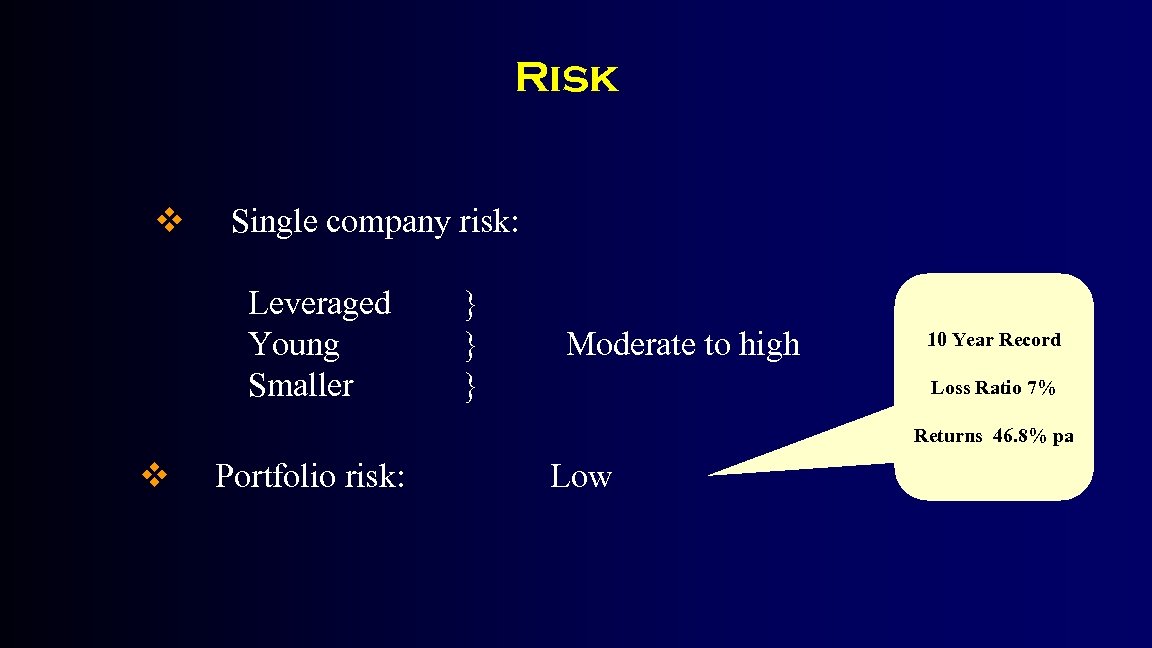 Risk v Single company risk: Leveraged Young Smaller } } } Moderate to high 10 Year Record Loss Ratio 7% Returns 46. 8% pa v Portfolio risk: Low
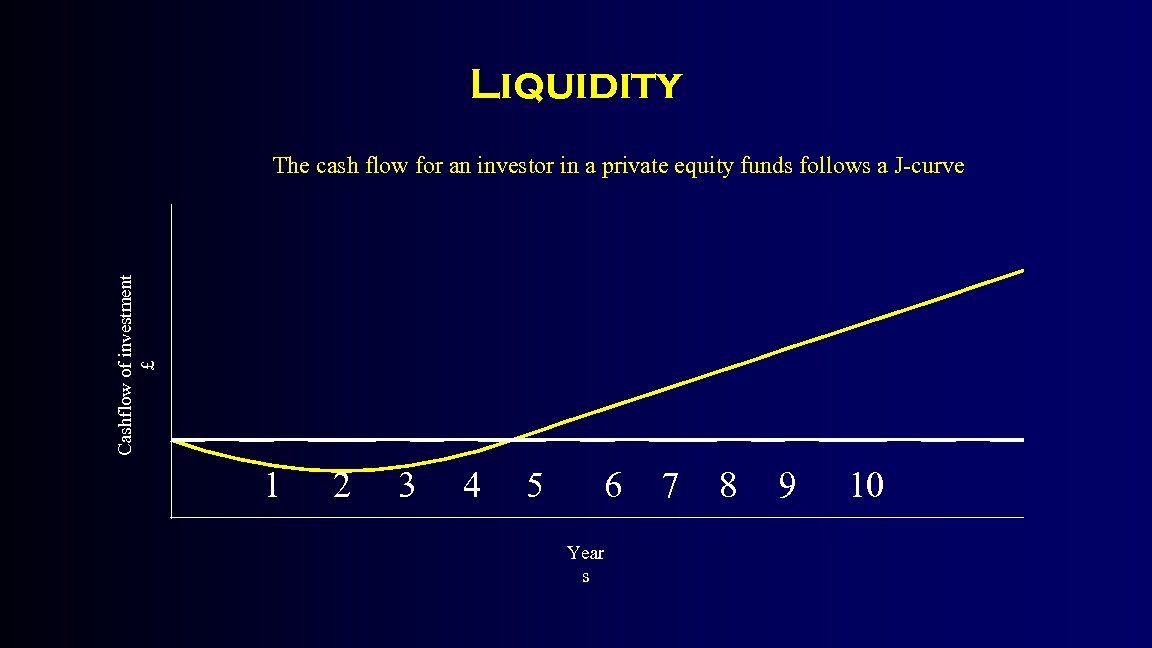 Liquidity Cashflow of investment £ The cash flow for an investor in a private equity funds follows a J-curve 1 2 3 4 5 6 50 0 Year s 7 8 9 10
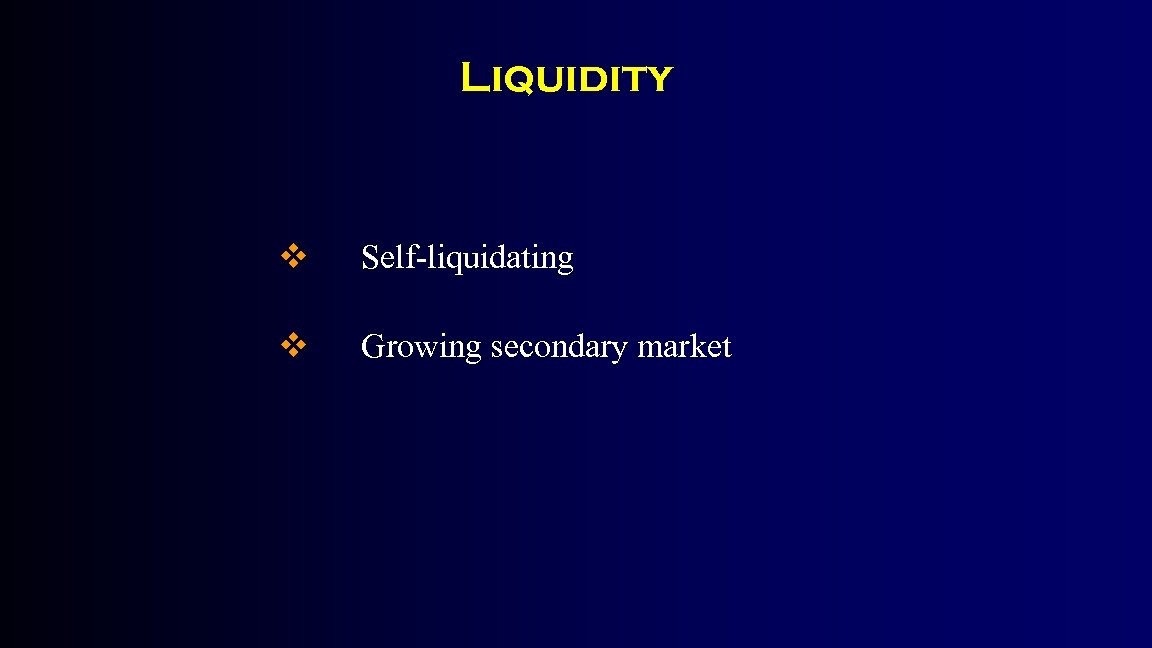 Liquidity v Self-liquidating v Growing secondary market
 Other Issues v MFR v Valuations
 Private Equity v All UK pension funds should consider an allocation to private equity 5% to 10% of equities
 How do you invest in private equity? v Direct v Private Equity Manager v Fund of Funds v Quoted Investment Trust
 How do you select a manager In the normal way: v People v Performance v Processes v Philosophy/Strategy
 Have Investors Missed The Boat?
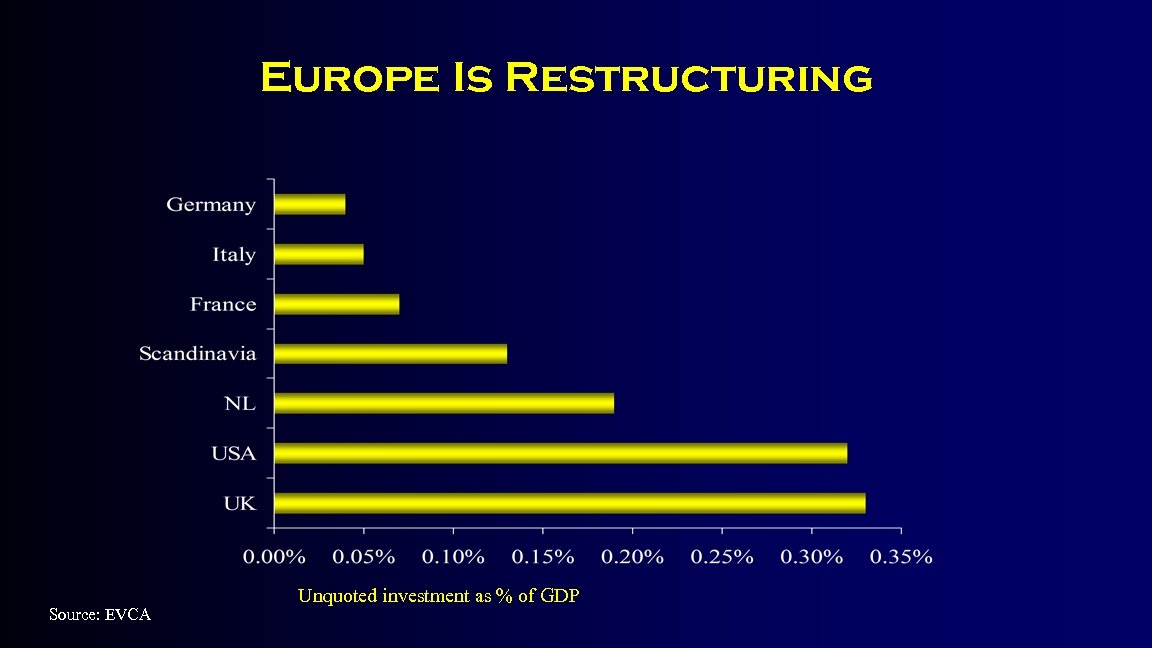 Europe Is Restructuring Source: EVCA Unquoted investment as % of GDP
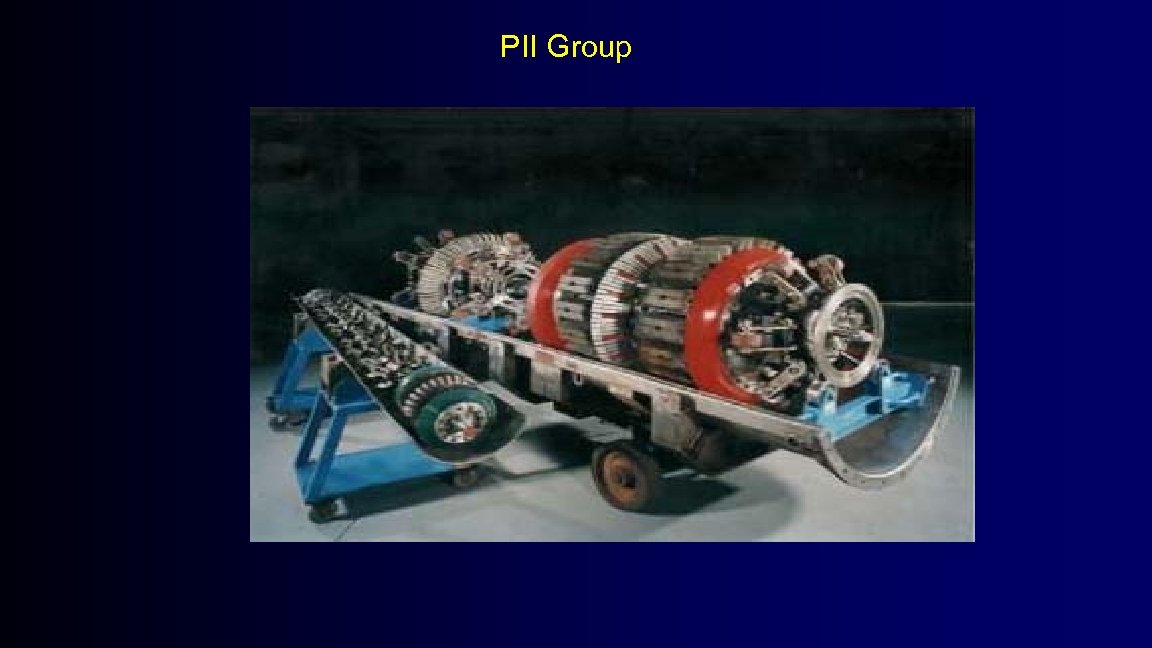 PII Group
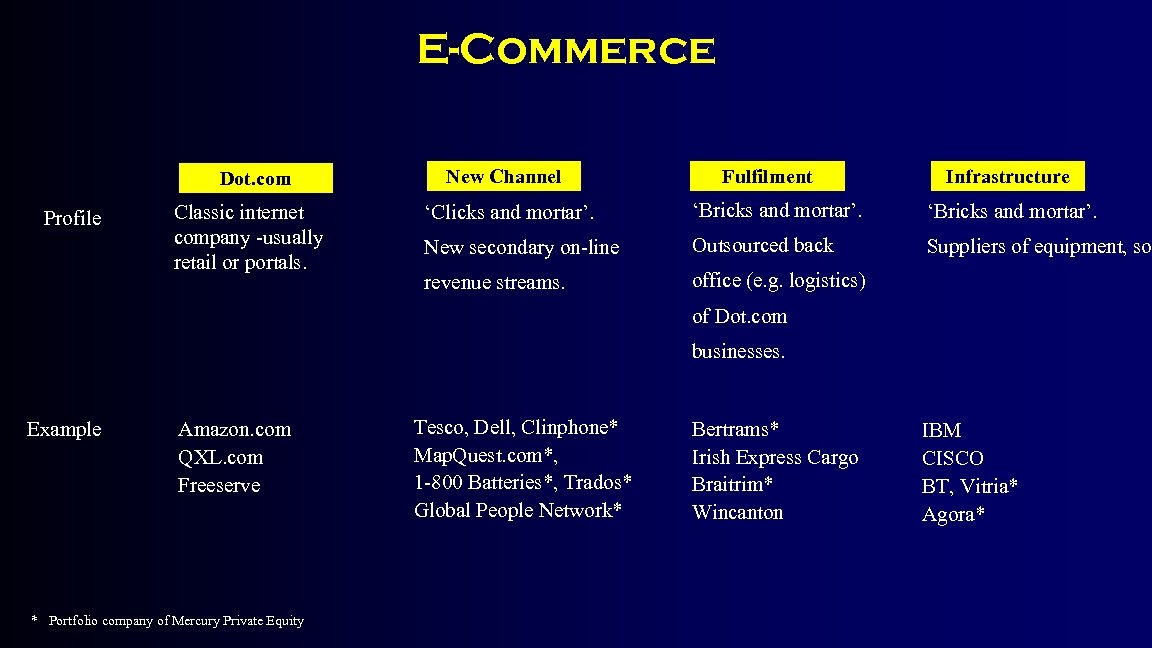 E-Commerce Dot. com Profile Classic internet company -usually retail or portals. New Channel Fulfilment Infrastructure ‘Clicks and mortar’. ‘Bricks and mortar’. New secondary on-line Outsourced back Suppliers of equipment, sof revenue streams. office (e. g. logistics) of Dot. com businesses. Example Amazon. com QXL. com Freeserve * Portfolio company of Mercury Private Equity Tesco, Dell, Clinphone* Map. Quest. com*, 1 -800 Batteries*, Trados* Global People Network* Bertrams* Irish Express Cargo Braitrim* Wincanton IBM CISCO BT, Vitria* Agora*
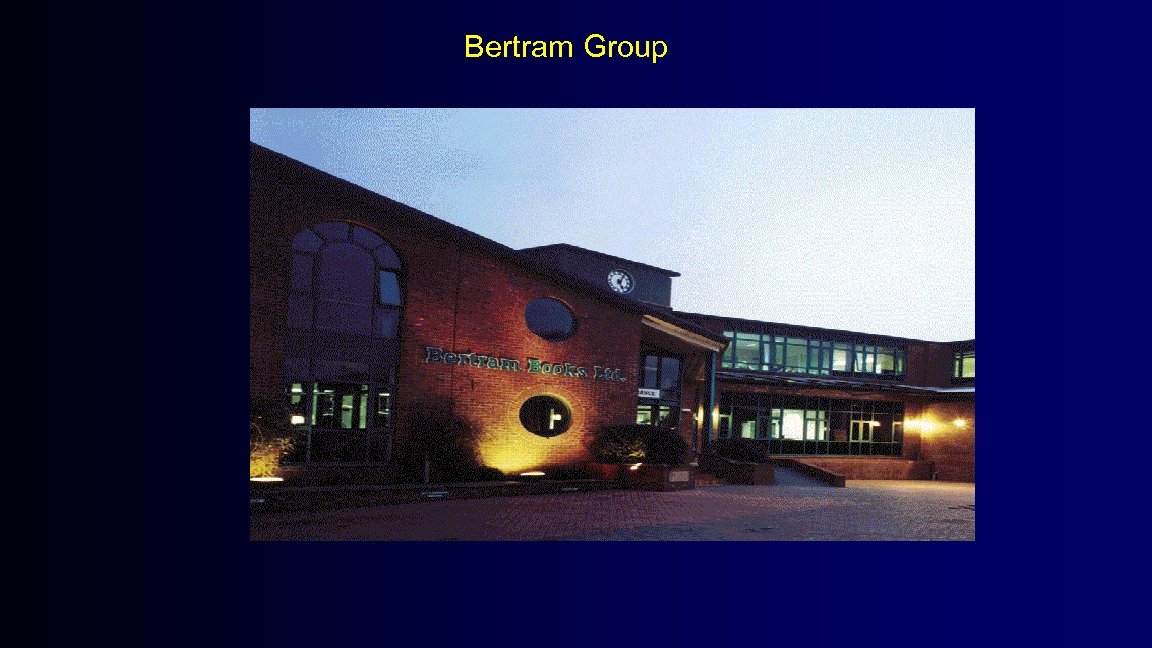 Bertram Group
 Private Equity v Long-term out-performance v Risk & liquidity concerns are overplayed v Use to increase returns without materially affecting risk v Expert funders of change at a time of restructuring
 Appendices v Definition of Terms v Investment Return v Detailed Schematic of MPE Investment Process v MPE Organisation Structure v Extract from MPE Business Planning Process
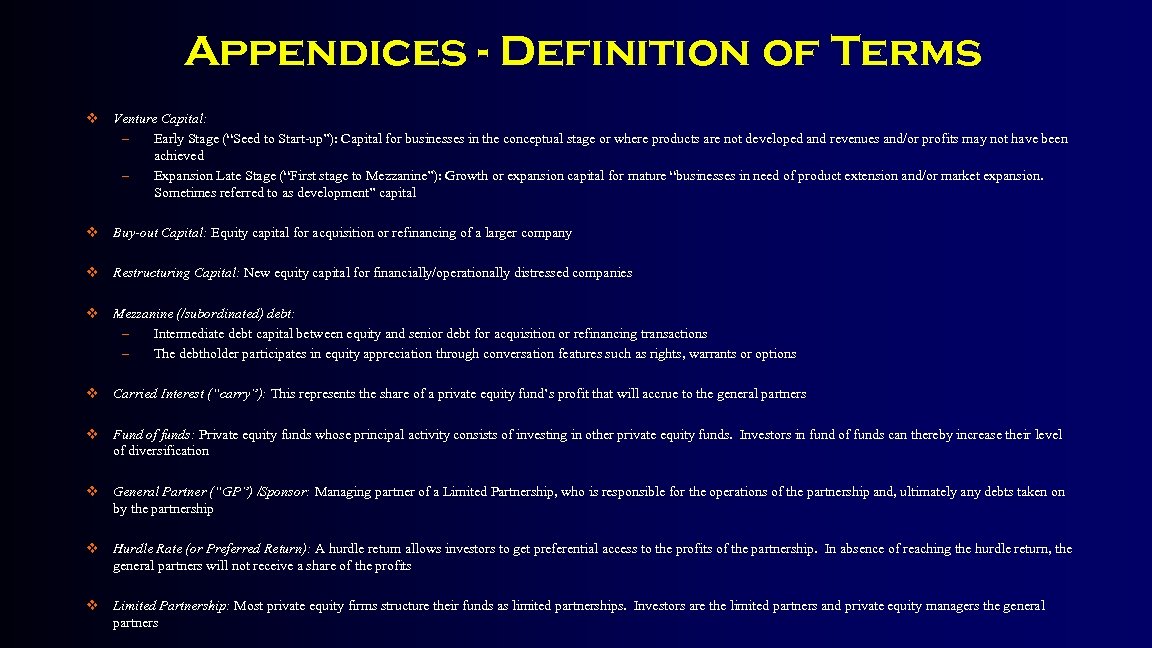 Appendices - Definition of Terms v Venture Capital: – Early Stage (“Seed to Start-up”): Capital for businesses in the conceptual stage or where products are not developed and revenues and/or profits may not have been achieved – Expansion Late Stage (“First stage to Mezzanine”): Growth or expansion capital for mature “businesses in need of product extension and/or market expansion. Sometimes referred to as development” capital v Buy-out Capital: Equity capital for acquisition or refinancing of a larger company v Restructuring Capital: New equity capital for financially/operationally distressed companies v Mezzanine (/subordinated) debt: – Intermediate debt capital between equity and senior debt for acquisition or refinancing transactions – The debtholder participates in equity appreciation through conversation features such as rights, warrants or options v Carried Interest (“carry”): This represents the share of a private equity fund’s profit that will accrue to the general partners v Fund of funds: Private equity funds whose principal activity consists of investing in other private equity funds. Investors in fund of funds can thereby increase their level of diversification v General Partner (“GP”) /Sponsor: Managing partner of a Limited Partnership, who is responsible for the operations of the partnership and, ultimately any debts taken on by the partnership v Hurdle Rate (or Preferred Return): A hurdle return allows investors to get preferential access to the profits of the partnership. In absence of reaching the hurdle return, the general partners will not receive a share of the profits v Limited Partnership: Most private equity firms structure their funds as limited partnerships. Investors are the limited partners and private equity managers the general partners
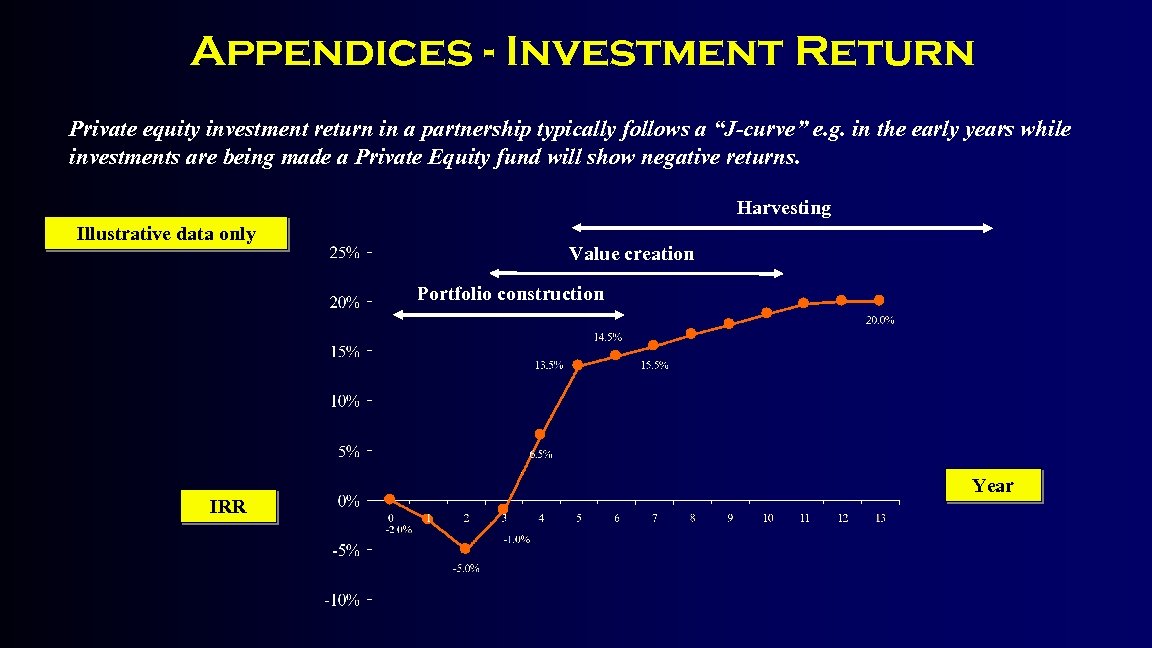 Appendices - Investment Return Private equity investment return in a partnership typically follows a “J-curve” e. g. in the early years while investments are being made a Private Equity fund will show negative returns. Harvesting Illustrative data only Value creation Portfolio construction IRR Year
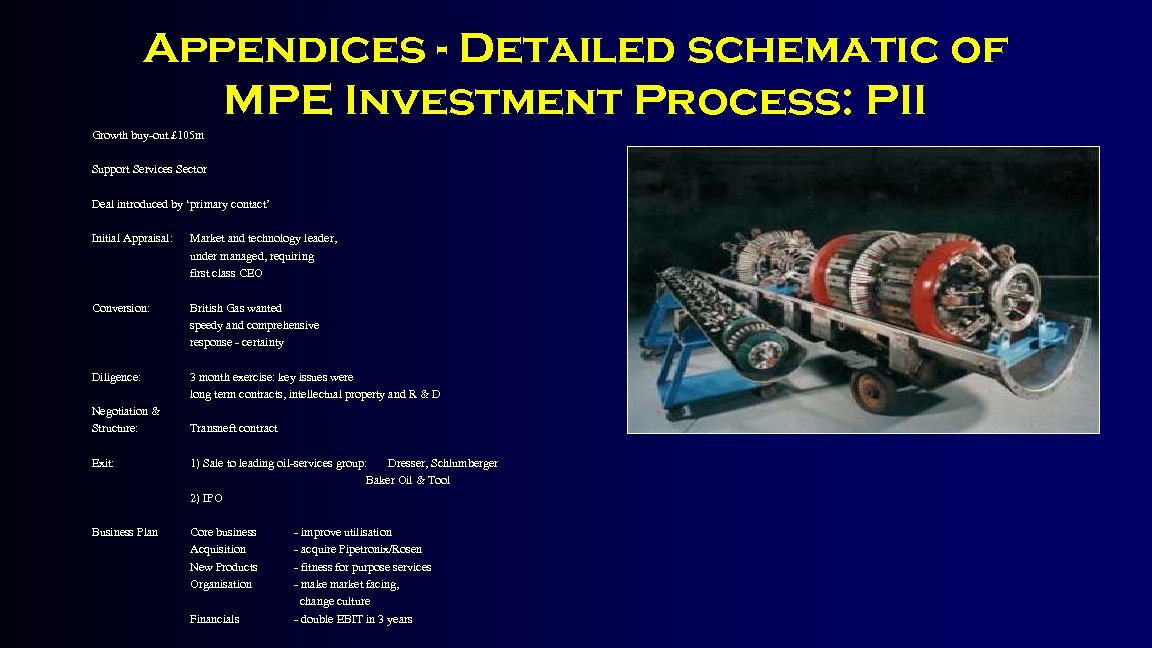 Appendices - Detailed schematic of MPE Investment Process: PII Growth buy-out £ 105 m Support Services Sector Deal introduced by ‘primary contact’ Initial Appraisal: Market and technology leader, under managed, requiring first class CEO Conversion: British Gas wanted speedy and comprehensive response - certainty Diligence: 3 month exercise: key issues were long term contracts, intellectual property and R & D Negotiation & Structure: Transneft contract Exit: 1) Sale to leading oil-services group: Dresser, Schlumberger Baker Oil & Tool 2) IPO Business Plan Core business Acquisition New Products Organisation Financials - improve utilisation - acquire Pipetronix/Rosen - fitness for purpose services - make market facing, change culture - double EBIT in 3 years
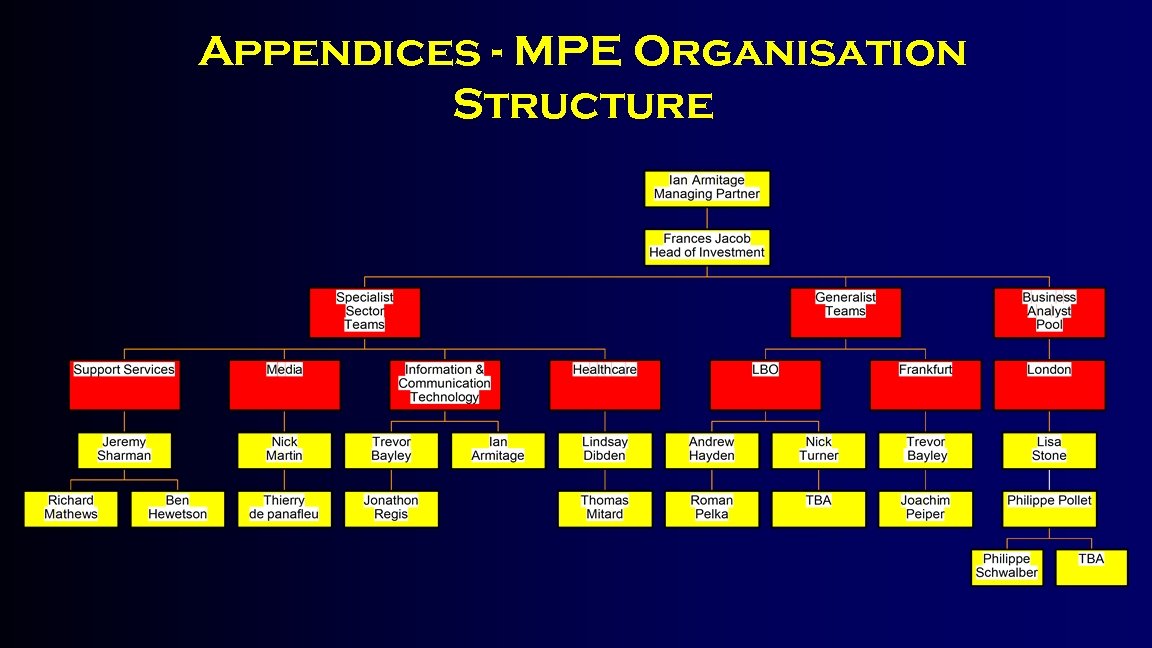 Appendices - MPE Organisation Structure
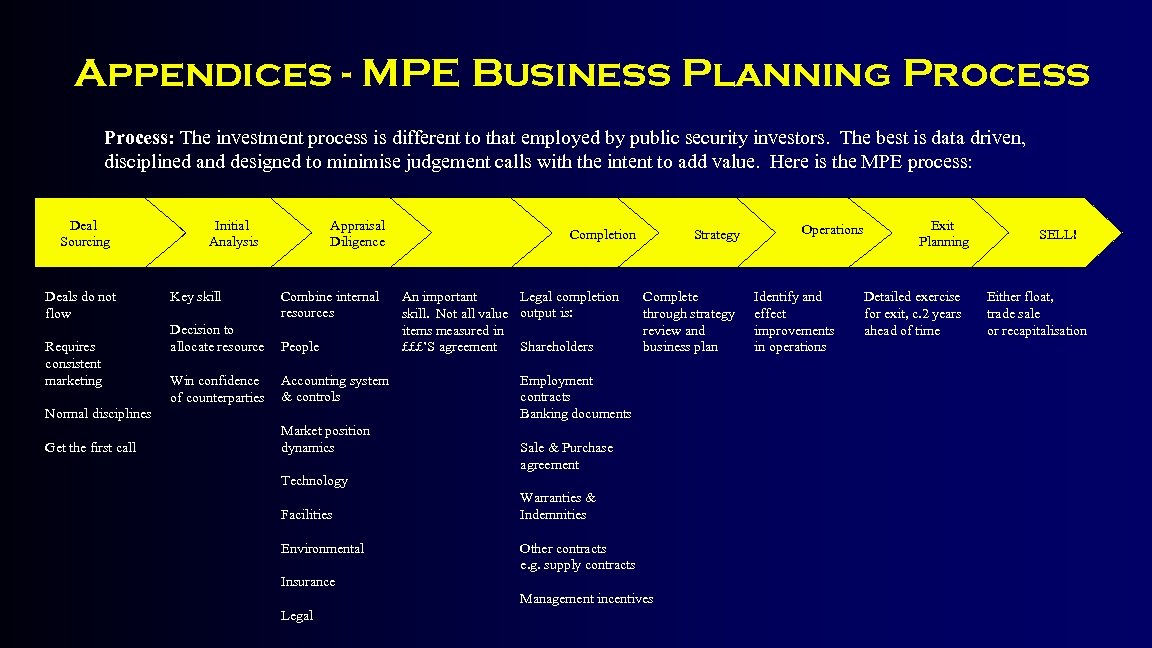 Appendices - MPE Business Planning Process: The investment process is different to that employed by public security investors. The best is data driven, disciplined and designed to minimise judgement calls with the intent to add value. Here is the MPE process: Deal Sourcing Deals do not flow Requires consistent marketing Initial Analysis Key skill Appraisal Diligence Combine internal resources Decision to allocate resource People Win confidence of counterparties Accounting system & controls Normal disciplines Get the first call Market position dynamics Completion Legal completion An important skill. Not all value output is: items measured in Shareholders £££’S agreement Strategy Complete through strategy review and business plan Employment contracts Banking documents Sale & Purchase agreement Technology Facilities Environmental Warranties & Indemnities Other contracts e. g. supply contracts Insurance Management incentives Legal Operations Identify and effect improvements in operations Exit Planning Detailed exercise for exit, c. 2 years ahead of time SELL! Either float, trade sale or recapitalisation