 Скачать презентацию Print Media Signal fire Hebrew shofar
369be09dae5fc7fcdf89a054ef5c297c.ppt
- Количество слайдов: 98




Print Media
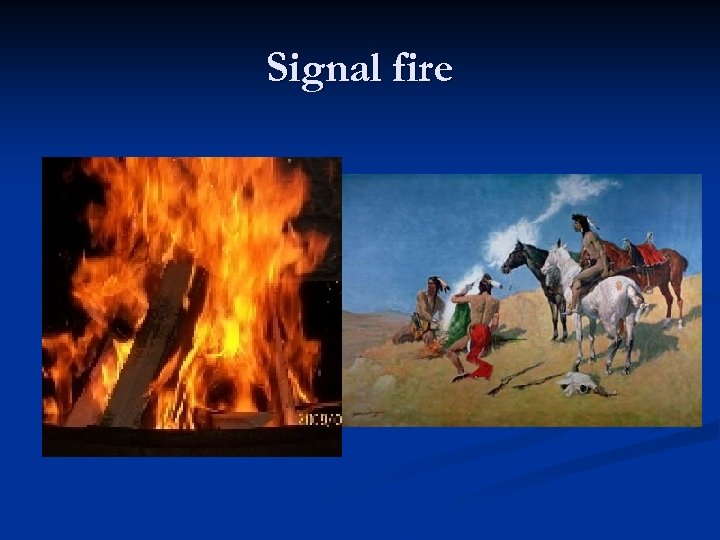
Signal fire
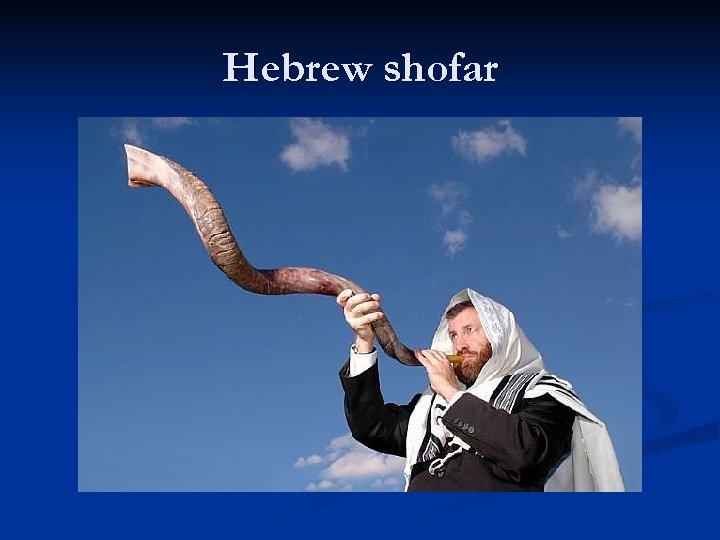
Hebrew shofar
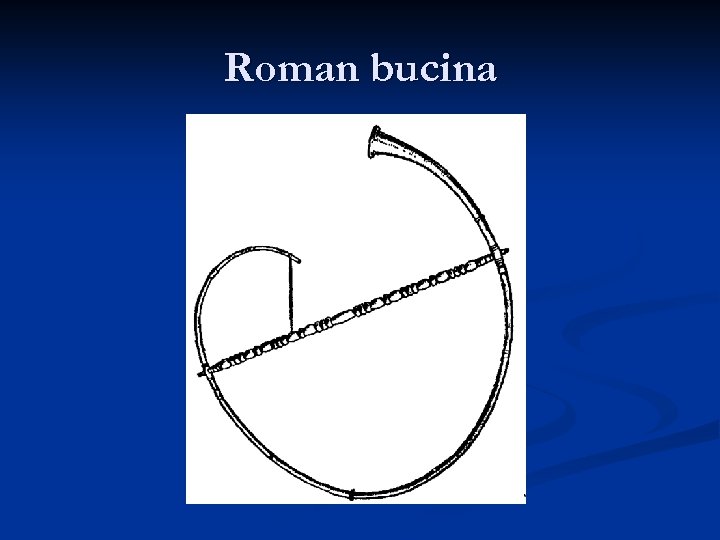
Roman bucina
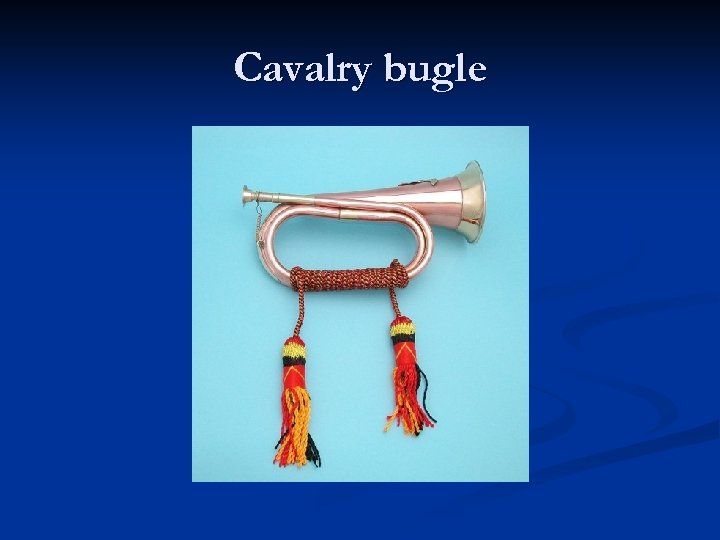
Cavalry bugle
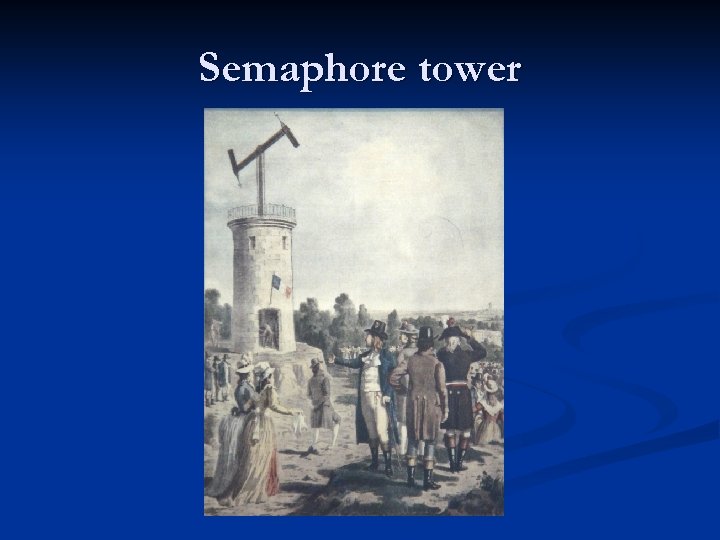
Semaphore tower

Writing
What is writing? Turning sound symbols (talking) into visual symbols n Sound symbols are gone in an instant n Visual symbols can last forever n
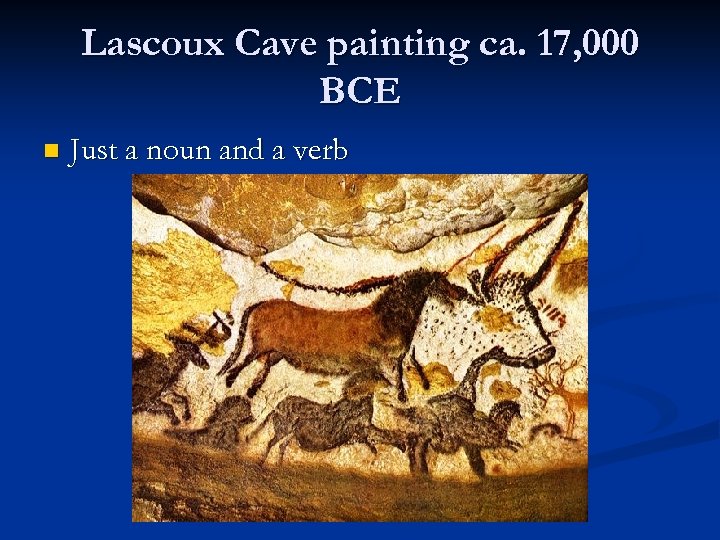
Lascoux Cave painting ca. 17, 000 BCE n Just a noun and a verb
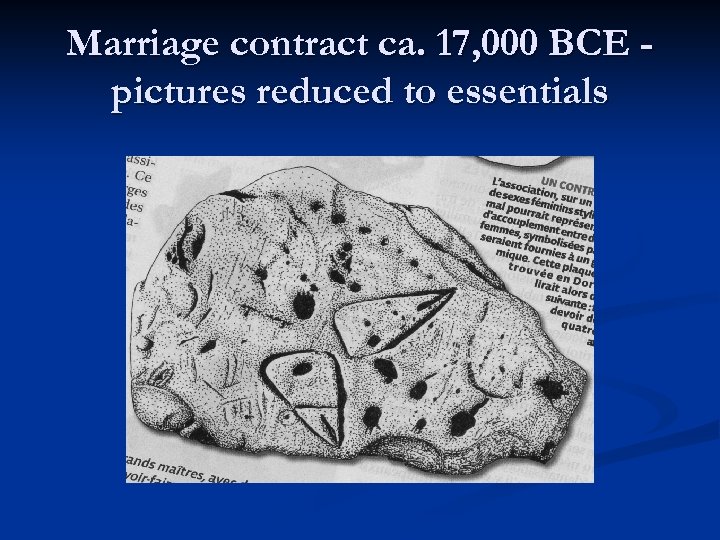
Marriage contract ca. 17, 000 BCE pictures reduced to essentials
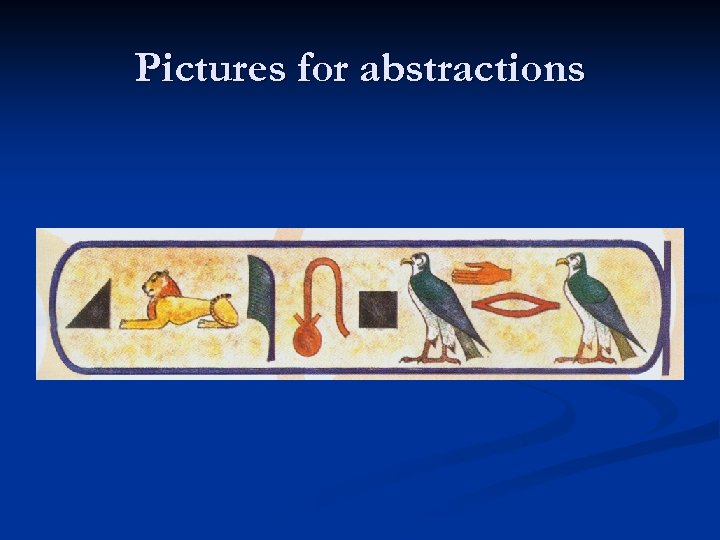
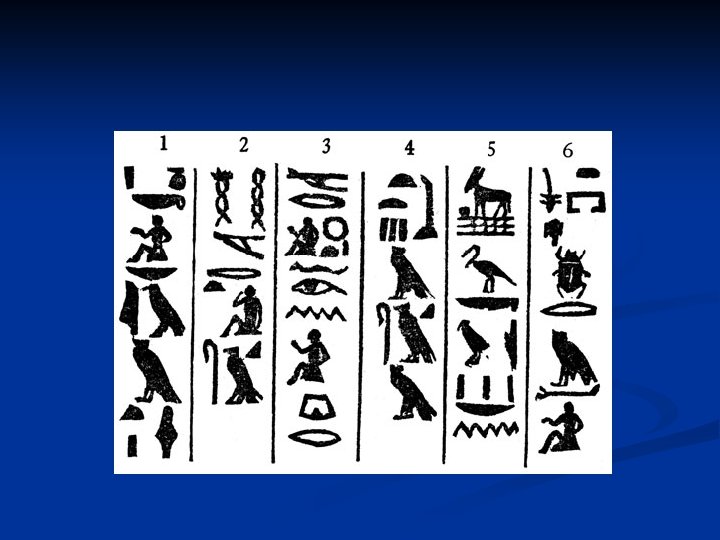
Pictures for abstractions
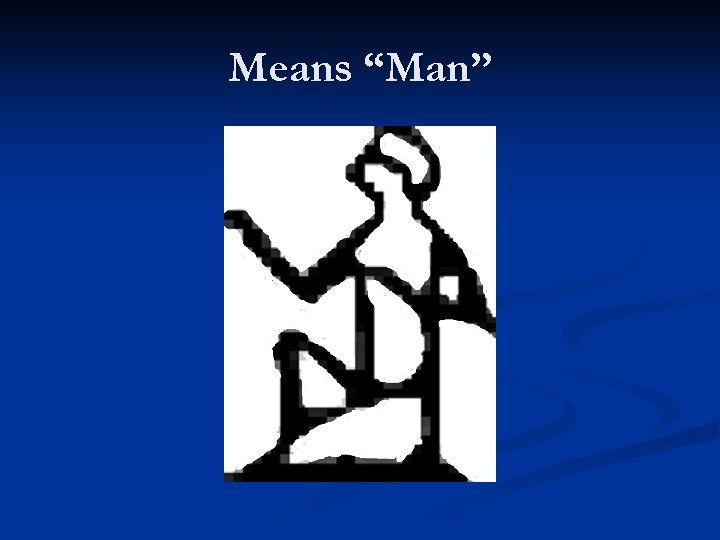
Means “Man”
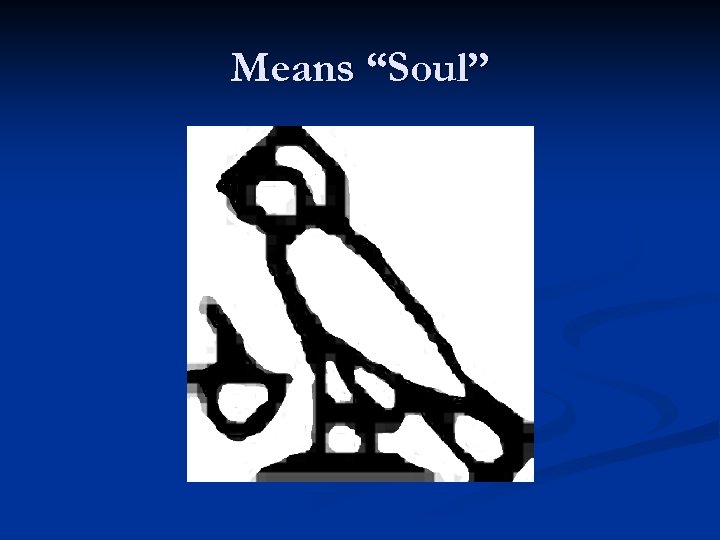
Means “Soul”
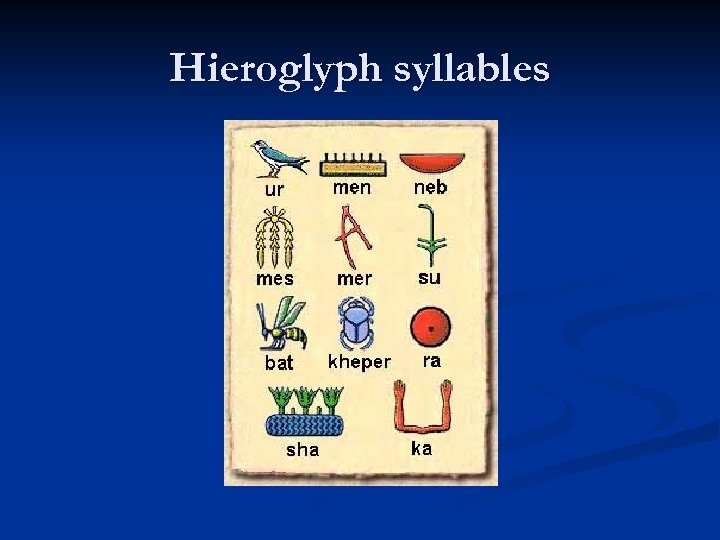
Hieroglyph syllables
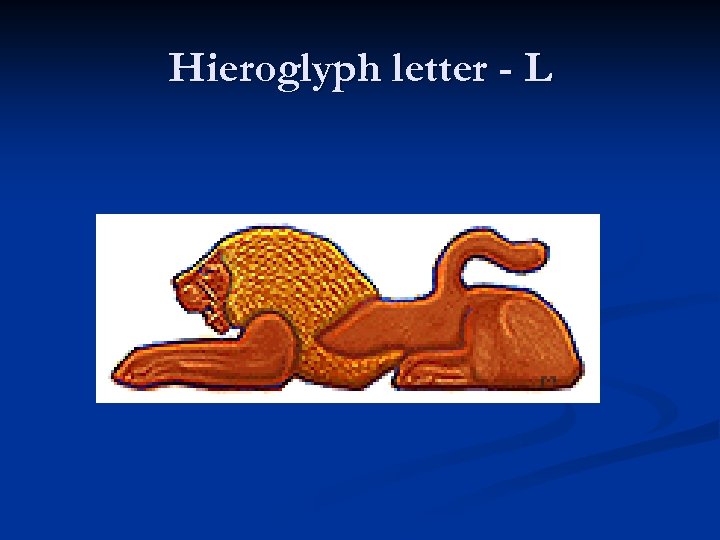
Hieroglyph letter - L
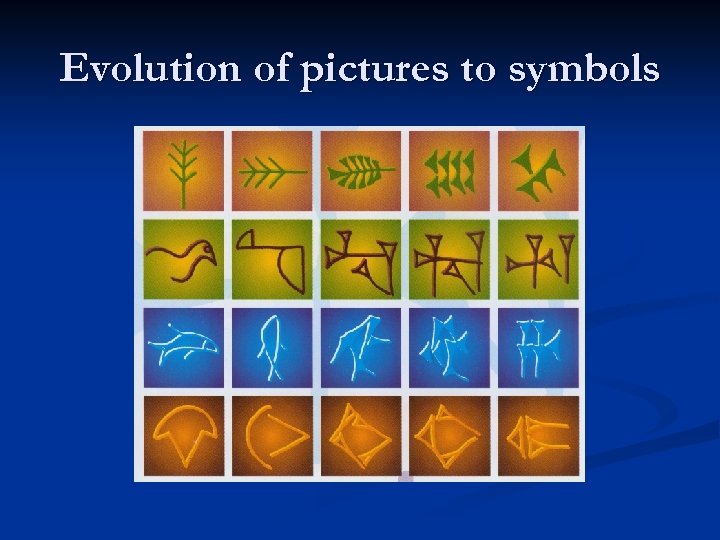
Evolution of pictures to symbols
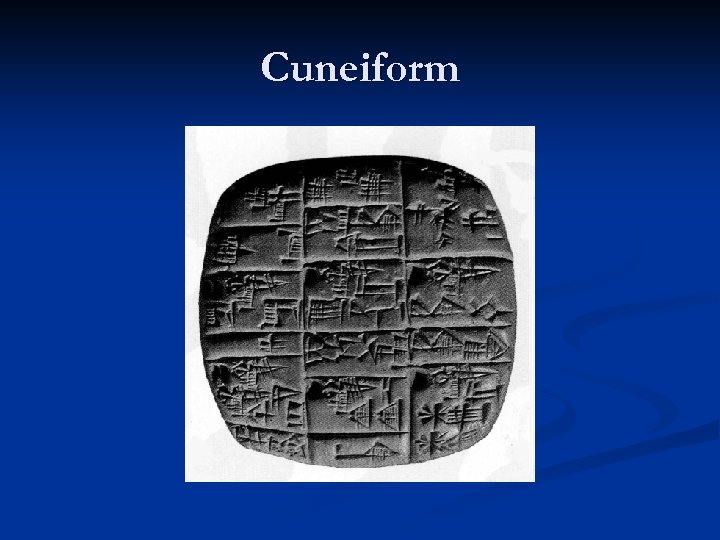
Cuneiform
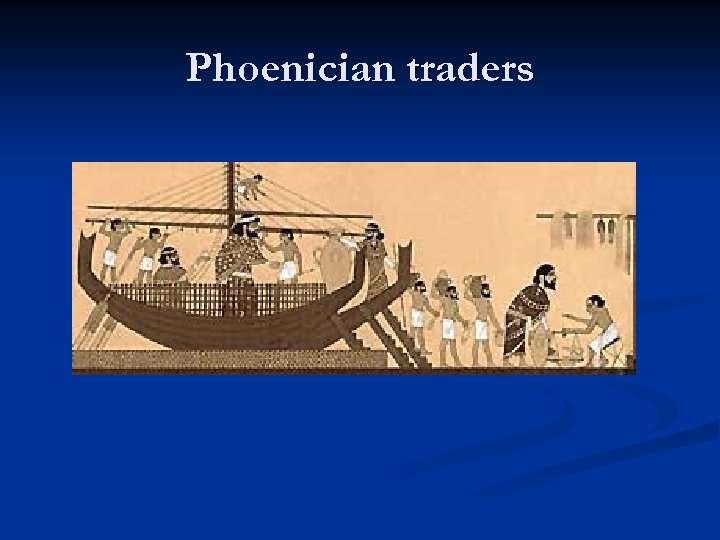
Phoenician traders
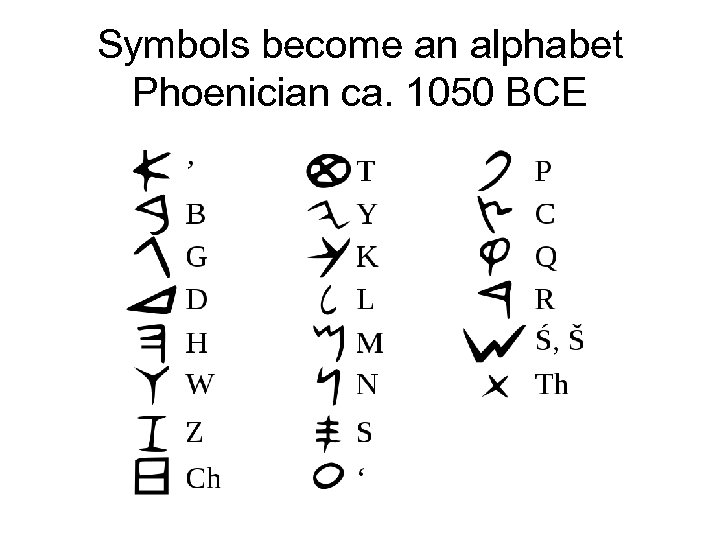
Symbols become an alphabet Phoenician ca. 1050 BCE
ST What’s the word?
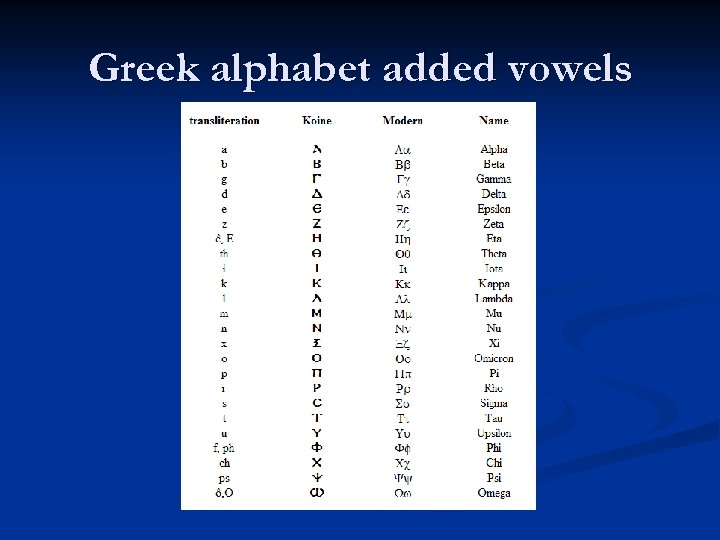
Greek alphabet added vowels

Caen
L’chaim loch
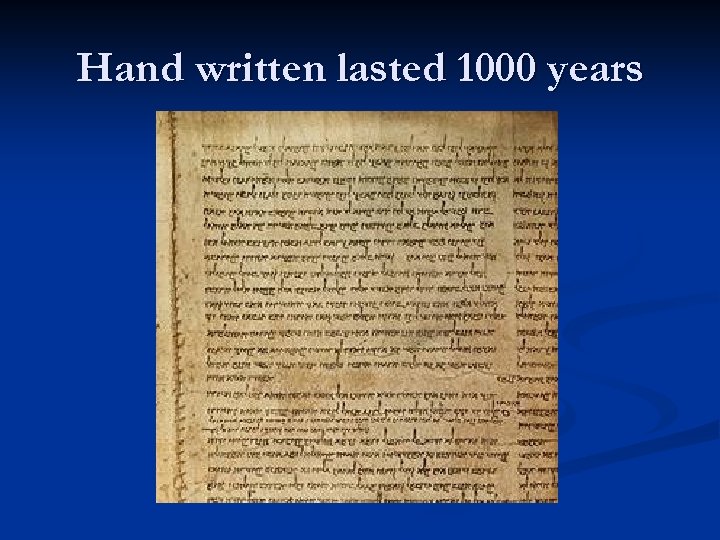
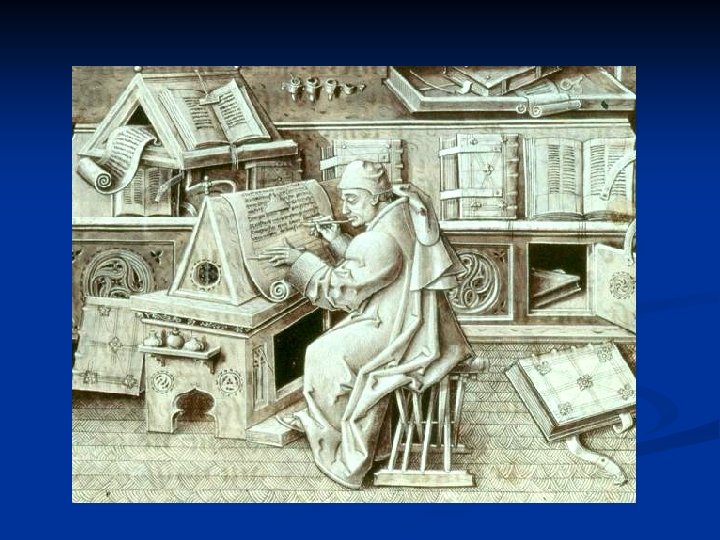
Hand written lasted 1000 years
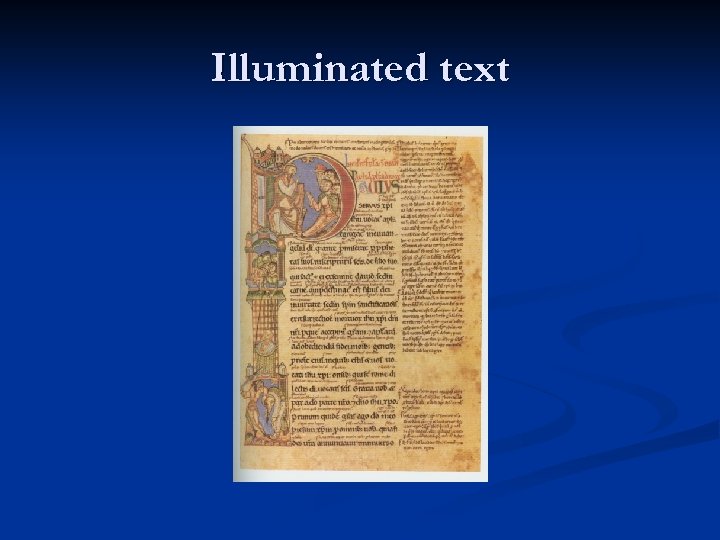
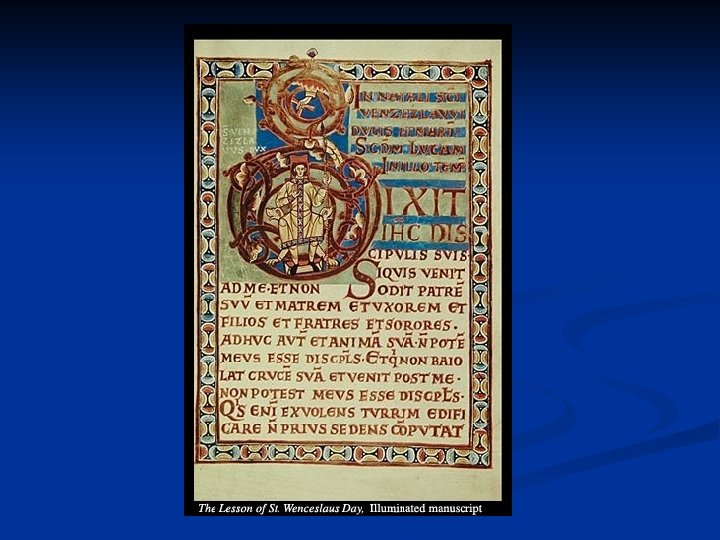
Illuminated text
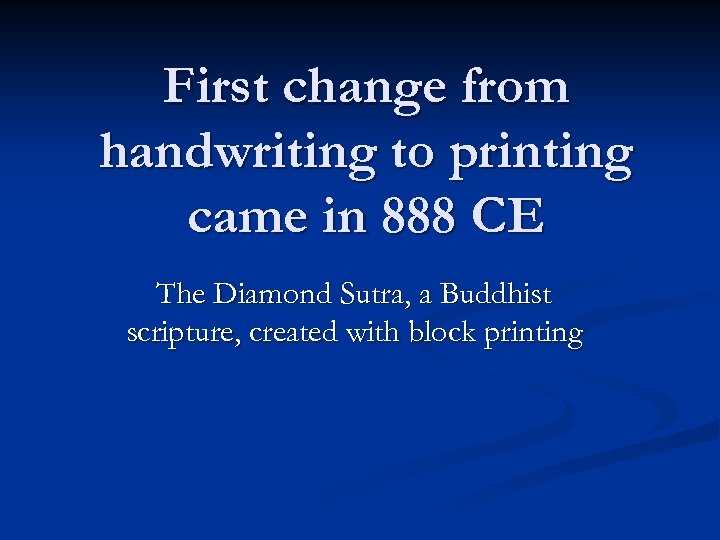
First change from handwriting to printing came in 888 CE The Diamond Sutra, a Buddhist scripture, created with block printing
Chinese block printing – ca. 1000 CE
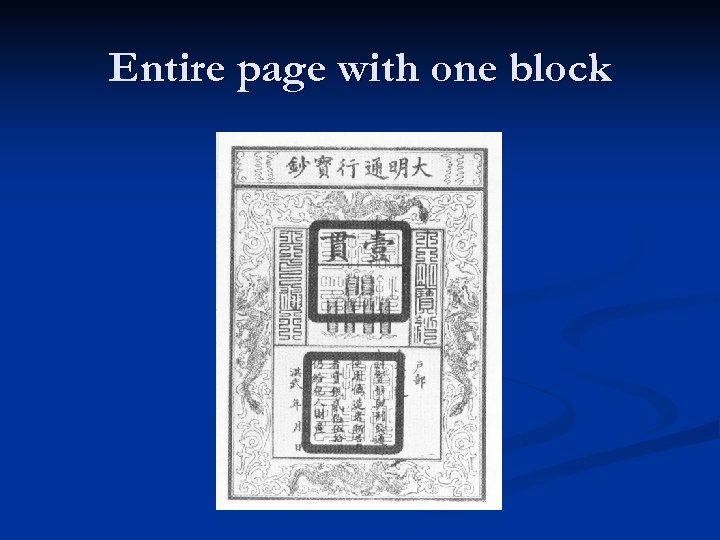
Entire page with one block
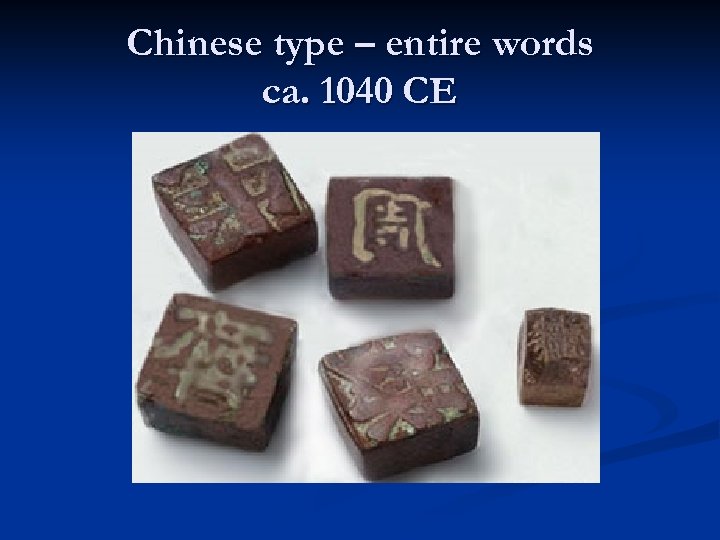
Chinese type – entire words ca. 1040 CE

A side trip
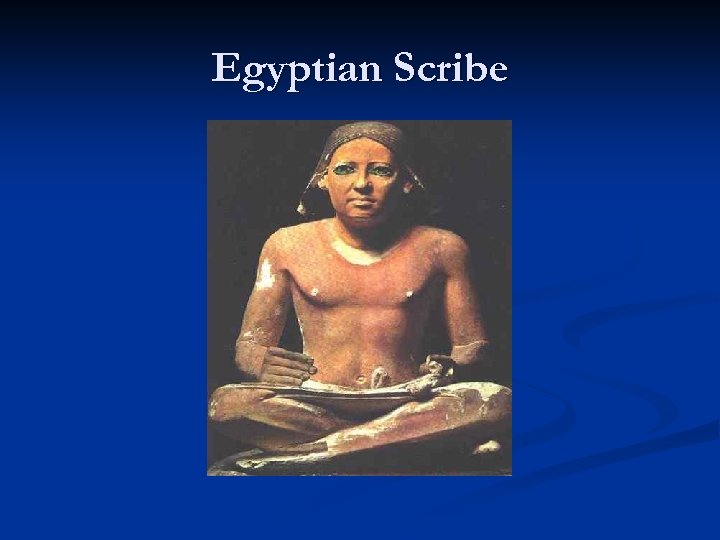
Egyptian Scribe
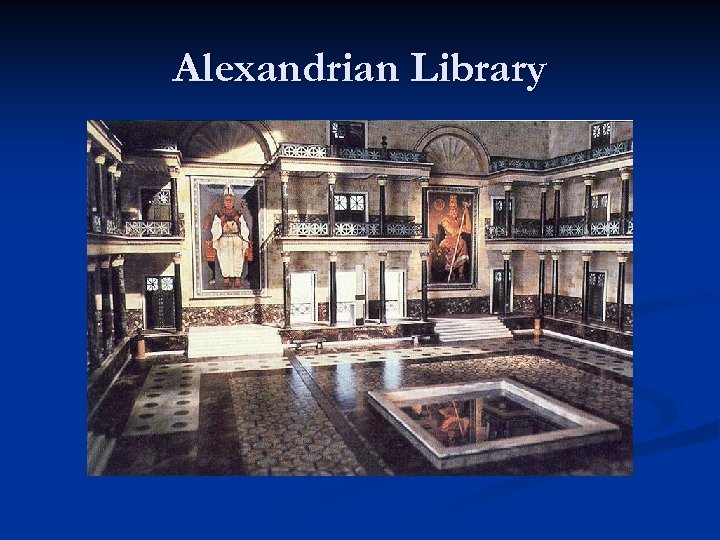
Alexandrian Library
Knowledge was in people’s minds n History n Law n Facts
Knowledge was oral n Courts held hearings n Literally – judges listened to testimony
Old people were vitally important n They could testify from their own memory, the only reliable records there were n They relied on reminders since there was no real calendar and they lived by seasons, not dates

Memories were prodigious n When you can’t read or write, you have to remember n Poetry is easier to remember than prose due to rhyme and rhythm
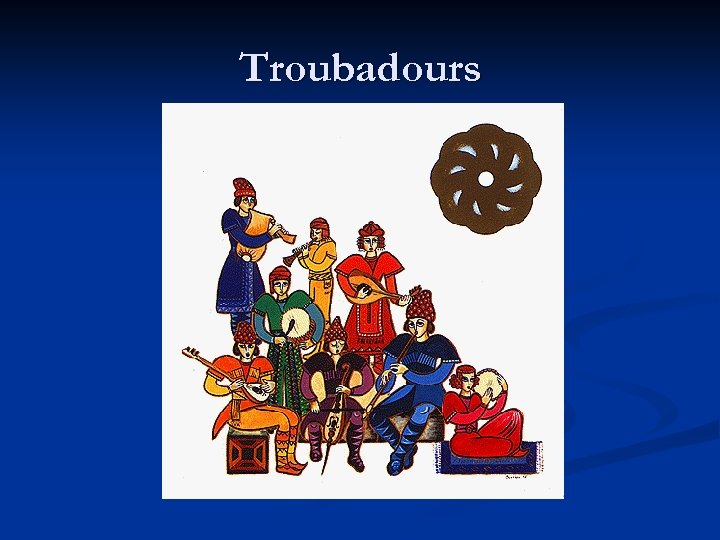
Troubadours
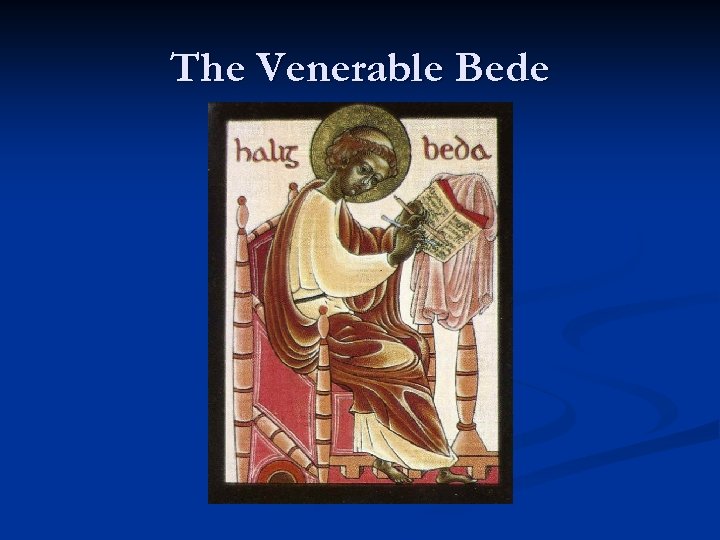
The Venerable Bede
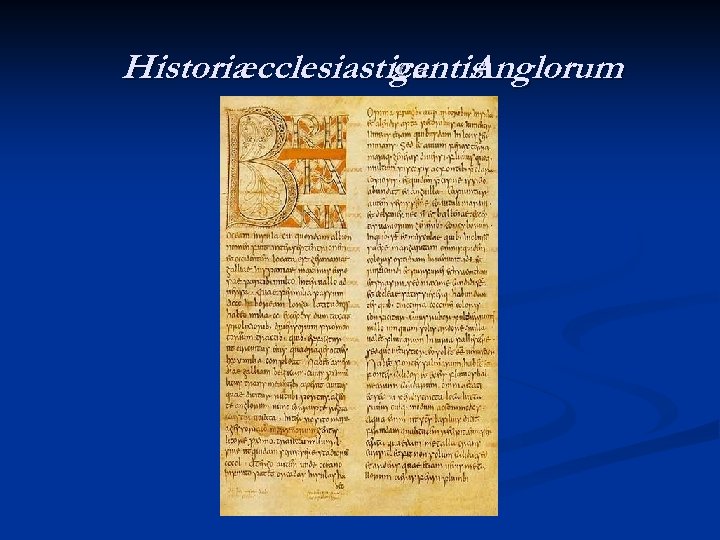
Historia ecclesiastica Anglorum gentis
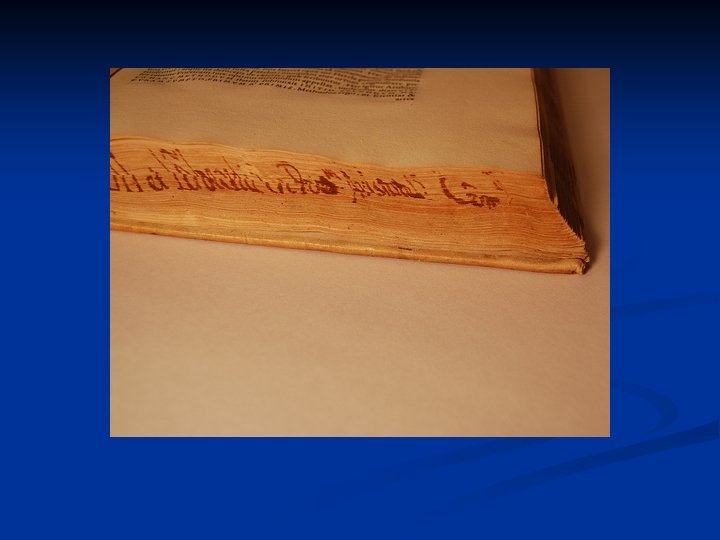
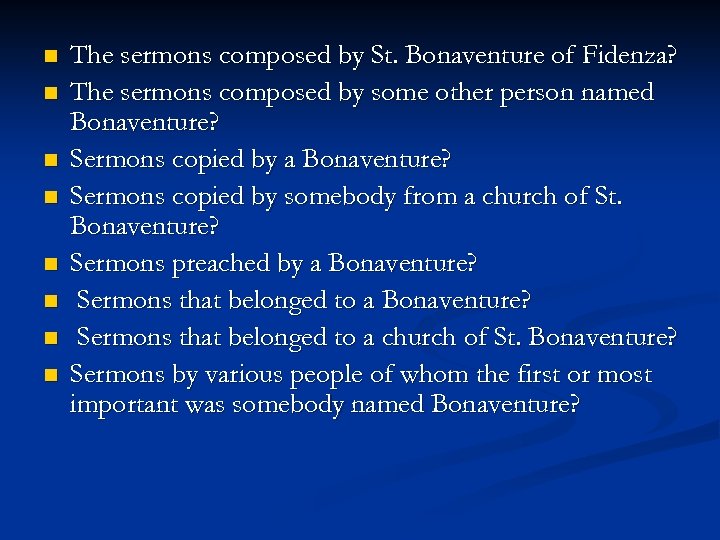
n n n n The sermons composed by St. Bonaventure of Fidenza? The sermons composed by some other person named Bonaventure? Sermons copied by a Bonaventure? Sermons copied by somebody from a church of St. Bonaventure? Sermons preached by a Bonaventure? Sermons that belonged to a church of St. Bonaventure? Sermons by various people of whom the first or most important was somebody named Bonaventure?
Another little side trip
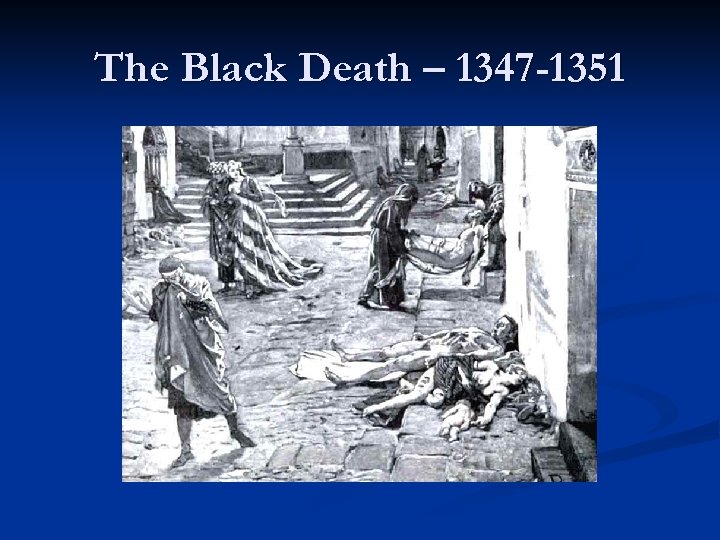
The Black Death – 1347 -1351
n After the Black Death people had two things: n Lots of money n A desire to enjoy life n Fun and games like fairs and celebrations n The fanciest clothes they could afford
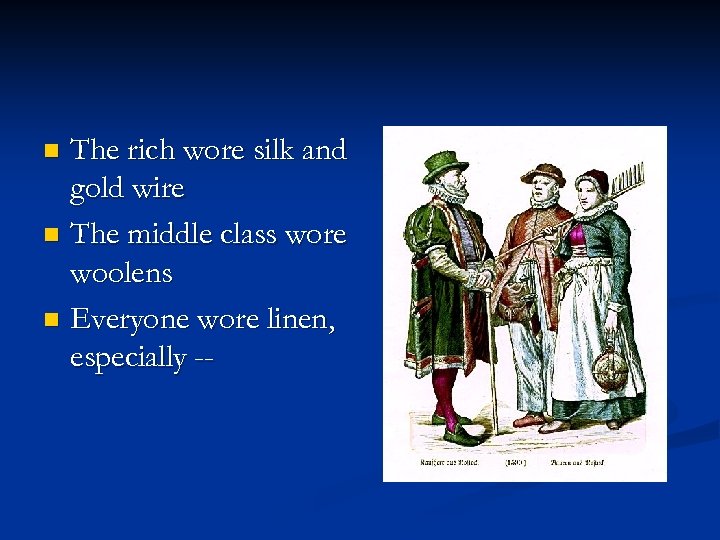
The rich wore silk and gold wire n The middle class wore woolens n Everyone wore linen, especially -n
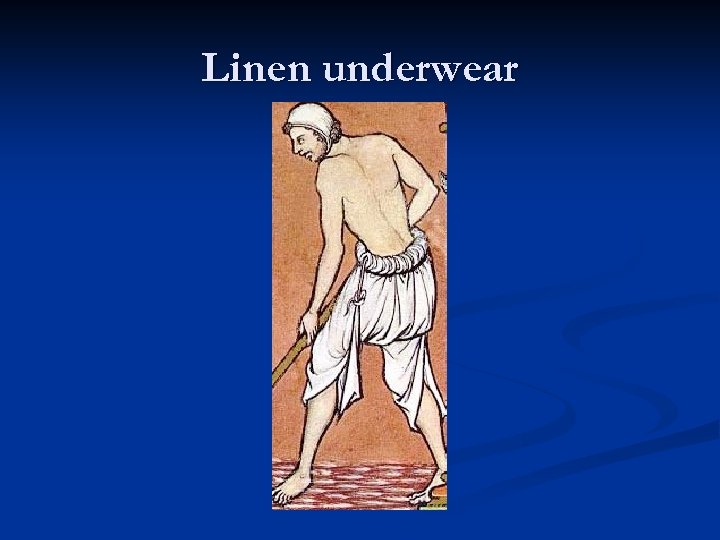
Linen underwear
What this has to do with printing What was necessary to printing was paper n The only thing available up to this time was parchment, expensive and uncommon n Linen sheets and underwear wore out and were thrown away n Linen rags can be turned into paper n
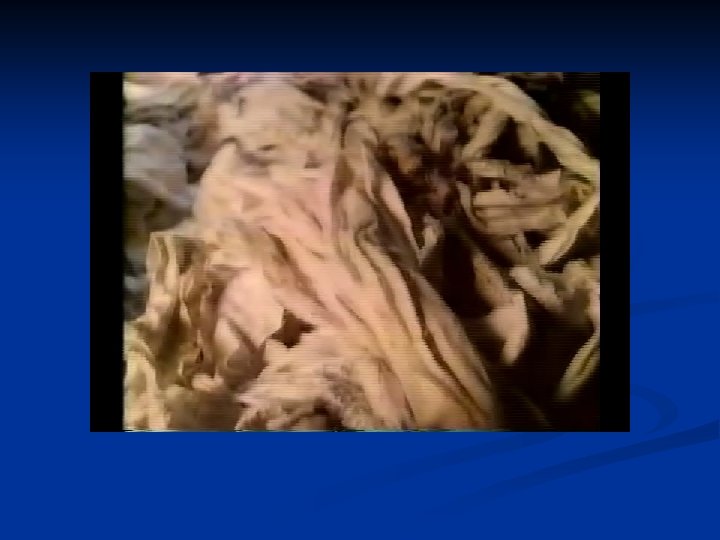
n Now there’s plenty of paper n Everyone uses it as trade and investing increases n Contracts n Record keeping However, because of the Black Death there weren’t enough scribes for all the paperwork n Something had to be done n
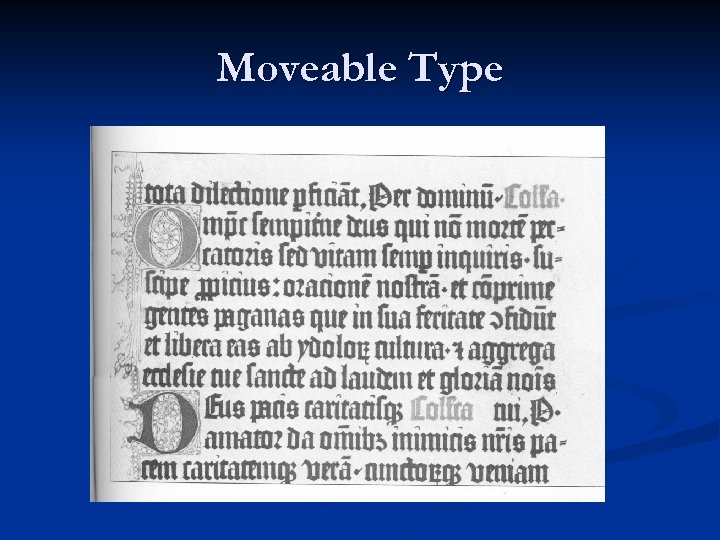
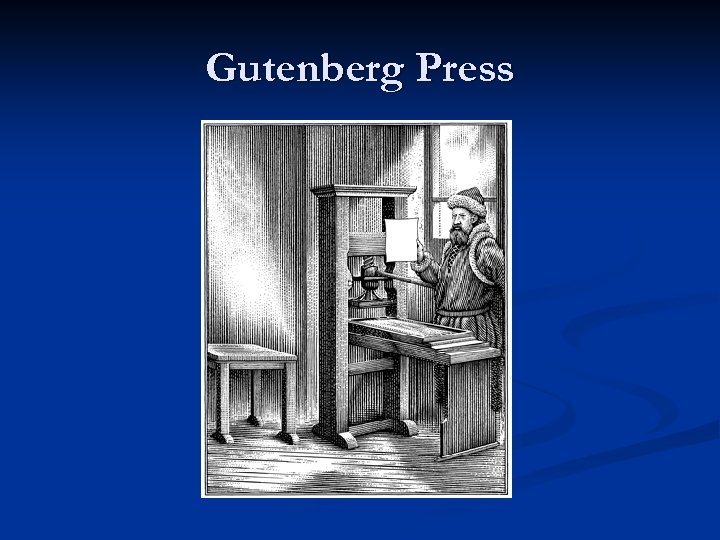
The next, and greatest change in printing came in 1450 CE
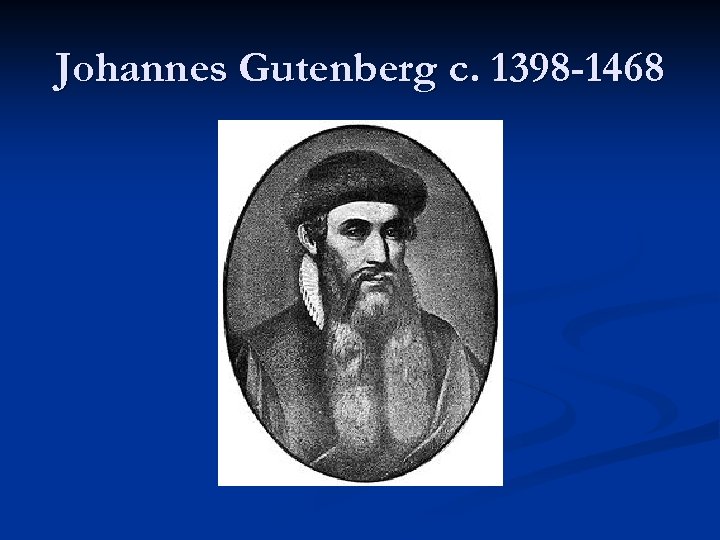
Johannes Gutenberg c. 1398 -1468

Moveable Type
Dispersion of Information
Gutenberg Press
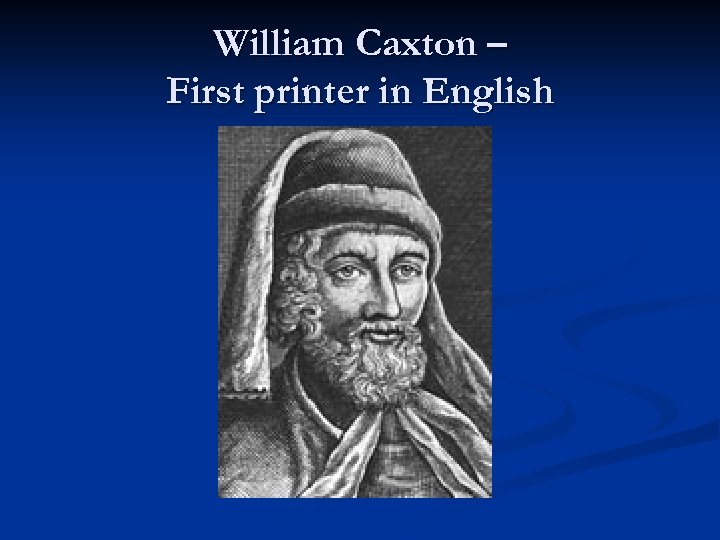
William Caxton – First printer in English
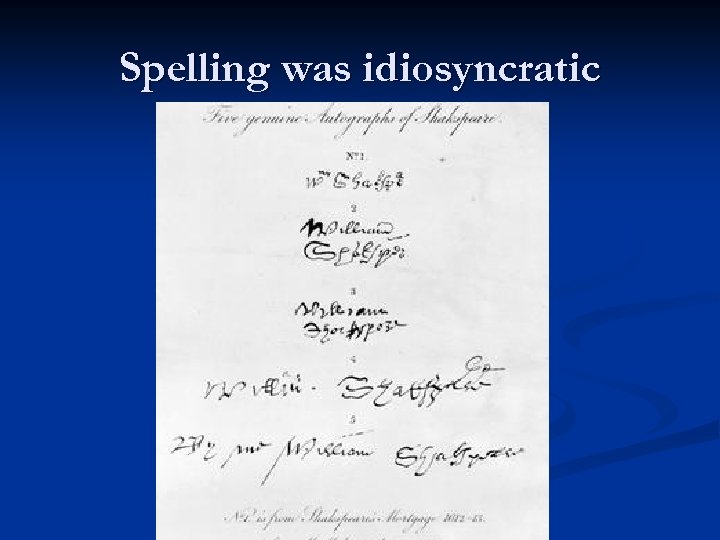
Spelling was idiosyncratic

Knight

Knife
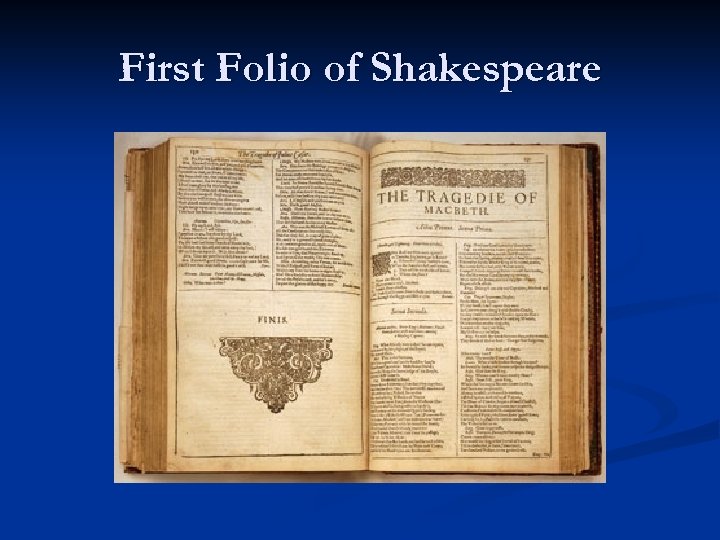
First Folio of Shakespeare
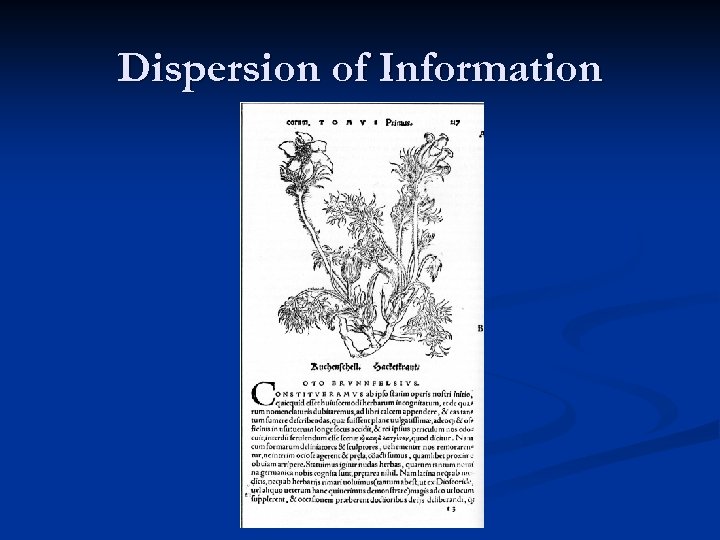
Print’s greatest effect on Society Knowledge

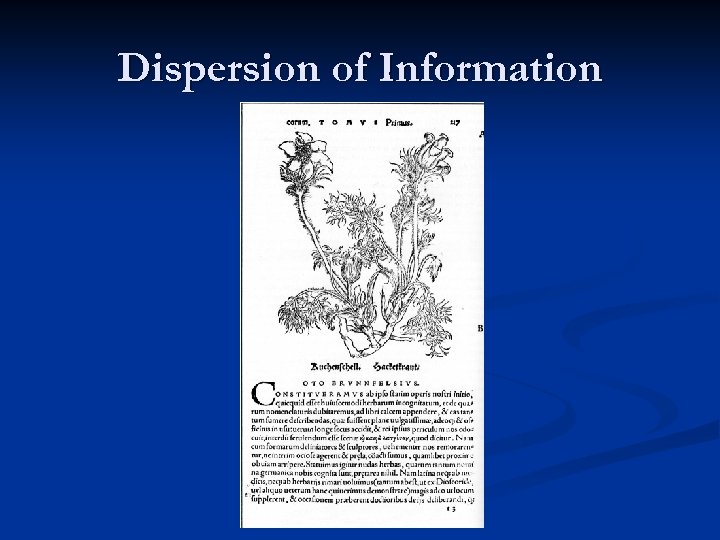
Dispersion of Information
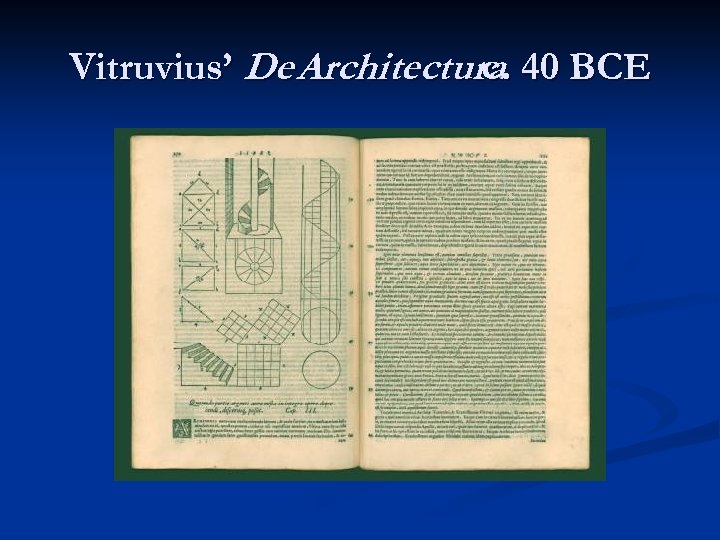
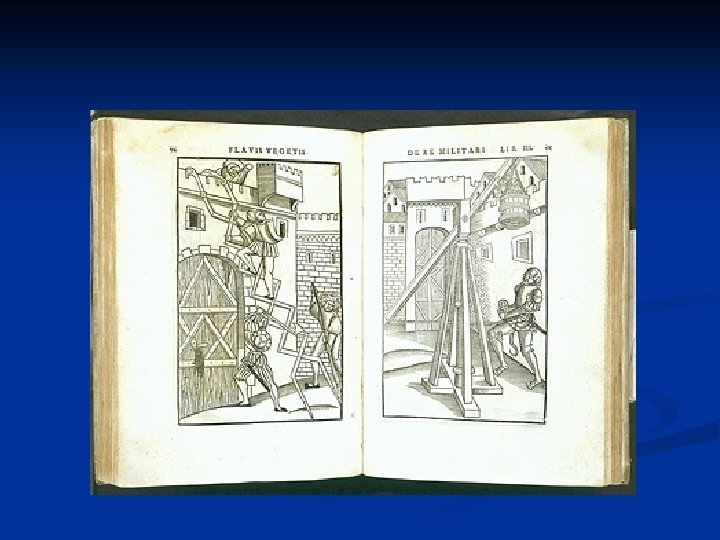
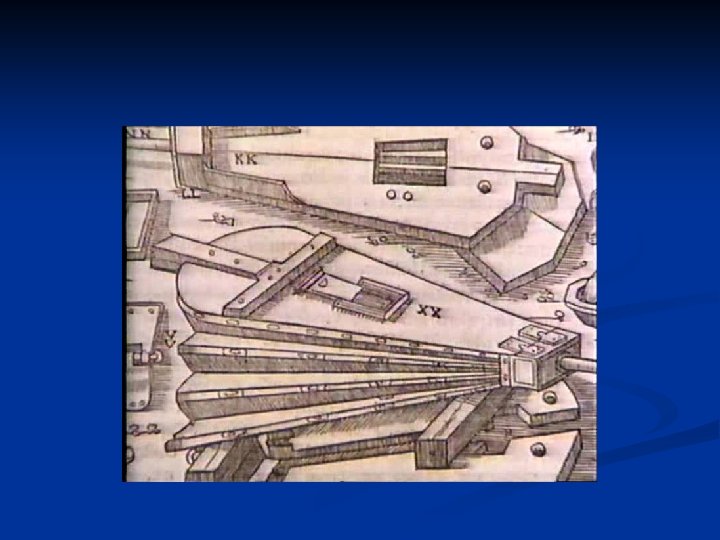
Vitruvius’ De Architectura 40 BCE c.
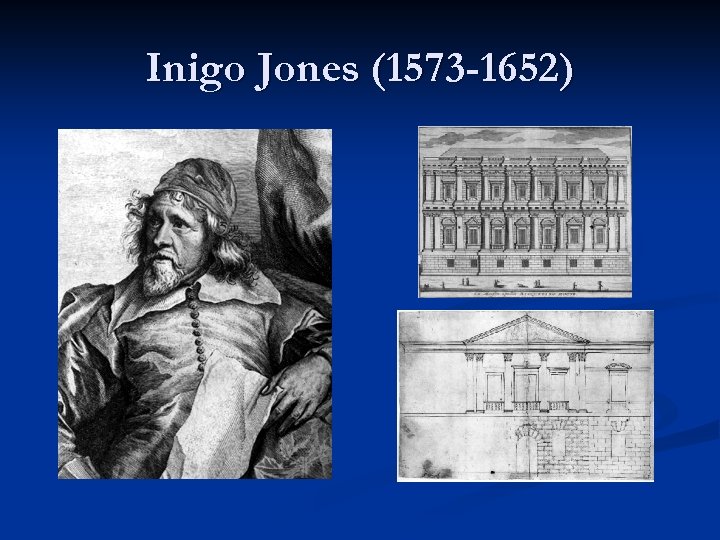
Inigo Jones (1573 -1652)
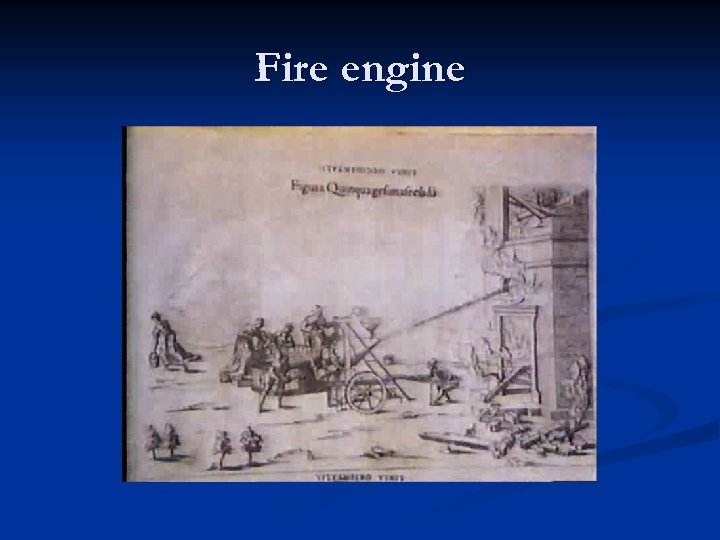
Fire engine
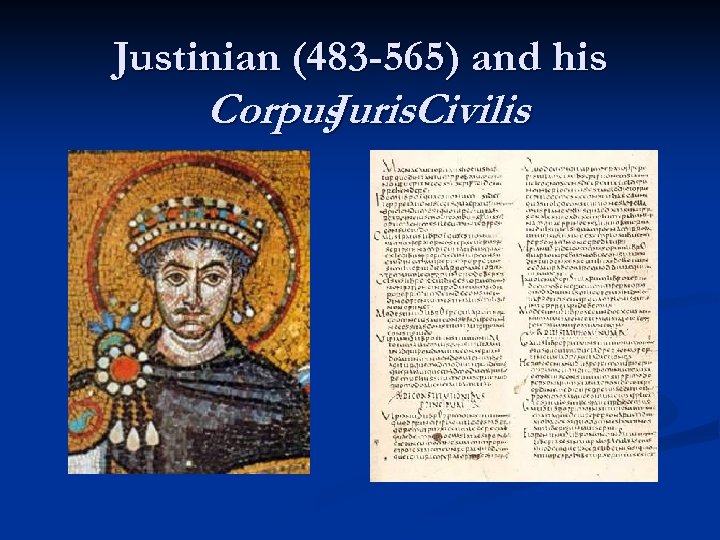
Justinian (483 -565) and his Corpus Juris. Civilis
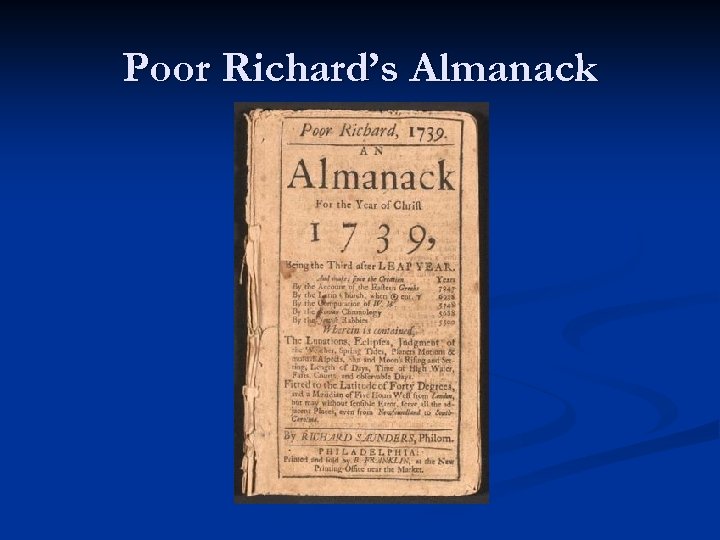
Poor Richard’s Almanack
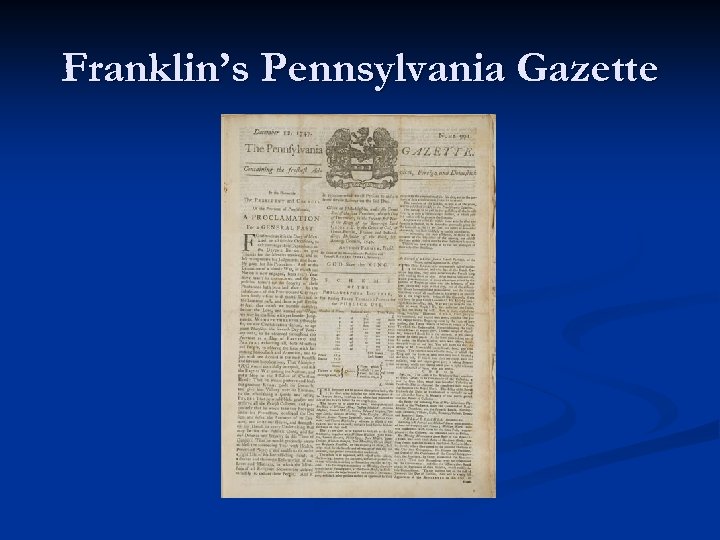
Franklin’s Pennsylvania Gazette
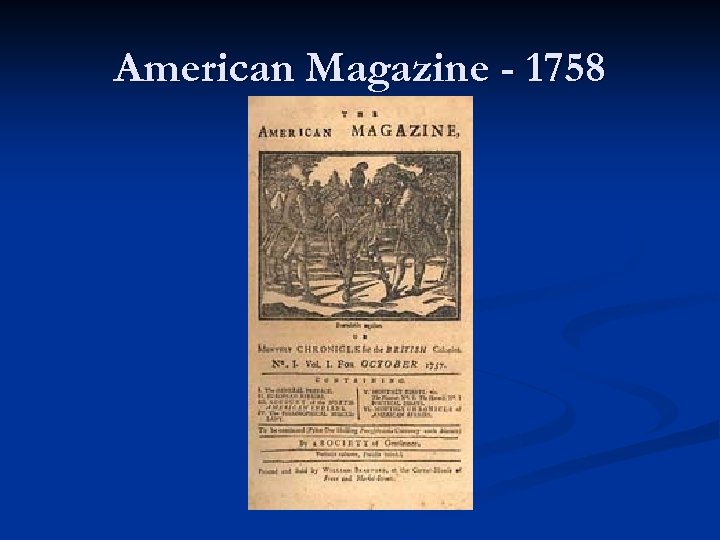
American Magazine - 1758
The Index
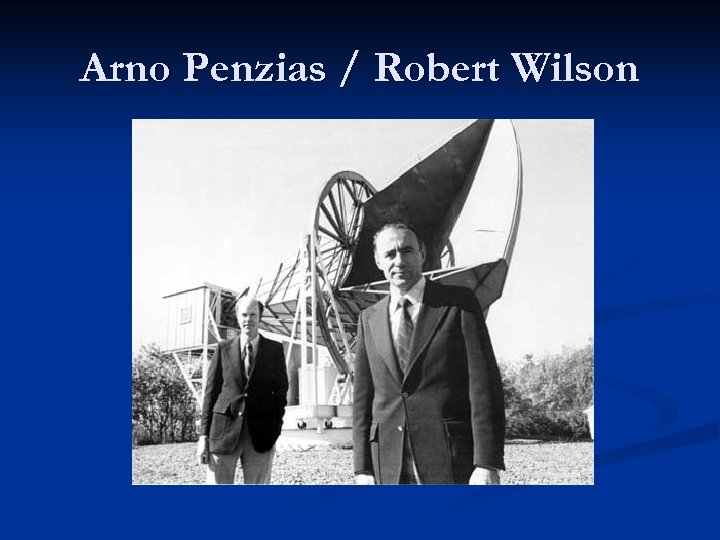
Arno Penzias / Robert Wilson

Aracebo Radio Telescope
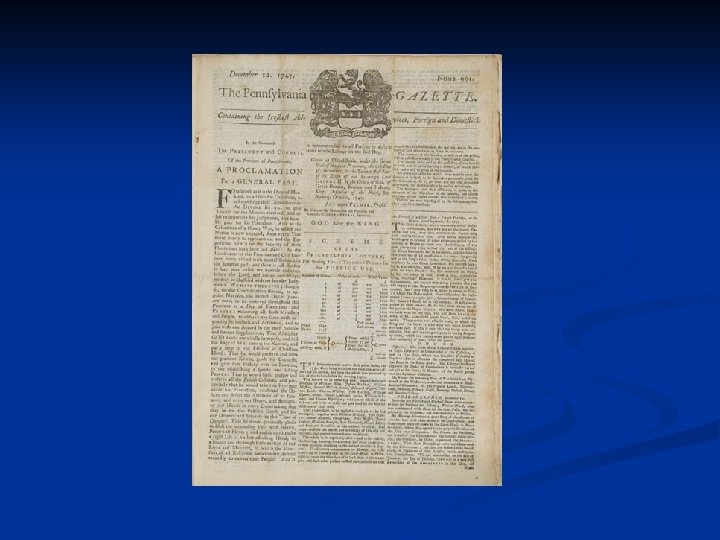
Newspapers Started in the early 1600 s n Corontos, one page Dutch news sheets imported to England n Diurnals – English news sheets started 1641 n
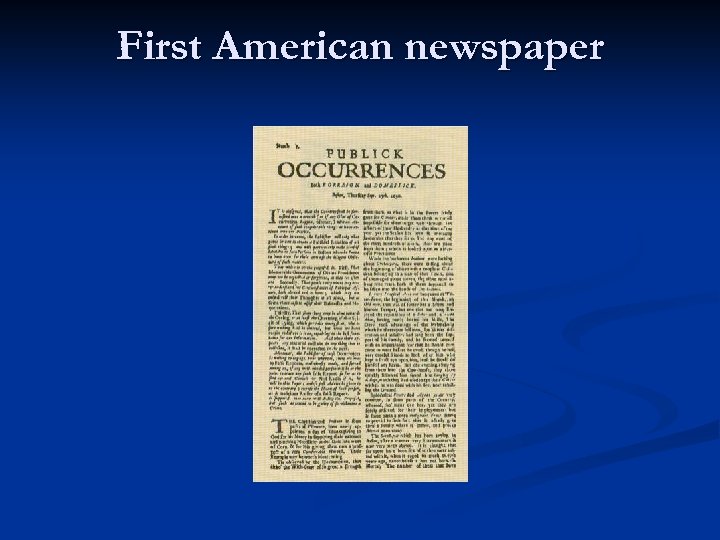
First American newspaper
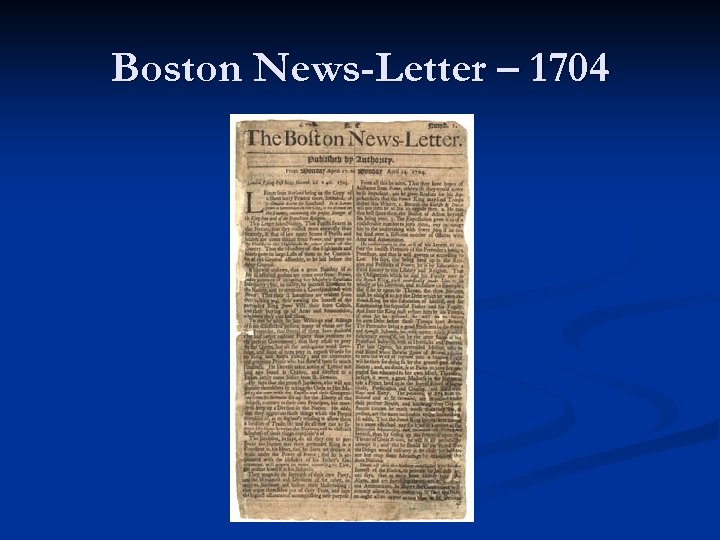
Boston News-Letter – 1704
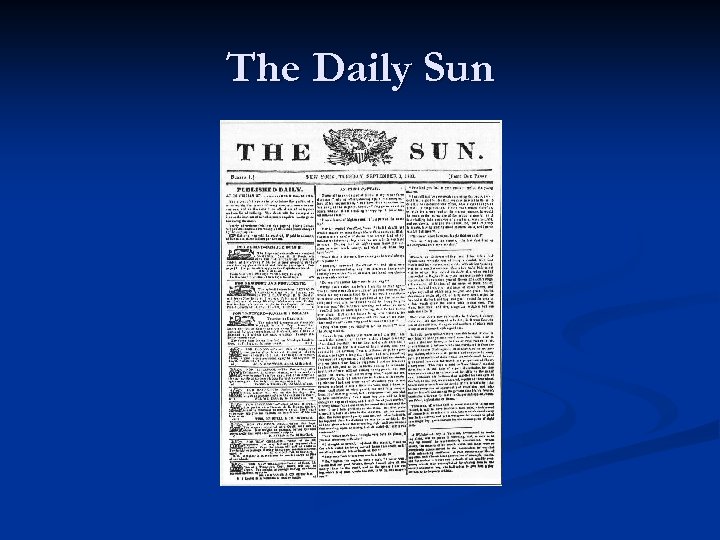
The Daily Sun
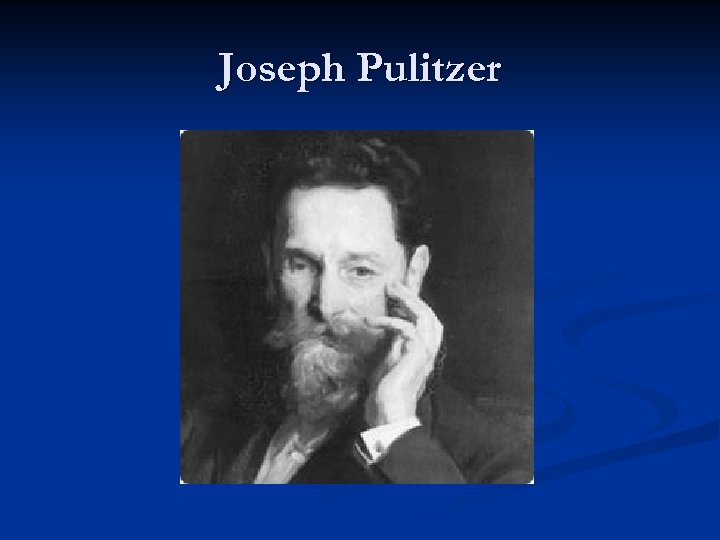
Joseph Pulitzer
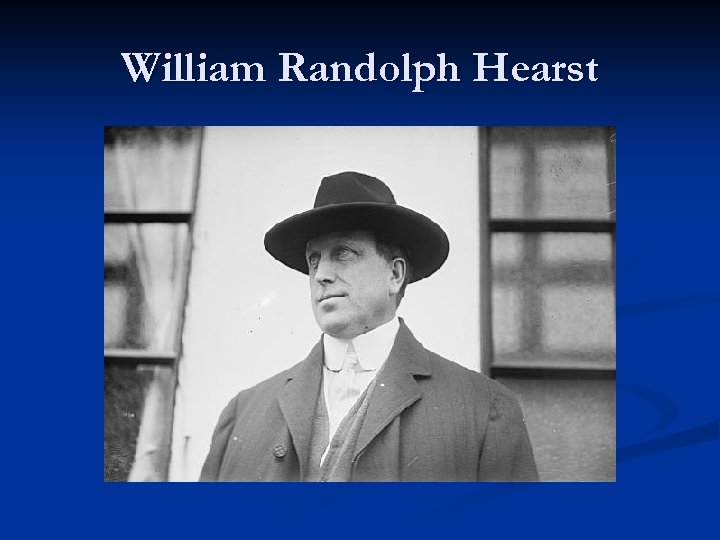
William Randolph Hearst
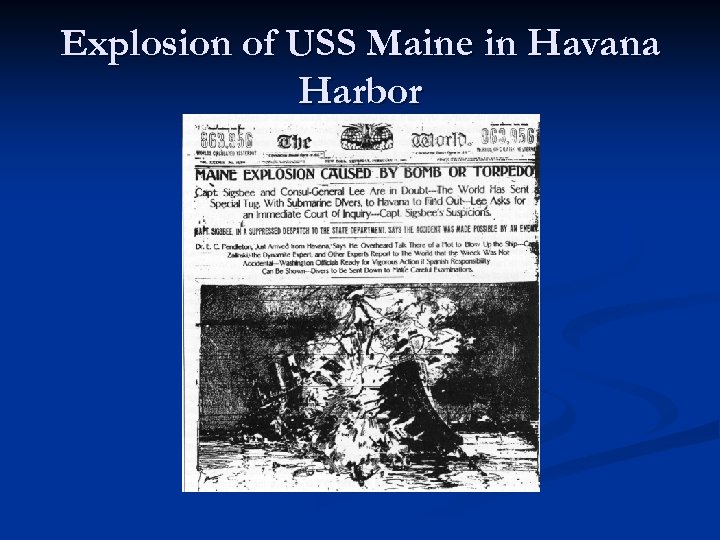
Explosion of USS Maine in Havana Harbor
Canons of Journalism and Statement of Principles – 1923 “The right of a newspaper to attract and hold readers is restricted by nothing but considerations of public welfare. ” The beginnings of the modern ideal of journalism: be objective, don’t be sensationalistic, operate for the public good

Magazines
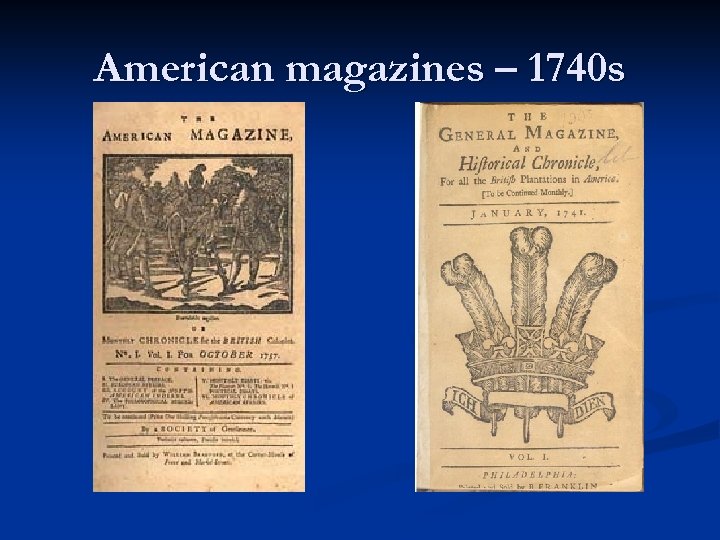
American magazines – 1740 s
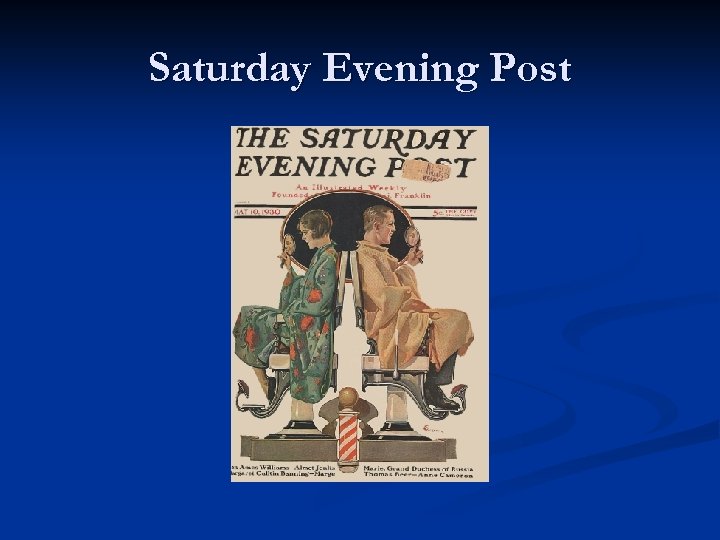
Saturday Evening Post
Keys to success Rapidly rising literacy rates n Lower printing costs n Spread of social movements like abolition and labor reform n n n Made for compelling reading The use of specialty writers rather than general reporters or book authors
Growth of magazines Rise of women’s magazines that advertisers loved n Postal Act of 1879 that lower mailing rates for magazines n Railroads crisscrossing the entire country n Made magazines the first truly national medium n

Life Magazine
Скачать презентацию Print Media Signal fire Hebrew shofar
369be09dae5fc7fcdf89a054ef5c297c.ppt