


 Скачать презентацию Principle 9 Effectively Integrate Data Management Knowledge
8b64b3d913e4eb11d6306006f35056c7.ppt
- Количество слайдов: 8
 Principle 9: Effectively Integrate Data Management & Knowledge Management • Learning Objectives: – Understand the interdependence of DM and KM – Understand the concepts of cooperation DM with KM • Learning Outcomes: – – – Facilitate KM through providing value-added DM Avoid duplication of efforts in DM and KM Maximize the interrelation of DM and KM in your organization
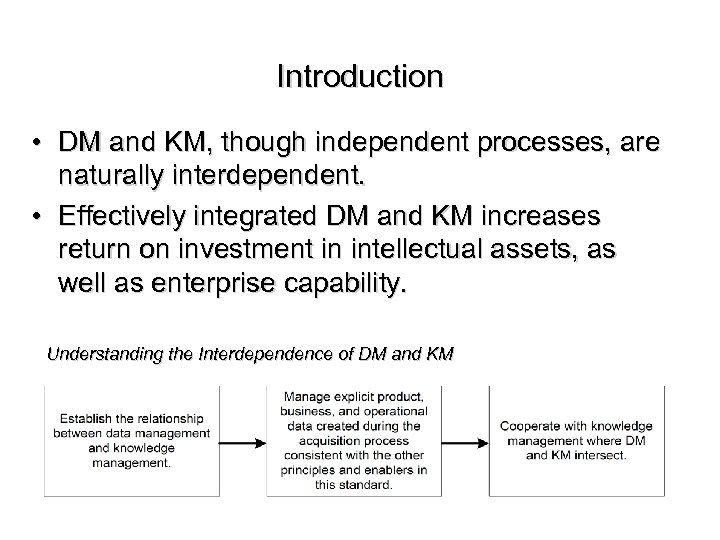 Introduction • DM and KM, though independent processes, are naturally interdependent. • Effectively integrated DM and KM increases return on investment in intellectual assets, as well as enterprise capability. Understanding the Interdependence of DM and KM
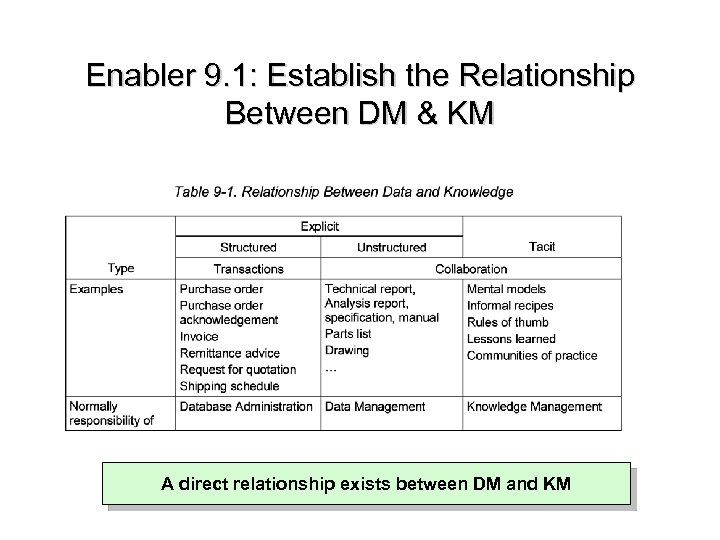 Enabler 9. 1: Establish the Relationship Between DM & KM A direct relationship exists between DM and KM
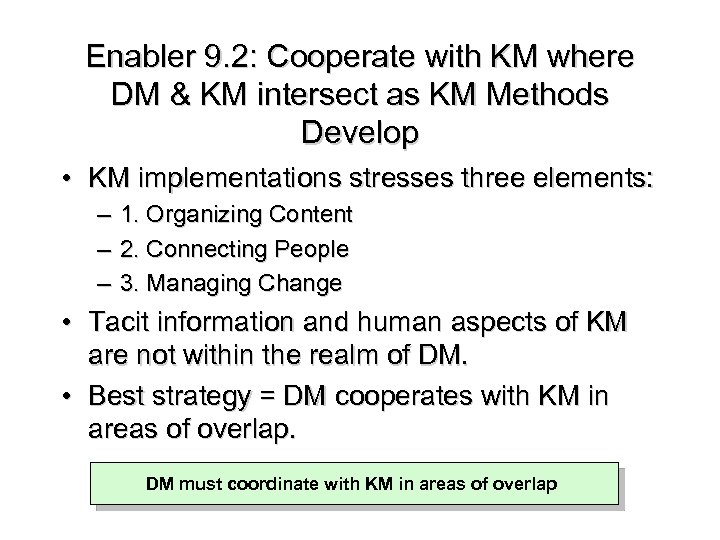 Enabler 9. 2: Cooperate with KM where DM & KM intersect as KM Methods Develop • KM implementations stresses three elements: – – – 1. Organizing Content 2. Connecting People 3. Managing Change • Tacit information and human aspects of KM are not within the realm of DM. • Best strategy = DM cooperates with KM in areas of overlap. DM must coordinate with KM in areas of overlap
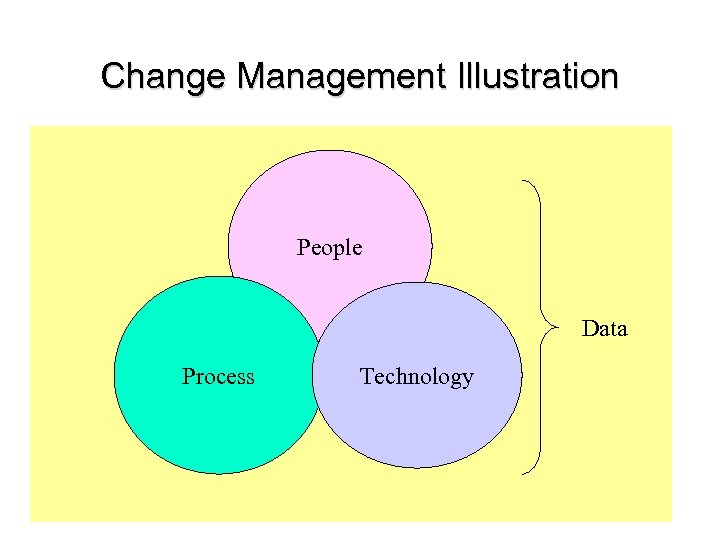 Change Management Illustration People Data Process Technology
 Enabler 9. 2: Cooperate with KM where DM & KM intersect as KM Methods Develop • Understand the state of KM in the enterprise: – Determine if there is a formal/informal KM individual or group – Determine if the enterprise has done an internal KM capability assessment – Perform self assessment if not previously accomplished • Then coordinate DM and KM to maximize the efforts of everyone involved. – Define the gaps, overlaps, and define a resolution approach Identify areas of overlap, and perform gap analysis
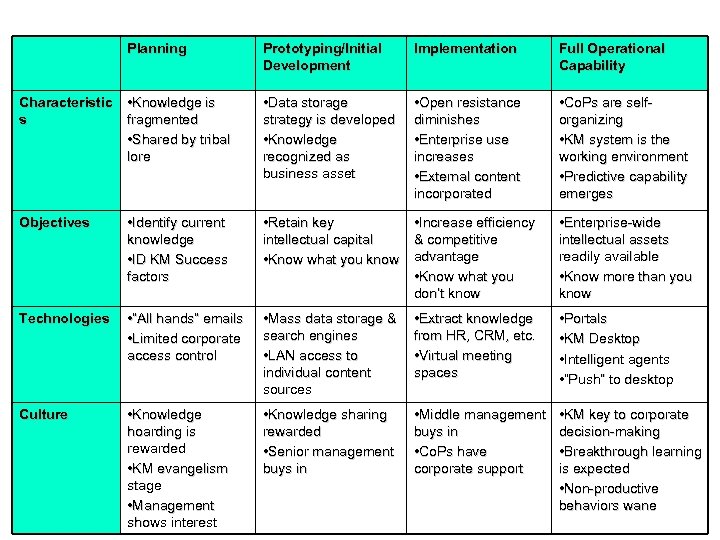 Planning Prototyping/Initial Development Implementation Full Operational Capability Characteristic s • Knowledge is fragmented • Shared by tribal lore • Data storage strategy is developed • Knowledge recognized as business asset • Open resistance diminishes • Enterprise use increases • External content incorporated • Co. Ps are selforganizing • KM system is the working environment • Predictive capability emerges Objectives • Identify current knowledge • ID KM Success factors • Retain key • Increase efficiency intellectual capital & competitive • Know what you know advantage • Know what you don’t know • Enterprise-wide intellectual assets readily available • Know more than you know Technologies • “All hands” emails • Limited corporate access control • Mass data storage & search engines • LAN access to individual content sources • Extract knowledge from HR, CRM, etc. • Virtual meeting spaces • Portals • KM Desktop • Intelligent agents • “Push” to desktop Culture • Knowledge hoarding is rewarded • KM evangelism stage • Management shows interest • Knowledge sharing rewarded • Senior management buys in • Middle management buys in • Co. Ps have corporate support • KM key to corporate decision-making • Breakthrough learning is expected • Non-productive behaviors wane
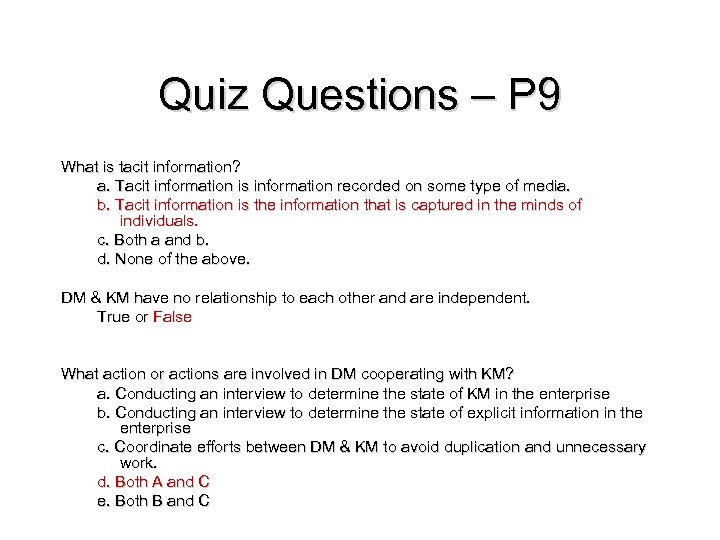 Quiz Questions – P 9 What is tacit information? a. Tacit information is information recorded on some type of media. b. Tacit information is the information that is captured in the minds of individuals. c. Both a and b. d. None of the above. DM & KM have no relationship to each other and are independent. True or False What action or actions are involved in DM cooperating with KM? a. Conducting an interview to determine the state of KM in the enterprise b. Conducting an interview to determine the state of explicit information in the enterprise c. Coordinate efforts between DM & KM to avoid duplication and unnecessary work. d. Both A and C e. Both B and C