


 Скачать презентацию Price and income elasticities of demand Price elasticity
Presentation3.pptx
- Количество слайдов: 27
 Price and income elasticities of demand Price elasticity of supply
 Price Elasticity of Demand • Defining price elasticity of demand (Pe. D) – responsiveness of demand to a change in price
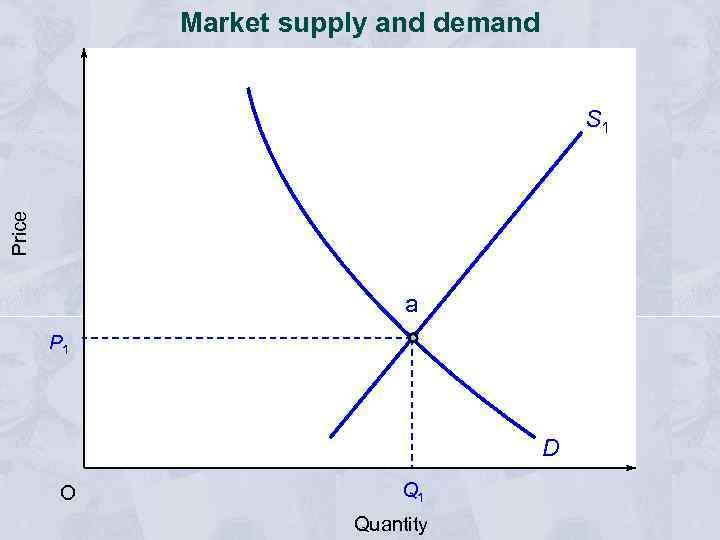 Market supply and demand Price S 1 a P 1 D O Q 1 Quantity
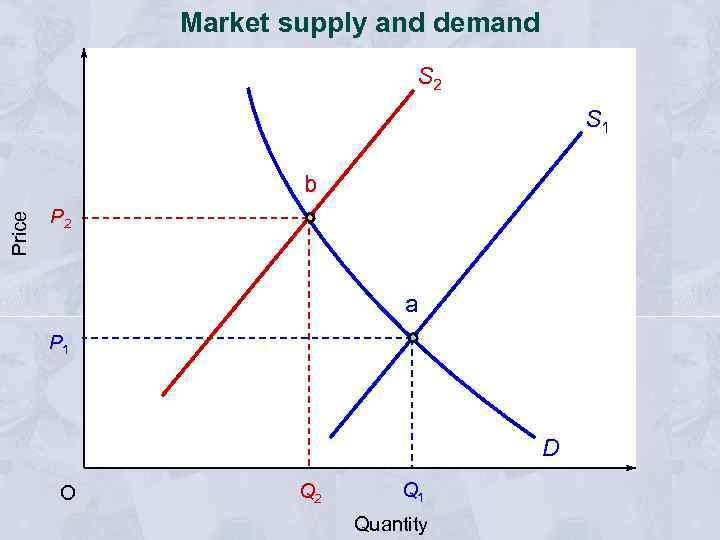 Market supply and demand S 2 S 1 Price b P 2 a P 1 D O Q 2 Q 1 Quantity
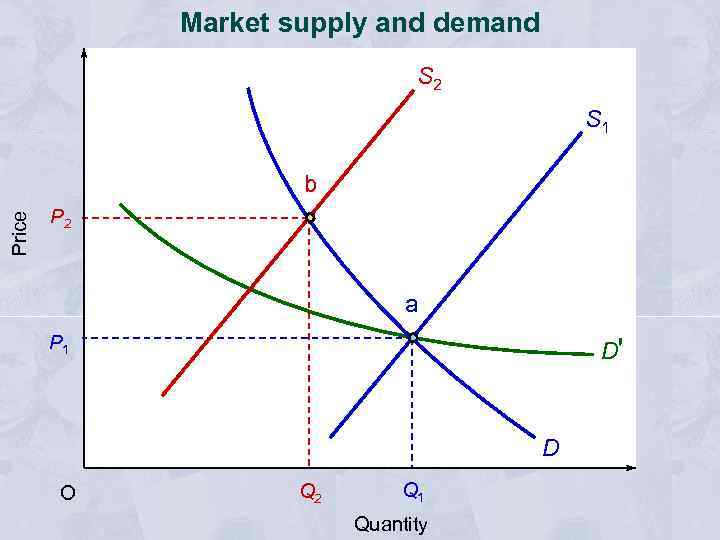 Market supply and demand S 2 S 1 Price b P 2 a P 1 D' D O Q 2 Q 1 Quantity
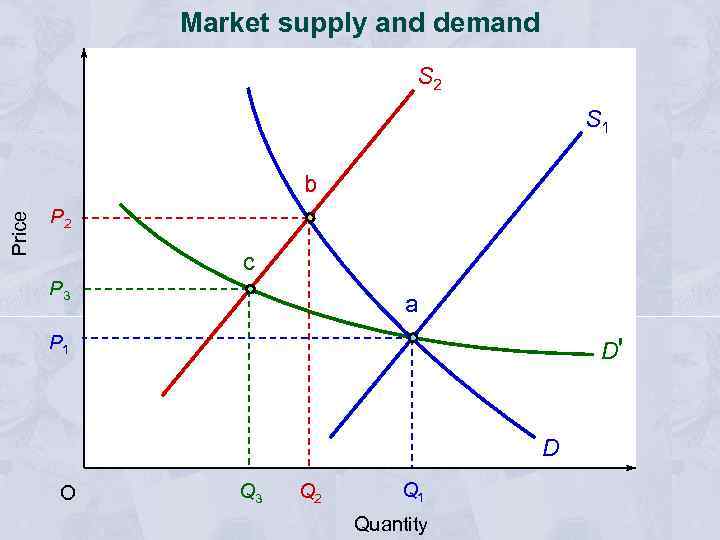 Market supply and demand S 2 S 1 Price b P 2 c P 3 a P 1 D' D O Q 3 Q 2 Q 1 Quantity
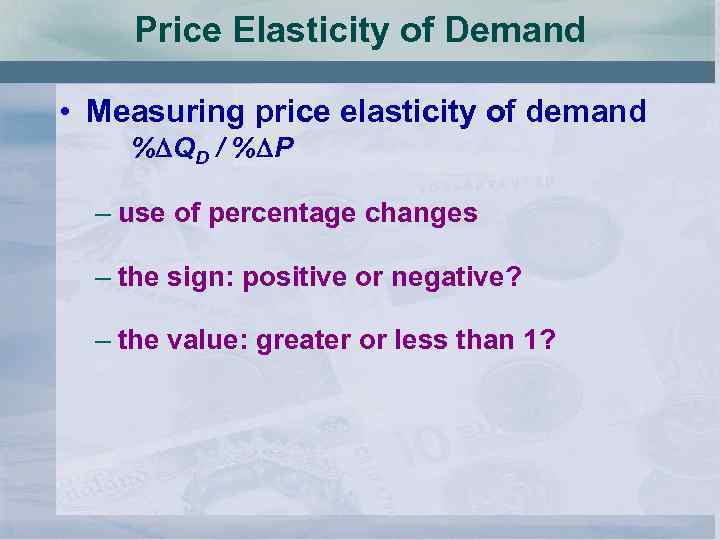 Price Elasticity of Demand • Measuring price elasticity of demand % QD / % P – use of percentage changes – the sign: positive or negative? – the value: greater or less than 1?
 Price Elasticity of Demand • Determinants of price elasticity of demand – number and closeness of substitute goods – proportion of income spent on the good – the time period
 Price Elasticity of Demand Consumer Expenditure • Defining total consumer expenditure – TE = P × Q • Illustrating TE graphically
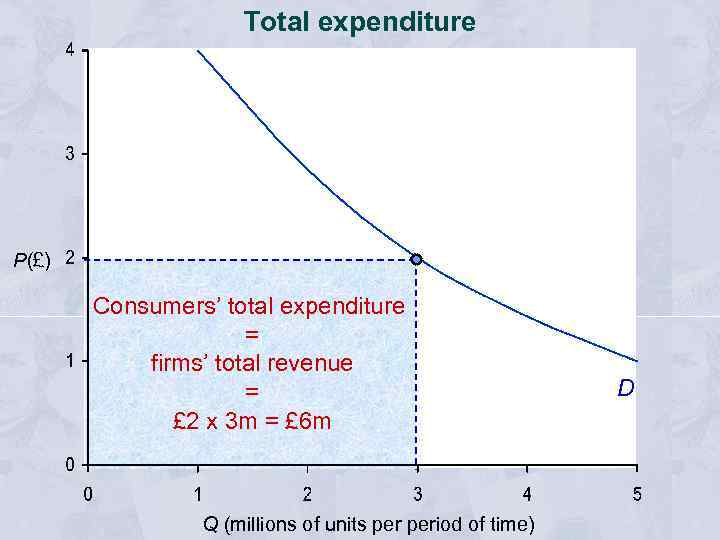 Total expenditure P(£) Consumers’ total expenditure = firms’ total revenue = £ 2 x 3 m = £ 6 m Q (millions of units period of time) D
 Price Elasticity of Demand Consumer Expenditure • Defining total consumer expenditure – TE = P × Q • Illustrating TE graphically • Effects of a price change: elastic demand
 Price Elasticity of Demand Consumer Expenditure • Defining total consumer expenditure – TE = P × Q • Illustrating TE graphically • Effects of a price change: elastic demand – P rises: TE falls
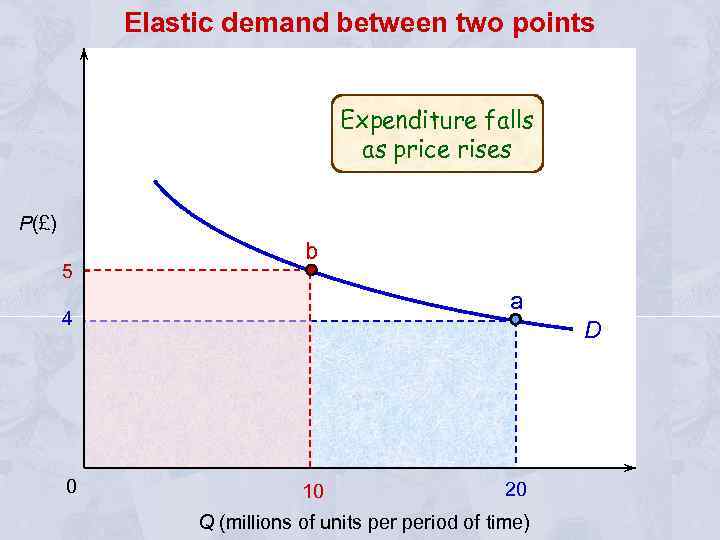 Elastic demand between two points Expenditure falls as price rises P(£) 5 b a 4 0 D 10 20 Q (millions of units period of time)
 Price Elasticity of Demand Consumer Expenditure • Defining total consumer expenditure – TE = P × Q • Illustrating TE graphically • Effects of a price change: elastic demand – P rises: TE falls – P falls: TE rises
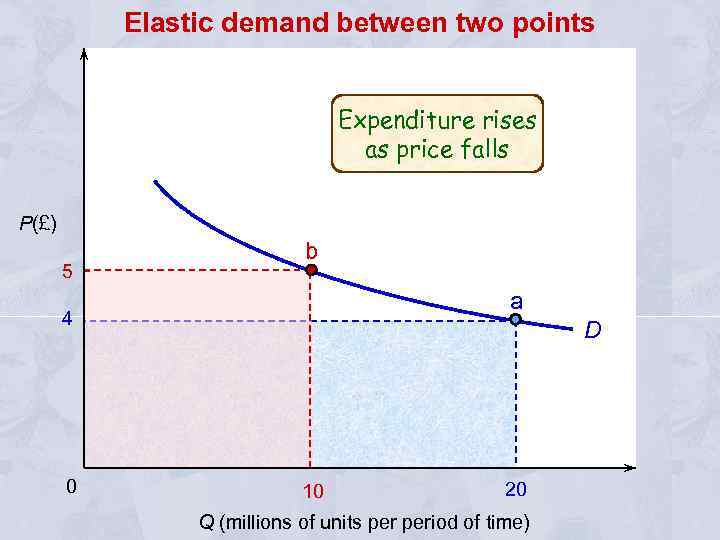 Elastic demand between two points Expenditure rises as price falls P(£) 5 b a 4 0 D 10 20 Q (millions of units period of time)
 Price Elasticity of Demand Consumer Expenditure • Defining total consumer expenditure – TE = P × Q • Illustrating TE graphically • Effects of a price change: elastic demand – P rises: TE falls – P falls: TE rises • Effects of a price change: inelastic demand
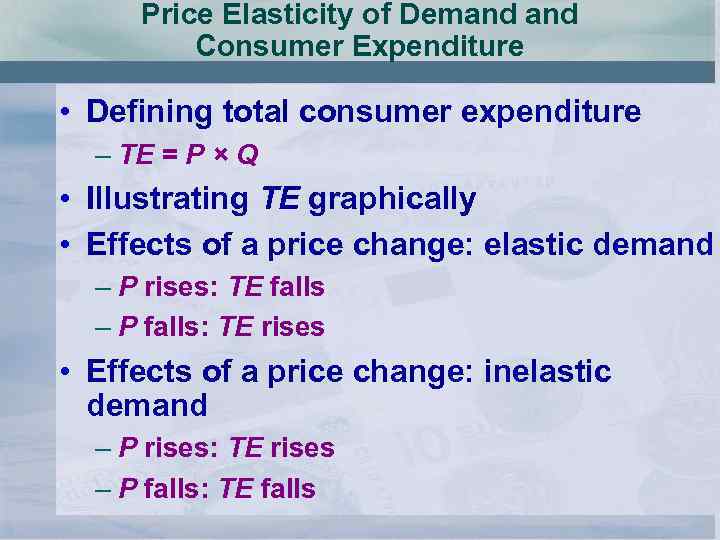
 Price Elasticity of Demand Consumer Expenditure • Defining total consumer expenditure – TE = P × Q • Illustrating TE graphically • Effects of a price change: elastic demand – P rises: TE falls – P falls: TE rises • Effects of a price change: inelastic demand – P rises: TE rises
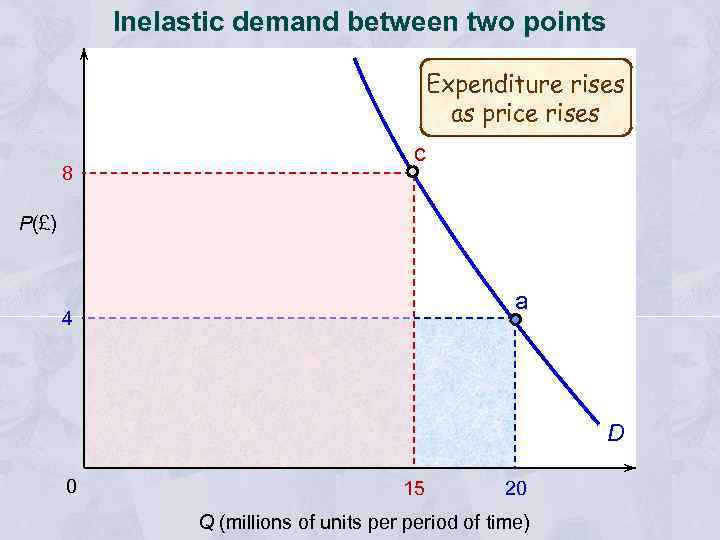 Inelastic demand between two points Expenditure rises as price rises 8 c P(£) a 4 D 0 15 20 Q (millions of units period of time)
 Price Elasticity of Demand Consumer Expenditure • Defining total consumer expenditure – TE = P × Q • Illustrating TE graphically • Effects of a price change: elastic demand – P rises: TE falls – P falls: TE rises • Effects of a price change: inelastic demand – P rises: TE rises – P falls: TE falls
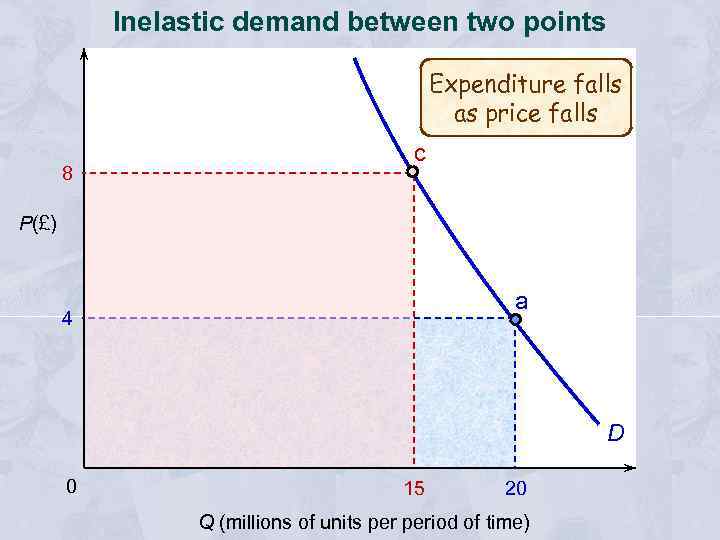 Inelastic demand between two points Expenditure falls as price falls 8 c P(£) a 4 D 0 15 20 Q (millions of units period of time)
 Price Elasticity of Supply • Meaning of price elasticity of supply • Elasticity of supply and the supply curve
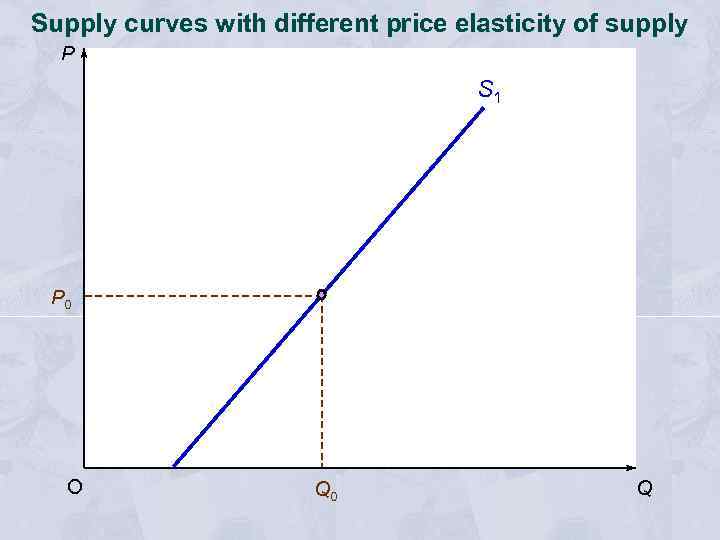 Supply curves with different price elasticity of supply P S 1 P 0 O Q 0 Q
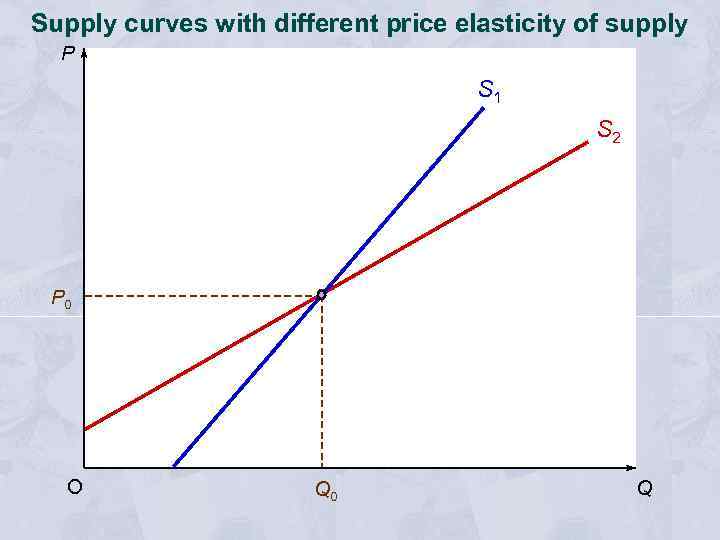 Supply curves with different price elasticity of supply P S 1 S 2 P 0 O Q 0 Q
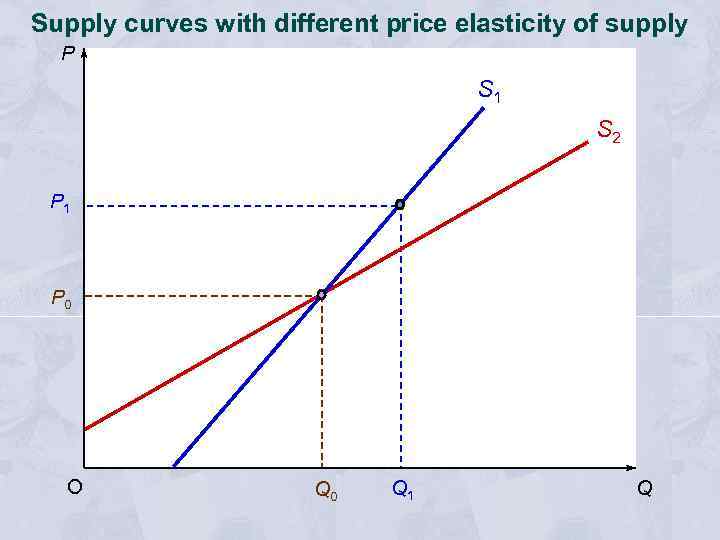 Supply curves with different price elasticity of supply P S 1 S 2 P 1 P 0 O Q 0 Q 1 Q
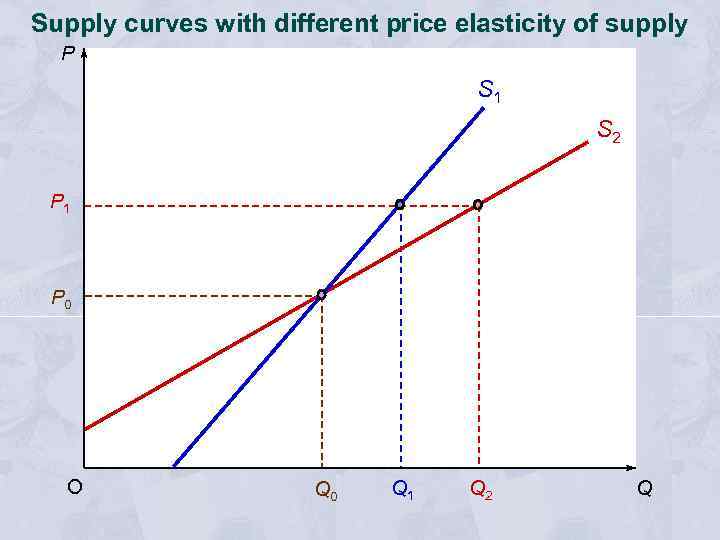 Supply curves with different price elasticity of supply P S 1 S 2 P 1 P 0 O Q 0 Q 1 Q 2 Q
 Price Elasticity of Supply • Measuring price elasticity of supply % QS / % P – elastic and inelastic supply • Determinants of price elasticity of supply – amount that costs rise as output increases – time period
 Other Elasticities • Income elasticity of demand – measurement – determinants • degree of necessity • rate at which people are satisfied • level of income – applications • Cross-price elasticity of demand – measurement – determinants – applications