 Скачать презентацию Presentation to the World Bank The Great Risk
e5ae1989e3a48dacd4ce60f867af351a.ppt
- Количество слайдов: 41



Presentation to the World Bank The Great Risk Shift: New Approaches to Financial Literacy Annamaria Lusardi Financial Literacy Center and The George Washington School of Business December 1 st, 2010
Relevance A new economic landscape § Individuals are increasingly in charge of their financial well-being Ø Changes in the pension landscape Ø More individual accounts Ø Changes in the labor markets Ø Increased mobility Ø Changes in the financial markets Ø Increased complexity
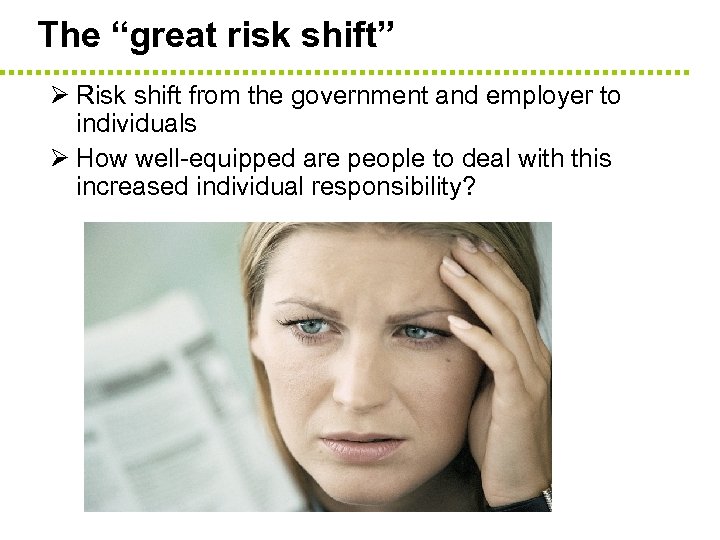
The “great risk shift” Ø Risk shift from the government and employer to individuals Ø How well-equipped are people to deal with this increased individual responsibility?
Dealing with the new economic landscape Critical role of financial education Ø Levels of financial literacy are very low in both developed and developing countries Ø Financial education is essential but faces many barriers Ø Costs Ø Benefits tend to be in the long run Ø Evaluation and effectiveness
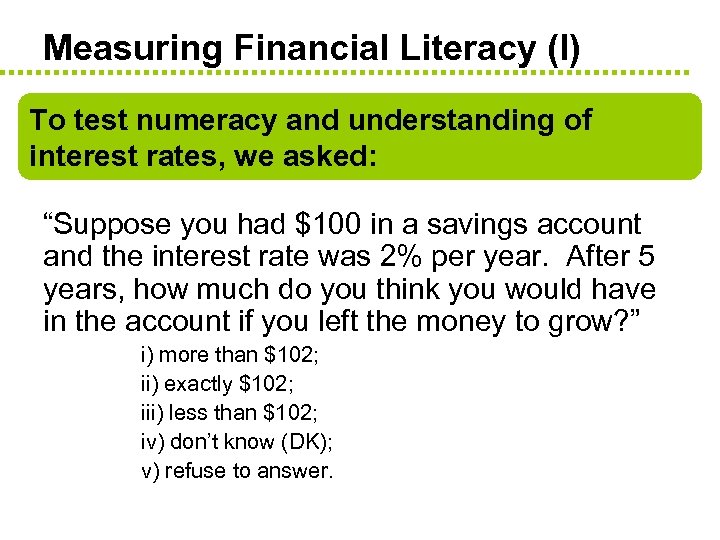
Measuring Financial Literacy (I) To test numeracy and understanding of interest rates, we asked: “Suppose you had $100 in a savings account and the interest rate was 2% per year. After 5 years, how much do you think you would have in the account if you left the money to grow? ” i) more than $102; ii) exactly $102; iii) less than $102; iv) don’t know (DK); v) refuse to answer.
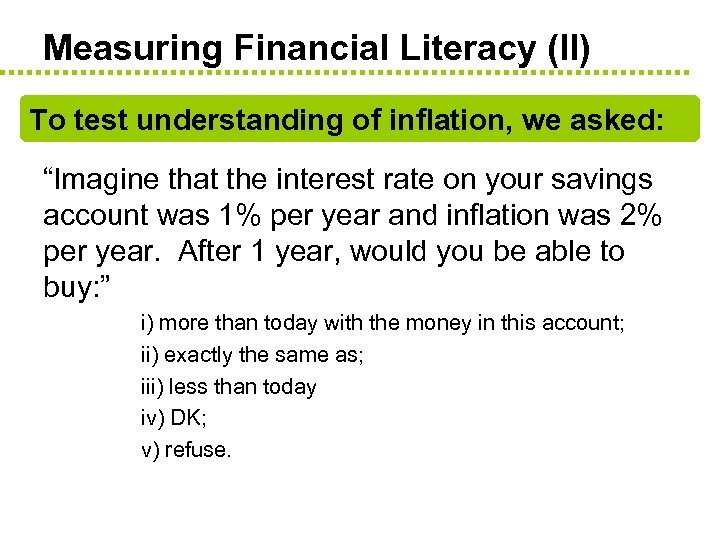
Measuring Financial Literacy (II) To test understanding of inflation, we asked: “Imagine that the interest rate on your savings account was 1% per year and inflation was 2% per year. After 1 year, would you be able to buy: ” i) more than today with the money in this account; ii) exactly the same as; iii) less than today iv) DK; v) refuse.
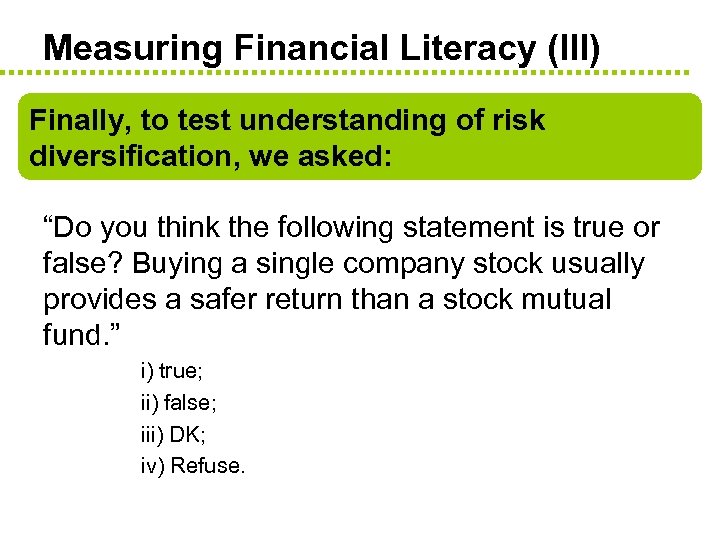
Measuring Financial Literacy (III) Finally, to test understanding of risk diversification, we asked: “Do you think the following statement is true or false? Buying a single company stock usually provides a safer return than a stock mutual fund. ” i) true; ii) false; iii) DK; iv) Refuse.
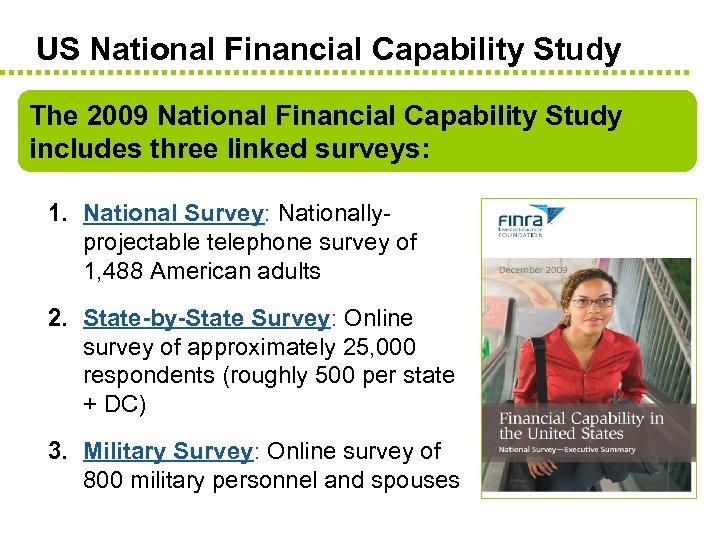
US National Financial Capability Study The 2009 National Financial Capability Study includes three linked surveys: 1. National Survey: Nationallyprojectable telephone survey of 1, 488 American adults 2. State-by-State Survey: Online survey of approximately 25, 000 respondents (roughly 500 per state + DC) 3. Military Survey: Online survey of 800 military personnel and spouses
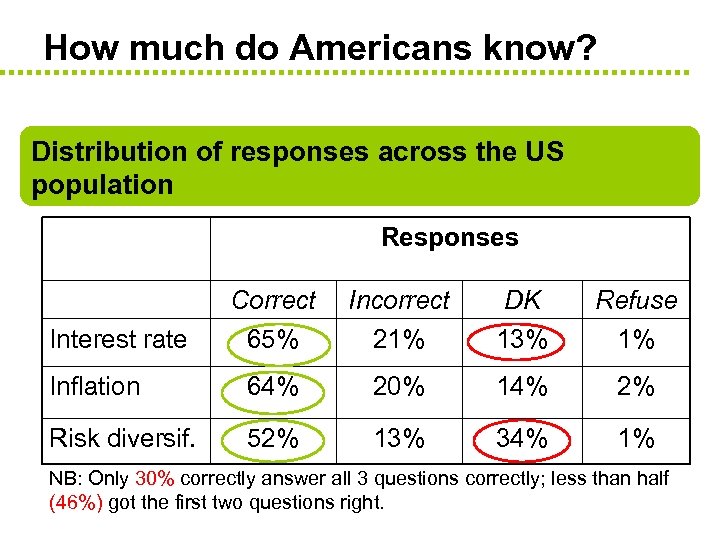
How much do Americans know? Distribution of responses across the US Distribution of Responses to Financial Literacy Questions (%) population Responses Correct 65% Incorrect 21% DK 13% Refuse 1% Inflation 64% 20% 14% 2% Risk diversif. 52% 13% 34% 1% Interest rate NB: Only 30% correctly answer all 3 questions correctly; less than half (46%) got the first two questions right.
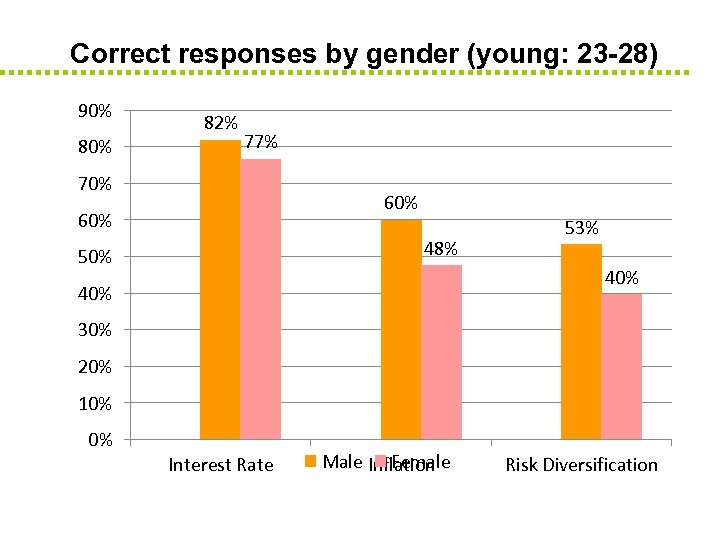
Correct responses by gender (young: 23 -28) 90% 82% 77% 70% 60% 48% 50% 53% 40% 30% 20% 10% 0% Interest Rate Male Inflation Female Risk Diversification
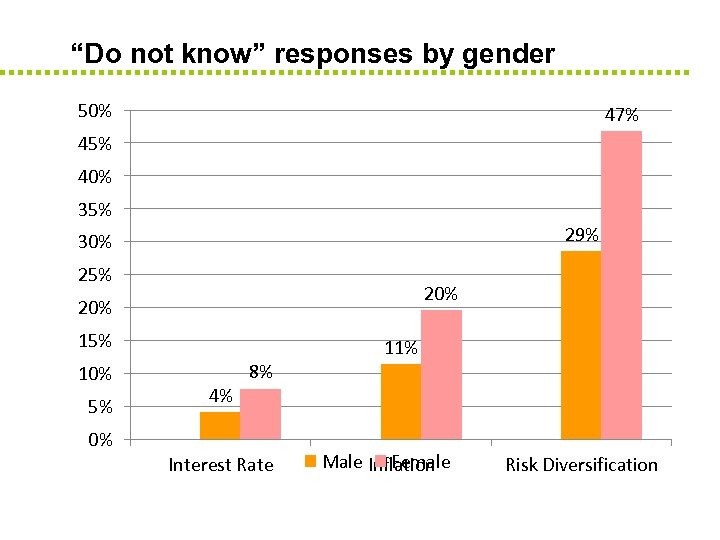
“Do not know” responses by gender 50% 47% 45% 40% 35% 29% 30% 25% 20% 15% 10% 5% 4% 8% 0% Interest Rate 11% Male Inflation Female Risk Diversification
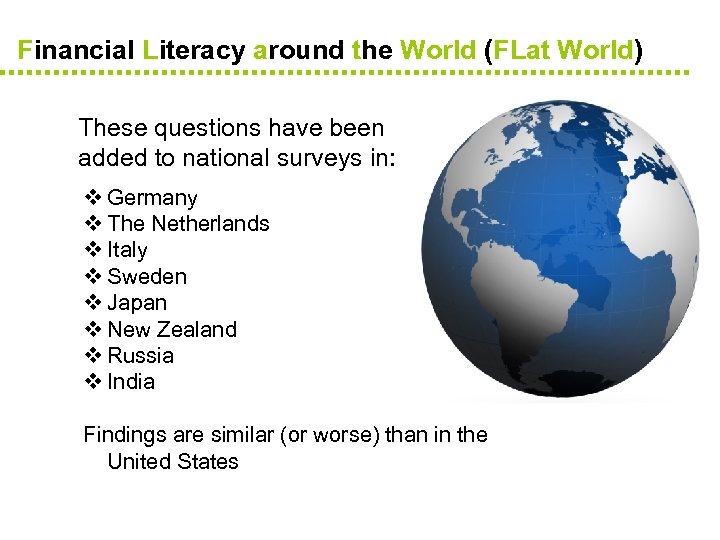
Financial Literacy around the World (FLat World) These questions have been added to national surveys in: v Germany v The Netherlands v Italy v Sweden v Japan v New Zealand v Russia v India Findings are similar (or worse) than in the United States
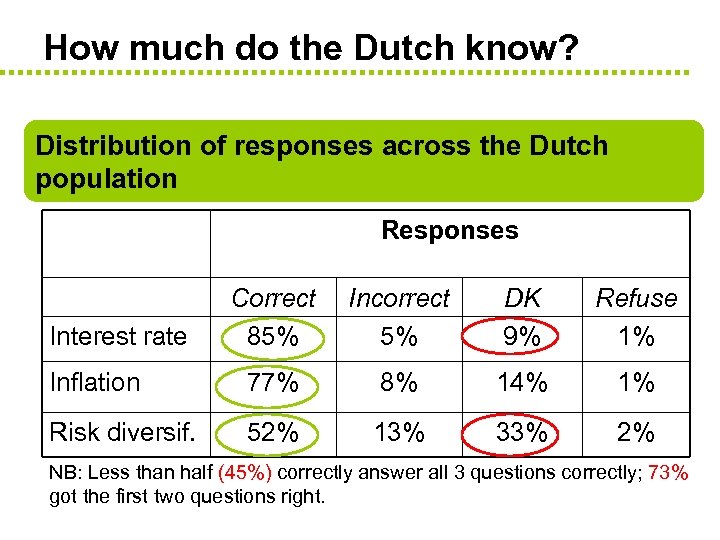
How much do the Dutch know? Distribution of responses across the Dutch Distribution of Responses to Financial Literacy Questions (%) population Responses Correct 85% Incorrect 5% DK 9% Refuse 1% Inflation 77% 8% 14% 1% Risk diversif. 52% 13% 33% 2% Interest rate NB: Less than half (45%) correctly answer all 3 questions correctly; 73% got the first two questions right.
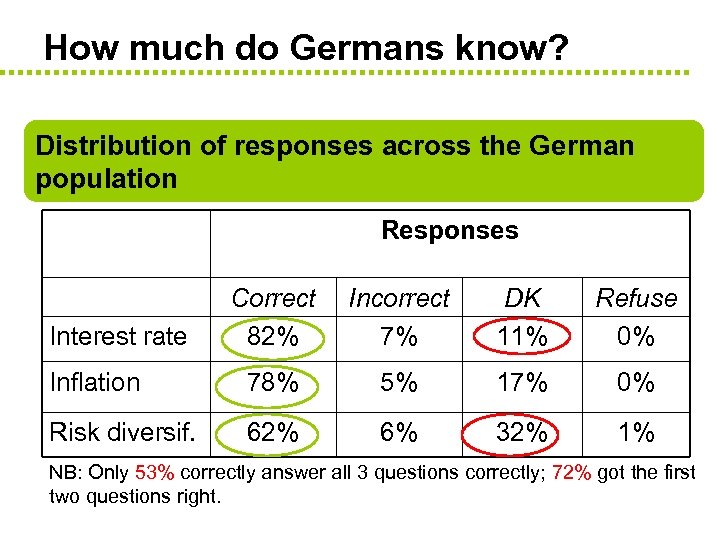
How much do Germans know? Distribution of responses across the German Distribution of Responses to Financial Literacy Questions (%) population Responses Correct 82% Incorrect 7% DK 11% Refuse 0% Inflation 78% 5% 17% 0% Risk diversif. 62% 6% 32% 1% Interest rate NB: Only 53% correctly answer all 3 questions correctly; 72% got the first two questions right.
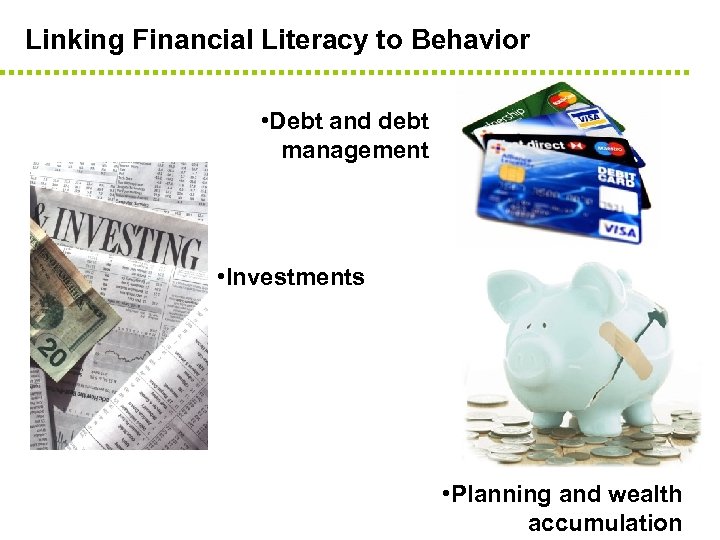
Linking Financial Literacy to Behavior • Debt and debt management • Investments • Planning and wealth accumulation
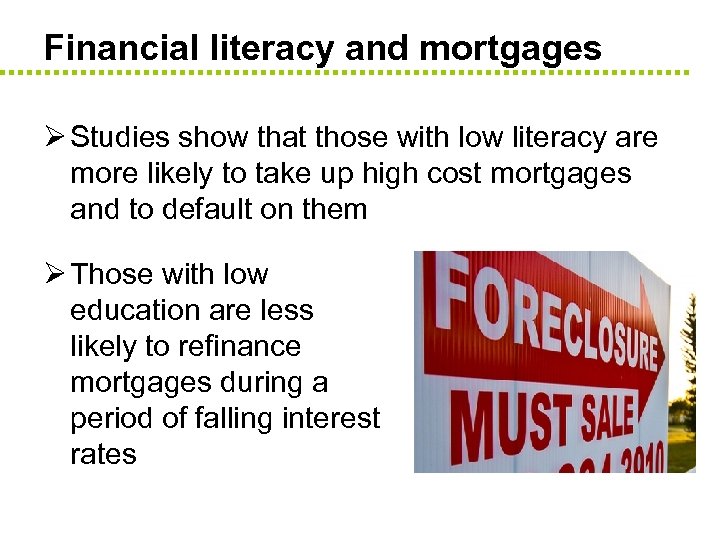
Financial literacy and mortgages Ø Studies show that those with low literacy are more likely to take up high cost mortgages and to default on them Ø Those with low education are less likely to refinance mortgages during a period of falling interest rates
Critical role of financial education Some important points Ø Many and interrelated financial decisions Ø Cannot focus on investment or asset building only Ø One size does not fit all Ø Large heterogeneity Ø Adult education Ø Different approach than teaching young students
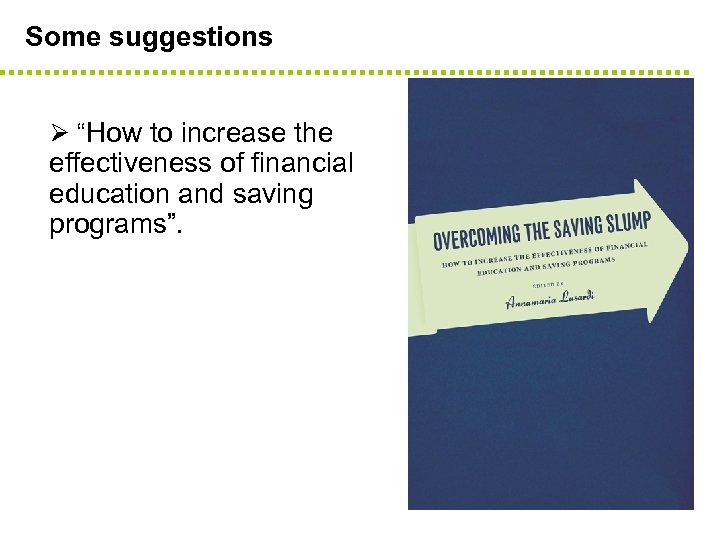
Some suggestions Ø “How to increase the effectiveness of financial education and saving programs”.
Ideal venues to provide education Where to provide financial education Ø Employer-provided financial education Ø Most people are at work Ø Financial education in school Ø Most young people are in school Ø We need education before individuals engage in financial contracts Ø Financial education by the Treasury/Central bank/Regulatory authority/SSA Ø Interest in good functioning of financial market Ø Long term horizon
Financial Literacy Center: Our guiding principles § Financial illiteracy is widespread § One size does not fit all § A step-by-step approach is needed § Evaluation is essential
How to help people in making financial decisions § The Dartmouth Project Ø Simplify financial decisions Ø Provide information when needed by individuals Ø Target specific groups Ø Use communication that does not rely on figures and numeracy
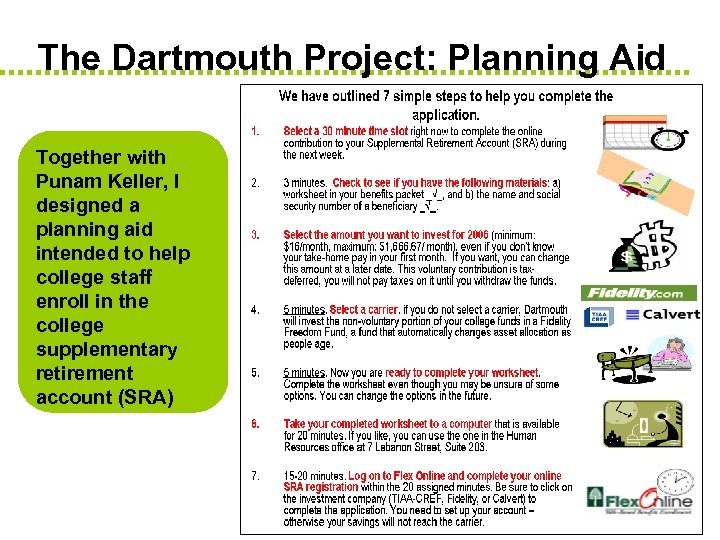
The Dartmouth Project: Planning Aid Together with Punam Keller, I designed a planning aid intended to help college staff enroll in the college supplementary retirement account (SRA)
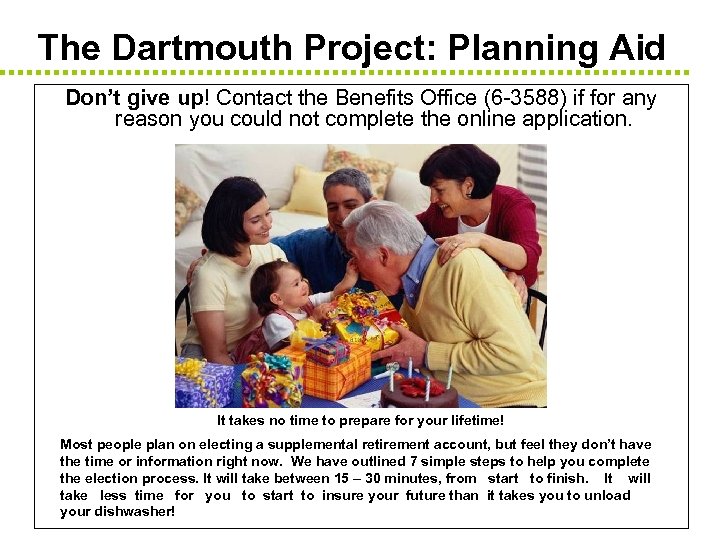
The Dartmouth Project: Planning Aid Don’t give up! Contact the Benefits Office (6 -3588) if for any reason you could not complete the online application. It takes no time to prepare for your lifetime! Most people plan on electing a supplemental retirement account, but feel they don’t have the time or information right now. We have outlined 7 simple steps to help you complete the election process. It will take between 15 – 30 minutes, from start to finish. It will take less time for you to start to insure your future than it takes you to unload your dishwasher!
In their own words : Four stories § Ron Whitcomb works in Facilities Operations & Management's Custodial Services. He has been with the College for fourteen years. Topics discussed: § Hopes for Retirement § Parents as Role Models § Why I Save § Ron's Recommendations § Planning for the Future
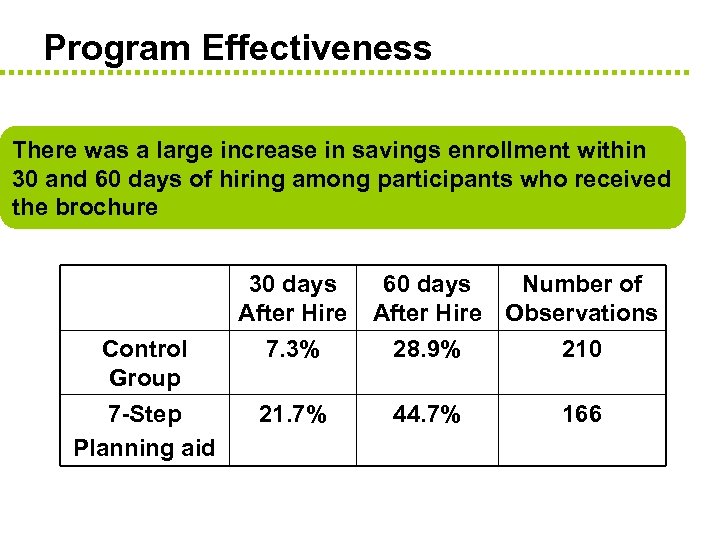
Program Effectiveness There was a large increase in savings enrollment within 30 and 60 days of hiring among participants who received the brochure Control Group 7 -Step Planning aid 30 days After Hire 7. 3% 21. 7% 60 days Number of After Hire Observations 28. 9% 210 44. 7% 166
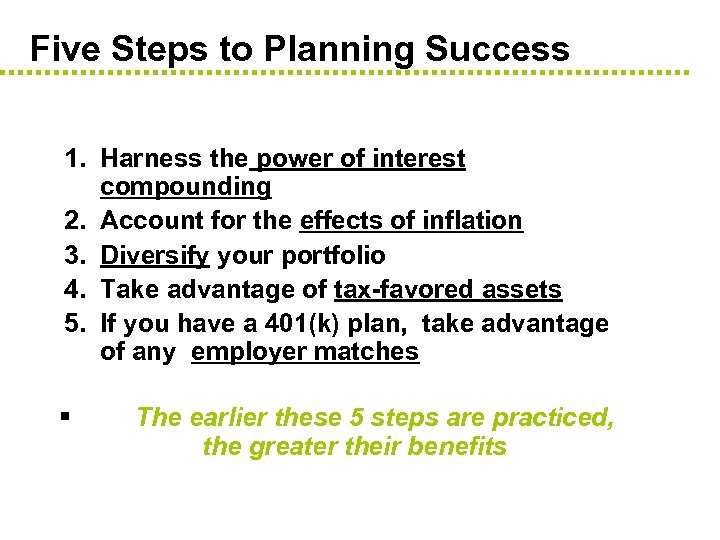
Five Steps to Planning Success 1. Harness the power of interest compounding 2. Account for the effects of inflation 3. Diversify your portfolio 4. Take advantage of tax-favored assets 5. If you have a 401(k) plan, take advantage of any employer matches § The earlier these 5 steps are practiced, the greater their benefits
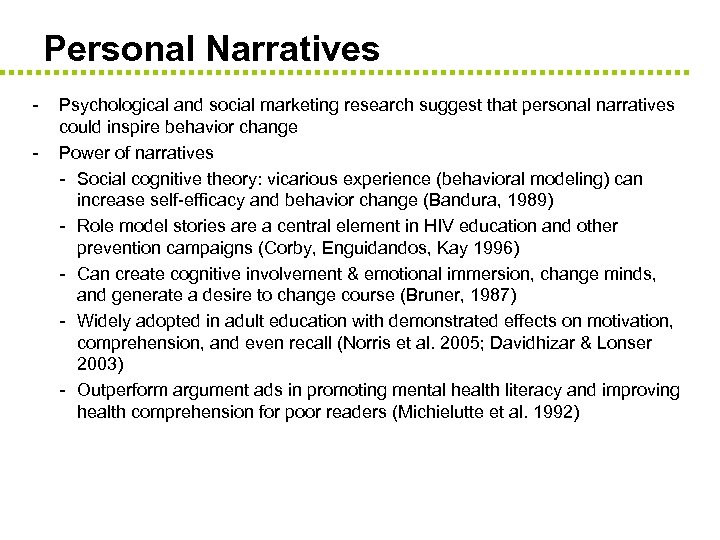
Personal Narratives - Psychological and social marketing research suggest that personal narratives could inspire behavior change Power of narratives - Social cognitive theory: vicarious experience (behavioral modeling) can increase self-efficacy and behavior change (Bandura, 1989) - Role model stories are a central element in HIV education and other prevention campaigns (Corby, Enguidandos, Kay 1996) - Can create cognitive involvement & emotional immersion, change minds, and generate a desire to change course (Bruner, 1987) - Widely adopted in adult education with demonstrated effects on motivation, comprehension, and even recall (Norris et al. 2005; Davidhizar & Lonser 2003) - Outperform argument ads in promoting mental health literacy and improving health comprehension for poor readers (Michielutte et al. 1992)
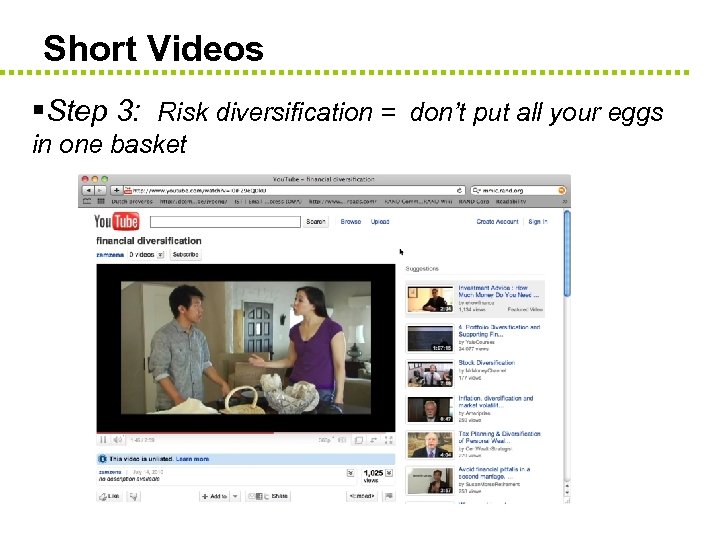
Short Videos §Step 3: Risk diversification = don’t put all your eggs in one basket
Evaluation • Tested interventions using American Life Panel • Baseline quiz on 5 steps • Randomly assigned - Intervention group ü 2 steps as video only, 2 narratives only, 1 video & narrative - Control group ü No intervention • Repeated 5 steps quiz
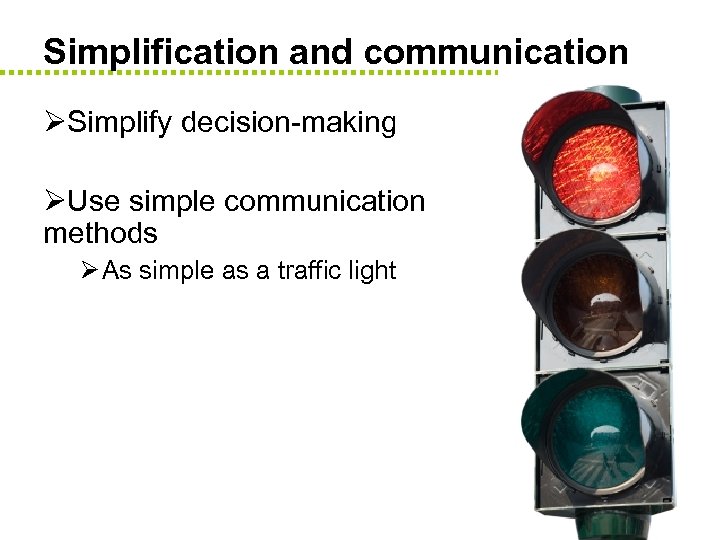
Simplification and communication ØSimplify decision-making ØUse simple communication methods Ø As simple as a traffic light
Financial education in school ØSurveys show that the small proportion of young people who are financially knowledgeable are Ø Male Ø White Ø From college educated families ØU. S. Financial Literacy Challenge: Ø Test to measure financial knowledge in participating schools ØProgramme for International Student Assessment (PISA) Ø Measure financial literacy among 15 -years old in 19 countries in 2012
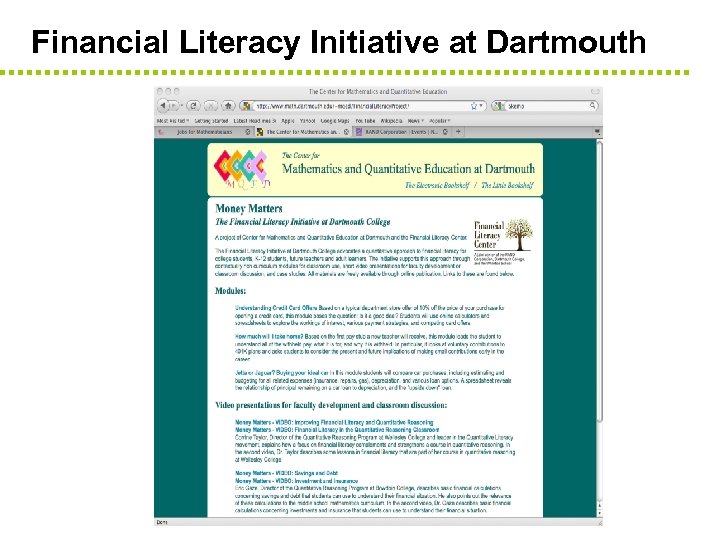
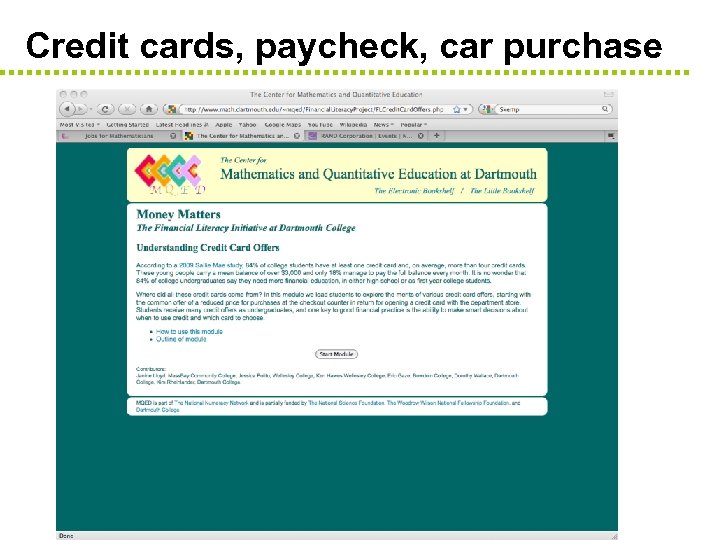
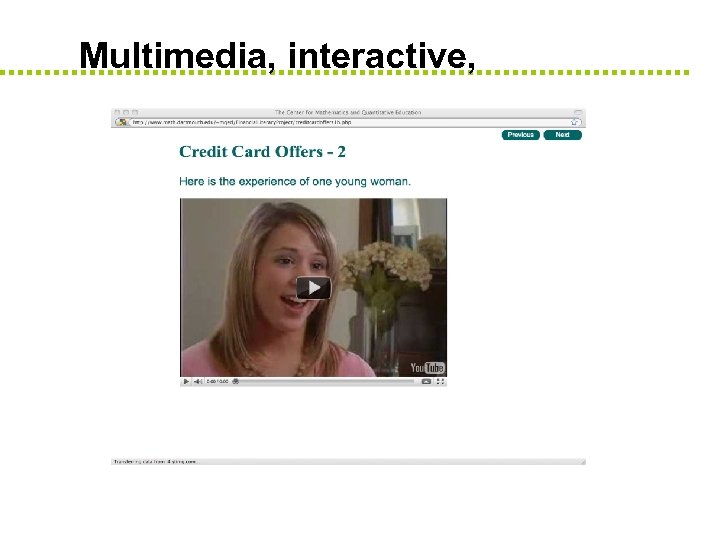
Financial Literacy Initiative at Dartmouth
Credit cards, paycheck, car purchase
Multimedia, interactive,
Other online videos For faculty development and discussion § Improving Financial Literacy and Quantitative Reasoning § Financial Literacy in the Quantitative Reasoning Classroom § Savings and Debt § Investment and Insurance § Good Car/Bad Car § Risky Car Deal § A Little Today
More on financial education ØLink financial education to other programs Ø Entrepreneurship ØTake into consideration different ways of learning Ø Videogames ØBe realistic about outcomes Ø A one-time lecture does not transform individuals into “investment wizards”
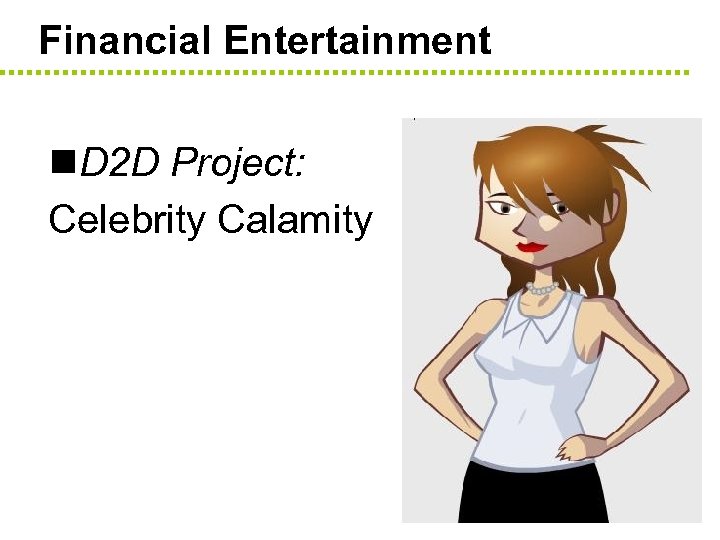
Financial Entertainment n. D 2 D Project: Celebrity Calamity
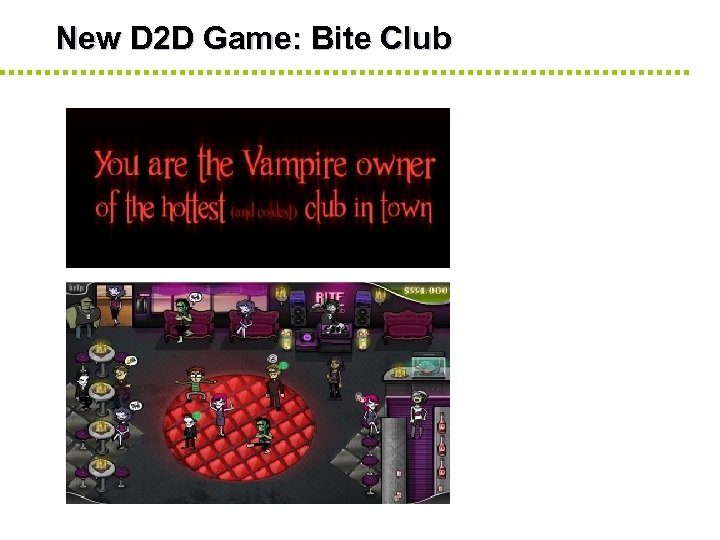
New D 2 D Game: Bite Club
Learning from other countries Financial literacy web-site: A reliable, independent, and expert source of information § Example: New Zealand’s Sorted http: //www. sorted. org. nz/ § New web site in the US: mymoney. gov http: //www. mymoney. gov/
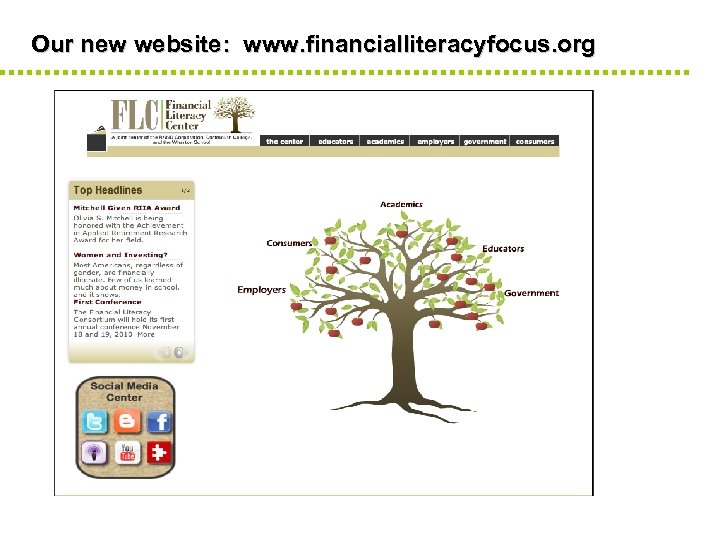
Our new website: www. financialliteracyfocus. org
Concluding comments Financial literacy is a necessary skill, like reading and writing Ø Need to equip individual with tools to make decisions - Individuals make many financial decisions and these decisions are interrelated Ø Costs of financial illiteracy at both the individual and macro level
Скачать презентацию Presentation to the World Bank The Great Risk
e5ae1989e3a48dacd4ce60f867af351a.ppt