


 Скачать презентацию PRESENT FUTURE IT TECHNOLOGIES THEIR USEFULNESS
5b45ac381aeb6ddf4bdaf492b1e4554a.ppt
- Количество слайдов: 50
 PRESENT & FUTURE IT TECHNOLOGIES & THEIR USEFULNESS FOR NATIONAL DEVELOPMENT Dr. B. Y. Baha, B. Tech, M. Sc, Ph. D. , MCPN Ag. Dean Faculty of Science, Taraba State University, Jalingo 1
 INTRODUCTION n n Development is critical and essential to the sustenance and growth of any nation, it embodies all attempts to improve the conditions of human existence in all ramifications - improvement in material well-being of all citizens - not the most powerful and the rich alone, it demands that poverty and inequality of access to good things of life be remove or drastically reduced. Isiugo-Abanibe et al. (2002) in Joseph (2014) stated that development is not just a matter of getting more money into the hands of the poor, but ensuring increased production, and its resulting increased income, leads to an improved standard of living. 2
 INTRODUCTION cont`d The problem of development in Nigeria does not resume from lack of competent personnel or absence of adequate financial resources, rather it is more associated with dishonesty and the quest for personal gain on the part of the policy makers and the implementers of the programme (Joseph, 2014). n Thus, National Development can be described as the overall development or collective socio-economic, political as well as religious advancement of a county or nation (Lawal & Oluwatoyin, 2011). n 3
 INTRODUCTION cont`d The present advancement in IT technologies has made things very easy to facilitate eradication of key indicators of National Development: Inequality, Unemployment & poverty (Joseph, 2014). Thus, strong leadership commitment with present advancement in IT technologies could help to minimize corruption, provide a secured environment that guarantees the well-being and productivity of the people, optimizes the key sources of economic growth and fosters sustainable social and economic development. Which is National Development. 4
 POVERTY Poverty, according to the central Bank of Nigeria (2003) is a state in which an individual - is not able to care adequately for his or her basic needs of food, clothing and shelter - is unable to obtain adequate income, find stable job, acquire property or maintain healthy living conditions. 5
 POVERTY cont`d n. The World Bank Report (2008) goes beyond the view of income level, in its definition; poverty includes powerlessness, voicelessness, vulnerability and fear. It should seen as the deprivation of basic capabilities and lack of access to education, health, national resources, employment, land credit, political participation, services and infrastructure. n. In a broader definition, poverty is seen as being deprived of the information needed to participate in wider society at local, national and global levels (Harris, 2002). 6
 POVERTY cont`d 7
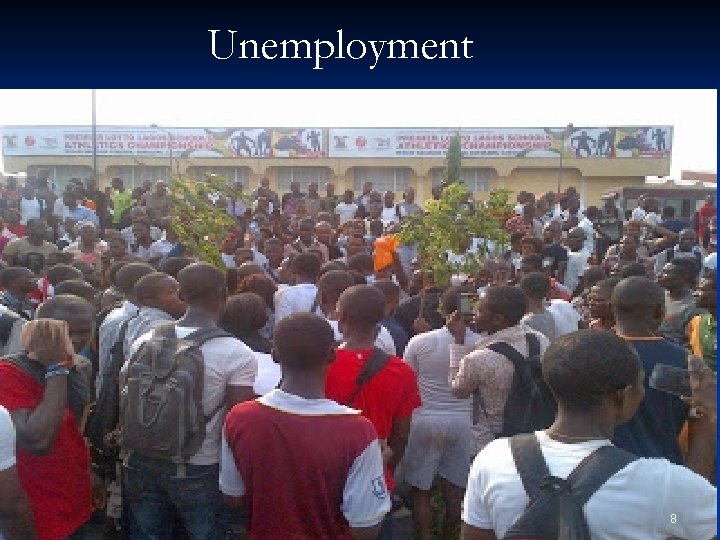 Unemployment 8
 Unemployment 9
 Unemployment uprising 10
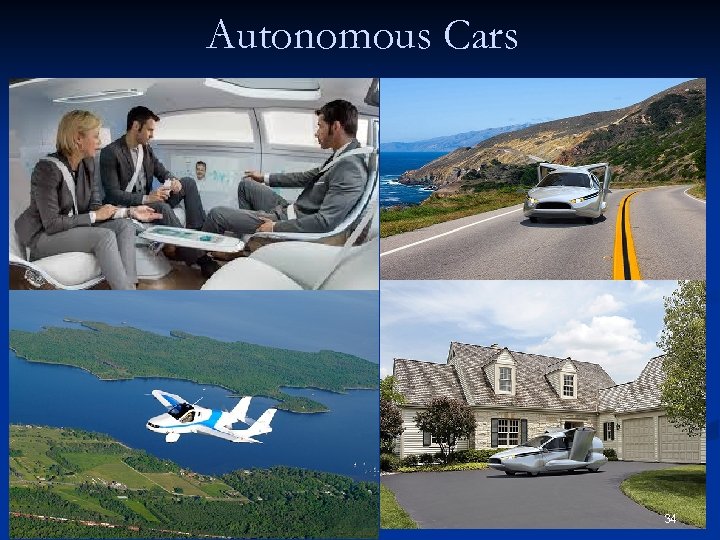
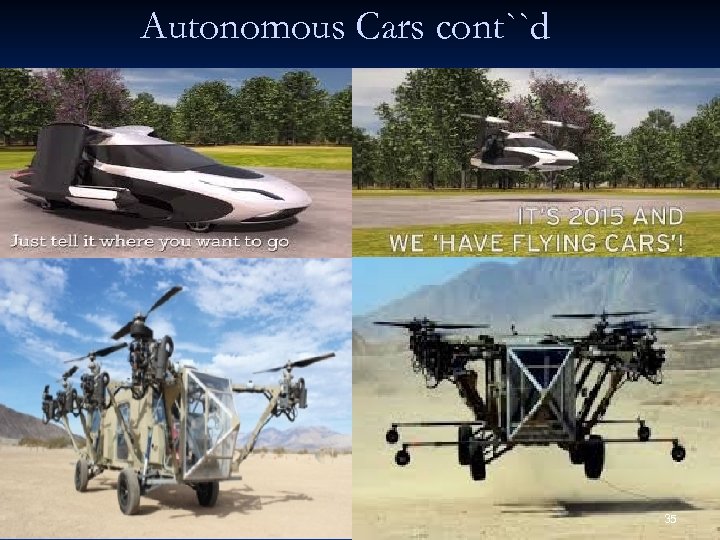
 What are the present information technologies? The present IT technologies that shapes our live, among others, include: - Internet, Smartphones and Media (ISM) - Autonomous Cars - Eye-Tracking / Voice Commands - Sensors 11
 ISM n n n ISM have helped in improving market integration and the free flow of information about supply of and demand for goods, which has removed inefficiencies in market, thereby increasing incomes to minimise poverty and inequality between rich and poor. Mobile phones and Internet increase the opportunities to reach remote location and the much wider population base, including those with low level income and literacy in order to acquire knowledge, share information, transact business, and receive services. It also provides free information, reduces the costs of divulgation, facilitates rapid interactive communication, facilitates the exchange of huge volumes of data, facilitates the establishment of professional contact, no barriers to divulgation, facilitates access to different sources of information - which is continuously up-dated, facilitates 12 management of companies’ information system.
 - - - ISM The media chart a course for the public in line with the agenda setting theory, thereby creating in the minds of the people, issues that should be viewed as priority such as development programmes and policies (Nwabueze, 2005). Inuwa (2007) stated how disseminated policies of the millennium goal that touches on different aspects of health, education, children and women and the likes. He further outlined other related issues include wars, famine, women and children health and rights as well as democratization activities receive prominence and greater attention from the media. 13
 ISM - Formation of attitude through establishing of values for the society or nation and thereby building a climate of change in the society or nation; protection of Social Justice; discouraging negative issues such as ethnicity, dictatorship in leadership like the military rule and of course discourage embezzlement of public funds, as it is the disturbing trend presently indulged by politicians occupying positions of responsibilities and related public officers in Nigeria. Others are informing people about development projects and programmes and offering solutions to problems 14
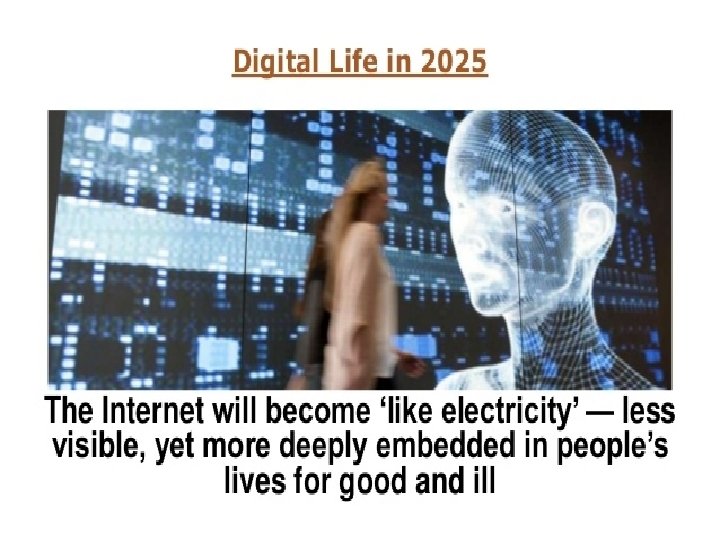
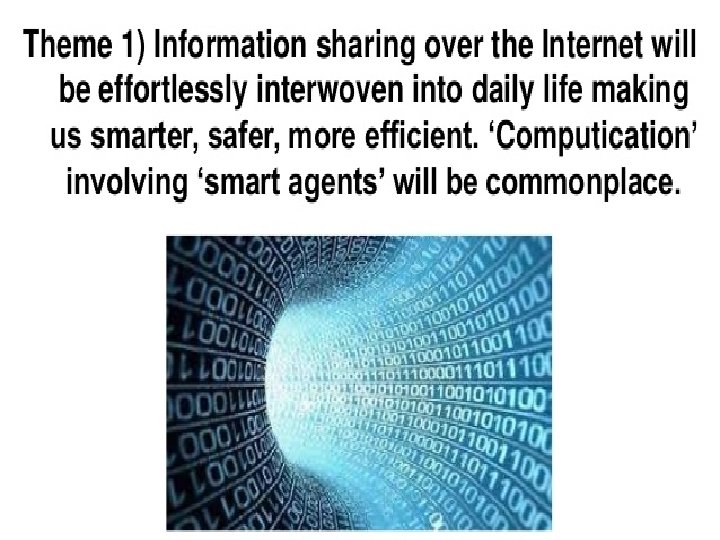
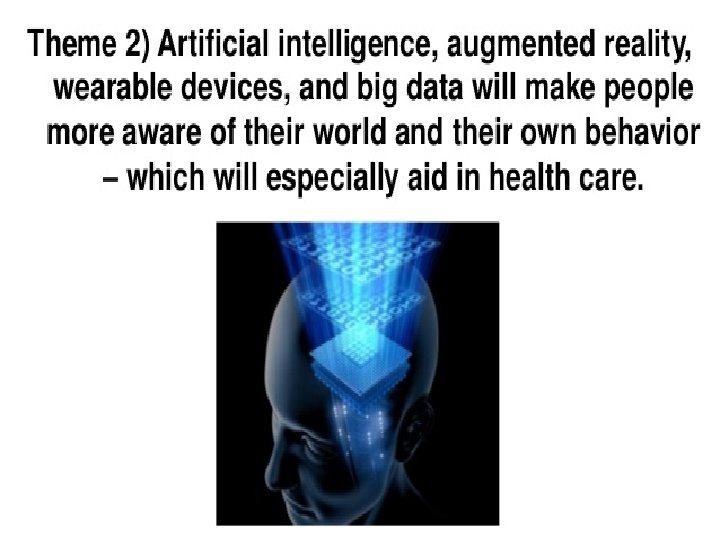
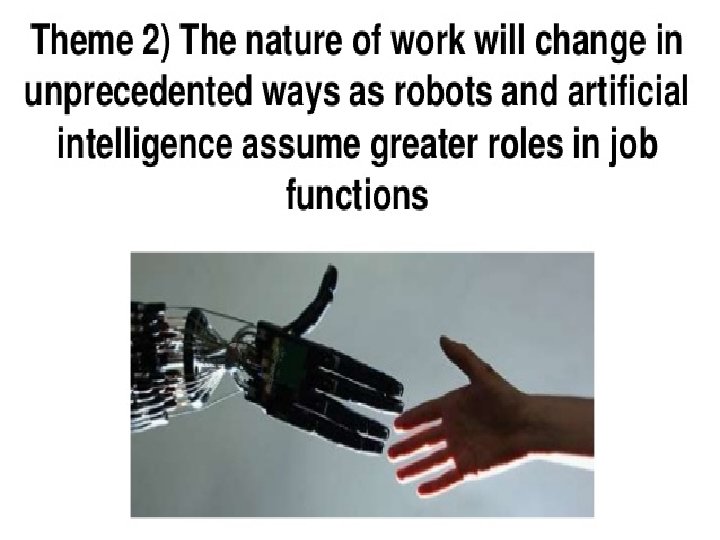
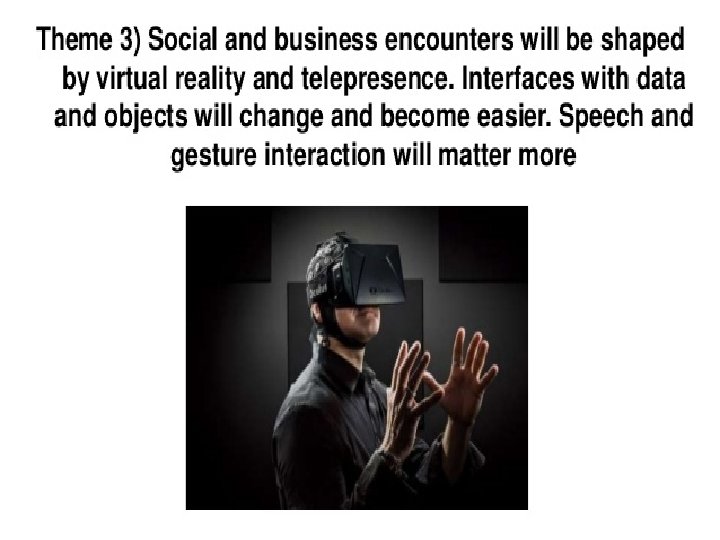
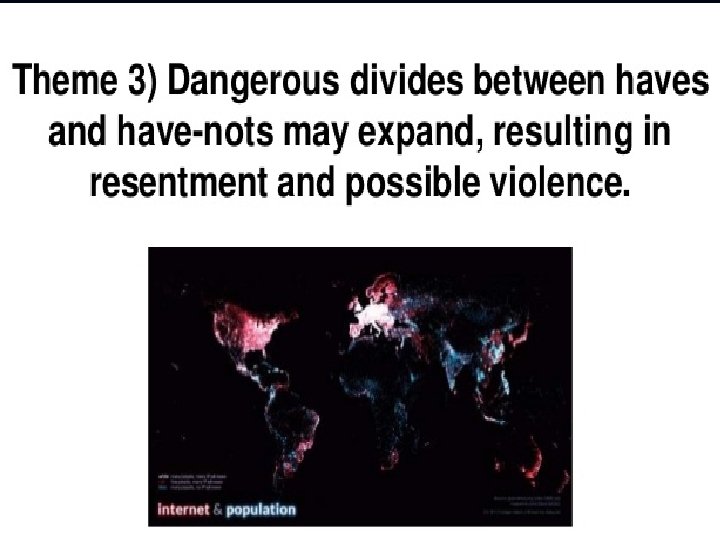
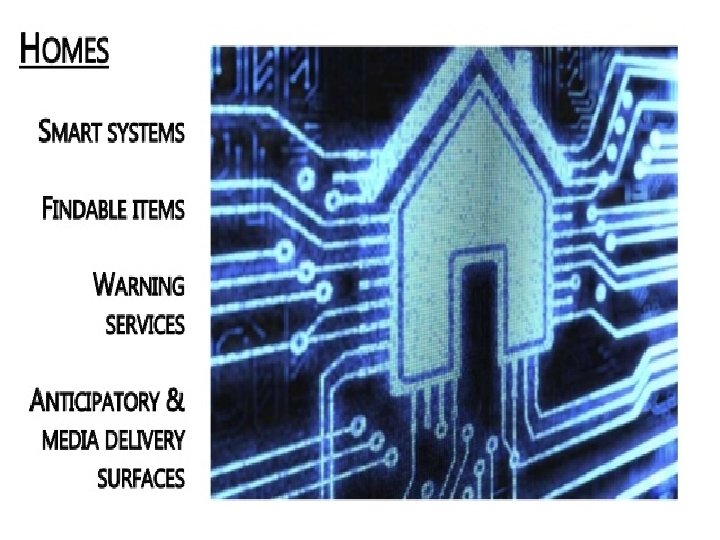
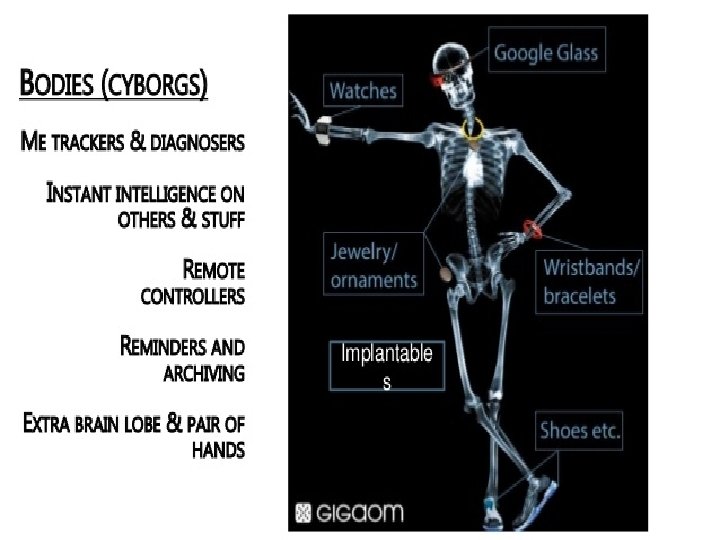
 What are the future technologies? We have seen great leaps in IT technologies but believe it or not, we are just getting started. Technology will get even better. In the future, we could live like how people in science fiction movies did. Get ready to control the desktop with your eyes. Get ready to print your own creative physical product. Get ready to dive into the virtual world, and interact with them. Reine (2016) outlined the how of future technologies as: 15
 16
16
 17
17
 18
18
 19
19
 20
20
 21
21
 22
22
 23
23
 24
24
 25
25
 26
26
 27
27
 28
28
 29
29
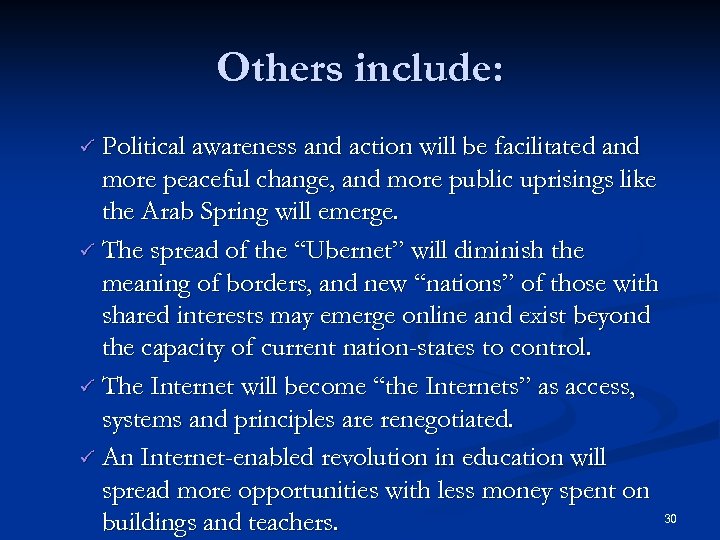 Others include: Political awareness and action will be facilitated and more peaceful change, and more public uprisings like the Arab Spring will emerge. ü The spread of the “Ubernet” will diminish the meaning of borders, and new “nations” of those with shared interests may emerge online and exist beyond the capacity of current nation-states to control. ü The Internet will become “the Internets” as access, systems and principles are renegotiated. ü An Internet-enabled revolution in education will spread more opportunities with less money spent on 30 buildings and teachers. ü
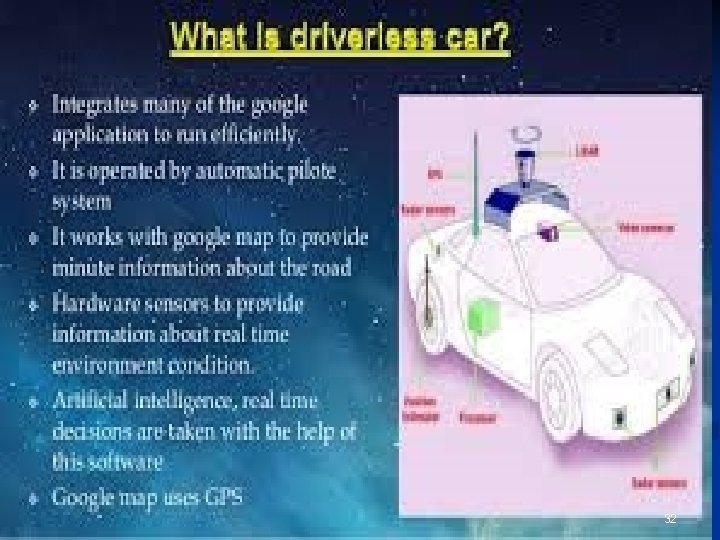
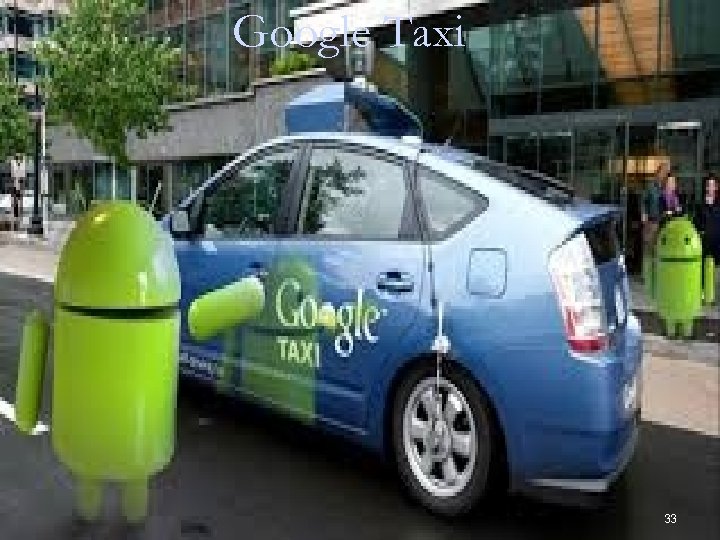
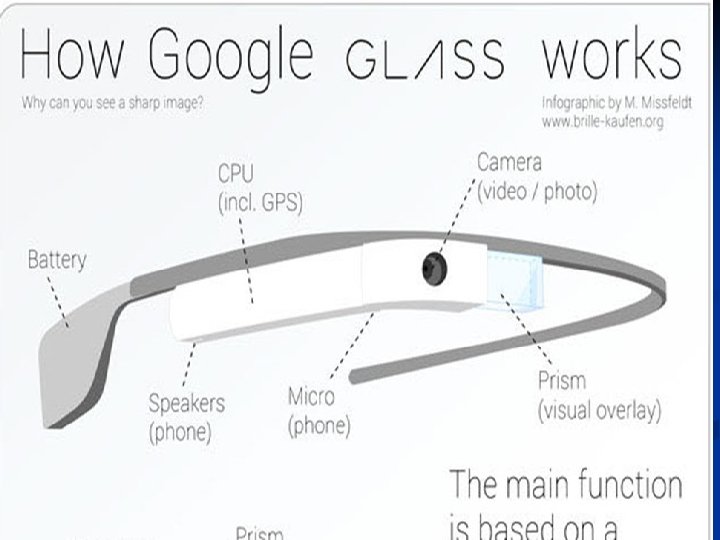
 What are the future technologies? n The technologies we are likely to have turn the economies of most nations around include: Google glass, Leap Motion, Eye tribe, Smart. Things, Firefox OS, Parallella, Google Driverless Car 31
 32
32
 Google Taxi 33
 Autonomous Cars 34
 Autonomous Cars cont``d 35
 36
36
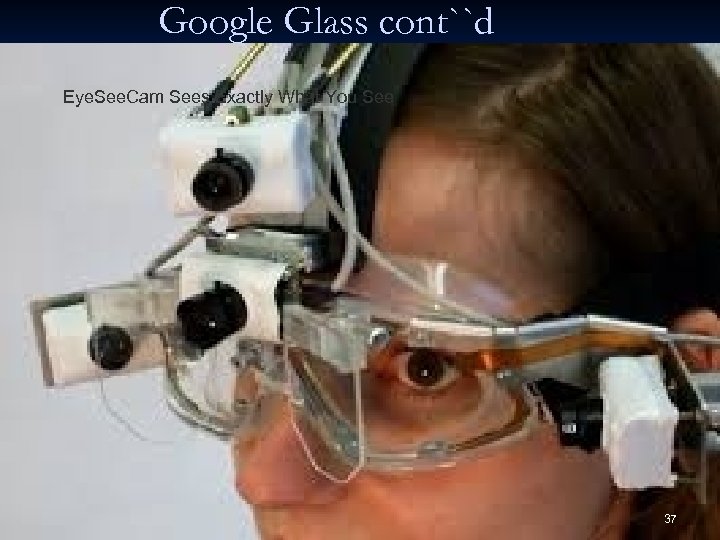 Google Glass cont``d Eye. See. Cam Sees Exactly What You See 37
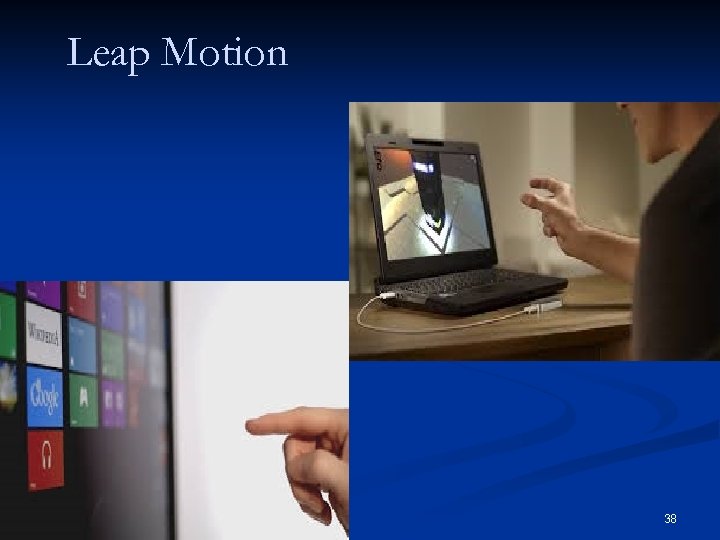 Leap Motion 38
 Usefulness of present and future technologies n The future information technologies will bring about unprecedented opportunity to boost investments and spur regional integration to end poverty and bring employment opportunities within the nation. This is because they can potentially serve as a tool for economic development in Africa and Nigeria in particular. 39
 Usefulness of present and future technologies n The usefulness of these technologies are summarized below; 1. Collecting and managing data 2. Analysing and interpreting data 3. Disseminating results 40
 THE SOURCE OF CHALLENGES IN INFORMATION TECHNOLOGY ADOPTION n Government Policy - Poor policies and insufficient investments in the IT sector Governments are to provide strategic policy framework for the acquisition and use of IT for social and economic growth. Most developing countries have ineffective IT policies and this has created problems in the growth and application of IT. Nigeria must invest in IT infrastructures, which requires regular, consistent and predictable source of funding – not just a one-time infusion of budget to lay-cables. - - - 41
 n Infrastructure - IT infrastructure consists of computers, software and all components of telecommunication systems necessary to facilitate efficient data transfer and management It also includes IT experts to design, install, maintain and fix systems, and skilled IT personnel to operate the system efficiently Poor Basic Information Technology infrastructure is the major cause of stagnation to the development of Information Technology in African and other developing countries The essential infrastructure and networks to facilitate IT transfer, implementation and development is lacking in developing countries. This has made the accessibility to affordable telecommunication, computer and Internet difficult. Basic national IT infrastructure which is accessible to the people and connected to the world is of utmost importance in any country, and should be effectively integrated into the socio-economic and business life of the country. The erratic supply of electric power make IT adoption a challenge - - - 42
 n Training and Qualification - Broad IT training that is offered by the universities should prepare the graduates to meet with industry needs. IT professionals are expected to be produced through the process of education, training, experience and continuing education. In Nigeria, IT education takes place in the universities and polytechnics. Universities need to integrate IT certification courses in their curricula in order to help prepare students who want to be IT certified. This is not usually the case. University faculty need to see IT certification as meeting vocational needs rather than academic need. Changing this perception would necessarily entail pressure from governments and a prevalence of information and 43 communication - - -
 Conclusion n The speed at which new technologies emerges within scientific and citizen-science communities is largely dependent on widespread adoption of the current technologies. I encourage managers of current and future programs to think critically about current technology adoption and to be open to experimenting and exploiting new technologies as they emerge. 44
 Conclusion Cont’d n - - - For effective and sustainable national development, it is recommended that: Appropriate technologies be chosen accordingly Evaluate new technologies with make-versus-buy and cost –benefit analyses, paying particular attention to reliability Adopt well-established, well-documented, and wellsupported technologies Consider interoperable, customizable, open-source solutions where possible and follow best practices and use standardized data-collection and data-management protocols where available. 45
 Reference n n n Alan, O. (2014), “Automated Cars May Boost Fuel Use, Toyota Scientist Says, ” Bloomberg Press, 16 July 2014 (www. bloomberg. com); at www. bloomberg. com/news/2014 -07 -16/automated-cars-may-boostfuel-usetoyota-scientist-says. html. Bassily, D. , Georgoulas, C. , Guettler, J. , Linner, T. , & Bock, T. (2014, June). Intuitive and adaptive robotic arm manipulation using the leap motion controller. In ISR/Robotik 2014; 41 st International Symposium on Robotics; Proceedings of (pp. 1 -7). VDE. Brandon Schoettle and Michael Sivak (2015), A Survey Of Public Opinion About Autonomous And Self. Driving Vehicles In The U. S. , The U. K. , And Australia, Report UMTRI-2014 -21, Transportation Research Institute, University of Michigan (www. umich. edu/~umtriswt). Brian Fung (2015), “Driverless Cars Are Getting Into Accidents, But The Police Reports Are Not Being Made Public, ” Washington Post (www. washingtonpost. com); at http: //wapo. st/1 Hb. LHx 9. Burkhard Bilger (2013), “Auto Correct: Has The Self-Driving Car At Last Arrived, ” New Yorker, 25 November 2013; at www. newyorker. com/reporting/2013/11/25/131125 fa_fact_bilger. Chang H. and Chuang S. (2011). Social capital and individual motivations on knowledge sharing: participant involvement as a moderator. Inf Manag 48 : 9– 18. Chiu C. M , Hsu M. H , and Wang E. T. G. (2006). Understanding knowledge sharing in virtual communities: an integration of social capital and social cognitive theories. Decis Support Syst 42 : 1872– 88. Clery D. (2011). Galaxy Zoo volunteers share pain and glory of research. Science 333 : 173– 75. Cooper S. , Khatib F. , and Treuille A. , (2010). Predicting protein structures with a multiplayer online game. Nature 466 : 756– 60. Cuff, D , Hansen, M , and Kang, J. (2008). Urban sensing: out of the woods. Commun ACM 51: 24– 33. Daniel J. Fagnant and Kara M. Kockelman (2013), Preparing a Nation for Autonomous Vehicles: Opportunities, Barriers and Policy Recommendations, Eno Foundation (www. enotrans. org); at www. enotrans. org/wp-content/uploads/wpsc/downloadables/AV-paper. pdf. Fehr & Peers (2014), Effects of Next-Generation Vehicles on Travel Demand & Highway Capacity, Fehr and Peers (www. fehrandpeers. com); at www. fehrandpeers. com/fpthink/nextgenerationvehicles. 46 Danielsen, F. , Burgess, N. D. , Jensen, P. M. , and Pirhofer-Walzl, K. (2010). Environmental monitoring: the
 Reference n n n n Friedlander, S. (2013). U. S. Patent Application No. 13/735, 898. Gerla, M. , Lee, E. K. , Pau, G. , & Lee, U. (2014, March). Internet of vehicles: From intelligent grid to autonomous cars and vehicular clouds. In Internet of Things (WF-Io. T), 2014 IEEE World Forum on (pp. 241 -246). IEEE. Gboyega, A. (2003). Democracy and Development. The imperative of Local Governance. An Inaugural Lecture, Universityof Ibadan, 6 -7 Grorud-Colvert, K. , Lester, S. E. , and Airame, S. , (2010) Communicating marine reserve science to diverse audiences. P Natl Acad Sci USA 107 : 18306– 11. Guizzo, E. (2011). How google’s self-driving car works. IEEE Spectrum Online, October, 18. Hoffmann, R. (2008) A wiki for the life sciences where authorship matters. Nat Genet 40 : 1047– 51. Joseph, O. (2014). National Development Strategies: Challenges and Options. International Journal of Humanities and social Science Invention, Vol. 3 (4), 51 – 58. www. ijhssi. org Kim, J. , Lee, E. , Thomas, T. , and Dombrowski, C. 2009. Storytelling in new media: the case of alternate reality games 2001– 2009. First Monday 14; www. firstmonday. org/htbin/cgiwrap/bin/ojs/index. php/fm/article/view. Article/2484/2199 Kelling, S. , Hochachka, W. M. , and Fink, D. (2009). Data-intensive science: a new paradigm for biodiversity studies. Bio. Science 59 : 613– 20. KPMG (2012), Self-Driving Cars: The Next Revolution, KPMG and the Center for Automotive Research; at www. kpmg. com/Ca/en/Issues. And. Insights/Articles. Publications/Documents/self-driving-carsnextrevolution. pdf. Kuo Y-S , Verma S , Schmid T , and Dutta P. 2010. Hijacking power and bandwidth from the mobile phone's audio interface. In: DEV'10: Proceedings of the First Annual Symposium on Computing for Development. London, UK: DEV'10; doi: 10. 1145/1926180. 1926210. Lawal, T. and Oluwatoyin, A. (2011). National Development in Nigeria: Issues, Challenges and Prospects. Journal of Public Administration and Policy Research, Vol 3(9), 237 -241. www. academicjournals. org/jpapr 47 Litman, T. (2014). Autonomous Vehicle Implementation Predictions. Victoria Transport Policy Institute, 28.
 Reference n n n Majaranta, P. , & Bulling, A. (2014). Eye tracking and eye-based human–computer interaction. In Advances in Physiological Computing (pp. 39 -65). Springer London. Mauch, V. , Kunze, M. , & Hillenbrand, M. (2013). High performance cloud computing. Future Generation Computer Systems, 29(6), 1408 -1416. Muensterer, O. J. , Lacher, M. , Zoeller, C. , Bronstein, M. , & Kübler, J. (2014). Google Glass in pediatric surgery: an exploratory study. International Journal of Surgery, 12(4), 281 -289. Newman, G. , Wiggins, A. , Crall, A. , Graham, E. , Newman, S. , & Crowston, K. (2012). The future of citizen science: emerging technologies and shifting paradigms. Frontiers in Ecology and the Environment, 10(6), 298 -304. Pasupa, K. , Chatkamjuncharoen, P. , Wuttilertdeshar, C. , & Sugimoto, M. (2015). Using Image Features and Eye Tracking Device to Predict Human Emotions Towards Abstract Images. In Image and Video Technology (pp. 419 -430). Springer International Publishing. Potter, L. E. , Araullo, J. , & Carter, L. (2013, November). The leap motion controller: a view on sign language. In Proceedings of the 25 th Australian computer-human interaction conference: augmentation, application, innovation, collaboration (pp. 175 -178). ACM. Varlamis, I. , & Apostolakis, I. (2006). The present and future of standards for e-learning technologies. Interdisciplinary Journal of Knowledge and Learning Objects, 2(2), 59 -76. Varshney, U. (2012). 4 G wireless networks. IT Professional, (5), 34 -39. Waldrop M. 2008. Big data: wikiomics. Nature 455 : 22– 25. Willett, W. , Aoki, P. , and Kumar, N. (2010). Common sense community: scaffolding mobile sensing and analysis for novice users. Lect Notes Comput Sc May: 301– 18. William Ecenbarger (2009), “Buckle Up Your Seatbelt and Behave, ” Smithsonian Magazine (www. smithsonianmag. com); at www. smithsonianmag. com/science-nature/Presence-of-Mind-Buckle-Up. And. Behave. html. 48 Wobbrock, J. O. (2006). The future of mobile device research in HCI. In: Proceedings of the CHI workshop on
 Reference n n n n n York J and Pendharkar PC. 2004. Human–computer interaction issues for mobile computing in a variable work context. Int J Hum-Comput St. 60: 771– 97 Cowen, T. (2014). How Technology could fight income inequality, Economic View, The New York Times. http: //www. nytimes. com/2014/12/07/upshot/how-technology-could-help-fight-incomeinequality. html? _r=0 Era Dabla-Norris, Kalpana Kochhar, Nujin Suphaphiphat, Frantisek Ricka, Evridiki Tsounta (2015). Causes and Consequences of Income Inequality: A Global Perspective INTERNATIONAL MONETARY FUND Strategy, Policy, and Review Department https: //www. imf. org/external/pubs/ft/sdn/2015/sdn 1513. pdf Ogunsoa, L. A. (2005). Information and Communication Technologies and the Effects of Globalization: Twenty-First Century "Digital Slavery" for Developing Countries--Myth or Reality? Electroni Journal of Academic and Specil Librarianship, Vol. 6 (1 -2). Hezekiah Oluwasanmi Library, Obafemi Awolowo University Ile - Ife, Nigeria http: //southernlibrarianship. icaap. org/content/v 06 n 01/ogunsola_l 01. htm Bowora, J and Chazovachii, B. (2010). The Role of Information and Communication Technologies in Poverty Reduction in Zimbabwe: An Analysis of the Urban Poor in Harare. International Journal of Politics and Good Governance Volume 1, No. 1. 3 Quarter III 2010 ISSN No. 0976 – 1195 1 Mnubi-Mchombu, C. and Jotham, K. (2014). The Role of Information and Knowledge in Poverty Eradication in Africa: a case study of Namibia. Human Rights & Documentation Centre, Faculty of Law, University of Namibia, Windhoek, Namibia cmchombu@unam. na Saugata, B. , and Masud, R. R. (2007). Implementing E-Governance Using OECD Model(Modified) and Gartner Model (Modified) Upon Agriculture of Bangladesh. IEEE. 1 -4244 -1551 -9/07. Garson, D. G. (2006). Public Information Technology and E-Governance. Sudbury, MA: Jones and Bartlett Publishers. Inuwa, I. M. (2007). Role of the Media in National Development. A paper presented at a workshop on the event of 27 th Youth Leadership Programme Organized by LEAP Africa, on Tuesday July 24, 2007 (2: 45 - 49 4: 15), at the British Council, Kano, Nigeria.
 THANK YOU FOR LISTENING 50