


 Скачать презентацию Preliminary Estimation of Annual Gas Flaring Volumes in
401f02aadcfb4ca9fbe60d5ef683e2f7.ppt
- Количество слайдов: 32
 Preliminary Estimation of Annual Gas Flaring Volumes in South and East Asia Chris Elvidge NOAA – National Geophysical Data Center 325 Broadway, E/GC 2 Boulder, Colorado 80305, U. S. A Email: chris. elvidge@noaa. gov K. E. Baugh, B. T. Tuttle, A. T. Howard and P. J. Hayes University of Colorado – CIRES 325 Broadway E/GC 2 Boulder, Colorado 80305, U. S. A E. H. Erwin NOAA – National Geophysical Data Center 325 Broadway, E/GC 2 Boulder, Colorado 80305, U. S. A April 26, 2006
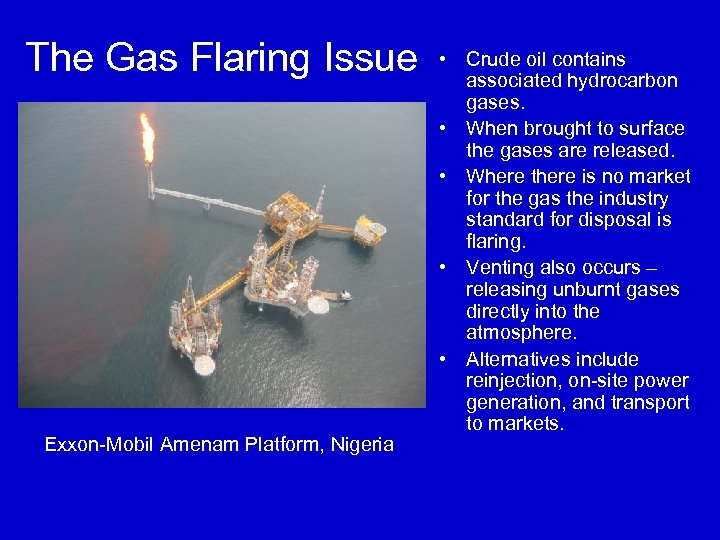 The Gas Flaring Issue Exxon-Mobil Amenam Platform, Nigeria • Crude oil contains associated hydrocarbon gases. • When brought to surface the gases are released. • Where there is no market for the gas the industry standard for disposal is flaring. • Venting also occurs – releasing unburnt gases directly into the atmosphere. • Alternatives include reinjection, on-site power generation, and transport to markets.
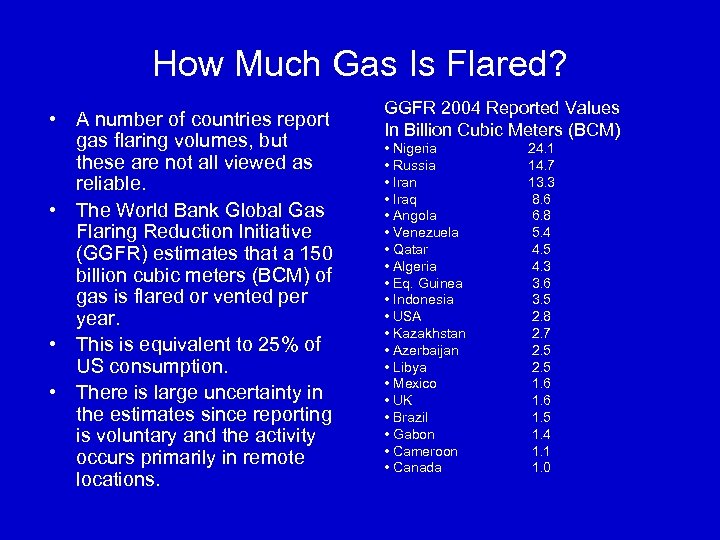 How Much Gas Is Flared? • A number of countries report gas flaring volumes, but these are not all viewed as reliable. • The World Bank Global Gas Flaring Reduction Initiative (GGFR) estimates that a 150 billion cubic meters (BCM) of gas is flared or vented per year. • This is equivalent to 25% of US consumption. • There is large uncertainty in the estimates since reporting is voluntary and the activity occurs primarily in remote locations. GGFR 2004 Reported Values In Billion Cubic Meters (BCM) • Nigeria • Russia • Iran • Iraq • Angola • Venezuela • Qatar • Algeria • Eq. Guinea • Indonesia • USA • Kazakhstan • Azerbaijan • Libya • Mexico • UK • Brazil • Gabon • Cameroon • Canada 24. 1 14. 7 13. 3 8. 6 6. 8 5. 4 4. 5 4. 3 3. 6 3. 5 2. 8 2. 7 2. 5 1. 6 1. 5 1. 4 1. 1 1. 0
 Why Not Estimate Gas Flaring Volumes From Satellite Data? • Open combustion produces a unique signature that should be detectable by satellite sensors. • Systematic global observations of gas flaring from satellites could provide estimates free of corporate and national disclosure constraints.
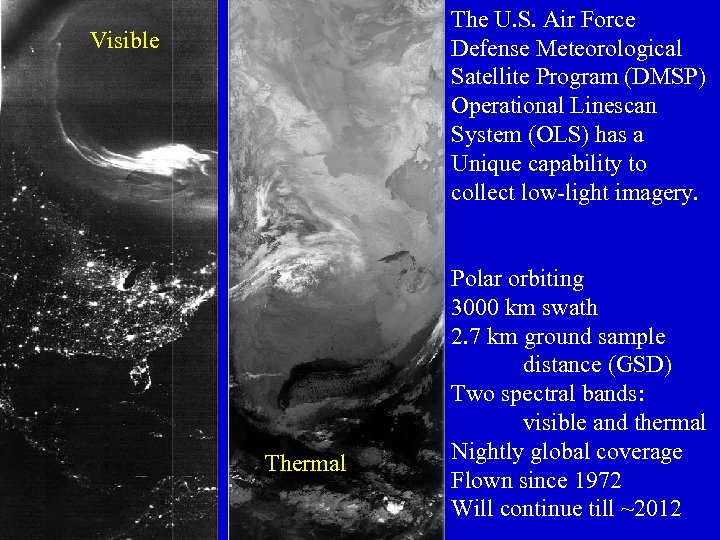 The U. S. Air Force Defense Meteorological Satellite Program (DMSP) Operational Linescan System (OLS) has a Unique capability to collect low-light imagery. Visible Thermal Polar orbiting 3000 km swath 2. 7 km ground sample distance (GSD) Two spectral bands: visible and thermal Nightly global coverage Flown since 1972 Will continue till ~2012
 Pros and Cons of DMSP • OLS sensor extremely sensitive to light emitted by gas flares. • Global archive extending back to 1992. • NGDC has standardized and largely automated annual product generation. • Lighting detected from many other sources. • No onboard calibration of visible band. • Gas flares not detected in OLS thermal band data.
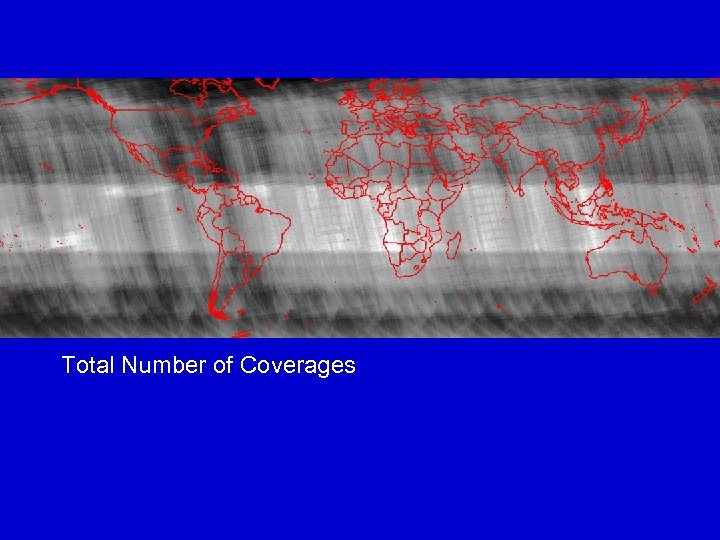 Total Number of Coverages
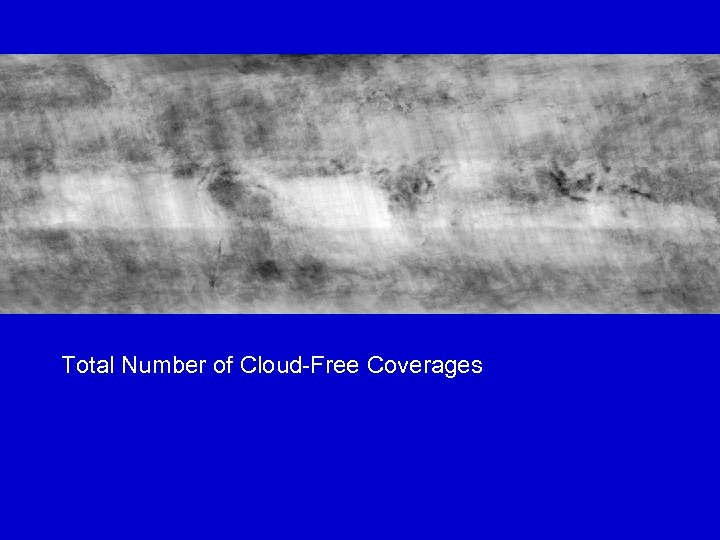 Total Number of Cloud-Free Coverages
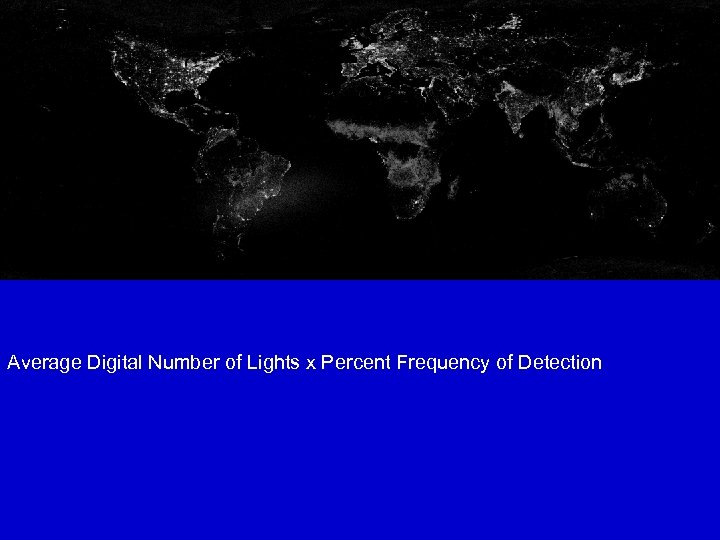 Average Digital Number of Lights x Percent Frequency of Detection
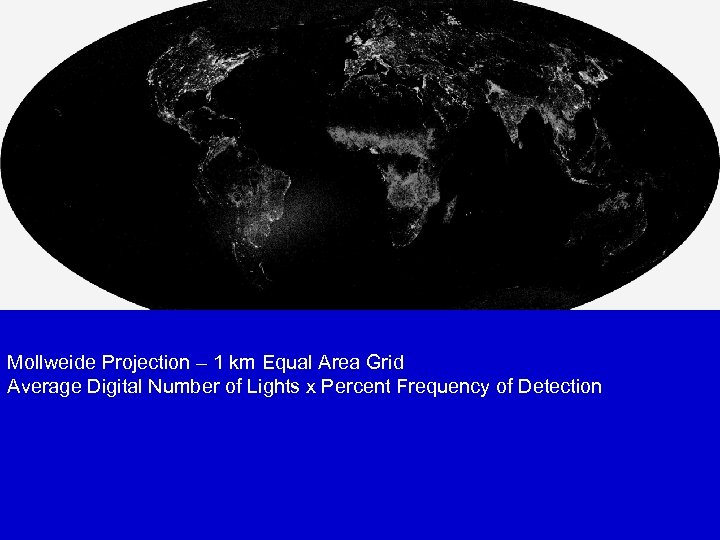 Mollweide Projection – 1 km Equal Area Grid Average Digital Number of Lights x Percent Frequency of Detection
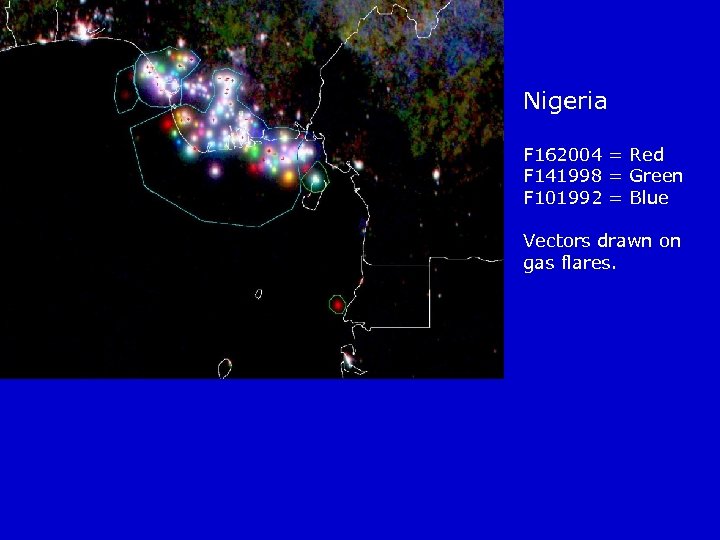 Nigeria F 162004 = Red F 141998 = Green F 101992 = Blue Vectors drawn on gas flares.
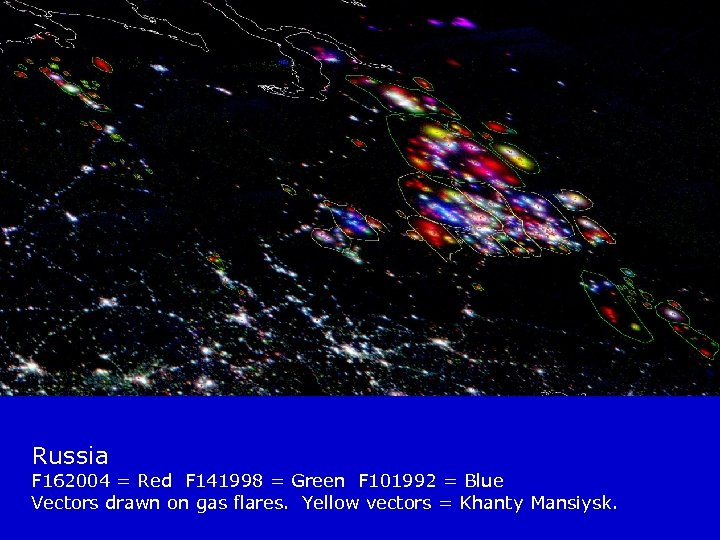 Russia F 162004 = Red F 141998 = Green F 101992 = Blue Vectors drawn on gas flares. Yellow vectors = Khanty Mansiysk.
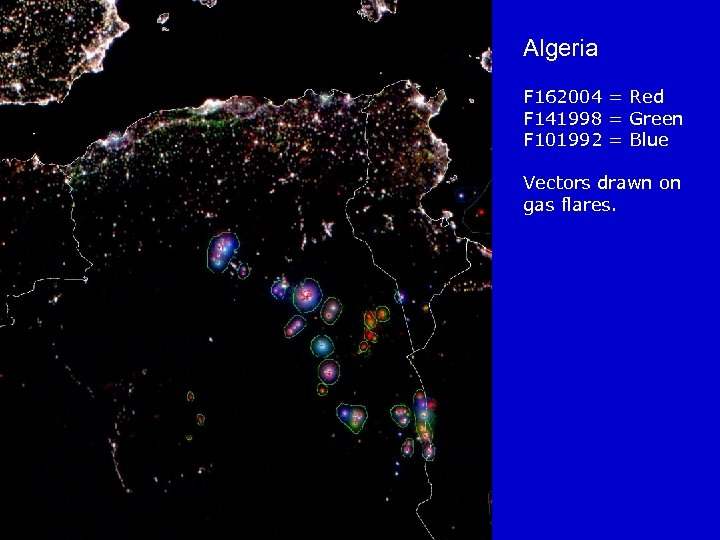 Algeria F 162004 = Red F 141998 = Green F 101992 = Blue Vectors drawn on gas flares.
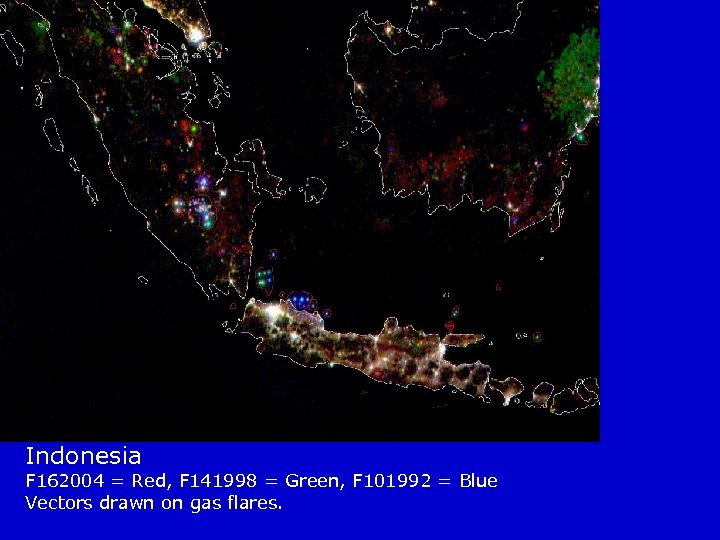 Indonesia F 162004 = Red, F 141998 = Green, F 101992 = Blue Vectors drawn on gas flares.
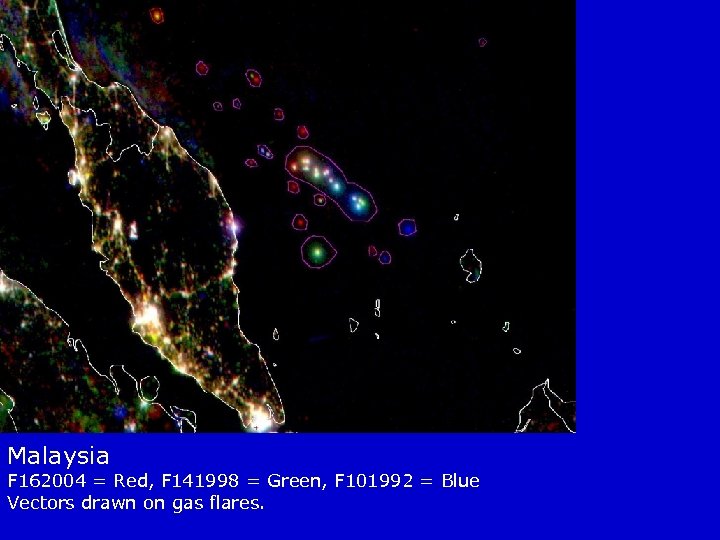 Malaysia F 162004 = Red, F 141998 = Green, F 101992 = Blue Vectors drawn on gas flares.
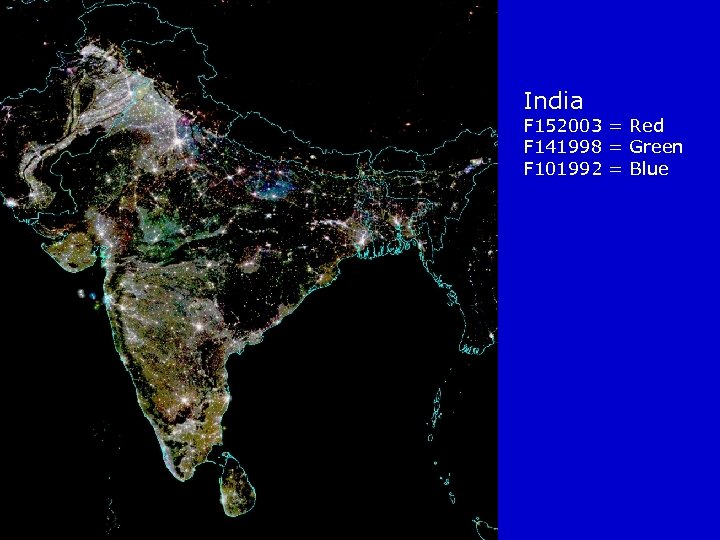 India F 152003 = Red F 141998 = Green F 101992 = Blue
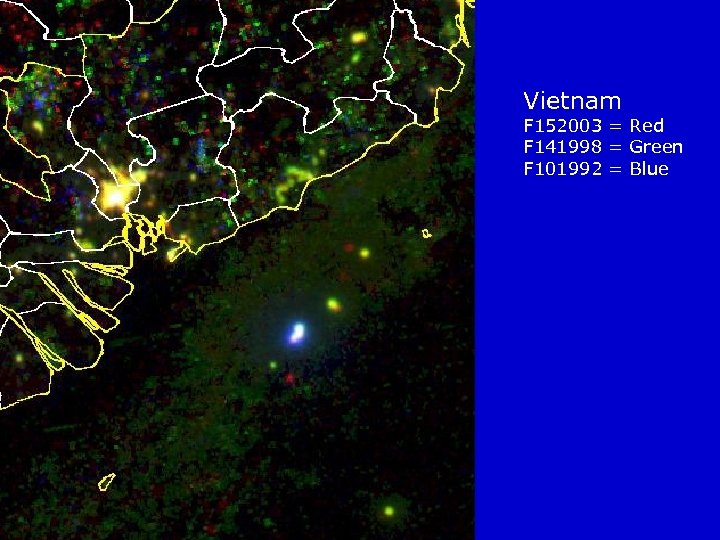 Vietnam F 152003 = Red F 141998 = Green F 101992 = Blue
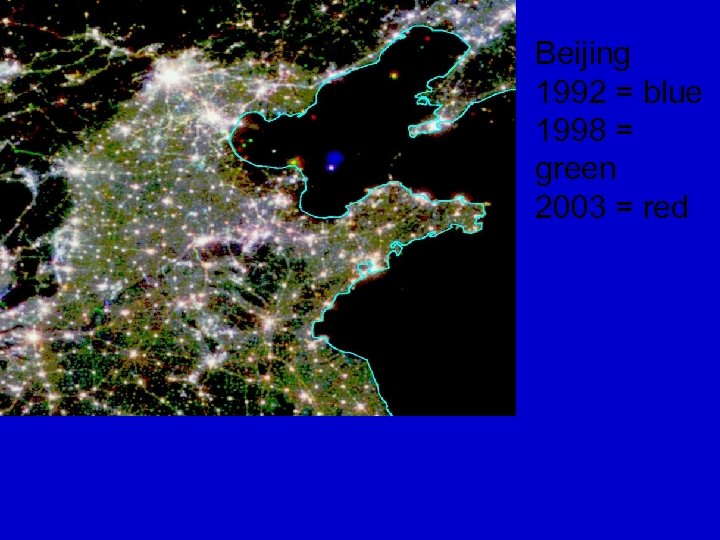 Beijing 1992 = blue 1998 = green 2003 = red
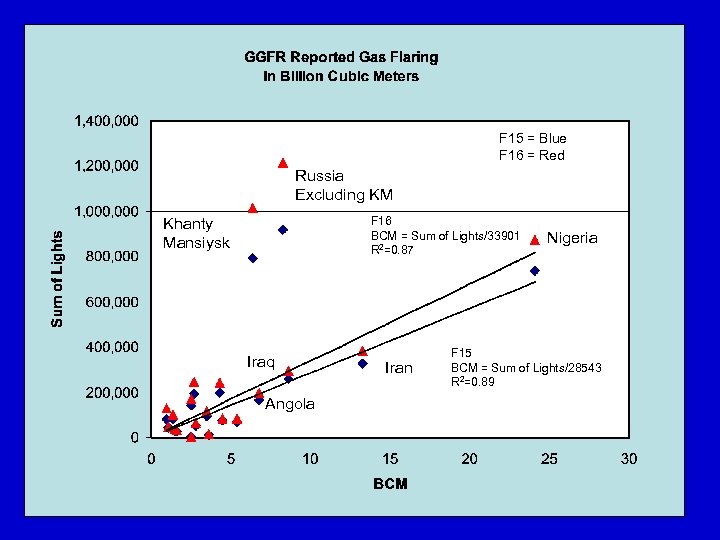 F 15 = Blue F 16 = Red Russia Excluding KM F 16 BCM = Sum of Lights/33901 R 2=0. 87 Khanty Mansiysk Iraq Angola Iran Nigeria F 15 BCM = Sum of Lights/28543 R 2=0. 89
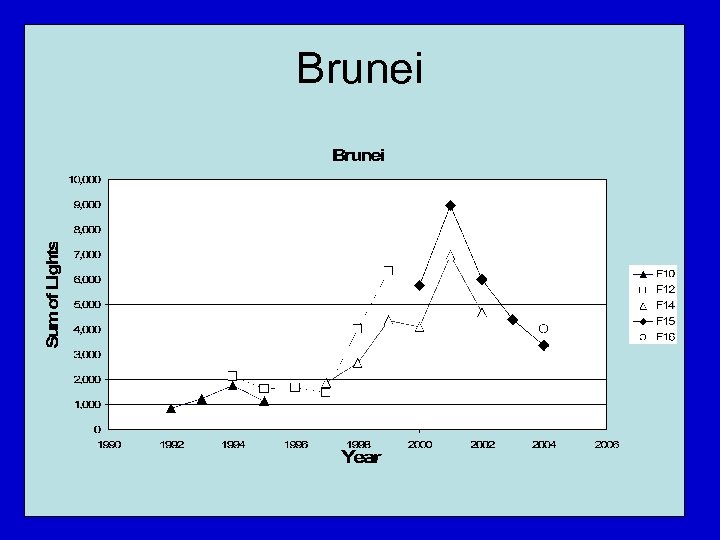 Brunei
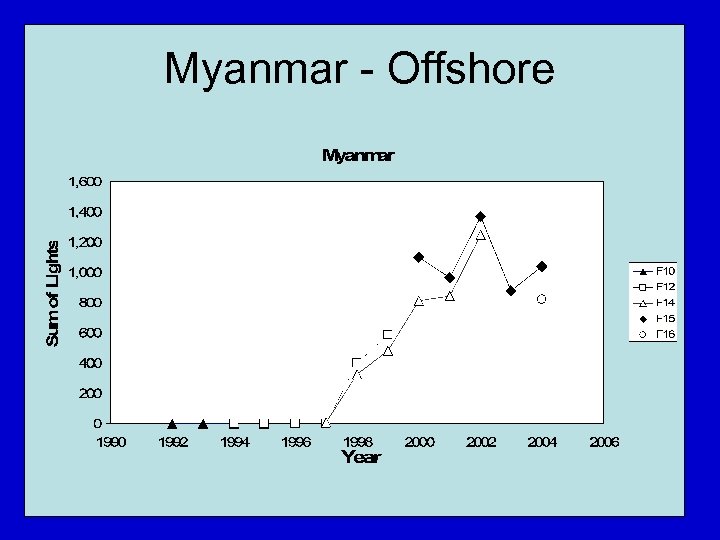 Myanmar - Offshore
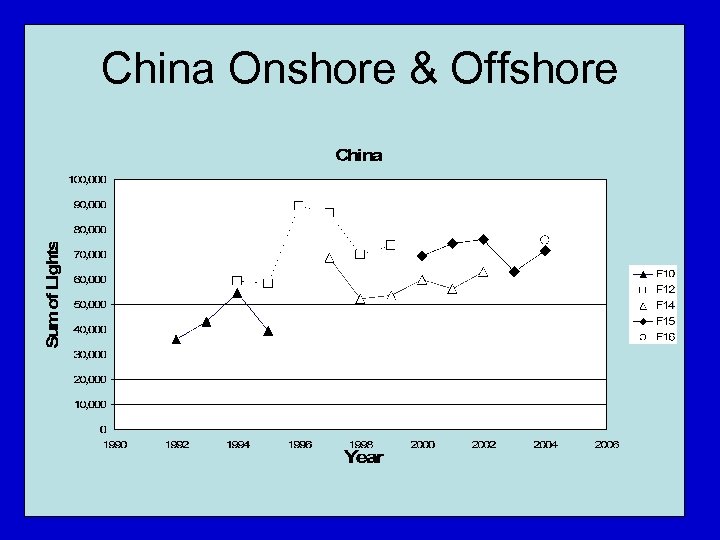 China Onshore & Offshore
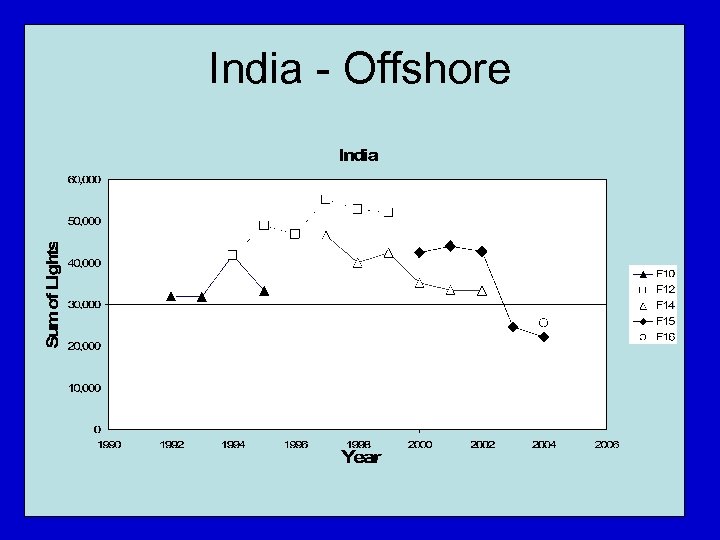 India - Offshore
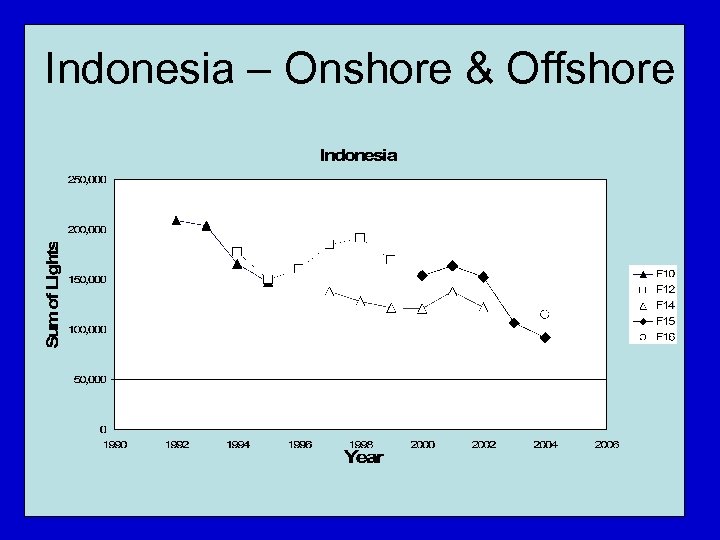 Indonesia – Onshore & Offshore
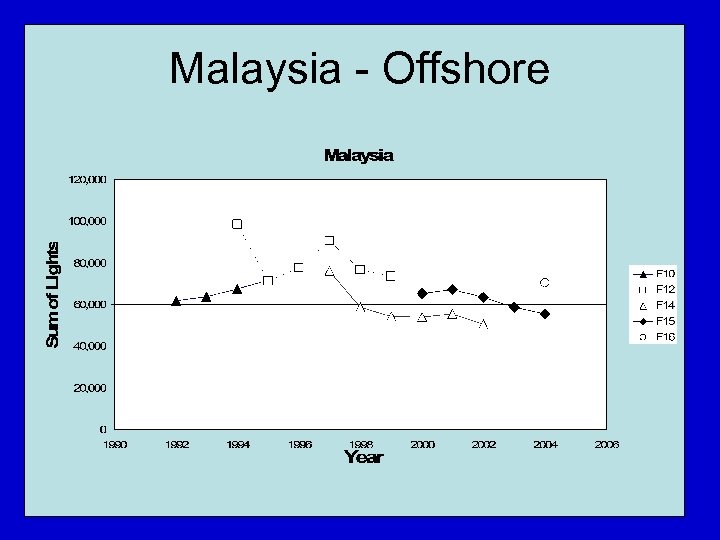 Malaysia - Offshore
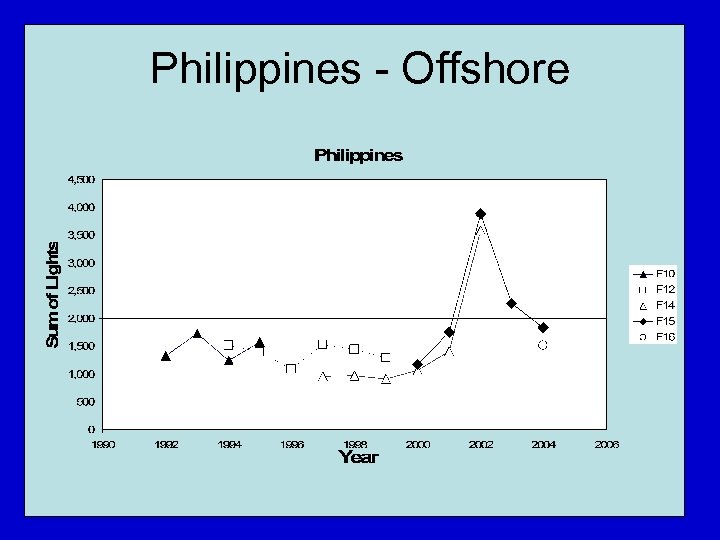 Philippines - Offshore
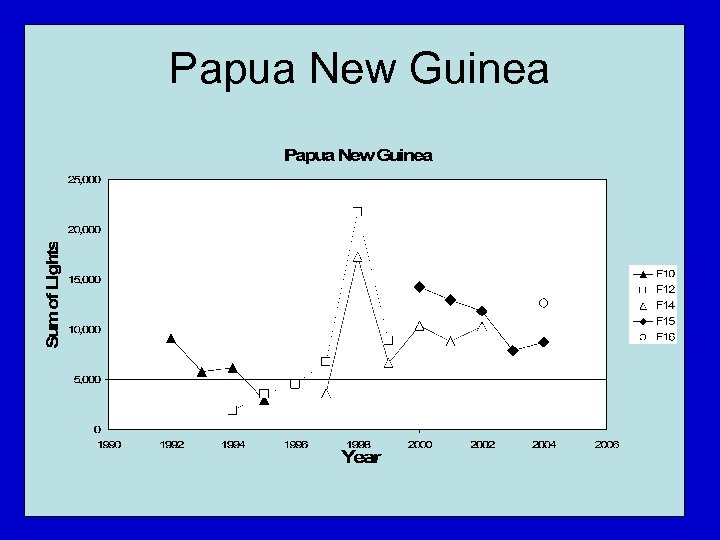 Papua New Guinea
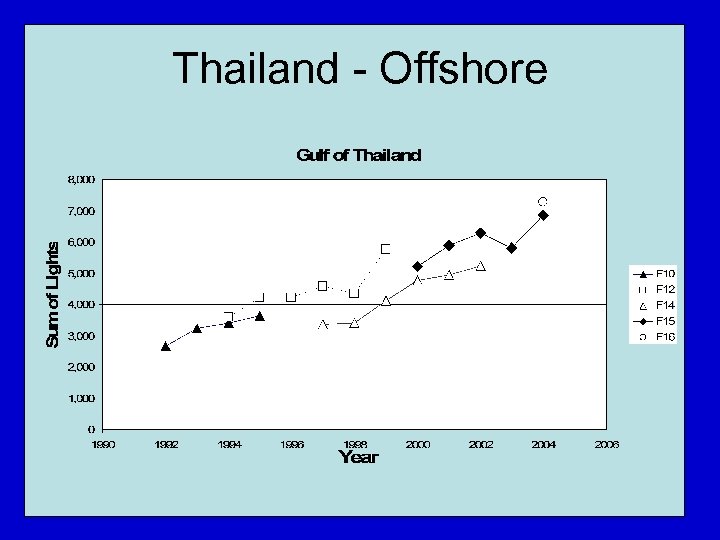 Thailand - Offshore
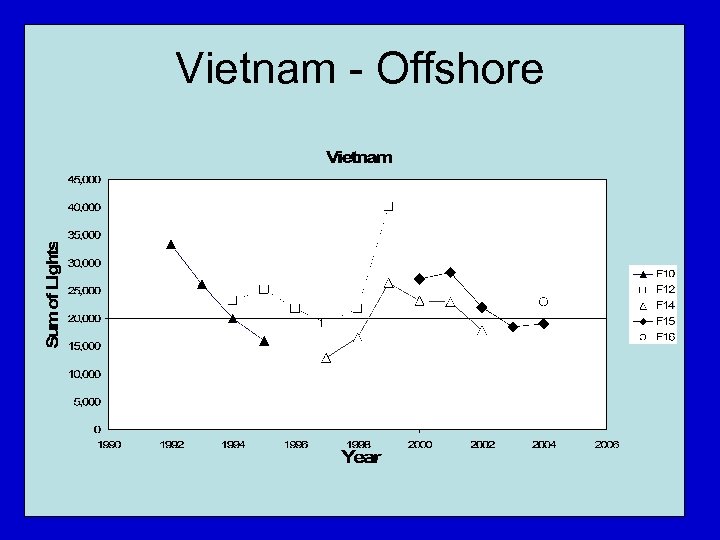 Vietnam - Offshore
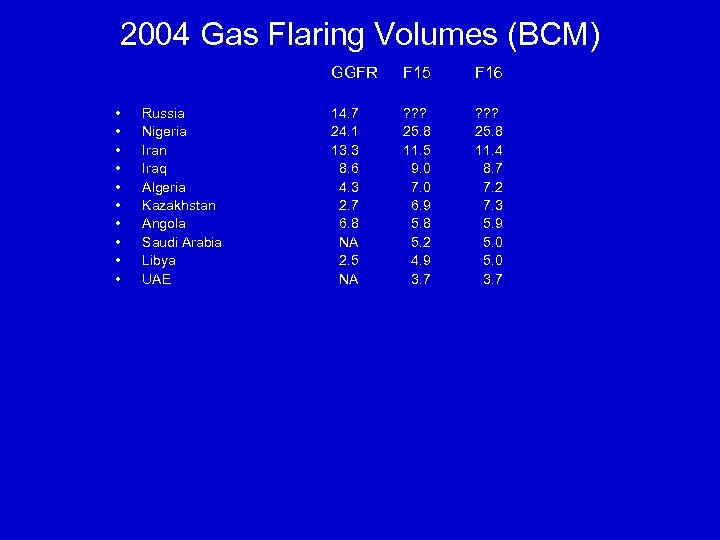 2004 Gas Flaring Volumes (BCM) GGFR • • • Russia Nigeria Iran Iraq Algeria Kazakhstan Angola Saudi Arabia Libya UAE F 15 F 16 14. 7 24. 1 13. 3 8. 6 4. 3 2. 7 6. 8 NA 2. 5 NA ? ? ? 25. 8 11. 5 9. 0 7. 0 6. 9 5. 8 5. 2 4. 9 3. 7 ? ? ? 25. 8 11. 4 8. 7 7. 2 7. 3 5. 9 5. 0 3. 7
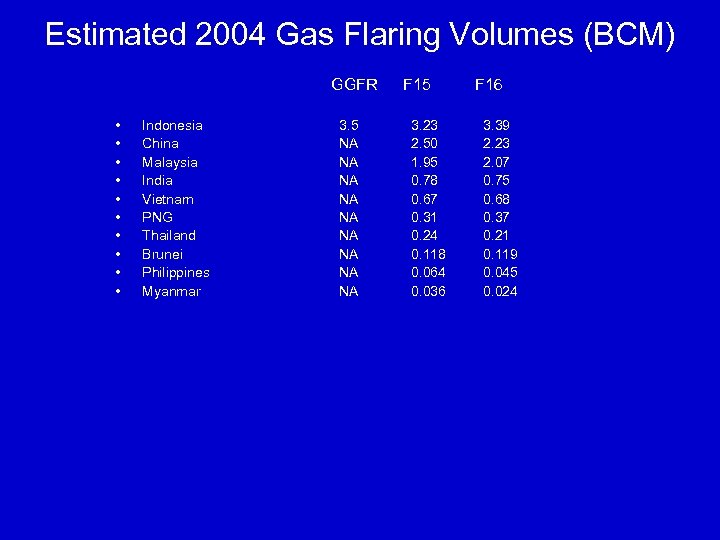 Estimated 2004 Gas Flaring Volumes (BCM) GGFR • • • Indonesia China Malaysia India Vietnam PNG Thailand Brunei Philippines Myanmar 3. 5 NA NA NA F 15 3. 23 2. 50 1. 95 0. 78 0. 67 0. 31 0. 24 0. 118 0. 064 0. 036 F 16 3. 39 2. 23 2. 07 0. 75 0. 68 0. 37 0. 21 0. 119 0. 045 0. 024
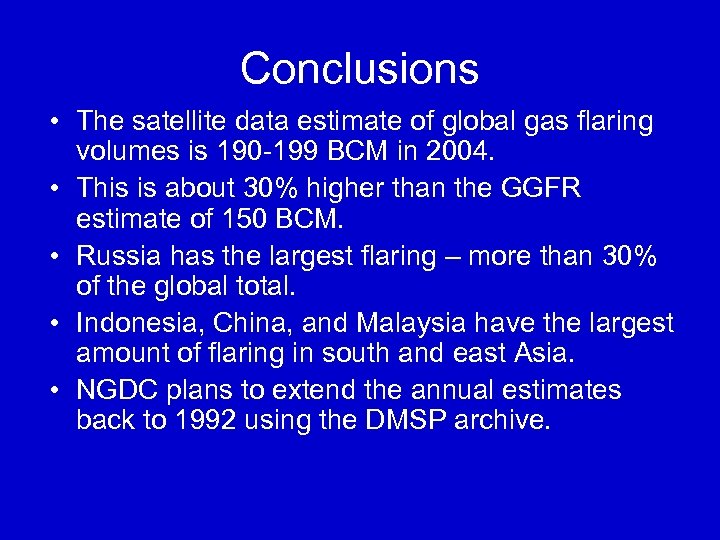 Conclusions • The satellite data estimate of global gas flaring volumes is 190 -199 BCM in 2004. • This is about 30% higher than the GGFR estimate of 150 BCM. • Russia has the largest flaring – more than 30% of the global total. • Indonesia, China, and Malaysia have the largest amount of flaring in south and east Asia. • NGDC plans to extend the annual estimates back to 1992 using the DMSP archive.