


 Скачать презентацию Prehistory What is history Documentation
77bf334ec872bffabed3a64e7efd1852.ppt
- Количество слайдов: 27

 Prehistory • What is “history”? • Documentation – Written records – Archaeological discovery
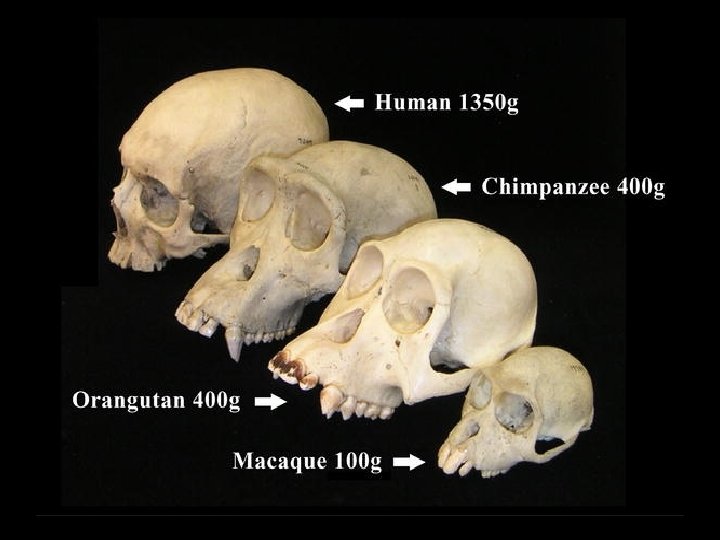
 Development of Hominids • Animals adapt themselves to environment • Hominids adapt environment to themselves – Use of tools – Language – Complex cooperative social structures
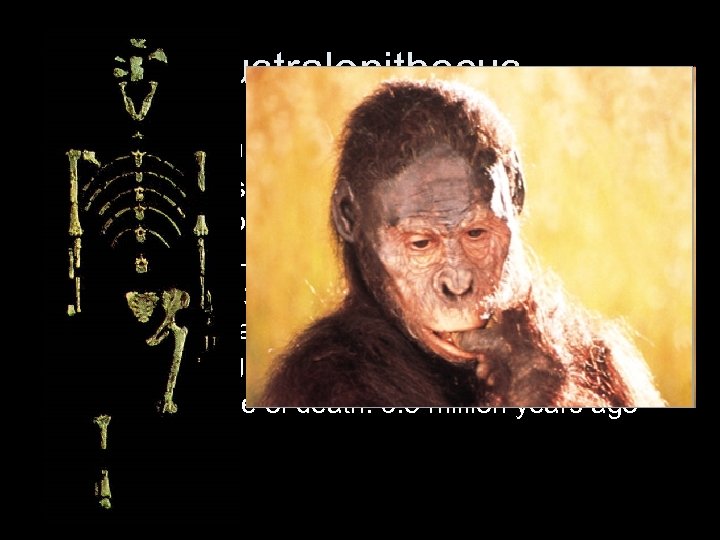 Australopithecus • “The southern ape” – Despite name a hominid • Discovery of skeleton AL-288 -1, north of Addis Ababa, Ethiopia – Nicknamed “Lucy” • 40% of SWF, 3’ 5”, 55 lb. , bipedal, Brain 500 cc (modern human: 1400 cc), limited speech but opposable digit • Estimated date of death: 3. 5 million years ago
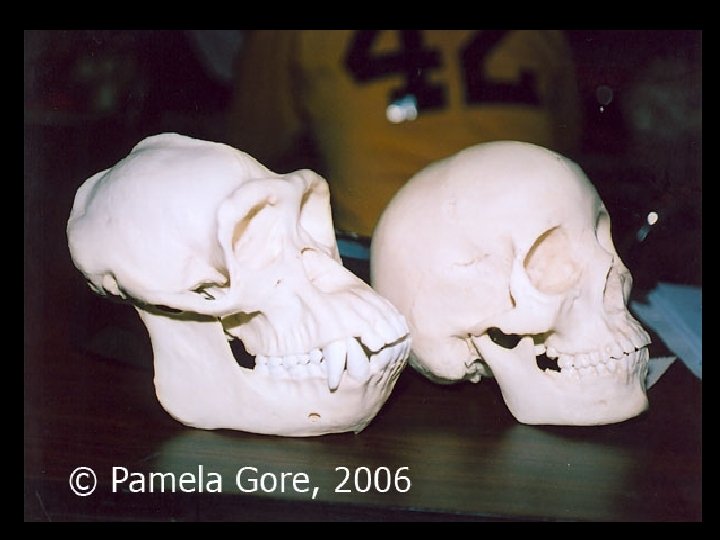
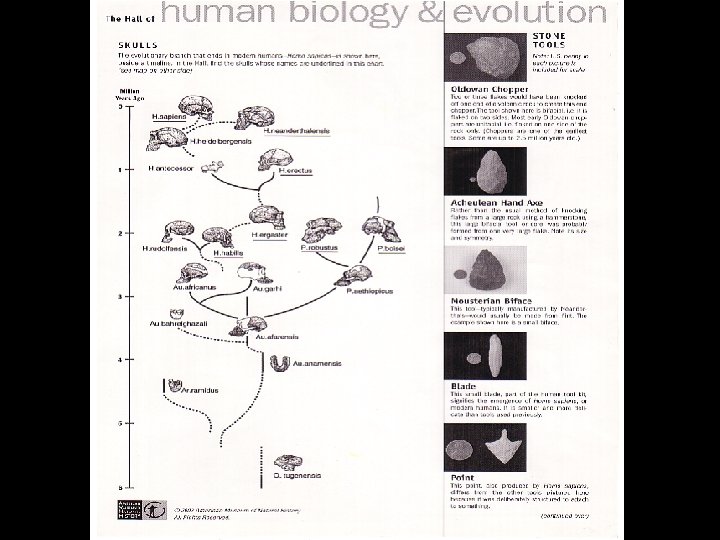
 Later Hominids • Homo Erectus, “upright man” • Larger brain capacity (1000 cc), improved tool use, control of fire • Homo Sapiens, “consciously thinking human” • Largest brain, esp. frontal regions • Most sophisticated tools and social organization • Migrations of Homo Erectus and Homo Sapiens
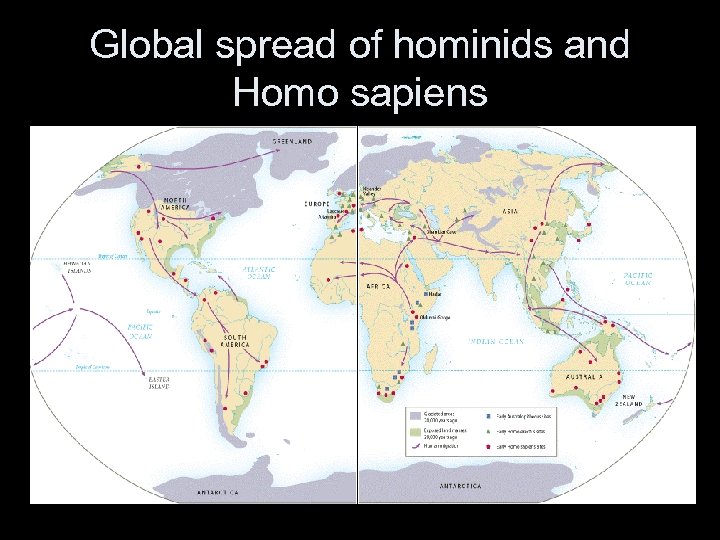 Global spread of hominids and Homo sapiens
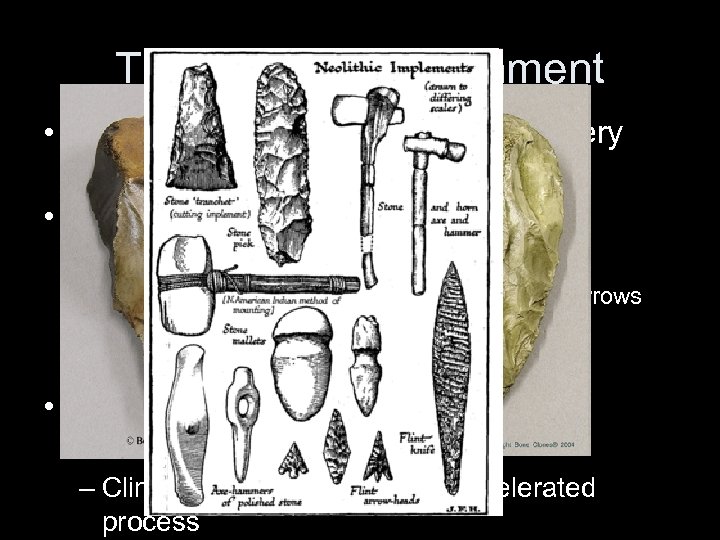 The Natural Environment • By 13, 000 BCE Homo sapiens in every inhabitable part of the world • Archaeological finds: – Sophisticated tools • Choppers, scrapers, axes, knives, bows, arrows • Cave and hut like dwellings • Use of fire, animal skins • Hunted several mammal species to extinction – Climactic change may have accelerated process
 Relative Social Equality • Nomadic culture precludes accumulation of land-based wealth – More likely determinants of status: age, hunting skill, fertility, personality – Possible gender equality related to food production – Men: protein from hunting – Women: plant gathering
 Paleolithic Era (“Old Stone Age”) • Evidence: – Archaeological finds – Extrapolation from modern hunter-gatherer societies • Nomadic existence precludes advanced civilization – Groups of 30 -50 – Division of labor along gender lines
 Big Game Hunting • Evidence of intelligent coordination of hunting expeditions – Development of weaponry – Animal-skin disguises – Stampeding tactics • Lighting of fires, etc. to drive game into kill zones • Requires planning, communication
 Paleolithic Settlements • Natufian society – Modern Israel and Jordan – Wild wheat, herding • Jomon society – Japan – Wild buckwheat, fishing • Chinook society – Pacific Northwest – Berries, acorns, salmon runs • Groups of 1000 or more
 Neandertal Peoples • Neander valley, western Germany • Flourished in Europe & SW Asia, 200, 000 – 35, 000 years ago • Also found in Africa, east Asia • Evidence of spirituality: ritual burial • Inhabited some of the same areas as Homo sapiens
 Creativity of Homo sapiens • Constructed flexible languages for communication of complex ideas • Increased variety of tools – stone blades, spear throwers, sewing needles, barbed harpoons • Fabricated ornamental beads, necklaces and bracelets • The bow and arrow – a dramatic improvement in humans power over nature • “Venus” figurines • Cave paintings
 Neolithic Era (“New Stone Age”) • Corresponds with the end of the last Ice Age • Distinction in tool production – Chipped vs. polished • Men: herding animals rather than hunting • Women: nurtured vegetation rather than foraging • Spread of Agriculture – Slash-and burn techniques – Exhaustion of soil promotes migration – Transport of crops from one region to another
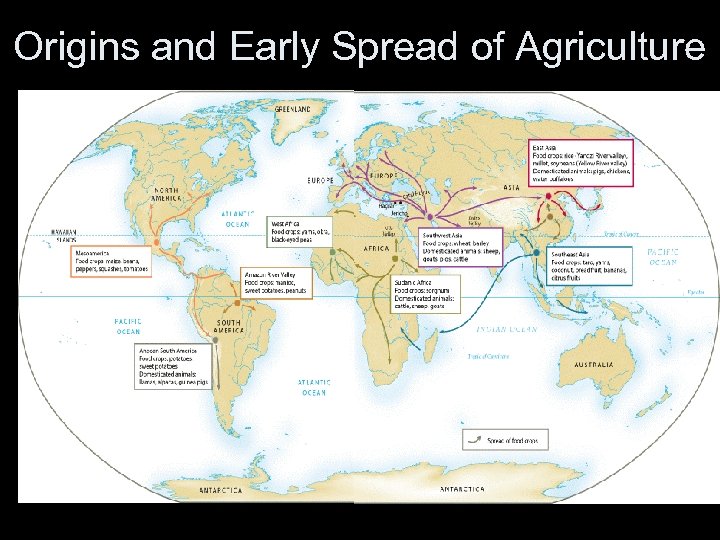 Origins and Early Spread of Agriculture
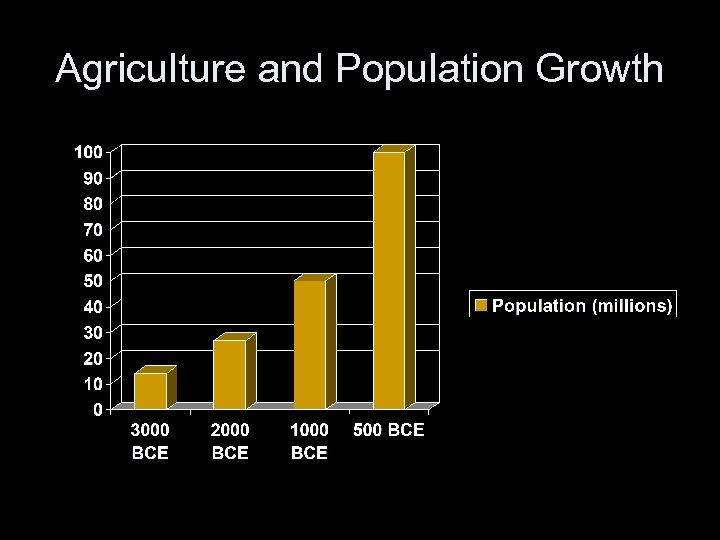 Agriculture and Population Growth
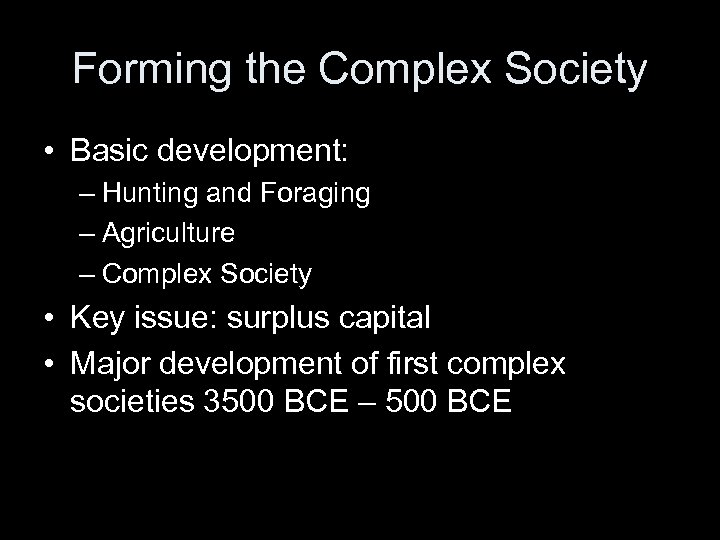 Forming the Complex Society • Basic development: – Hunting and Foraging – Agriculture – Complex Society • Key issue: surplus capital • Major development of first complex societies 3500 BCE – 500 BCE
 Early Agricultural Society • Emergence of villages and towns • Discoveries at Çatal Hüyük – a prominent village located in Turkey, occupied 72505400 BCE – Pots, baskets, textiles, leather, stone, metal tools, wood carvings, carpets, beads, and jewelry • Development of crafts –pottery, metallurgy, and textile production
 Social Distinctions • Accumulation of landed wealth initiates development of social classes • Individuals could trade surplus food for valuable items • Archaeological evidence in variety of household decorations, goods buried with deceased members of society at Çatal Hüyük
 Neolithic Culture • Farmers closely observed the natural world – an early kind of applied science • Elements of natural environment essential for functioning • Archaeological evidence of religious worship: thousands of clay figurines, drawings on pots, tool decorations, other ritual objects – Fertility: Venus figurines
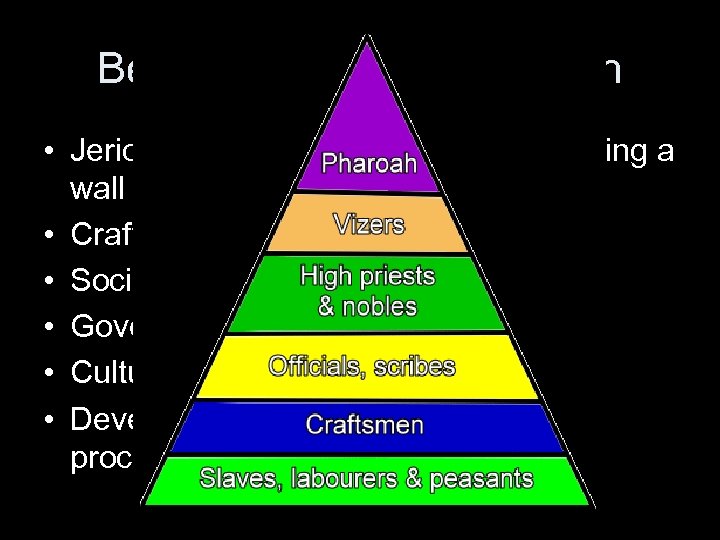 Beginnings of Urbanization • Jericho: concentration of wealth, building a wall • Craft specialization • Social stratification • Governance • Cultural workers • Development of the city – a gradual process
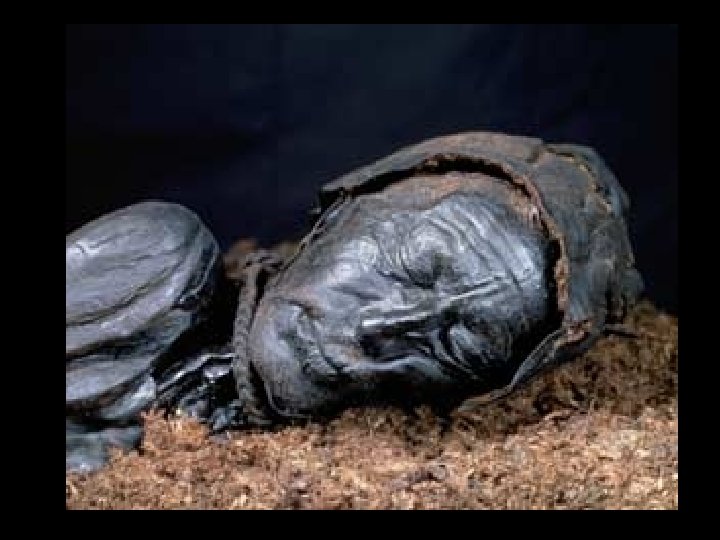
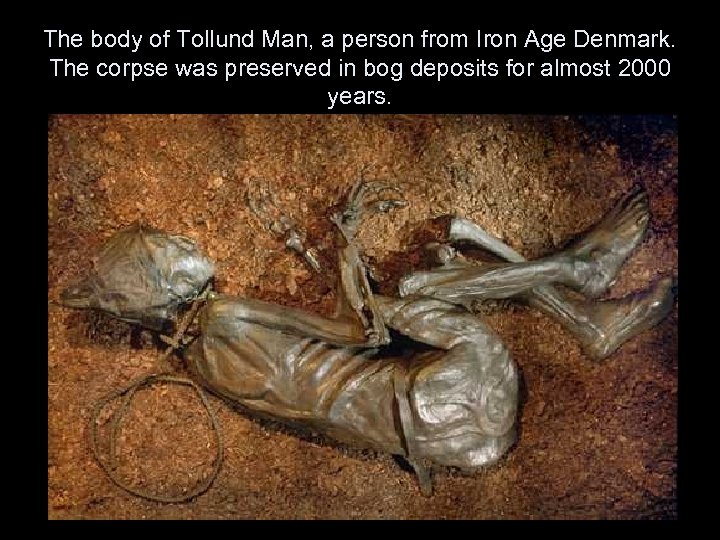 The body of Tollund Man, a person from Iron Age Denmark. The corpse was preserved in bog deposits for almost 2000 years.
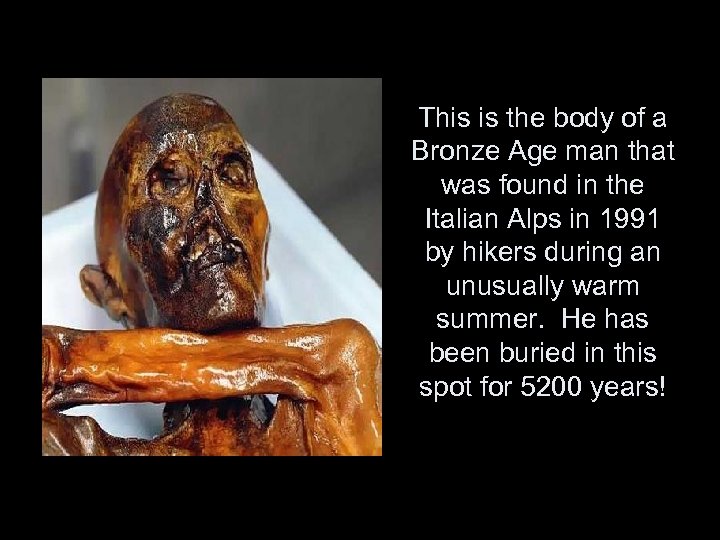 This is the body of a Bronze Age man that was found in the Italian Alps in 1991 by hikers during an unusually warm summer. He has been buried in this spot for 5200 years!