


 Скачать презентацию Pre-conference Training MCH Epidemiology City Mat CH
078fb14443962d8942a38b78bbe0f4eb.ppt
- Количество слайдов: 54
 Pre-conference Training MCH Epidemiology – City. Mat. CH Joint 2012 Annual Meeting Intermediate/Advanced Spatial Analysis Techniques for the Analysis of MCH Data Tuesday, December 11, 2012 1
 Session Leaders Russell S. Kirby, Ph. D, MS, FACE Department of Community and Family Health, College of Public Health, University of South Florida Marilyn O’Hara, Ph. D Director of GIS and Spatial Analysis Lab Department of Pathobiology University of Illinois 2
 Topics*slide needs updating q Overview q Point Pattern Analysis – Hot Spots – Surface of Hot Spots – Applications q Regression Analysis – Ordinary Least Squares (OLS) – Geographically Weighted Regression (GWR) – Testing for Spatial Autocorrelation (Moran’s I) – Applications q Smoothing Rates: Geo. Da 3
 Acknowledgement: This presentation based on a Powerpoint lecture by Professor Dante Verme, George Washington University 4
 Overview 5
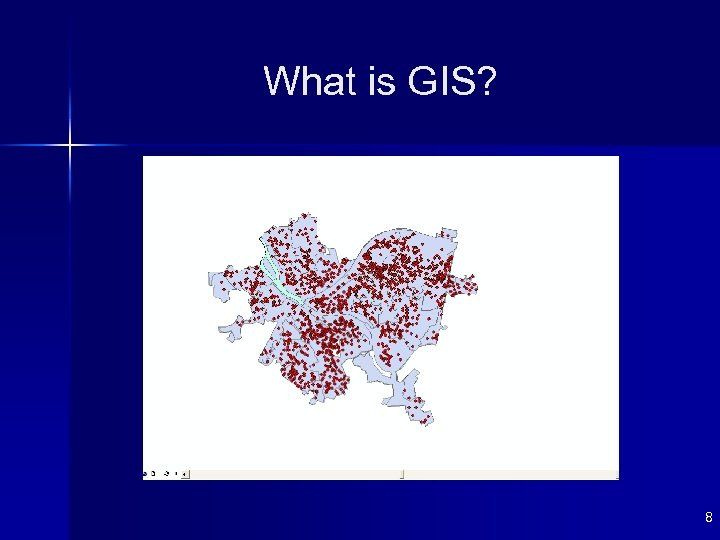
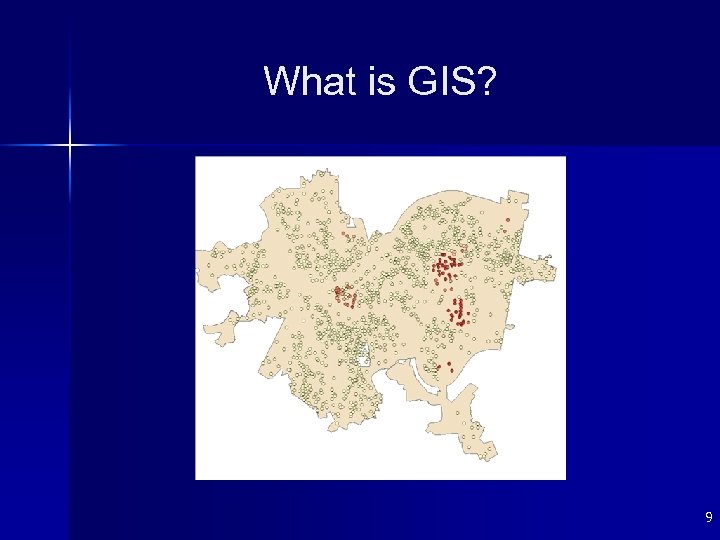
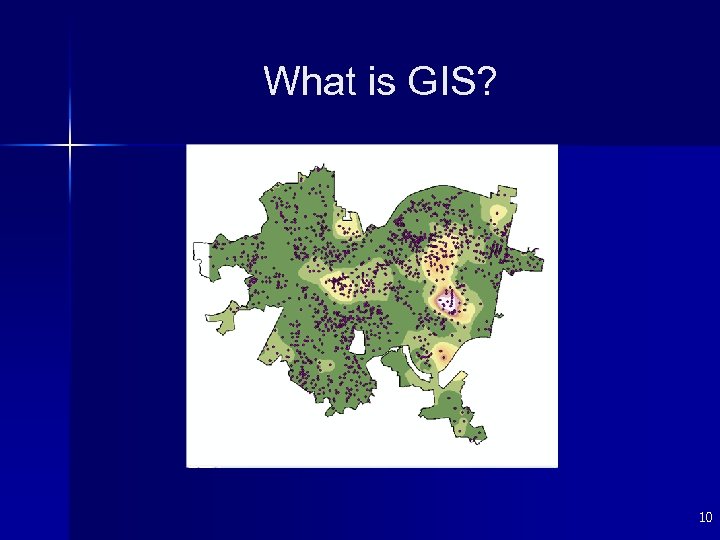
 GIS q Integrates databases, graphics with digital maps. q Geographic display of information 6
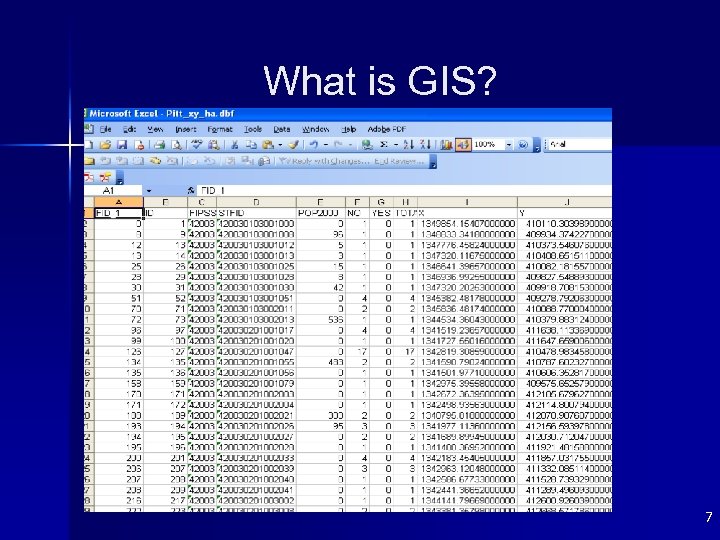 What is GIS? 7
 What is GIS? 8
 What is GIS? 9
 What is GIS? 10
 Hot Spot Analysis 11
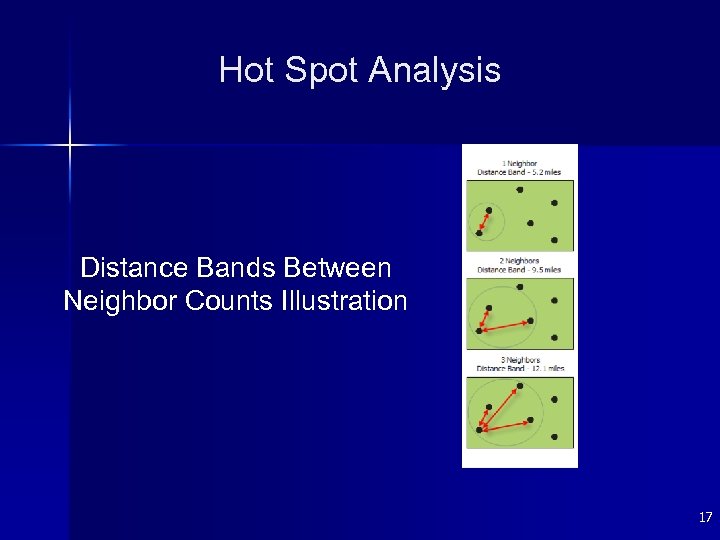
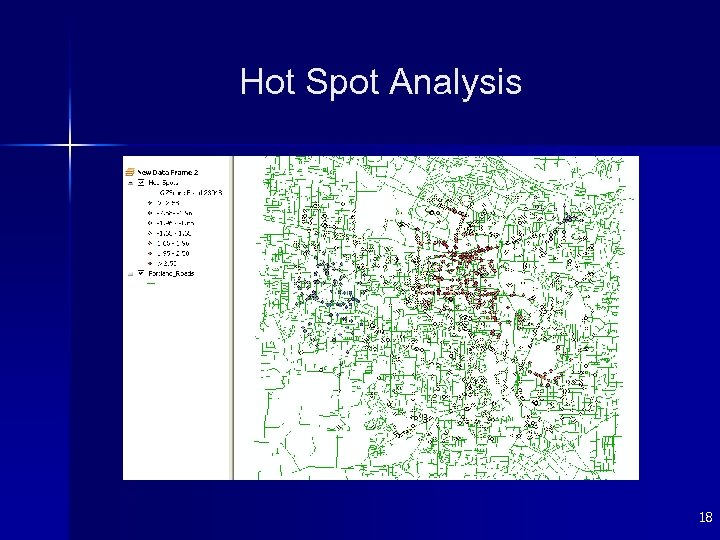
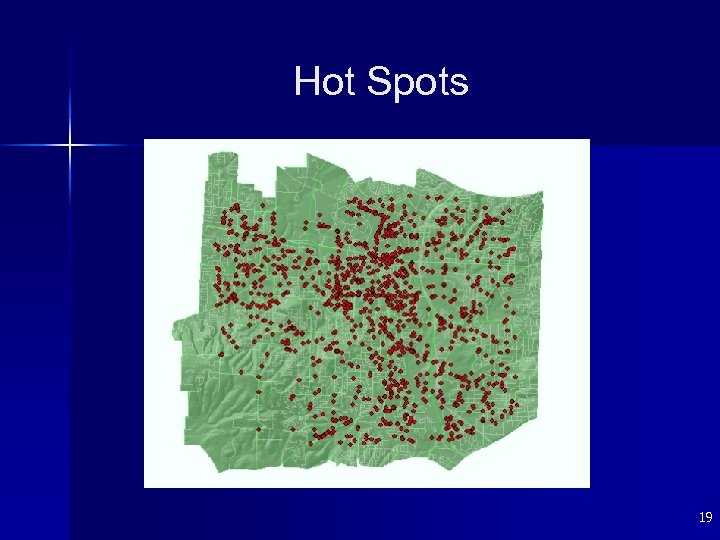
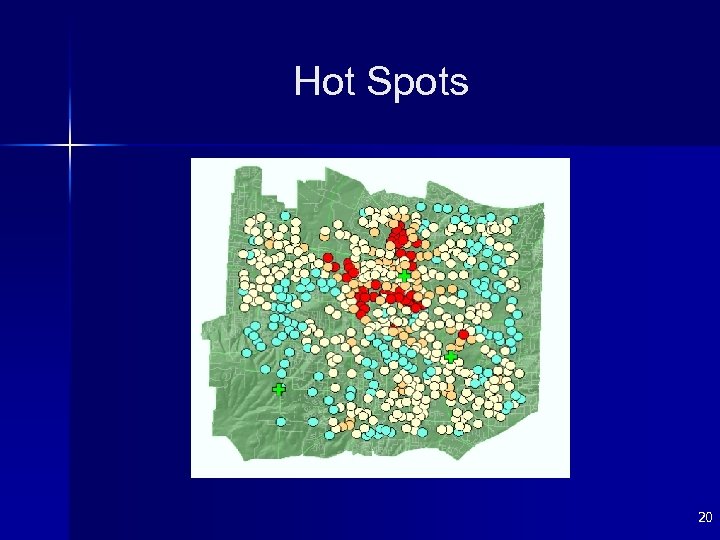
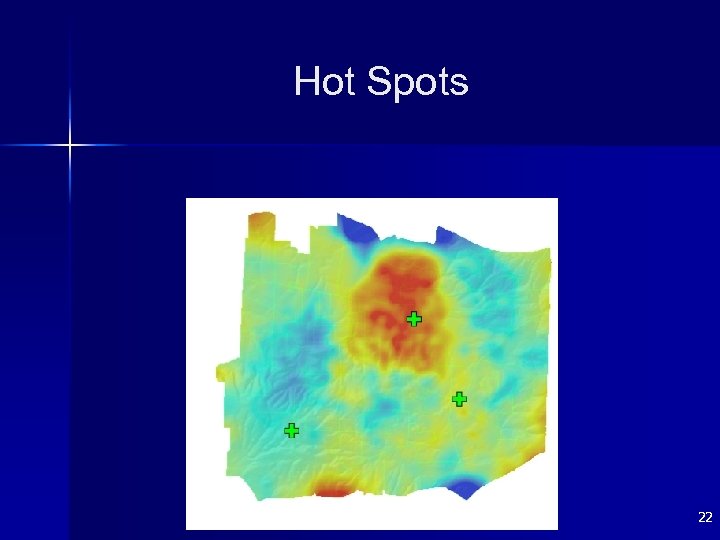
 Hot Spot Analysis q Identify Statistical Significant Spatial clusters of high (hot) or low (cold) from a particular event (areas of high counts from an event). q It works with number of events summarized in a point. q Based on the Getis-Ord test statistic 12
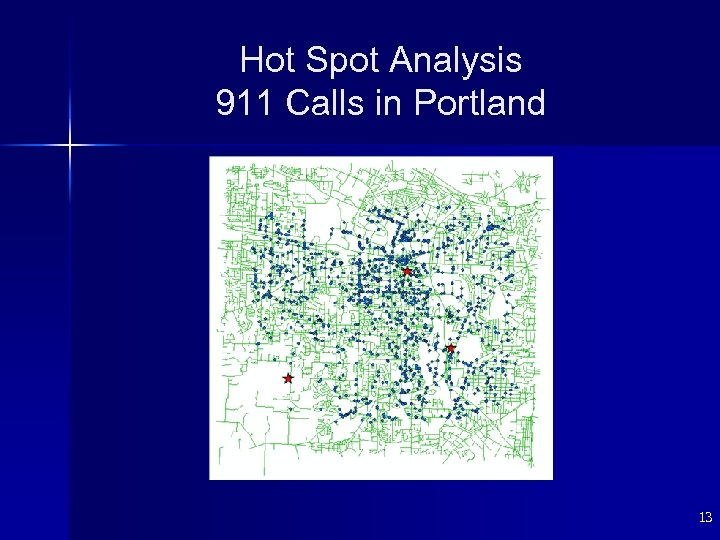 Hot Spot Analysis 911 Calls in Portland 13
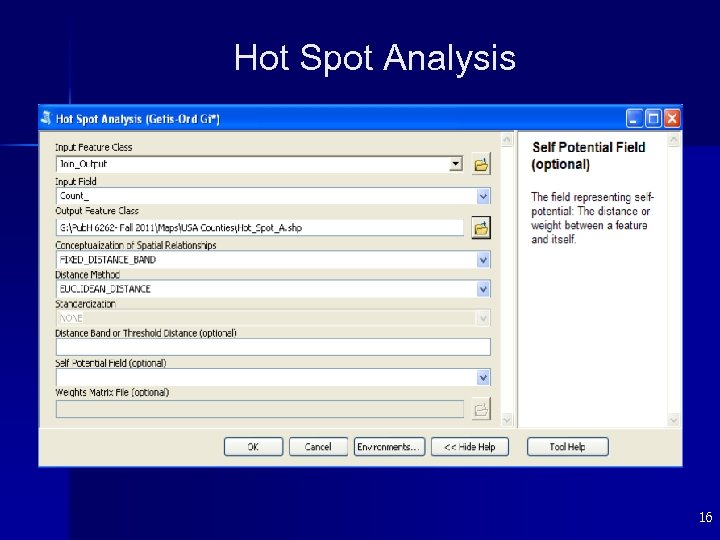
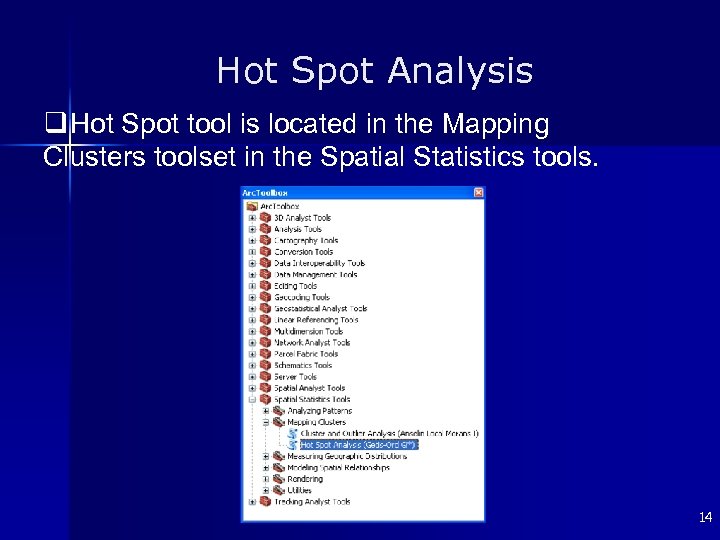 Hot Spot Analysis q Hot Spot tool is located in the Mapping Clusters toolset in the Spatial Statistics tools. 14
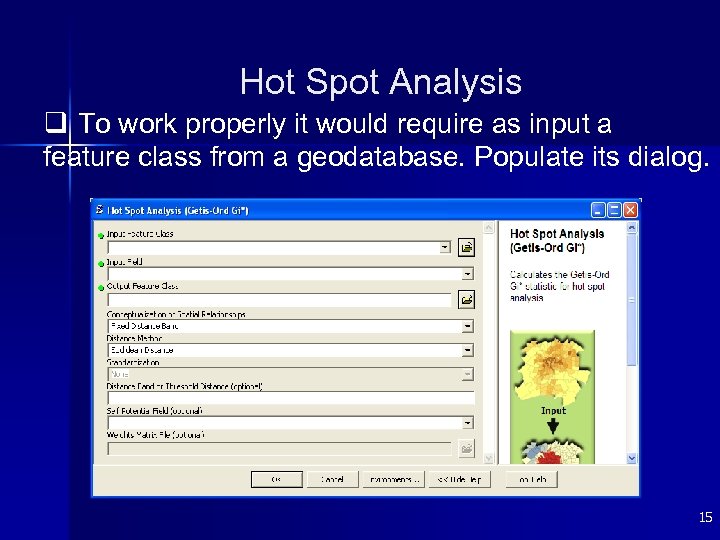 Hot Spot Analysis q To work properly it would require as input a feature class from a geodatabase. Populate its dialog. 15
 Hot Spot Analysis 16
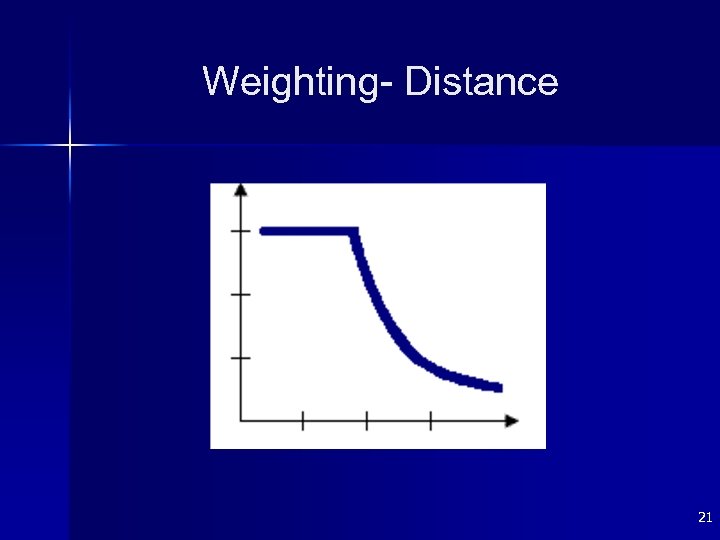
 Hot Spot Analysis Distance Bands Between Neighbor Counts Illustration 17
 Hot Spot Analysis 18
 Hot Spots 19
 Hot Spots 20
 Weighting- Distance 21
 Hot Spots 22
 Spatial Regression 23
 Spatial Regression q Regression: Regression establishes a relationship among a dependent variable and a set of independent variable(s) q Purpose: better understand patterns of spatial relationships between attributes. q Objective: predictions 24
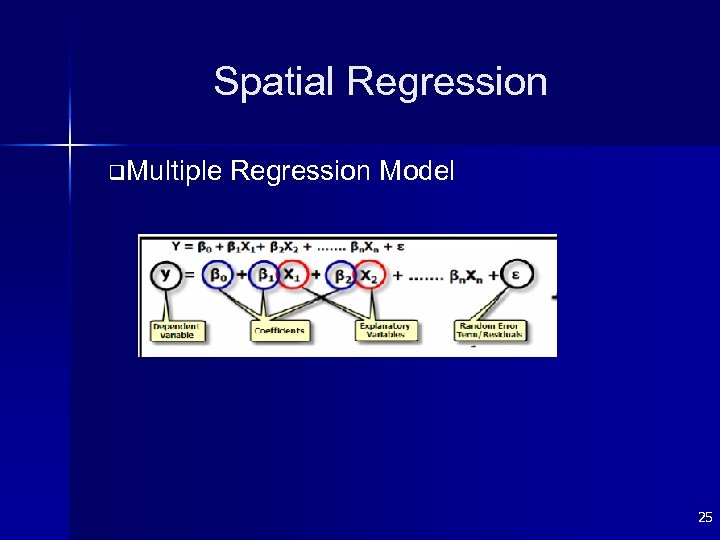 Spatial Regression q. Multiple Regression Model 25
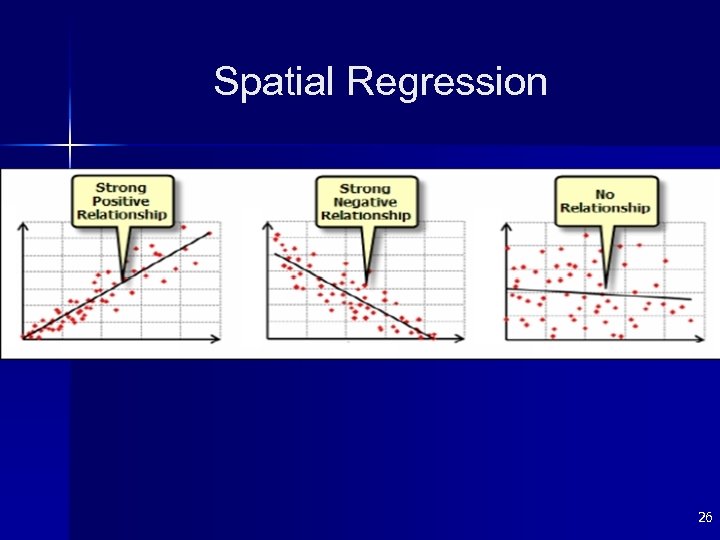 Spatial Regression 26
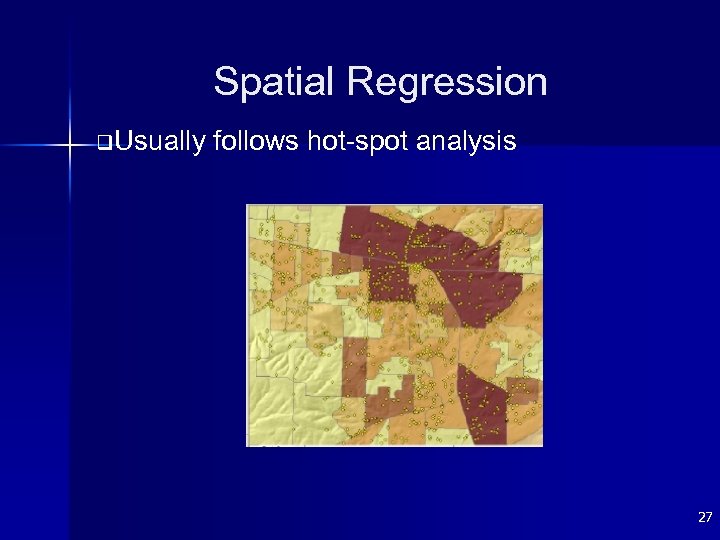 Spatial Regression q. Usually follows hot-spot analysis 27
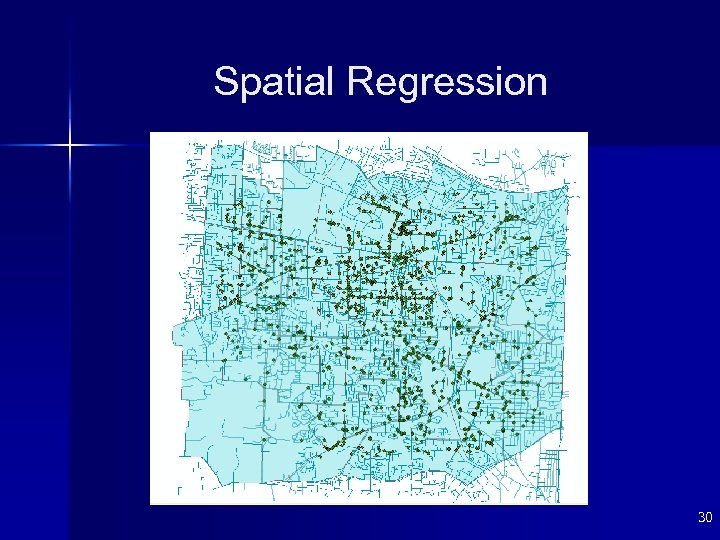
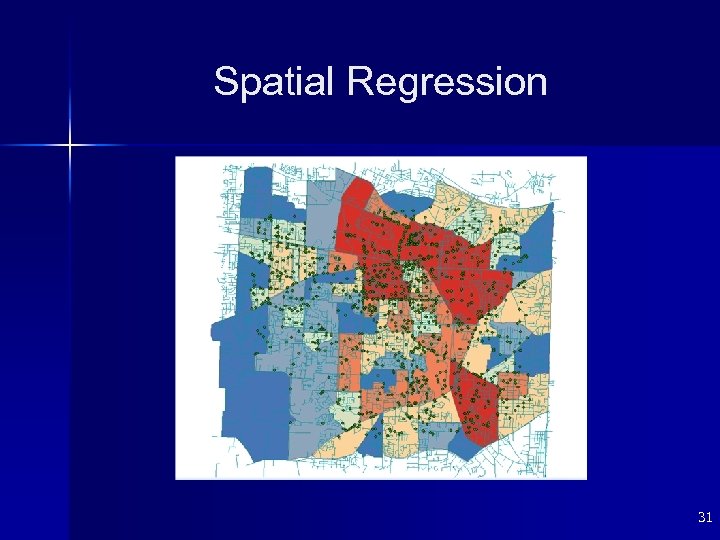
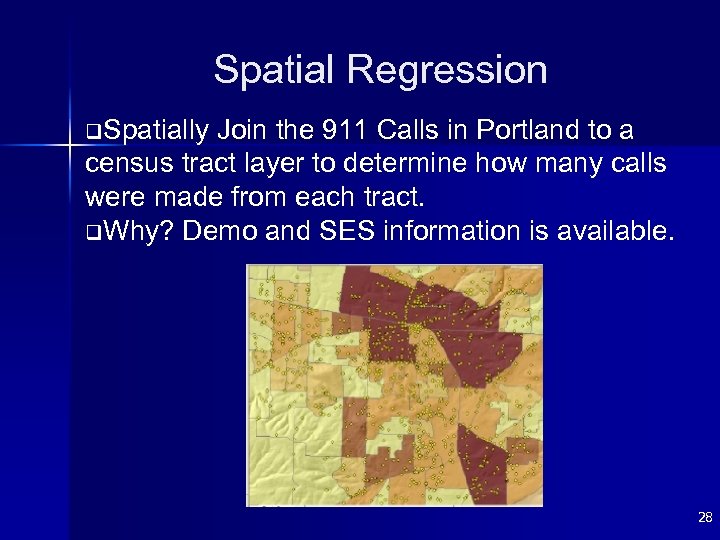 Spatial Regression q. Spatially Join the 911 Calls in Portland to a census tract layer to determine how many calls were made from each tract. q. Why? Demo and SES information is available. 28
 Spatial Regression q. A spatial ordinary least square (OLS) regression model is going to determine if the number of 911 calls (dependent variable) from a Portland, OR, census track is a function of the population in each tract (independent variable). 29
 Spatial Regression 30
 Spatial Regression 31
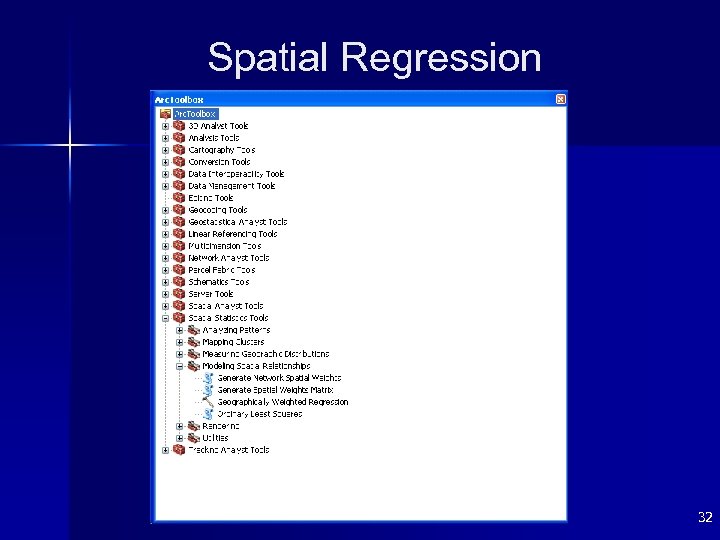 Spatial Regression 32
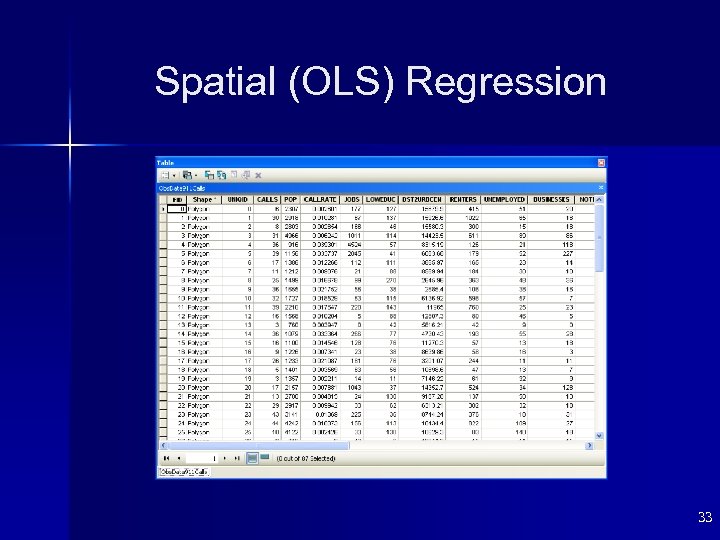 Spatial (OLS) Regression 33
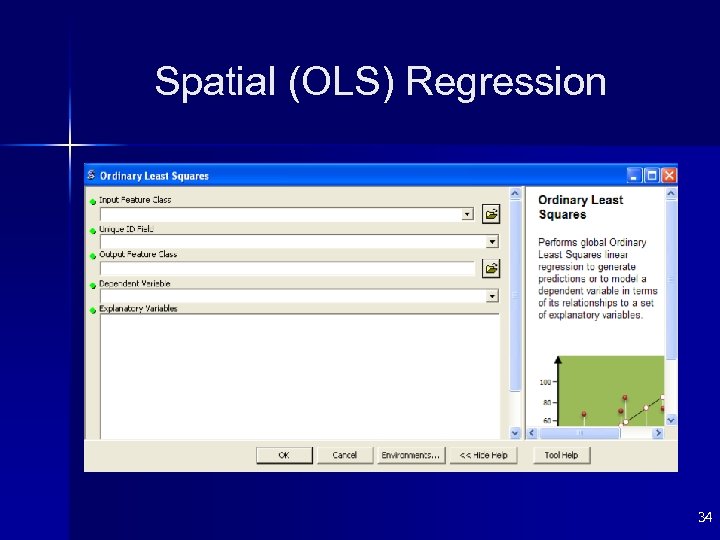 Spatial (OLS) Regression 34
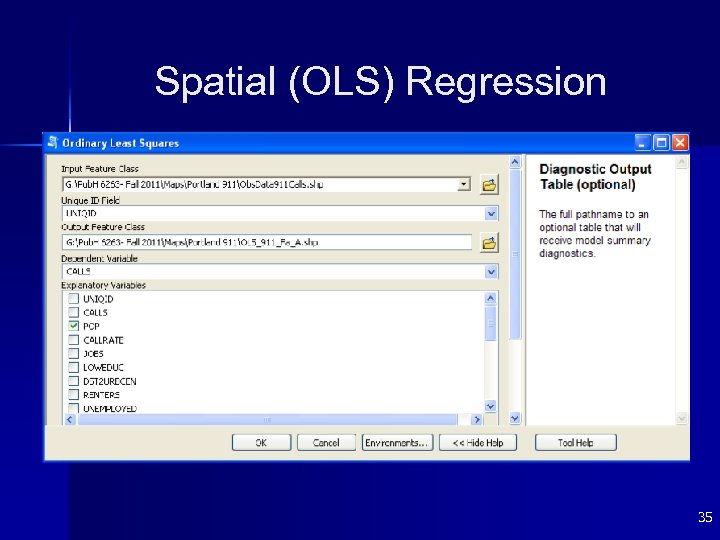 Spatial (OLS) Regression 35
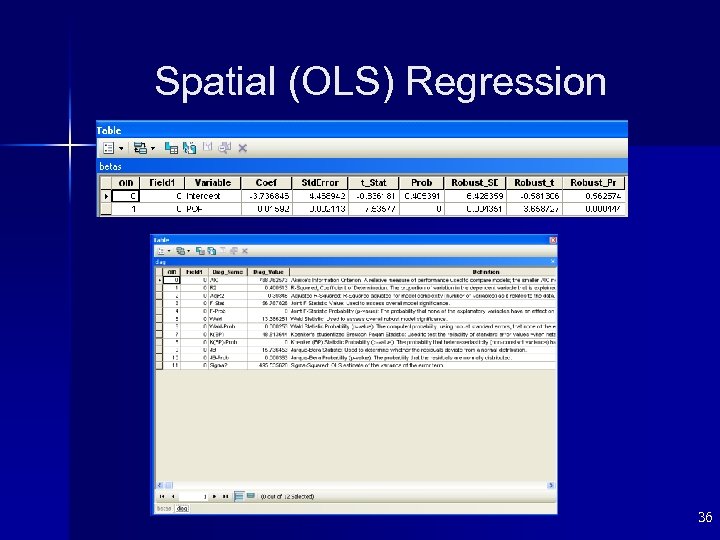 Spatial (OLS) Regression 36
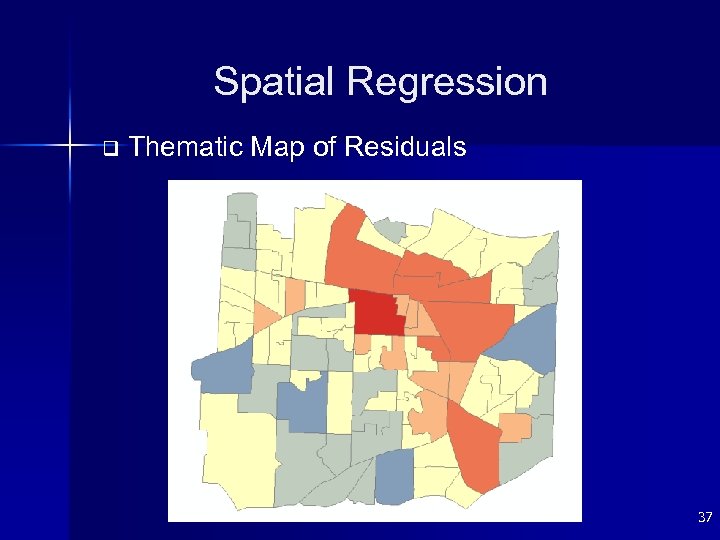 Spatial Regression q Thematic Map of Residuals 37
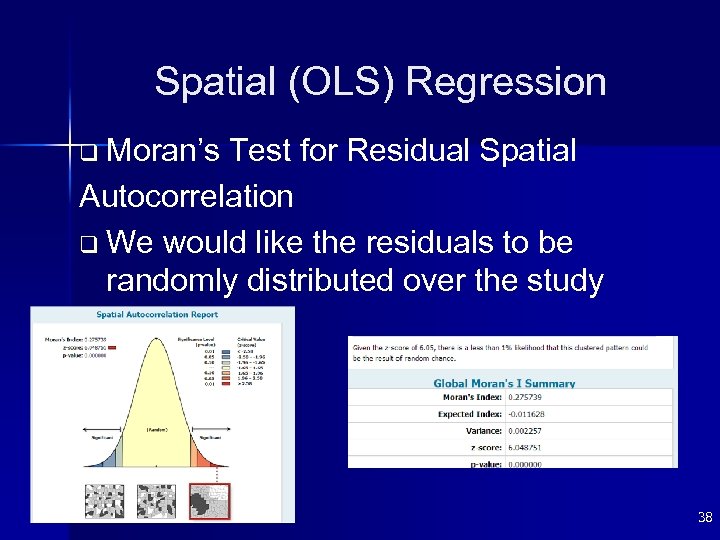 Spatial (OLS) Regression q Moran’s Test for Residual Spatial Autocorrelation q We would like the residuals to be randomly distributed over the study area 38
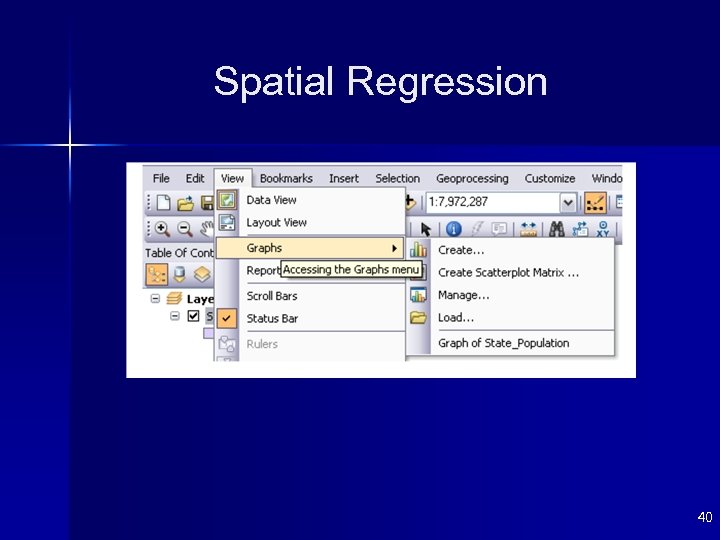
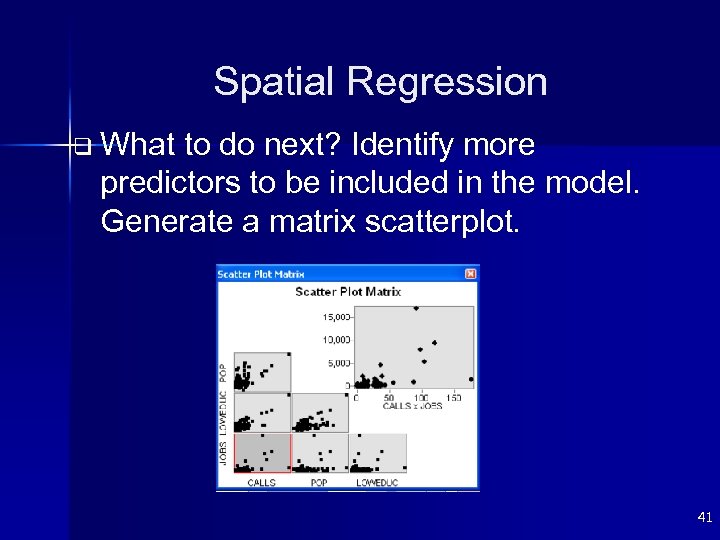
 Spatial Regression q What to do next? q Identify more predictors to be included in the model. Could be done graphically. q Generate a scatter plot matrix. Check next two slides. 39
 Spatial Regression 40
 Spatial Regression q What to do next? Identify more predictors to be included in the model. Generate a matrix scatterplot. 41
 Spatial Regression Geographically Weighted Regression (GWR) 42
 n Source: Yu and Wei, Geography Department UW Simpson’s paradox Spatially disaggregated data House Price Spatially aggregated data House density 43
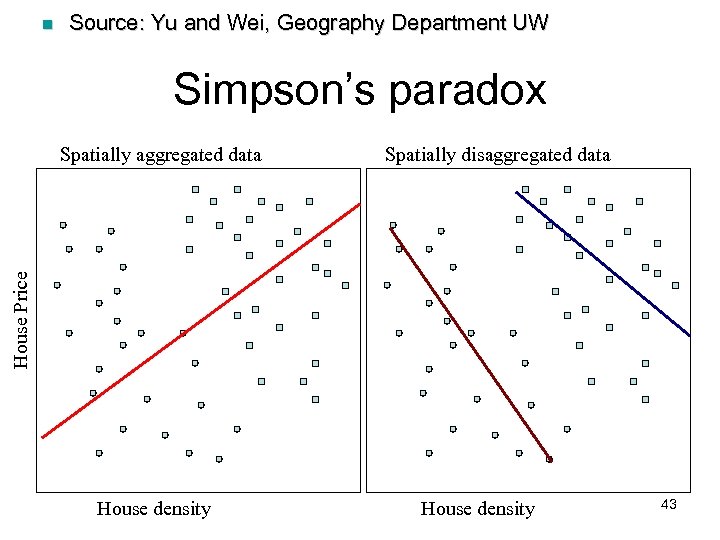
 GWR q Associations vary spatially and are not fixed. q GWR constructs separate equations by including the dependent and explanatory variables of features that are within the bandwidth of each target feature. q Bandwiths are preferable chosen to be adaptive. q It generates a local regression model for each feature. It is truly a spatial analytical technique. 44
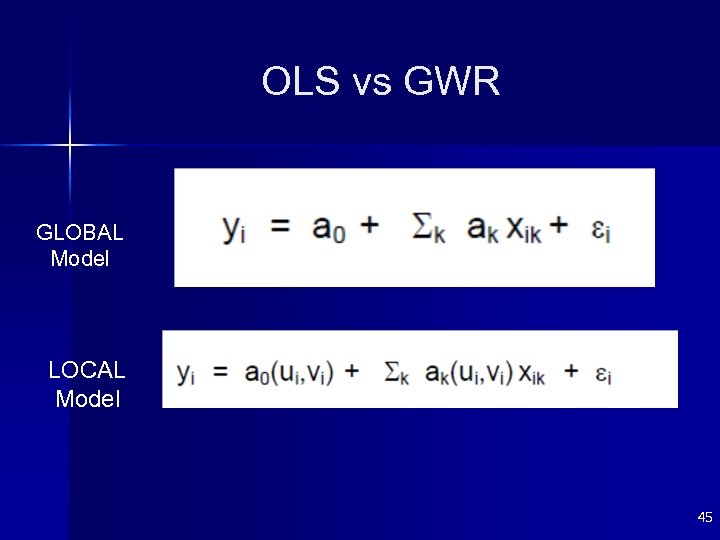 OLS vs GWR GLOBAL Model LOCAL Model 45
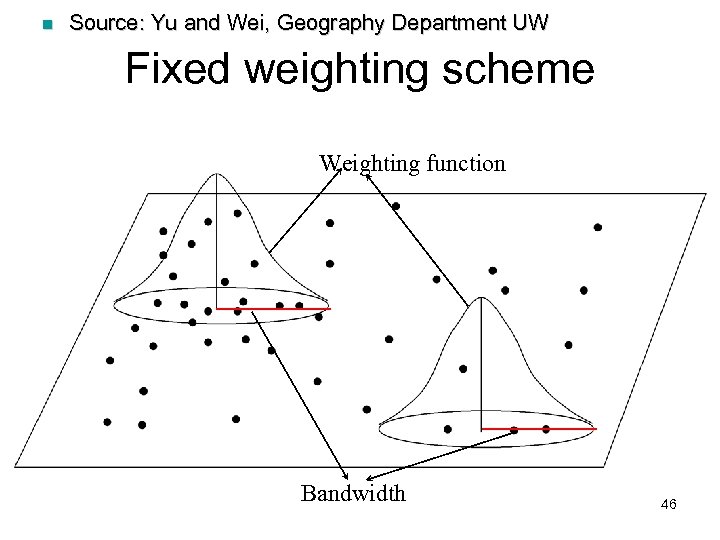 n Source: Yu and Wei, Geography Department UW Fixed weighting scheme Weighting function Bandwidth 46
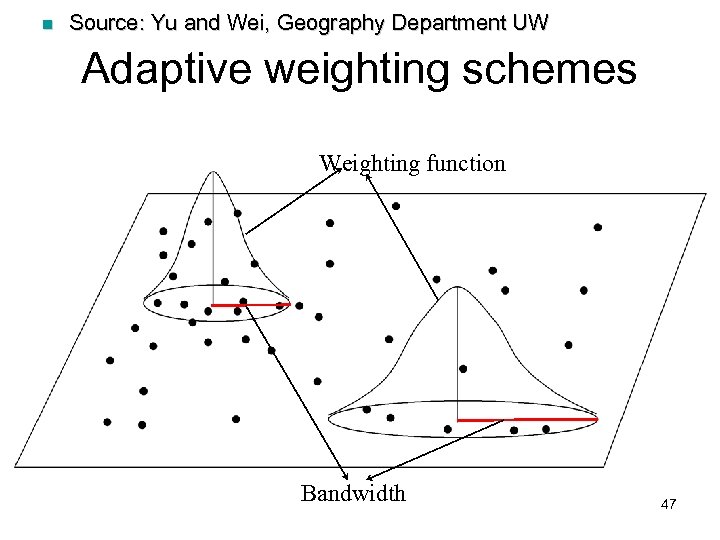 n Source: Yu and Wei, Geography Department UW Adaptive weighting schemes Weighting function Bandwidth 47
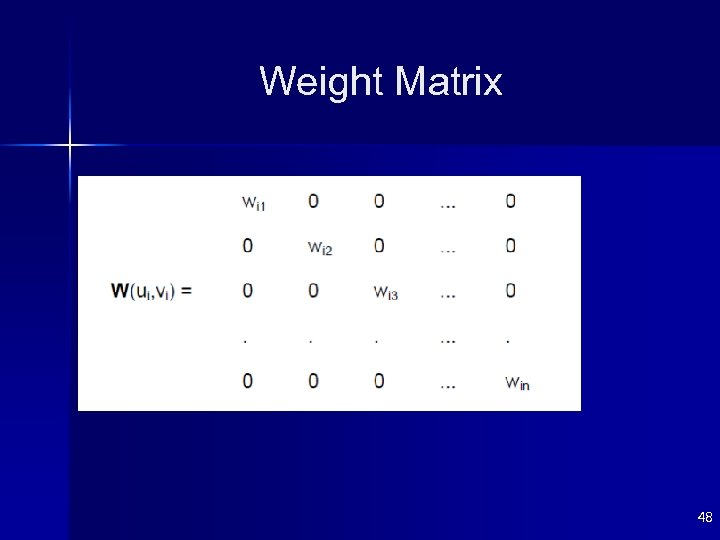 Weight Matrix 48
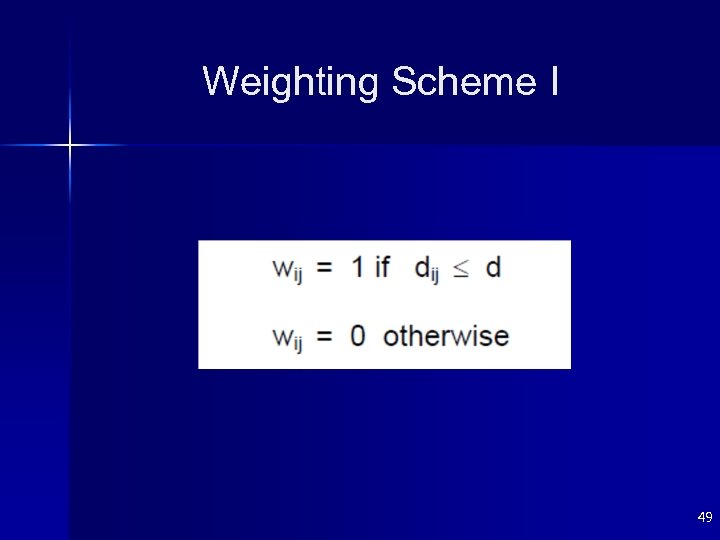 Weighting Scheme I 49
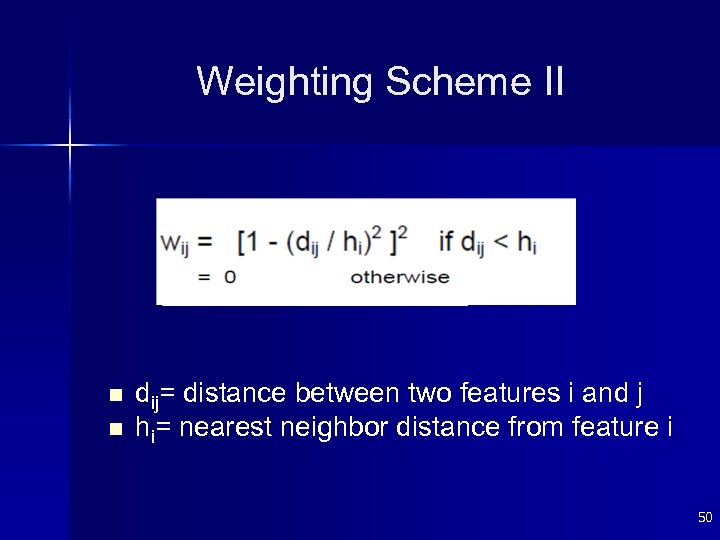 Weighting Scheme II n n dij= distance between two features i and j hi= nearest neighbor distance from feature i 50
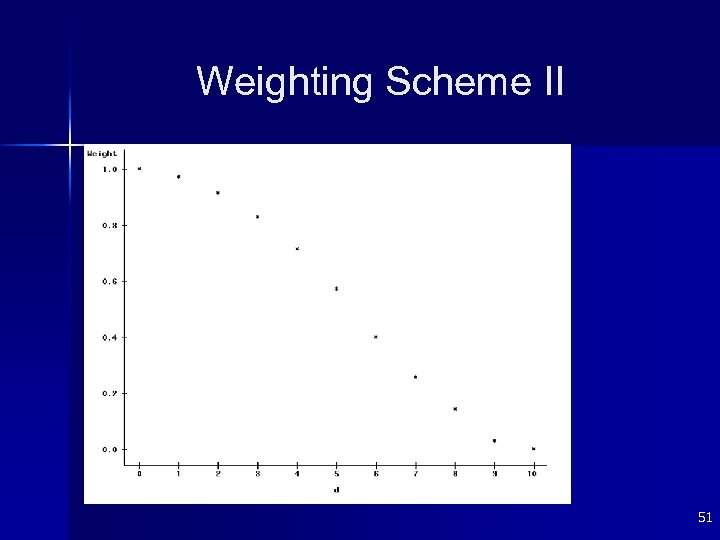 Weighting Scheme II 51
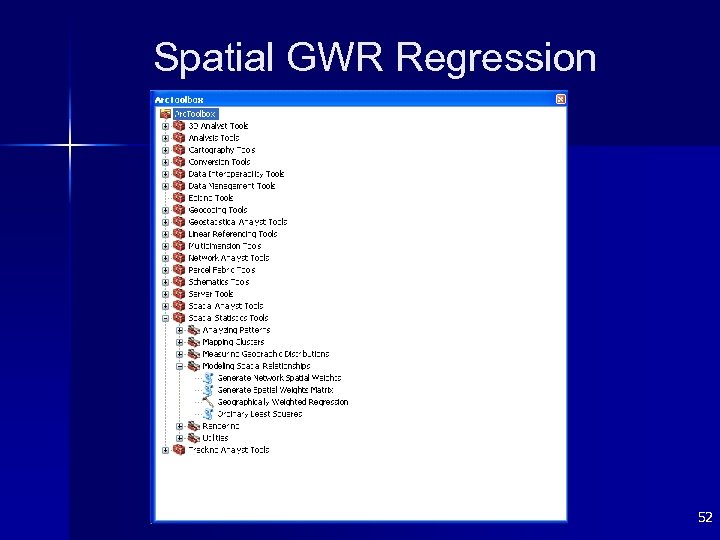 Spatial GWR Regression 52
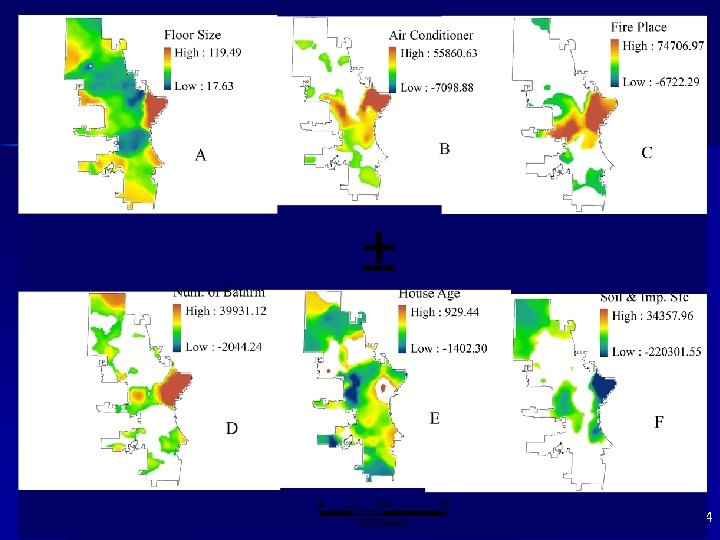
 GWR q Are the regressions coefficients varying across the study area. – F-tests based on the variability of the individual regression coefficients q Surface map of the local regression coefficients over the study area. 53
 54
54