 Скачать презентацию Policy Responses to Global Warming Alan Robock Department
7a53ba8b495f5d581c724b034239160d.ppt
- Количество слайдов: 46



Policy Responses to Global Warming Alan Robock Department of Environmental Sciences Rutgers University, New Brunswick, New Jersey USA robock@envsci. rutgers. edu http: //envsci. rutgers. edu/~robock
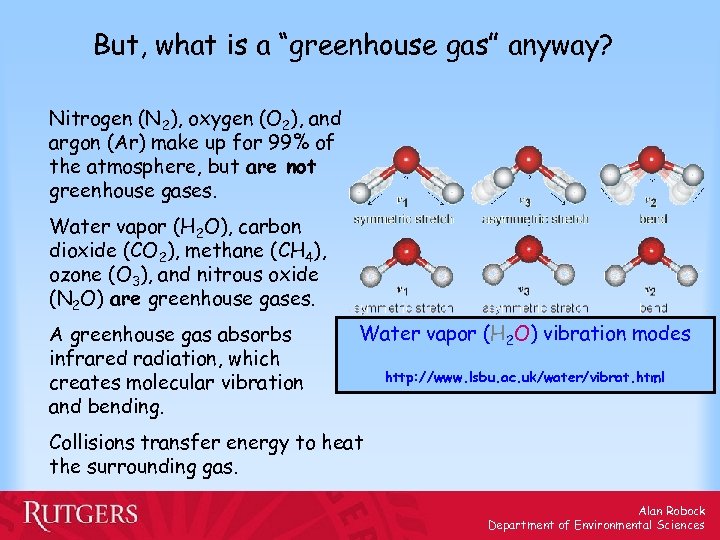
But, what is a “greenhouse gas” anyway? Nitrogen (N 2), oxygen (O 2), and argon (Ar) make up for 99% of the atmosphere, but are not greenhouse gases. Water vapor (H 2 O), carbon dioxide (CO 2), methane (CH 4), ozone (O 3), and nitrous oxide (N 2 O) are greenhouse gases. A greenhouse gas absorbs infrared radiation, which creates molecular vibration and bending. Water vapor (H 2 O) vibration modes http: //www. lsbu. ac. uk/water/vibrat. html Collisions transfer energy to heat the surrounding gas. Alan Robock Department of Environmental Sciences
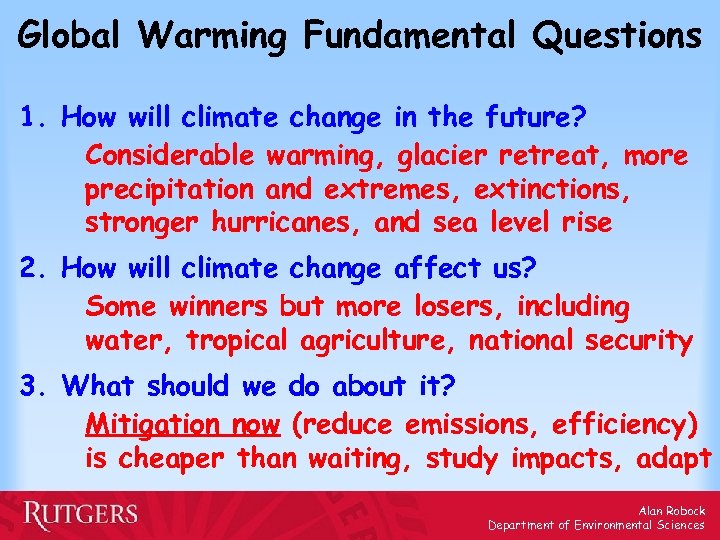
Global Warming Fundamental Questions 1. How will climate change in the future? Considerable warming, glacier retreat, more precipitation and extremes, extinctions, stronger hurricanes, and sea level rise 2. How will climate change affect us? Some winners but more losers, including water, tropical agriculture, national security 3. What should we do about it? Mitigation now (reduce emissions, efficiency) is cheaper than waiting, study impacts, adapt Alan Robock Department of Environmental Sciences
Global Warming Fundamental Questions 1. How will climate change in the future? Intergovernmental Panel on Climate Change (IPCC) Working Group I (WG I) 2. How will climate change affect us? IPCC WG II 3. What should we do about it? IPCC WG III Alan Robock Department of Environmental Sciences
Climate Change Fundamental Questions 3. What should we do about it? This is a political decision to be made by society and individuals, and is based on values. Cannot be answered directly by science, but mitigation and adaptation need to be informed by scientific results, for example: - the response to different mitigation choices - scenarios for implementation of mitigation and adaptation, such as wind climate for wind generators, or future climate for agriculture - assess carbon offset schemes Alan Robock Department of Environmental Sciences
The United Nations Framework Convention On Climate Change 1992 Signed by 194 countries and ratified by 188 (as of February 26, 2004) Signed and ratified in 1992 by the United States The ultimate objective of this Convention. . . is to achieve. . . stabilization of greenhouse gas concentrations in the atmosphere at a level that would prevent dangerous anthropogenic interference with the climate system. Alan Robock Department of Environmental Sciences
Kyoto Protocol Adopted at the third session of the Conference of the Parties to the UNFCCC in Kyoto, Japan, on 11 December 1997. It has been signed, but not ratified, by the US. Agrees to limit US greenhouse gas emissions to 93% of the level of 1990 by 2008 -2012. To come into force, the Kyoto Protocol had to be ratified by at least 55 countries, including Annex I countries accounting for at least 55% of this industrialized group’s emissions in 1990. The Kyoto Protocol entered into force on February 16, 2005, after Russia ratified it. As of 16 September 2005, 156 states and regional economic integration organizations have deposited instruments of ratifications, accessions, approvals or acceptances. The total percentage of Annex I Parties emissions is 61. 6%. Alan Robock Department of Environmental Sciences
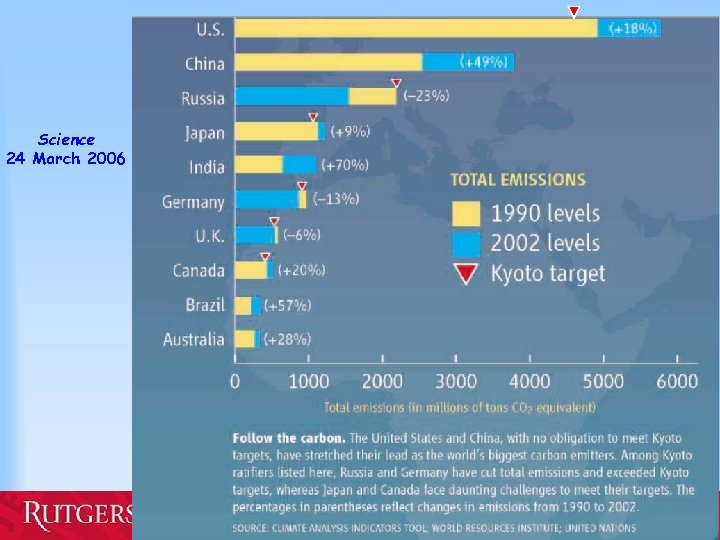
Science 24 March 2006 Alan Robock Department of Environmental Sciences

From Jim Hansen, 11/21/06 Alan Robock Department of Environmental Sciences
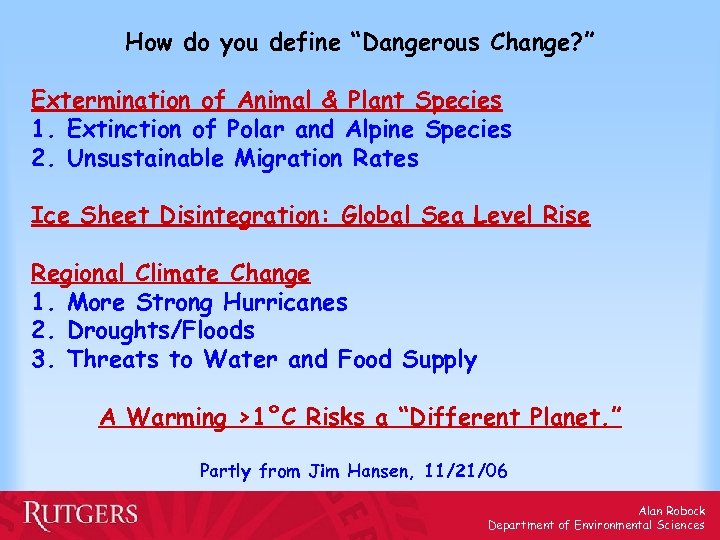
How do you define “Dangerous Change? ” Extermination of Animal & Plant Species 1. Extinction of Polar and Alpine Species 2. Unsustainable Migration Rates Ice Sheet Disintegration: Global Sea Level Rise Regional Climate Change 1. More Strong Hurricanes 2. Droughts/Floods 3. Threats to Water and Food Supply A Warming >1°C Risks a “Different Planet. ” Partly from Jim Hansen, 11/21/06 Alan Robock Department of Environmental Sciences
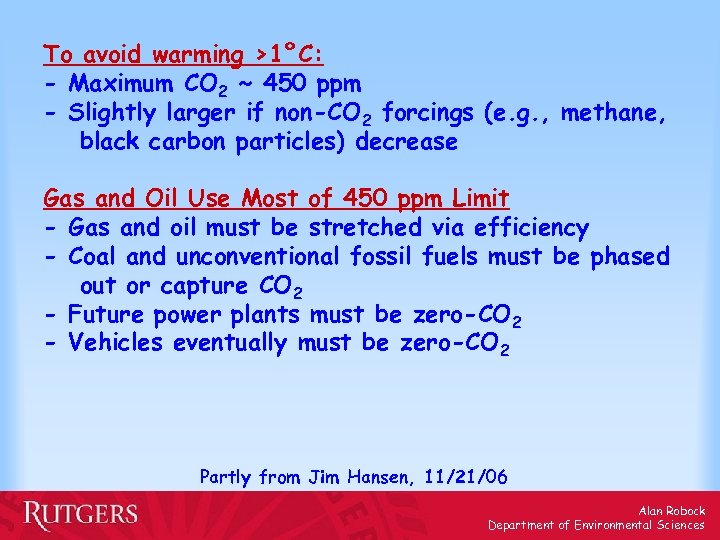
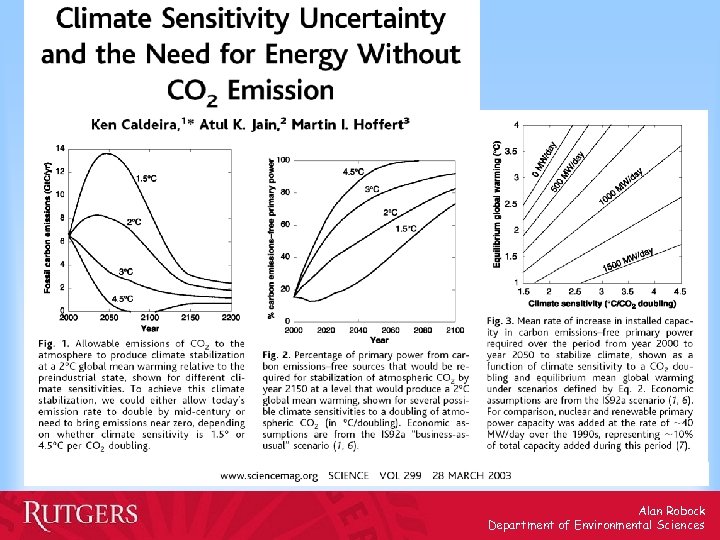
To avoid warming >1°C: - Maximum CO 2 ~ 450 ppm - Slightly larger if non-CO 2 forcings (e. g. , methane, black carbon particles) decrease Gas and Oil Use Most of 450 ppm Limit - Gas and oil must be stretched via efficiency - Coal and unconventional fossil fuels must be phased out or capture CO 2 - Future power plants must be zero-CO 2 - Vehicles eventually must be zero-CO 2 Partly from Jim Hansen, 11/21/06 Alan Robock Department of Environmental Sciences
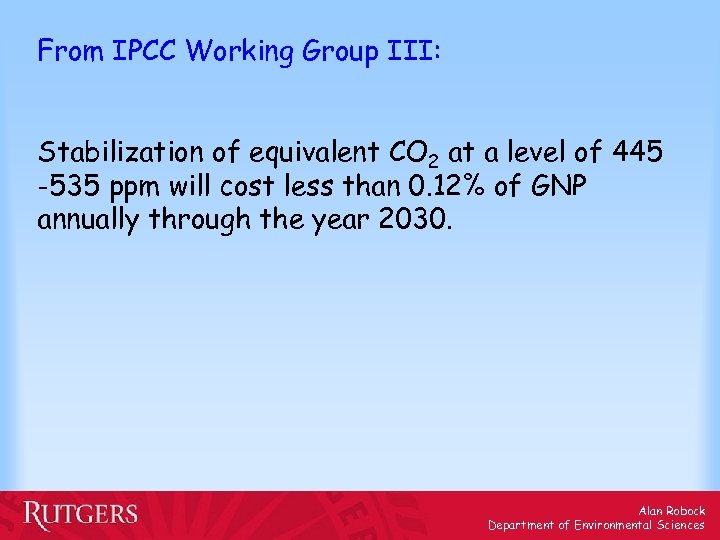
From IPCC Working Group III: Stabilization of equivalent CO 2 at a level of 445 -535 ppm will cost less than 0. 12% of GNP annually through the year 2030. Alan Robock Department of Environmental Sciences
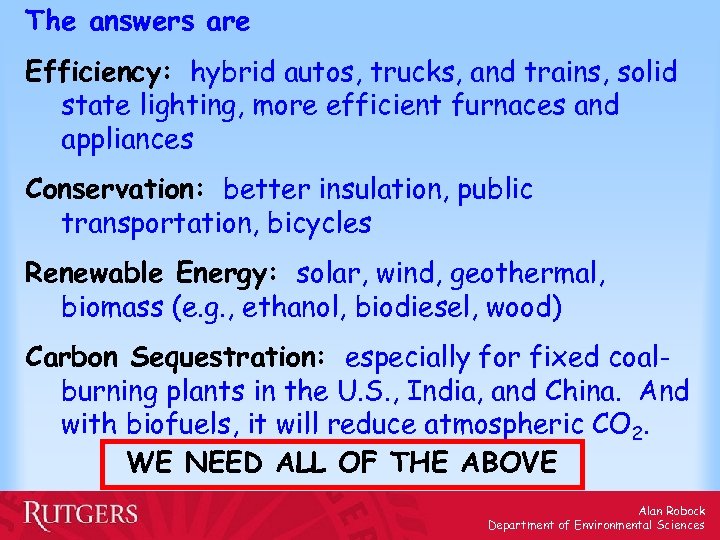
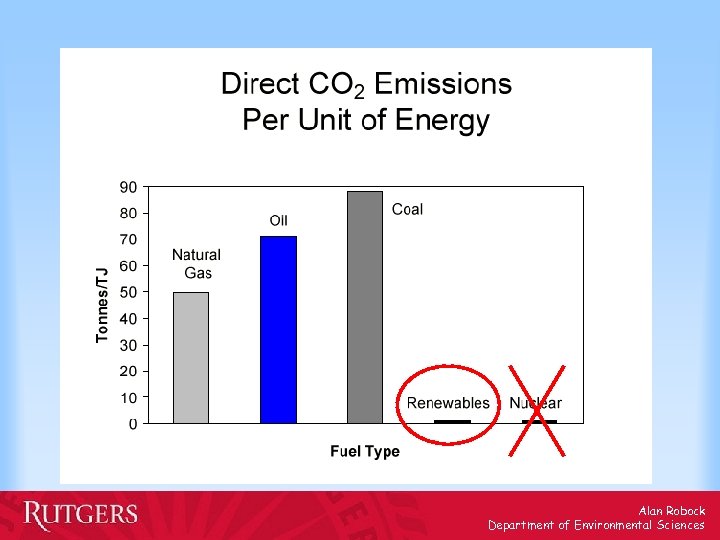
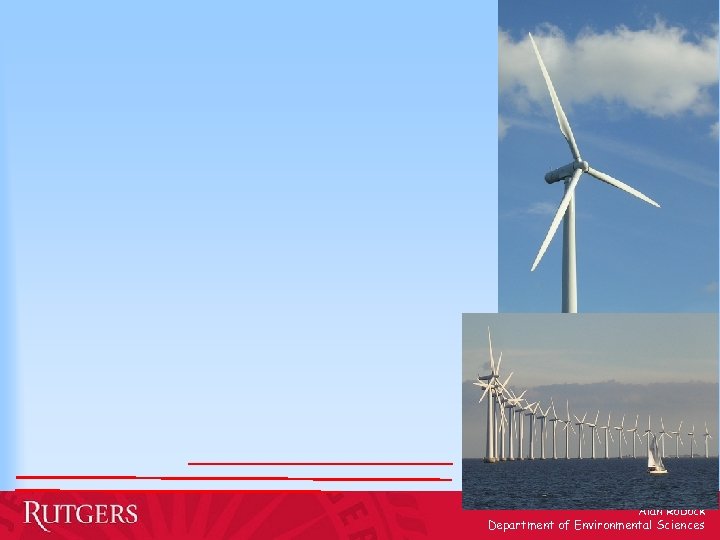
The answers are Efficiency: hybrid autos, trucks, and trains, solid state lighting, more efficient furnaces and appliances Conservation: better insulation, public transportation, bicycles Renewable Energy: solar, wind, geothermal, biomass (e. g. , ethanol, biodiesel, wood) Carbon Sequestration: especially for fixed coalburning plants in the U. S. , India, and China. And with biofuels, it will reduce atmospheric CO 2. WE NEED ALL OF THE ABOVE Alan Robock Department of Environmental Sciences
IPCC Working Group III Summary for Policymakers May 4, 2007 Table from Nature, May 10, 2007, vol 447, p. 121. Alan Robock Department of Environmental Sciences
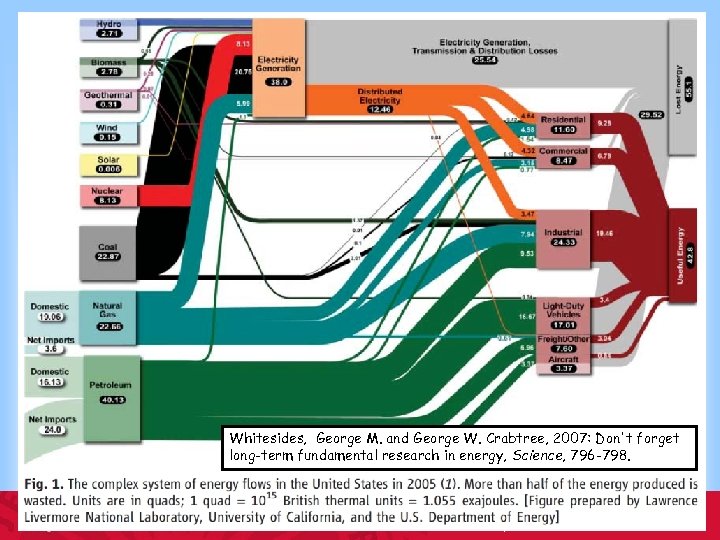
Whitesides, George M. and George W. Crabtree, 2007: Don't forget long-term fundamental research in energy, Science, 796 -798. Alan Robock Department of Environmental Sciences
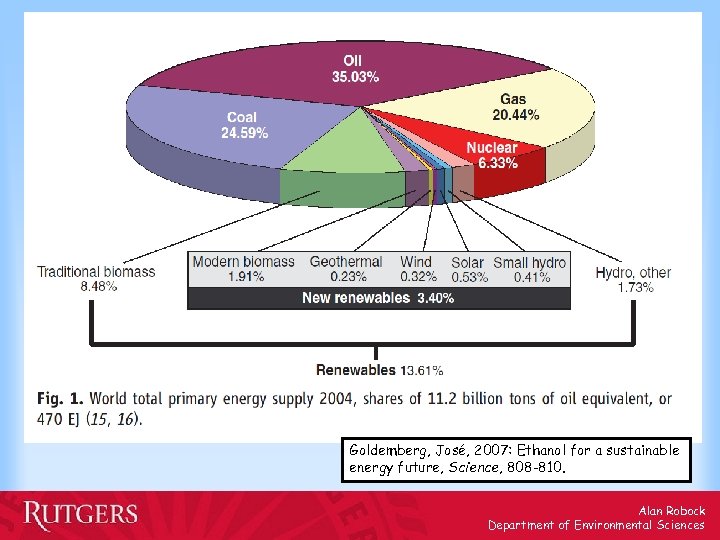
Goldemberg, José, 2007: Ethanol for a sustainable energy future, Science, 808 -810. Alan Robock Department of Environmental Sciences
Goldemberg, José, 2007: Ethanol for a sustainable energy future, Science, 808 -810. Alan Robock Department of Environmental Sciences
Alan Robock Department of Environmental Sciences
Alan Robock Department of Environmental Sciences
Nuclear power is NOT the answer, for any one of the following reasons: 1. Unsafe operation (poor NRC oversight, for profit culture, planned and unplanned releases, fire protection, evacuation plans) 2. Possibility of catastrophic accident 3. Possibility of terrorist attack and radioactive release 4. Not economically viable 5. Waste disposal problem not solvable in near future 6. Nuclear weapons proliferation (fuel processing plant could produce 10 -30 U weapons/yr, waste reprocessing could produce 30 Pu weapons/yr) Alan Robock Department of Environmental Sciences
Alan Robock Department of Environmental Sciences

Source: American Wind Energy Association, http: //www. awea. org/pubs/factsheets/Subsidy. pdf Alan Robock Department of Environmental Sciences
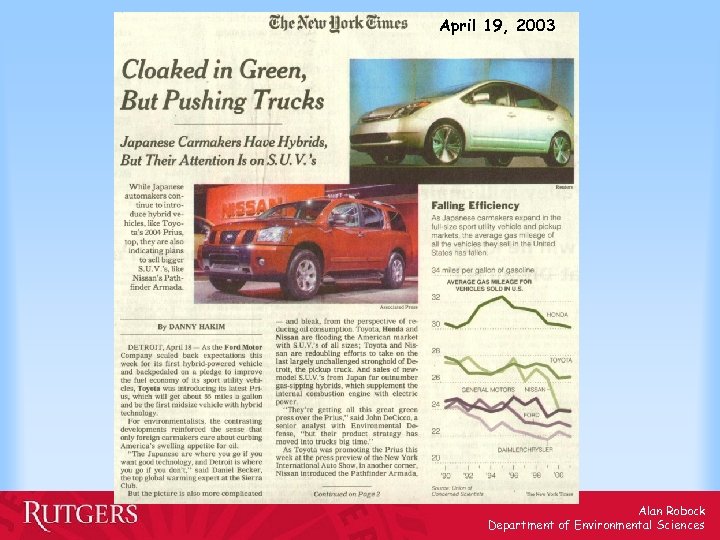
April 19, 2003 Alan Robock Department of Environmental Sciences
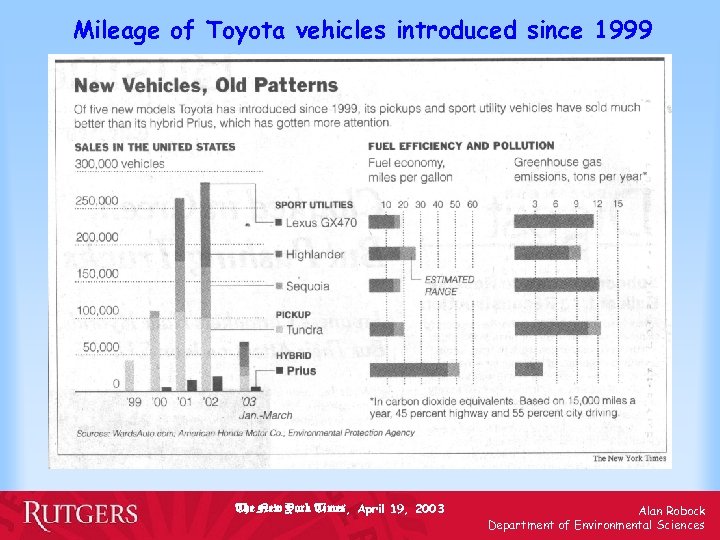
Mileage of Toyota vehicles introduced since 1999 The New York Times, April 19, 2003 Alan Robock Department of Environmental Sciences
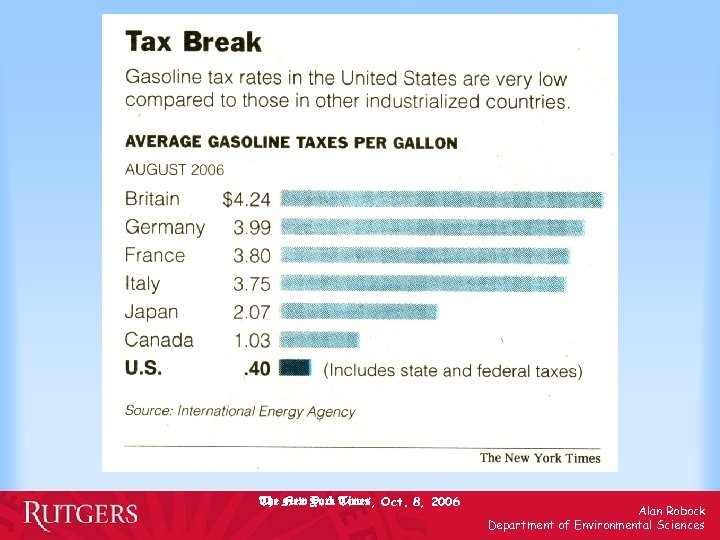
The New York Times, Oct. 8, 2006 Alan Robock Department of Environmental Sciences
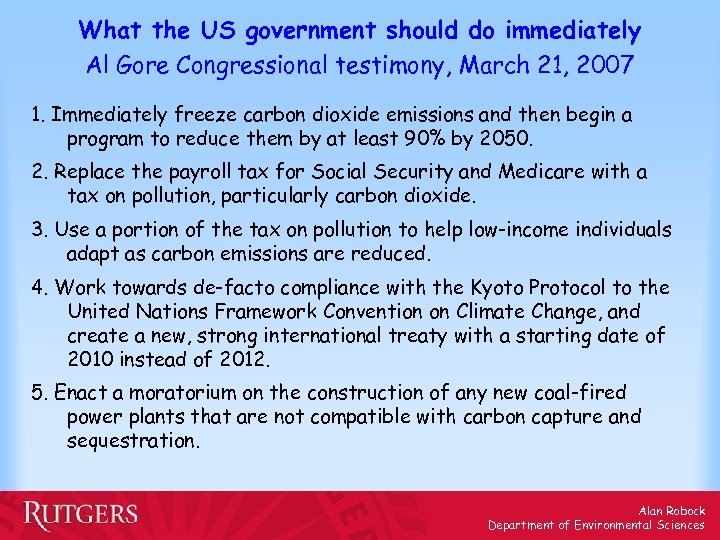
What the US government should do immediately Al Gore Congressional testimony, March 21, 2007 1. Immediately freeze carbon dioxide emissions and then begin a program to reduce them by at least 90% by 2050. 2. Replace the payroll tax for Social Security and Medicare with a tax on pollution, particularly carbon dioxide. 3. Use a portion of the tax on pollution to help low-income individuals adapt as carbon emissions are reduced. 4. Work towards de-facto compliance with the Kyoto Protocol to the United Nations Framework Convention on Climate Change, and create a new, strong international treaty with a starting date of 2010 instead of 2012. 5. Enact a moratorium on the construction of any new coal-fired power plants that are not compatible with carbon capture and sequestration. Alan Robock Department of Environmental Sciences
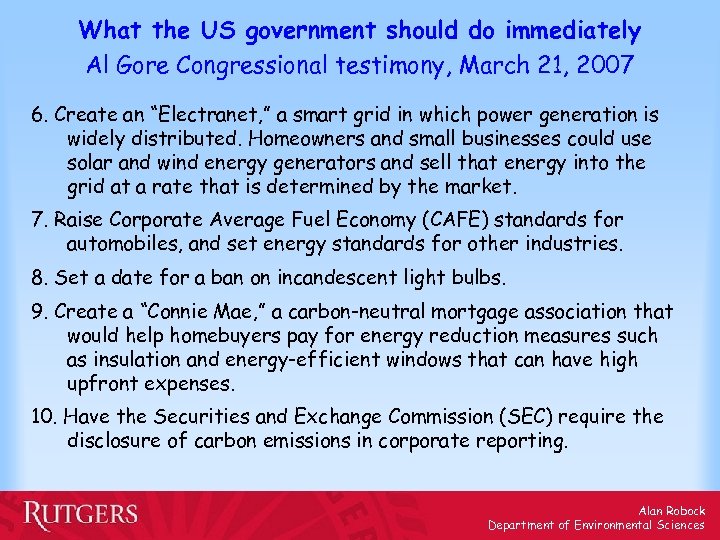
What the US government should do immediately Al Gore Congressional testimony, March 21, 2007 6. Create an “Electranet, ” a smart grid in which power generation is widely distributed. Homeowners and small businesses could use solar and wind energy generators and sell that energy into the grid at a rate that is determined by the market. 7. Raise Corporate Average Fuel Economy (CAFE) standards for automobiles, and set energy standards for other industries. 8. Set a date for a ban on incandescent light bulbs. 9. Create a “Connie Mae, ” a carbon-neutral mortgage association that would help homebuyers pay for energy reduction measures such as insulation and energy-efficient windows that can have high upfront expenses. 10. Have the Securities and Exchange Commission (SEC) require the disclosure of carbon emissions in corporate reporting. Alan Robock Department of Environmental Sciences
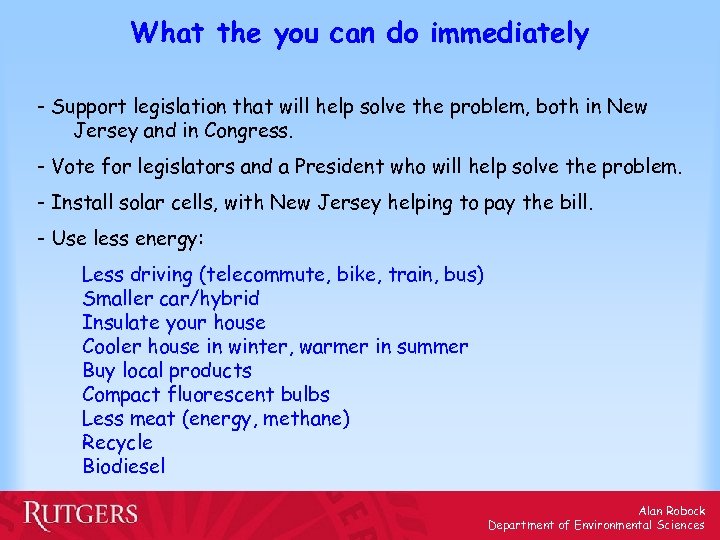
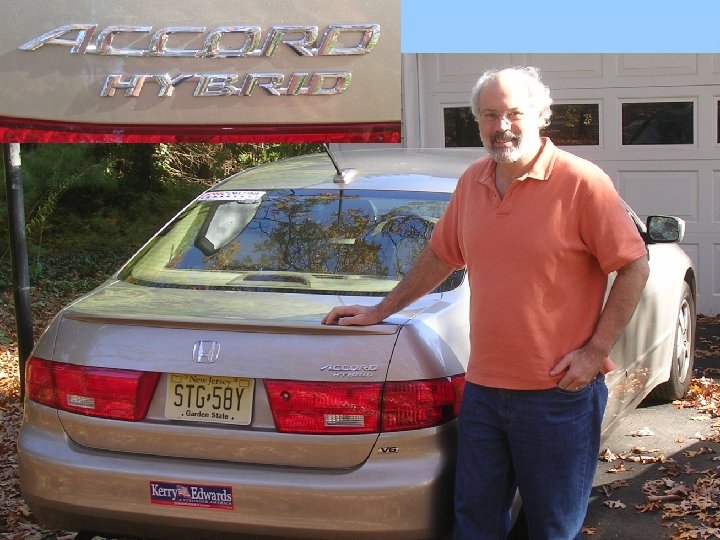
What the you can do immediately - Support legislation that will help solve the problem, both in New Jersey and in Congress. - Vote for legislators and a President who will help solve the problem. - Install solar cells, with New Jersey helping to pay the bill. - Use less energy: Less driving (telecommute, bike, train, bus) Smaller car/hybrid Insulate your house Cooler house in winter, warmer in summer Buy local products Compact fluorescent bulbs Less meat (energy, methane) Recycle Biodiesel Alan Robock Department of Environmental Sciences
Alan Robock Department of Environmental Sciences

Alan Robock Department of Environmental Sciences

Alan Robock Department of Environmental Sciences

Alan Robock Department of Environmental Sciences

Alan Robock Department of Environmental Sciences
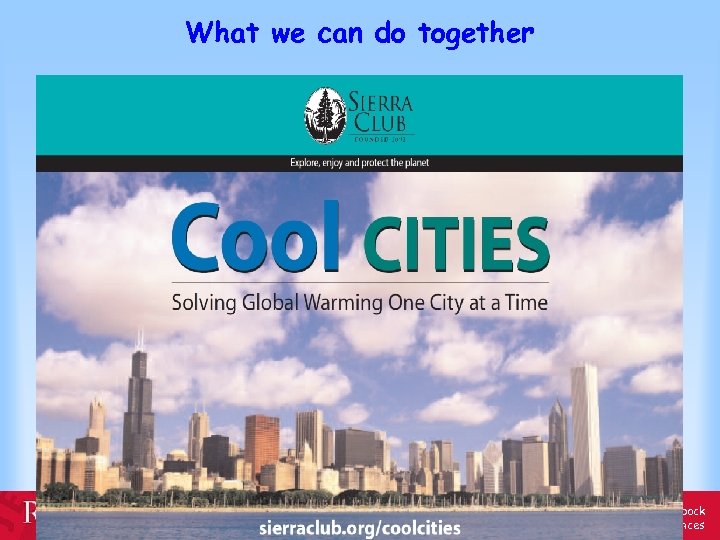
What we can do together Alan Robock Department of Environmental Sciences
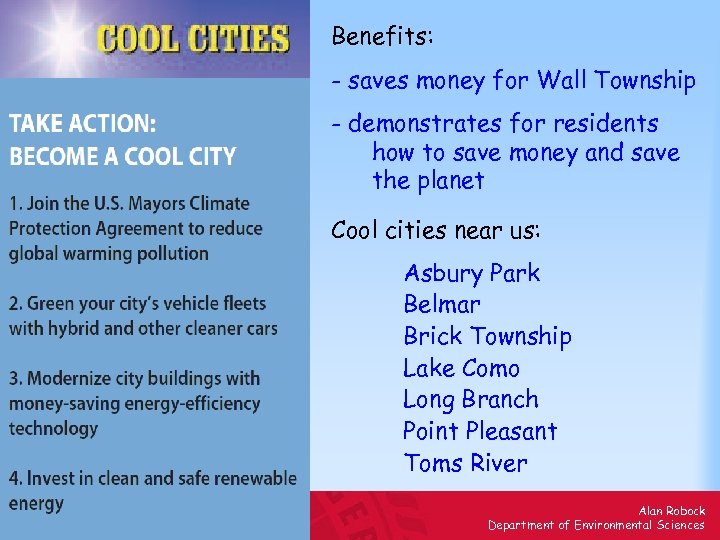
Benefits: - saves money for Wall Township - demonstrates for residents how to save money and save the planet Cool cities near us: Asbury Park Belmar Brick Township Lake Como Long Branch Point Pleasant Toms River Alan Robock Department of Environmental Sciences
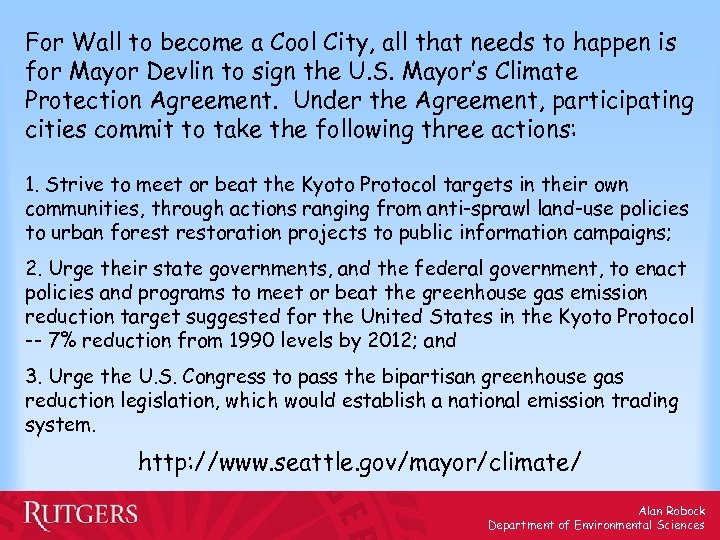
For Wall to become a Cool City, all that needs to happen is for Mayor Devlin to sign the U. S. Mayor’s Climate Protection Agreement. Under the Agreement, participating cities commit to take the following three actions: 1. Strive to meet or beat the Kyoto Protocol targets in their own communities, through actions ranging from anti-sprawl land-use policies to urban forestoration projects to public information campaigns; 2. Urge their state governments, and the federal government, to enact policies and programs to meet or beat the greenhouse gas emission reduction target suggested for the United States in the Kyoto Protocol -- 7% reduction from 1990 levels by 2012; and 3. Urge the U. S. Congress to pass the bipartisan greenhouse gas reduction legislation, which would establish a national emission trading system. http: //www. seattle. gov/mayor/climate/ Alan Robock Department of Environmental Sciences
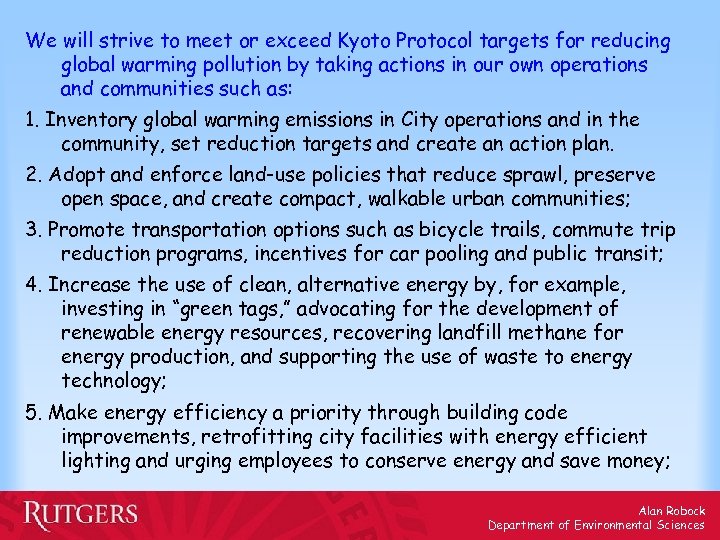
We will strive to meet or exceed Kyoto Protocol targets for reducing global warming pollution by taking actions in our own operations and communities such as: 1. Inventory global warming emissions in City operations and in the community, set reduction targets and create an action plan. 2. Adopt and enforce land-use policies that reduce sprawl, preserve open space, and create compact, walkable urban communities; 3. Promote transportation options such as bicycle trails, commute trip reduction programs, incentives for car pooling and public transit; 4. Increase the use of clean, alternative energy by, for example, investing in “green tags, ” advocating for the development of renewable energy resources, recovering landfill methane for energy production, and supporting the use of waste to energy technology; 5. Make energy efficiency a priority through building code improvements, retrofitting city facilities with energy efficient lighting and urging employees to conserve energy and save money; Alan Robock Department of Environmental Sciences
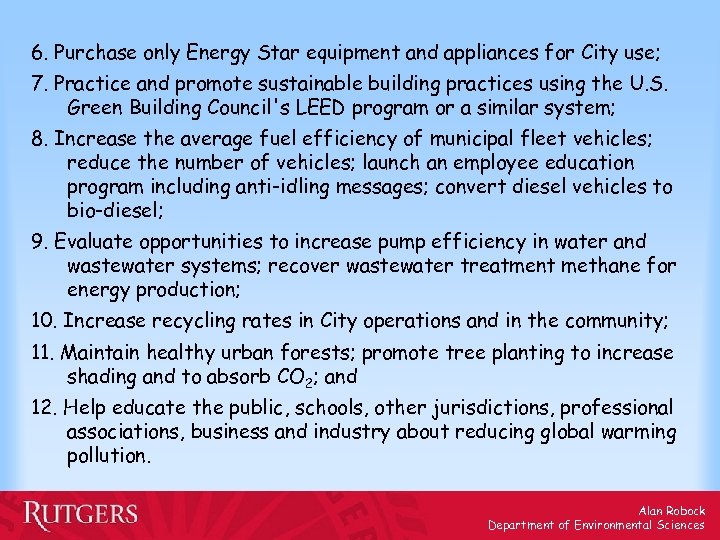
6. Purchase only Energy Star equipment and appliances for City use; 7. Practice and promote sustainable building practices using the U. S. Green Building Council's LEED program or a similar system; 8. Increase the average fuel efficiency of municipal fleet vehicles; reduce the number of vehicles; launch an employee education program including anti-idling messages; convert diesel vehicles to bio-diesel; 9. Evaluate opportunities to increase pump efficiency in water and wastewater systems; recover wastewater treatment methane for energy production; 10. Increase recycling rates in City operations and in the community; 11. Maintain healthy urban forests; promote tree planting to increase shading and to absorb CO 2; and 12. Help educate the public, schools, other jurisdictions, professional associations, business and industry about reducing global warming pollution. Alan Robock Department of Environmental Sciences
“No regrets” policies. Reduced usage of energy will have many positive benefits to society, even if projected global warming turns out to have been exaggerated (which is just as likely as that the warming turns out to have been underestimated). We would have cleaner air, less acid rain, greater visibility in the atmosphere, cooler central regions of cities, more trees, and less dependence on foreign oil supplies. Alan Robock Department of Environmental Sciences
Alan Robock Department of Environmental Sciences
The Global Warming Dilemma (Mahlman, 2002) “There are no quick policy fixes, nationally or globally. If we don't begin to chip away at the problem soon, it is very likely that serious consequences will be wired in for the world of our great-grandchildren and for their great-grandchildren. . “The long time scales and robustness of the problem almost guarantees that our descendants in the 22 nd century will, with historical perspective, see that we were actually confronted with a major planet-scale stewardship/ management problem. “They will most assuredly note how we responded, or how we did not respond to the problem. ” Alan Robock Department of Environmental Sciences
Flawed arguments against global warming Solar variations have caused the recent warming, so the effect of greenhouse gases must be small. The warming was caused by contrails (short-lived clouds, formed by condensation of jet exhaust), so we need not worry about greenhouse gases. The satellite record of lower tropospheric temperature for the past 20 years shows less warming, which shows that both the surface temperature record is wrong and that climate models are flawed. Alan Robock Department of Environmental Sciences
Flawed arguments against global warming Models produce too much warming when they try to reproduce the climate change of the past 100 years. Most of the warming of the past century took place in the first half of the century, especially from about 1915 to 1945, when the effect of CO 2 was less. Water vapor is a more important greenhouse gas than carbon dioxide (CO 2). The warming of the surface air temperatures is urban warming and not representative of global climate change. Alan Robock Department of Environmental Sciences
Flawed arguments against global warming Carbon dioxide variations in the Ice Age are inconsistent with current climate model predictions. Most IPCC scientists are not experts in global climate change. Climate model predictions for global warming are getting smaller as time goes on (implying that the problem will go away once we study it some more). Alan Robock Department of Environmental Sciences
Flawed arguments against global warming The human input of CO 2 to the atmosphere each year is only about 4% of the natural biological flux, so we need not worry about it. Scientists get the answer on greenhouse warming that the government wants, to keep their funding coming in. Weather cannot be predicted beyond a week or so, so how can we predict climate? The current warming is a natural “rebound from the Little Ice Age” and should not be blamed on human actions. Alan Robock Department of Environmental Sciences
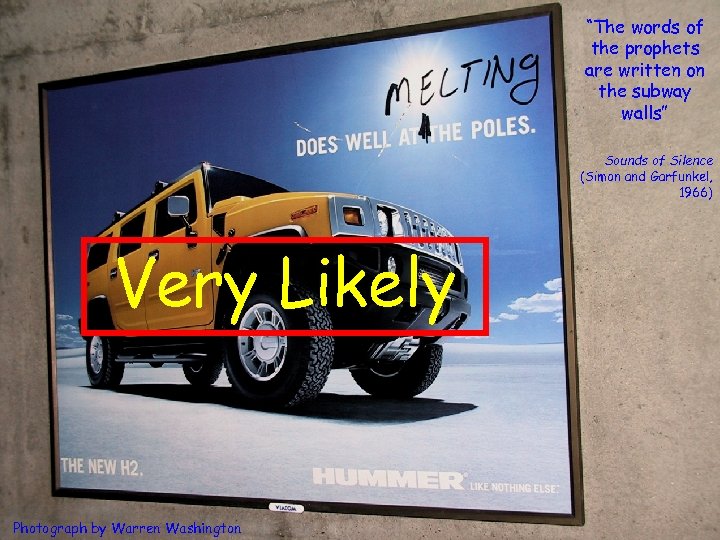
“The words of the prophets are written on the subway walls” Sounds of Silence (Simon and Garfunkel, 1966) Very Likely Photograph by Warren Washington Alan Robock Department of Environmental Sciences
Скачать презентацию Policy Responses to Global Warming Alan Robock Department
7a53ba8b495f5d581c724b034239160d.ppt