Скачать презентацию Planning for Housing The private sector perspective John
28a20e63cbbc9e0210e1f2131032f7b8.ppt
- Количество слайдов: 25
 Planning for Housing The private sector perspective John Acres Director of Planning (Sustainable Development)
 Who are the Catesby Property Group? • Catesby has property interests throughout the country - commercial, mixed use and residential • Catesby assembles, promotes and develops land secures planning consent for sale of land to house-builders and developers • Catesby is promoting land for 3200 dwellings and 50 ha employment land at Newark.
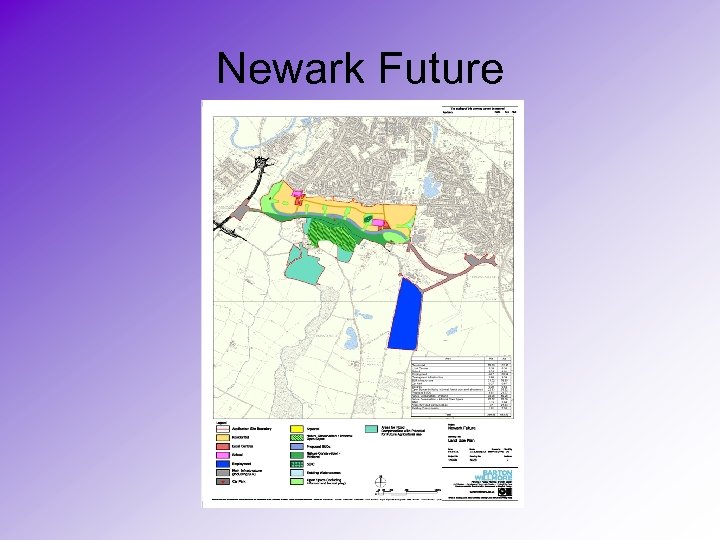 Newark Future
 What am I going to cover? Planning for Housing • The story so far • Where are we now • Where are we going • What is the outlook for – planning, – the economy – society
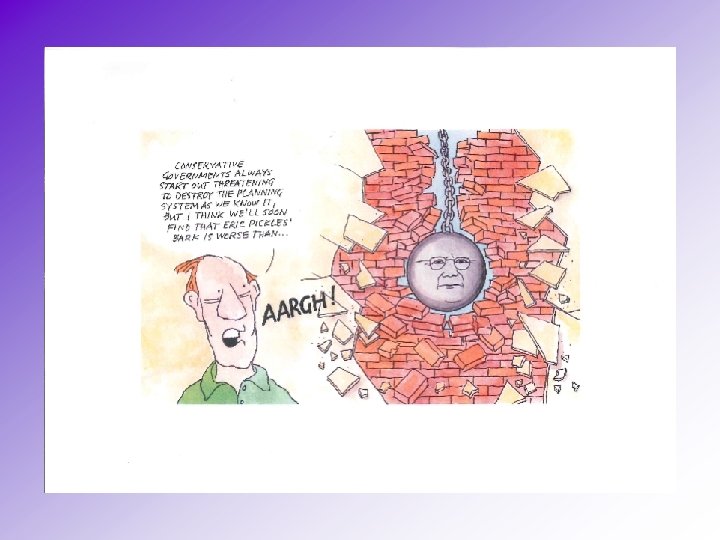
 The story so far. . • • Carol Spelman’s letter – Aug 2009 – collusion? Open Source planning – Feb 2010 – concoction An ‘arranged marriage’ – May 2010 - coalition The ‘Pickles’ letter – 27 th May 2010 – confusion Revocation of RSS’s – July 2010 - conspiracy! The ‘Cala’ decision – Nov 2010 - condemnation The Localism Bill – Dec 2010 - conclusion
 House of Commons Select Committee ‘Abolition of RSS’s – A planning vacuum’ “Having taken 30 years to build up the strategic planning system and perhaps 3 years to prepare each Regional Plan, it has taken literally 3 months to abandon the whole process and create a situation of complete paralysis in the planning system. ” Para 3: Introduction.
 Key indicators of change. What have been the trends?
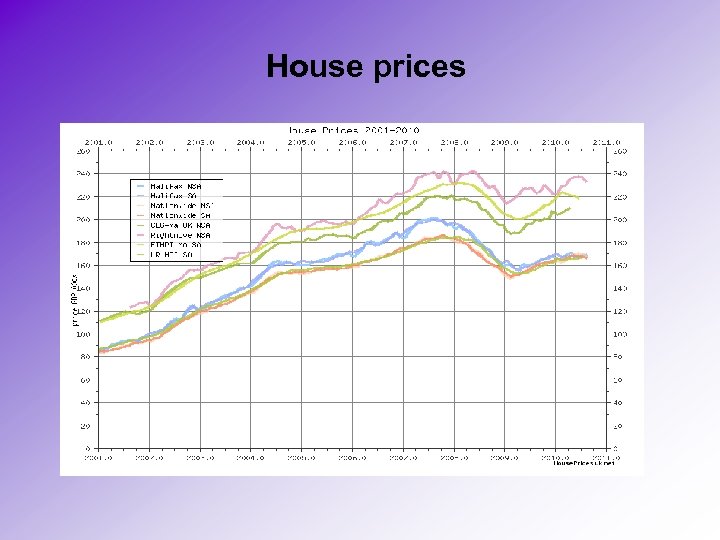 House prices
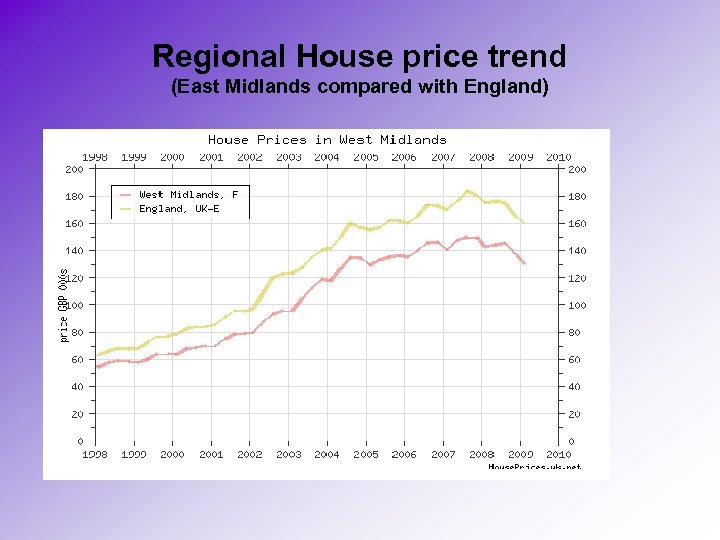 Regional House price trend (East Midlands compared with England)
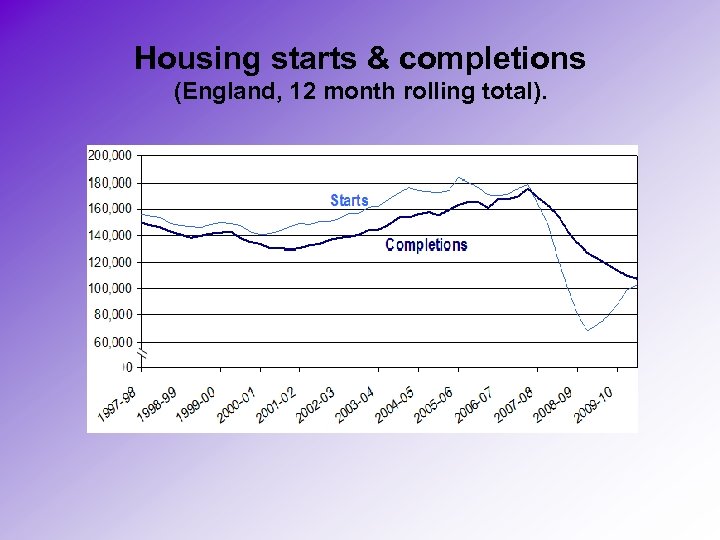 Housing starts & completions (England, 12 month rolling total).
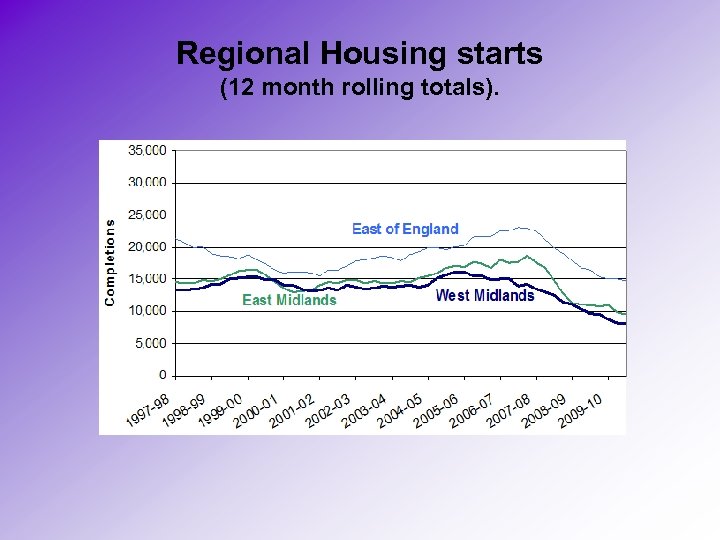 Regional Housing starts (12 month rolling totals).
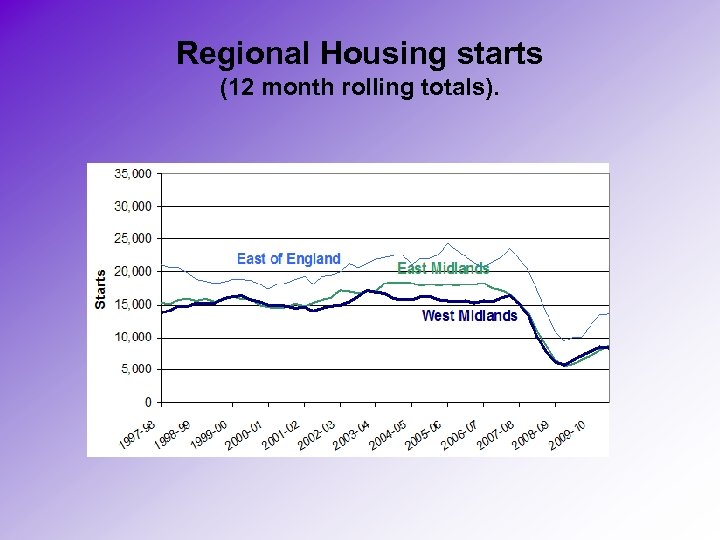 Regional Housing starts (12 month rolling totals).
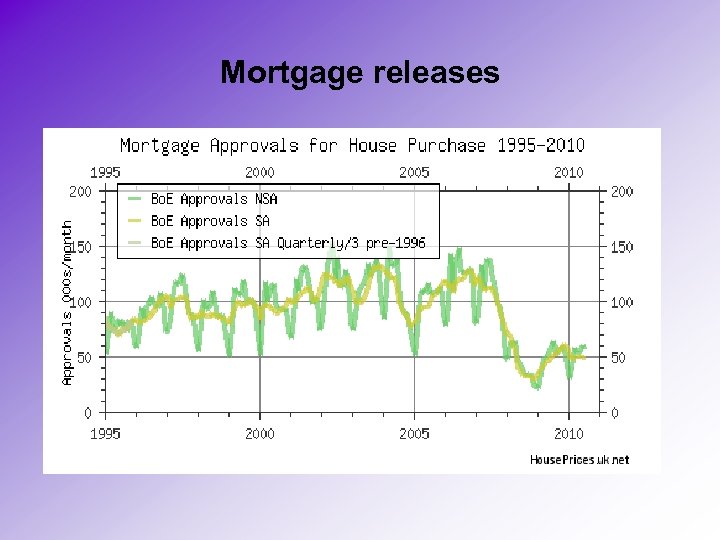 Mortgage releases
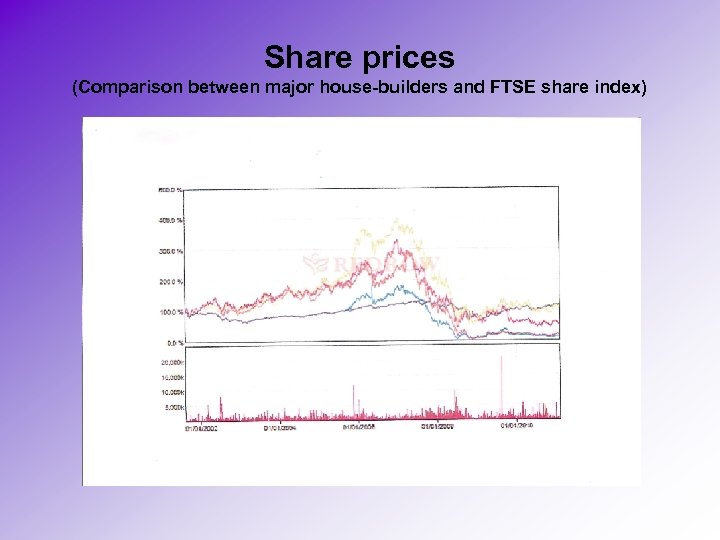 Share prices (Comparison between major house-builders and FTSE share index)
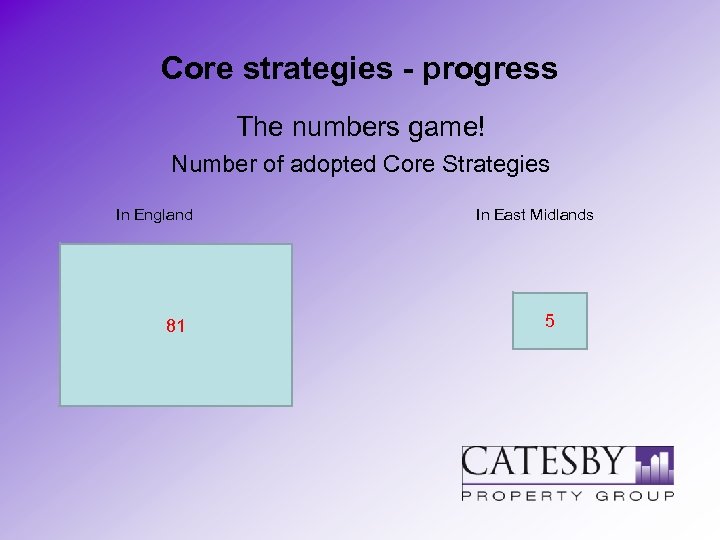 Core strategies - progress The numbers game! Number of adopted Core Strategies In England 81 In East Midlands 5
 Where are we now? • Strategic planning – the baby has been thrown out with the bathwater! • Planning in limbo – Localism Bill • The implications of Cala 1 & 2 (& 3) • Kneejerk decisions • Less support, changes in structures • Coping with cuts – losses of jobs • The market in the doldrums • Confusion & delay
 Key pointers for change • The Budget statement. “ The planning system has held back investment and created distortions in the way that business compete, deterring development and growth”. • Eric Pickles: “LPA’s and other bodies involved in granting development consents should prioritise growth and jobs… with immediate effect. ” • Greg Clarke: “The answer to development and growth should wherever possible be ‘yes’”. • Steve Quartermain: “This statement is a material planning consideration”
 Localism Bill • What’s in? • What’s out? • • • Abolition of regional Planning Abolish IPC – SOS decision Duty to Co-operate Neighbourhood Planning Local Referenda Community Right to Build Community Right to Challenge Removal of Pre-determination rule/tightening penalties National Spatial Plan Presumption in favour of Devt. Housing targets Any change to primacy of Local Plans • Third Party rights of Appeal • Neighbour compensation • Local Enterprise Partnerships (non statutory)
 Where are we going? The longer term outlook.
 Impact on Planning (Will things be more or less plan led? ) • • Less certainty – more flexibility Less co-ordination – more variation Less needs based – more opportunity based Less influence from planners – more influence from politicians/local people • Less professionalism – more parochialism • Less staff – more work to do!!
 Impact on the Economy (Is the Bill pro-growth or not? ) • Less certainty = more reluctance to invest • Less public investment = more pressure on private sector • Less bureaucracy = potentially less costs and more freedom • Losing a layer in the hierarchy = quicker decisions • Localism may = more uncertainty, but may = closer private/public sector relationships.
 Impact on Society (Will it help foster the Big Society? ) • Will it promote more genuine community involvement? • If so, will it create more tensions in planning? • Who will undertake & pay for neighbourhood planning? • Will it work in the urban areas? • Will it promote survival of the fittest approach? • Who will be the winners/losers? • Does ‘Big Society’ – mean lots of little societies?