


 Скачать презентацию PIA 2096 Foreign Aid Foreign and Security Policy
0782f8aeeef4219b7f09dad7e2c7a0af.ppt
- Количество слайдов: 50
 PIA 2096 Foreign Aid, Foreign and Security Policy And Development Management Week 6
 Technical Assistance and Structural Adjustment
 Foreign Aid: The Third Decade ► The First Decade: (Baker’s Dozen) 19481960 “From Point Four to The Missile Gap” ► The Second Decade (and a half) 1960 -1975 (From USAID to Vietnam’s Collapse) Third Decade: 1975 -1988 (Unlucky in Aid and War-Iran and Nicaragua) ► The
 Overview of the Issues ► Defining Development ► The Problem of Debt ► Stabilization vs. Conditionality ► Public Sector Reform and Policy Reform ► Foreign Aid vs. Technical Assistance
 I. Defining Development and Underdevelopment ► Changing Terms § Non-Western World § Developing areas or nations § Third World
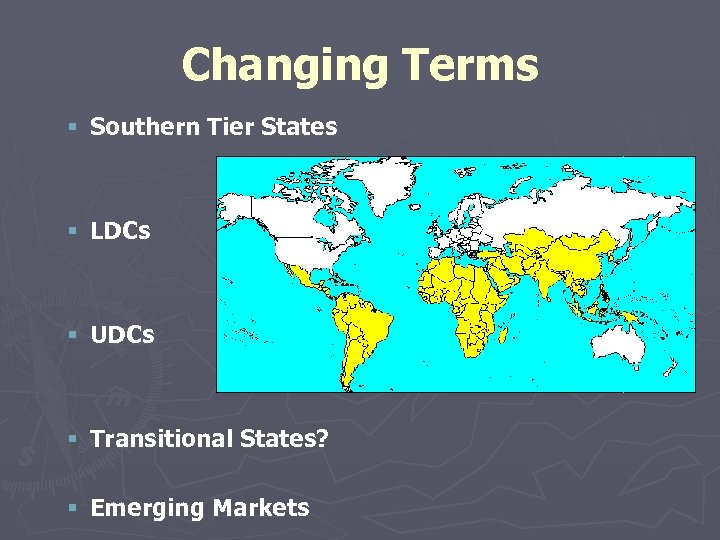 Changing Terms § Southern Tier States § LDCs § UDCs § Transitional States? § Emerging Markets
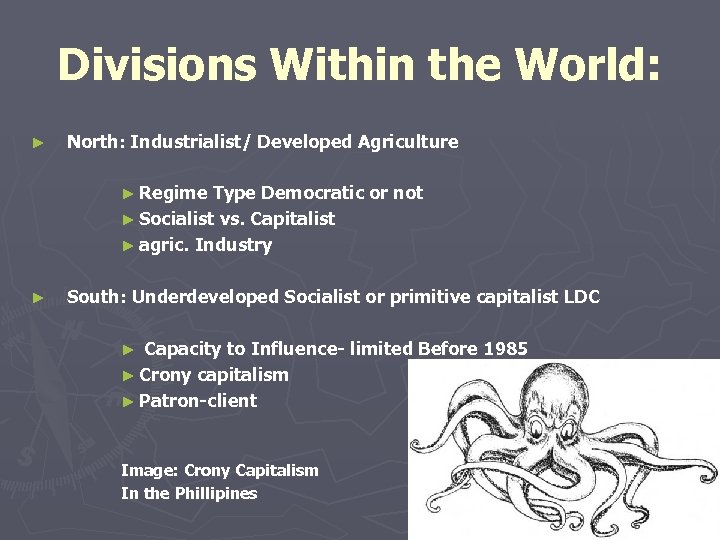 Divisions Within the World: ► North: Industrialist/ Developed Agriculture ► Regime Type Democratic or not ► Socialist vs. Capitalist ► agric. Industry ► South: Underdeveloped Socialist or primitive capitalist LDC Capacity to Influence- limited Before 1985 ► Crony capitalism ► Patron-client ► Image: Crony Capitalism In the Phillipines
 Divisions Within the World ► Today § Capitalist Developed States, North America, Parts of East Asia, Western Europe including settler states § vs. “Everybody else” § Robert Kaplan, “The Ends of the Earth”
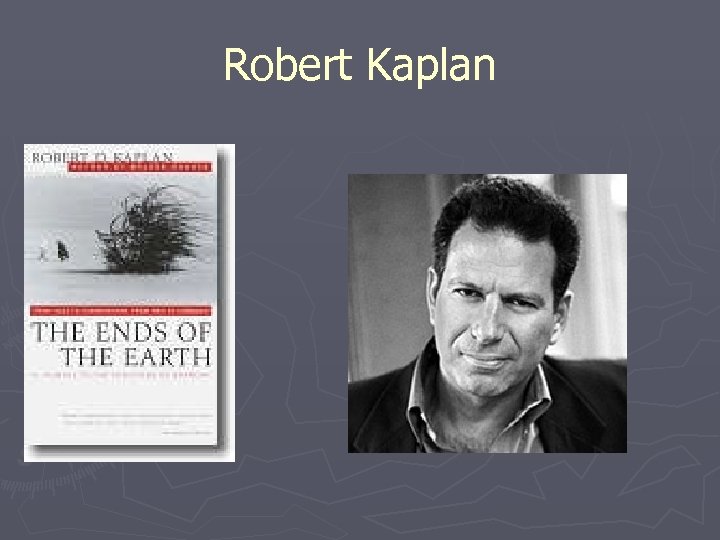 Robert Kaplan
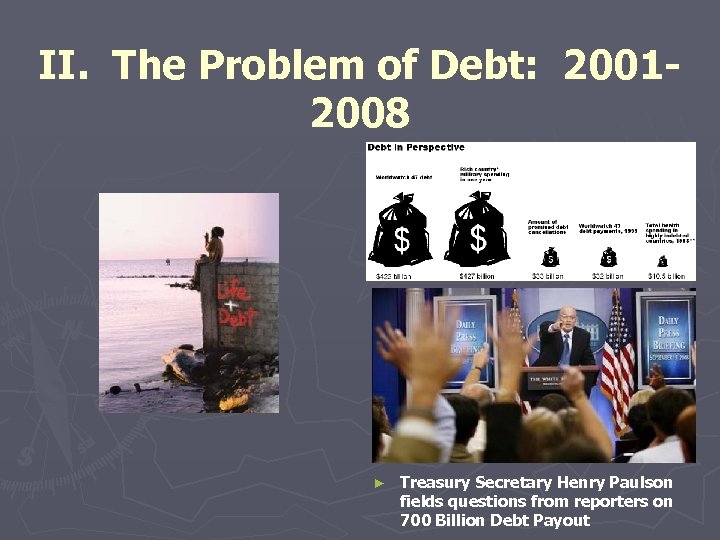 II. The Problem of Debt: 20012008 ► Treasury Secretary Henry Paulson fields questions from reporters on 700 Billion Debt Payout
 Multilateral Institutions ► IMF vs. World Bank vs. Bilateral Donors vs. UNDP § Bridging Loans § Sectoral Loans and Grants § Project Grants § International Requirements vs. domestic political response
 Domestic Management Systems and International Influences ► Six historical periods of budgetary and fiscal management (Continued) § 1980 s ►Structural Adjustment—"non-budgetary" allocations vs. incremental budgeting ►Problem of debt ►Donor monies drive the system in the degenerated state
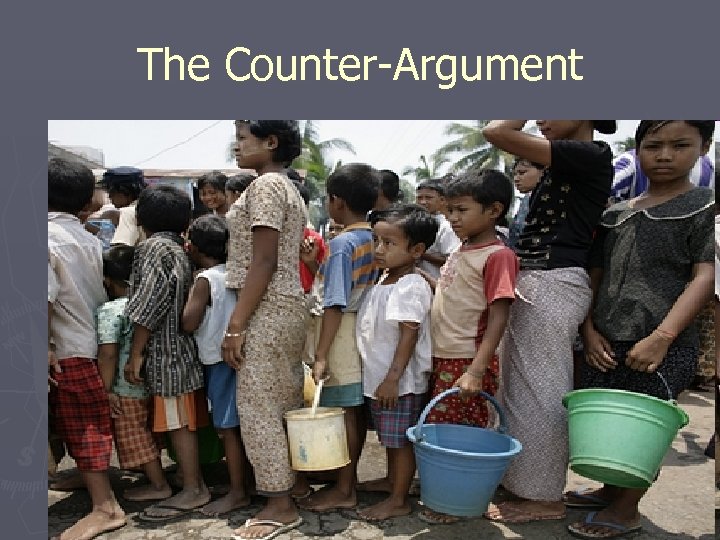 The Counter-Argument
 Current State of Financial Management ► IMF stabilization and trade liberalization § Currency reform, auctions and end of subsidies (urban privileges) § Market prices for agriculture § Deregulate the economy
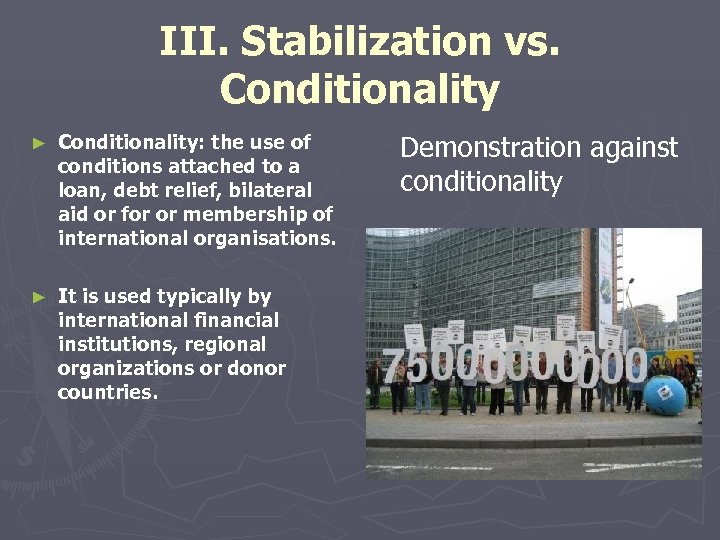 III. Stabilization vs. Conditionality ► Conditionality: the use of conditions attached to a loan, debt relief, bilateral aid or for or membership of international organisations. ► It is used typically by international financial institutions, regional organizations or donor countries. Demonstration against conditionality
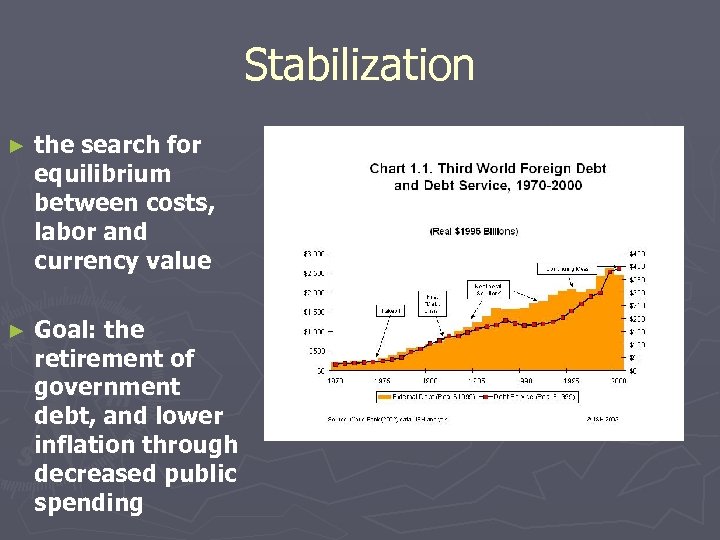 Stabilization ► the search for equilibrium between costs, labor and currency value ► Goal: the retirement of government debt, and lower inflation through decreased public spending
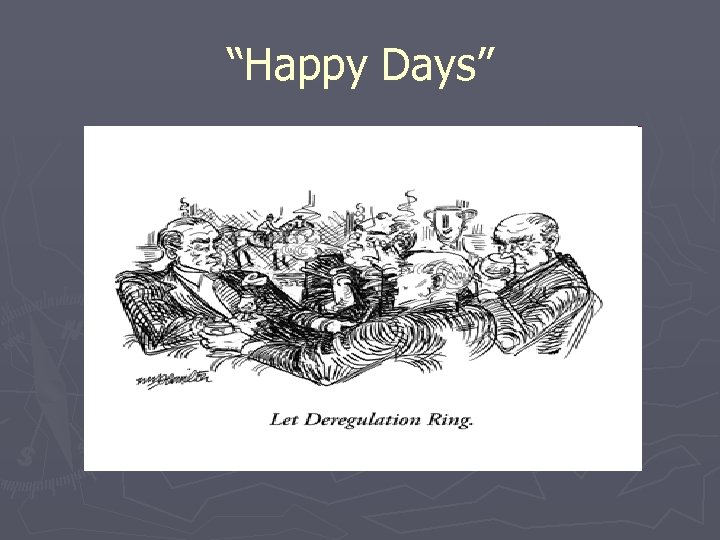 “Happy Days”
 State of Financial Management under SAPs ► Conditionality—World Bank, UNDP and the "Management" SAPs § The receivership committee Resident Rep. , World Bank Representative and the IMF delegate resident ambassadors § Stabilization and Conditionality Requirements ►Public Sector Reform
 United Nations System vs. the Group of Twenty § The role of international regimes- UN, World Bank, IMP, etc. New International Order (NIO) § Opposing views of many UNDP Representatives § The Debate and the Role of the Resident and Country Plans
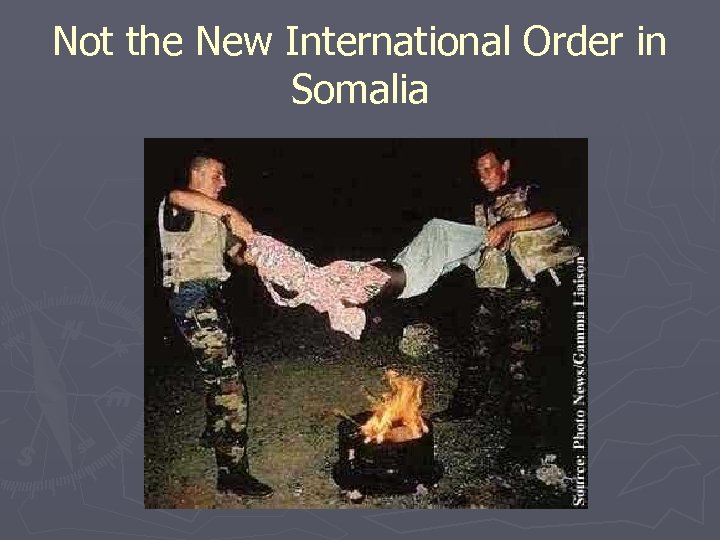 Not the New International Order in Somalia
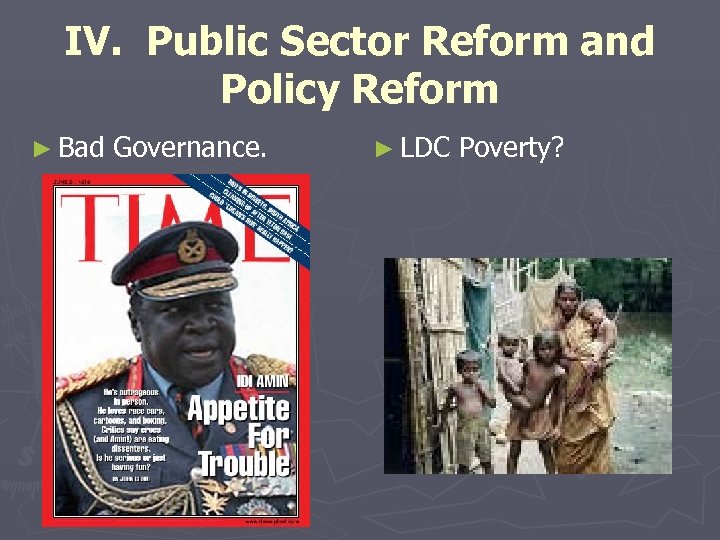 IV. Public Sector Reform and Policy Reform ► Bad Governance. ► LDC Poverty?
 Current State of Financial Management ► Reality—the absence of recurrent budgets. No Development Money ► Military or Mobilization Regimes Collapse ► Activity (economy) driven by technical assistance projects the only game in town ► Bridging and sectoral loans and grants major source of international involvement
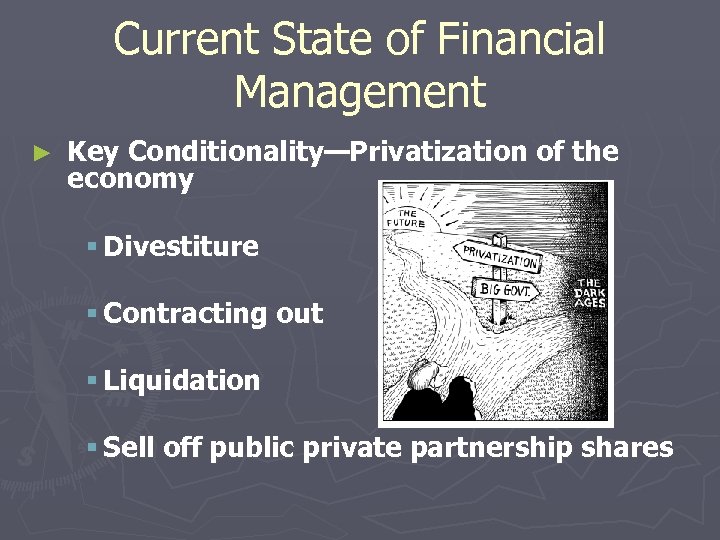 Current State of Financial Management ► Key Conditionality—Privatization of the economy § Divestiture § Contracting out § Liquidation § Sell off public private partnership shares
 Current State of Financial Management ► Problem—Privatization bureaucracy of the § Cutback the civil service ►Infamous 19% first cut § Departments sell their services ►Statistics in Zaire/Congo
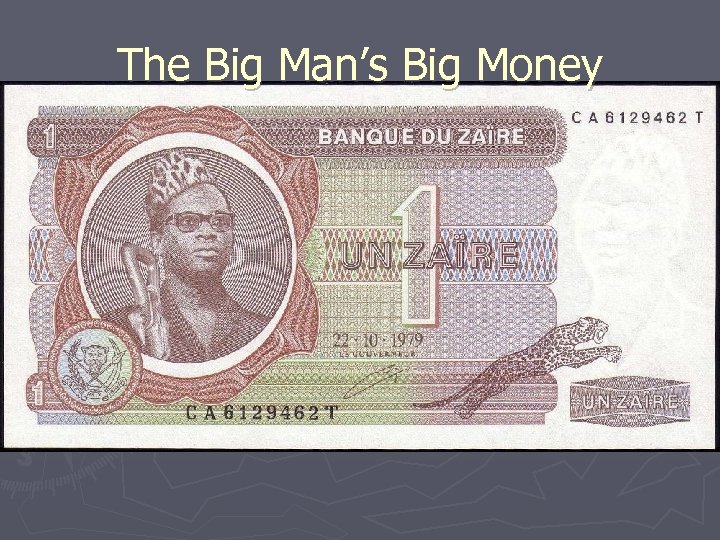 The Big Man’s Big Money
 Current State of Financial Management Problem—Bad Governance and Privatization of the bureaucracy ► Sub-economic ► Offices, ► buying ► Rent salaries houses and telephones soap and selling chickens Seeking and Corruption
 Dr. Joshua Kivuva at Entrence to University of Nairobi
 Current State of Financial Management § International conditions for "good" bureaucrats ►World Bank in Uganda special salaries for those on contract with the project ►Individuals work with investments and the service/commercial sector § Goal: Return to the recurrent budgeting process of 1950 s
 The Debate ► The primacy of the Nation-State: How sovereign? § Impact of trans-national actors § Issue of micro-states § Rational Actor model- public or social choice theory ►Collective choice is non-rational
 Policy Reforms Concepts and Terms: Review Neo-Orthodoxy ► Heterodoxy ► Stabilization ► Conditionality ► Public Sector Reform ►
 Domestic Management Systems and International Influences ► Six historical periods of budgetary and fiscal management § 1990 s ►Collapse ►“Clash of the Soviet Union of civilizations”
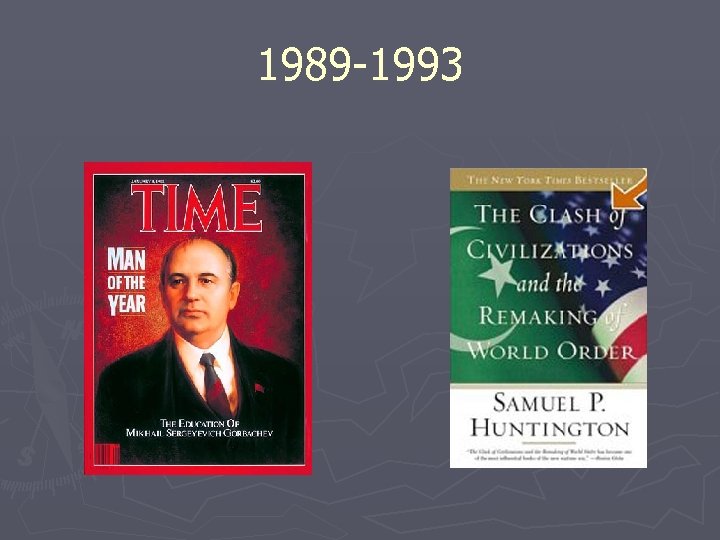 1989 -1993
 Second World as New Debtors ► Chad vs. Russia ► Transitional States § Rise of Asia and blocks § Crisis in Asia and the return to debt management § First World and Threatened Collapse of Capital Markets
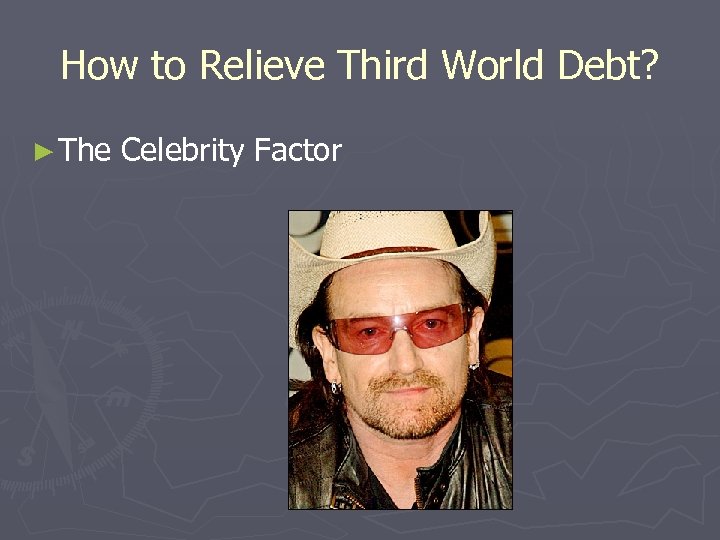 How to Relieve Third World Debt? ► The Celebrity Factor
 The Debate ► The Importance of the Market and Debates about the Command Economy? The concepts of market and productivity § International systemic hegemony and competition within international markets § Complementarity problem and origins of capital § Market failure? Update: September, 2008
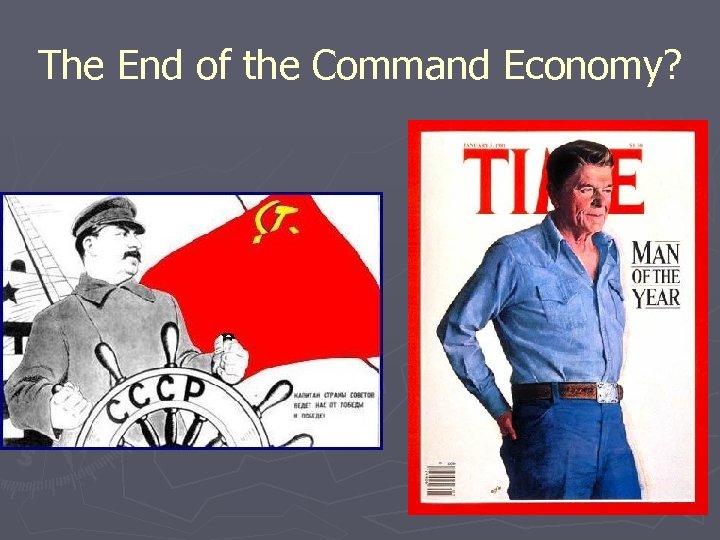 The End of the Command Economy?
 The Debate ► The World Economic Regime § World Market: Only game in Town? § Questions of conflict: pluralist vs. hegemonic models in the post-war world § Economic change vs. political development ►Governance (democracy) a pre-requisite? § Impact of world economy on Domestic Economies
 “No when to hold them no when to fold them no when to walk away and no when to run” The Only Game in Town? ► The IMF and the World Bank (The Bottom Billion)
 VI. Foreign Aid vs. Technical Assistance (TA) ► Current bias to international trade ► Dependent development and TA § Is it dependent and is it development ► Governance and Nation Building ► Back to the future § Get the LDC economy back to the 1950 s ► TA linked to Vietnam and CORDS
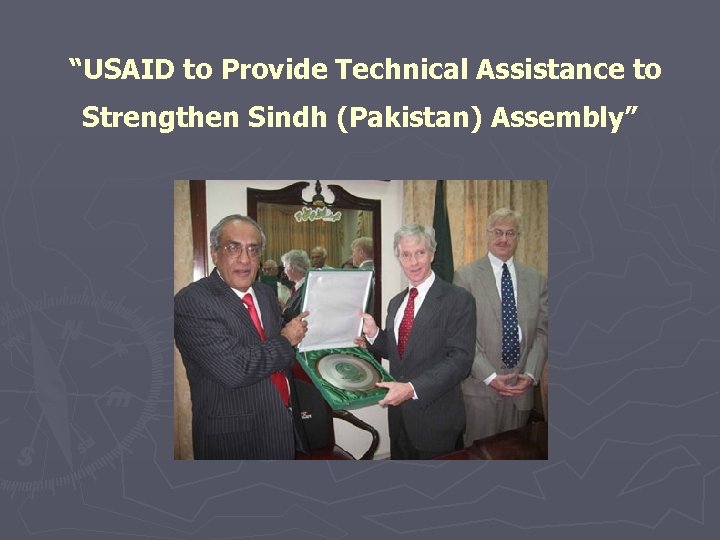 “USAID to Provide Technical Assistance to Strengthen Sindh (Pakistan) Assembly”
 The Counter-Narrative ► ► ‘AID!’ the farmer cried. Look at you. . He pointed, sweeping his finger from one charred remembrance of a home to another. ‘Here is your American AID!’ The farmer spat on the ground and walked away. [i] Neil Sheehan, A Bright Shining Lie: John Paul Vann and America in Vietnam (New York: Random House, 1988), p. 562.
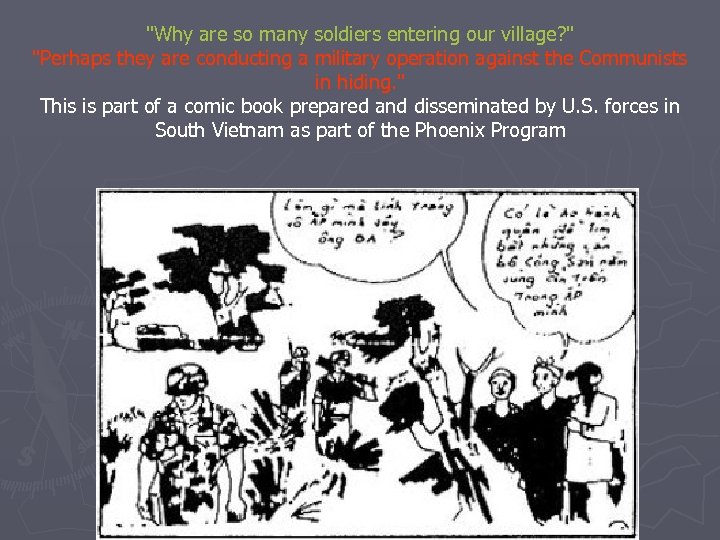 "Why are so many soldiers entering our village? " "Perhaps they are conducting a military operation against the Communists in hiding. " This is part of a comic book prepared and disseminated by U. S. forces in South Vietnam as part of the Phoenix Program
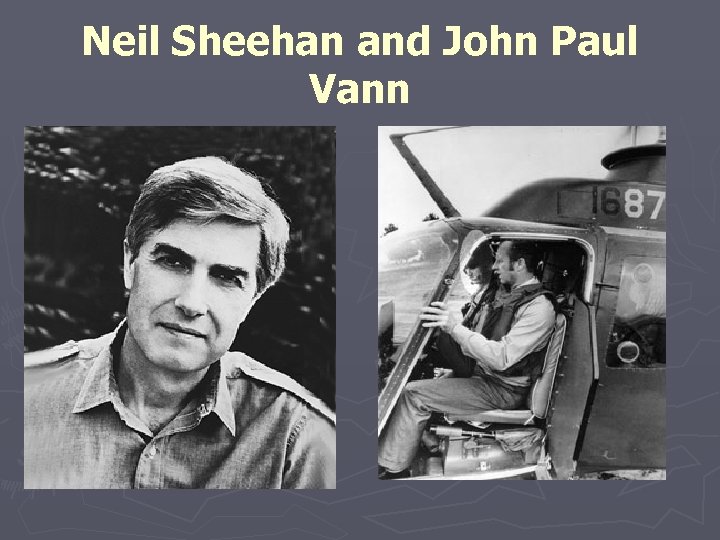 Neil Sheehan and John Paul Vann
 CORDS: Overview CORDS (Civil Operations and Revolutionary Development Support) was an integrated group that consisted of USAID , the U. S. Information Service, the CIA, and the State Department. along with U. S. Army personnel to provide needed manpower. Among other undertakings, CORDS was responsible for the Phoenix Program, which involved neutralization of the Viet Cong infrastructure. John Paul Vann served as Deputy for CORDS III (i. e. , commander of all civilian and military advisers in the Third Corps Tactical Zone in Vietnam) until November of 1968 when he was assigned to the same position in Four Corps, which consisted of the provinces south of Saigon in the Mekong Delta.
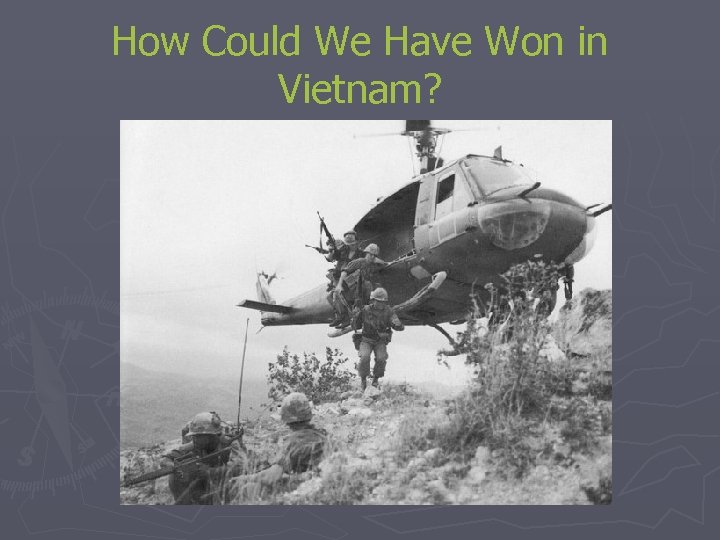 How Could We Have Won in Vietnam?
 The New Orthodoxy “Today, three and a half decades after our withdrawal from Vietnam, it may be constructive to look back and ask if the U. S. military ever discovered the elements of a strategy in South Vietnam that, given the proper circumstances, might have achieved American objectives. Had those elements and circumstances existed how could they have been combined into a strategy that could have served American objectives at an acceptable cost? In retrospect, that is, how could we have won? ” May, 2008
 Foreign Aid vs. Technical Assistance The utility of the rational actor model foreign aid ► Impact of culture ► § Corruption, clan and ethnicity § Clans in Somalia and taxi drivers in Washington Impact of Intellectual systems and ideologies influences and beliefs ► Impact of Standard Operating Procedures ►
 A Warning
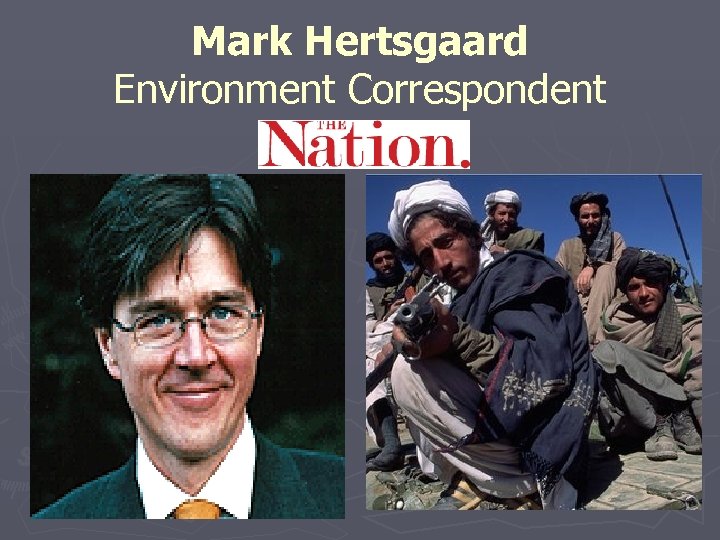 Mark Hertsgaard Environment Correspondent
 Mark Hertsgaard ► Why does America Fascinate the World? ► Why Does it Infuriate the World? ► Should it? Should Americans Care? ► What does the book Tell us about Foreign Policy ► Critique?