 Скачать презентацию PIA 2020 Debates about Development and Public Sector
56e0e98f5fa827a9e6ba726f981292d2.ppt
- Количество слайдов: 58



PIA 2020 Debates about Development and Public Sector Reform (Week 11) (Variations on a Theme? )
Public Sector Reform w The Importance of Satire
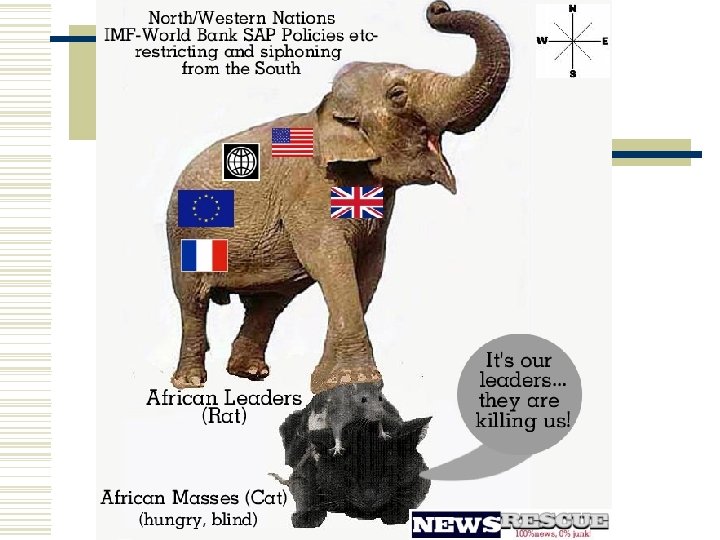
The Nature of the Debate w Domestic- Debt, Privatization and Spending Cuts w International- Structural Adjustment and Public Sector Reform
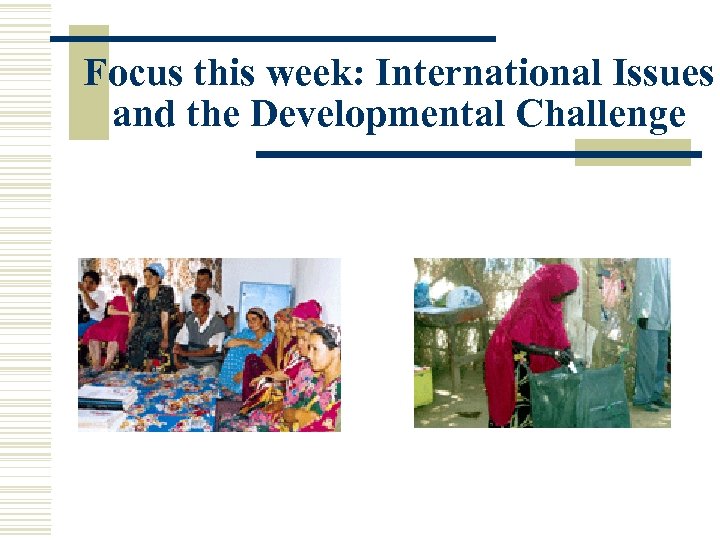
Focus this week: International Issues and the Developmental Challenge
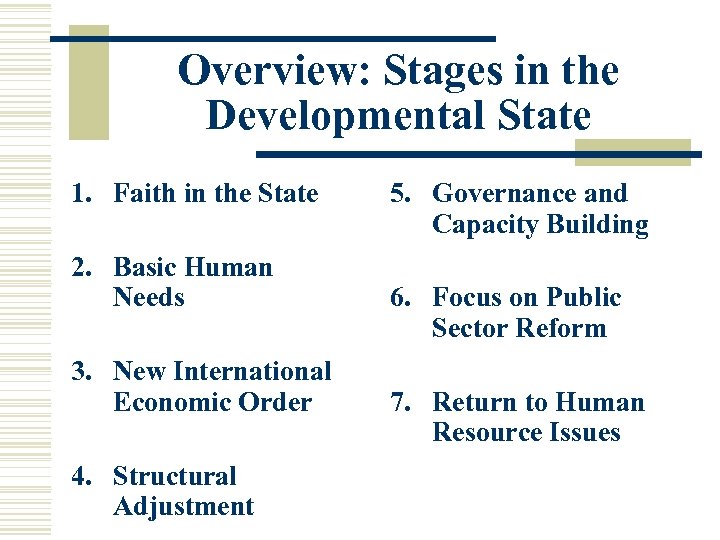
Overview: Stages in the Developmental State 1. Faith in the State 2. Basic Human Needs 3. New International Economic Order 4. Structural Adjustment 5. Governance and Capacity Building 6. Focus on Public Sector Reform 7. Return to Human Resource Issues
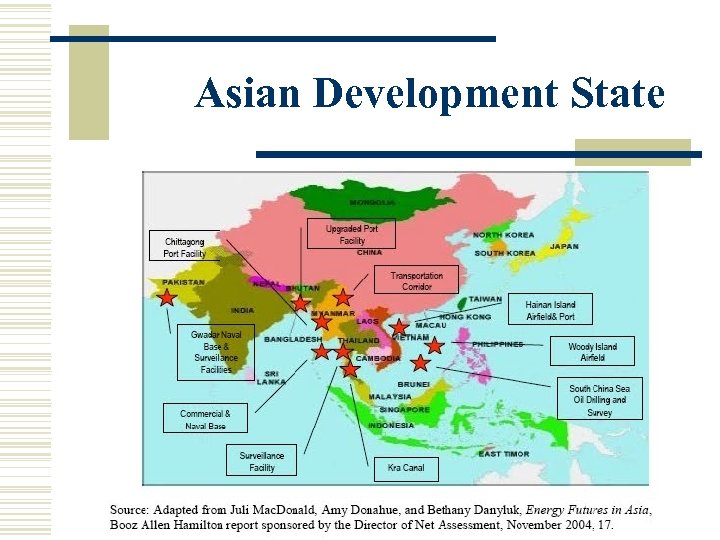
Asian Development State
1. Faith in the State- 1950 s w Industrialization w Stages of economic growth w Modernization w From John Maynard Keynes to Walt Rostow
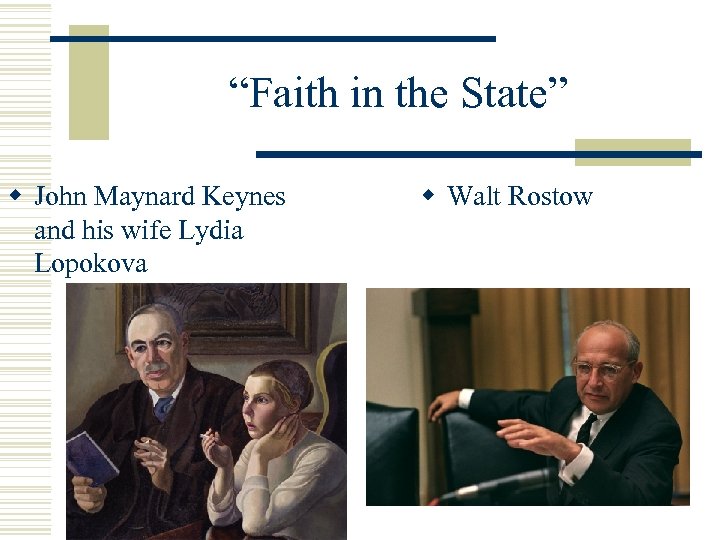
“Faith in the State” w John Maynard Keynes and his wife Lydia Lopokova w Walt Rostow
2. Basic Human Needs- 19651975 w Basic Human Needs- growth With Equity w Robert Mc. Namara and the World Bank w Integrated Rural Development w Internal Distribution
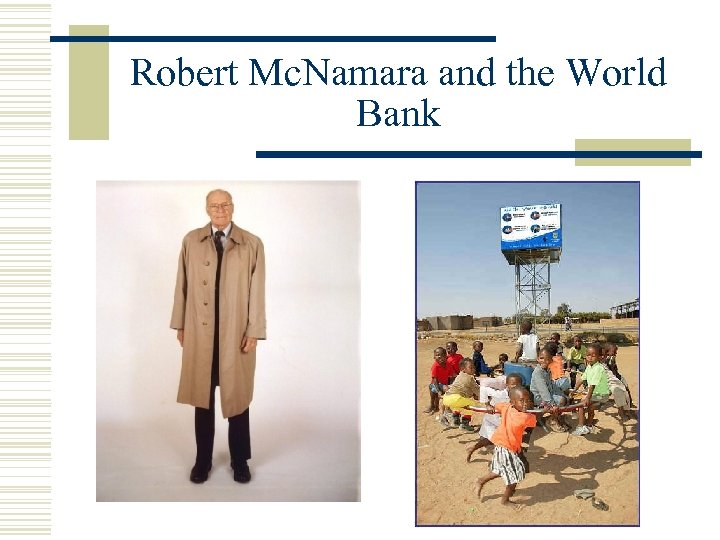
Robert Mc. Namara and the World Bank
3. New International Economic Order Mid 1970 s- 1983 1. Redistribution at the Local Level 2. Empowerment of south 3. Equity 4. Basic Human Needs vs. New International Economic Order (NIEO) part of the North-South dialogue 5. Brandt Commission
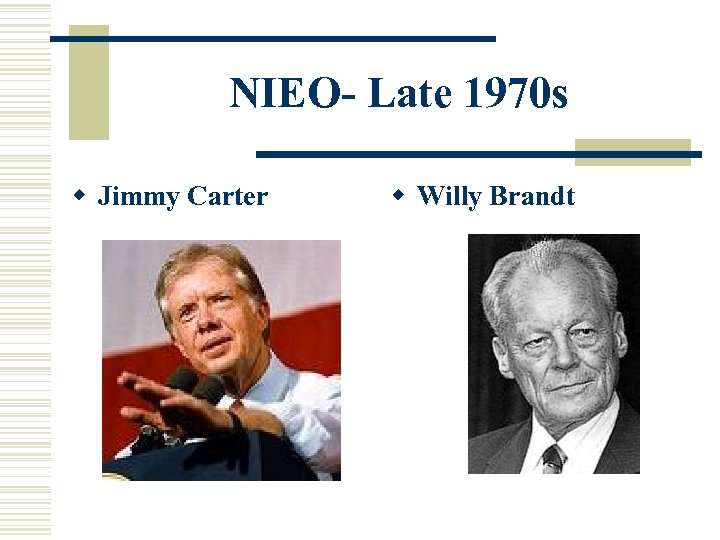
NIEO- Late 1970 s w Jimmy Carter w Willy Brandt
4. Structural Adjustment and neoorthodoxy: The Dividing Line: 19831989 Ø Ø "We are the World" leads to Donor Fatigue Illness and then death of Brezhnev in Soviet Union Ronald Reagan and Margaret Thatcher at the height of their power Public Sector Reform
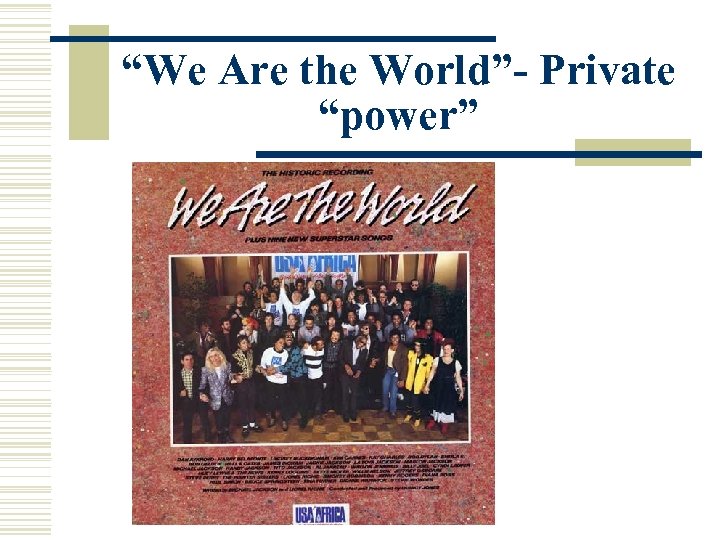
“We Are the World”- Private “power”
5. Governance and Capacity Building- 1989 -2006 w End of the Cold War w Failure of Structural Adjustment w September 11 w Governance and Decentralization w New Public Management: Reinventing Government
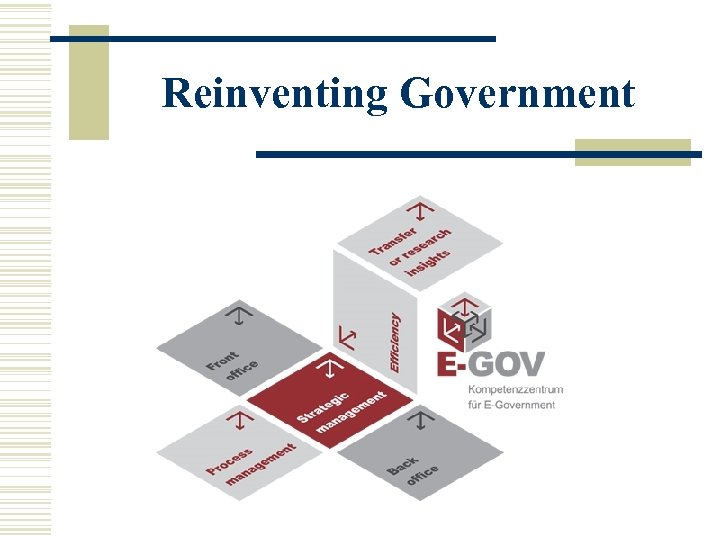
Reinventing Government
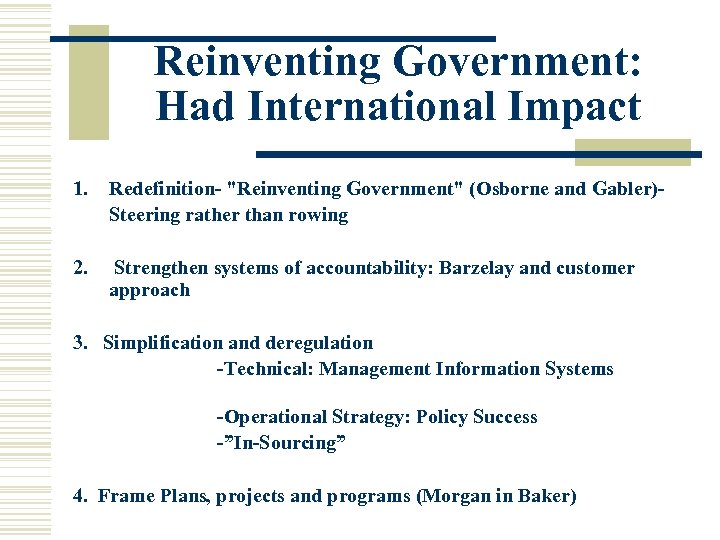
Reinventing Government: Had International Impact 1. Redefinition- "Reinventing Government" (Osborne and Gabler)- Steering rather than rowing 2. Strengthen systems of accountability: Barzelay and customer approach 3. Simplification and deregulation -Technical: Management Information Systems -Operational Strategy: Policy Success -”In-Sourcing” 4. Frame Plans, projects and programs (Morgan in Baker)
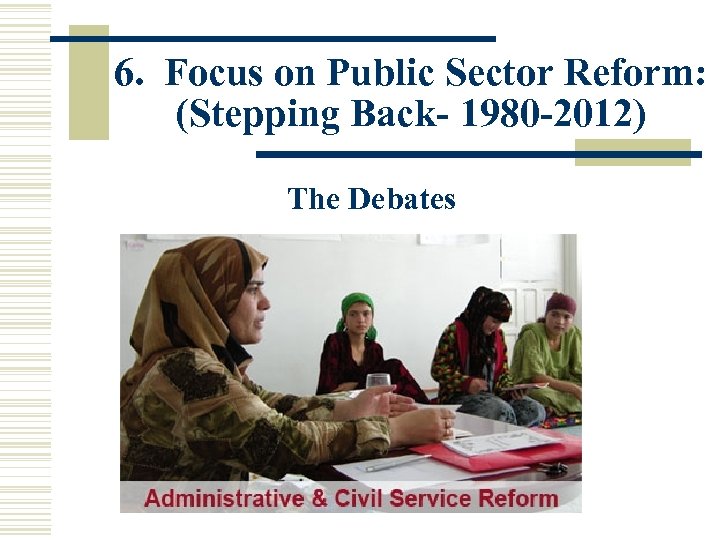
6. Focus on Public Sector Reform: (Stepping Back- 1980 -2012) The Debates
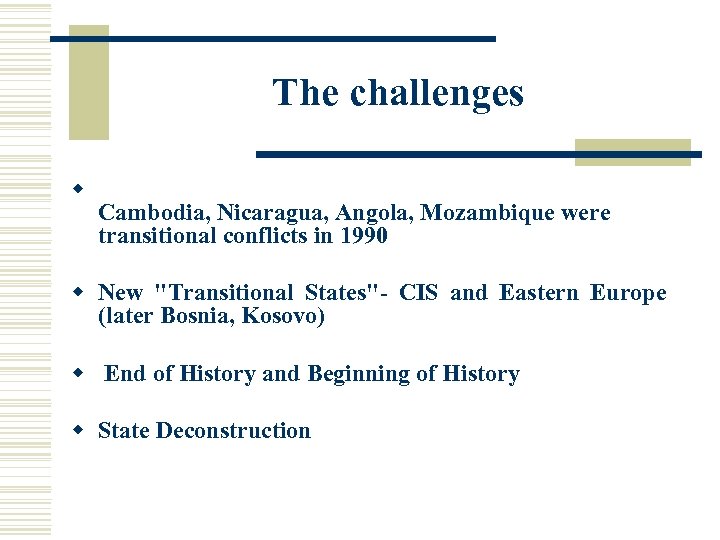
The challenges w Cambodia, Nicaragua, Angola, Mozambique were transitional conflicts in 1990 w New "Transitional States"- CIS and Eastern Europe (later Bosnia, Kosovo) w End of History and Beginning of History w State Deconstruction
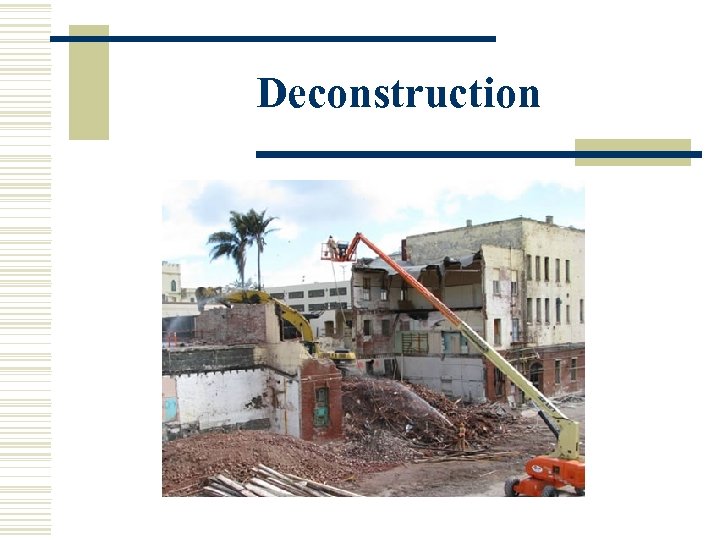
Deconstruction
Public Sector Reform-2 Prologue- End of assumption- Progress is inevitable 1. Robert Mc. Namara resigns from the World Bank, 1981 2. International institutions abandon basic needs approach 3. International conflict shifts from East-West Rivalry and cold war to ethnic, regional and internal conflicts
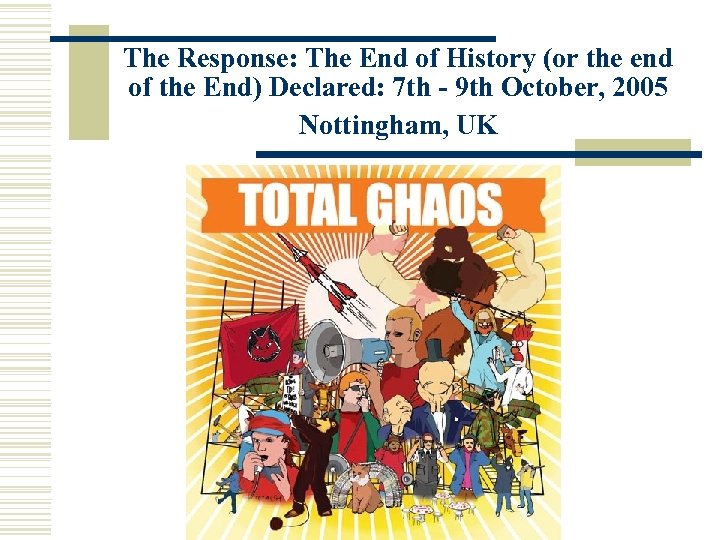
The Response: The End of History (or the end of the End) Declared: 7 th - 9 th October, 2005 Nottingham, UK
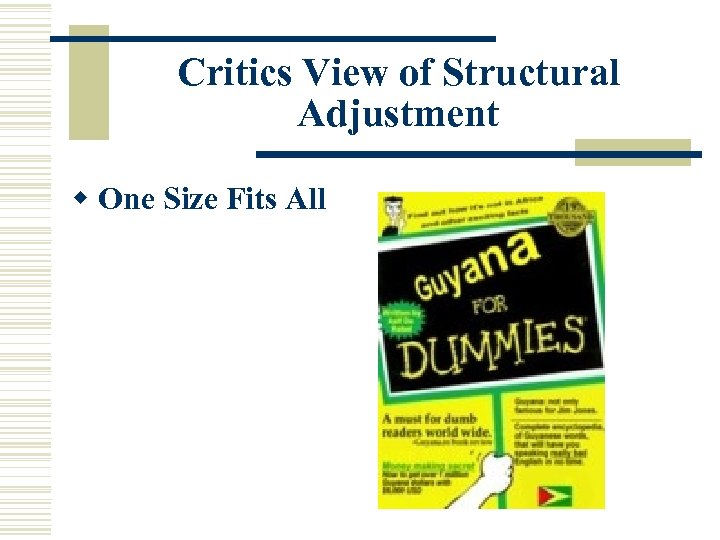
Critics View of Structural Adjustment w One Size Fits All
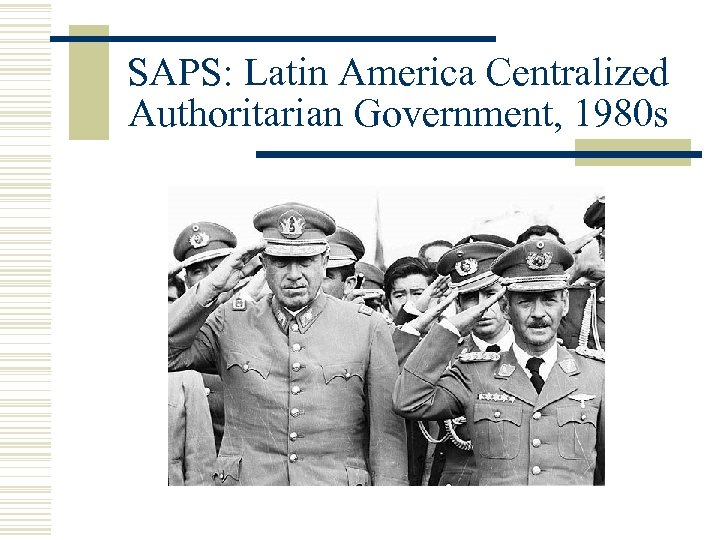
SAPS: Latin America Centralized Authoritarian Government, 1980 s
VI. Public Sector Reform i. Public Enterprises vs. ii. Civil Services iii. Vs. Public Services iv. Vs. Local Government v. Broad issue of Human Resource Development
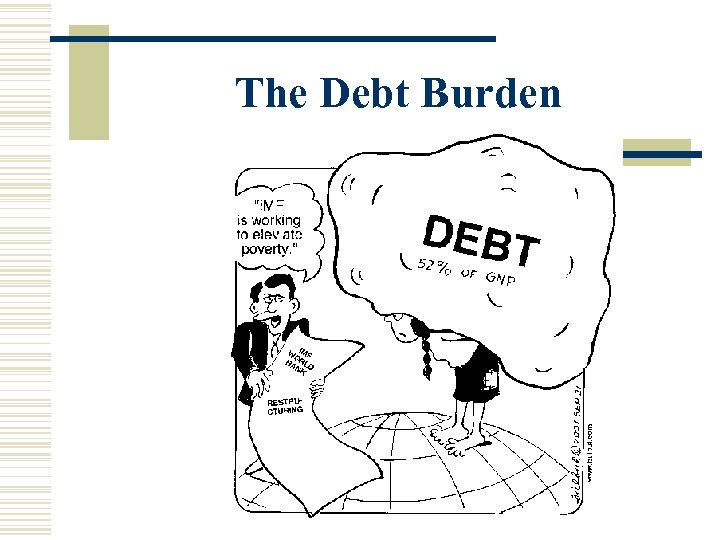
The Debt Burden
PIA 3090 TEN MINUTE BREAK
Public Sector Reform after 1987 w Structural Adjustment with a Human Face w w A Role for NGOs International donors as managers
The Issues 1. The state as national planner 2. How large a state: When is the state sector too big? 3. Issue of state ownership, and unfair competition (international trade) 4. Vagueness of boundaries between government and society:
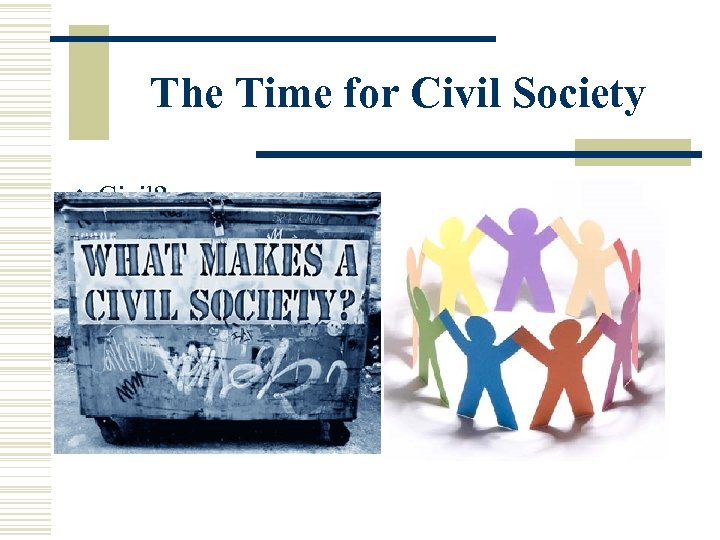
The Time for Civil Society w Civil?
The Issues in Developed States 1. Hidden government: subsidies and entitlements. French Wine and Wisconsin cheese 2. Limitations of constitutions and public sectors- Decline in faith in government institutions in the 20 th century 3. Failure of legislative, executive structures. Loss of control 4. Anti-bureaucracy- the myth of the neutral bureaucrat

The Issue: French Wine or Wisconsin Cheese
Focus on Reforms- 1 Privatization of the bureaucracy a. Savas- The key to efficient and effective goods and services b. Critique: Nelson: impact of international organizations on NGOs- Distortion? c. Turner and Hulme- Are NGOs and Private sector better than Public Enterprises?
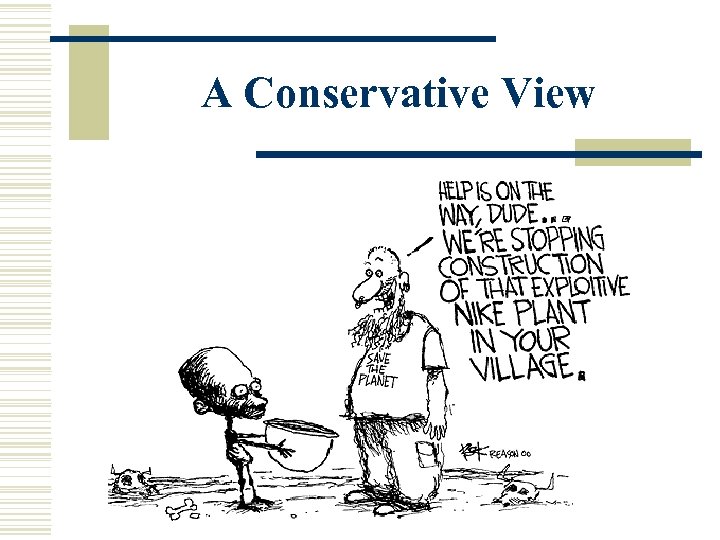
A Conservative View
Overall: Reform Meant Attack on Hierarchy I. Attacks on the European style Mandarins- European elitist systems of administration n =Permanent Secretary n =Director General n =State Secretary
Wen Jiabao vs. New York Times
Reforms- 2 Deregulation- a. Deregulation- negative b. Competition- positive (monopolies vs. utilities) c. Regulations and Corruption: Klitgaard: Dealing with corruption and culture?
The Problem
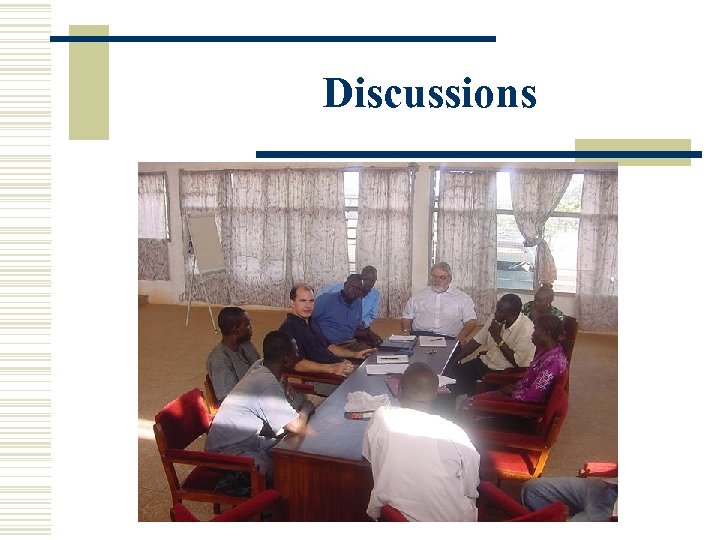
Reforms-3 Civil Service Reform: Picard Case Studies- South Africa, Botswana, Ghana, Guinea-Conakry, Eritrea and Ethiopia
Discussions
4. Civil Service Reforms Distinction- Public Sector Reform vs. Administrative reform (Civil Service Reform) Ø Purists go for PSR rather than CSR- latter not legitimate- oxymoron Ø Problem-"Bureaucrat bashing"
The Dilemma
Techniques: Public Sector Reform i. Budgetary and Fiscal Reforms Budgets as plans- Schroeder in Baker (tax vs. spending) ii. Personnel Reform- records base, motivation, promotion, review, retrenchment, etc. Problem: Collapsed states have no carrots iii. Structural Reforms- Excessive centralization, militarization and politicization
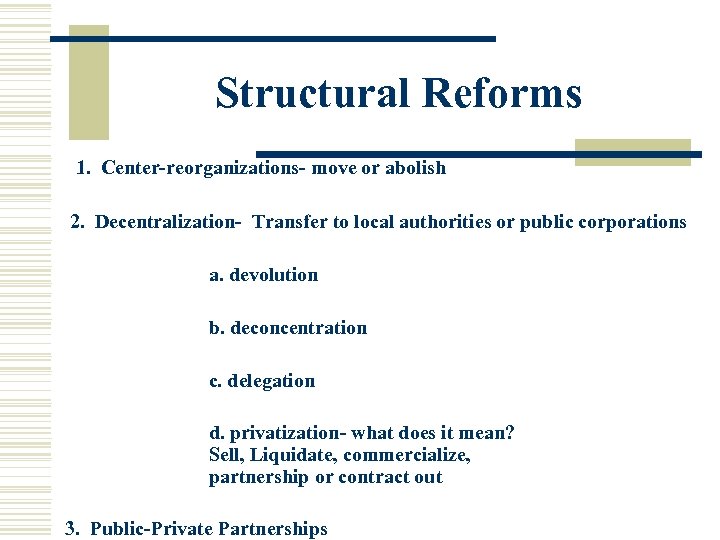
Structural Reforms 1. Center-reorganizations- move or abolish 2. Decentralization- Transfer to local authorities or public corporations a. devolution b. deconcentration c. delegation d. privatization- what does it mean? Sell, Liquidate, commercialize, partnership or contract out 3. Public-Private Partnerships
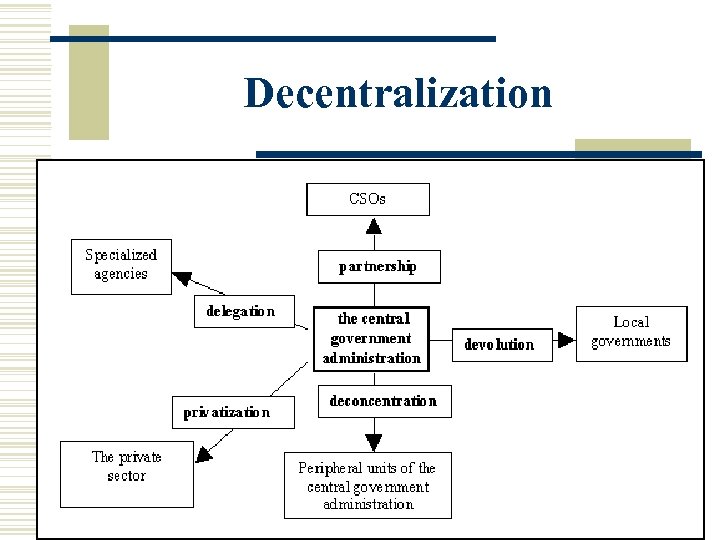
Decentralization
Reforms: Cutback Management- smaller, or more efficient, more effective w Cut back: percentage of civil service- Cutback the civil service. w Myth of Size- eg. Bureaucracy in Africa small w Turner and Holm: Bureaucracy and Development w Is Downsizing- "right sizing"
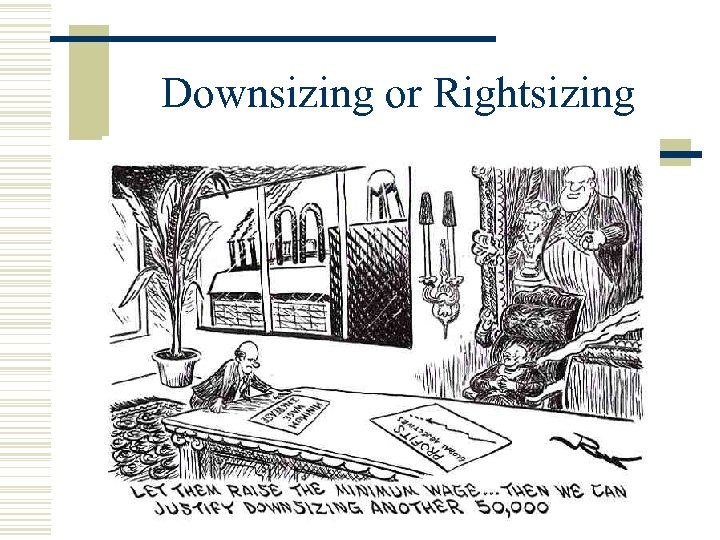
Downsizing or Rightsizing
7. Return to Human Resource Development w Training, recruitment, rewards and punishment (qualifications and salaries) w Personnel flexibility and pay for performance w Reform position classification (rank vs. position) w Return to meritocracy w Back to the Future in terms of state functions?

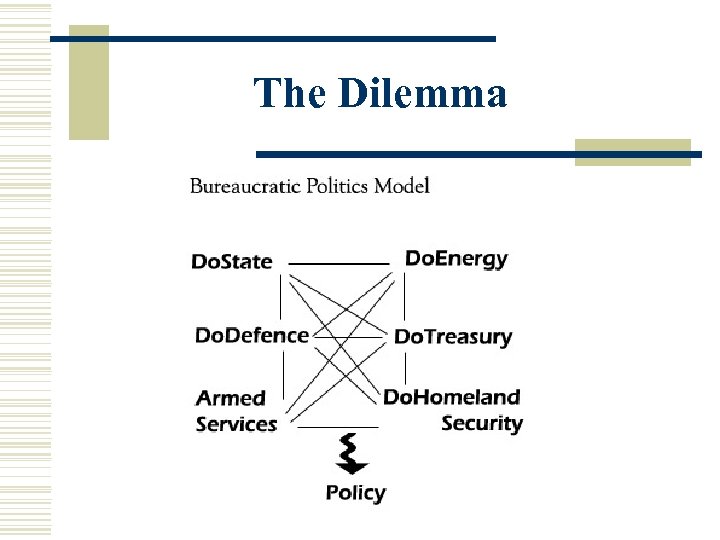
The Dilemma w Political-civil service reforms-relational, responsiveness of bureaucrats to politicians and Politicians to Bureaucrats w Rise of NGOs and multilateral: can you avoid the politicians? w Common interests: privileges in organization. Can’t avoid politics w Miewald: Politics- the critical factor?
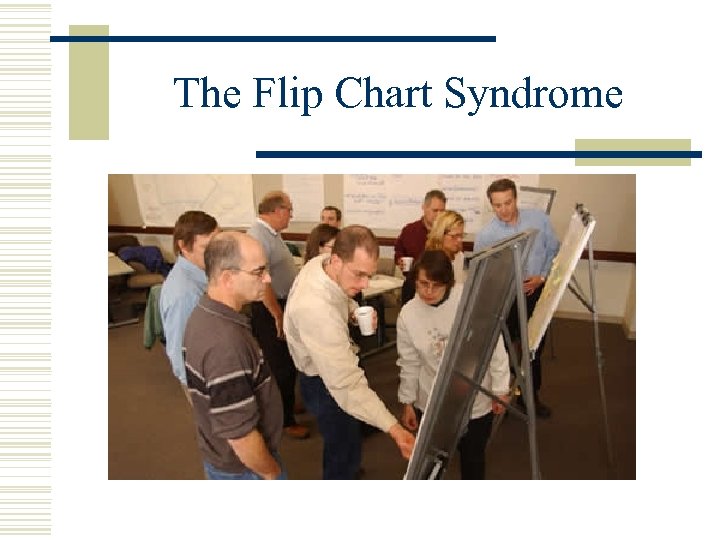
The Flip Chart Syndrome
Afterward- World Bank Mission (2006) GOVERNANCE IN GUINEA-CONAKRY (Brfore Ebola) w A Small Diversion- Local Governance and Civil Society in Guinea Conakry w Creation of a Poverty Alleviation Fund- includes Micro. Credit w Design Capacity for Service Delivery w Role For Civil Society w December 12, 2008 - Military Coup
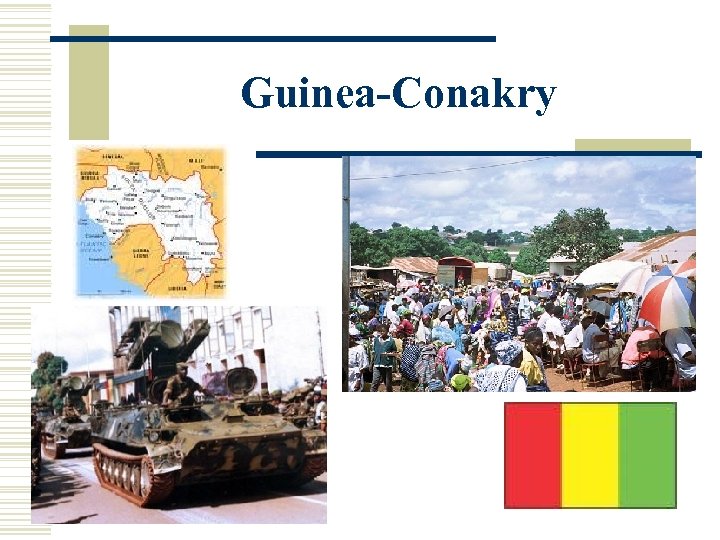
Guinea-Conakry
HRD Dilemma w Guinea- Councillors, Illiterate, work in indigenous language, Self Interested Bureaucracy: w Defined by Law and French w The Dilemma of Merit: (Picard and Garrity)- Command Control
Public Sector Debt: The Current Debate w The International Monetary Fund
Скачать презентацию PIA 2020 Debates about Development and Public Sector
56e0e98f5fa827a9e6ba726f981292d2.ppt