


 Скачать презентацию Physiological regulation in pathogenesis cardiovascular disease and in
7bf21c4ac226f73fbc33dd052d3cdb86.ppt
- Количество слайдов: 77
 Physiological regulation in pathogenesis cardiovascular disease and in general Stanislav Matoušek, M. D.
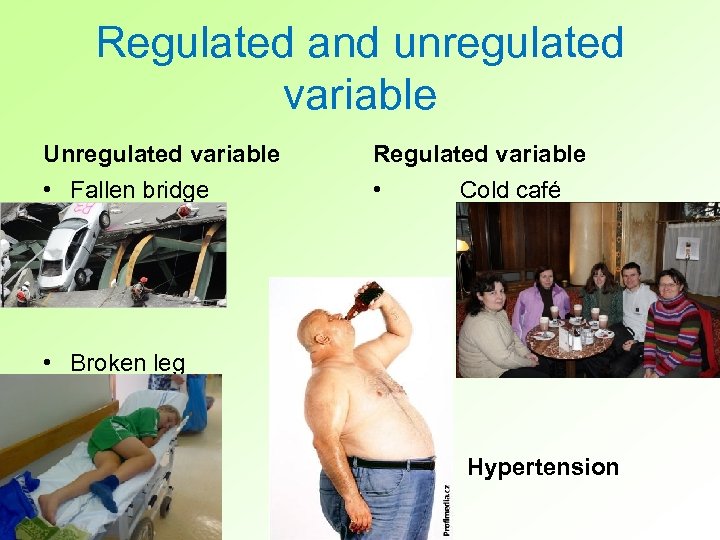 Regulated and unregulated variable Unregulated variable Regulated variable • Fallen bridge • Cold café • Hypertension • Broken leg
 What are we going to cover? • 1. Basic terminology of regulation theory • 2. Types of feedback loops in the body (positive, negative) • 3. Origin of disturbance/disease in regulated system • 4. History of regulated systems and their description • 5. Different types of governors (automated regulators) • 6. Regulation of cardiac output and blood pressure • heart • vessels • kidney regulator
 Basic terminology
 Regulation or (automatic) control • if an environmental variable (such as temperature). . changes and the system can nearly compensate for those changes. . . then the system is said to be regulated. – • Principia cybernetica web Regulation is every process that minimizes difference between the real and the desired (reference) value of the regulated variable. Zdenek Wunsch, Basics of medical cybernetics (1977) in Czech
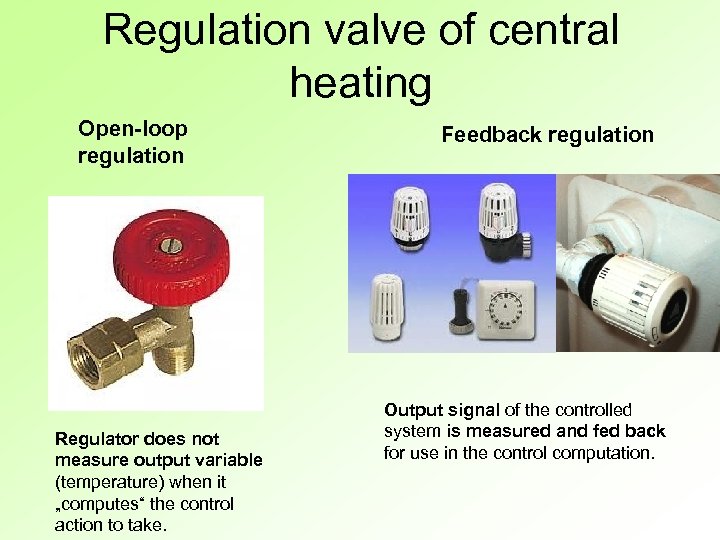 Regulation valve of central heating Open-loop regulation Regulator does not measure output variable (temperature) when it „computes“ the control action to take. Feedback regulation Output signal of the controlled system is measured and fed back for use in the control computation.
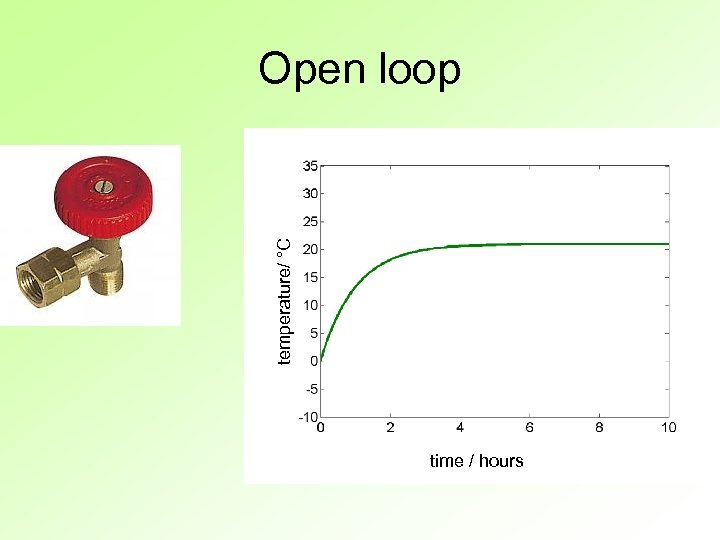 temperature/ °C Open loop time / hours
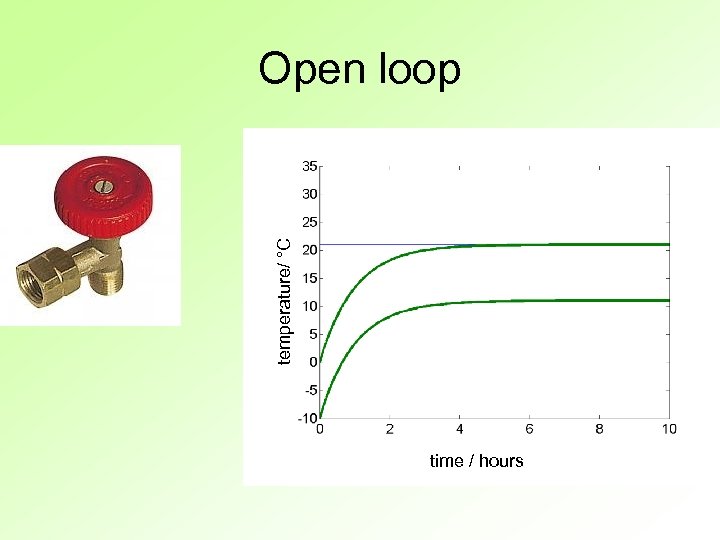 temperature/ °C Open loop time / hours
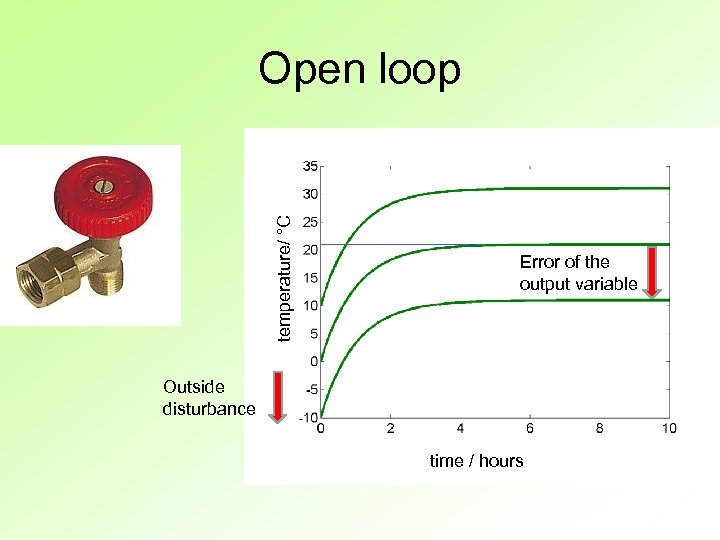 temperature/ °C Open loop Error of the output variable Outside disturbance time / hours
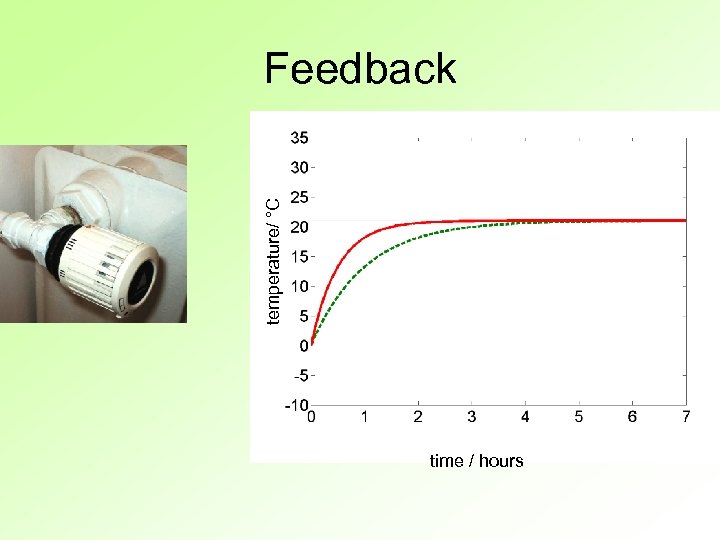 temperature/ °C Feedback time / hours
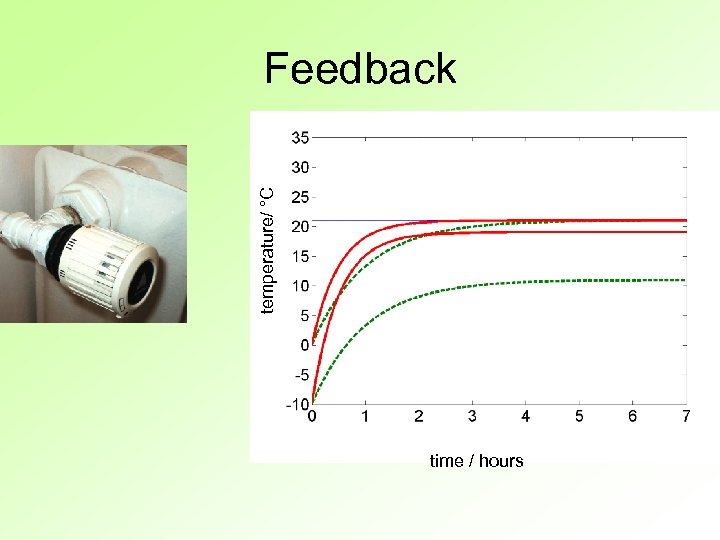 temperature/ °C Feedback time / hours
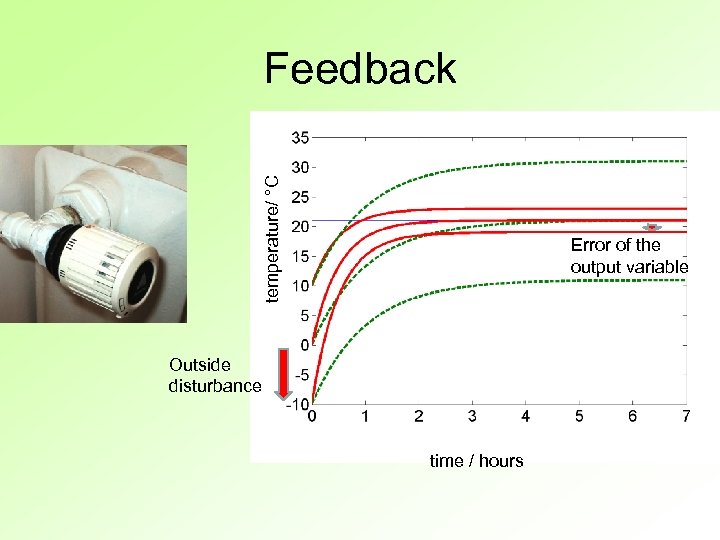 temperature/ °C Feedback Error of the output variable Outside disturbance time / hours
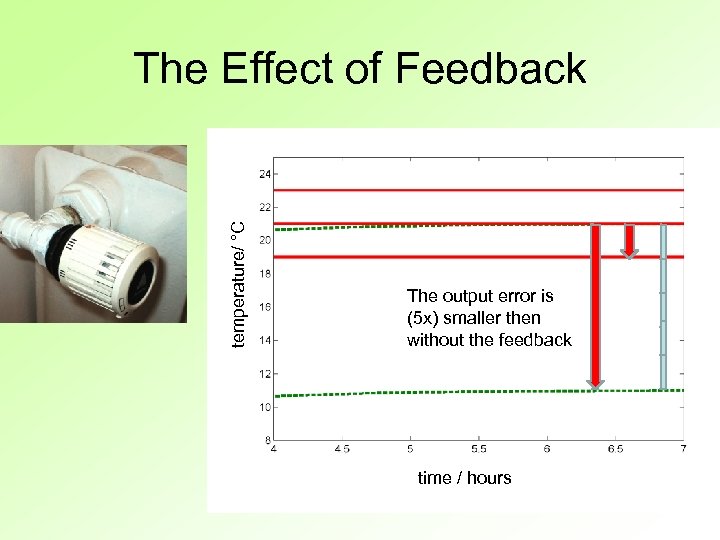 temperature/ °C The Effect of Feedback The output error is (5 x) smaller then without the feedback time / hours
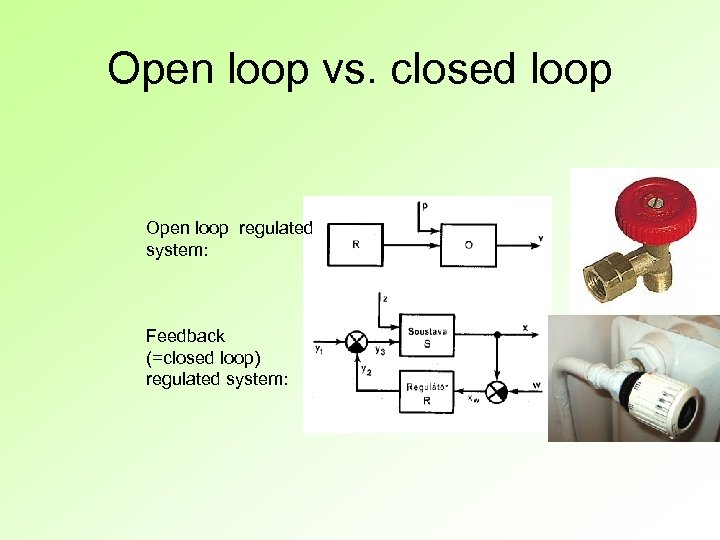 Open loop vs. closed loop Open loop regulated system: Feedback (=closed loop) regulated system:
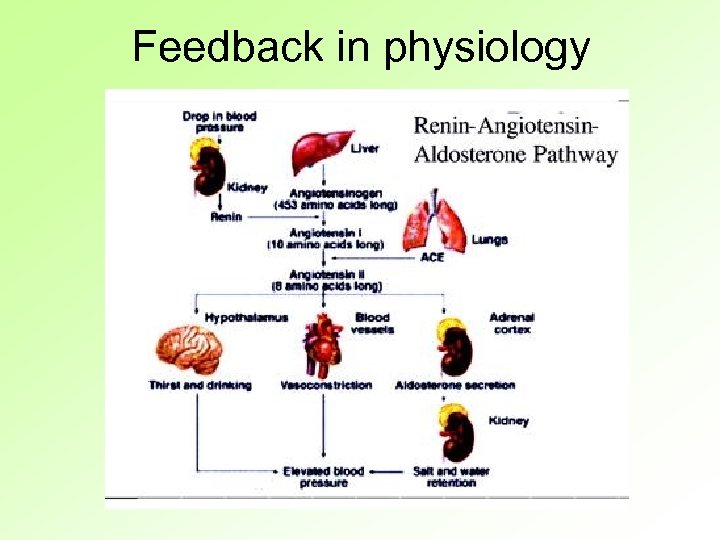 Feedback in physiology
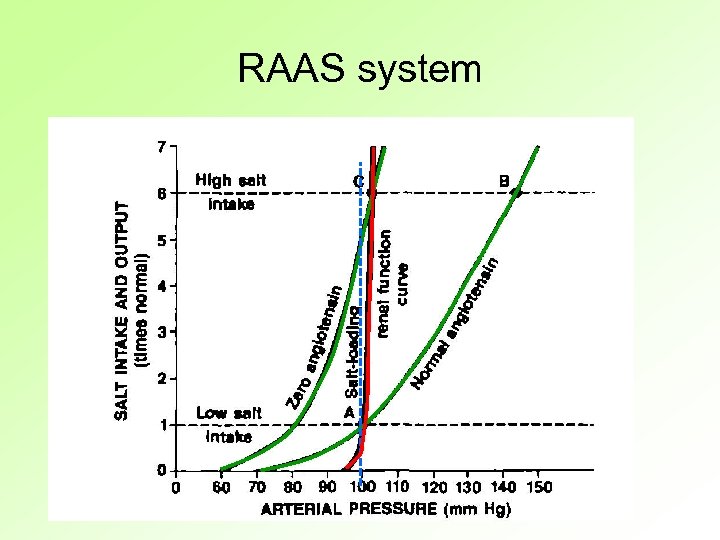 RAAS system
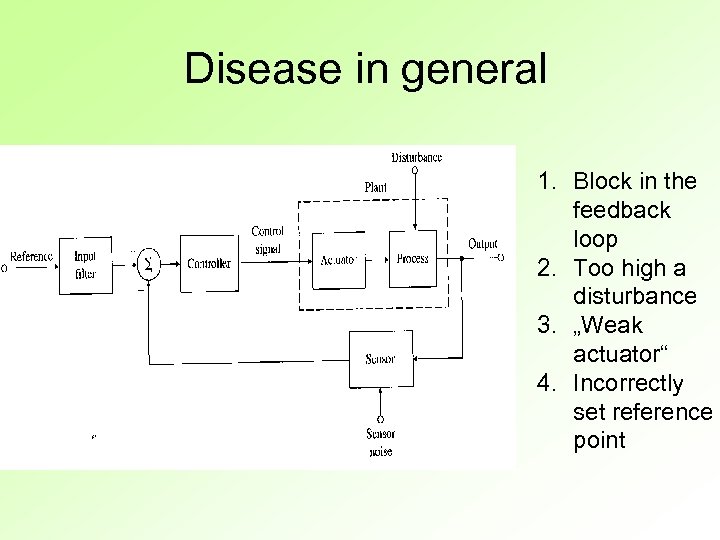
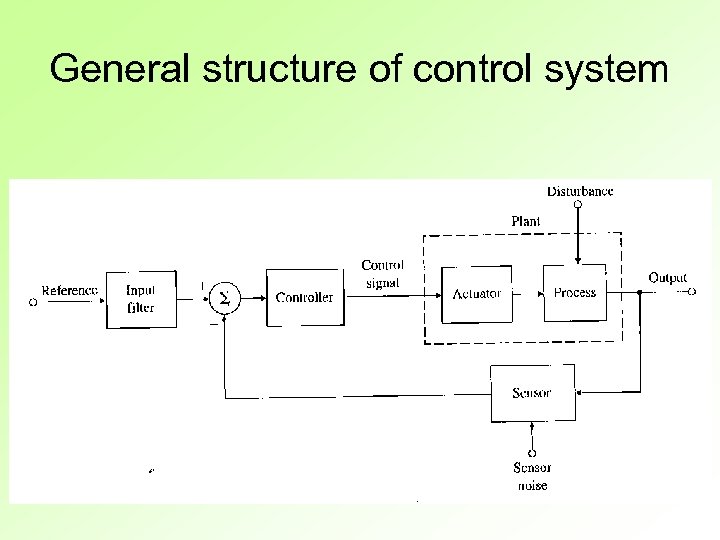 General structure of control system
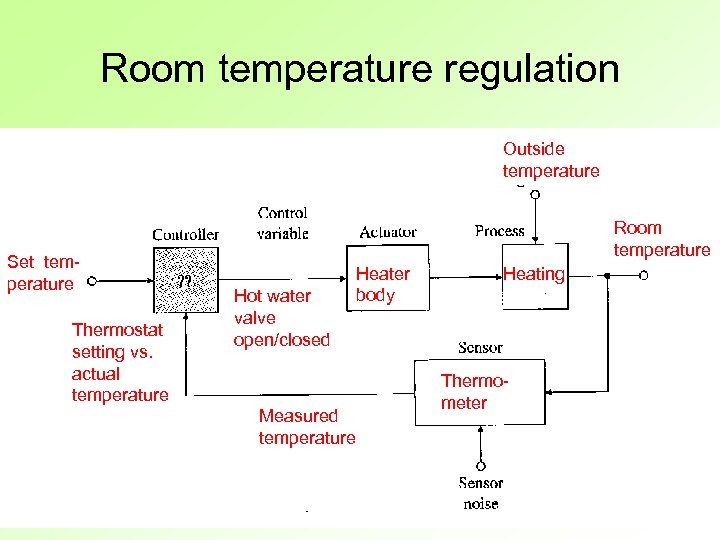 Room temperature regulation Outside temperature Set temperature Thermostat setting vs. actual temperature Room temperature Hot water valve open/closed Heater body Measured temperature Heating Thermometer
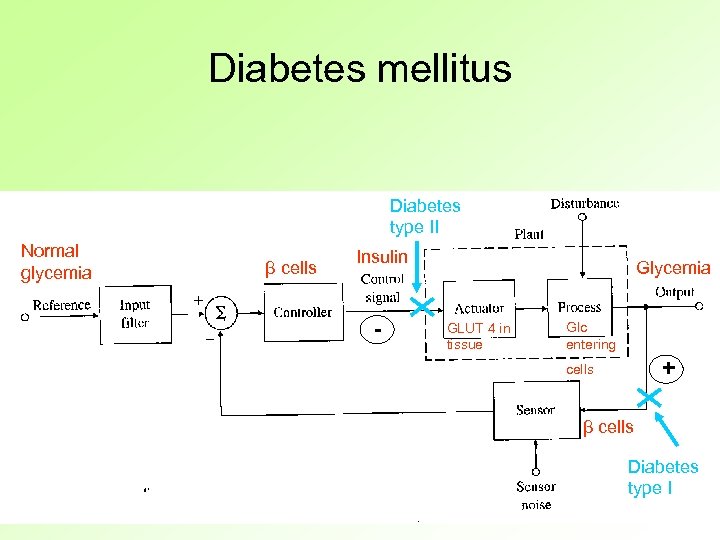
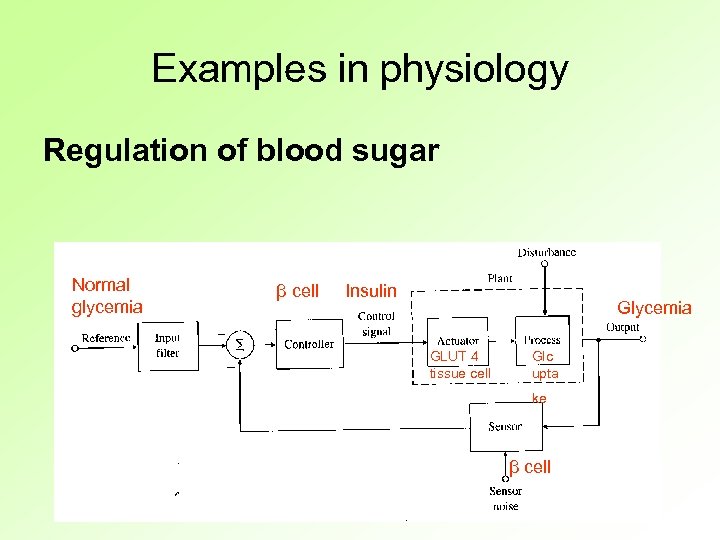 Examples in physiology Regulation of blood sugar Normal glycemia β cell Insulin Glycemia GLUT 4 tissue cell Glc upta ke β cell
 Types of feedback in the body (positive, negative)
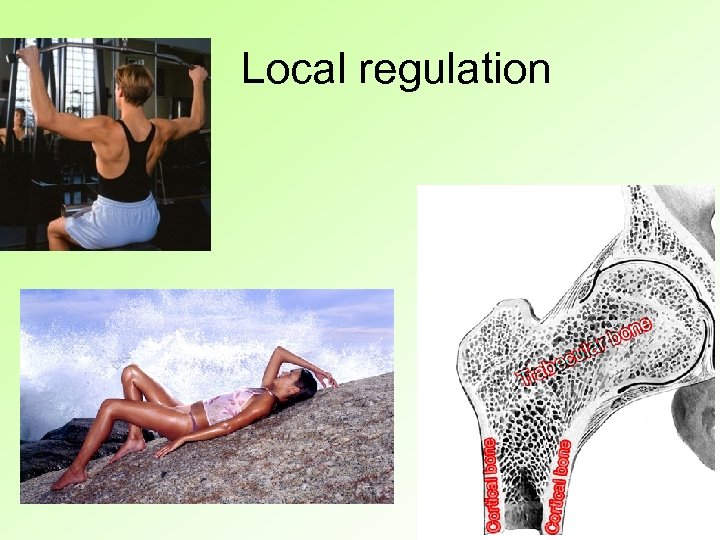
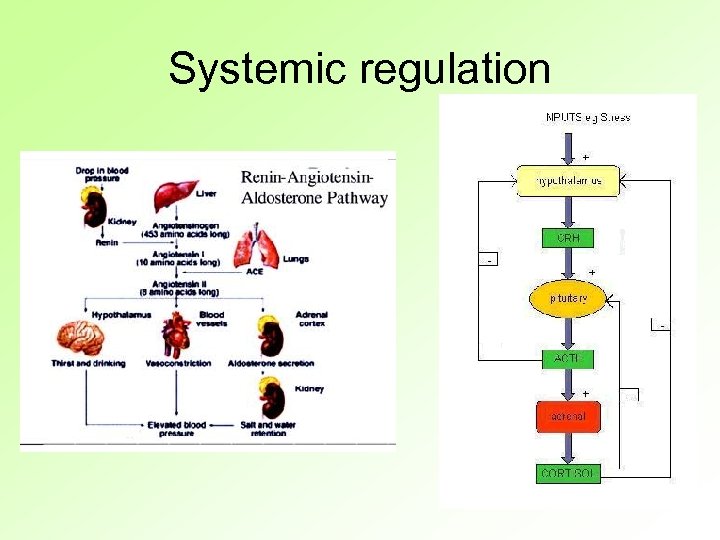
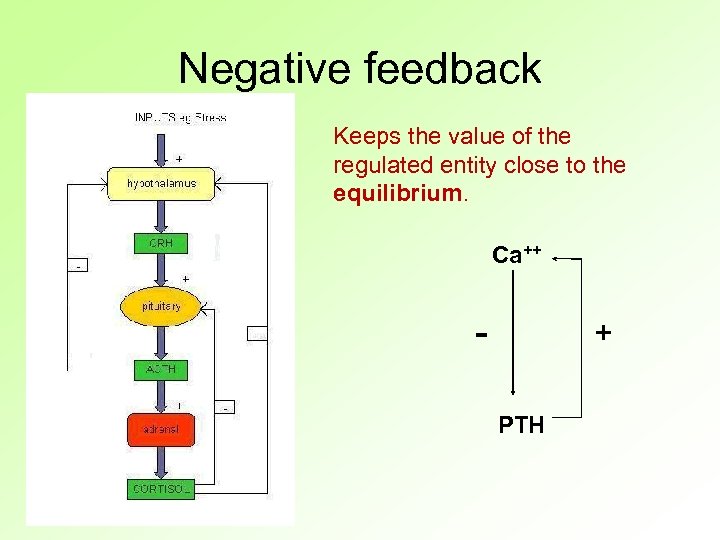
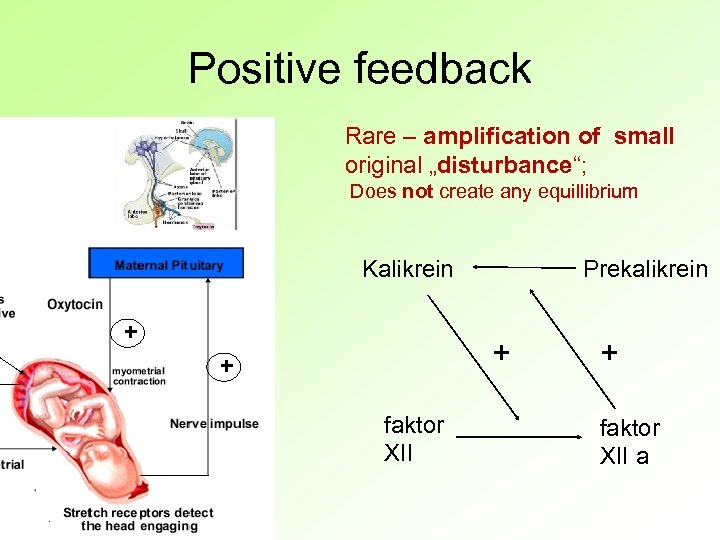
 Regulation in human body • There are two systems specialized in control and regulation in the body: – endocrine system – nervous system • Besides these two, every cell and tissue has many local feedback regulated processes
 Local regulation
 Systemic regulation
 Negative feedback Keeps the value of the regulated entity close to the equilibrium. Ca++ - + PTH
 Positive feedback Rare – amplification of small original „disturbance“; Does not create any equillibrium Kalikrein + Prekalikrein + + faktor XII a
 Disturbance/disease in regulated system (body)
 Diabetes mellitus Diabetes type II Normal glycemia β cells Insulin - Glycemia GLUT 4 in tissue Glc entering + cells β cells Diabetes type I
 Disease in general 1. Block in the feedback loop 2. Too high a disturbance 3. „Weak actuator“ 4. Incorrectly set reference point
 History of regulation and feedback control
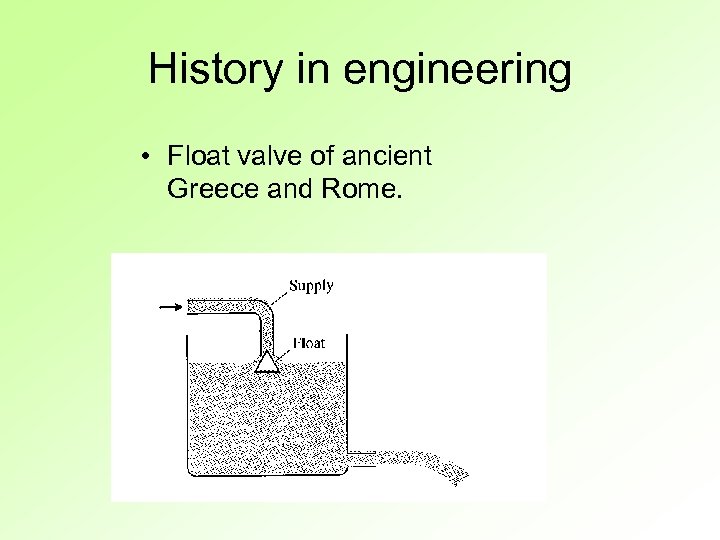 History in engineering • Float valve of ancient Greece and Rome.
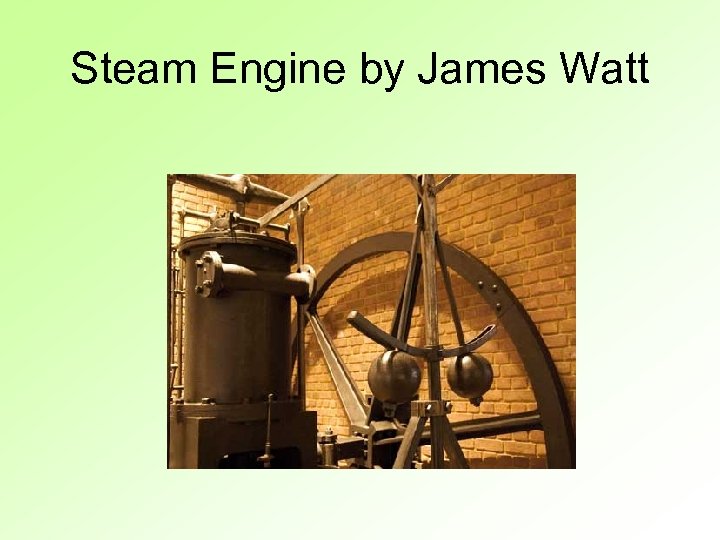 Steam Engine by James Watt
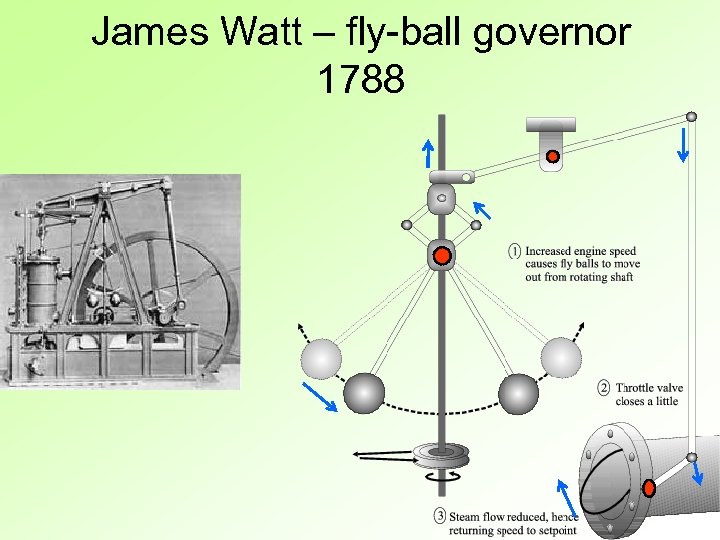 James Watt – fly-ball governor 1788
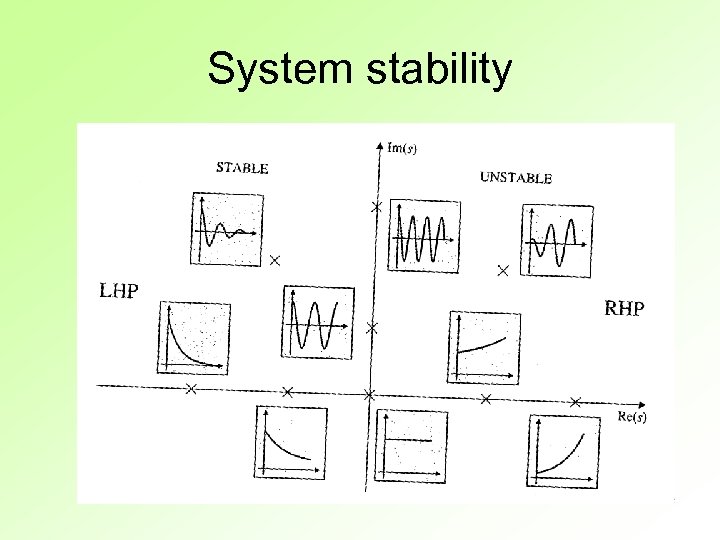 System stability
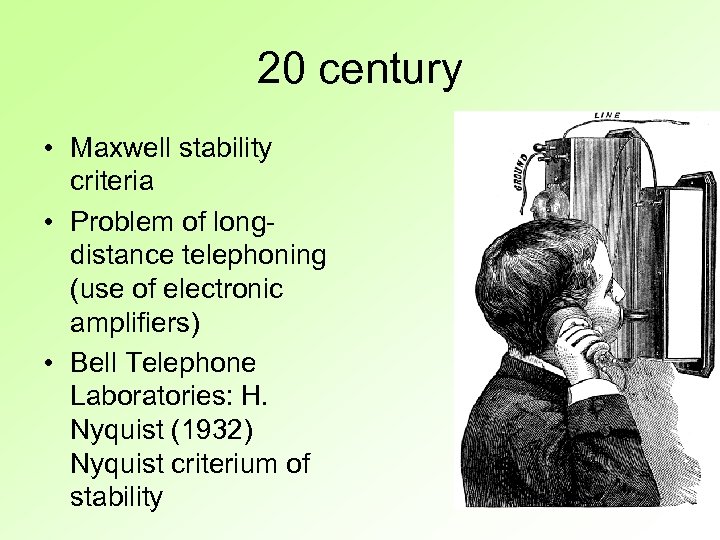 20 century • Maxwell stability criteria • Problem of longdistance telephoning (use of electronic amplifiers) • Bell Telephone Laboratories: H. Nyquist (1932) Nyquist criterium of stability
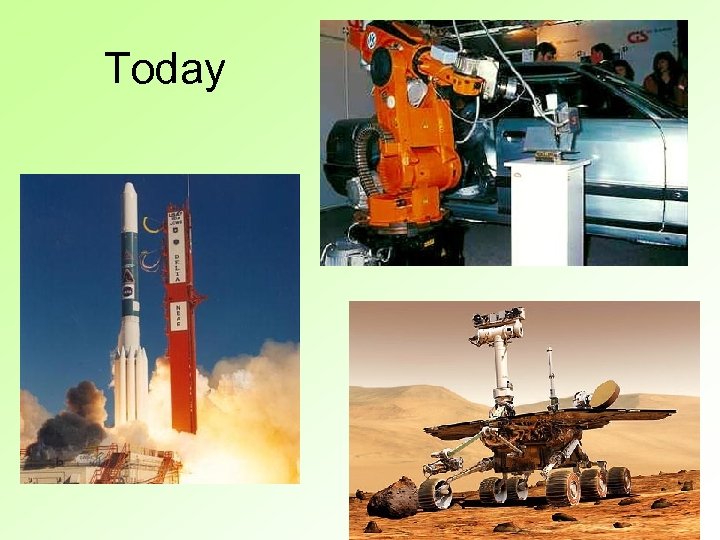 Today
Today
 History in biological sciences • Living organism’s ability to keep life processes in balance and thus confront the disturbances is so apparent that was already noted in Antiquity. Zdenek Wunsch in Basics of Medical Cybernetics Another important aspect seen as a source of diseases are the organism’s internal imbalances. This idea, while surely correct in its essence, is remarkably trans-cultural. Stanislav Komarek in Salvation of the Body
 Ancient Greece • Empedocles from Agrigent (504 -443 BC)
 Ancient Rome Galenos
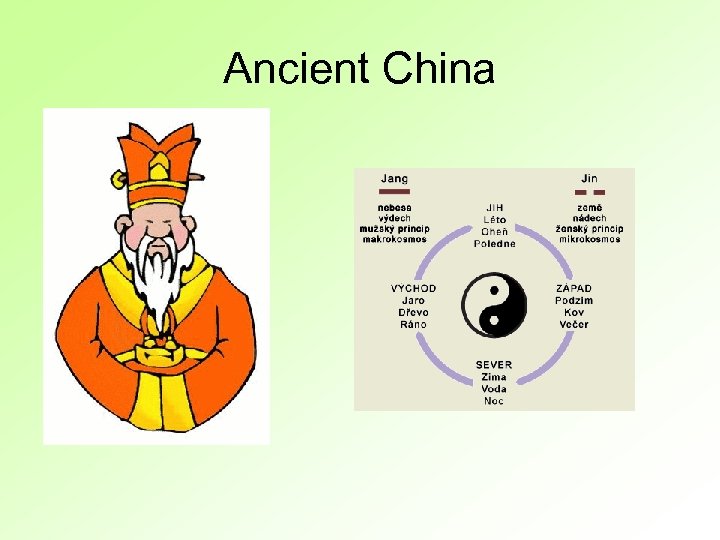 Ancient China
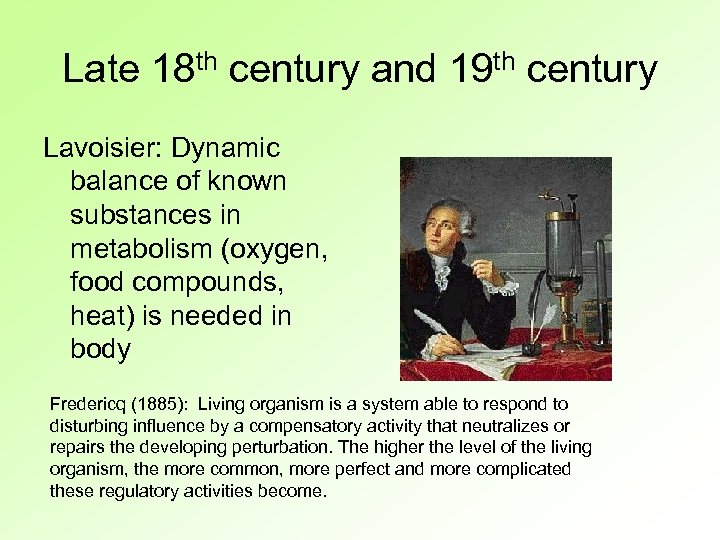 Late 18 th century and 19 th century Lavoisier: Dynamic balance of known substances in metabolism (oxygen, food compounds, heat) is needed in body Fredericq (1885): Living organism is a system able to respond to disturbing influence by a compensatory activity that neutralizes or repairs the developing perturbation. The higher the level of the living organism, the more common, more perfect and more complicated these regulatory activities become.
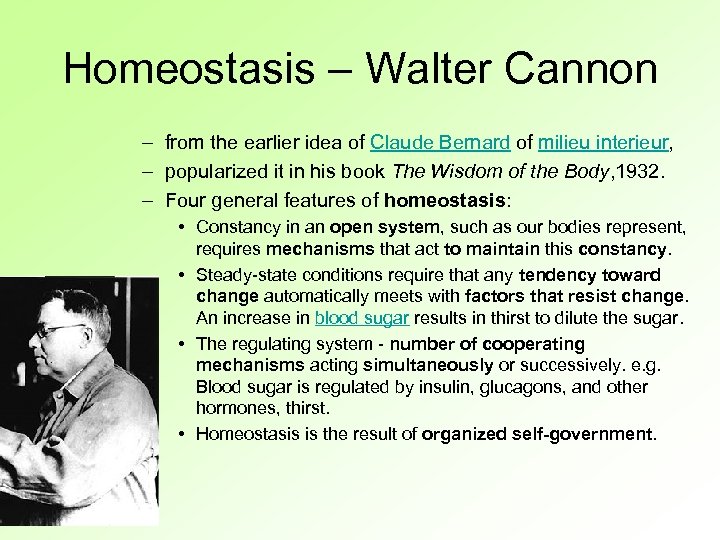 Homeostasis – Walter Cannon – from the earlier idea of Claude Bernard of milieu interieur, – popularized it in his book The Wisdom of the Body, 1932. – Four general features of homeostasis: • Constancy in an open system, such as our bodies represent, requires mechanisms that act to maintain this constancy. • Steady-state conditions require that any tendency toward change automatically meets with factors that resist change. An increase in blood sugar results in thirst to dilute the sugar. • The regulating system - number of cooperating mechanisms acting simultaneously or successively. e. g. Blood sugar is regulated by insulin, glucagons, and other hormones, thirst. • Homeostasis is the result of organized self-government.
 Cybernetics – Norbert Wiener • 1948 book Cybernetics: Or Control and Communication in the Animal and the Machine. • The book formalizes the notion of feedback and has gained large influence in many fields: control engineering, computer science, biology, philosophy, sociology and philosophy.
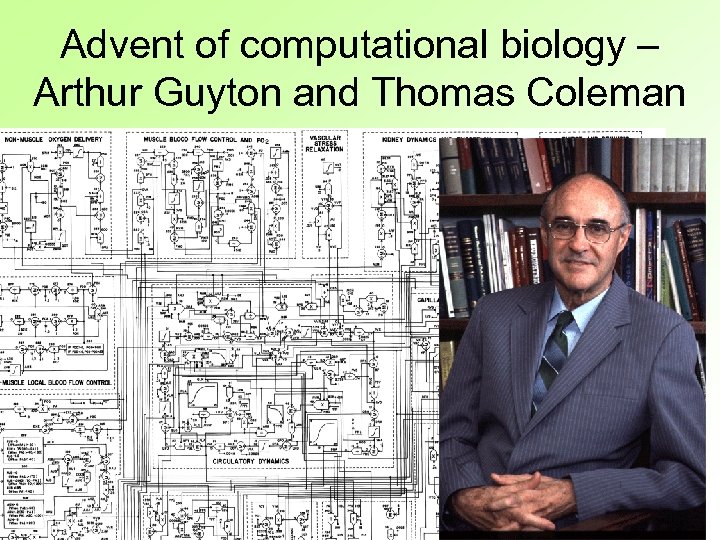 Advent of computational biology – Arthur Guyton and Thomas Coleman
 Thomas Coleman and laboratory of biocybernetics of our institute
 Little intermezzo
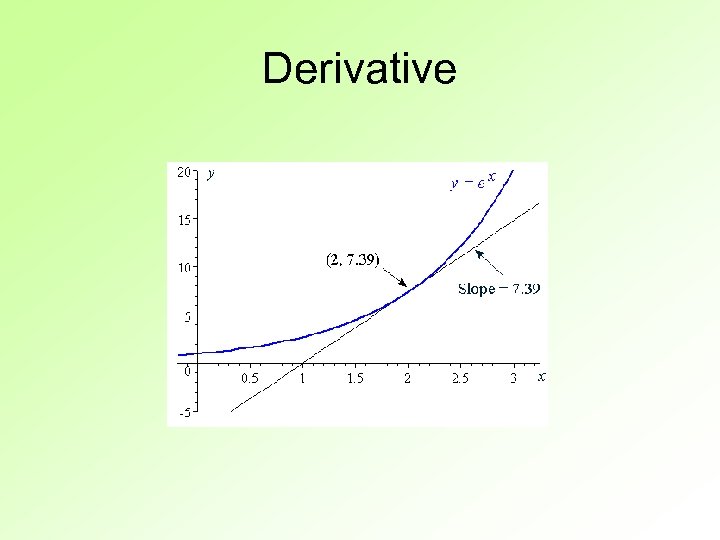
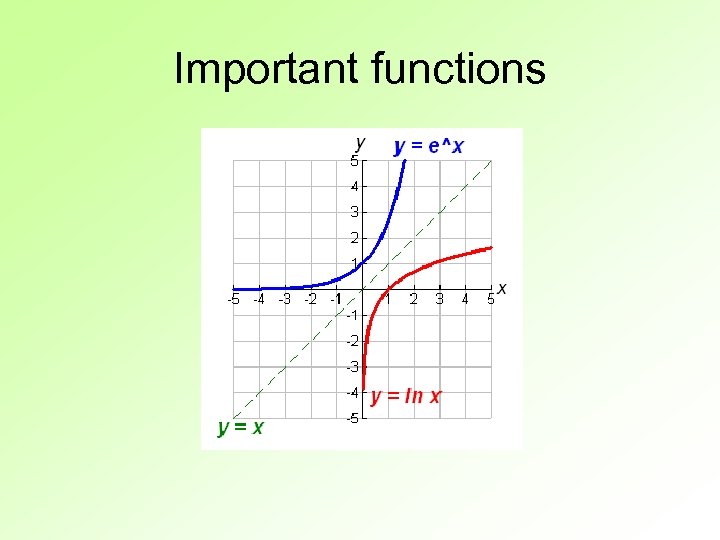
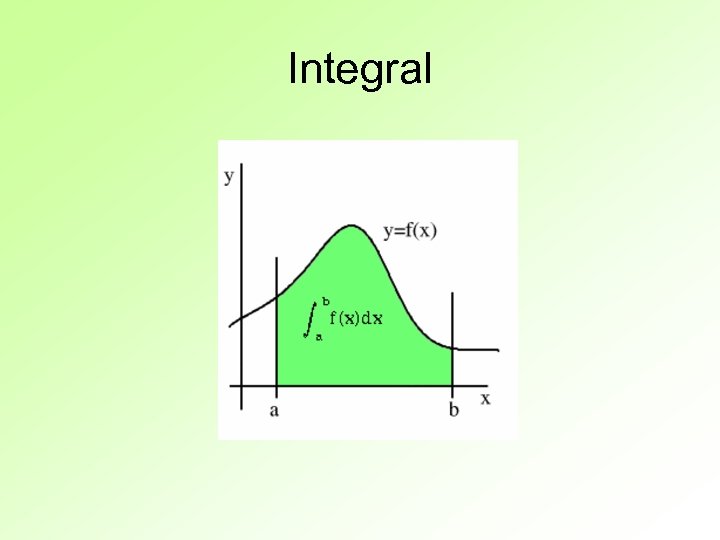
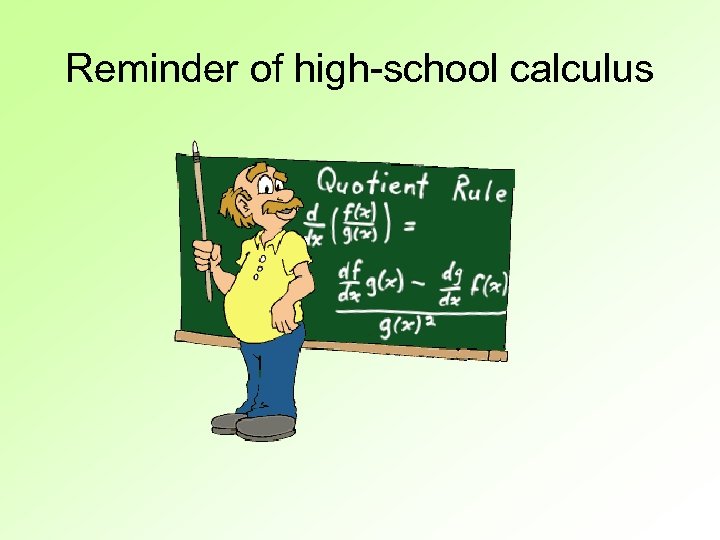 Reminder of high-school calculus
 Derivative
 Important functions
 Integral
 Different types of governors / controllers
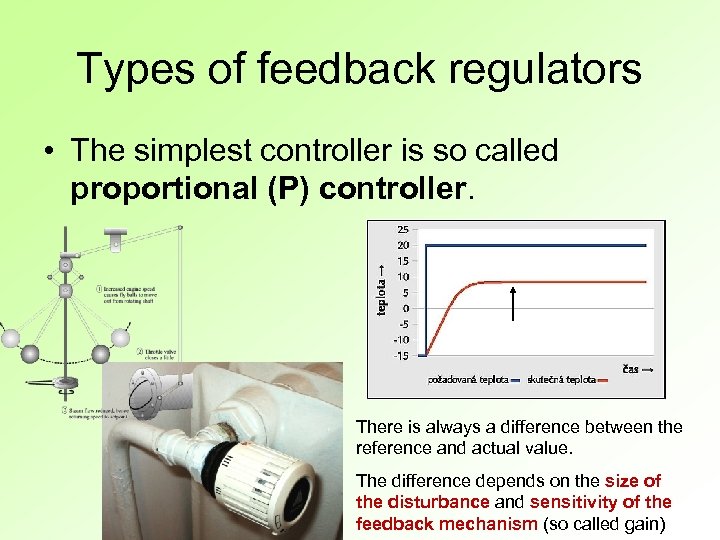 Types of feedback regulators • The simplest controller is so called proportional (P) controller. There is always a difference between the reference and actual value. The difference depends on the size of the disturbance and sensitivity of the feedback mechanism (so called gain)
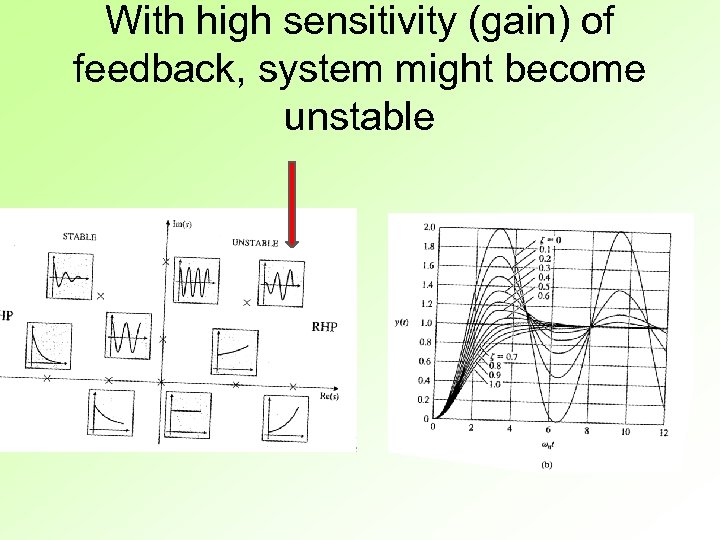 With high sensitivity (gain) of feedback, system might become unstable
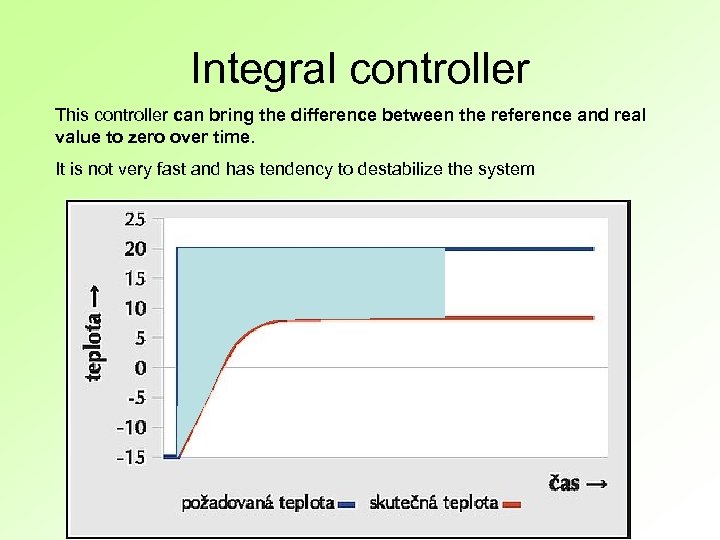 Integral controller This controller can bring the difference between the reference and real value to zero over time. It is not very fast and has tendency to destabilize the system
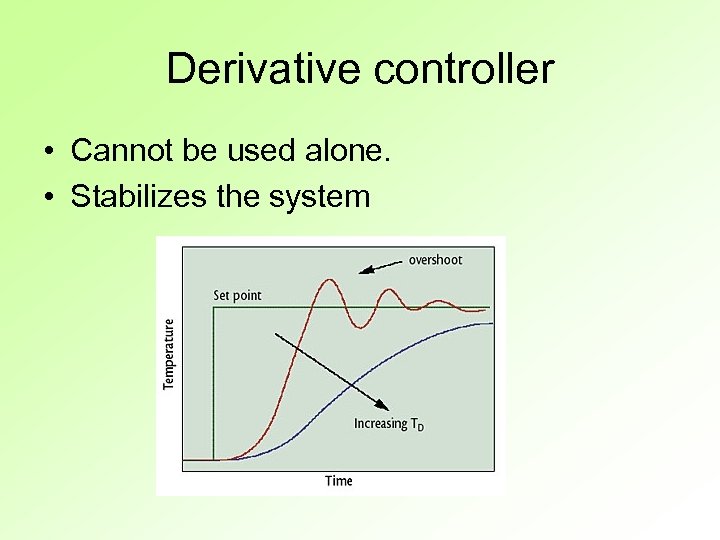 Derivative controller • Cannot be used alone. • Stabilizes the system
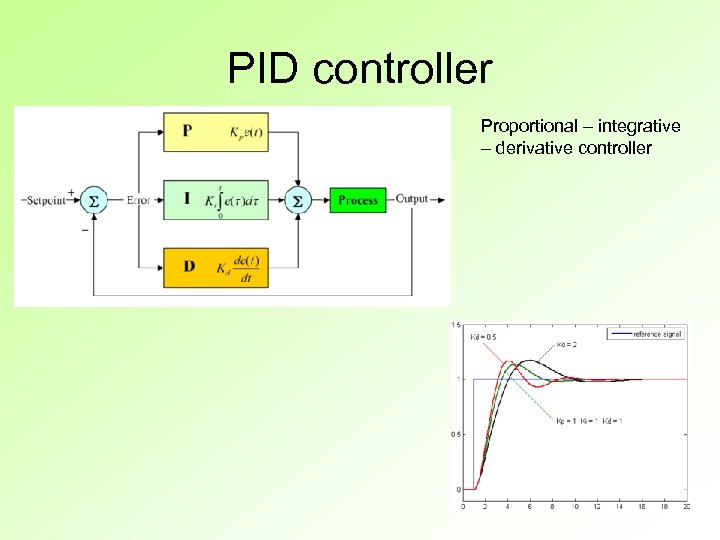 PID controller Proportional – integrative – derivative controller
 Regulation of blood pressure
 Cardiac output and blood pressure depend on: • Characteristics of the heart: • Contractility • Frequency • Characteristics (diameter) of the vessels • Tone of arteriols influences mainly resistence • Tone of veins (or less mid-size arteries) influences the volume of vascular bed. Volume of the bed is connected to pressure and vascular tone (compliance) • Volume of circulating blood
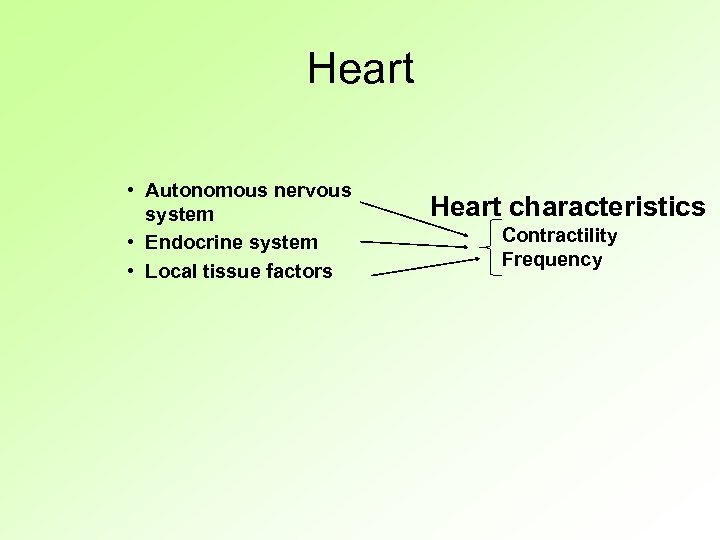 Heart • Autonomous nervous system • Endocrine system • Local tissue factors Heart characteristics Contractility Frequency
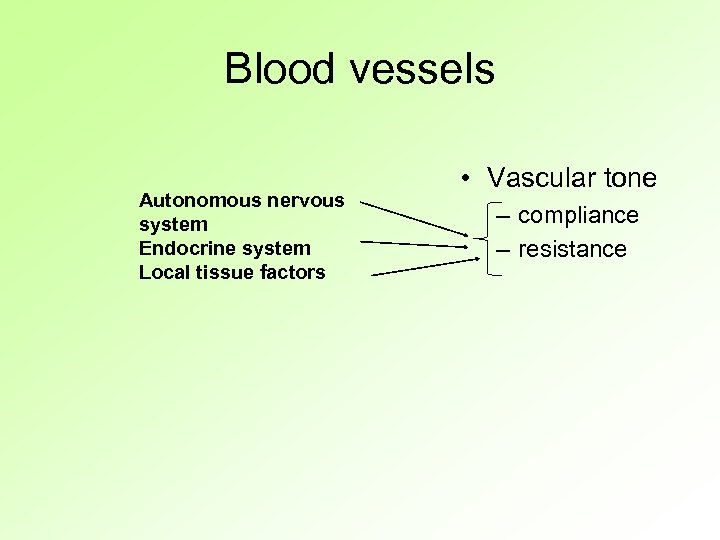 Blood vessels Autonomous nervous system Endocrine system Local tissue factors • Vascular tone – compliance – resistance
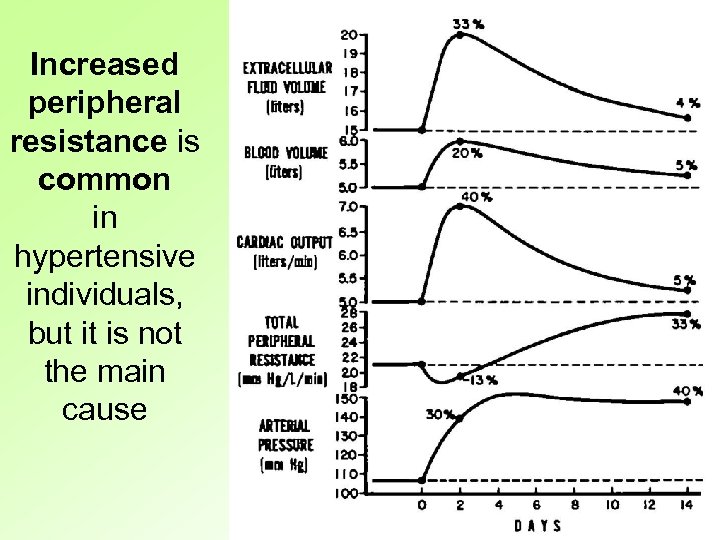
 Volume of circulating blood • Is given by difference between the intake of salt and water and their output. • The output is governed by kidney regulator • Resistance of kidney arteriols • Kidney filtration and resorption rate • Renin-angiotensinaldosteron system
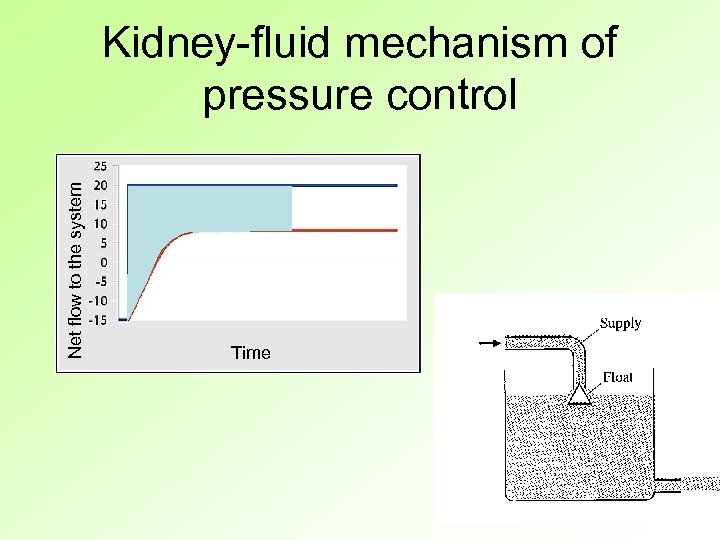
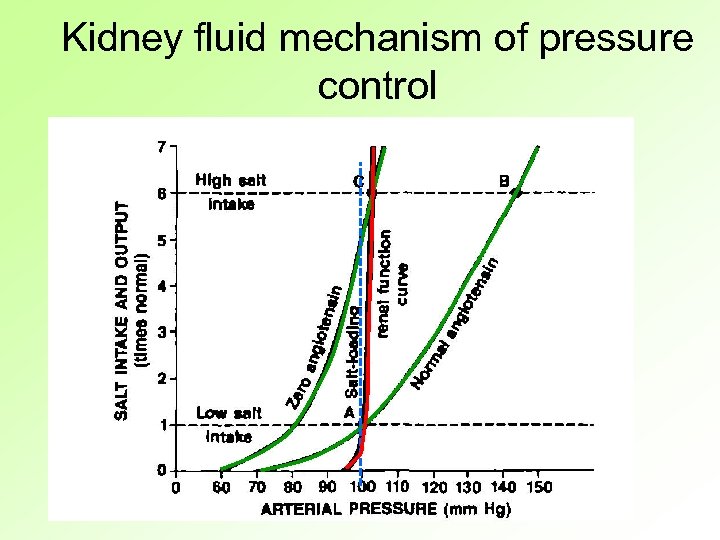
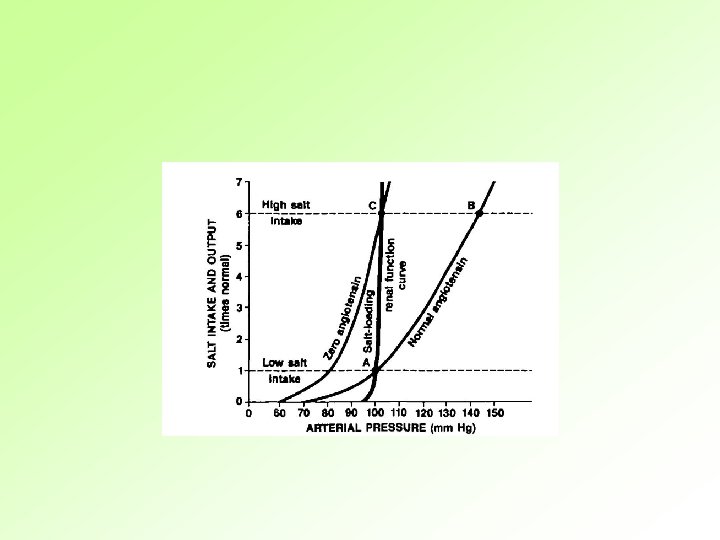
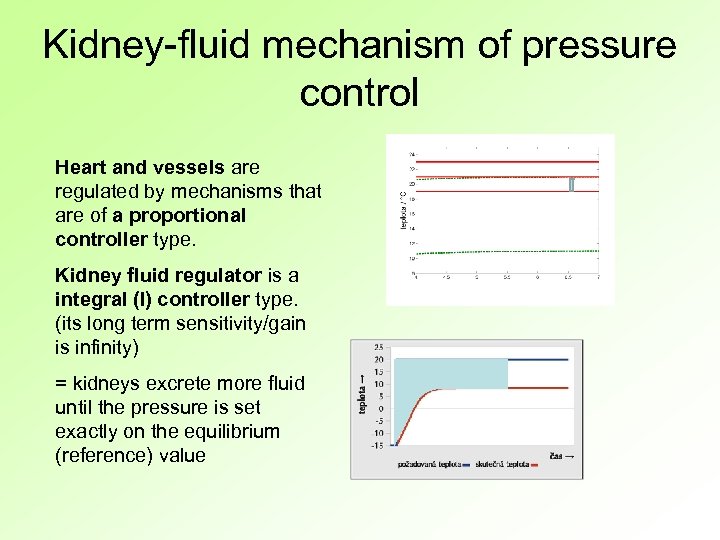 Kidney-fluid mechanism of pressure control Heart and vessels are regulated by mechanisms that are of a proportional controller type. Kidney fluid regulator is a integral (I) controller type. (its long term sensitivity/gain is infinity) = kidneys excrete more fluid until the pressure is set exactly on the equilibrium (reference) value
 Net flow to the system Kidney-fluid mechanism of pressure control Time
 Kidney fluid mechanism of pressure control
 Increased peripheral resistance is common in hypertensive individuals, but it is not the main cause
 Why is antihypertensive treatment effective? • • Diuretics Beta-blockers ACE inhibitors Ca++ channel blockers
 What did we cover? • 1. Basic terminology of regulation theory • 2. Types of feedback loops in the body (positive, negative) • 3. Origin of disturbance/disease in regulated system • 4. History of regulated systems and their description • 5. Different types of governors (automated regulators) • 6. Regulation of cardiac output and blood pressure • heart • vessels • kidney regulator




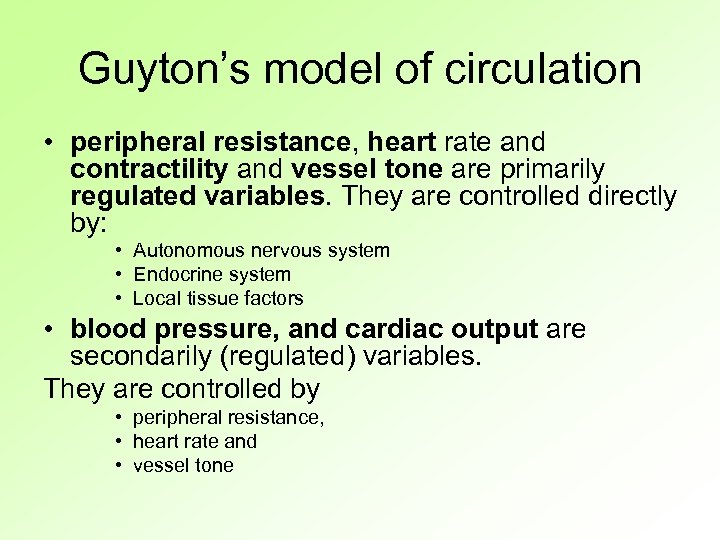 Guyton’s model of circulation • peripheral resistance, heart rate and contractility and vessel tone are primarily regulated variables. They are controlled directly by: • Autonomous nervous system • Endocrine system • Local tissue factors • blood pressure, and cardiac output are secondarily (regulated) variables. They are controlled by • peripheral resistance, • heart rate and • vessel tone
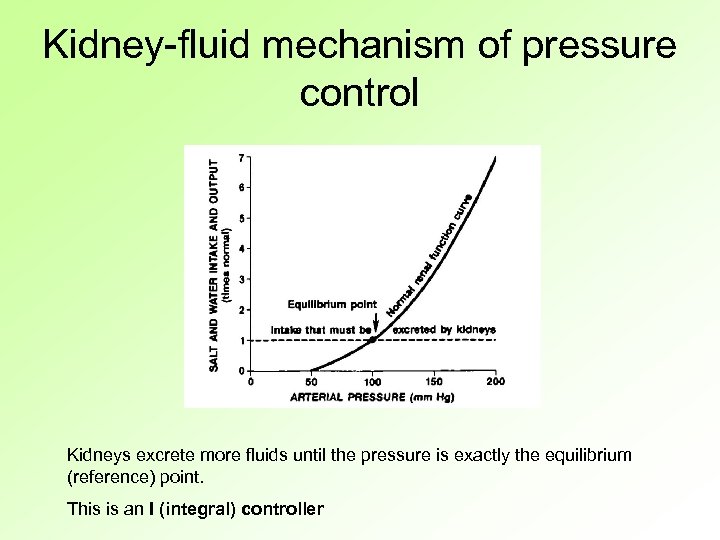 Kidney-fluid mechanism of pressure control Kidneys excrete more fluids until the pressure is exactly the equilibrium (reference) point. This is an I (integral) controller
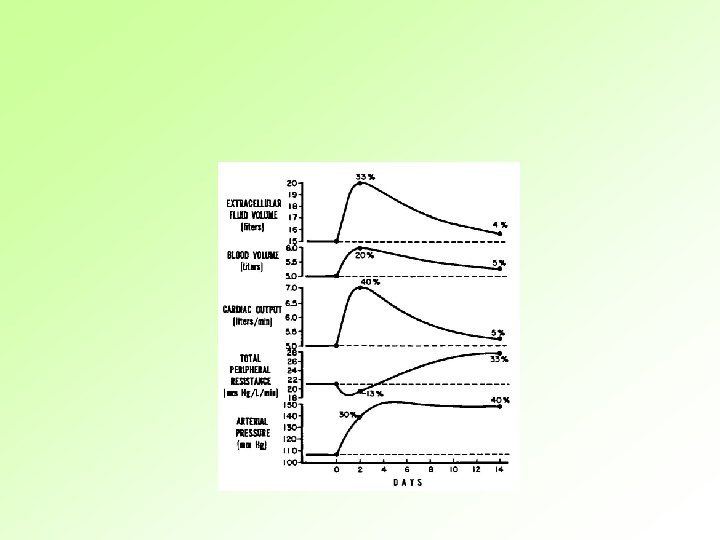
 Review • Regulation • Closed loop = feedback regulation • Same structure of regulatory loops in engineering and medicine • Stability in regulation is only accomplished by negative feedback • History of control theory • PID controllers • Blood pressure is determined only by kidneyfluid mechanism in the long-run (the Integral controller)
 Mathematical models and formalization • Anything that can be quantified in words can also be expressed in formulas (language of mathematics) • Mathematics gives us powerful methods of deducing correct implications from the underlying statements. • “Uncritical enthusiasm of mathematical formulation often has the tendency to hide the key meaning nuances of the argumentation taking place behind facade of algebraic symbolism and “certainty”” Wassily Leontief winner of Nobel Prize for economics
 System without feedback – mathematical formalization • If we want to mathematically express the behaviour of a feedback regulated system, we first need to depict behavior of the system without feedback