Скачать презентацию PHYSICIANS FOR A NATIONAL HEALTH PROGRAM 29 EAST
e0897607ea4f405206c5605555838706.ppt
- Количество слайдов: 185
 PHYSICIANS FOR A NATIONAL HEALTH PROGRAM 29 EAST MADISON SUITE 602 CHICAGO, IL 60602 TEL: (312) 782 -6006 WWW. PNHP. ORG
 The Uninsured
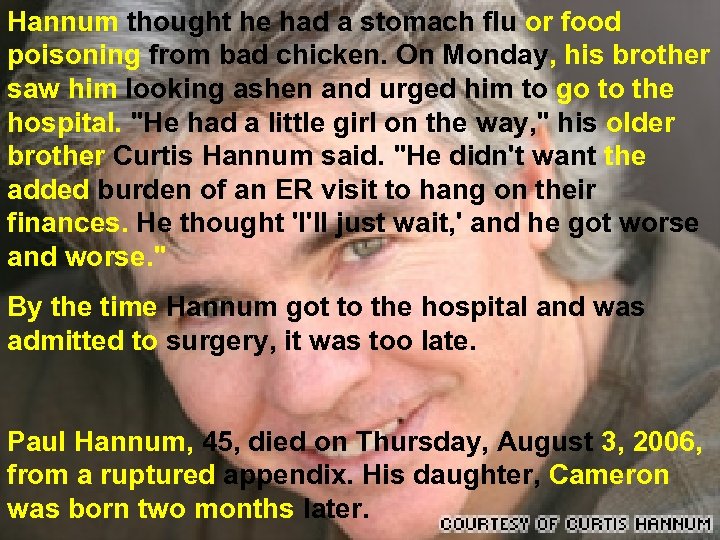 Hannum thought he had a stomach flu or food poisoning from bad chicken. On Monday, his brother saw him looking ashen and urged him to go to the hospital. "He had a little girl on the way, " his older brother Curtis Hannum said. "He didn't want the added burden of an ER visit to hang on their finances. He thought 'I'll just wait, ' and he got worse and worse. " By the time Hannum got to the hospital and was admitted to surgery, it was too late. Paul Hannum, 45, died on Thursday, August 3, 2006, from a ruptured appendix. His daughter, Cameron was born two months later.
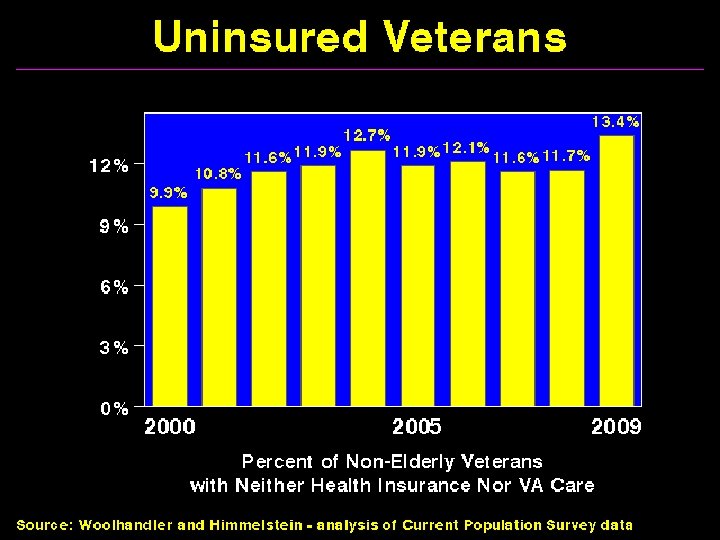
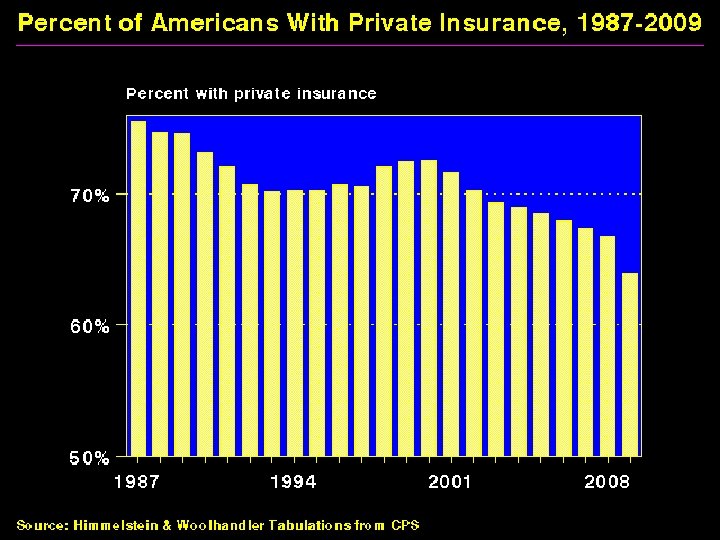
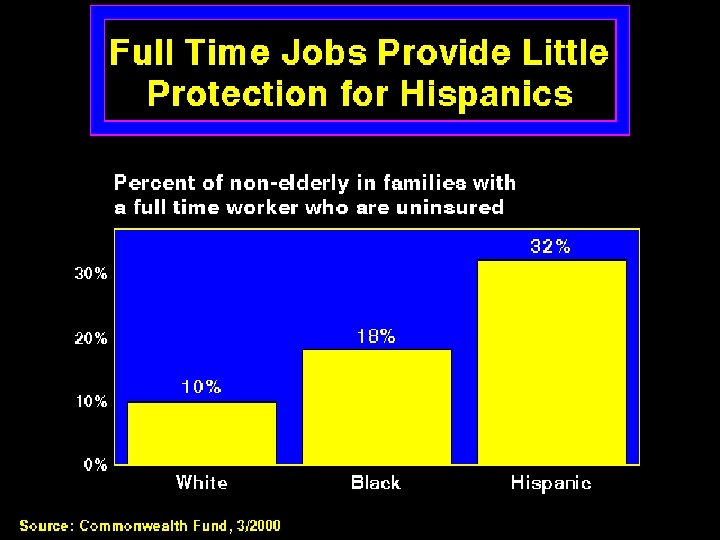
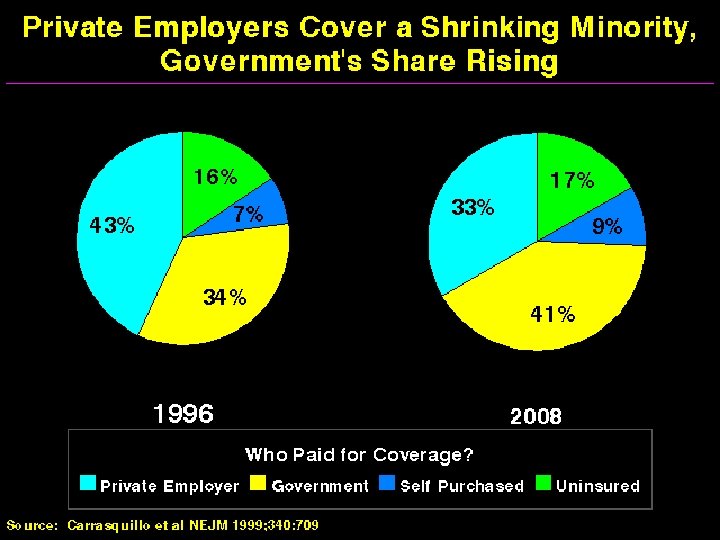
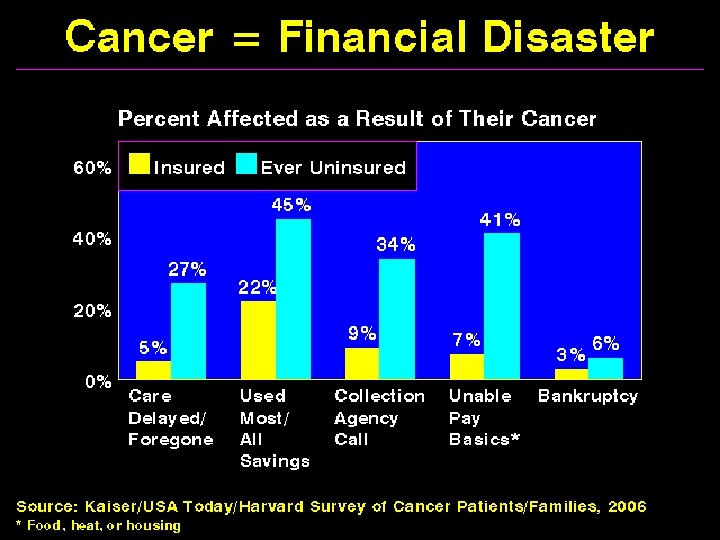
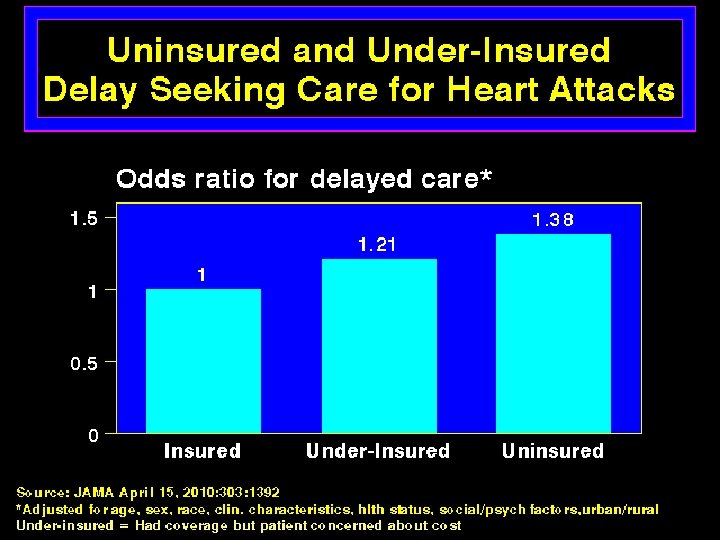
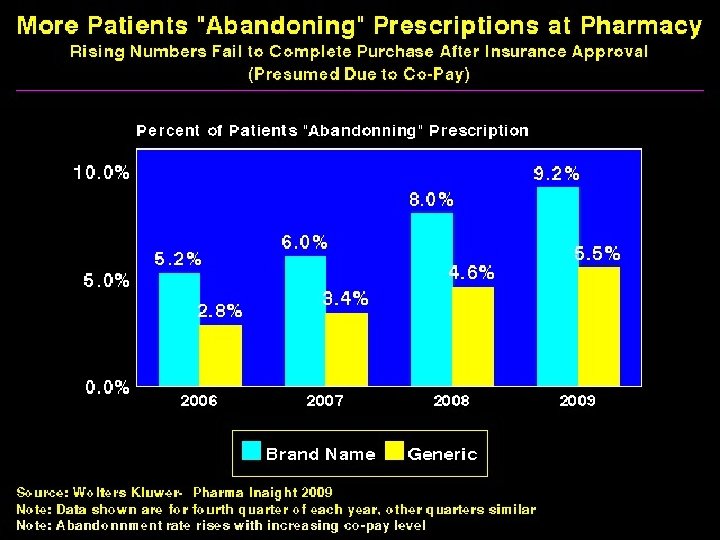
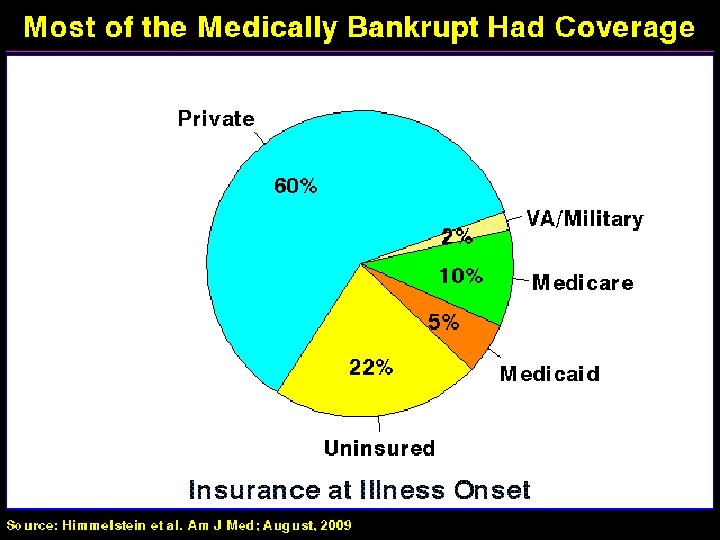
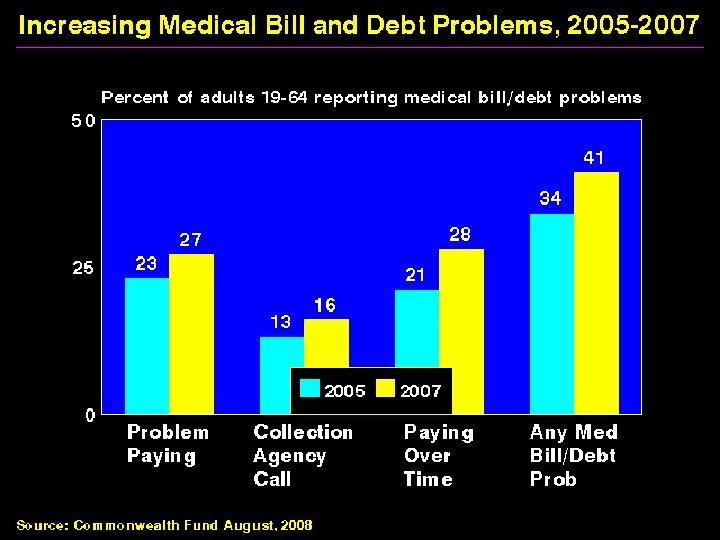
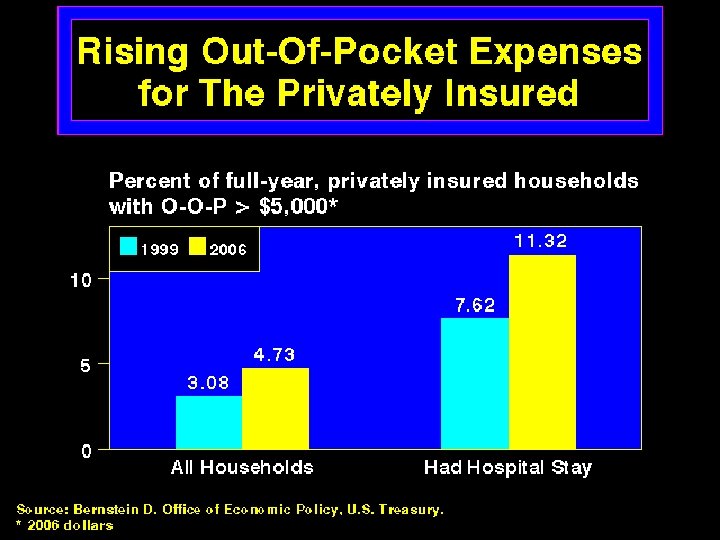
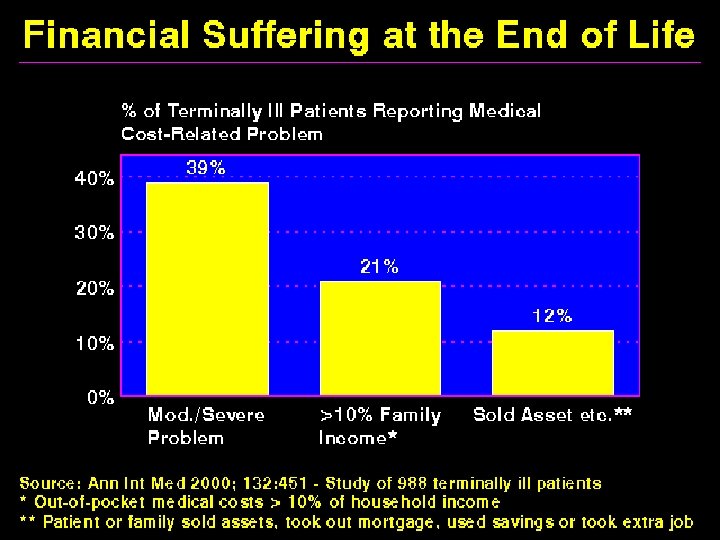
 Financial Suffering Among the INSURED
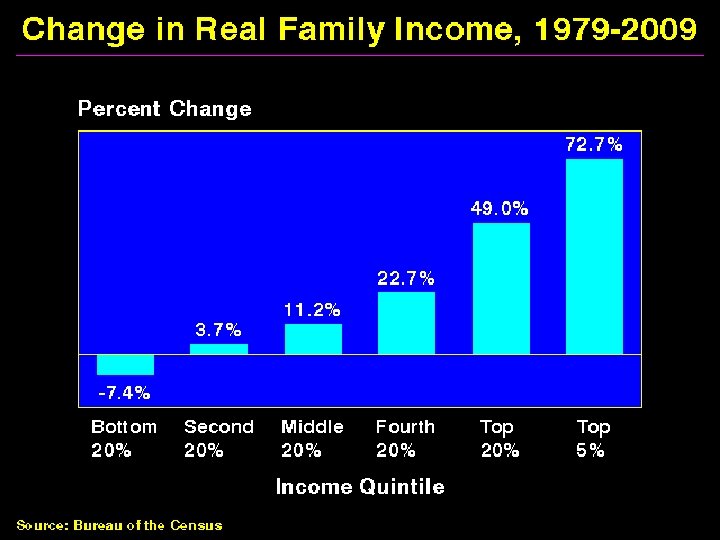
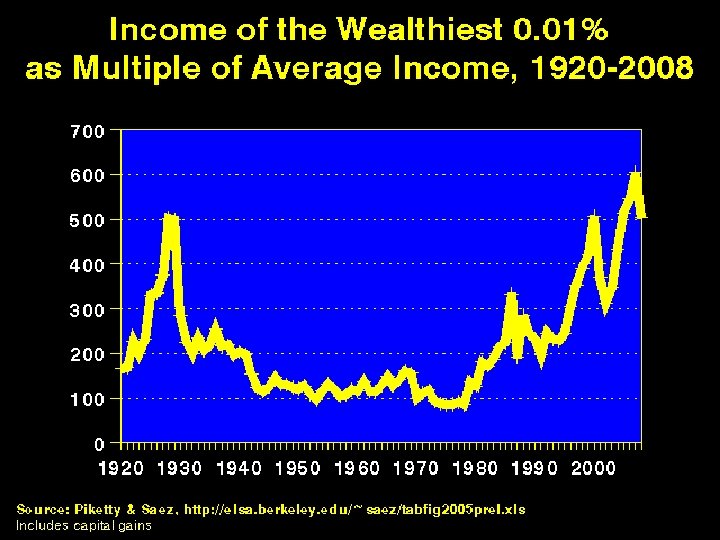
 Rising Economic Inequality
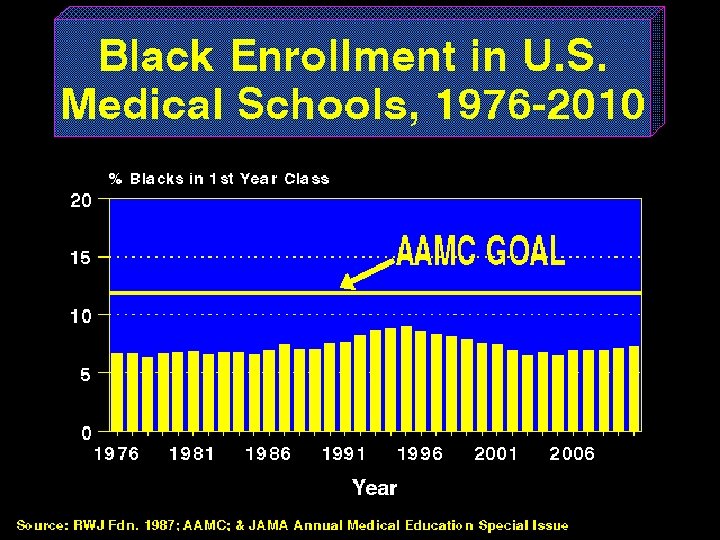
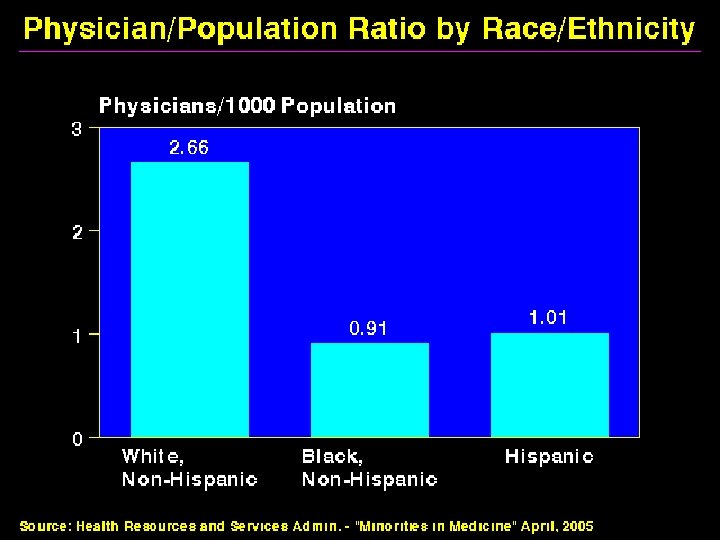
 Persistent Racial Inequalities
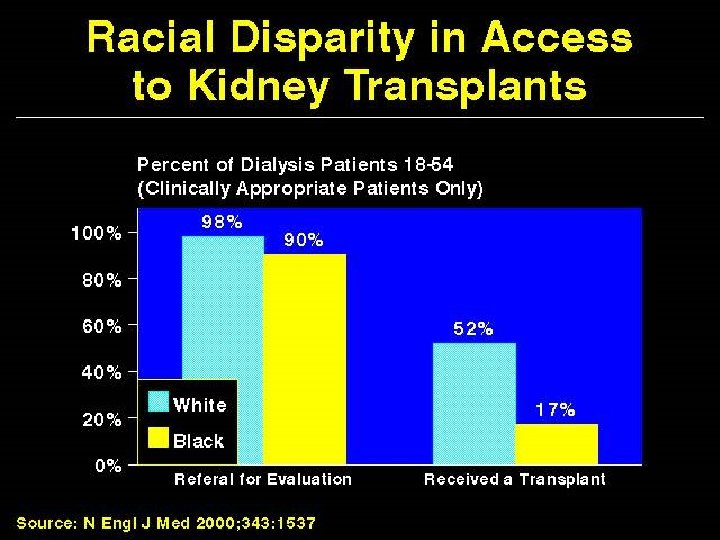 Racial Disparity in Access to Kidney Transplants
 Rationing Amidst a Surplus of Care
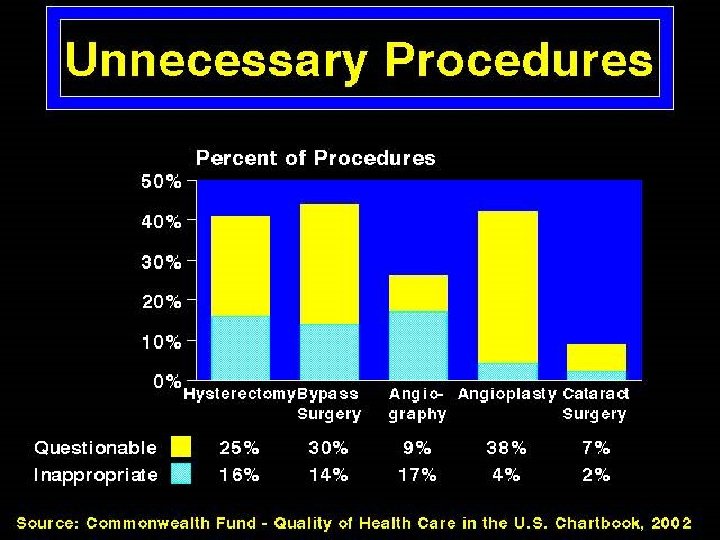 Unnecessary Procedures
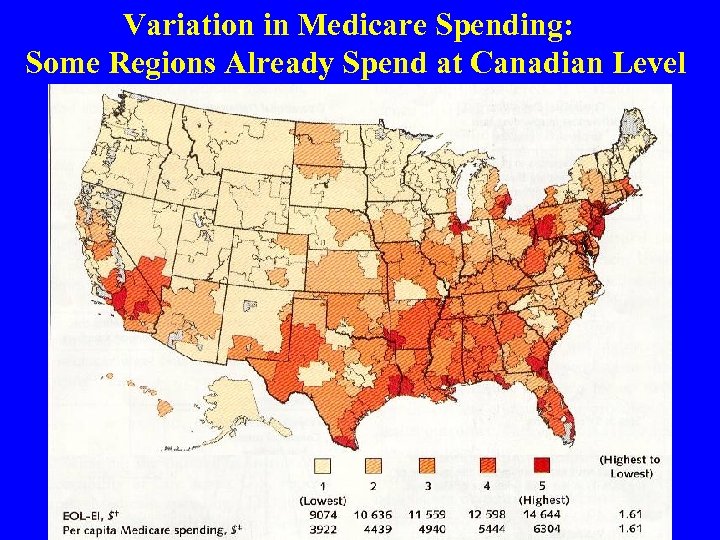 Variation in Medicare Spending: Some Regions Already Spend at Canadian Level
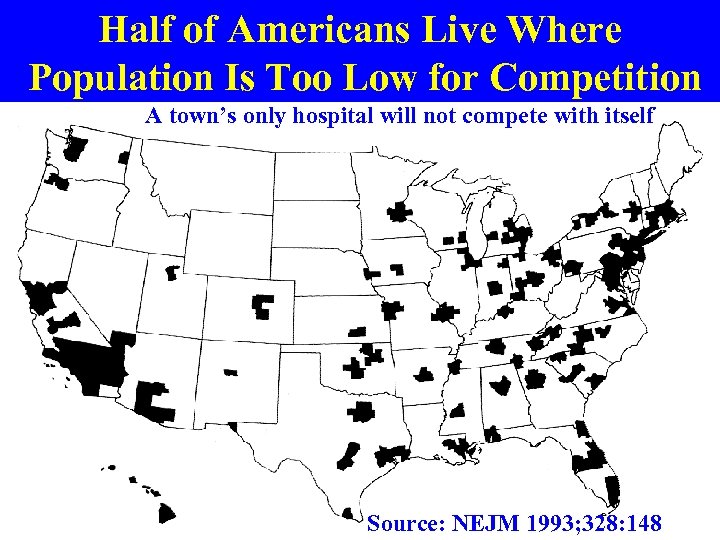 Half of Americans Live Where Population Is Too Low for Competition A town’s only hospital will not compete with itself Source: NEJM 1993; 328: 148

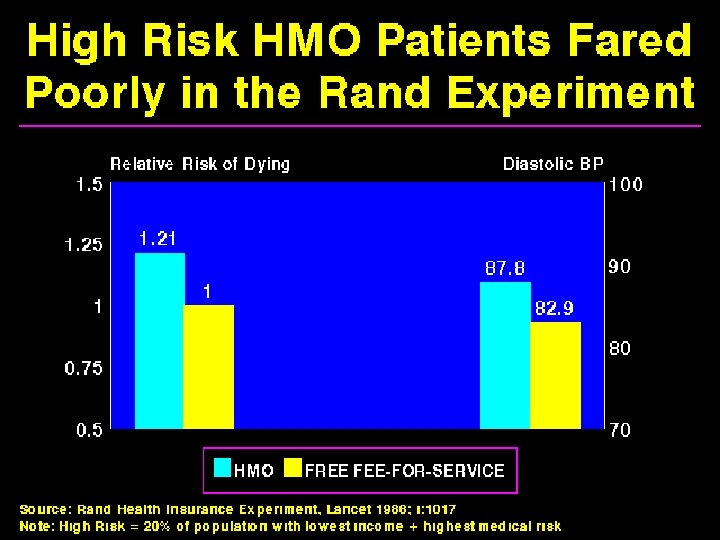
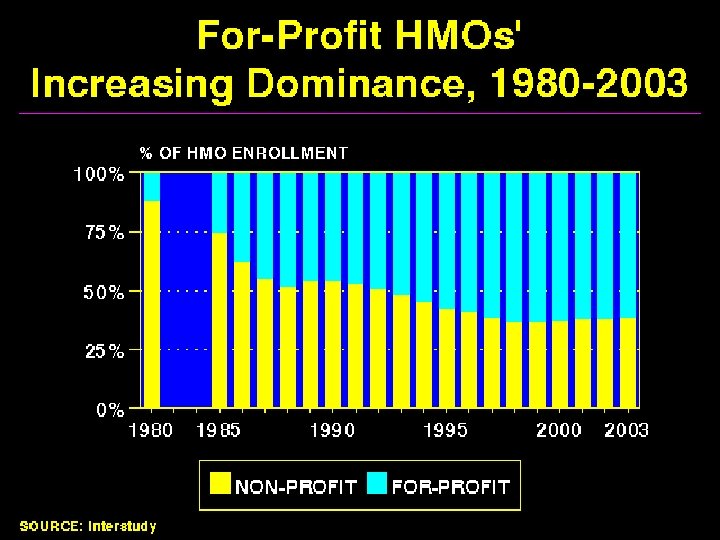
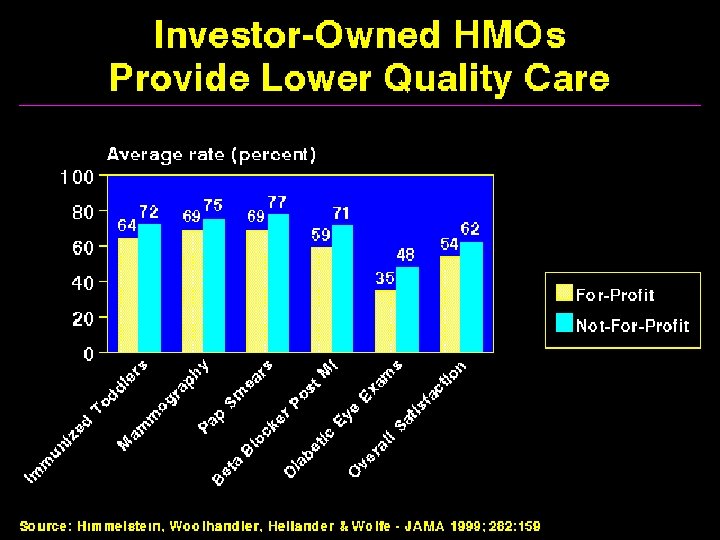
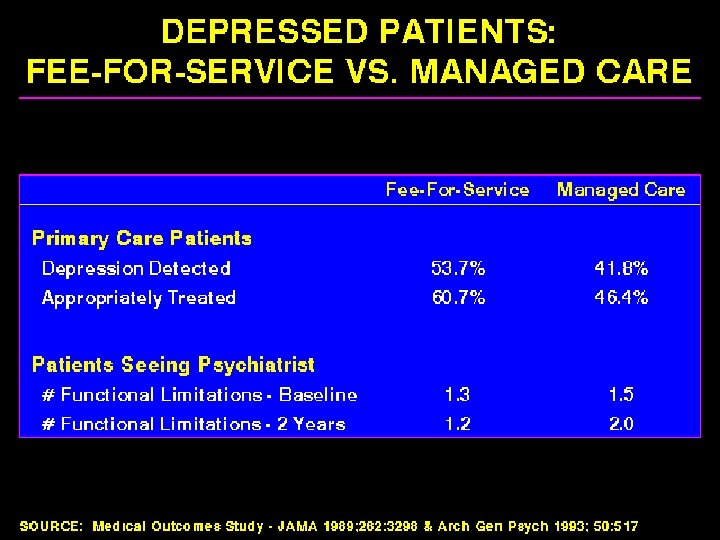
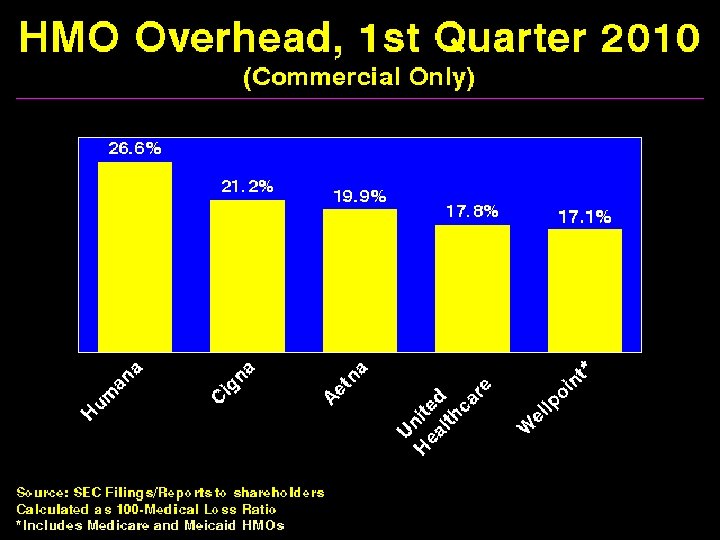
 ACOs: A Rerun of the HMO Experience?
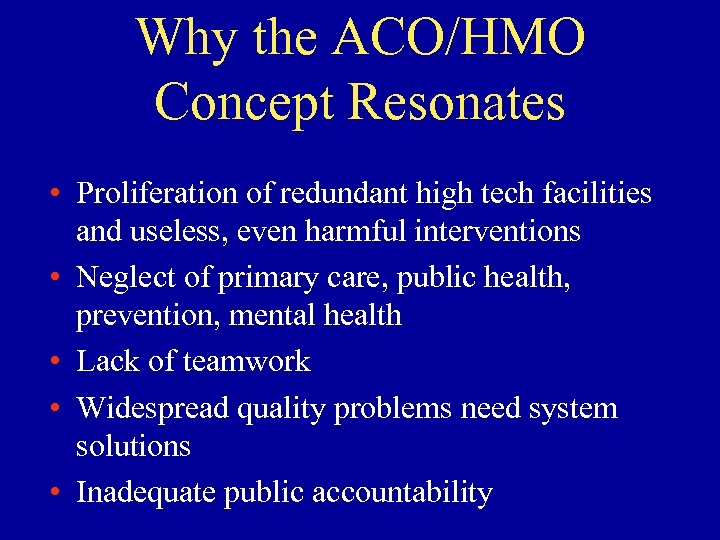 Why the ACO/HMO Concept Resonates • Proliferation of redundant high tech facilities and useless, even harmful interventions • Neglect of primary care, public health, prevention, mental health • Lack of teamwork • Widespread quality problems need system solutions • Inadequate public accountability
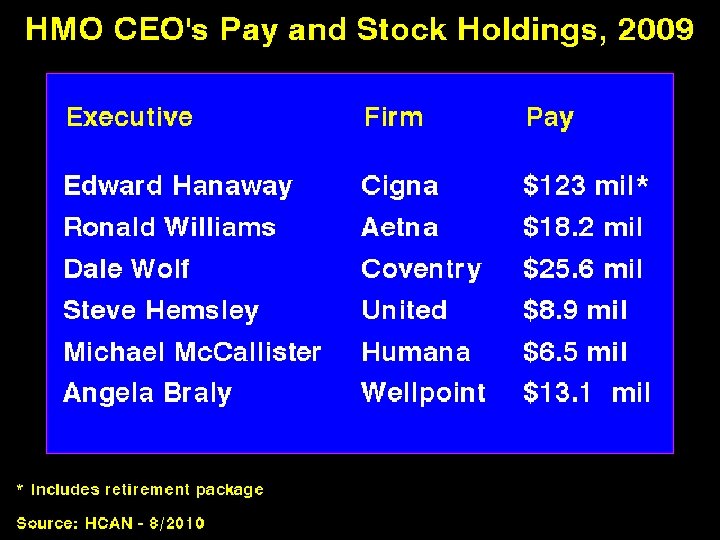
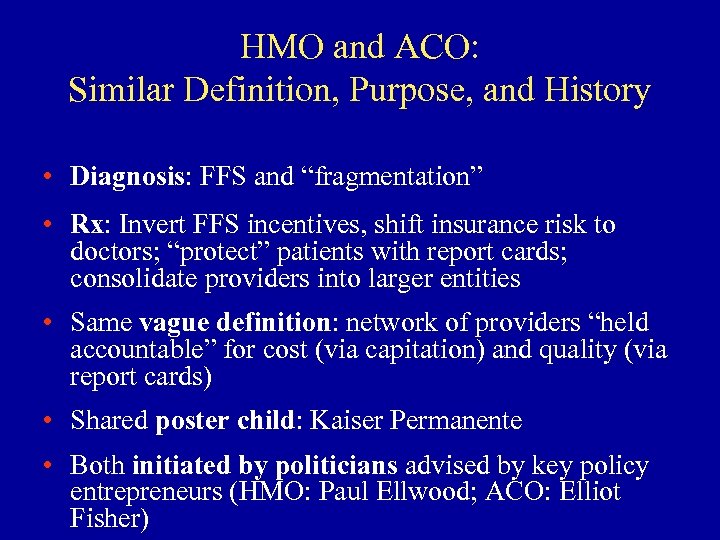 HMO and ACO: Similar Definition, Purpose, and History • Diagnosis: FFS and “fragmentation” • Rx: Invert FFS incentives, shift insurance risk to doctors; “protect” patients with report cards; consolidate providers into larger entities • Same vague definition: network of providers “held accountable” for cost (via capitation) and quality (via report cards) • Shared poster child: Kaiser Permanente • Both initiated by politicians advised by key policy entrepreneurs (HMO: Paul Ellwood; ACO: Elliot Fisher)
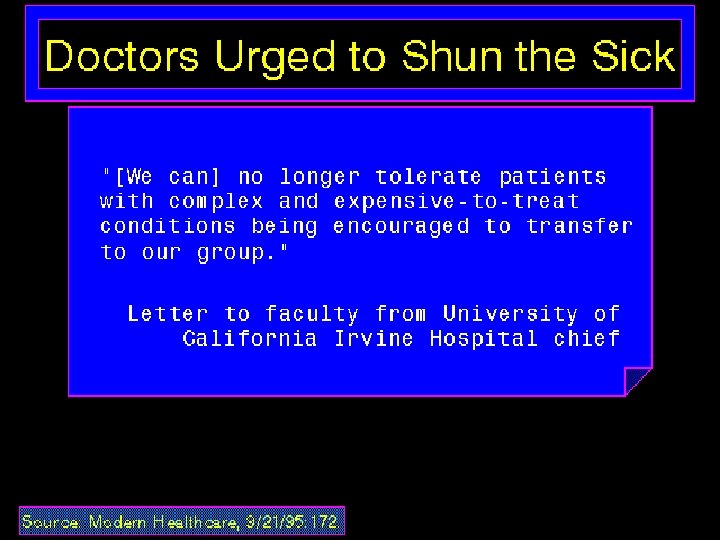
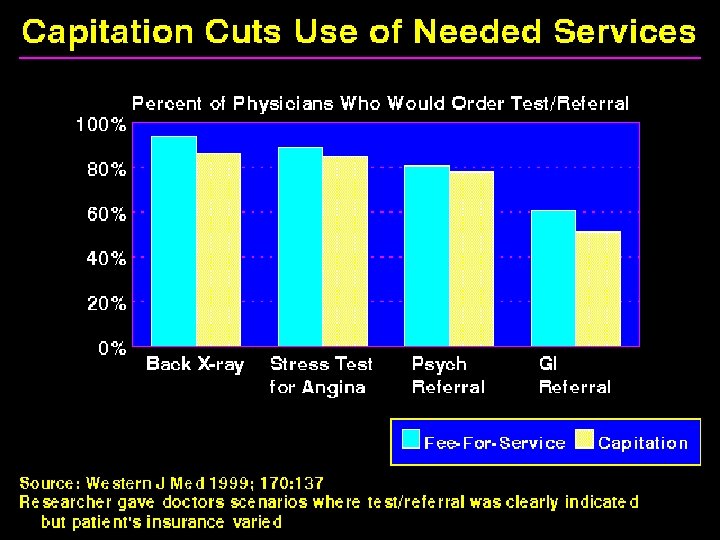
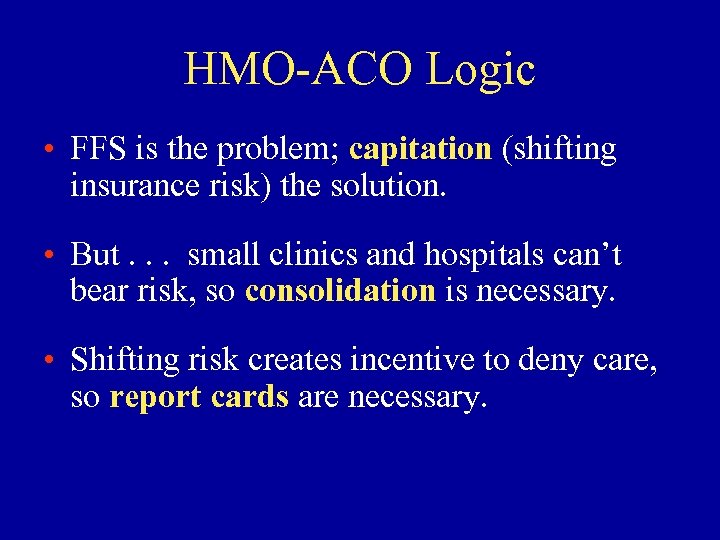 HMO-ACO Logic • FFS is the problem; capitation (shifting insurance risk) the solution. • But. . . small clinics and hospitals can’t bear risk, so consolidation is necessary. • Shifting risk creates incentive to deny care, so report cards are necessary.
 Predicting the Impact of ACOs • Track record of HMOs • Results of Medicare’s Physician Group Practice Demonstration, 2005 -2010 • Evidence on tools ACOs likely to use: v v prevention and disease management “care coordination” report cards and P 4 P schemes electronic medical records
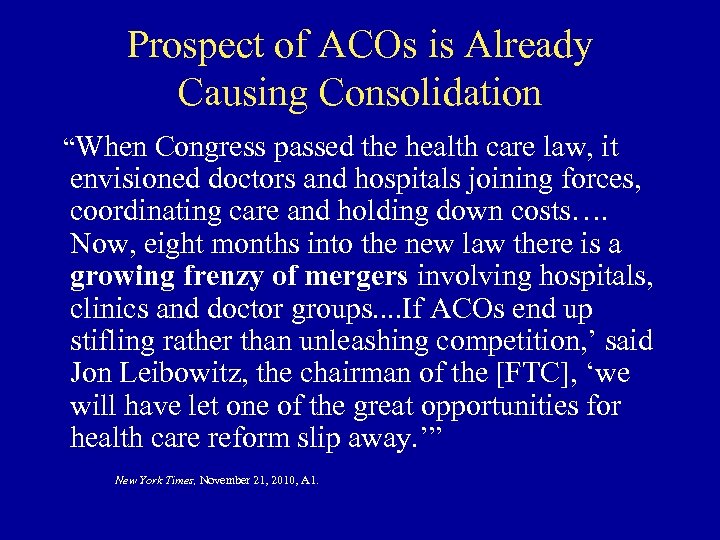 Prospect of ACOs is Already Causing Consolidation “When Congress passed the health care law, it envisioned doctors and hospitals joining forces, coordinating care and holding down costs…. Now, eight months into the new law there is a growing frenzy of mergers involving hospitals, clinics and doctor groups. . If ACOs end up stifling rather than unleashing competition, ’ said Jon Leibowitz, the chairman of the [FTC], ‘we will have let one of the great opportunities for health care reform slip away. ’” New York Times, November 21, 2010, A 1.
 Medicare’s PGP Demonstration: An ACO Prototype “The ACO model builds on similar initiatives that Medicare has implemented in the past several years. Starting in 2005, the Physician Group Practice Demonstration engaged ten provider organizations and physician networks, ranging from freestanding physician group practices to integrated delivery systems, in a ‘shared savings’ reform. ” Mc. Clellan, Mc. Kethan, Lewis and Fisher. Health Affairs 2010; 29: 982 -990
 Medicare’s PGP/ACO Demo. Project : Gaming, But No Savings “The model for the ACO program. . . has been tested in the PGP Demonstration Project. . . diagnosis coding changes the PGP sites initiated. . . produced apparent savings that resulted in shared savings payments to some of the demonstration sites, but not actually fewer dollars spent” Berenson RA. Am J. Managed Care, 2010; 16: 721 -726.
 CBO: ACOs Would Cut Medicare Spending by Less Than 0. 1% The Congressional Budget Office estimated that enrolling 20% to 40% of Medicare patients in an ACO-like payment system would cut Medicare spending by $5. 3 billion over the 2010 -2019 period, when total Medicare spending will be $6. 8 trillion. CBO estimated that paying PCPs under a partial capitation system would save even less - $5. 2 billion Source: Congressional Budget Office, Budget Options: Volume 1, Health Care, December 2008, http: //www. cbo. gov/doc. cfm? index=9925. Options 37 and 38
 ACO Cost Cutting Armamentarium • Prevention • Disease management • “Care Coordination” (consolidation, gatekeeping, utilization review) • Electronic medical records • Report cards and P-4 -P
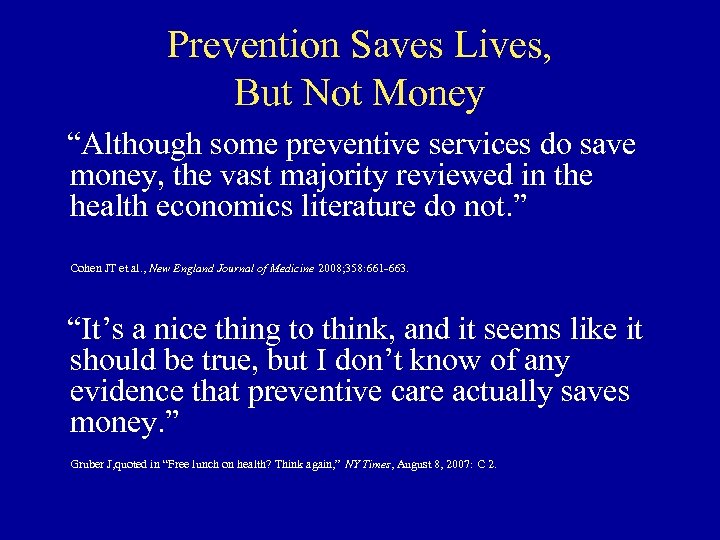 Prevention Saves Lives, But Not Money “Although some preventive services do save money, the vast majority reviewed in the health economics literature do not. ” Cohen JT et al. , New England Journal of Medicine 2008; 358: 661 -663. “It’s a nice thing to think, and it seems like it should be true, but I don’t know of any evidence that preventive care actually saves money. ” Gruber J, quoted in “Free lunch on health? Think again, ” NY Times, August 8, 2007: C 2.
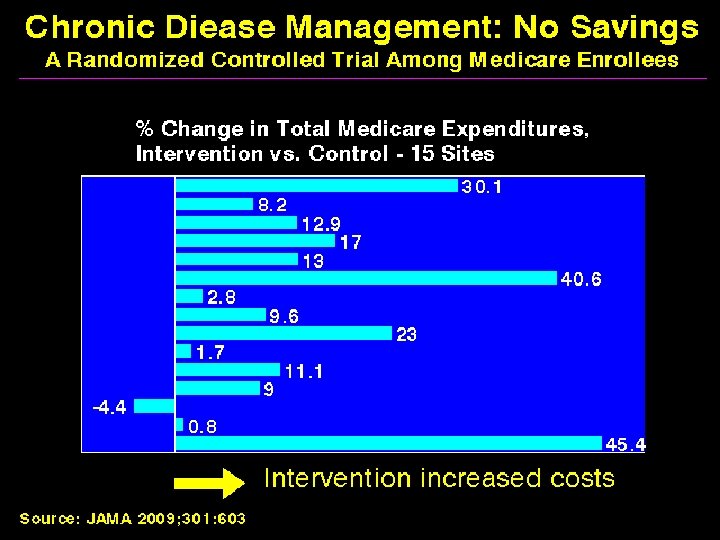
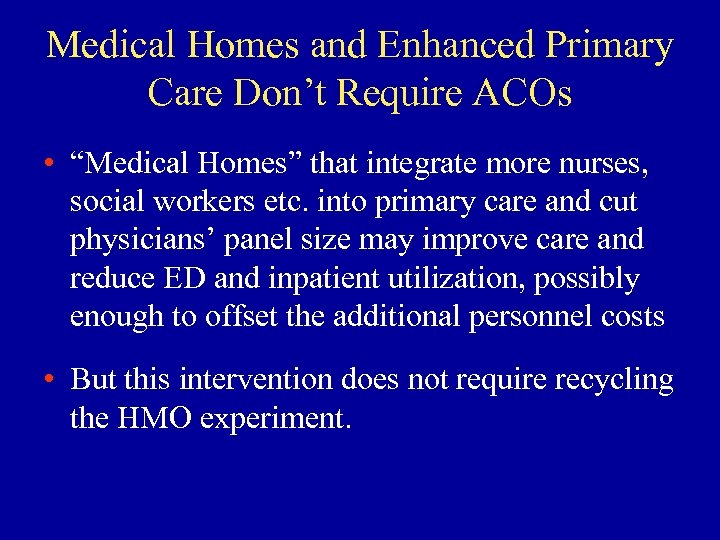 Medical Homes and Enhanced Primary Care Don’t Require ACOs • “Medical Homes” that integrate more nurses, social workers etc. into primary care and cut physicians’ panel size may improve care and reduce ED and inpatient utilization, possibly enough to offset the additional personnel costs • But this intervention does not require recycling the HMO experiment.
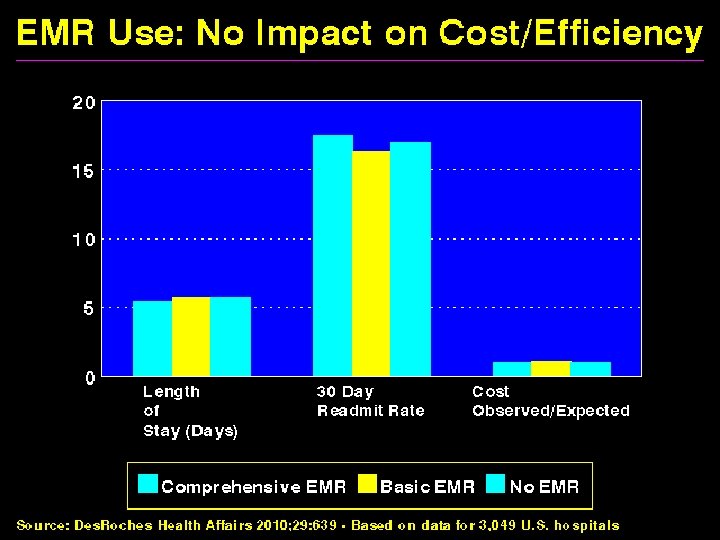
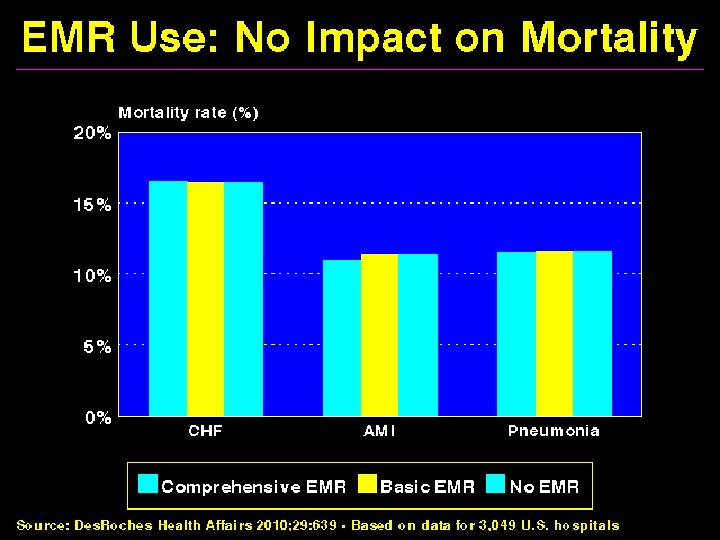
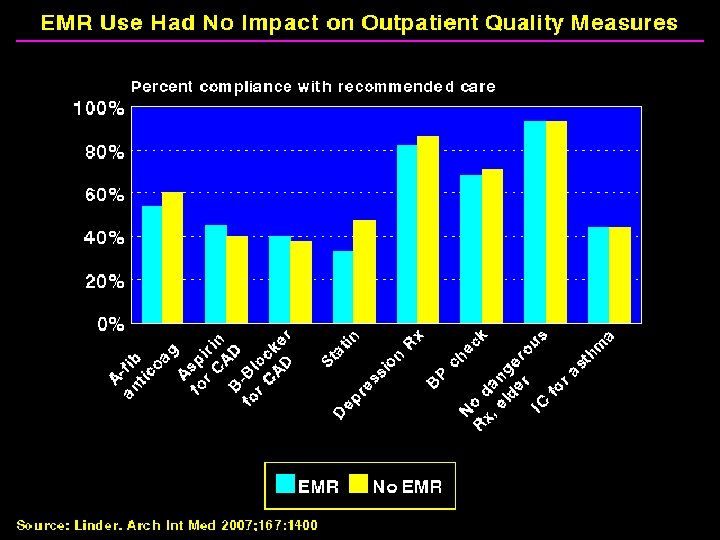
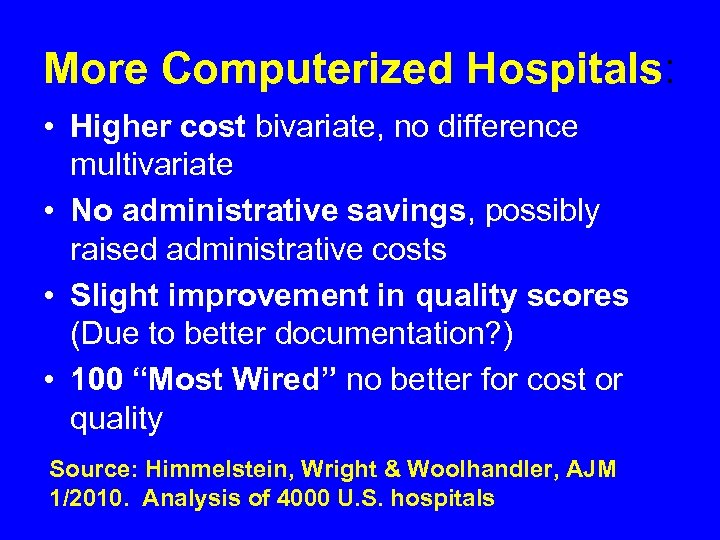 More Computerized Hospitals: • Higher cost bivariate, no difference multivariate • No administrative savings, possibly raised administrative costs • Slight improvement in quality scores (Due to better documentation? ) • 100 “Most Wired” no better for cost or quality Source: Himmelstein, Wright & Woolhandler, AJM 1/2010. Analysis of 4000 U. S. hospitals
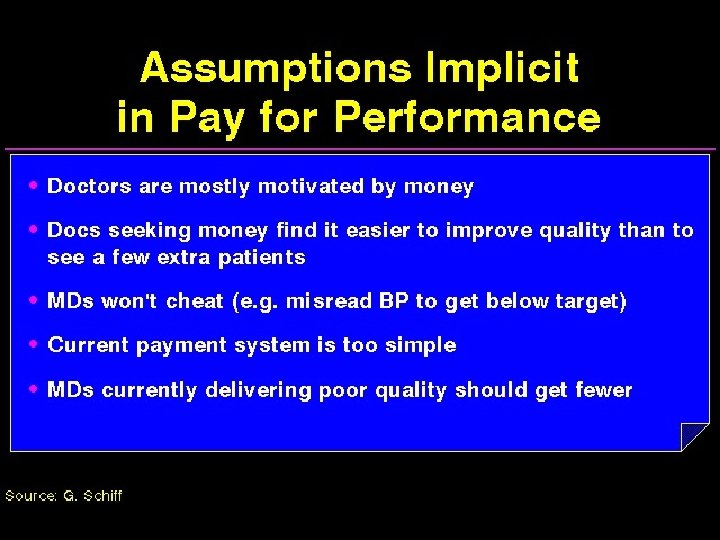
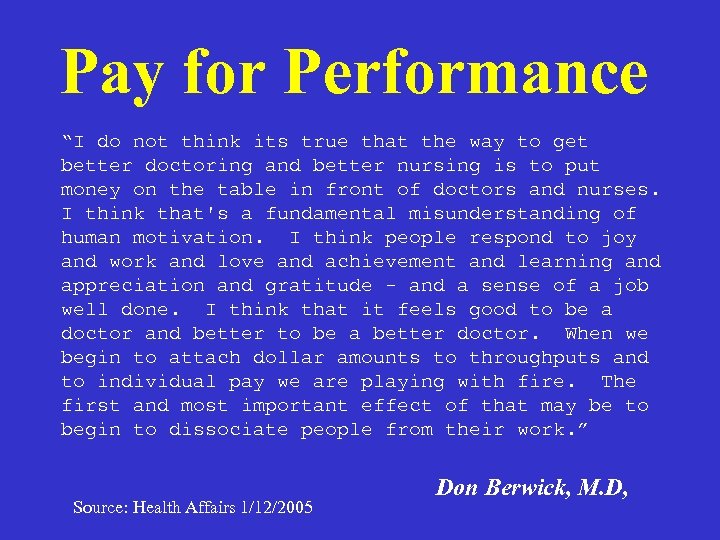 Pay for Performance “I do not think its true that the way to get better doctoring and better nursing is to put money on the table in front of doctors and nurses. I think that's a fundamental misunderstanding of human motivation. I think people respond to joy and work and love and achievement and learning and appreciation and gratitude - and a sense of a job well done. I think that it feels good to be a doctor and better to be a better doctor. When we begin to attach dollar amounts to throughputs and to individual pay we are playing with fire. The first and most important effect of that may be to begin to dissociate people from their work. ” Source: Health Affairs 1/12/2005 Don Berwick, M. D,
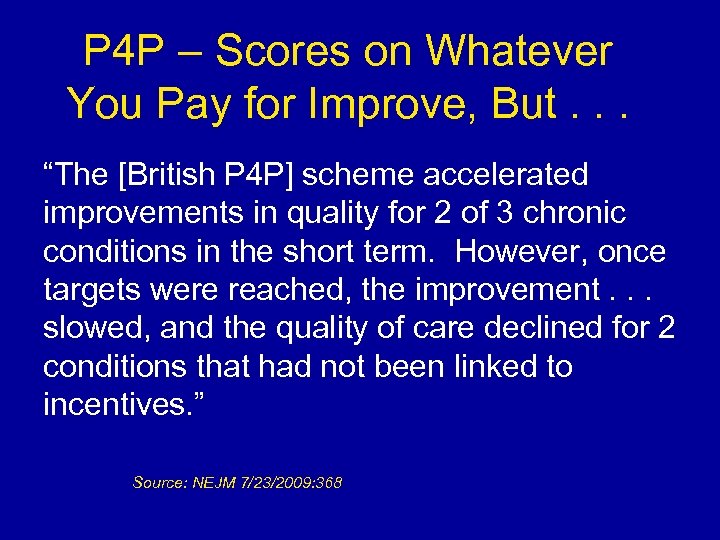 P 4 P – Scores on Whatever You Pay for Improve, But. . . “The [British P 4 P] scheme accelerated improvements in quality for 2 of 3 chronic conditions in the short term. However, once targets were reached, the improvement. . . slowed, and the quality of care declined for 2 conditions that had not been linked to incentives. ” Source: NEJM 7/23/2009: 368
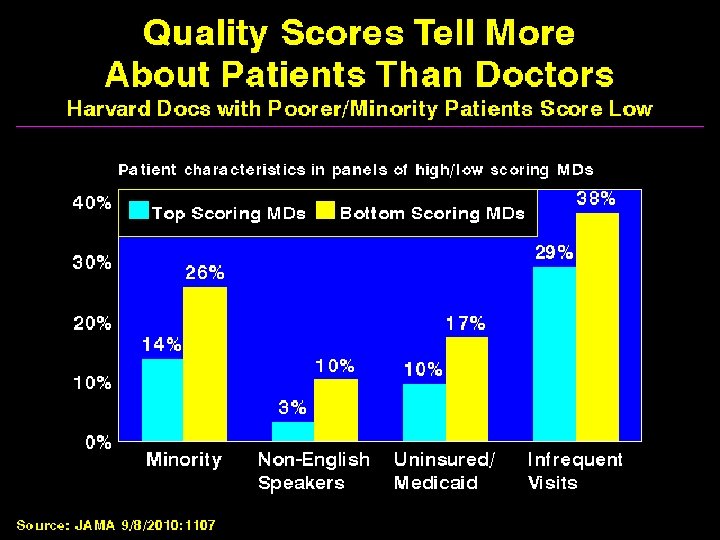
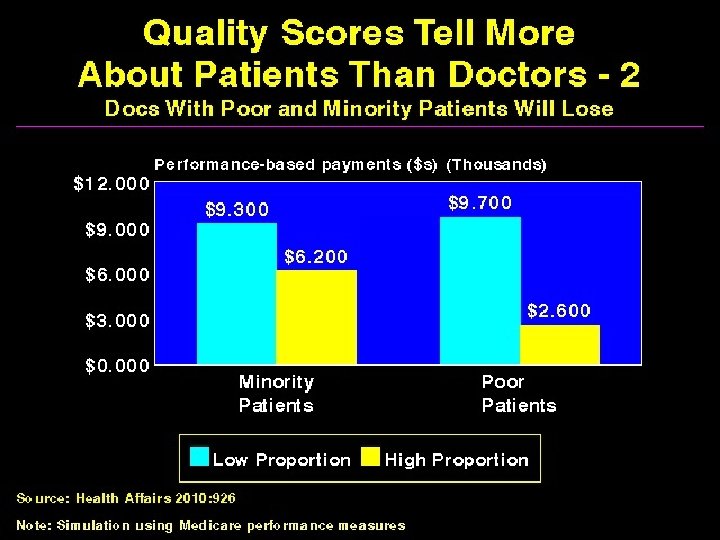
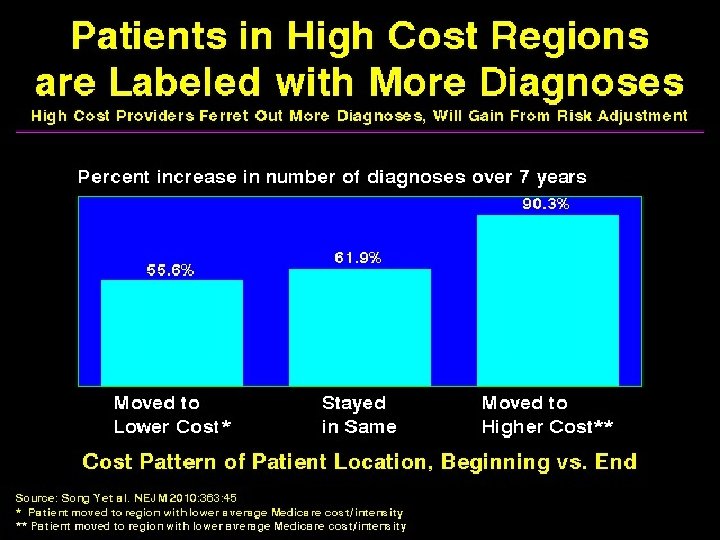
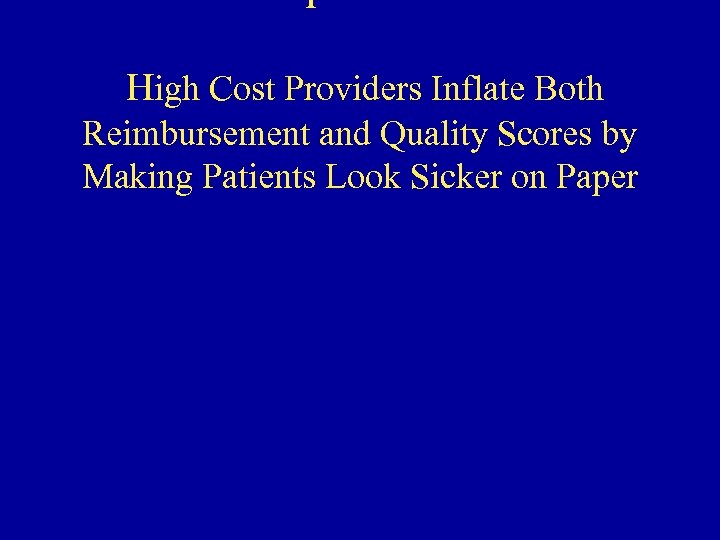 High Cost Providers Inflate Both Reimbursement and Quality Scores by Making Patients Look Sicker on Paper
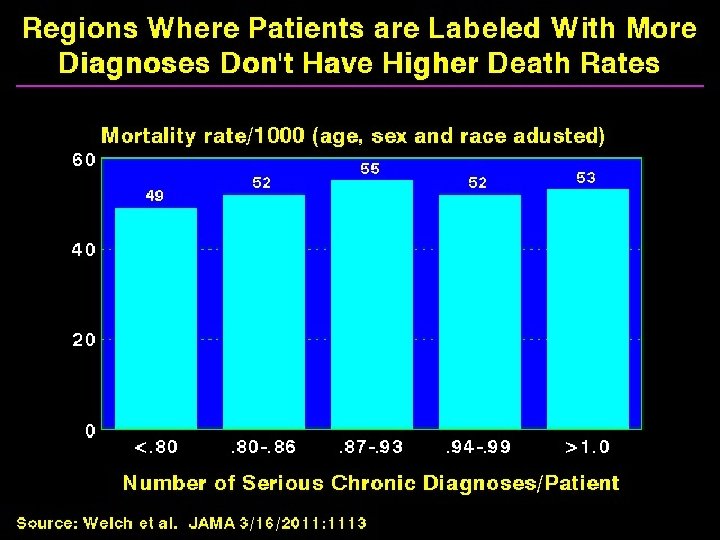
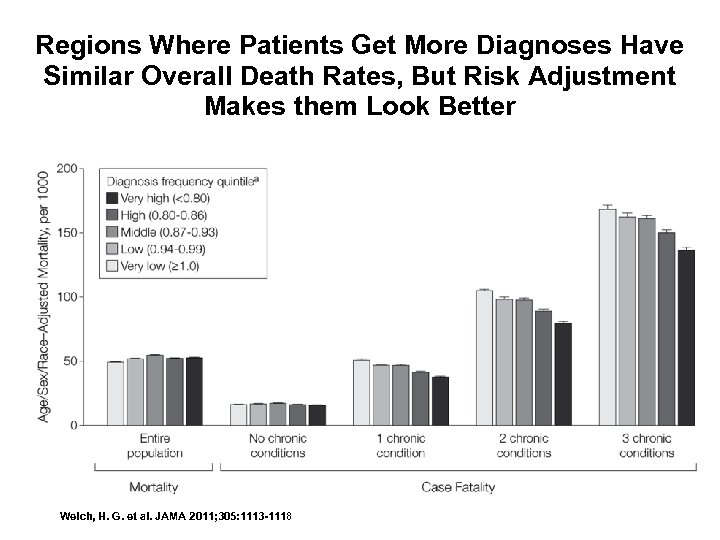 Regions Where Patients Get More Diagnoses Have Similar Overall Death Rates, But Risk Adjustment Makes them Look Better Welch, H. G. et al. JAMA 2011; 305: 1113 -1118
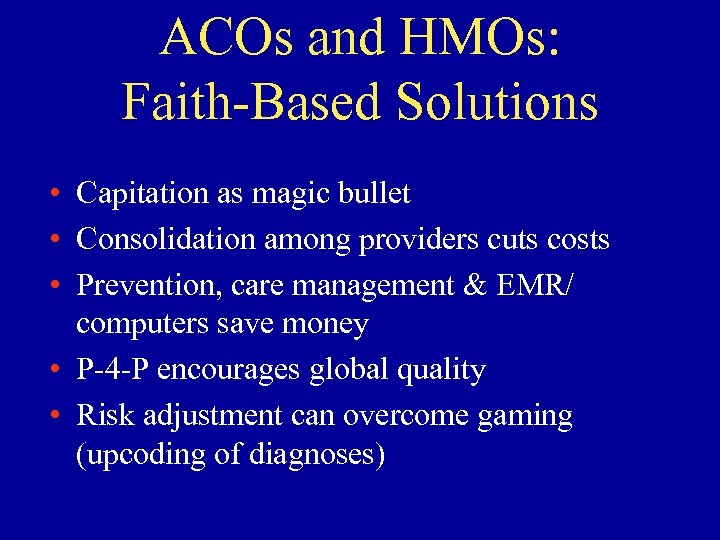 ACOs and HMOs: Faith-Based Solutions • Capitation as magic bullet • Consolidation among providers cuts costs • Prevention, care management & EMR/ computers save money • P-4 -P encourages global quality • Risk adjustment can overcome gaming (upcoding of diagnoses)
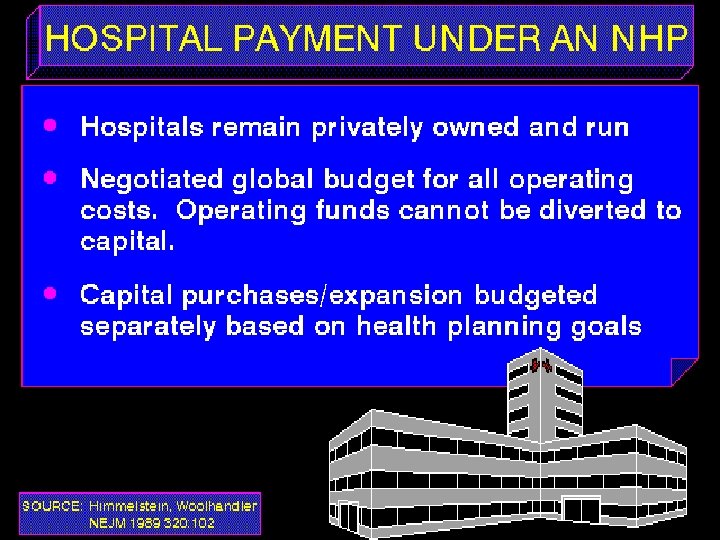
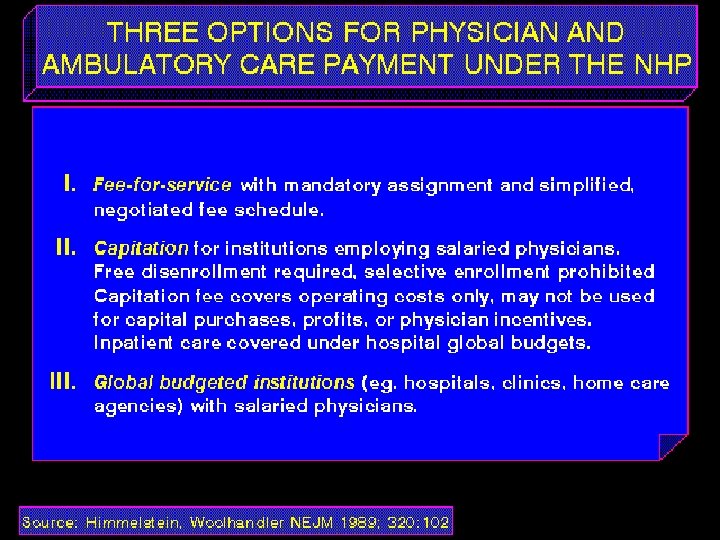
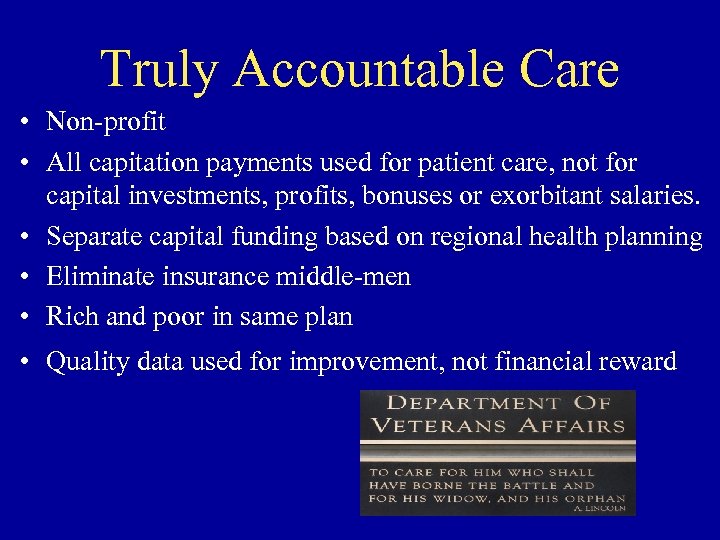 Truly Accountable Care • Non-profit • All capitation payments used for patient care, not for capital investments, profits, bonuses or exorbitant salaries. • Separate capital funding based on regional health planning • Eliminate insurance middle-men • Rich and poor in same plan • Quality data used for improvement, not financial reward
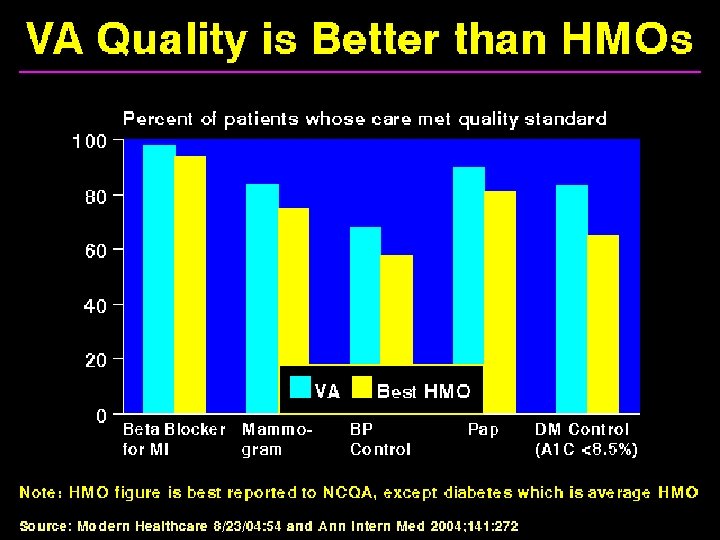
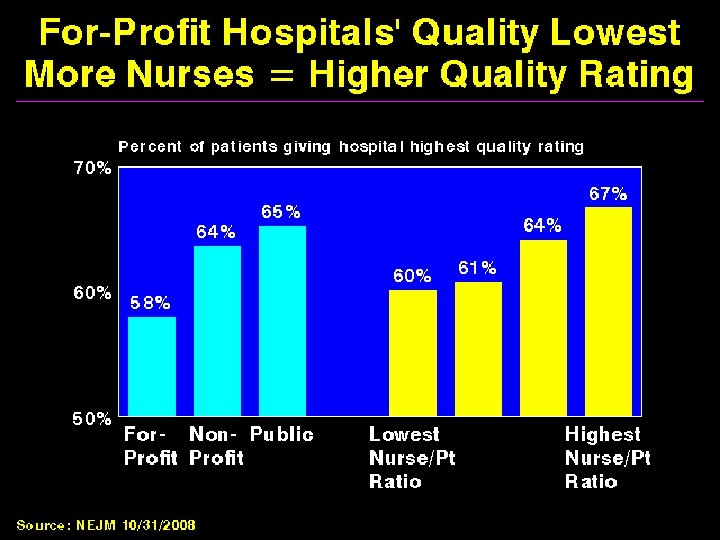
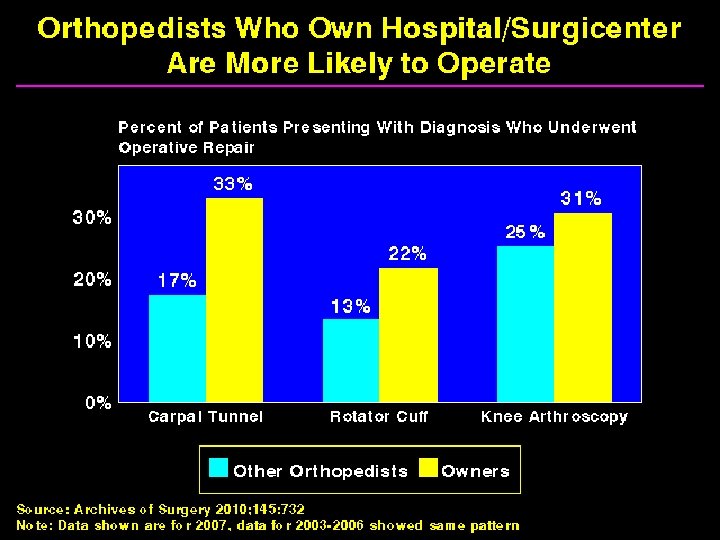
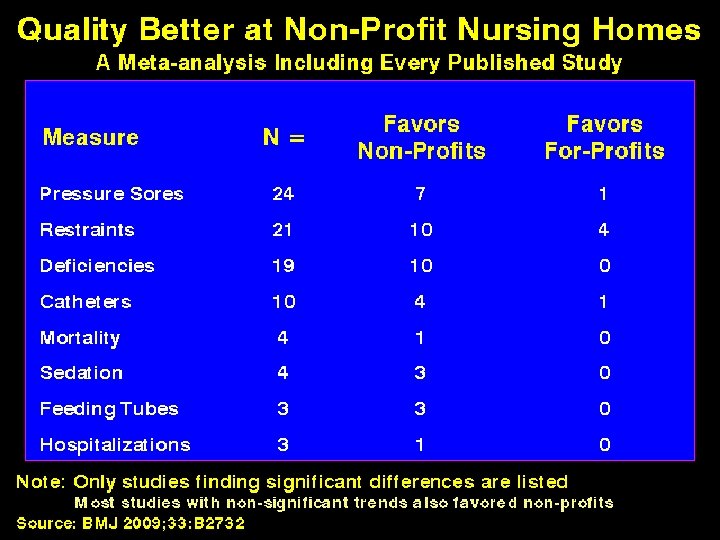
 Investor-Owned Care: Inflated Costs, Inferior Quality
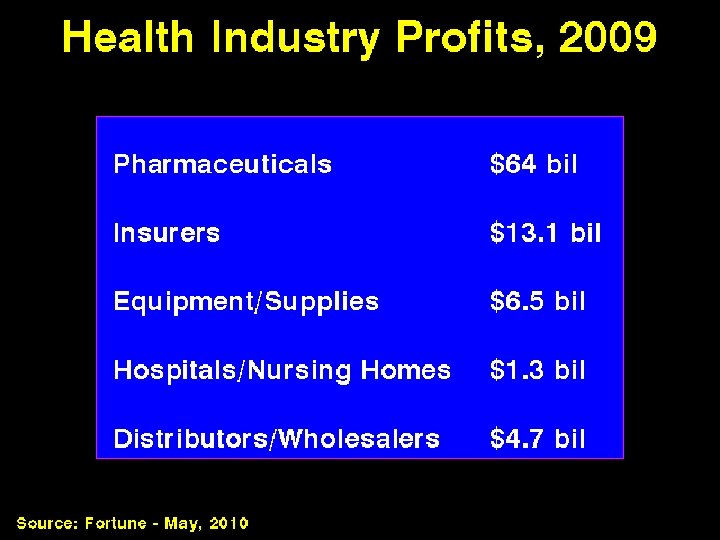
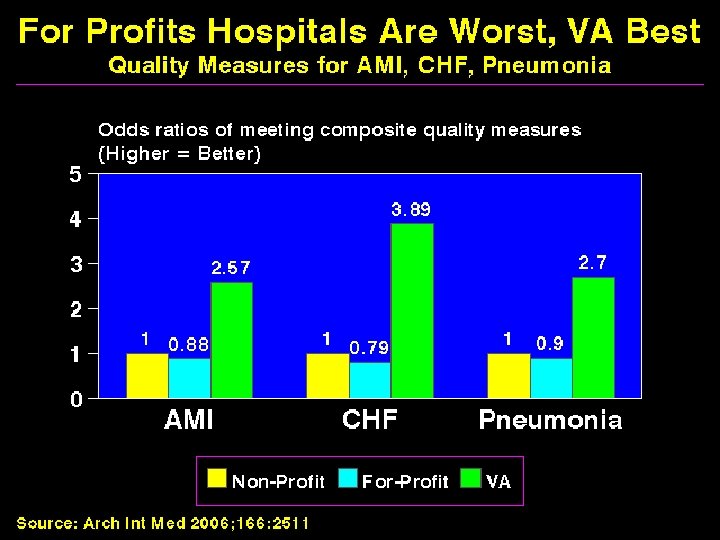
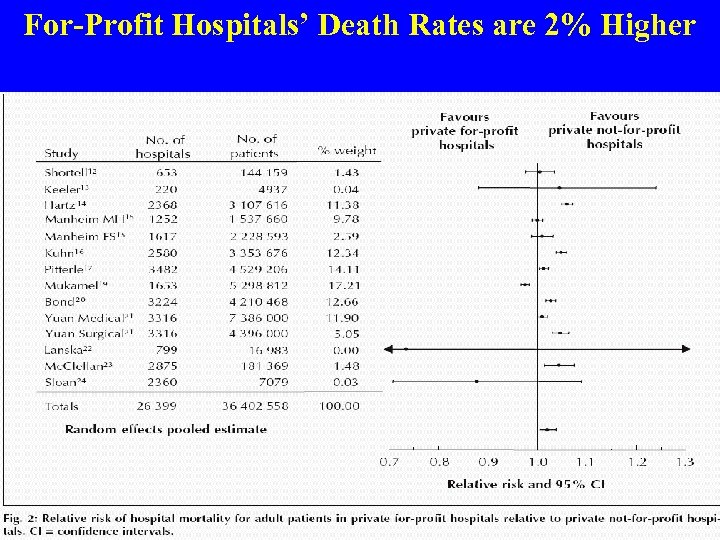 For-Profit Hospitals’ Death Rates are 2% Higher Source: CMAJ 2002; 166: 1399
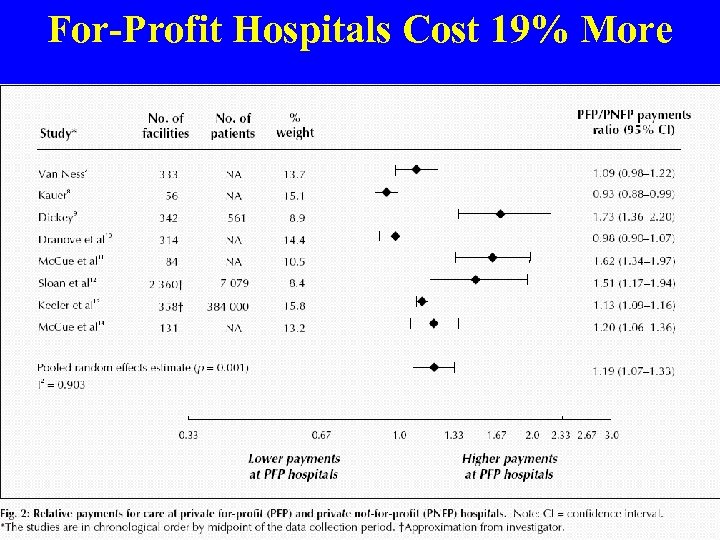 For-Profit Hospitals Cost 19% More Source: CMAJ 2004; 170: 1817
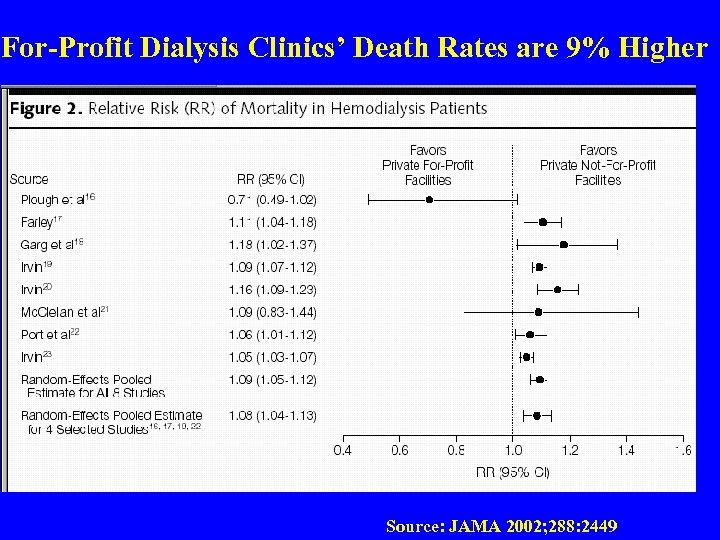 For-Profit Dialysis Clinics’ Death Rates are 9% Higher Source: JAMA 2002; 288: 2449
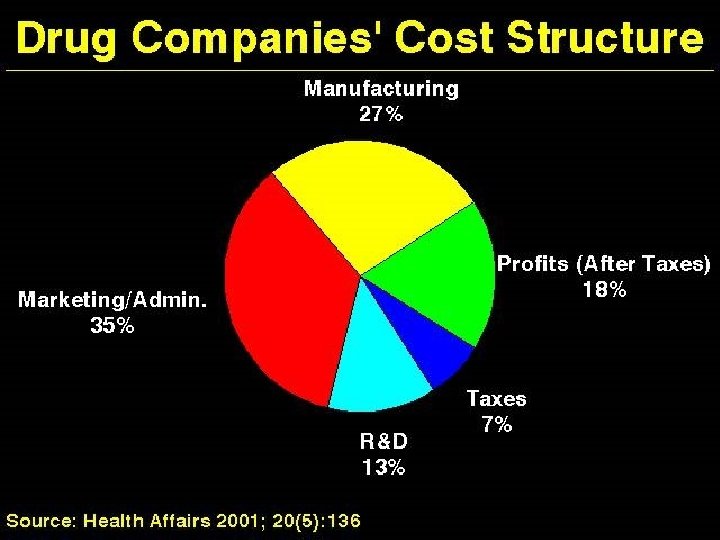 Drug Companies’ Cost Structure
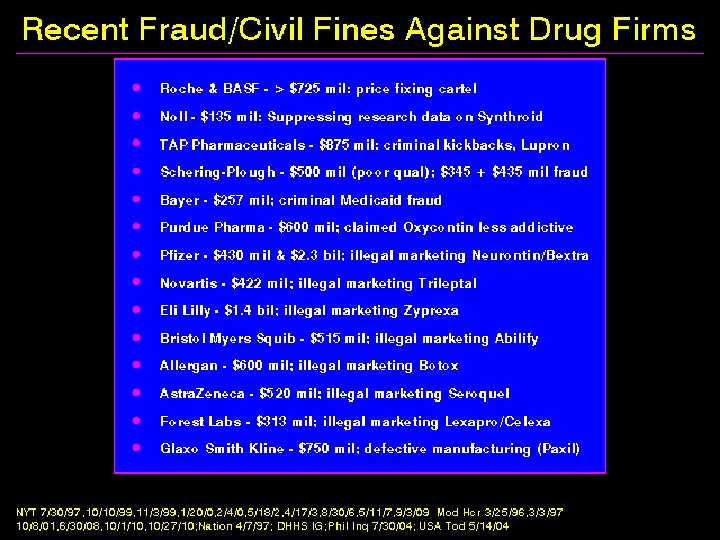
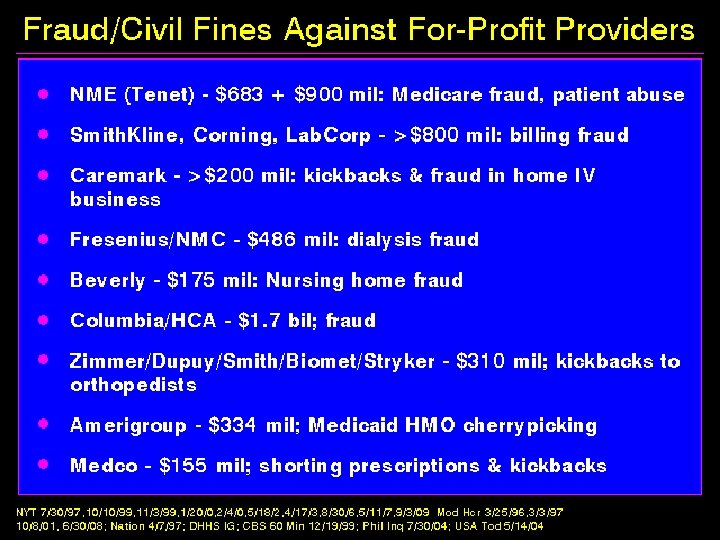
![Drug Firms’ Fraud: Pay the Ticket and Keep on Speeding “In April [2010], Astra.](https://present5.com/presentation/e0897607ea4f405206c5605555838706/image-96.jpg "Drug Firms’ Fraud: Pay the Ticket and Keep on Speeding “In April [2010], Astra.") Drug Firms’ Fraud: Pay the Ticket and Keep on Speeding “In April [2010], Astra. Zeneca became the fourth major drug company in three years to settle a government investigation with a hefty payment -- in its case, $520 million for what federal officials described as an array of illegal promotions of antipsychotics for children, the elderly, veterans and prisoners. Still, the payment amounted to just 2. 4 percent of the $21. 6 billion Astra. Zeneca made on Seroquel sales from 1997 to 2009. ” New York Times – 10/3/10
Drug Firms’ Fraud: Pay the Ticket and Keep on Speeding “In April [2010], Astra. Zeneca became the fourth major drug company in three years to settle a government investigation with a hefty payment -- in its case, $520 million for what federal officials described as an array of illegal promotions of antipsychotics for children, the elderly, veterans and prisoners. Still, the payment amounted to just 2. 4 percent of the $21. 6 billion Astra. Zeneca made on Seroquel sales from 1997 to 2009. ” New York Times – 10/3/10
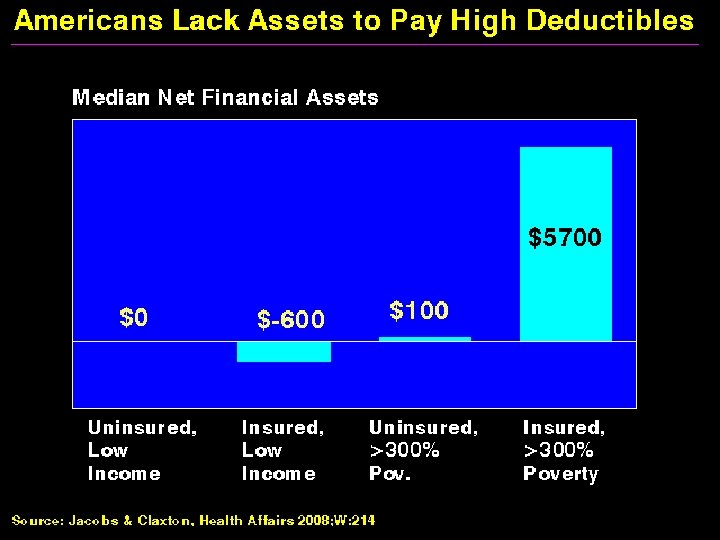
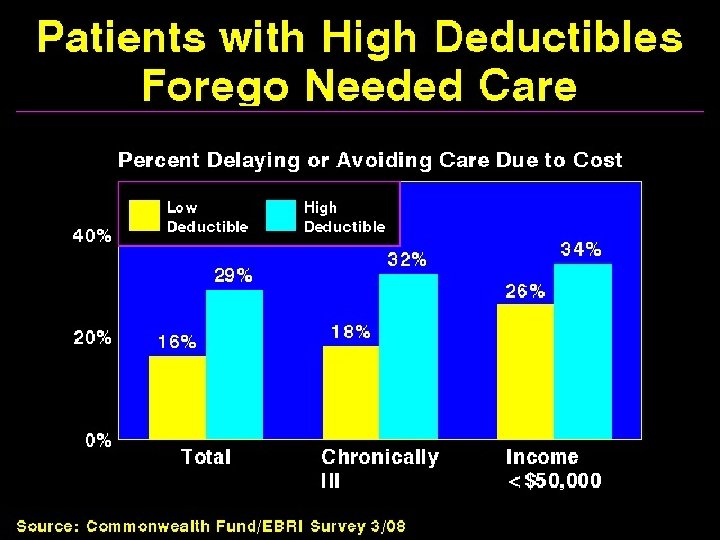
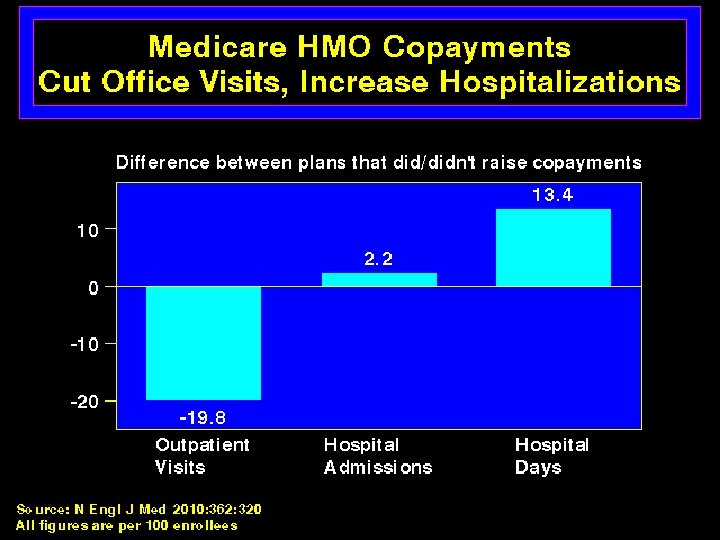
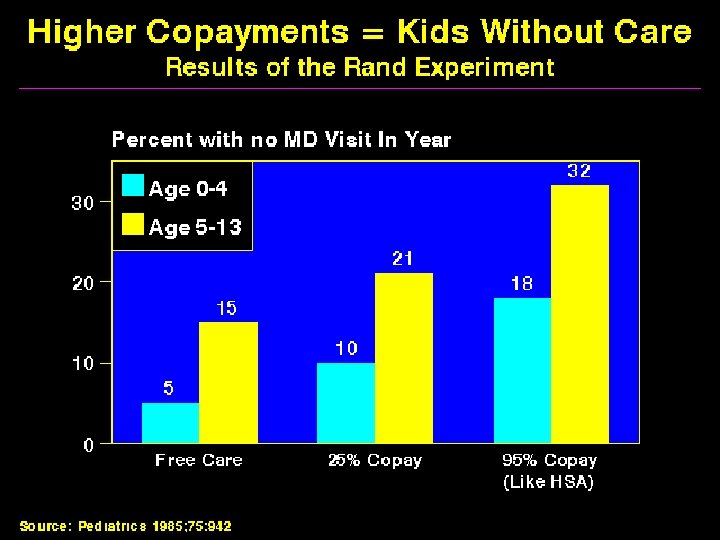
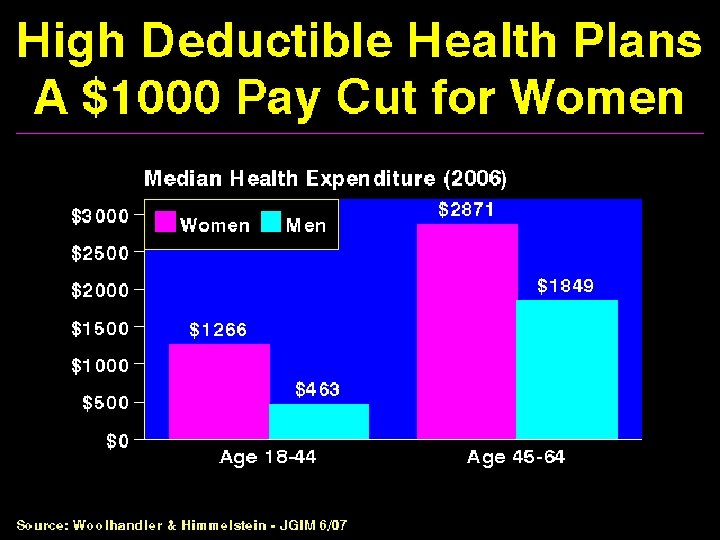
 High Deductible Insurance: Except for the Healthy and Wealthy, It’s Unwise
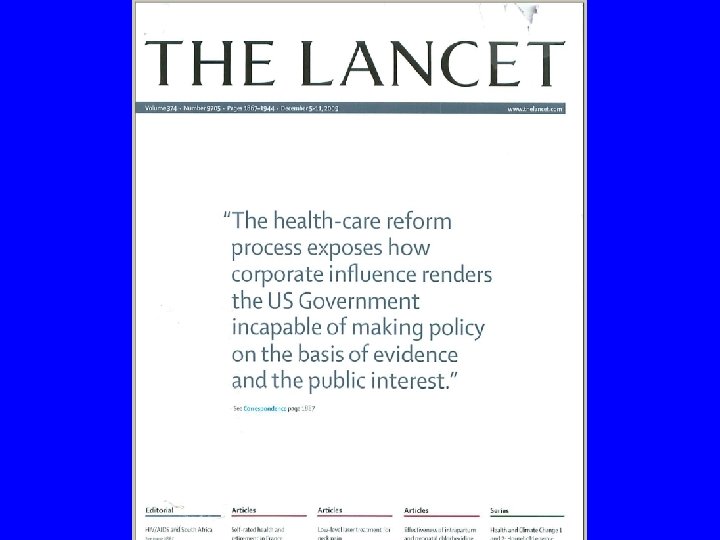
 Mandate Model Reform: Keeping Private Insurers In Charge
 “Mandate” Model for Reform • Proposed by Richard Nixon in 1971 to block Edward Kennedy’s NHI proposal
 “Mandate” Model for Reform • Government uses its coercive power to make people buy private insurance.
 “Mandate” Model for Reform 1. Expanded Medicaid-like program § Free for poor § Subsidies for low income § Buy-in without subsidy for others 2. Employer Mandate +/- Individuals 3. Managed Care / Care Management
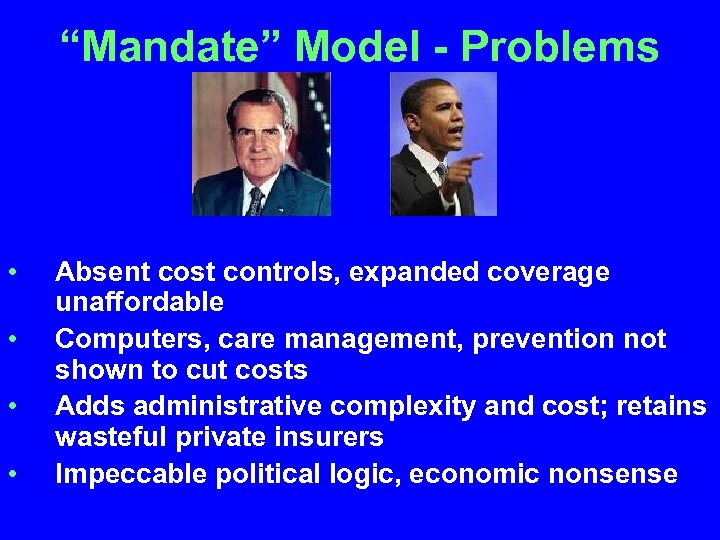 “Mandate” Model - Problems • • Absent cost controls, expanded coverage unaffordable Computers, care management, prevention not shown to cut costs Adds administrative complexity and cost; retains wasteful private insurers Impeccable political logic, economic nonsense
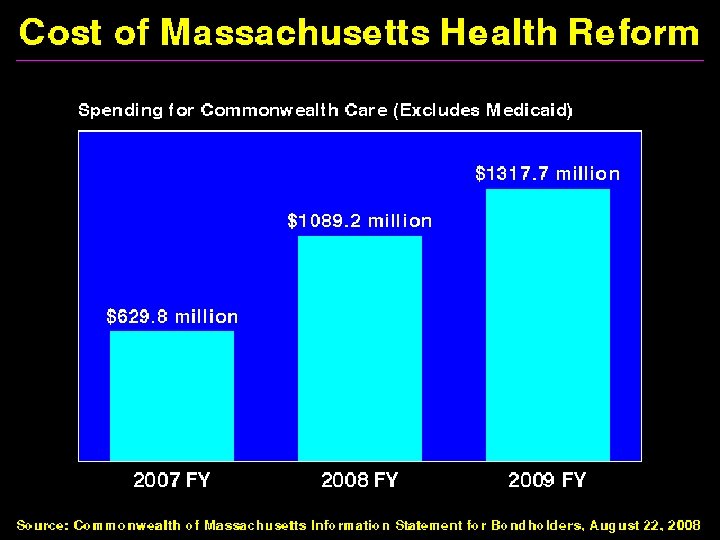
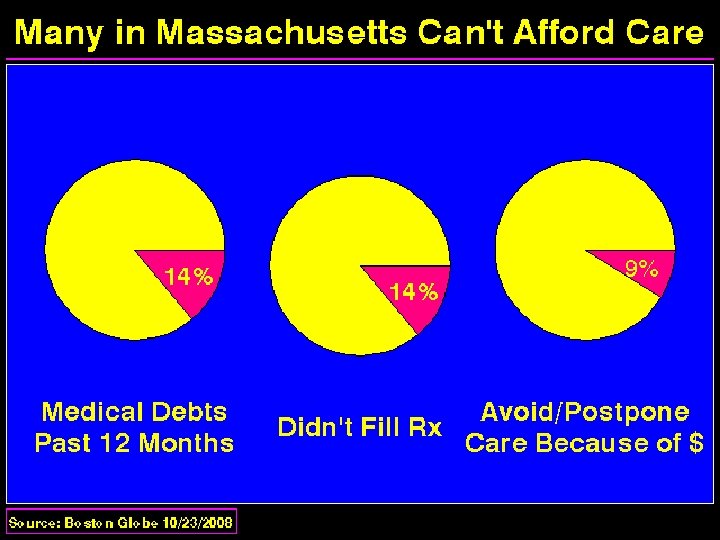
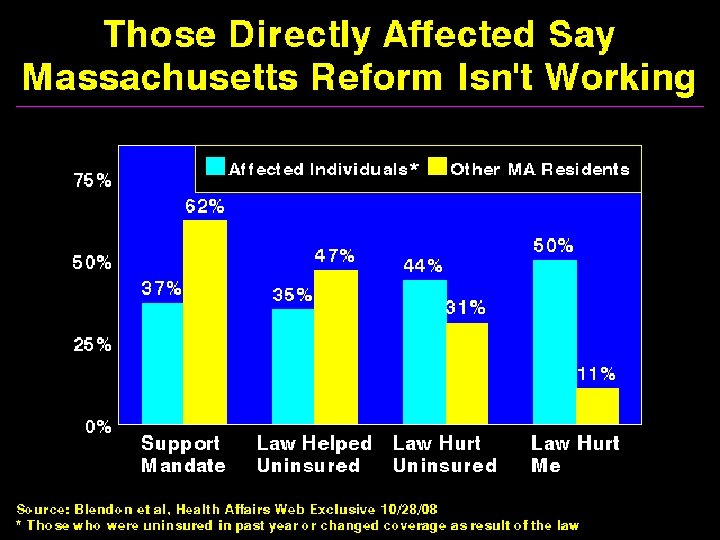
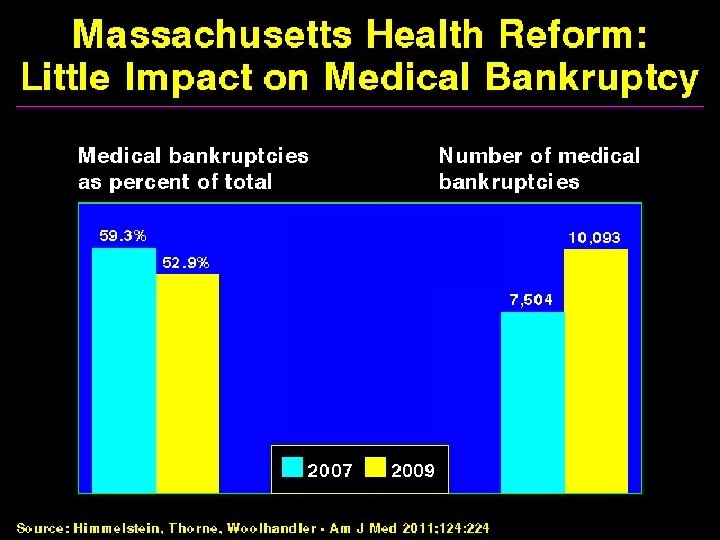
 Massachusetts’ Model Reform: Massive Federal Subsidies, Skimpy Coverage, Persistent Access Problems
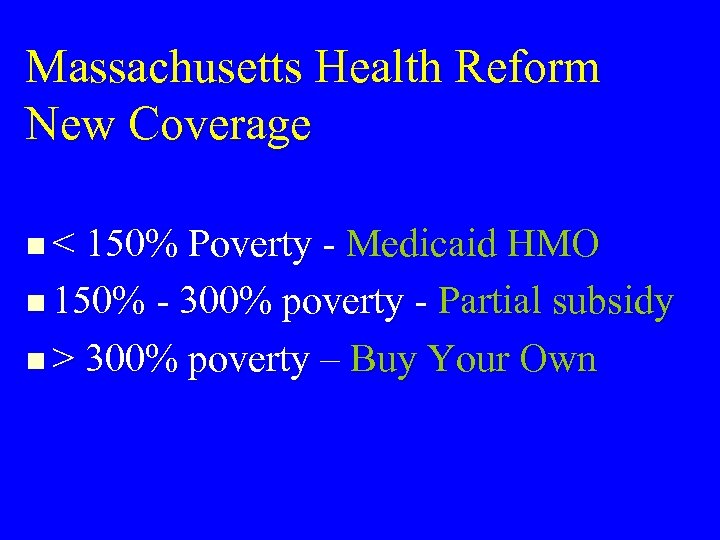 Massachusetts Health Reform New Coverage n < 150% Poverty - Medicaid HMO n 150% - 300% poverty - Partial subsidy n > 300% poverty – Buy Your Own
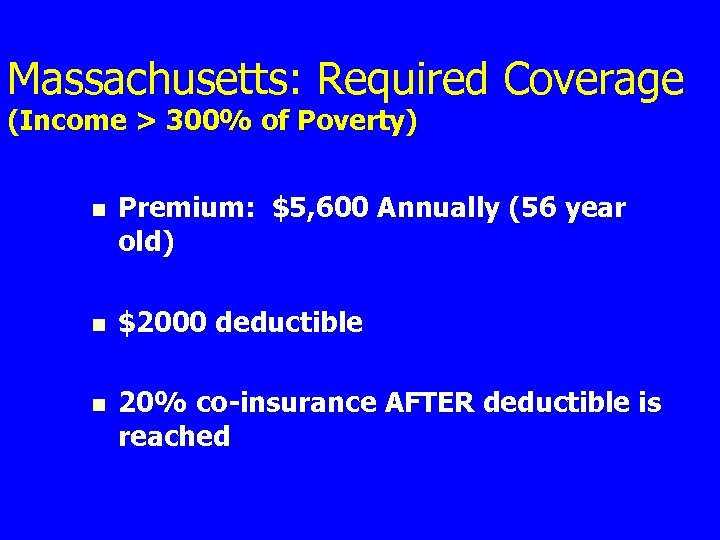 Massachusetts: Required Coverage (Income > 300% of Poverty) n Premium: $5, 600 Annually (56 year old) n $2000 deductible n 20% co-insurance AFTER deductible is reached
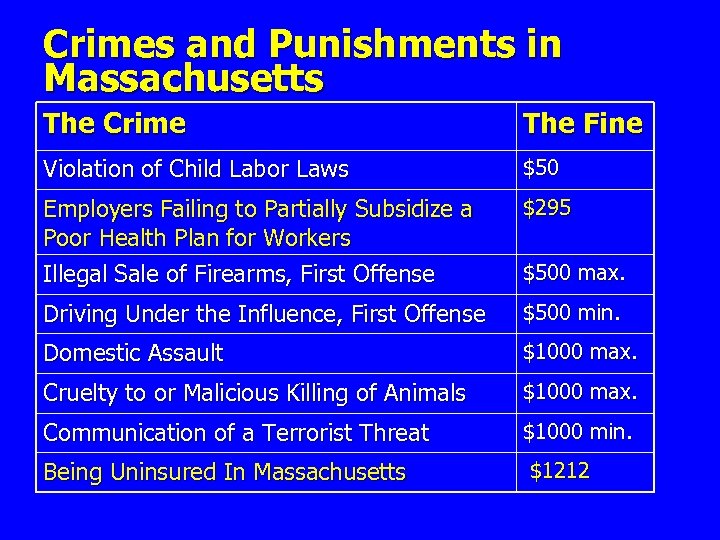 Crimes and Punishments in Massachusetts The Crime The Fine Violation of Child Labor Laws $50 Employers Failing to Partially Subsidize a Poor Health Plan for Workers Illegal Sale of Firearms, First Offense $295 Driving Under the Influence, First Offense $500 min. Domestic Assault $1000 max. Cruelty to or Malicious Killing of Animals $1000 max. Communication of a Terrorist Threat $1000 min. Being Uninsured In Massachusetts $500 max. $1212
 Just Because the Democrats Got it Wrong Doesn’t Mean the Republicans Have a Better Idea
 Mc. Cain on Health Reform “Opening up the health insurance market to more vigorous nationwide competition, as we have done over the last decade in banking, would provide more choices of innovative products less burdened by the worst excesses of state-based regulation. ” “Better Care at Lower Cost for Every American” Contingencies Magazine – Sept-Oct/08
 Stephen Colbert on the Bush Health Plan “It’s so simple. Most people who can’t afford health insurance are also too poor to owe taxes. But if you give them a deduction from the taxes they don’t owe, they can use the money they’re not getting back to buy the health care they can’t afford. ”
 Public Plan Option: Medicare HMOs Provide a Cautionary Tale
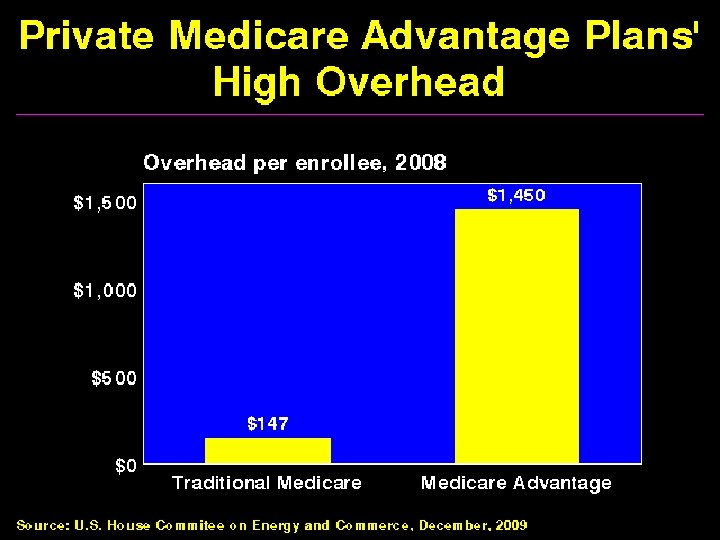
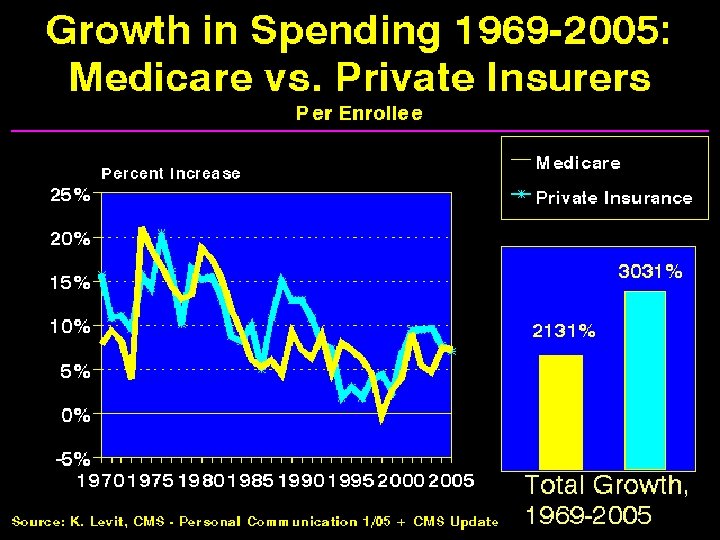
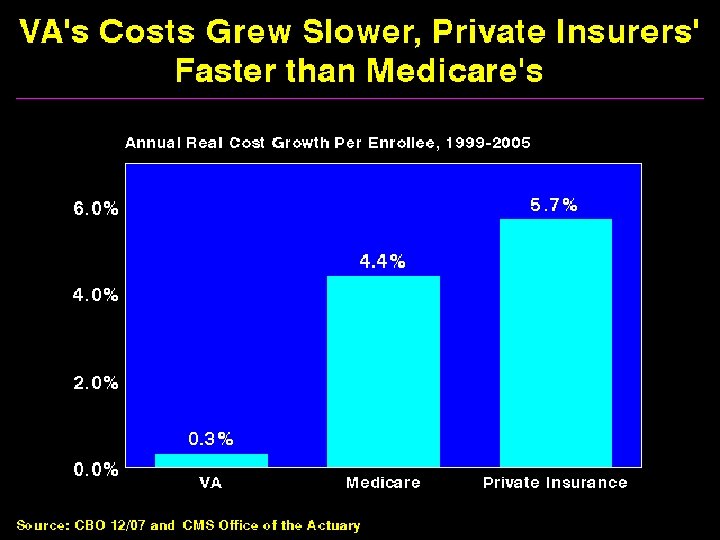
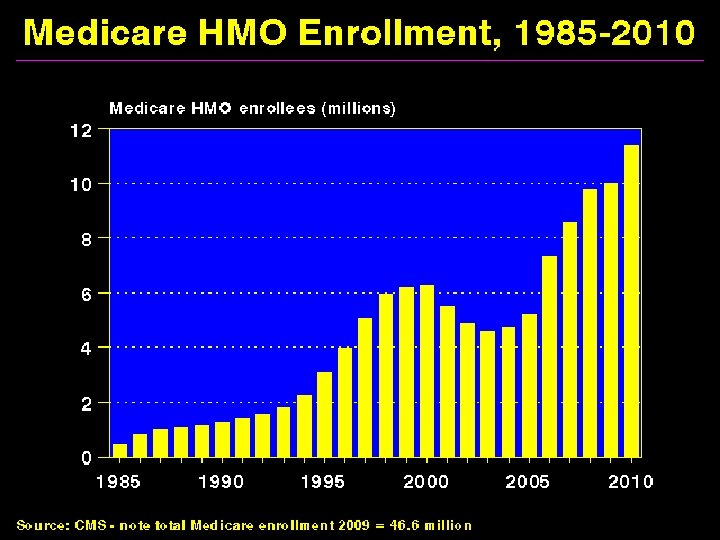
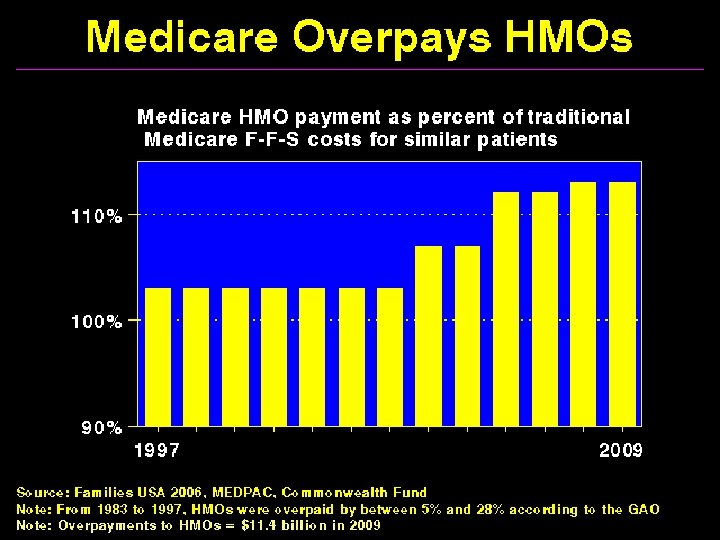
 Despite Medicare’s Lower Overhead, Enrollment of Medicare Patients in Private Plans Has Grown
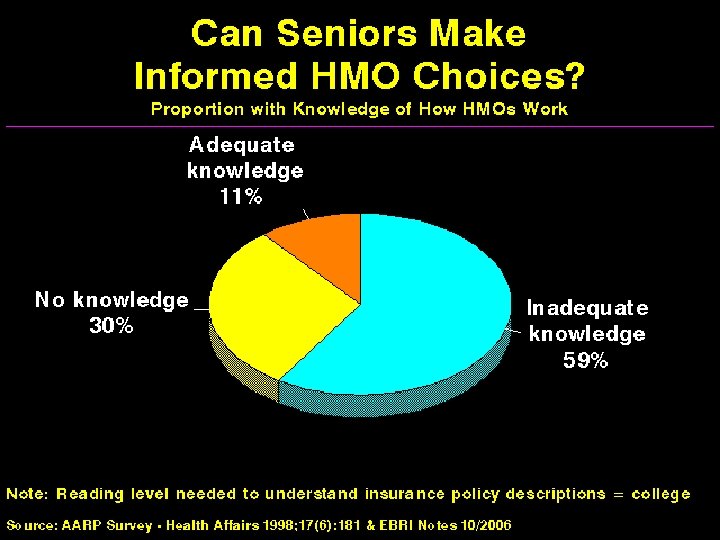
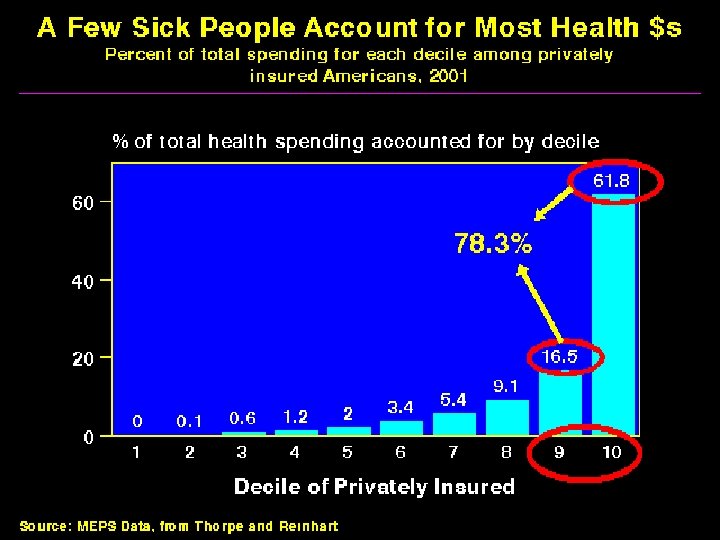
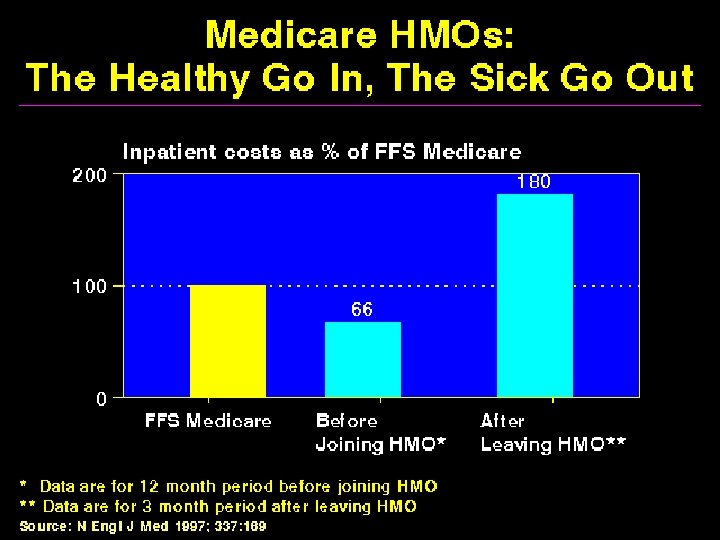
 Private Medicare Plans Have Prospered by Cherry Picking
 Public Money, Private Control
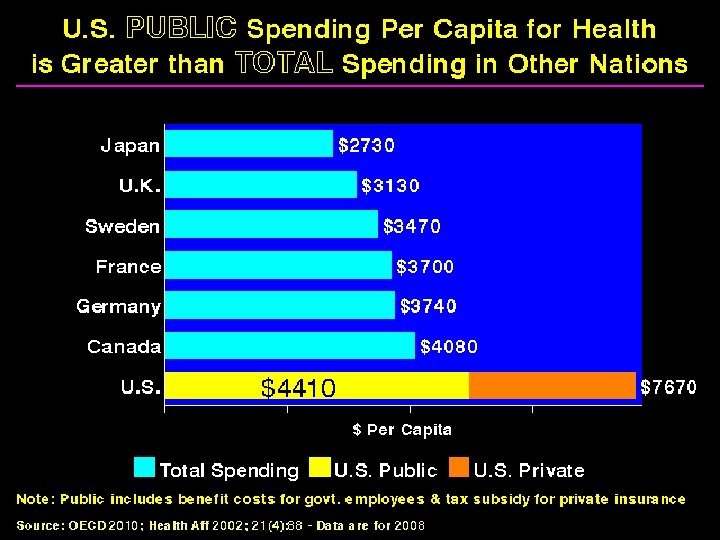
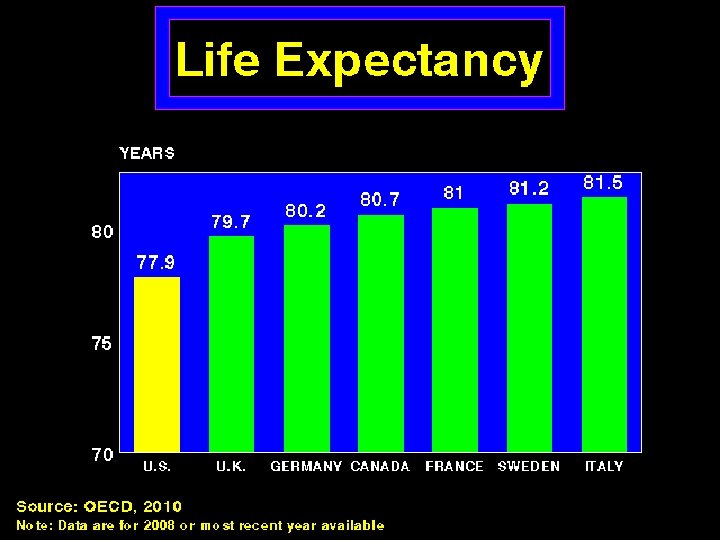
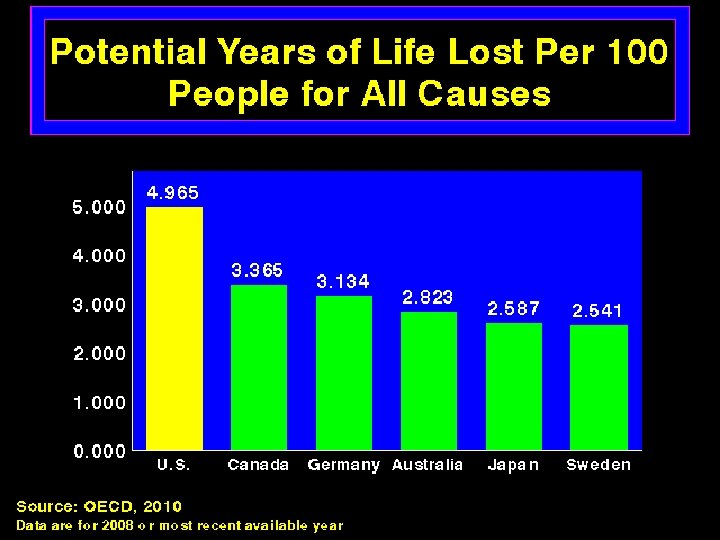
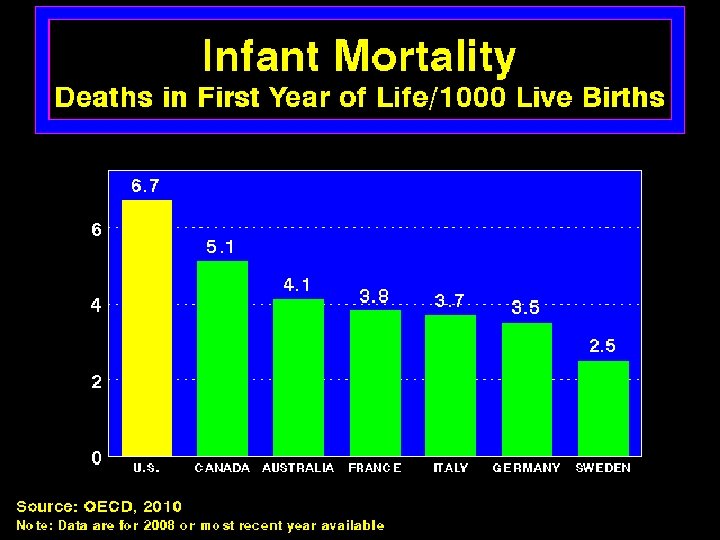
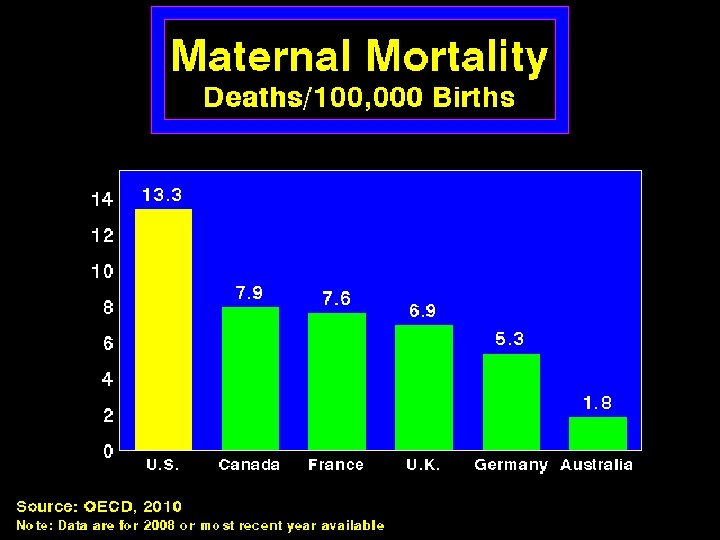
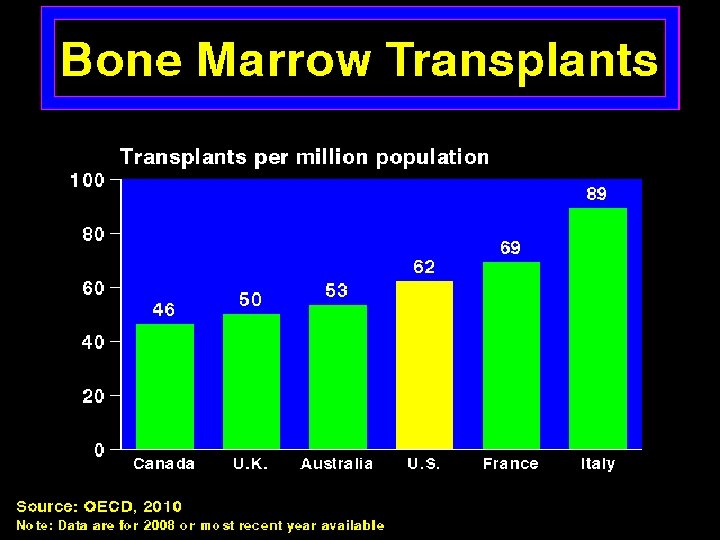
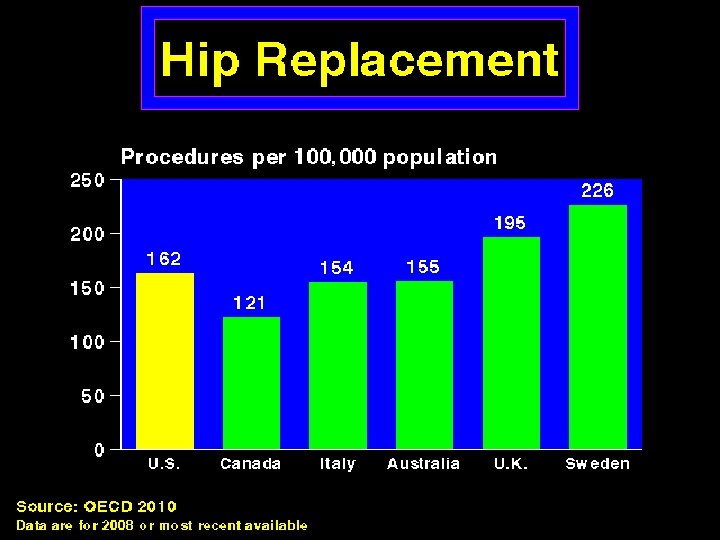
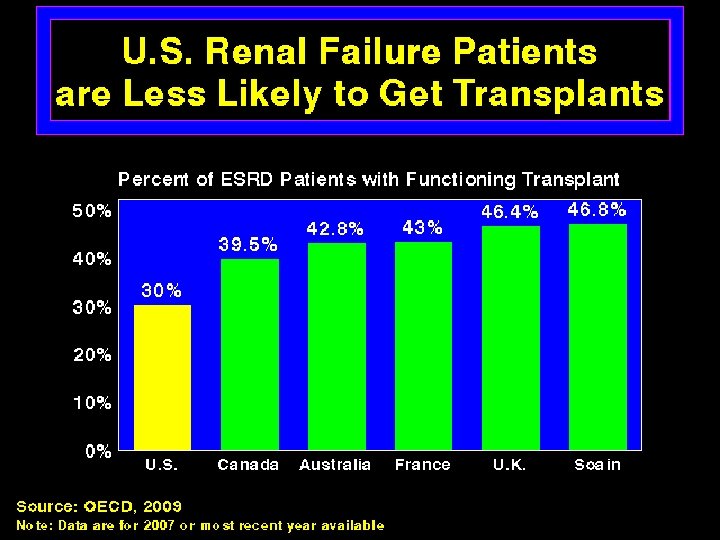
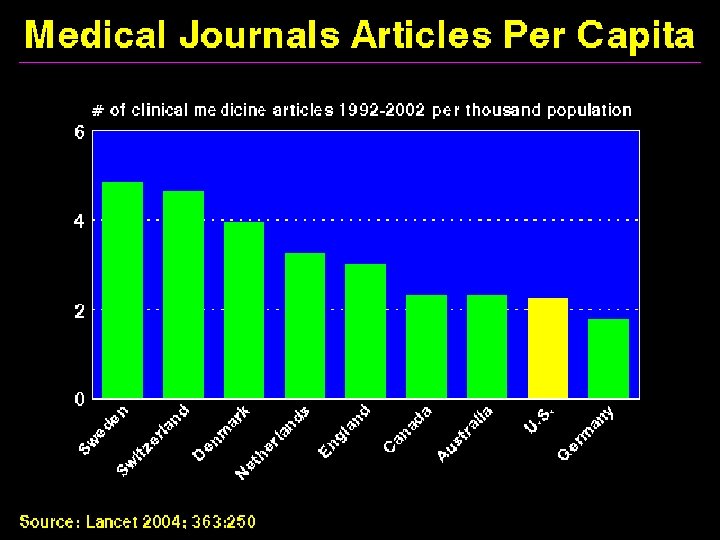
 The U. S. Trails Other Nations
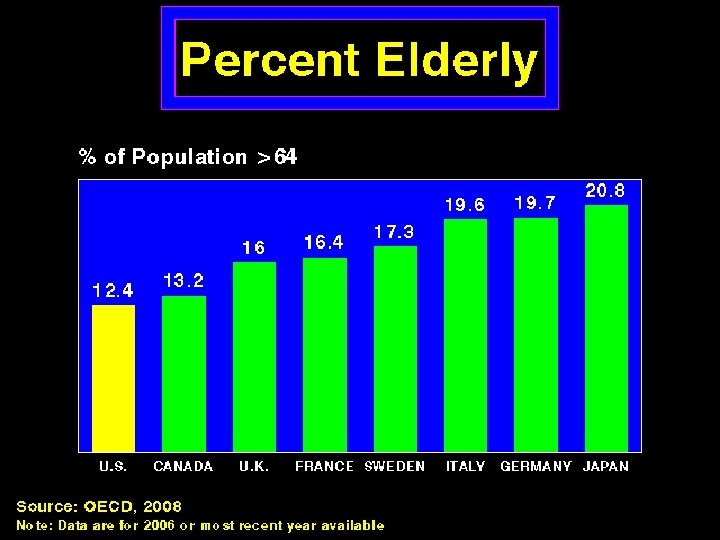
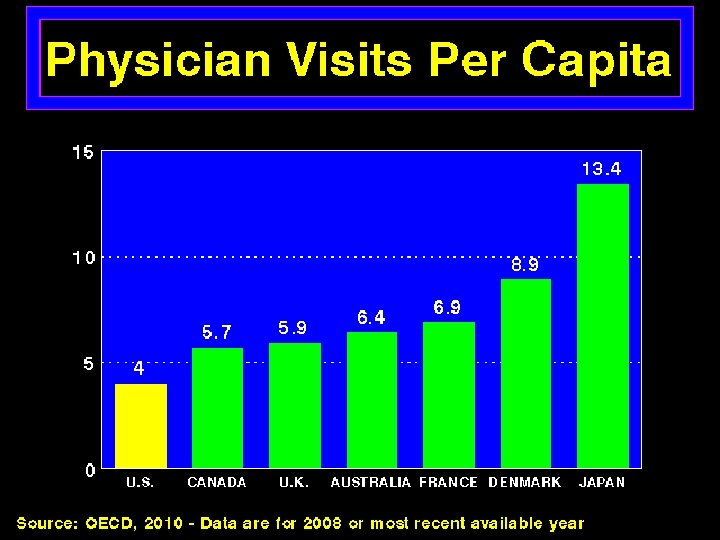
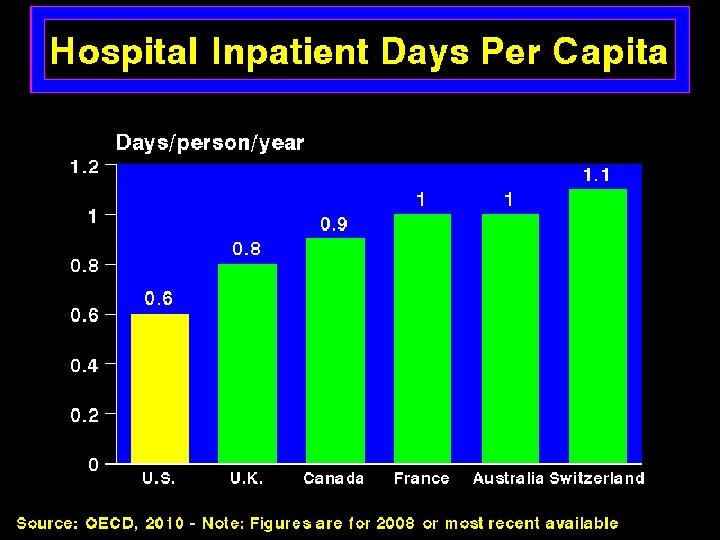
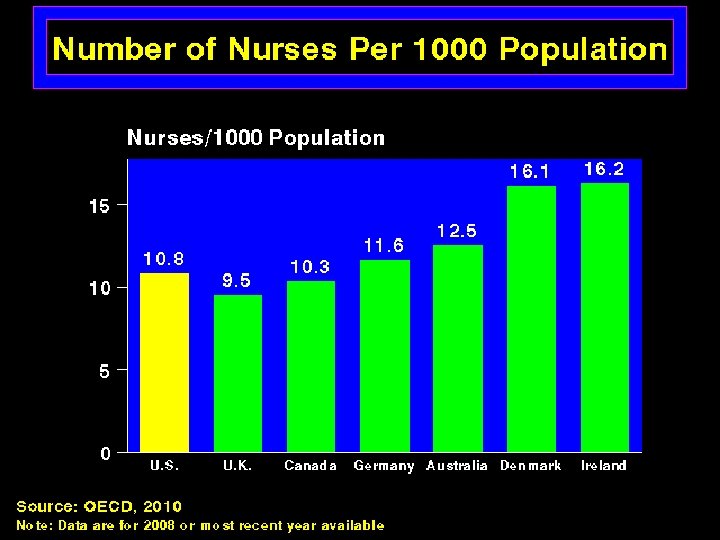
 Canada’s National Health Insurance Program
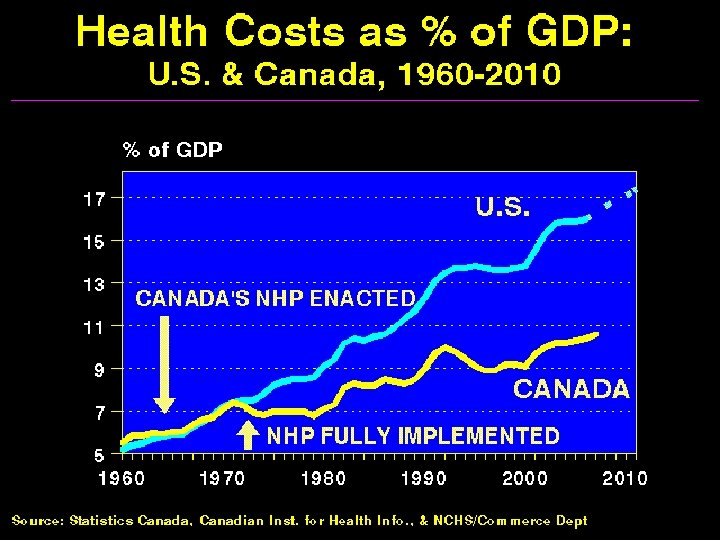
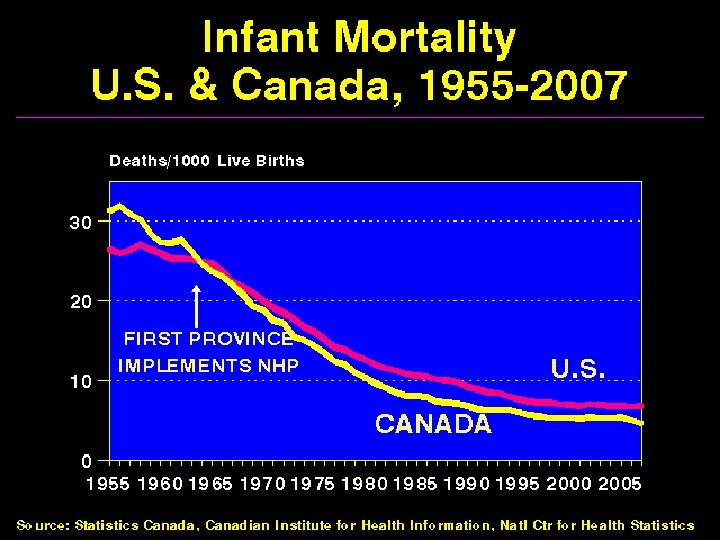
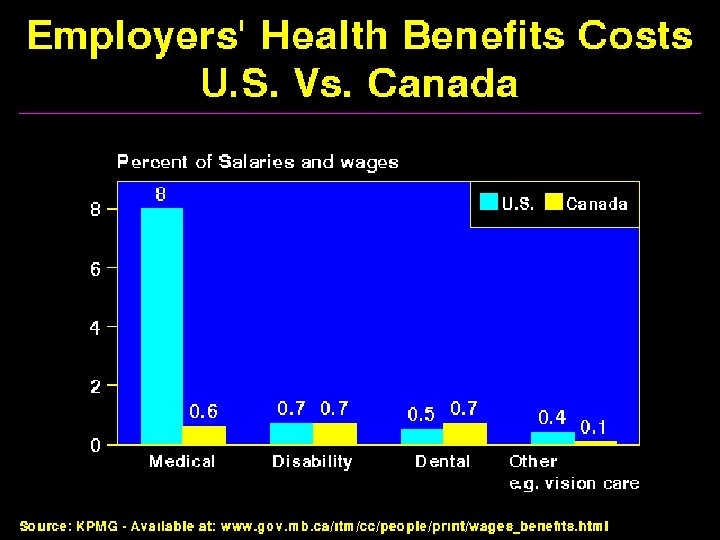
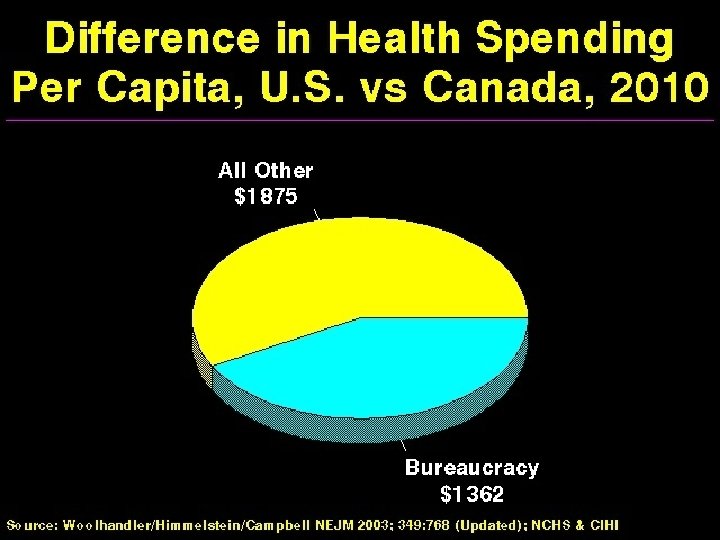
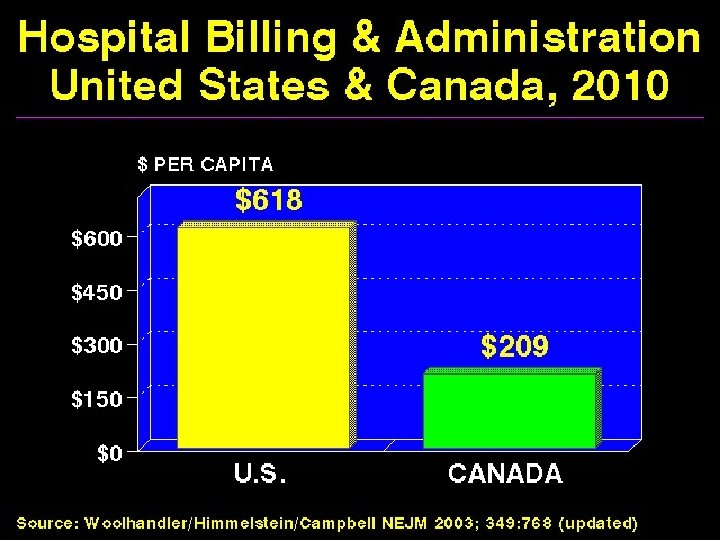
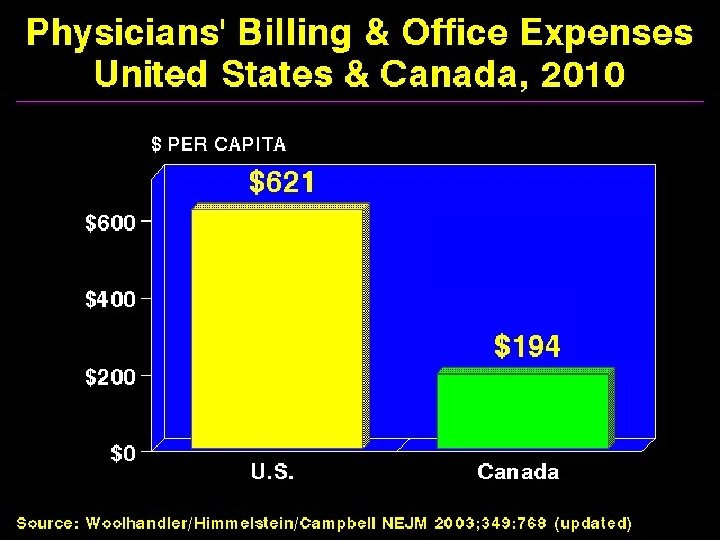
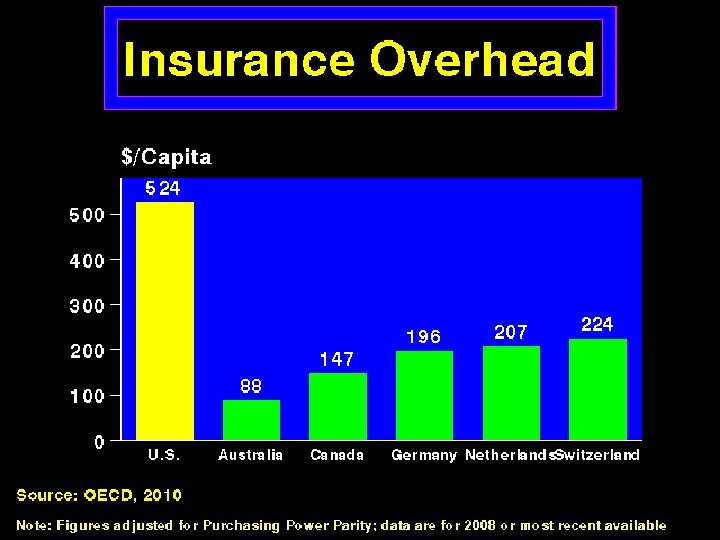
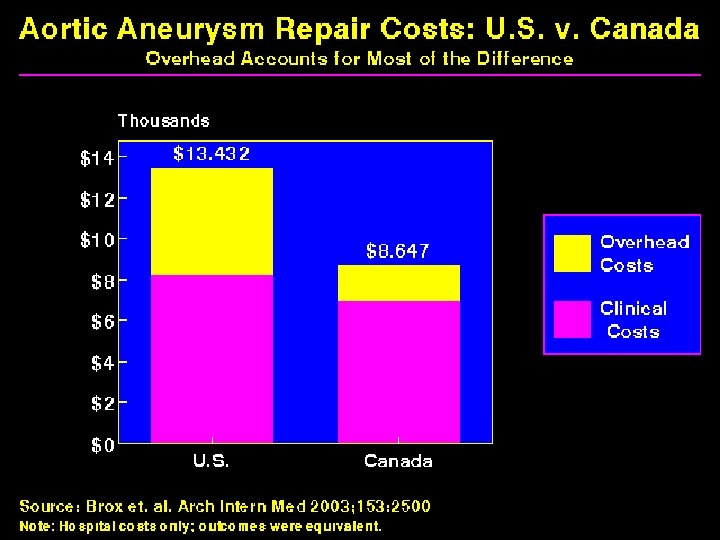
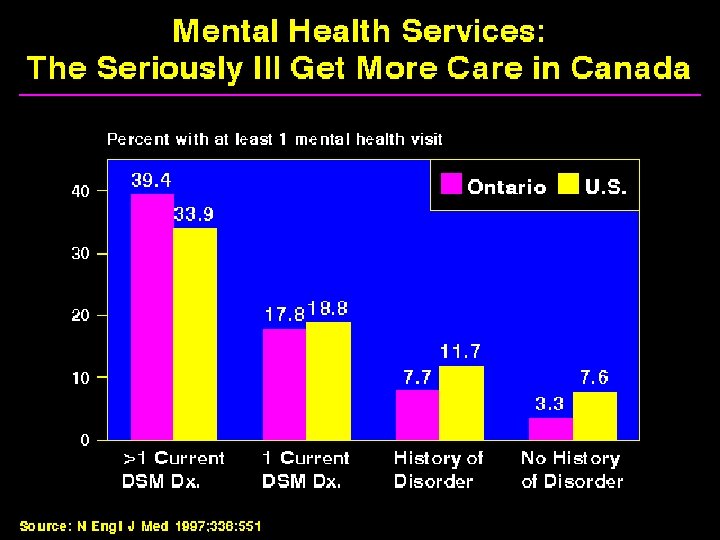
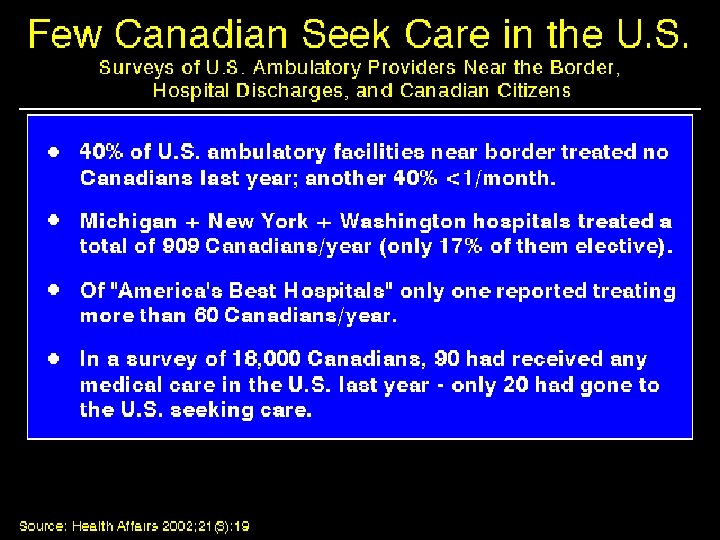
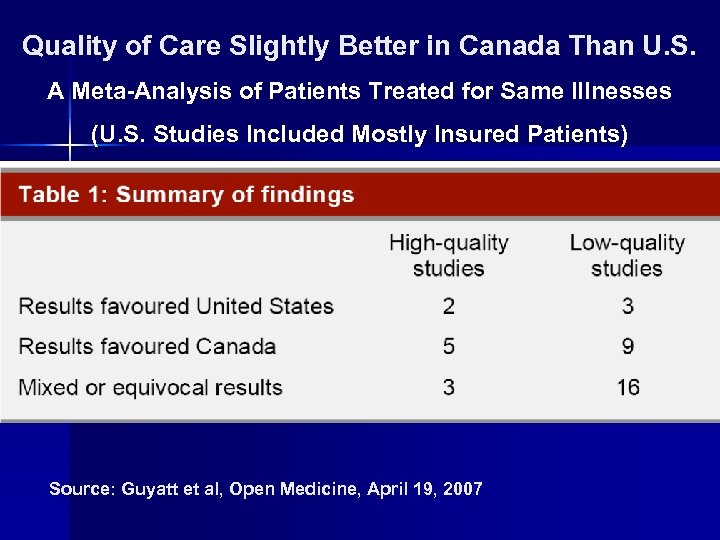 Quality of Care Slightly Better in Canada Than U. S. A Meta-Analysis of Patients Treated for Same Illnesses (U. S. Studies Included Mostly Insured Patients) Source: Guyatt et al, Open Medicine, April 19, 2007
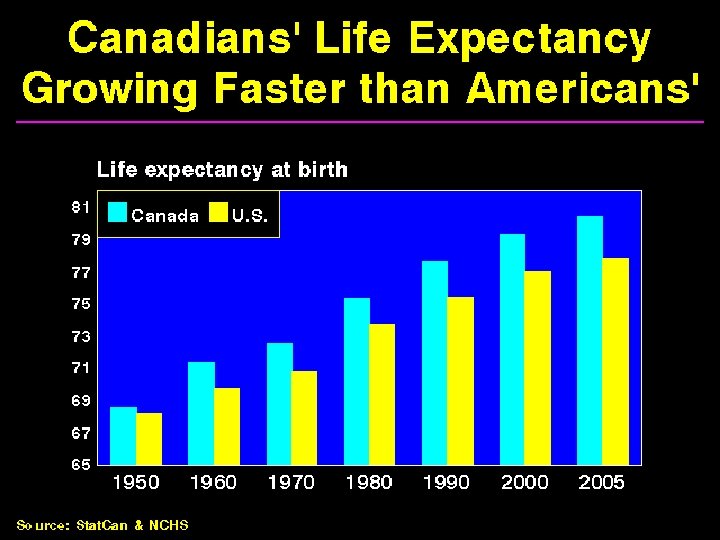
 A National Health Program for the U. S.
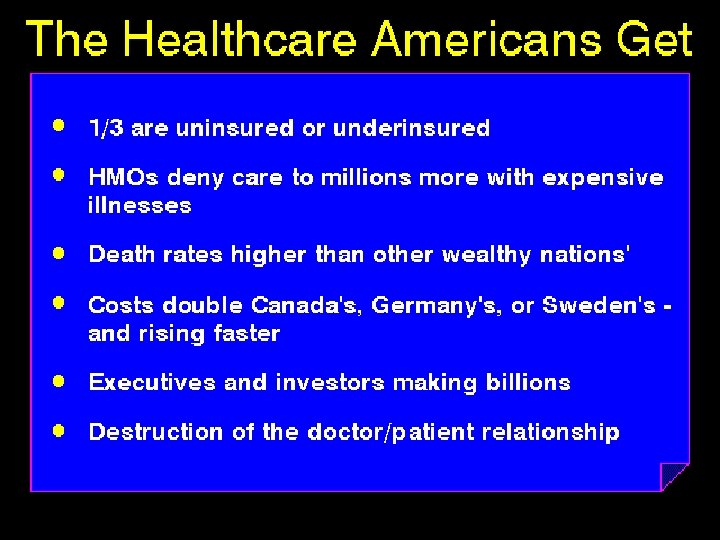
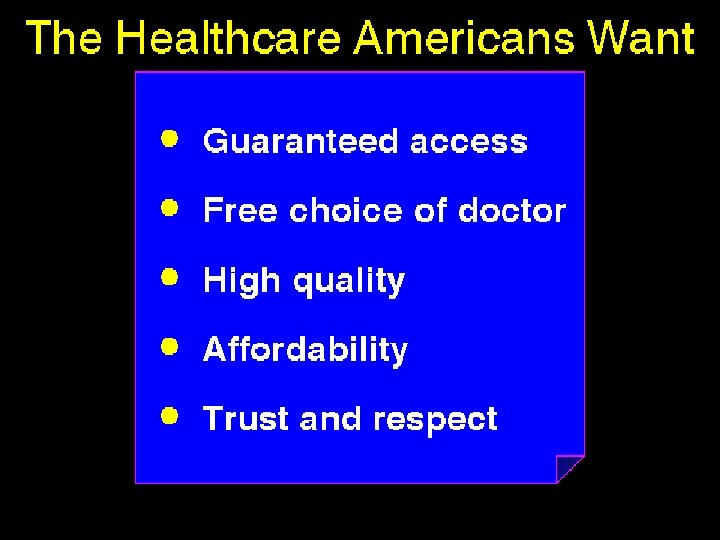
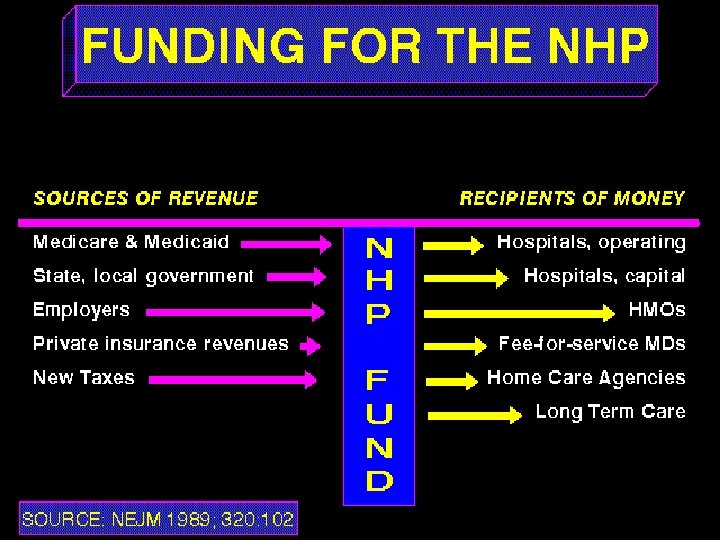
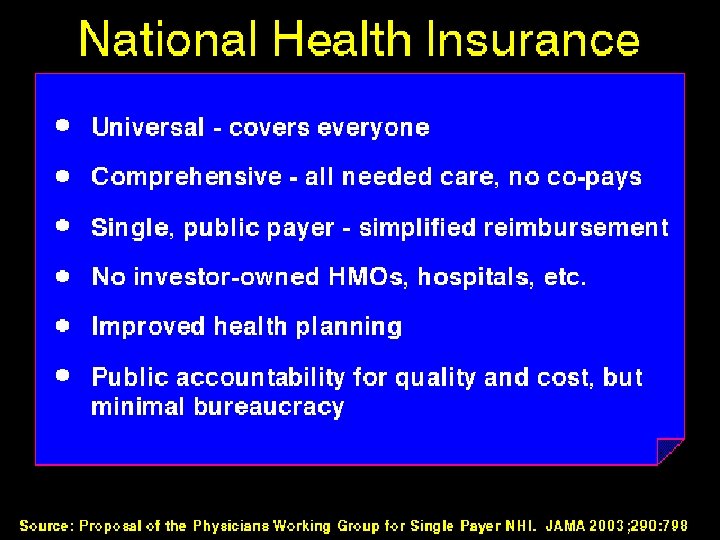
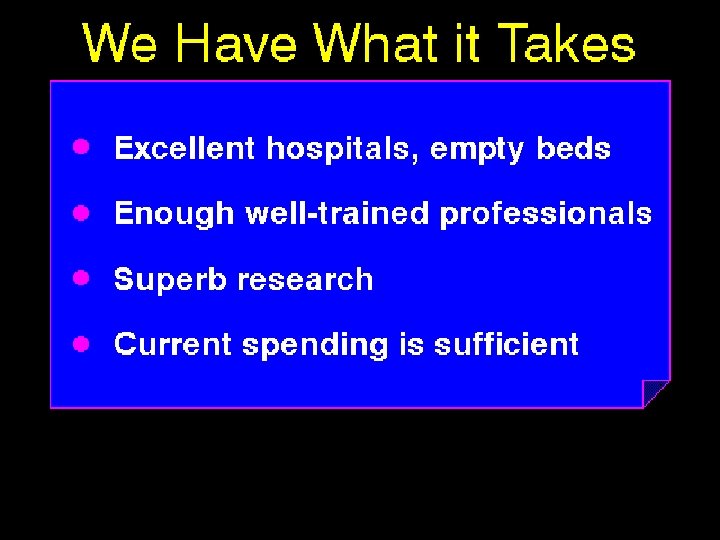
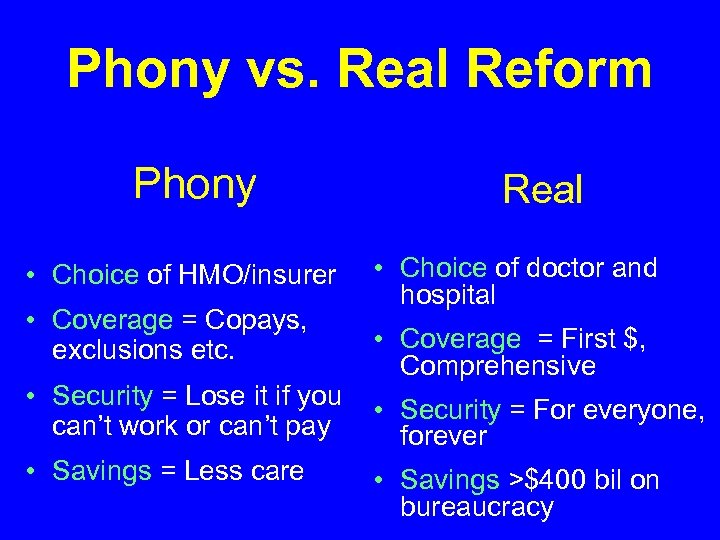 Phony vs. Real Reform Phony • Choice of HMO/insurer • Coverage = Copays, exclusions etc. • Security = Lose it if you can’t work or can’t pay • Savings = Less care Real • Choice of doctor and hospital • Coverage = First $, Comprehensive • Security = For everyone, forever • Savings >$400 bil on bureaucracy
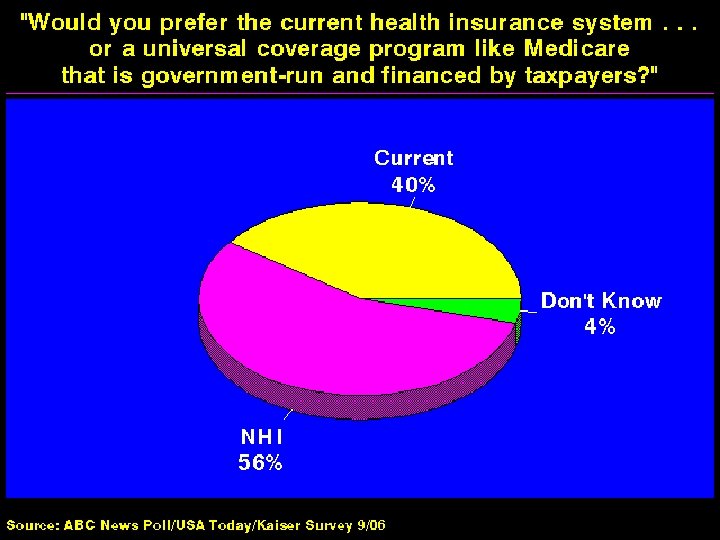
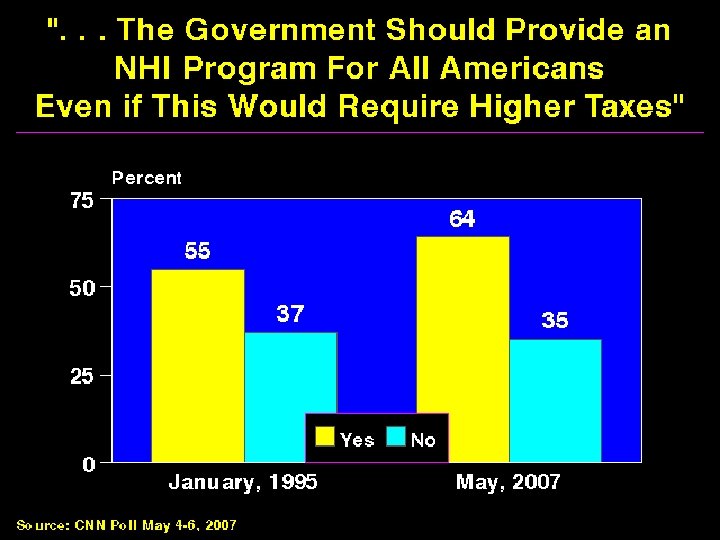
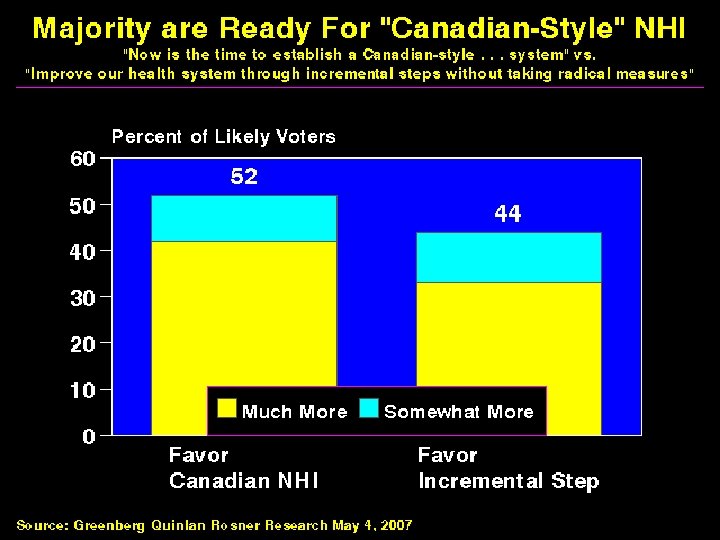
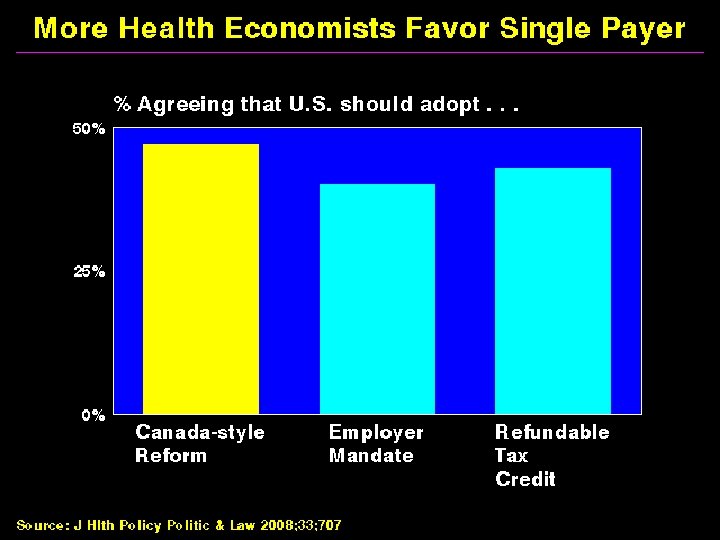
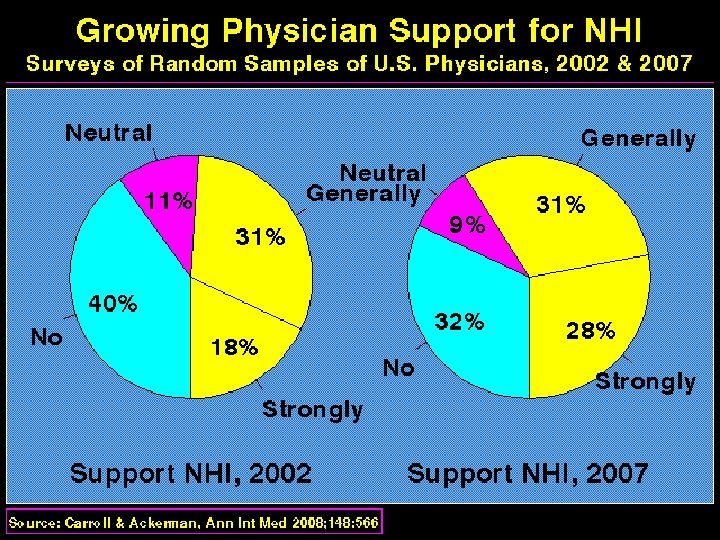
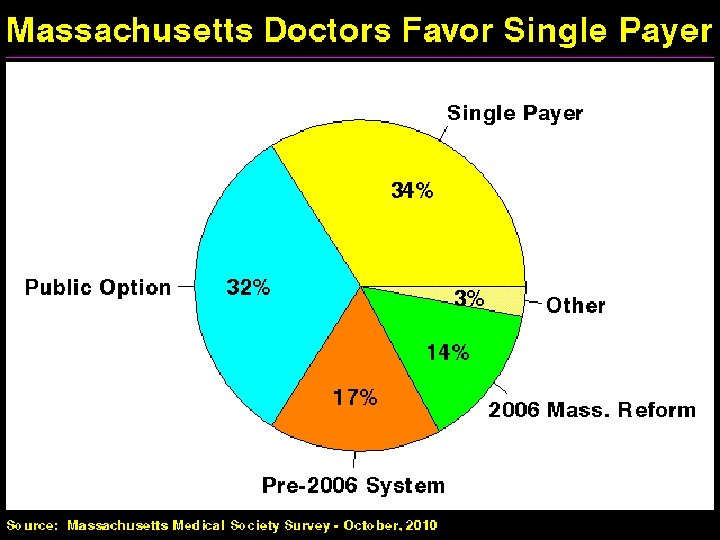
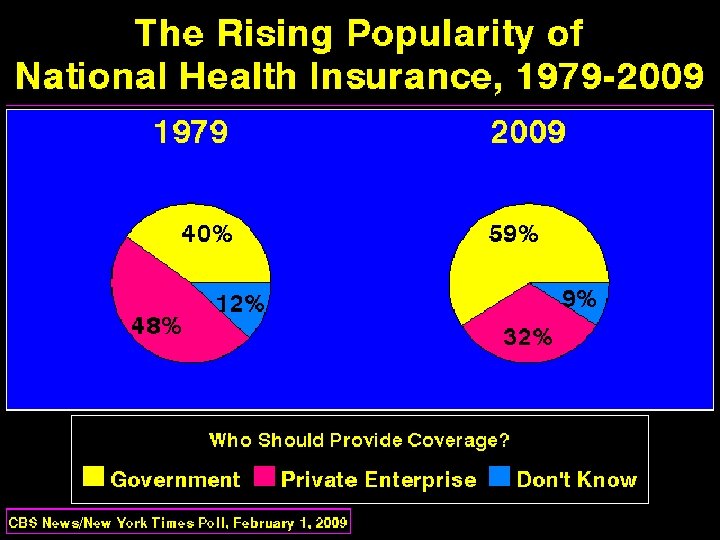
 Public Opinion Favors Single Payer National Health Insurance