 Скачать презентацию Phylogenetic development and endocrine system Aubakirova Gulsanat 226
АУБАКИРОВА ГУЛЬСАНАТ 226 ОМ.pptx
- Количество слайдов: 19



Phylogenetic development and endocrine system Aubakirova Gulsanat 226 GM
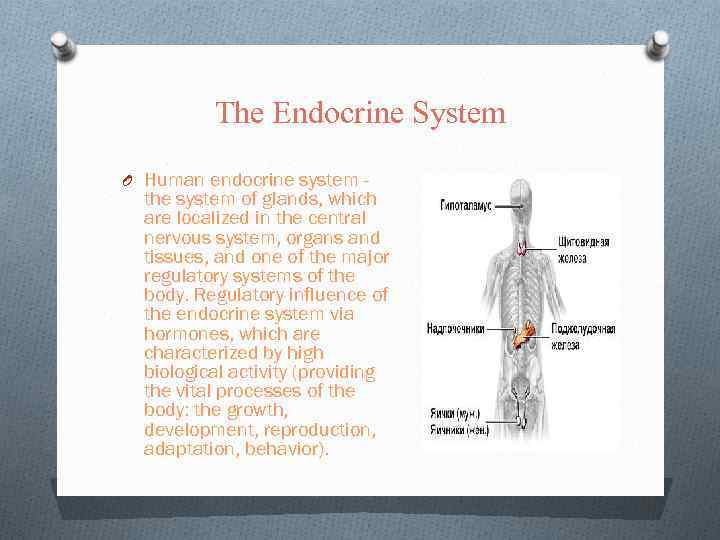
The Endocrine System O Human endocrine system - the system of glands, which are localized in the central nervous system, organs and tissues, and one of the major regulatory systems of the body. Regulatory influence of the endocrine system via hormones, which are characterized by high biological activity (providing the vital processes of the body: the growth, development, reproduction, adaptation, behavior).
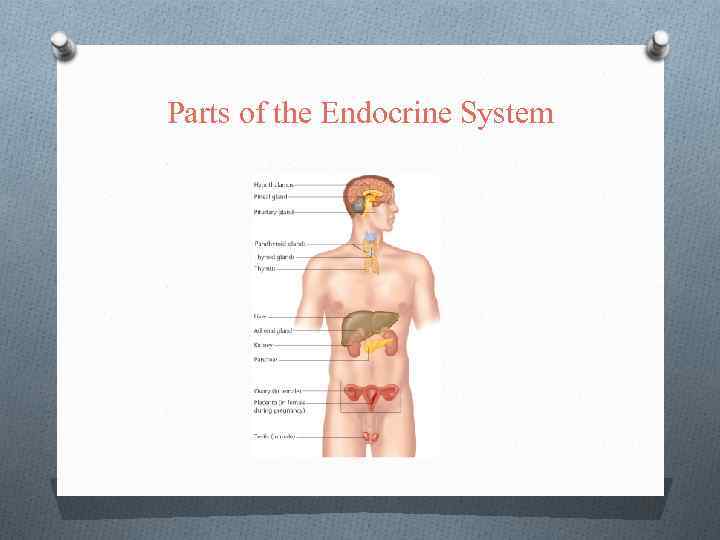
Parts of the Endocrine System
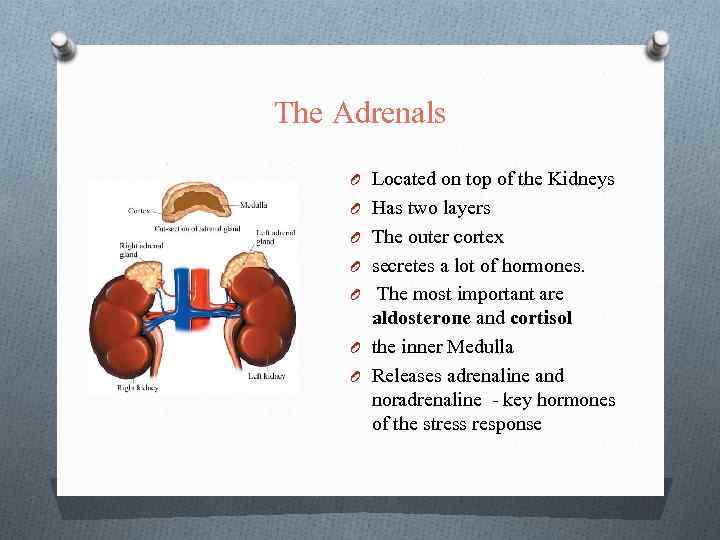
The Adrenals O Located on top of the Kidneys O Has two layers O The outer cortex O secretes a lot of hormones. O The most important are aldosterone and cortisol O the inner Medulla O Releases adrenaline and noradrenaline - key hormones of the stress response
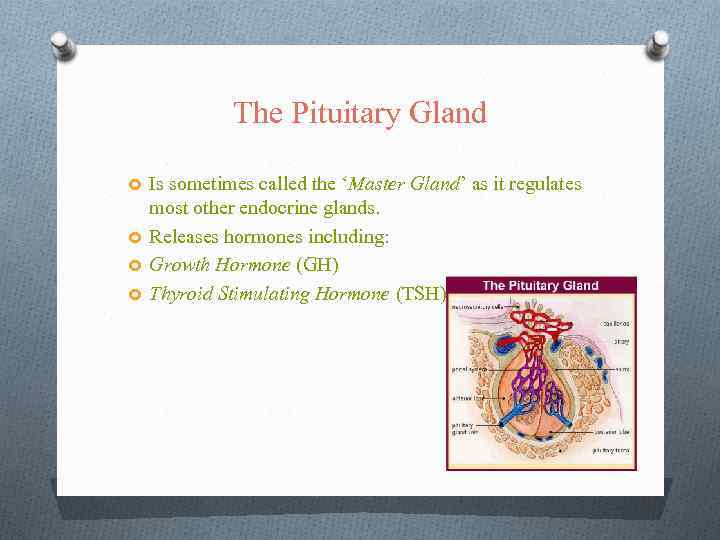
The Pituitary Gland Is sometimes called the ‘Master Gland’ as it regulates most other endocrine glands. Releases hormones including: Growth Hormone (GH) Thyroid Stimulating Hormone (TSH)
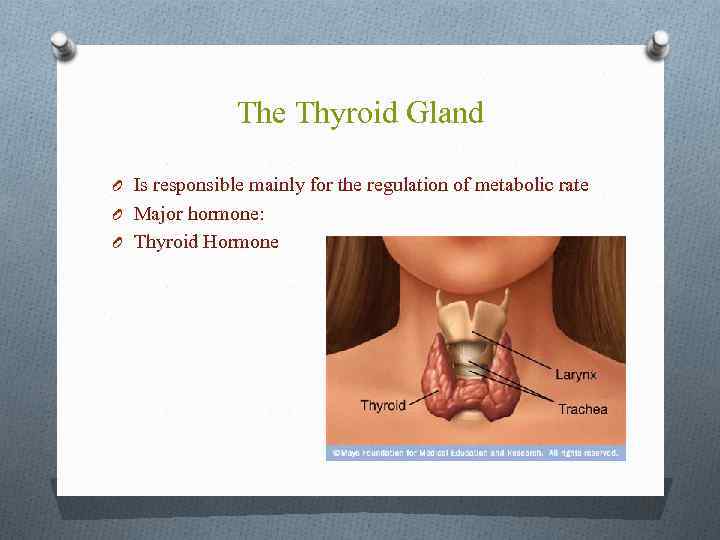
The Thyroid Gland O Is responsible mainly for the regulation of metabolic rate O Major hormone: O Thyroid Hormone
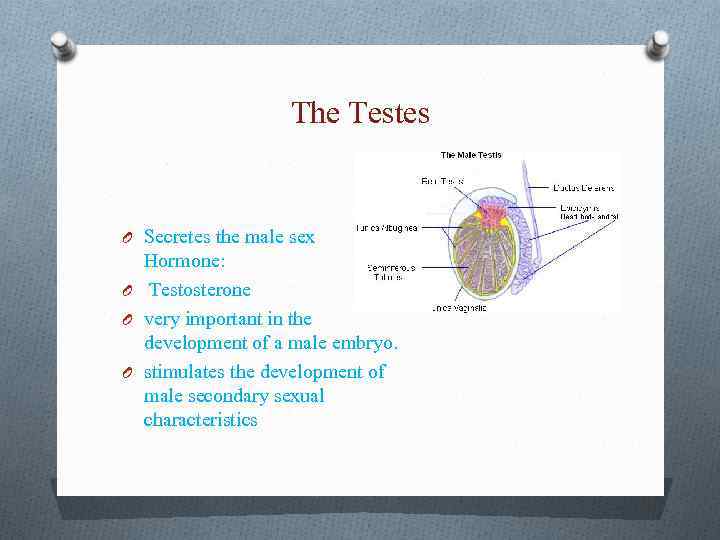
The Testes O Secretes the male sex Hormone: O Testosterone O very important in the development of a male embryo. O stimulates the development of male secondary sexual characteristics
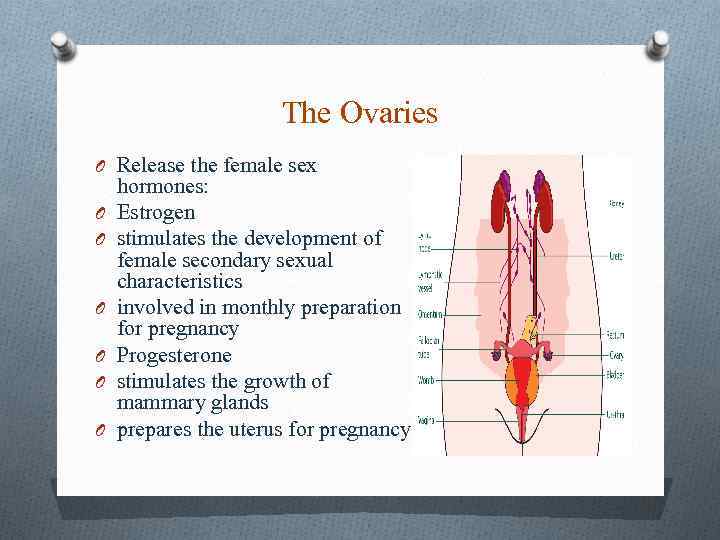
The Ovaries O Release the female sex O O O hormones: Estrogen stimulates the development of female secondary sexual characteristics involved in monthly preparation for pregnancy Progesterone stimulates the growth of mammary glands prepares the uterus for pregnancy
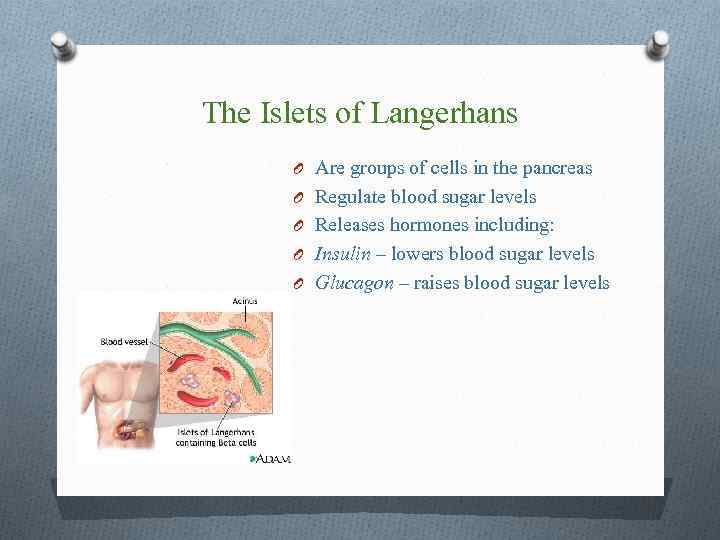
The Islets of Langerhans O Are groups of cells in the pancreas O Regulate blood sugar levels O Releases hormones including: O Insulin – lowers blood sugar levels O Glucagon – raises blood sugar levels
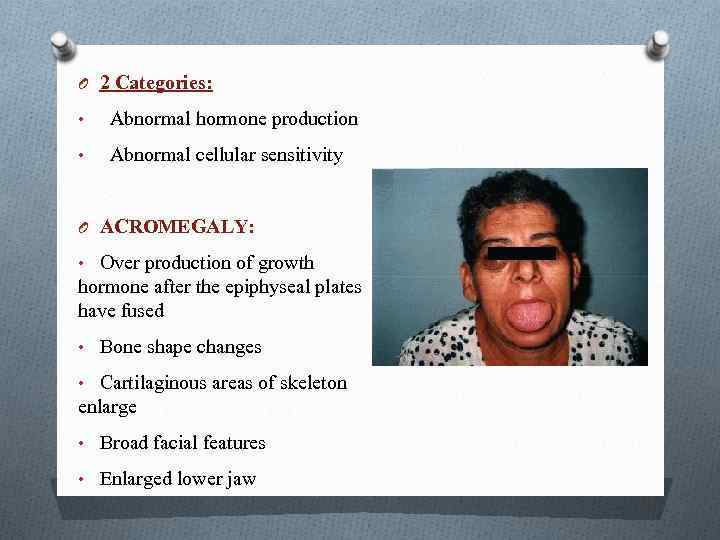
O 2 Categories: • Abnormal hormone production • Abnormal cellular sensitivity O ACROMEGALY: • Over production of growth hormone after the epiphyseal plates have fused • Bone shape changes • Cartilaginous areas of skeleton enlarge • Broad facial features • Enlarged lower jaw
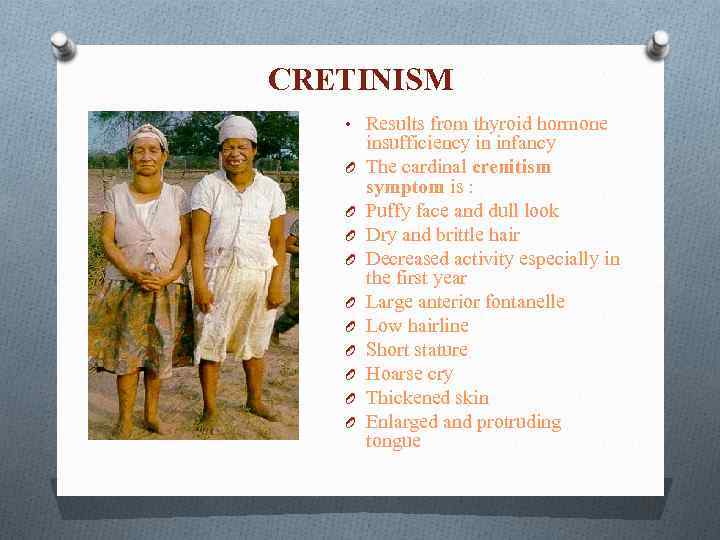
CRETINISM • Results from thyroid hormone O O O O O insufficiency in infancy The cardinal crenitism symptom is : Puffy face and dull look Dry and brittle hair Decreased activity especially in the first year Large anterior fontanelle Low hairline Short stature Hoarse cry Thickened skin Enlarged and protruding tongue
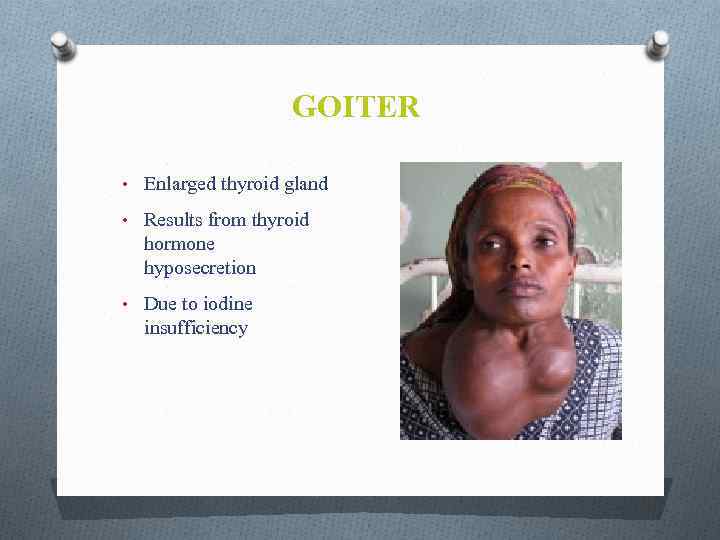
GOITER • Enlarged thyroid gland • Results from thyroid hormone hyposecretion • Due to iodine insufficiency
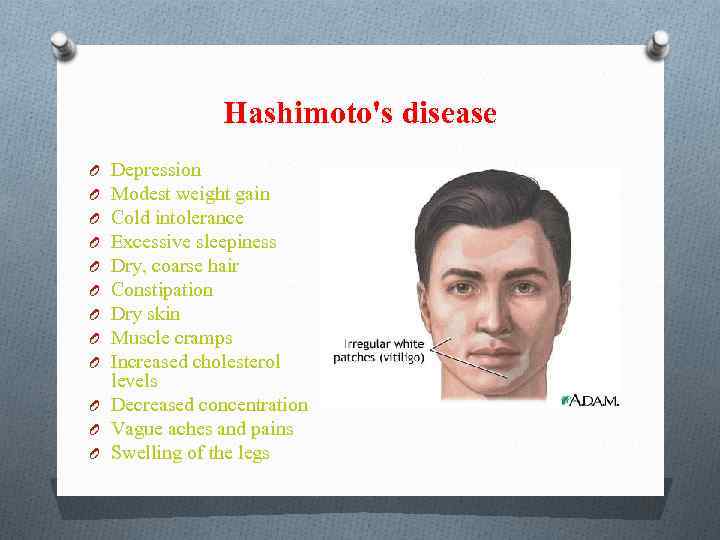
Hashimoto's disease Depression Modest weight gain Cold intolerance Excessive sleepiness Dry, coarse hair Constipation Dry skin Muscle cramps Increased cholesterol levels O Decreased concentration O Vague aches and pains O Swelling of the legs O O O O O
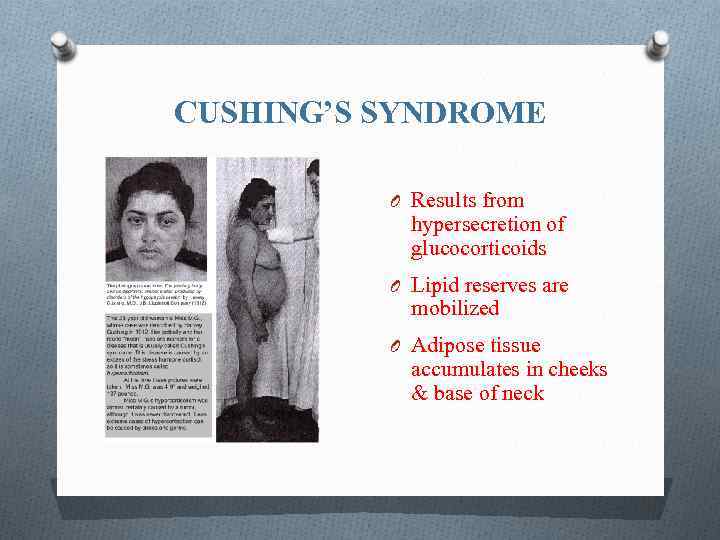
CUSHING’S SYNDROME O Results from hypersecretion of glucocorticoids O Lipid reserves are mobilized O Adipose tissue accumulates in cheeks & base of neck
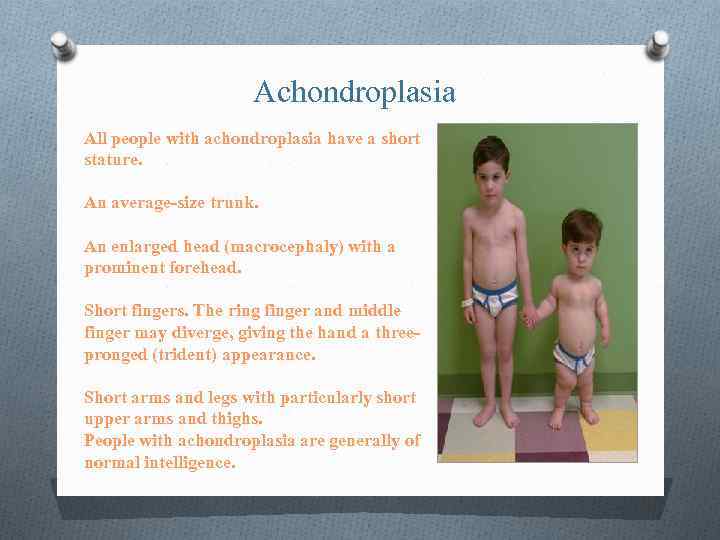
Achondroplasia All people with achondroplasia have a short stature. An average-size trunk. An enlarged head (macrocephaly) with a prominent forehead. Short fingers. The ring finger and middle finger may diverge, giving the hand a threepronged (trident) appearance. Short arms and legs with particularly short upper arms and thighs. People with achondroplasia are generally of normal intelligence.
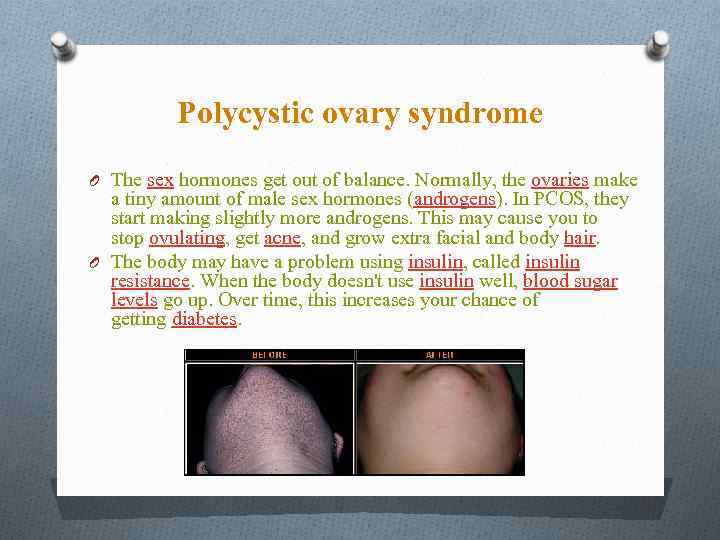
Polycystic ovary syndrome O The sex hormones get out of balance. Normally, the ovaries make a tiny amount of male sex hormones (androgens). In PCOS, they start making slightly more androgens. This may cause you to stop ovulating, get acne, and grow extra facial and body hair. O The body may have a problem using insulin, called insulin resistance. When the body doesn't use insulin well, blood sugar levels go up. Over time, this increases your chance of getting diabetes.
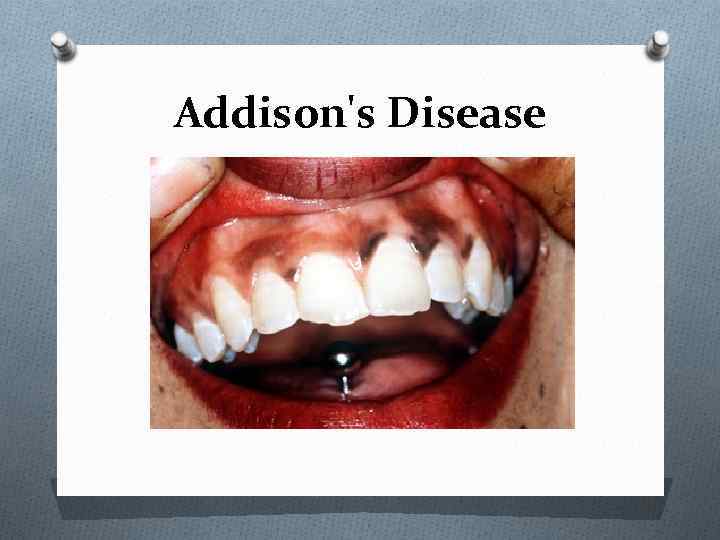
Addison's Disease
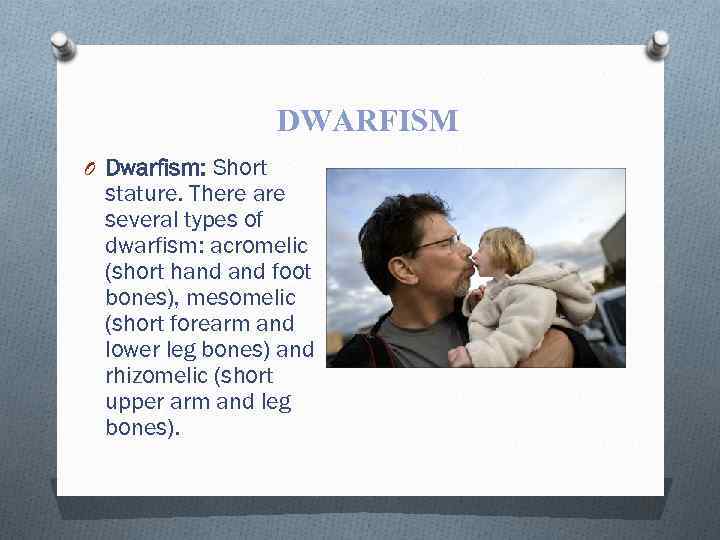
DWARFISM O Dwarfism: Short stature. There are several types of dwarfism: acromelic (short hand foot bones), mesomelic (short forearm and lower leg bones) and rhizomelic (short upper arm and leg bones).

THANK YOU FOR YOUR ATTENTION!
Скачать презентацию Phylogenetic development and endocrine system Aubakirova Gulsanat 226
АУБАКИРОВА ГУЛЬСАНАТ 226 ОМ.pptx