


 Скачать презентацию Philosophy of the XX century Philosophy of
Презентация десятой лекции.ppt
- Количество слайдов: 46
 Philosophy of the XX century
 Philosophy of the 20 th century contains many different areas of philosophy. These philosophical schools and directions reflect a number of common trends in the development of humanity in our time:
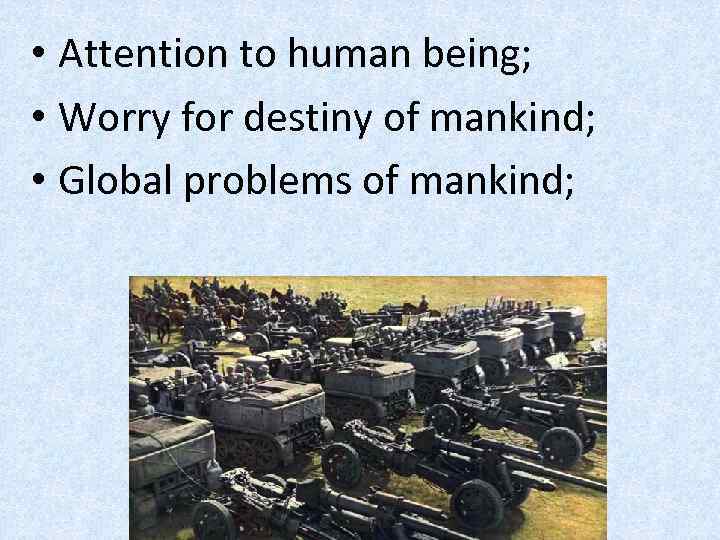 • Attention to human being; • Worry for destiny of mankind; • Global problems of mankind;
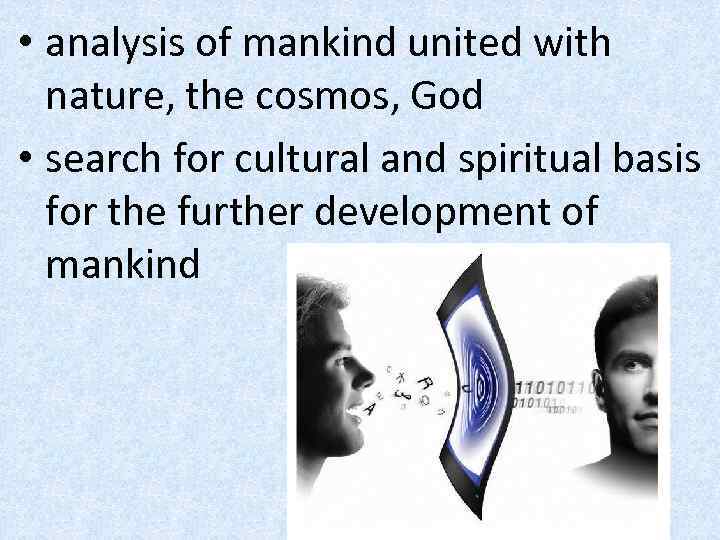 • analysis of mankind united with nature, the cosmos, God • search for cultural and spiritual basis for the further development of mankind
 One of the currents was pragmatism, appeared in the United States and spread in France, England, Italy, Russia
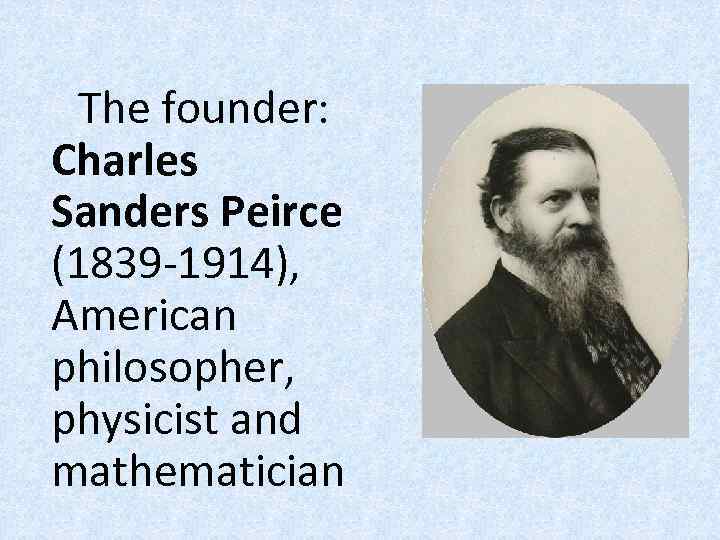 The founder: Charles Sanders Peirce (1839 -1914), American philosopher, physicist and mathematician
 He is the author of numerous works, most of which were unfinished and unpublished during his lifetime. It was managed to complete only one major work that is “Great logic”
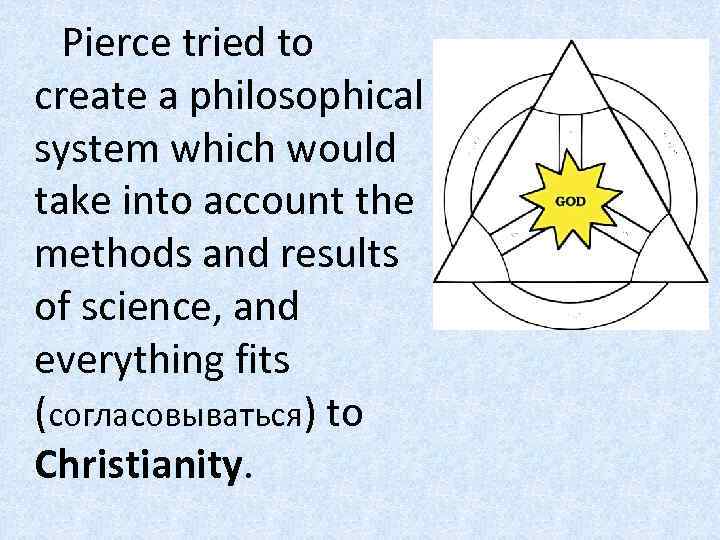 Pierce tried to create a philosophical system which would take into account the methods and results of science, and everything fits (согласовываться) to Christianity.
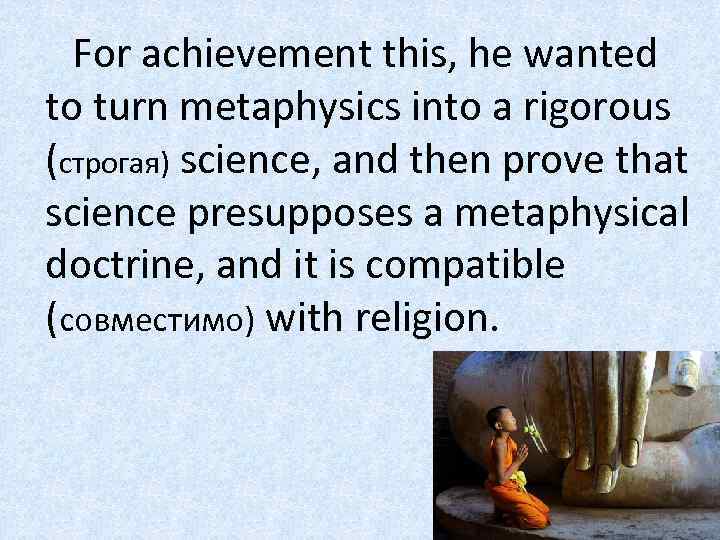 For achievement this, he wanted to turn metaphysics into a rigorous (строгая) science, and then prove that science presupposes a metaphysical doctrine, and it is compatible (совместимо) with religion.
 Peirce defined “reality” as something that opens up the endless process of scientific investigation. Our knowledge of reality is fragmented knowledge.
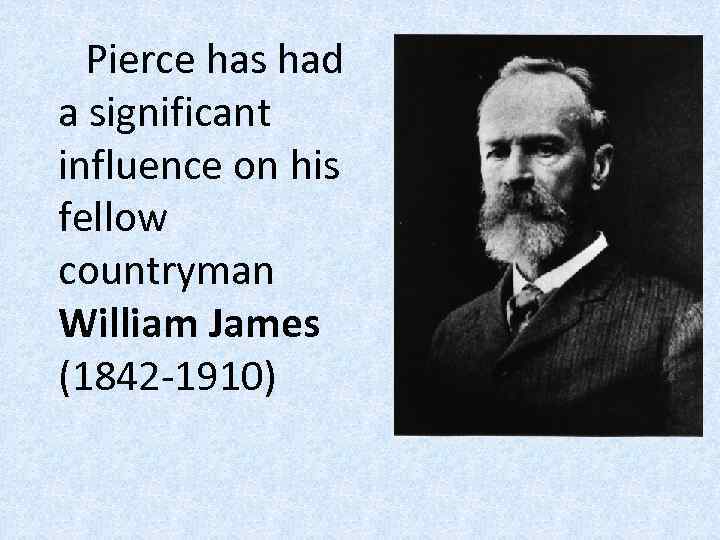 Pierce has had a significant influence on his fellow countryman William James (1842 -1910)
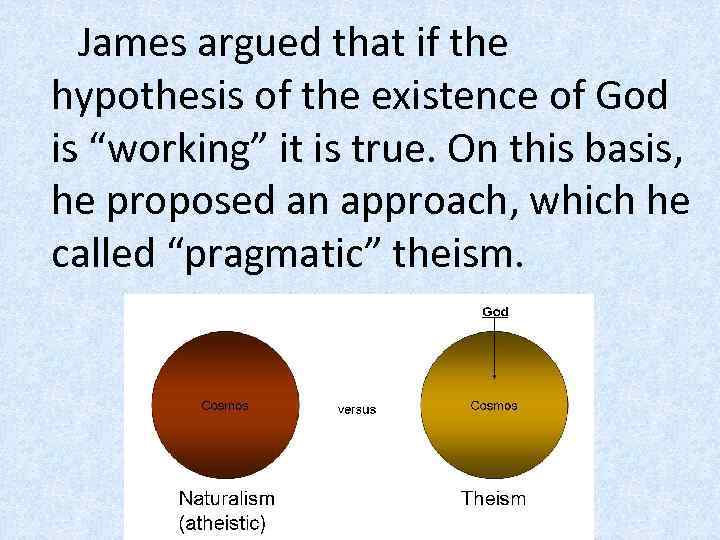 James argued that if the hypothesis of the existence of God is “working” it is true. On this basis, he proposed an approach, which he called “pragmatic” theism.
 He also tells the truth as a convenient (удобный) way of thinking. The views of James also got the name “radical empiricism”.
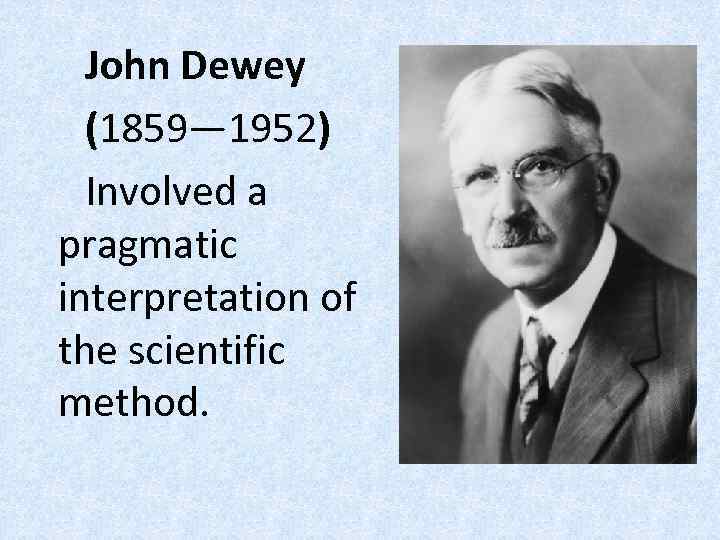 John Dewey (1859— 1952) Involved a pragmatic interpretation of the scientific method.
 According to him, we need to establish a) the specifics of problem situation, b) then put forward a hypothesis or plan of its solution,
 c) it is theoretically possible to trace (проследить) all the consequences of the proposed solution, d) after there comes a period of carrying out and experimental verification of hypotheses.
 Analytic philosophy
 It is possible to present analytical philosophy in the double image: - as a prevailing current thought in the English-speaking countries of XX century;
 - as the way of philosophizing which is guided by ideals of clearness, accuracy and logic severity (строгость).
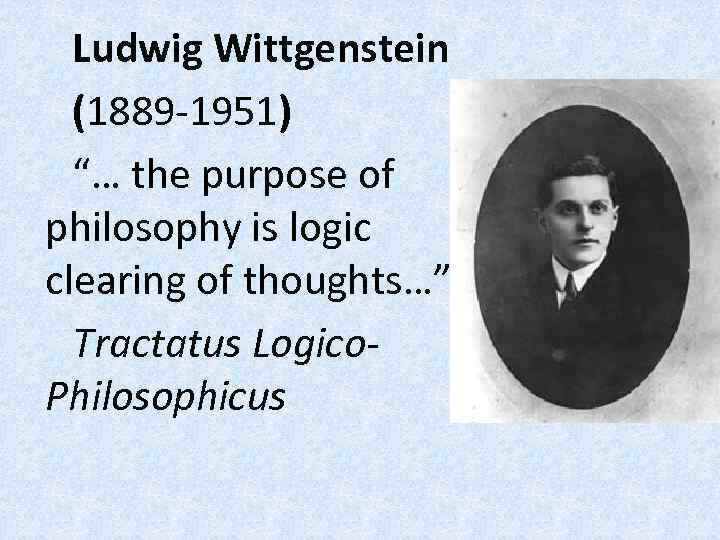 Ludwig Wittgenstein (1889 -1951) “… the purpose of philosophy is logic clearing of thoughts…” Tractatus Logico. Philosophicus
 From the first half of 19 century positivism has appeared as a new methodology of science, which has four stages of its development.
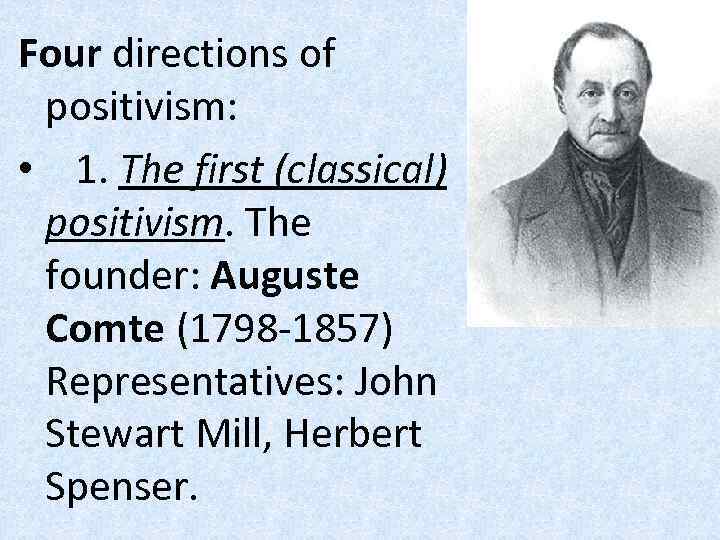 Four directions of positivism: • 1. The first (classical) positivism. The founder: Auguste Comte (1798 -1857) Representatives: John Stewart Mill, Herbert Spenser.
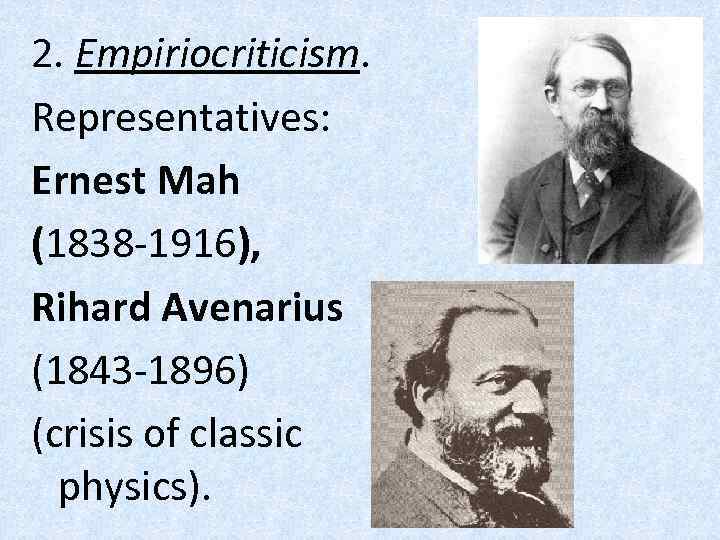 2. Empiriocriticism. Representatives: Ernest Mah (1838 -1916), Rihard Avenarius (1843 -1896) (crisis of classic physics).
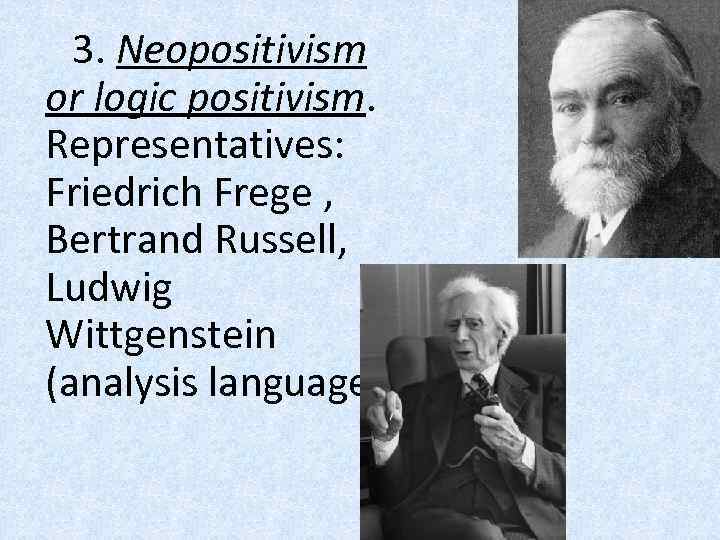 3. Neopositivism or logic positivism. Representatives: Friedrich Frege , Bertrand Russell, Ludwig Wittgenstein (analysis language)
 4. Postpositivism. Representatives: Charles Popper, Thomas Kun, Imre Lakatos, Pol Fejerabend, ect. (scientific history analysis).
 Phänomenologie
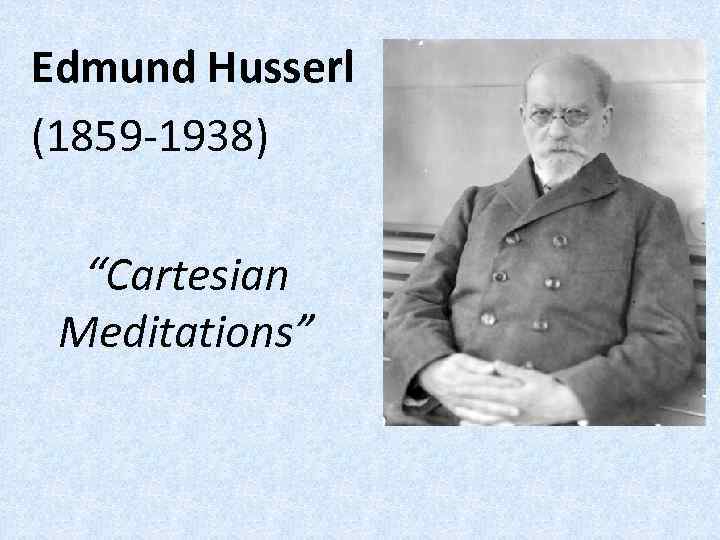 Edmund Husserl (1859 -1938) “Cartesian Meditations”
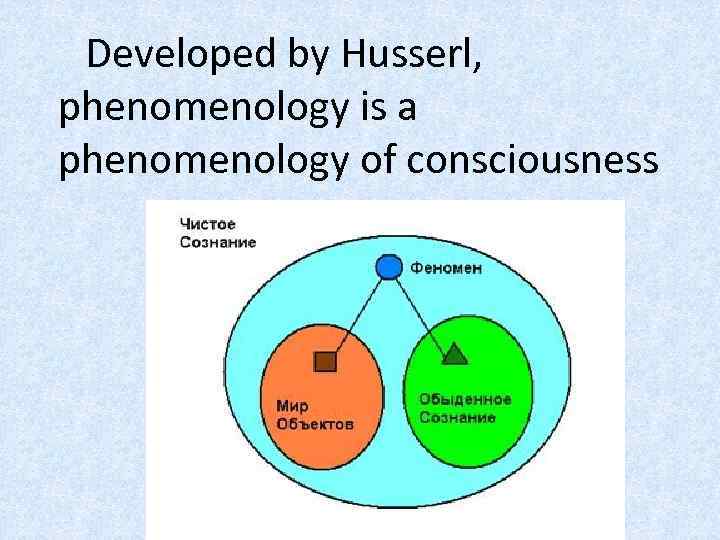 Developed by Husserl, phenomenology is a phenomenology of consciousness
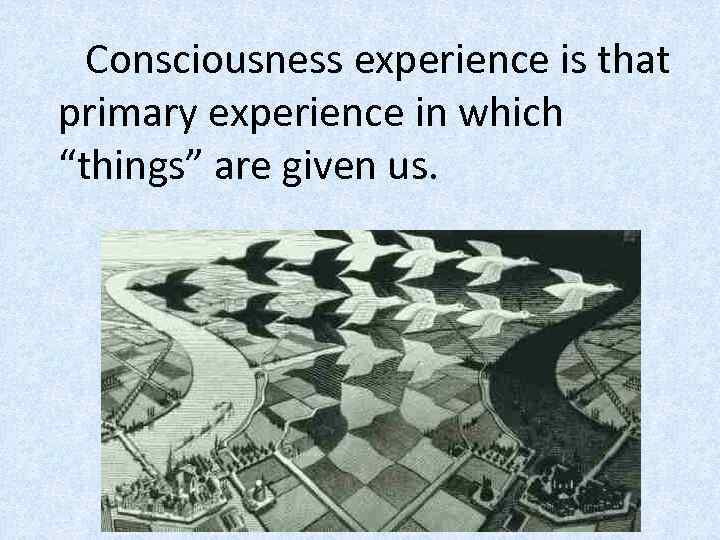 Consciousness experience is that primary experience in which “things” are given us.
 Edmund Husserl developed concepts such as phenomenological reduction (Epoché), eidos, Intersubjectivity, intention
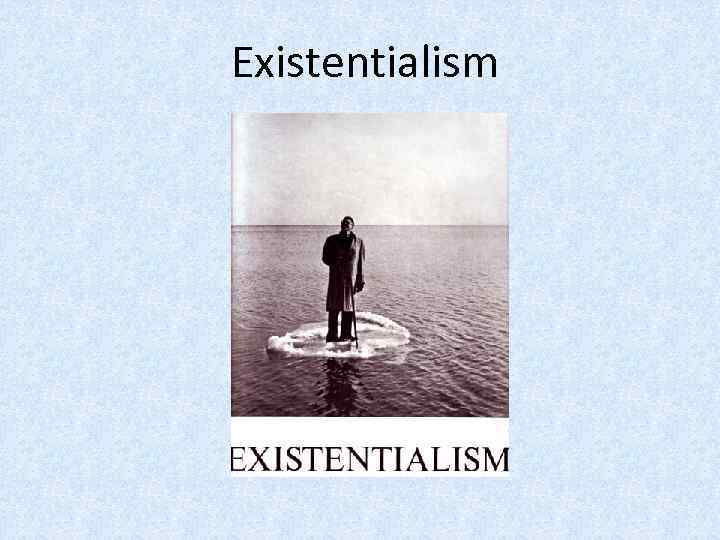 Existentialism
 The existentialism developed: • in Russia (L. Shestov, N. Berdyaev), • in Germany (K. Jaspers), • in France (J. -P. Sartre, Albert Camus, G. Marsel, etc. )
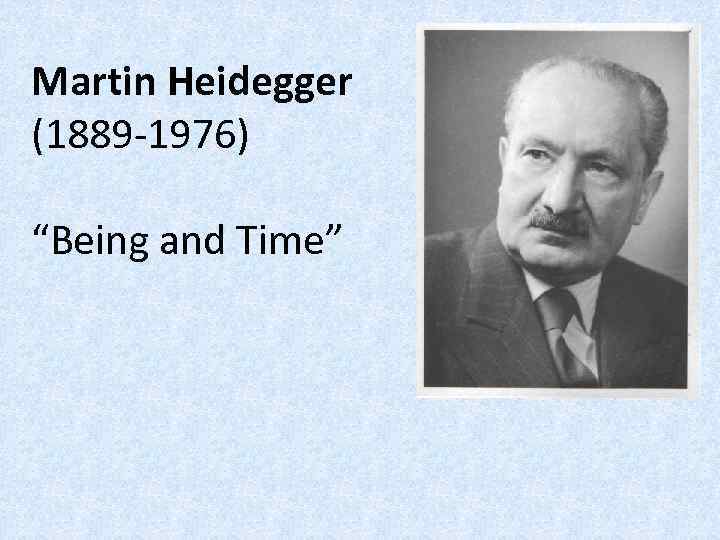 Martin Heidegger (1889 -1976) “Being and Time”
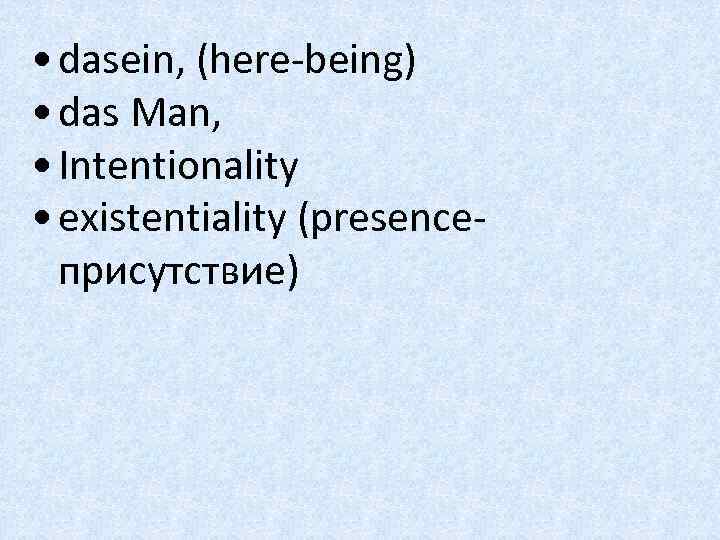 • dasein, (here-being) • das Man, • Intentionality • existentiality (presenceприсутствие)
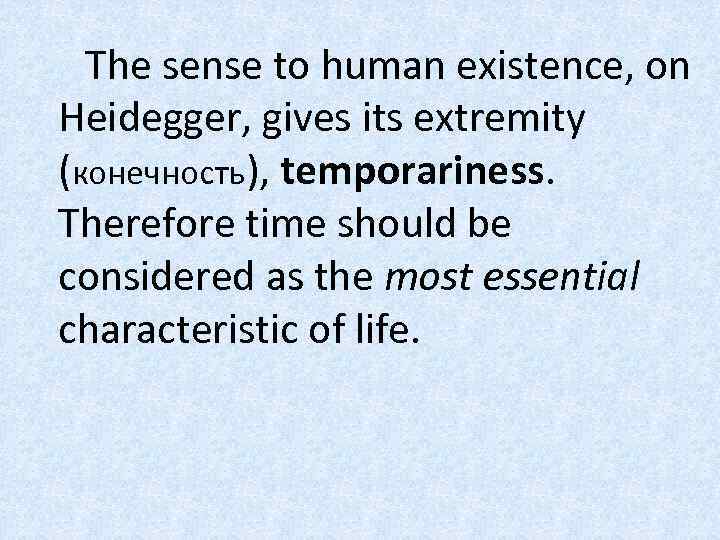 The sense to human existence, on Heidegger, gives its extremity (конечность), temporariness. Therefore time should be considered as the most essential characteristic of life.
 Confirming unity of time and life, Heidegger proves that anything real, except a person, doesn’t know about the extremity. So temporariness and life are known only to person.
 Hermeneutics
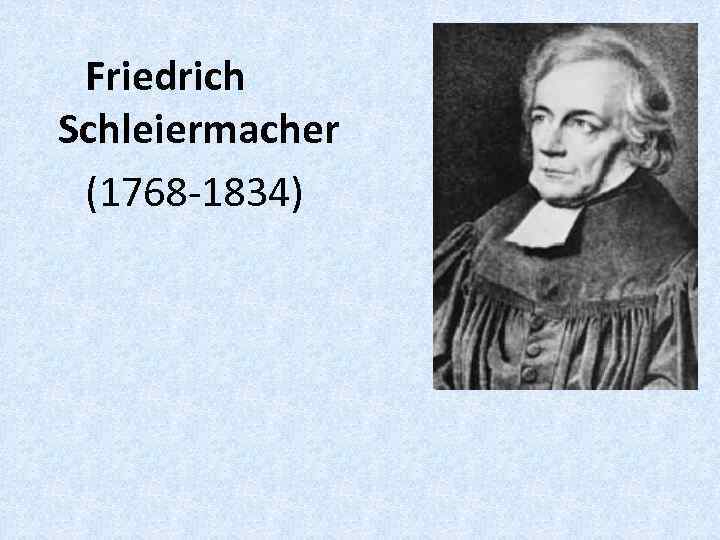 Friedrich Schleiermacher (1768 -1834)
 He promoted hermeneutics development as an independent doctrine about understanding art. A problem of such art is working out (решать) the problems of interpretation guaranteeing correct understanding.
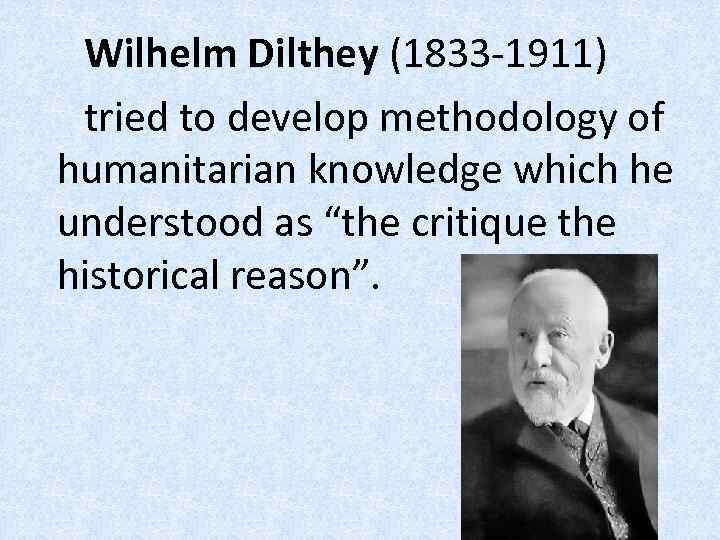 Wilhelm Dilthey (1833 -1911) tried to develop methodology of humanitarian knowledge which he understood as “the critique the historical reason”.
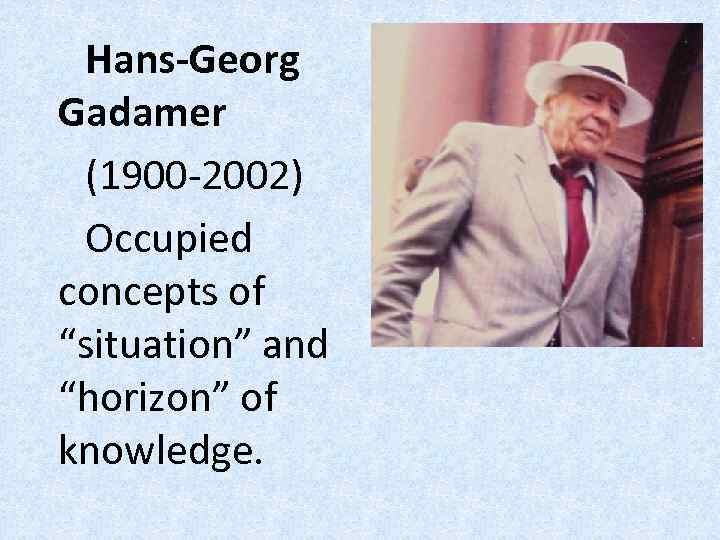 Hans-Georg Gadamer (1900 -2002) Occupied concepts of “situation” and “horizon” of knowledge.
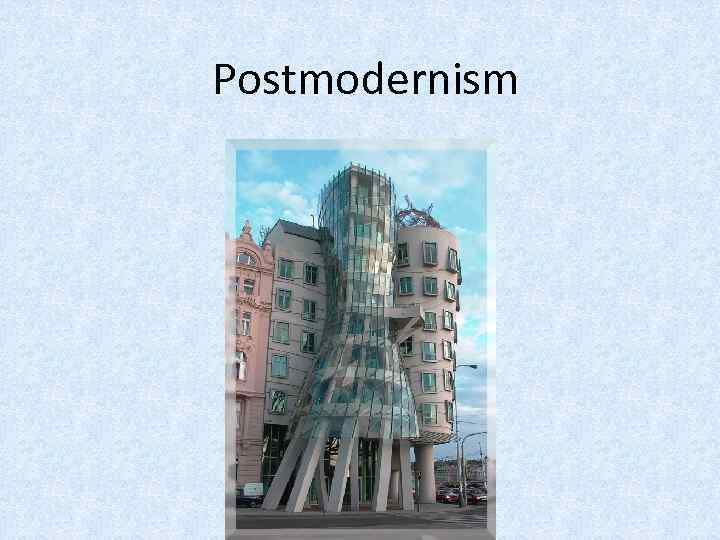 Postmodernism
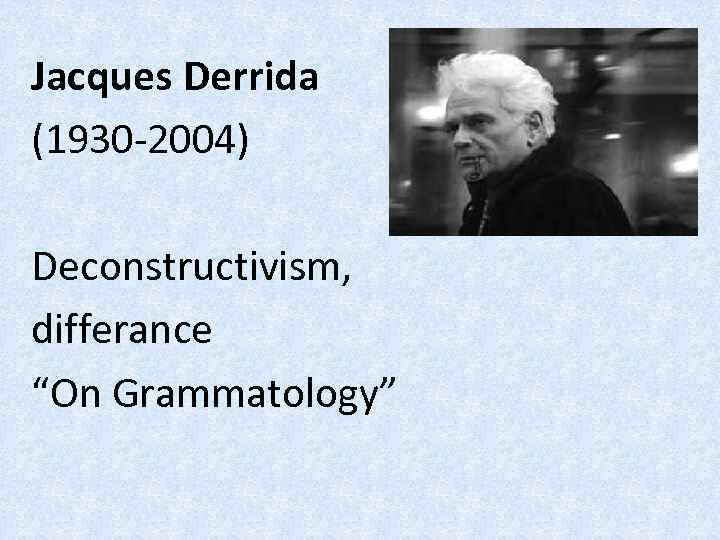 Jacques Derrida (1930 -2004) Deconstructivism, differance “On Grammatology”
 Deconstruction is directed on overcoming of the metaphysical senses containing in text, created according to old program of thinking
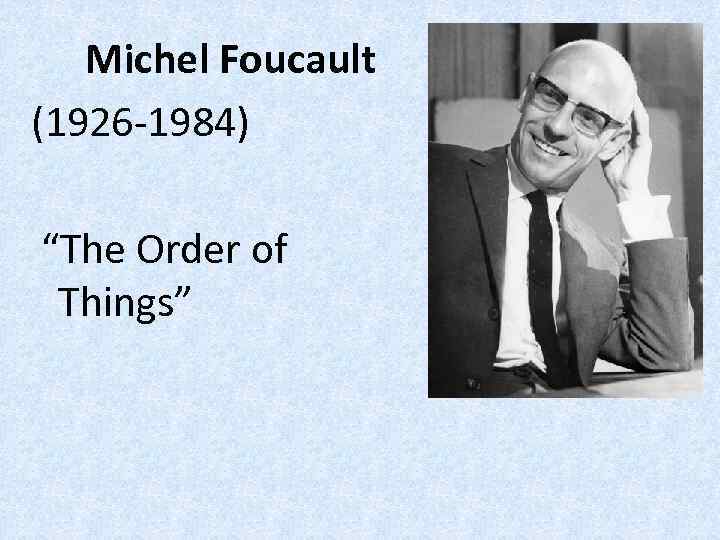 Michel Foucault (1926 -1984) “The Order of Things”
 • Theory of epistemes (types of thinking) • Discourse • Systems of thinking • Prison, appearance of clinic