


 Скачать презентацию Pharmaconutrition A New Emerging Paradigm Daren K Heyland
b2d0a4d1e9361ae0e5e75c8ce4ca124c.ppt
- Количество слайдов: 54
 Pharmaconutrition A New Emerging Paradigm Daren K. Heyland, MD, FRCPC, MSc Professor of Medicine, Queen’s University, Kingston, Ontario
 The First Ever Recorded Clinical Trial [Nebuchadnezzar, king of Babylon, carried away children of Israel, into his court ] 5 And the king appointed them a daily provision of the king's meat, and of the wine which he drank: 8 Daniel would not defile himself with the portion of the king's meat, nor with the wine 10 Prince of the eunuchs said unto Daniel, I fear the king, who hath appointed your meat and your drink: for why should he see your faces worse liking than the children which are of your sort? then shall ye make me endanger my head to the king. Book of Daniel 1: 1 -15
 The First Ever Recorded Clinical Trial 11 Then said Daniel to Melzar, whom the prince of the eunuchs had set over Daniel, 12 Prove thy servants, I beseech thee, ten days; and let them give us pulse to eat, and water to drink. 13 Then let our countenances be looked upon before thee, and the countenance of the children that eat of the portion of the king's meat: and as thou seest, deal with thy servants. 14 So he consented to them in this matter, 15 And at the end of ten days their countenances appeared fairer and fatter in flesh than all the children which did eat the portion of the king's meat. Book of Daniel 1: 1 -15
 Translating Research Findings into Practice ! 16 [from all the children of Israel in the King’s Court] Thus Melzar took away the portion of their meat, and the wine that they should drink; and gave them pulse. Book of Daniel 1: 1 -16
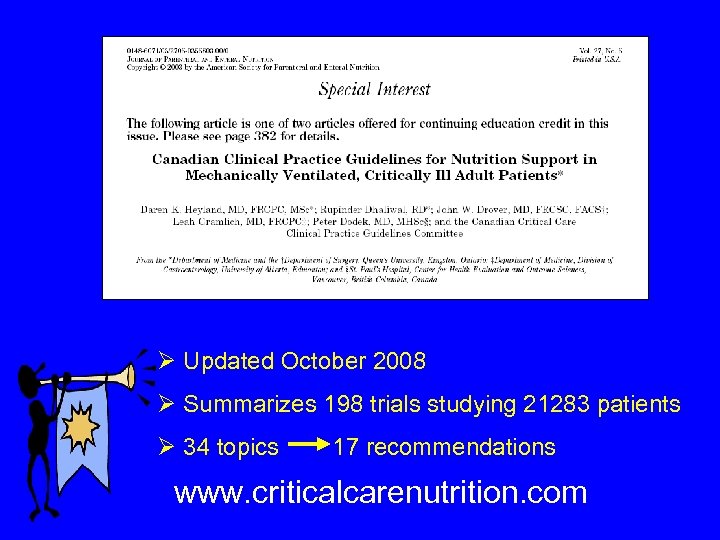 Ø Updated October 2008 Ø Summarizes 198 trials studying 21283 patients Ø 34 topics 17 recommendations www. criticalcarenutrition. com
 Validation of the CPG’s: Results of a Prospective Observational Study • Summary – Patients and Sites that were more consistent with CPG recommendations tended to receive more EN Adoption of Canadian CPGs will likely lead to improved nutrition support practices in ICUs Heyland CCM 2004; 32: 2260
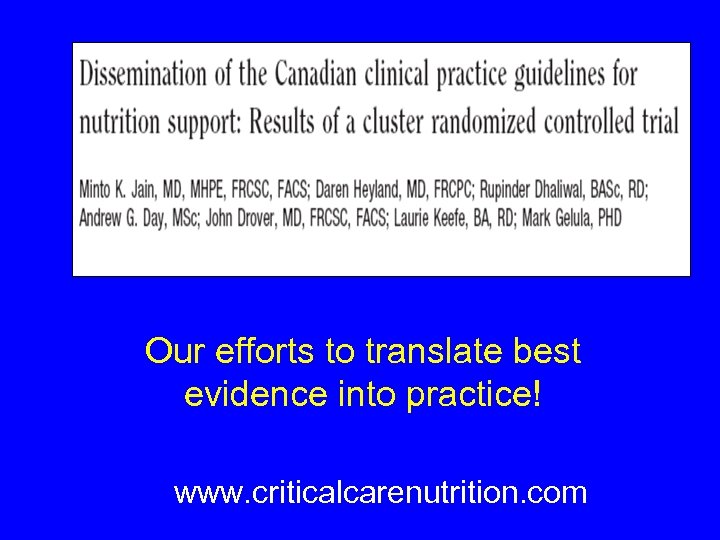 Our efforts to translate best evidence into practice! www. criticalcarenutrition. com
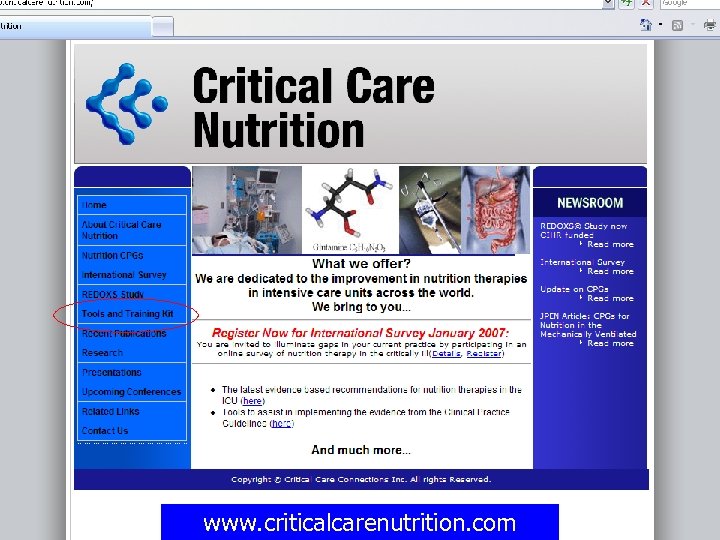 www. criticalcarenutrition. com
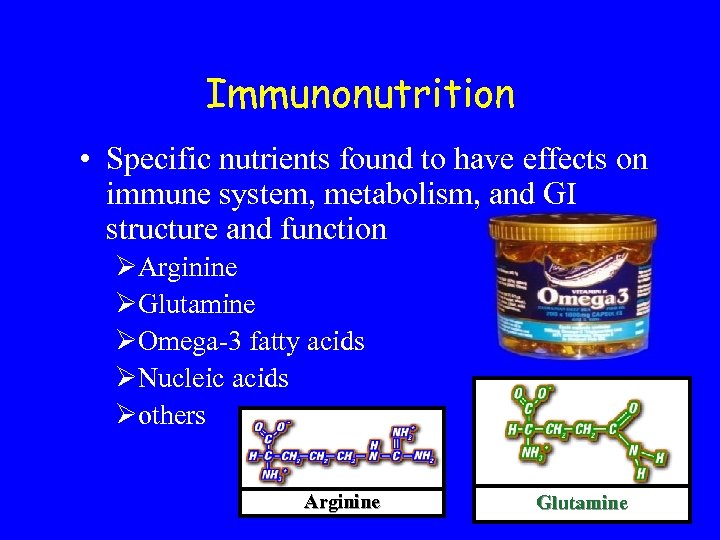 Immunonutrition • Specific nutrients found to have effects on immune system, metabolism, and GI structure and function ØArginine ØGlutamine ØOmega-3 fatty acids ØNucleic acids Øothers Arginine Glutamine
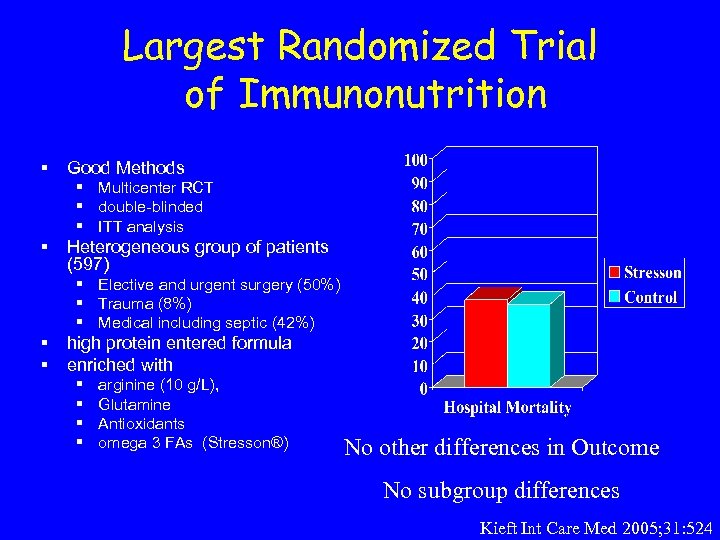 Largest Randomized Trial of Immunonutrition § Good Methods § Multicenter RCT § double-blinded § ITT analysis § Heterogeneous group of patients (597) § Elective and urgent surgery (50%) § Trauma (8%) § Medical including septic (42%) § § high protein entered formula enriched with § § arginine (10 g/L), Glutamine Antioxidants omega 3 FAs (Stresson®) No other differences in Outcome No subgroup differences Kieft Int Care Med 2005; 31: 524
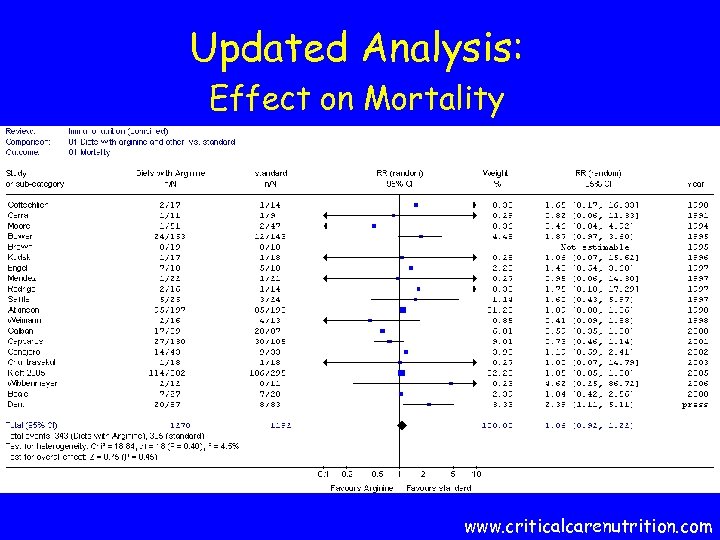 Updated Analysis: Effect on Mortality www. criticalcarenutrition. com
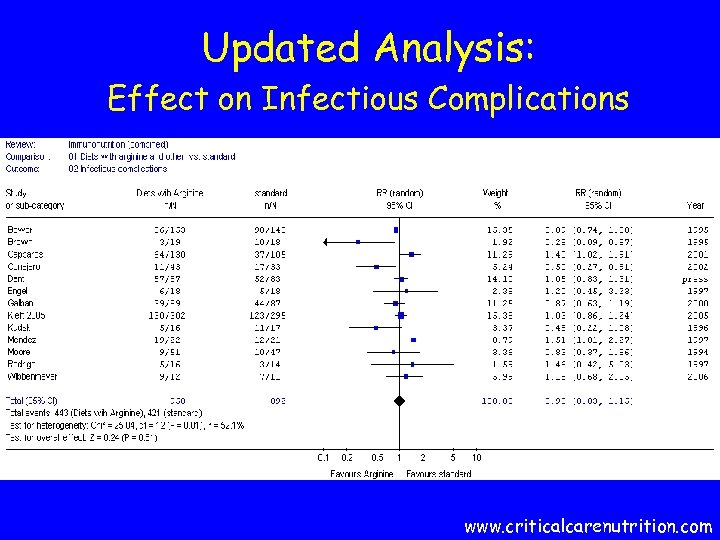 Updated Analysis: Effect on Infectious Complications www. criticalcarenutrition. com
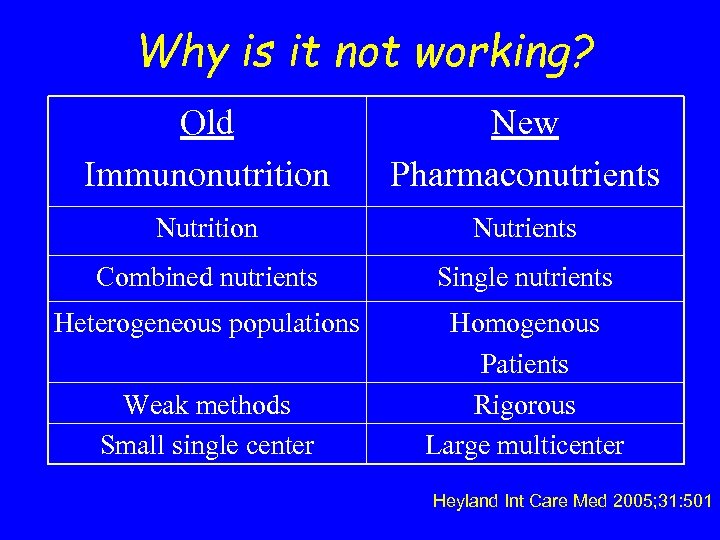 Why is it not working? Old Immunonutrition New Pharmaconutrients Nutrition Nutrients Combined nutrients Single nutrients Heterogeneous populations Homogenous Patients Rigorous Large multicenter Weak methods Small single center Heyland Int Care Med 2005; 31: 501
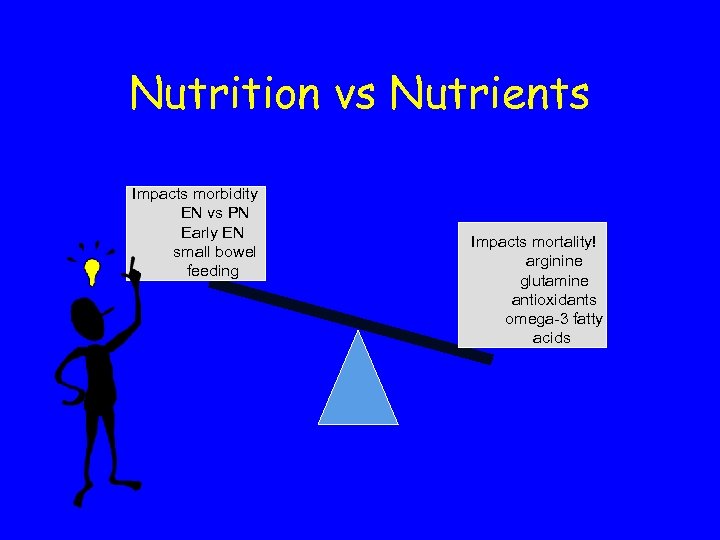 Nutrition vs Nutrients Impacts morbidity EN vs PN Early EN small bowel feeding Impacts mortality! arginine glutamine antioxidants omega-3 fatty acids
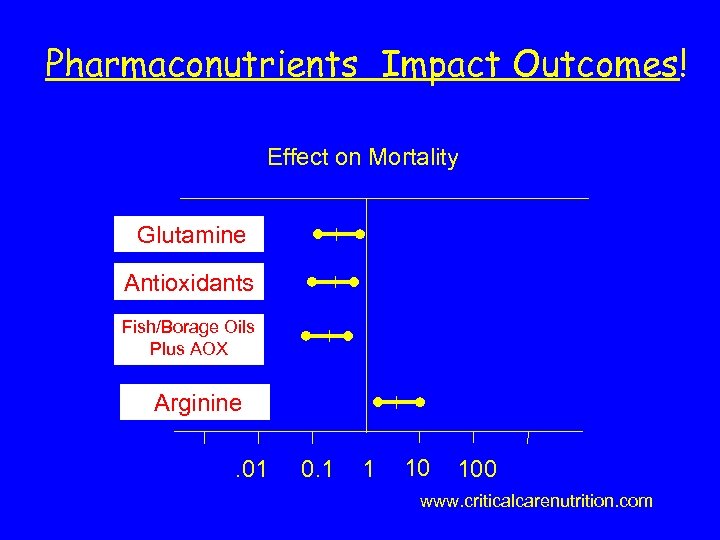 Pharmaconutrients Impact Outcomes! Effect on Mortality Glutamine Antioxidants Fish/Borage Oils Plus AOX Arginine. 01 0. 1 1 10 100 www. criticalcarenutrition. com
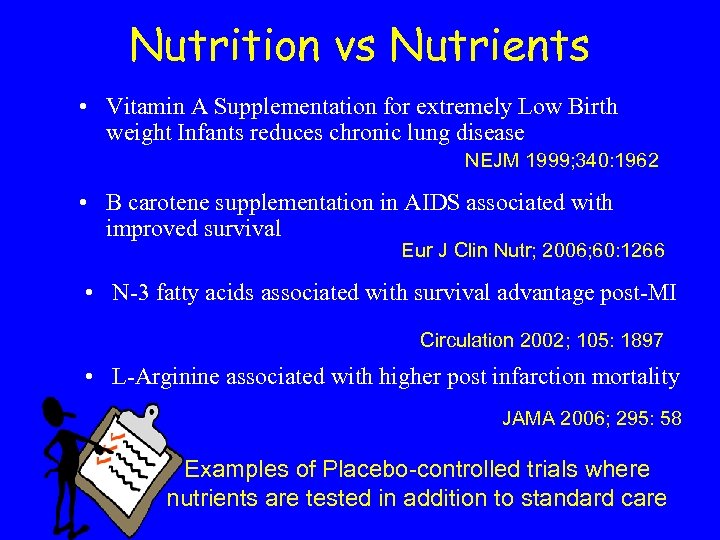 Nutrition vs Nutrients • Vitamin A Supplementation for extremely Low Birth weight Infants reduces chronic lung disease NEJM 1999; 340: 1962 • B carotene supplementation in AIDS associated with improved survival Eur J Clin Nutr; 2006; 60: 1266 • N-3 fatty acids associated with survival advantage post-MI Circulation 2002; 105: 1897 • L-Arginine associated with higher post infarction mortality JAMA 2006; 295: 58 Examples of Placebo-controlled trials where nutrients are tested in addition to standard care
 Cocktail Approach? • Specific nutrients found to have effects on immune system, metabolism, and GI structure and function Ø Arginine Ø Glutamine Ø Omega-3 fatty acids Ø Nucleic acids Ø others • Rationale for combining substances into products?
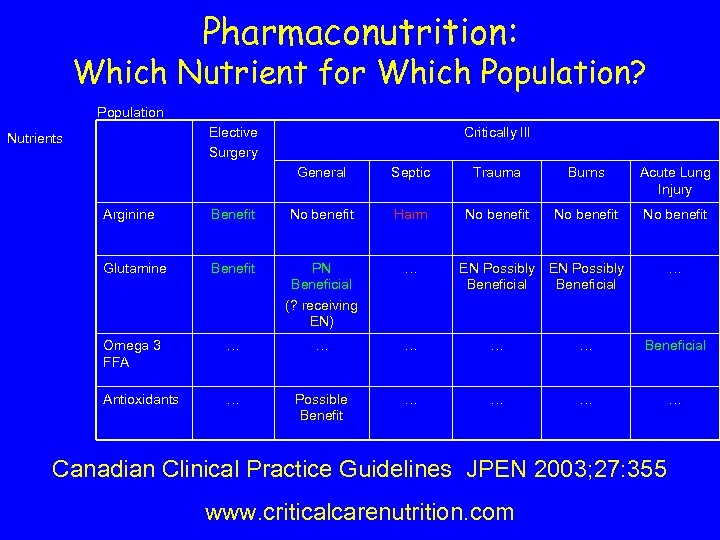 Pharmaconutrition: Which Nutrient for Which Population? Population Elective Surgery Nutrients Critically Ill General Septic Trauma Burns Acute Lung Injury No benefit Arginine Benefit No benefit Harm Glutamine Benefit PN Beneficial (? receiving EN) … Omega 3 FFA … … … Beneficial Antioxidants … Possible Benefit … … EN Possibly Beneficial … Canadian Clinical Practice Guidelines JPEN 2003; 27: 355 www. criticalcarenutrition. com
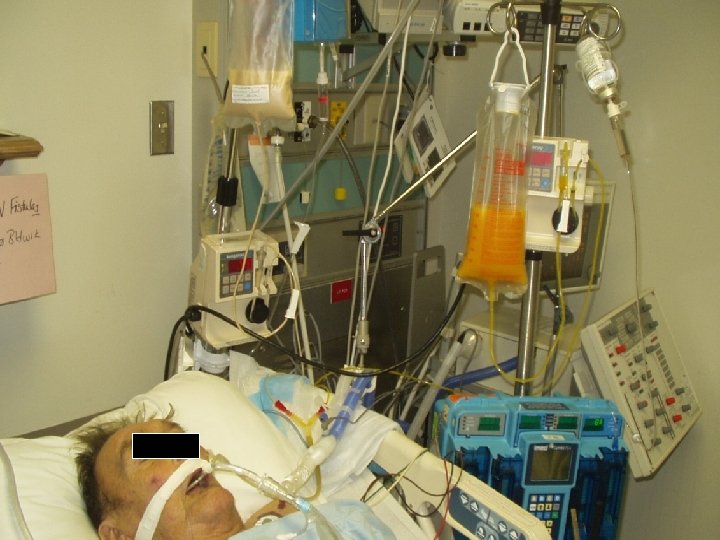
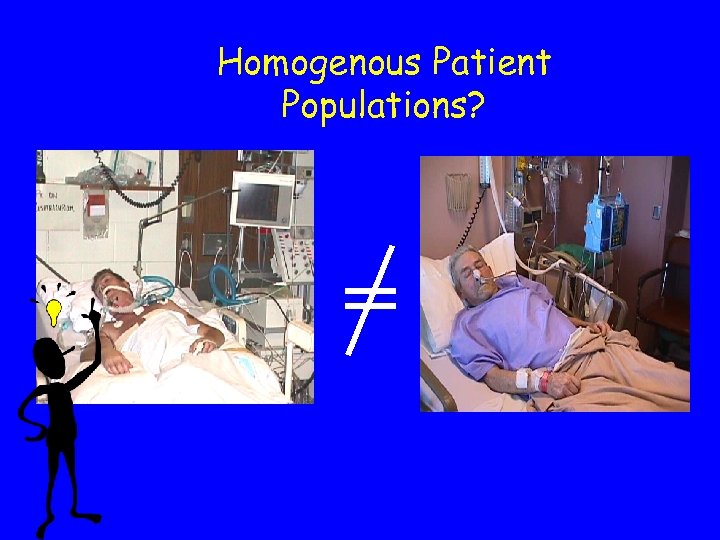 Homogenous Patient Populations? =
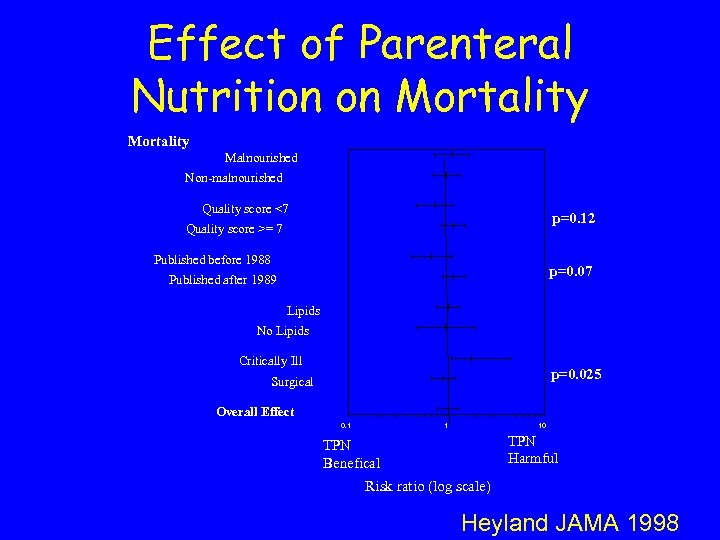 Effect of Parenteral Nutrition on Mortality Malnourished Non-malnourished Quality score <7 p=0. 12 Quality score >= 7 Published before 1988 p=0. 07 Published after 1989 Lipids No Lipids Critically Ill p=0. 025 Surgical Overall Effect 0. 1 1 10 TPN Harmful TPN Benefical Risk ratio (log scale) Heyland JAMA 1998
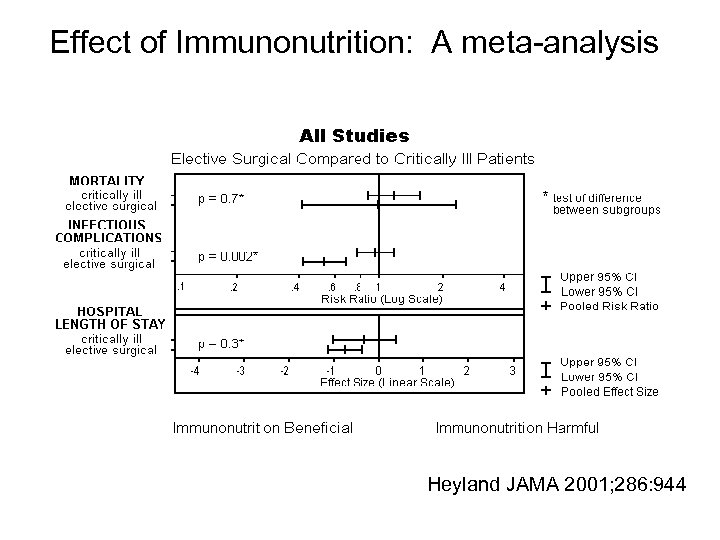 Effect of Immunonutrition: A meta-analysis Heyland JAMA 2001; 286: 944
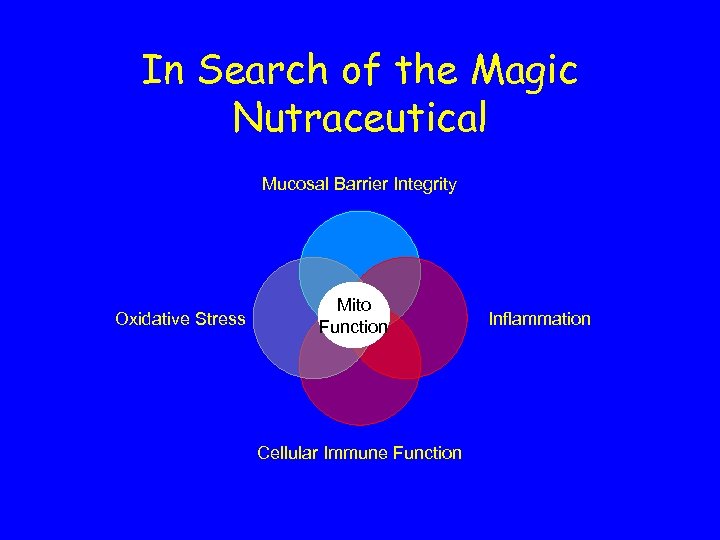 In Search of the Magic Nutraceutical Mucosal Barrier Integrity Oxidative Stress Mito Function Cellular Immune Function Inflammation
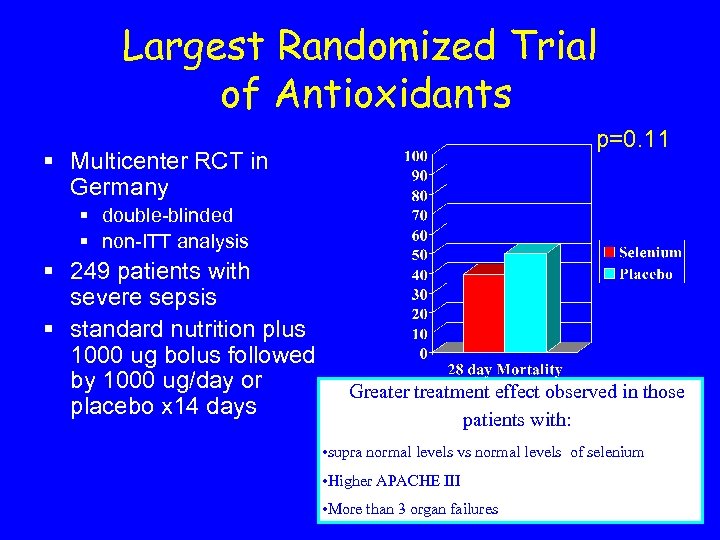 Largest Randomized Trial of Antioxidants p=0. 11 § Multicenter RCT in Germany § double-blinded § non-ITT analysis § 249 patients with severe sepsis § standard nutrition plus 1000 ug bolus followed by 1000 ug/day or placebo x 14 days Greater treatment effect observed in those patients with: • supra normal levels vs normal levels of selenium • Higher APACHE III • More than 3 organ failures Crit Care Med 2007; 135: 1
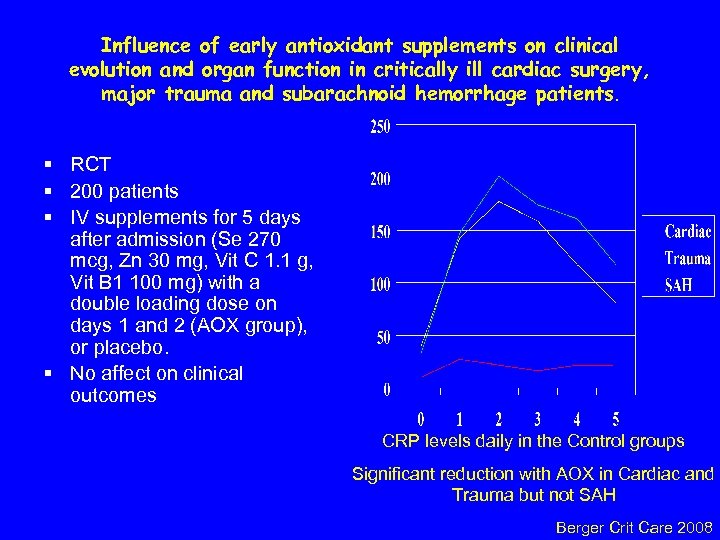 Influence of early antioxidant supplements on clinical evolution and organ function in critically ill cardiac surgery, major trauma and subarachnoid hemorrhage patients. § RCT § 200 patients § IV supplements for 5 days after admission (Se 270 mcg, Zn 30 mg, Vit C 1. 1 g, Vit B 1 100 mg) with a double loading dose on days 1 and 2 (AOX group), or placebo. § No affect on clinical outcomes CRP levels daily in the Control groups Significant reduction with AOX in Cardiac and Trauma but not SAH Berger Crit Care 2008
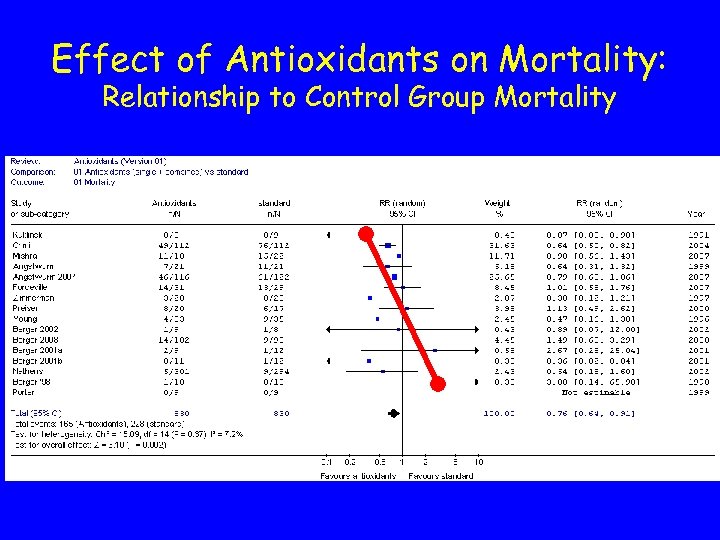 Effect of Antioxidants on Mortality: Relationship to Control Group Mortality
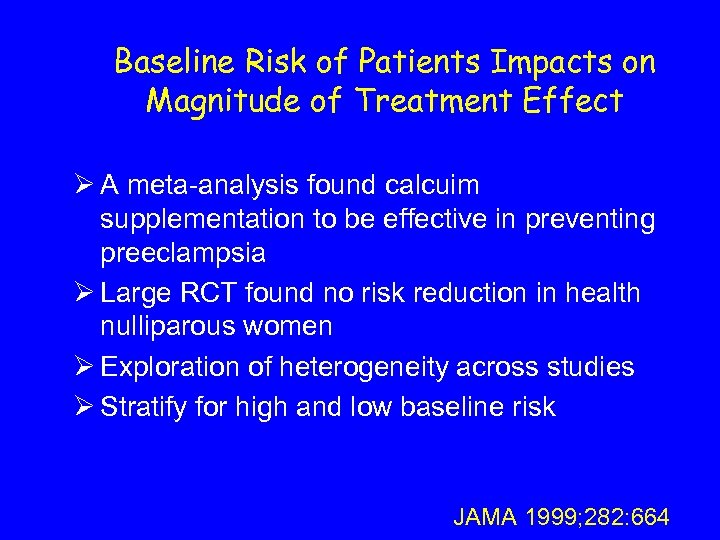 Baseline Risk of Patients Impacts on Magnitude of Treatment Effect Ø A meta-analysis found calcuim supplementation to be effective in preventing preeclampsia Ø Large RCT found no risk reduction in health nulliparous women Ø Exploration of heterogeneity across studies Ø Stratify for high and low baseline risk JAMA 1999; 282: 664
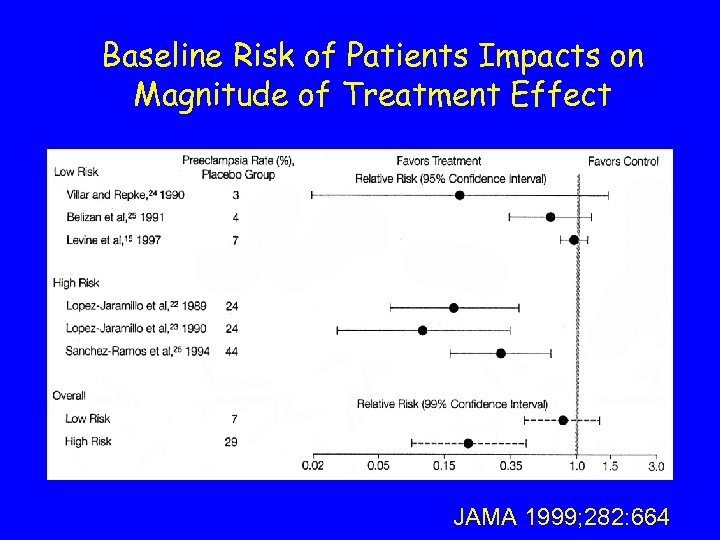 Baseline Risk of Patients Impacts on Magnitude of Treatment Effect JAMA 1999; 282: 664
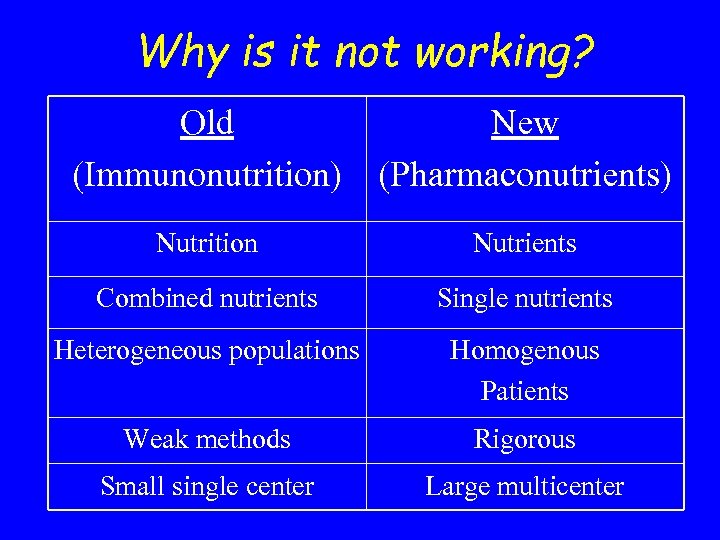 Why is it not working? Old (Immunonutrition) New (Pharmaconutrients) Nutrition Nutrients Combined nutrients Single nutrients Heterogeneous populations Homogenous Patients Weak methods Rigorous Small single center Large multicenter
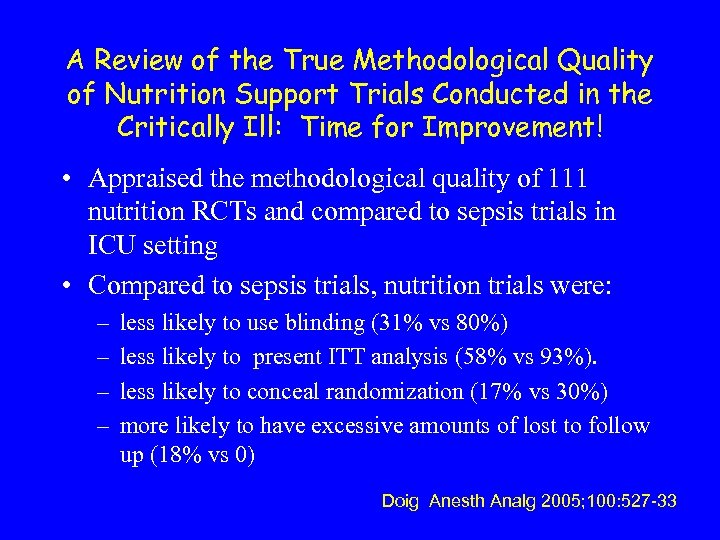 A Review of the True Methodological Quality of Nutrition Support Trials Conducted in the Critically Ill: Time for Improvement! • Appraised the methodological quality of 111 nutrition RCTs and compared to sepsis trials in ICU setting • Compared to sepsis trials, nutrition trials were: – – less likely to use blinding (31% vs 80%) less likely to present ITT analysis (58% vs 93%). less likely to conceal randomization (17% vs 30%) more likely to have excessive amounts of lost to follow up (18% vs 0) Doig Anesth Analg 2005; 100: 527 -33
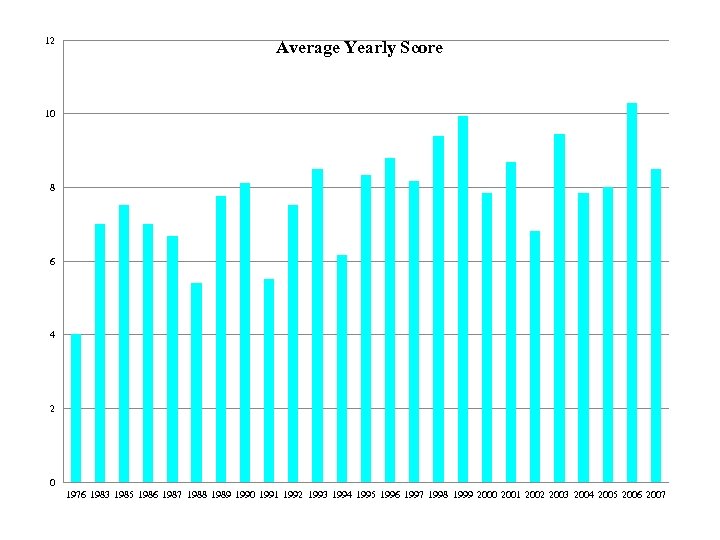 12 Average Yearly Score 10 8 6 4 2 0 1976 1983 1985 1986 1987 1988 1989 1990 1991 1992 1993 1994 1995 1996 1997 1998 1999 2000 2001 2002 2003 2004 2005 2006 2007
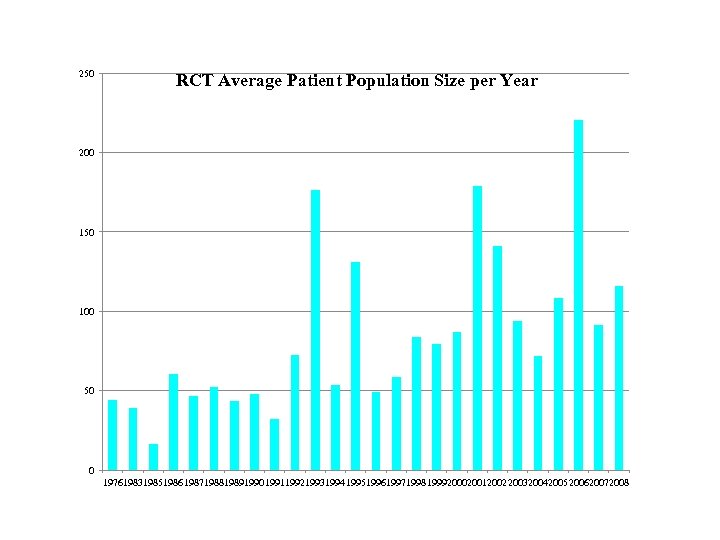 250 RCT Average Patient Population Size per Year 200 150 100 50 0 19761983198519861987198819891990199119921993199419951996199719981999200020012002200320042005200620072008
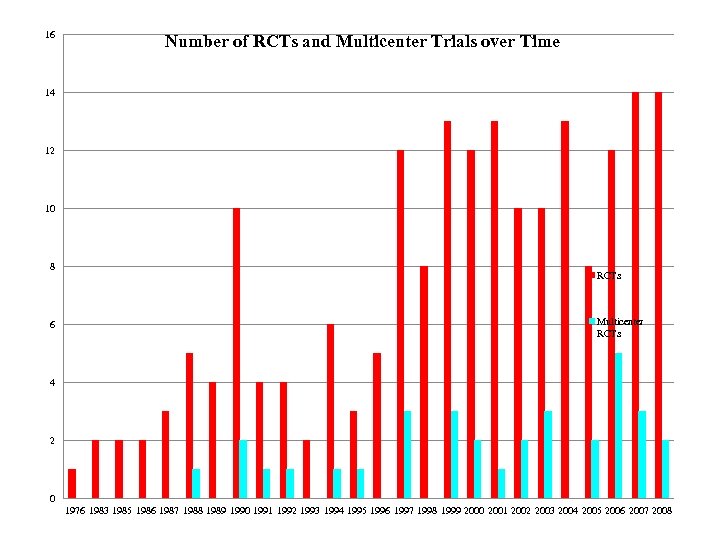 16 Number of RCTs and Multicenter Trials over Time 14 12 10 8 6 RCTs Multicenter RCTs 4 2 0 1976 1983 1985 1986 1987 1988 1989 1990 1991 1992 1993 1994 1995 1996 1997 1998 1999 2000 2001 2002 2003 2004 2005 2006 2007 2008
 REducing Deaths from OXidative Stress: The REDOXS study A multicenter randomized trial of glutamine and antioxidant supplementation in critical illness
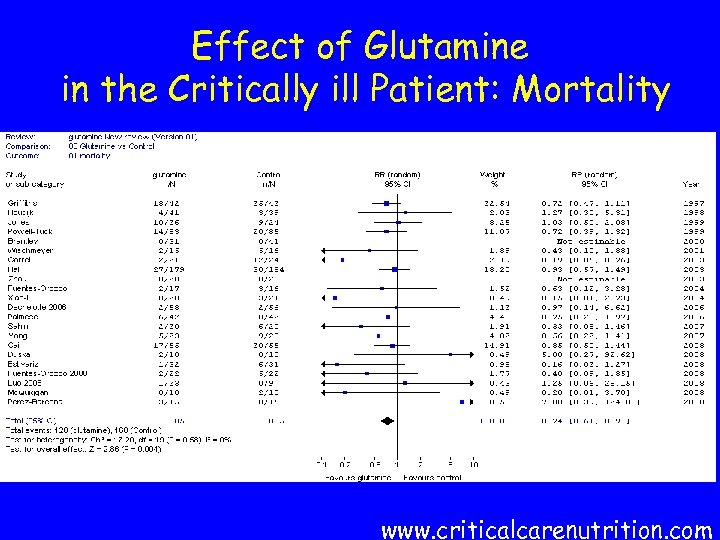 Effect of Glutamine in the Critically ill Patient: Mortality www. criticalcarenutrition. com
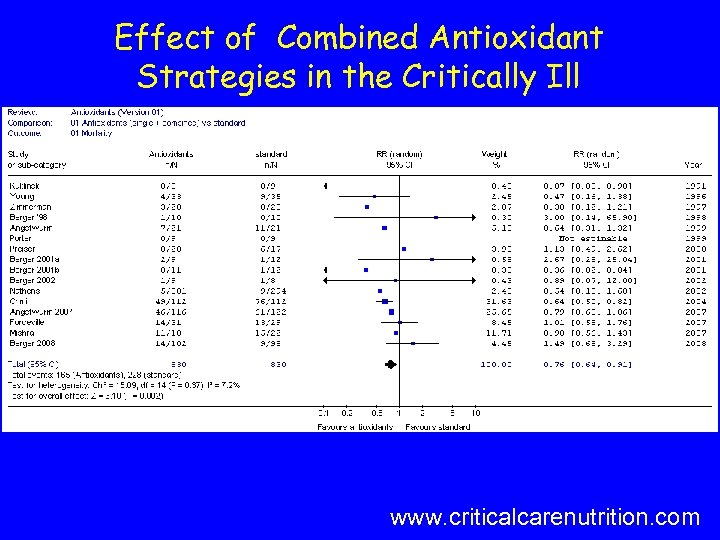 Effect of Combined Antioxidant Strategies in the Critically Ill Mortality www. criticalcarenutrition. com
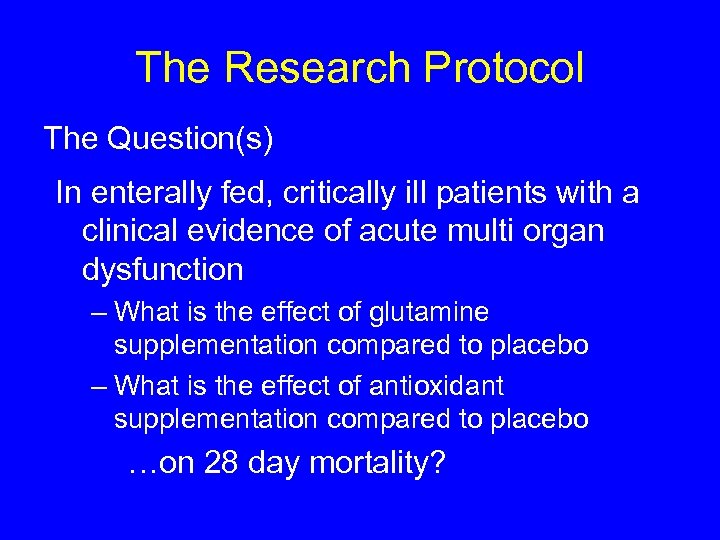 The Research Protocol The Question(s) In enterally fed, critically ill patients with a clinical evidence of acute multi organ dysfunction – What is the effect of glutamine supplementation compared to placebo – What is the effect of antioxidant supplementation compared to placebo …on 28 day mortality?
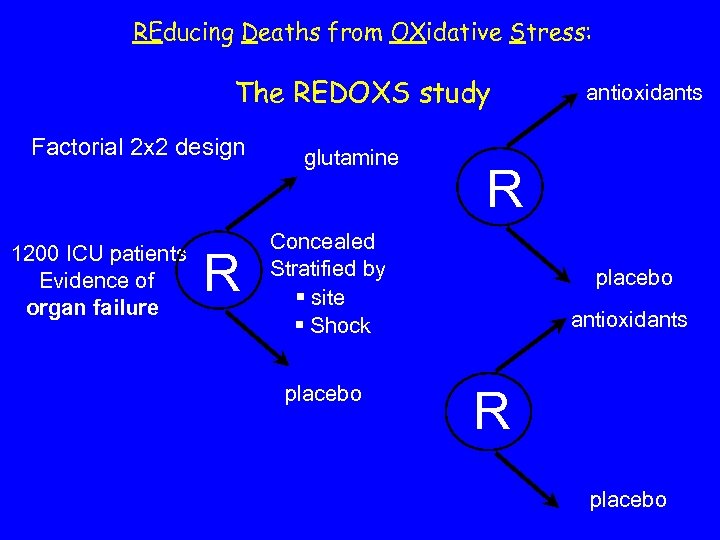 REducing Deaths from OXidative Stress: The REDOXS study Factorial 2 x 2 design 1200 ICU patients Evidence of organ failure R glutamine R Concealed Stratified by § site § Shock placebo antioxidants R placebo
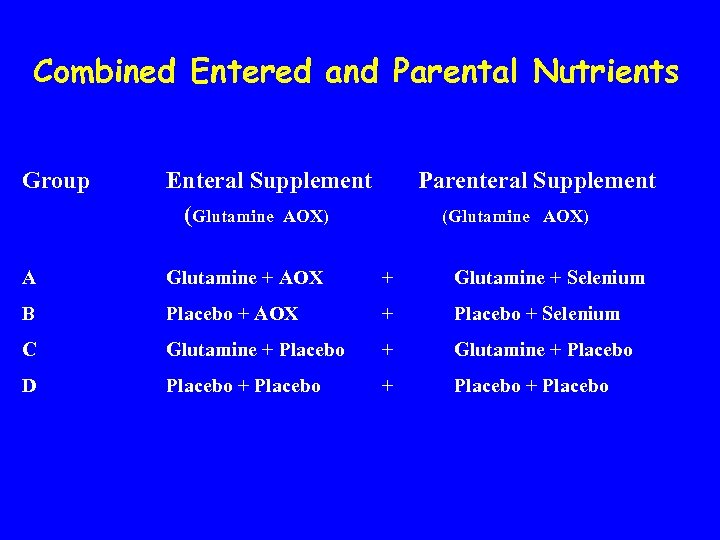 Combined Entered and Parental Nutrients Group Enteral Supplement (Glutamine AOX) Parenteral Supplement (Glutamine AOX) A Glutamine + AOX + Glutamine + Selenium B Placebo + AOX + Placebo + Selenium C Glutamine + Placebo + Glutamine + Placebo D Placebo + Placebo
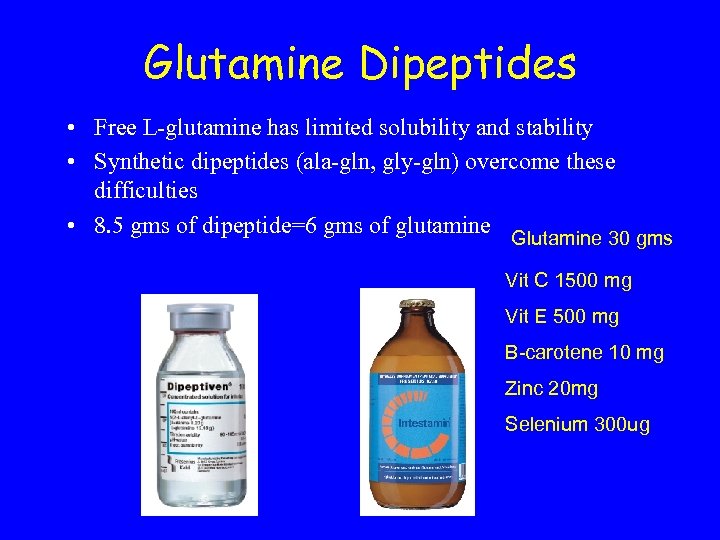 Glutamine Dipeptides • Free L-glutamine has limited solubility and stability • Synthetic dipeptides (ala-gln, gly-gln) overcome these difficulties • 8. 5 gms of dipeptide=6 gms of glutamine Glutamine 30 gms Vit C 1500 mg Vit E 500 mg B-carotene 10 mg Zinc 20 mg Selenium 300 ug
 Optimal Dose? • High vs Low dose: – observations of meta-analysis • Providing experimental nutrients in addition to standard enteral diets
 Optimizing the Dose of Glutamine Dipeptides and Antioxidants in Critically ill Patients: A phase 1 dose finding study of glutamine and antioxidant supplementation in critical illness Heyland JPEN 2007; 31: 109
 The Research Protocol The Question In critically ill patients with a clinical evidence of hypoperfusion. . . • What is the maximal tolerable dose (MTD) of glutamine dipeptides and antioxidants as judged by its effect on multiorgan dysfunction?
 The Research Protocol The Design • • Single Center Open-label Dose-ranging study Prospective controls Patients • Critically Ill patients in shock
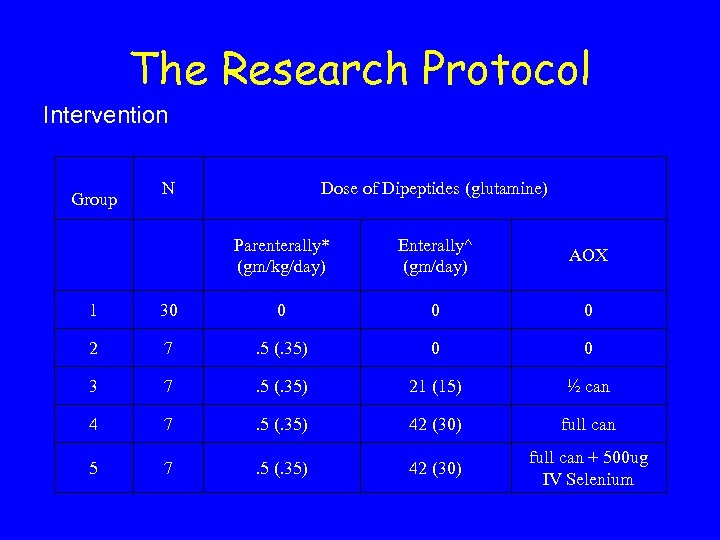 The Research Protocol Intervention Group N Dose of Dipeptides (glutamine) Parenterally* (gm/kg/day) Enterally^ (gm/day) AOX 1 30 0 2 7 . 5 (. 35) 0 0 3 7 . 5 (. 35) 21 (15) ½ can 4 7 . 5 (. 35) 42 (30) full can 5 7 . 5 (. 35) 42 (30) full can + 500 ug IV Selenium
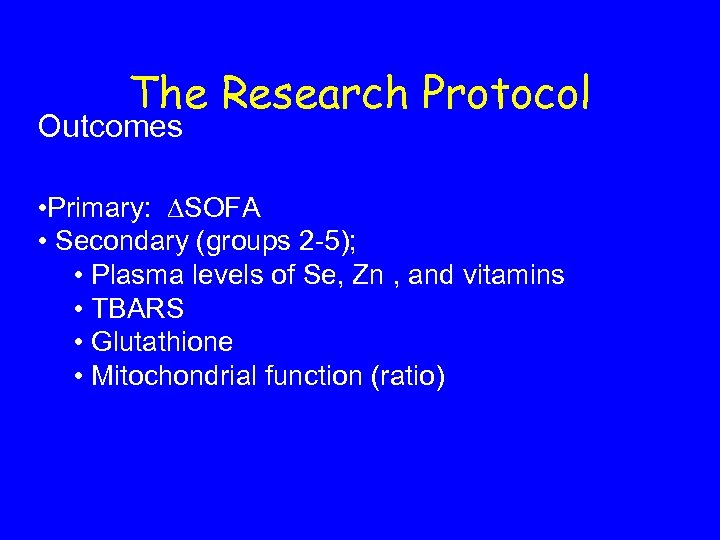 The Research Protocol Outcomes • Primary: ∆SOFA • Secondary (groups 2 -5); • Plasma levels of Se, Zn , and vitamins • TBARS • Glutathione • Mitochondrial function (ratio)
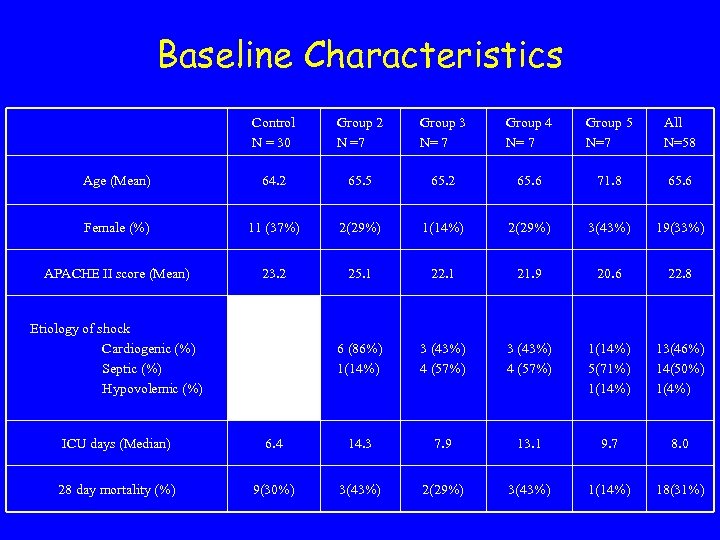 Baseline Characteristics Control N = 30 Group 2 N =7 Group 3 N= 7 Group 4 N= 7 Group 5 N=7 All N=58 Age (Mean) 64. 2 65. 5 65. 2 65. 6 71. 8 65. 6 Female (%) 11 (37%) 2(29%) 1(14%) 2(29%) 3(43%) 19(33%) APACHE II score (Mean) 23. 2 25. 1 22. 1 21. 9 20. 6 22. 8 6 (86%) 1(14%) 3 (43%) 4 (57%) 1(14%) 5(71%) 1(14%) 13(46%) 14(50%) 1(4%) Etiology of shock Cardiogenic (%) Septic (%) Hypovolemic (%) ICU days (Median) 6. 4 14. 3 7. 9 13. 1 9. 7 8. 0 28 day mortality (%) 9(30%) 3(43%) 2(29%) 3(43%) 1(14%) 18(31%)
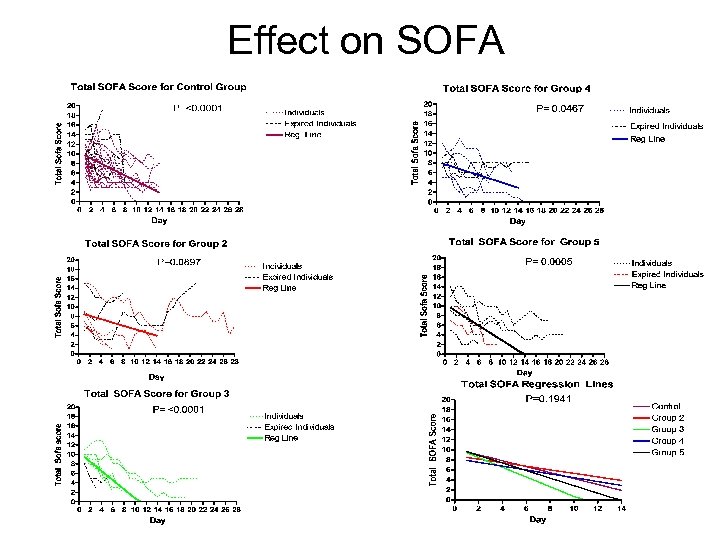 Effect on SOFA 4 vs 5: p=0. 17
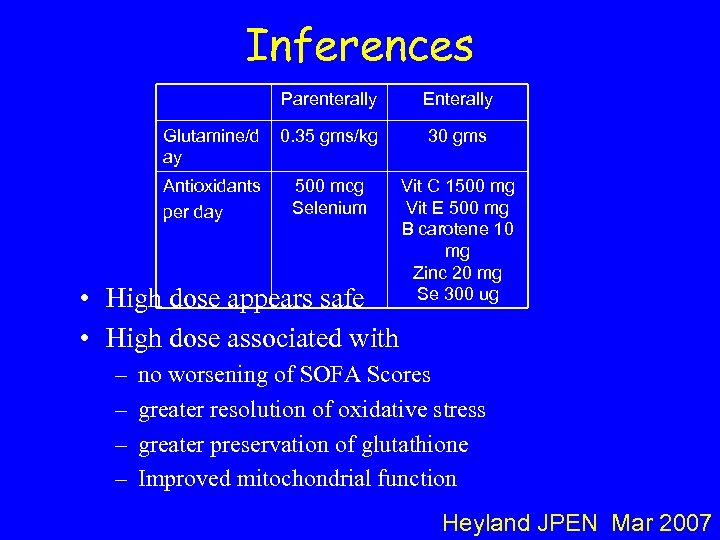 Inferences Parenterally Enterally Glutamine/d ay 0. 35 gms/kg 30 gms Antioxidants per day 500 mcg Selenium Vit C 1500 mg Vit E 500 mg B carotene 10 mg Zinc 20 mg Se 300 ug • High dose appears safe • High dose associated with – – no worsening of SOFA Scores greater resolution of oxidative stress greater preservation of glutathione Improved mitochondrial function Heyland JPEN Mar 2007
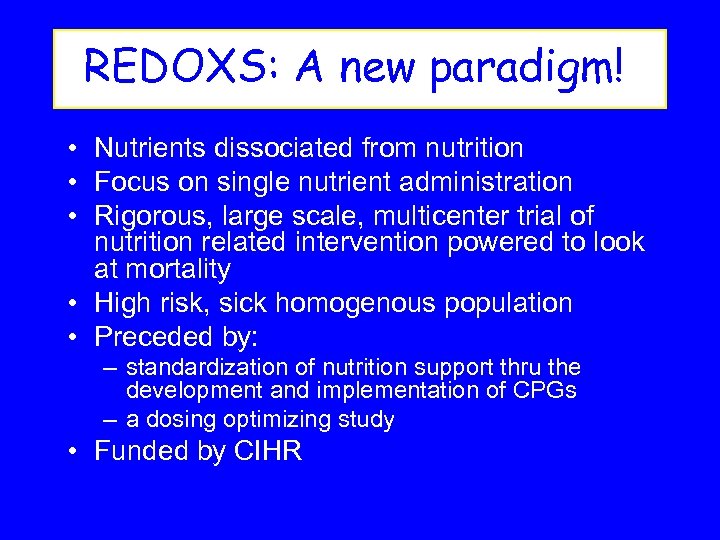 REDOXS: A new paradigm! • Nutrients dissociated from nutrition • Focus on single nutrient administration • Rigorous, large scale, multicenter trial of nutrition related intervention powered to look at mortality • High risk, sick homogenous population • Preceded by: – standardization of nutrition support thru the development and implementation of CPGs – a dosing optimizing study • Funded by CIHR
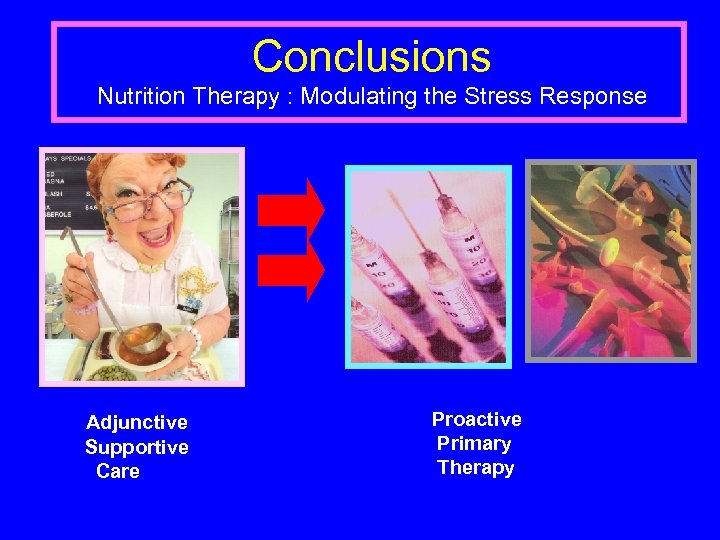 Conclusions Nutrition Therapy : Modulating the Stress Response Adjunctive Supportive Care Proactive Primary Therapy
 Implications of the New Paradigm? • Research – explosion of research opportunities – Methodological challenges • Education – included in critical care curriculum? • Models of Care Delivery – Expect Physicians to order pharmaconutrients just like they order antibiotics? who will they consult for difficult cases? Revitalized Nutrition Support Teams?
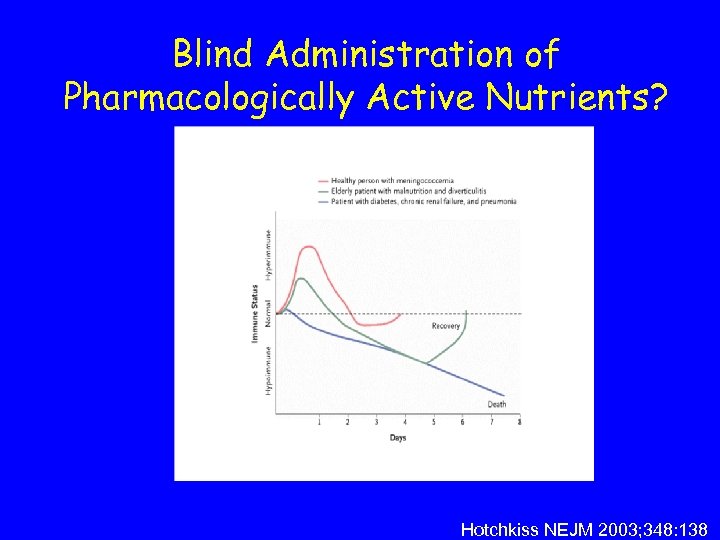 Blind Administration of Pharmacologically Active Nutrients? Hotchkiss NEJM 2003; 348: 138
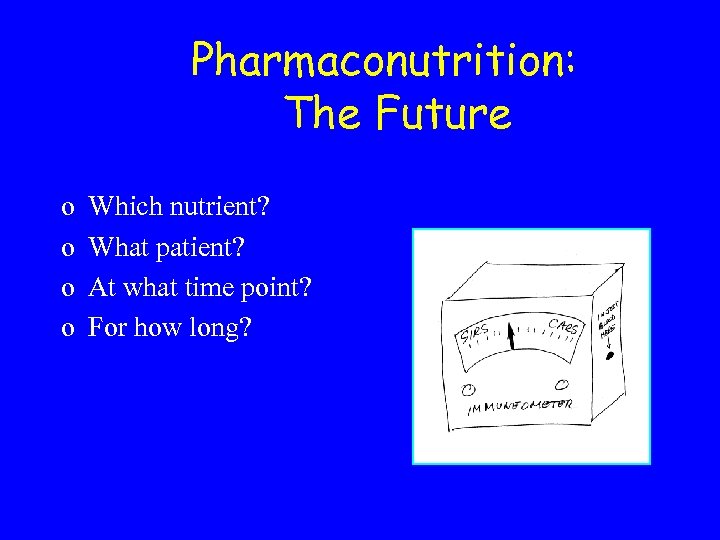 Pharmaconutrition: The Future o o Which nutrient? What patient? At what time point? For how long?