


 Скачать презентацию PERIODS 1 2 Ancient and Classical Periods
90d9dc7b4e6e3c57651c1039b940de92.ppt
- Количество слайдов: 54
 PERIODS 1 & 2 Ancient and Classical Periods 8000 BCE to 600 CE
 n n Punishments should know no degree or grade, but from ministers of state and generals down to great officers and ordinary folk, whoever does not obey the king’s commands, violates the laws of the state, or rebels against the statutes fixed by the ruler should be guilty of death and should not be pardoned. Merit acquired in the past should not cause a decrease in the punishment for demerit later, nor should good behavior in the past cause any ignoring of the law for wrong done later. If loyal ministers and sons do wrong, they should be judged according to the full measure of their guilt, and if among the officials who have to maintain the law and to uphold an office, there are those who do not carry out the king’s law, they are guilty of death and should not be pardoned, but their punishment should be extended to their family for three generations. Colleagues who, knowing their offense, inform their superiors will themselves escape punishment…. Therefore I say that if there are severe penalties that extend to the whole family, people will not dare to try [how far they can go], and as they dare not try, no punishments will be necessary. . . Shang Yang (390 BC – 338 BC)
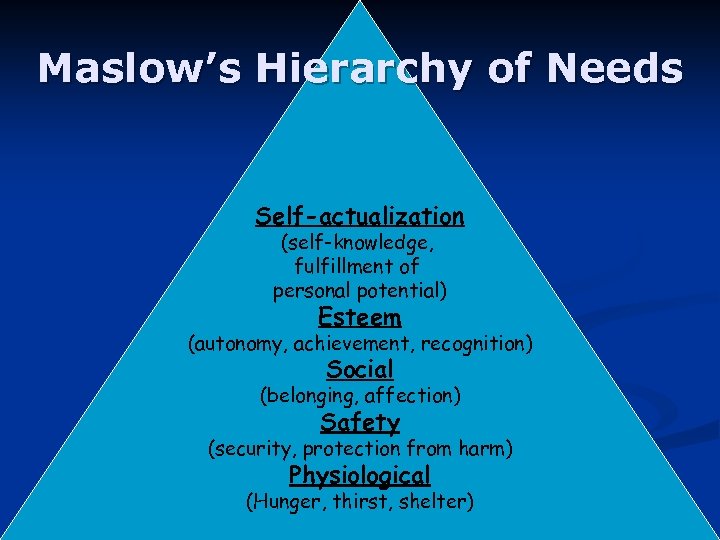 Maslow’s Hierarchy of Needs Self-actualization (self-knowledge, fulfillment of personal potential) Esteem (autonomy, achievement, recognition) Social (belonging, affection) Safety (security, protection from harm) Physiological (Hunger, thirst, shelter)
 We begin at about 8, 000 BC when village life began in the New Stone Age. . . Also known as the Neolithic Revolution. NEW STONE AGE
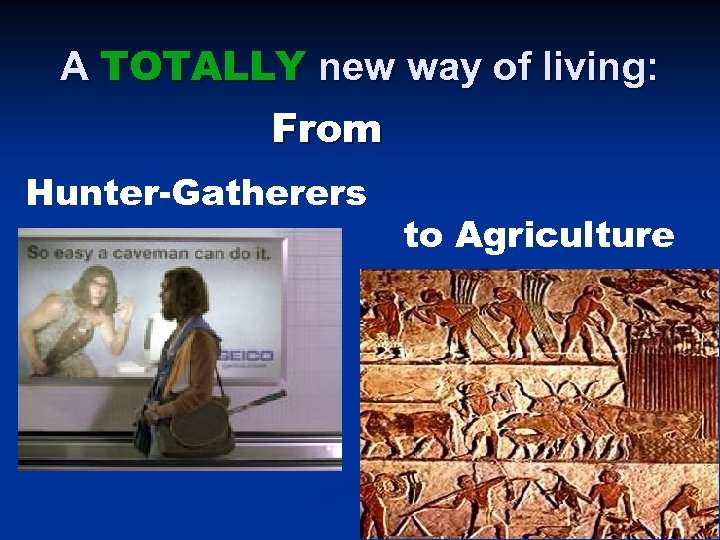 A TOTALLY new way of living: From Hunter-Gatherers to Agriculture
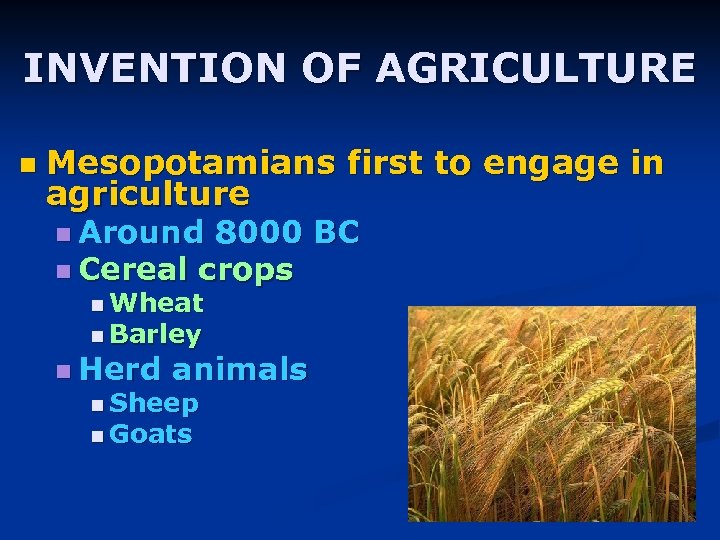 INVENTION OF AGRICULTURE n Mesopotamians first to engage in agriculture n Around 8000 BC n Cereal crops n Wheat n Barley n Herd animals n Sheep n Goats
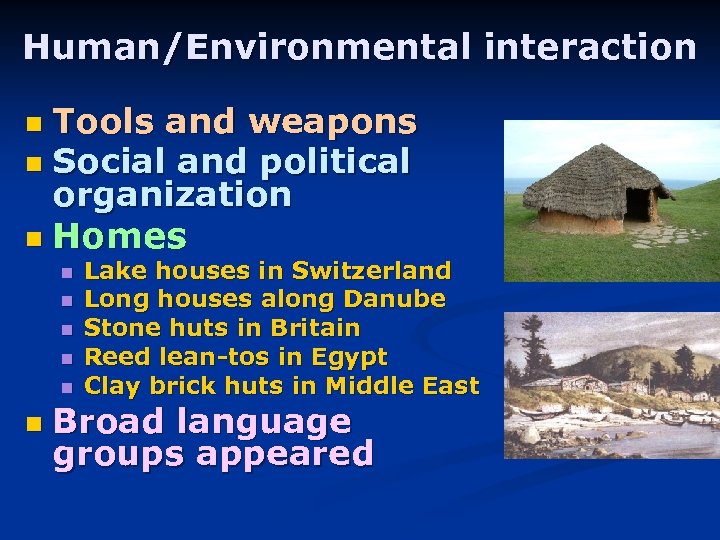 Human/Environmental interaction Tools and weapons n Social and political organization n Homes n n n n Lake houses in Switzerland Long houses along Danube Stone huts in Britain Reed lean-tos in Egypt Clay brick huts in Middle East Broad language groups appeared
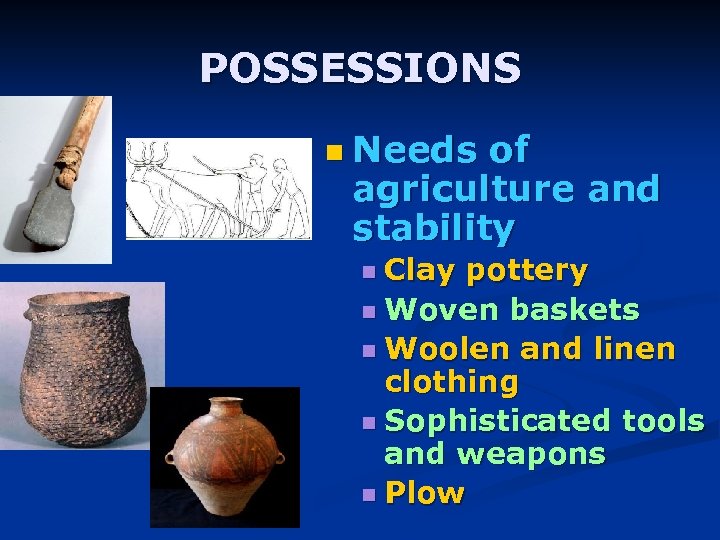 POSSESSIONS n Needs of agriculture and stability n Clay pottery n Woven baskets n Woolen and linen clothing n Sophisticated tools and weapons n Plow
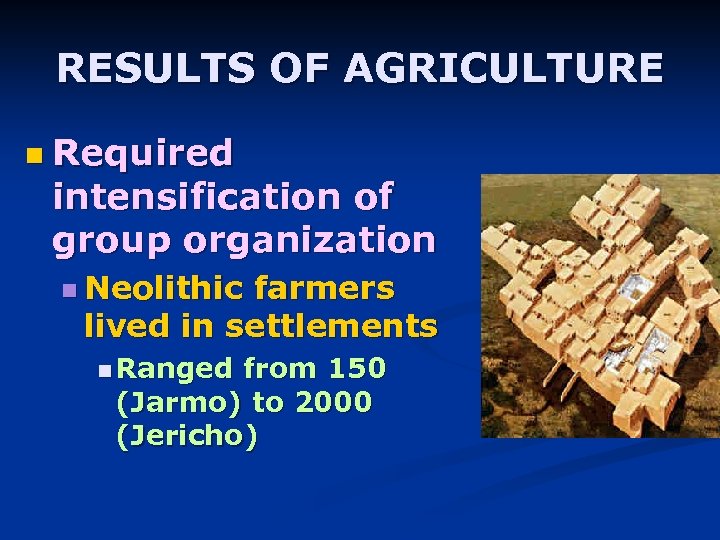 RESULTS OF AGRICULTURE n Required intensification of group organization n Neolithic farmers lived in settlements n Ranged from 150 (Jarmo) to 2000 (Jericho)
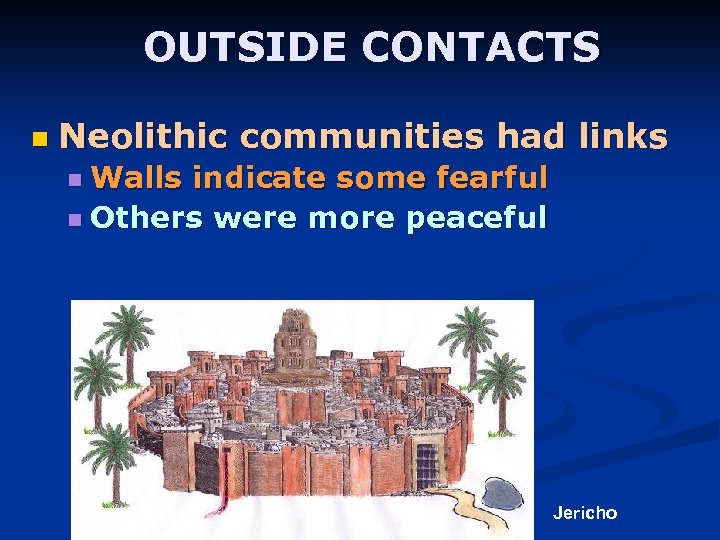 OUTSIDE CONTACTS n Neolithic communities had links n Walls indicate some fearful n Others were more peaceful Jericho
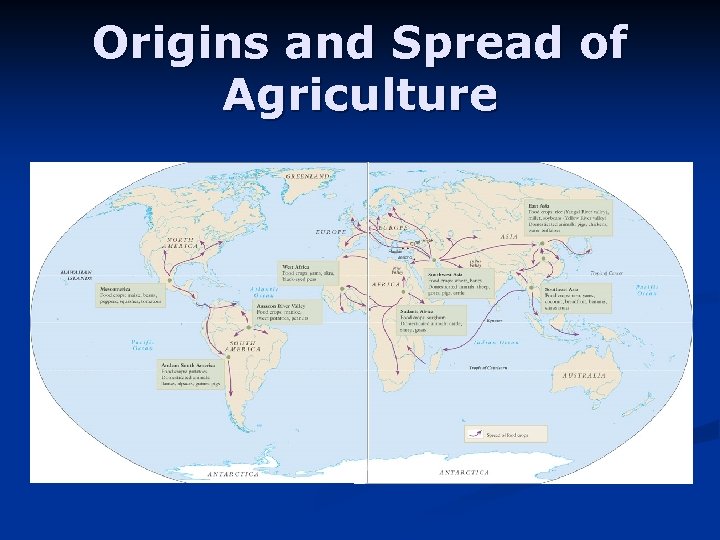 Origins and Spread of Agriculture
 What does it mean to be civilized? n 18 th Century European Civilized vs. primitive n White vs. everyone else n n Historians have determined 6 characteristics of civilization: n Cities n Organized central governments n Complex religions n Social classes n Job specialization and the arts n Writing
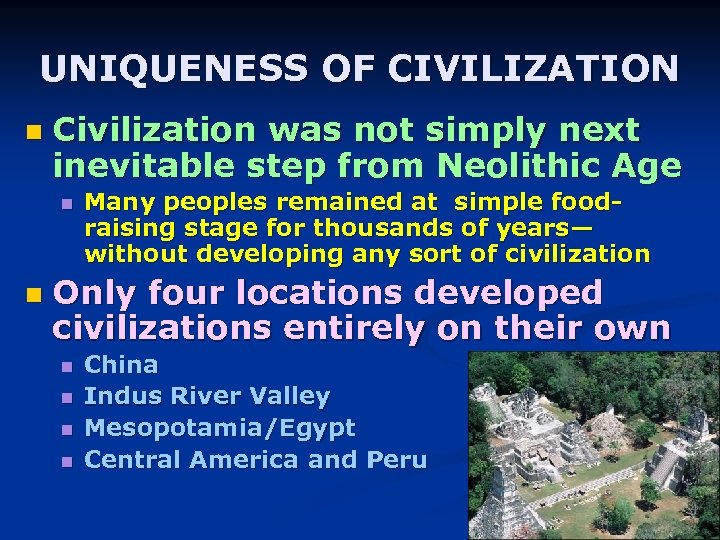 UNIQUENESS OF CIVILIZATION n Civilization was not simply next inevitable step from Neolithic Age n n Many peoples remained at simple foodraising stage for thousands of years— without developing any sort of civilization Only four locations developed civilizations entirely on their own n n China Indus River Valley Mesopotamia/Egypt Central America and Peru
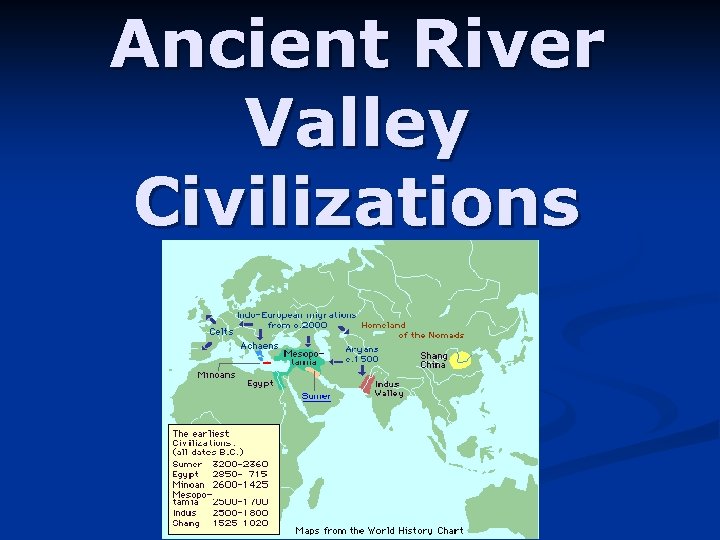 Ancient River Valley Civilizations
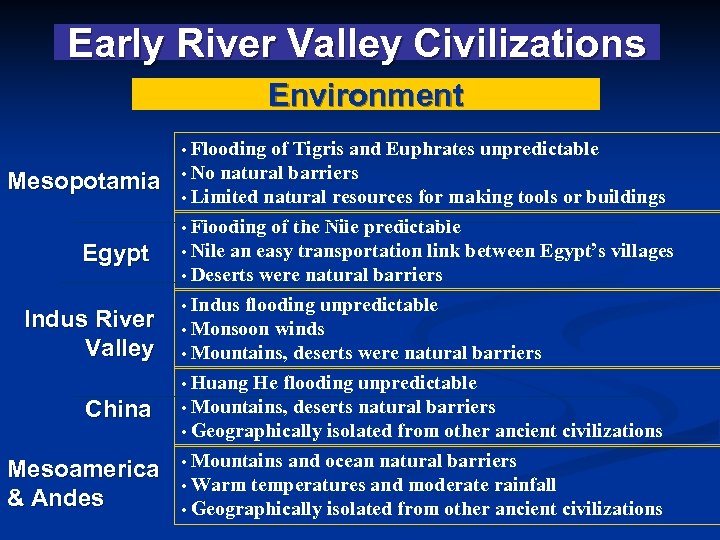 Early River Valley Civilizations Environment Flooding of Tigris and Euphrates unpredictable • No natural barriers • Limited natural resources for making tools or buildings • Mesopotamia Flooding of the Nile predictable • Nile an easy transportation link between Egypt’s villages • Deserts were natural barriers • Egypt Indus River Valley Indus flooding unpredictable • Monsoon winds • Mountains, deserts were natural barriers • Huang He flooding unpredictable • Mountains, deserts natural barriers • Geographically isolated from other ancient civilizations • China Mesoamerica & Andes Mountains and ocean natural barriers • Warm temperatures and moderate rainfall • Geographically isolated from other ancient civilizations •
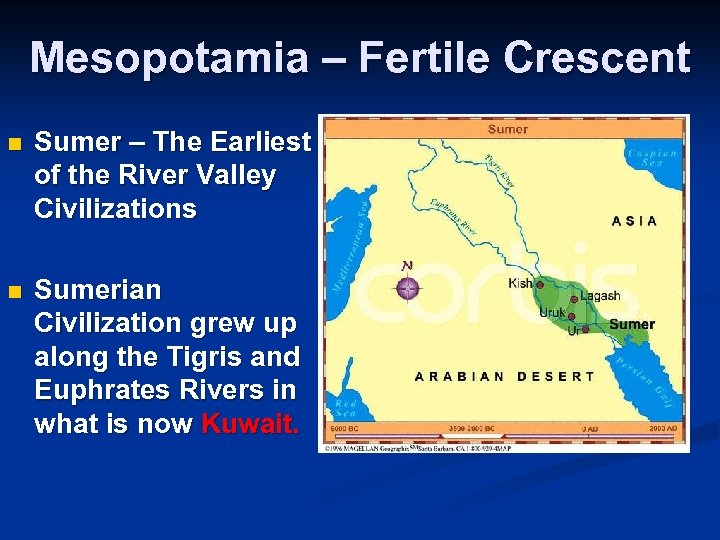 Mesopotamia – Fertile Crescent n Sumer – The Earliest of the River Valley Civilizations n Sumerian Civilization grew up along the Tigris and Euphrates Rivers in what is now Kuwait.
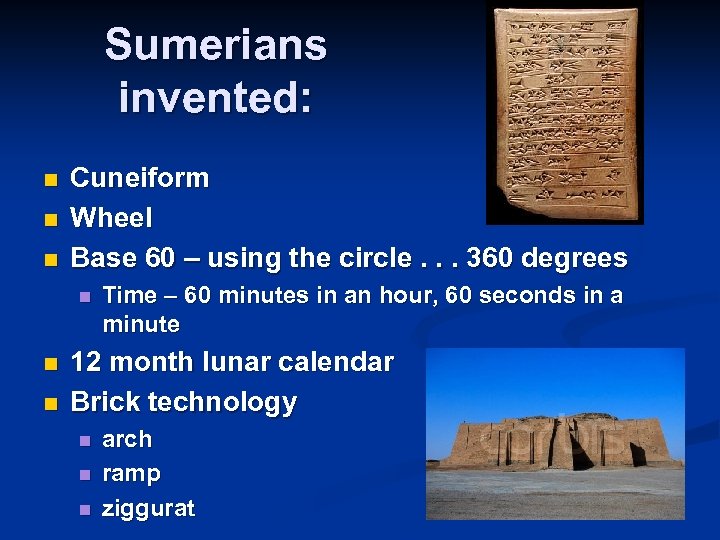 Sumerians invented: n n n Cuneiform Wheel Base 60 – using the circle. . . 360 degrees n n n Time – 60 minutes in an hour, 60 seconds in a minute 12 month lunar calendar Brick technology n n n arch ramp ziggurat
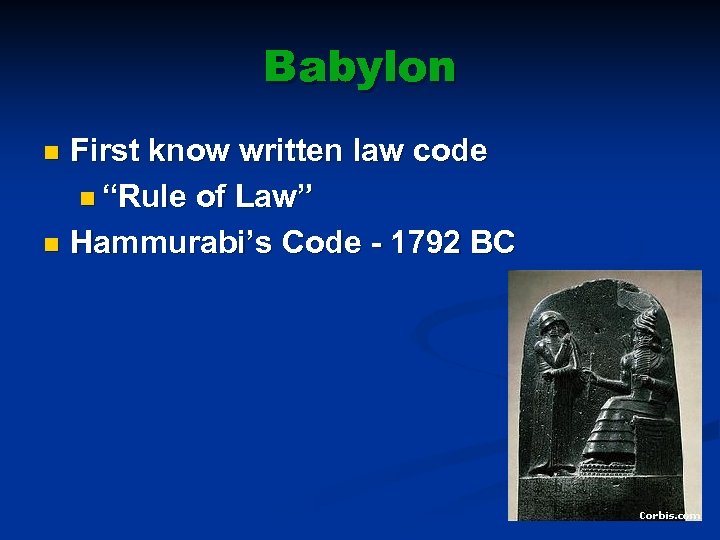 Babylon First know written law code n “Rule of Law” n Hammurabi’s Code - 1792 BC n
 Code of Hammurabi n 8. If any one steal cattle or sheep, or an ass, or a pig or a goat, if it belong to a god or to the court, the thief shall pay thirtyfold for them; if they belonged to a freed man of the king he shall pay tenfold; if the thief has nothing with which to pay he shall be put to death. n 22. If any one is committing a robbery and is caught, then he shall be put to death. n 25. If fire break out in a house, and some one who comes to put it out cast his eye upon the property of the owner of the house, and take the property of the master of the house, he shall be thrown into that self-same fire. n 129. If a man's wife be surprised with another man, both shall be tied and thrown into the water, but the husband may pardon his wife and the king his slaves. n 137. If a man wish to separate from his wife who has borne him children: then he shall give that wife her dowry, and a part of the fruit of the field, garden, and property, so that she can rear her children. When she has brought up her children, a portion of all that is given to the children, equal as that of one son, shall be given to her. She may then marry the man of her heart.
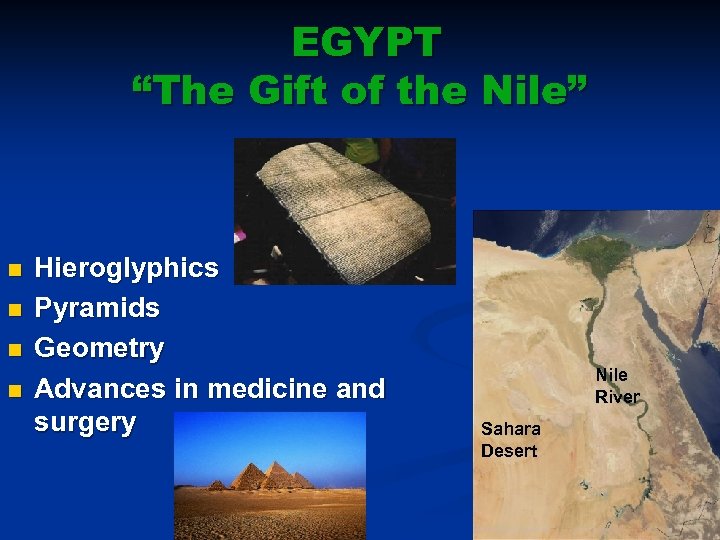 EGYPT “The Gift of the Nile” n n Hieroglyphics Pyramids Geometry Advances in medicine and surgery Nile River Sahara Desert
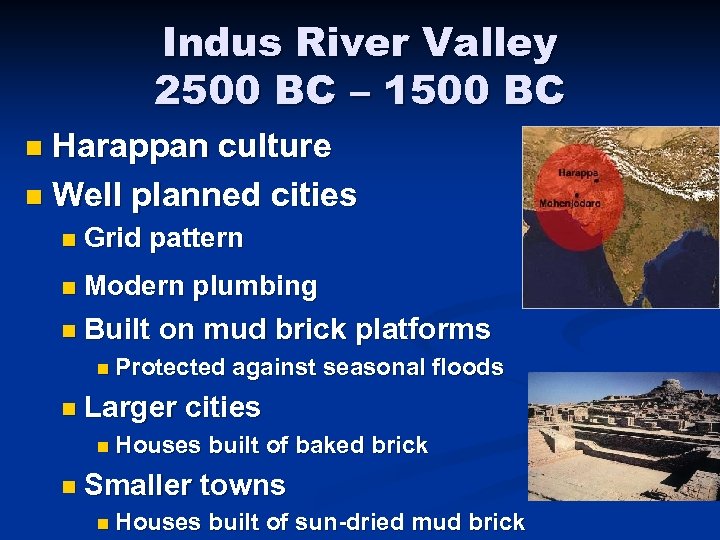 Indus River Valley 2500 BC – 1500 BC Harappan culture n Well planned cities n n Grid pattern n Modern plumbing n Built on mud brick platforms n Protected n Larger against seasonal floods cities n Houses n Smaller built of baked brick towns n Houses built of sun-dried mud brick
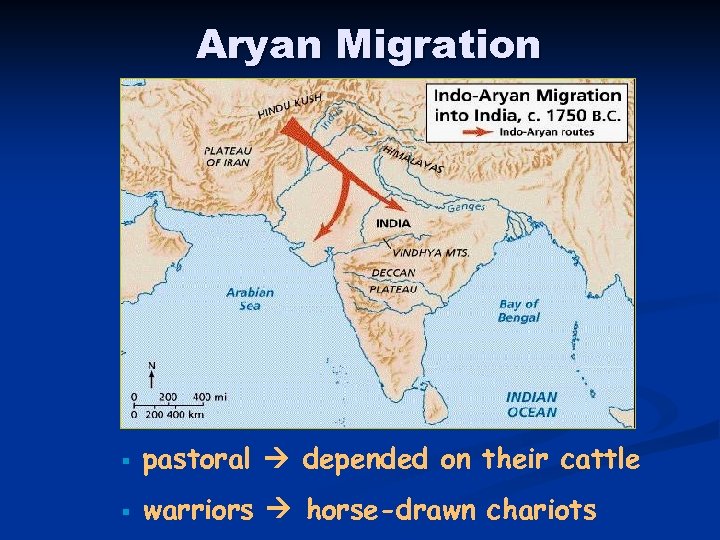 Aryan Migration § pastoral depended on their cattle § warriors horse-drawn chariots
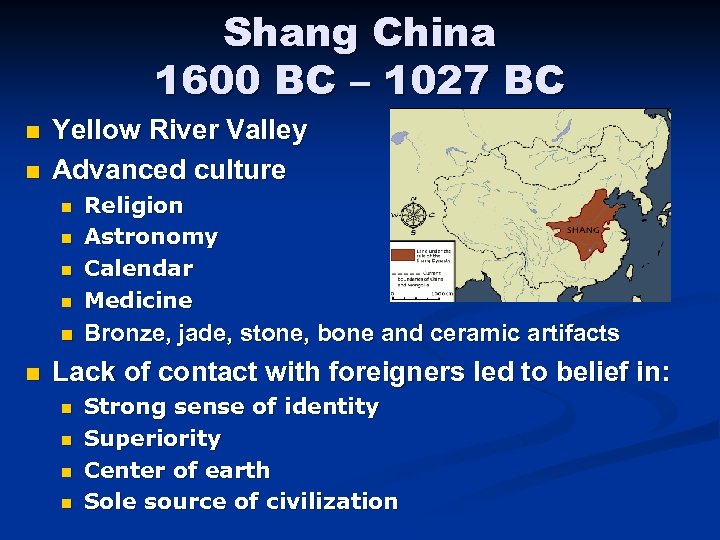 Shang China 1600 BC – 1027 BC n n Yellow River Valley Advanced culture n Religion Astronomy Calendar Medicine n Bronze, jade, stone, bone and ceramic artifacts n n Lack of contact with foreigners led to belief in: n n Strong sense of identity Superiority Center of earth Sole source of civilization
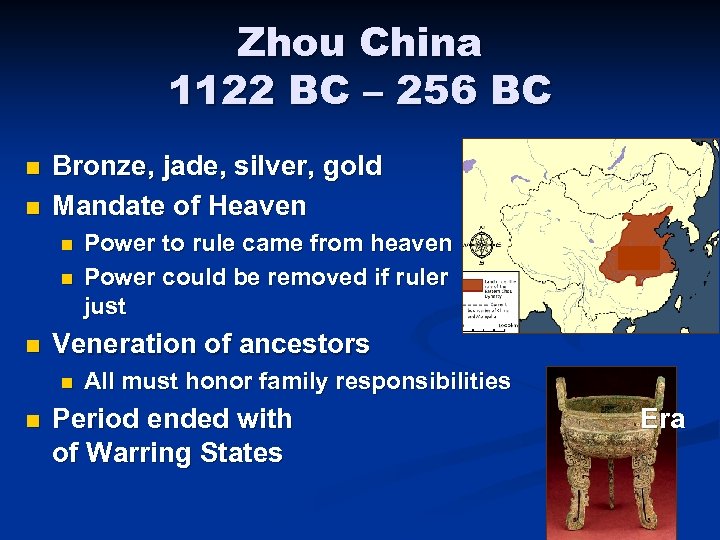 Zhou China 1122 BC – 256 BC n n Bronze, jade, silver, gold Mandate of Heaven n not Veneration of ancestors n n Power to rule came from heaven Power could be removed if ruler just All must honor family responsibilities Period ended with of Warring States Era
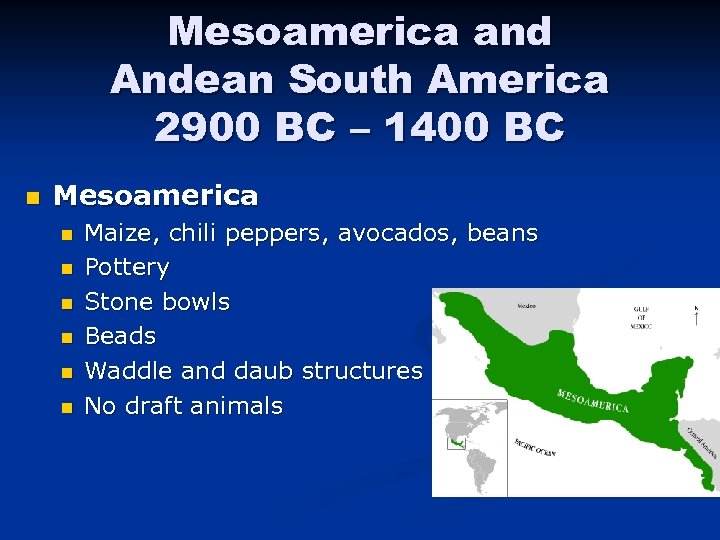 Mesoamerica and Andean South America 2900 BC – 1400 BC n Mesoamerica n n n Maize, chili peppers, avocados, beans Pottery Stone bowls Beads Waddle and daub structures No draft animals
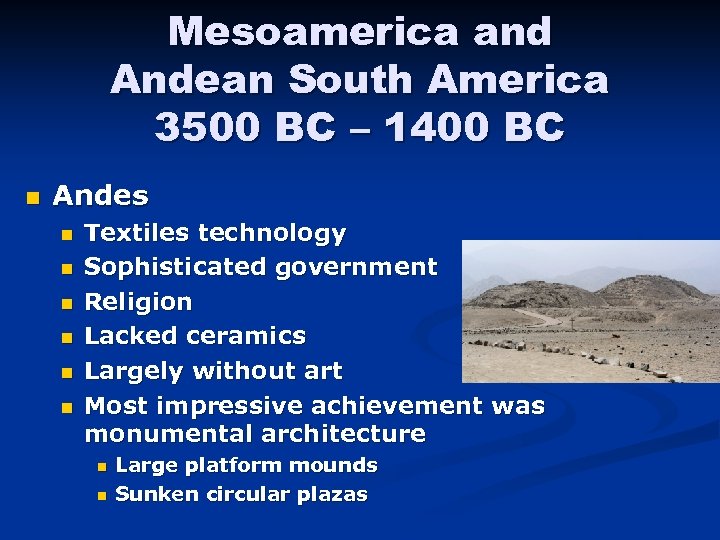 Mesoamerica and Andean South America 3500 BC – 1400 BC n Andes n n n Textiles technology Sophisticated government Religion Lacked ceramics Largely without art Most impressive achievement was monumental architecture n n Large platform mounds Sunken circular plazas
 Classical Civilizations
 Classical China
![Qin [Ch’in] Dynasty (221 -206 BCE) z Shi Huangdi z Legalist rule n Bureaucratic,](https://present5.com/presentation/90d9dc7b4e6e3c57651c1039b940de92/image-29.jpg "Qin [Ch’in] Dynasty (221 -206 BCE) z Shi Huangdi z Legalist rule n Bureaucratic,") Qin [Ch’in] Dynasty (221 -206 BCE) z Shi Huangdi z Legalist rule n Bureaucratic, centralized control n Military expansion n Book burnings --> targeted Confucianists n Buried protestors alive!
Qin [Ch’in] Dynasty (221 -206 BCE) z Shi Huangdi z Legalist rule n Bureaucratic, centralized control n Military expansion n Book burnings --> targeted Confucianists n Buried protestors alive!
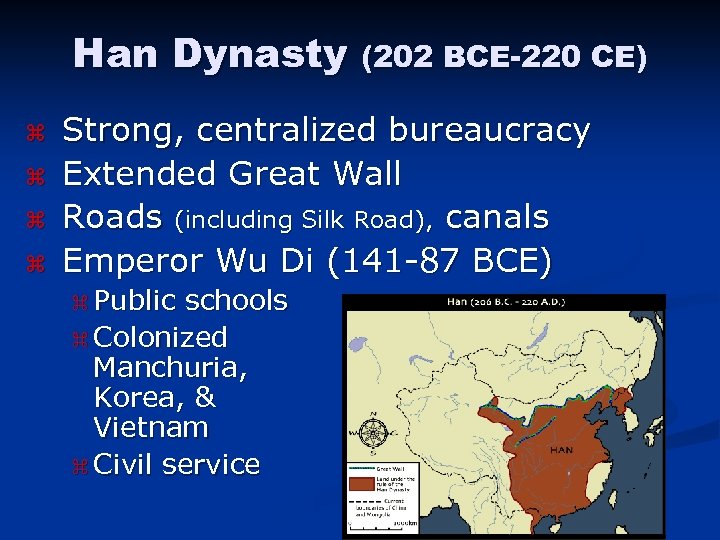 Han Dynasty (202 BCE-220 CE) z z Strong, centralized bureaucracy Extended Great Wall Roads (including Silk Road), canals Emperor Wu Di (141 -87 BCE) z Public schools z Colonized Manchuria, Korea, & Vietnam z Civil service system
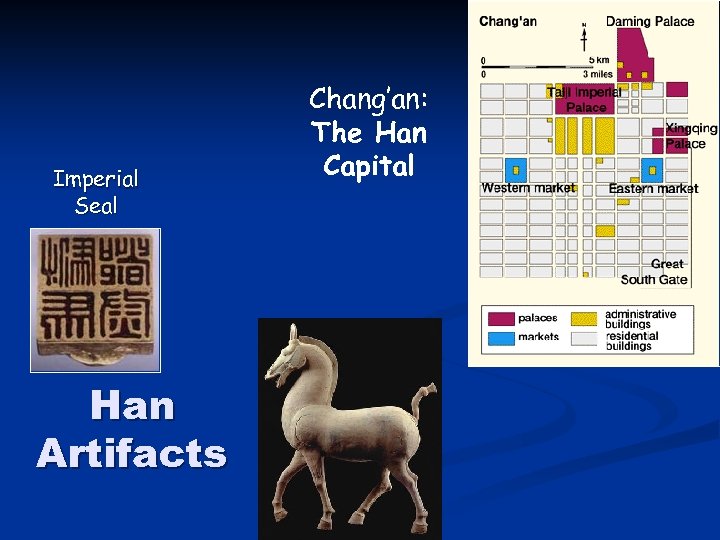 Imperial Seal Han Artifacts Chang’an: The Han Capital
 Classical India
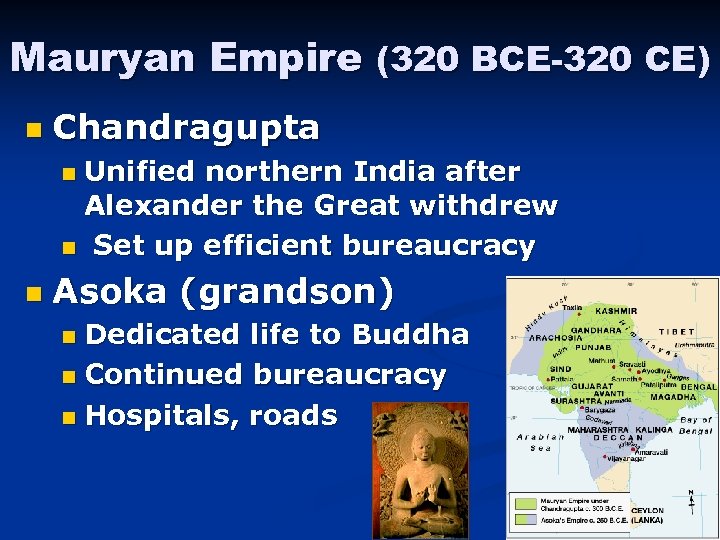 Mauryan Empire (320 BCE-320 CE) n Chandragupta Unified northern India after Alexander the Great withdrew n Set up efficient bureaucracy n n Asoka (grandson) Dedicated life to Buddha n Continued bureaucracy n Hospitals, roads n
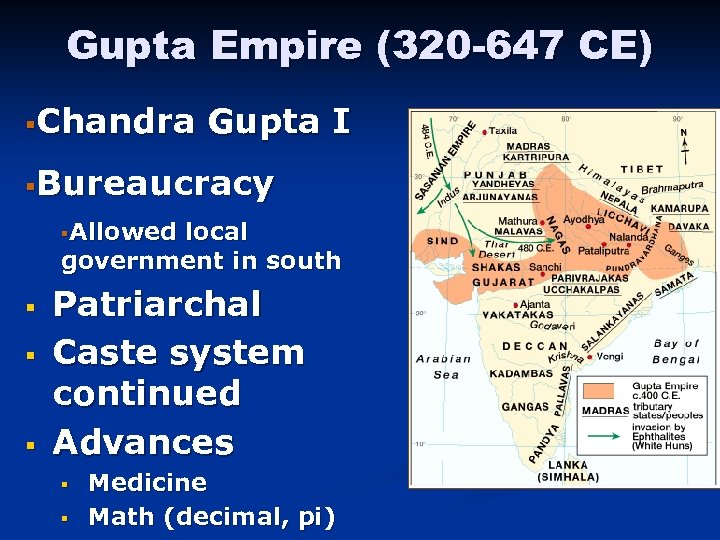 Gupta Empire (320 -647 CE) §Chandra Gupta I §Bureaucracy §Allowed local government in south § § § Patriarchal Caste system continued Advances § § Medicine Math (decimal, pi)
 Classical Greece
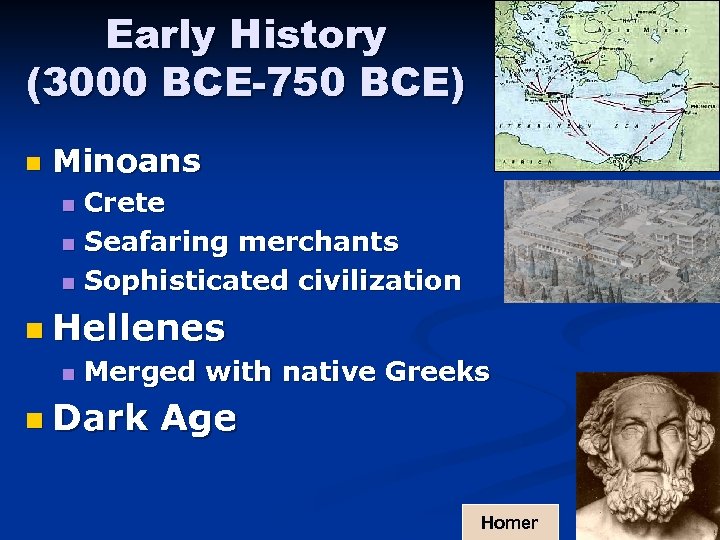 Early History (3000 BCE-750 BCE) n Minoans Crete n Seafaring merchants n Sophisticated civilization n n Hellenes n Merged with native Greeks n Dark Age Homer
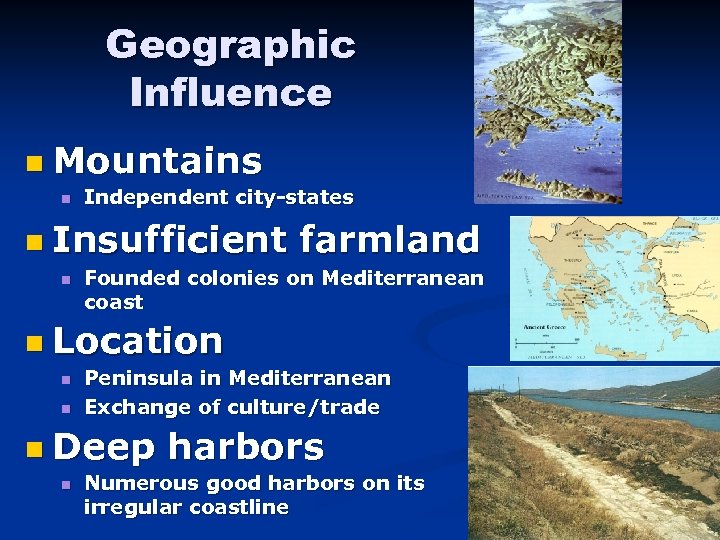 Geographic Influence n Mountains n Independent city-states n Insufficient n farmland Founded colonies on Mediterranean coast n Location n n Peninsula in Mediterranean Exchange of culture/trade n Deep n harbors Numerous good harbors on its irregular coastline
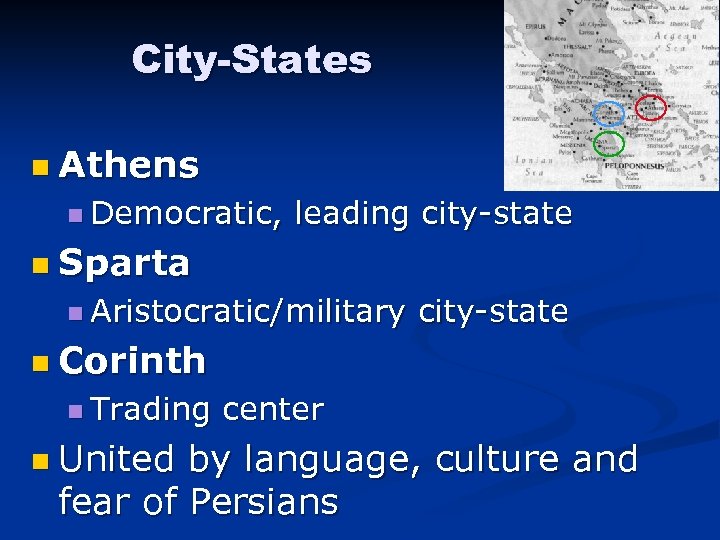 City-States n Athens n Democratic, leading city-state n Sparta n Aristocratic/military city-state n Corinth n Trading center n United by language, culture and fear of Persians
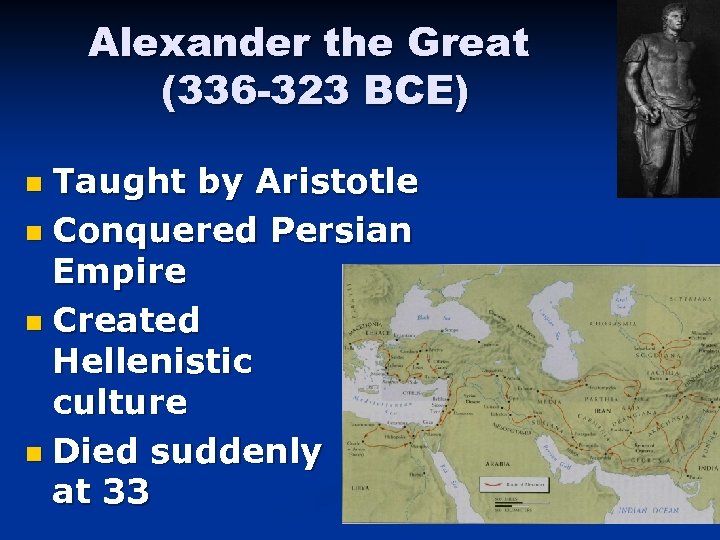 Alexander the Great (336 -323 BCE) Taught by Aristotle n Conquered Persian Empire n Created Hellenistic culture n Died suddenly at 33 n
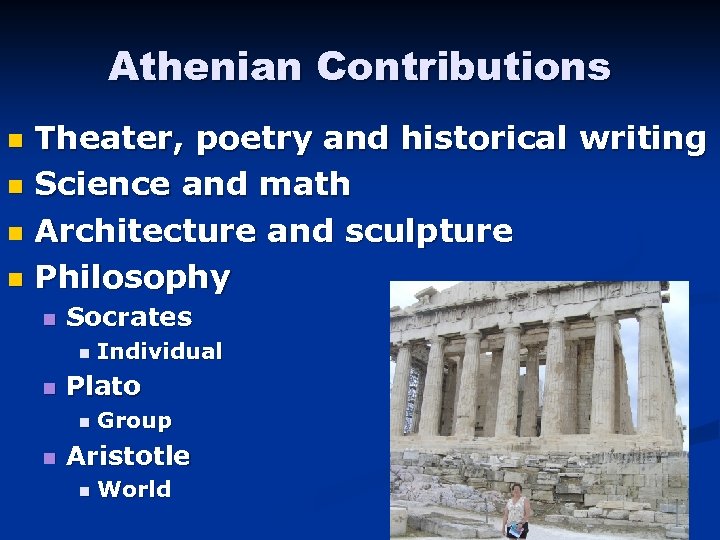 Athenian Contributions Theater, poetry and historical writing n Science and math n Architecture and sculpture n Philosophy n n Socrates n n Plato n n Individual Group Aristotle n World
 Classical Rome
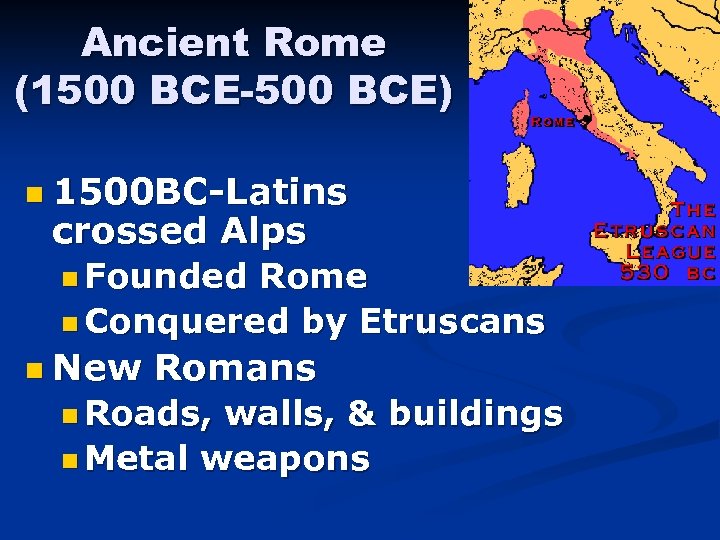 Ancient Rome (1500 BCE-500 BCE) n 1500 BC-Latins crossed Alps n Founded Rome n Conquered by Etruscans n New Romans n Roads, walls, & buildings n Metal weapons
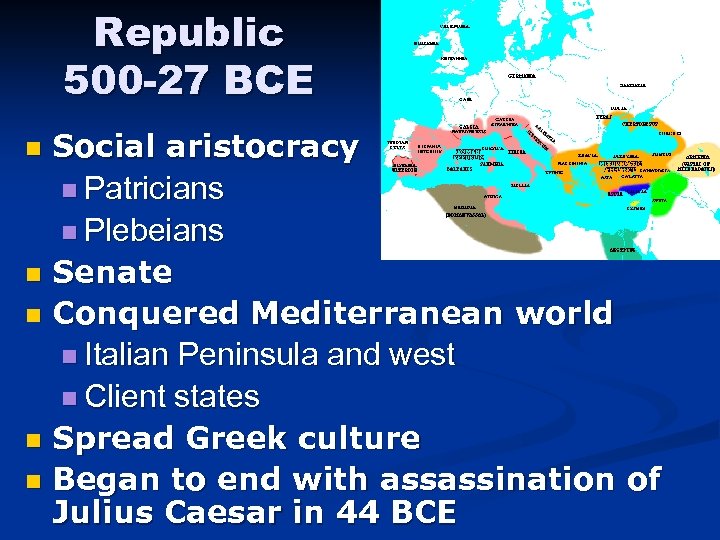 Republic 500 -27 BCE n n n Social aristocracy n Patricians n Plebeians Senate Conquered Mediterranean world n Italian Peninsula and west n Client states Spread Greek culture Began to end with assassination of Julius Caesar in 44 BCE
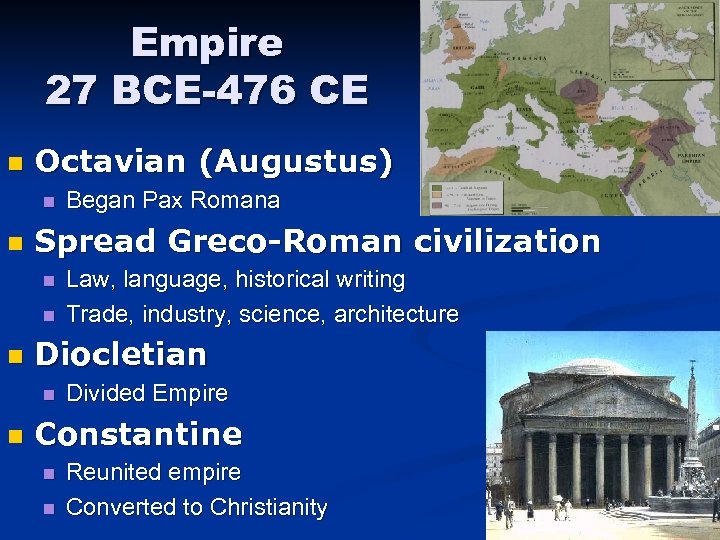 Empire 27 BCE-476 CE n Octavian (Augustus) n n Spread Greco-Roman civilization n Law, language, historical writing Trade, industry, science, architecture Diocletian n n Began Pax Romana Divided Empire Constantine n n Reunited empire Converted to Christianity
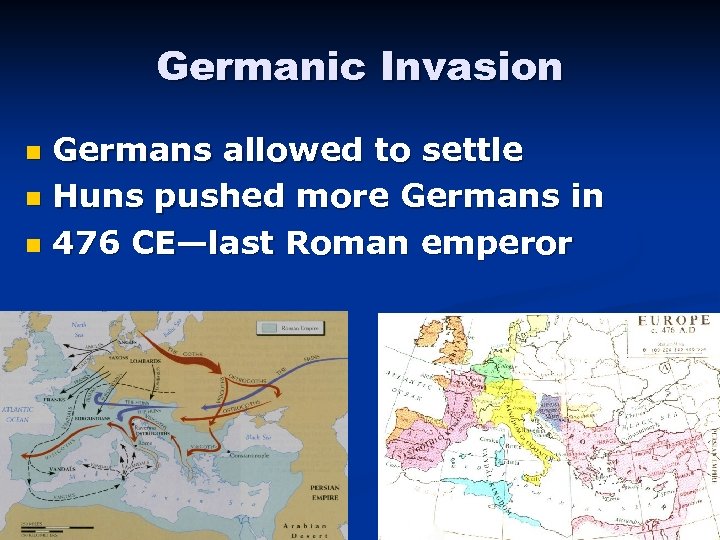 Germanic Invasion Germans allowed to settle n Huns pushed more Germans in n 476 CE—last Roman emperor n
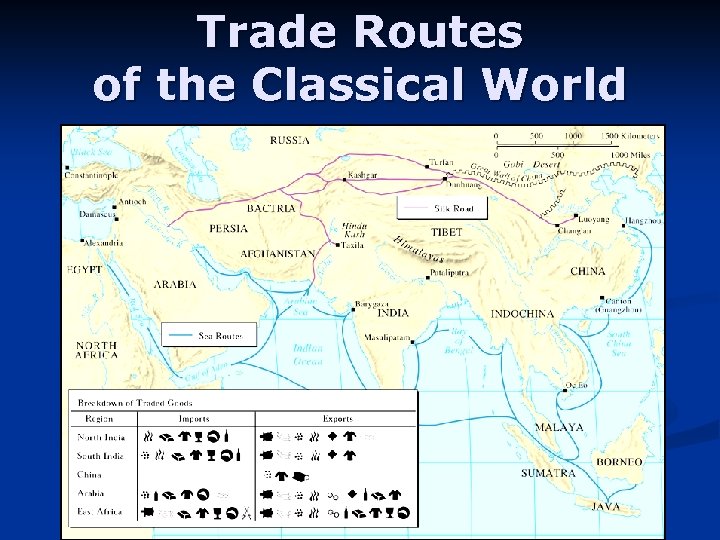 Trade Routes of the Classical World
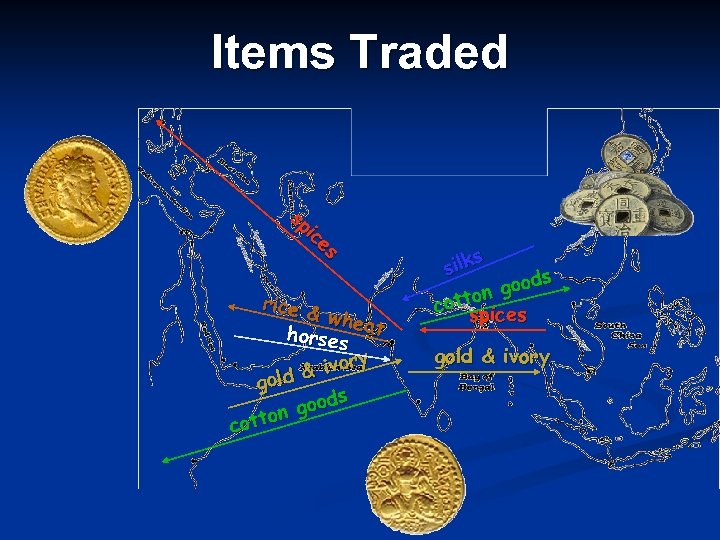 Items Traded sp ic es rice & whea horses t ry & ivo gold s good on cott s silk s good n otto c spices gold & ivory
 Classical Mesoamerica
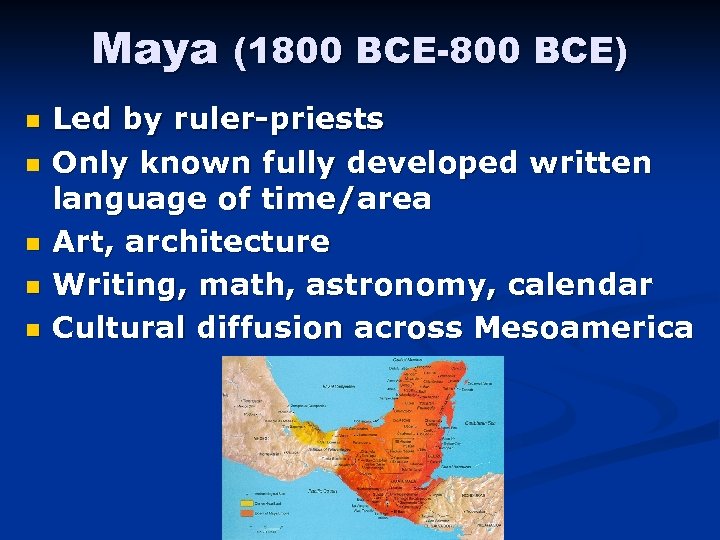 Maya (1800 BCE-800 BCE) n n n Led by ruler-priests Only known fully developed written language of time/area Art, architecture Writing, math, astronomy, calendar Cultural diffusion across Mesoamerica
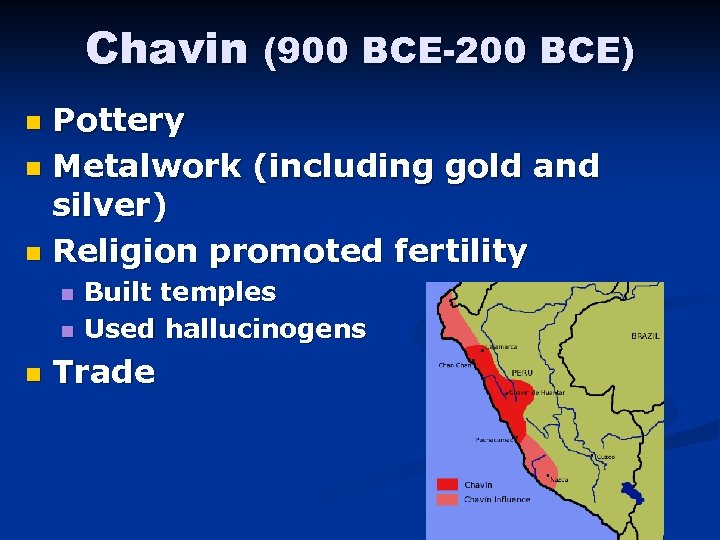 Chavin (900 BCE-200 BCE) Pottery n Metalwork (including gold and silver) n Religion promoted fertility n n Built temples Used hallucinogens Trade
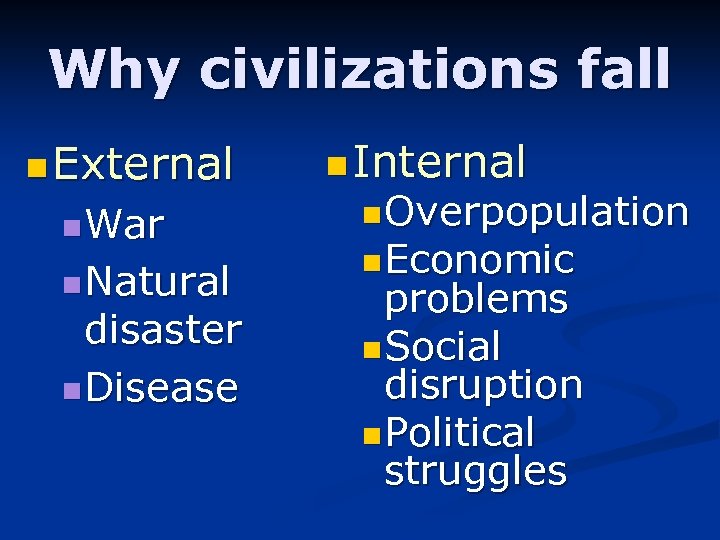 Why civilizations fall n External n War n Natural disaster n Disease n Internal n Overpopulation n Economic problems n Social disruption n Political struggles
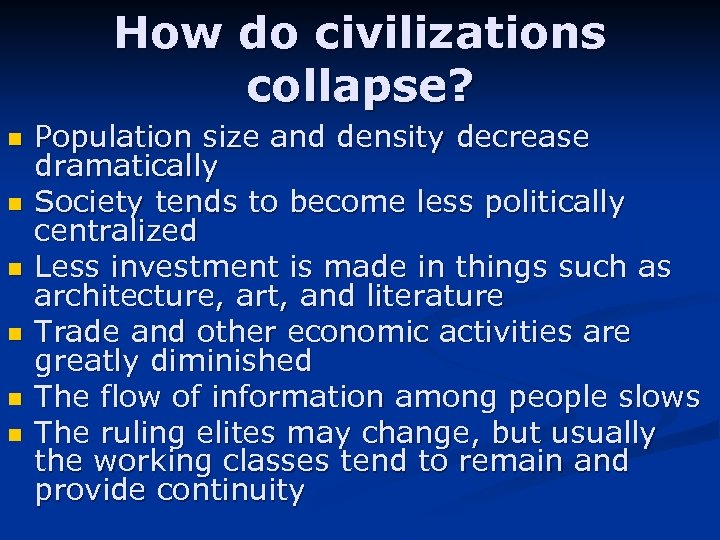 How do civilizations collapse? n n n Population size and density decrease dramatically Society tends to become less politically centralized Less investment is made in things such as architecture, art, and literature Trade and other economic activities are greatly diminished The flow of information among people slows The ruling elites may change, but usually the working classes tend to remain and provide continuity
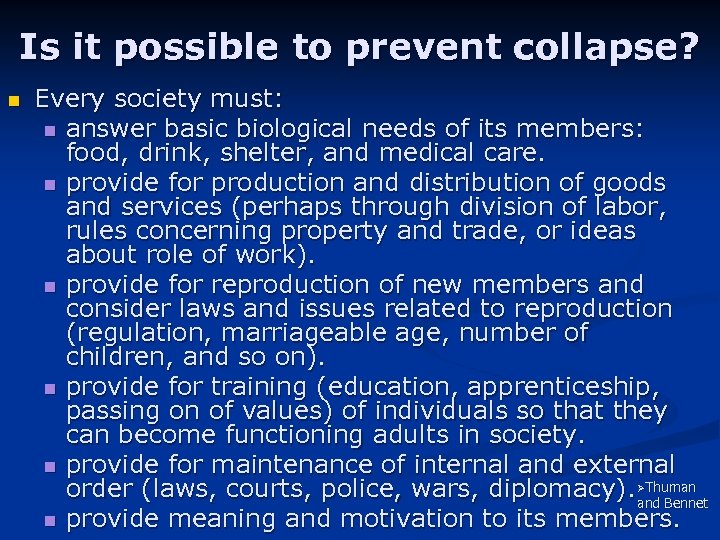 Is it possible to prevent collapse? n Every society must: n answer basic biological needs of its members: food, drink, shelter, and medical care. n provide for production and distribution of goods and services (perhaps through division of labor, rules concerning property and trade, or ideas about role of work). n provide for reproduction of new members and consider laws and issues related to reproduction (regulation, marriageable age, number of children, and so on). n provide for training (education, apprenticeship, passing on of values) of individuals so that they can become functioning adults in society. n provide for maintenance of internal and external Ø order (laws, courts, police, wars, diplomacy). Thuman and Bennet n provide meaning and motivation to its members.
 PERIODS 1 & 2 Ancient and Classical Periods 8000 BCE to 600 CE