


 Скачать презентацию Pediatric Poisonings Mark Sutter MD Overview Epidemiology
5277c78d621c14f16c5623c7a353edee.ppt
- Количество слайдов: 70
 Pediatric Poisonings Mark Sutter, MD
 Overview Epidemiology Important Legislation Packaging and Marketing Problems Physiologic Differences Iron Pesticides Deadly Pediatric Poisons
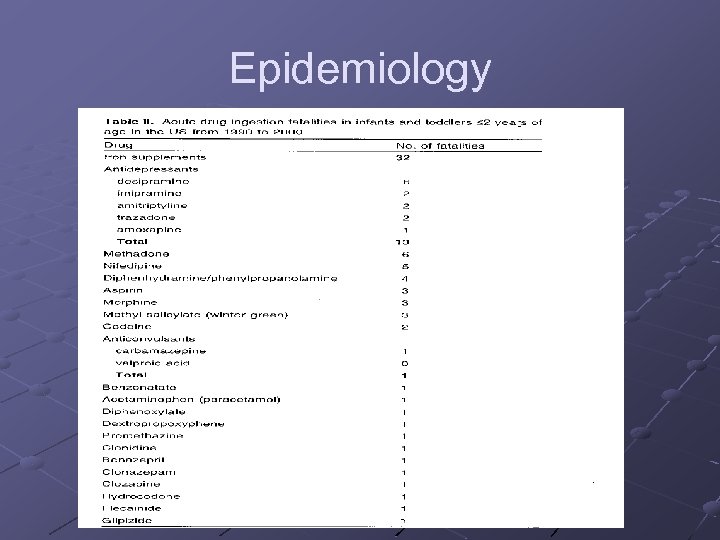
 Epidemiology US Poison Centers receive 1. 5 million calls a year regarding pediatric ingestions. 79% of these calls involve children younger than age six. 56% of pediatric exposures are from products around the house including medicines, cleaning agents, pesticides, plants and cosmetics.
 Epidemiology 99% of ingestions by children under 6 are unintentional. Approximately 40% of ingestions reported to the poison center by adolescents are intentional. Approximately 56% of adolescent ingestions are by females.
 Epidemiology
 Legislation The Poison Prevention Packaging Act of 1970. (PPPA) n n n Requires child protective packaging of hazardous household products. Over the last 30 years the list of substances regulated by the PPPA have expanded to include medicines, solvents, and oils. Data shows reduction of 45% mortality of pediatric patients since the introduction and expansion of PPPA.
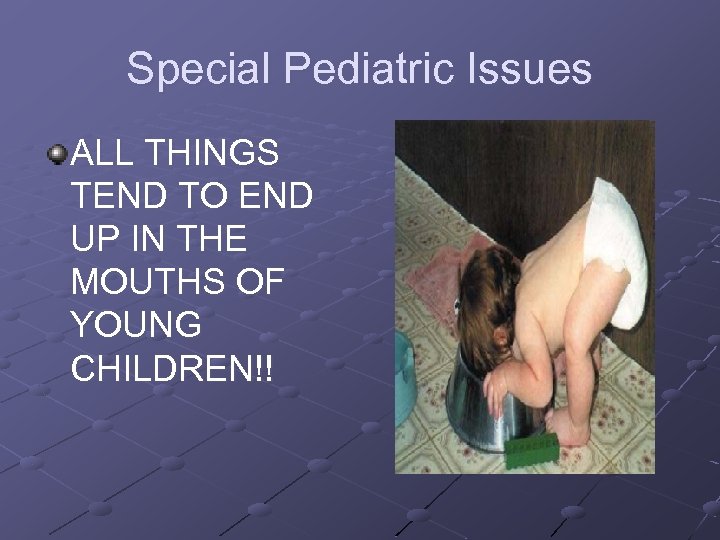 Special Pediatric Issues ALL THINGS TEND TO END UP IN THE MOUTHS OF YOUNG CHILDREN!!
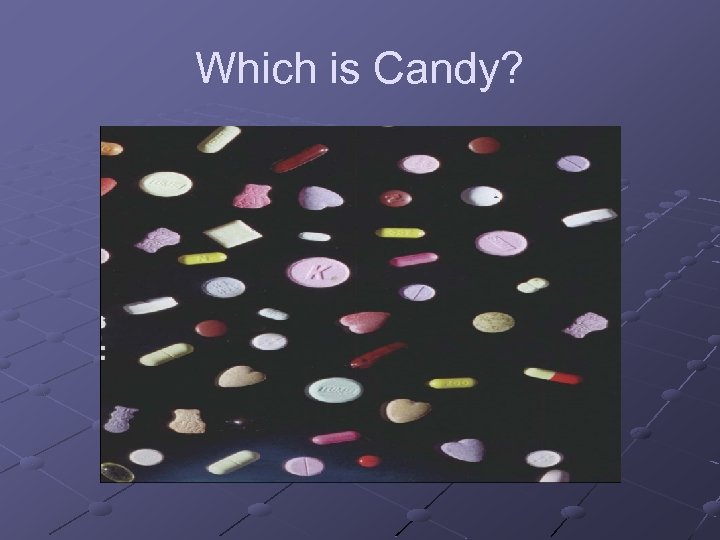 Which is Candy?
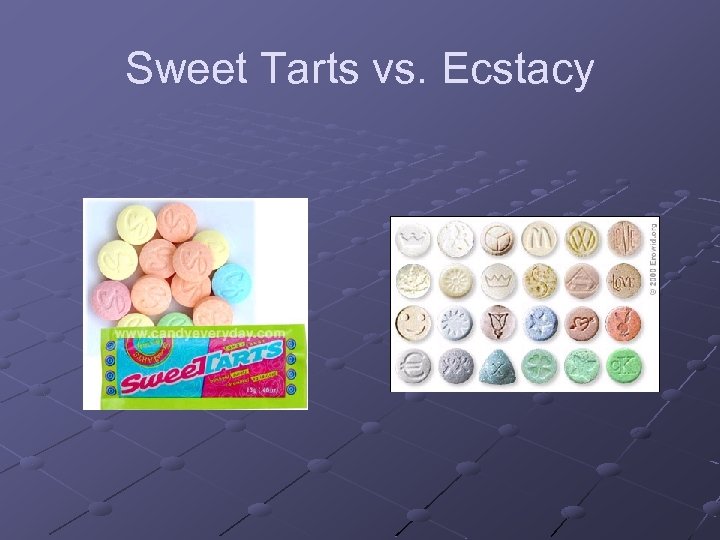 Sweet Tarts vs. Ecstacy
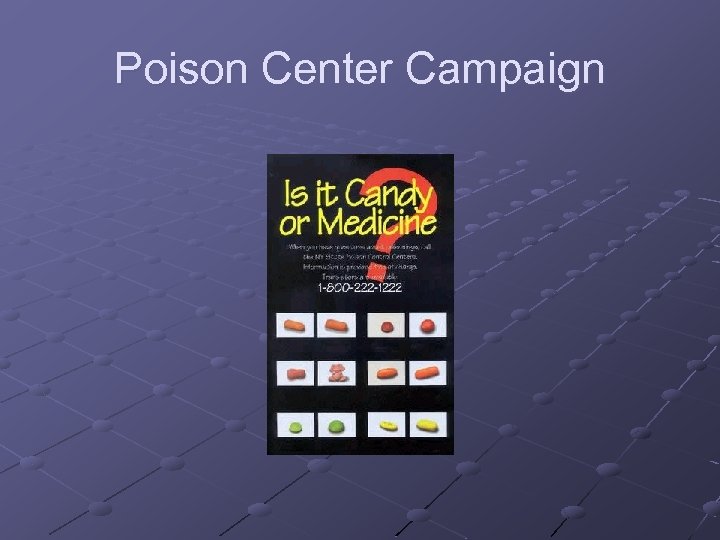 Poison Center Campaign
 Physiologic Differences Blood brain barrier still more permeable to toxicologic substances until around 4 months. n No studies demonstrating increased permeability, rather this is an estimate based on toxicity noted with smaller doses than expected. Higher metabolic demands. Decreased ability to glucuronidate in the infant period. Second trimester pregnancies that were terminated showed only 10% activity of the P-450 system. n No better studies to date, but most believe between ages 2 -4 years that glucuronidation is equivalent to adults. Decreased glycogen stores.
 Physiologic Differences Increased body surface area can lead to thermoregulatory issues. Children reside lower to the ground. This puts them at higher risk for ingesting compounds heavier than air. Often adults will NOT have the same exposure. Inability to avoid hazards – they do not read warning labels or “Do Not Enter” signs.
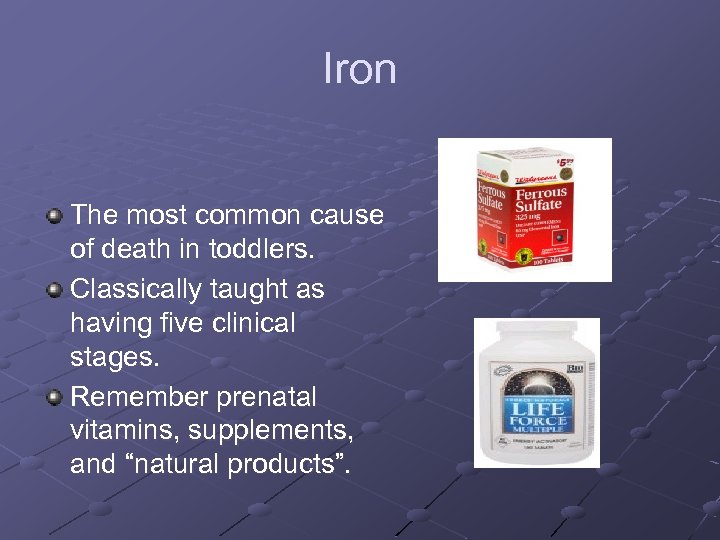 Iron The most common cause of death in toddlers. Classically taught as having five clinical stages. Remember prenatal vitamins, supplements, and “natural products”.
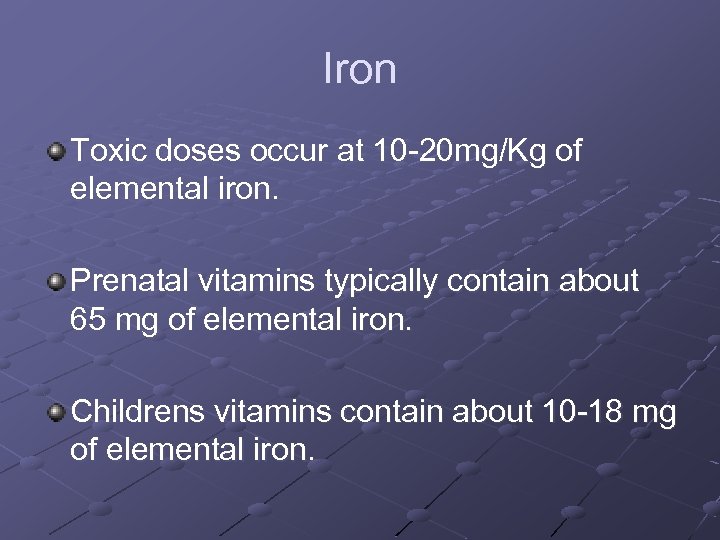 Iron Toxic doses occur at 10 -20 mg/Kg of elemental iron. Prenatal vitamins typically contain about 65 mg of elemental iron. Childrens vitamins contain about 10 -18 mg of elemental iron.
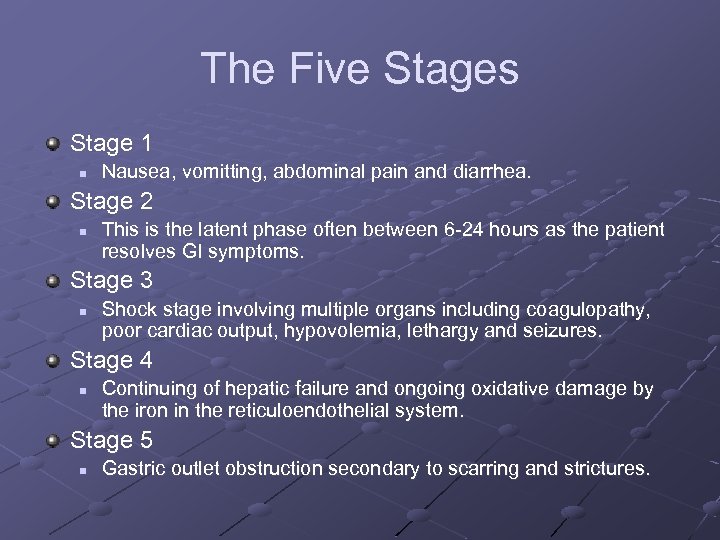 The Five Stages Stage 1 n Nausea, vomitting, abdominal pain and diarrhea. Stage 2 n This is the latent phase often between 6 -24 hours as the patient resolves GI symptoms. Stage 3 n Shock stage involving multiple organs including coagulopathy, poor cardiac output, hypovolemia, lethargy and seizures. Stage 4 n Continuing of hepatic failure and ongoing oxidative damage by the iron in the reticuloendothelial system. Stage 5 n Gastric outlet obstruction secondary to scarring and strictures.
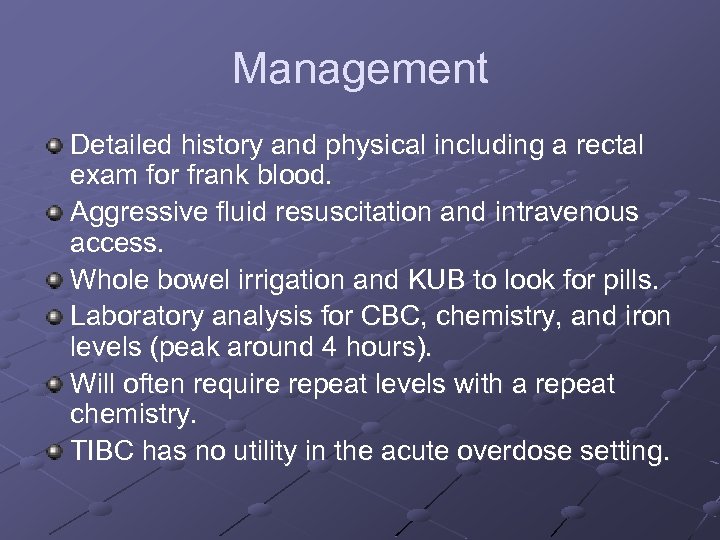 Management Detailed history and physical including a rectal exam for frank blood. Aggressive fluid resuscitation and intravenous access. Whole bowel irrigation and KUB to look for pills. Laboratory analysis for CBC, chemistry, and iron levels (peak around 4 hours). Will often require repeat levels with a repeat chemistry. TIBC has no utility in the acute overdose setting.
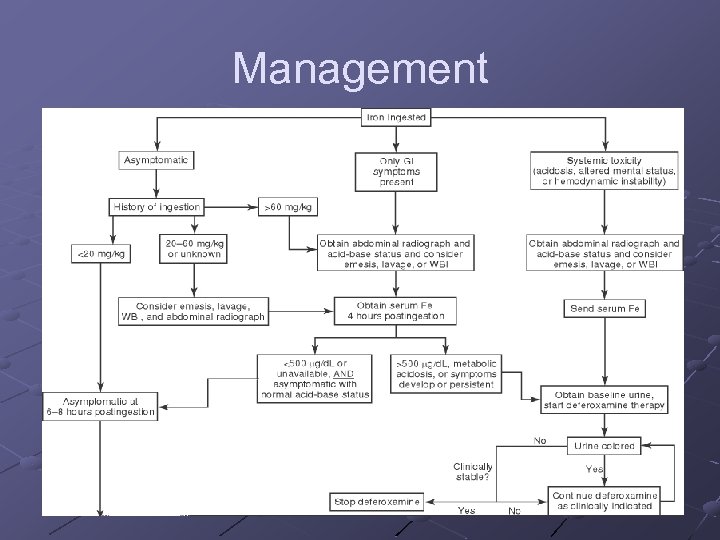 Management
 Management If the patient is in shock, remember to atleast type and screen (if not cross match) for blood. Give deferoxamine before iron level is back if the patient is in shock. Deferoxamine was derived from streptomyces pilosus. Hypotension and allergic reactions are seen. ARDS is a known complication and usually limit its use to 24 hours or less.
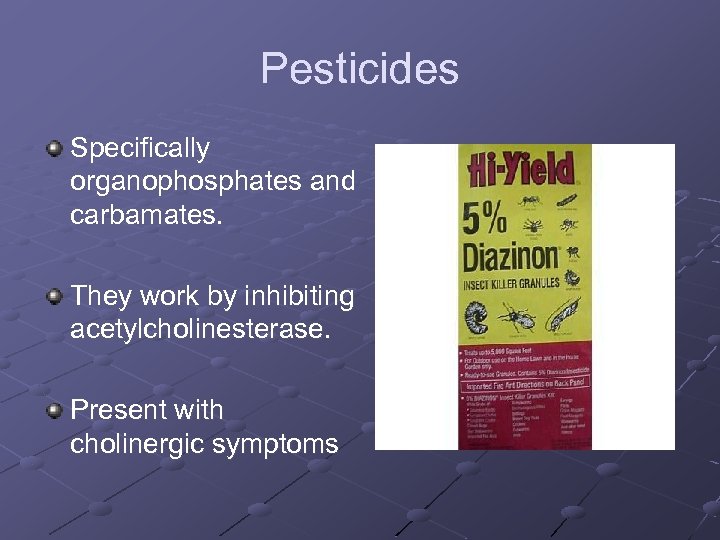 Pesticides Specifically organophosphates and carbamates. They work by inhibiting acetylcholinesterase. Present with cholinergic symptoms
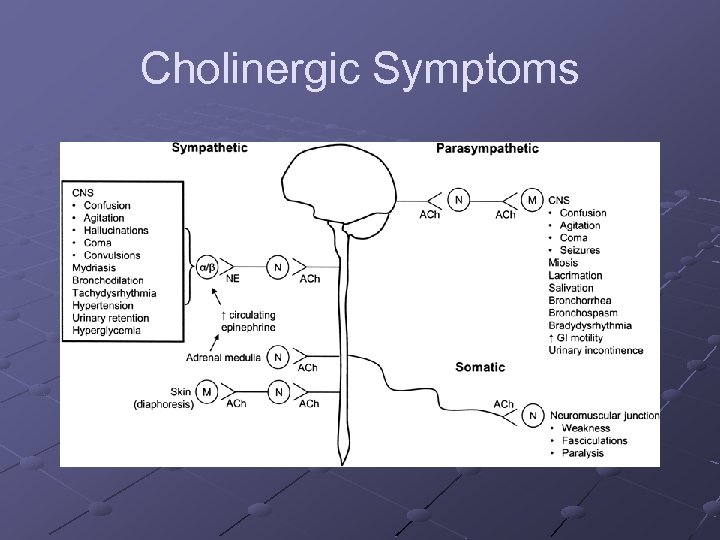 Cholinergic Symptoms
 Nicotinic Symptoms Remember the days of the week ! Mydriasis Tachypnea Weakness Tachycardia Fasiculations Pediatric patients tend to present with a predominance of nicotinic symptoms!!!
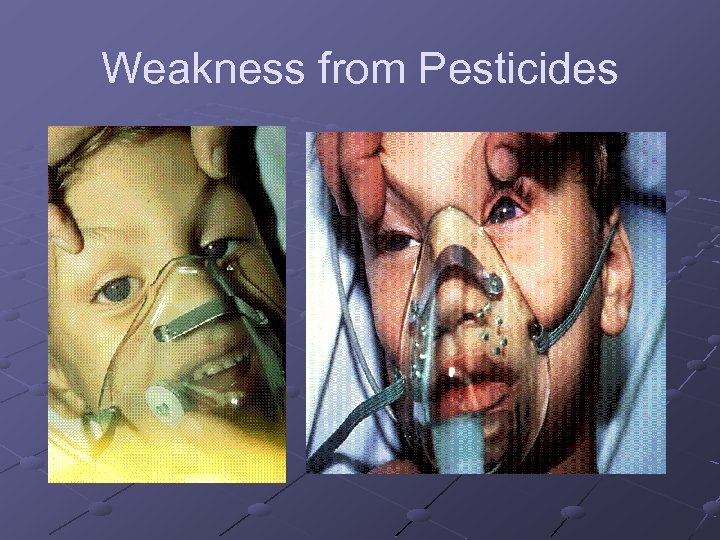 Weakness from Pesticides
 Treatment Atropine 0. 02 mg / Kg IV. Repeat as needed and titrate to respiratory secretions. It will likely take massive doses!! Pralidoxime (2 -Pam) 20 -40 mg / Kg bolus followed by 10 -20 mg / Kg /hour infusion. Remember to send RBC and Plasma Cholinesterase levels upon arrival and daily.
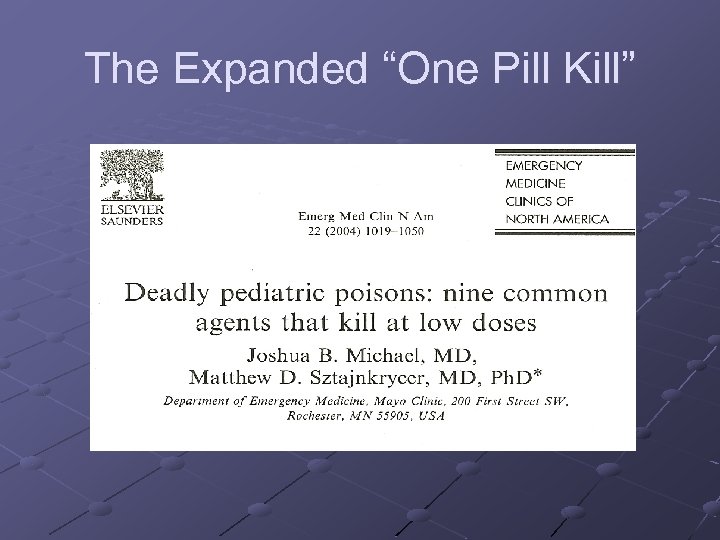 The Expanded “One Pill Kill”
 The Deadly Pediatric Poisons Calcium Channel Blockers Cyclic Antidepressants Lomotil Opiates / Opiods Salicylates (methyl) Toxic Alcohols Sulfonylureas Camphor Clonidine and imidazolines Antimalarials
 Calcium Channel Blockers Three major classes n n n Phenylalkylamine Benzothiazepine Dihydropyridine Block L-type channels Cause hypotension, bradycardia, and arrythmias. Immediate and sustained release. Usually not the childs medication.
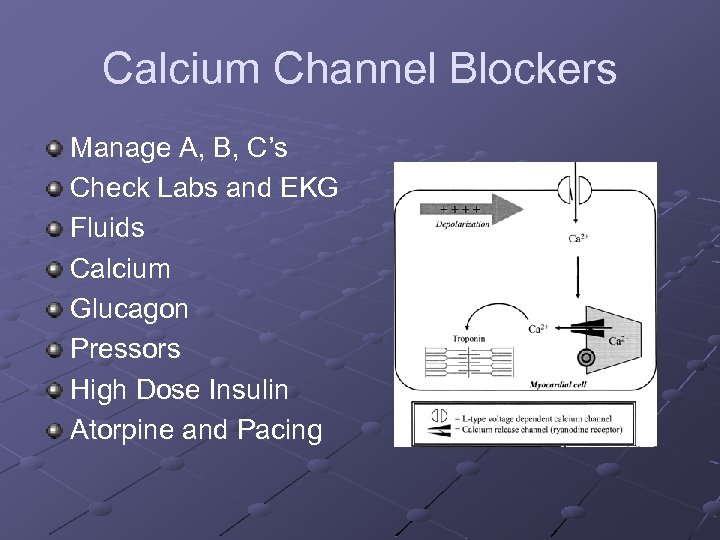 Calcium Channel Blockers Manage A, B, C’s Check Labs and EKG Fluids Calcium Glucagon Pressors High Dose Insulin Atorpine and Pacing
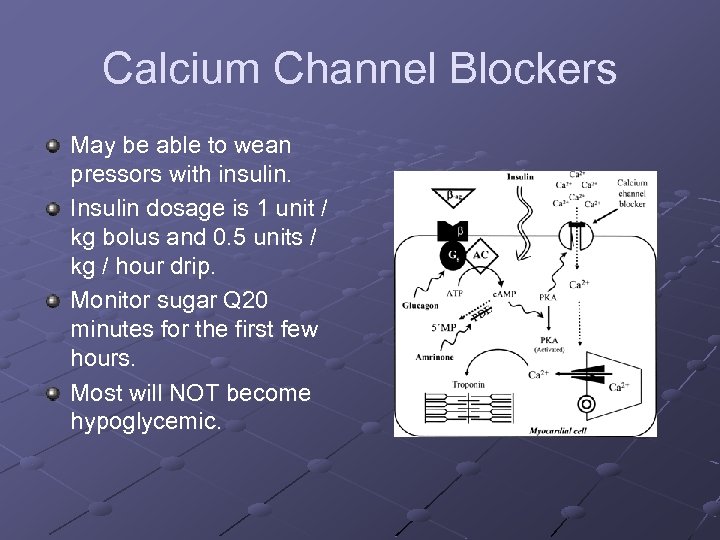 Calcium Channel Blockers May be able to wean pressors with insulin. Insulin dosage is 1 unit / kg bolus and 0. 5 units / kg / hour drip. Monitor sugar Q 20 minutes for the first few hours. Most will NOT become hypoglycemic.
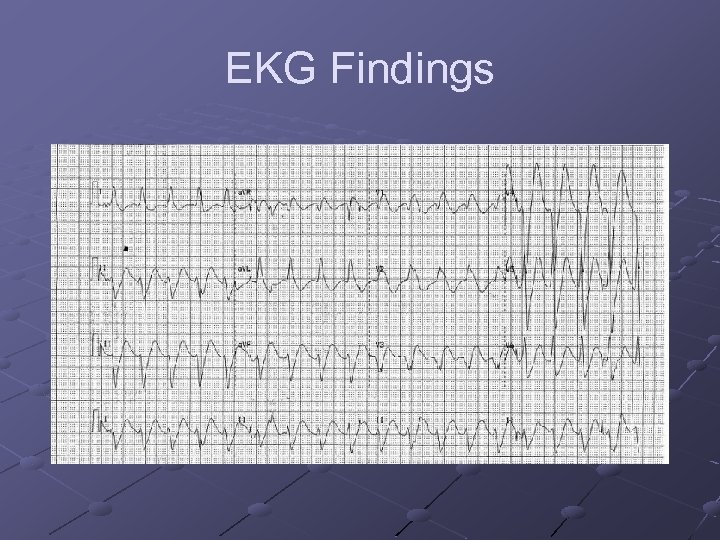
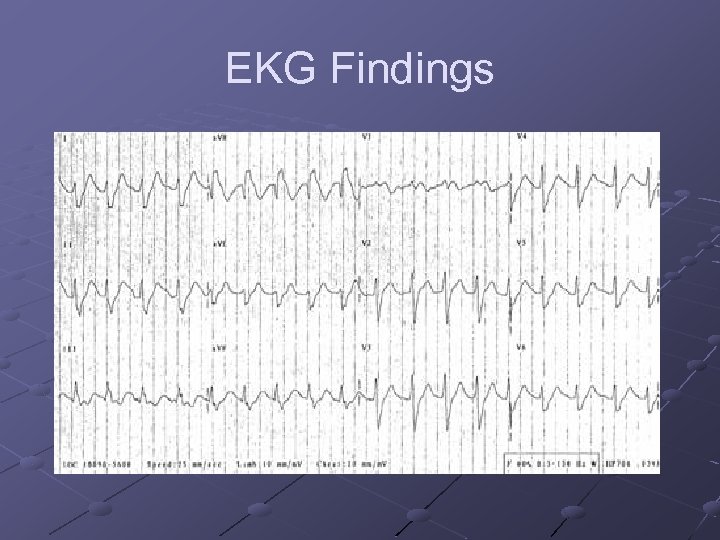
 Cyclic Antidepressants They were the leading cause of poisoning fatality until 1993. They interfere with reuptake of biogenic amines and seratonin at the nerve terminal. Manifest toxicity by anticholinergic effects, alpha 1 inhibition, sodium channel blocade, and can inhibit GABA. Cause CNS and cardiovascular toxicity with arrythmias leading to mortality.
 EKG Findings
 EKG Findings
 Cyclic Antidepressant Managment Manage A, B, C’s aggressively Optimize electrolytes Follow serial EKG’s and use Bicarb if: n n QRS >100 or 110 msec a. Vr > 3 mm If bicarbonate and magnesium are not effective, lidocaine is the antidysrhythmic of choice. Norepinephrine is the pressor of choice for refractory hypotension.
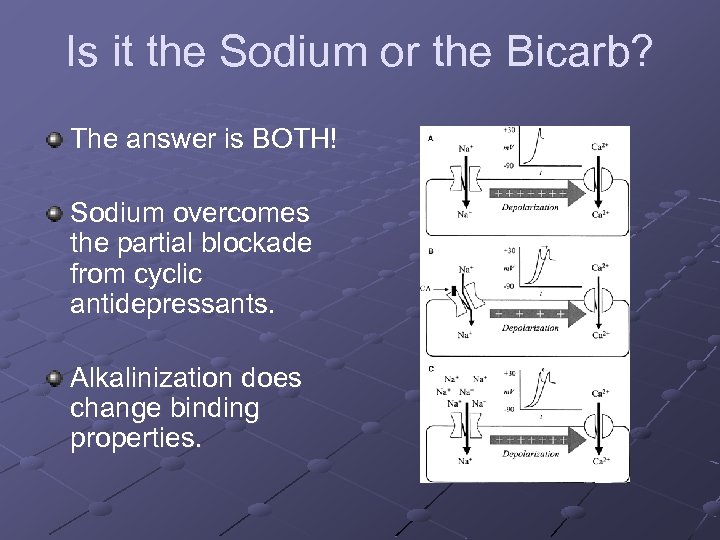 Is it the Sodium or the Bicarb? The answer is BOTH! Sodium overcomes the partial blockade from cyclic antidepressants. Alkalinization does change binding properties.
 How does the bicarb work? Initially thought to increase protein binding thus limiting free drug in the blood Rat study using alpha-1 acid glycoprotein (AAG) only decreased arrhythmias at massive doses. AAG is a proven TCA binder. Current theories is that the ionic form of the TCA binds to the sodium channel causing blockade and the bicarbonate changes the TCA from the ionic form to the neutral form causing less blockade.
 Lomotil Antidiarrheal agent containing both diphenoxylate and atropine. Both agents are absorbed by the GI tract and absorption may be delayed in overdose due to inhibitory effects on smooth muscle motility. Diphenoxylate is an opoid that is metabolized to difenoxin which is 5 times more potent than the parent compound and has half life of 12 -14 hours.
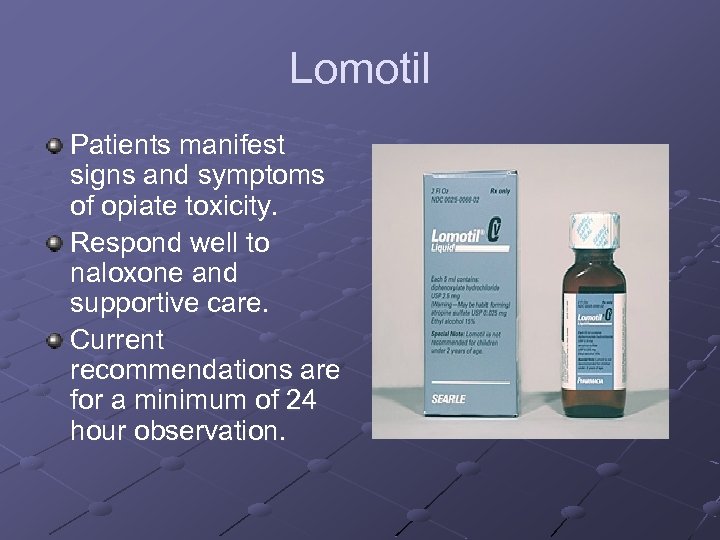 Lomotil Patients manifest signs and symptoms of opiate toxicity. Respond well to naloxone and supportive care. Current recommendations are for a minimum of 24 hour observation.
 Opiates / Opiods Typically present with respiratory depression, altered mental status, and miosis. Address the patient like any other “altered mental status” Key point is to remember to consider an opiate ingestion.
 Naloxone Dosing Usually start with 0. 01 -0. 1 mg / Kg. Repeat as frequently as needed to reverse symptoms. If a drip is required, calculate how much naloxone was used in the first hour and start the drip at 2/3 that dose.
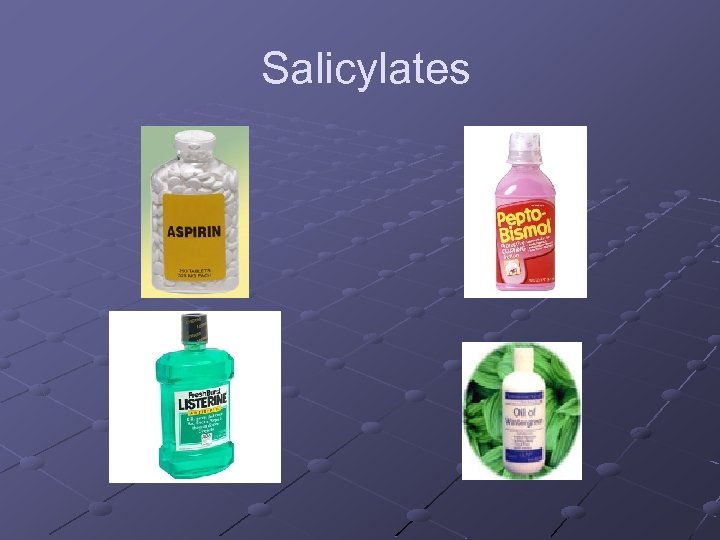 Salicylates
 Pharmacology Irreversibly inhibits the enzyme cyclooxygenase. This inhibits prostaglandin synthesis. Since prostaglandins are not synthesized, their downstream byproducts are never released such as: IL-6, TNF, and alpha and beta interferons. Believed to directly inhibit neutrophils to decrease the inflammatory response.
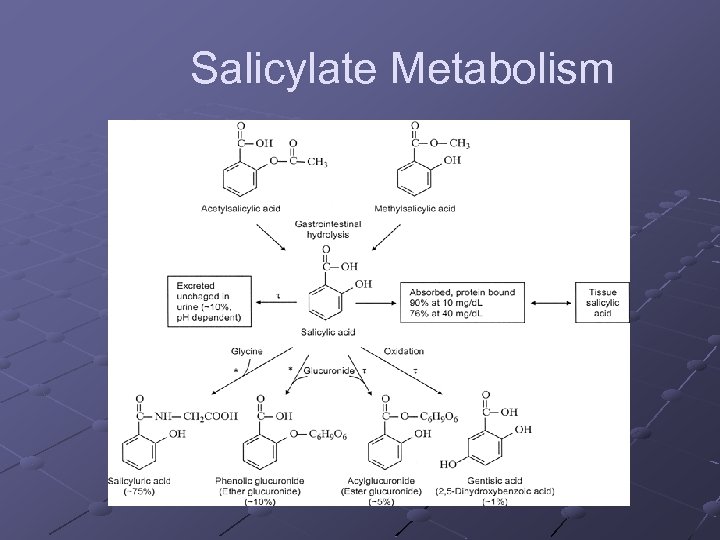 Salicylate Metabolism
 Pathophysiology Salicylates stimulate the brainstem to cause hyperventilation (respiratory alkalosis). Multifactorial renal impairment leads to accumulation of sulfuric and phosphoric acids. Interfere with the Krebs Cycle limiting substrates for ATP generation.
 Pathophysiology Continued Uncouples oxidative phosphorylation which leads to increased pyruvic and lactic acid level and generates heat. Causes salicylate induced fatty acid metabolism which produces ketone bodies. This ketoacidosis contributes a significant portion to the overall metabolic acidosis.
 Clinical Manifestations Early symptoms are usually non-specific such as nausea and vomiting. Tinnitus with or without hearing loss can also be an early sign. Hyperventilation is often a warning sign of a significant ingestion. CNS signs can vary from vertigo to hallucinations to stupor. Coma is rare except in massive overdoses. In large overdoses, almost every organ system becomes involved.
 Treatment Address the A, B, C’s. Detailed history and exam. Laboratory evaluation and consider a blood gas if your history suggests an ingestion. Activated charcoal should be given. Evidence for multidose charcoal is equivocal. The use of sodium bicarbonate. Measure serial salicylate levels and chemistries.
 Sodium Bicarbonate Therapy The goal is to titrate the urinary p. H to 8. Potassium must be monitored closely because if the potassium drops, the kidney will retain the potassium and excrete hydrogen. Excretion of hydrogen will make it impossible to titrate your therapy to a urinary p. H of 8.
 Indications for Hemodialysis Renal failure. Congestive heart failure (relative). Acute lung injury. Persistent CNS disturbance. Severe acid-base or electrolyte imbalance, despite appropriate treatment. Hepatic compromise with coagulopathy. Salicylate concentration (acute) >100 mg/d. L.
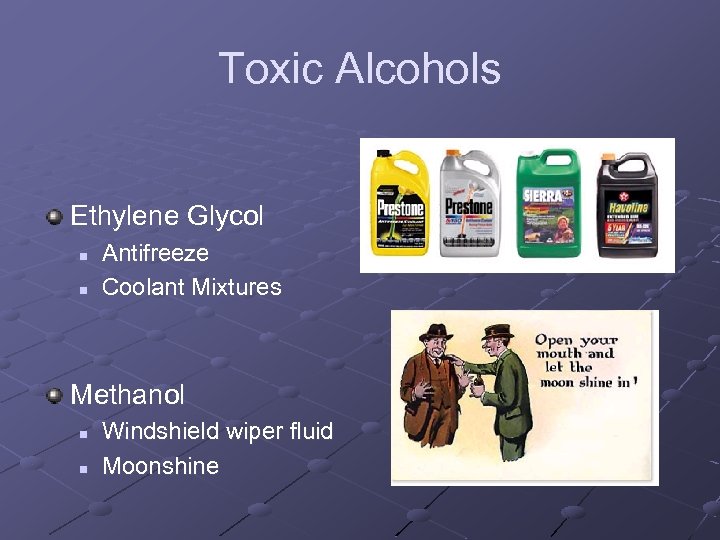 Toxic Alcohols Ethylene Glycol n n Antifreeze Coolant Mixtures Methanol n n Windshield wiper fluid Moonshine
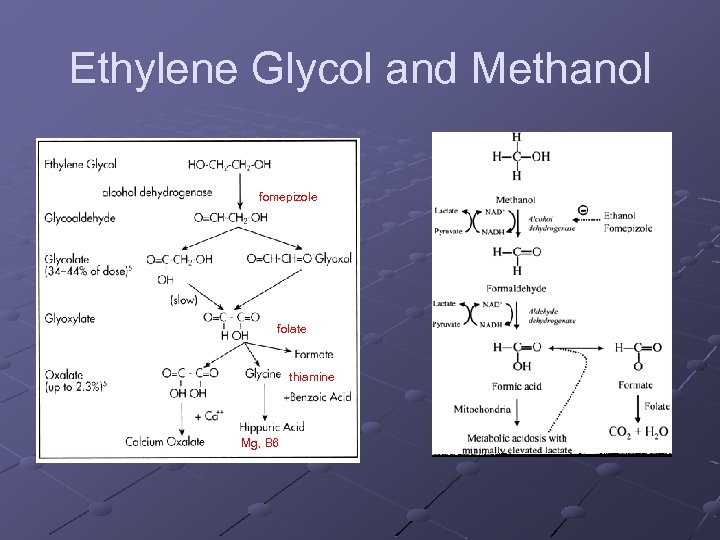 Ethylene Glycol and Methanol fomepizole folate thiamine Mg, B 6
 The Osmolar Gap
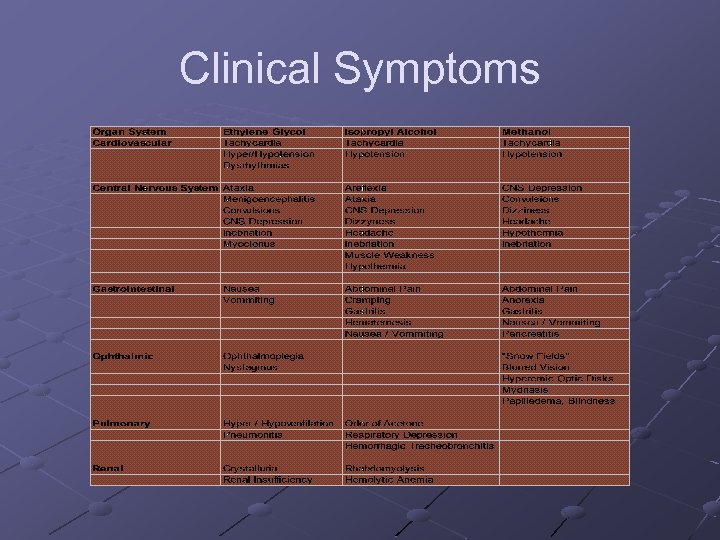 Clinical Symptoms
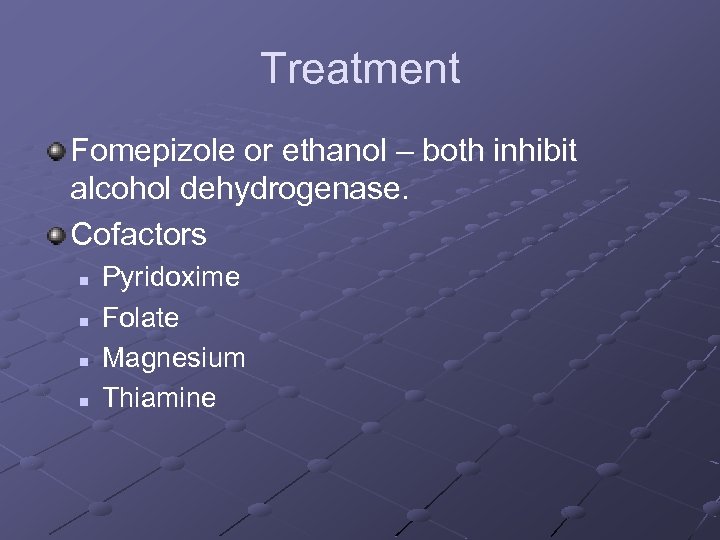 Treatment Fomepizole or ethanol – both inhibit alcohol dehydrogenase. Cofactors n n Pyridoxime Folate Magnesium Thiamine
 Fomepizole Dosing Loading dose n 15 mg / Kg Next 4 doses n 10 mg / Kg Subsequent doses n 15 mg / Kg Dosing schedule is every 12 hours except during dialysis. Then it is every 4 hours during dialysis as it gets dialyzed off.
 Key Toxic Alcohol Points Send levels for toxic alcohols as soon as possible and make them “STAT”. Talk to nephrology early as preparing for dialysis can take time. (especially in kids) Remember to check serum osmolality and calculate serum osmolarity. Measured osms – ( 2 X NA + glu/18 +bun/2. 8 + etoh/4. 6)
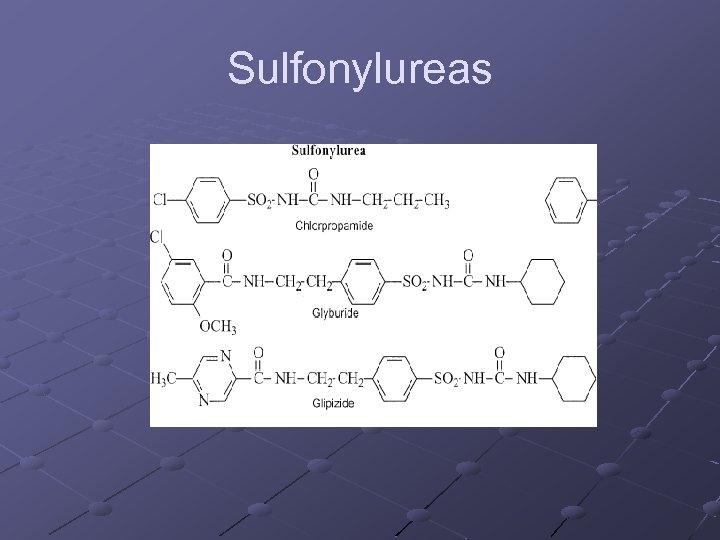 Sulfonylureas
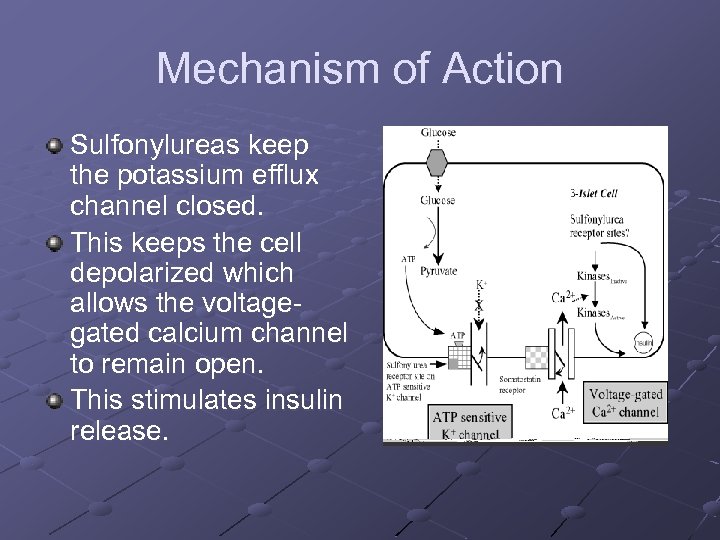 Mechanism of Action Sulfonylureas keep the potassium efflux channel closed. This keeps the cell depolarized which allows the voltagegated calcium channel to remain open. This stimulates insulin release.
 Sulfonylureas Since sulfonylureas stimulate insulin release, this can result in prolonged hypoglycemia. Continued doses of dextrose will continue to stimulate insulin release. Octreotide works by antagonizing insulin release. Exact mechanism is still being debated.
 Octreotide The dose is 1 -2 mcg / Kg bolus IV. Some papers suggest a continuous infusion while others suggest an every 8 hour dosing regimen. If placed on an octreotide regimen, the octreotide must be off a minimum of 24 hours without another episode of hypoglycemia before discharge.
 Key Facts A retrospective study showed 4 of 25 patients developed delayed hypoglycemia including 1 at 16 hours post ingestion. If a sulfonylurea is ingested, a minimum of 24 hours of observation is recommended.
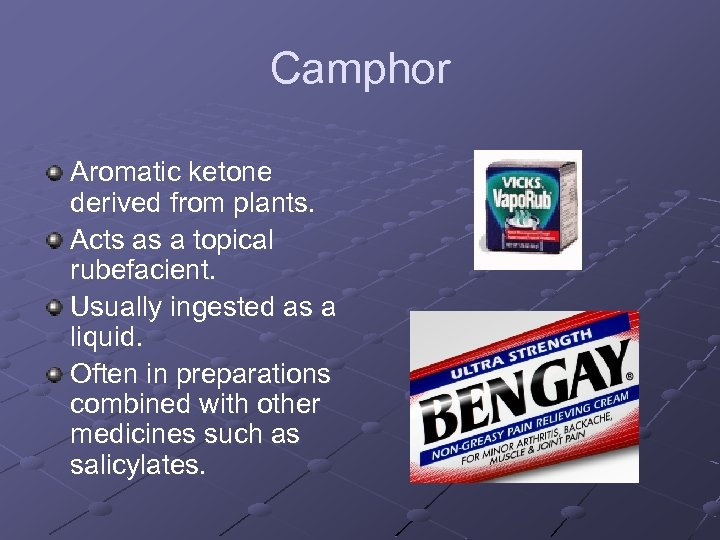 Camphor Aromatic ketone derived from plants. Acts as a topical rubefacient. Usually ingested as a liquid. Often in preparations combined with other medicines such as salicylates.
 Camphor Initial symptoms are gastrointestinal distress and generalized feelings of warmth. Symptoms usually progress quickly to nervous system involvement from restlessness to seizures. Delayed seizures have been reported up to 9 hours after ingestion.
 Camphor Ingestions of 1 -2 grams have been fatal in children. A 19 month old died after ingesting 5 ml of 20% camphorated oil. Asymptomatic patients should be observed 6 -8 hours and discharged if not developing symptoms. Remember about hydrocarbon aspiration if product is an oil with a history of coughing or vomitting.
 Clonidine and imidazolines Clonidine is an alpha-2 agonist that is used for hypertension. Imidazolines, such as oxymetazoline (afrin) are used as decongestants. Symptoms typically present like an opiate overdose ? Why?
 ? Like an Opiate Overdose ? They are NOT structurally related to opiates. The alpha-2 receptor targeted by clonidine has significant functional overlap with the opiate receptor. Both may be located on the same neuron, both coupled by via Gprotein to the same potassium channel. May require larger doses of naloxone to reverse symptoms.
 Antimalarials These include cloroquine, hydroxychloroquine, quinine and their relatives. They work by both sodium channel blockade as well as blockade of the potassium rectifier channel. These lead to QRS widening as well as QT prolongation. Torsades is a known complication of overdose.
 Symptoms Small therapeutic index. Presents with symptomatology known as “cinchonism” which is tachycardia, nausea, vomitting, hearing loss, tinnitus, headache, vertigo, dystonia, and diarrhea. Patients often known to have a flushed appearance.
 Treatment These patients require aggressive management of electrolytes. If the QRS widens, treatment with sodium bicarbonate is indicated. Magnesium should be used for Torsades. If ventricular arrythmias occur despite optimal management, lidocaine is the treatment of choice. (Avoid class 1 a, 1 c)
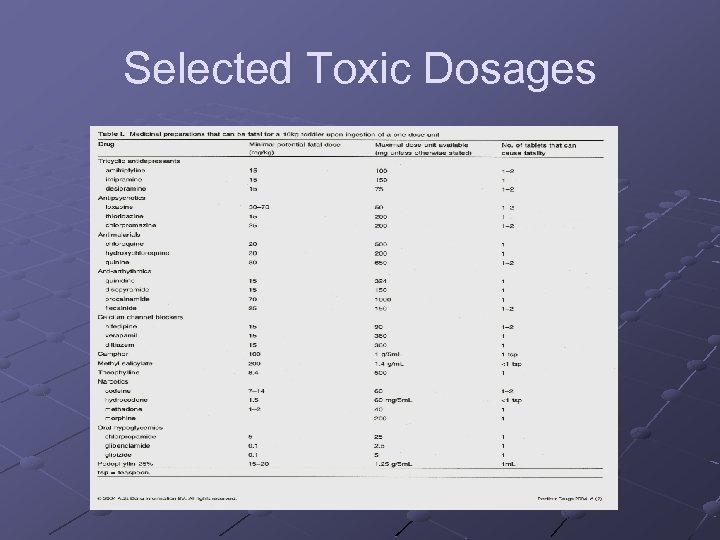 Selected Toxic Dosages
 Summary Remember the “Deadly Pediatric Poisons” Don’t be fooled if the “look good” as significant toxicity is still possible. Contact the poison center early as knowing the dosage and time of ingestion can influence your management
 Review Articles Michael JB, Sztanjnkrycer MD. Deadly pediatric poisons: nine common agents that kill at low doses. Emergency Medicine Clinics of North America 2004; (22): 10191050. Bar-Oz B, Levichek Z, Koren G. Medications that can be fatal for a toddler with one tablet or teaspoonful. Pediatric Drugs 2004; 6(2): 123 -126.