


 Скачать презентацию Pavlodar State Pedagogical Institute EQUISETUM ARVENSE Kalieva Aigerim
Equisetum arvense.pptx
- Количество слайдов: 12
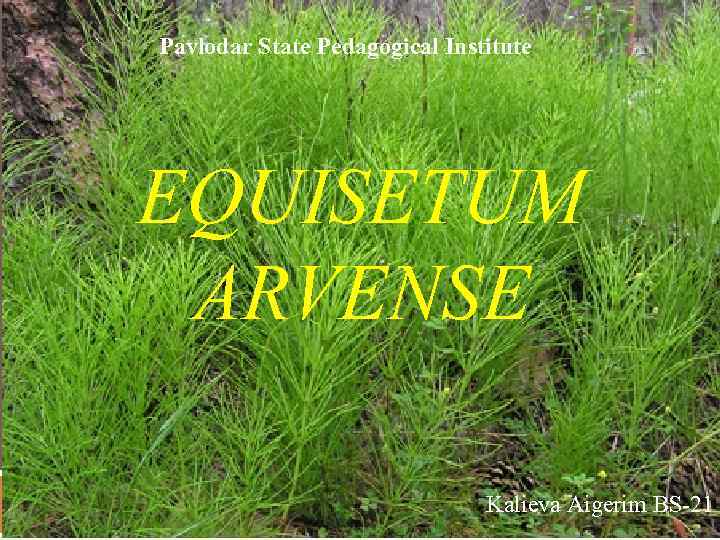 Pavlodar State Pedagogical Institute EQUISETUM ARVENSE Kalieva Aigerim BS-21
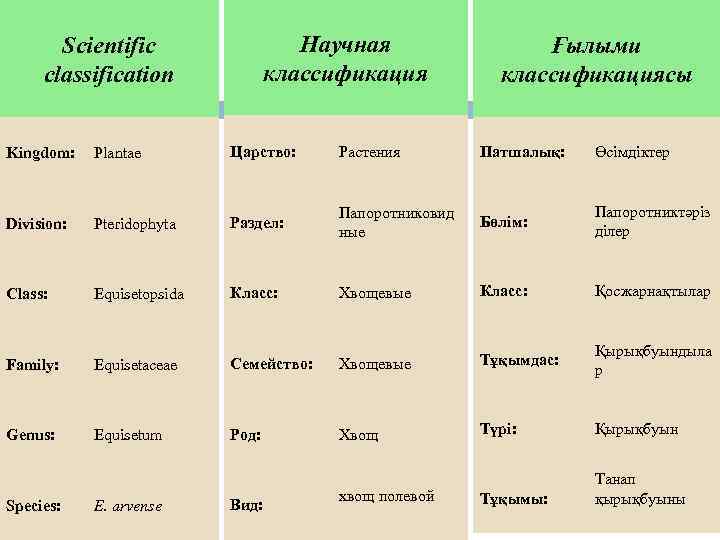 Научная классификация Scientific classification Ғылыми классификациясы Kingdom: Plantae Царство: Растения Патшалық: Өсімдіктер Division: Pteridophyta Раздел: Папоротниковид ные Бөлім: Папоротниктәріз ділер Class: Equisetopsida Класс: Хвощевые Класс: Қосжарнақтылар Қырықбуындыла р Family: Equisetaceae Семейство: Хвощевые Тұқымдас: Genus: Equisetum Род: Хвощ Түрі: Қырықбуын Тұқымы: Танап қырықбуыны Species: E. arvense Вид: хвощ полевой
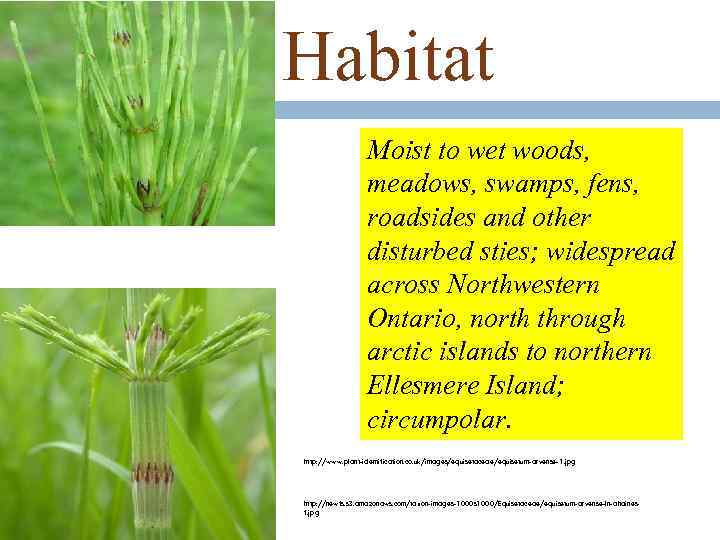 Habitat Moist to wet woods, meadows, swamps, fens, roadsides and other disturbed sties; widespread across Northwestern Ontario, north through arctic islands to northern Ellesmere Island; circumpolar. http: //www. plant-identification. co. uk/images/equisetaceae/equisetum-arvense-1. jpg http: //newfs. s 3. amazonaws. com/taxon-images-1000 s 1000/Equisetaceae/equisetum-arvense-ln-ahainesf. jpg
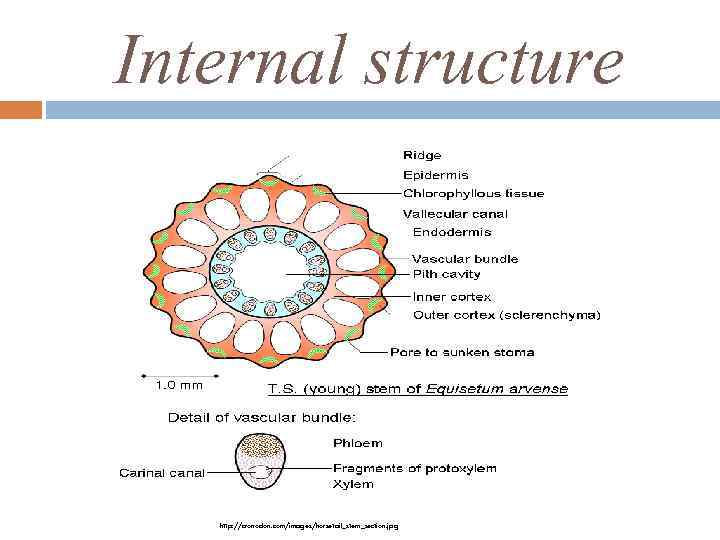 Internal structure http: //cronodon. com/images/horsetail_stem_section. jpg
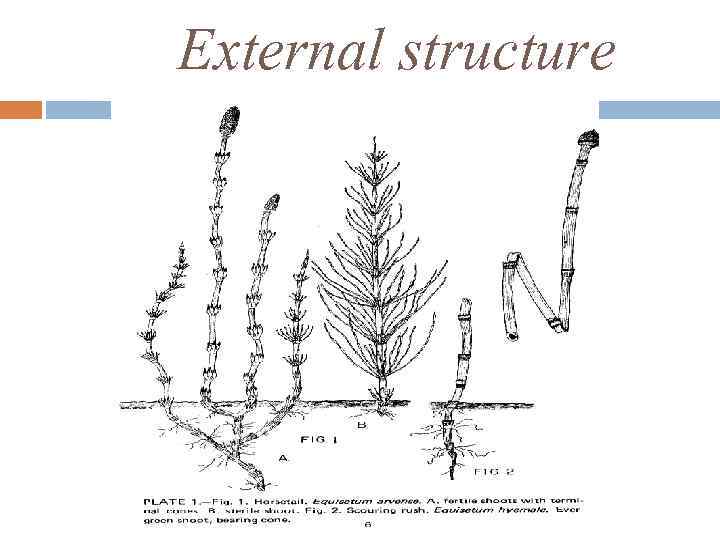 External structure
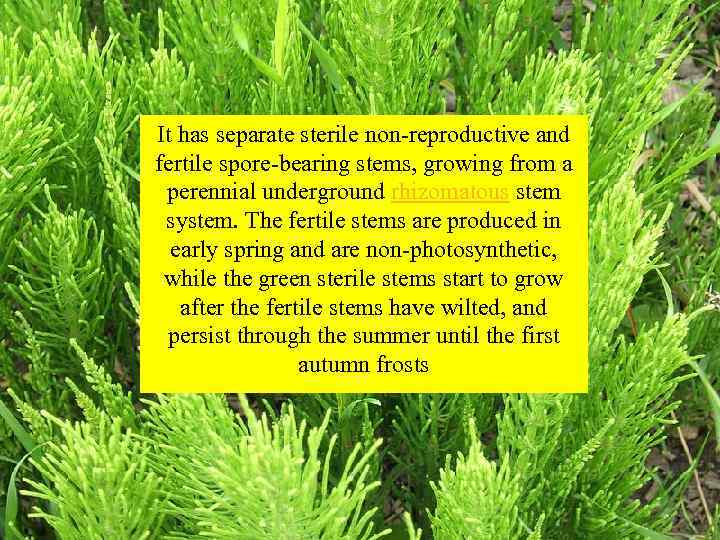 It has separate sterile non-reproductive and fertile spore-bearing stems, growing from a perennial underground rhizomatous stem system. The fertile stems are produced in early spring and are non-photosynthetic, while the green sterile stems start to grow after the fertile stems have wilted, and persist through the summer until the first autumn frosts
 Uses The plant contains several substances which can be used medicinally. It is rich in the minerals silicon (10%), potassium, and calcium. The buds are eaten as a vegetable in Japan and Korea in spring time. In polluted conditions, it may synthesize nicotine. Externally it was traditionally used for chilblains and wounds. It was also once used to polish pewter and wood (gaining the name pewterwort) and to strengthen fingernails. It is also an abrasive. It was used by hurdy-gurdy players to dress the wheels of their instruments by removing resin build up. Equisetum is used in biodynamic farming (preparation BD 508) in particular to reduce the effects of excessive water around plants (such as fungal growth). The high silica content of the plant reduces the impact of moisture. Equisetum arvense herb has been used in traditional Austrian medicine internally as tea, or externally as baths or compresses, for treatment of disorders of the skin, locomotor system, kidneys and urinary tract, rheumatism and gout.
 Glossary 1. Equisetum arvense, the field horsetail, common horsetail or Mare’s tail is a herbaceous perennial plant, native throughout the arctic and temperate regions of the northern hemisphere. Хвощ полевой, или Хвощ обыкнове нный, или Толка чик (лат. Equisétum arvénse) — вид многолетних травянистых растений рода Хвощ семейства Хвощёвые. Танап қырықбуыны— қырықбуындар тұқымдасына жататын мәңгі жасыл, көп жылдық шөптесін өсімдіктердің тұқымдас тармағы. 2. Perennial plant or simply perennial (from Latin per, meaning "through", and annus, meaning "year") is a plant that lives for more than two years. Многоле тнее растение — растение, живущее более двух лет. Көп жылдық өсімдіктер – екі жылдан астам тіршілік ететін өсімдіктер. 3. Root- is the organ of a plant that typically lies below the surface of the soil. However, roots can also be aerial or aerating Корень (лат. radix) — осевой, обычно подземный вегетативный орган высших сосудистых растений, обладающий неограниченным ростом в длину и положительным геотропизмом
 Тамыр – жоғары сатыдағы құрлық өсімдіктерінің негізгі вегетативтік мүшесінің біреуі. Тамырға радиальды симметрия тән, ол салыстырмалы түрде цилиндр пішінді өстік мүше. 4. Epidermis is composed of the outermost layers of cells in the skin, "epi" in Greek meaning "over" or "upon", which together with the dermis forms the cutis. Эпидерма (эпиде рмис, ко жица) — внешняя первичная покровная ткань растений, обычно однослойная, покрывающая молодые стебли и остальные наземные органы. Эпидерма-көпқабатты жалпақ эпителий ұлпасынан тұратын бөлік. 5. Sclerenchyma, any of various kinds of hard, woody cells that serve the function of support in plants. Склере нхима — механическая ткань, которая встречается в органах почти всех высших растений. Склеренхима-өсімдіктің өстік мүшелерінің беріктігін қамтамасыз етеді. Склеренхиманың екі түрі бар- талшық және склереидтер
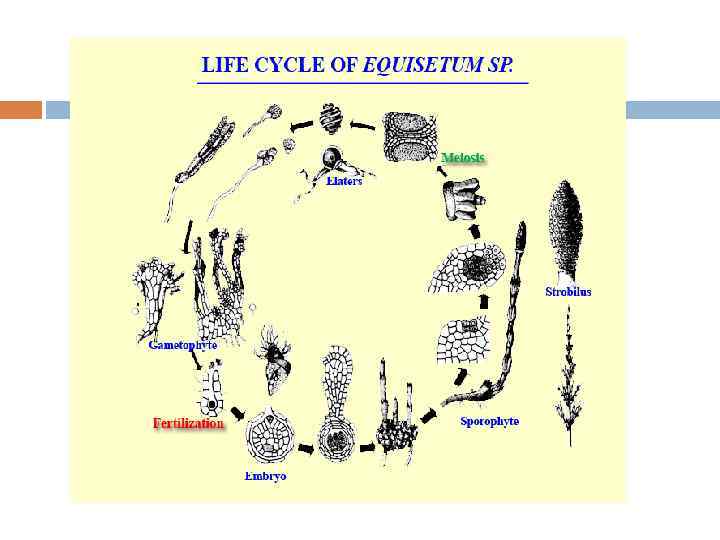
 6. Phloem is the living tissue that carries organic nutrients (known as photosynthate), in particular, sucrose, a sugar, to all parts of the plant where needed Флоэма— то же, что и луб — проводящая ткань сосудистыx растений, по которой происходит транспорт продуктов фотосинтеза к частям растения, где происходит их использование или накопление. Флоэма- қор жинауға қатысатын түтікті-талшықты күрделі ұлпа 7. Xylem is one of the two types of transport tissue in vascular plants, phloem being the other. Ксилема, или древеси на— основная водопроводящая ткань сосудистых растений; один из двух подтипов проводящей ткани растений, наряду с флоэмой — лубом. Ксилема- құрлықта өсетін өсімдіктердің әр түрлі клеткалардан құралған негізгі өткізгіш ұлпасы. 8. Gametophyte is the haploid multicellular stage in the alternation of generations life cycle of plants and algae. Гаметофит — гаплоидная многоклеточнаяфаза в жизненном цикле растений. Гаметофит-спорадан зиготага дейінгі тіршілік айналымы дамуының өсімдіктерде ғана кездесетін жыныстық кезеңі.
 9. Meiosis-is a specialized type of cell division which reduces the chromosome number by half. Мейоз-деление ядра эукариотической клетки с уменьшением числа хромосом в два раза. Мейоз-жетіліп келе жатқан жыныс жасушаларының (гаметалардың) бөлінуінен хромосомалар санының азаюы (редукциясы). 10. Herbs are any plants used for food, flavoring, medicine, or perfume Травы — жизненная форма высших растений, которая используется в медицине, парфюмерии, в продукции. Шөптер - фармацевтикалық практикада өсімдіктің жер үсткі бөлігінің дәрілік шикізатын айтады. Шикізаттың құрамы сабақтан, гүлдерден, жапырақтан, піспеген жемістерден тұрады.