


 Скачать презентацию Патофизиология внешнего дыхания Дыхательная недостаточность лектор проф
дыхательная недостаточность.ppt
- Количество слайдов: 39
 Патофизиология внешнего дыхания Дыхательная недостаточность (лектор – проф. В. В. Михайлов)
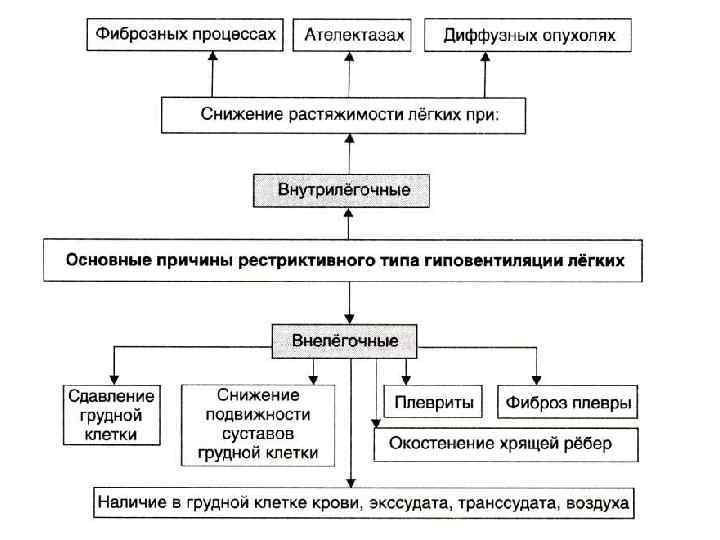
 1. Аппарат внешнего дыхания, регуляция его функций, механизмы физиологической протекции паренхимы легких и воздухоносных путей. 2. Обструктивные и рестриктивные болезни легких, патогенез 3. Роль иммуннологических повреждений легких при обструктивной и рестриктивной патологии 4. Патогенез острого респираторного дистресс синдрома взрослых 5. Понятие о дыхательной недостаточности различных типов
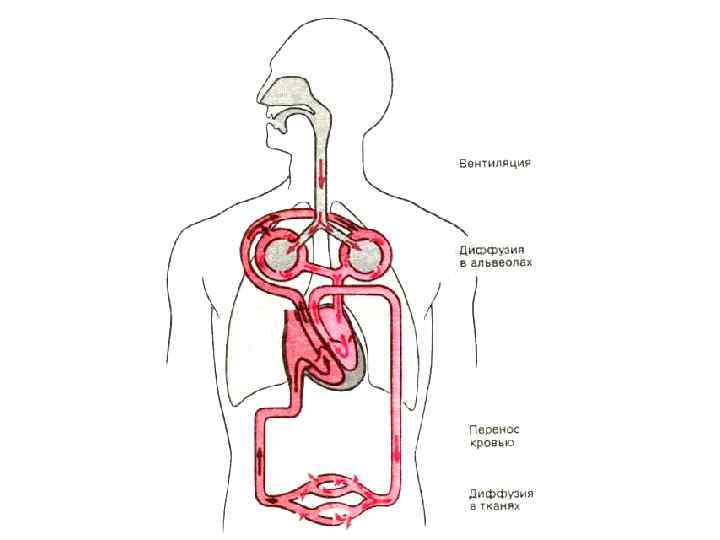
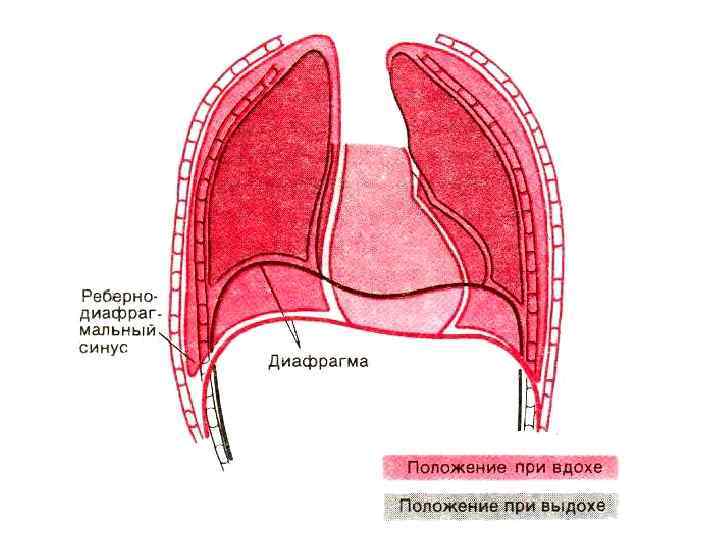
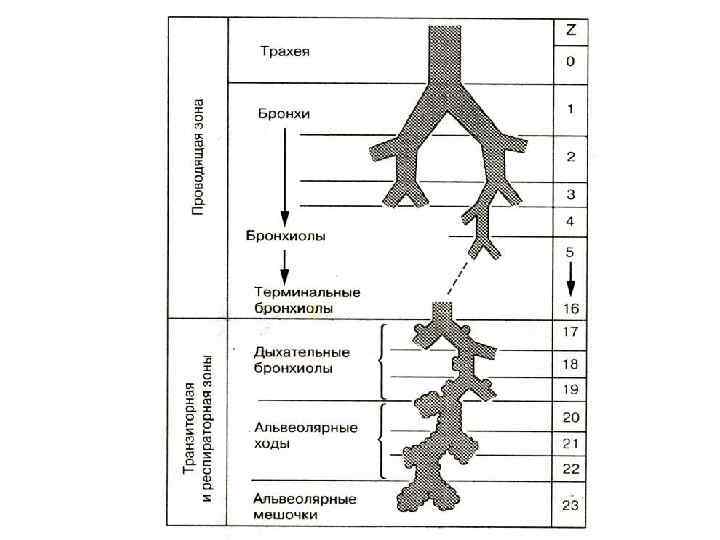
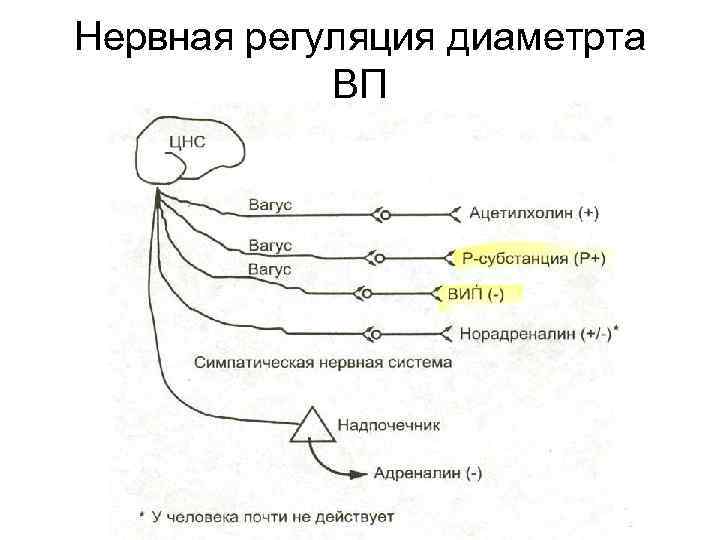 Нервная регуляция диаметрта ВП
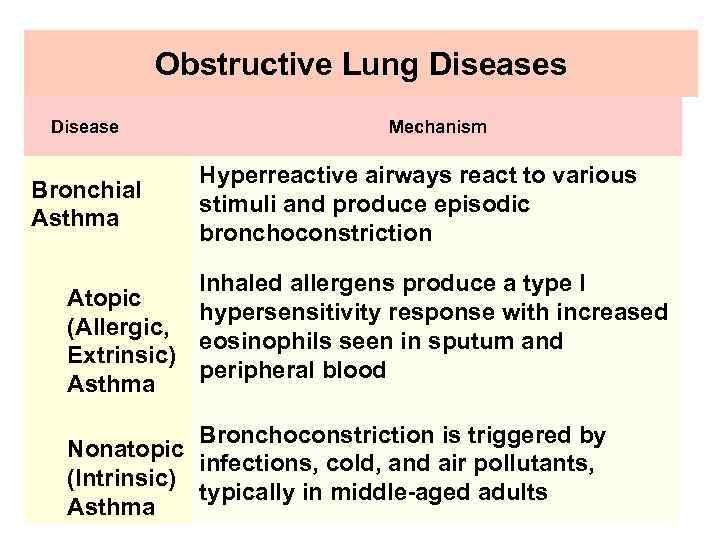 Obstructive Lung Diseases Disease Bronchial Asthma Mechanism Hyperreactive airways react to various stimuli and produce episodic bronchoconstriction Inhaled allergens produce a type I Atopic hypersensitivity response with increased (Allergic, eosinophils seen in sputum and Extrinsic) peripheral blood Asthma Bronchoconstriction is triggered by Nonatopic infections, cold, and air pollutants, (Intrinsic) typically in middle-aged adults Asthma
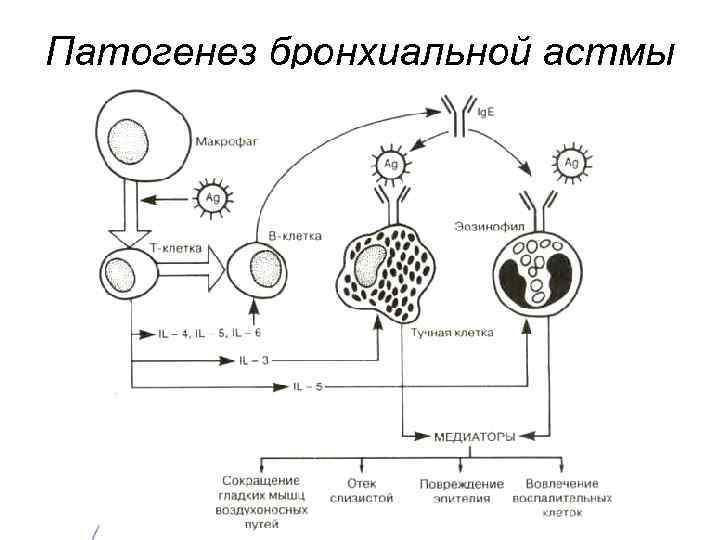 Патогенез бронхиальной астмы
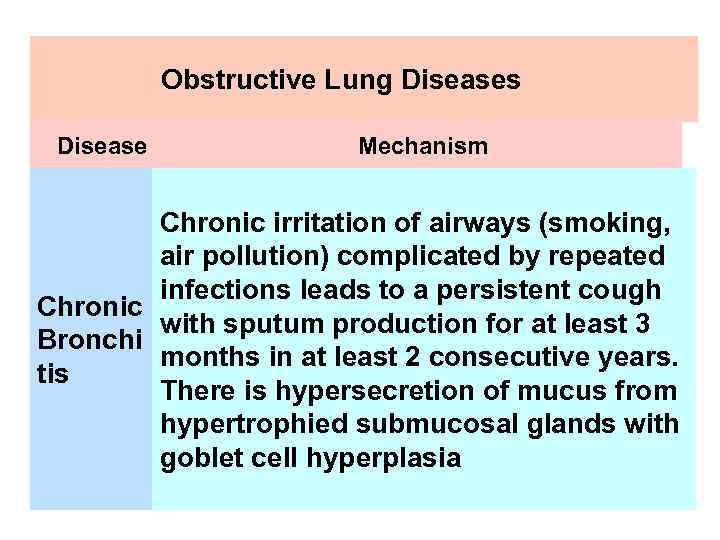 Obstructive Lung Diseases Disease Mechanism Chronic irritation of airways (smoking, air pollution) complicated by repeated infections leads to a persistent cough Chronic with sputum production for at least 3 Bronchi months in at least 2 consecutive years. tis There is hypersecretion of mucus from hypertrophied submucosal glands with goblet cell hyperplasia
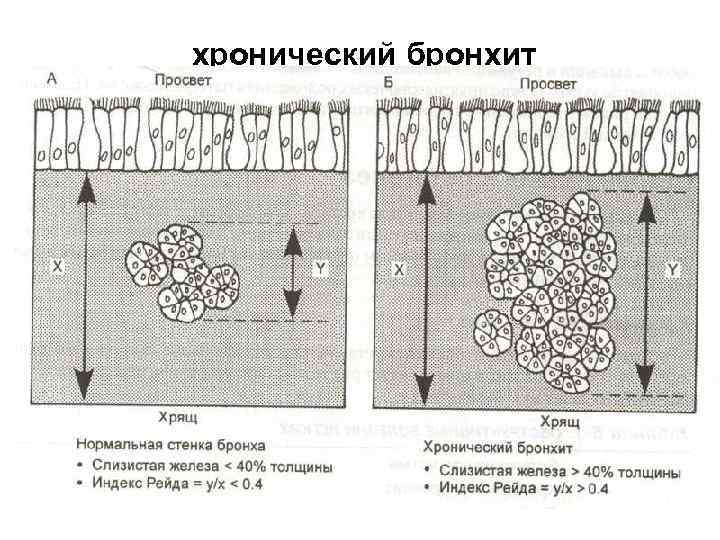 хронический бронхит
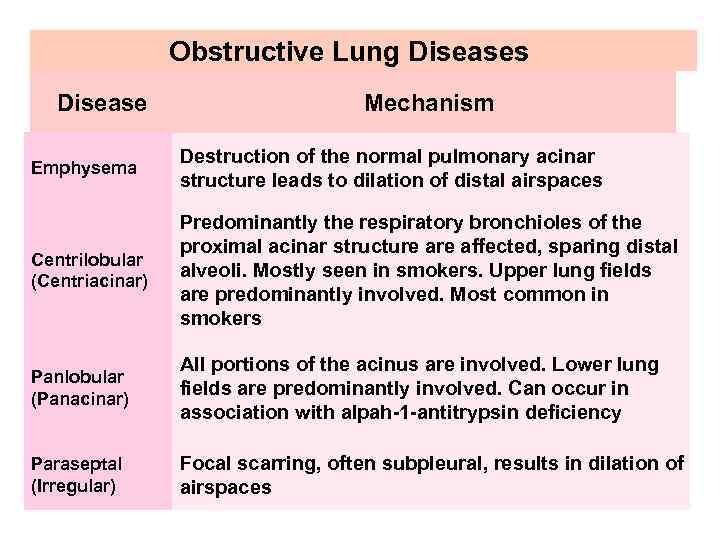 Obstructive Lung Diseases Disease Mechanism Emphysema Destruction of the normal pulmonary acinar structure leads to dilation of distal airspaces Centrilobular (Centriacinar) Predominantly the respiratory bronchioles of the proximal acinar structure affected, sparing distal alveoli. Mostly seen in smokers. Upper lung fields are predominantly involved. Most common in smokers Panlobular (Panacinar) All portions of the acinus are involved. Lower lung fields are predominantly involved. Can occur in association with alpah-1 -antitrypsin deficiency Paraseptal (Irregular) Focal scarring, often subpleural, results in dilation of airspaces
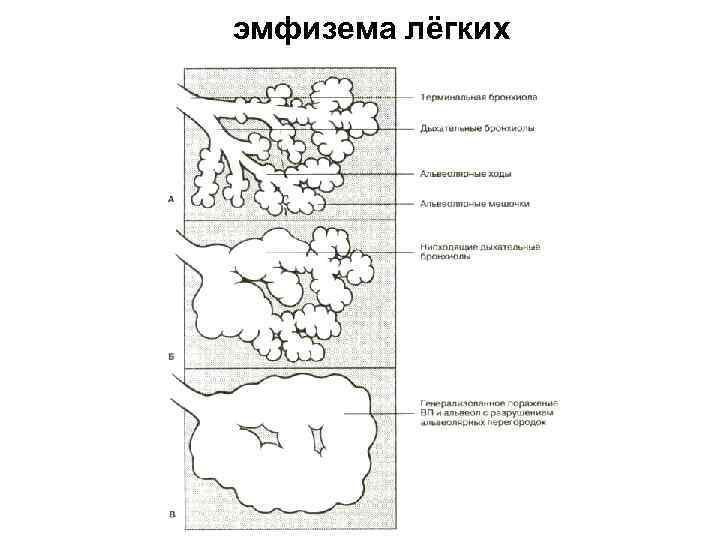 эмфизема лёгких
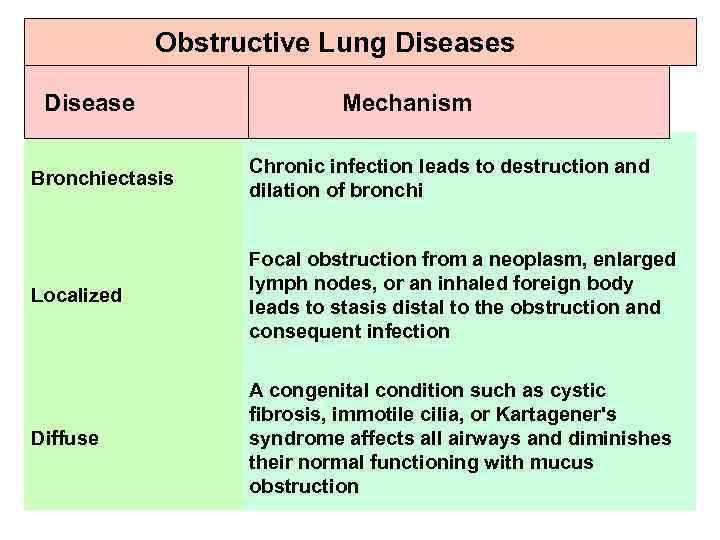 Obstructive Lung Diseases Disease Mechanism Bronchiectasis Chronic infection leads to destruction and dilation of bronchi Localized Focal obstruction from a neoplasm, enlarged lymph nodes, or an inhaled foreign body leads to stasis distal to the obstruction and consequent infection Diffuse A congenital condition such as cystic fibrosis, immotile cilia, or Kartagener's syndrome affects all airways and diminishes their normal functioning with mucus obstruction
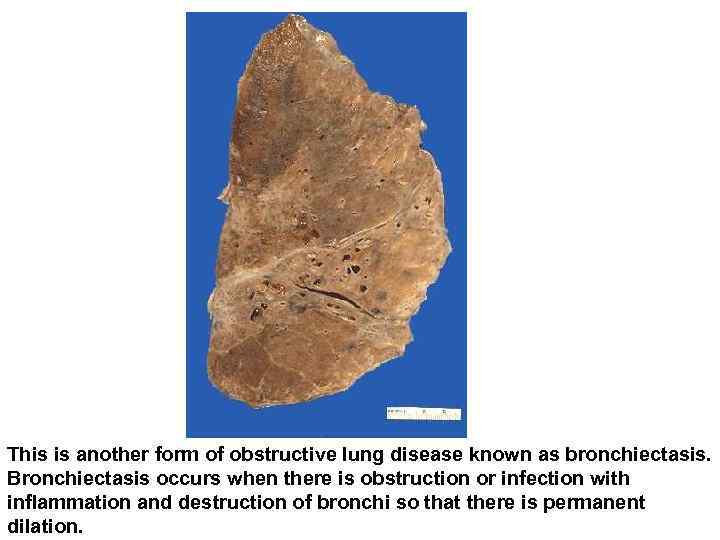 This is another form of obstructive lung disease known as bronchiectasis. Bronchiectasis occurs when there is obstruction or infection with inflammation and destruction of bronchi so that there is permanent dilation.
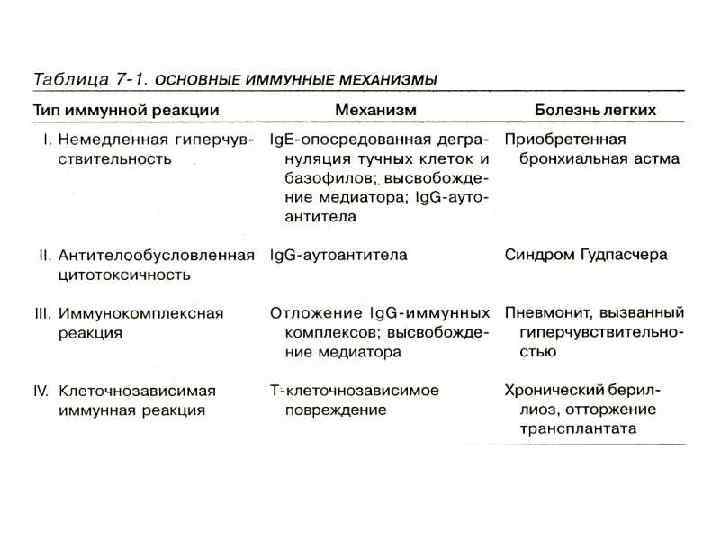
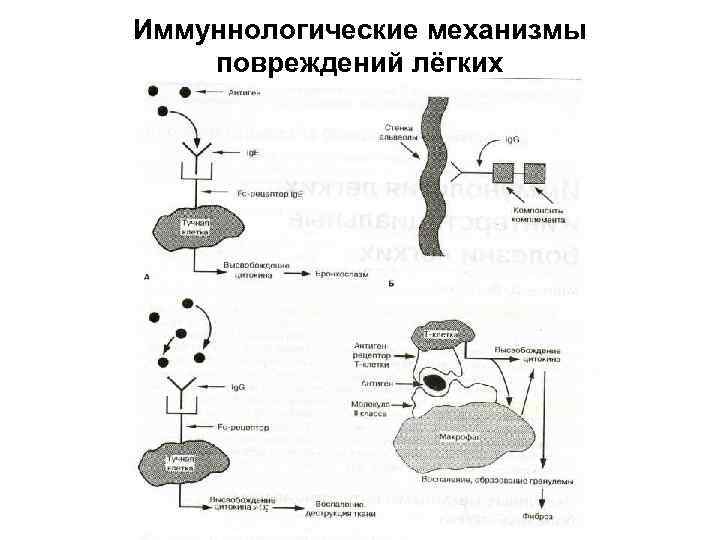 Иммуннологические механизмы повреждений лёгких
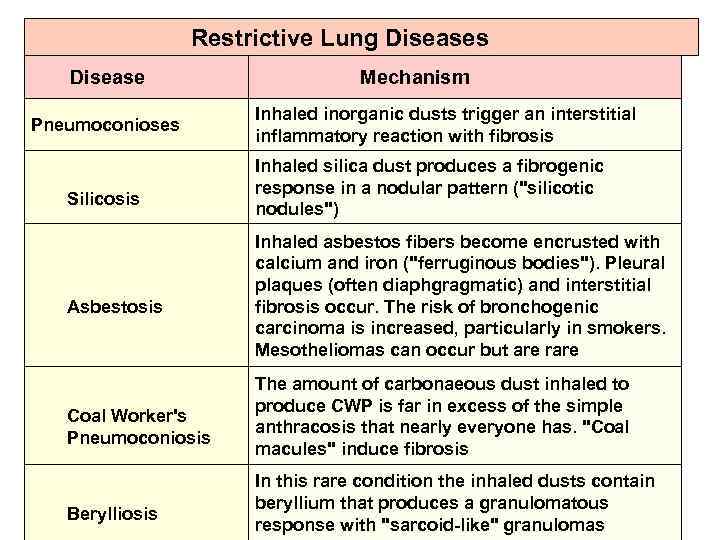 Restrictive Lung Diseases Disease Pneumoconioses Silicosis Asbestosis Coal Worker's Pneumoconiosis Berylliosis Mechanism Inhaled inorganic dusts trigger an interstitial inflammatory reaction with fibrosis Inhaled silica dust produces a fibrogenic response in a nodular pattern ("silicotic nodules") Inhaled asbestos fibers become encrusted with calcium and iron ("ferruginous bodies"). Pleural plaques (often diaphgragmatic) and interstitial fibrosis occur. The risk of bronchogenic carcinoma is increased, particularly in smokers. Mesotheliomas can occur but are rare The amount of carbonaeous dust inhaled to produce CWP is far in excess of the simple anthracosis that nearly everyone has. "Coal macules" induce fibrosis In this rare condition the inhaled dusts contain beryllium that produces a granulomatous response with "sarcoid-like" granulomas
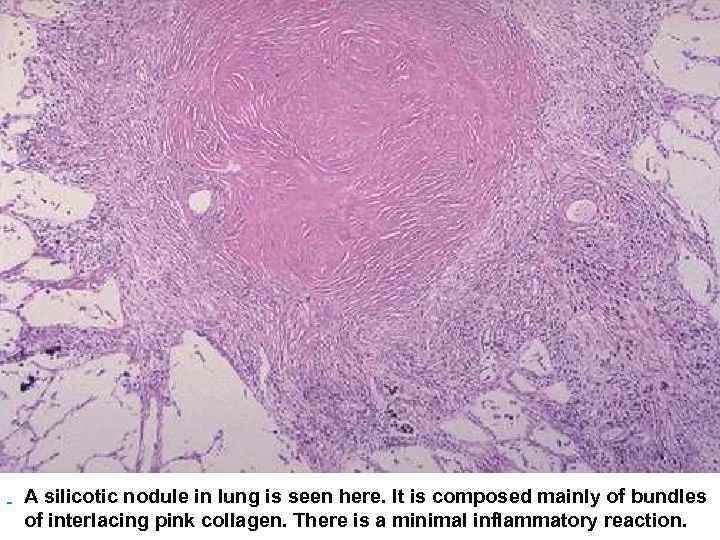 A silicotic nodule in lung is seen here. It is composed mainly of bundles of interlacing pink collagen. There is a minimal inflammatory reaction.
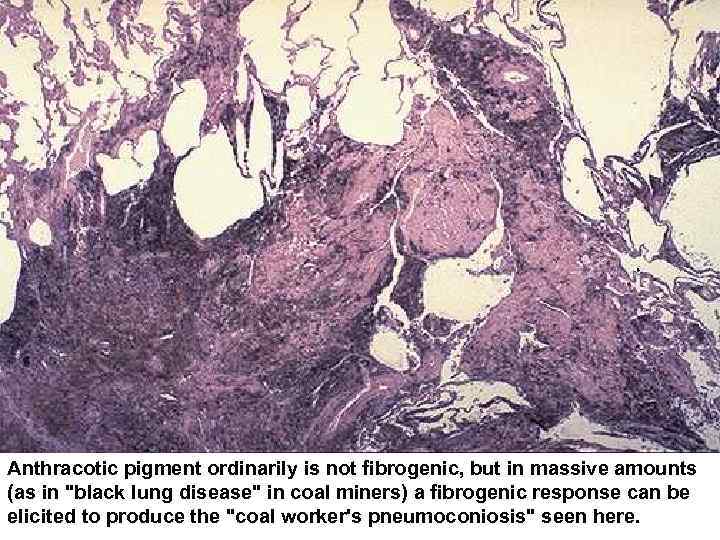 Anthracotic pigment ordinarily is not fibrogenic, but in massive amounts (as in "black lung disease" in coal miners) a fibrogenic response can be elicited to produce the "coal worker's pneumoconiosis" seen here.
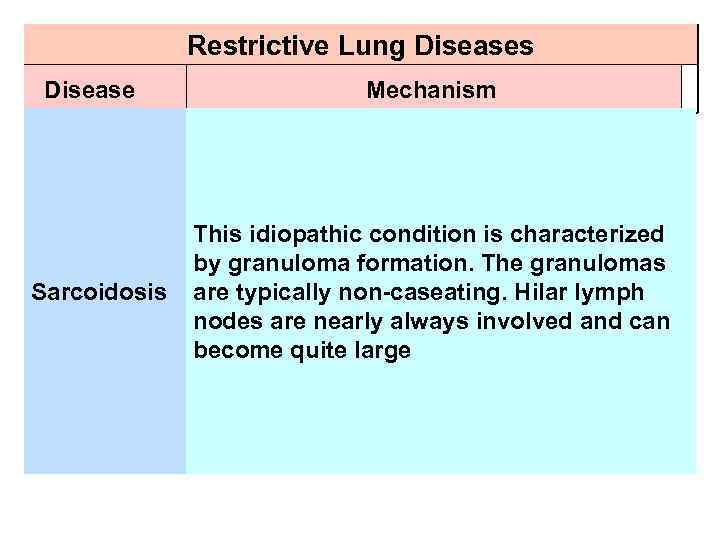 Restrictive Lung Diseases Disease Sarcoidosis Mechanism This idiopathic condition is characterized by granuloma formation. The granulomas are typically non-caseating. Hilar lymph nodes are nearly always involved and can become quite large
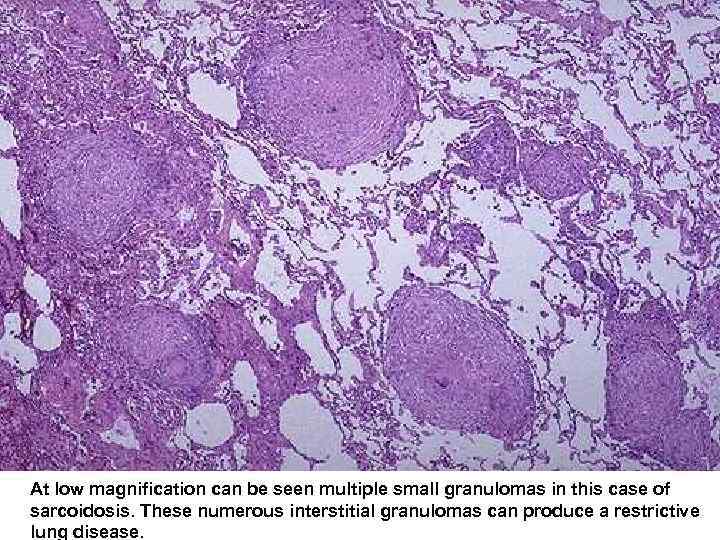 At low magnification can be seen multiple small granulomas in this case of sarcoidosis. These numerous interstitial granulomas can produce a restrictive lung disease.
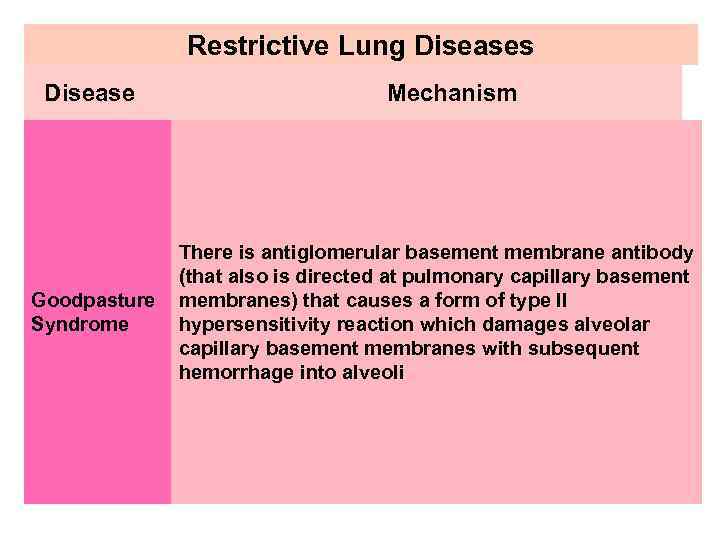 Restrictive Lung Diseases Disease Goodpasture Syndrome Mechanism There is antiglomerular basement membrane antibody (that also is directed at pulmonary capillary basement membranes) that causes a form of type II hypersensitivity reaction which damages alveolar capillary basement membranes with subsequent hemorrhage into alveoli
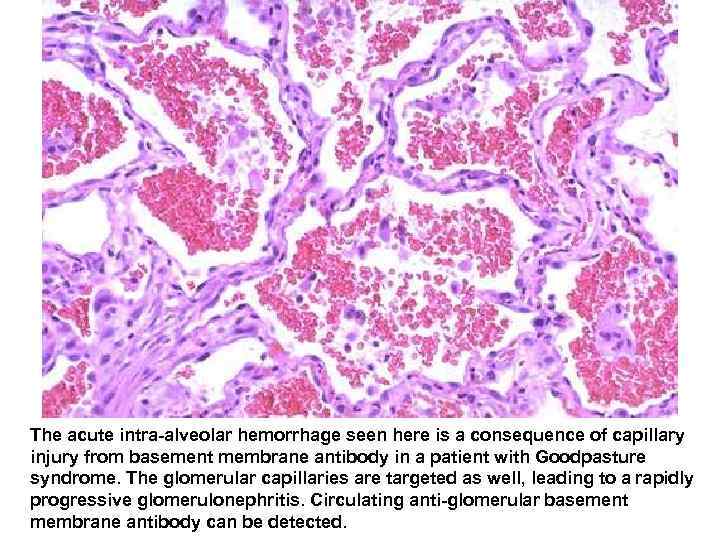 The acute intra-alveolar hemorrhage seen here is a consequence of capillary injury from basement membrane antibody in a patient with Goodpasture syndrome. The glomerular capillaries are targeted as well, leading to a rapidly progressive glomerulonephritis. Circulating anti-glomerular basement membrane antibody can be detected.
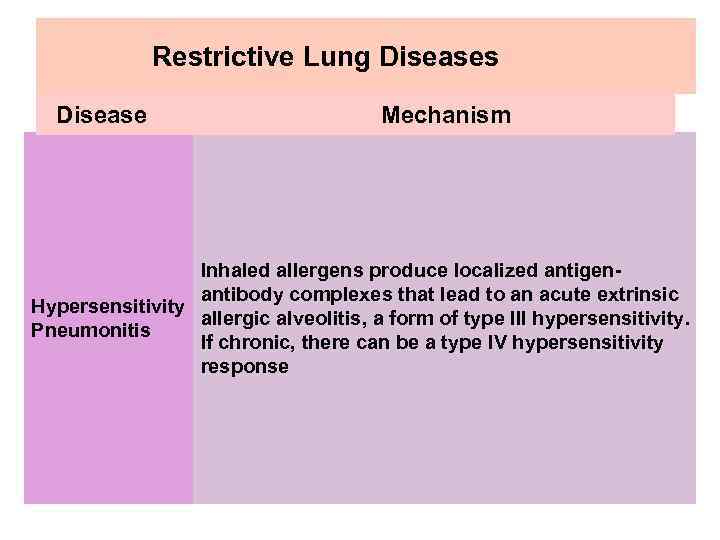 Restrictive Lung Diseases Disease Mechanism Inhaled allergens produce localized antigenantibody complexes that lead to an acute extrinsic Hypersensitivity allergic alveolitis, a form of type III hypersensitivity. Pneumonitis If chronic, there can be a type IV hypersensitivity response
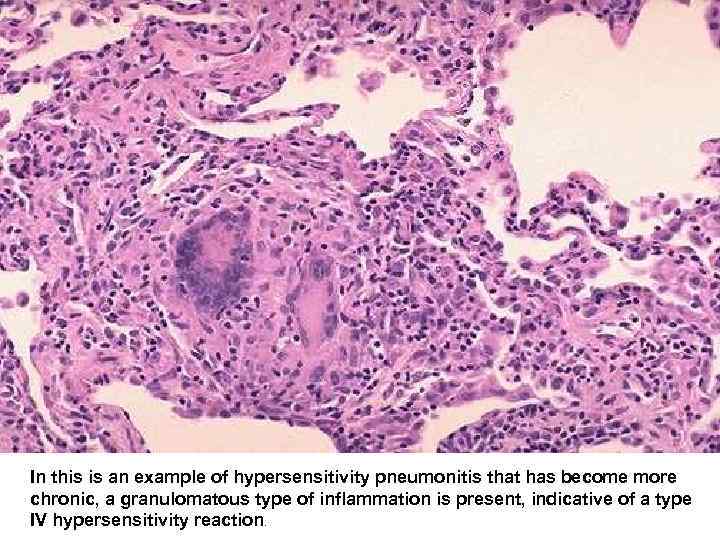 In this is an example of hypersensitivity pneumonitis that has become more chronic, a granulomatous type of inflammation is present, indicative of a type IV hypersensitivity reaction.
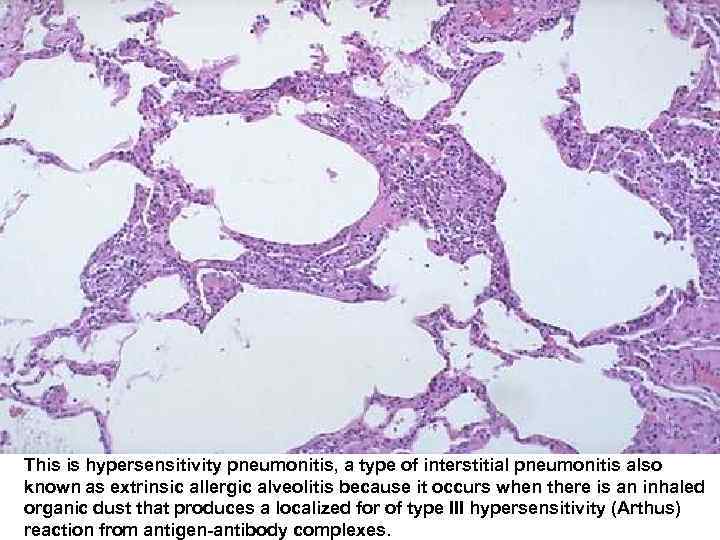 This is hypersensitivity pneumonitis, a type of interstitial pneumonitis also known as extrinsic allergic alveolitis because it occurs when there is an inhaled organic dust that produces a localized for of type III hypersensitivity (Arthus) reaction from antigen-antibody complexes.
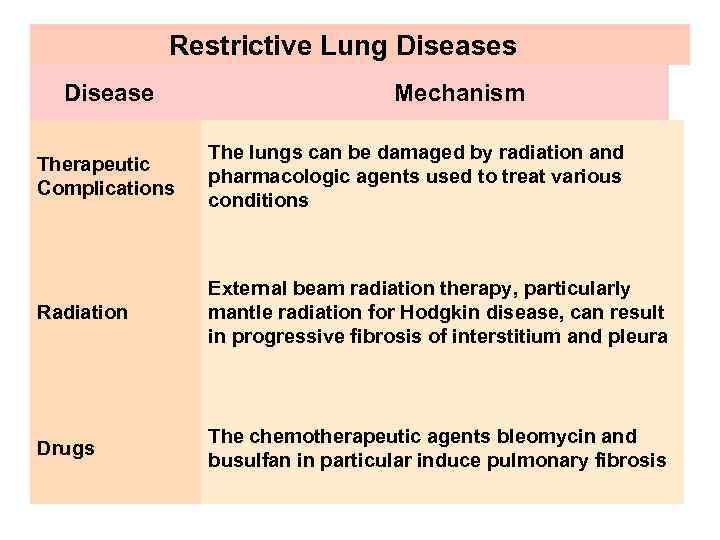 Restrictive Lung Diseases Disease Mechanism Therapeutic Complications The lungs can be damaged by radiation and pharmacologic agents used to treat various conditions Radiation External beam radiation therapy, particularly mantle radiation for Hodgkin disease, can result in progressive fibrosis of interstitium and pleura Drugs The chemotherapeutic agents bleomycin and busulfan in particular induce pulmonary fibrosis
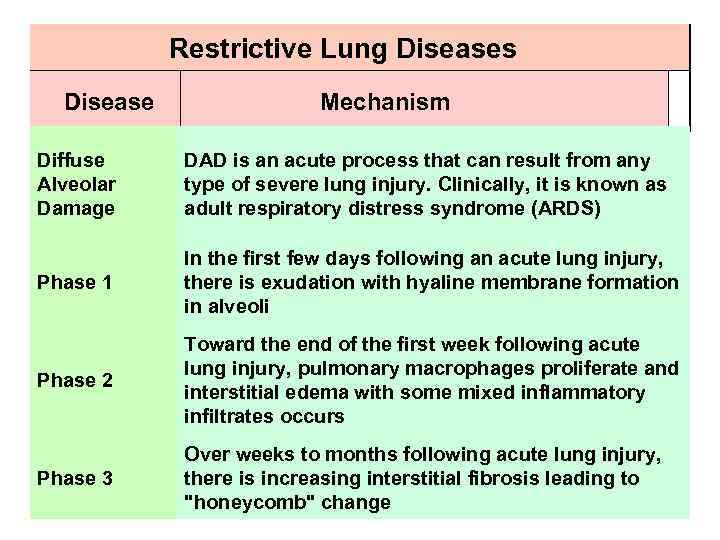 Restrictive Lung Diseases Disease Mechanism Diffuse Alveolar Damage DAD is an acute process that can result from any type of severe lung injury. Clinically, it is known as adult respiratory distress syndrome (ARDS) Phase 1 In the first few days following an acute lung injury, there is exudation with hyaline membrane formation in alveoli Phase 2 Toward the end of the first week following acute lung injury, pulmonary macrophages proliferate and interstitial edema with some mixed inflammatory infiltrates occurs Phase 3 Over weeks to months following acute lung injury, there is increasing interstitial fibrosis leading to "honeycomb" change
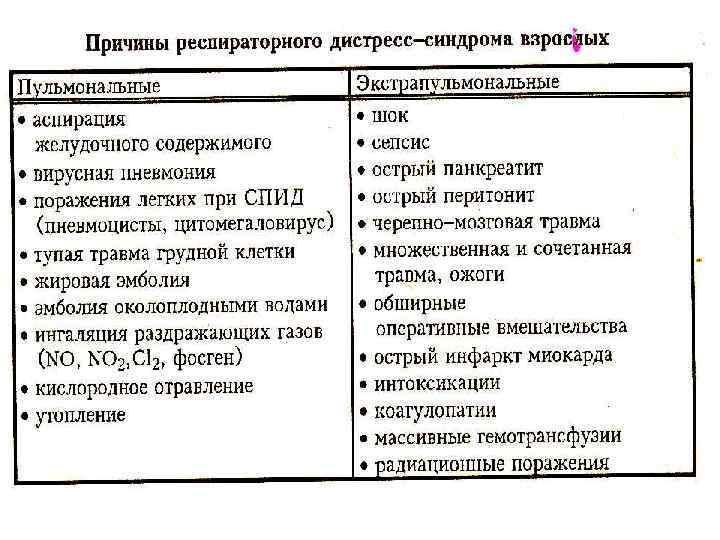
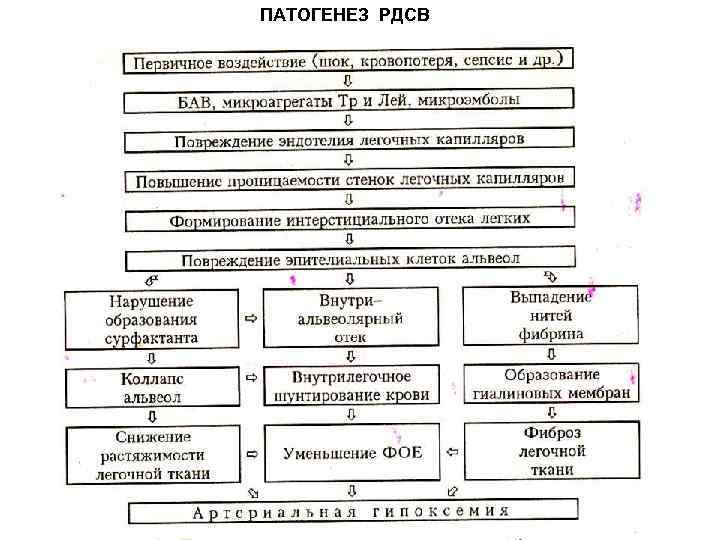 ПАТОГЕНЕЗ РДСВ
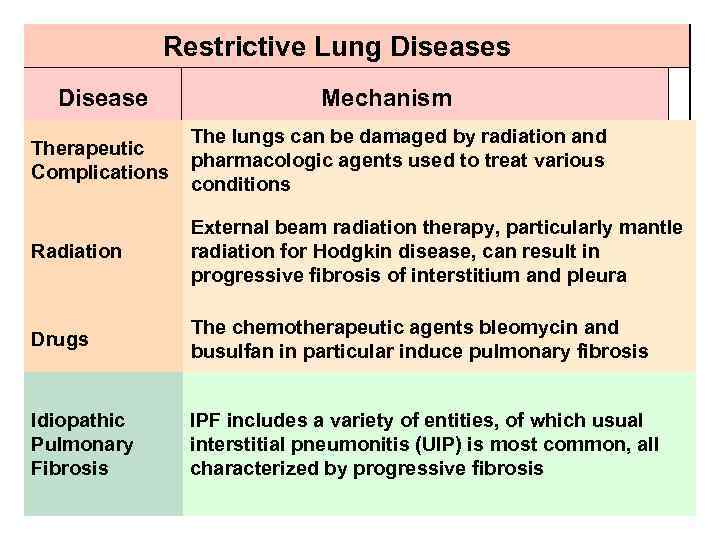 Restrictive Lung Diseases Disease Mechanism Therapeutic Complications The lungs can be damaged by radiation and pharmacologic agents used to treat various conditions Radiation External beam radiation therapy, particularly mantle radiation for Hodgkin disease, can result in progressive fibrosis of interstitium and pleura Drugs The chemotherapeutic agents bleomycin and busulfan in particular induce pulmonary fibrosis Idiopathic Pulmonary Fibrosis IPF includes a variety of entities, of which usual interstitial pneumonitis (UIP) is most common, all characterized by progressive fibrosis
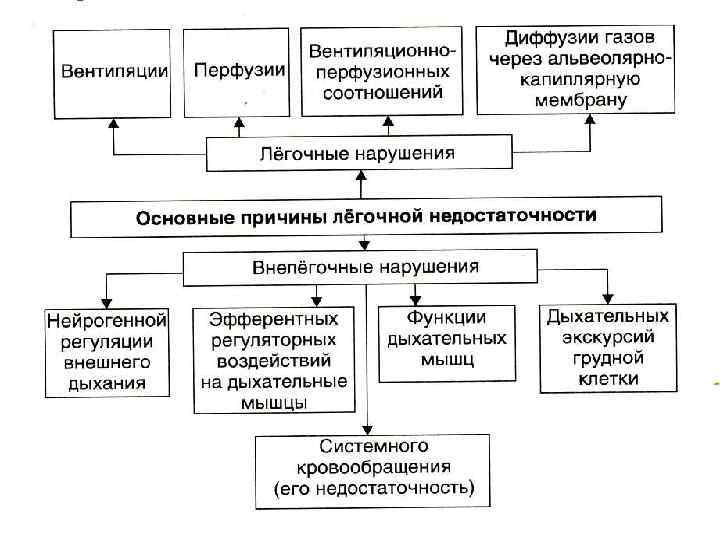
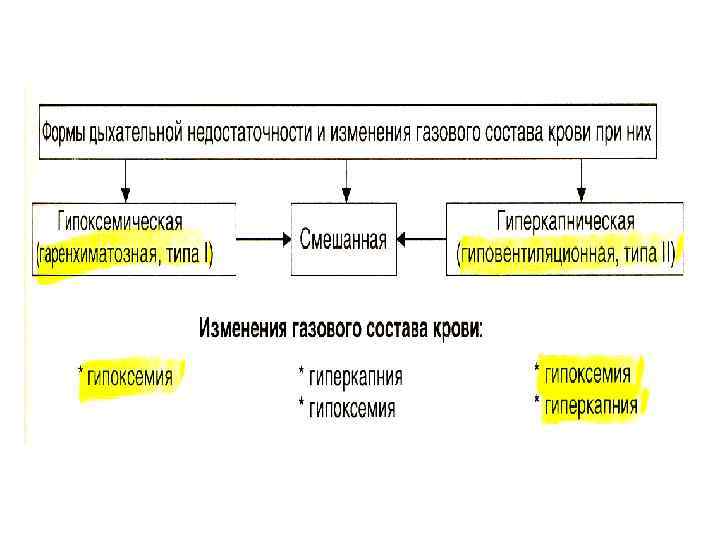
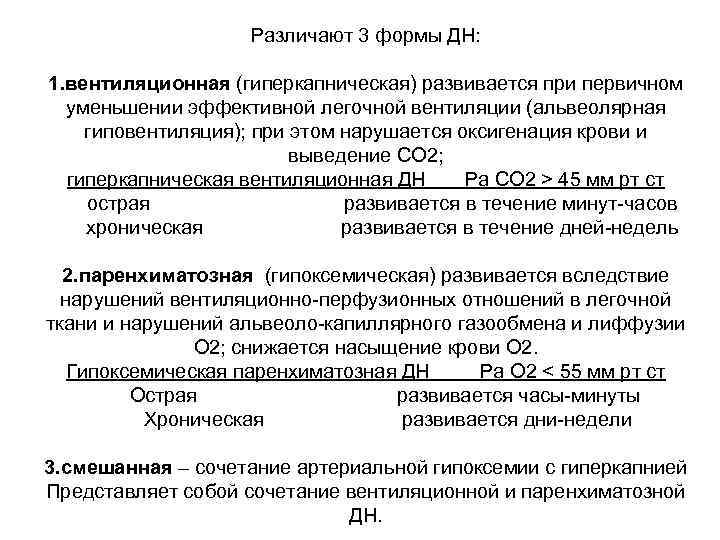 Различают 3 формы ДН: 1. вентиляционная (гиперкапническая) развивается при первичном уменьшении эффективной легочной вентиляции (альвеолярная гиповентиляция); при этом нарушается оксигенация крови и выведение СО 2; гиперкапническая вентиляционная ДН Ра СО 2 > 45 мм рт ст острая развивается в течение минут-часов хроническая развивается в течение дней-недель 2. паренхиматозная (гипоксемическая) развивается вследствие нарушений вентиляционно-перфузионных отношений в легочной ткани и нарушений альвеоло-капиллярного газообмена и лиффузии О 2; снижается насыщение крови О 2. Гипоксемическая паренхиматозная ДН Ра O 2 < 55 мм рт ст Острая развивается часы-минуты Хроническая развивается дни-недели 3. смешанная – сочетание артериальной гипоксемии с гиперкапнией Представляет собой сочетание вентиляционной и паренхиматозной ДН.