 Скачать презентацию Partnership between the Marine Industry and the Marine
d0d3c7a467968da868704dbb01eb4933.ppt
- Количество слайдов: 27



Partnership between the Marine Industry and the Marine Meteorological & Oceanographic Communities Prepared by the JCOMM Ship Observations Team (Task Team on VOS Recruitment & Programme Promotion) Version 3, 2008
Outline § Why Take Marine Observations ? § The Global Framework. § Ship-based Observing Programmes. § Complementary Marine Programmes. § More Information.
Why Take Marine Observations ?
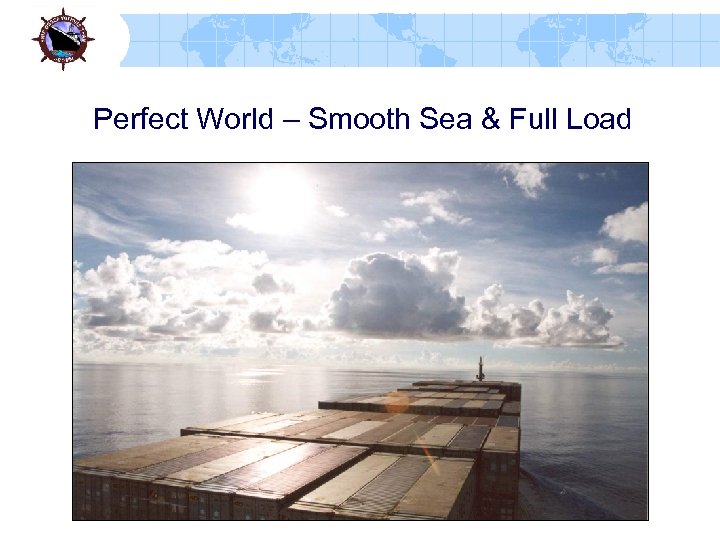
Perfect World – Smooth Sea & Full Load
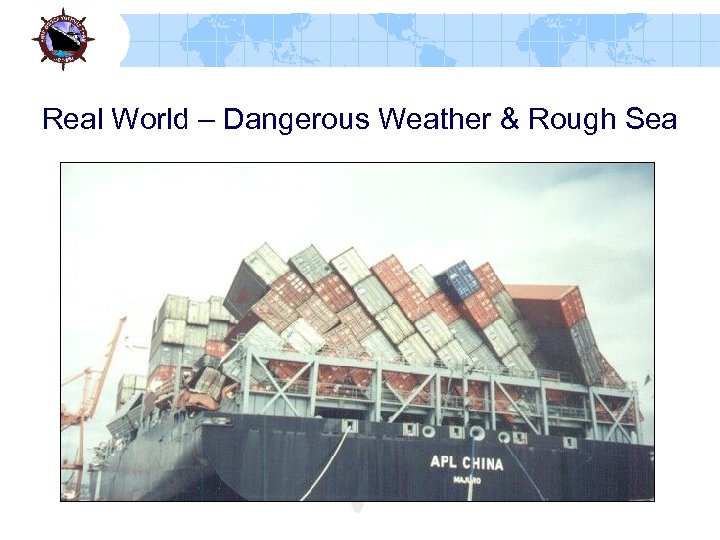
Real World – Dangerous Weather & Rough Sea
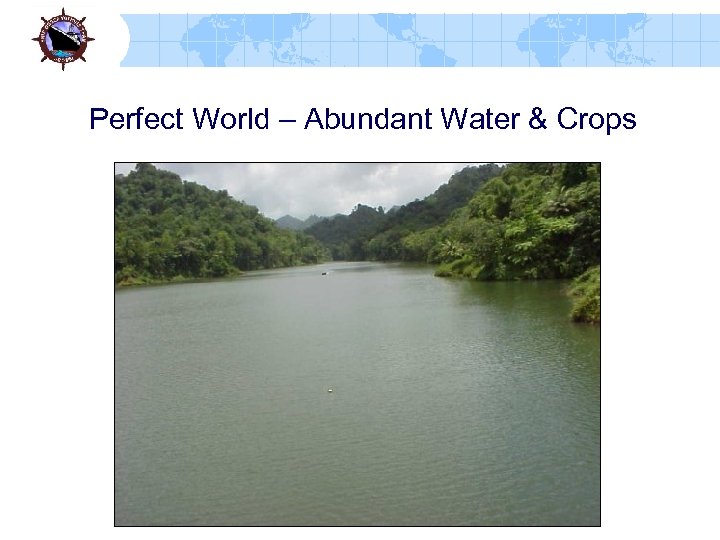
Perfect World – Abundant Water & Crops
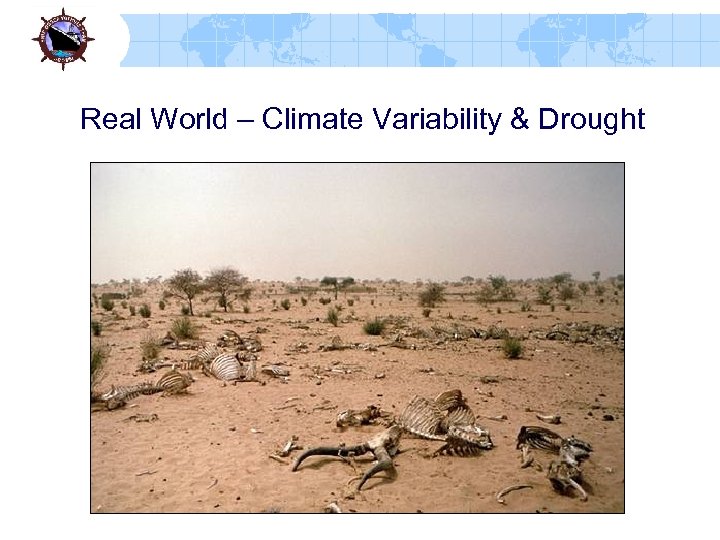
Real World – Climate Variability & Drought
Why are the Oceans Important ? § Oceans cover about 70% of the Earth's surface. § The oceans serve many functions, including influencing the weather & temperature: • The oceans moderate the Earth's temperature by absorbing incoming solar radiation which is stored as heat energy. • The stored heat energy is distributed around the globe by ocean currents. • Oceanic phenomena, such as El Nino & La Nina, impact on vast areas of the Earth, often with serious consequences.
Marine Observations are Vital ! § Observing the state of the oceans & atmosphere enables us to predict the weather and to detect long-term climate variability & climate change. § In-situ observations from ships & autonomous marine platforms remains the only way to observe & monitor some oceanographic & atmospheric parameters. § Marine observations supplement & assist in calibrating satellite-derived observations.
The Global Framework
International Coordination § The Ship Observations Team (SOT) coordinates three enduring global ship-based observing programmes: • The Voluntary Observing Ship (VOS) Scheme. • The Ship-of-Opportunity Programme (SOOP). • The Automated Shipboard Aerological Programme (ASAP). § The SOT is co-sponsored by WMO & IOC through JCOMM. WMO = World Meteorological Organization IOC = Intergovernmental Oceanographic Commission of UNESCO JCOMM = Joint WMO/IOC Technical Commission for Oceanography and Marine Meteorology
The Global Marine Observing Programme § JCOMM is the reporting & coordinating mechanism for the operational marine activities of WMO & IOC. § The SOT coordinates the JCOMM ship-based programmes at the global level. § National agencies & institutions implement & operate the JCOMM programmes at the national level.
The Global Observing System § Observations from ships make an important contribution to the Global Observing System (GOS), a key component of the World Weather Watch (WWW) Programme of WMO. § The WWW provides countries with meteorological & related geophysical information that are needed for the operation of an efficient weather forecasting & warning service.
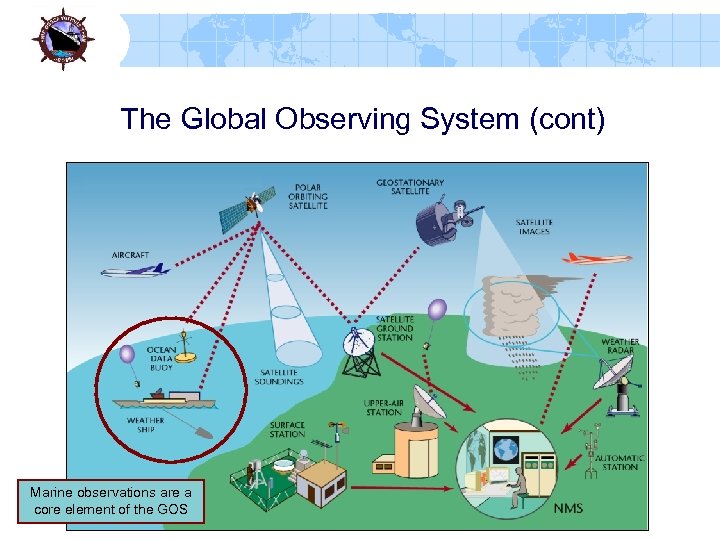
The Global Observing System (cont) Marine observations are a core element of the GOS
Using The Data You Collect § Improves the analysis of weather systems & storm tracking. § Improves numerical weather prediction, leading to better marine forecasts & ship routing. § Assists with climate research, modelling & forecasts. § Assists with the prediction of El Nino & other phenomena.
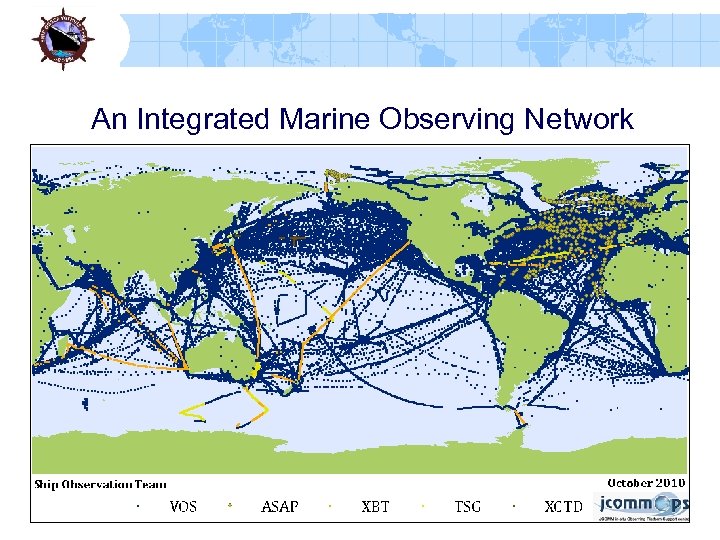
An Integrated Marine Observing Network Map resized to 75% of original from JCOMMOPS, then 1 px black border http: //wo. jcommops. org/cgi-bin/Web. Objects/JCOMMOPS. woa/wa/map? type=GTSM_FMT Position: 2. 47 cm (H) & 5. 65 cm (V) from top left corner
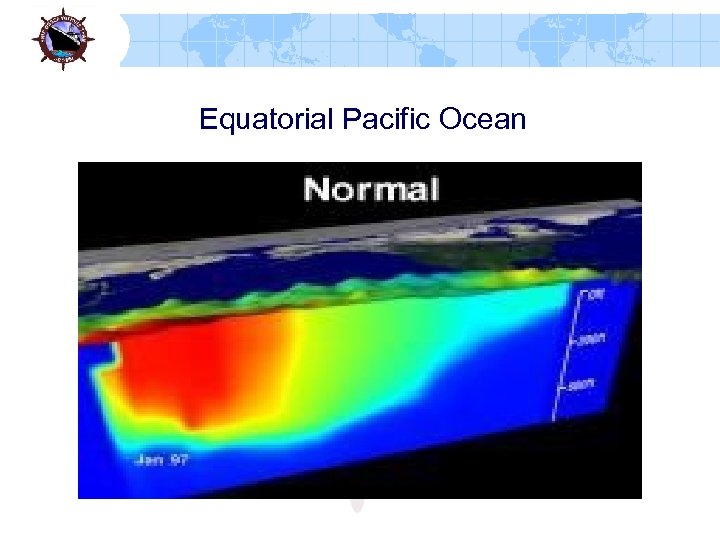
Equatorial Pacific Ocean
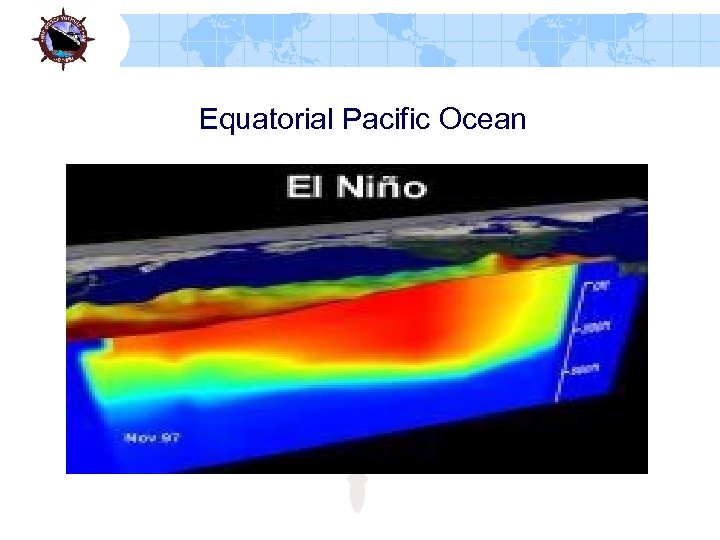
Equatorial Pacific Ocean
Impact on the Ship & Crew § Space for storage, equipment & operations. § Make routine observations, including: date, time & position, and send the coded report in real-time. § Care for & maintain the loaned sampling equipment provided by a meteorological or oceanographic agency. § Access to ship’s power, and a willingness to power on/off the equipment.
Impact on the Ship & Crew (cont) § Laying of cables using existing or new cable ducts. § Plumbing of continuous sampling systems to a sea-water or air inlet/outlet. § Contact the meteorological or oceanographic agency if problems arise with its sampling equipment, or if the trading pattern of the ship is likely to change. § Allow occasional ship riders (high density XBT SOOP).
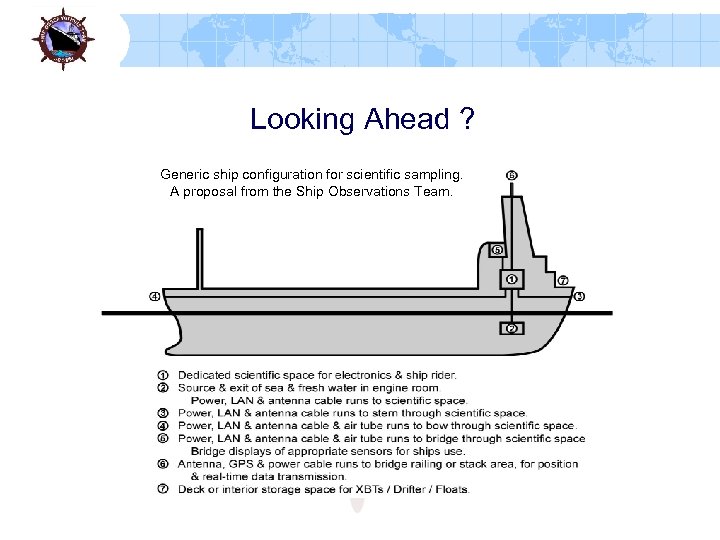
Looking Ahead ? Generic ship configuration for scientific sampling. A proposal from the Ship Observations Team.
Ship-based Observing Programmes click logo to programme
Complementary Marine Programmes drifting buoys & profiling floats click logos to go to complementary programmes
More Information
Contact Details SOT Graeme Ball (AU) g. ball@bom. gov. au VOS Julie Fletcher (NZ) fletcher@metservice. com VOSClim Sarah North (UK) sarah. north@metoffice. gov. uk ASAP Rudolf Krockauer (DE) rudolf. krockauer@dwd. de SOOP Gustavo Goni (US) gustavo. goni@noaa. gov
Website Links SOT http: //www. jcommops. org/sot/ VOS http: // www. bom. gov. au/jcomm/vos/ VOSClim http: // www. ncdc. noaa. gov/oa/climate/vosclim. html ASAP http: // www. jcommops. org/sot/asap/ SOOP http: // www. jcommops. org/soopip/
 Скачать презентацию Partnership between the Marine Industry and the Marine
d0d3c7a467968da868704dbb01eb4933.ppt