Скачать презентацию Overview http www visitlondon com things-todo place 610718 -hyde-park London s Hyde
Практикум парк, мол, БД.pptx
- Количество слайдов: 26
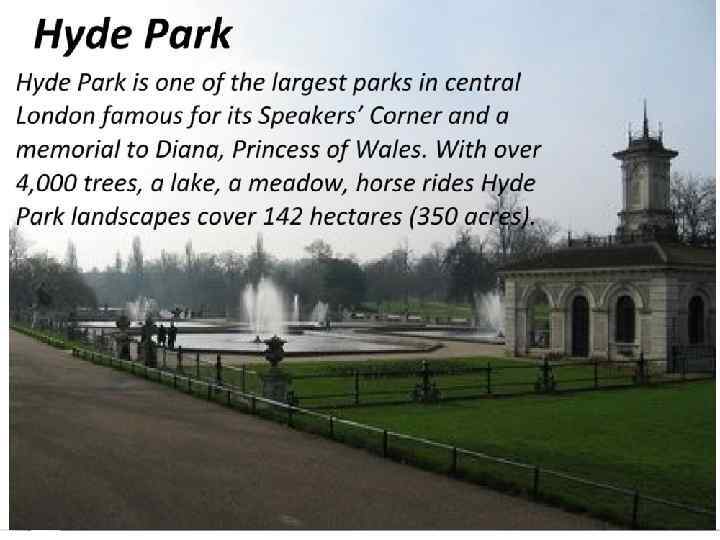
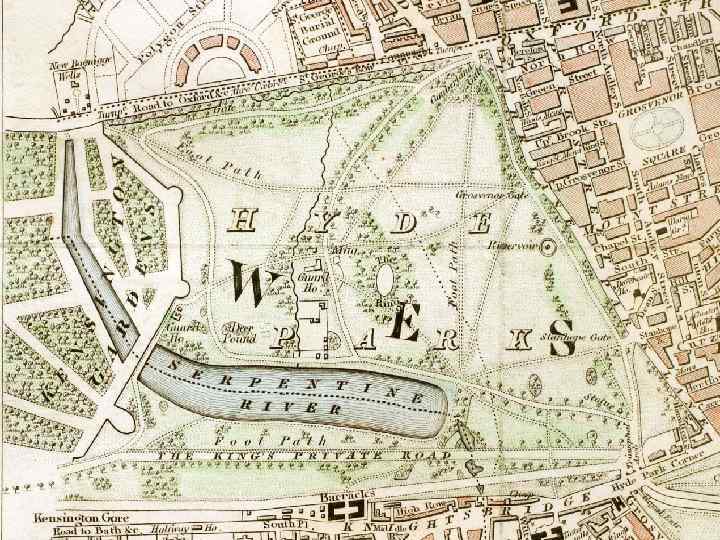
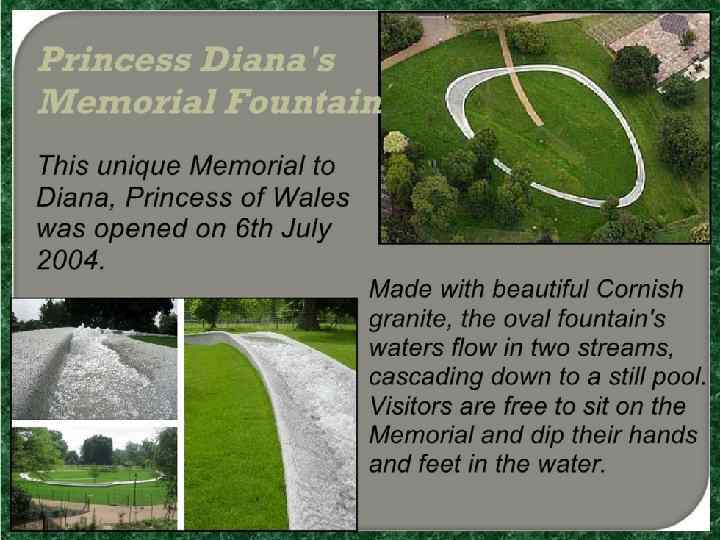
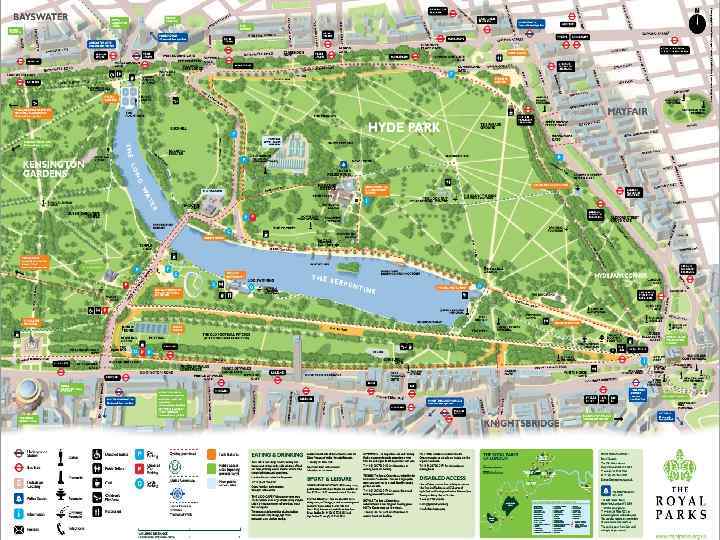
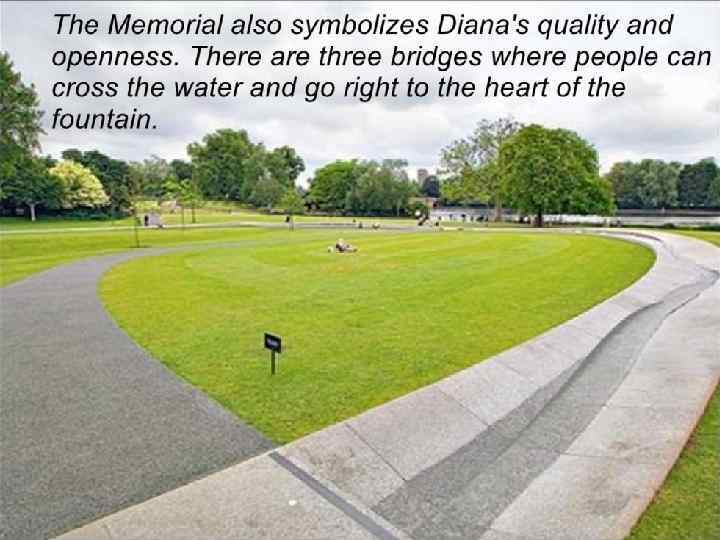
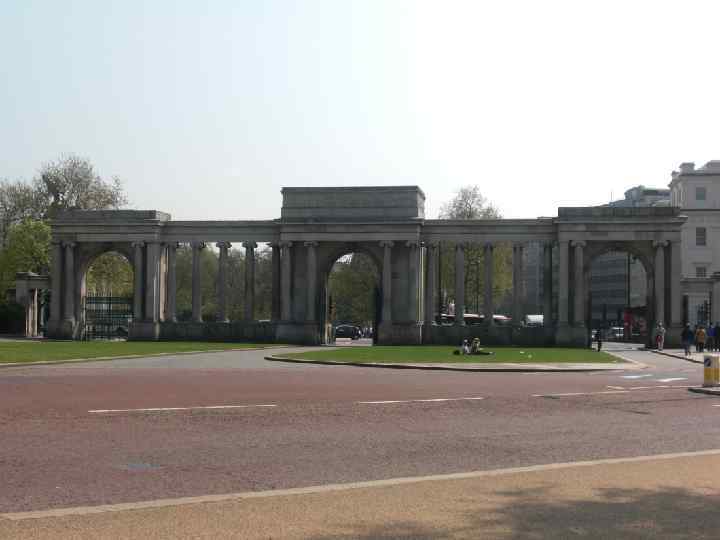
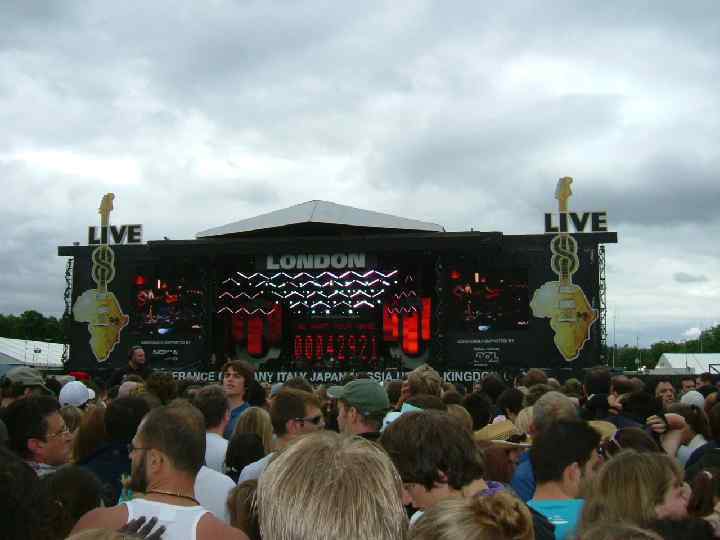
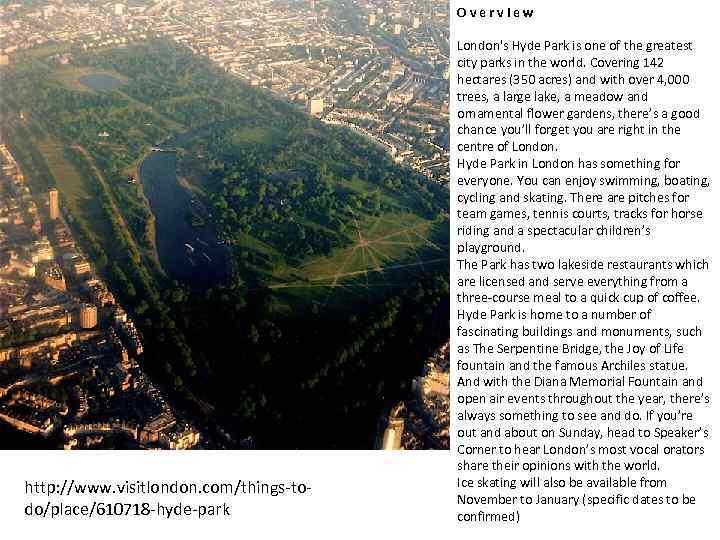 Overview http: //www. visitlondon. com/things-todo/place/610718 -hyde-park London's Hyde Park is one of the greatest city parks in the world. Covering 142 hectares (350 acres) and with over 4, 000 trees, a large lake, a meadow and ornamental flower gardens, there’s a good chance you’ll forget you are right in the centre of London. Hyde Park in London has something for everyone. You can enjoy swimming, boating, cycling and skating. There are pitches for team games, tennis courts, tracks for horse riding and a spectacular children’s playground. The Park has two lakeside restaurants which are licensed and serve everything from a three-course meal to a quick cup of coffee. Hyde Park is home to a number of fascinating buildings and monuments, such as The Serpentine Bridge, the Joy of Life fountain and the famous Archiles statue. And with the Diana Memorial Fountain and open air events throughout the year, there’s always something to see and do. If you’re out and about on Sunday, head to Speaker’s Corner to hear London’s most vocal orators share their opinions with the world. Ice skating will also be available from November to January (specific dates to be confirmed)
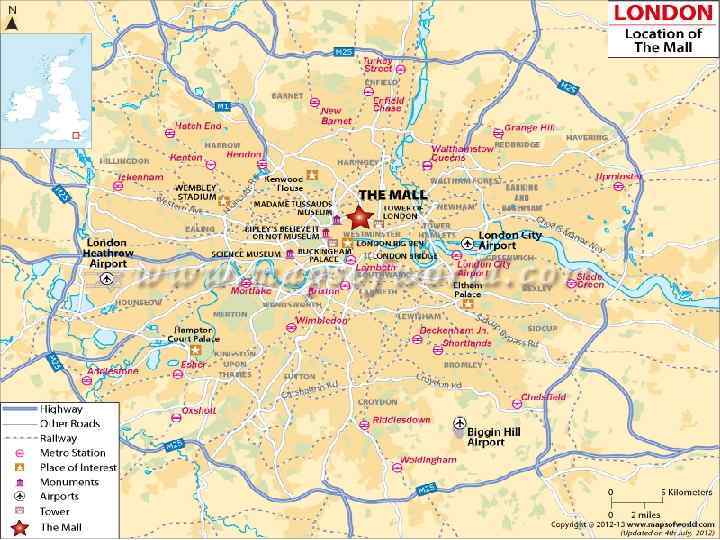
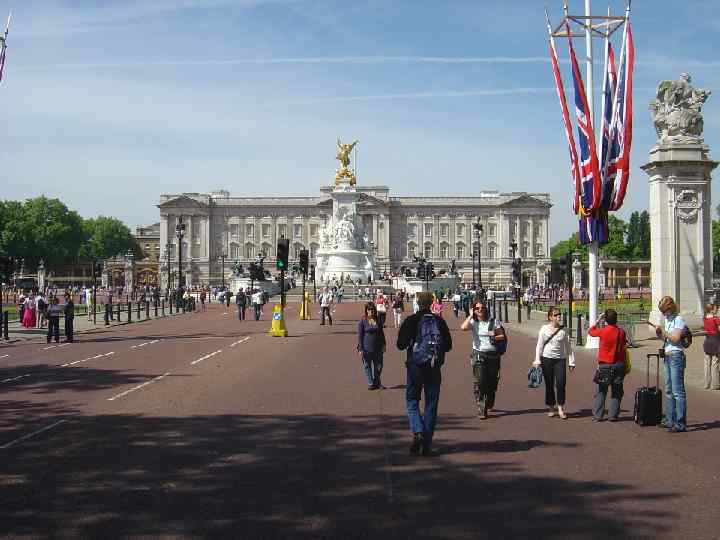
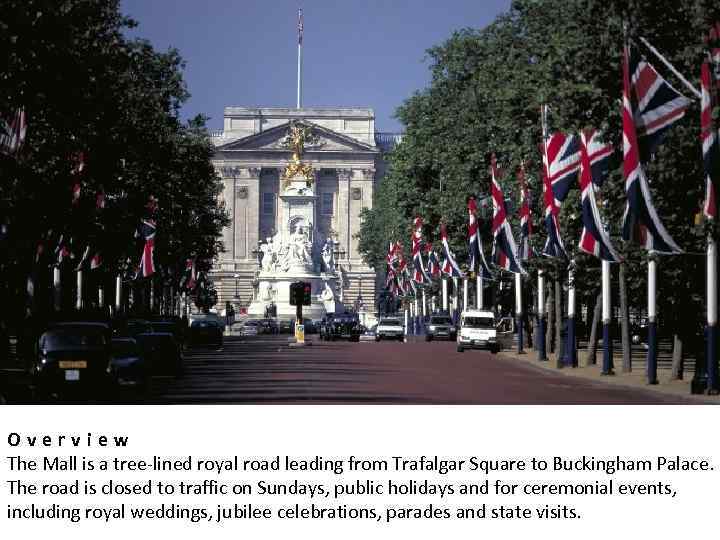 Overview The Mall is a tree-lined royal road leading from Trafalgar Square to Buckingham Palace. The road is closed to traffic on Sundays, public holidays and for ceremonial events, including royal weddings, jubilee celebrations, parades and state visits.
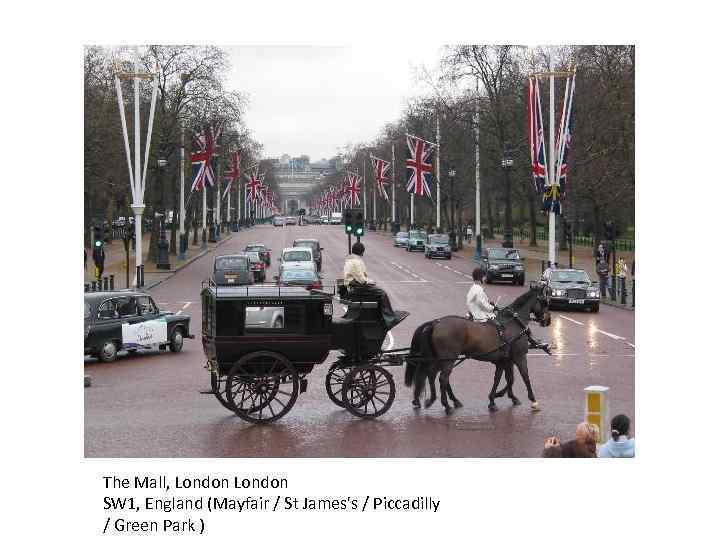 The Mall, London SW 1, England (Mayfair / St James's / Piccadilly / Green Park )
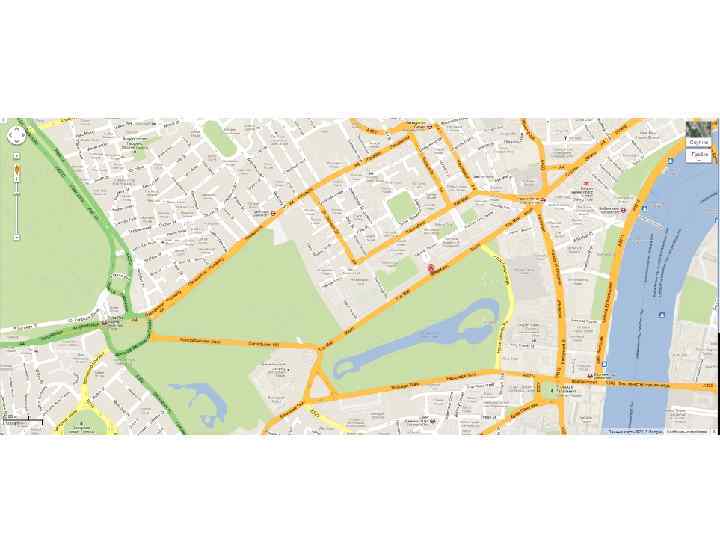
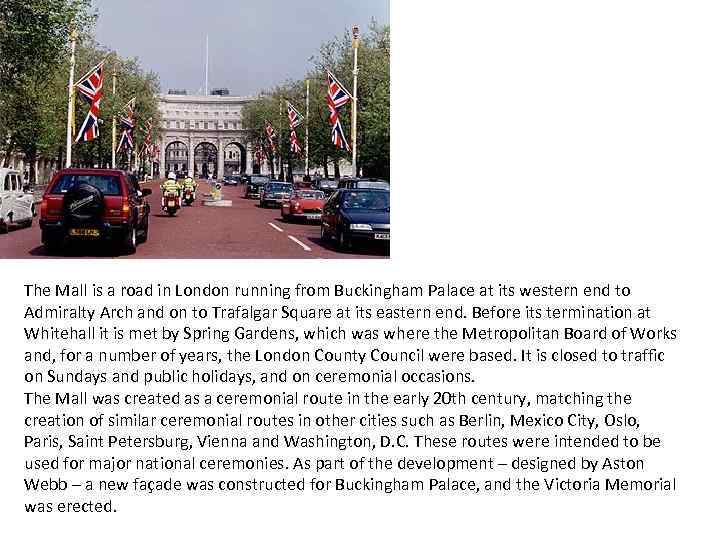 The Mall is a road in London running from Buckingham Palace at its western end to Admiralty Arch and on to Trafalgar Square at its eastern end. Before its termination at Whitehall it is met by Spring Gardens, which was where the Metropolitan Board of Works and, for a number of years, the London County Council were based. It is closed to traffic on Sundays and public holidays, and on ceremonial occasions. The Mall was created as a ceremonial route in the early 20 th century, matching the creation of similar ceremonial routes in other cities such as Berlin, Mexico City, Oslo, Paris, Saint Petersburg, Vienna and Washington, D. C. These routes were intended to be used for major national ceremonies. As part of the development – designed by Aston Webb – a new façade was constructed for Buckingham Palace, and the Victoria Memorial was erected.
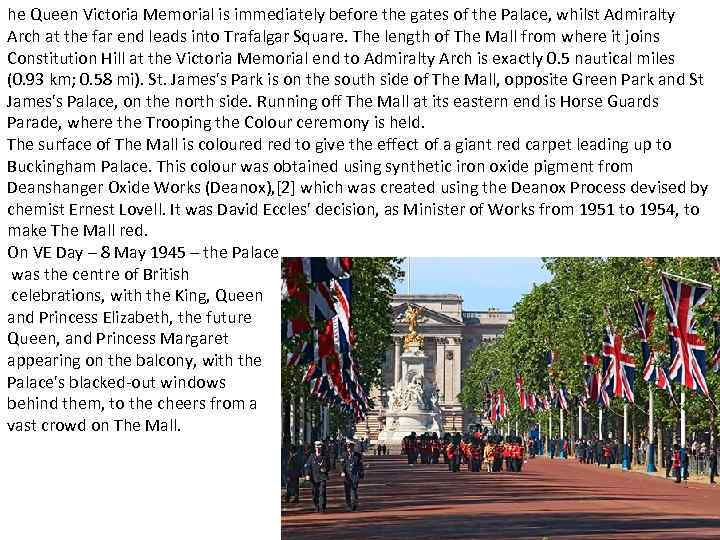 he Queen Victoria Memorial is immediately before the gates of the Palace, whilst Admiralty Arch at the far end leads into Trafalgar Square. The length of The Mall from where it joins Constitution Hill at the Victoria Memorial end to Admiralty Arch is exactly 0. 5 nautical miles (0. 93 km; 0. 58 mi). St. James's Park is on the south side of The Mall, opposite Green Park and St James's Palace, on the north side. Running off The Mall at its eastern end is Horse Guards Parade, where the Trooping the Colour ceremony is held. The surface of The Mall is coloured to give the effect of a giant red carpet leading up to Buckingham Palace. This colour was obtained using synthetic iron oxide pigment from Deanshanger Oxide Works (Deanox), [2] which was created using the Deanox Process devised by chemist Ernest Lovell. It was David Eccles' decision, as Minister of Works from 1951 to 1954, to make The Mall red. On VE Day – 8 May 1945 – the Palace was the centre of British celebrations, with the King, Queen and Princess Elizabeth, the future Queen, and Princess Margaret appearing on the balcony, with the Palace's blacked-out windows behind them, to the cheers from a vast crowd on The Mall.
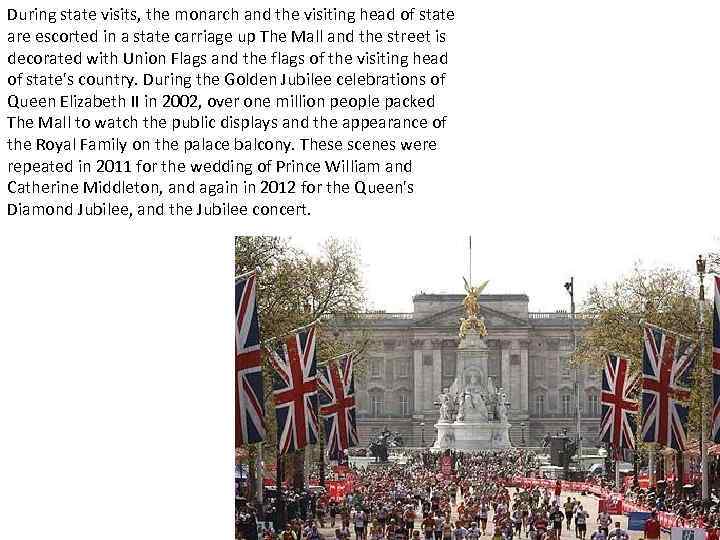 During state visits, the monarch and the visiting head of state are escorted in a state carriage up The Mall and the street is decorated with Union Flags and the flags of the visiting head of state's country. During the Golden Jubilee celebrations of Queen Elizabeth II in 2002, over one million people packed The Mall to watch the public displays and the appearance of the Royal Family on the palace balcony. These scenes were repeated in 2011 for the wedding of Prince William and Catherine Middleton, and again in 2012 for the Queen's Diamond Jubilee, and the Jubilee concert.
![The annual London Marathon finishes on The Mall. [5] It was also the start](https://present5.com/presentation/4130371_182175003/image-14.jpg "The annual London Marathon finishes on The Mall. [5] It was also the start") The annual London Marathon finishes on The Mall. [5] It was also the start and finish line for the marathon course, the road race, and the race walks of the 2012 Olympic and Paralympic Games. The women's marathon took place on 5 August and the men's Olympic marathon on 12 August. The men's 20 km walk took place on 4 August, with the men's 50 km walk and women's 20 km walk took place on 11 August. The Paralympic marathons were held on 9 September
The annual London Marathon finishes on The Mall. [5] It was also the start and finish line for the marathon course, the road race, and the race walks of the 2012 Olympic and Paralympic Games. The women's marathon took place on 5 August and the men's Olympic marathon on 12 August. The men's 20 km walk took place on 4 August, with the men's 50 km walk and women's 20 km walk took place on 11 August. The Paralympic marathons were held on 9 September
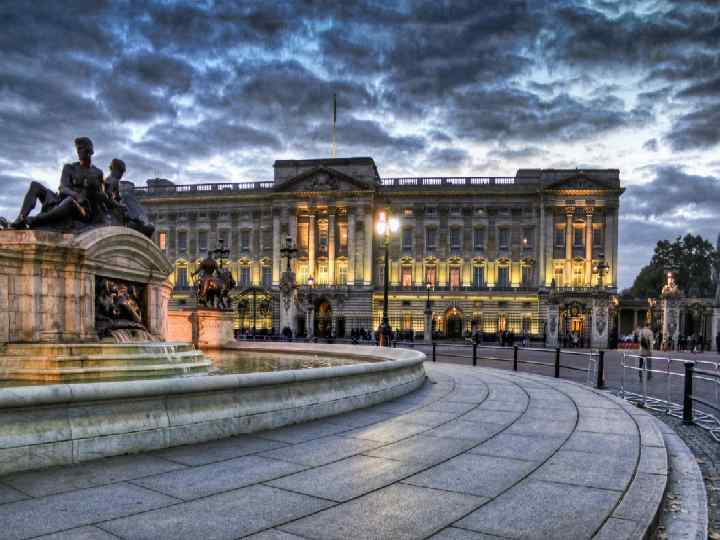
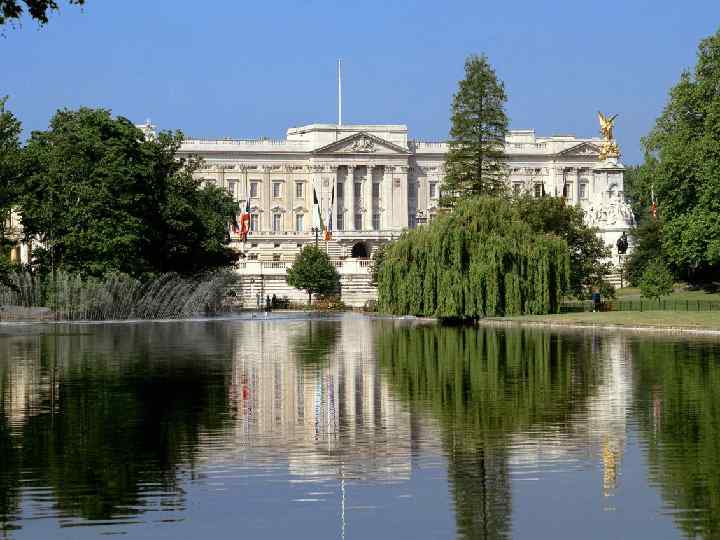
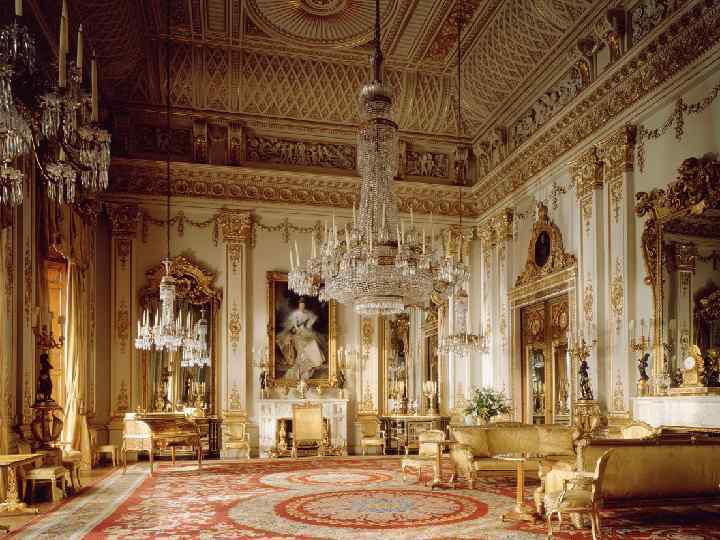
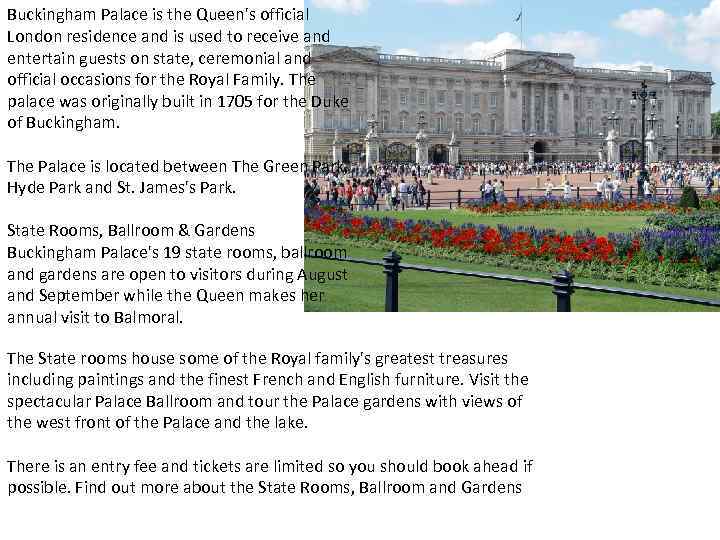 Buckingham Palace is the Queen's official London residence and is used to receive and entertain guests on state, ceremonial and official occasions for the Royal Family. The palace was originally built in 1705 for the Duke of Buckingham. The Palace is located between The Green Park, Hyde Park and St. James's Park. State Rooms, Ballroom & Gardens Buckingham Palace's 19 state rooms, ballroom and gardens are open to visitors during August and September while the Queen makes her annual visit to Balmoral. The State rooms house some of the Royal family's greatest treasures including paintings and the finest French and English furniture. Visit the spectacular Palace Ballroom and tour the Palace gardens with views of the west front of the Palace and the lake. There is an entry fee and tickets are limited so you should book ahead if possible. Find out more about the State Rooms, Ballroom and Gardens
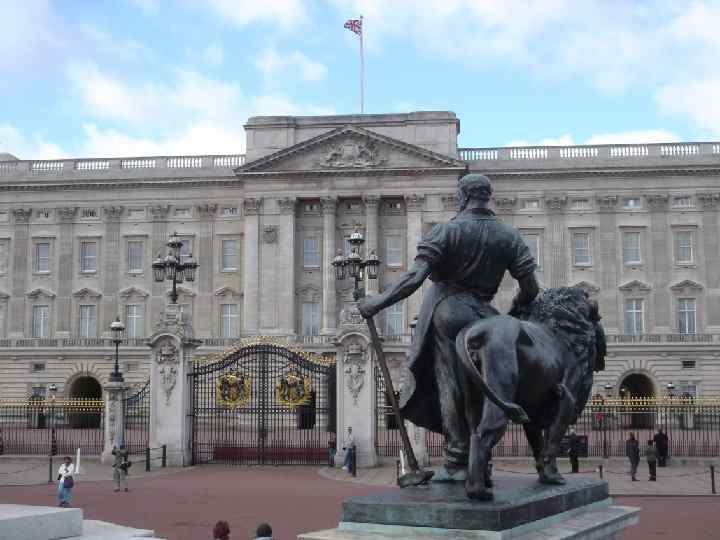
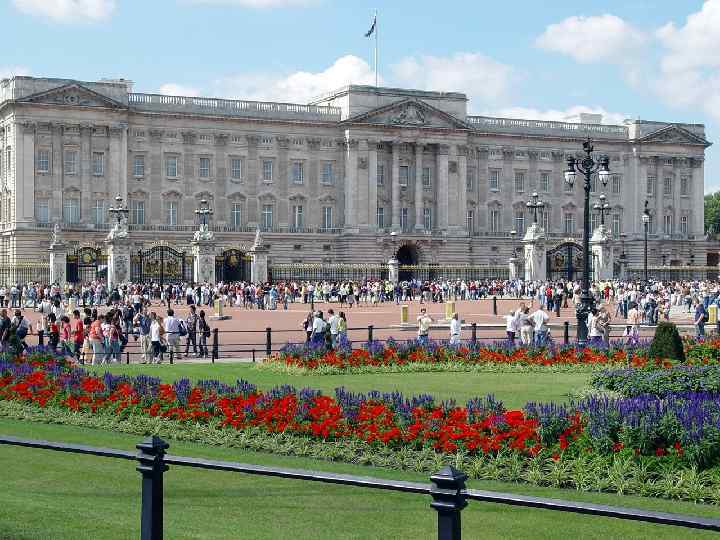
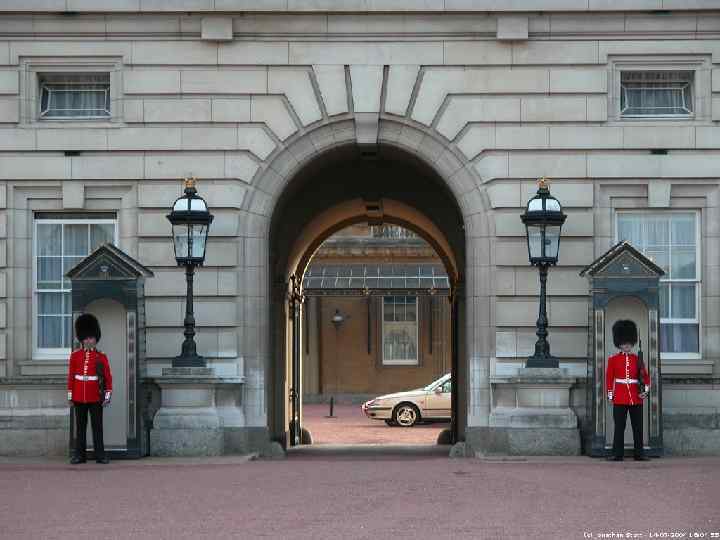
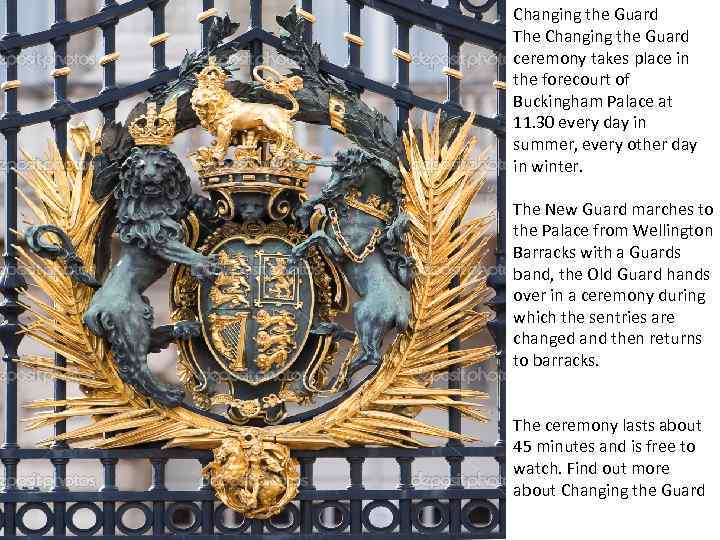 Changing the Guard The Changing the Guard ceremony takes place in the forecourt of Buckingham Palace at 11. 30 every day in summer, every other day in winter. The New Guard marches to the Palace from Wellington Barracks with a Guards band, the Old Guard hands over in a ceremony during which the sentries are changed and then returns to barracks. The ceremony lasts about 45 minutes and is free to watch. Find out more about Changing the Guard