


 Скачать презентацию OUTCOME-RESEARCH in Thermalism Nuevos retos en medicina The
ada59e469ab68b075cf7d1cc151e0689.ppt
- Количество слайдов: 45
 OUTCOME-RESEARCH in Thermalism Nuevos retos en medicina The New Challenge of Medicine Helmut G. Pratzel, MD, Ph. D President of the International Society of Medical Hydrology and Climatology (I. S. M. H. )
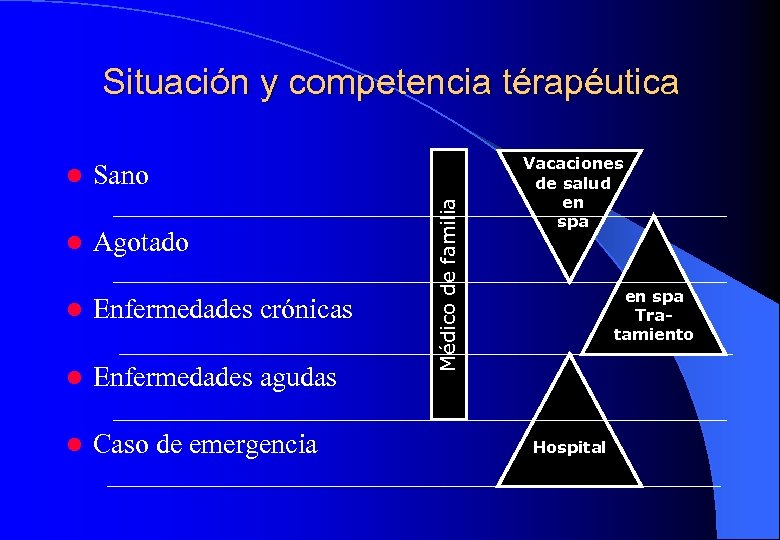 Situación y competencia térapéutica Sano l Agotado l Enfermedades crónicas l Enfermedades agudas l Caso de emergencia Médico de familia l Vacaciones de salud en spa Tratamiento Hospital
 Criterios de excelencia de las curas hydrotermales y de los lugares del termalismo dentro de las grandes opciones terapeuticas Spas and Health Resorts Rank within Health Care Systems Criteria of Efficient Treatments
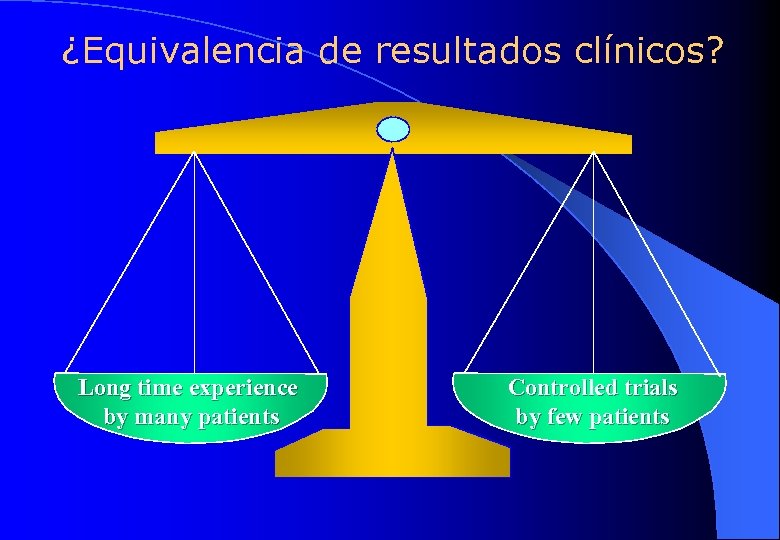 ¿Equivalencia de resultados clínicos? Long time experience by many patients Controlled trials by few patients
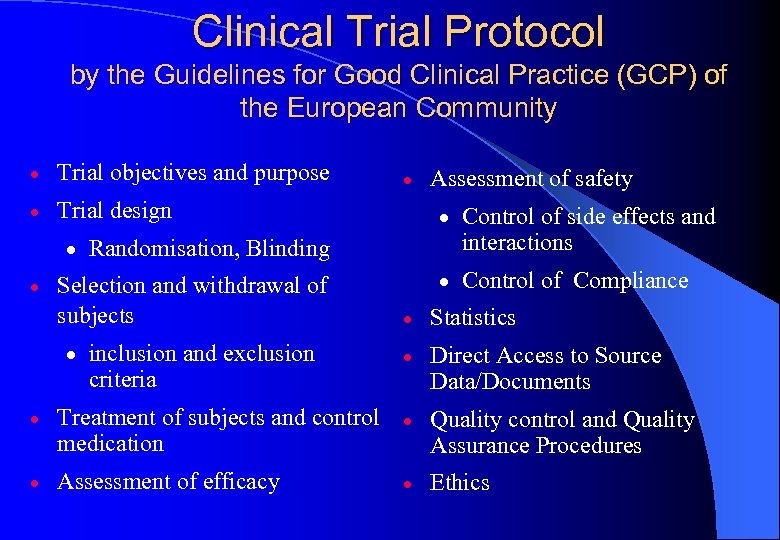 Clinical Trial Protocol by the Guidelines for Good Clinical Practice (GCP) of the European Community · Trial objectives and purpose · Trial design · Assessment of safety · Control of side effects and interactions · Randomisation, Blinding · Control of Compliance Selection and withdrawal of subjects · Statistics · inclusion and exclusion · · Direct Access to Source Data/Documents criteria · Treatment of subjects and control · Quality control and Quality medication Assurance Procedures · Assessment of efficacy · Ethics
 Primary Efficacy Variable l l l Only validated parameters should be used. Only one efficacy parameter is to defined. Endpoints used to determine efficacy should be clearly specified. Multiple parameters should be assembled to one score parameter. An efficacy threshold is to defined.
 Los métodos siguentes están permitidos l Comparación clinica l Comparación de los gastos antes y despues del tratamiento l Comparación del tiempo sin trabajo
 Tiempo sin trabajo Controlled trial in Bad Wörishofen 1991 -1994 n=115 n=248
 Controlled Double-Blind Trials Placebo-controlled trials in spa treatment are not required and are ethically suspicious. · Comparison of different treatments or different dosage without changing the normal basic complex strategy could be realised. · Trials with mono therapies have no relevance to balneotherapeutic practise ·
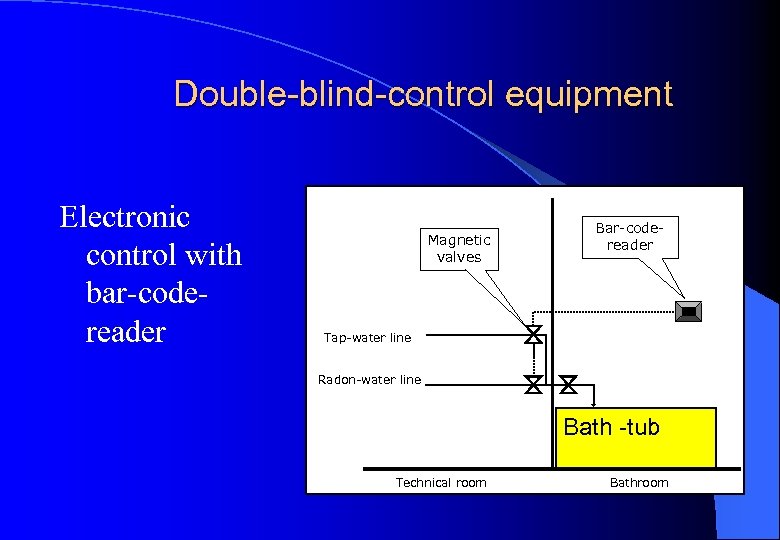 Double-blind-control equipment Electronic control with bar-codereader Magnetic valves Bar-codereader Tap-water line Radon-water line Bath -tub Technical room Bathroom
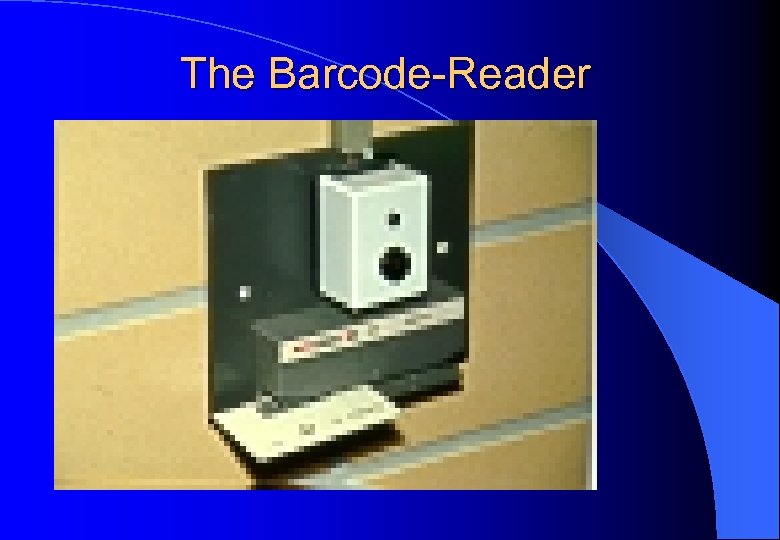 The Barcode-Reader
 Tres grados de la investigación son importantes l Efecto del tratamiento médico durante la cura l Resultados médicos y socio-médicos a largo plazo l Diferencia entre los gastos y el efecto
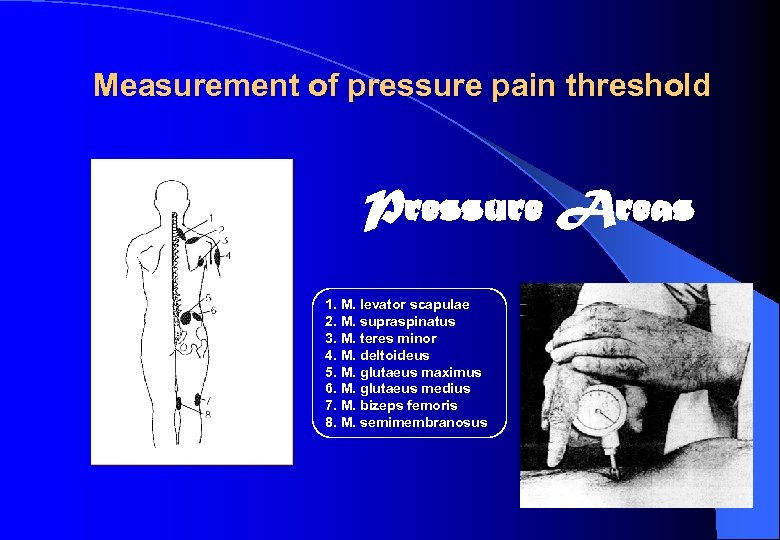 Measurement of pressure pain threshold Pressure Areas 1. M. levator scapulae 2. M. supraspinatus 3. M. teres minor 4. M. deltoideus 5. M. glutaeus maximus 6. M. glutaeus medius 7. M. bizeps femoris 8. M. semimembranosus
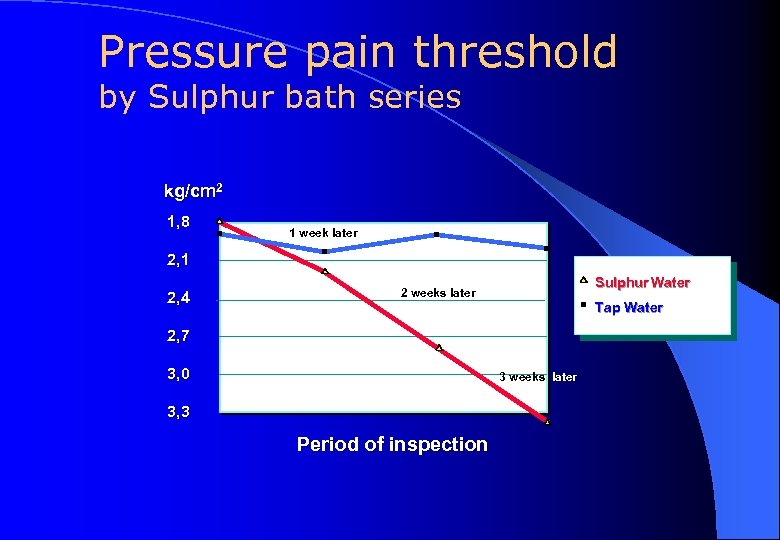 Pressure pain threshold by Sulphur bath series kg/cm 2 1, 8 1 week later 2, 1 2, 4 Sulphur Water 2 weeks later Tap Water 2, 7 3, 0 3 weeks later 3, 3 Period of inspection
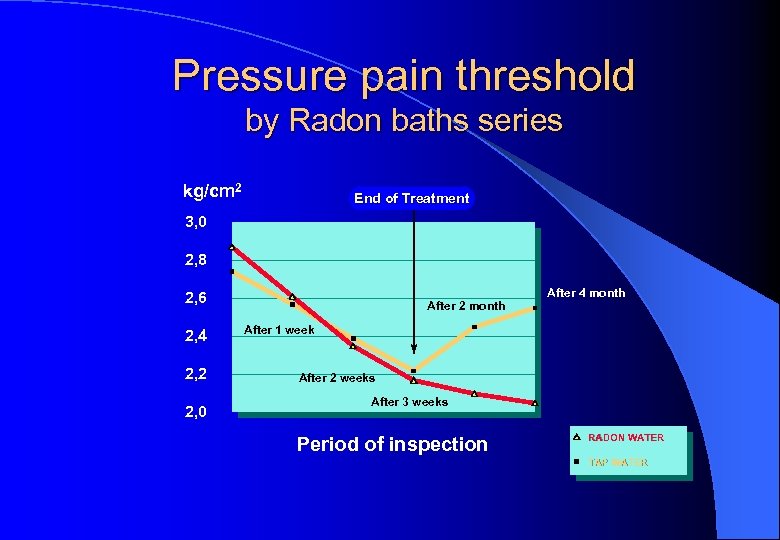 Pressure pain threshold by Radon baths series kg/cm 2 End of Treatment 3, 0 2, 8 2, 6 2, 4 2, 2 2, 0 After 2 month After 4 month Ende der Behandlung After 1 week After 2 weeks After 3 weeks Period of inspection RADON WATER TAP WATER
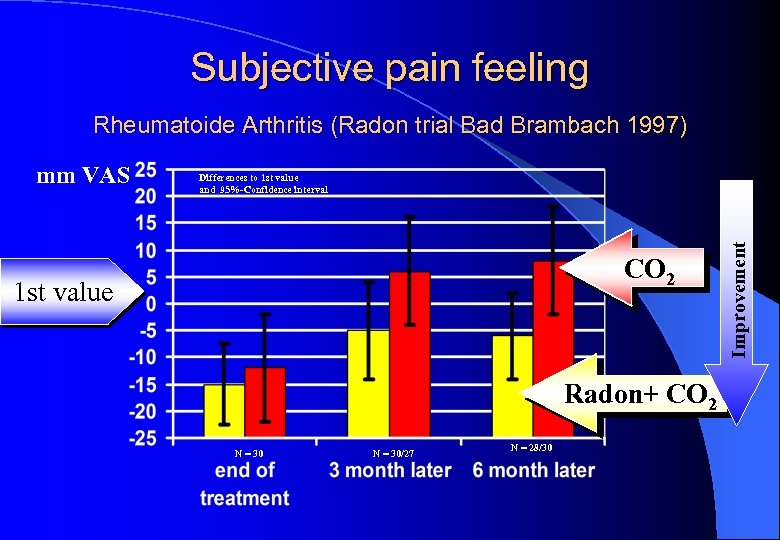 Subjective pain feeling Rheumatoide Arthritis (Radon trial Bad Brambach 1997) Differences to 1 st value and 95%-Confidence interval CO 2 1 st value Radon+ CO 2 N = 30/27 N = 28/30 Improvement mm VAS
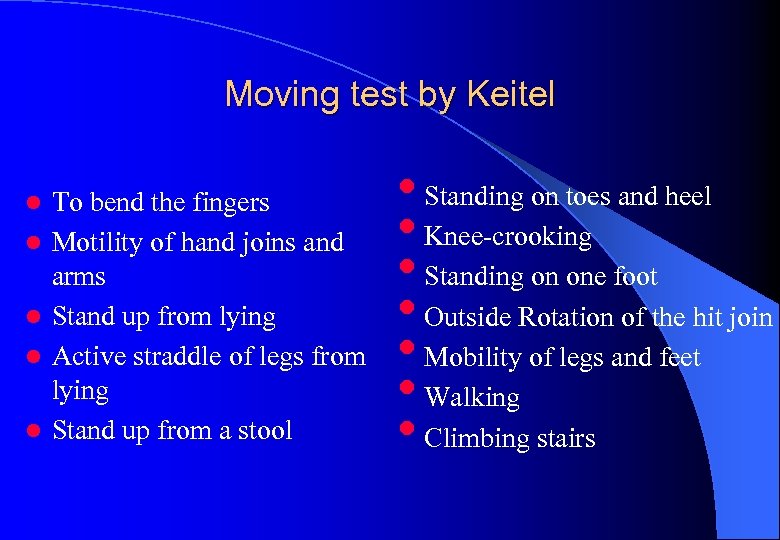 Moving test by Keitel l l To bend the fingers Motility of hand joins and arms Stand up from lying Active straddle of legs from lying Stand up from a stool • Standing on toes and heel • Knee-crooking • Standing on one foot • Outside Rotation of the hit join • Mobility of legs and feet • Walking • Climbing stairs
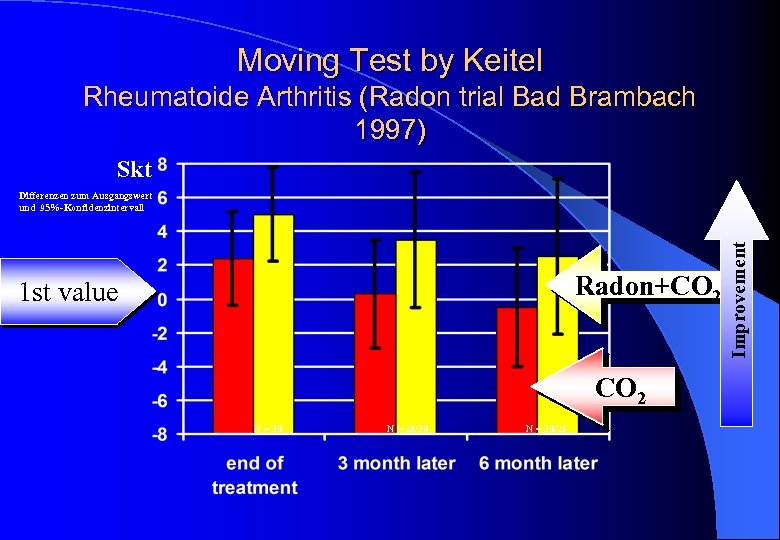 Moving Test by Keitel Rheumatoide Arthritis (Radon trial Bad Brambach 1997) Skt Radon+CO 2 1 st value CO 2 N = 30 N = 28/30 N = 30/29 Improvement Differenzen zum Ausgangswert und 95%-Konfidenzintervall
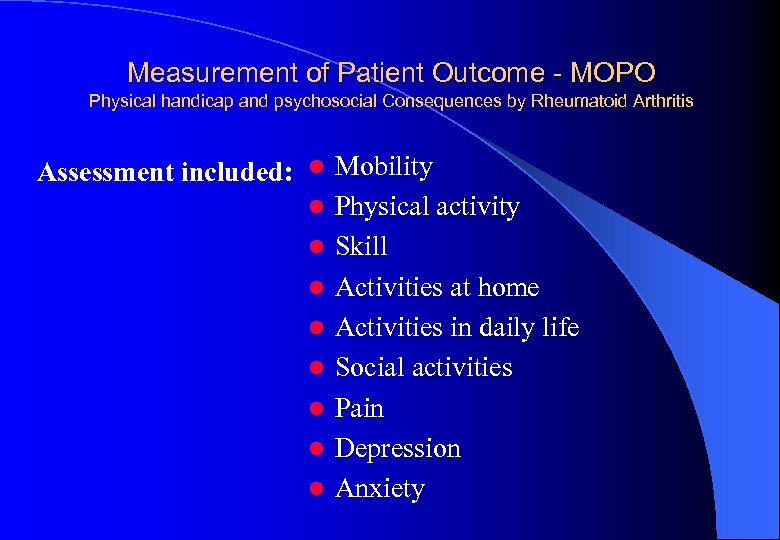 Measurement of Patient Outcome - MOPO Physical handicap and psychosocial Consequences by Rheumatoid Arthritis Assessment included: l Mobility l Physical activity l Skill l Activities at home l Activities in daily life l Social activities l Pain l Depression l Anxiety
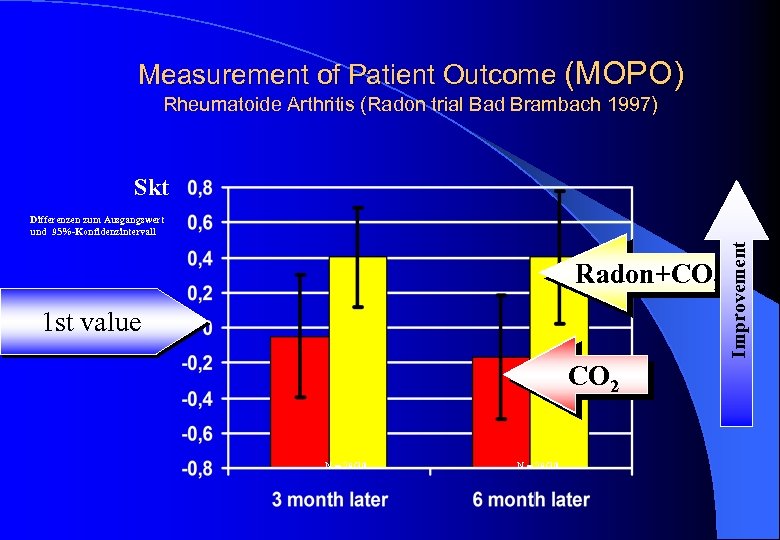 Measurement of Patient Outcome (MOPO) Rheumatoide Arthritis (Radon trial Bad Brambach 1997) Skt Radon+CO 2 1 st value CO 2 N = 29/30 Improvement Differenzen zum Ausgangswert und 95%-Konfidenzintervall
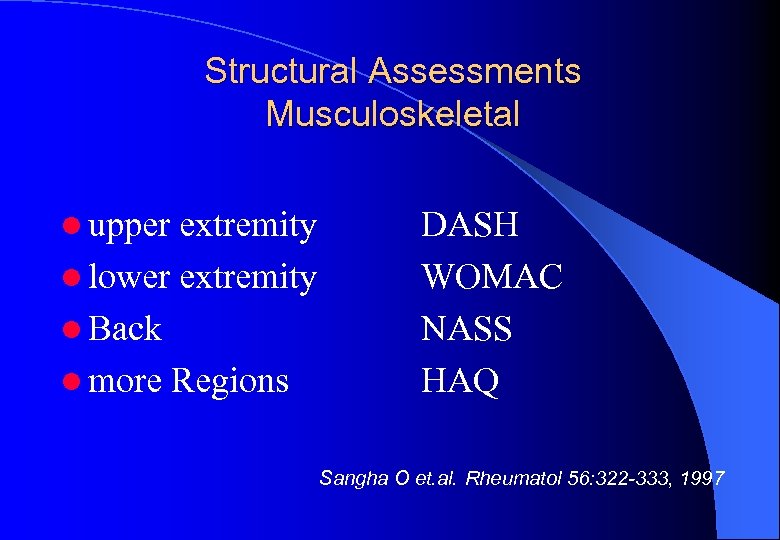 Structural Assessments Musculoskeletal l upper extremity l lower extremity l Back l more Regions DASH WOMAC NASS HAQ Sangha O et. al. Rheumatol 56: 322 -333, 1997
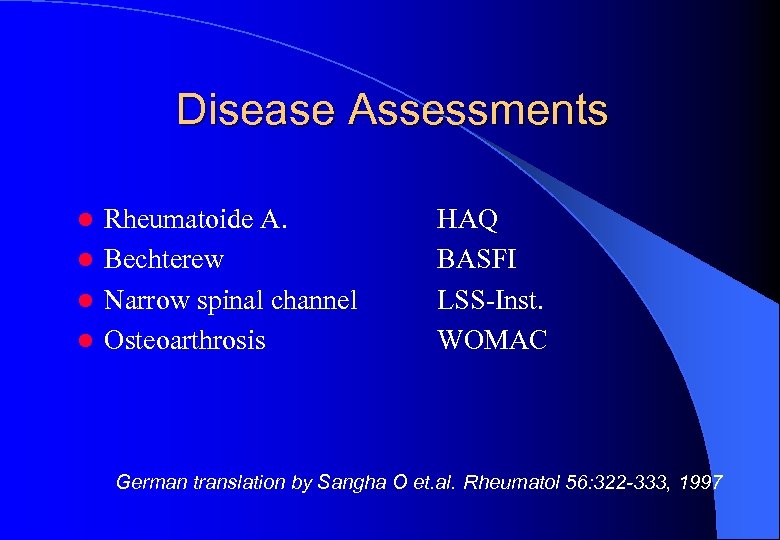 Disease Assessments Rheumatoide A. l Bechterew l Narrow spinal channel l Osteoarthrosis l HAQ BASFI LSS-Inst. WOMAC German translation by Sangha O et. al. Rheumatol 56: 322 -333, 1997
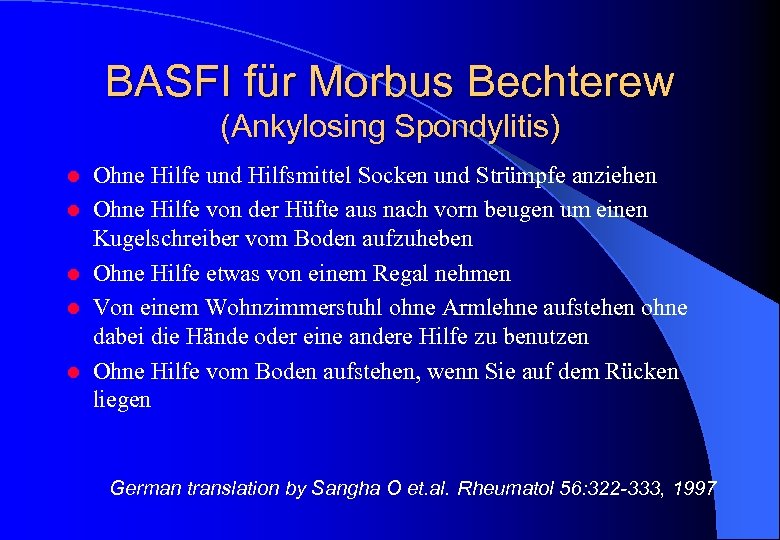 BASFI für Morbus Bechterew (Ankylosing Spondylitis) l l l Ohne Hilfe und Hilfsmittel Socken und Strümpfe anziehen Ohne Hilfe von der Hüfte aus nach vorn beugen um einen Kugelschreiber vom Boden aufzuheben Ohne Hilfe etwas von einem Regal nehmen Von einem Wohnzimmerstuhl ohne Armlehne aufstehen ohne dabei die Hände oder eine andere Hilfe zu benutzen Ohne Hilfe vom Boden aufstehen, wenn Sie auf dem Rücken liegen German translation by Sangha O et. al. Rheumatol 56: 322 -333, 1997
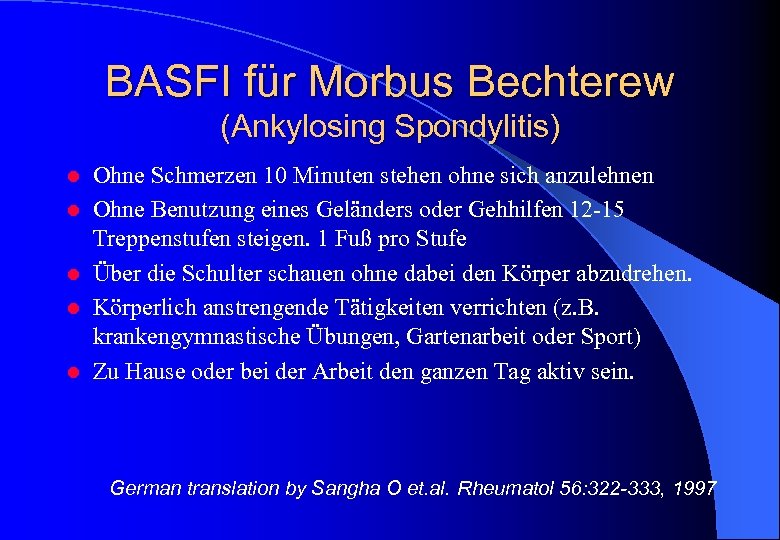 BASFI für Morbus Bechterew (Ankylosing Spondylitis) l l l Ohne Schmerzen 10 Minuten stehen ohne sich anzulehnen Ohne Benutzung eines Geländers oder Gehhilfen 12 -15 Treppenstufen steigen. 1 Fuß pro Stufe Über die Schulter schauen ohne dabei den Körper abzudrehen. Körperlich anstrengende Tätigkeiten verrichten (z. B. krankengymnastische Übungen, Gartenarbeit oder Sport) Zu Hause oder bei der Arbeit den ganzen Tag aktiv sein. German translation by Sangha O et. al. Rheumatol 56: 322 -333, 1997
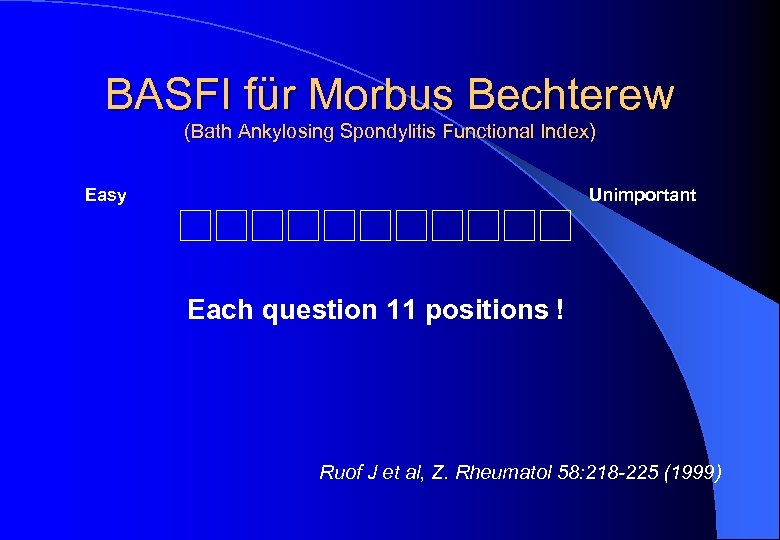 BASFI für Morbus Bechterew (Bath Ankylosing Spondylitis Functional Index) Easy Unimportant Each question 11 positions ! Ruof J et al, Z. Rheumatol 58: 218 -225 (1999)
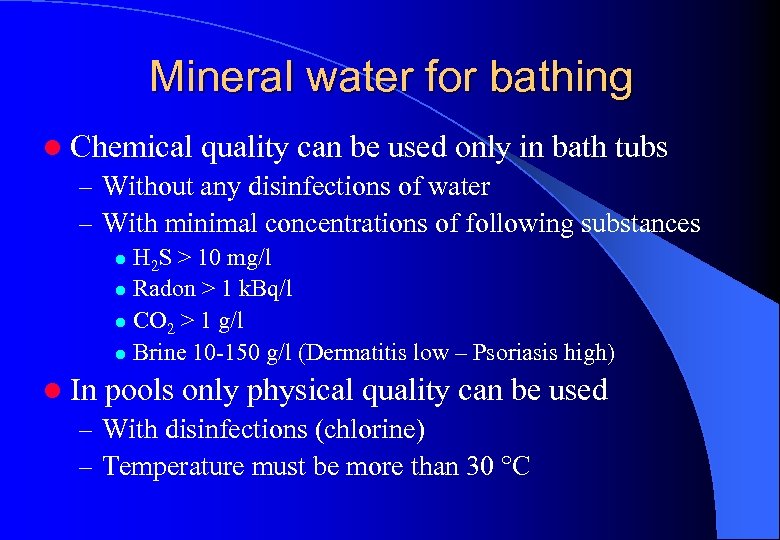 Mineral water for bathing l Chemical quality can be used only in bath tubs – Without any disinfections of water – With minimal concentrations of following substances H 2 S > 10 mg/l l Radon > 1 k. Bq/l l CO 2 > 1 g/l l Brine 10 -150 g/l (Dermatitis low – Psoriasis high) l l In pools only physical quality can be – With disinfections (chlorine) – Temperature must be more than 30 °C used
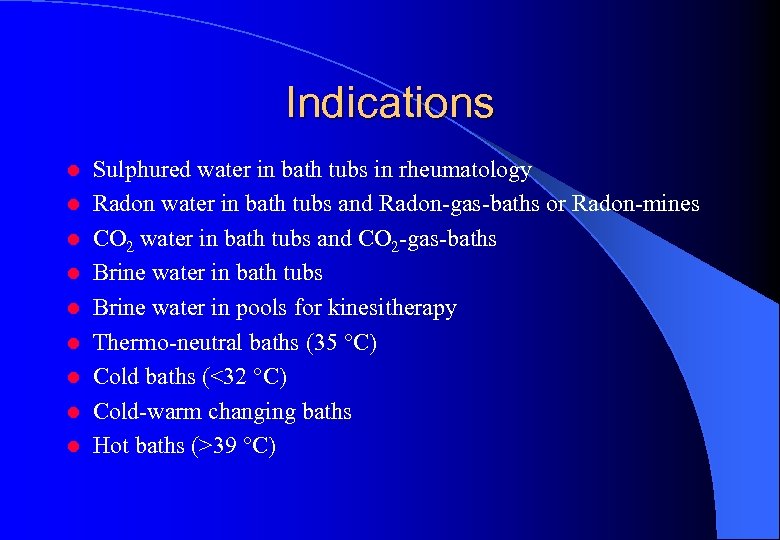 Indications l l l l l Sulphured water in bath tubs in rheumatology Radon water in bath tubs and Radon-gas-baths or Radon-mines CO 2 water in bath tubs and CO 2 -gas-baths Brine water in bath tubs Brine water in pools for kinesitherapy Thermo-neutral baths (35 °C) Cold baths (<32 °C) Cold-warm changing baths Hot baths (>39 °C)
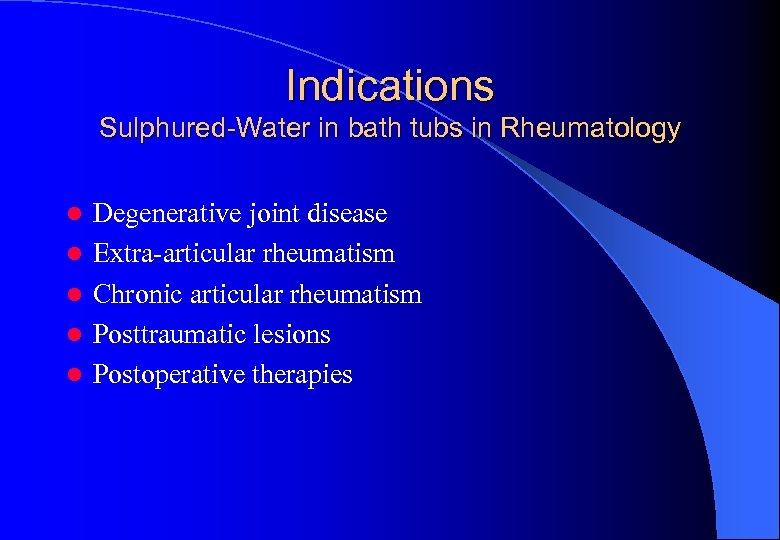 Indications Sulphured-Water in bath tubs in Rheumatology l l l Degenerative joint disease Extra-articular rheumatism Chronic articular rheumatism Posttraumatic lesions Postoperative therapies
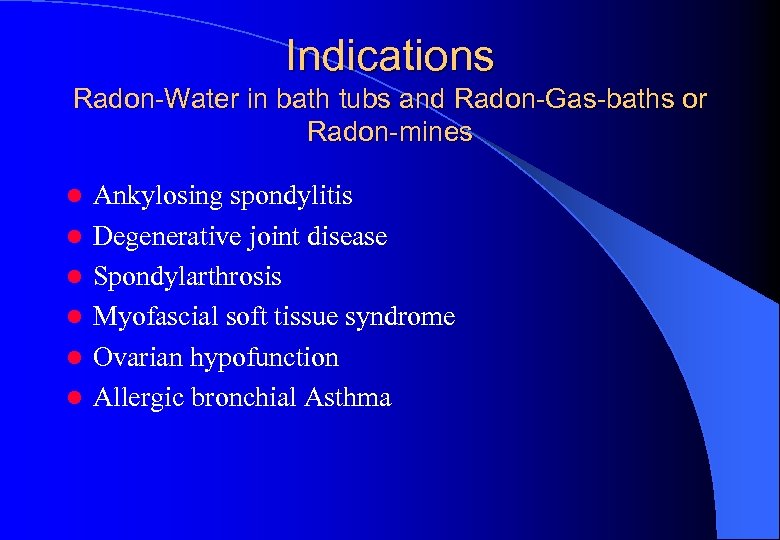 Indications Radon-Water in bath tubs and Radon-Gas-baths or Radon-mines l l l Ankylosing spondylitis Degenerative joint disease Spondylarthrosis Myofascial soft tissue syndrome Ovarian hypofunction Allergic bronchial Asthma
 Indications CO 2 -Water in bath tubs and CO 2 -Gas-baths l l l l l Disorder of microcirculation of the skin Trophic ulcera of the skin, venous ulcera Decubitus Peripheral arterial occlusive disease in any stage Functional disorder of vascularity Polyneuropathy (Malum perforans) Cerebral disorders of microcirculation Arterial hypertension Algodystrophy (M. Sudeck)
 Indications Brine-Water in bath tubs l Psoriasis vulgaris + UV-B-irradiation l Neurodermitis + UV-A-irradiation
 Indications Brine-Water in pools for kinesitherapy l Degenerative joint disease l Spondylarthrosis l Osteoporosis l Posttraumatic and postoperative state
 Bath effects Indications thermoneutral baths (35 °C) l Relaxation of muscles and exoneration of joints – Rheumatic Diseases l Relaxation effect by sympathicolysis, suppression of stress hormones and muscle relaxation – Psycho-vegetative syndrome – Psycho-physical overloading – Convalescence
 Bath effects Indications thermoneutral baths (35 °C) l Dehydration by increase of capillary reabsorption and diuresis – Rheumatic diseases – Posttraumatic und postoperative state – Oedema l Training vegetative-hormonal functions like blood volume, blood pressure and electrolyte regulation – Convalescence – Disorder of heart-circulation-regulation – Psycho-vegetative syndrome
 Bath effects Indications cold baths (<32 °C) l Thermic stimuli for training of vascular regulation – Functional disorders of vascularity – Phlebopathies – Heart-circulation disorders l Thermic stimuli for training to inure – Infect prophylaxis
 Bath effects Indications cold-warm changing baths l Thermic stimuli for training of vegetativehormonal functions – – Convalescence Psycho-vegetative syndrome Disorder of heart-circulation-regulation Metabolic disorders
 Bath effects Indications hot baths (>39 °C) l Muscle relaxation l Increase of distensibility of connective tissue structures l Analgesic l Antiphlogistic by hyperthermia – Rheumatic diseases – Chronic-inflammatory diseases of the urogenital system – Posttraumatic und postoperative state
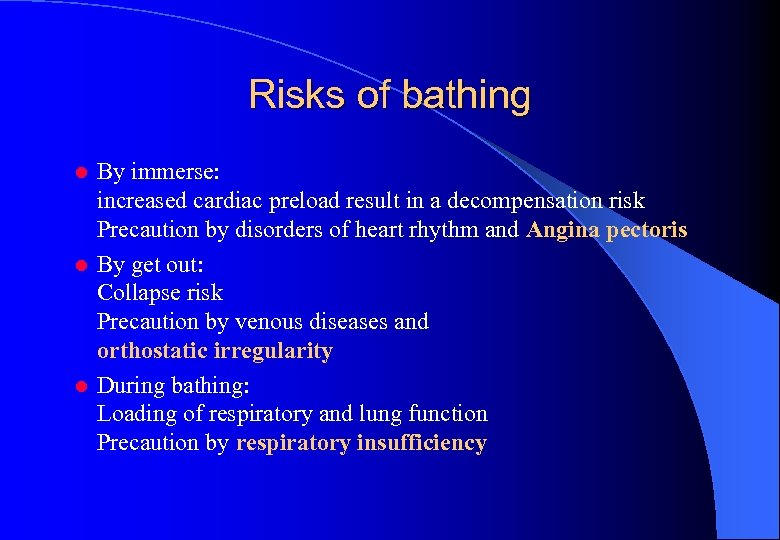 Risks of bathing By immerse: increased cardiac preload result in a decompensation risk Precaution by disorders of heart rhythm and Angina pectoris l By get out: Collapse risk Precaution by venous diseases and orthostatic irregularity l During bathing: Loading of respiratory and lung function Precaution by respiratory insufficiency l
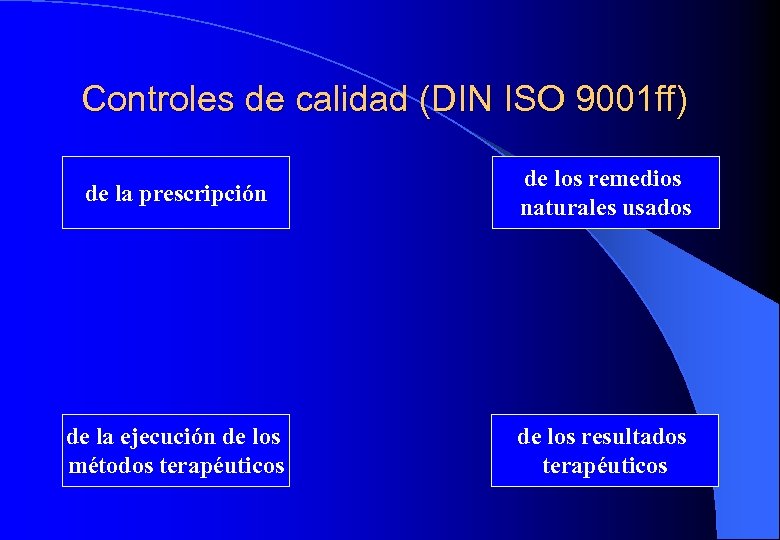 Controles de calidad (DIN ISO 9001 ff) de la prescripción de los remedios naturales usados de la ejecución de los métodos terapéuticos de los resultados terapéuticos
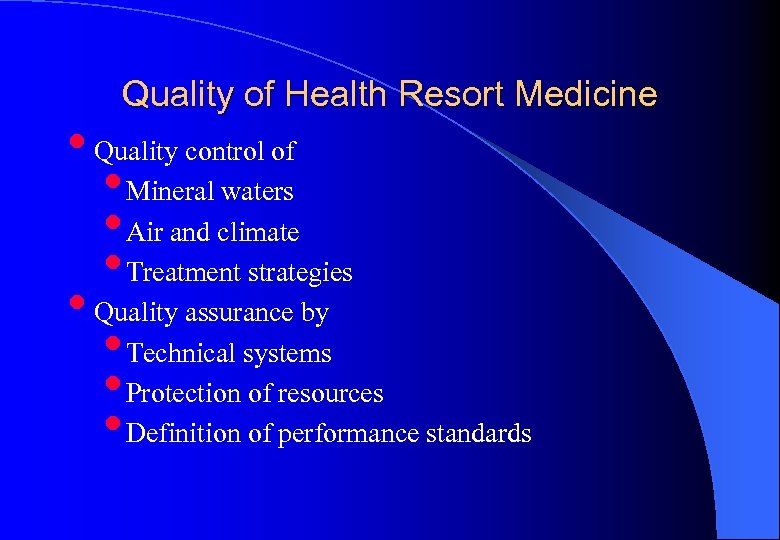 Quality of Health Resort Medicine • Quality control of • Mineral waters • Air and climate • Treatment strategies • Quality assurance by • Technical systems • Protection of resources • Definition of performance standards
 Conclusión l Pacientes con enfermedades crónicas dependen de los ofrecimientos de las estaciones balnearias l En Europa no conocemos métodos mejores para esos pacientes
 End of Slides
 International Congress on Natural Spa Therapy of the I. S. M. H. Dead Sea Israel 21 -24 November, 2001 Contact: dorit@ofakim. co. il
 34 th WORLD CONGRESS of the I. S. M. H. Budapest-Heviz (Hungary) 14 -19 October, 2002 Contact: http: //www. ismh 2002. hu Videofilm during this Congress !
 News of the I. S. M. H. http: //www. med. uni-muenchen. de/ismh