


 Скачать презентацию Osteoporosis — Diagnosis and Treatment a systemic skeletal
osteop integrativi 16.12.15.pptx
- Количество слайдов: 40
 Osteoporosis - Diagnosis and Treatment “a systemic skeletal disease characterized by low bone mass and microarchitectural deterioration with a consequent increase in bone fragility and susceptibility to fracture” Consensus Development Conference Dr. Elena Segal
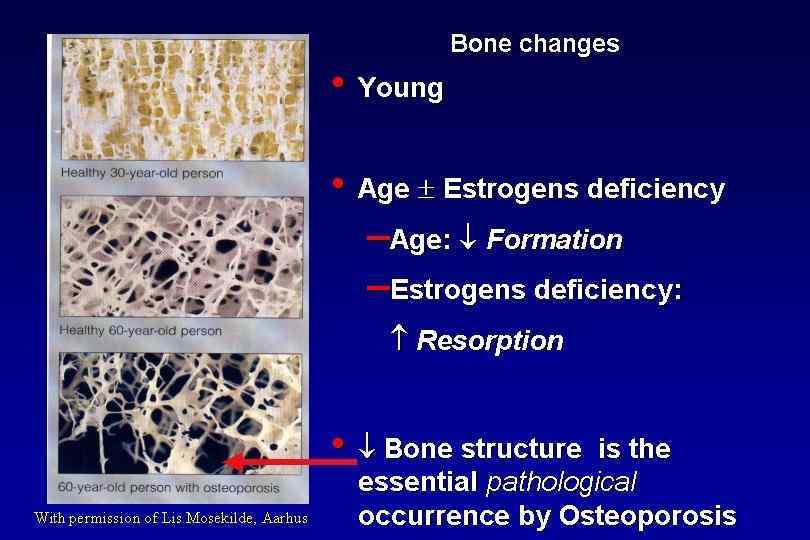
 Osteoporosis • Important cause of mortality and morbidity • A disease that causes bones to lose mass, weaken and fracture • 1: 3 women and 1: 7 men are affected • progression is slow, silent, painless • Osteoporotic fractures- fractures due to fall from standing height or less, or without fall at all
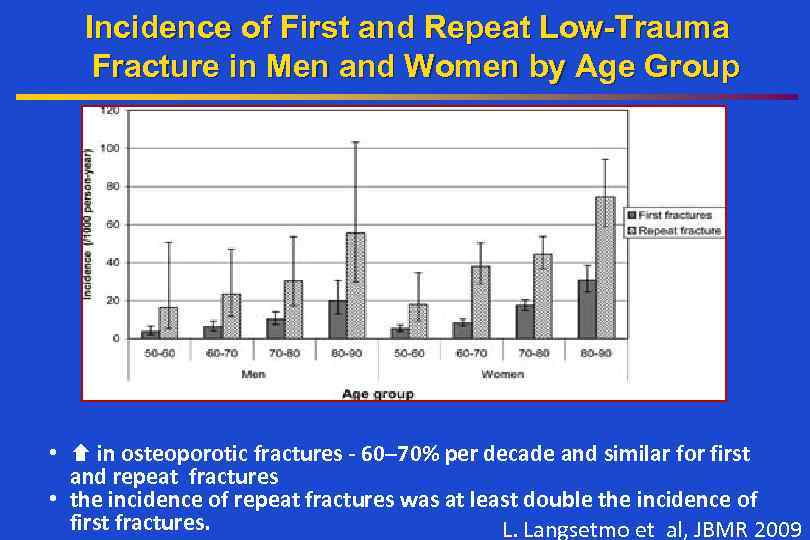 Incidence of First and Repeat Low-Trauma Fracture in Men and Women by Age Group • in osteoporotic fractures - 60– 70% per decade and similar for first and repeat fractures • the incidence of repeat fractures was at least double the incidence of first fractures. L. Langsetmo et al, JBMR 2009
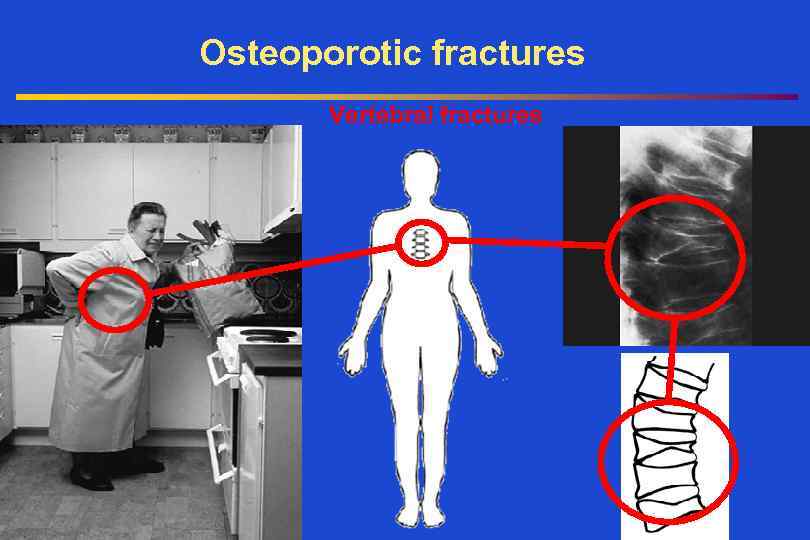 Osteoporotic fractures Vertebral fractures
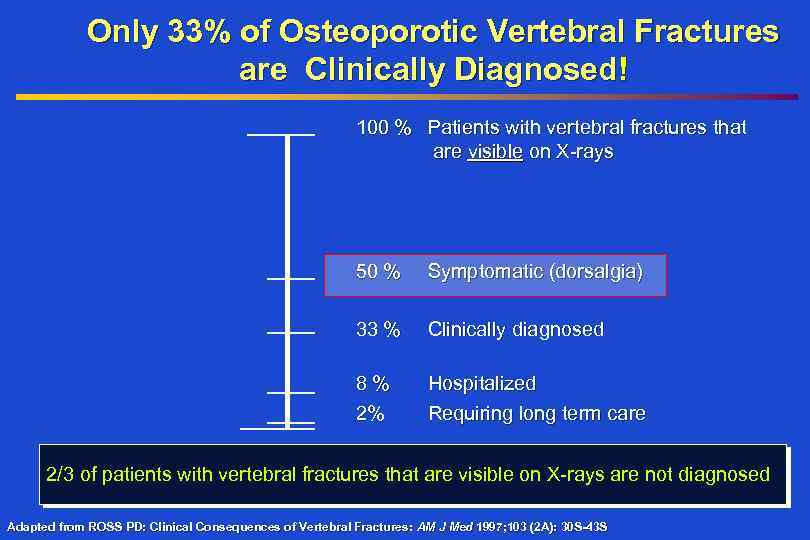 Only 33% of Osteoporotic Vertebral Fractures are Clinically Diagnosed! 100 % Patients with vertebral fractures that are visible on X-rays 50 % Symptomatic (dorsalgia) 33 % Clinically diagnosed 8% 2% Hospitalized Requiring long term care 2/3 of patients with vertebral fractures that are visible on X-rays are not diagnosed Adapted from ROSS PD: Clinical Consequences of Vertebral Fractures: AM J Med 1997; 103 (2 A): 30 S-43 S
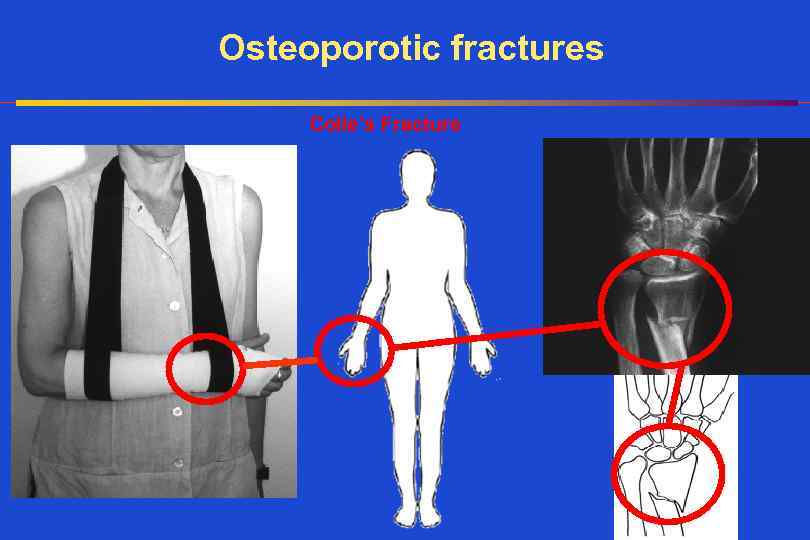 Osteoporotic fractures Colle’s Fracture
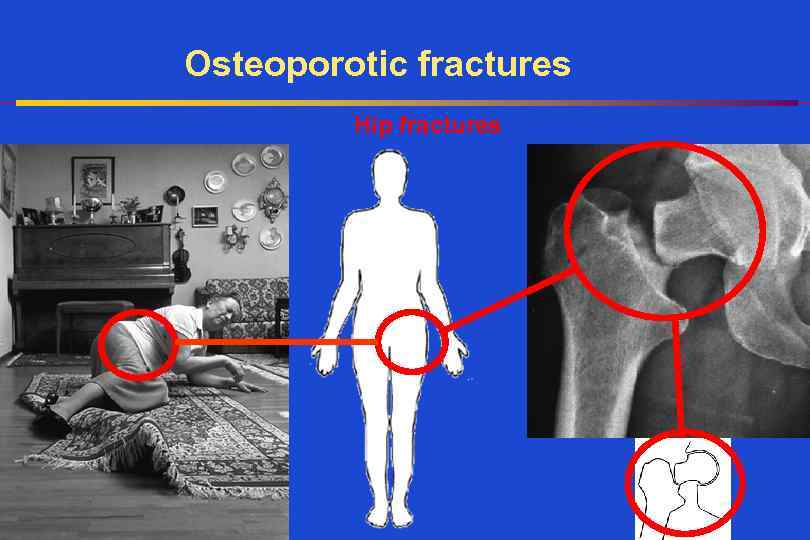 Osteoporotic fractures Hip fractures
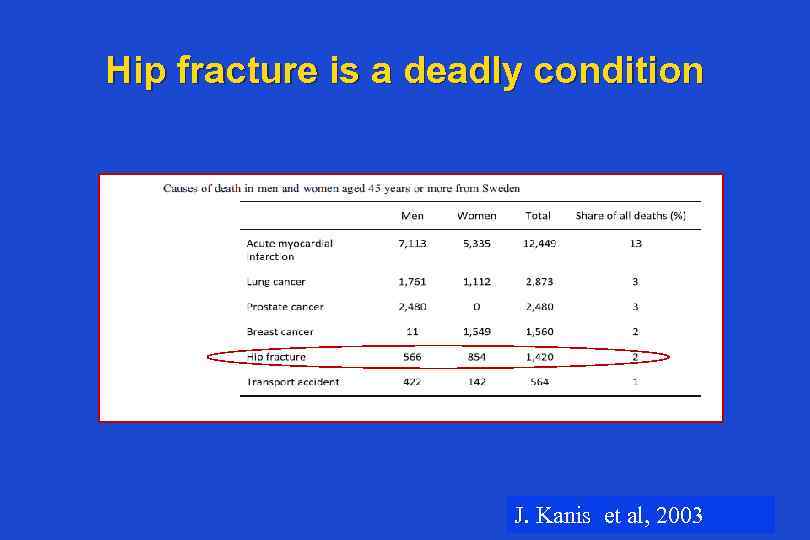 Hip fracture is a deadly condition J. Kanis et al, 2003
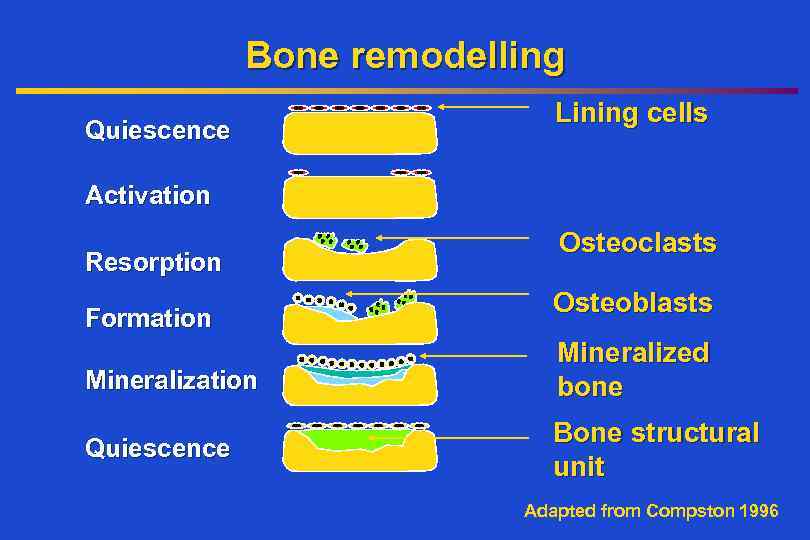 Bone remodelling Quiescence Lining cells Activation Resorption Formation Osteoclasts Osteoblasts Mineralization Mineralized bone Quiescence Bone structural unit Adapted from Compston 1996
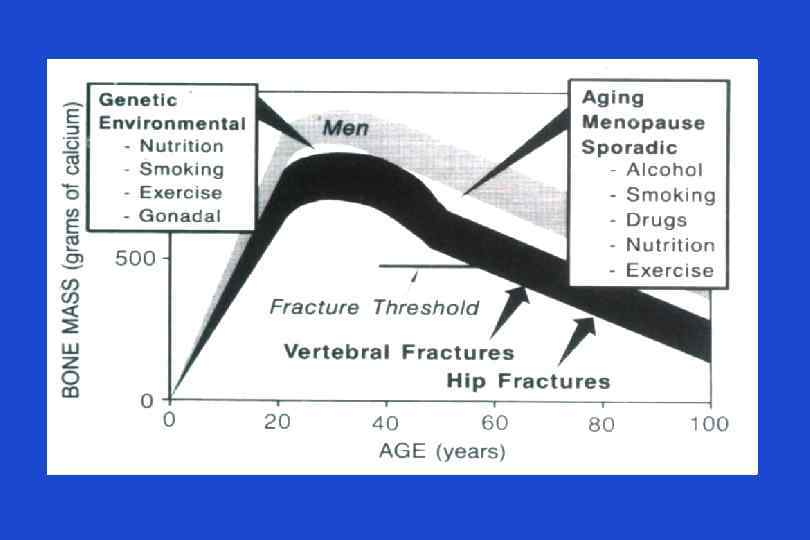
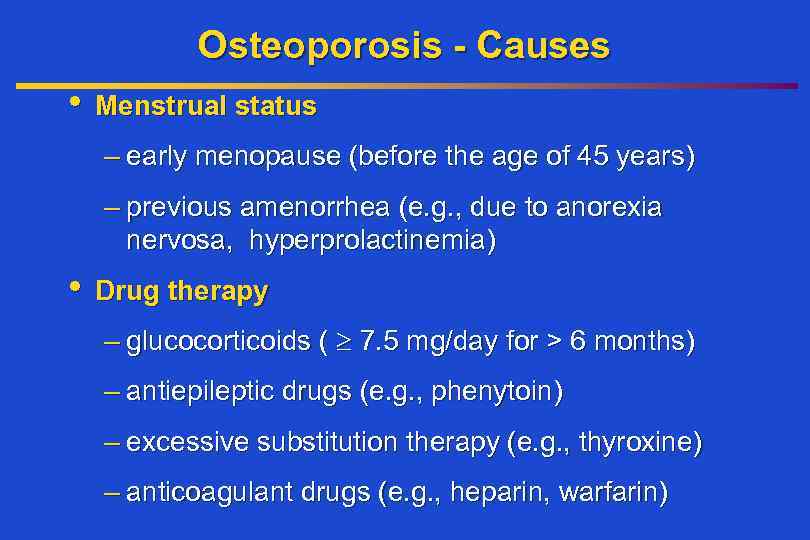 Osteoporosis - Causes • Menstrual status – early menopause (before the age of 45 years) – previous amenorrhea (e. g. , due to anorexia nervosa, hyperprolactinemia) • Drug therapy – glucocorticoids ( 7. 5 mg/day for > 6 months) – antiepileptic drugs (e. g. , phenytoin) – excessive substitution therapy (e. g. , thyroxine) – anticoagulant drugs (e. g. , heparin, warfarin)
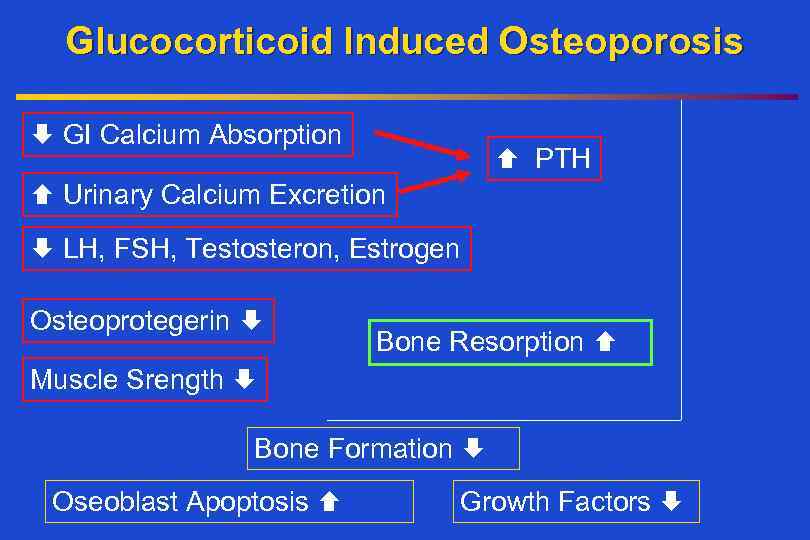 Glucocorticoid Induced Osteoporosis GI Calcium Absorption PTH Urinary Calcium Excretion LH, FSH, Testosteron, Estrogen Osteoprotegerin Bone Resorption Muscle Srength Bone Formation Oseoblast Apoptosis Growth Factors
 Osteoporosis - Causes • Endocrine disease – primary hyperparathryroidism – thyrotoxicosis – Cushing’s syndrome • Rheumatologic diseases – rheumatoid arthritis – ankylosing spondylitis
 Osteoporosis - Causes • Hematologic disease – multiple myeloma – systemic mastocytosis – lymphoma, leukemia Always rule out secondary causes, especially in case of fracture or significant decrease in BMD>5% during one year on treatment – pernicious anemia • Gastrointestinal diseases – malabsorption syndromes (e. g. , celiac disease, Crohn’s disease, surgery for peptic ulcer) – chronic liver disease (primary biliary cirrhosis)
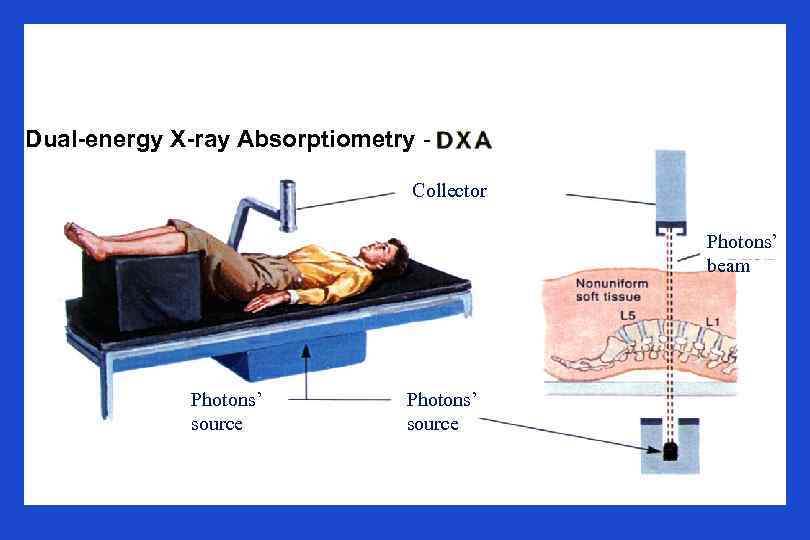 Dual-energy X-ray Absorptiometry Collector Photons’ beam Photons’ source
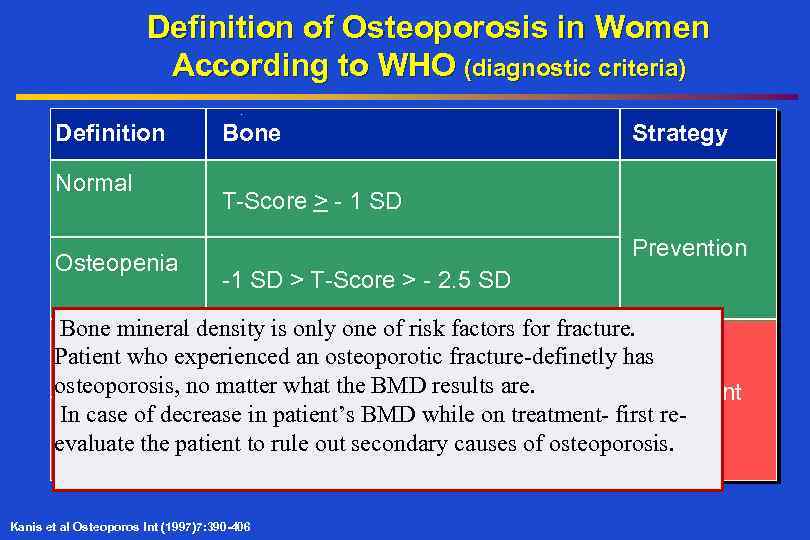 Definition of Osteoporosis in Women According to WHO (diagnostic criteria) Definition Normal Osteopenia Bone Strategy T-Score > - 1 SD Prevention -1 SD > T-Score > - 2. 5 SD Bone mineral density is only one of risk factors for fracture. Osteoporosis Patient who experienced an osteoporotic fracture-definetly has T-Score - 2. 5 SD osteoporosis, no matter what the BMD results are. Treatment In case Severe of decrease in patient’s BMD while on treatment- first reevaluate the patient to rule out secondary causes of osteoporosis. Osteoporosis with fracture(s) Kanis et al Osteoporos Int (1997)7: 390 -406
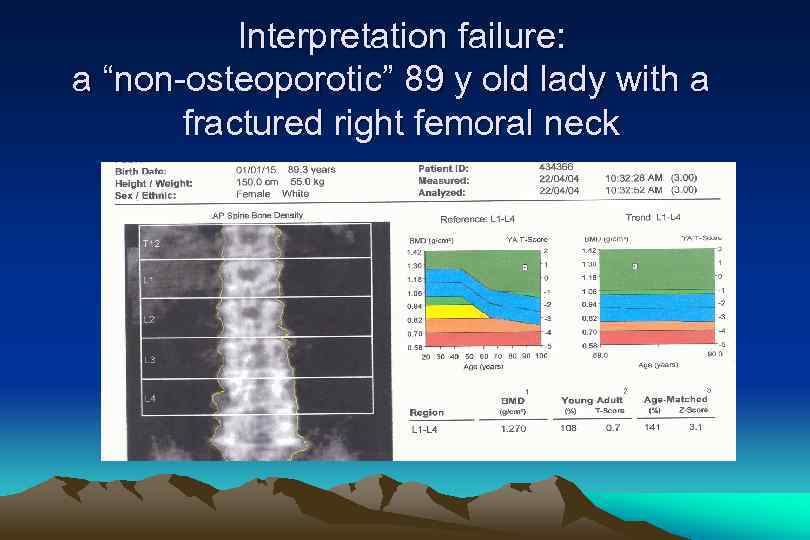 Interpretation failure: a “non-osteoporotic” 89 y old lady with a fractured right femoral neck
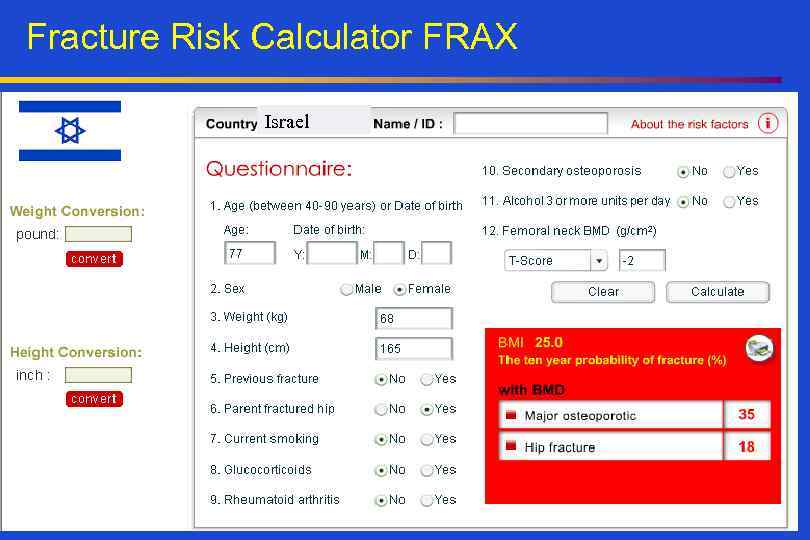 Fracture Risk Calculator FRAX Israel
 Management of osteoporosis: pharmacological therapy • Calcium • Vitamin D • HRT • SERMs ( Raloxifen, Evista) • Bisphonates • Denosumab • PTH HT (not recommended for osteoporosis, but if used for menopausal symptoms, efficient for osteoporosis) For young people with normal gonadal status usually calcium and vitamin d replacement are sufficient
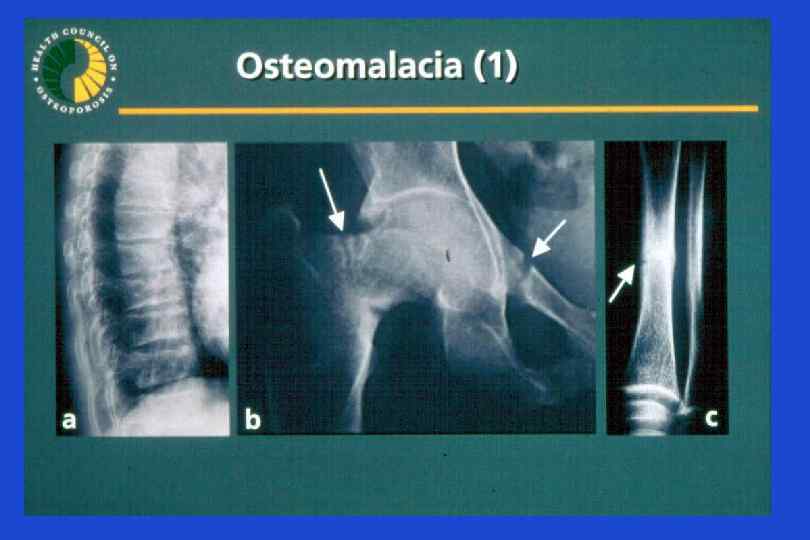
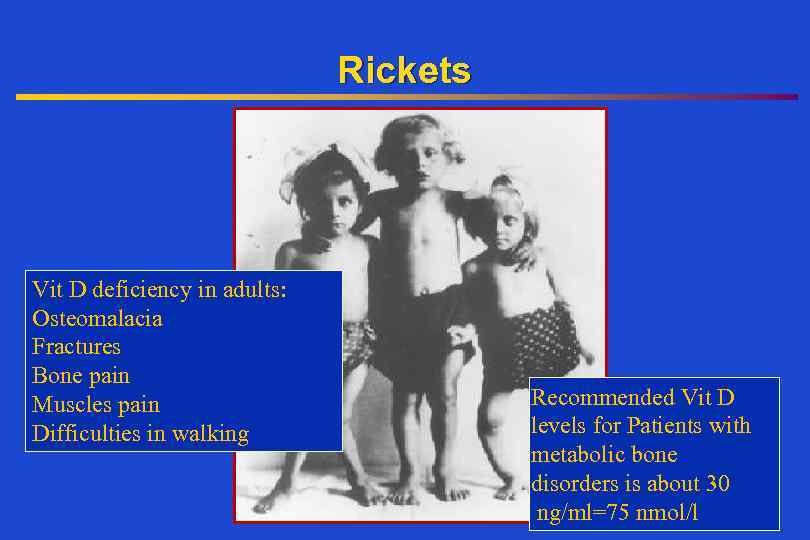 Rickets Vit D deficiency in adults: Osteomalacia Fractures Bone pain Muscles pain Difficulties in walking Recommended Vit D levels for Patients with metabolic bone disorders is about 30 ng/ml=75 nmol/l
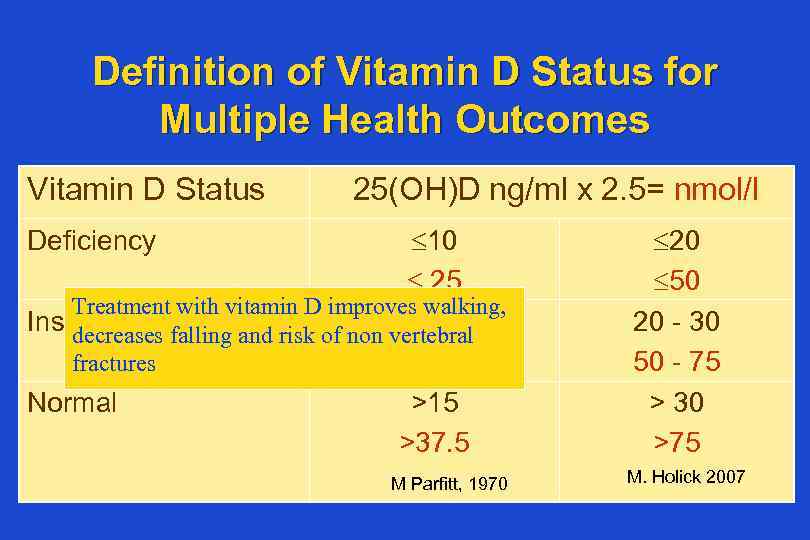 Definition of Vitamin D Status for Multiple Health Outcomes Vitamin D Status 25(OH)D ng/ml x 2. 5= nmol/l 10 25 Treatment with vitamin D improves walking, Insufficiency decreases falling and risk of non 10 – 15 vertebral 25 – 37. 5 fractures Normal >15 >37. 5 Deficiency M Parfitt, 1970 20 50 20 - 30 50 - 75 > 30 >75 M. Holick 2007
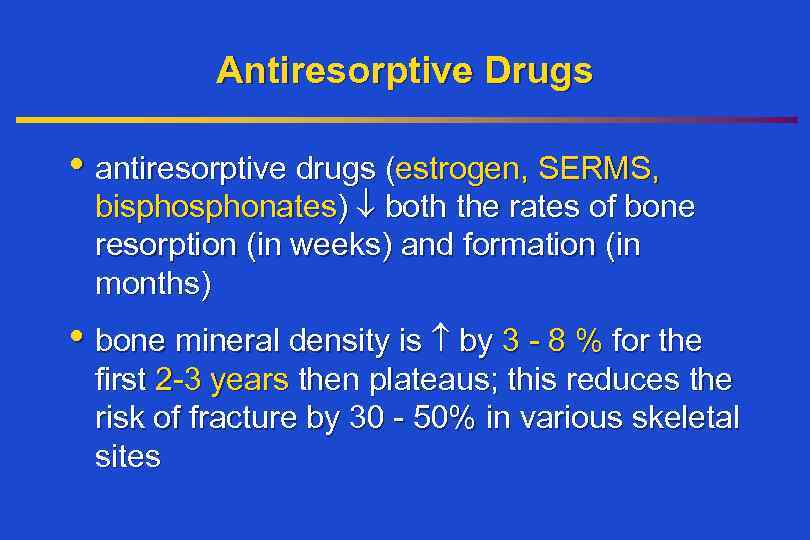 Antiresorptive Drugs • antiresorptive drugs (estrogen, SERMS, bisphonates) both the rates of bone resorption (in weeks) and formation (in months) • bone mineral density is by 3 - 8 % for the first 2 -3 years then plateaus; this reduces the risk of fracture by 30 - 50% in various skeletal sites
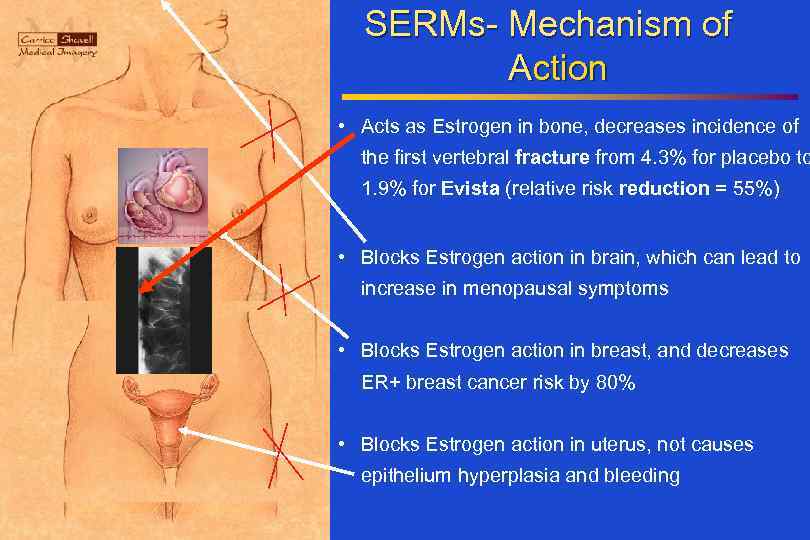 SERMs- Mechanism of Action • Acts as Estrogen in bone, decreases incidence of the first vertebral fracture from 4. 3% for placebo to 1. 9% for Evista (relative risk reduction = 55%) • Blocks Estrogen action in brain, which can lead to increase in menopausal symptoms • Blocks Estrogen action in breast, and decreases ER+ breast cancer risk by 80% • Blocks Estrogen action in uterus, not causes epithelium hyperplasia and bleeding
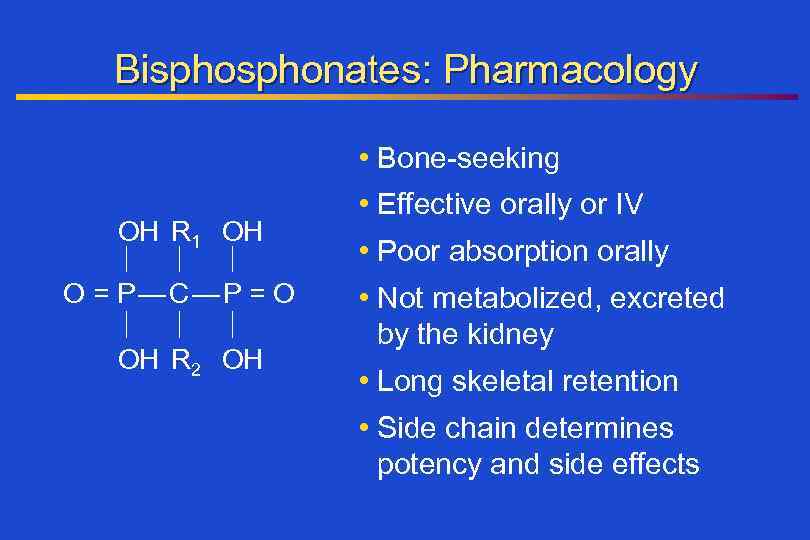 Bisphonates: Pharmacology • Bone-seeking OH R 1 OH O = P—C—P = O OH R 2 OH • Effective orally or IV • Poor absorption orally • Not metabolized, excreted by the kidney • Long skeletal retention • Side chain determines potency and side effects
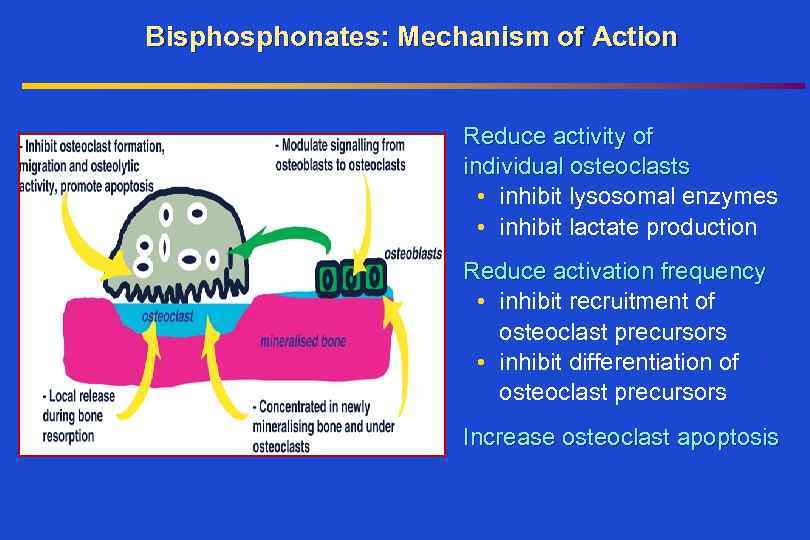 Bisphonates: Mechanism of Action Reduce activity of individual osteoclasts • inhibit lysosomal enzymes • inhibit lactate production Reduce activation frequency • inhibit recruitment of osteoclast precursors • inhibit differentiation of osteoclast precursors Increase osteoclast apoptosis
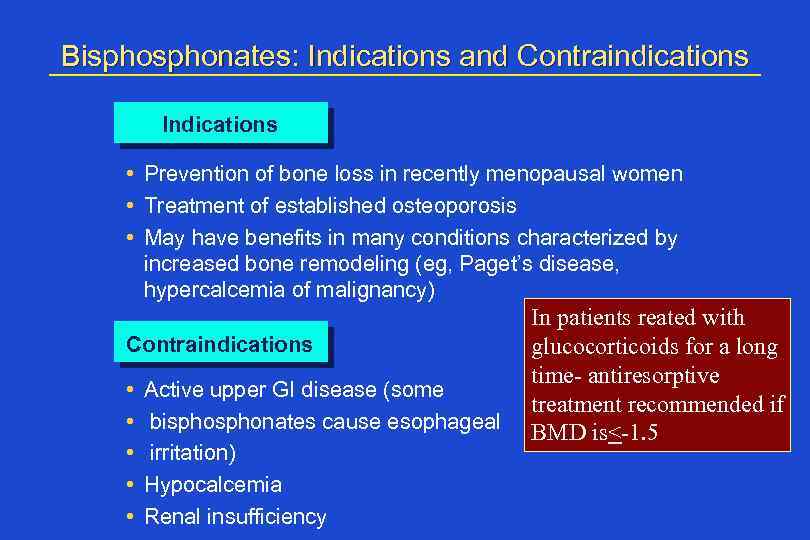 Bisphonates: Indications and Contraindications Indications • Prevention of bone loss in recently menopausal women • Treatment of established osteoporosis • May have benefits in many conditions characterized by increased bone remodeling (eg, Paget’s disease, hypercalcemia of malignancy) Contraindications • • • Active upper GI disease (some bisphonates cause esophageal irritation) Hypocalcemia Renal insufficiency In patients reated with glucocorticoids for a long time- antiresorptive treatment recommended if BMD is<-1. 5
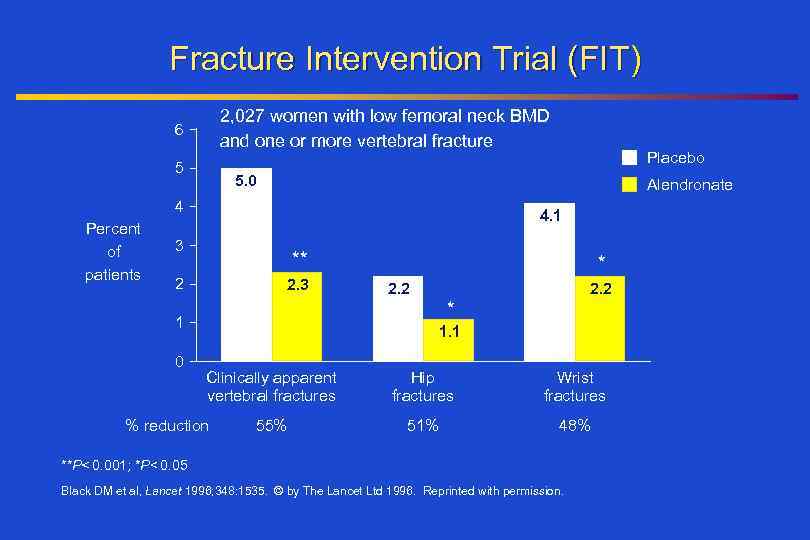 Fracture Intervention Trial (FIT) 2, 027 women with low femoral neck BMD and one or more vertebral fracture 6 5 5. 0 Alendronate 4 Percent of patients 4. 1 3 ** 2 2. 3 * 2. 2 * 1 0 Placebo 1. 1 Clinically apparent vertebral fractures % reduction 55% Hip fractures Wrist fractures 51% 48% **P< 0. 001; *P< 0. 05 Black DM et al, Lancet 1996; 348: 1535. © by The Lancet Ltd 1996. Reprinted with permission.
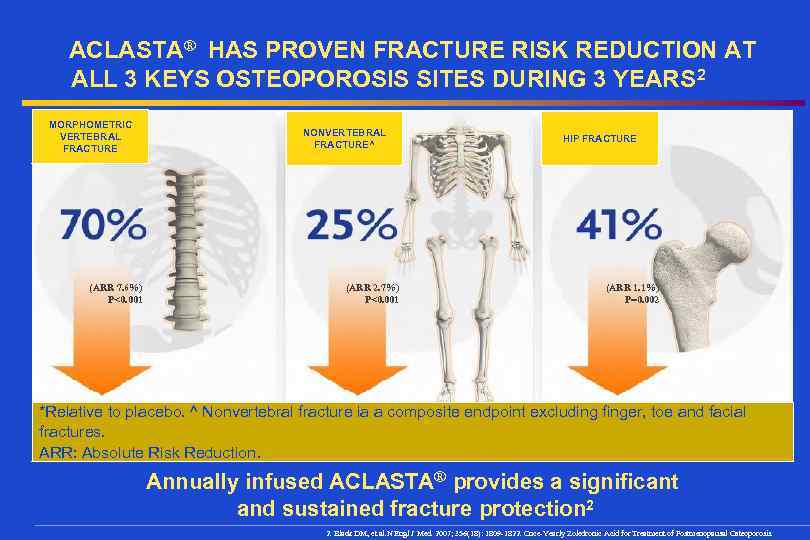 ACLASTA® HAS PROVEN FRACTURE RISK REDUCTION AT ALL 3 KEYS OSTEOPOROSIS SITES DURING 3 YEARS 2 MORPHOMETRIC VERTEBRAL FRACTURE (ARR 7. 6%) P<0. 001 NONVERTEBRAL FRACTURE^ (ARR 2. 7%) P<0. 001 HIP FRACTURE (ARR 1. 1%) P=0. 002 *Relative to placebo. ^ Nonvertebral fracture ia a composite endpoint excluding finger, toe and facial fractures. ARR: Absolute Risk Reduction. Annually infused ACLASTA® provides a significant and sustained fracture protection 2 2. Black DM, et al. N Engl J Med. 2007; 356(18): 1809 -1822. Once-Yearly Zoledronic Acid for Treatment of Postmenopausal Osteoporosis.
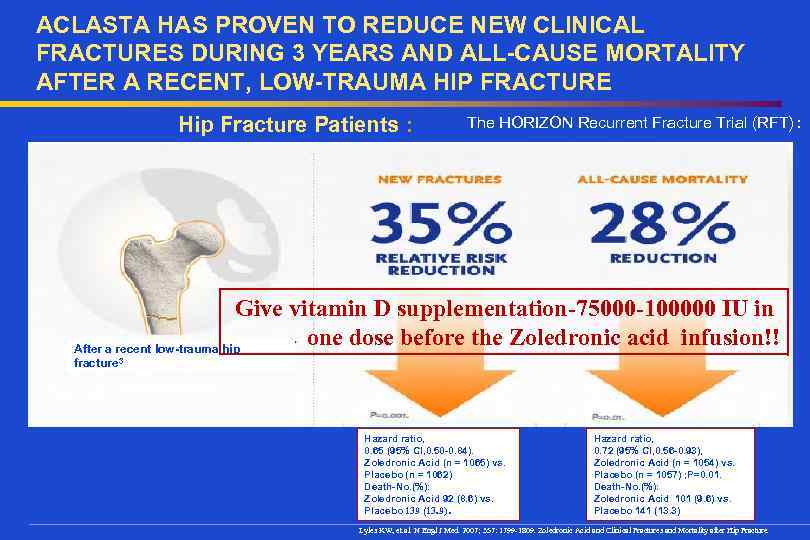 ACLASTA HAS PROVEN TO REDUCE NEW CLINICAL FRACTURES DURING 3 YEARS AND ALL-CAUSE MORTALITY AFTER A RECENT, LOW-TRAUMA HIP FRACTURE Hip Fracture Patients : The HORIZON Recurrent Fracture Trial (RFT) : Give vitamin D supplementation-75000 -100000 IU in one dose before the Zoledronic acid infusion!! After a recent low-trauma hip fracture 3 Hazard ratio, 0. 65 (95% CI, 0. 50 -0. 84). Zoledronic Acid (n = 1065) vs. Placebo (n = 1062) Death-No. (%): Zoledronic Acid 92 (8. 6) vs. Placebo 139 (13. 9). Hazard ratio, 0. 72 (95% CI, 0. 56 -0. 93), Zoledronic Acid (n = 1054) vs. Placebo (n = 1057) ; P=0. 01. Death-No. (%): Zoledronic Acid 101 (9. 6) vs. Placebo 141 (13. 3) Lyles KW, et al. N Engl J Med. 2007; 357: 1799 -1809. Zoledronic Acid and Clinical Fractures and Mortality after Hip Fracture.
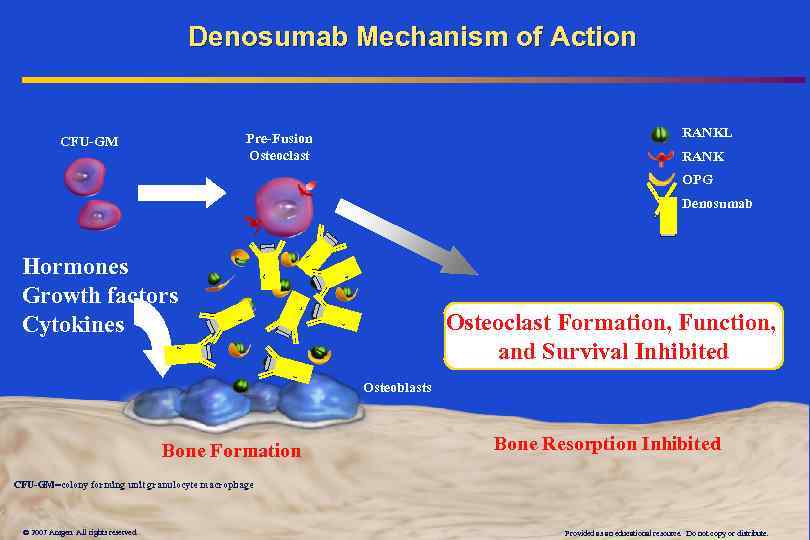 Denosumab Mechanism of Action RANKL Pre-Fusion Osteoclast CFU-GM RANK OPG Denosumab Hormones Growth factors Cytokines Osteoclast Formation, Function, and Survival Inhibited Osteoblasts Bone Formation Bone Resorption Inhibited CFU-GM=colony forming unit granulocyte macrophage © 2007 Amgen. All rights reserved. Provided as an educational resource. Do not copy or distribute.
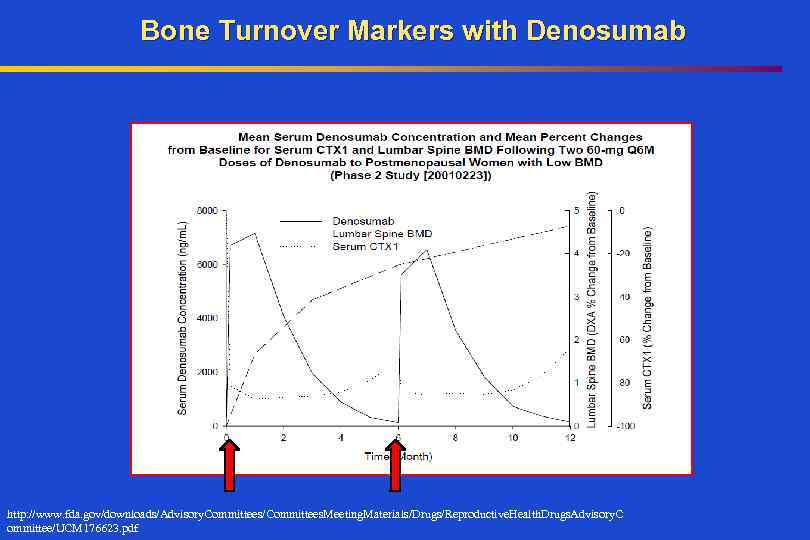 Bone Turnover Markers with Denosumab http: //www. fda. gov/downloads/Advisory. Committees/Committees. Meeting. Materials/Drugs/Reproductive. Health. Drugs. Advisory. C ommittee/UCM 176623. pdf
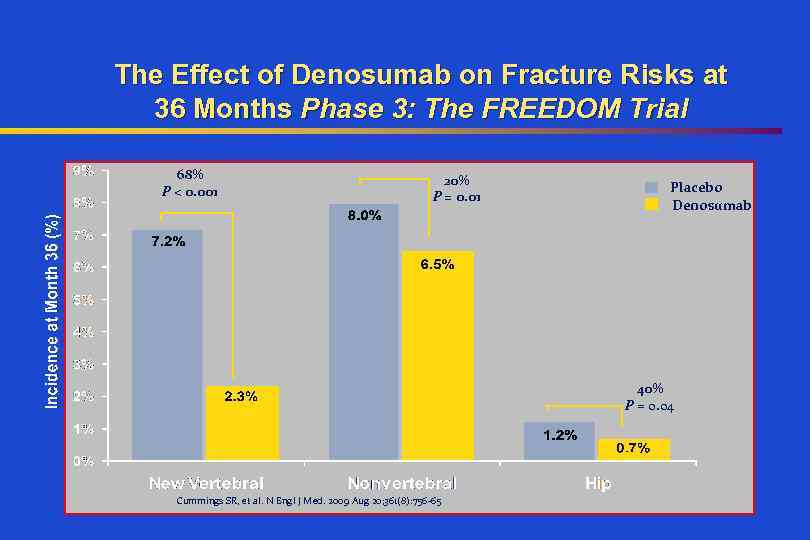 The Effect of Denosumab on Fracture Risks at 36 Months Phase 3: The FREEDOM Trial 68% P < 0. 001 20% P = 0. 01 Placebo Denosumab 40% P = 0. 04 Cummings SR, et al. N Engl J Med. 2009 Aug 20; 361(8): 756 -65
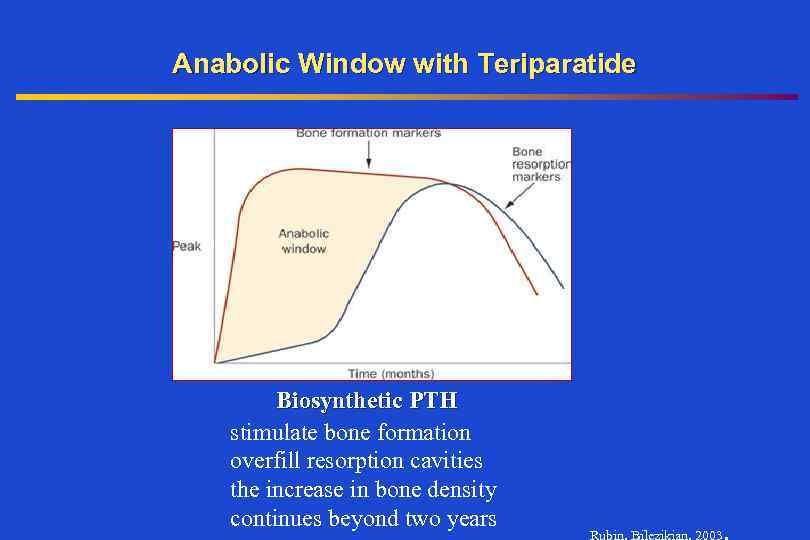 Anabolic Window with Teriparatide Biosynthetic PTH stimulate bone formation overfill resorption cavities the increase in bone density continues beyond two years Rubin, Bilezikian, 2003 .
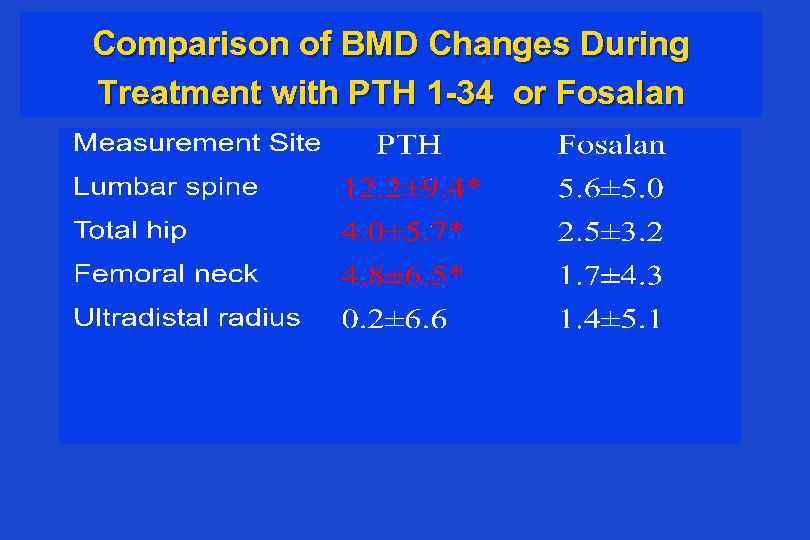 Comparison of BMD Changes During Treatment with PTH 1 -34 or Fosalan
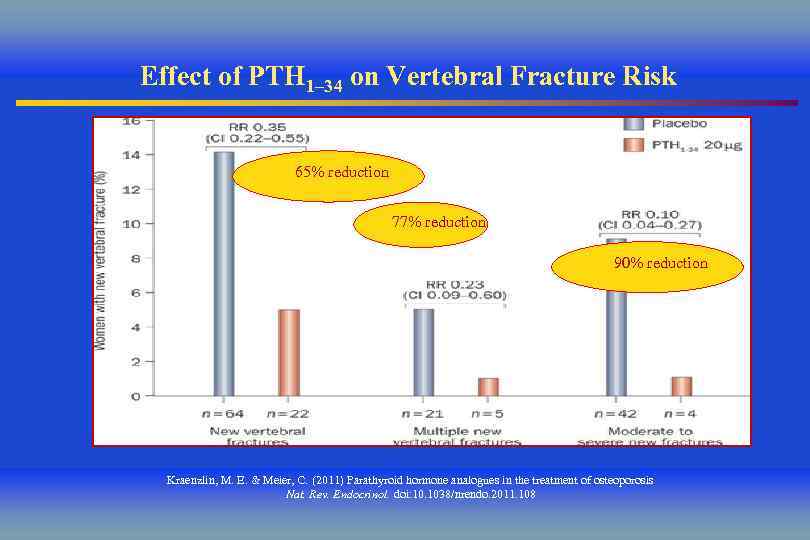 Effect of PTH 1– 34 on Vertebral Fracture Risk 65% reduction 77% reduction 90% reduction Kraenzlin, M. E. & Meier, C. (2011) Parathyroid hormone analogues in the treatment of osteoporosis Nat. Rev. Endocrinol. doi: 10. 1038/nrendo. 2011. 108
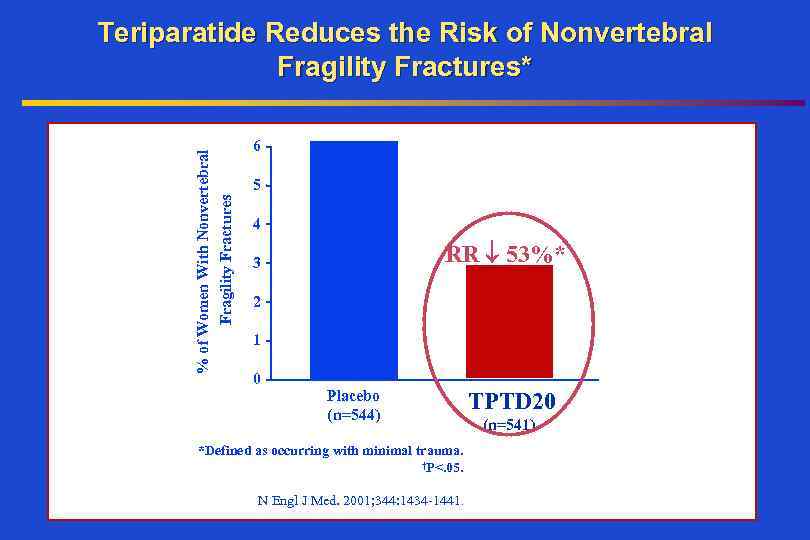 % of Women With Nonvertebral Fragility Fractures Teriparatide Reduces the Risk of Nonvertebral Fragility Fractures* 6 5 4 RR 53%* 3 2 1 0 Placebo (n=544) *Defined as occurring with minimal trauma. †P<. 05. N Engl J Med. 2001; 344: 1434 -1441. TPTD 20 (n=541)
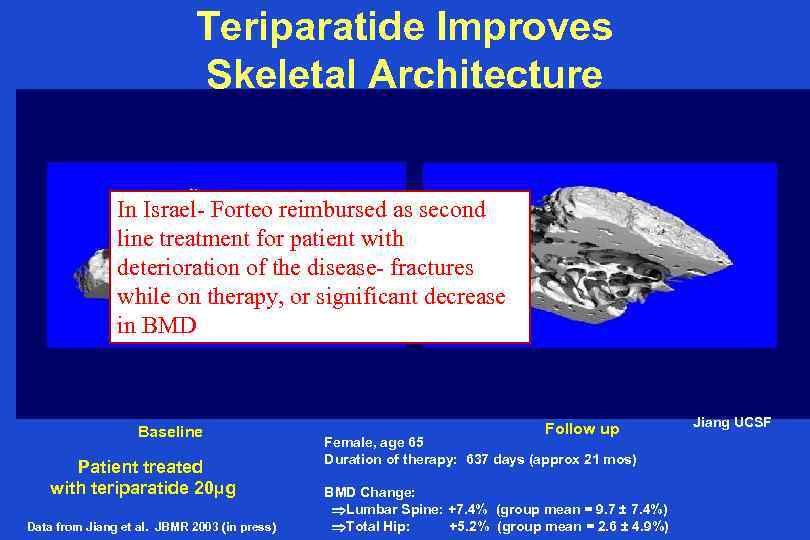 Teriparatide Improves Skeletal Architecture In Israel- Forteo reimbursed as second line treatment for patient with deterioration of the disease- fractures while on therapy, or significant decrease in BMD Baseline Patient treated with teriparatide 20µg Data from Jiang et al. JBMR 2003 (in press) Follow up Female, age 65 Duration of therapy: 637 days (approx 21 mos) BMD Change: Lumbar Spine: +7. 4% (group mean = 9. 7 ± 7. 4%) Total Hip: +5. 2% (group mean = 2. 6 ± 4. 9%) Jiang UCSF
 Thank you!