


 Скачать презентацию Organizational Culture and Values as a source of
2d5ac2d4ff00324c508174be647e9bca.ppt
- Количество слайдов: 39
 Organizational Culture and Values as a source of competitive advantage HRINZ Master Class 15 th September 2005 Bob Morton & Martin Thompson
 Master Class Outline • Culture and Values – the link to business performance • Ciba context • BL Coatings, Project Eagle – Values in practice • Business benefits so far……….
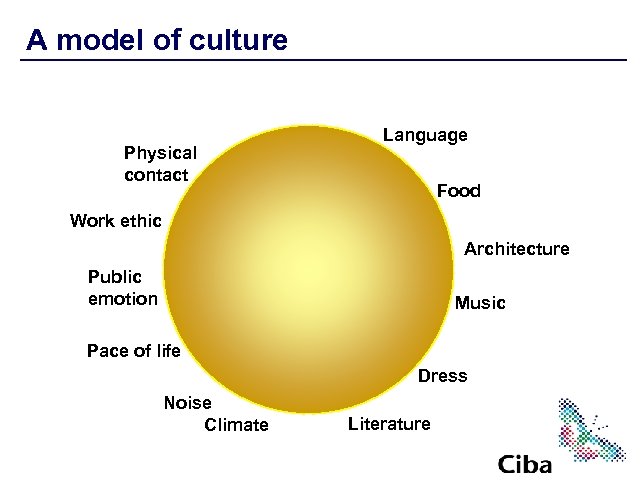 A model of culture Physical contact Language Food Work ethic Architecture Public emotion Music Pace of life Dress Noise Climate Literature
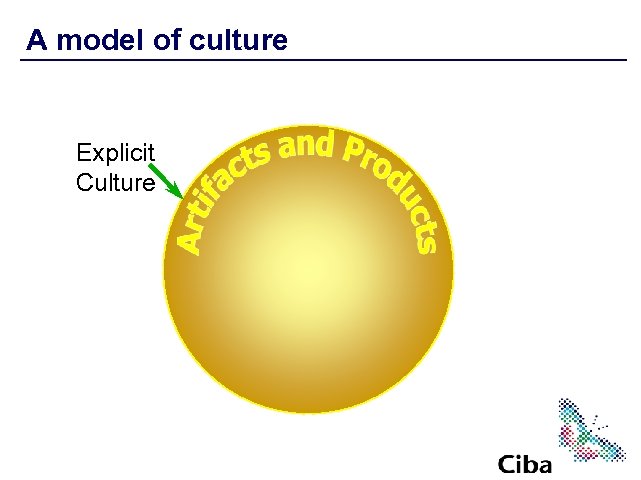 A model of culture Explicit Culture
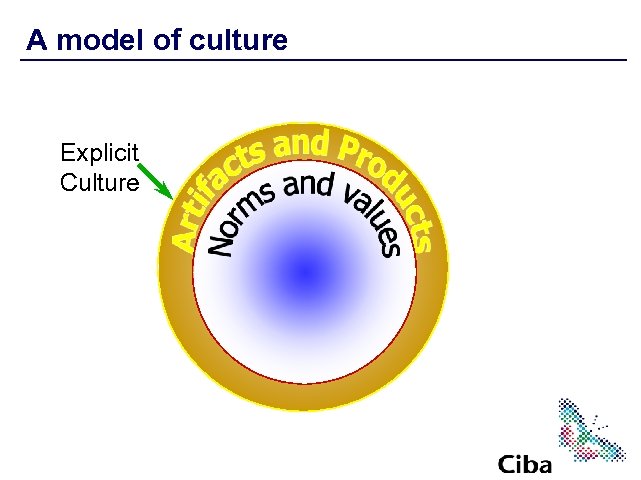 A model of culture Explicit Culture
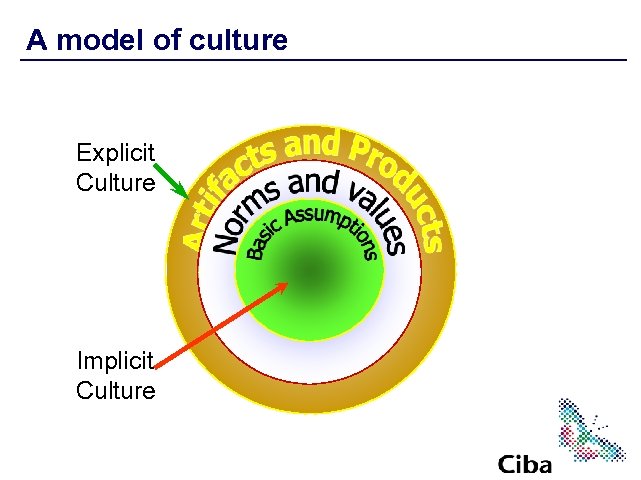 A model of culture Explicit Culture Implicit Culture
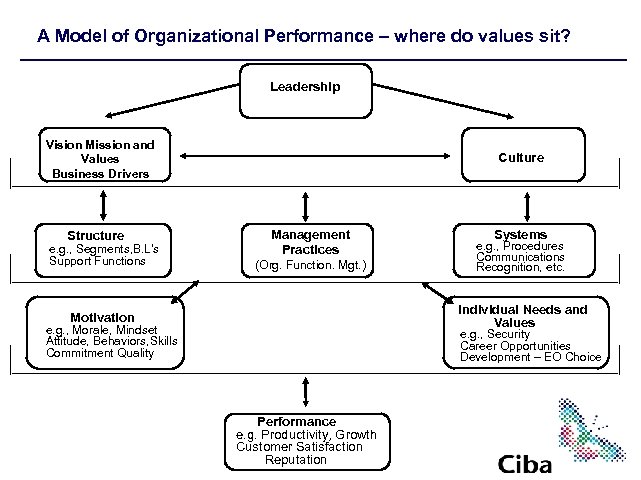 A Model of Organizational Performance – where do values sit? Leadership Vision Mission and Values Business Drivers Structure e. g. , Segments, B. L's Support Functions Culture Management Practices (Org. Function. Mgt. ) Systems e. g. , Procedures Communications Recognition, etc. Individual Needs and Values Motivation e. g. , Morale, Mindset Attitude, Behaviors, Skills Commitment Quality e. g. , Security Career Opportunities Development – EO Choice Performance e. g. Productivity, Growth Customer Satisfaction Reputation
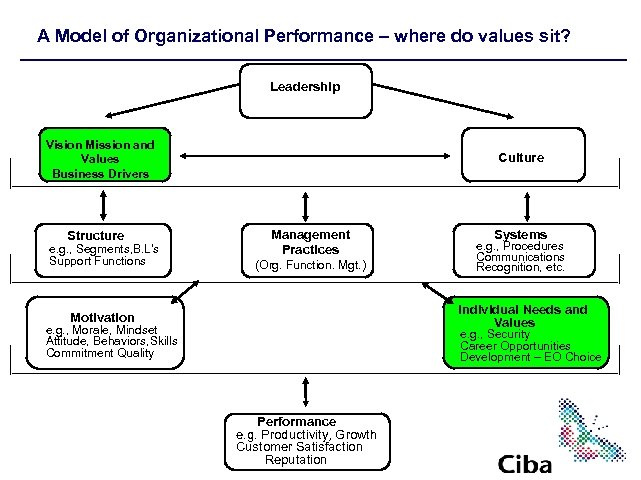 A Model of Organizational Performance – where do values sit? Leadership Vision Mission and Values Business Drivers Structure e. g. , Segments, B. L's Support Functions Culture Management Practices (Org. Function. Mgt. ) Systems e. g. , Procedures Communications Recognition, etc. Individual Needs and Values Motivation e. g. , Morale, Mindset Attitude, Behaviors, Skills Commitment Quality e. g. , Security Career Opportunities Development – EO Choice Performance e. g. Productivity, Growth Customer Satisfaction Reputation
 People management and business performance research 3 aims • develop the evidence that people management delivers business performance • understand how and why people management has an impact on performance • summarise the research evidence and provide the profession with practical advice
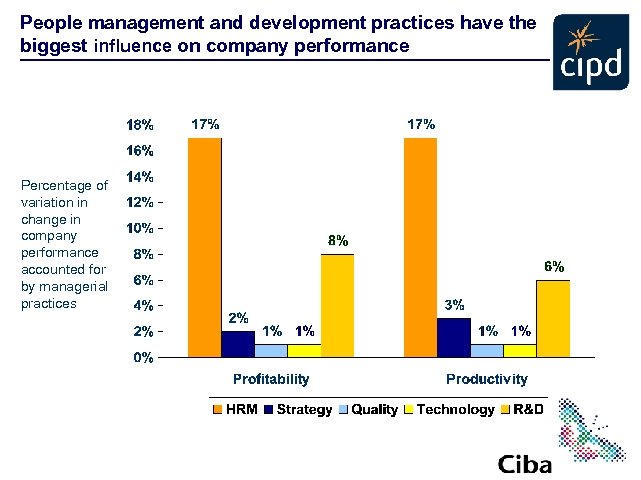 People management and development practices have the biggest influence on company performance Percentage of variation in change in company performance accounted for by managerial practices
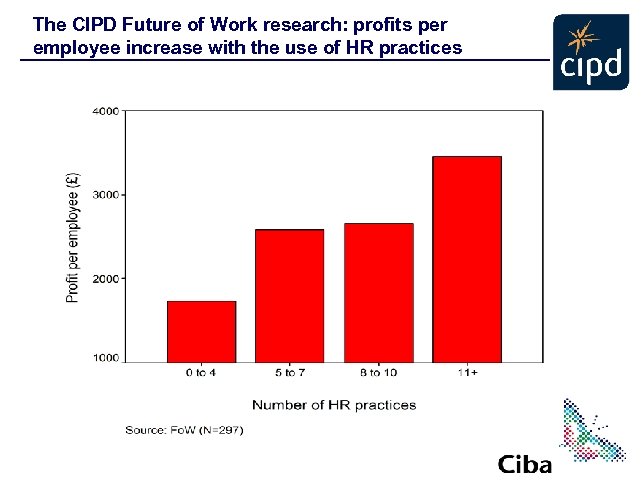 The CIPD Future of Work research: profits per employee increase with the use of HR practices
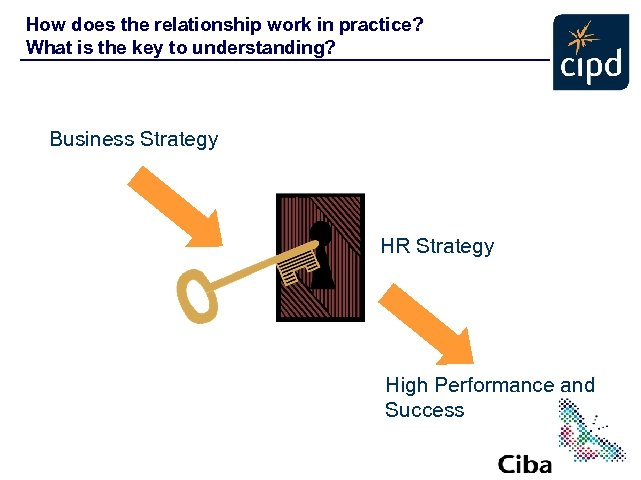 How does the relationship work in practice? What is the key to understanding? Business Strategy HR Strategy High Performance and Success
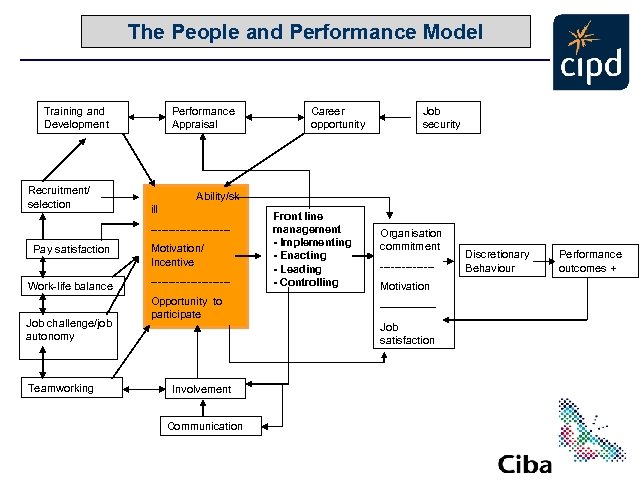
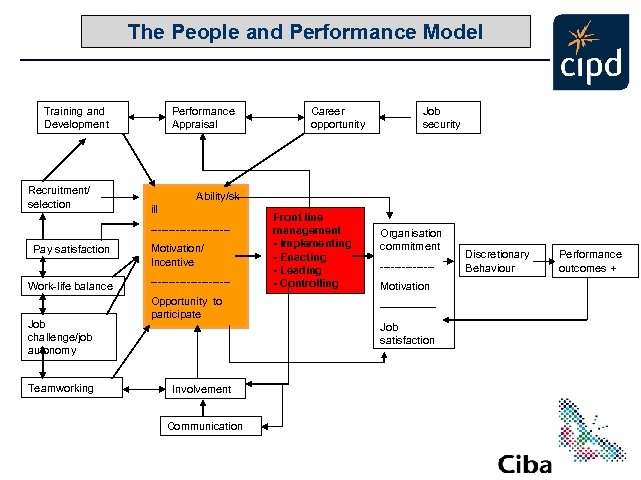
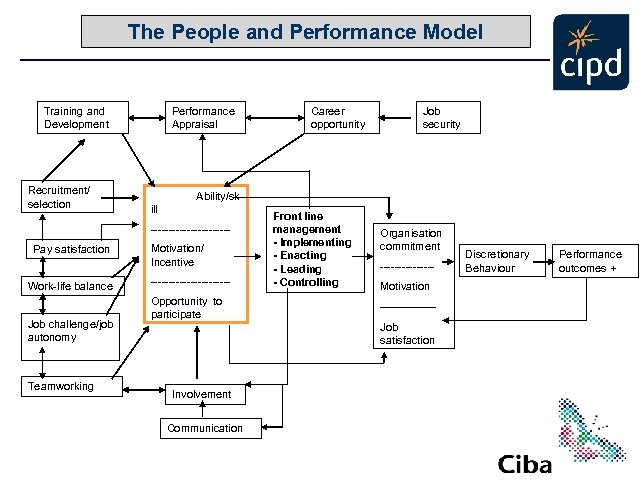 The People and Performance Model Training and Development Recruitment/ selection Performance Appraisal Work-life balance Job challenge/job autonomy Teamworking Job security Ability/sk ill ----------- Pay satisfaction Career opportunity Motivation/ Incentive -----------Opportunity to participate Front line management - Implementing - Enacting - Leading - Controlling Organisation commitment -------Motivation -------Job satisfaction Involvement Communication Discretionary Behaviour Performance outcomes +
 The People and Performance Model Training and Development Recruitment/ selection Performance Appraisal Work-life balance Job challenge/job autonomy Teamworking Job security Ability/sk ill ----------- Pay satisfaction Career opportunity Motivation/ Incentive -----------Opportunity to participate Front line management - Implementing - Enacting - Leading - Controlling Organisation commitment -------Motivation -------Job satisfaction Involvement Communication Discretionary Behaviour Performance outcomes +
 Vision and Values • companies with strong shared cultures and values tend to perform better • HR is critical in reflecting and reinforcing shared values and cultures • the ‘Big Idea’ is a simple way of expressing the key purpose of the organisation • to be effective the ‘Big Idea’ has to be embedded across the whole organisation and integrated with customer/client values of service
 The People and Performance Model Training and Development Recruitment/ selection Performance Appraisal Work-life balance Job challenge/job autonomy Teamworking Job security Ability/sk ill ----------- Pay satisfaction Career opportunity Motivation/ Incentive -----------Opportunity to participate Front line management - Implementing - Enacting - Leading - Controlling Organisation commitment -------Motivation -------Job satisfaction Involvement Communication Discretionary Behaviour Performance outcomes +
 The role of front line managers • how front line managers can generate discretionary behaviour from individuals and improve their performance • the discretionary behaviours which front line managers need to translate high quality HR into performance • the management and development of front line managers themselves.
 Key roles for front line managers in bringing policies to life • implementing policies and practices such as performance management and development • taking action on HR initiatives or advice • leading people and exhibiting leadership qualities • controlling the work and its flow
 Key behaviours for front line managers • ability to build good working relationships by listening, being fair, dealing with problems and responding to suggestions • able to help employees take greater responsibility for their jobs by coaching and guidance • ability to build effective teams
 What front line managers need to manage effectively • time to carry out their people management role • positive behaviour competencies (they may be selected on the basis of these competencies or they may be developed over time) • good working relationships with their managers • the support of strong organisational values which emphasises those leadership behaviours expected and those not permitted
 Ciba Context
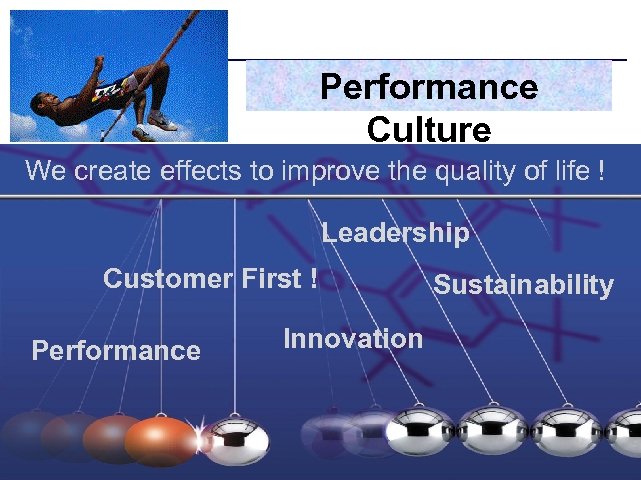 Performance Culture We create effects to improve the quality of life ! Leadership Customer First ! Performance Innovation Sustainability
 BL Coatings • Formed from two very different businesses – Pigments and Additives • Autocratic leader for first two years • Successful – but based on patented products due to expire • Aggressive competition - Asia • Integration issues - ‘Lip service’ paid to becoming one business line • Sales I billion CHF (~1. 3 bio NZ)
 The new manager’s ‘big idea’ To be successful the business had to make best use of all of its people. They had to: • Be given the freedom to operate locally, but within the corporate framework • Work together to capitalise on each other’s strengths despite historical boundaries and divisions • Keep close to existing markets but seek out and capitalise on new ones
 The challenge the global BL Head presented to us………… • reorganise his senior team putting those people who he believed would work with him (already well underway when we met) • develop a vision and a strategy (he had ideas in this area but nothing fixed) • conduct a thorough review of the business: its assets and its markets (present and potential): project manager appointed when we met but no significant action taken • he accepted that he would not get everything right first time and would therefore have to make other changes in the future. • His question to us: “I need help with this – can you deliver? ”
 Question! Bearing in mind Bob’s introduction would you (as an HR specialist) accept this as a project that could harness Organisational Culture and Values as a source of competitive advantage? If so where would you start?
 Objectives of workshop • To understand the changes necessary to create a team approach to business issues • To discuss, understand commit to the changes that attendees as a team and as individuals need to make to ensure that these changes take place • To redefine the BL’s mission, vision and values • To discuss and commit to ways of ensuring that all interested parties within and without the BL understand build on the outcomes of the workshop
 • Your team’s task is to create handcuffs from the materials provided and join every member of your team to each other so that each person’s left hand is handcuffed to their lefthand neighbour’s left hand each person’s right hand is handcuffed to their right-hand neighbour’s right hand. • The winning team will be the first one to have completed the task with all its members handcuffed together in an unbroken circle. • Definition: when handcuffed, every wrist must be in its own continuous loop of plastic tubes and joints: you may not use a red flexible ring as a bracelet by passing your hand through it.
 Our mission for Business Line Coatings • Business Line Coatings – the No. 1 solution provider in surface effects for coatings creating value for customers and employees. • We strive to be the partner of choice for customers and employees. • We want to achieve sustainable success by offering customer intimacy and providing innovative solutions through – first class products and services, – value-adding technical support – and innovative technology.
 Our committment • We are committed to developing talent and supporting strong teams. • We believe in creating change and taking advantage of ongoing transformation. • We strive for a participative leadership style leveraging skills and expertise of a global network of talent. Changing mindset, impacting culture!
 Participative leadership style • Involving àListening, communication, recognizing • Visioning àVision, optimism, outcomes • Inspiring àExcitement, energy, passion • Stimulating àNew ideas, divergent thinking • Coaching àEncouragement, support, hands-on help, feedback • Developing àSeeking ways to develop, stretch and grow others and oneself
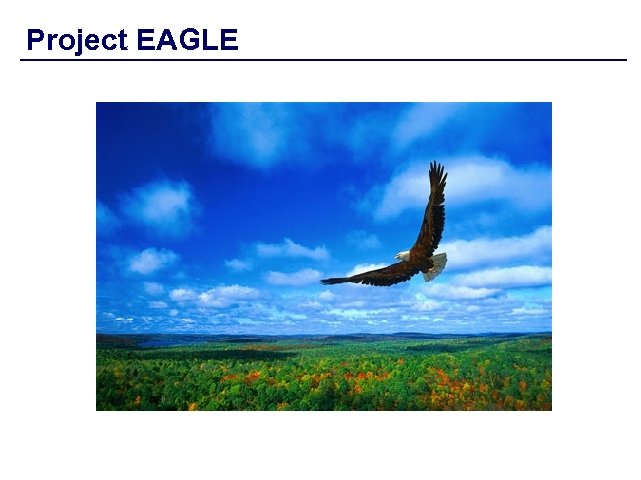 Project EAGLE
 Aims • The Pilot Programme – Improve business performance via encouraging planned personal development – Establish the importance of personal and career development within current business context – Encourage active personal responsibility for performance improvement in partnership with line management – Facilitate consistent practical application of performance management – Selected participants from Northern, Central and Southern European regions
 Approach • Senior management buy in and implications for them • Pre-course questionnaire to stimulate personal insight and direct attention towards personal development • Skills Analysis and Job Requirements Exercise (JRE) with line managers to highlight key technical needs, skills & attributes • Psychometric testing (OPQ, MQ & reports) to provide additional perspectives to aid self-assessment and facilitate discussions with line managers • Crossing Boundaries workshop to support self-discovery and overcome barriers to personal / business development • Personal Development Plans (PDP) integrating personal development with business goals and targets as part of performance management
 Eagle – Business benefits so far • Values embedded and more overt • Clearer picture of people competence and gaps • Increased competence and confidence of line managers • Alignment of majority of line managers with BL Mission and Values • Successfully defending ‘off patent’ products with value adding technical support • Sales and margin increase over same period last year
 SOME OTHER THOUGHTS………. .
 ‘LINES’ by Felicity Plunkett ©
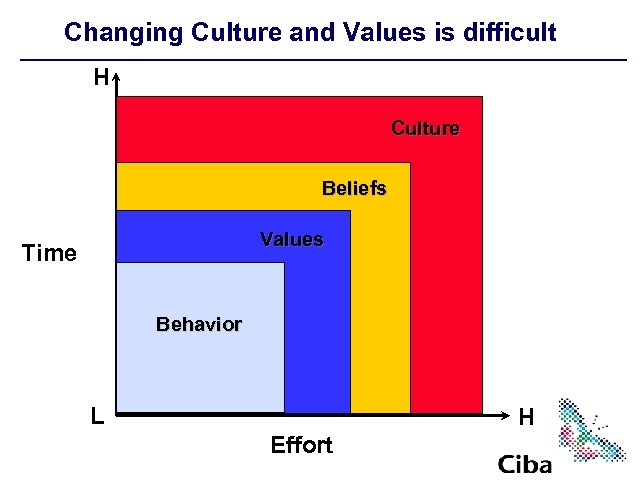 Changing Culture and Values is difficult H Culture Beliefs Values Time Behavior L H Effort
 ‘We should invest in people who live our values, no matter what the results are’