Скачать презентацию Optimizing your Purchases and Supply Chain in an
052a25a83a6926837a7b167f19e6e911.ppt
- Количество слайдов: 26

 Optimizing your Purchases and Supply Chain in an International Environment With the support of the European Commission
 Facilitator Profile • • Johan van Hamme (Belgium – 42 years) Owner of Clear Vantage (www. clear-vantage. eu) Owner of CU-FACTOR (www. cu-factor. com) International Purchasing Executive (Automotive, Engineering, Automation) • References: VW Group, Tenneco, Rockwell • Multilingual (six European languages)
 Services: • • • Reduce overall costs and improve efficiencies Development of Supply Chain Organizations Advanced training sessions in Purchasing Short-term performance screenings Cultural interaction in Business
 Expertise: • • • Cost-reduction methodologies Products & services knowledge Change-management Proven concepts Six European languages
 References: • • Volkswagen, Audi, Seat, Skoda Tenneco Automotive Rockwell Automation Accenture
 CU-FACTOR can help you with … • • Cultural differences in business Best practices in business culture Preparation of strategies Effective integration in Europe
 CU-FACTOR … • A knowledge center on European business culture • Highlights specific in-country characteristics • Provides training sessions, personal assistance and a practical “tool-box”
 CU-FACTOR is focused on … • Companies outside Europe • European companies expanding cross-border • Private individuals

 Purchasing Hints « TCO » methodologies most commonly used? • Incumbent sourcing: negotiation with current supplier • Re-sourcing: switching from current supplier to new supplier for similar range • Reverse auctions (on-line bidding process): for higher turnovers with multiple suppliers • Standardisation: reduce complexity and leverage scale- effects • Value Analysis /Value Engineering (VA/VE): technical review of existing product vs needs
 Purchasing Hints « TCO » methodologies most commonly used? • Simultaneous Engineering: sharing intelligence amongst suppliers for a final product/service • Purchasing pool: combining purchasing needs between different buying companies • Cross- functional process improvements via Six Sigma: statistical approach (non-functional) • Rebate methodology: periodical credit/ debit as function of turnover vs baseline (stapled %)
 Purchasing Hints « TCO » methodologies most commonly used? • Clear target setting: define price expectation and response time • Payment terms review: potential to stretch terms and to ease the transactional process • Operational process optimalisation (lead- times, inventory, on-time delivery, obsolescence) • Strong contracts with vendors: creation of well balanced supplier contracts
 Purchasing Hints Development of a more « agile » supply chain: Agile: short lead- time & unpredictable demand: « React and Execute » Agility via lead-time reduction across: • Supply: • Internal: • Demand: strategic sourcing synchronization production co-location reduce non- value added time reduce complexity postponement JIT replenishment co- managed inventory data systems integration

 « Low cost country » sourcing • Pricing – Price differences (Total Cost of Ownership) – Price stability in time • Quality – – Product quality and technical precision Product validation means Total impact when quality not OK Product durability and warranty
 « Low cost country » sourcing • Development – Highly engineered products vs. traditional ones – Spin off effects on aftermarket of OE developments – Technical product changes
 « Low cost country » sourcing • Environment – – – Legislations (ex. Reach) Value of confidentiality (NDA Agreements) Political climate Financial strength of supply base Psychological effects due to increasing unemployment in Western countries
 « Low cost country » sourcing • Indirect costs – Travel costs – Time consumed on: • Supplier evaluation and development • Tool and product validation • Quality assurance • Follow- up actions • Administration – Warranty costs

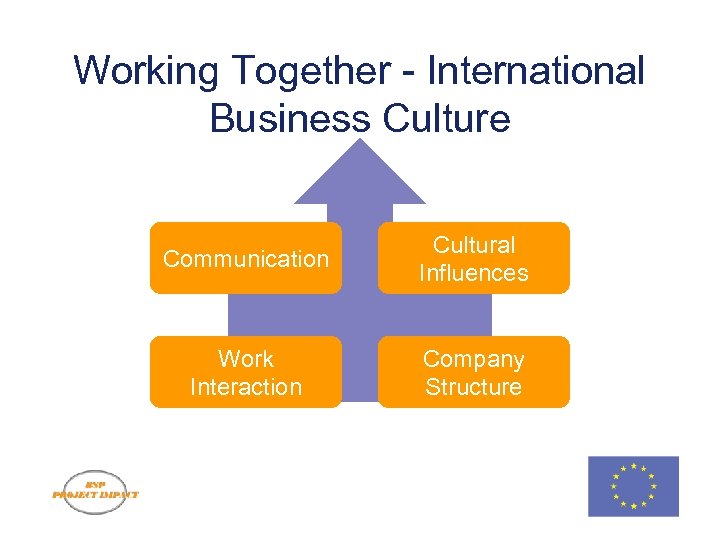 Working Together - International Business Culture Communication Cultural Influences Work Interaction Company Structure CU-FACTOR presentation v 1. 0 © 2008 Johan van Hamme Page 21
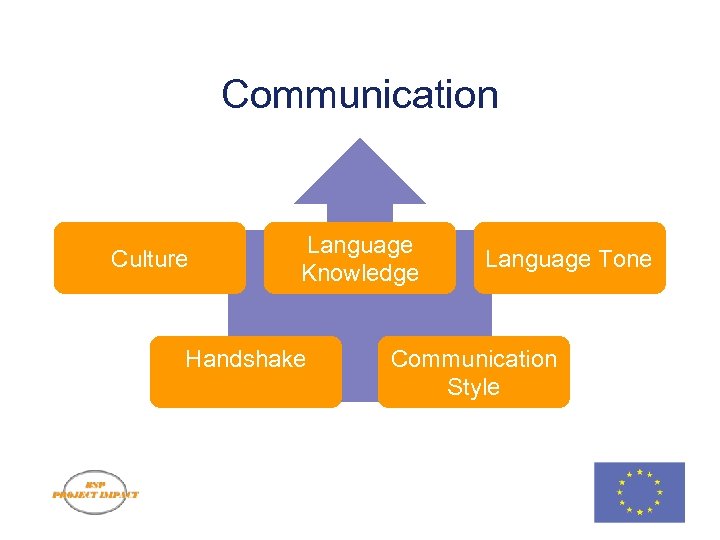 Communication Culture Language Knowledge Handshake CU-FACTOR presentation v 1. 0 © 2008 Johan van Hamme Language Tone Communication Style Page 22
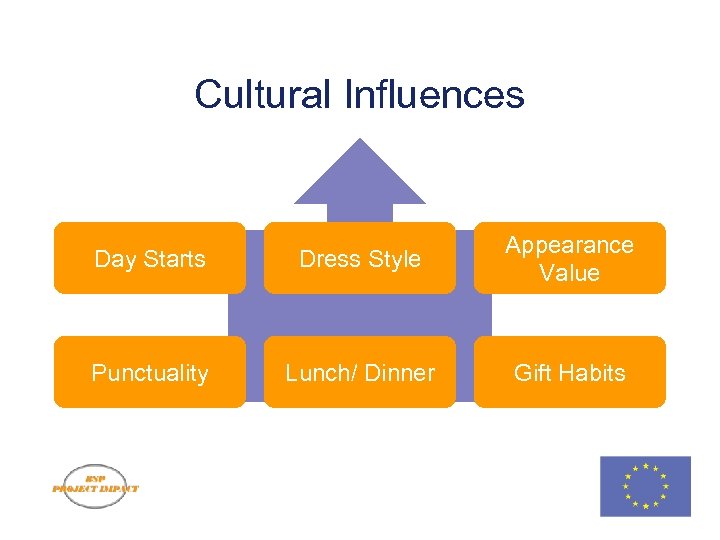 Cultural Influences Day Starts Dress Style Appearance Value Punctuality Lunch/ Dinner Gift Habits CU-FACTOR presentation v 1. 0 © 2008 Johan van Hamme Page 23
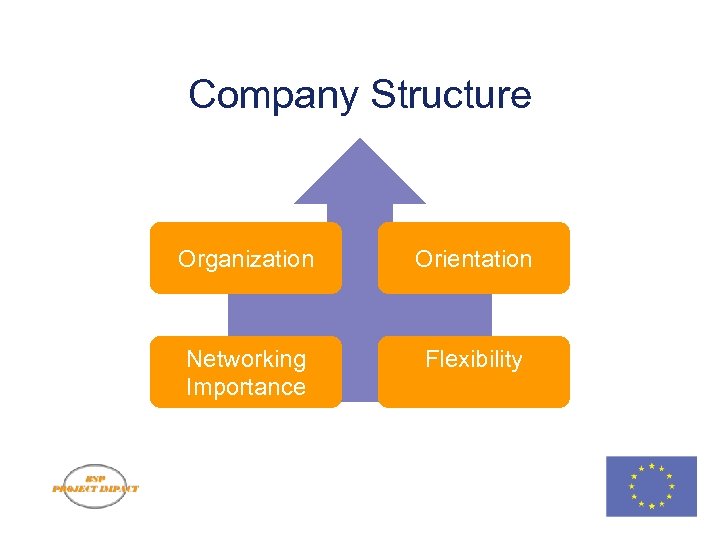 Company Structure Organization Orientation Networking Importance Flexibility CU-FACTOR presentation v 1. 0 © 2008 Johan van Hamme Page 24
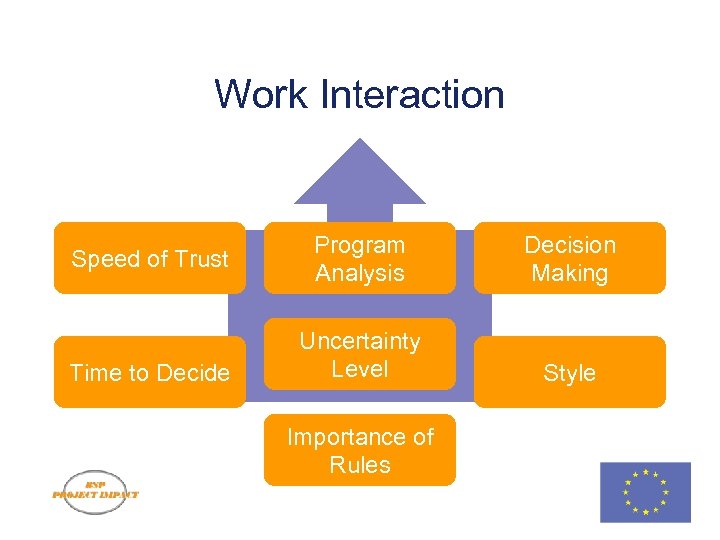 Work Interaction Speed of Trust Time to Decide Program Analysis Decision Making Uncertainty Level Style Importance of Rules CU-FACTOR presentation v 1. 0 © 2008 Johan van Hamme Page 25