 Скачать презентацию Opportunities and Challenges in Collaborative Research Lessons from
478554a3dda0adcd9ccadf756121bd7c.ppt
- Количество слайдов: 29



Opportunities and Challenges in Collaborative Research: Lessons from the UK, Greece and Japan Professor Mihaela Kelemen, Keele University, UK Professor Martin Phillips, University of Leicester, UK Sue Moffat, New Vic Theatre, UK
Collaborative Research General Strengths: • Multi and trans-disciplinarity captures multiple facets of the social phenomenon • A mosaic of methodologies which gives voice to diverse parties • Facilitates mutual understanding and respect for diverse points of view
Collaborative research General Limitations: • Focuses on solving practical problems and does not push the boundaries of knowledge • Reproduces the same knowledge/power hierarchies across academia and practice
Research Questions • What can we learn from communities in crisis? • How can we synergise learning across cultures and across academia and community?
Community and heritage geographies Bridging the gap between academic rigour and practical relevance UK academic partners: Keele University, The Open University, Brunel University and Edinburgh University UK community partners: New Vic Theatre, The Glass-House Community Led Design and Mondo Challenge Foundation Japanese academic partners: Seinan Gakuin University and Osaka City University, Japanese Community Partners from Minami Sanriku municipality: Minami Sanriku city government, Isatomae Fukko Shoutengai shopping street cooperative, Heisei-no-mori temporary housing residents’ association (248 houses), Iriya Yes Craft, Minami Sanriku Fukko-dako-no-kai (citizens’ association for town reconstruction through manufacturing and marketing “octopus-kun” character goods)
Community and heritage geographies • Revisiting the mid-point of British community studies • Affective Digital Histories • Legacies of Animative and Iterative Methodologies • Asset mapping: comparative mapping
Our Approach to Collaborative Research • Draws on the everyday experiences of all participants and their creative abilities to make sense of the world and achieve individual and communal goals • Builds up trusting relationships between participants by inviting them to work together in activities which may be new to them but which draw on their life experiences • Dissolves hierarchies: commonsense, expertise, practical skills are valued in equal measure
Stoke on Trent and Minami Sanriku • Cities in crisis? • Stoke: loss of traditional industries: mining, steel and ceramics, 16 th most deprived local authority in England • Minami Sanriku: 2011 Tsunami, 70% of the infrastructure destroyed, forgotten region (more than 2/3 of people live in temporary accommodation)
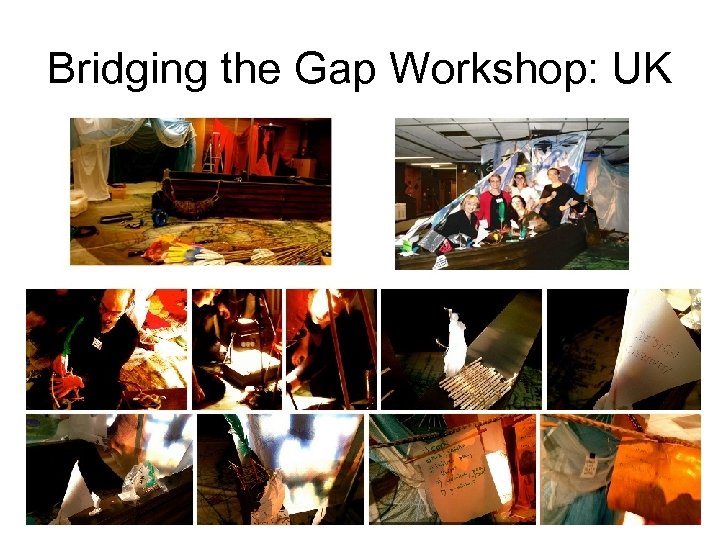
Bridging the Gap Workshop: UK
Drama Workshops in Stoke • four new worlds (from lost ones): fire, earth, water and air • prevalence of bottom up processes in the construction of new worlds, • the reversal of roles between professionals/experts and community members • an abundance of creativity within individuals and groups.
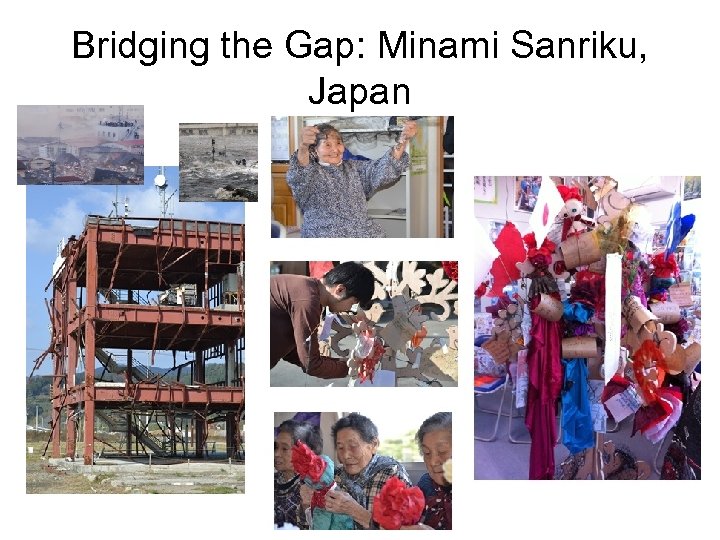
Bridging the Gap: Minami Sanriku, Japan
Drama Workshops in Minami. Sanriku • the response to crisis was to build from within and not wait for hand outs from above. • the new businesses that were created in the aftermath of the disaster opted for a cooperative business model rather than one based on market competition. • some survivors of the Tsunami became ‘professional story tellers’ • the inhabitants of Minami Sanriku felt a deep connection with their land despite the constant threat of a new tsunami. • very few people migrated to other parts of the country in search of job opportunities • community rebuilding via volunteering activities
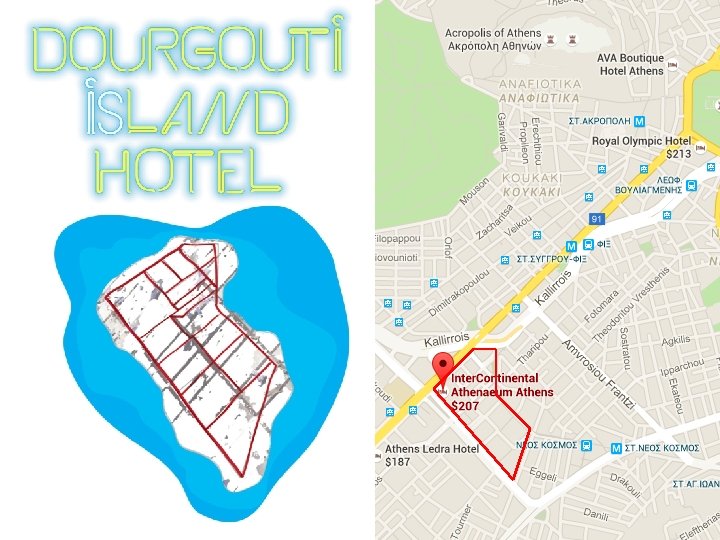
George Sachinis
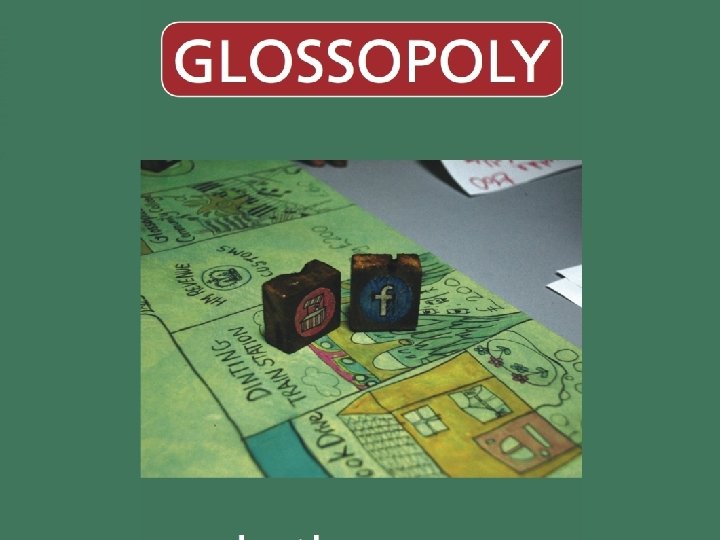
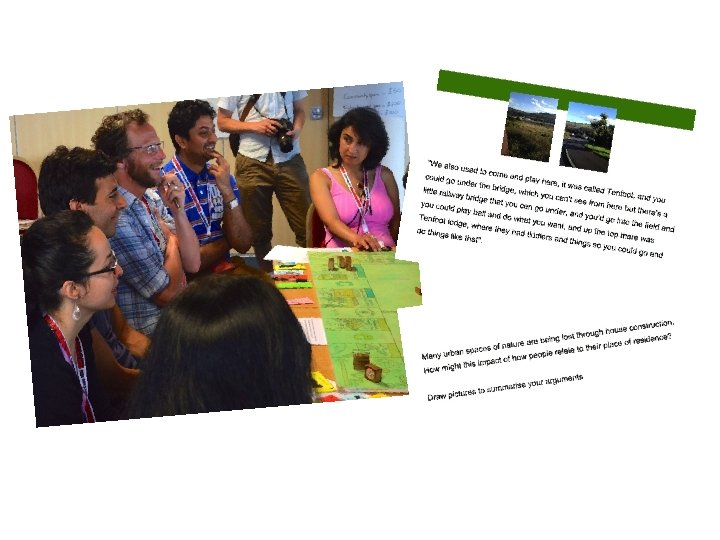
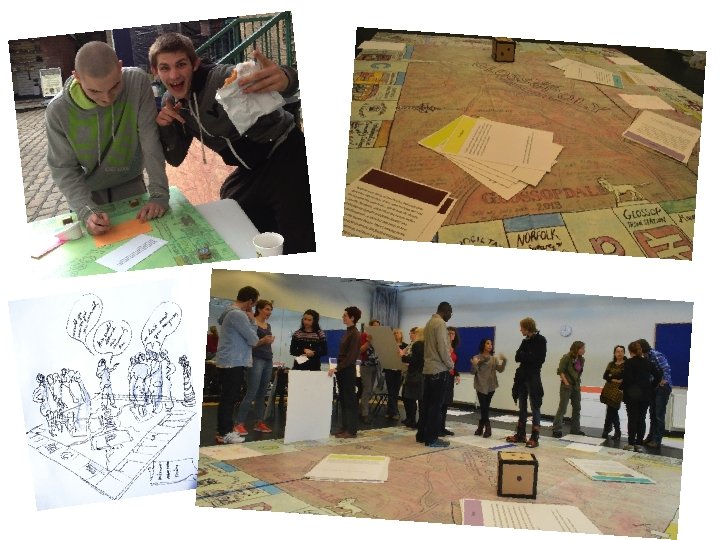
Key Characteristics of Game • Engages people in conversations • Diffuses conflict/dominance through game • Fun way of engaging people with research/archive material • Generates new materials • Themed discussions • Flexible format
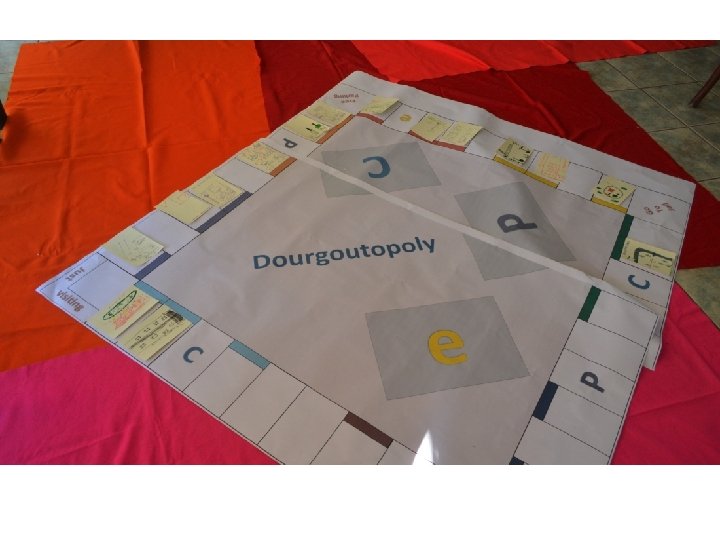
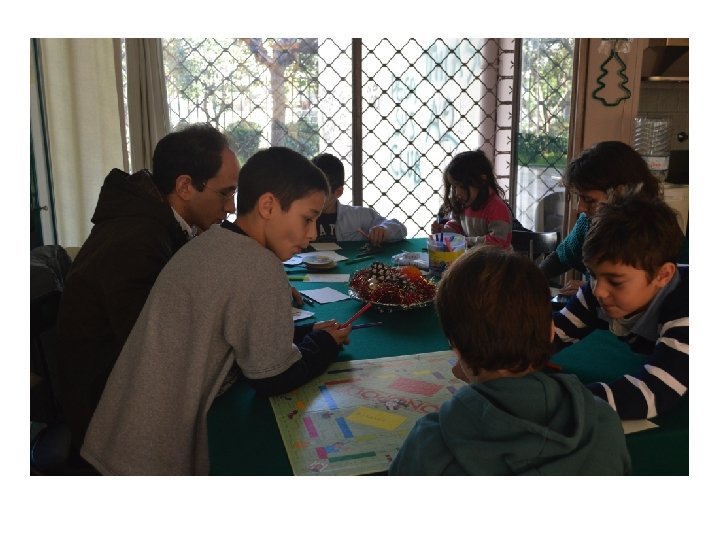
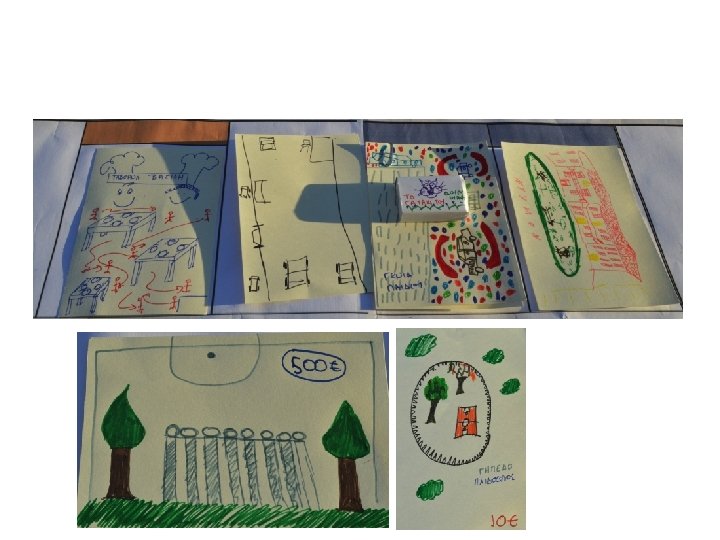
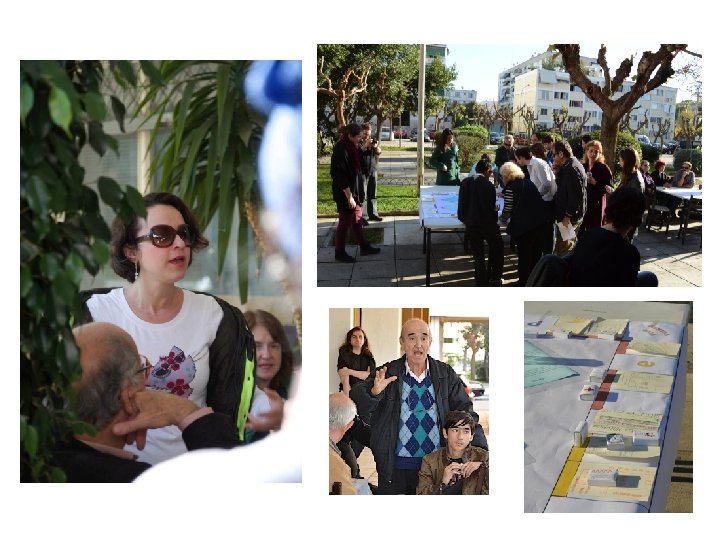
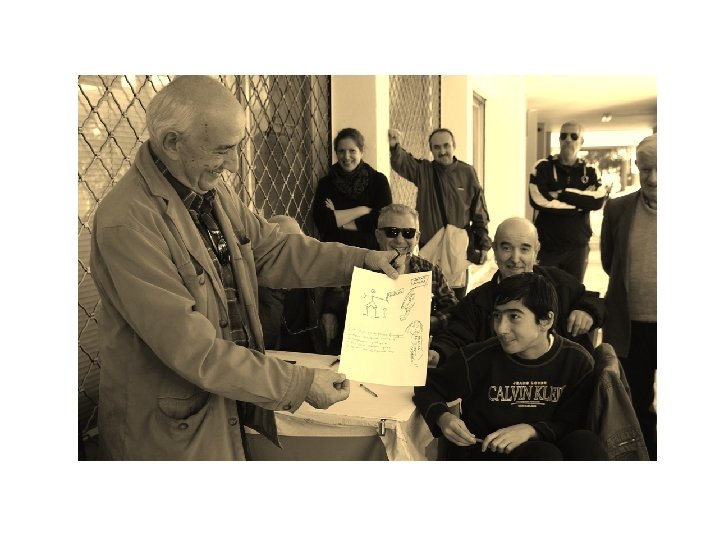
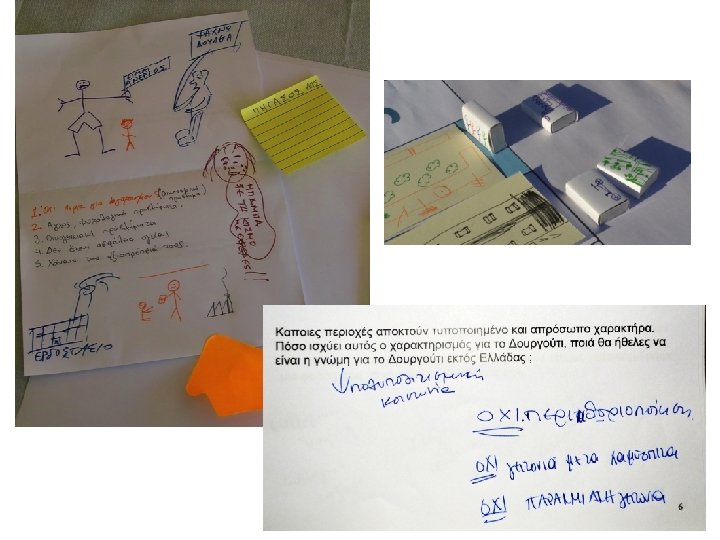
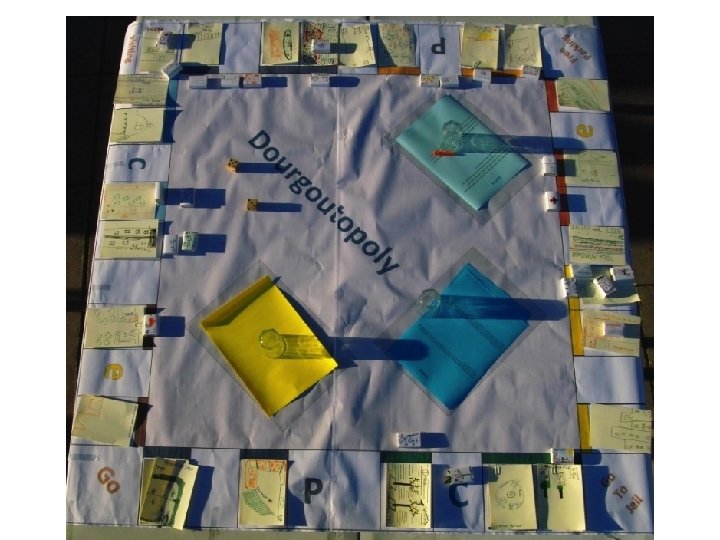
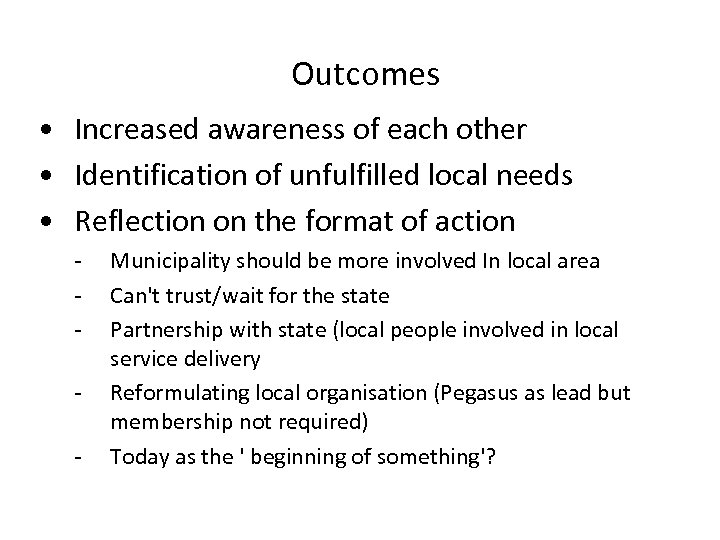
Outcomes • Increased awareness of each other • Identification of unfulfilled local needs • Reflection on the format of action - Municipality should be more involved In local area Can't trust/wait for the state Partnership with state (local people involved in local service delivery Reformulating local organisation (Pegasus as lead but membership not required) Today as the ' beginning of something'?
Conclusions Advantages • Widened & deepened understandings • Collaborative engagements with 'others' • Difference within repetition (reinventing the wheel is different every time) "a new voyage, one that repeats some of the old movements but [always] introduces new ones" (Abel 2002, p. 234)
Limitations • Games are not serious enough? • How to balance play, discussion, reflection? • How much time is enough? • Fun time but what now? • Who is not there?
Скачать презентацию Opportunities and Challenges in Collaborative Research Lessons from
478554a3dda0adcd9ccadf756121bd7c.ppt