 Скачать презентацию Open Access — what it is all about
274b1782cabca16bf9a1c5afe0d4db50.ppt
- Количество слайдов: 58



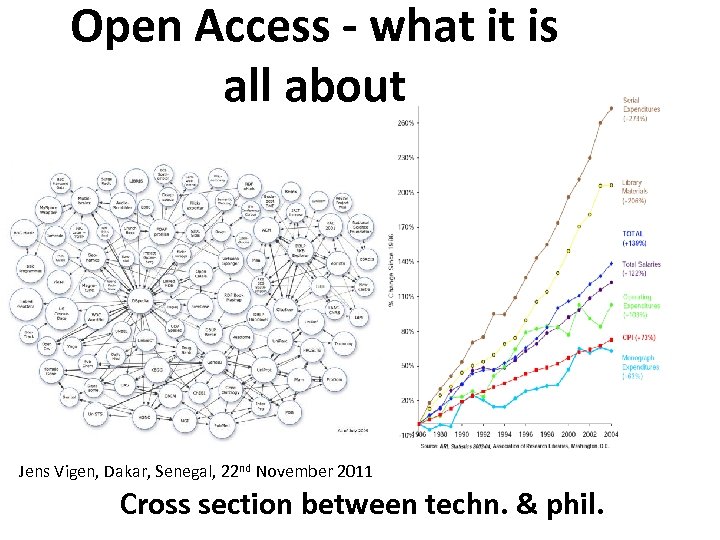
Open Access - what it is all about Jens Vigen, Dakar, Senegal, 22 nd November 2011 Cross section between techn. & phil.
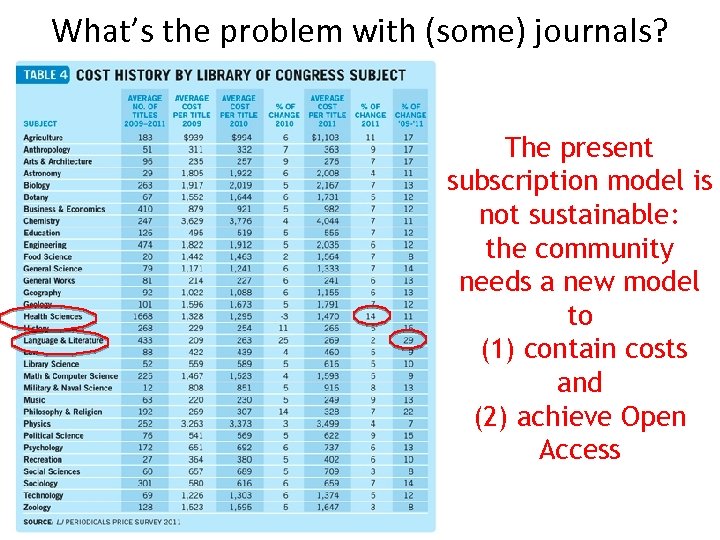
What’s the problem with (some) journals? The present subscription model is not sustainable: the community needs a new model to (1) contain costs and (2) achieve Open Access
II Open Access What is Open Access?
What is Open Access? • Different perceptions and definitions • Points of view vary depending on who’s talking
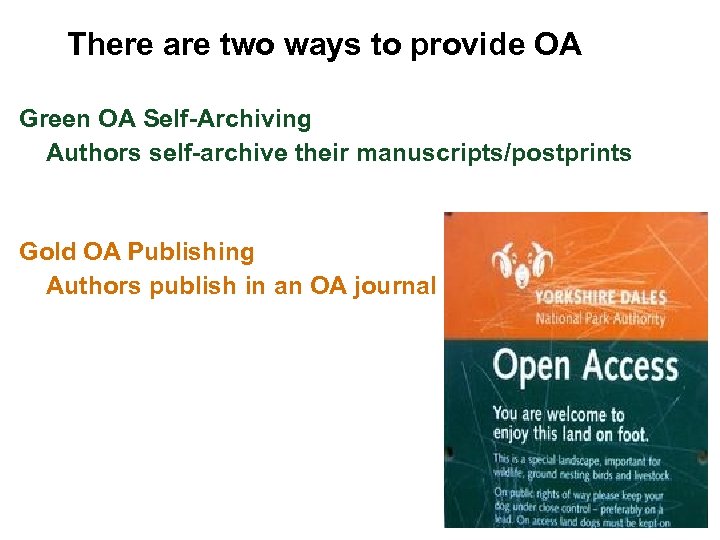
There are two ways to provide OA Green OA Self-Archiving Authors self-archive their manuscripts/postprints Gold OA Publishing Authors publish in an OA journal
“Full” Open Access an opportunity for the crowds • The print era had its natural limitations • There is no reason to carry any of these limitations forward to the online era • Today any scientist should have the possibility to read, textmine, remix material and publish without being confronted with any financial or legal barriers
Library efforts Author efforts … do authors submit? A quick reality check on the annual production: 1. ~300 theoretical papers, we capture 0% (!!) 2. ~500 theses, we capture 10% (world average …) 3. ~300 experimental papers, we capture 95% How can this be compensated for? 1. Import from ar. Xiv ensures 100% coverage for theory 2. Individually e-mailing authors retrospectively, brings the coverage up to 30%, even for theses dating 10 years back 3. Check for CERN authors in publishers feeds, contact the research group or import publishers’ version when permitted
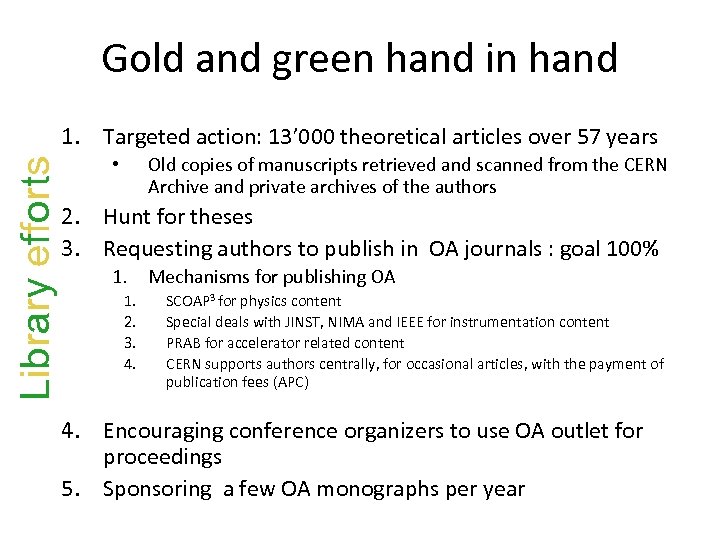
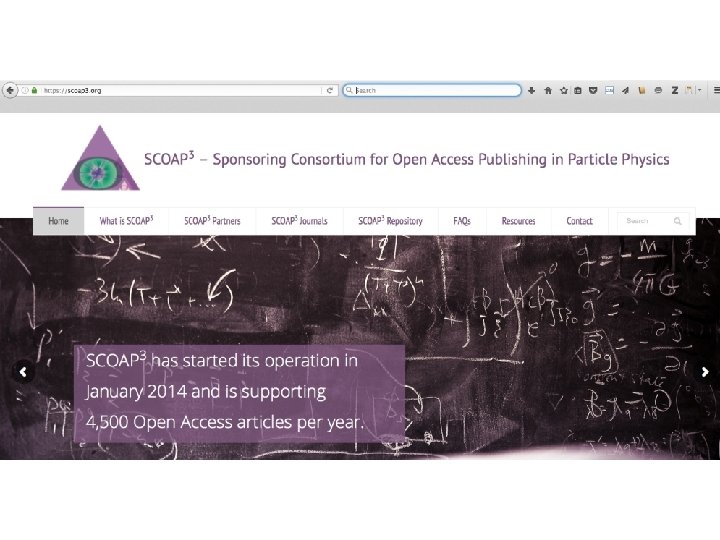
Gold and green hand in hand Library efforts 1. Targeted action: 13’ 000 theoretical articles over 57 years Old copies of manuscripts retrieved and scanned from the CERN Archive and private archives of the authors • 2. Hunt for theses 3. Requesting authors to publish in OA journals : goal 100% 1. Mechanisms for publishing OA 1. 2. 3. 4. SCOAP 3 for physics content Special deals with JINST, NIMA and IEEE for instrumentation content PRAB for accelerator related content CERN supports authors centrally, for occasional articles, with the payment of publication fees (APC) 4. Encouraging conference organizers to use OA outlet for proceedings 5. Sponsoring a few OA monographs per year
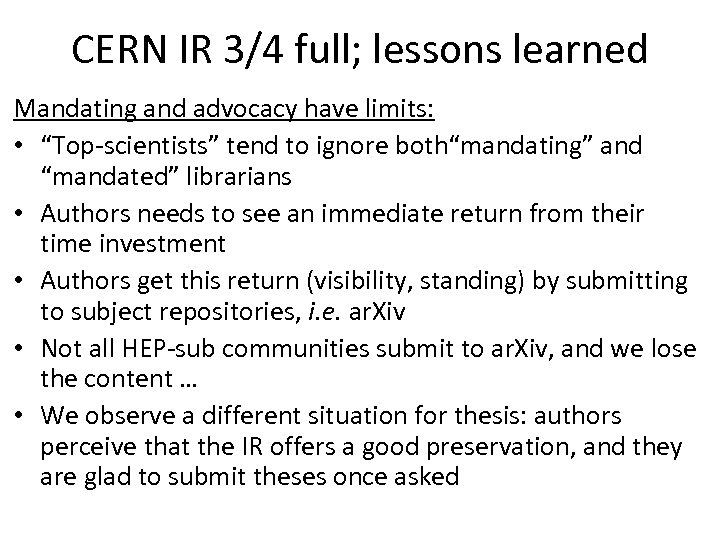
CERN IR 3/4 full; lessons learned Mandating and advocacy have limits: • “Top-scientists” tend to ignore both“mandating” and “mandated” librarians • Authors needs to see an immediate return from their time investment • Authors get this return (visibility, standing) by submitting to subject repositories, i. e. ar. Xiv • Not all HEP-sub communities submit to ar. Xiv, and we lose the content … • We observe a different situation for thesis: authors perceive that the IR offers a good preservation, and they are glad to submit theses once asked
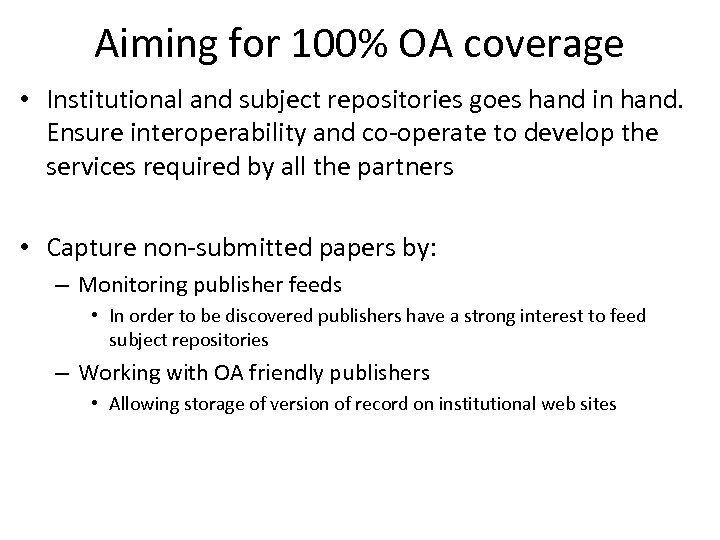
Aiming for 100% OA coverage • Institutional and subject repositories goes hand in hand. Ensure interoperability and co-operate to develop the services required by all the partners • Capture non-submitted papers by: – Monitoring publisher feeds • In order to be discovered publishers have a strong interest to feed subject repositories – Working with OA friendly publishers • Allowing storage of version of record on institutional web sites
- Adds value to ar. Xiv hep-* Index non-ar. Xiv material Compiles historical material A gateway to scientific data http: //inspirehep. net
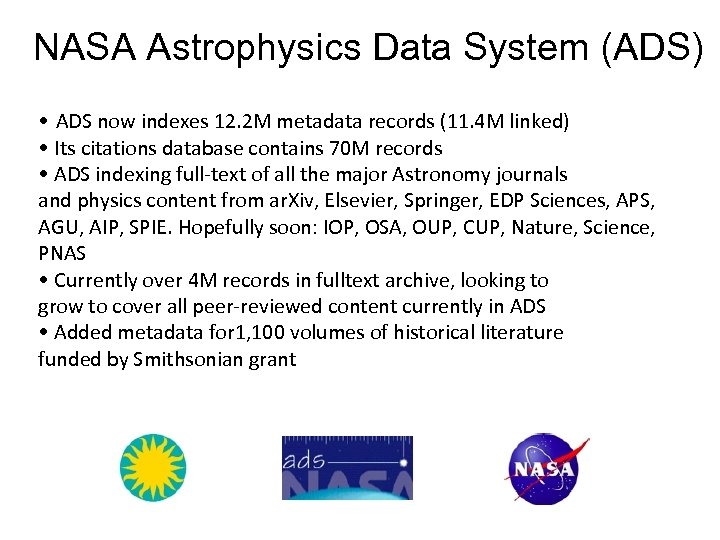
NASA Astrophysics Data System (ADS) • ADS now indexes 12. 2 M metadata records (11. 4 M linked) • Its citations database contains 70 M records • ADS indexing full-text of all the major Astronomy journals and physics content from ar. Xiv, Elsevier, Springer, EDP Sciences, APS, AGU, AIP, SPIE. Hopefully soon: IOP, OSA, OUP, CUP, Nature, Science, PNAS • Currently over 4 M records in fulltext archive, looking to grow to cover all peer-reviewed content currently in ADS • Added metadata for 1, 100 volumes of historical literature funded by Smithsonian grant
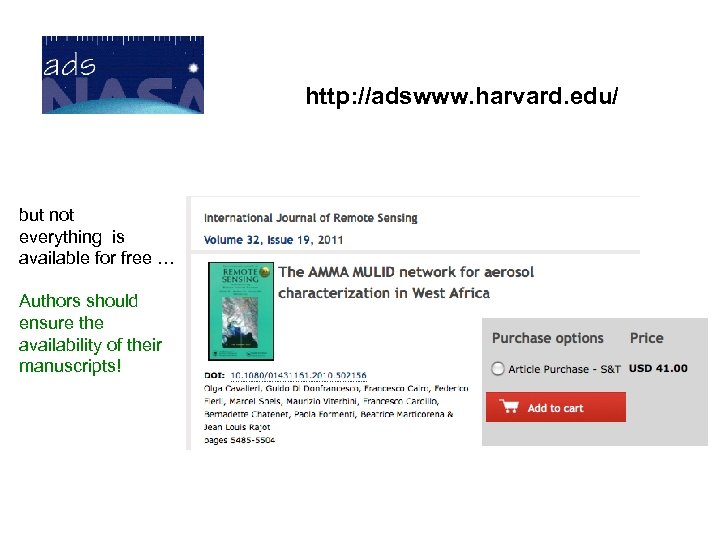
http: //adswww. harvard. edu/ but not everything is available for free … Authors should ensure the availability of their manuscripts!
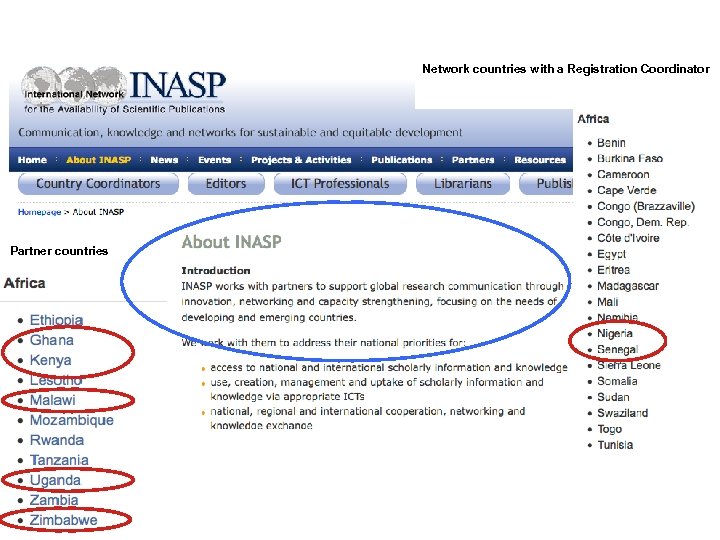
Network countries with a Registration Coordinator Partner countries
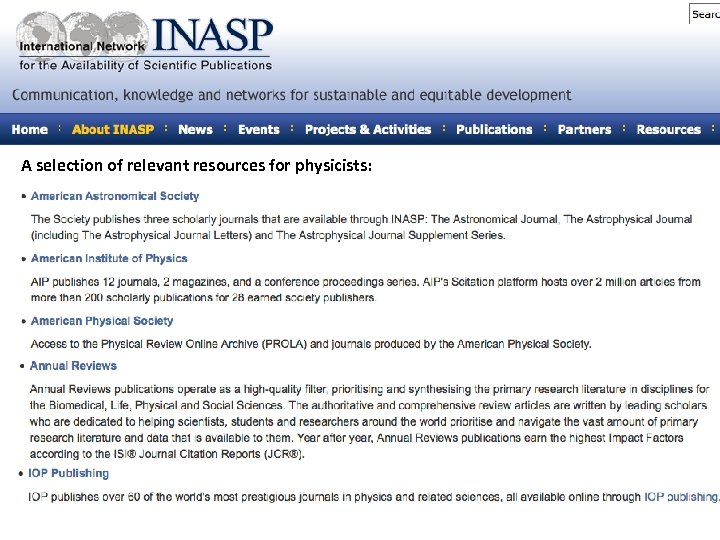
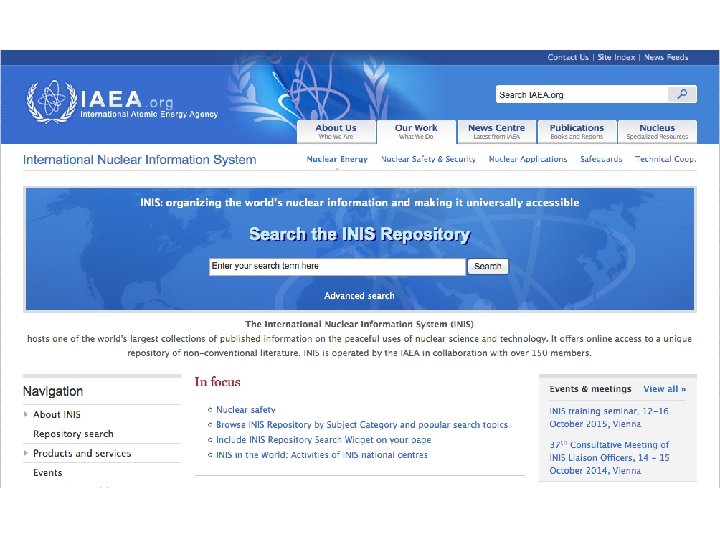
A selection of relevant resources for physicists:
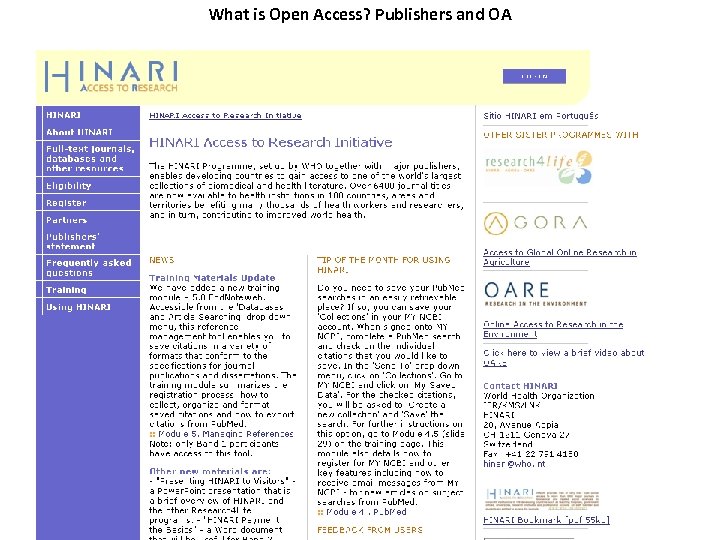
What is Open Access? Publishers and OA The HINARI Programme • HINARI Access to Research Initiative. • Set up by WHO together with major publishers. • Enables developing countries to gain access to one of the world's largest collections of biomedical and health literature. • Over 6400 journal titles are now available to health institutions in 108 countries, areas and territories. • Benefit many thousands of health workers and researchers. • Contributes to improve world health.
What is Open Access? Publishers and OA
Access to Research for Development and Innovation ARDI was launched in 2009 by the World Intellectual Property Organization, in cooperation with major publishers, to assist developing countries in bridging the knowledge gap. Currently, 31 publishers provide access to around 28, 000 journals, books, and reference works for 117 developing countries and territories through ARDI is a member of the Research 4 Life partnership
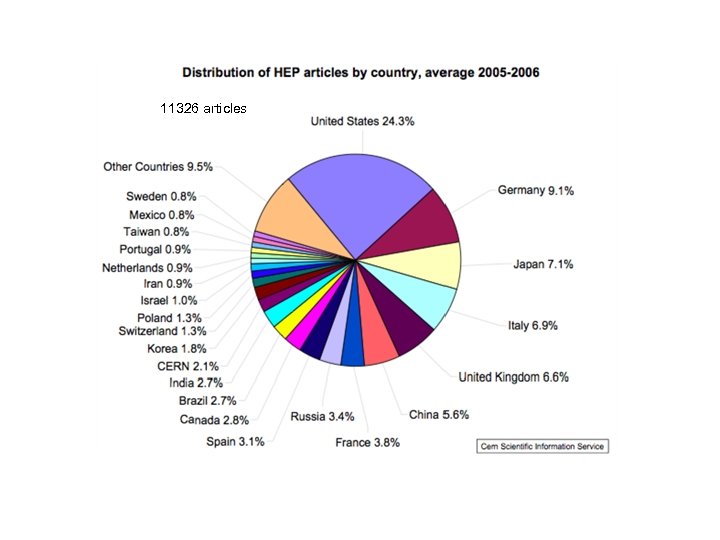
A study of HEP authorship in leading journals J. Krause, C. M. Lindqvist, S. Mele CERN-OPEN-2007 -014 11326 articles All HEP “core” journals and HEP fraction of broadband journals. Co-authorship is taken into account on a pro-rata basis by assigning articles to countries according to their number of authors.
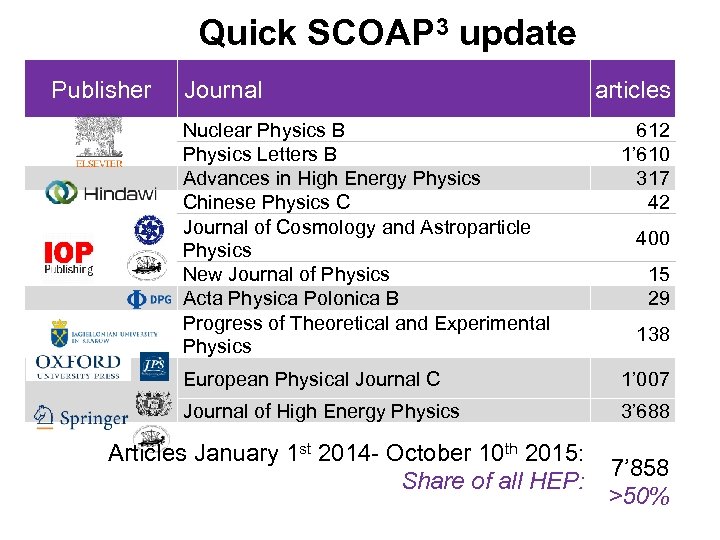
Quick SCOAP 3 update Publisher Journal articles Nuclear Physics B Physics Letters B Advances in High Energy Physics Chinese Physics C Journal of Cosmology and Astroparticle Physics New Journal of Physics Acta Physica Polonica B Progress of Theoretical and Experimental Physics 612 1’ 610 317 42 European Physical Journal C 1’ 007 Journal of High Energy Physics 3’ 688 Articles January 1 st 2014 - October 10 th 2015: Share of all HEP: 400 15 29 138 7’ 858 >50%
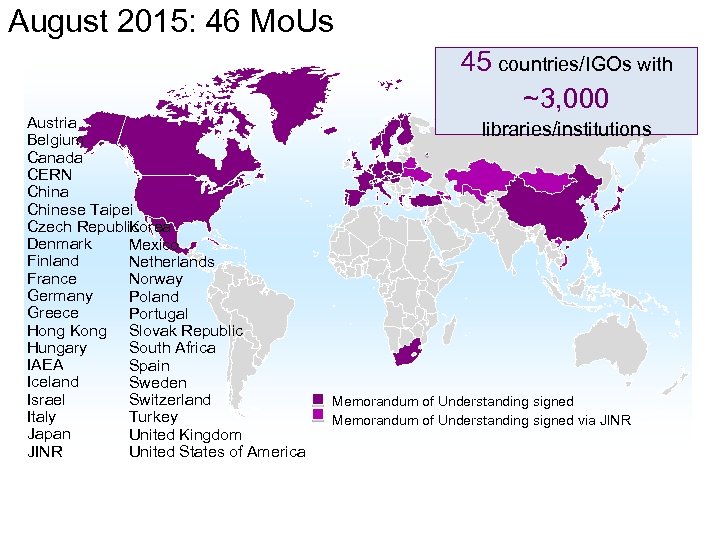
August 2015: 46 Mo. Us 45 countries/IGOs with ~3, 000 Austria Belgium Canada CERN China Chinese Taipei Czech Republic Korea Denmark Mexico Finland Netherlands France Norway Germany Poland Greece Portugal Hong Kong Slovak Republic Hungary South Africa IAEA Spain Iceland Sweden Israel Switzerland Italy Turkey Japan United Kingdom JINR United States of America libraries/institutions Memorandum of Understanding signed via JINR
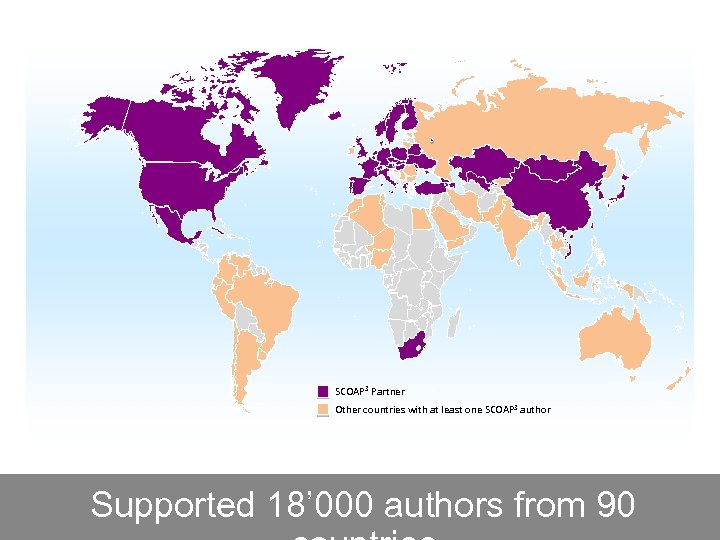
SCOAP 3 Partner Other countries with at least one SCOAP 3 author Supported 18’ 000 authors from 90
What is Open Access? Publishers and OA
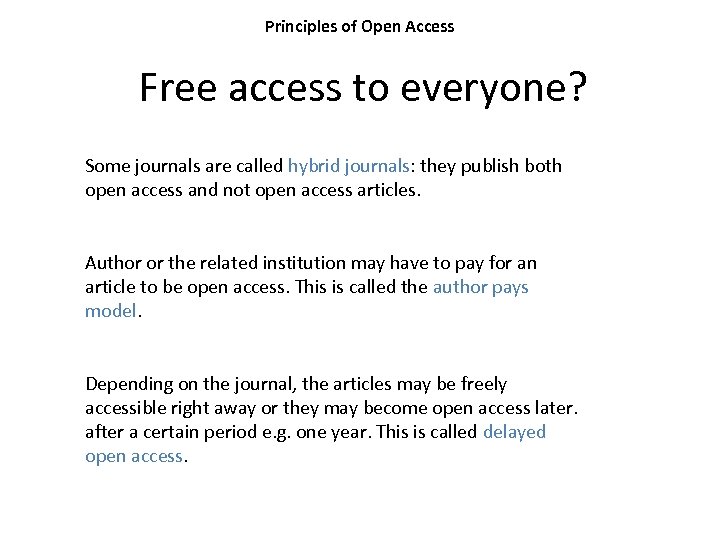
Principles of Open Access Free access to everyone? Some journals are called hybrid journals: they publish both open access and not open access articles. Author or the related institution may have to pay for an article to be open access. This is called the author pays model. Depending on the journal, the articles may be freely accessible right away or they may become open access later. after a certain period e. g. one year. This is called delayed open access.
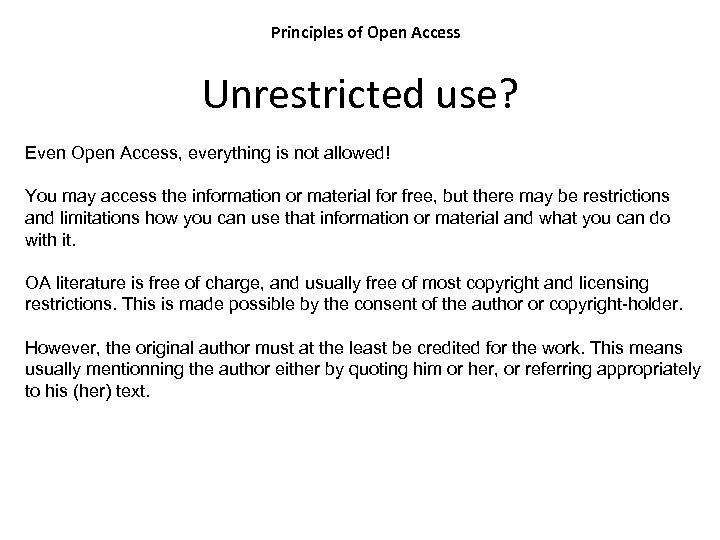
Principles of Open Access Unrestricted use? Even Open Access, everything is not allowed! You may access the information or material for free, but there may be restrictions and limitations how you can use that information or material and what you can do with it. OA literature is free of charge, and usually free of most copyright and licensing restrictions. This is made possible by the consent of the author or copyright-holder. However, the original author must at the least be credited for the work. This means usually mentionning the author either by quoting him or her, or referring appropriately to his (her) text.
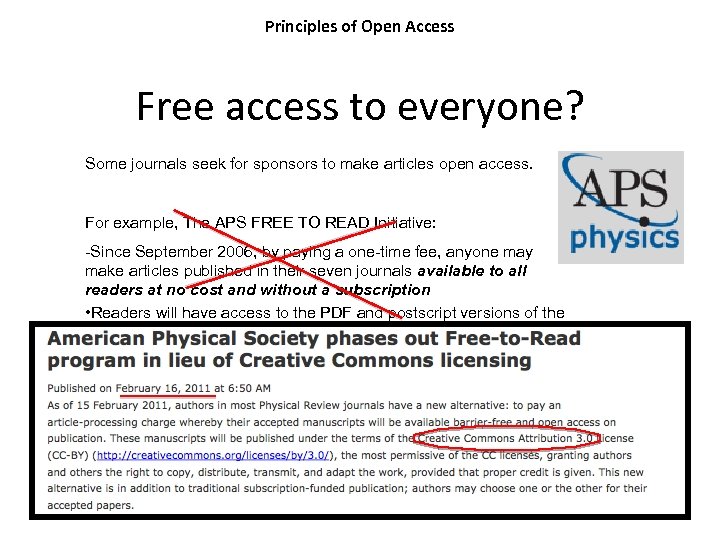
Principles of Open Access Free access to everyone? Some journals seek for sponsors to make articles open access. For example, The APS FREE TO READ Initiative: -Since September 2006, by paying a one-time fee, anyone may make articles published in their seven journals available to all readers at no cost and without a subscription • Readers will have access to the PDF and postscript versions of the FREE TO READ articles through the APS online journals. • The fee can be paid by anyone; authors, readers, institutions, funding agencies, etc. • Any article or group of articles published in the Journals of the American Physical Society, back to 1893, can be made FREE TO READ
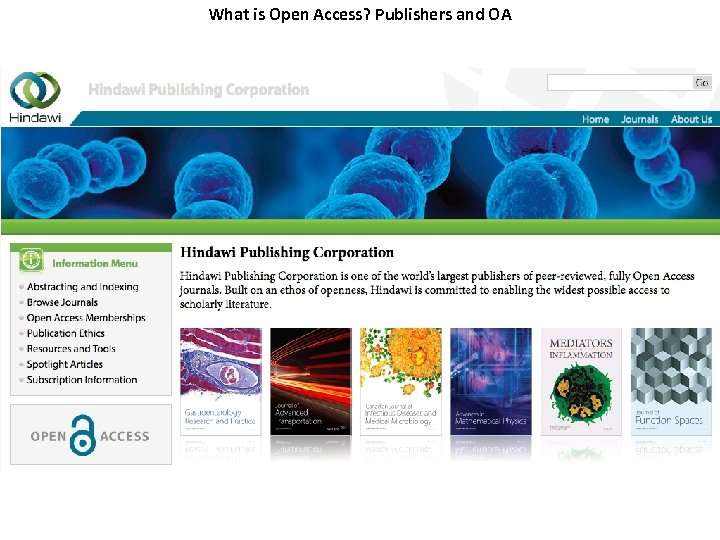
What is Open Access? Publishers and OA Hindawi • • A rapidly growing academic publisher in Egypt. 150+ Open Access journals. All major areas of science, technology, and medicine Book publishing program that spans all scholarly disciplines.
What is Open Access? Publishers and OA
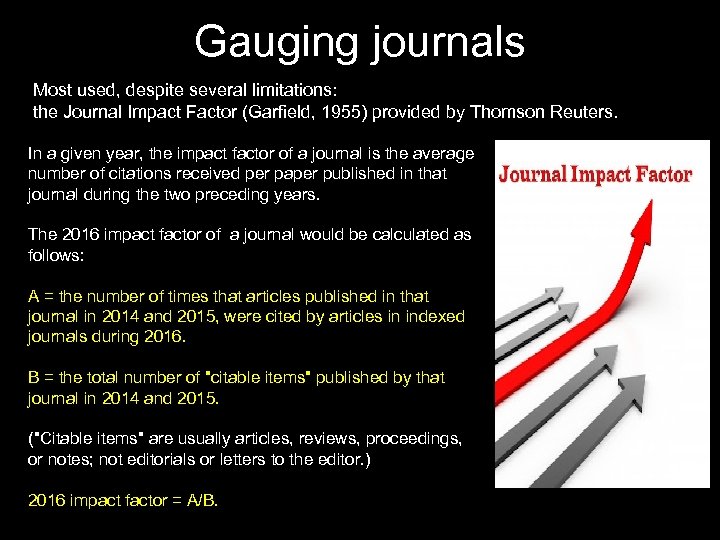
Gauging journals Most used, despite several limitations: the Journal Impact Factor (Garfield, 1955) provided by Thomson Reuters. In a given year, the impact factor of a journal is the average number of citations received per paper published in that journal during the two preceding years. The 2016 impact factor of a journal would be calculated as follows: A = the number of times that articles published in that journal in 2014 and 2015, were cited by articles in indexed journals during 2016. B = the total number of "citable items" published by that journal in 2014 and 2015. ("Citable items" are usually articles, reviews, proceedings, or notes; not editorials or letters to the editor. ) 2016 impact factor = A/B.
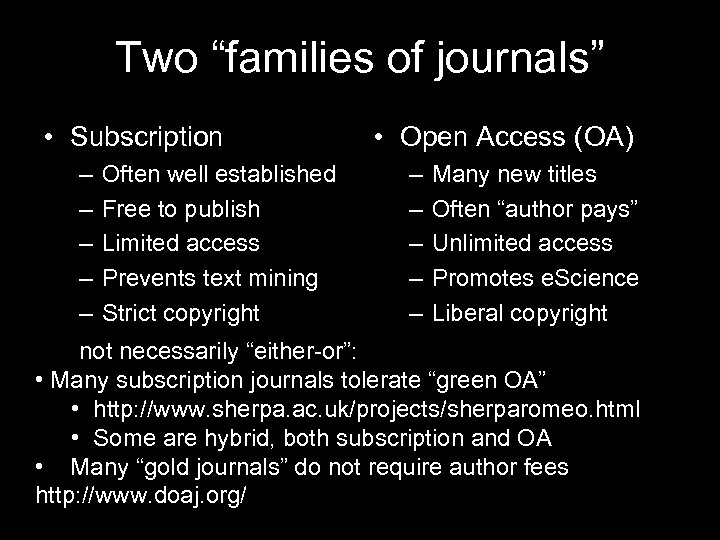
Two “families of journals” • Subscription – – – Often well established Free to publish Limited access Prevents text mining Strict copyright • Open Access (OA) – – – Many new titles Often “author pays” Unlimited access Promotes e. Science Liberal copyright It is not necessarily “either-or”: • Many subscription journals tolerate “green OA” • http: //www. sherpa. ac. uk/projects/sherparomeo. html • Some are hybrid, both subscription and OA • Many “gold journals” do not require author fees http: //www. doaj. org/
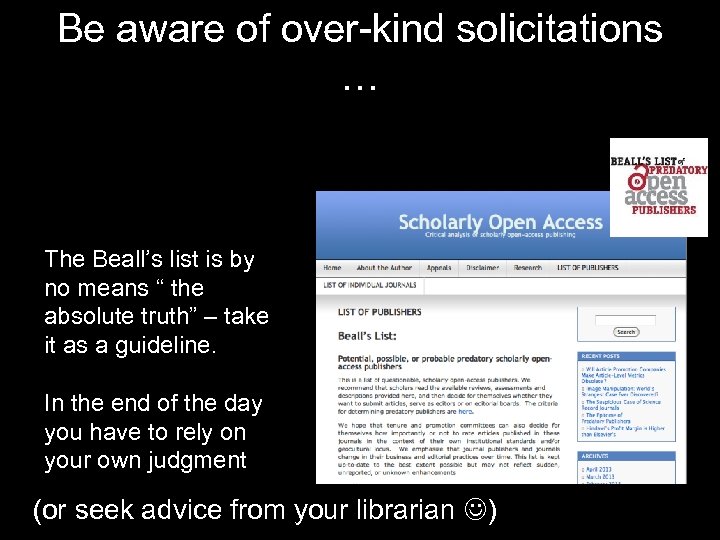
Be aware of over-kind solicitations … The Beall’s list is by no means “ the absolute truth” – take it as a guideline. In the end of the day you have to rely on your own judgment (or seek advice from your librarian )
What is Open Access? Publishers and OA Attention! Not all providers are reliable! There are hoax and traps!
II Open Access Myths about Open Access
Myths about Open Acces Myth 1: OA is not compatible with peer review. Truth: There is no hinder for peer review in OA. In fact, all the major scientific and scholarly OA journals insist on its importance!
Myths about Open Acces Myth 2: OA publishing is free of charge. Truth: Publishing an OA journal requires resources as does the conventional publishing. But OA literature is often less expensive to produce.
Myths about Open Acces Myth 3: Publishing in an OA journal is always free for author. Truth: This depends on the business model of the journal has chosen. Some journals charge the authors a certain fee to make their articles OA. Some other journals do not charge the authors but acquire their financement in other ways.
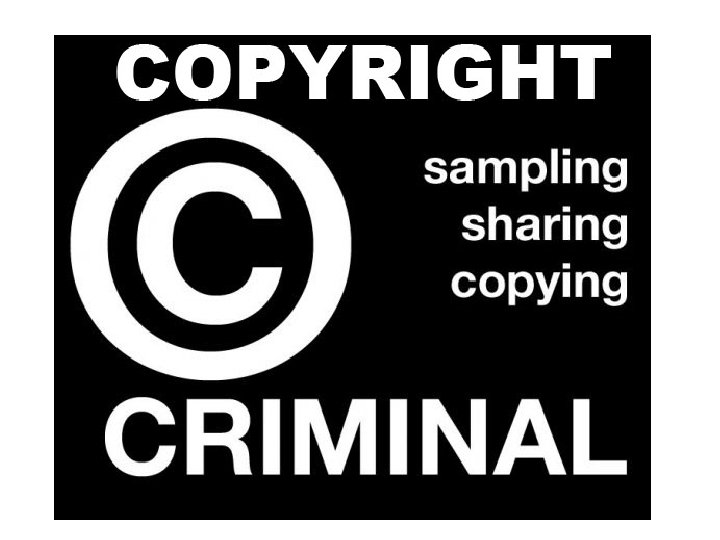
Happy to be published A 50 -year story from High-Energy Physics … Nobody cared about retaining copyright … … which is obviously causing issues today You shall avoid this mistake and still be publishe
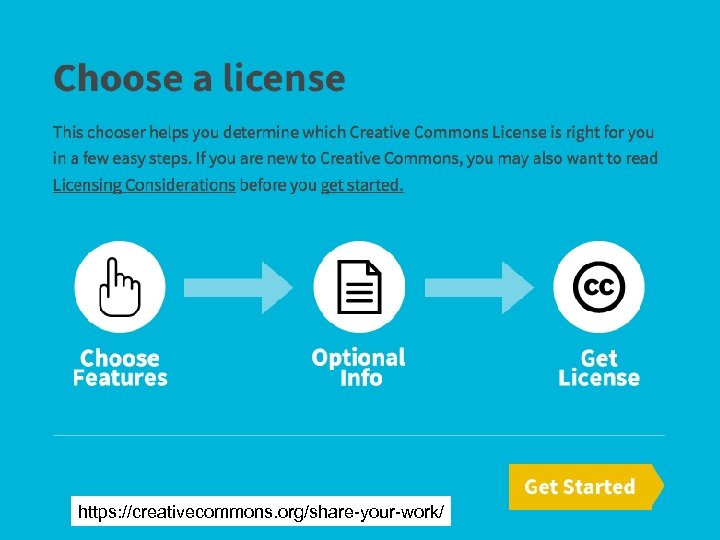
https: //creativecommons. org/share-your-work/
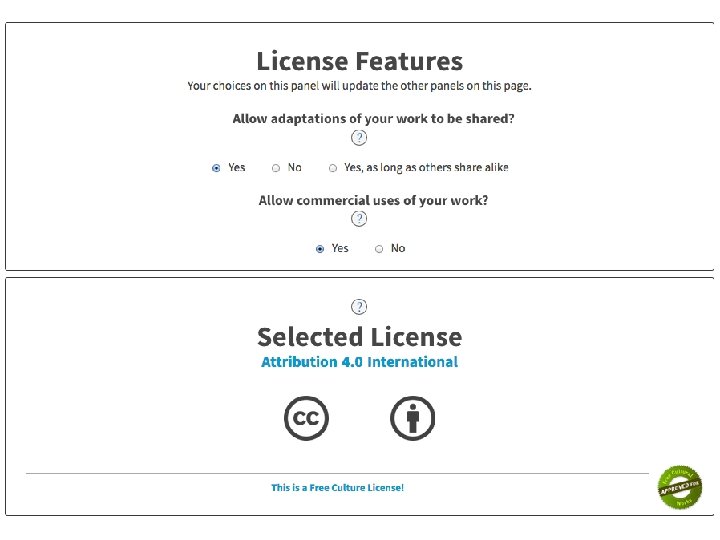
http: //creativecommons. org/licenses/
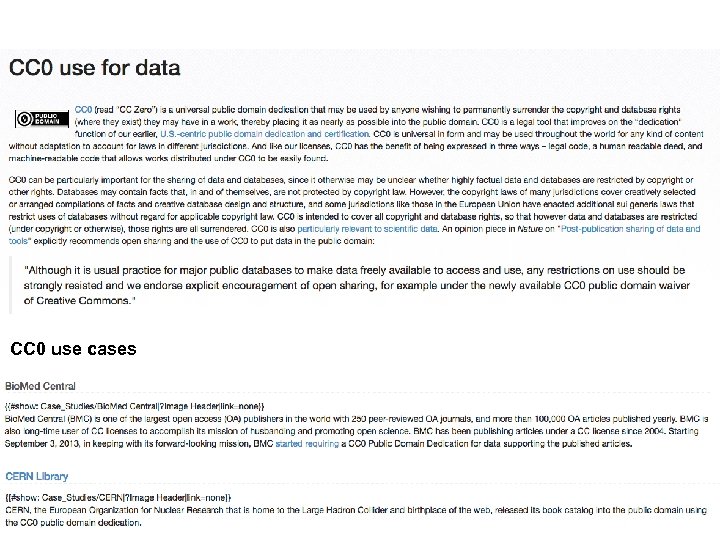
CC 0 use cases
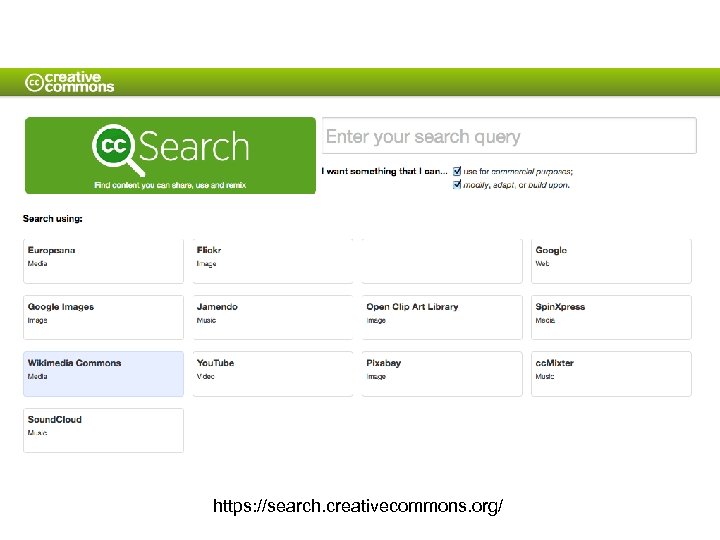
https: //search. creativecommons. org/
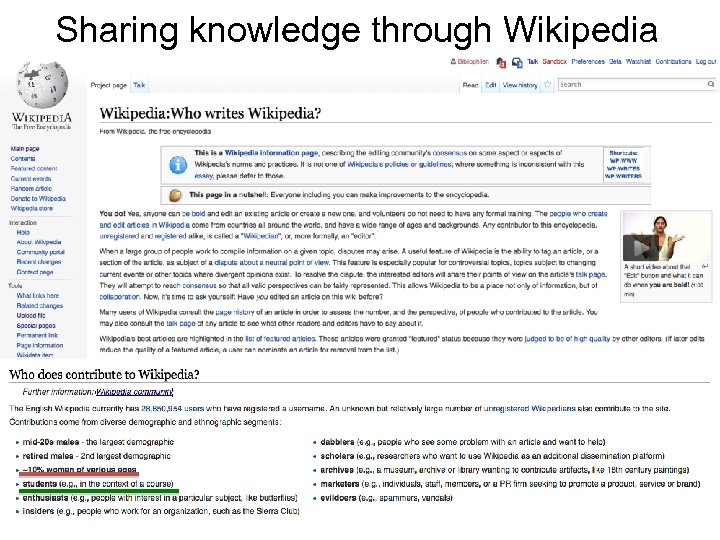
Sharing knowledge through Wikipedia
First results of the SOAP Project (What 40’ 000 scientists think of you) Suenje Dallmeier-Tiessen, Bettina Goerner, Robert Darby, Jenni Hyppoelae, Peter Igo-Kemenes, Deborah Kahn, Simon Lambert, Anja Lengenfelder, Chris Leonard, Salvatore Mele, Panayiota Polydoratou, David Ross, Sergio Ruiz-Perez, Ralf Schimmer, Mark Swaisland Wim van der Stelt BMC, CERN, MPDL, SAGE, Springer, STFC Presented by Salvatore Mele/CERN, SOAP project co-ordinator COASP | 2 nd Conference on Open Access Scholarly Publishing | Prague | 22 -24 August 2010
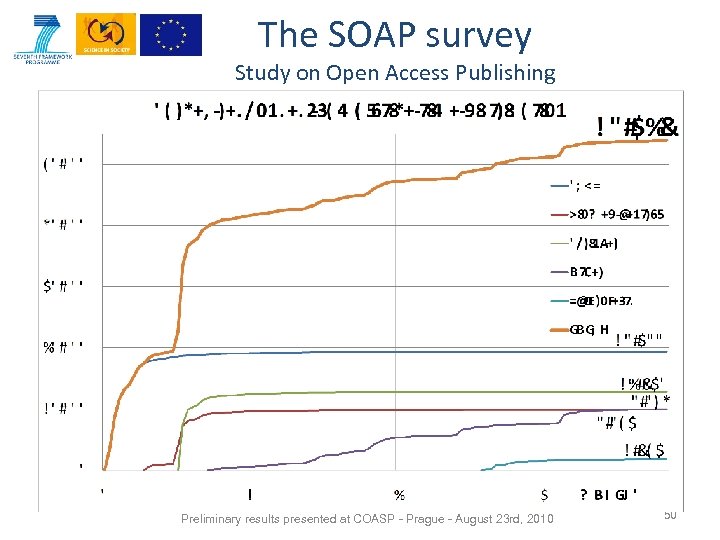
The SOAP survey Study on Open Access Publishing Preliminary results presented at COASP - Prague - August 23 rd, 2010 50
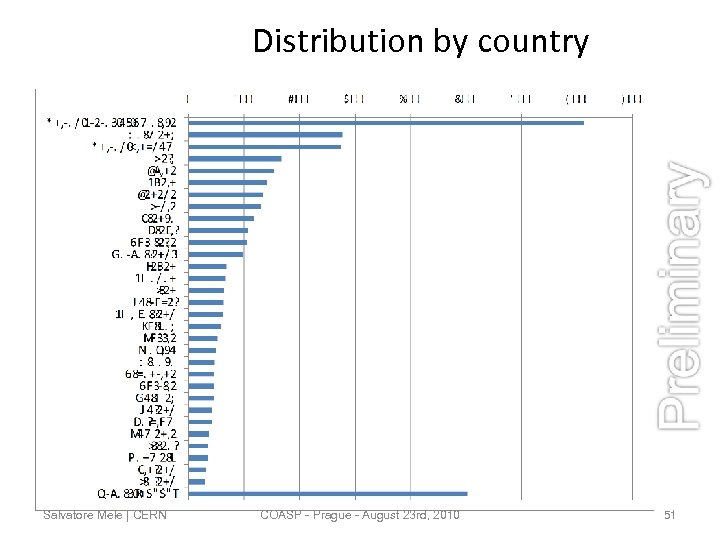
Distribution by country Salvatore Mele | CERN COASP - Prague - August 23 rd, 2010 51
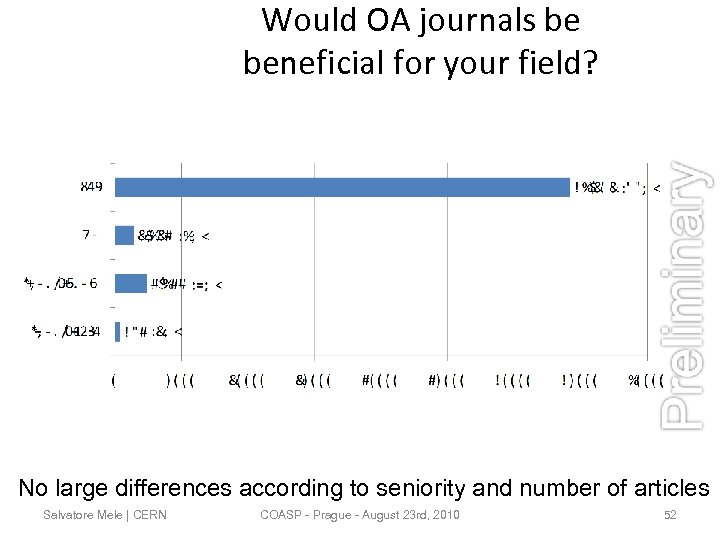
Would OA journals be beneficial for your field? No large differences according to seniority and number of articles Salvatore Mele | CERN COASP - Prague - August 23 rd, 2010 52
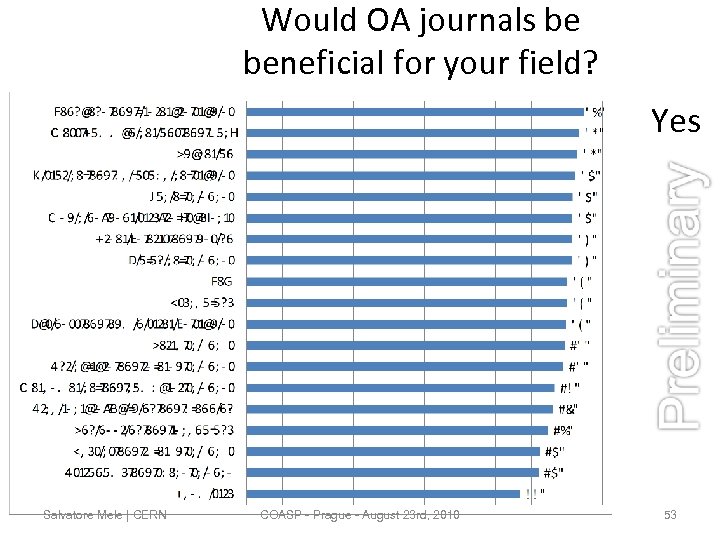
Would OA journals be beneficial for your field? Yes Salvatore Mele | CERN COASP - Prague - August 23 rd, 2010 53
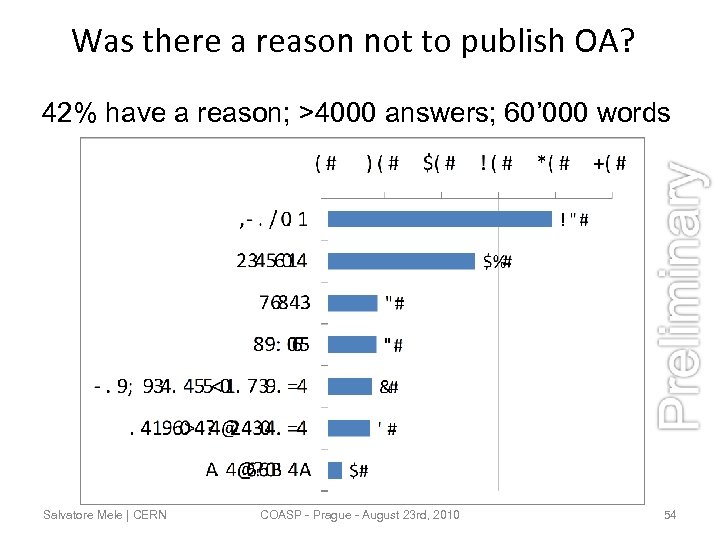
Was there a reason not to publish OA? 42% have a reason; >4000 answers; 60’ 000 words Salvatore Mele | CERN COASP - Prague - August 23 rd, 2010 54
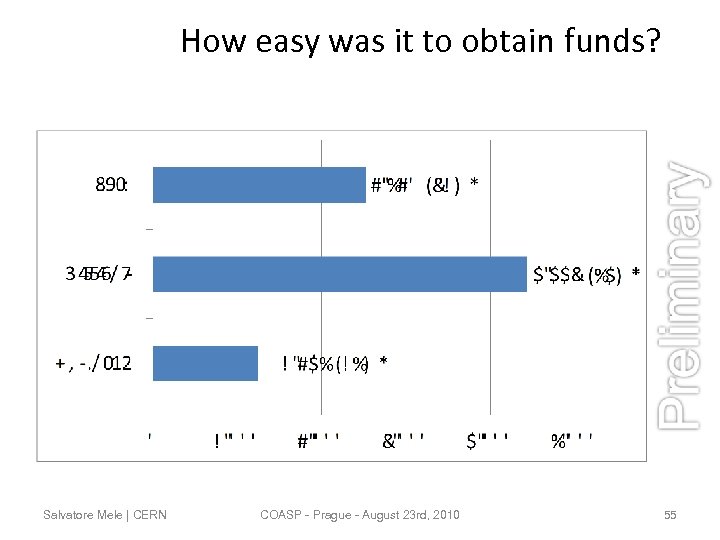
How easy was it to obtain funds? Salvatore Mele | CERN COASP - Prague - August 23 rd, 2010 55
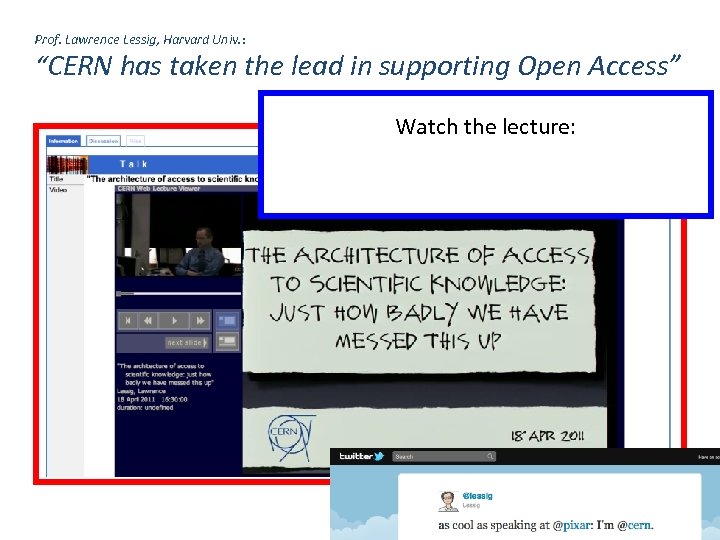
Prof. Lawrence Lessig, Harvard Univ. : “CERN has taken the lead in supporting Open Access” Watch the lecture: http: //cdsweb. cern. ch/record/1345337
Truths about Open Access in not about making scholarly literature costless, but to find out and exploit better ways to pay the publishing costs than by charging readers and thus creating access barriers!
Truths about Open Access Open Acces is not equal to e-science BUT e-science will require Open Access!
Скачать презентацию Open Access — what it is all about
274b1782cabca16bf9a1c5afe0d4db50.ppt