 Скачать презентацию Olga Bajina s tenses 2 -23 The train Поезд
времена за 90 минут.pptx
- Количество слайдов: 44



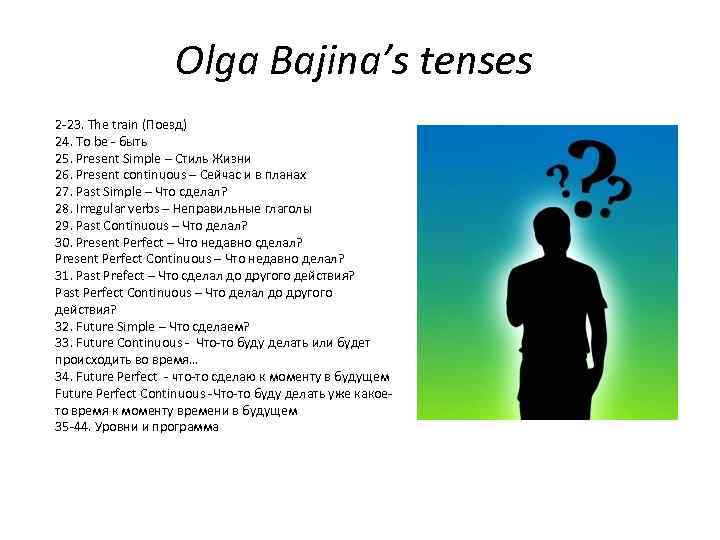
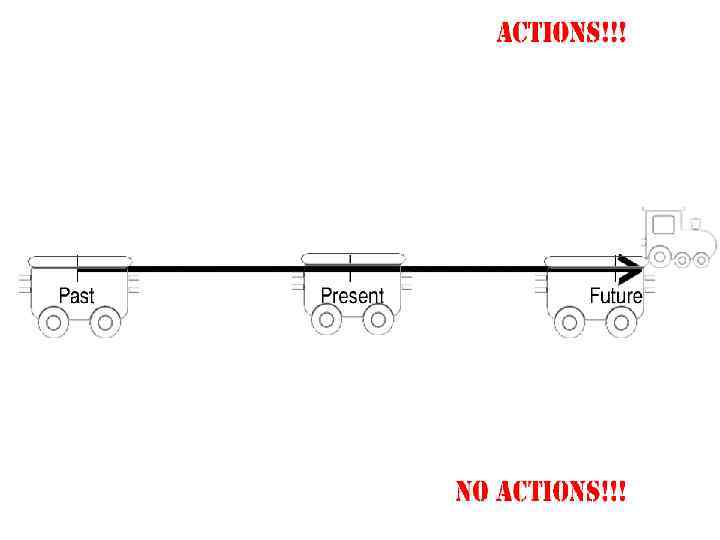
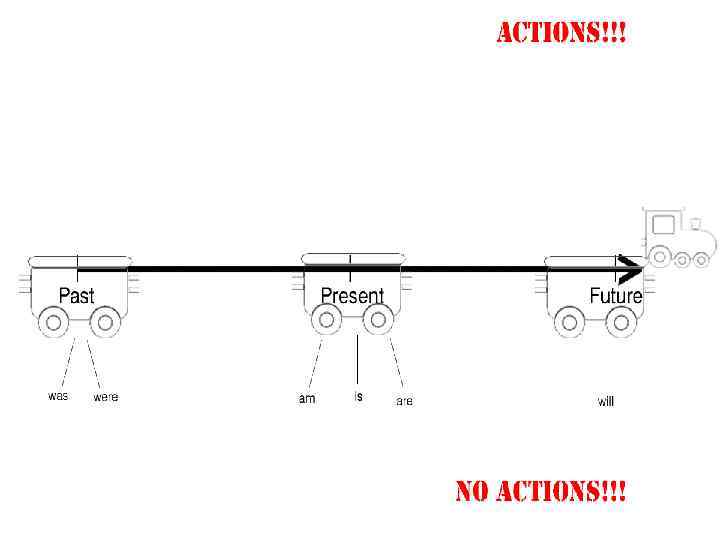
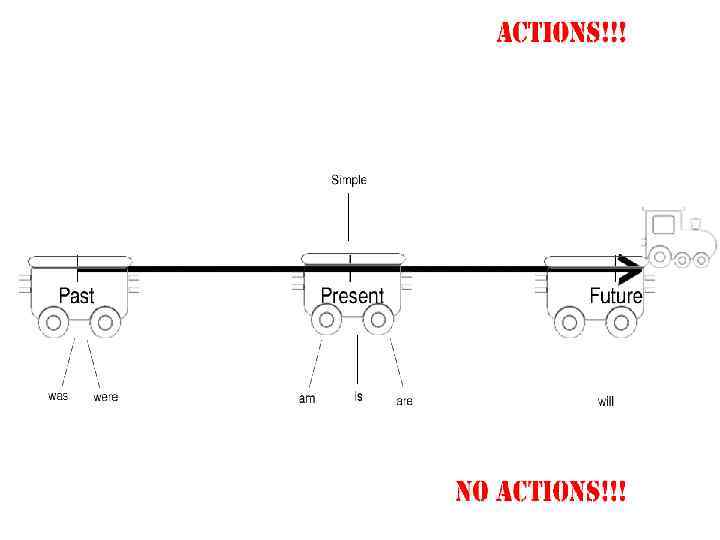
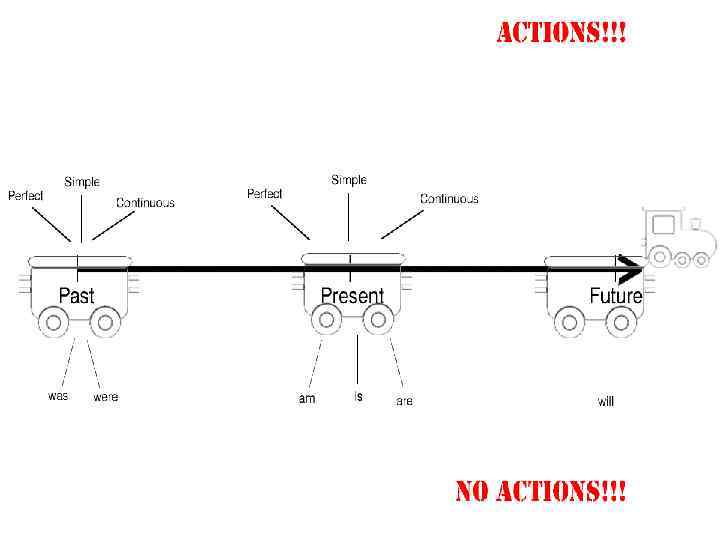
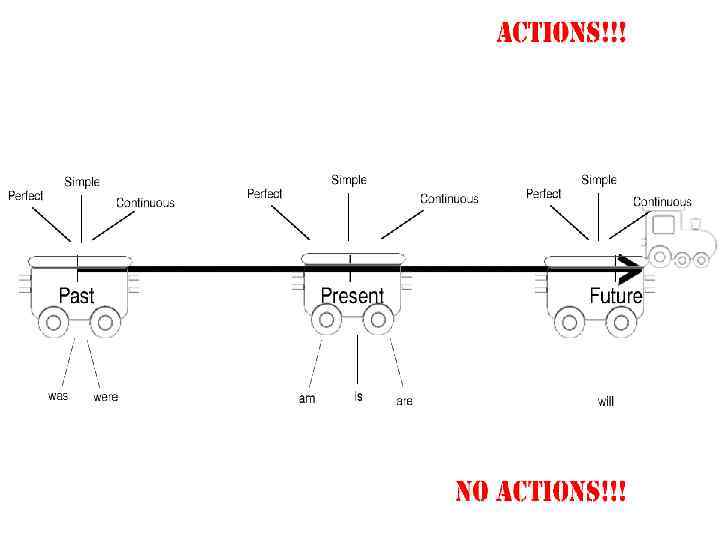
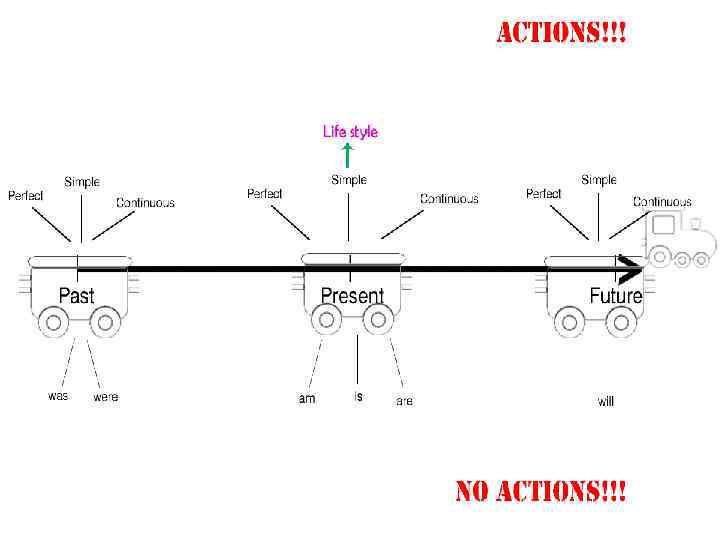
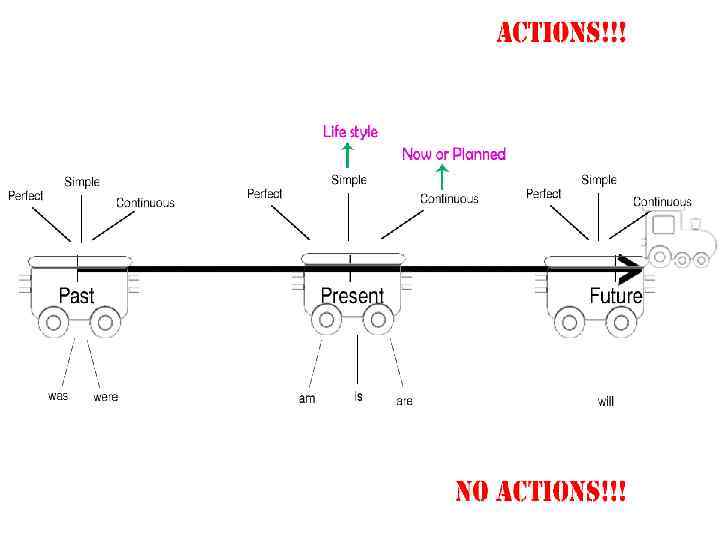
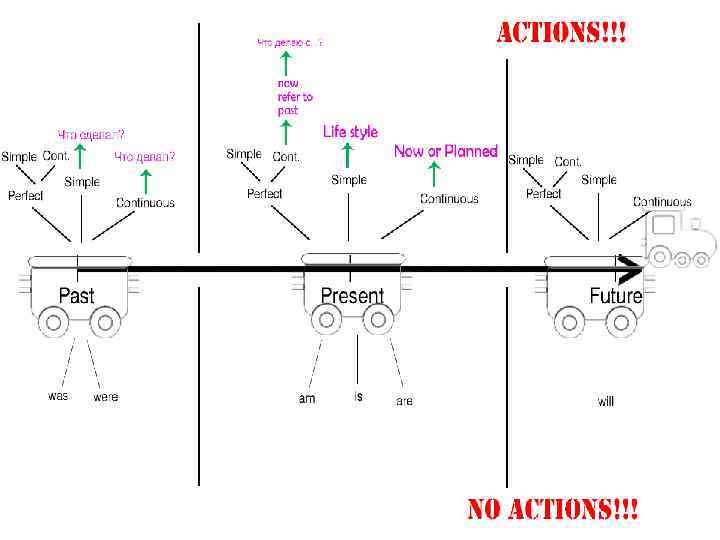
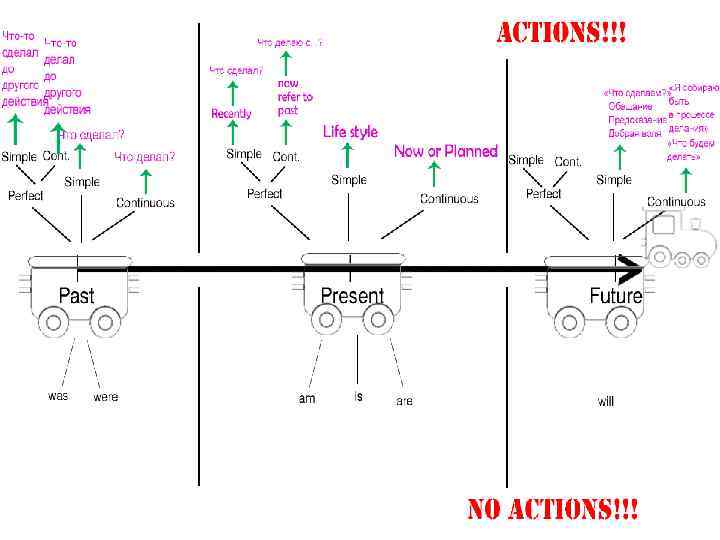
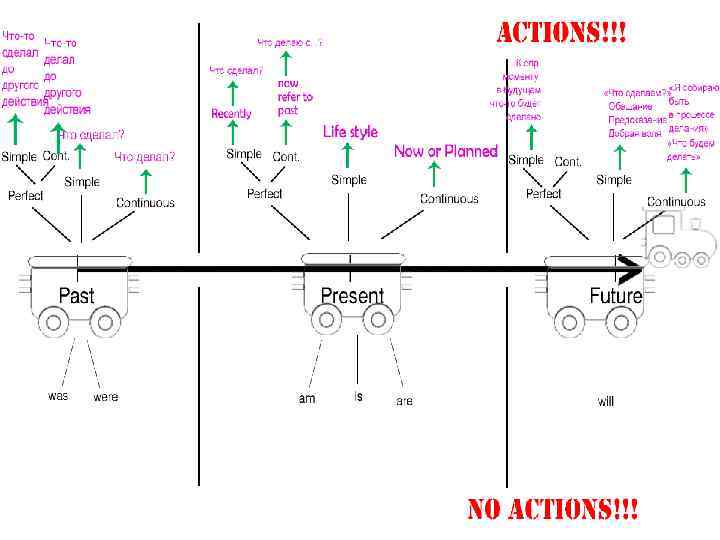
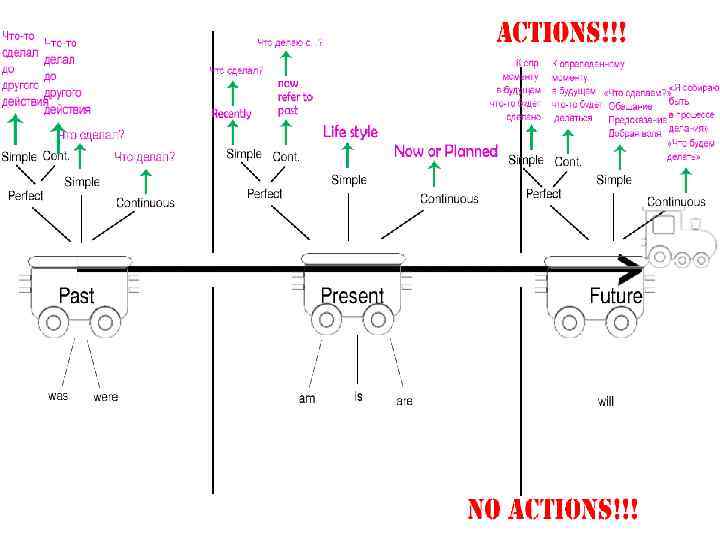
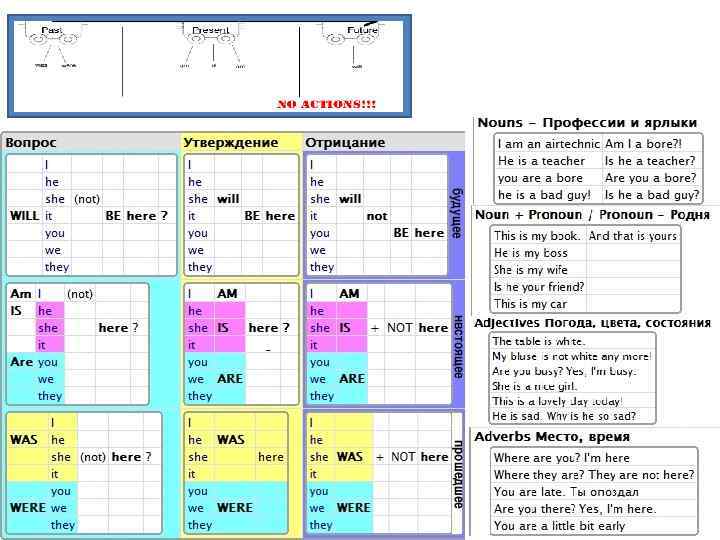
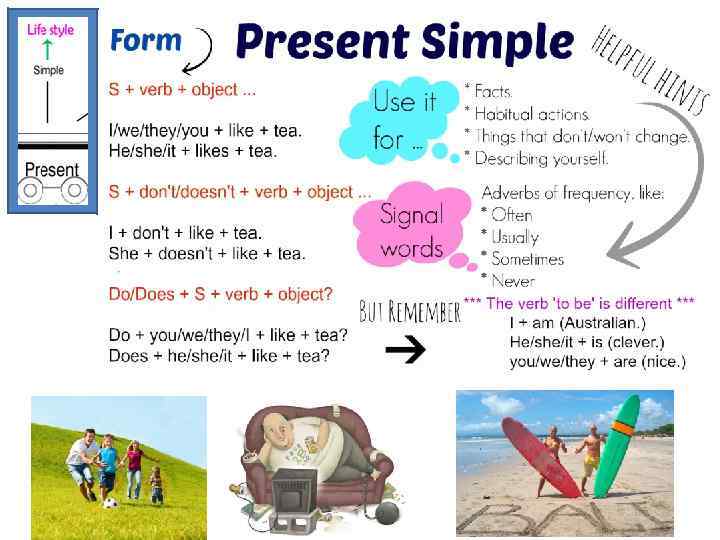
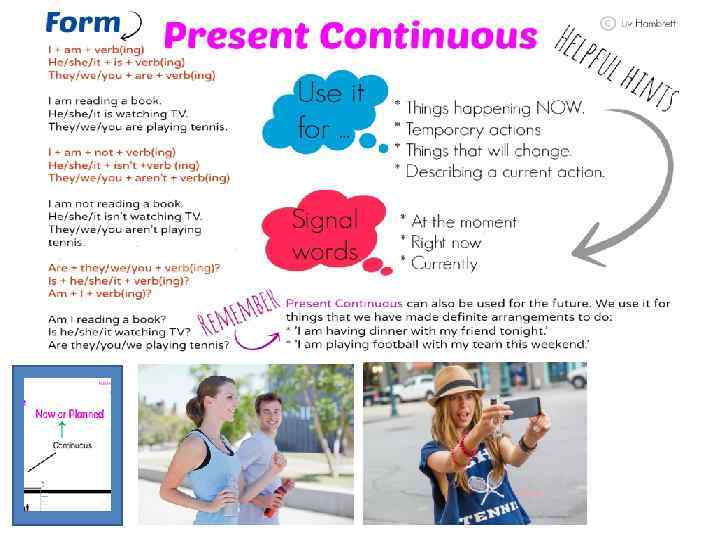
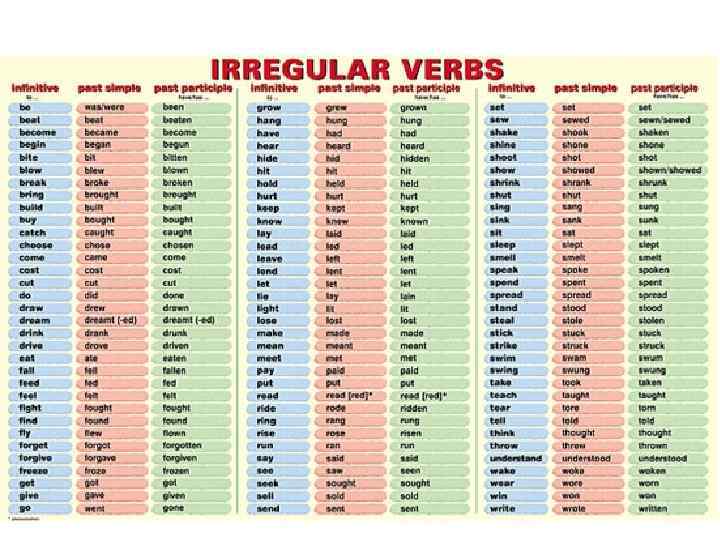
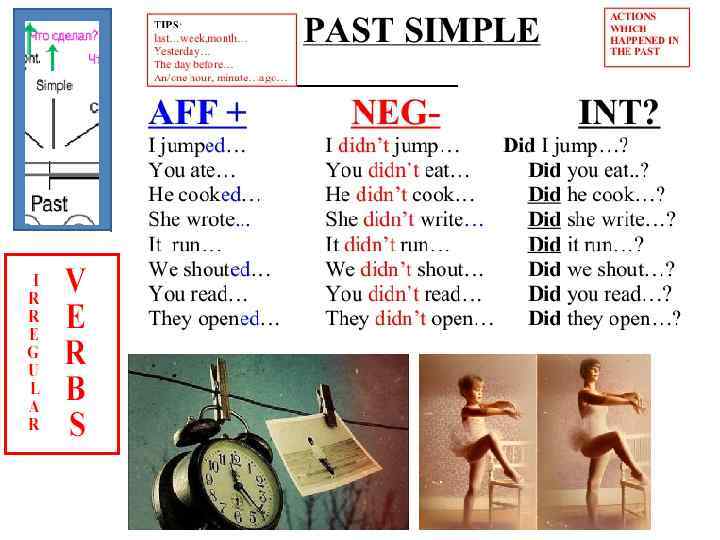
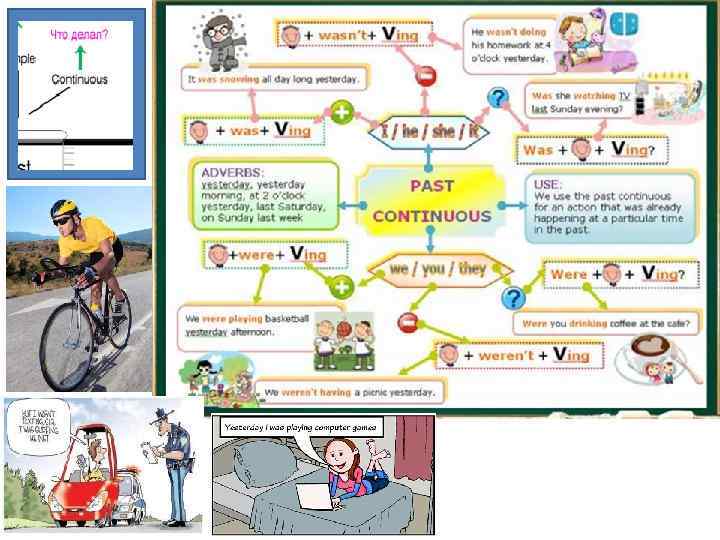
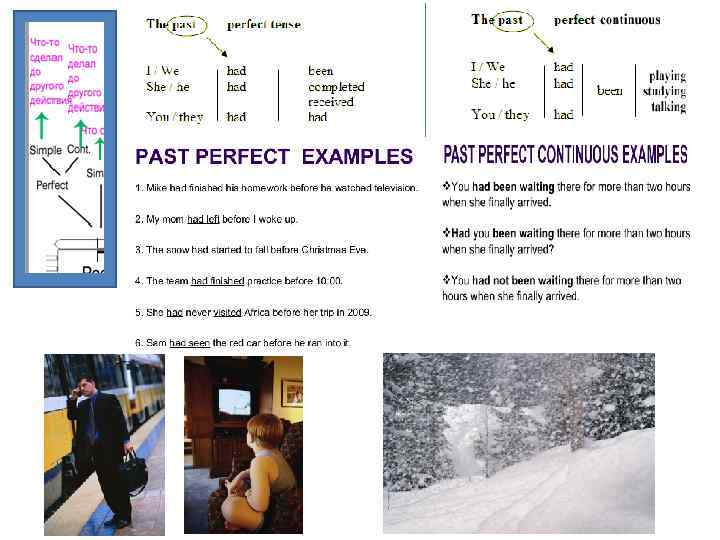
Olga Bajina’s tenses 2 -23. The train (Поезд) 24. To be - быть 25. Present Simple – Стиль Жизни 26. Present continuous – Сейчас и в планах 27. Past Simple – Что сделал? 28. Irregular verbs – Неправильные глаголы 29. Past Continuous – Что делал? 30. Present Perfect – Что недавно сделал? Present Perfect Continuous – Что недавно делал? 31. Past Prefect – Что сделал до другого действия? Past Perfect Continuous – Что делал до другого действия? 32. Future Simple – Что сделаем? 33. Future Continuous - Что-то буду делать или будет происходить во время… 34. Future Perfect - что-то сделаю к моменту в будущем Future Perfect Continuous -Что-то буду делать уже какоето время к моменту времени в будущем 35 -44. Уровни и программа
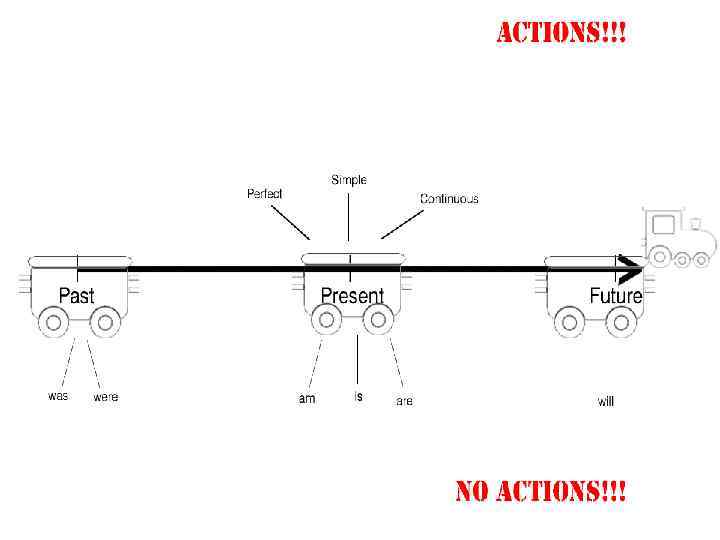
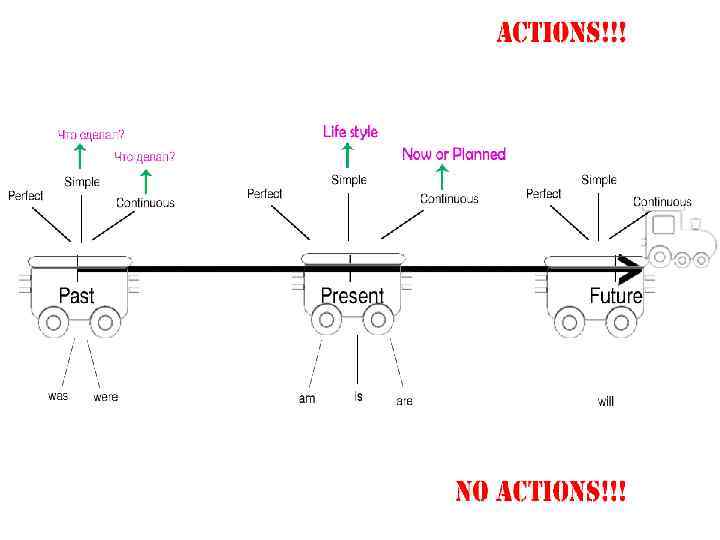
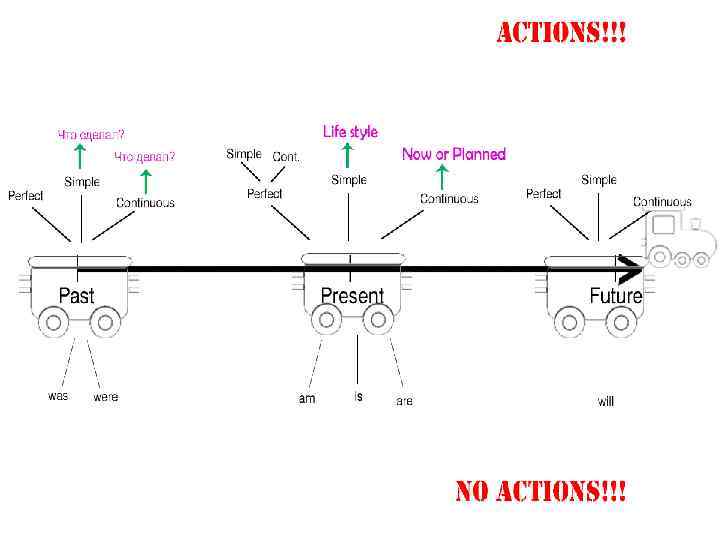
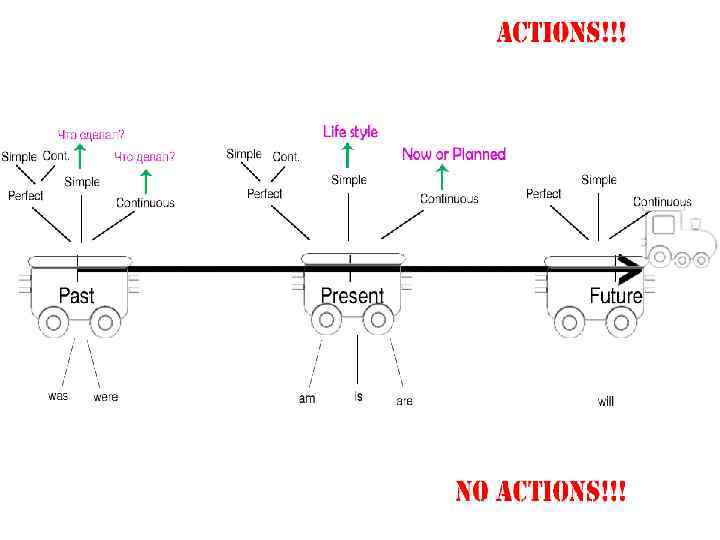
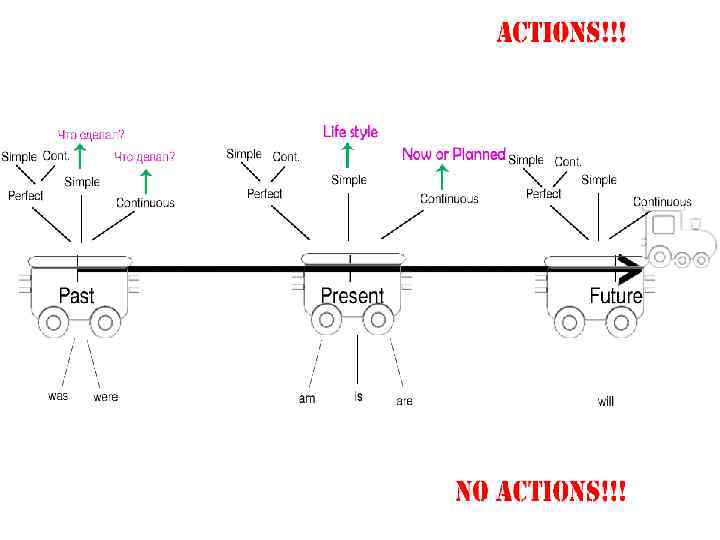
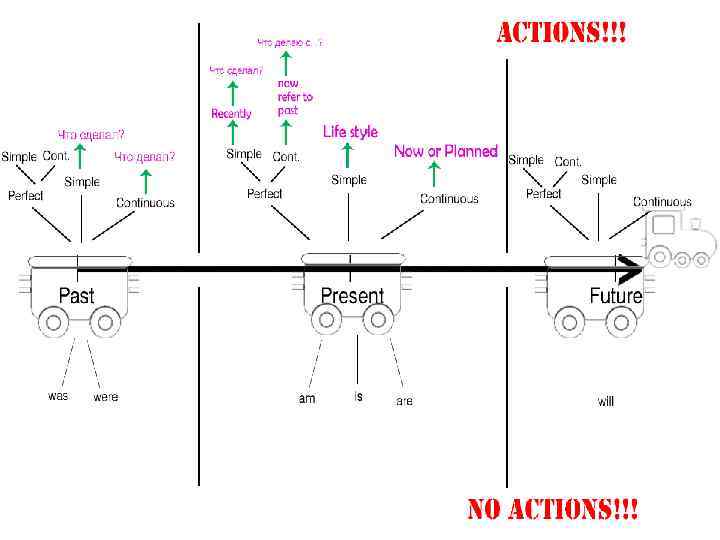
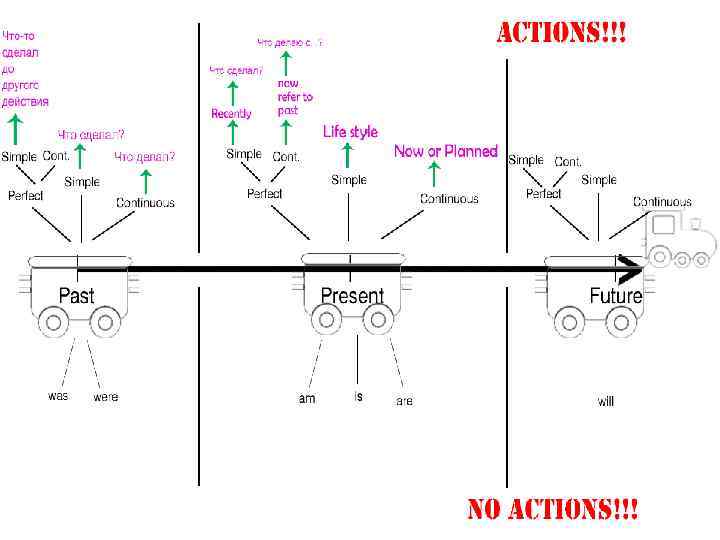
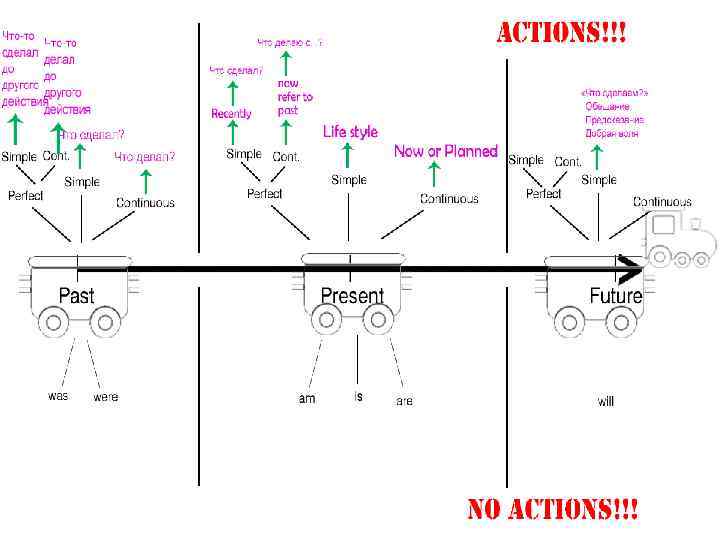
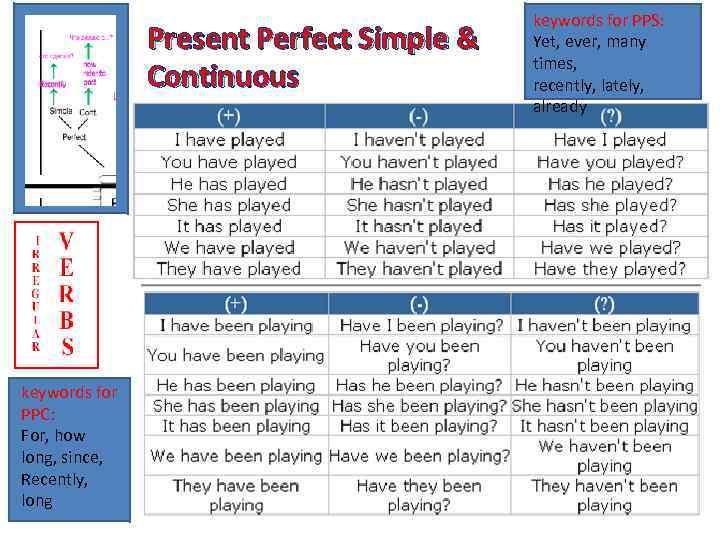
Present Perfect Simple & Continuous keywords for PPC: For, how long, since, Recently, long keywords for PPS: Yet, ever, many times, recently, lately, already
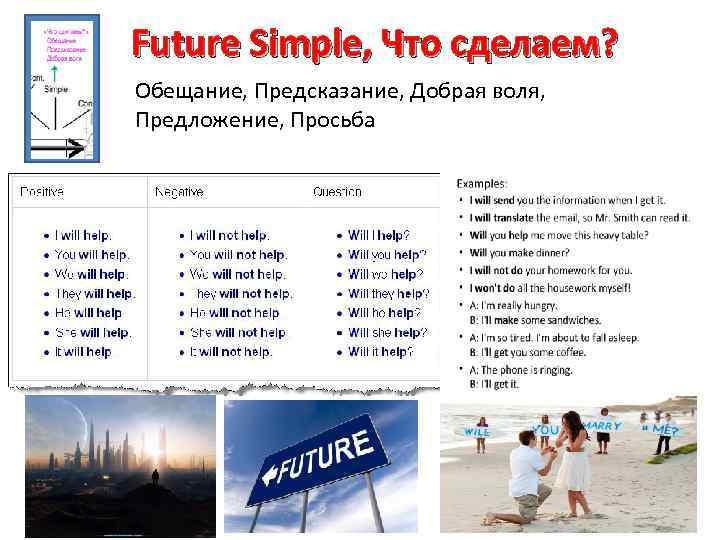
Future Simple, Что сделаем? Обещание, Предсказание, Добрая воля, Предложение, Просьба
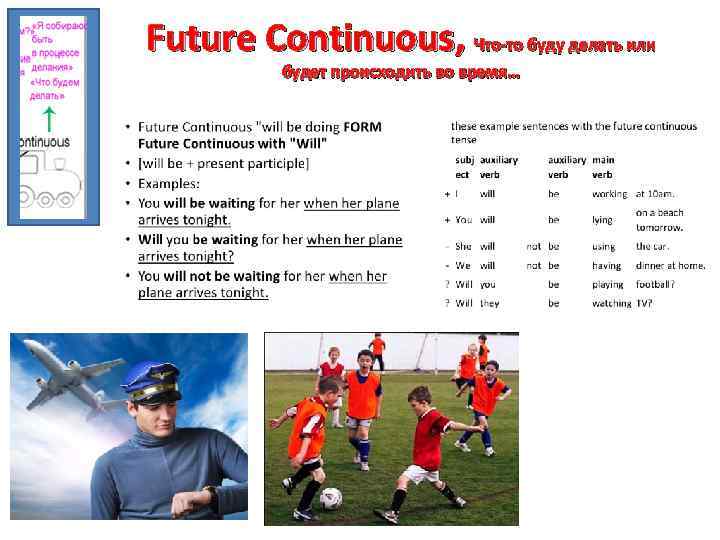
Future Continuous, Что-то буду делать или будет происходить во время…
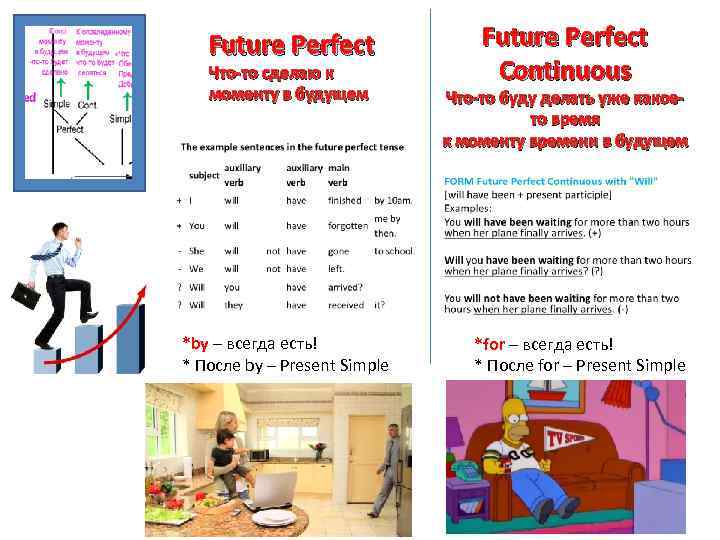
Future Perfect Что-то сделаю к моменту в будущем *by – всегда есть! * После by – Present Simple Future Perfect Continuous Что-то буду делать уже какоето время к моменту времени в будущем *for – всегда есть! * После for – Present Simple
9. Начальный уровень - beginner Алфавит и правила чтения 1 000 самых основных слов 20 фразовых глаголов To be, there is there are, this that these those Настоящее и прошедшее время, неправильные глаголы • Бытовые темы (путешествия, дома, еда, магазины, хобби, работа, погода, семья) • • •
10. Элементарный - Elementary 1000 -1300 слов, применение в практике Понимание по ключевым словам на слух Произношение и интонации Короткие тексты Времена Continuous, Perfect, Future, предлоги, местоимения, сравнит. Степени сравнения • Выражения идей и чувств, краткая информация о себе и других, общение и решение проблем в англоговорящей среде, даты, праздники • • •
11. Ниже среднего – Pre-intermediate • Четкое произношение • Четкое выражение идей, чувств и мыслей • Понимание основной идеи текста и разговора • Модальные глаголы (can, must, have to, might), условные предложения, used to, пассив, косвенная речь, структуры • Описание ситуации, времени, человека
12. Средний – Intermediate • Узнавать чужое время, эмоции и отношение • Общий смысл текста, фильма, песни, понимание речи с умеренным темпом • Формы будущего времени, углубление и повторение всех предыдущих тем • Письма, сочинения, резюме, обмен мнениями • Уверенность в разговоре • Начало подготовки к международным экзаменам
13. Выше среднего – Upperintermediate • Свободная речь с минимальным кол-вом ошибок, любые ситуации, своевременная реакция, понимание основной идеи с 1 го раза • Официальный и неформальный стили • I wish, If only, I’d rather, used to, get used to, be used to • Фразовые глаголы • Масс-медиа, искусство, стереотипы, литература, шутки и т. д. • Можно жить и общаться в англоязычной стране
14. Продвинутый уровень - advanced • Возможность поступления в международный университет, работа в международных компаниях • Использование официального и неофициального стилей к месту и времени • Формальная переписка • Презентации перед аудиторией • Минимальное число ошибок в грамматике и лексике • Бегло говорить на различные темы • Знать и уметь применять на практике идиоматические выражения и устоявшиеся фразы или словосочетания
15. Каждая тема – отдельный урок! Beginner + elementary 1. 2. 3. 4. 5. 6. 7. 8. 9. 10. 11. 12. 13. 14. 15. 16. 17. 18. 19. 20. 21. 22. 23. 24. 25. 26. 27. 28. 29. 30. Personal pronouns and the verb to be, To be in negative sentences, questions and answers, contractions with the verb to be Questions with what and which, Questions with how and what…like, Questions with who, where, Questions with why, when There is – There are Articles and plurals in English Good morning, … Mr, Mrs, … How to greet people in English The English alphabet and spelling Numbers in English How to tell the time in English Days, months, ordinal numbers and dates in English How to speak on the phone in English How to ask for confirmation with the verb to be Classifying verbs in English Simple Present The verb to do as an auxiliary Adverbs of frequency in English To like In, at, on as prepositions of place In, at, on as prepositions of time How to ask for confirmation with the verb to do The verb to have in the affirmative To have in the negative and questions Some and any Adverbs of quantity – much, many, … Possessive adjectives in English Adjectives and demonstrative pronouns in English The Saxon genitive – my father’s car and whose Possessive pronouns in English The Present Continuous versus the Simple Present
16. Pre-intermediate 1. 2. 3. 4. 5. 6. 7. 8. 9. 10. 11. 12. 13. 14. 15. 16. 17. 18. 19. 20. 21. 22. 23. 24. 25. 26. 27. 28. 29. 30. The Future with the Simple Present and Present Continuous The Future with will Shall to make offers and suggestions Requests with will and would Making offers- Do you want …? Making suggestions – Do you want to …? Offering to do something – Do you want me to …? The Future with going to The Future: I will fly – I’m going to fly – I’m flying The Simple Past of to be in the affirmative, the Simple Past of to be in the negative The Simple Past of to be in questions and answers The Simple Past of there is – there are Regular verbs in English The Simple Past of regular verbs Irregular verbs in English The Simple Past of irregular verb The Simple Past in negative sentences and questions Past Continuous Modal verbs in English Can: questions, requests and asking for permission Formal requests – Could you …? , May I …? Requests and questions with modal verbs in English Must and to have to Questions with must and to have to Negative sentences with must, should, … The Simple Past of the verb can, the Simple Past of the verb to have to The conditional with the present The conditional with the future Substitutes for will – can, must, may, might Substitutes for if - unless, in case, …
17. Intermediate 1. 2. 3. 4. 5. 6. 7. 8. 9. 10. 11. 12. 13. 14. 15. 16. 17. 18. 19. 20. 21. The verbs say and tell The Imperative in English Adverbs of quantity – very, so, too… Adverbs of quantity – too much, too many… Prepositions of place in English Prepositions of movement in English Verbs of the senses in English Comparative adjectives in English Comparative of equality in English Superlative adjectives in English Adverbs of manner in English Other adverbs in English: time, place… Present Perfect Since, for, just Not yet, still not, never Yet? , already, still Ever? , how long? Simple Past versus Present Perfect American and British English Present Perfect Continuous Habits in the past 22. 23. 24. 25. 26. 27. 28. 29. 30. Past Perfect I had just … Past Perfect Continuous Compound words with any Compound words with no Compound words with very Impersonal sentences with it II I also like it, me too, so do I
18. Upper-intermediate – Advanced 1. 2. 3. 4. 5. 6. 7. 8. 9. 10. 11. 12. 13. 14. 15. 16. 17. 18. 19. 20. The pronoun one The adverb else Expressions of frequency in English I don’t like it either, neither do I Why don’t …? The Gerund in English The Gerund after prepositions The Gerund after verbs The Gerund after a verb + a preposition The Gerund after an adjective + a preposition The Gerund with to do To do versus to make To go followed by a preposition, To get To be followed by about to Future Continuous The future of there is – there are The future of can, The future of must Future Perfect Continuous Relative pronouns in English, Reflexive pronouns in English 21. 22. 23. 24. 25. 26. 27. 28. 29. 30. 31. 32. The passive voice in English II The conditional with the past in English Unless, in case… Uses of the conditional in English Could, should, might… The conditional with the past perfect Could have, should have, might have… Reported Speech II Phrasal verbs II
Скачать презентацию Olga Bajina s tenses 2 -23 The train Поезд
времена за 90 минут.pptx