


 Скачать презентацию Office of Medical Education and Student Affairs
1bfb6bd9f24a506573f7fd216a172ebb.ppt
- Количество слайдов: 29
 Office of Medical Education and Student Affairs • Bill Eley, MD, MPH, Executive Associate Dean – – Margo Kuisis, Director Mike Behler, Associate Director for Financial Aid and Scholarships Roselyn Branch, Associate Director of Registration and Student Affairs Abigail Hays, Assistant Director of Medical Education • Grady Group, FOB Bldg 1 st Floor – Joel Felner, MD, Associate Dean, Clinical Education – Sheryl Heron, MD, MPH Assistant Dean • Emory Group, WHSCAB 3 rd Floor – Ira Schwartz, MD, Associate Dean, Director of Admissions • Erica Black, Associate Director of Admissions – Robert Lee, Ph. D, Associate Dean, Multicultural Affairs – Alan Otsuki, MD, MBA, Associate Dean, Chair, Executive Curriculum Committee – Jack Shulman, MD, Curriculum Advisor to the Dean
 Class of 2010
 Demographics Class of 2010, Emory University School of Medicine • 114 M 1 students • 62 Women 52 Men • Age Range: 21 - 34 y/o Mean: 23 y/o • 32 “non-traditional” students (>2 yrs postbac) • 8 African-Americans; 8 Hispanic-Americans 18 Asian-Americans
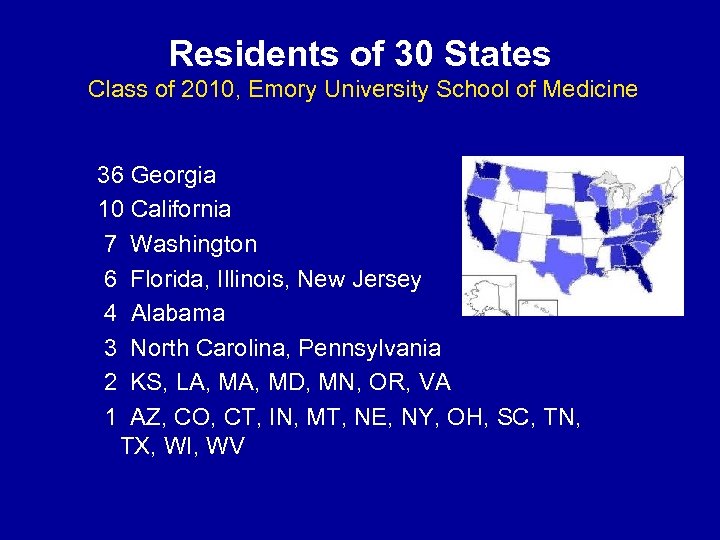 Residents of 30 States Class of 2010, Emory University School of Medicine 36 Georgia 10 California 7 Washington 6 Florida, Illinois, New Jersey 4 Alabama 3 North Carolina, Pennsylvania 2 KS, LA, MD, MN, OR, VA 1 AZ, CO, CT, IN, MT, NE, NY, OH, SC, TN, TX, WI, WV
 An International Group! Class of 2010, Emory University School of Medicine • Citizens of: 2 Canada, Guyana, Jamaica, Myanmar, Nigeria, Philippines • Country of Birth: 4 India, 2 Canada, 2 Nigeria, 1 Myanmar, China, Dominican Republic, Ecuador, France, Guyana, Israel, Kuwait, Jamaica, Philippines, Taiwan
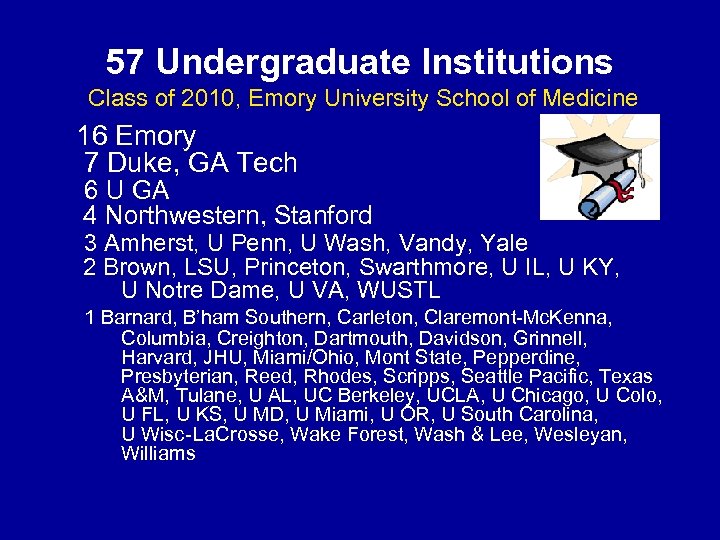 57 Undergraduate Institutions Class of 2010, Emory University School of Medicine 16 Emory 7 Duke, GA Tech 6 U GA 4 Northwestern, Stanford 3 Amherst, U Penn, U Wash, Vandy, Yale 2 Brown, LSU, Princeton, Swarthmore, U IL, U KY, U Notre Dame, U VA, WUSTL 1 Barnard, B’ham Southern, Carleton, Claremont-Mc. Kenna, Columbia, Creighton, Dartmouth, Davidson, Grinnell, Harvard, JHU, Miami/Ohio, Mont State, Pepperdine, Presbyterian, Reed, Rhodes, Scripps, Seattle Pacific, Texas A&M, Tulane, U AL, UC Berkeley, UCLA, U Chicago, U Colo, U FL, U KS, U MD, U Miami, U OR, U South Carolina, U Wisc- La. Crosse, Wake Forest, Wash & Lee, Wesleyan, Williams
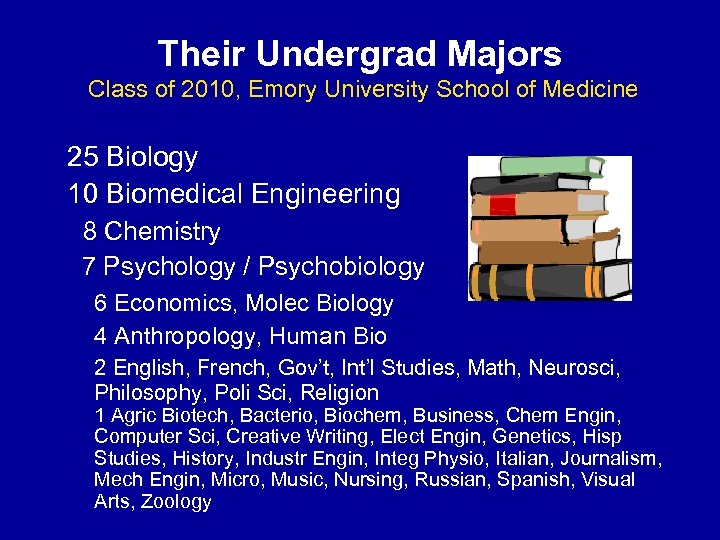 Their Undergrad Majors Class of 2010, Emory University School of Medicine 25 Biology 10 Biomedical Engineering 8 Chemistry 7 Psychology / Psychobiology 6 Economics, Molec Biology 4 Anthropology, Human Bio 2 English, French, Gov’t, Int’l Studies, Math, Neurosci, Philosophy, Poli Sci, Religion 1 Agric Biotech, Bacterio, Biochem, Business, Chem Engin, Computer Sci, Creative Writing, Elect Engin, Genetics, Hisp Studies, History, Industr Engin, Integ Physio, Italian, Journalism, Mech Engin, Micro, Music, Nursing, Russian, Spanish, Visual Arts, Zoology
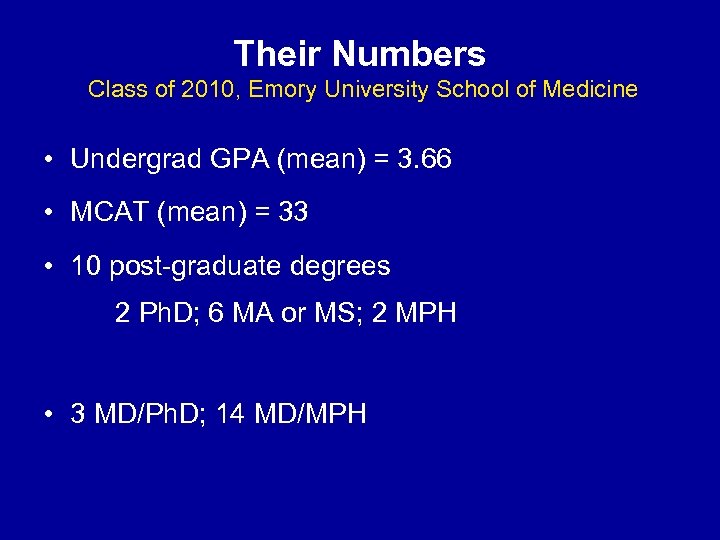 Their Numbers Class of 2010, Emory University School of Medicine • Undergrad GPA (mean) = 3. 66 • MCAT (mean) = 33 • 10 post-graduate degrees 2 Ph. D; 6 MA or MS; 2 MPH • 3 MD/Ph. D; 14 MD/MPH
 Current Curriculum • Traditional 2+2 (basic and clinical) • Research b/n the 1 st and 2 nd year and in the 4 th year • Basic Science years “mutt”; Week on the wards; some integration, some traditional department based courses, plus PBL, PT-DR-COMMUNITY, Clinical Methods • Third year: 12 months of Clinical Specialties • Fourth year: 3 required months (Sub I, ER, Surgery)
 EUSOM Educational Opportunities • Classroom (Lectures & Small Groups) • Basic Science Courses (Biochemistry, Physiology, Anatomy, Patient -Doctor-Community, Medical Decision Making, Genetics, Neuroscience, Clinical Methods, Human Behavior, Microbiology, Patho-physiology, Pathology, Pharmacology), Clinical Clerkships, AIM Days • Bedside • Mentoring Program for 1 st M-1’s, Shadowing Opportunities, Clinical Methods, 3 rd and 4 th year clinical rotations, OSCE Exams, • Problem-Based Learning • Electives – Sophomore Spring Semester – Senior Year (one month) • University and SOM Teaching Grants available
 Problem-Based Learning • Case based student driven discussion – M-1: 5 cases - 3 weeks per case, Friday afternoons for 1. 5 hours – M-2 : 7 cases – 2 weeks per case, Tuesday afternoons for 1. 5 hours • Can create new cases • Contact: Dr. Alan Otsuki
 Research Mentorship • Medical Student Research Program – – – 10 weeks between the 1 st and 2 nd year Laboratory, Clinical, Public Health Student Receives Stipend Faculty member must place their research opportunity “in-play” Students then can contact faculty member or respond through research program – Student presents work at Medical Student Research Day (Podium or Poster) • 4 th year: Students and faculty can come up with 1 -4 month research projects (non-paid) • Students can take an additional year of research
 Service • Admissions Committee (Oct – Feb) – Associates: 1: 1 interviewing 5+ times per year for ½ day – Full members: Panel interview 3: 3 8+ times per year plus 6 Committee Meetings (Thursdays 4: 30 p. m. until…) – Contact: Dr. Ira Schwartz • Curriculum Committee (once each month) – By Invitation of the Dean • Mentoring M-1 Students – 2+ meetings with a first year student – Contact Dr. Alan Otsuki • Advisors for 3 rd and 4 th year students – Picked by students (with encouragement by Clinical Education Office) Advice re: senior coursework/research and residency strategies • Honor Council and Conduct Council
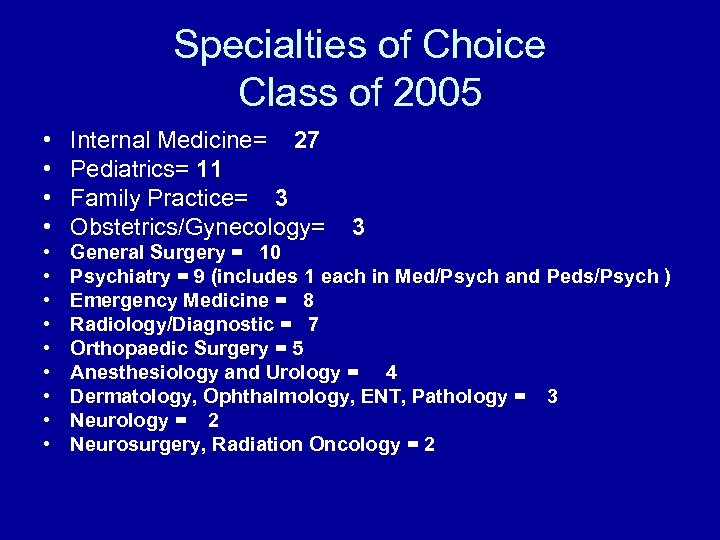 Specialties of Choice Class of 2005 • • Internal Medicine= 27 Pediatrics= 11 Family Practice= 3 Obstetrics/Gynecology= • • • General Surgery = 10 Psychiatry = 9 (includes 1 each in Med/Psych and Peds/Psych ) Emergency Medicine = 8 Radiology/Diagnostic = 7 Orthopaedic Surgery = 5 Anesthesiology and Urology = 4 Dermatology, Ophthalmology, ENT, Pathology = 3 Neurology = 2 Neurosurgery, Radiation Oncology = 2 3
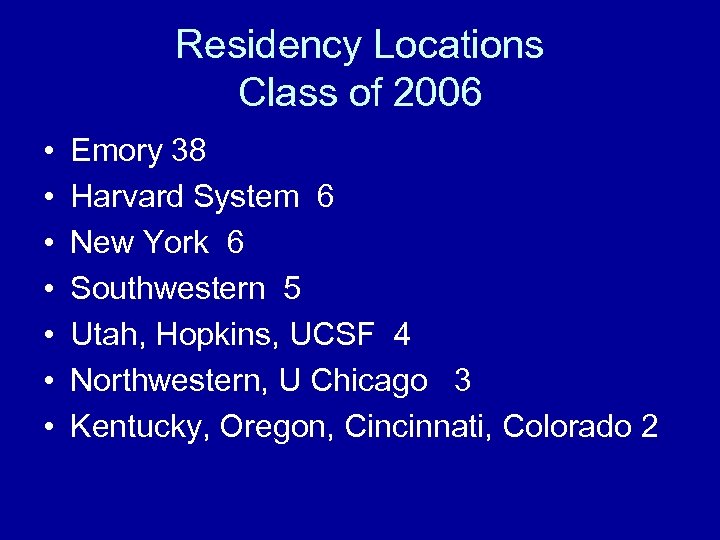 Residency Locations Class of 2006 • • Emory 38 Harvard System 6 New York 6 Southwestern 5 Utah, Hopkins, UCSF 4 Northwestern, U Chicago 3 Kentucky, Oregon, Cincinnati, Colorado 2
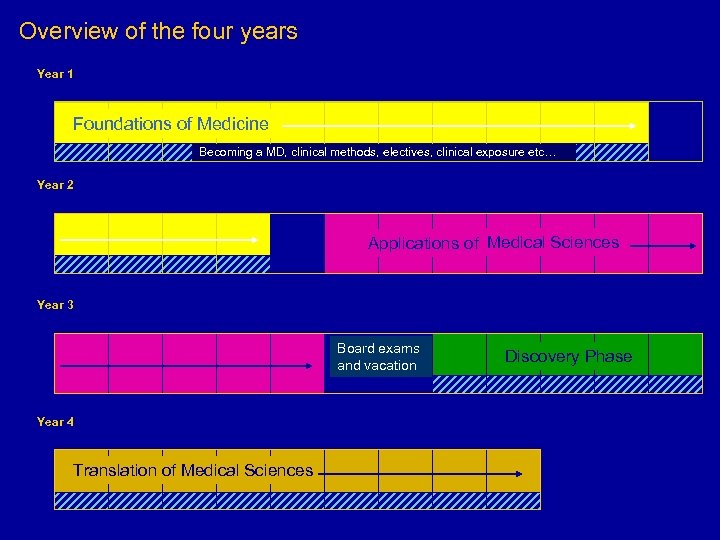 Overview of the four years Year 1 Aug. Sept. Oct. Nov. Dec. Jan. Feb. Mar. Apr. May June July Foundations of Medicine vac. Becoming a MD, clinical methods, electives, clinical exposure etc… Year 2 Aug. Sept. Oct. Nov. Dec. Jan. Feb. Mar. Apr. May June July Applications of Medical Sciences vac. Year 3 Aug. Sept. Oct. Nov. Dec. Jan. Feb. Mar. Board exams and vacation Apr. Sept. Oct. Nov. Dec. Translation of Medical Sciences Jan. Feb. June Discovery Phase Year 4 Aug. May Mar. Apr. July
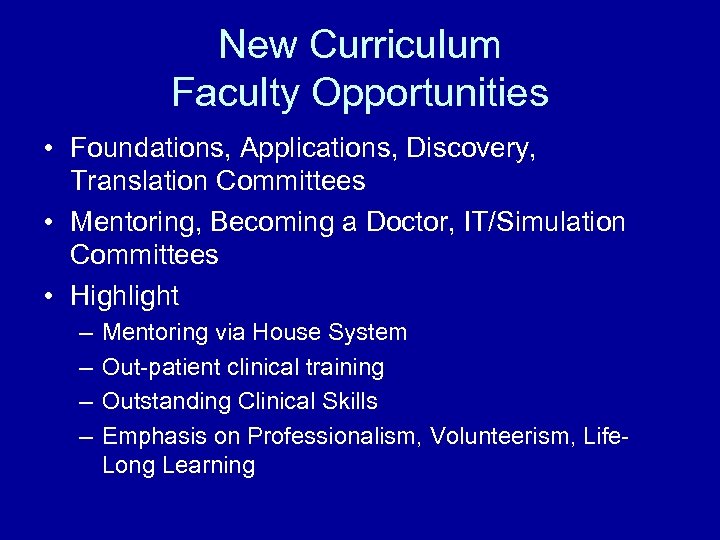 New Curriculum Faculty Opportunities • Foundations, Applications, Discovery, Translation Committees • Mentoring, Becoming a Doctor, IT/Simulation Committees • Highlight – – Mentoring via House System Out-patient clinical training Outstanding Clinical Skills Emphasis on Professionalism, Volunteerism, Life. Long Learning
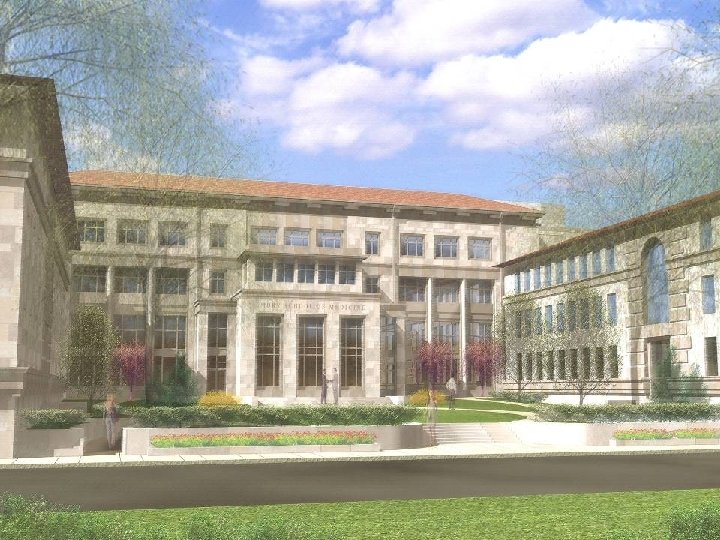
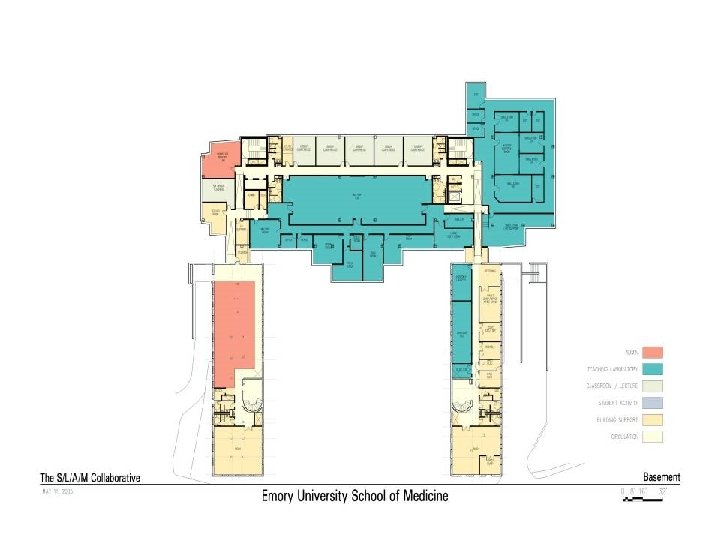
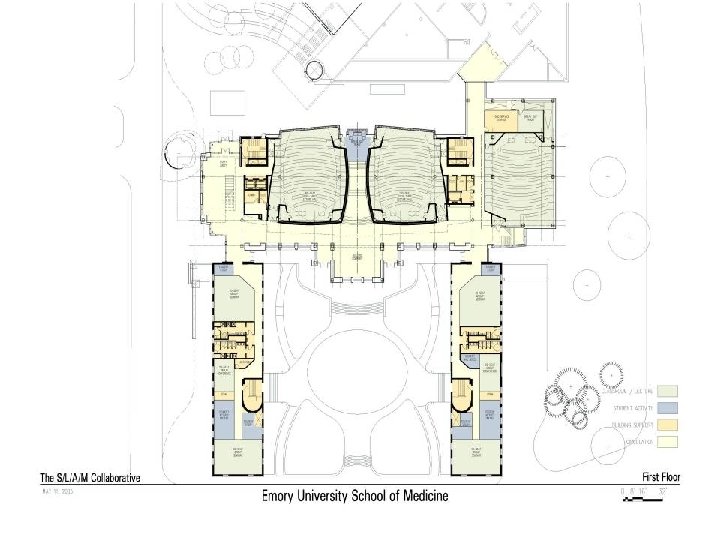
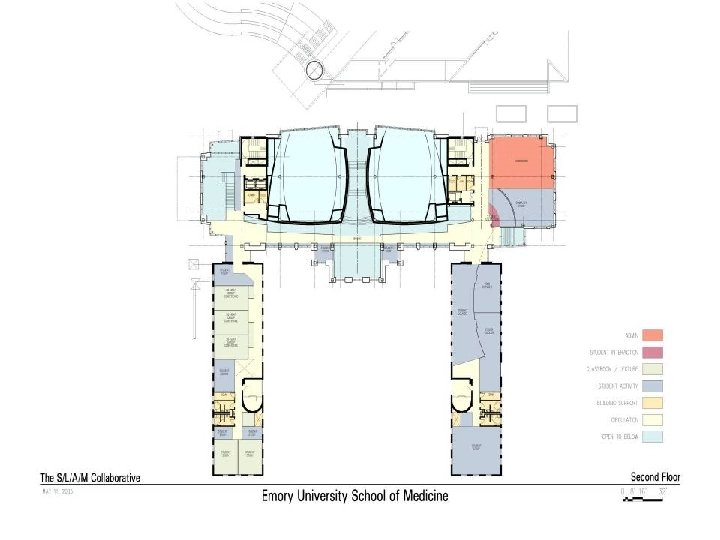
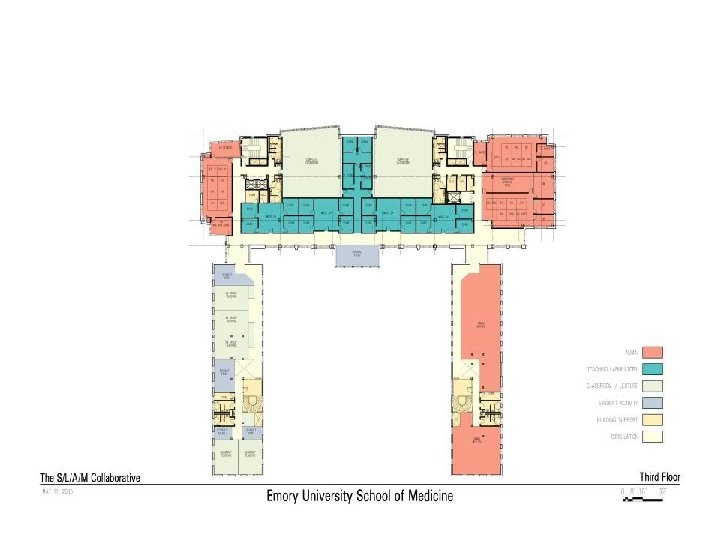
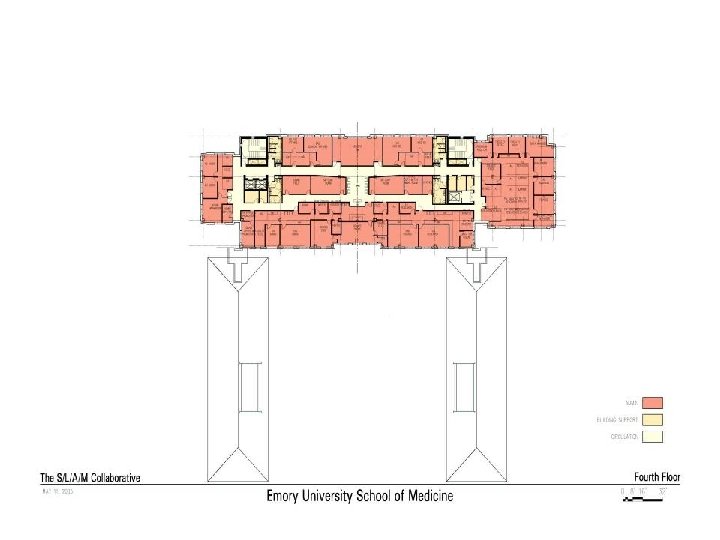
 New Medical Education Building • Anatomy Dissection, Fresh Tissue Lab, Robotics Lab, Simulation Lab • 16 Suite OSCE Lab • 19 Small Group Rooms • 4 40 -person class rooms (Society Rooms) • 3 160 -person class rooms • 2 75 -person Computer Laboratories • Student Lounge, Café, Lockers, Showers
 http: //www. med. emory. edu/admissi ons/viewbook. cfm
 James R. Zaidan, M. D. , M. B. A. Associate Dean for GME James_Zaidan@emoryhealthcare. org Marilane B. Bond, Ed. D. , M. B. A. Assistant Dean for GME Mbond@emory. edu
 GME OFFICE • • LOCATION: 111 WHSCAB PHONE: 404 -727 -5658 (7 -5658) PHONE: 7 -5658 from inside the system FAX: 7 -3744 from inside the system
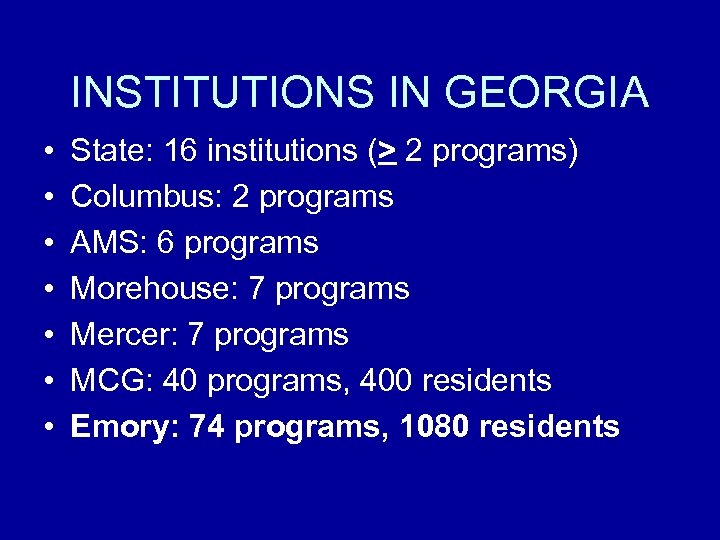 INSTITUTIONS IN GEORGIA • • State: 16 institutions (> 2 programs) Columbus: 2 programs AMS: 6 programs Morehouse: 7 programs Mercer: 7 programs MCG: 40 programs, 400 residents Emory: 74 programs, 1080 residents
 HOUSE STAFF POLICY MANUAL http: //www. med. emory. edu/GME/index. html