Скачать презентацию Nutrition Prostate Cancer Exploring the role of
589a717a1d89a8fafc799b692d26a51f.ppt
- Количество слайдов: 31
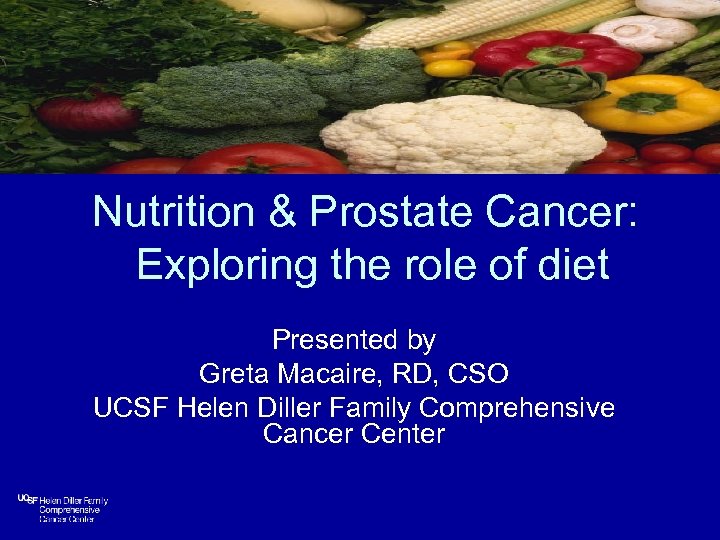 Nutrition & Prostate Cancer: Exploring the role of diet Presented by Greta Macaire, RD, CSO UCSF Helen Diller Family Comprehensive Cancer Center
 Nutrition & Prostate Cancer • Improved nutrition may reduce the incidence of prostate cancer & also reduce the risk of prostate cancer progression. (J Urol. 2005 Sep; 174(3): 1065 -9). • “Scientific evidence suggests that differences in diet & lifestyle may account in large part for the variability of prostate cancer rates in different countries” (Ca. PCure). – Trends – Mortality rates are rising in some Asian countries, especially Japan & Singapore, which is thought to be due to Westernization ACS. The Worldwide Cancer Burden. Atlanta: ACS; 2006
 Nutrition & Prostate Cancer • Prostate Cancer Lifestyle Trial • 2 year follow up • GEMINAL pilot study • Related research Ornish, et al. , J Urol. 2005 Sep; 174(3): 1065 -70 Frattaroli, et al. Urology 2008 Jul 2 (epub) Carmody, et al. Urology 2008 Apr 7 (epub) Ornish, et al. , Proc Natl Acad Sci U S A. 2008 Jun 17; 105(24): 8369 -74)
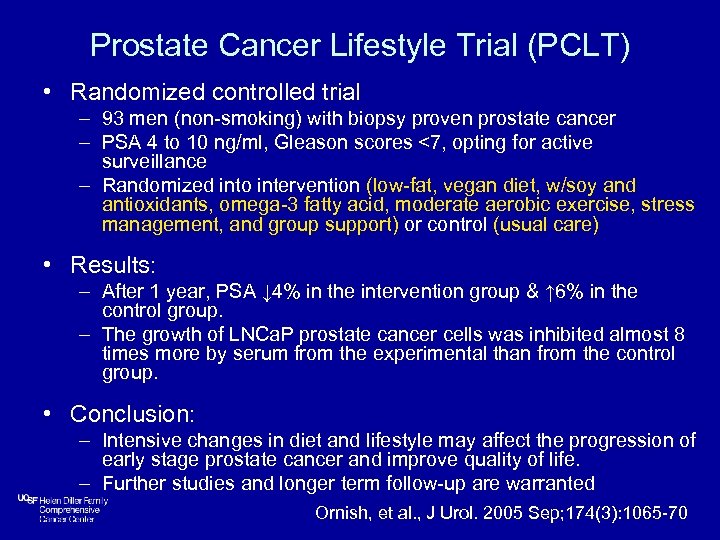 Prostate Cancer Lifestyle Trial (PCLT) • Randomized controlled trial – 93 men (non-smoking) with biopsy proven prostate cancer – PSA 4 to 10 ng/ml, Gleason scores <7, opting for active surveillance – Randomized into intervention (low-fat, vegan diet, w/soy and antioxidants, omega-3 fatty acid, moderate aerobic exercise, stress management, and group support) or control (usual care) • Results: – After 1 year, PSA ↓ 4% in the intervention group & ↑ 6% in the control group. – The growth of LNCa. P prostate cancer cells was inhibited almost 8 times more by serum from the experimental than from the control group. • Conclusion: – Intensive changes in diet and lifestyle may affect the progression of early stage prostate cancer and improve quality of life. – Further studies and longer term follow-up are warranted Ornish, et al. , J Urol. 2005 Sep; 174(3): 1065 -70
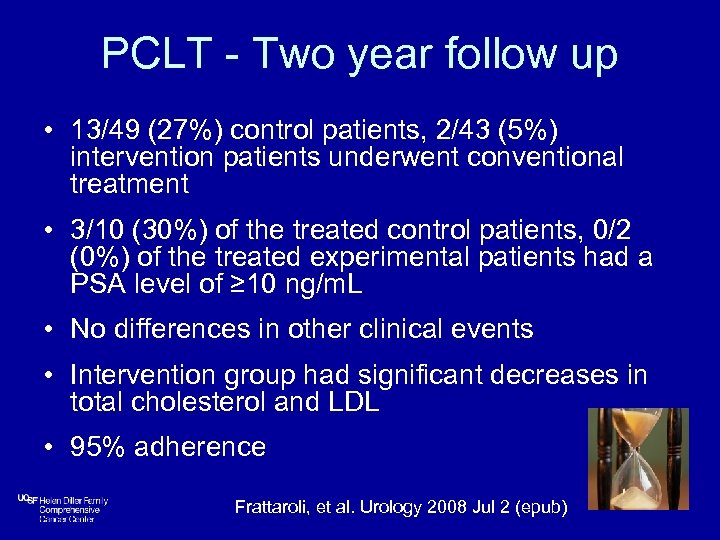 PCLT - Two year follow up • 13/49 (27%) control patients, 2/43 (5%) intervention patients underwent conventional treatment • 3/10 (30%) of the treated control patients, 0/2 (0%) of the treated experimental patients had a PSA level of ≥ 10 ng/m. L • No differences in other clinical events • Intervention group had significant decreases in total cholesterol and LDL • 95% adherence Frattaroli, et al. Urology 2008 Jul 2 (epub)
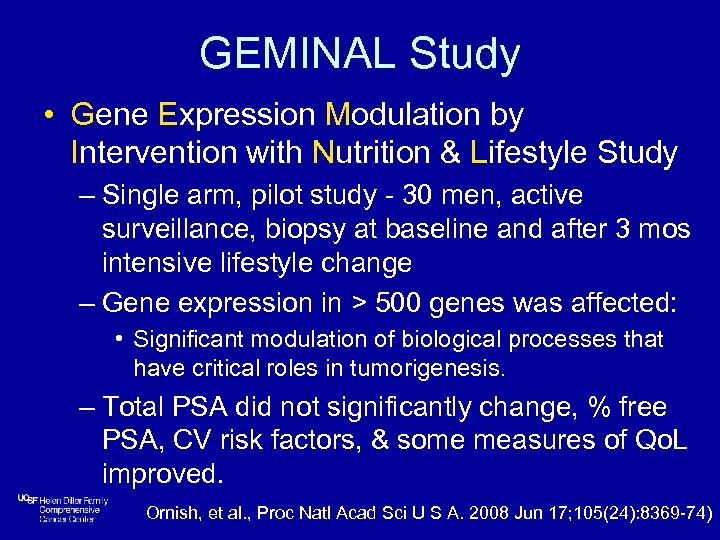 GEMINAL Study • Gene Expression Modulation by Intervention with Nutrition & Lifestyle Study – Single arm, pilot study - 30 men, active surveillance, biopsy at baseline and after 3 mos intensive lifestyle change – Gene expression in > 500 genes was affected: • Significant modulation of biological processes that have critical roles in tumorigenesis. – Total PSA did not significantly change, % free PSA, CV risk factors, & some measures of Qo. L improved. Ornish, et al. , Proc Natl Acad Sci U S A. 2008 Jun 17; 105(24): 8369 -74)
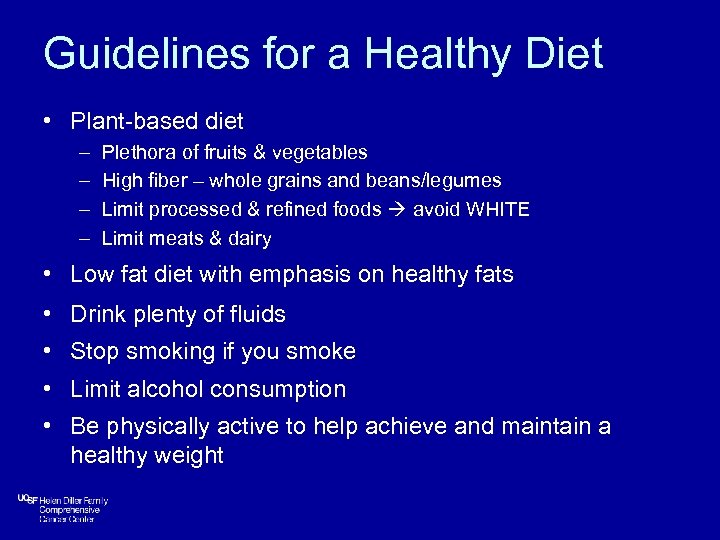 Guidelines for a Healthy Diet • Plant-based diet – – Plethora of fruits & vegetables High fiber – whole grains and beans/legumes Limit processed & refined foods avoid WHITE Limit meats & dairy • Low fat diet with emphasis on healthy fats • Drink plenty of fluids • Stop smoking if you smoke • Limit alcohol consumption • Be physically active to help achieve and maintain a healthy weight
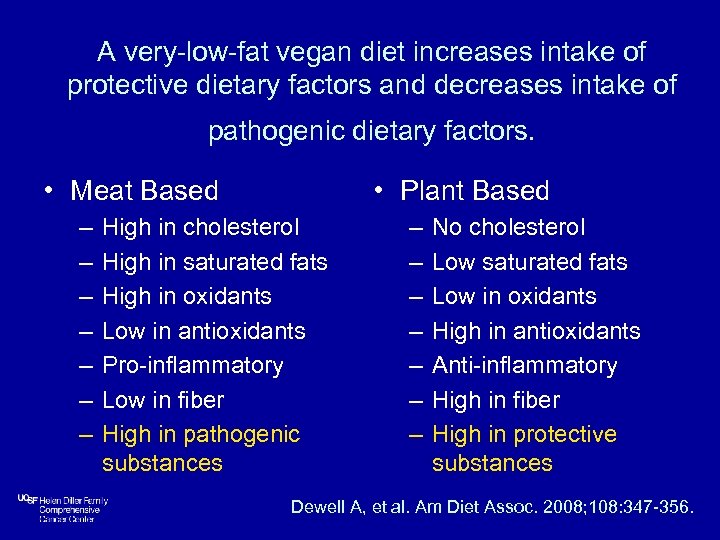 A very-low-fat vegan diet increases intake of protective dietary factors and decreases intake of pathogenic dietary factors. • Meat Based – – – – • Plant Based High in cholesterol High in saturated fats High in oxidants Low in antioxidants Pro-inflammatory Low in fiber High in pathogenic substances – – – – No cholesterol Low saturated fats Low in oxidants High in antioxidants Anti-inflammatory High in fiber High in protective substances Dewell A, et al. Am Diet Assoc. 2008; 108: 347 -356.
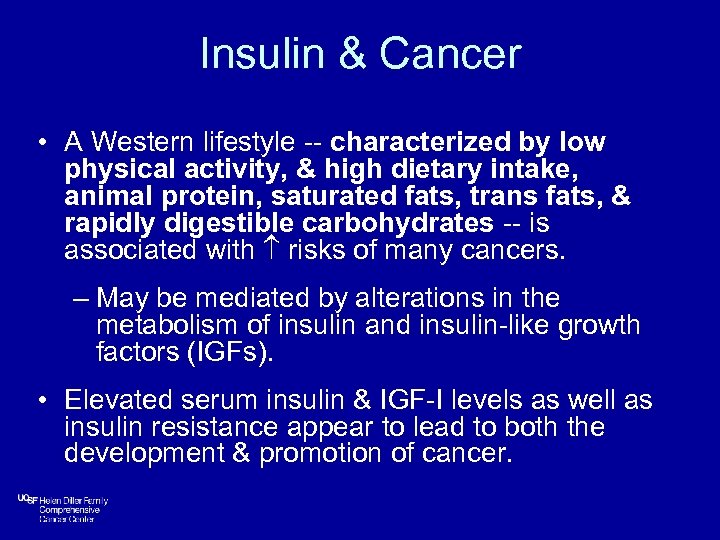 Insulin & Cancer • A Western lifestyle -- characterized by low physical activity, & high dietary intake, animal protein, saturated fats, trans fats, & rapidly digestible carbohydrates -- is associated with risks of many cancers. – May be mediated by alterations in the metabolism of insulin and insulin-like growth factors (IGFs). • Elevated serum insulin & IGF-I levels as well as insulin resistance appear to lead to both the development & promotion of cancer.
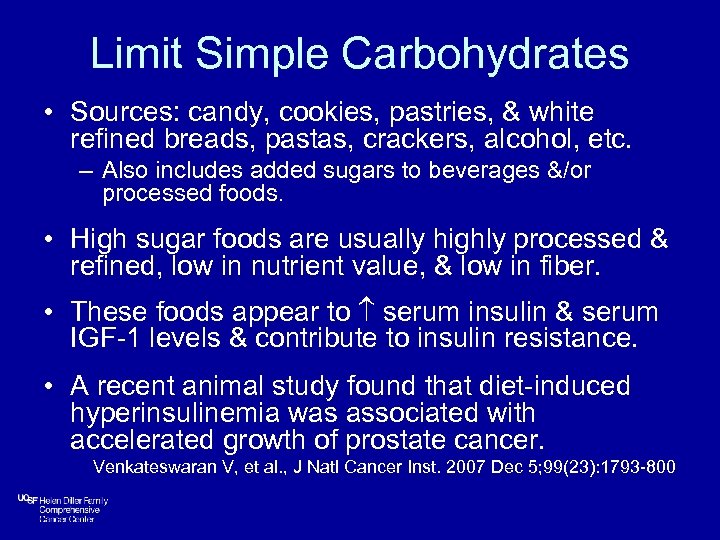 Limit Simple Carbohydrates • Sources: candy, cookies, pastries, & white refined breads, pastas, crackers, alcohol, etc. – Also includes added sugars to beverages &/or processed foods. • High sugar foods are usually highly processed & refined, low in nutrient value, & low in fiber. • These foods appear to serum insulin & serum IGF-1 levels & contribute to insulin resistance. • A recent animal study found that diet-induced hyperinsulinemia was associated with accelerated growth of prostate cancer. Venkateswaran V, et al. , J Natl Cancer Inst. 2007 Dec 5; 99(23): 1793 -800
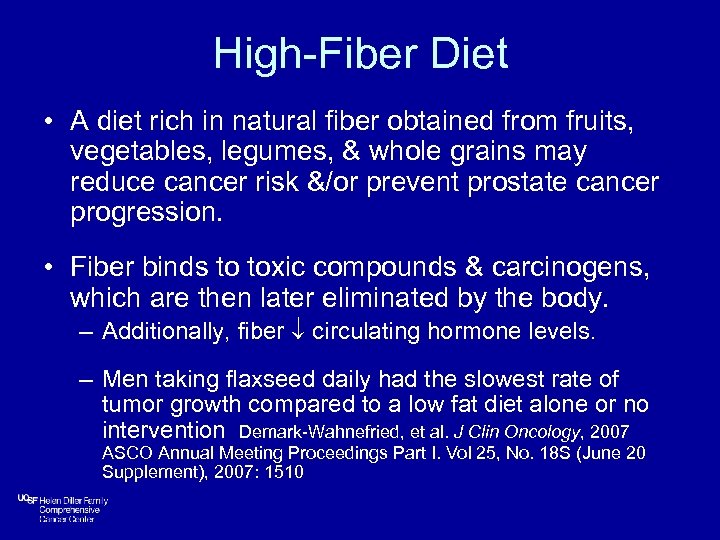 High-Fiber Diet • A diet rich in natural fiber obtained from fruits, vegetables, legumes, & whole grains may reduce cancer risk &/or prevent prostate cancer progression. • Fiber binds to toxic compounds & carcinogens, which are then later eliminated by the body. – Additionally, fiber circulating hormone levels. – Men taking flaxseed daily had the slowest rate of tumor growth compared to a low fat diet alone or no intervention Demark-Wahnefried, et al. J Clin Oncology, 2007 ASCO Annual Meeting Proceedings Part I. Vol 25, No. 18 S (June 20 Supplement), 2007: 1510
 Low Fat Diet • ↑fat → ↑ testosterone → ↑ cancer • A comprehensive review reported that 20 of 30 studies found positive, although not all statistically significant, associations between dietary fat intake and prostate cancer risk. • Aim for ~20% of your total calories from fat, with less than 8% of total calories from saturated fat. • The type of fat may be of greater importance than total fat.
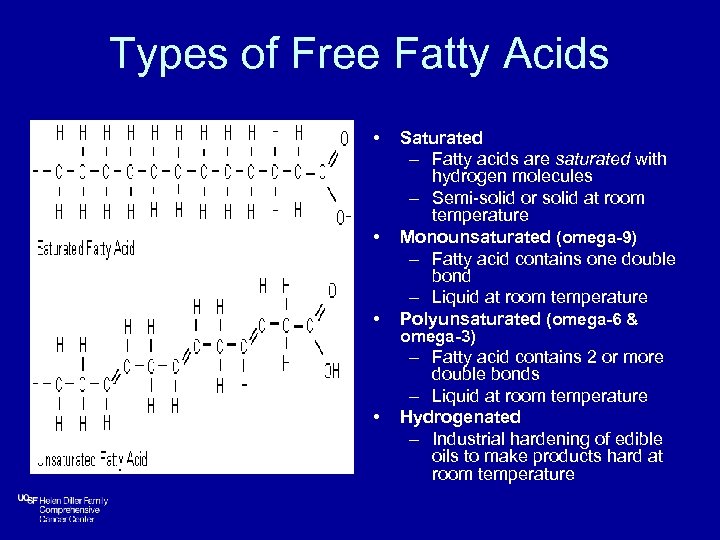 Types of Free Fatty Acids • • Saturated – Fatty acids are saturated with hydrogen molecules – Semi-solid or solid at room temperature Monounsaturated (omega-9) – Fatty acid contains one double bond – Liquid at room temperature Polyunsaturated (omega-6 & omega-3) – Fatty acid contains 2 or more double bonds – Liquid at room temperature Hydrogenated – Industrial hardening of edible oils to make products hard at room temperature
 Saturated Fats • Many studies indicate a positive association between saturated fat intake from meat & dairy products & prostate cancer. – Intakes of red meat and dairy products appear to also be related to increased risk of metastatic prostate cancer. • Limit use of meats, dairy products, butter, mayonnaise, & baked goods due to high saturated fat & total fat content.
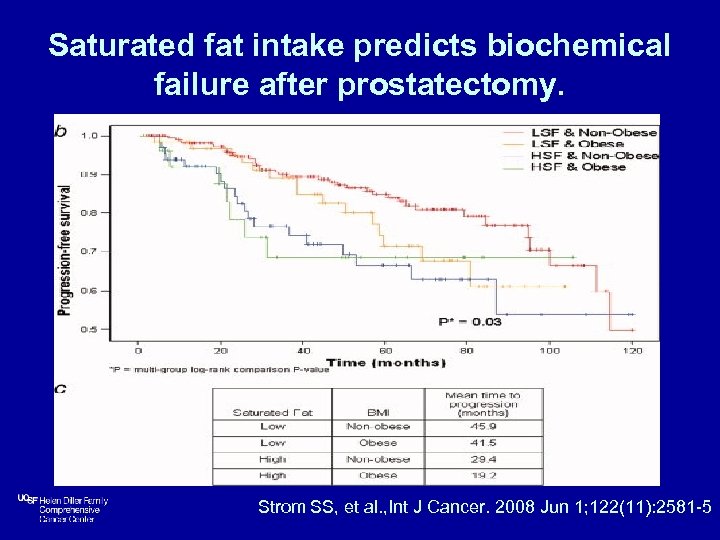 Saturated fat intake predicts biochemical failure after prostatectomy. Strom SS, et al. , Int J Cancer. 2008 Jun 1; 122(11): 2581 -5
 Omega-9 Fatty Acids • Offer cardio-protective benefits, may offer cancer protection. • Results suggest a neutral relationship between these fats & prostate cancer • Good sources: olives, extra-virgin olive oil, canola oil, avocadoes, & almonds. • Use these oils only in moderation.
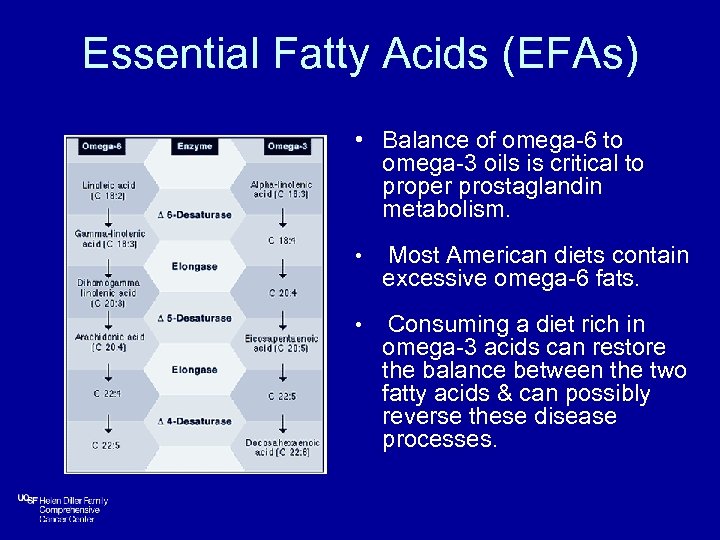 Essential Fatty Acids (EFAs) • Balance of omega-6 to omega-3 oils is critical to proper prostaglandin metabolism. • Most American diets contain excessive omega-6 fats. • Consuming a diet rich in omega-3 acids can restore the balance between the two fatty acids & can possibly reverse these disease processes.
 EFA Sources • Omega-3 Dietary Sources: – Include cold-water fish (i. e. , salmon, trout, sardines, herring, sablefish), flaxseed, chia seeds, hemp seeds, walnuts, & pumpkin seeds. • Omega-6 Dietary Sources: – Include meats (especially grain-fed), butter, whole milk, egg yolks, sunflower oil, safflower oil, cottonseed oil, corn oil, & processed foods made with these oils.
 Omega 3 Fatty Acids & Prostate CA • Studies show omega-3 fatty acids reduce risk of prostate cancer. – Men who consumed cold-water fish 3 -4 x/week had a reduced risk of prostate cancer. – Consuming fish two or more times a week was associated with a reduction in prostate cancer progression. • Omega-3 fatty acids may prevent androgen-deprived prostate cancer cells from starting to grow again following androgen deprivation therapy by stopping the androgen-receptor gene from functioning. www. AICR. org • Increase Omega-3 food sources: cold-water fish (i. e. , salmon, herring, sardines, trout, sablefish), flaxseeds, walnuts, chia seeds, hemp seeds & pumpkin seeds.
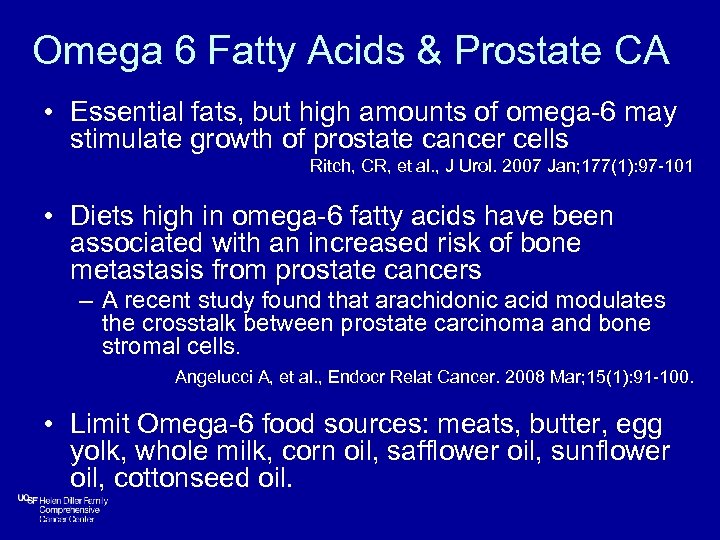 Omega 6 Fatty Acids & Prostate CA • Essential fats, but high amounts of omega-6 may stimulate growth of prostate cancer cells Ritch, CR, et al. , J Urol. 2007 Jan; 177(1): 97 -101 • Diets high in omega-6 fatty acids have been associated with an increased risk of bone metastasis from prostate cancers – A recent study found that arachidonic acid modulates the crosstalk between prostate carcinoma and bone stromal cells. Angelucci A, et al. , Endocr Relat Cancer. 2008 Mar; 15(1): 91 -100. • Limit Omega-6 food sources: meats, butter, egg yolk, whole milk, corn oil, safflower oil, sunflower oil, cottonseed oil.
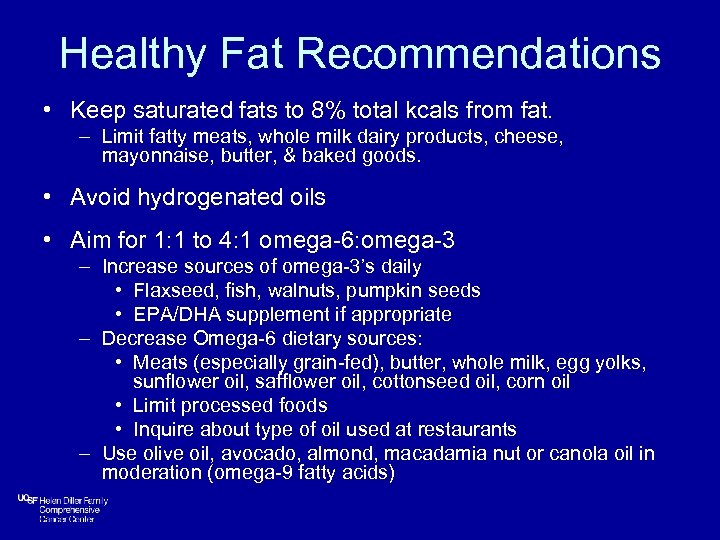 Healthy Fat Recommendations • Keep saturated fats to 8% total kcals from fat. – Limit fatty meats, whole milk dairy products, cheese, mayonnaise, butter, & baked goods. • Avoid hydrogenated oils • Aim for 1: 1 to 4: 1 omega-6: omega-3 – Increase sources of omega-3’s daily • Flaxseed, fish, walnuts, pumpkin seeds • EPA/DHA supplement if appropriate – Decrease Omega-6 dietary sources: • Meats (especially grain-fed), butter, whole milk, egg yolks, sunflower oil, safflower oil, cottonseed oil, corn oil • Limit processed foods • Inquire about type of oil used at restaurants – Use olive oil, avocado, almond, macadamia nut or canola oil in moderation (omega-9 fatty acids)
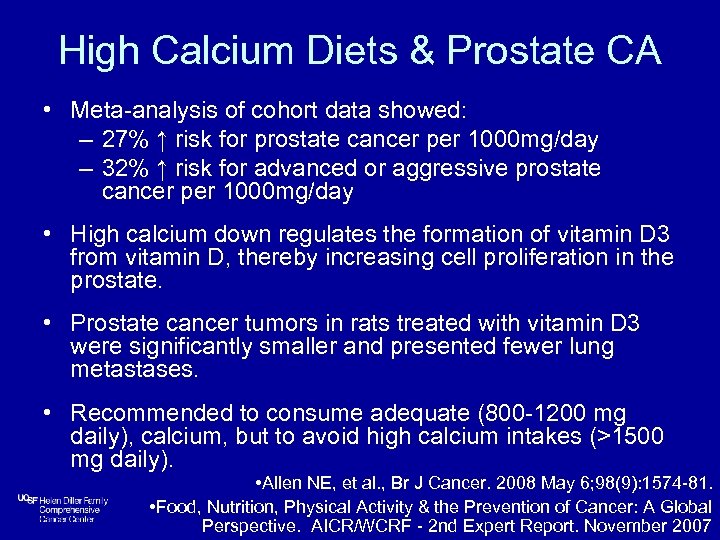 High Calcium Diets & Prostate CA • Meta-analysis of cohort data showed: – 27% ↑ risk for prostate cancer per 1000 mg/day – 32% ↑ risk for advanced or aggressive prostate cancer per 1000 mg/day • High calcium down regulates the formation of vitamin D 3 from vitamin D, thereby increasing cell proliferation in the prostate. • Prostate cancer tumors in rats treated with vitamin D 3 were significantly smaller and presented fewer lung metastases. • Recommended to consume adequate (800 -1200 mg daily), calcium, but to avoid high calcium intakes (>1500 mg daily). • Allen NE, et al. , Br J Cancer. 2008 May 6; 98(9): 1574 -81. • Food, Nutrition, Physical Activity & the Prevention of Cancer: A Global Perspective. AICR/WCRF - 2 nd Expert Report. November 2007
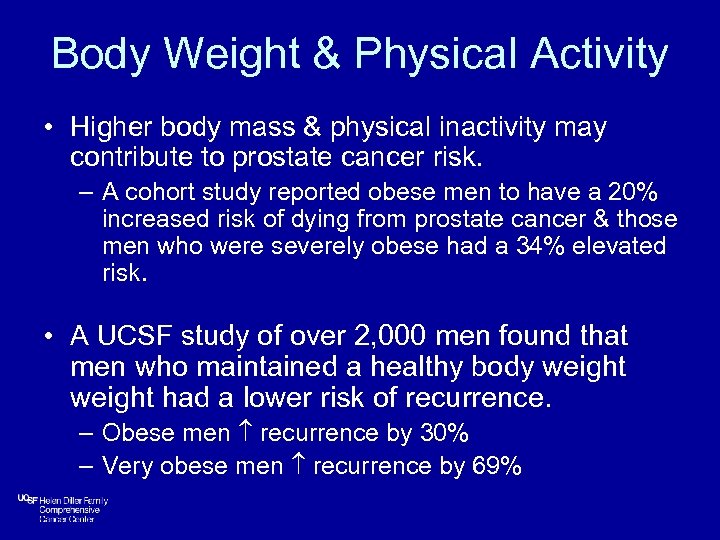 Body Weight & Physical Activity • Higher body mass & physical inactivity may contribute to prostate cancer risk. – A cohort study reported obese men to have a 20% increased risk of dying from prostate cancer & those men who were severely obese had a 34% elevated risk. • A UCSF study of over 2, 000 men found that men who maintained a healthy body weight had a lower risk of recurrence. – Obese men recurrence by 30% – Very obese men recurrence by 69%
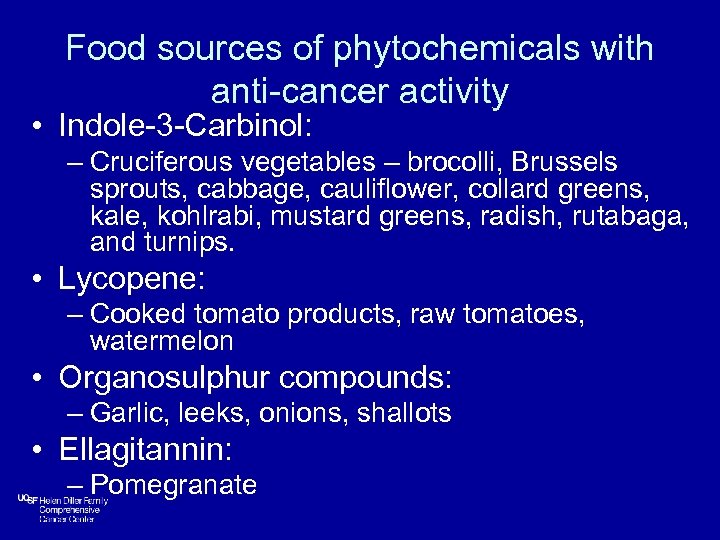 Food sources of phytochemicals with anti-cancer activity • Indole-3 -Carbinol: – Cruciferous vegetables – brocolli, Brussels sprouts, cabbage, cauliflower, collard greens, kale, kohlrabi, mustard greens, radish, rutabaga, and turnips. • Lycopene: – Cooked tomato products, raw tomatoes, watermelon • Organosulphur compounds: – Garlic, leeks, onions, shallots • Ellagitannin: – Pomegranate
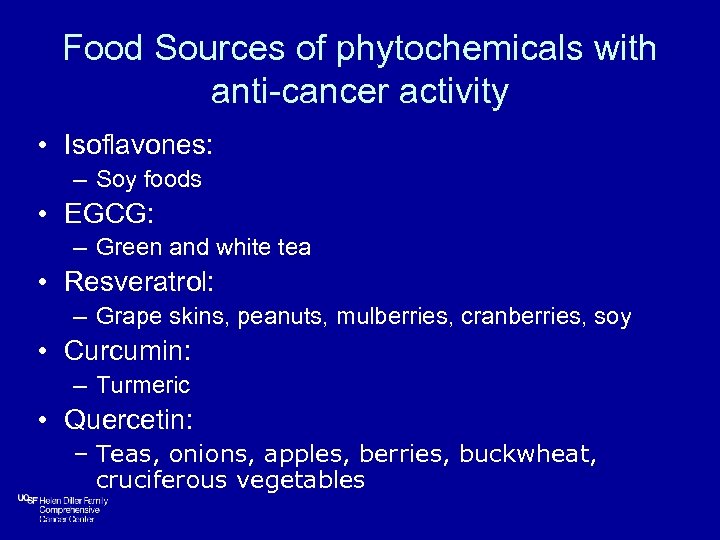 Food Sources of phytochemicals with anti-cancer activity • Isoflavones: – Soy foods • EGCG: – Green and white tea • Resveratrol: – Grape skins, peanuts, mulberries, cranberries, soy • Curcumin: – Turmeric • Quercetin: – Teas, onions, apples, berries, buckwheat, cruciferous vegetables
 What can a healthy diet do for me? • May help to inhibit prostate cancer growth • Reduce risk of chronic diseases • Enhance immune system • Increase energy levels • Facilitate recovery toxicities of treatment
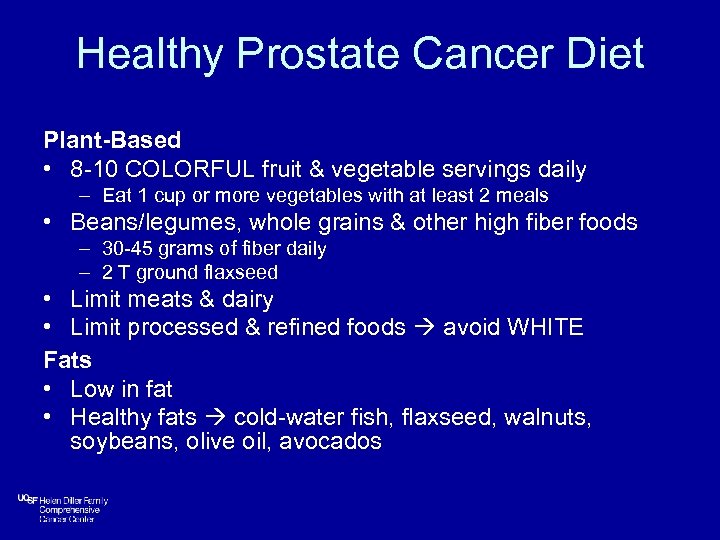 Healthy Prostate Cancer Diet Plant-Based • 8 -10 COLORFUL fruit & vegetable servings daily – Eat 1 cup or more vegetables with at least 2 meals • Beans/legumes, whole grains & other high fiber foods – 30 -45 grams of fiber daily – 2 T ground flaxseed • Limit meats & dairy • Limit processed & refined foods avoid WHITE Fats • Low in fat • Healthy fats cold-water fish, flaxseed, walnuts, soybeans, olive oil, avocados
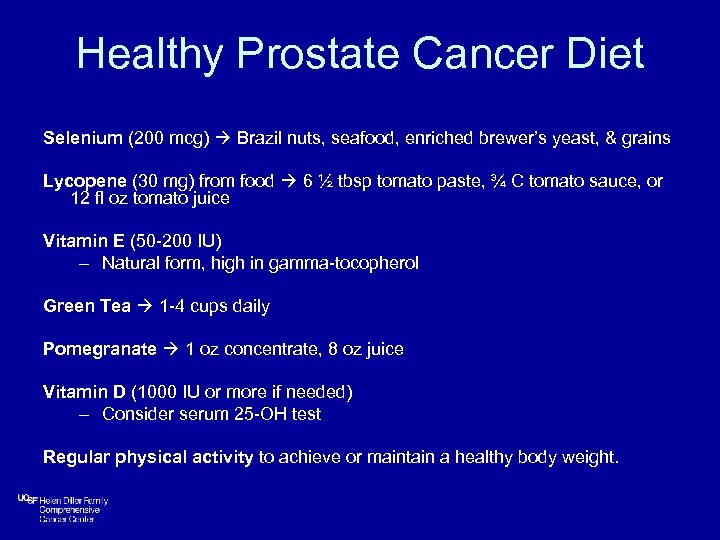 Healthy Prostate Cancer Diet Selenium (200 mcg) Brazil nuts, seafood, enriched brewer’s yeast, & grains Lycopene (30 mg) from food 6 ½ tbsp tomato paste, ¾ C tomato sauce, or 12 fl oz tomato juice Vitamin E (50 -200 IU) – Natural form, high in gamma-tocopherol Green Tea 1 -4 cups daily Pomegranate 1 oz concentrate, 8 oz juice Vitamin D (1000 IU or more if needed) – Consider serum 25 -OH test Regular physical activity to achieve or maintain a healthy body weight.
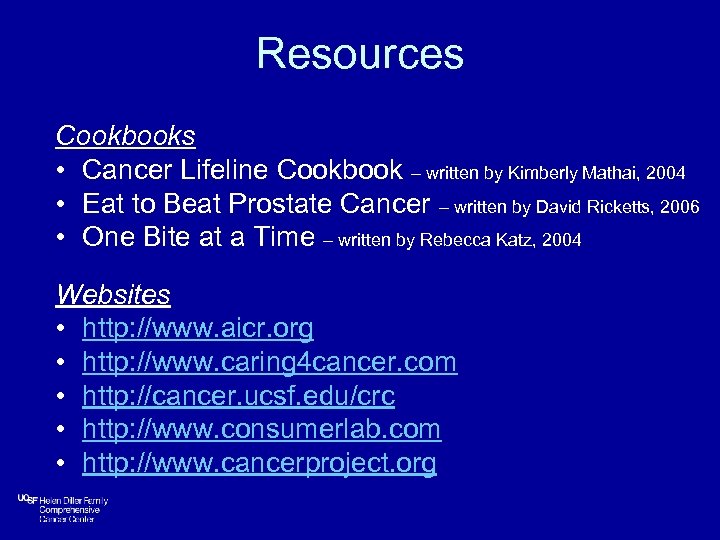 Resources Cookbooks • Cancer Lifeline Cookbook – written by Kimberly Mathai, 2004 • Eat to Beat Prostate Cancer – written by David Ricketts, 2006 • One Bite at a Time – written by Rebecca Katz, 2004 Websites • http: //www. aicr. org • http: //www. caring 4 cancer. com • http: //cancer. ucsf. edu/crc • http: //www. consumerlab. com • http: //www. cancerproject. org
 Thank you