Скачать презентацию NSTE-ACS Dr Michael Kapeliovich MD Ph D Director
NSTE-ACS - 9.2017.pptx
- Количество слайдов: 81
 NSTE-ACS Dr. Michael Kapeliovich, MD, Ph. D Director Emergency Cardiology Service Deputy Director ICCU 11. 2016
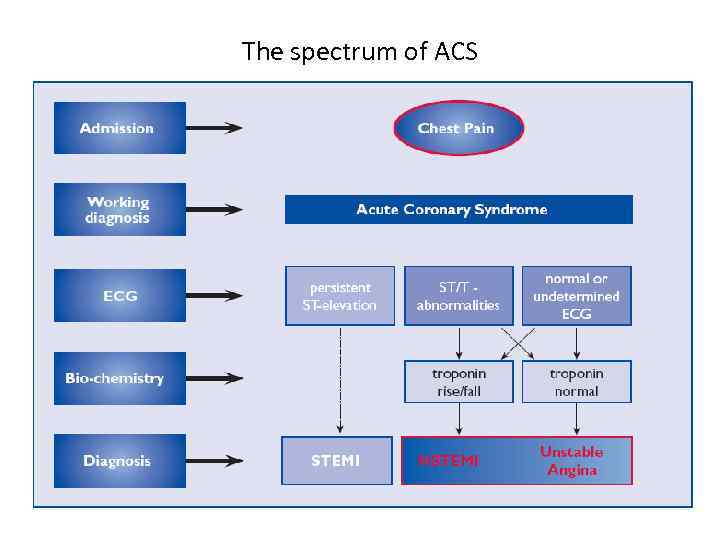 The spectrum of ACS
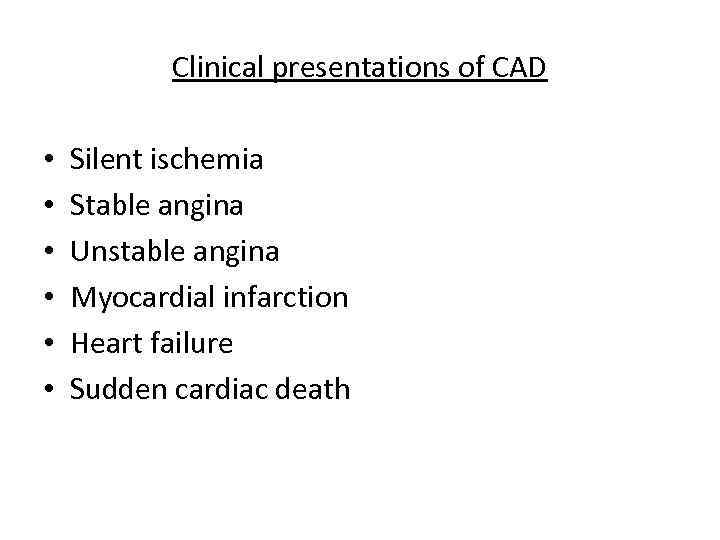 Clinical presentations of CAD • • • Silent ischemia Stable angina Unstable angina Myocardial infarction Heart failure Sudden cardiac death
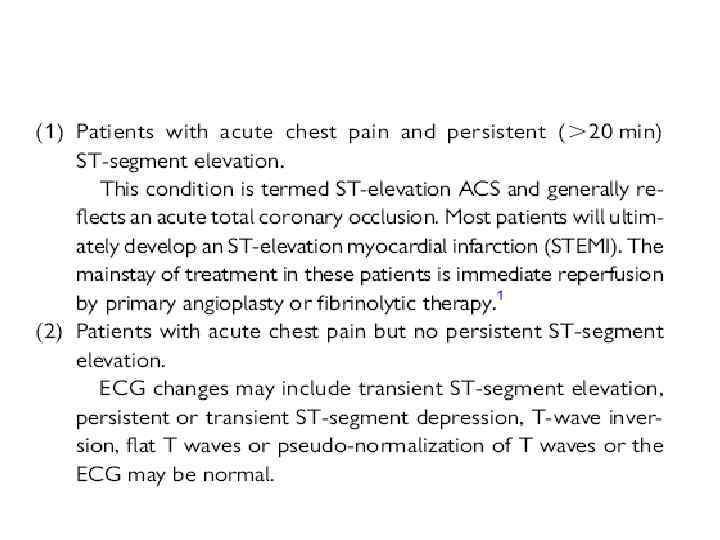
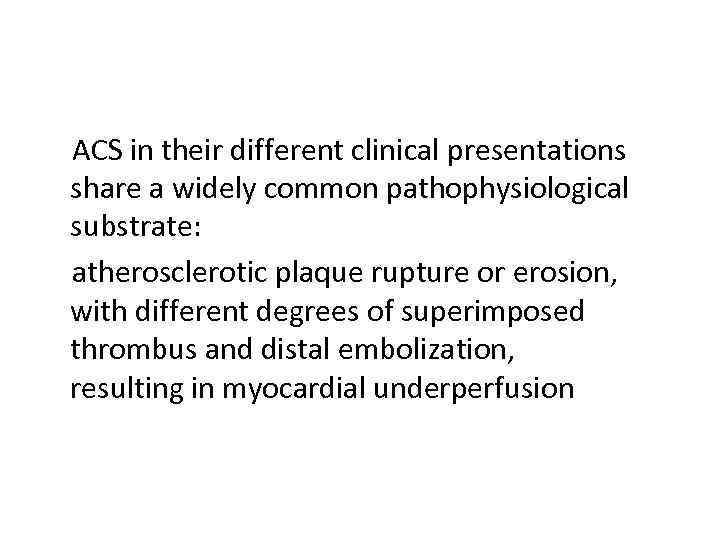 ACS in their different clinical presentations share a widely common pathophysiological substrate: atherosclerotic plaque rupture or erosion, with different degrees of superimposed thrombus and distal embolization, resulting in myocardial underperfusion
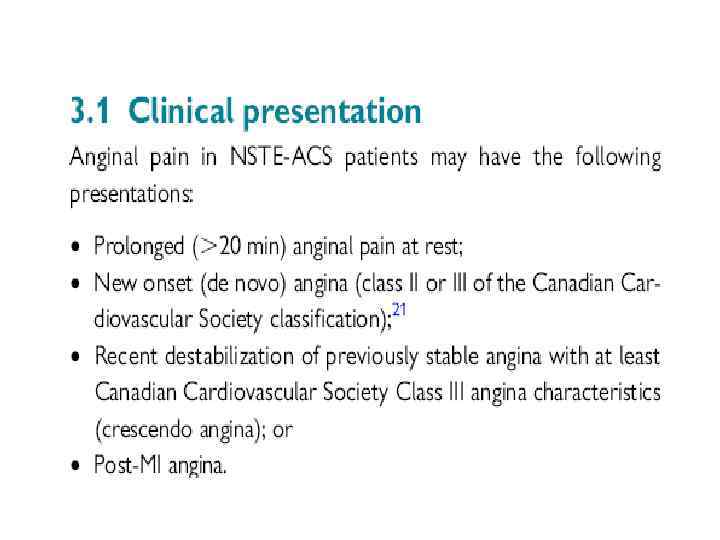
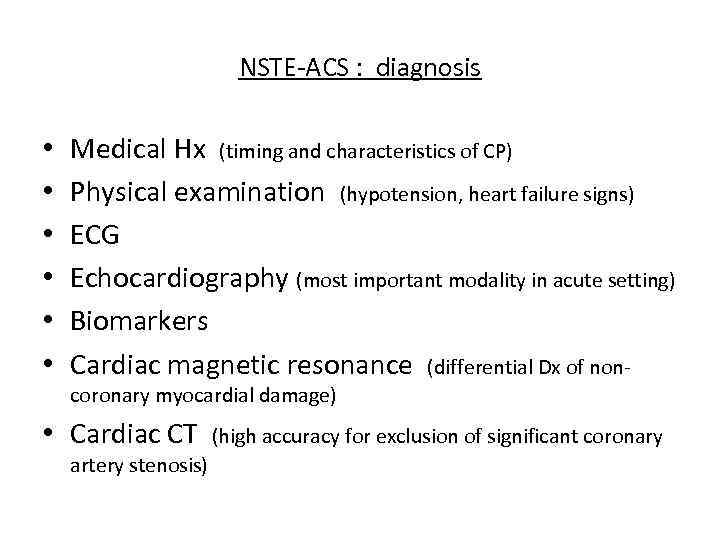 NSTE-ACS : diagnosis • • • Medical Hx (timing and characteristics of CP) Physical examination (hypotension, heart failure signs) ECG Echocardiography (most important modality in acute setting) Biomarkers Cardiac magnetic resonance (differential Dx of noncoronary myocardial damage) • Cardiac CT artery stenosis) (high accuracy for exclusion of significant coronary
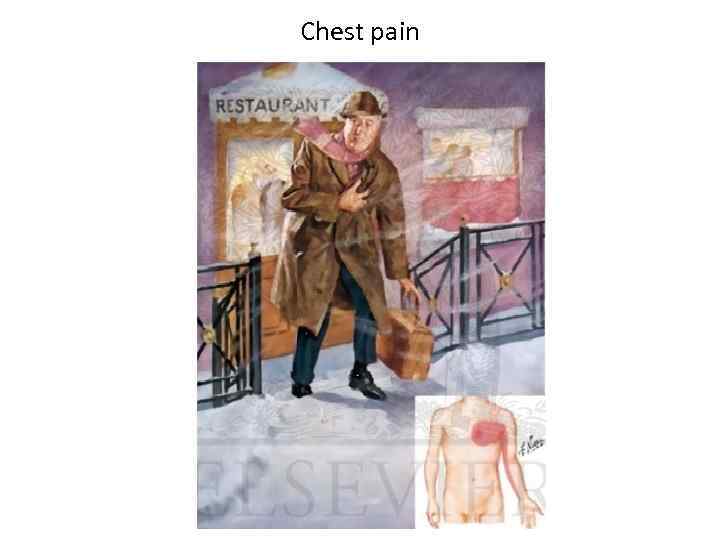 Chest pain
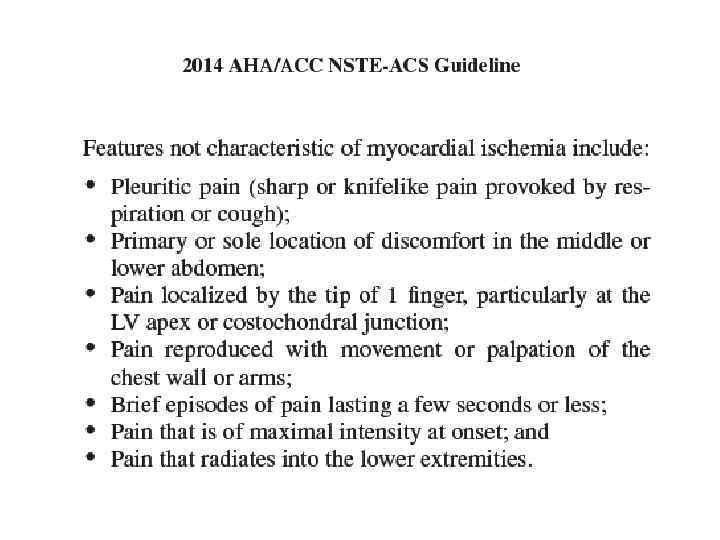
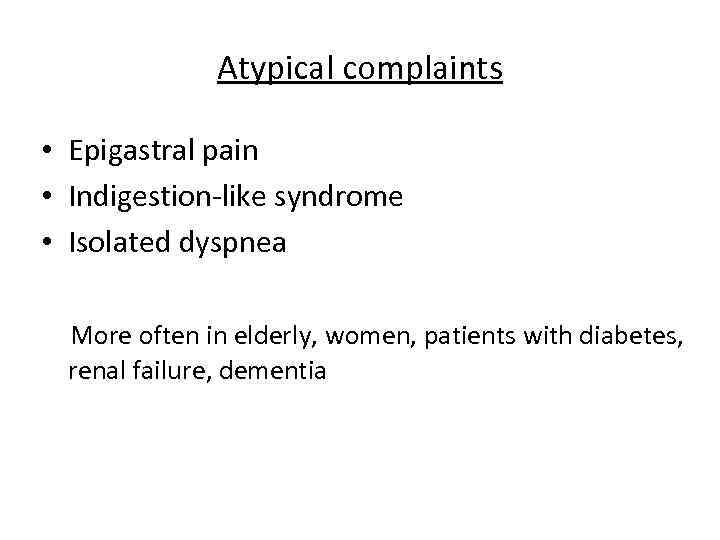 Atypical complaints • Epigastral pain • Indigestion-like syndrome • Isolated dyspnea More often in elderly, women, patients with diabetes, renal failure, dementia
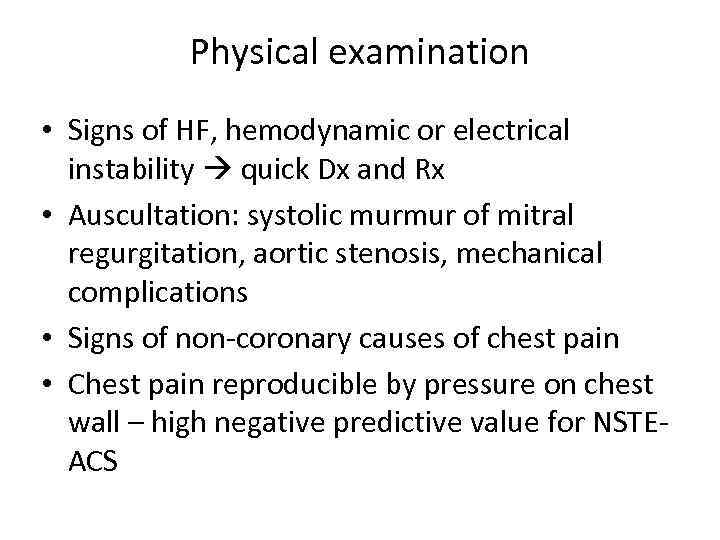 Physical examination • Signs of HF, hemodynamic or electrical instability quick Dx and Rx • Auscultation: systolic murmur of mitral regurgitation, aortic stenosis, mechanical complications • Signs of non-coronary causes of chest pain • Chest pain reproducible by pressure on chest wall – high negative predictive value for NSTEACS
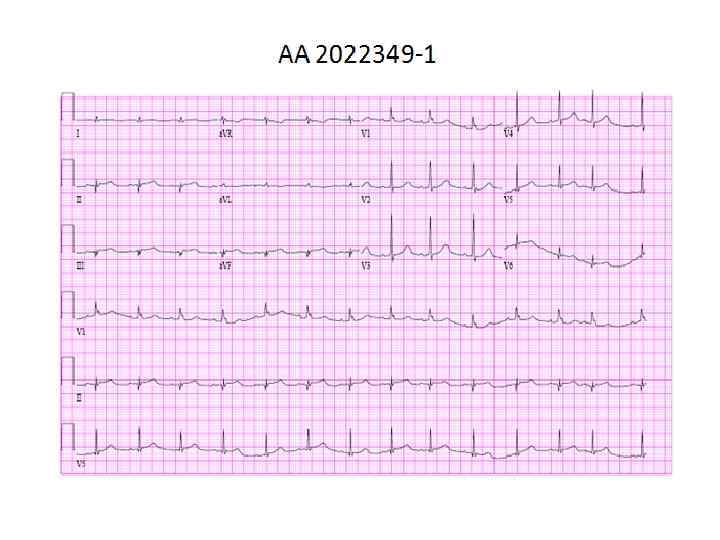
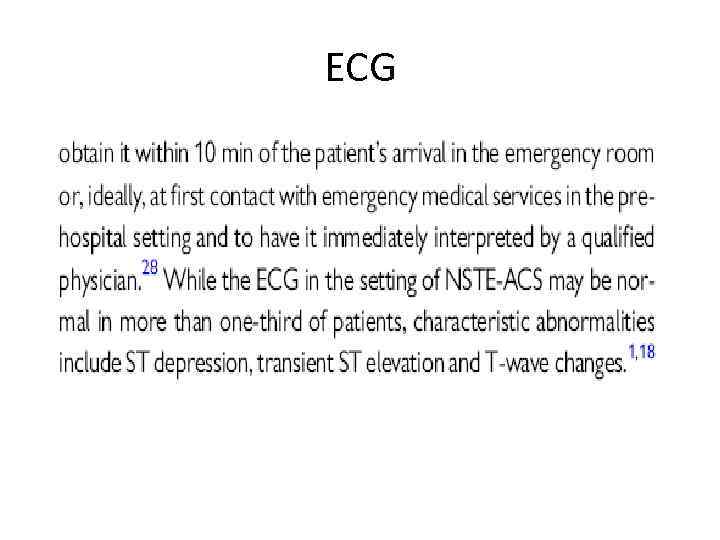 ECG
ECG
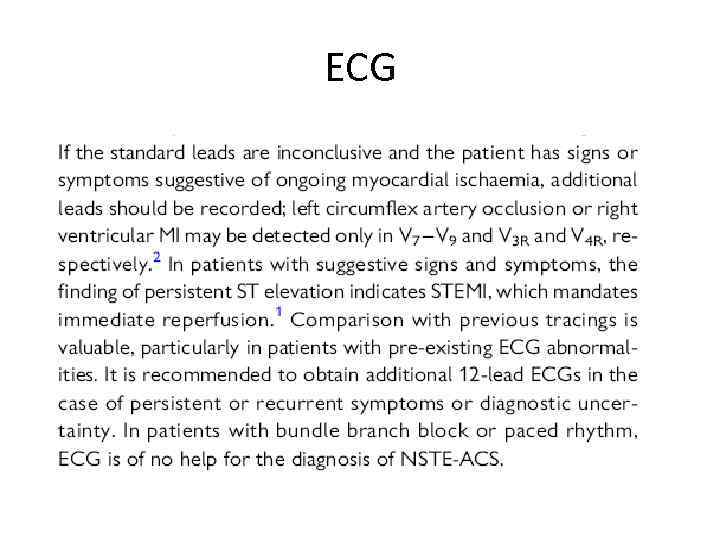 ECG
ECG
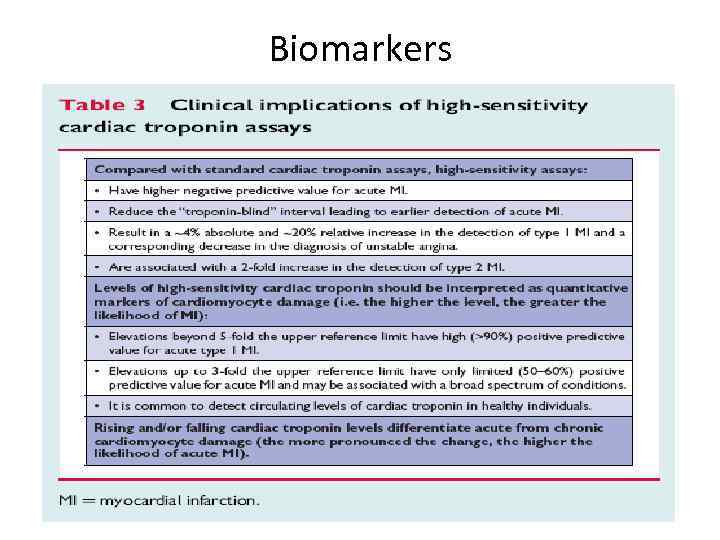 Biomarkers
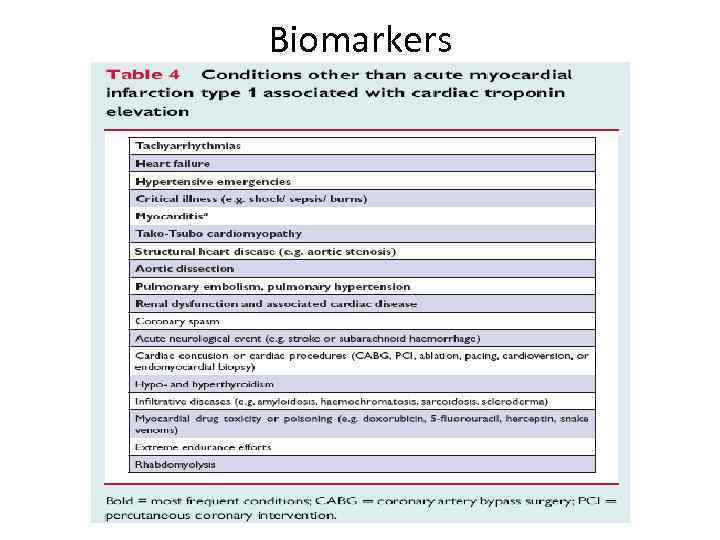 Biomarkers
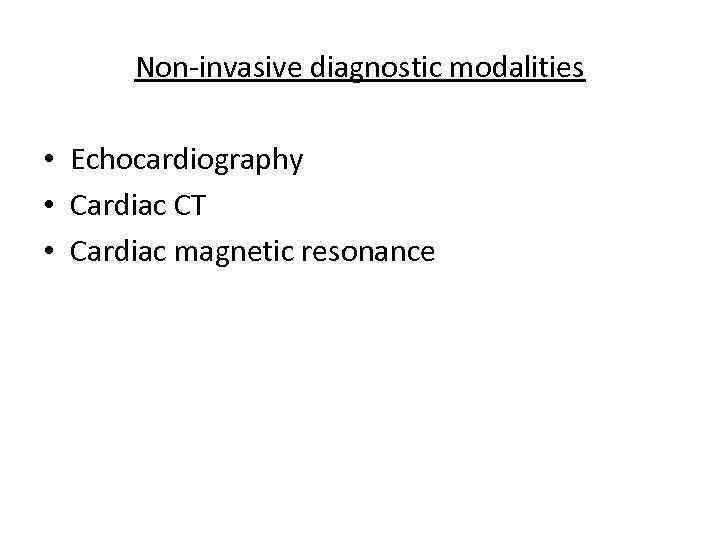 Non-invasive diagnostic modalities • Echocardiography • Cardiac CT • Cardiac magnetic resonance
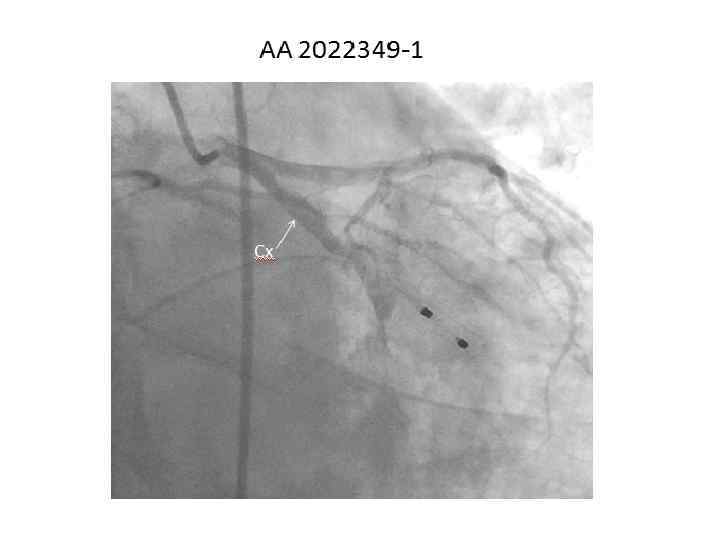
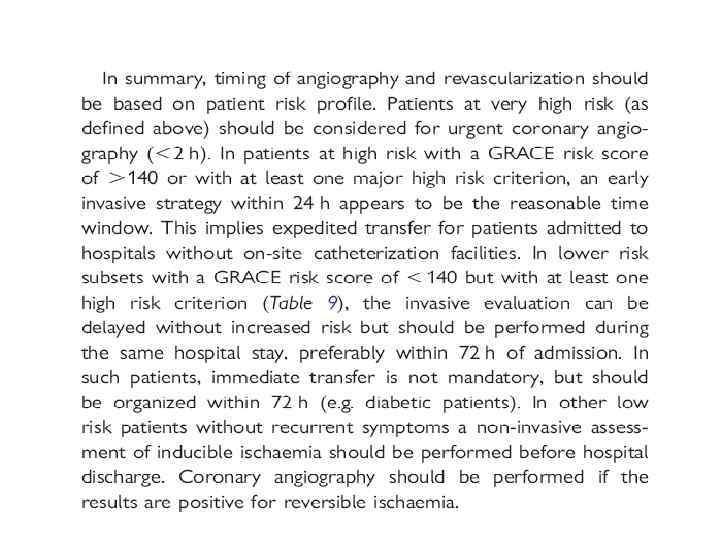
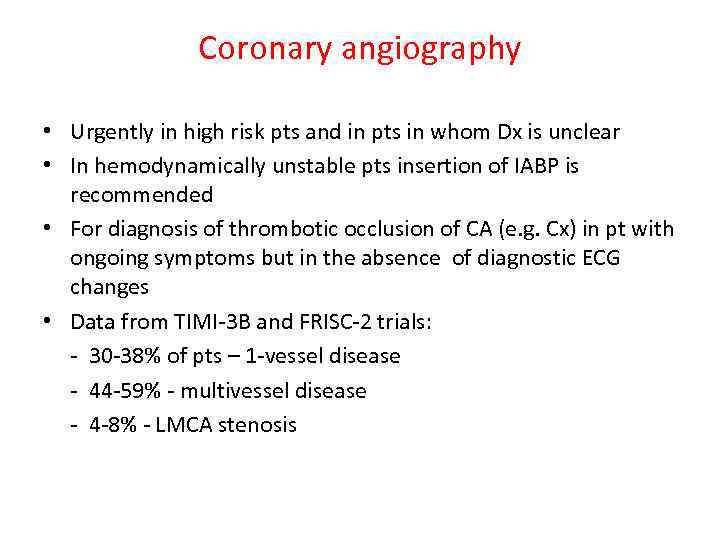 Coronary angiography • Urgently in high risk pts and in pts in whom Dx is unclear • In hemodynamically unstable pts insertion of IABP is recommended • For diagnosis of thrombotic occlusion of CA (e. g. Cx) in pt with ongoing symptoms but in the absence of diagnostic ECG changes • Data from TIMI-3 B and FRISC-2 trials: - 30 -38% of pts – 1 -vessel disease - 44 -59% - multivessel disease - 4 -8% - LMCA stenosis
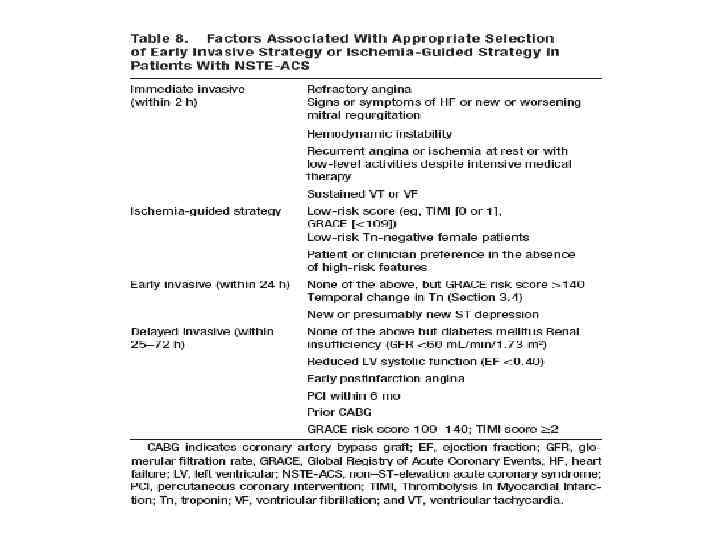
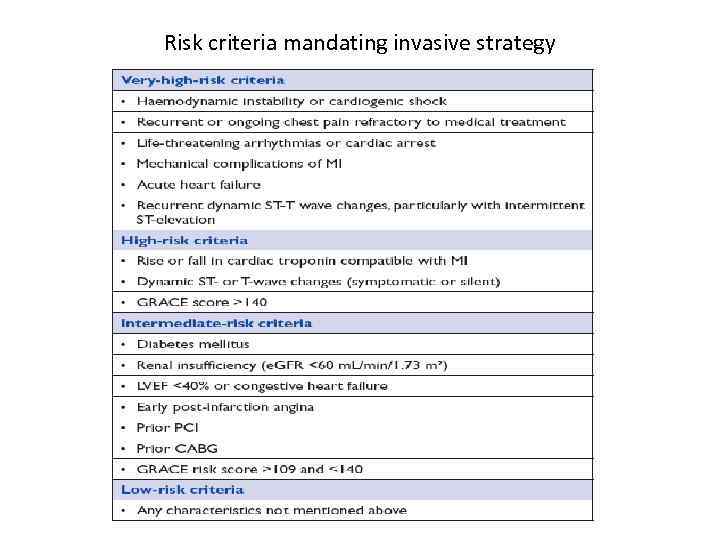 Risk criteria mandating invasive strategy
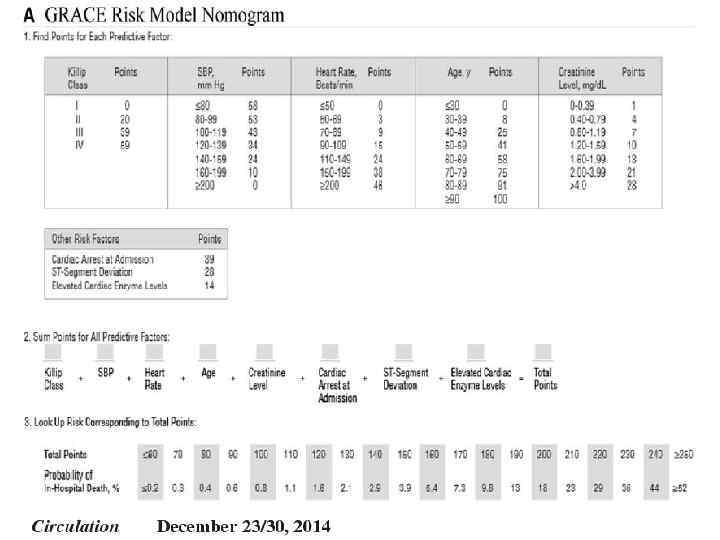
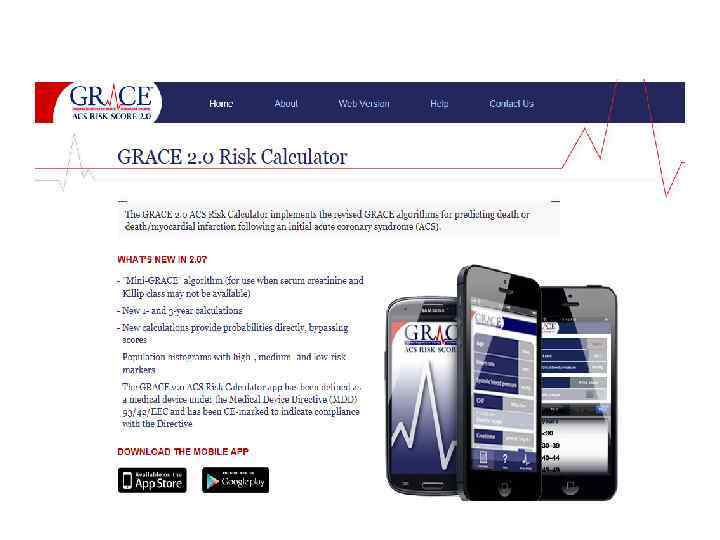
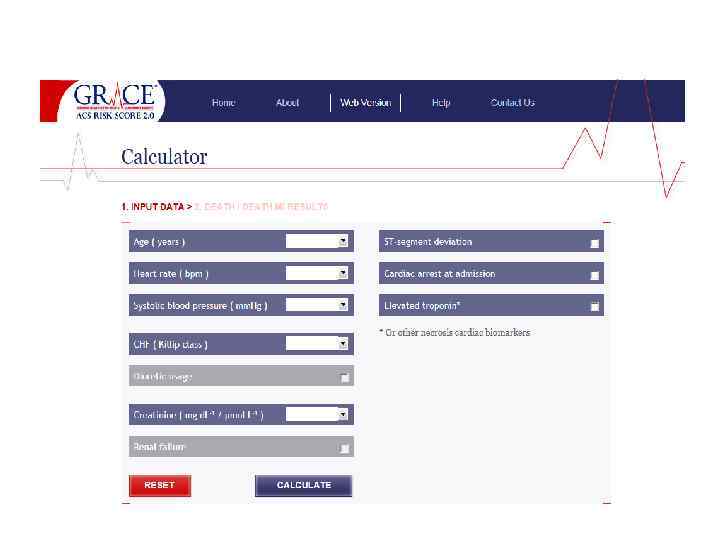
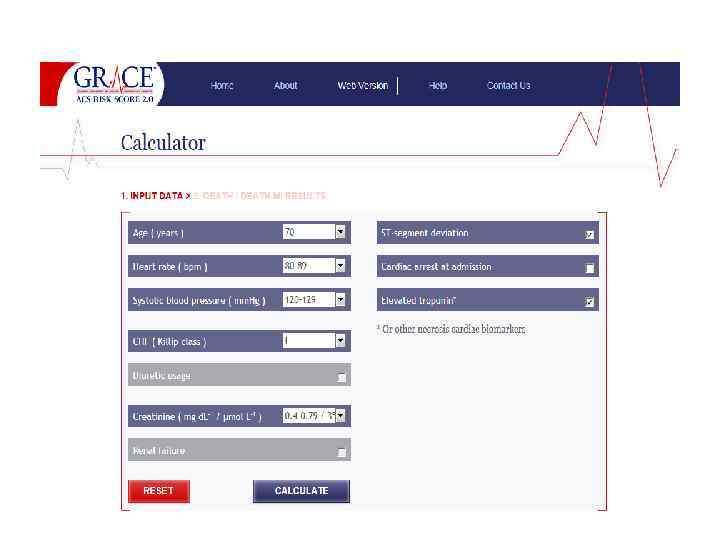
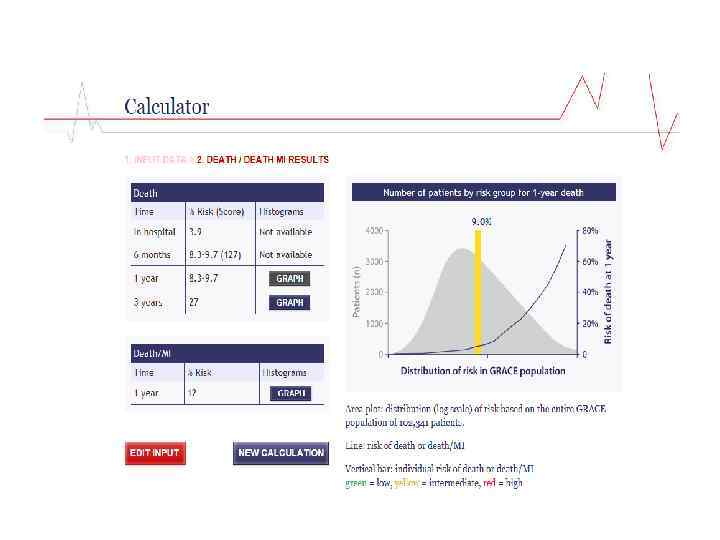
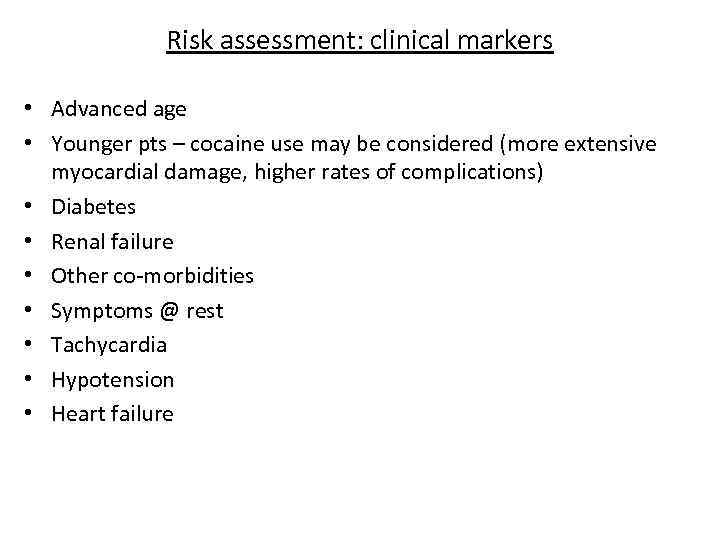 Risk assessment: clinical markers • Advanced age • Younger pts – cocaine use may be considered (more extensive myocardial damage, higher rates of complications) • Diabetes • Renal failure • Other co-morbidities • Symptoms @ rest • Tachycardia • Hypotension • Heart failure
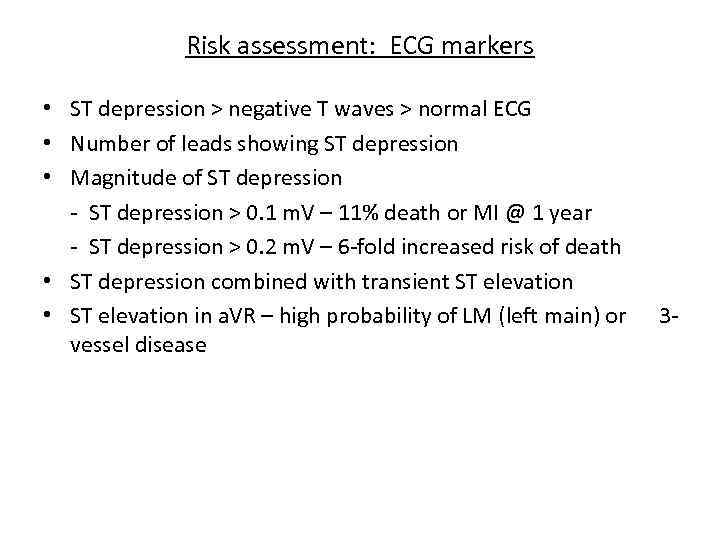 Risk assessment: ECG markers • ST depression > negative T waves > normal ECG • Number of leads showing ST depression • Magnitude of ST depression - ST depression > 0. 1 m. V – 11% death or MI @ 1 year - ST depression > 0. 2 m. V – 6 -fold increased risk of death • ST depression combined with transient ST elevation • ST elevation in a. VR – high probability of LM (left main) or vessel disease 3 -
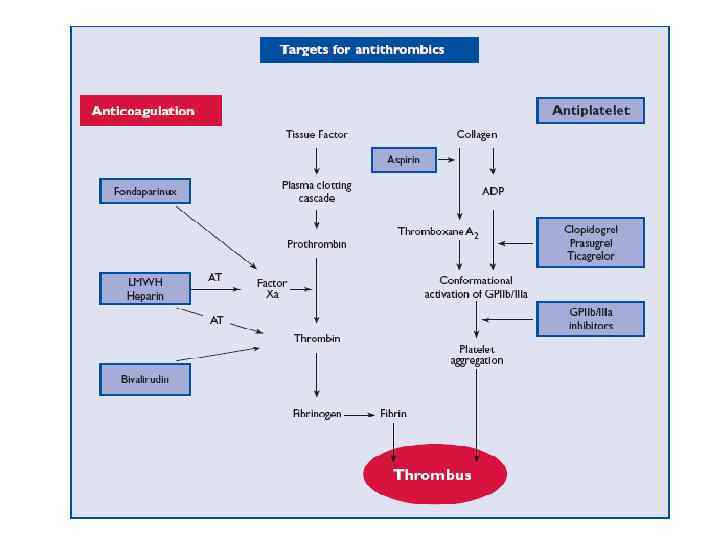
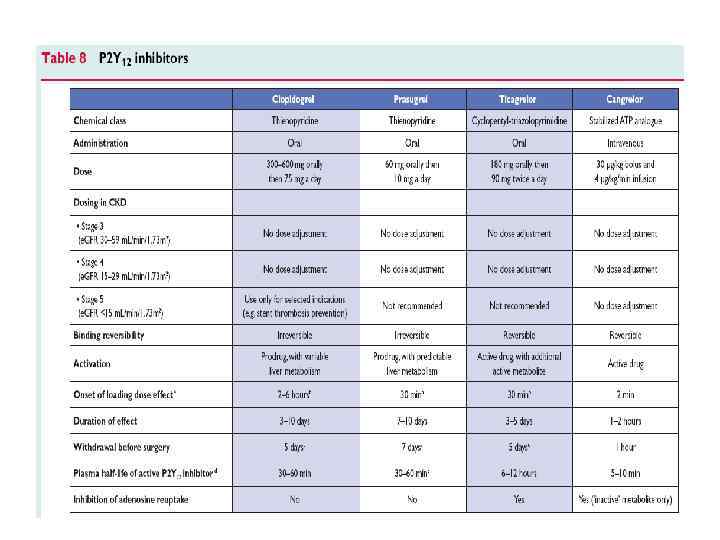
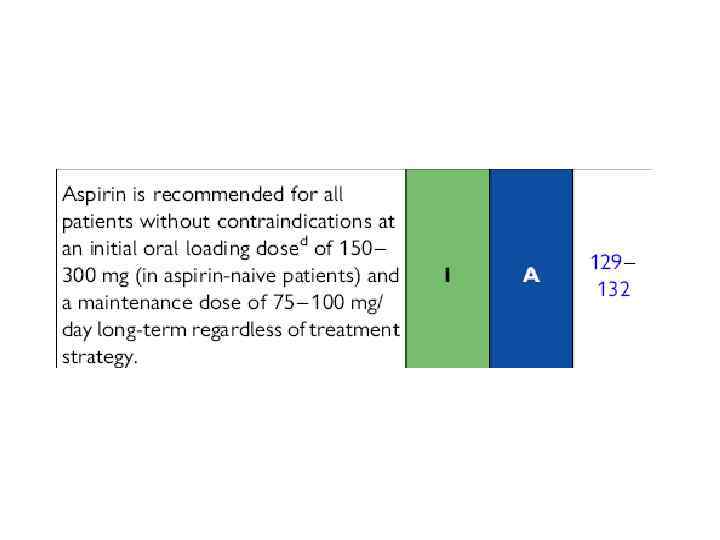
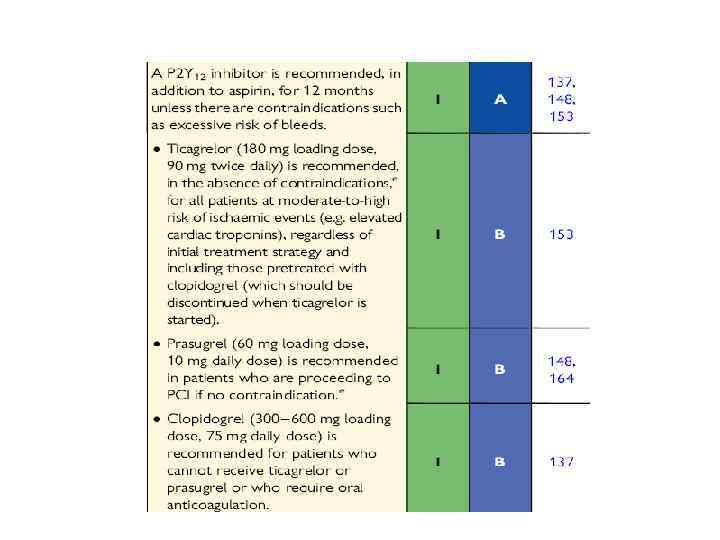
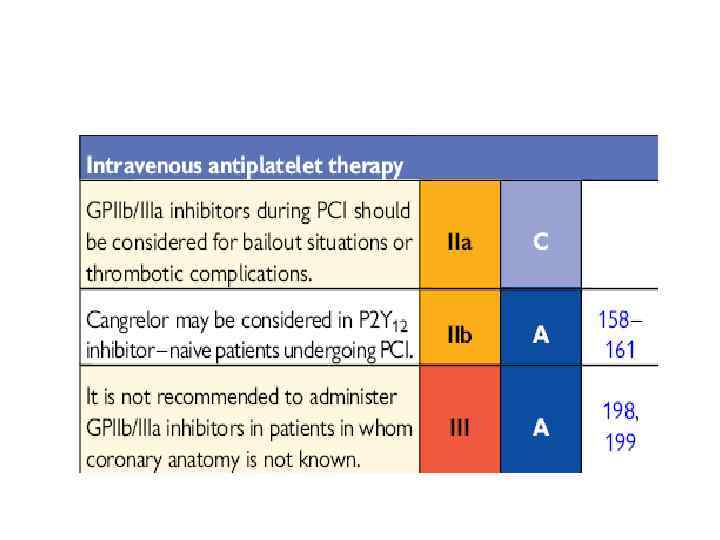
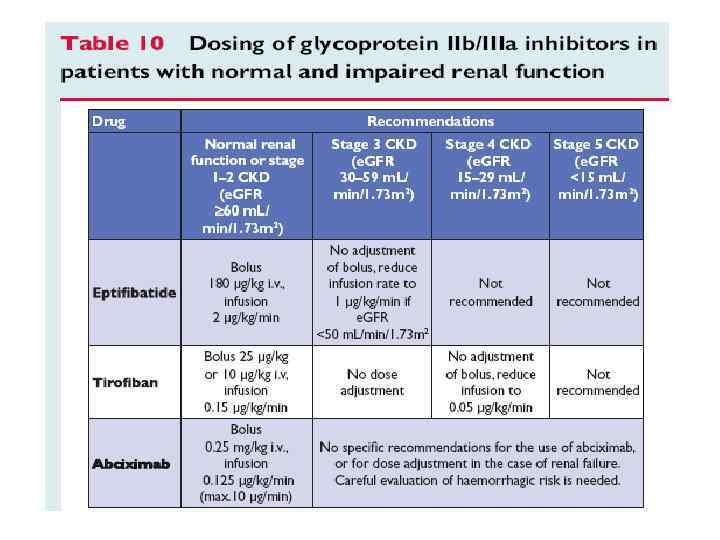
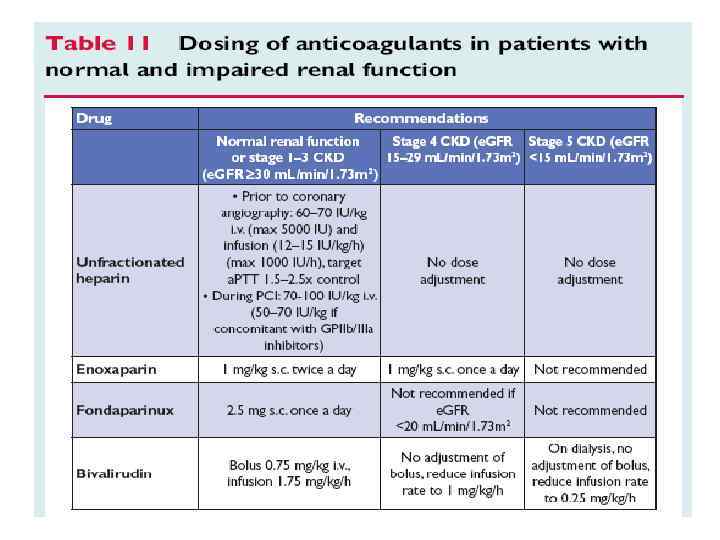
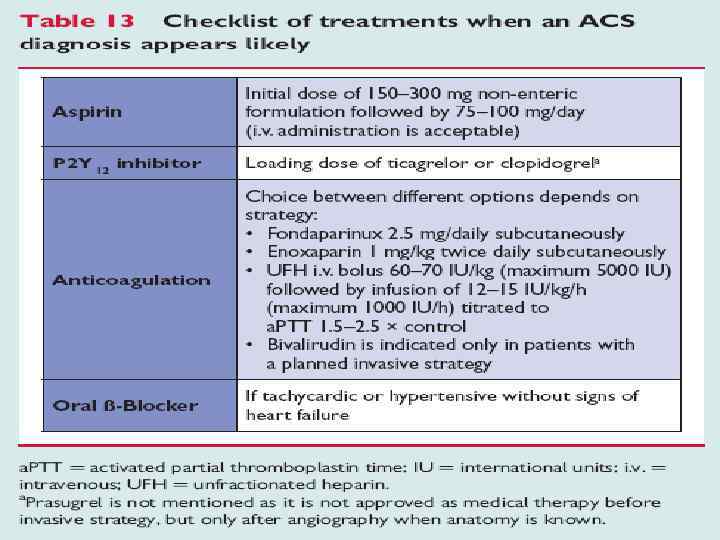
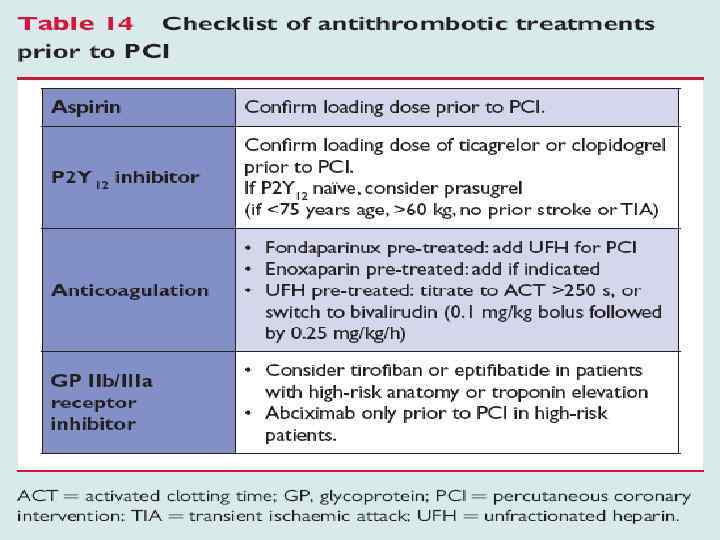
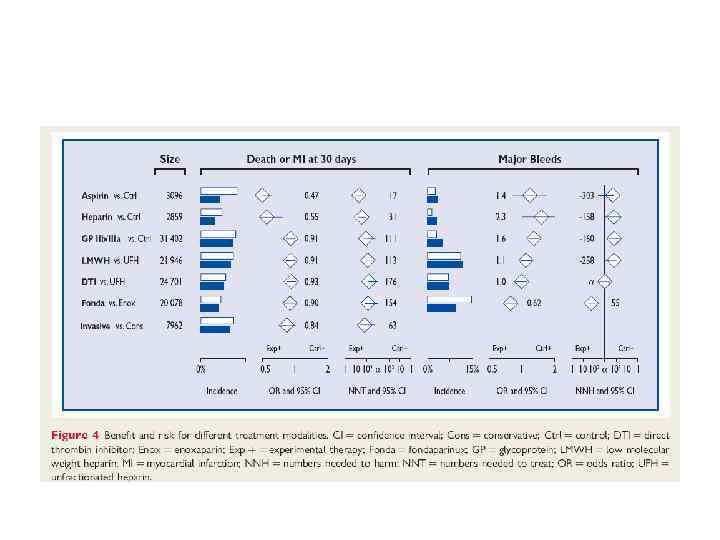
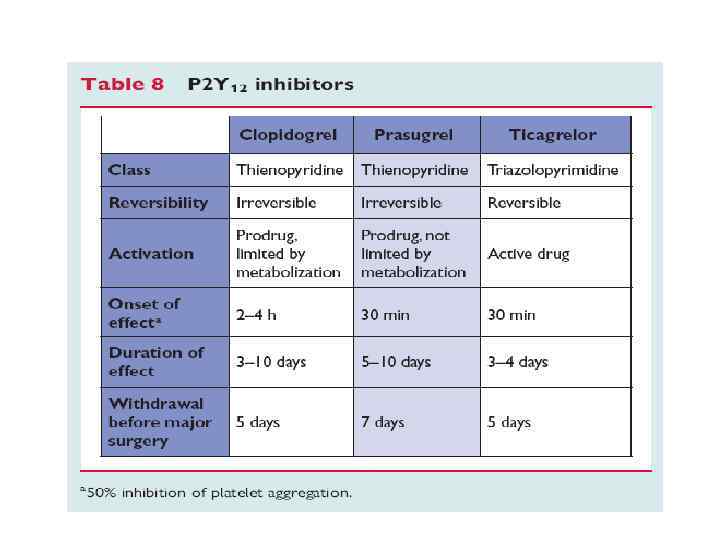
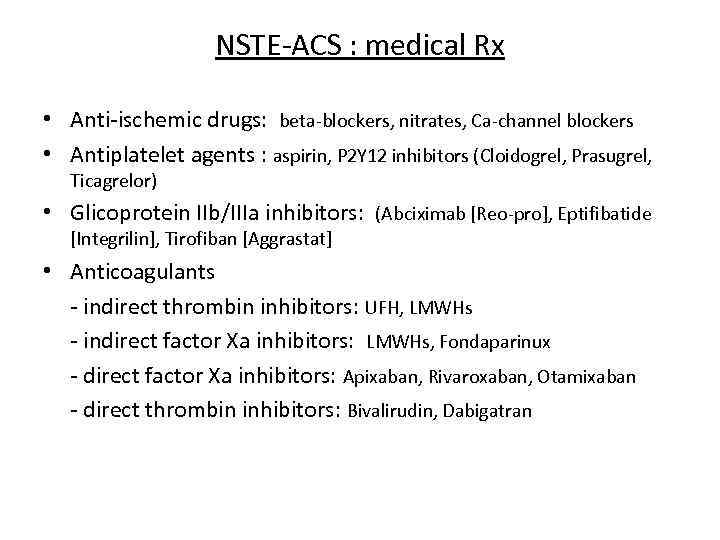 NSTE-ACS : medical Rx • Anti-ischemic drugs: beta-blockers, nitrates, Ca-channel blockers • Antiplatelet agents : aspirin, P 2 Y 12 inhibitors (Cloidogrel, Prasugrel, Ticagrelor) • Glicoprotein IIb/IIIa inhibitors: (Abciximab [Reo-pro], Eptifibatide [Integrilin], Tirofiban [Aggrastat] • Anticoagulants - indirect thrombin inhibitors: UFH, LMWHs - indirect factor Xa inhibitors: LMWHs, Fondaparinux - direct factor Xa inhibitors: Apixaban, Rivaroxaban, Otamixaban - direct thrombin inhibitors: Bivalirudin, Dabigatran
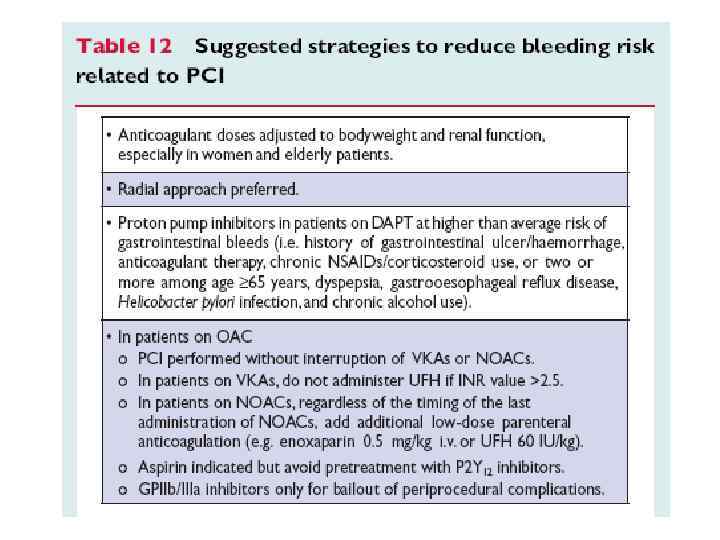
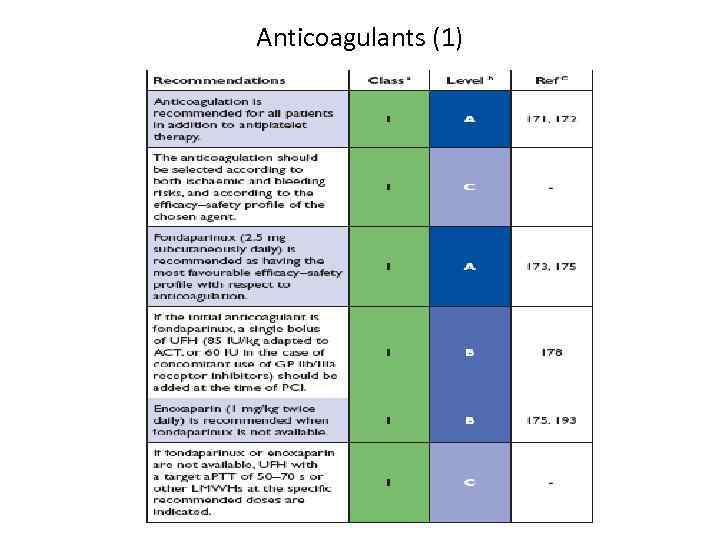 Anticoagulants (1)
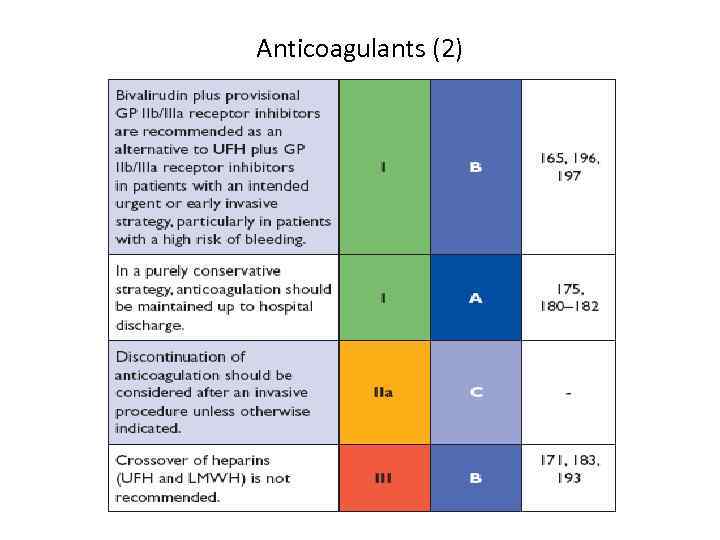 Anticoagulants (2)
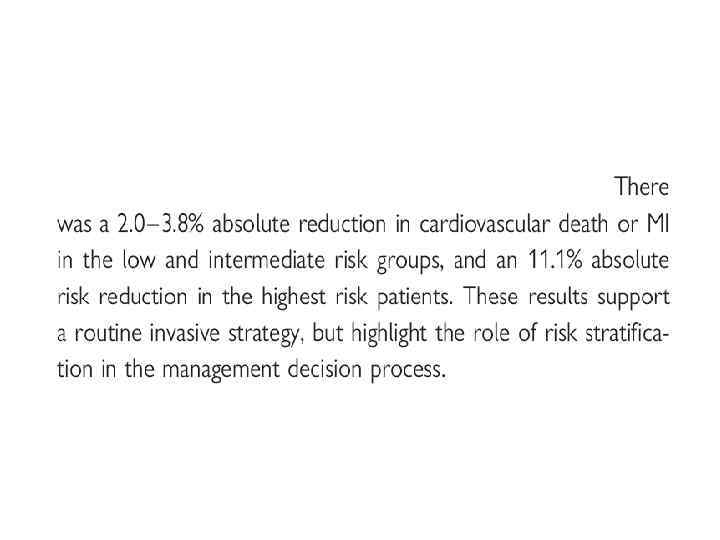
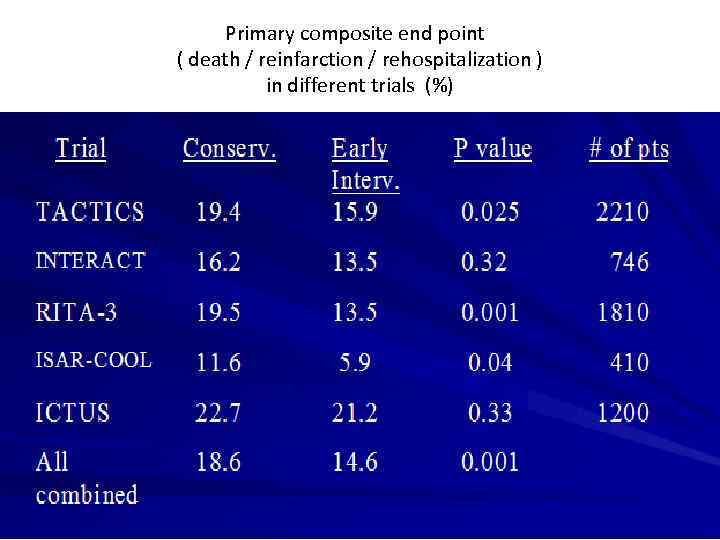 Primary composite end point ( death / reinfarction / rehospitalization ) in different trials (%)
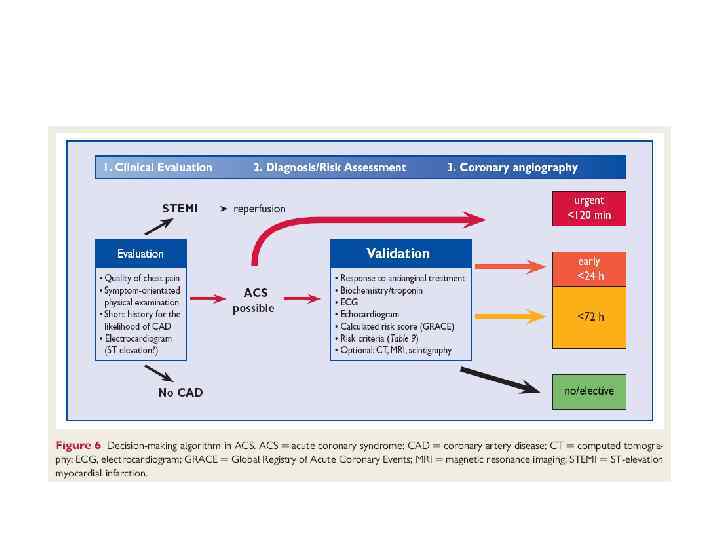
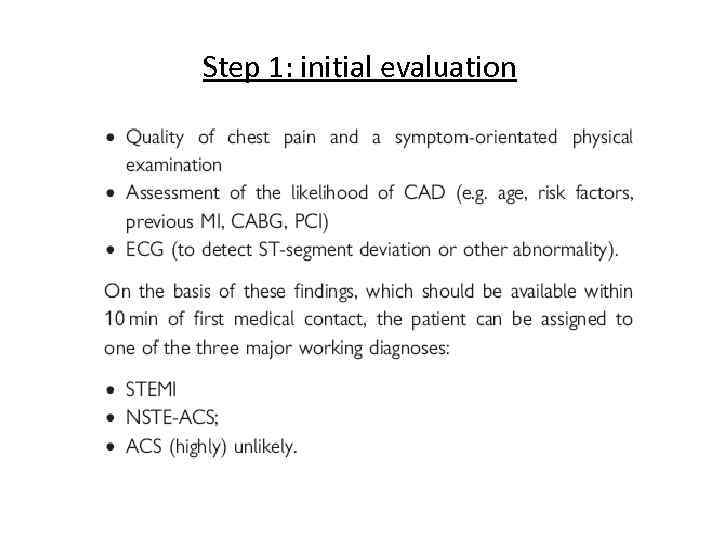 Step 1: initial evaluation
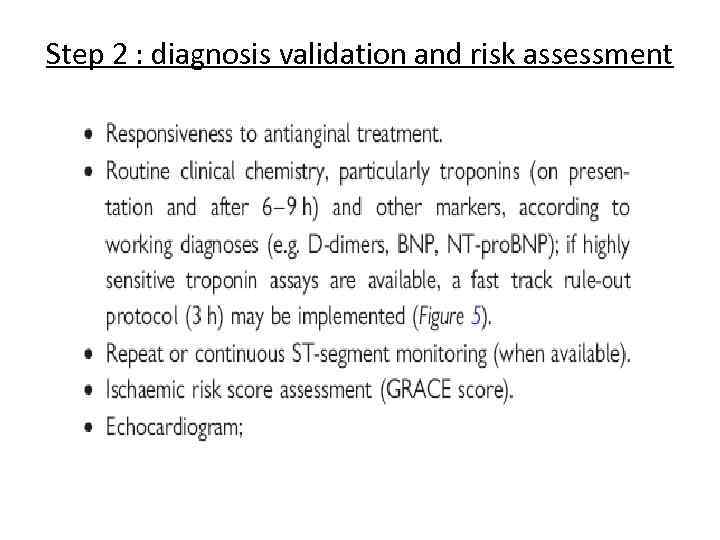 Step 2 : diagnosis validation and risk assessment
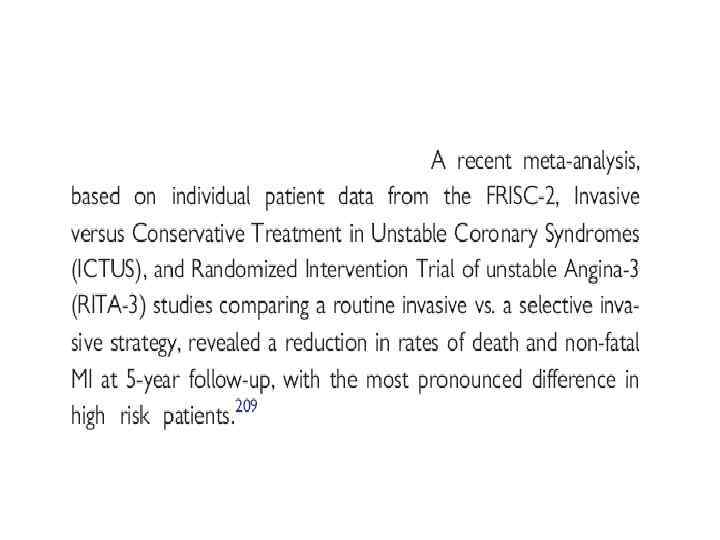
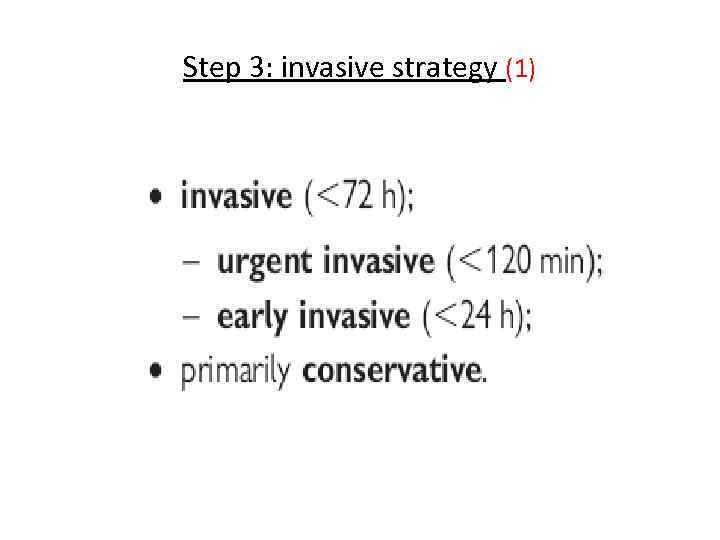 Step 3: invasive strategy (1)
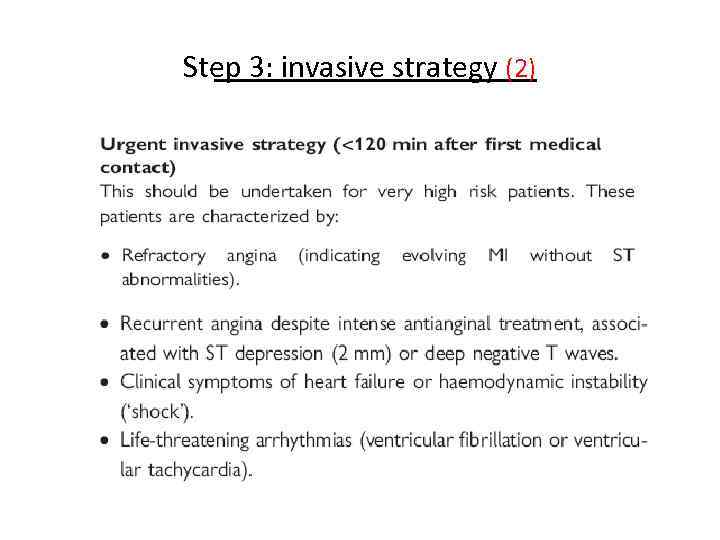 Step 3: invasive strategy (2)
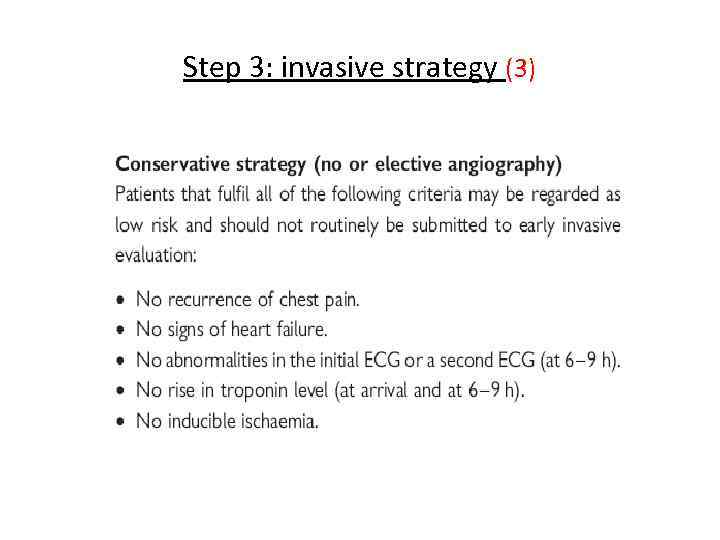 Step 3: invasive strategy (3)
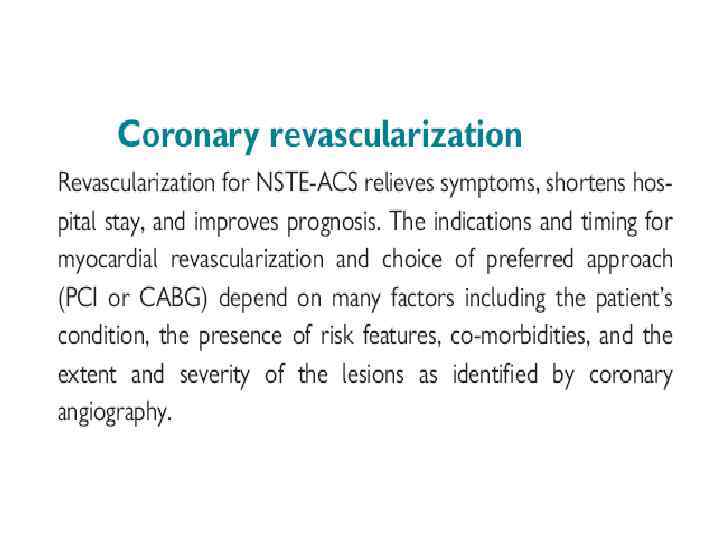
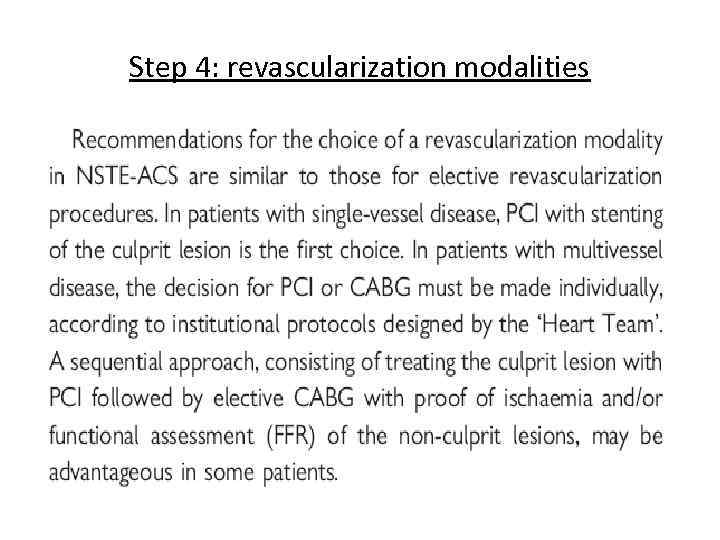 Step 4: revascularization modalities
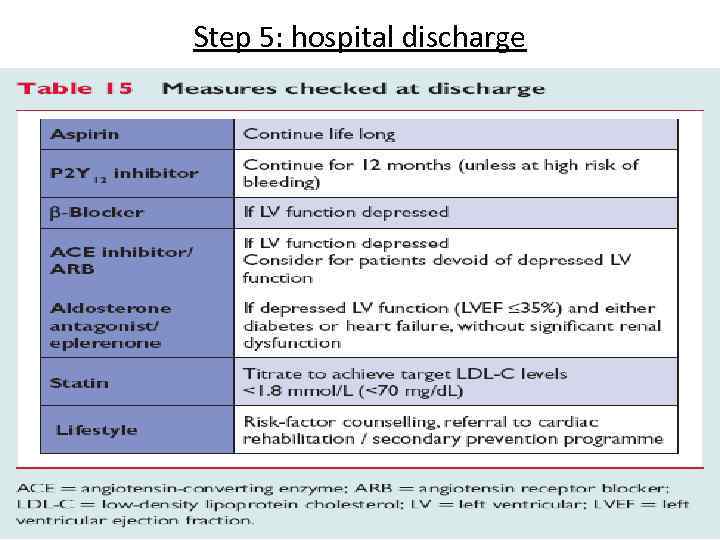 Step 5: hospital discharge
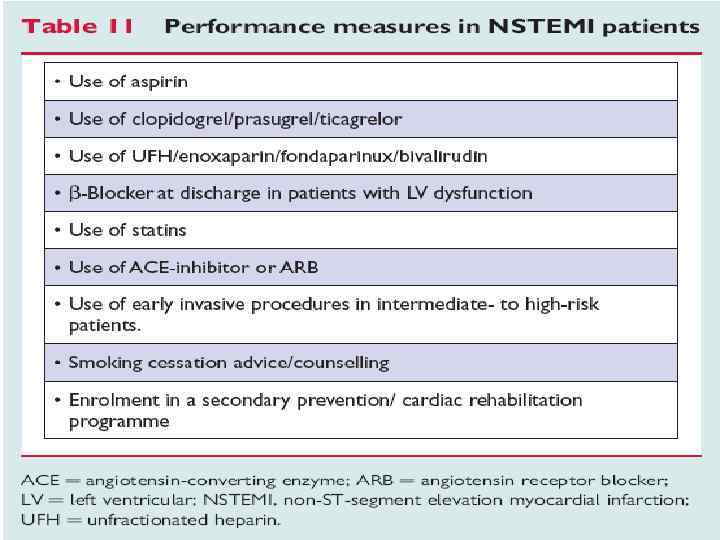
 Thank you 4 attention
 Backup slides
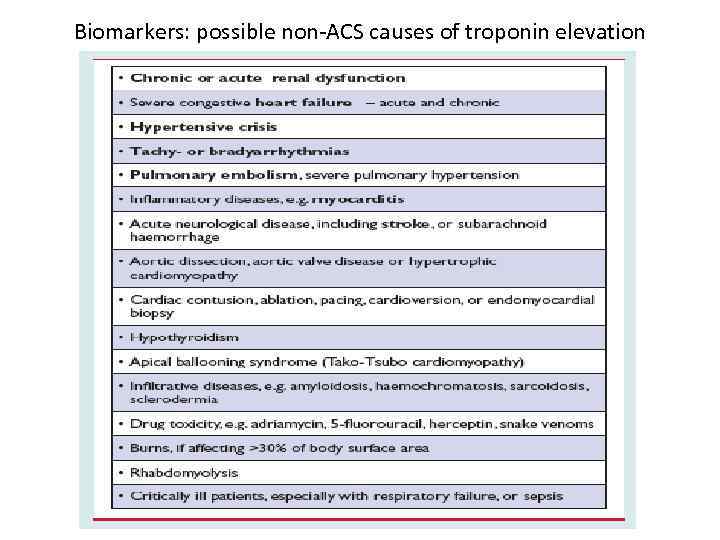 Biomarkers: possible non-ACS causes of troponin elevation
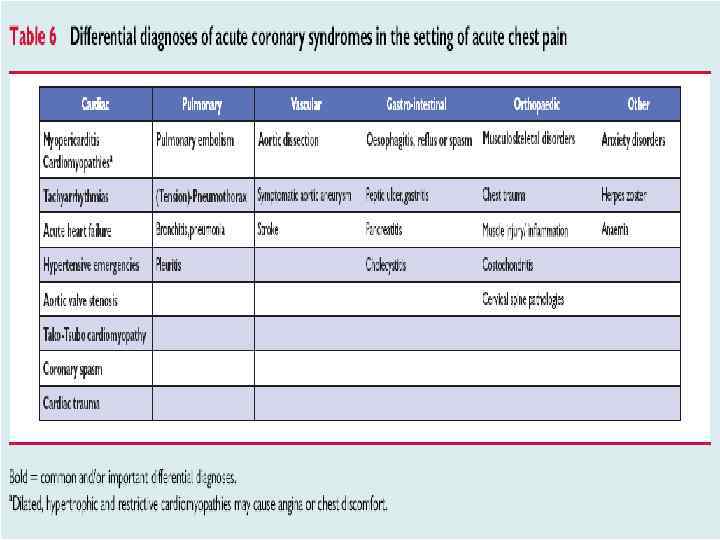
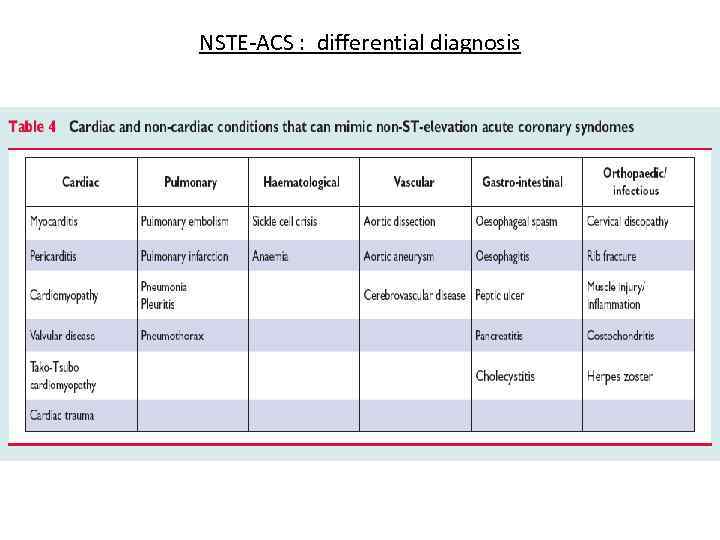 NSTE-ACS : differential diagnosis
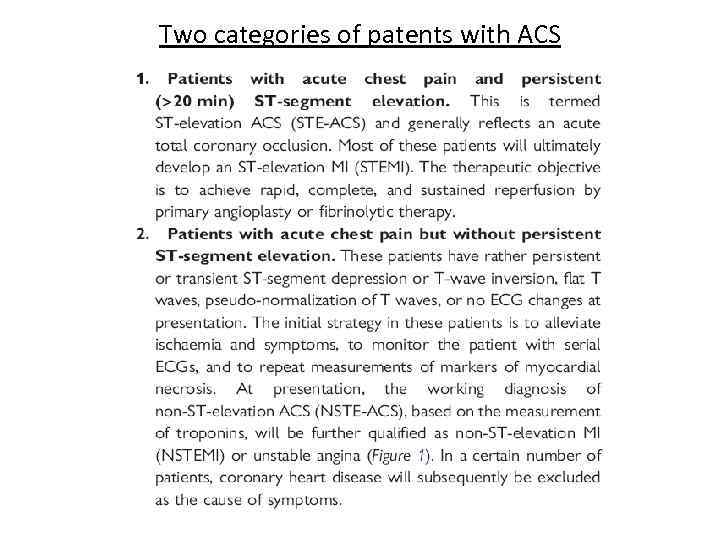 Two categories of patents with ACS
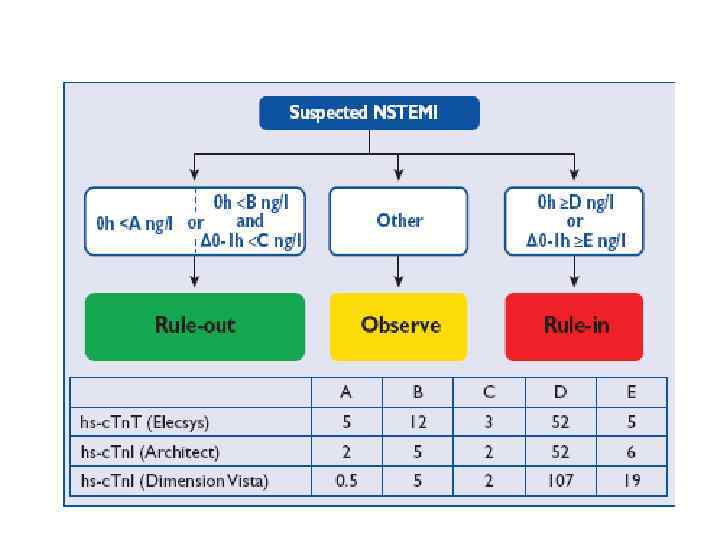
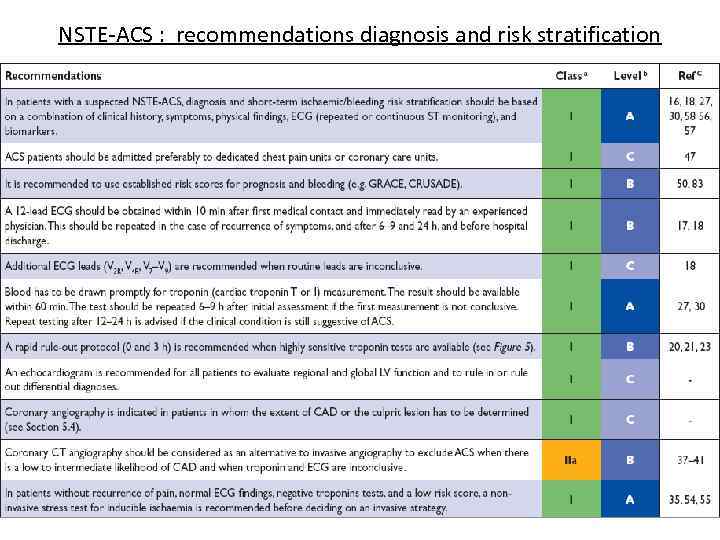 NSTE-ACS : recommendations diagnosis and risk stratification
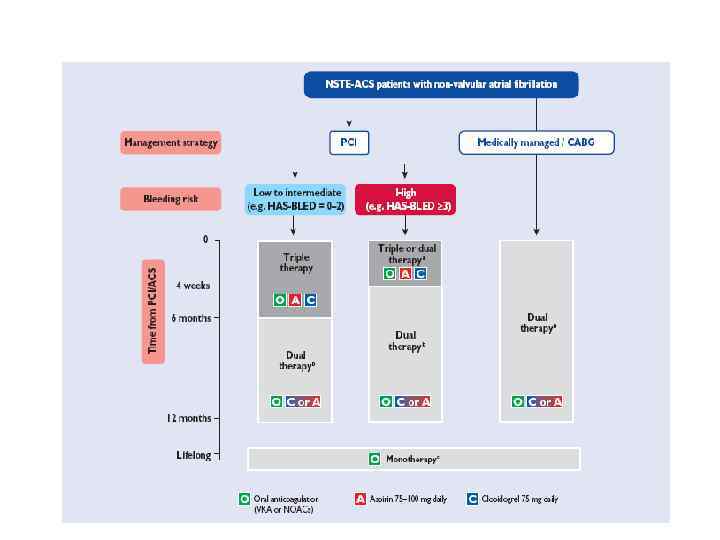
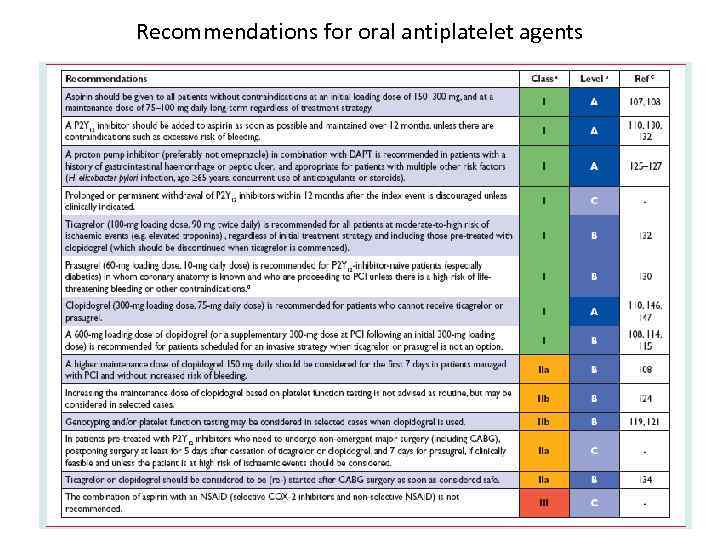 Recommendations for oral antiplatelet agents
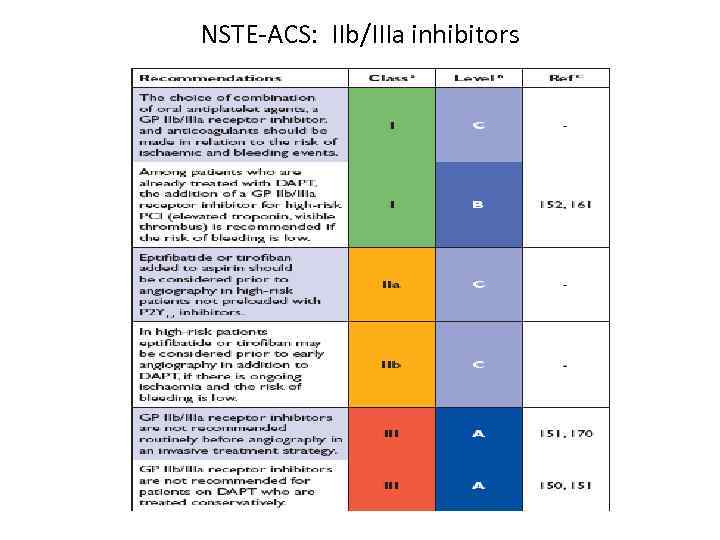 NSTE-ACS: IIb/IIIa inhibitors
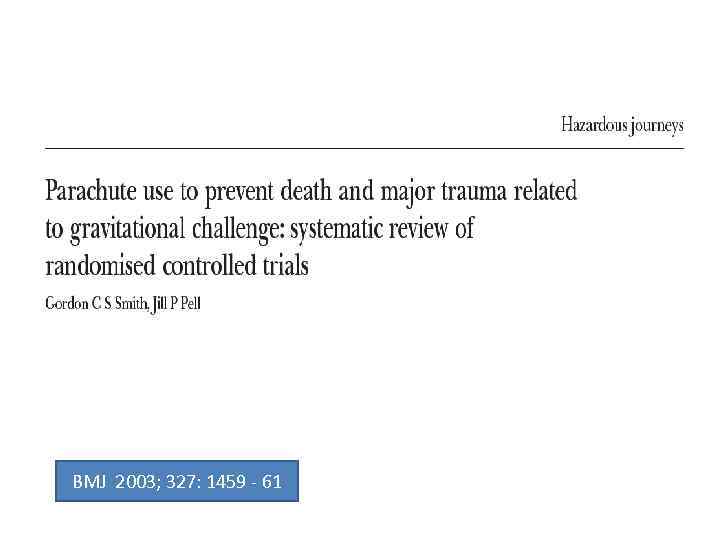 BMJ 2003; 327: 1459 - 61