 Скачать презентацию NSLW Conference Sustainable Local Food Systems Best Practices
a334af6a9e4ede84d18a9aa88ce15a59.ppt
- Количество слайдов: 19



NSLW Conference Sustainable Local Food Systems: Best Practices Andrew Jameton College of Public Health, UNMC City Sprouts December 11, 2008
Outline: Local Food Systems • • Plusses & Minuses Climate Change as Reason Food outlets & distribution Production models Starting a community garden Associated businesses Misc local information and sources
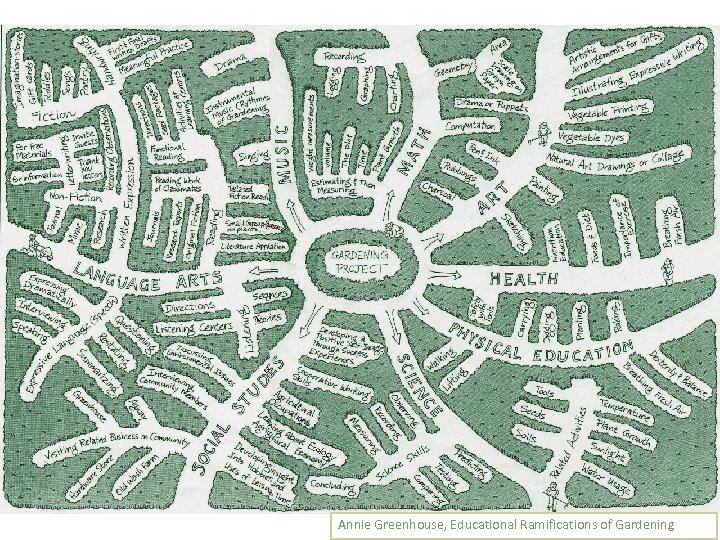
Annie Greenhouse, Educational Ramifications of Gardening
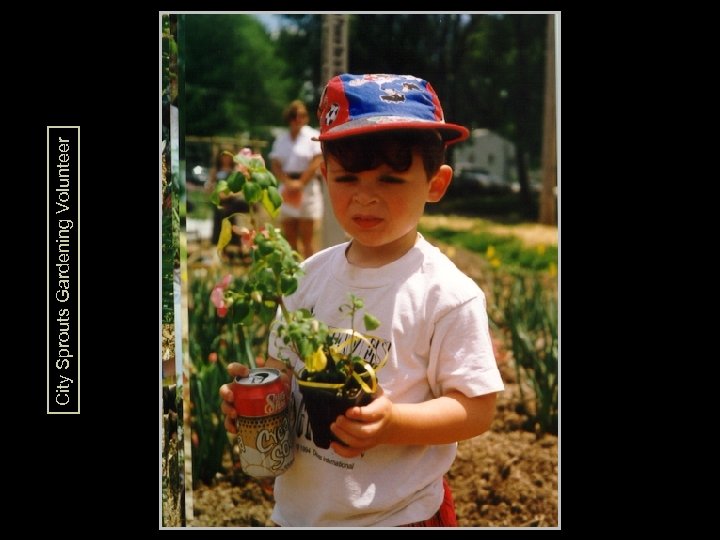
City Sprouts Gardening Volunteer City Sprouts Flower Boy
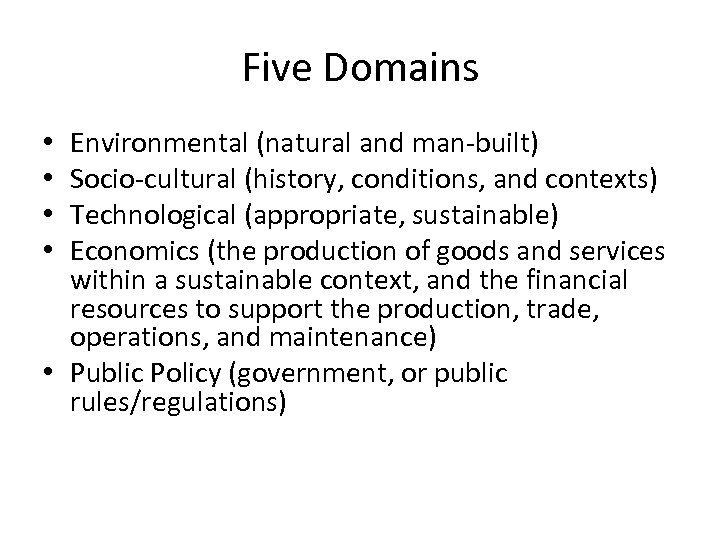
Five Domains Environmental (natural and man-built) Socio-cultural (history, conditions, and contexts) Technological (appropriate, sustainable) Economics (the production of goods and services within a sustainable context, and the financial resources to support the production, trade, operations, and maintenance) • Public Policy (government, or public rules/regulations) • •
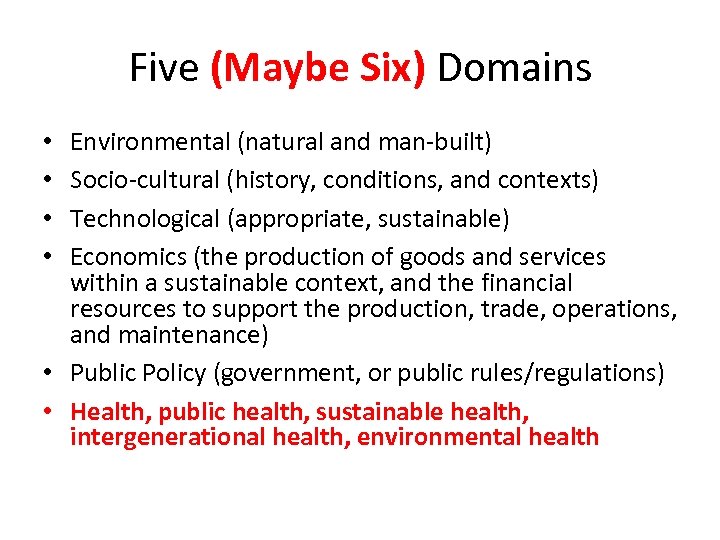
Five (Maybe Six) Domains Environmental (natural and man-built) Socio-cultural (history, conditions, and contexts) Technological (appropriate, sustainable) Economics (the production of goods and services within a sustainable context, and the financial resources to support the production, trade, operations, and maintenance) • Public Policy (government, or public rules/regulations) • Health, public health, sustainable health, intergenerational health, environmental health • •
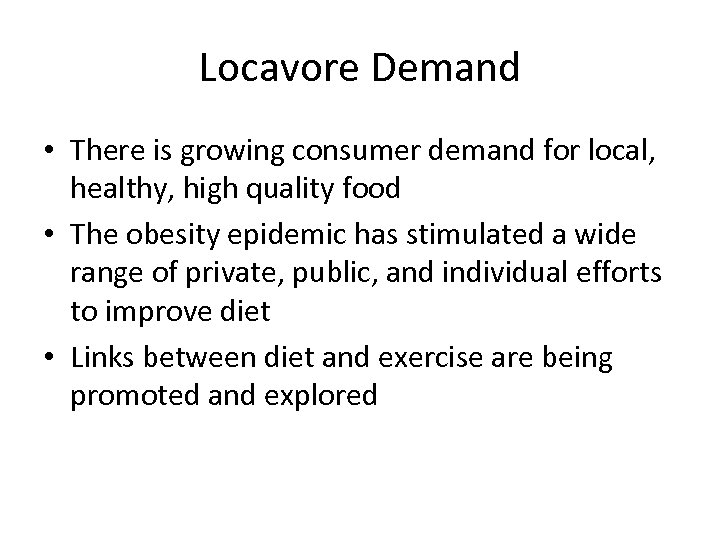
Locavore Demand • There is growing consumer demand for local, healthy, high quality food • The obesity epidemic has stimulated a wide range of private, public, and individual efforts to improve diet • Links between diet and exercise are being promoted and explored
Bottom Line • There are many viable inner-city, local, community and urban agriculture projects all over the United States. • There are many reliable and informed sources available on starting and managing such projects. • There also exists a wide variety of reports on the relationships of agriculture to environmental preservation and climate change. • Preserving health through diet and exercise is a key theme of these enterprises, although sustaining community, justice, and micro-economics are also important themes. • Although expanding, such projects have so far only displaced a small percentage of more industrial, commercial, food intake.
Plusses • Integrated approach (therefore, efficient) • Freshness (but, frozen can be fresher than stored local) • Energy and material conservation (storage, packaging, freezing) • Composting harbors atmospheric carbon • Healthiness of food (selection, psychological satisfaction) • Improved control, “Food Security” • Community projects, empowerment, neighborhoods • Small business • Link with exercise • Science, agriculture, cooking, and dietary education
Minuses More of the same? Not necessarily organic Note necessarily safe: Leaded soil Grains need wide area Meat (rabbits, chickens) highly regulated; have risks • Theft • Instability of community projects • • •
Climate Change as Reason • General agricultural impacts: – Loss of agricultural land – Changes in water patterns, especially drying, desertification – Loss of economic prosperity in affected areas • Migration – Instability, food insecurity – Agricultural, gardening, and food preparation skills
Food Outlets & Distribution • • • Farmers Markets Restaurants Whole Foods Front yards Churches At the garden “Consignment” shops Trucks Food banks WIC Program, Food Stamps
Production Models • Personal use • Personal and neighbor use • Schools, Churches, Neighborhoods – “Every child should have the experience of eating something he or she has grown from seed. ” • • CSAs (Community Supported Agriculture) “Truck gardens” “Victory gardens” Edge farms (for larger growing areas)
Starting a Community Garden • A champion • Acquiring land (buying, renting, donations, land trust), sunny, flat, clean, accessible • Water, rainwater, gray water, city water, neighbor water • Soil amendments, mulching, composting • Plowing • Tools, Safe storage area • Fencing, signage • Community events, ceremonies, dinners • Educational program • Insurance, 501 c 3, incorporation, business plan, naming, gardening policies, community outreach
Associated Businesses • Breeding for local growing / seed saving • Greenhousing, sprouting, potting • Composting, mulches – Organic sources? • The food truck • Value added projects • Urban animal husbandry
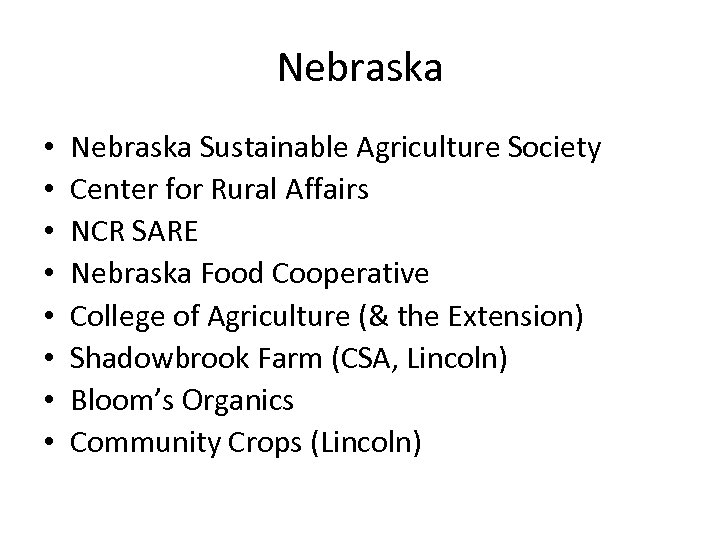
Nebraska • • Nebraska Sustainable Agriculture Society Center for Rural Affairs NCR SARE Nebraska Food Cooperative College of Agriculture (& the Extension) Shadowbrook Farm (CSA, Lincoln) Bloom’s Organics Community Crops (Lincoln)
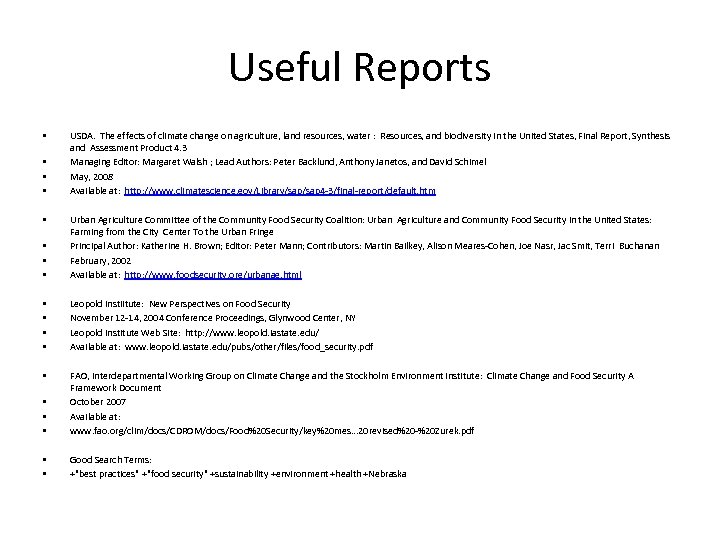
Useful Reports • • USDA. The effects of climate change on agriculture, land resources, water : Resources, and biodiversity in the United States, Final Report, Synthesis and Assessment Product 4. 3 Managing Editor: Margaret Walsh ; Lead Authors: Peter Backlund, Anthony Janetos, and David Schimel May, 2008 Available at: http: //www. climatescience. gov/Library/sap 4 -3/final-report/default. htm • • • Urban Agriculture Committee of the Community Food Security Coalition: Urban Agriculture and Community Food Security in the United States: Farming from the City Center To the Urban Fringe Principal Author: Katherine H. Brown; Editor: Peter Mann; Contributors: Martin Bailkey, Alison Meares-Cohen, Joe Nasr, Jac Smit, Terri Buchanan February, 2002 Available at: http: //www. foodsecurity. org/urbanag. html • • Leopold Instiitute: New Perspectives on Food Security November 12 -14, 2004 Conference Proceedings, Glynwood Center, NY Leopold Institute Web Site: http: //www. leopold. iastate. edu/ Available at: www. leopold. iastate. edu/pubs/other/files/food_security. pdf • • FAO, Interdepartmental Working Group on Climate Change and the Stockholm Environment Institute: Climate Change and Food Security A Framework Document October 2007 Available at: www. fao. org/clim/docs/CDROM/docs/Food%20 Security/key%20 mes. . . 20 revised%20 -%20 Zurek. pdf • • Good Search Terms: +"best practices" +"food security" +sustainability +environment +health +Nebraska •

My Contact Information • Andrew Jameton – UNMC College of Public Health – 402 -559 -4680 – ajameton@unmc. edu • City Sprouts – www. omahasprouts. org – City Sprouts Director Kate Card, 402 -5902, citysprouts@omahasprouts. org – City Sprouts, PO Box 31593, Omaha, NE 68131 -0593
Скачать презентацию NSLW Conference Sustainable Local Food Systems Best Practices
a334af6a9e4ede84d18a9aa88ce15a59.ppt