 Скачать презентацию NRA Probationary Course Unit 8 The Rifle Sights
07428b4e134fb5a866397ed0b41bdc78.ppt
- Количество слайдов: 31



NRA Probationary Course Unit 8 The Rifle Sights Compiled by Dave Burton
NRA Probationary Course Unit 8 Introduces: Minutes of Angle Vernier Scales Elevation & Wind Settings Different types of sighting system
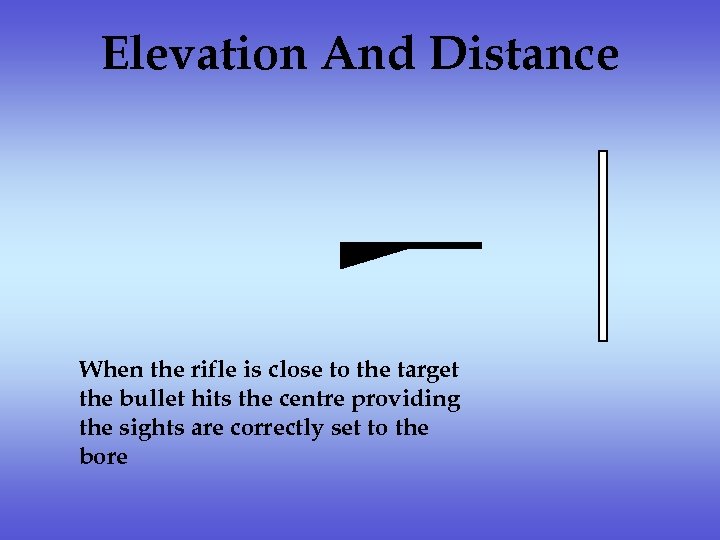
Elevation And Distance When the rifle is close to the target the bullet hits the centre providing the sights are correctly set to the bore
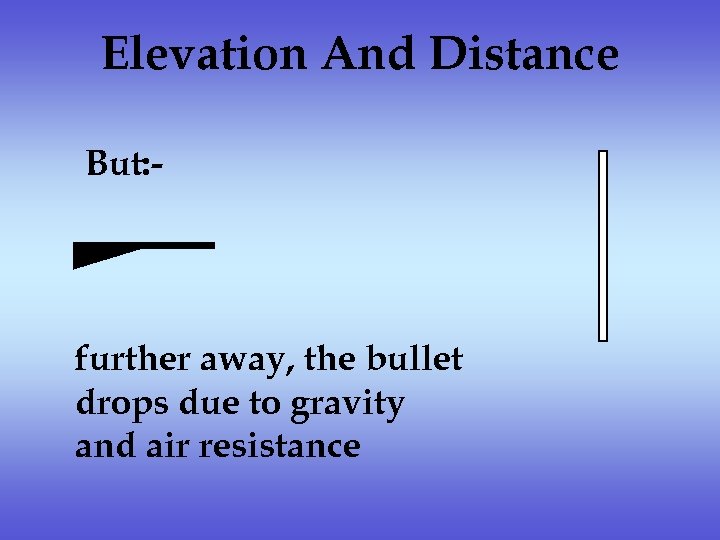
Elevation And Distance But: - further away, the bullet drops due to gravity and air resistance
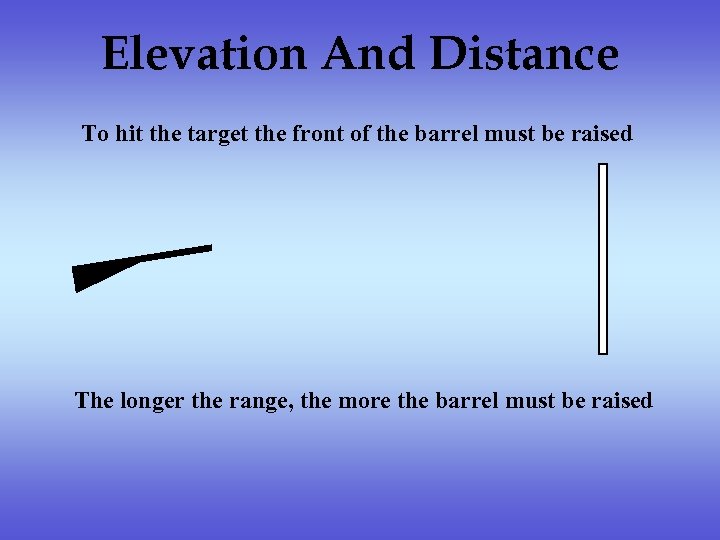
Elevation And Distance To hit the target the front of the barrel must be raised The longer the range, the more the barrel must be raised
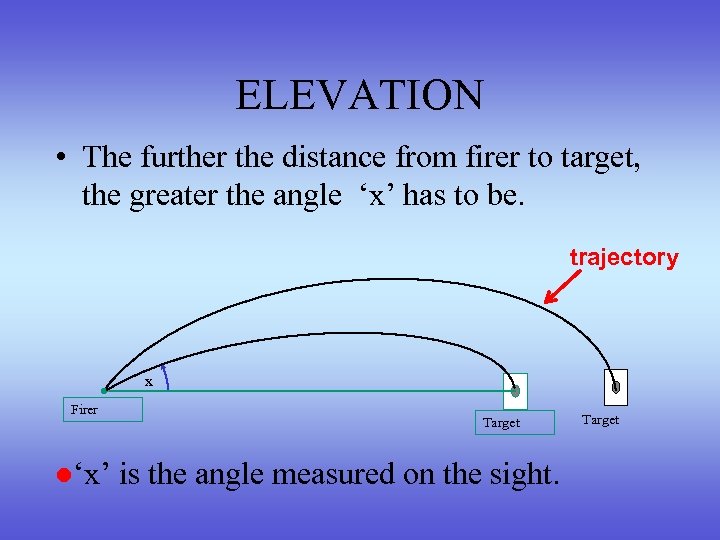
ELEVATION • The further the distance from firer to target, the greater the angle ‘x’ has to be. trajectory x Firer l‘x’ Target is the angle measured on the sight. Target
ELEVATION • Only a small change of angle is needed at the rifle end to make a big difference at the target end • The angle is measured in MINUTES of angle - (one minute is 1/60 of a degree) • At 100 yards, changing the sight by 1 minute, changes the fall of shot on the target by 1 inch
Minutes Of Angle A minute of angle is: The adjustment of the REARSIGHT that will cause the POINT OF IMPACT to move 1 Inch per 100 yards
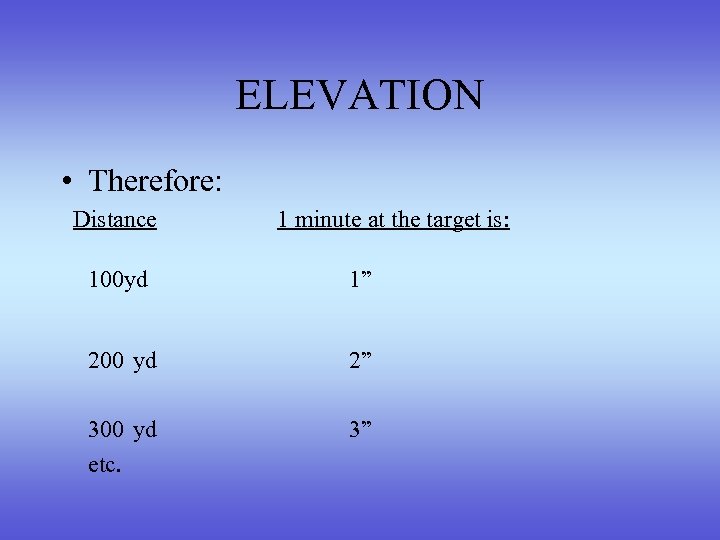
ELEVATION • Therefore: Distance 1 minute at the target is: 100 yd 1” 200 yd 2” 300 yd etc. 3”
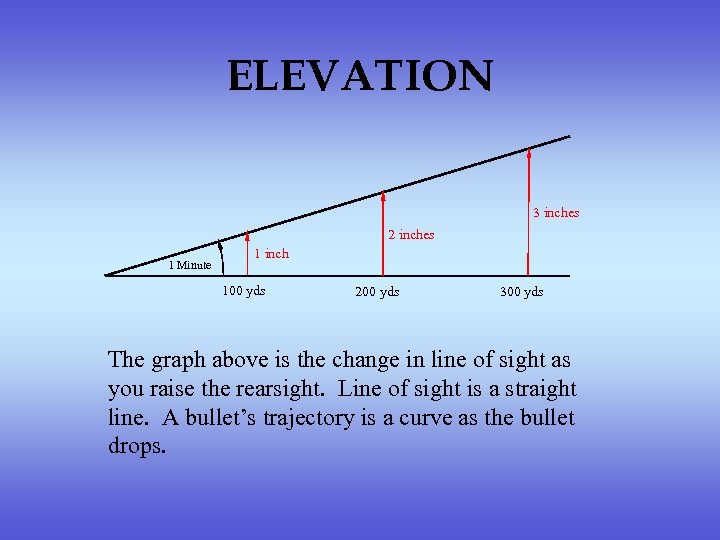
ELEVATION 3 inches 2 inches 1 Minute 1 inch 100 yds 200 yds 300 yds The graph above is the change in line of sight as you raise the rearsight. Line of sight is a straight line. A bullet’s trajectory is a curve as the bullet drops.
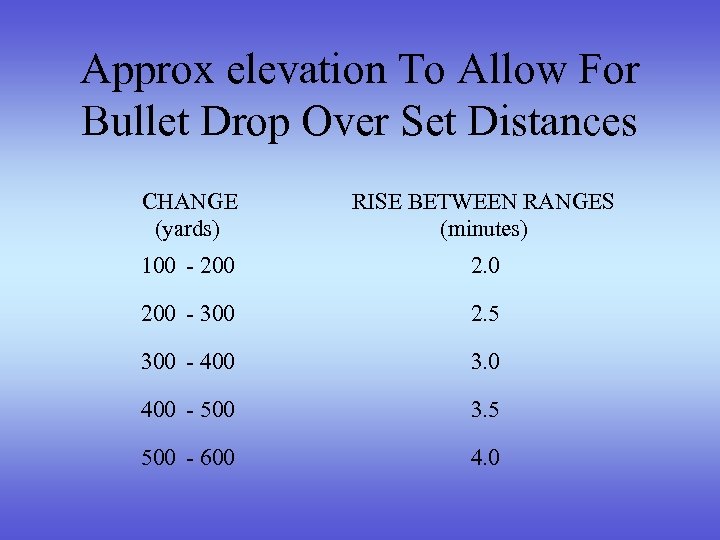
Approx elevation To Allow For Bullet Drop Over Set Distances CHANGE (yards) RISE BETWEEN RANGES (minutes) 100 - 200 2. 0 200 - 300 2. 5 300 - 400 3. 0 400 - 500 3. 5 500 - 600 4. 0
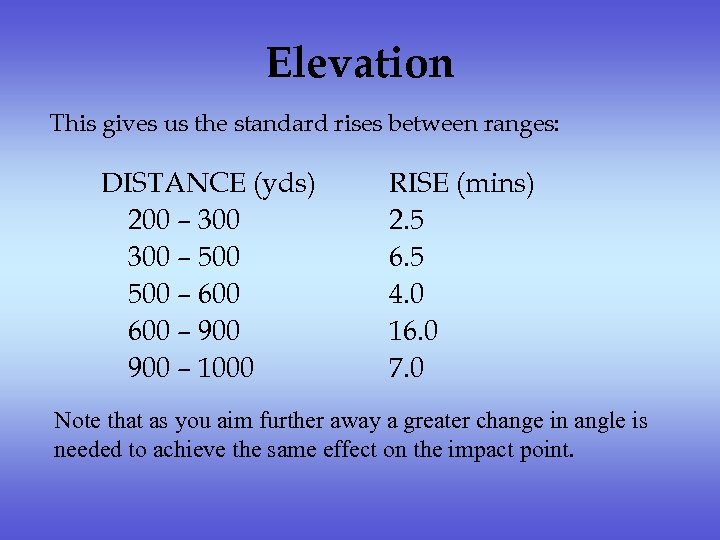
Elevation This gives us the standard rises between ranges: DISTANCE (yds) 200 – 300 – 500 – 600 – 900 – 1000 RISE (mins) 2. 5 6. 5 4. 0 16. 0 7. 0 Note that as you aim further away a greater change in angle is needed to achieve the same effect on the impact point.
Standard Elevation Table for 7. 62 mm
The Elevation Vernier
Elevation Vernier Settings 40 40 20 5 0 0 0 40 5 20 0 0 1 5 20 0 0 4
The Elevation Vernier Set at 6 minutes of elevation
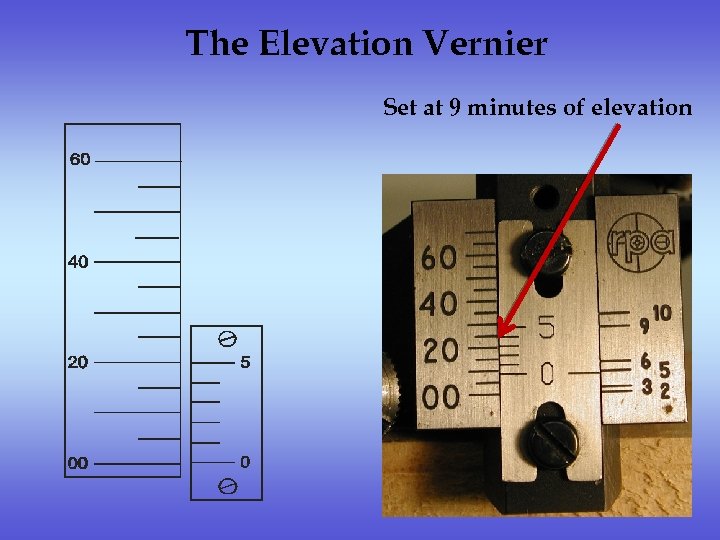
The Elevation Vernier Set at 9 minutes of elevation
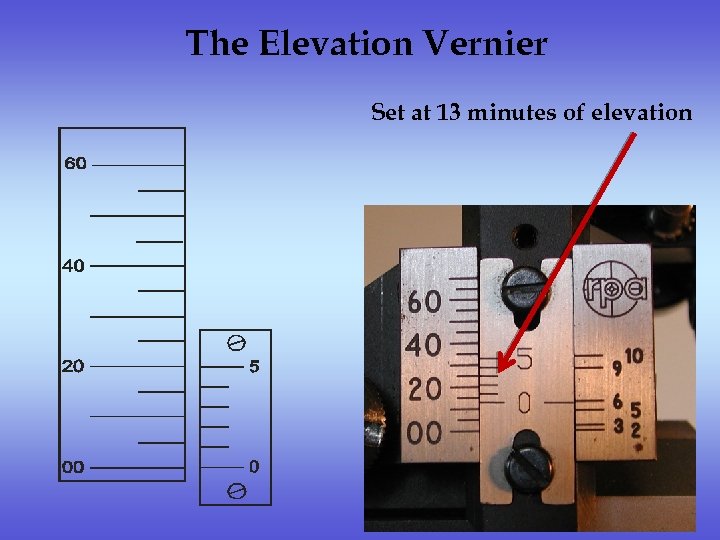
The Elevation Vernier Set at 13 minutes of elevation
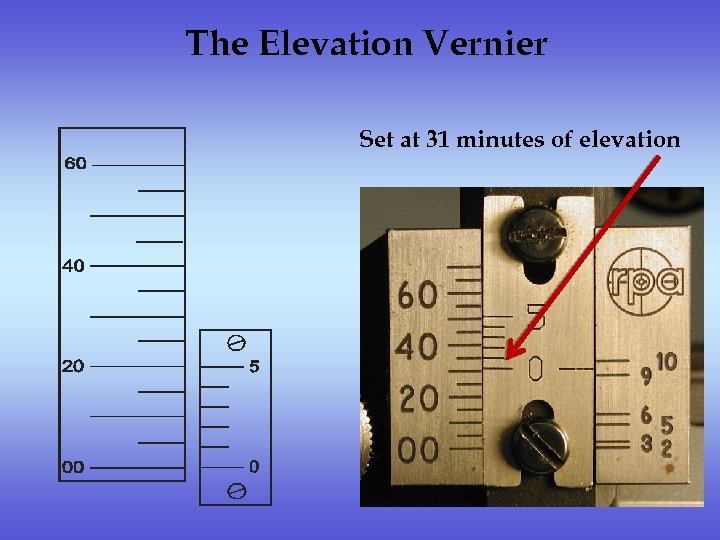
The Elevation Vernier Set at 31 minutes of elevation
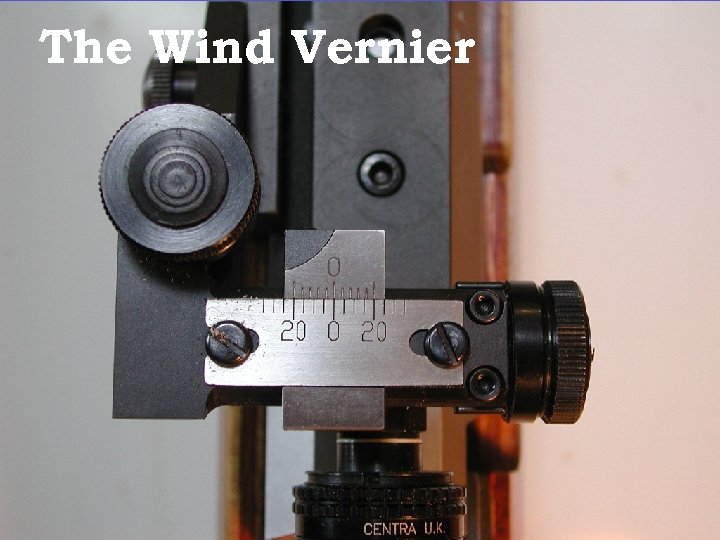
The Wind Vernier
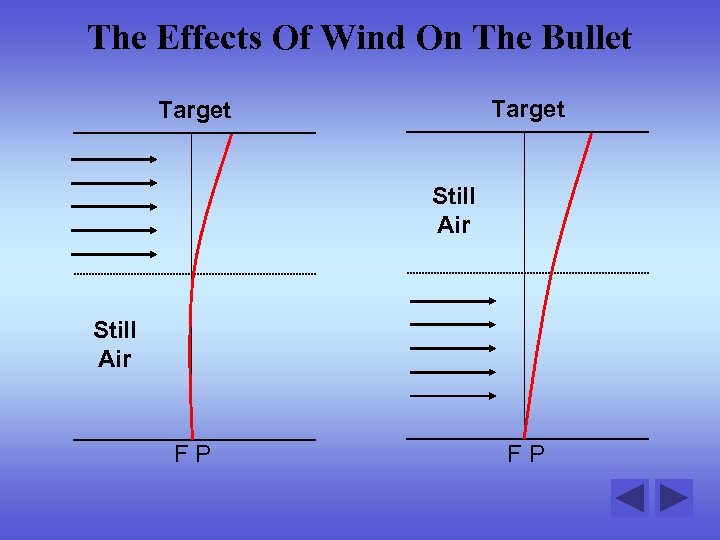
The Effects Of Wind On The Bullet Target Still Air FP FP
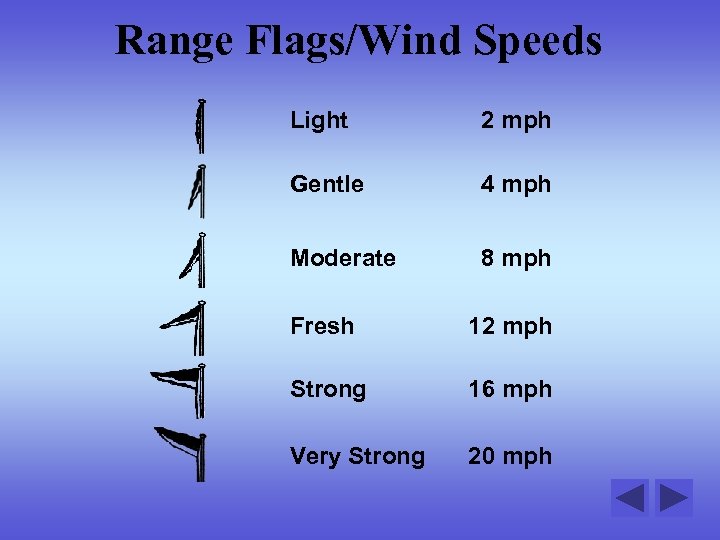
Range Flags/Wind Speeds Light 2 mph Gentle 4 mph Moderate 8 mph Fresh 12 mph Strong 16 mph Very Strong 20 mph
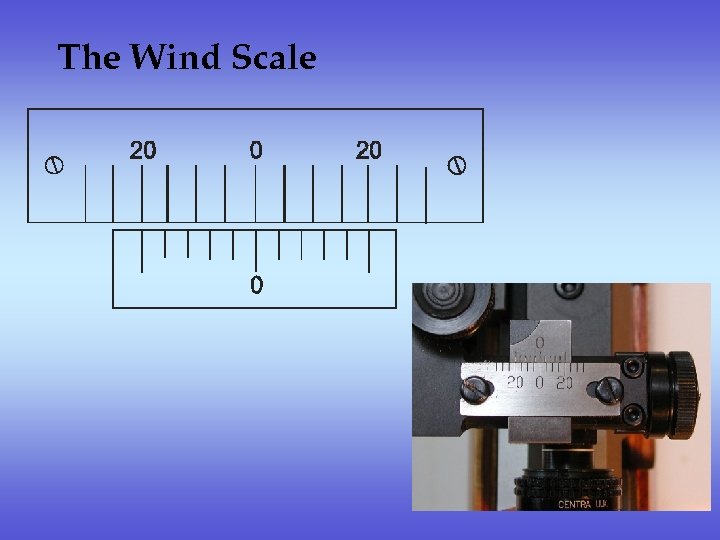
The Wind Scale
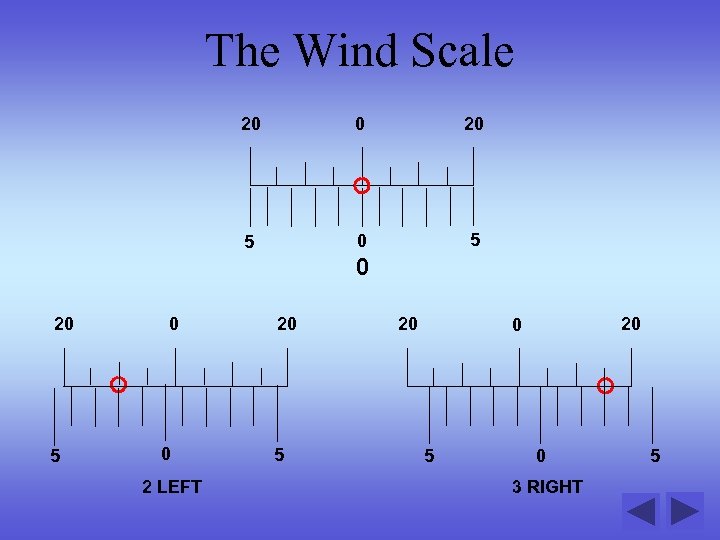
The Wind Scale 20 0 20 5 0 0 2 LEFT 20 5 20 20 0 5 0 3 RIGHT 5
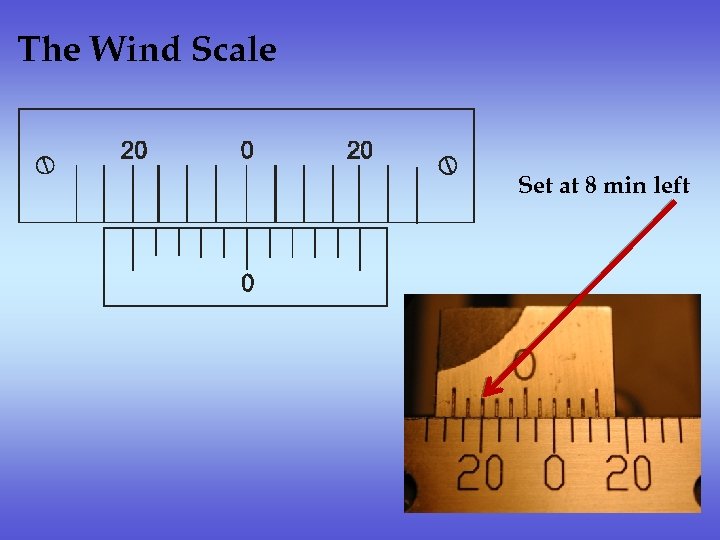
The Wind Scale Set at 8 min left
Sight Systems Different target shooting disciplines may involve different types of sights eg. • Telescopic sights (F and Match class) • Leaf sights (Older military rifles) • Buckhorn sights (Gallery rifles)
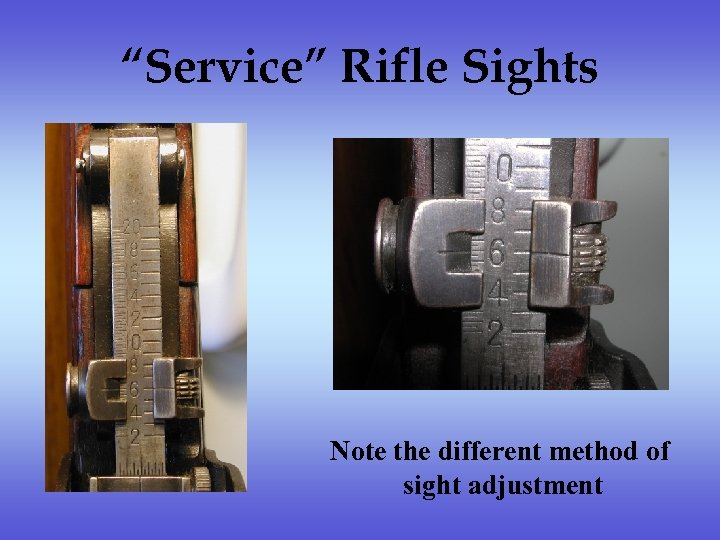
“Service” Rifle Sights Note the different method of sight adjustment
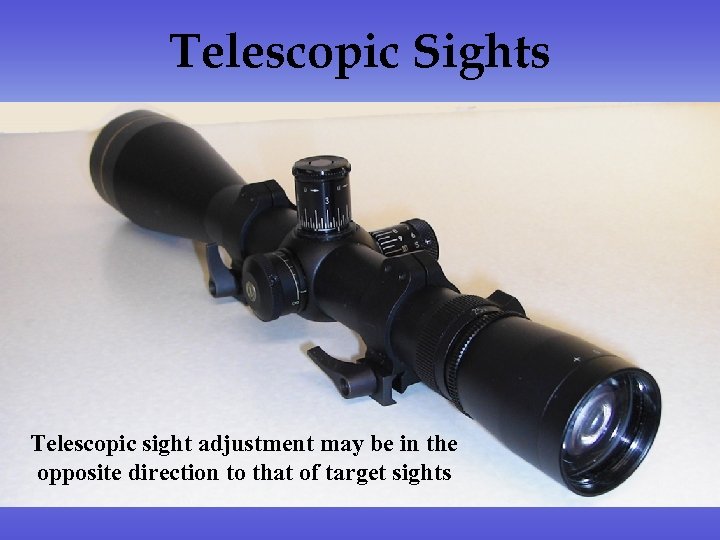
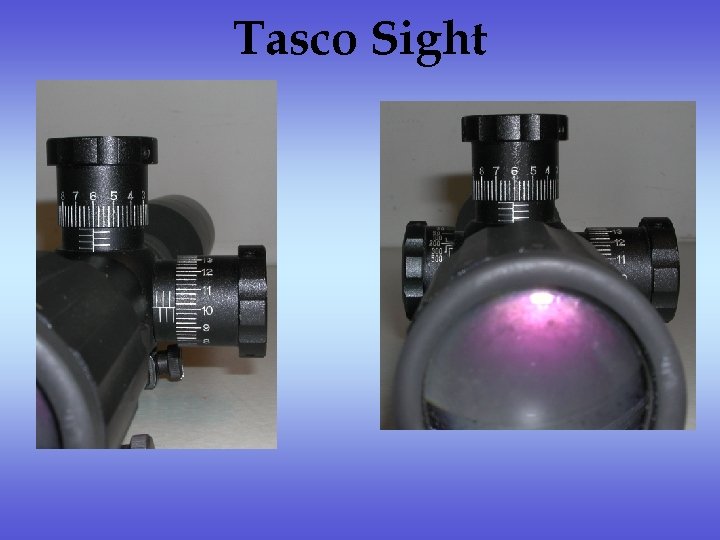
Telescopic Sights Telescopic sight adjustment may be in the opposite direction to that of target sights
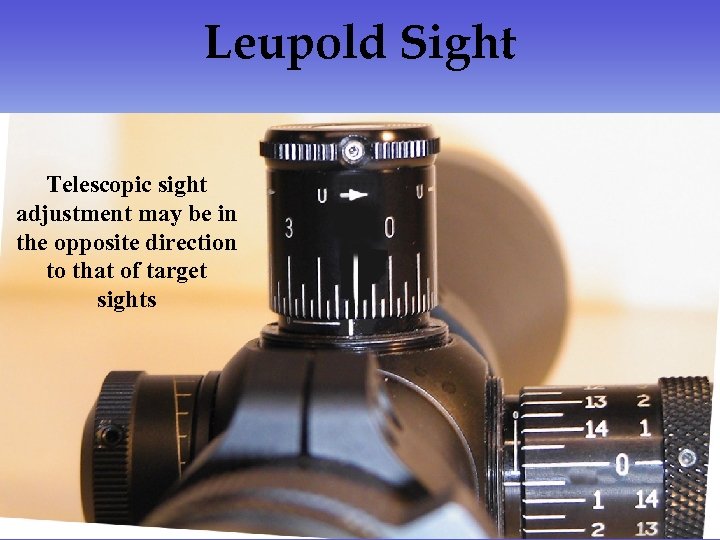
Leupold Sight Telescopic sight adjustment may be in the opposite direction to that of target sights
Tasco Sight
NRA Probationary Course Compiled by Dave Burton
Скачать презентацию NRA Probationary Course Unit 8 The Rifle Sights
07428b4e134fb5a866397ed0b41bdc78.ppt