Скачать презентацию Novel H 1 N 1 A Framework for
6a905984924dfa37b24ce20358199d2e.ppt
- Количество слайдов: 49
 Novel H 1 N 1: A Framework for Discussing Outbreaks in School Settings Matthew L. Cartter, MD, MPH Connecticut Department of Public Health July 22, 2009
 The best place for well children to be is in school.
 The best place for sick children to be is at home.
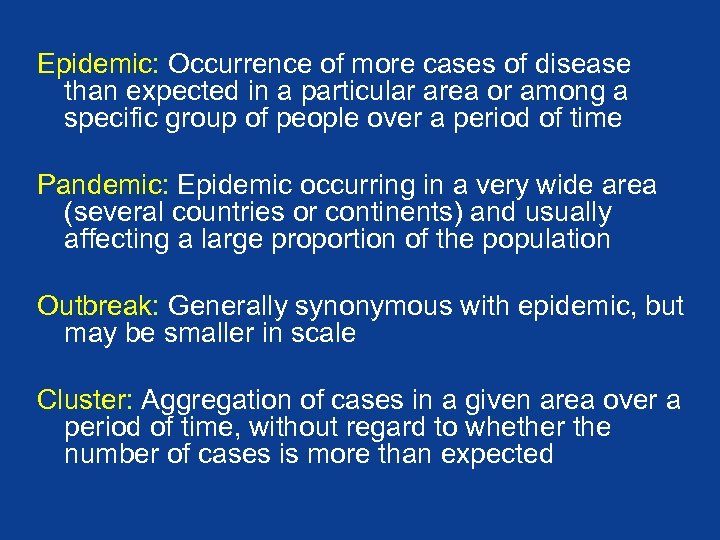 Epidemic: Occurrence of more cases of disease than expected in a particular area or among a specific group of people over a period of time Pandemic: Epidemic occurring in a very wide area (several countries or continents) and usually affecting a large proportion of the population Outbreak: Generally synonymous with epidemic, but may be smaller in scale Cluster: Aggregation of cases in a given area over a period of time, without regard to whether the number of cases is more than expected
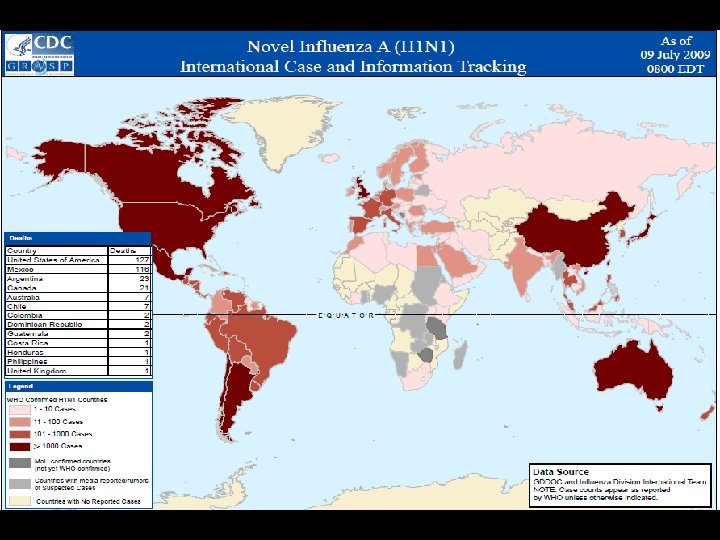
 International Map Pandemic H 1 N 1 – 10 JUL 2009 www. cdc. gov/H 1 N 1 flu
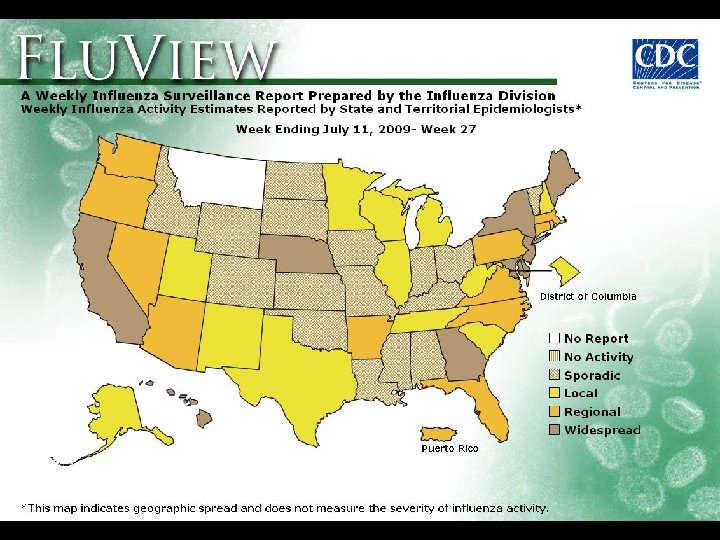
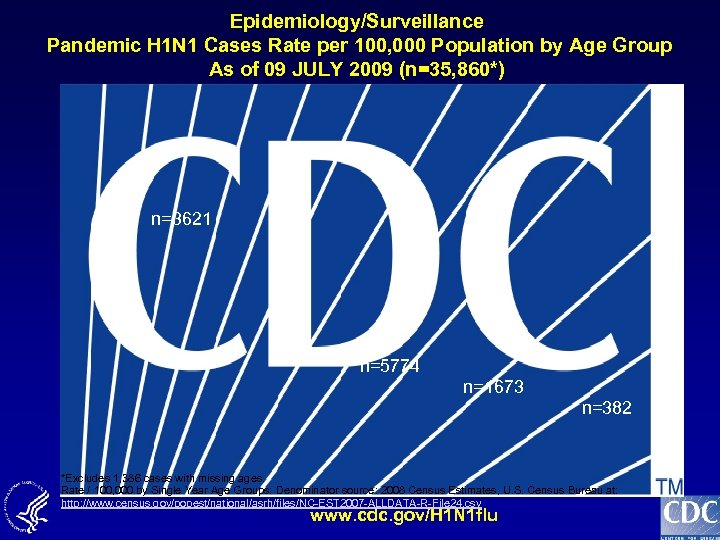 Epidemiology/Surveillance Pandemic H 1 N 1 Cases Rate per 100, 000 Population by Age Group As of 09 JULY 2009 (n=35, 860*) n=3621 n=5774 n=1673 n=382 *Excludes 1, 386 cases with missing ages. Rate / 100, 000 by Single Year Age Groups: Denominator source: 2008 Census Estimates, U. S. Census Bureau at: http: //www. census. gov/popest/national/asrh/files/NC-EST 2007 -ALLDATA-R-File 24. csv www. cdc. gov/H 1 N 1 flu
 Epidemiology/Surveillance Pandemic H 1 N 1 Hospitalization Rate per 100, 000 Population by Age Group (n=3, 779) as of 09 JULY 2009 *Hospitalizations with unknown ages are not included (n=353) *Rate / 100, 000 by Single Year Age Groups: Denominator source: 2008 Census Estimates, U. S. Census Bureau at: http: //www. census. gov/popest/national/asrh/files/NC-EST 2007 -ALLDATA-R-File 24. csv www. cdc. gov/H 1 N 1 flu
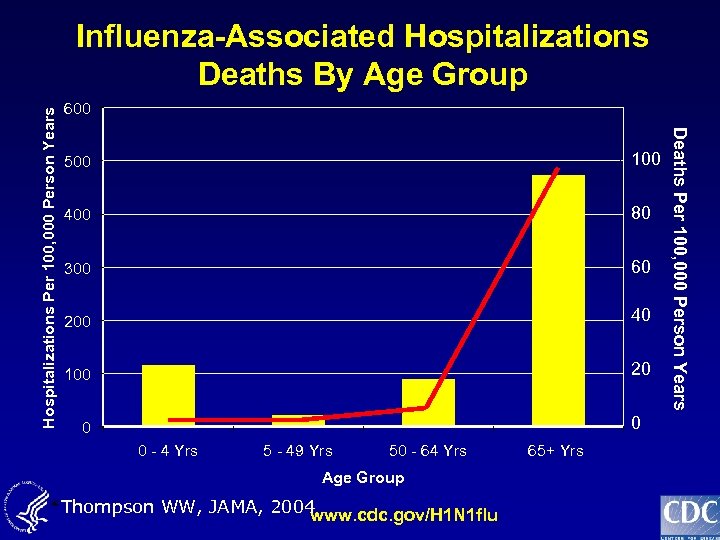 600 500 100 400 80 300 60 200 40 100 20 0 - 4 Yrs 5 - 49 Yrs 50 - 64 Yrs Age Group *Thompson WW, JAMA, 2004 www. cdc. gov/H 1 N 1 flu 65+ Yrs Deaths Per 100, 000 Person Years Hospitalizations Per 100, 000 Person Years Influenza-Associated Hospitalizations Deaths By Age Group
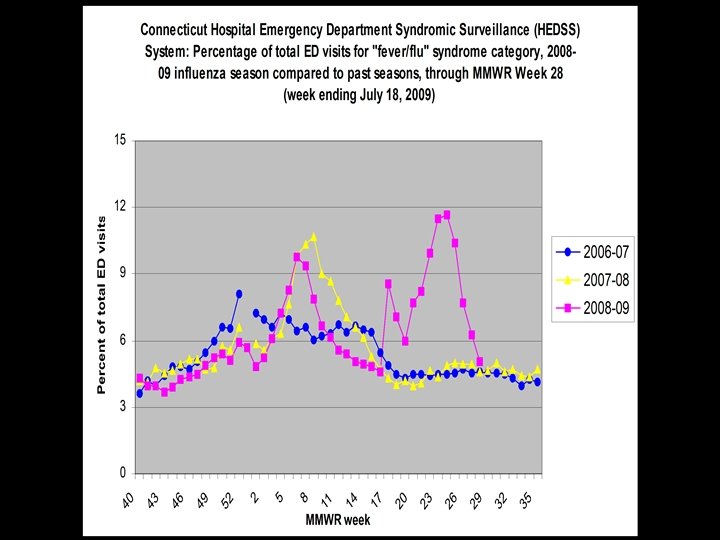
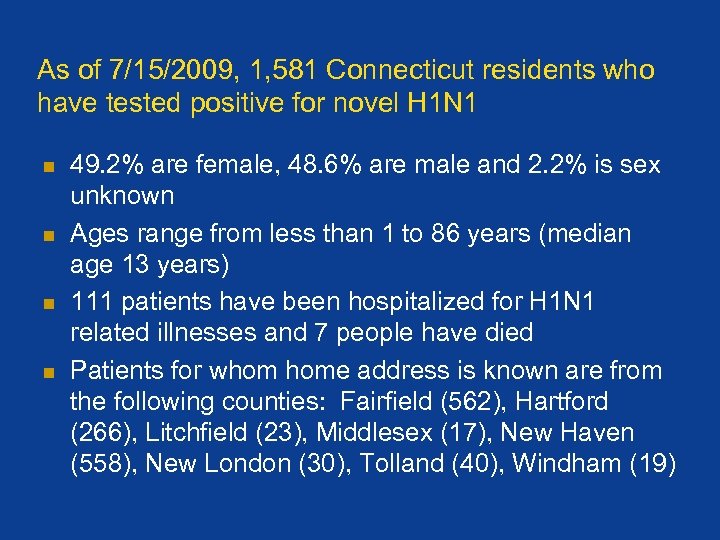 As of 7/15/2009, 1, 581 Connecticut residents who have tested positive for novel H 1 N 1 n n 49. 2% are female, 48. 6% are male and 2. 2% is sex unknown Ages range from less than 1 to 86 years (median age 13 years) 111 patients have been hospitalized for H 1 N 1 related illnesses and 7 people have died Patients for whom home address is known are from the following counties: Fairfield (562), Hartford (266), Litchfield (23), Middlesex (17), New Haven (558), New London (30), Tolland (40), Windham (19)

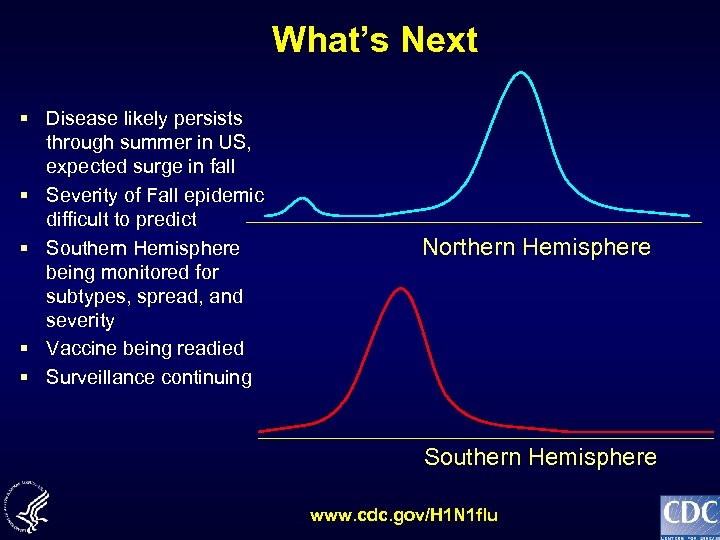 What’s Next § Disease likely persists through summer in US, expected surge in fall § Severity of Fall epidemic difficult to predict § Southern Hemisphere being monitored for subtypes, spread, and severity § Vaccine being readied § Surveillance continuing Northern Hemisphere Southern Hemisphere www. cdc. gov/H 1 N 1 flu
 Hurricanes and Pandemic Severity
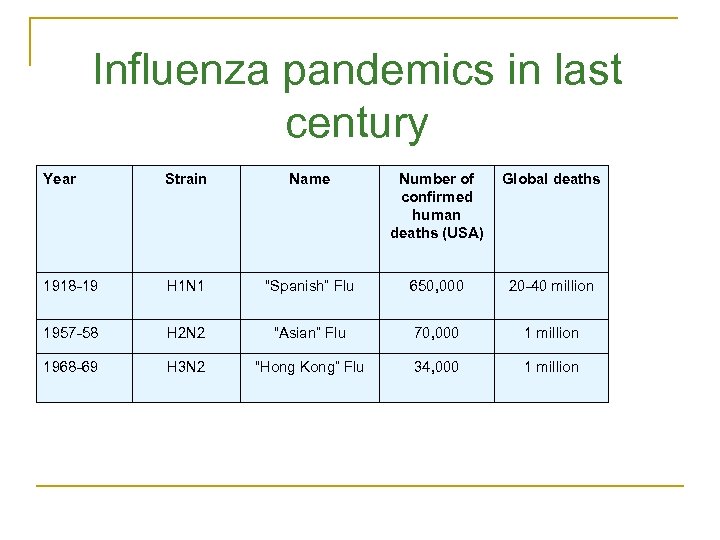 Influenza pandemics in last century Year Strain Name Number of confirmed human deaths (USA) Global deaths 1918 -19 H 1 N 1 “Spanish” Flu 650, 000 20 -40 million 1957 -58 H 2 N 2 “Asian” Flu 70, 000 1 million 1968 -69 H 3 N 2 “Hong Kong” Flu 34, 000 1 million
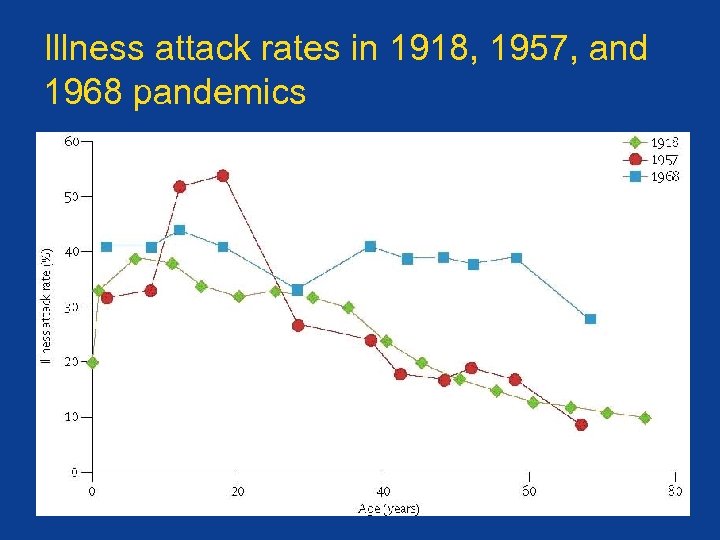 Illness attack rates in 1918, 1957, and 1968 pandemics
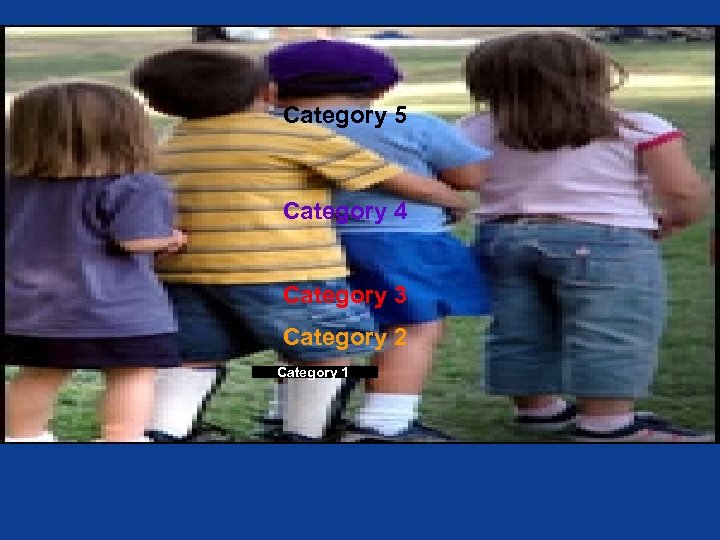
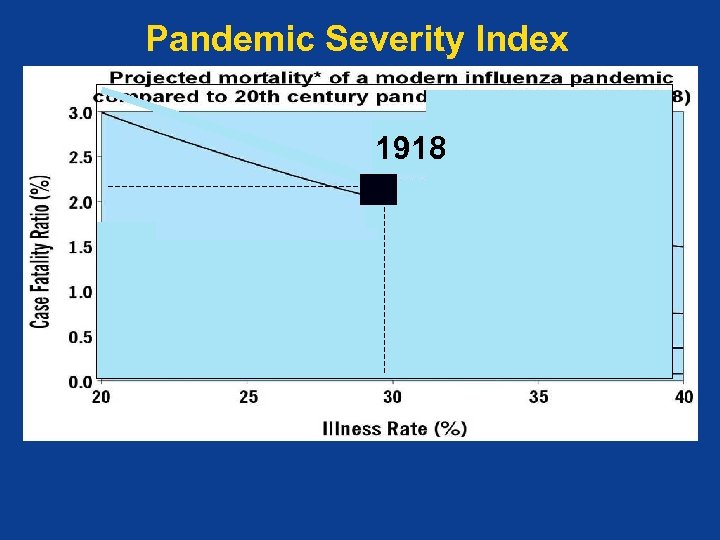 Pandemic Severity Index 1918
 8
8
 Category 5 Category 4 Category 3 Category 2 Category 1
 Most Likely Estimates of Potential Impact of an Influenza Pandemic with a 30% Illness Rate in CT Category 2 (1968 -like) Category 5 (1918 -like) Ill, No medical care 474, 089 422, 083 Outpatients 563, 647 504, 806 12, 451 102, 348 2, 902 23, 852 1, 053, 089 Hospitalizations Deaths Totals
 Role of Children & Schools
 Transmission Occurs Where People Spend a Lot of Time Together Workplace Household School
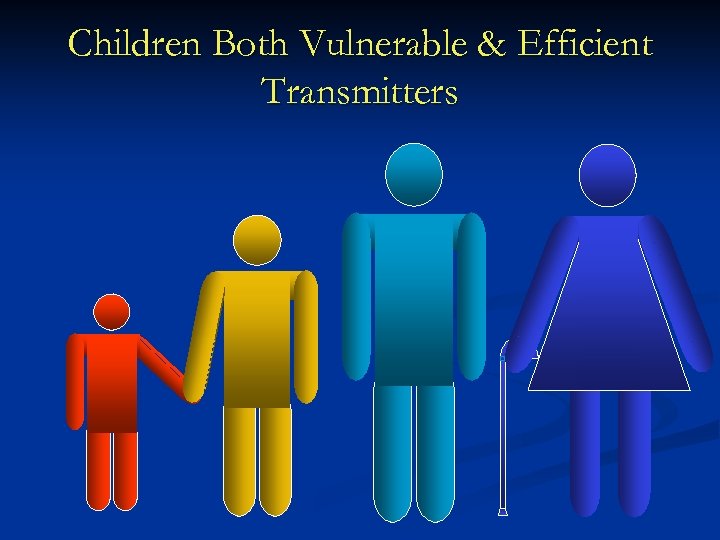 Children Both Vulnerable & Efficient Transmitters

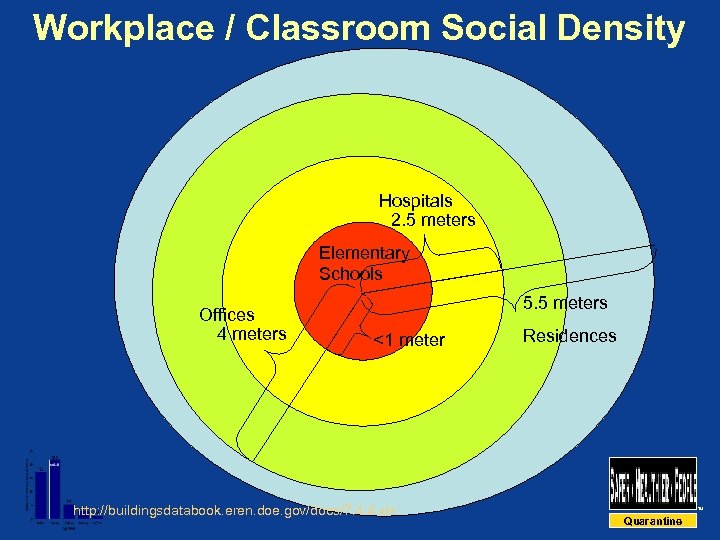 Workplace / Classroom Social Density Hospitals 2. 5 meters Elementary Schools Offices 4 meters 5. 5 meters <1 meter http: //buildingsdatabook. eren. doe. gov/docs/7. 4. 4. xls Residences TM Quarantine
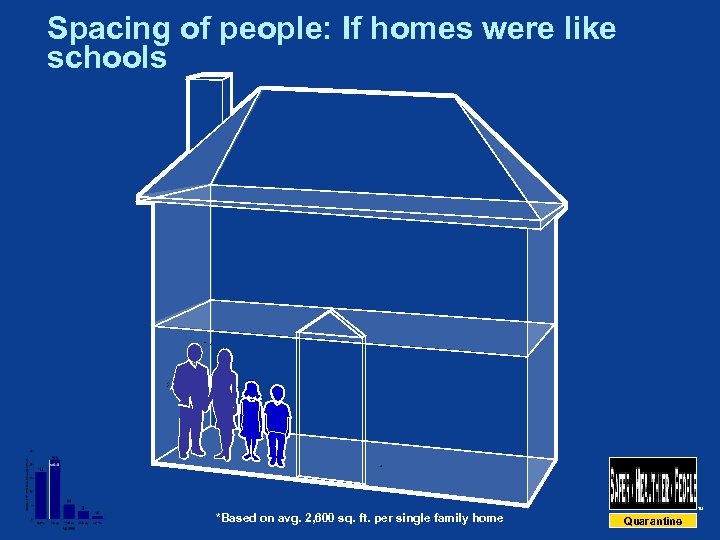 Spacing of people: If homes were like schools TM *Based on avg. 2, 600 sq. ft. per single family home Quarantine
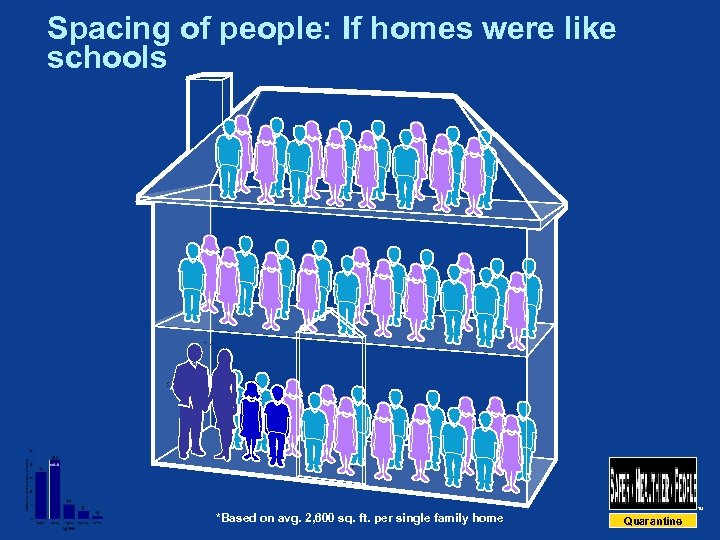 Spacing of people: If homes were like schools TM *Based on avg. 2, 600 sq. ft. per single family home Quarantine
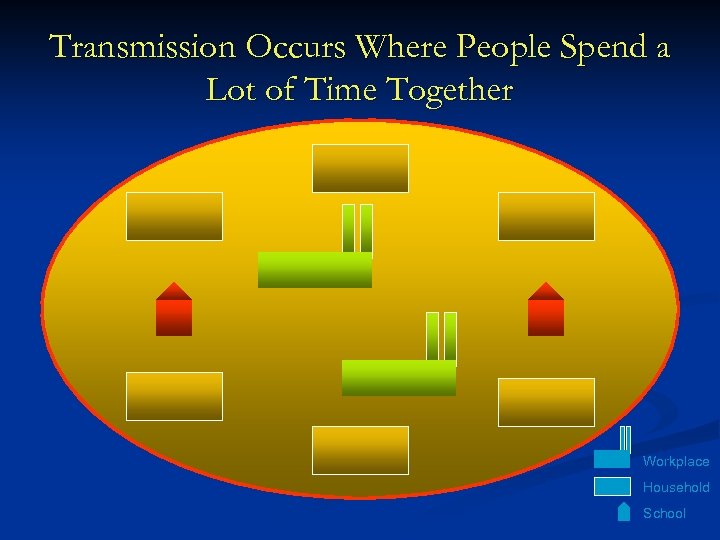
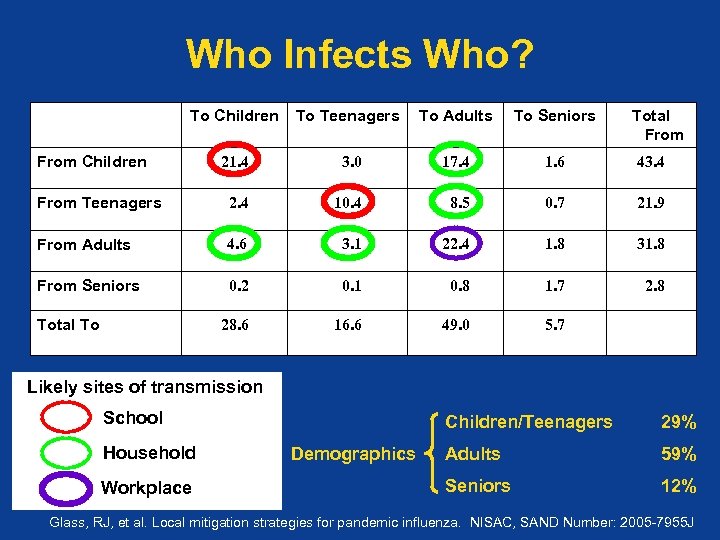 Who Infects Who? To Children To Teenagers To Adults To Seniors 21. 4 3. 0 17. 4 1. 6 43. 4 From Teenagers 2. 4 10. 4 8. 5 0. 7 21. 9 From Adults 4. 6 3. 1 22. 4 1. 8 31. 8 From Seniors 0. 2 0. 1 0. 8 1. 7 2. 8 28. 6 16. 6 49. 0 5. 7 From Children Total To Total From Likely sites of transmission School Household Workplace Children/Teenagers Demographics 29% Adults 59% Seniors 12% Glass, RJ, et al. Local mitigation strategies for pandemic influenza. NISAC, SAND Number: 2005 -7955 J
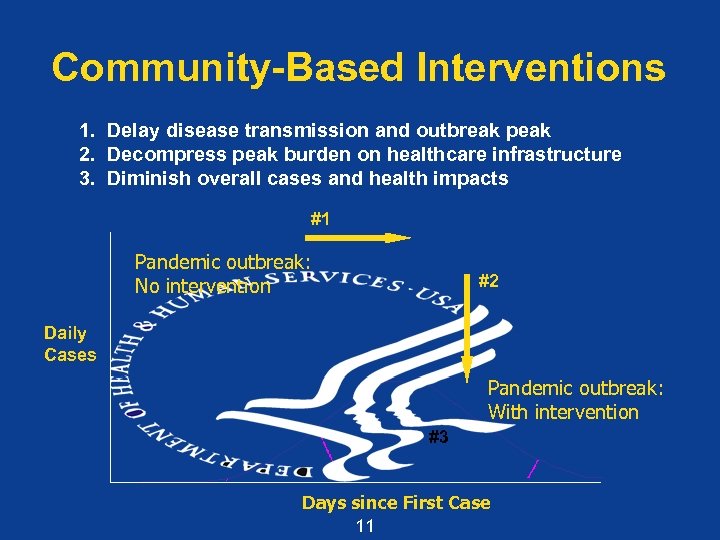 Community-Based Interventions 1. Delay disease transmission and outbreak peak 2. Decompress peak burden on healthcare infrastructure 3. Diminish overall cases and health impacts #1 Pandemic outbreak: No intervention #2 Daily Cases Pandemic outbreak: With intervention #3 Days since First Case 11
 Tools in Our Toolbox • • • Pandemic Vaccine • likely unavailable during the first wave of a pandemic Antiviral medications • Quantities • Distribution logistics • Efficacy / Resistance Social distancing and infection control measures
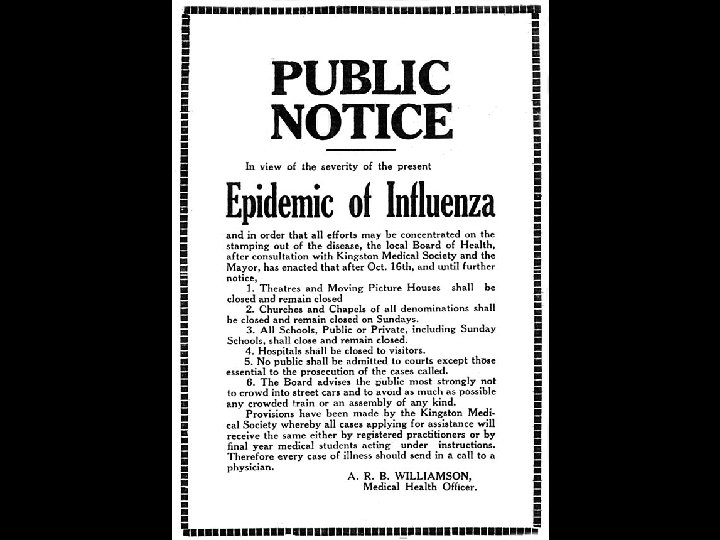
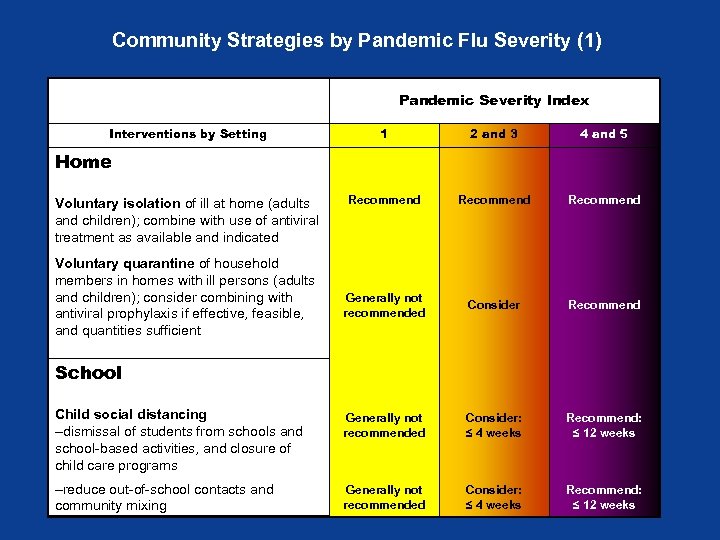 Community Strategies by Pandemic Flu Severity (1) Pandemic Severity Index Interventions by Setting 1 2 and 3 4 and 5 Recommend Generally not recommended Consider Recommend Child social distancing –dismissal of students from schools and school-based activities, and closure of child care programs Generally not recommended Consider: ≤ 4 weeks Recommend: ≤ 12 weeks –reduce out-of-school contacts and community mixing Generally not recommended Consider: ≤ 4 weeks Recommend: ≤ 12 weeks Home Voluntary isolation of ill at home (adults and children); combine with use of antiviral treatment as available and indicated Voluntary quarantine of household members in homes with ill persons (adults and children); consider combining with antiviral prophylaxis if effective, feasible, and quantities sufficient School
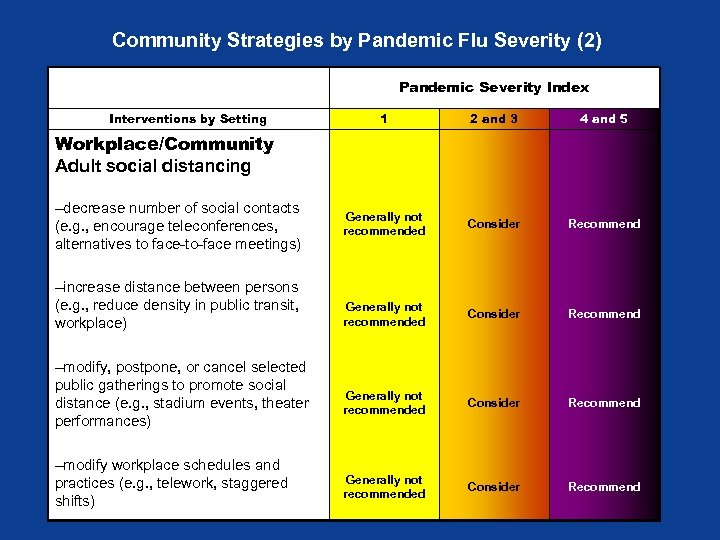 Community Strategies by Pandemic Flu Severity (2) Pandemic Severity Index Interventions by Setting 1 2 and 3 4 and 5 Generally not recommended Consider Recommend Workplace/Community Adult social distancing –decrease number of social contacts (e. g. , encourage teleconferences, alternatives to face-to-face meetings) –increase distance between persons (e. g. , reduce density in public transit, workplace) –modify, postpone, or cancel selected public gatherings to promote social distance (e. g. , stadium events, theater performances) –modify workplace schedules and practices (e. g. , telework, staggered shifts)
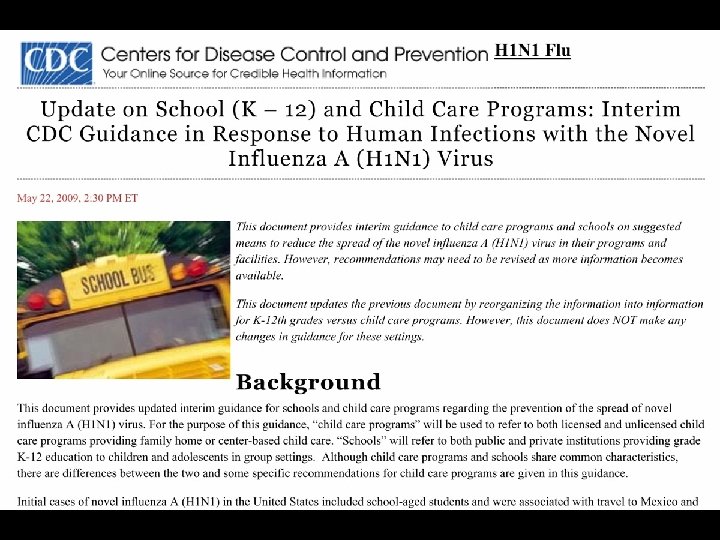
 Types of School Closure n n School Closure - Closing of a school and sending of all the children and staff home Class dismissal - A school remains open with administrative staff, but most children stay home Reactive closure - Closure of a school when many children, staff, or both are experiencing illness Proactive closure - Closure of a school or class dismissal before substantial transmission among the school children
 Possible Consequences of School Dismissal • Disruption of education • Parents staying home (work absenteeism) • School meal dependant children denied meals (nutrition, dual challenge to parental income – need to buy food but cant work and earn money) • -School meal supply interruption (support industry affected) • Children congregating in malls or streets
 Is School Closure Effective in Reducing the Impact of Flu Pandemics? • Early and prolonged school closure can substantially ease the burden on saturated hospitals by reducing the number of cases at the peak of the pandemic. • Intervention is unlikely to have a major impact on the total number of cases, is associated with high social and economical costs, and can potentially disrupt health care systems and other key services. • The final decision to close schools for prolonged periods should carefully consider the severity of the pandemic.
 Vaccine purchase, allocation, and distribution § Vaccine procured and purchased by US government § Vaccine will be allocated across states proportional to population § Vaccine will be sent to state-designated receiving sites: mix of local health departments and private settings www. cdc. gov/H 1 N 1 flu
 Vaccine planning assumptions: § Vaccine available starting mid-October § Initial amount: 40, 80, or 160 million doses over one month period § Subsequent weekly production: 10, 20 or 30 million doses § 2 doses required § Preservative free single dose syringes for young children and pregnant women www. cdc. gov/H 1 N 1 flu
 Vaccine planning assumptions: Populations to plan for: Students and staff (all ages) associated with schools (K-12) and children (age >6 m) and staff (all ages) in child care centers § Pregnant women, children 6 m-4 yrs, new parents and household contacts of children <6 months of age § Non-elderly adults (age <65) with medical conditions that increase risk of influenza § Health care workers and emergency services personnel www. cdc. gov/H 1 N 1 flu
 Delivery model Public health-coordinated effort that blends vaccination in public health-organized clinics and in the private sector (provider offices, workplaces, retail settings) Private sector providers who wish to administer H 1 N 1 vaccine will need to enter into an agreement with public health in order to receive vaccine www. cdc. gov/H 1 N 1 flu
 Public Health planning efforts § Reaching out to private providers (defined broadly) to assess interest in providing H 1 N 1 vaccine § Retail sector, pharmacists may be involved § Planning large scale clinics - Especially important for school-age children given limited private sector capacity www. cdc. gov/H 1 N 1 flu
 Issues for administration in provider offices § Storage capacity § Administering according to recommended age groups § Reporting doses administered early on § Insurance reimbursement for administration www. cdc. gov/H 1 N 1 flu
 Monitoring vaccine coverage § Initially, states will be required to report doses administered on a weekly basis § Transition to assessment via population surveys (BRFSS, NIS) www. cdc. gov/H 1 N 1 flu
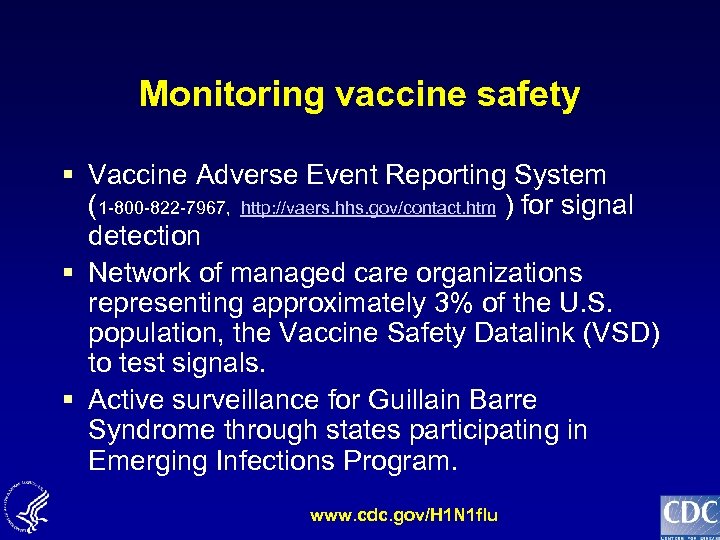 Monitoring vaccine safety § Vaccine Adverse Event Reporting System (1 -800 -822 -7967, http: //vaers. hhs. gov/contact. htm ) for signal detection § Network of managed care organizations representing approximately 3% of the U. S. population, the Vaccine Safety Datalink (VSD) to test signals. § Active surveillance for Guillain Barre Syndrome through states participating in Emerging Infections Program. www. cdc. gov/H 1 N 1 flu