 Скачать презентацию Northwestern Memorial Hospital Healthy Transitions Fall Program October
281dcbe46d7a59ea83cfe1727fffc511.ppt
- Количество слайдов: 42



Northwestern Memorial Hospital Healthy Transitions Fall Program October 7, 2013 Coronary Artery Disease: Diagnosis and Treatment Mark J. Ricciardi, MD Director, Interventional Cardiology and Cardiac Catheterization Northwestern Bluhm Cardiovascular Institute
Outline n n Coronary artery disease (CAD) basics Diagnosis of CAD – Cardiac Catheterization / Coronary Angiography n Treatment of CAD – Coronary Angioplasty / Stent – Past, present, future
Coronary Disease n Atherosclerosis – ‘Arteriosclerosis’ – Fatty buildup in lining of artery wall n Plaque – Impinges on flow n Reduces amount of blood and oxygen delivered to the heart muscle
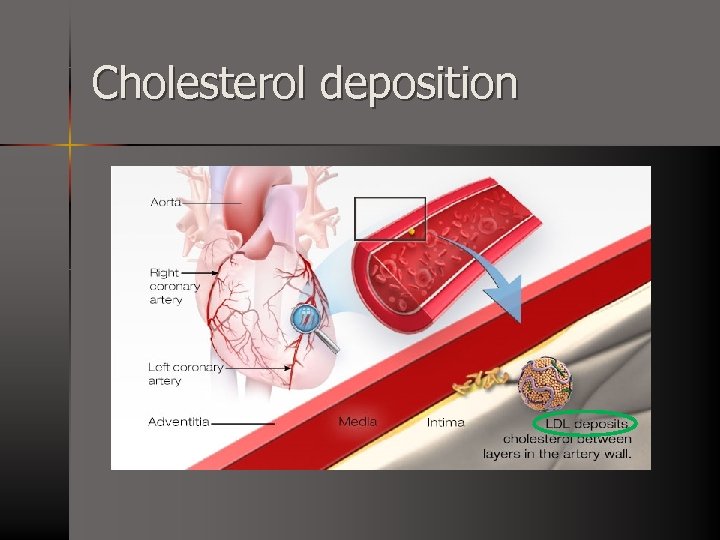
Cholesterol deposition
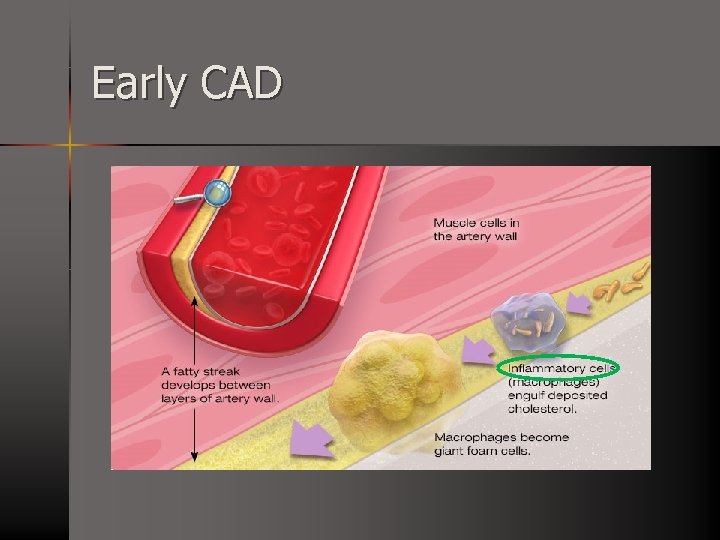
Early CAD
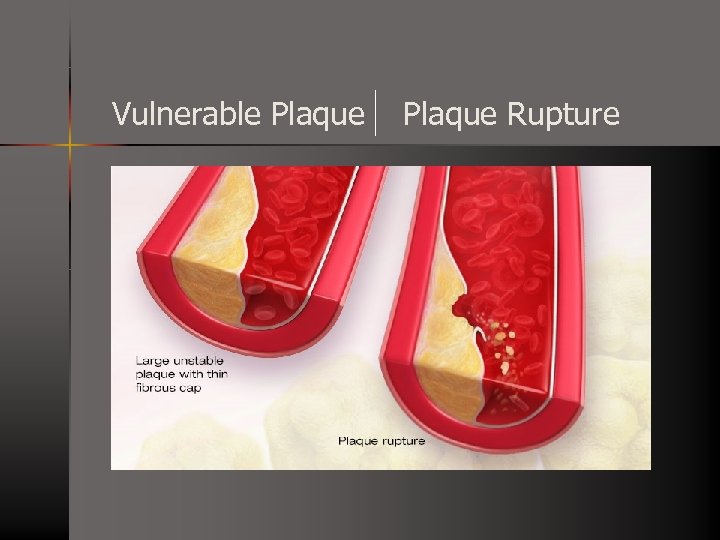
Vulnerable Plaque Rupture
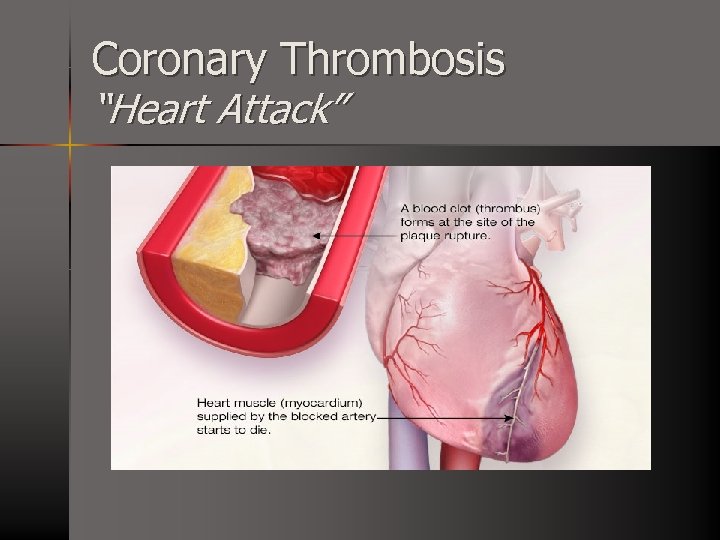
Coronary Thrombosis “Heart Attack”
CAD the goal… n is prevention – Primary prevention n Prevent early / sub-clinical stages n Heart healthy lifestyle – Starting in childhood n Medications – Targeted at high risk groups
Diagnosis of CAD n History – Symptoms – Angina
Diagnosis of CAD n History – Symptoms – Angina n Non-invasive imaging – Stress testing n provocation – CT angiogram n good, not great
Diagnosis of CAD n History – Symptoms – Angina n Non-invasive imaging – Stress testing – CT angiogram n Invasive imaging – Left heart catheterization / coronary angiography … the gold standard for Dx
Coronary Angiography Purposes n n Define coronary anatomy, and presence, absence, degree obstruction Most commonly used to: – determine extent of CAD – assess feasibility and appropriateness of mechanical revascularization
Catheterization
Catheterization
Coronary Angiography
Coronary Angiography
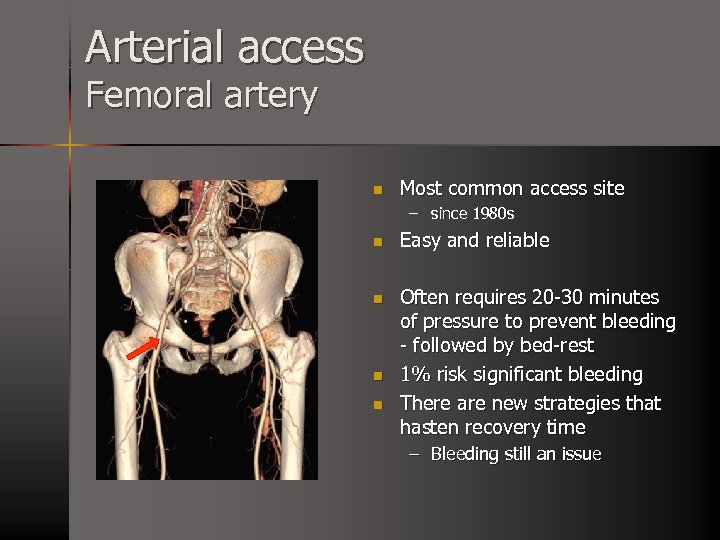
Arterial access Femoral artery n Most common access site – since 1980 s n Easy and reliable n Often requires 20 -30 minutes of pressure to prevent bleeding - followed by bed-rest 1% risk significant bleeding There are new strategies that hasten recovery time n n – Bleeding still an issue
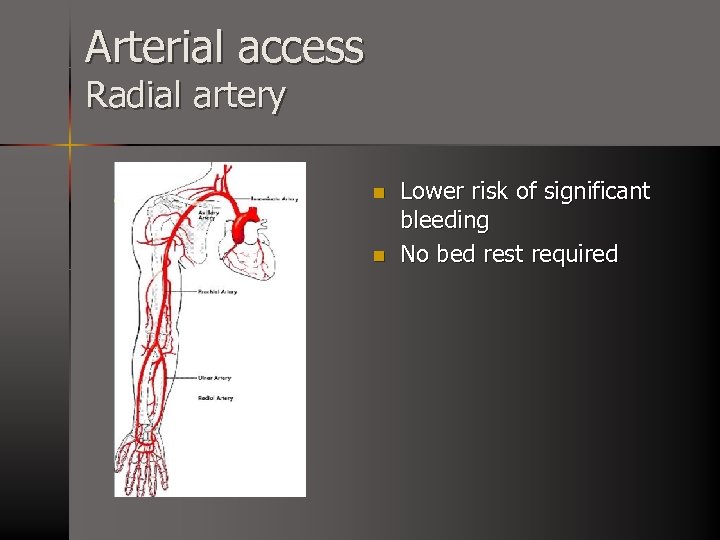
Arterial access Radial artery n n Lower risk of significant bleeding No bed rest required
Arterial access Radial artery
Arterial access Radial artery “Down side” -the learning curve
CAD Treatment
CAD Treatment The past…
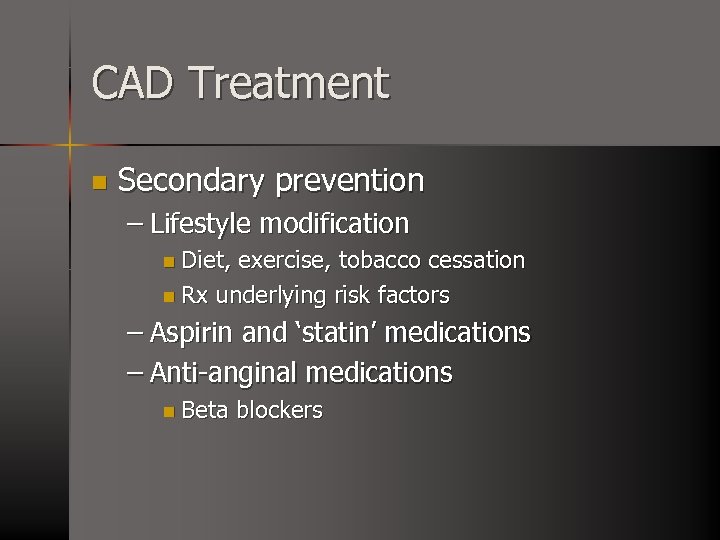
CAD Treatment n Secondary prevention – Lifestyle modification n Diet, exercise, tobacco cessation n Rx underlying risk factors – Aspirin and ‘statin’ medications – Anti-anginal medications n Beta blockers
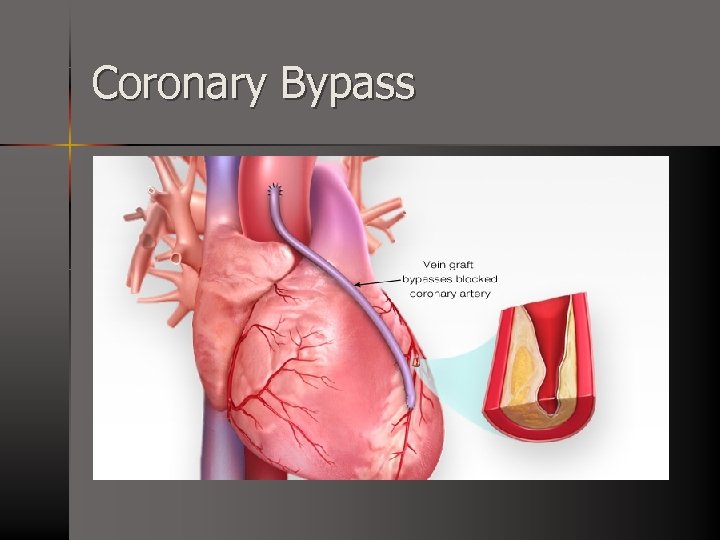
Coronary Bypass
Coronary Angioplasty
Coronary Angioplasty
Coronary Stenting
Coronary Stenting
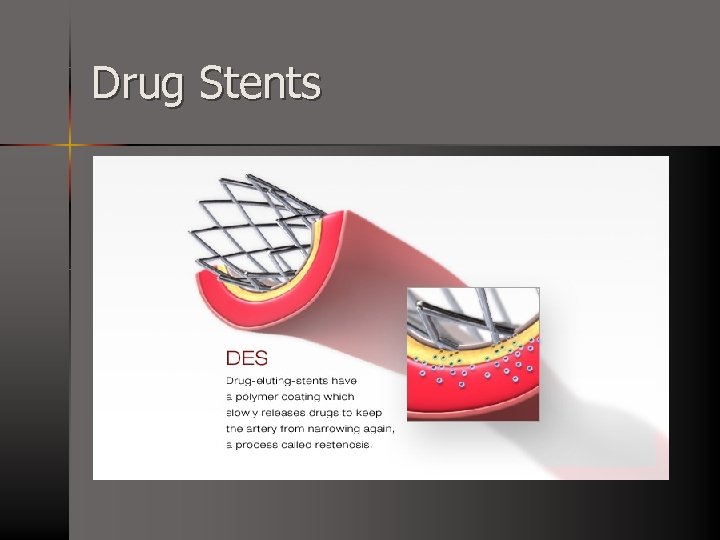
Drug Stents
Northwestern Memorial Hospital Cardiac Catheterization Center n Chicagoland’s First: – Coronary Stent (1990 s) – Drug eluting stent (early 2000 s)
Northwestern Memorial Hospital Cardiac Catheterization Center n Chicagoland’s First: – Coronary Stent (1990 s) – Drug eluting stent (early 2000 s) – Bio-absorbable stent (2013)
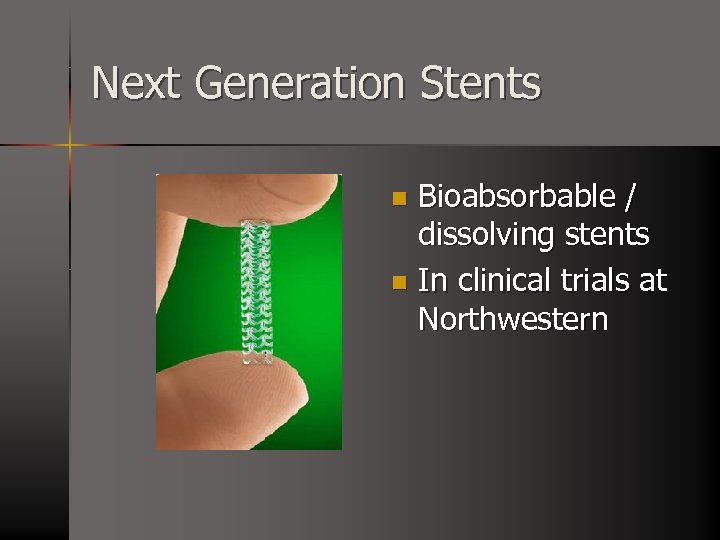
Next Generation Stents Bioabsorbable / dissolving stents n In clinical trials at Northwestern n
Conclusions n CAD – Sub-clinical plaque formation n Symptomatic CAD – Angina, heart attack – Non-invasive and invasive testing n CAD Treatment – Behavioral, pharmacologic, mechanical – NW big part of the past, present and future of CAD Rx
Questions? n http: //watchlearnlive. heart. org/CVML_Player. php? m odule. Select=angiog n http: //www. scai. org/Patient. Education/default. aspx

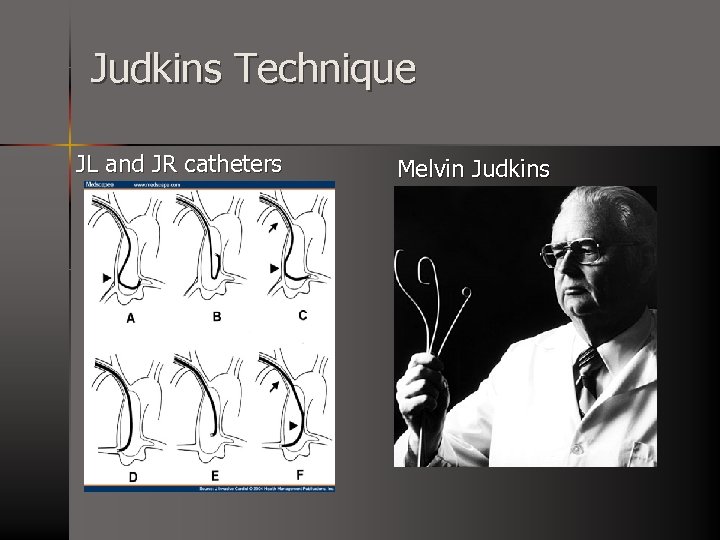
Judkins Technique JL and JR catheters Melvin Judkins
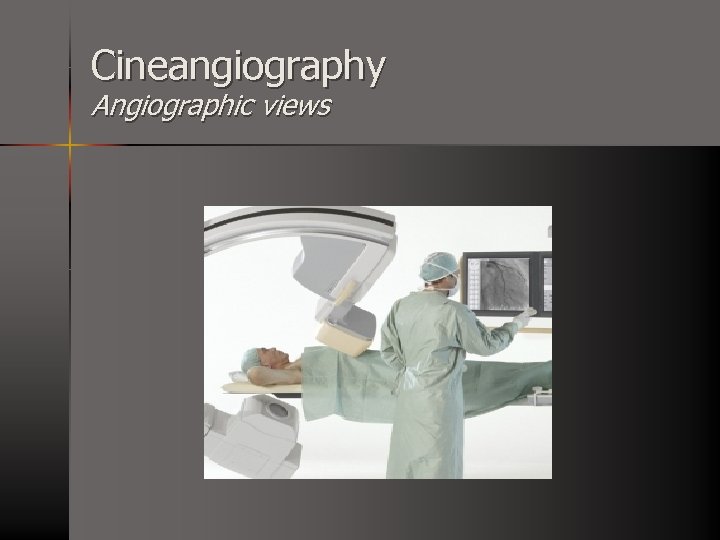
Cineangiography Angiographic views
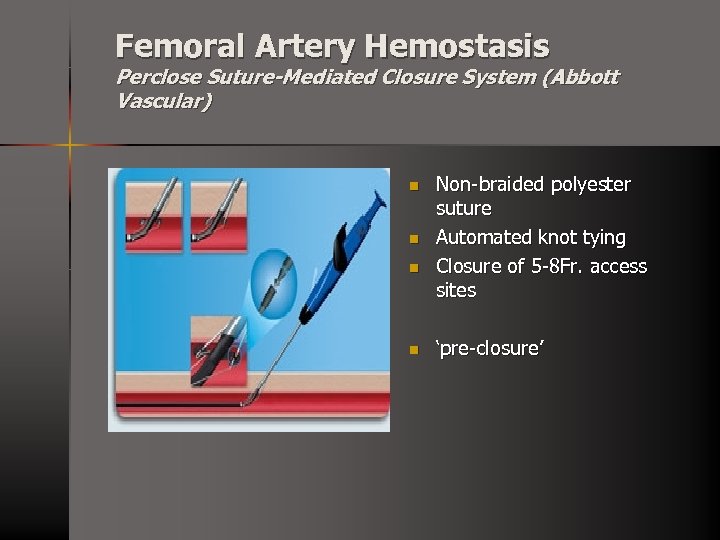
Femoral Artery Hemostasis Perclose Suture-Mediated Closure System (Abbott Vascular) n n Non-braided polyester suture Automated knot tying Closure of 5 -8 Fr. access sites ‘pre-closure’
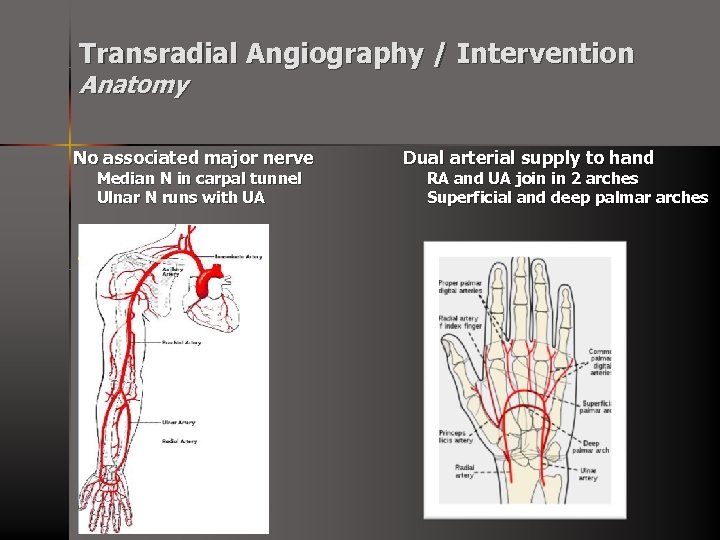
Transradial Angiography / Intervention Anatomy No associated major nerve Median N in carpal tunnel Ulnar N runs with UA Dual arterial supply to hand RA and UA join in 2 arches Superficial and deep palmar arches
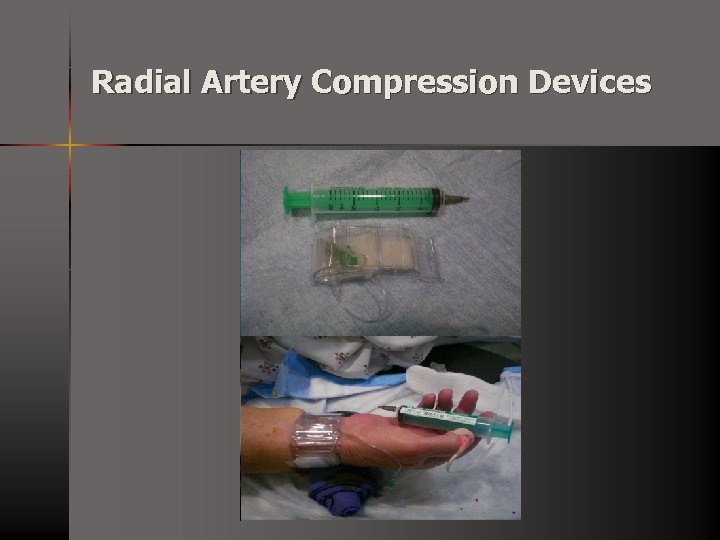
Radial Artery Compression Devices
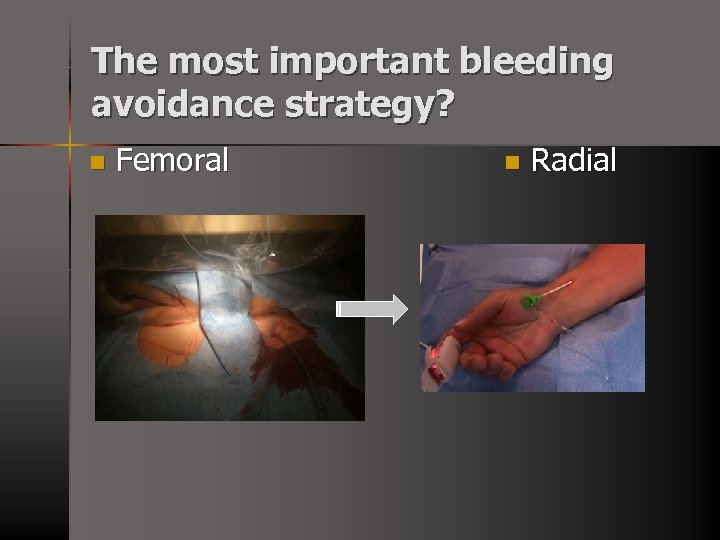
The most important bleeding avoidance strategy? n Femoral n Radial
Скачать презентацию Northwestern Memorial Hospital Healthy Transitions Fall Program October
281dcbe46d7a59ea83cfe1727fffc511.ppt