 Скачать презентацию NORTH CAROLINA CONGRESSIONAL UPDATE Julia Martin — Brustein
3b202403f668acb59a1bb3ec4535c1d8.ppt
- Количество слайдов: 31



NORTH CAROLINA CONGRESSIONAL UPDATE Julia Martin - Brustein & Manasevit, PLLC
Agenda The Budget ESEA Reauthorization Other Issues on the Horizon
The Budget
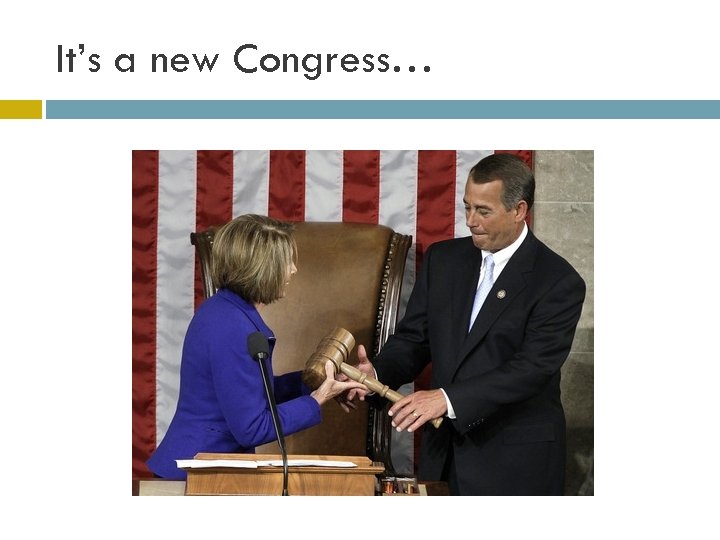
It’s a new Congress…
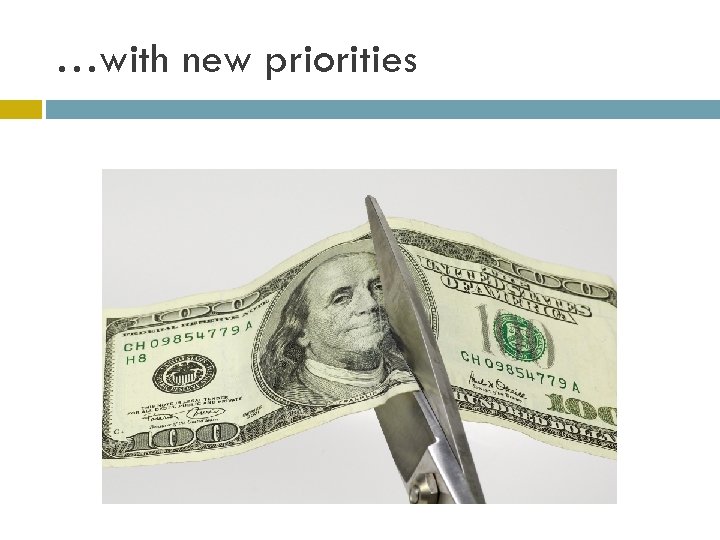
…with new priorities
Will there be a shutdown? The federal government can’t operate without explicit appropriations No budget for FY 2011 was passed in the 111 th Congress The current Congress has only passed “Continuing Resolutions” (CRs), temporary stop-gap spending measures. Congress has passed 3 CRs so far But many Republicans and Democrats say “no more!” Concerns about the “blame game”
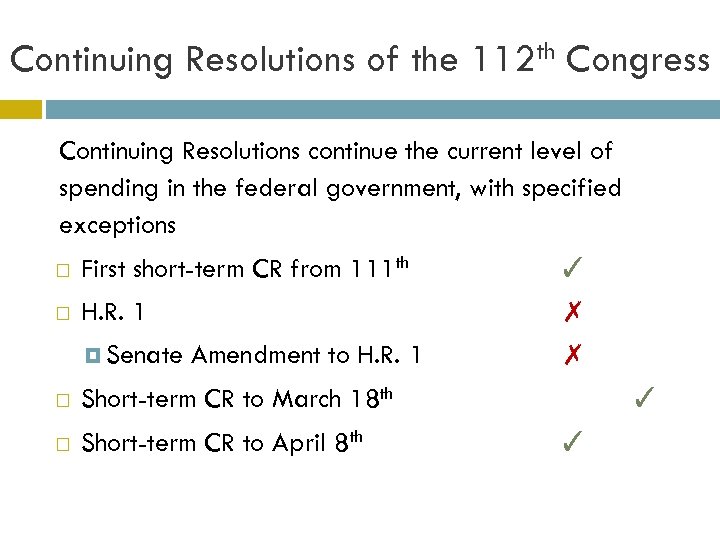
Continuing Resolutions of the 112 th Congress Continuing Resolutions continue the current level of spending in the federal government, with specified exceptions First short-term CR from 111 th ✓ H. R. 1 ✗ Senate Amendment to H. R. 1 Short-term CR to March 18 th Short-term CR to April 8 th ✗ ✓ ✓
H. R. 1 (proposed but not passed into law) First Proposed Republican Budget Passed in the House, failed in the Senate 56 program eliminations Includes Striving Readers, Even Start, Ready to Learn Television 10 Program Reductions Includes Title I, IDEA, Pell, TRIO, 21 st-Century Community Learning Centers Some changes on the floor Mc. Morris-Rodgers Amendment (IDEA) Kline/Hastings Amendment (Gainful Employment)
February’s Short-Term CR Ran through March 18 th (but $4 billion in cuts apply to full year) Cut funding to several programs Striving Readers Even Start Eliminated a number of other programs Ended federal funding for programs Teach for America Terminated earmarks from FY 2010 that would otherwise be in the budget
March Short-term CR Ran through April 8 th (but cuts apply to full year) Passed in Senate March 17 Three weeks, $6 billion in cuts No education cuts Growing dissatisfaction on both sides Conservative Republicans not enough policy riders and not enough cuts Democrats too many cuts
Will there be a shutdown? (Part 2) The current continuing resolution expires April 8 th Complicating matters: a new rule says bills must be posted for 72 hours before a vote (waived? ) Discussion continues – Democrats have offered $33 billion in cuts, including $2 billion in cuts to defense spending Speaker John Boehner says at least $12 billion more in cuts needed – proposed CR on the floor today Two White House meetings with Boehner and Senate Majority Leader Harry Reid (D-NV) but no compromise so far
Will there be a shutdown? (Part 2) Another Republican CR proposal (H. R. 1363) Funds DOD for another year (would provide military pay) Department of Education appears to be cut by approx. $391 million. Programs eliminations: Enhancing Education Through Technology ($100 million) Teaching American history: ($119 million) Emma Byrd Scholarships: ($1. 5 million) Demonstration projects to support postsecondary faculty, staff, and administrators in educating students with disabilities: ($6. 8 million) Underground Railroad program: ($0. 6 million) Rescinds $186 million in unobligated FY 10 funds from Striving Readers. Other unspecified cuts for programs in these accounts: School Improvement ($42. 7 million) Innovation and Improvement ($22. 2 million) Safe Schools and Citizenship ($20. 3 million) Vocational Rehabilitation ($23. 7 million) Career, Technical and Adult Education ($30. 9 million) Higher Education ($23. 2 million)
What’s in store for FY 2012? President’s FY 2012 budget proposal is also on the table Appropriations subcommittees examine proposal, hold hearings, come up with a bill that reflects their views Bills will be discussed and voted on in full committee Discussion and votes on the House and Senate floor Budget Committee Paul Ryan (R-WI) introduced proposed FY 2012 budget, passed out of committee $5. 8 trillion in cuts, including Medicaid, discretionary spending, and some tax code reforms Rolls back to FY 2006/2008 levels Van Hollen amendment – have to consider security cuts “No hope of passing” in Democratically-controlled Senate, but sets the tone for discussion
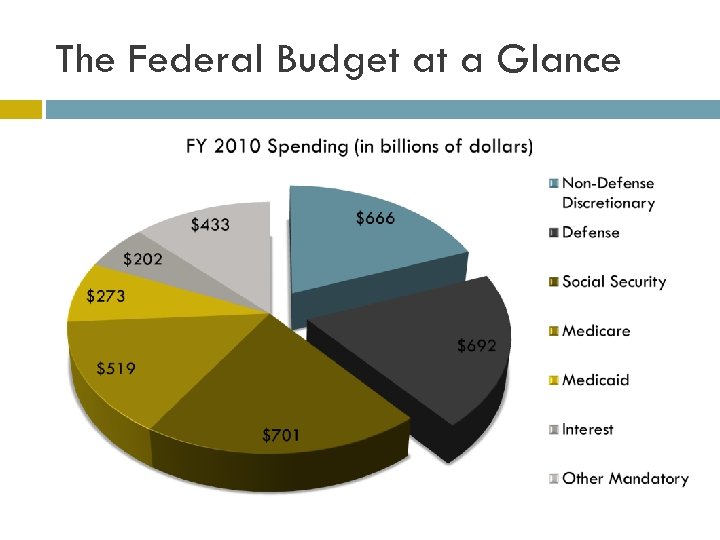
The Federal Budget at a Glance
What to watch for Entitlement Reform Proposal: slash Medicaid by $1 trillion over 10 years Proposal: Medicare reform Policy Riders “dealbreakers, ” according to White House NPR, Planned Parenthood, PBS Is the Republicans’ tent too big? Will Presidential politics play a part?
ESEA Reauthorization
The Major Players In the Senate: Chairman Tom Harkin (D-IA) Ranking Member Mike Enzi (R-WY) Senator Jeff Bingaman (D-NM) Senator Lamar Alexander (R-TN) Senator Michael Bennet (D-CO) Senator Kay Hagan (D-NC)
The Major Players In the House: Chairman John Kline (R-MN) Ranking Member George Miller (D-CA) Rep. Duncan Hunter (R-CA) Rep. Dale Kildee (D-MI) Speaker John Boehner (R-OH)
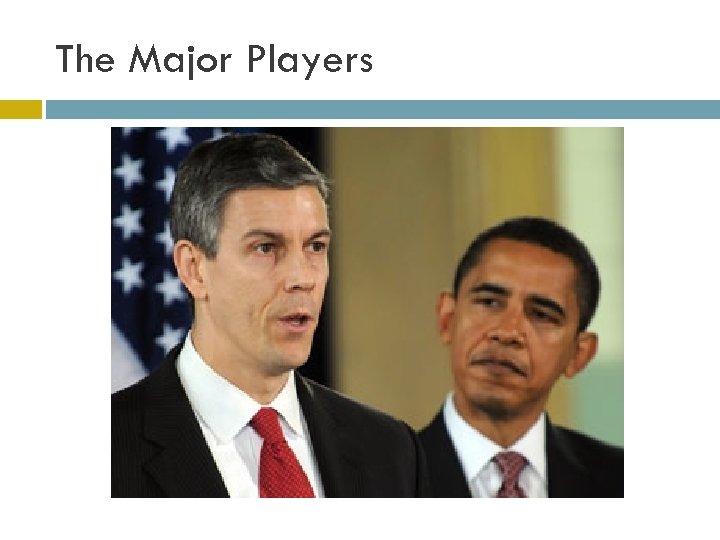
The Major Players
When will it happen? Harkin: we will see a draft by Easter (or Memorial Day) and have discussion on Senate floor this summer No more hearings Kline: not so fast Take the time to get it right A learning curve for new members Presidential politics playing a role? What if it doesn’t happen this year? Maybe not until after 2012 States will seek waivers – CCSSO letter
Major Issues for Reauthorization Role of the Federal Government Common Core/Common Standards Teachers Race to the Top Funding Smaller bills or one big bill?
The Role of the Federal Government Balancing states’ Rights and the 10 th amendment What can the federal government do, constitutionally? Government regulations and reporting requirements Too burdensome? Duplicative? Bennet/Alexander Is bill there a reason for them (“what gets measured gets done”)? Can we consolidate and streamline?
Common Core/Common Standards Part of Race to the Top – does that help or hurt? Best possible standards? Lack of community involvement? Too much government involvement? Common assessments?
Teachers How to measure effectiveness? How to better prepare teachers? Fairness in teacher distribution Teacher salaries Related: collective bargaining, labor laws, and union representation
Race to the Top One of the administration’s priorities - $900 million requested for FY 2012 Too much discretion to the Department of Education? Lack of support among states Only a few winners and a lot of losers
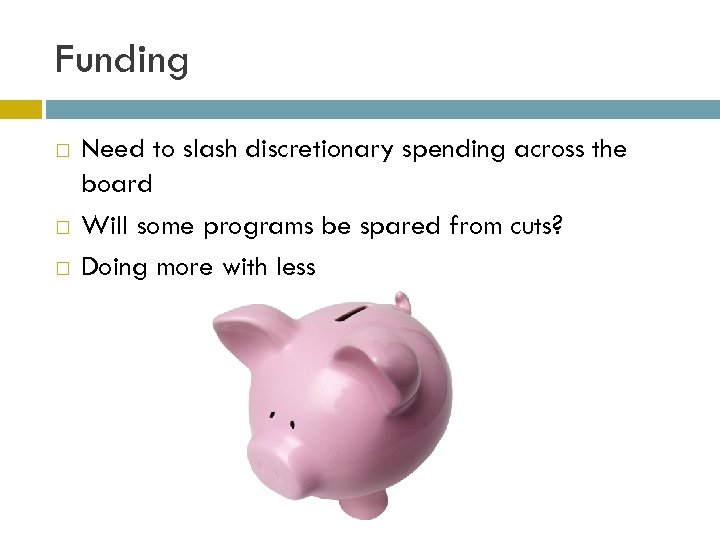
Funding Need to slash discretionary spending across the board Will some programs be spared from cuts? Doing more with less
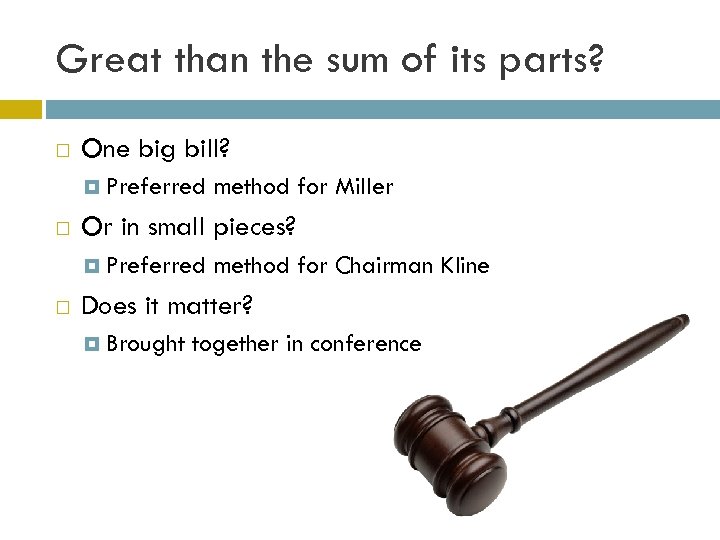
Great than the sum of its parts? One big bill? Preferred Or in small pieces? Preferred method for Miller method for Chairman Kline Does it matter? Brought together in conference
Other Issues on the Horizon
Other Issues on the Horizon Workforce Investment Act (WIA) Reauthorization is 8 years overdue Major issues: funding levels, consolidations, involvement with business community, faith-based partners Individuals with Disabilities Education Act (IDEA) Continued fight for full funding Regulatory Review All Committees called upon to review federal agency regulatory actions within their jurisdiction The Budget
Disclaimer This presentation is intended solely to provide general information and does not constitute legal advice or a legal service. This presentation does not create a client-lawyer relationship with Brustein & Manasevit, PLLC and, therefore, carries none of the protections under the D. C. Rules of Professional Conduct. Attendance at this presentation, a later review of any printed or electronic materials, or any follow-up questions or communications arising out of this presentation with any attorney at Brustein & Manasevit, PLLC does not create an attorney-client relationship with Brustein & Manasevit, PLLC. You should not take any action based upon any information in this presentation without first consulting legal counsel familiar with your particular circumstances.

Questions?
Скачать презентацию NORTH CAROLINA CONGRESSIONAL UPDATE Julia Martin — Brustein
3b202403f668acb59a1bb3ec4535c1d8.ppt